Learn how chiropractic care can alleviate discomfort and enhance your quality of life through joint and biomechanical restoration.
Chiropractic Care for Joint and Biomechanical Restoration: A Comprehensive Guide
Introduction
Picture this: you’re trying to open a stubborn jar, but your wrist won’t cooperate—it’s stiff, achy, and feels like it’s staging a protest. Now imagine your whole body acting like that jar, with joints creaking and muscles grumbling. That’s where chiropractic care comes in, like a skilled mechanic for your body’s framework. Chiropractic care focuses on diagnosing and treating mechanical disorders of the musculoskeletal system, particularly the spine, to restore joint function and improve overall biomechanics. This blog post delves into why chiropractic care can be a game-changer for joint health, explores the role of environmental factors in joint pain, and highlights why Dr. Alexander Jimenez stands out in El Paso for treating personal injury cases. We’ll sprinkle in a bit of humor to keep things light, but rest assured, the science and clinical insights are serious business.
This post draws on the expertise of Dr. Brandon Brock, a chiropractor and educator who teaches advanced techniques for joint restoration, and Dr. Alexander Jimenez, a leading practitioner in El Paso known for his work with accident victims. We’ll also incorporate scientific studies that examine the gut-brain axis and brain plasticity, illustrating how chiropractic care may impact more than just your aching back. By the end, you’ll have a clear picture of how chiropractic care works, why it matters, and when to seek professional help.
Section 1: The Science Behind Chiropractic Care
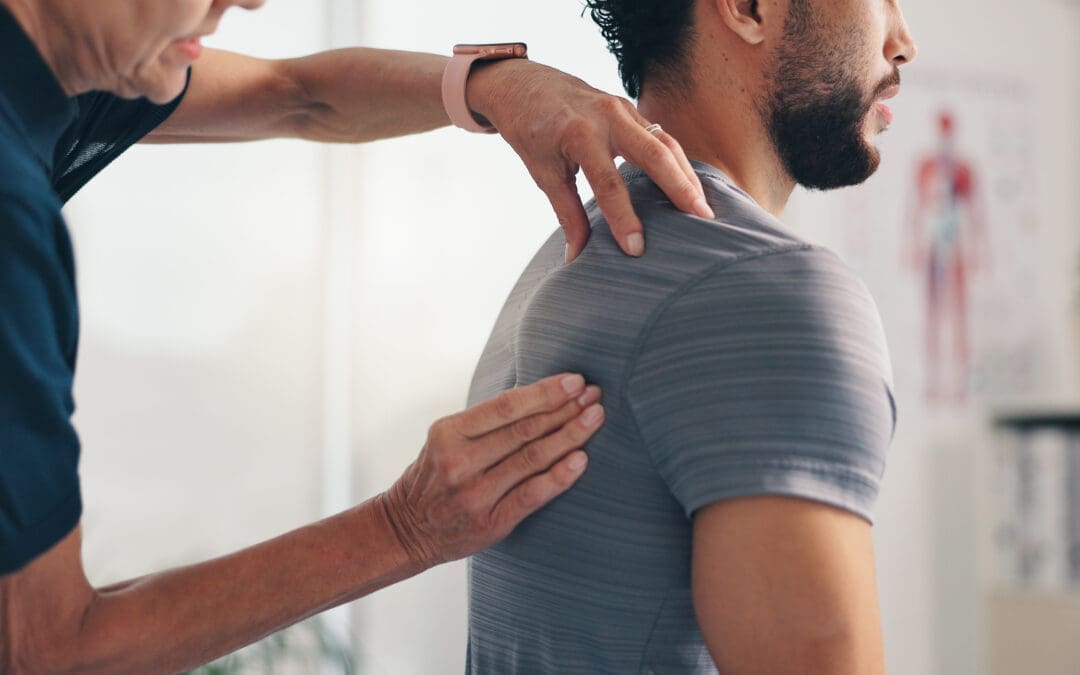
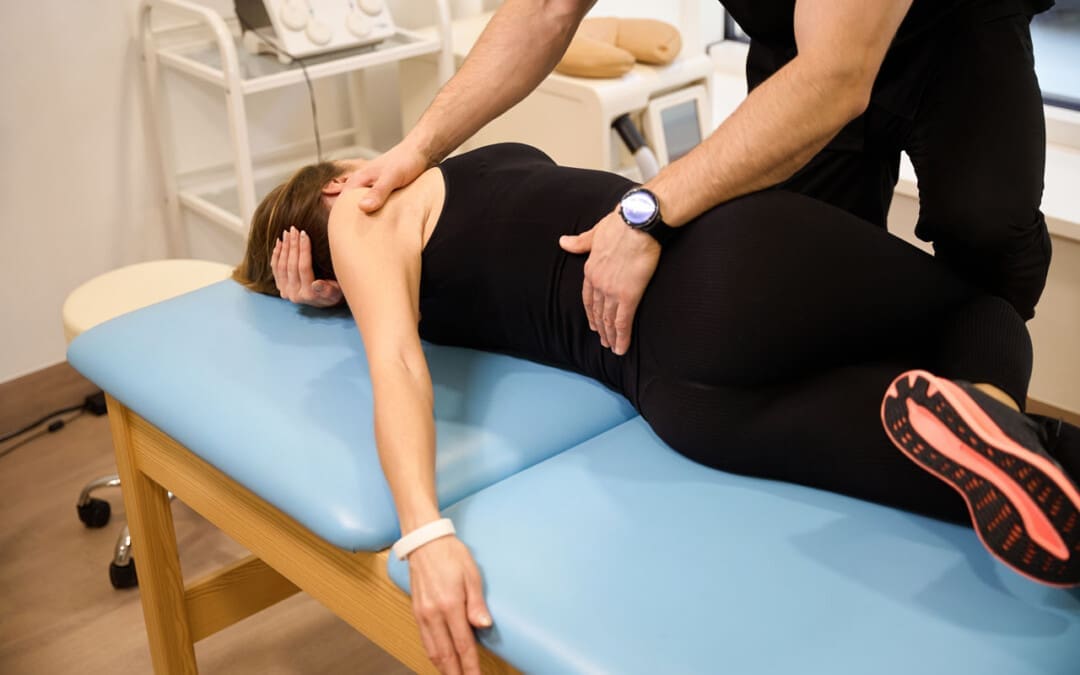
Chiropractic care is like giving your body a tune-up, focusing on the spine and joints to keep everything running smoothly. The core idea is that misalignments in the spine—called subluxations—can disrupt nerve signals, leading to pain, stiffness, or even problems in other parts of the body. Chiropractors use hands-on techniques, such as spinal manipulations, to correct these misalignments, aiming to restore proper function and alleviate discomfort.
Biomechanics of Spinal Manipulation
Let’s get a bit technical (but not too much—promise!). When a chiropractor performs an adjustment, they apply a quick, controlled force to a specific joint. This can cause a tiny “pop” (the satisfying sound you hear) due to gas bubbles collapsing in the synovial fluid within the joint, a process known as cavitation. Research shows that these adjustments can move vertebral bodies into a “para-physiological” zone, meaning they move just beyond their normal range without causing harm, thereby helping to restore mobility (Peterson & Bergmann, 2012). This movement can also trigger reflex responses in muscles far from the adjustment site, like a domino effect that eases tension throughout the body.
For example, if your lower back feels like a cranky old door hinge, an adjustment might loosen it up, reducing pain and improving your mobility. Studies suggest these changes can enhance joint function and even influence how your nervous system processes signals, potentially improving coordination (Haavik & Murphy, 2011). However, not every adjustment works miracles, and results depend on the patient’s condition and the chiropractor’s skill.
Mitochondria and Joint Health
Here’s where things get a bit sci-fi: your joints rely on tiny powerhouses called mitochondria to keep cells healthy. In conditions like osteoarthritis, where cartilage breaks down, mitochondrial dysfunction can exacerbate the condition by reducing energy production and increasing inflammation. Chiropractic care might help by reducing mechanical stress on joints, which could support mitochondrial health and slow joint degeneration (Blanco et al., 2011). Think of it like giving your joints a break from carrying a heavy backpack all day—less stress, better function.
References
Blanco, F. J., Rego, I., & Ruiz-Romero, C. (2011). The role of mitochondria in osteoarthritis. Nature Reviews Rheumatology, 7(3), 161-169. https://pubmed.ncbi.nlm.nih.gov/21173794/
Haavik, H., & Murphy, B. (2011). The role of spinal manipulation in addressing disordered sensorimotor integration and altered motor control. Journal of Electromyography and Kinesiology, 21(6), 961-976. https://pubmed.ncbi.nlm.nih.gov/20889343/
Peterson, D. H., & Bergmann, T. F. (2012). Chiropractic Technique: Principles and Procedures. Mosby.
Section 2: Environmental Factors and Joint Pain
Ever wonder why your knees complain after a long day at work or why your neck feels like it’s auditioning for a role as a rusty gate? Environmental factors—such as repetitive motions, poor posture, or even an uncomfortable chair—can put significant stress on your joints. Let’s break down how these factors contribute to joint pain and how chiropractic care can help.
Physical Stress and Repetitive Motions
If you’re lifting heavy boxes all day or typing like you’re racing to set a world record, your joints are taking a beating. Repetitive motions can strain muscles, ligaments, and tendons, leading to inflammation and pain. Athletes, construction workers, or even desk jockeys are all at risk. Chiropractic care can step in like a superhero, using adjustments to realign joints and reduce inflammation. For instance, a study found that spinal manipulative therapy can help ease low back pain caused by repetitive stress, improving mobility and reducing discomfort (Globe et al., 2009).
Poor Ergonomics and Lifestyle Factors
Your office chair might be your joints’ worst enemy. Slouching at a desk or craning your neck to stare at a phone can misalign your spine, putting pressure on joints. Add in environmental toxins—like pollutants that might increase inflammation—or a diet lacking key nutrients, and your joints are in for a rough ride. Chiropractors often pair adjustments with advice on ergonomics and nutrition to tackle these issues. Imagine your chiropractor as a coach, guiding you to sit up straight and eat foods that support your joints’ health (Seaman & Cleveland, 1997).
Table: Common Environmental Factors Affecting Joint Health
Factor
Impact on Joints
Chiropractic Solution
Repetitive Motions
Strains muscles and joints, causing inflammation
Adjustments to realign joints, reduce stress
Poor Posture
Misaligns spine, increases joint pressure
Spinal manipulations, posture advice
Environmental Toxins
May increase systemic inflammation
Nutritional counseling, lifestyle changes
Sedentary Lifestyle
Weakens muscles, stiffens joints
Exercise recommendations, mobility therapy
References
Globe, G., Morris, C., Whalen, W., Cashore, C., & Hinrichs, R. (2009). Biomechanical modeling assessment for spinal manipulative therapy: application to treating the low back using a flexion-distraction technique on an instrument-adjusting table. Chiropractic & Osteopathy, 17, 12. https://pubmed.ncbi.nlm.nih.gov/19954569/
Seaman, D. R., & Cleveland, C. (1997). Spinal pain syndromes: nociceptive, neuropathic, and psychologic mechanisms. Journal of Manipulative and Physiological Therapeutics, 20(2), 108-119. https://pubmed.ncbi.nlm.nih.gov/9046451/
Section 3: Personal Injury Cases and Dr. Alexander Jimenez
Car accidents can turn your body into a jigsaw puzzle with pieces scattered everywhere—muscles strained, ligaments sprained, and joints out of whack. In El Paso, Texas, Dr. Alexander Jimenez is like the master puzzle-solver for personal injury cases, helping accident victims put their bodies back together.
Expertise in Personal Injury
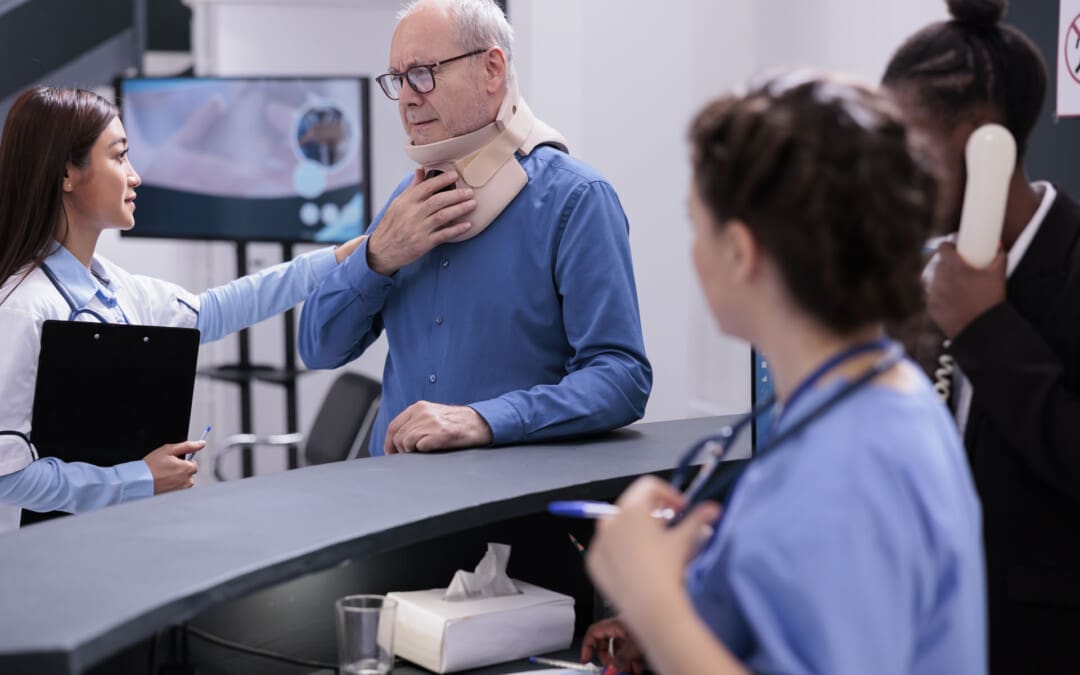
Dr. Jimenez, a chiropractor with advanced credentials, specializes in treating injuries from motor vehicle accidents (MVAs). His clinic, El Paso Back Clinic, offers a range of services to address musculoskeletal injuries, from whiplash to rotator cuff damage. He likely uses advanced imaging techniques, such as MRI or CT scans, to obtain a clear picture of the damage, ensuring that treatments are tailored to each patient’s specific needs. His role doesn’t stop at treatment—he also helps patients navigate the legal aspects, providing detailed documentation for insurance claims or court cases (El Paso Back Clinic, n.d.).
Advanced Diagnostics and Dual-Scope Procedures
While specific details on “dual-scope procedures” are scarce, Dr. Jimenez’s approach likely involves combining diagnostic tools—like imaging and physical exams—with chiropractic techniques to create a comprehensive treatment plan. For example, after a car accident, he might use an MRI to spot a herniated disc, then apply spinal adjustments to relieve pressure on nerves. This blend of high-tech diagnostics and hands-on care makes him a standout in El Paso, where personal injury cases are common due to the high volume of traffic on busy roads and highways.
Why El Paso Needs Experts Like Dr. Jimenez
El Paso’s bustling traffic means accidents happen, and injuries like whiplash or spinal misalignments are all too common. Dr. Jimenez’s ability to connect medical care with legal needs is akin to having a translator who speaks both the languages of “doctor” and “lawyer.” His work ensures patients get the care they need while building a strong compensation case, making him a vital resource for the community.
Section 4: The Gut-Brain Axis and Chiropractic Care
Now, let’s take a wild ride into the world of your gut—yes, that squishy, food-processing center might have more to do with your joints than you think! The gut-brain axis is the communication network between your digestive system and your brain, and it’s a hot topic in health research. Let’s explore how it might tie into chiropractic care.
Gut Health and Inflammation
Your gut is home to trillions of microbes that help regulate inflammation throughout your body. If those microbes get out of balance—say, due to a poor diet or stress—it can lead to systemic inflammation, which may cause your joints to feel like they’re in pain. Research suggests that a healthy gut microbiome can reduce inflammation, potentially easing joint pain (Cryan & Dinan, 2012). Chiropractic care might help by improving nervous system function, which could support better gut health through the vagus nerve, a key player in the gut-brain axis.
The Gut-Liver-Brain Connection
There’s also a broader gut-liver-brain axis, where imbalances can contribute to diseases affecting multiple systems. For example, a sluggish liver or an unhealthy gut may increase inflammation, placing additional stress on joints. While chiropractic care isn’t a direct treatment for liver or gut issues, adjustments may improve nerve signaling, potentially supporting overall health (Wang & Wang, 2016). It’s like giving your body’s communication system a better Wi-Fi signal—everything works a bit smoother.
References
Cryan, J. F., & Dinan, T. G. (2012). Mind-altering microorganisms: the impact of the gut microbiota on brain and behaviour. Nature Reviews Neuroscience, 13(10), 701-712. https://pubmed.ncbi.nlm.nih.gov/22968181/
Your brain is like a super-smart Play-Doh, constantly reshaping itself to adapt to new challenges. This ability, known as brain plasticity, is crucial for recovery from injuries, and chiropractic care may play a role in supporting it.
Brain Plasticity in Injury Recovery
When you injure your spine or joints, your brain has to rewire itself to cope with the changes. For example, after a spinal cord injury, the brain may reorganize to restore certain functions, such as movement or sensation. Studies show that therapies, including chiropractic adjustments, can support this process by improving nerve signaling and reducing pain, helping the brain adapt more effectively (Kalron et al., 2015).
Chiropractic’s Role in Neural Communication
Chiropractic adjustments might act like a reset button for your nervous system. By correcting spinal misalignments, they can reduce nerve irritation, potentially improving how your brain communicates with your body. Research suggests that spinal manipulations can activate sensory pathways, enhancing coordination and motor control (Pickar & Bolton, 2012). It’s like clearing static from a phone line so your brain and body can have a clearer conversation.
References
Kalron, A., Baransi, H., Magalashvili, D., & Gabai, A. (2015). Brain Plasticity and Functional Rehabilitation in Multiple Sclerosis. Neural Plasticity, 2015, 312941. https://pubmed.ncbi.nlm.nih.gov/26221186/
Pickar, J. G., & Bolton, P. S. (2012). Spinal manipulative therapy and somatosensory activation. Journal of Electromyography and Kinesiology, 22(5), 785-794. https://pubmed.ncbi.nlm.nih.gov/22483611/
The Role of Chiropractic Care in Improving Your Health- Video
Section 6: Dr. Brandon Brock’s Contributions
Dr. Brandon Brock is like the rock star of chiropractic education, blending his expertise as a chiropractor and nurse practitioner to teach others how to help patients. Based in Dallas, Texas, he holds a Doctorate in Family Nursing Practice from Duke University and a Doctorate in Chiropractic, with additional credentials in functional neurology and nutrition (Brock, n.d.).
Teaching Joint and Biomechanical Restoration
Through his seminars, Dr. Brock shares advanced techniques for examining and treating joint issues. He covers everything from orthopedic testing to soft tissue manipulation and even low-level laser therapy for neurological rehab. His approach is like a master chef’s recipe—combining science, hands-on skills, and a dash of creativity to help patients move better and feel better. His teachings emphasize understanding the “why, where, when, and how” of interventions, ensuring chiropractors can tailor treatments to each patient’s needs (NWHSU Continuing Education, n.d.).
Why His Work Matters
Dr. Brock’s focus on integrating neurology, nutrition, and chiropractic care underscores the holistic approach to joint restoration. By teaching chiropractors to consider the whole body—not just the sore spot—he’s helping to advance the field, making treatments more effective and personalized.
Chiropractic care doesn’t exist in a vacuum—it’s part of a broader health picture. Let’s explore some additional research that sheds light on why it works and how it connects to other aspects of health.
Low-Level Light Therapy
Low-level light therapy (LLLT) is like giving your cells a gentle pep talk with light. It’s been studied for its effects on the brain and eyes, potentially reducing inflammation and supporting healing. Some chiropractors, such as Dr. Brock, use LLLT in conjunction with adjustments to enhance joint and neurological recovery (Hamblin, 2016). It’s not a magic wand, but it might give your joints an extra boost.
Sex Hormones and Brain Function
Your hormones can influence how your brain and joints work together. For example, estrogen and testosterone influence brain function and inflammation, which may play a role in joint pain, particularly in conditions such as arthritis. Chiropractic care, by improving nervous system function, might indirectly help balance these effects, though more research is needed (Craft et al., 2015).
Posture and Neural Substrates
Good posture isn’t just about looking confident—it’s about keeping your brain and body in sync. Research shows that the brain’s neural substrates control posture, and spinal misalignments can disrupt this system. Chiropractic adjustments may help by restoring proper alignment and improving how your brain manages posture and movement (Kawasaki et al., 2017).
References
Craft, R. M., Mogil, J. S., & Aloisi, A. M. (2015). Understanding the broad influence of sex hormones and sex differences in the brain. Journal of Neuroscience Research, 93(1), 1-13. https://pubmed.ncbi.nlm.nih.gov/25257702/
Chiropractic care offers a promising approach to restoring joint function and improving biomechanics, backed by a growing body of research. From the biomechanical effects of spinal manipulations to the potential influence on the gut-brain axis and brain plasticity, chiropractors like Dr. Brandon Brock and Dr. Alexander Jimenez are pushing the boundaries of what this field can achieve. In El Paso, Dr. Jimenez’s expertise in personal injury cases underscores the real-world impact of chiropractic care, enabling accident victims to recover while navigating complex legal processes.
While we’ve added a touch of humor to make this journey through joints and spines more enjoyable, the information here is rooted in serious science and clinical practice. Chiropractic care isn’t a one-size-fits-all solution, and results can vary. Always consult a qualified healthcare professional to determine if it’s right for you.
Disclaimer: This blog post is for informational purposes only and is not a substitute for professional medical advice, diagnosis, or treatment. Always consult a licensed healthcare provider before starting any new therapy.
Experiencing a whiplash injury can be disorienting and painful. Can recognizing the signs of more serious complications, seeking timely medical intervention, and following a structured whiplash rehabilitation plan help individuals find relief and restore function and quality of life?
Whiplash Rehabilitation
For individuals who have recently been in an automobile accident, once the initial neck pain and stiffness have passed, it’s crucial to recognize potential delayed symptoms, such as nerve damage. While many recover quickly, some may experience prolonged symptoms requiring more aggressive treatment and management.
Neck Injury
Whiplash injuries result from sudden, forceful whipping back and forth of the head, commonly occurring in rear-end vehicle collisions, and are one of the most common neck injuries. Other potential causes include: (Johns Hopkins Medicine, 2024)
Following a healthcare provider’s recommendations regarding medication use, including dosage and duration, is critical to managing symptoms while effectively minimizing potential side effects.
Rehabilitation Steps
To determine the appropriate treatment whiplash rehabilitation plan, a healthcare provider will assess how much the pain affects daily life, including mental health and the ability to do regular activities (American Academy of Physical Medicine and Rehabilitation, 2024). X-rays or other imaging tests will be done to determine how serious the damage to the neck or spine is. Resting and icing the injured area are recommended to relieve inflammation. A provider may recommend slowly increasing neck movements several times daily and continuing with normal daily activities, as exercise will help maintain flexibility. Not moving the neck may prolong pain, stiffness, and healing. Physical therapy may be recommended if symptoms continue for over one or two weeks. (American Academy of Physical Medicine and Rehabilitation, 2024)
Symptoms last longer than the healthcare provider estimated
Other symptoms develop, like weakness, numbness, or a sensation of pins and needles.
Long-Term Injury Side Effects
Individuals in whiplash rehabilitation usually recover in a few weeks to months, but some may have longer-lasting pain as the injury can cause nerve damage. (Fundaun J. et al., 2022) Discuss any new or worsening symptoms with a healthcare provider for guidance. (Johns Hopkins Medicine, 2024)
Over-the-counter pain relievers, such as acetaminophen or NSAIDs.
Muscle relaxants for tightness and tension.
Prescription pain medications.
If pain becomes chronic, antidepressants such as serotonin and norepinephrine reuptake inhibitors may be prescribed. These medications can help manage pain and improve sleep quality. (Ferreira G. E. et al., 2023) For severe inflammation and pain, corticosteroid injections directly into the affected area can provide relief. Healthcare providers administer these injections, offering long-lasting effects. (Harvard Health Publishing, 2015)
Injury Medical Chiropractic and Functional Medicine Clinic
Navigating a whiplash injury can be challenging, but understanding the whiplash rehabilitation process can significantly aid in recovery. A healthcare provider can determine the most effective treatment strategies. It is important to talk with a healthcare provider to determine the cause and extent of the injury to provide individualized patient education regarding treatment. This can include physical therapy, rest, health coaching, medication, and surgery, which may be recommended in certain cases. Overcoming these limitations is possible. Injury Medical Chiropractic and Functional Medicine Clinic works with primary healthcare providers and specialists to develop an optimal health and wellness solution. We focus on what works for you to relieve pain, restore function, prevent injury, and help mitigate the pain through spinal adjustments that help the body realign itself. They can also work with other medical professionals to integrate a treatment plan to resolve musculoskeletal issues.
American Academy of Physical Medicine and Rehabilitation. (2024). Cervical whiplash. https://www.aapmr.org/about-physiatry/conditions-treatments/musculoskeletal-medicine/cervical-whiplash
Rush University Medical Center. (2014). 5 facts about whiplash. https://www.rush.edu/news/5-facts-about-whiplash
National Library of Medicine. MedlinePlus. (2024). Whiplash. Retrieved from https://medlineplus.gov/ency/imagepages/9853.htm
National Health Service NHS. (2023). Whiplash. https://www.nhs.uk/conditions/whiplash/
University of Rochester Medical Center. (2024). Whiplash injury. https://www.urmc.rochester.edu/encyclopedia/content.aspx?contenttypeid=85&contentid=p01388
National Library of Medicine. MedlinePlus. (2020). Pregabalin. Retrieved from https://medlineplus.gov/druginfo/meds/a605045.html
Fundaun, J., Kolski, M., Baskozos, G., Dilley, A., Sterling, M., & Schmid, A. B. (2022). Nerve pathology and neuropathic pain after whiplash injury: a systematic review and meta-analysis. Pain, 163(7), e789–e811. https://doi.org/10.1097/j.pain.0000000000002509
National Institute of Arthritis and Musculoskeletal and Skin Diseases. (2023). Back pain: diagnosis, treatment, and steps to take. Retrieved from https://www.niams.nih.gov/health-topics/back-pain/diagnosis-treatment-and-steps-to-take
Ferreira, G. E., Abdel-Shaheed, C., Underwood, M., Finnerup, N. B., Day, R. O., McLachlan, A., Eldabe, S., Zadro, J. R., & Maher, C. G. (2023). Efficacy, safety, and tolerability of antidepressants for pain in adults: overview of systematic reviews. BMJ (Clinical research ed.), 380, e072415. https://doi.org/10.1136/bmj-2022-072415
Harvard Health Publishing. (2015). New recommendations aim to improve safety of pain-relieving spinal steroid injections. Harvard Health Publishing
Harvard Medical School. https://www.health.harvard.edu/blog/new-recommendations-aim-to-improve-safety-of-pain-relieving-spinal-steroid-injections-201505077991
For individuals experiencing or managing low back pain and/or sciatica, can lumbar traction therapy help provide consistent relief?
Lumbar Traction
Lumbar traction therapy for lower back pain and sciatica could be a treatment option to help restore mobility and flexibility and safely support an individual’s return to an optimal level of activity. It is often combined with targeted therapeutic exercise. (Yu-Hsuan Cheng, et al., 2020) The technique stretches the space between the vertebrae in the lower spine, relieving lower back pain.
Lumbar or low back traction helps to separate the spaces between the vertebrae.
Separating the bones restores circulation and helps relieve the pressure on pinched nerves like the sciatic nerve, decreasing pain and improving mobility.
Research
Researchers say lumbar traction with exercise did not improve individual outcomes compared to physical therapy exercises on their own (Anne Thackeray et al., 2016). The study examined 120 participants with back pain and nerve root impingement who were randomly selected to undergo lumbar traction with exercises or simple exercises for pain. Extension-based exercises focused on bending the spine backward. This movement is considered effective for individuals with back pain and pinched nerves. The results indicated that adding lumbar traction to physical therapy exercises did not offer significant benefits over extension-based exercise alone for back pain. (Anne Thackeray et al., 2016)
A 2022 study found that lumbar traction is helpful for individuals with lower back pain. The study investigated two different lumbar traction techniques and found that variable-force lumbar traction and high-force lumbar traction helped to relieve lower back pain. High-force lumbar traction was also found to reduce functional disability. (Zahra Masood et al., 2022) Another study found lumbar traction improves the range of motion in the straight leg raise test. The study examined different forces of traction on herniated discs. All the levels improved the individuals’ range of motion, but the one-half body-weight traction setting was associated with the most significant pain relief. (Anita Kumari et al., 2021)
Treatment
For individuals with only low back pain, exercise, and postural correction may be all that is needed to provide relief. Research confirms physical therapy exercises can help decrease pain and improve mobility (Anita Slomski 2020). Another study revealed the importance of centralizing sciatic symptoms during repetitive movements. Centralization is moving the pain back to the spine, which is a positive sign that the nerves and discs are healing and occurs during therapeutic exercise. (Hanne B. Albert et al., 2012) A chiropractor and physical therapy team can educate patients on preventing back pain episodes. Chiropractors and physical therapists are body movement experts who can show which exercises are best for your condition. Starting an exercise program that centralizes symptoms can help individuals return to their normal lifestyle quickly and safely. Consult a healthcare provider before starting any exercise program for back pain.
Movement Medicine: Chiropractic
References
Cheng, Y. H., Hsu, C. Y., & Lin, Y. N. (2020). The effect of mechanical traction on low back pain in patients with herniated intervertebral disks: a systemic review and meta-analysis. Clinical rehabilitation, 34(1), 13–22. https://doi.org/10.1177/0269215519872528
Thackeray, A., Fritz, J. M., Childs, J. D., & Brennan, G. P. (2016). The Effectiveness of Mechanical Traction Among Subgroups of Patients With Low Back Pain and Leg Pain: A Randomized Trial. The Journal of orthopaedic and sports physical therapy, 46(3), 144–154. https://doi.org/10.2519/jospt.2016.6238
Masood, Z., Khan, A. A., Ayyub, A., & Shakeel, R. (2022). Effect of lumbar traction on discogenic low back pain using variable forces. JPMA. The Journal of the Pakistan Medical Association, 72(3), 483–486. https://doi.org/10.47391/JPMA.453
Kumari, A., Quddus, N., Meena, P. R., Alghadir, A. H., & Khan, M. (2021). Effects of One-Fifth, One-Third, and One-Half of the Bodyweight Lumbar Traction on the Straight Leg Raise Test and Pain in Prolapsed Intervertebral Disc Patients: A Randomized Controlled Trial. BioMed research international, 2021, 2561502. https://doi.org/10.1155/2021/2561502
Slomski A. (2020). Early Physical Therapy Relieves Sciatica Disability and Pain. JAMA, 324(24), 2476. https://doi.org/10.1001/jama.2020.24673
Albert, H. B., Hauge, E., & Manniche, C. (2012). Centralization in patients with sciatica: are pain responses to repeated movement and positioning associated with outcome or types of disc lesions?. European spine journal : official publication of the European Spine Society, the European Spinal Deformity Society, and the European Section of the Cervical Spine Research Society, 21(4), 630–636. https://doi.org/10.1007/s00586-011-2018-9
For individuals dealing with knee pain symptoms from injury and/or arthritis, can incorporating an acupuncture and/or electroacupuncture treatment plan help in pain relief and management?
Acupuncture For Knee Pain
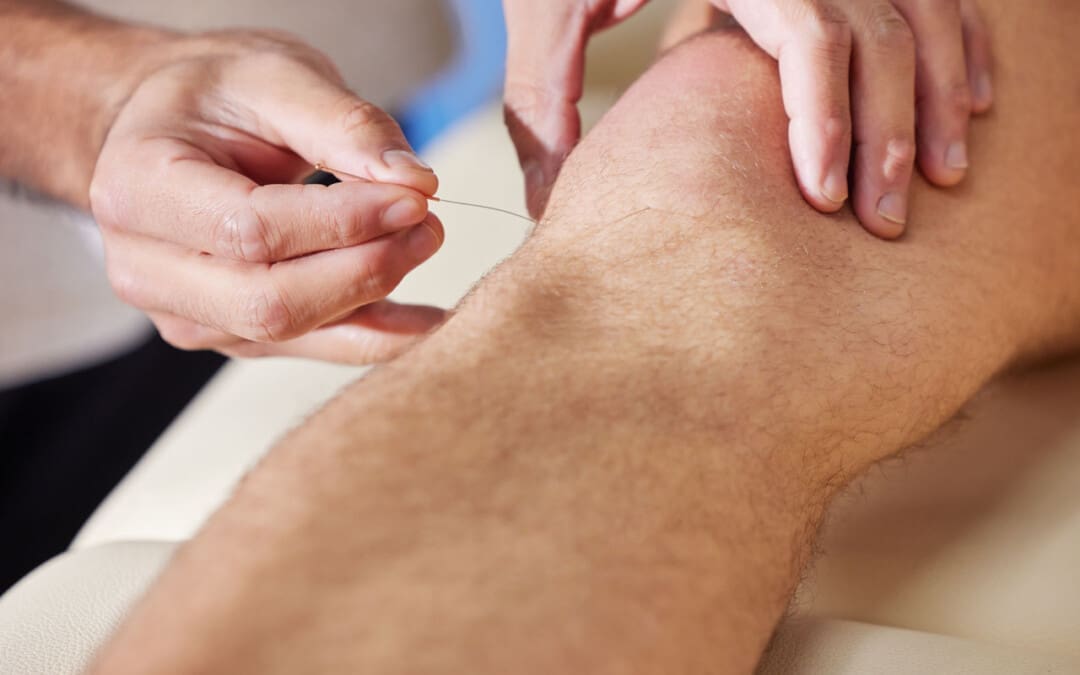
Acupuncture involves inserting very thin needles into the skin at specific acupoints on the body. It is based on the premise that the needles restore the flow of the body’s energy to activate and promote healing, relieve pain, and help the body relax.
Acupuncture can help address various health conditions, including knee pain caused by arthritis or injury.
Depending on the type and severity of pain, treatments can help reduce the pain for days or weeks.
Acupuncture is often used as a complementary therapy – treatment in addition to other treatment or therapy strategies like massage and chiropractic.
Acupuncture Benefits
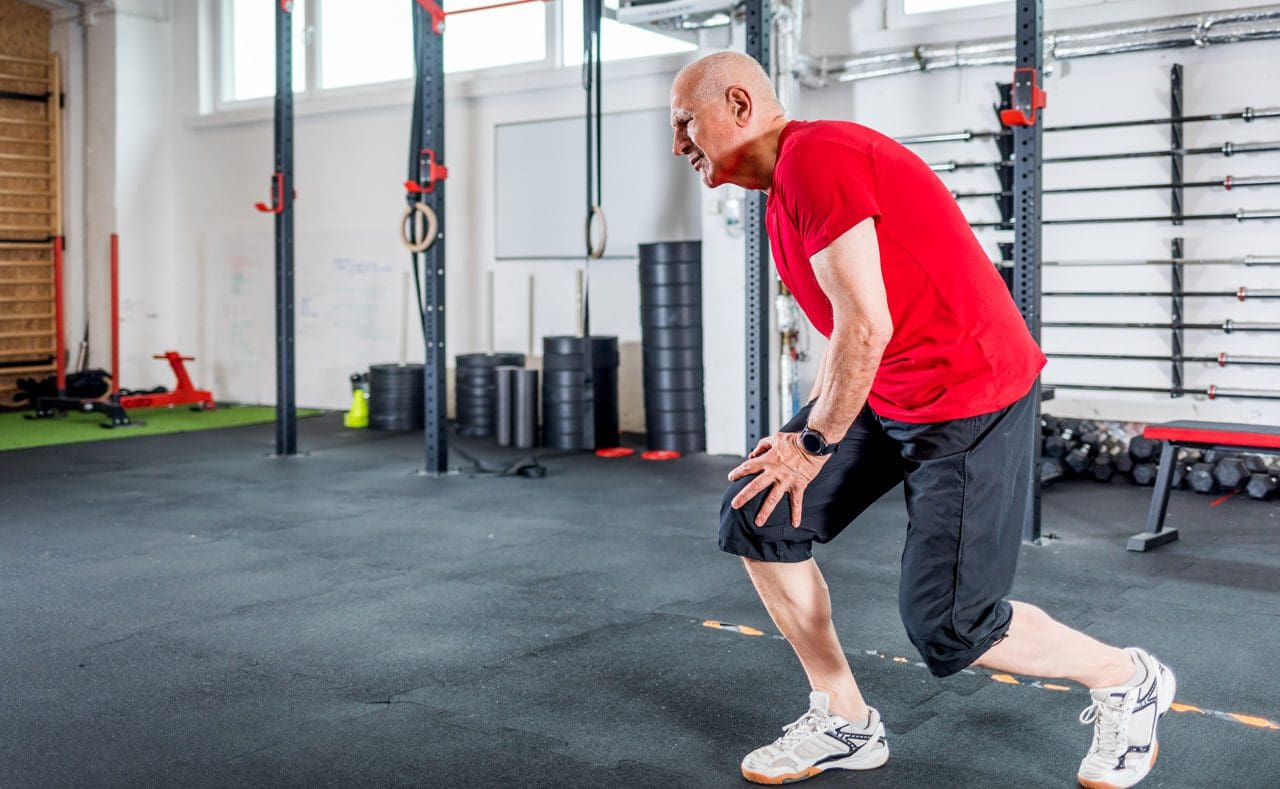
Knee pain caused by osteoarthritis or injury can reduce flexibility, mobility, and quality of life. Acupuncture can help provide relief.
When the acupuncture needles are placed on the body, a signal is sent along the spinal cord to the brain, which triggers a release of endorphins/pain hormones. Medical researchers believe this helps reduce pain. (Qian-Qian Li et al., 2013) Acupuncture also helps decrease the production of cortisol, a hormone that helps control inflammation. (Qian-Qian Li et al., 2013) With reduced pain sensations and less inflammation after acupuncture treatments, knee function and mobility can be improved.
Various factors play a role in the pain relief experienced from acupuncture. Some evidence suggests that an individual’s expectations may impact the results of acupuncture treatment. (Stephanie L. Prady et al., 2015)
Researchers are currently assessing whether the expectation that acupuncture is beneficial contributes to a better outcome after treatment. (Zuoqin Yang et al., 2021)
In 2019, acupuncture was recommended in treating knee osteoarthritis in the American College of Rheumatology/Arthritis Foundation guidelines for hand, hip, and knee osteoarthritis pain management. (Sharon L. Kolasinski et al., 2020)
Research
Different clinical studies support acupuncture’s ability to help in knee pain relief and management.
One study found that acupuncture helps manage various conditions that cause chronic pain. (Andrew J. Vickers et al., 2012)
A scientific review analyzed previous studies on pain management interventions after knee surgery and found supporting evidence that the treatments delayed and reduced the use of medications for pain relief post-surgery. (Dario Tedesco et al., 2017)
Osteoarthritis
A systematic review analyzed randomized control studies to determine whether or not acupuncture reduced pain and improved joint function in individuals with chronic osteoarthritis knee pain. (Xianfeng Lin et al., 2016)
Individuals received six to twenty-three weekly acupuncture sessions for three to 36 weeks.
The analysis determined that acupuncture can improve short and long-term physical function and mobility and provide up to 13 weeks of pain relief in individuals with chronic knee pain caused by osteoarthritis.
Rheumatoid Arthritis
Rheumatoid arthritis is a chronic disease that affects joints, including the knee joint, causing pain and stiffness.
Acupuncture is beneficial in treating rheumatoid arthritis/RA.
A review found that acupuncture alone and in combination with other treatment modalities benefits individuals with RA. (Pei-Chi, Chou Heng-Yi Chu 2018)
Acupuncture is believed to have anti-inflammatory and antioxidant effects to help regulate immune system function.
Chronic Knee Pain
Various conditions and injuries can cause chronic knee pain, making mobility difficult.
Individuals with joint pain often turn to complementary therapies for pain relief management, with acupuncture being one of the popular modalities. (Michael Frass et al., 2012)
Working with a licensed, professional acupuncture practitioner can reduce the risk of unwanted side effects and complications.
Types
Other acupuncture options that may be offered include:
Electroacupuncture
A modified form of acupuncture where a mild electrical current passes through the needles, providing additional stimulation to the acupoints.
In one research study, individuals with knee osteoarthritis reported significant improvements in their pain, stiffness, and physical function after electroacupuncture treatment. (Ziyong Ju et al., 2015)
Auricular
Auricular or ear acupuncture works on acupoints in the ear corresponding to the body’s different parts.
A research review analyzed several studies on auricular acupuncture for pain relief and found that it can provide relief within 48 hours of pain onset. (M. Murakami et al., 2017)
Battlefield Acupuncture
The military and veteran healthcare facilities use a unique form of auricular acupuncture for pain management.
Studies show that it is effective at providing immediate pain relief, but more research is necessary to determine long-term pain relief effectiveness. (Anna Denee Montgomery, Ronovan Ottenbacher 2020)
Before trying acupuncture, consult a healthcare professional for guidance, as it may be integrated with other therapies and lifestyle adjustments.
Overcoming an ACL Injury
References
Li, Q. Q., Shi, G. X., Xu, Q., Wang, J., Liu, C. Z., & Wang, L. P. (2013). Acupuncture effect and central autonomic regulation. Evidence-based complementary and alternative medicine : eCAM, 2013, 267959. https://doi.org/10.1155/2013/267959
Prady, S. L., Burch, J., Vanderbloemen, L., Crouch, S., & MacPherson, H. (2015). Measuring expectations of benefit from treatment in acupuncture trials: a systematic review. Complementary therapies in medicine, 23(2), 185–199. https://doi.org/10.1016/j.ctim.2015.01.007
Yang, Z., Li, Y., Zou, Z., Zhao, Y., Zhang, W., Jiang, H., Hou, Y., Li, Y., & Zheng, Q. (2021). Does patient’s expectation benefit acupuncture treatment?: A protocol for systematic review and meta-analysis. Medicine, 100(1), e24178. https://doi.org/10.1097/MD.0000000000024178
Kolasinski, S. L., Neogi, T., Hochberg, M. C., Oatis, C., Guyatt, G., Block, J., Callahan, L., Copenhaver, C., Dodge, C., Felson, D., Gellar, K., Harvey, W. F., Hawker, G., Herzig, E., Kwoh, C. K., Nelson, A. E., Samuels, J., Scanzello, C., White, D., Wise, B., … Reston, J. (2020). 2019 American College of Rheumatology/Arthritis Foundation Guideline for the Management of Osteoarthritis of the Hand, Hip, and Knee. Arthritis care & research, 72(2), 149–162. https://doi.org/10.1002/acr.24131
Vickers, A. J., Cronin, A. M., Maschino, A. C., Lewith, G., MacPherson, H., Foster, N. E., Sherman, K. J., Witt, C. M., Linde, K., & Acupuncture Trialists’ Collaboration (2012). Acupuncture for chronic pain: individual patient data meta-analysis. Archives of internal medicine, 172(19), 1444–1453. https://doi.org/10.1001/archinternmed.2012.3654
Tedesco, D., Gori, D., Desai, K. R., Asch, S., Carroll, I. R., Curtin, C., McDonald, K. M., Fantini, M. P., & Hernandez-Boussard, T. (2017). Drug-Free Interventions to Reduce Pain or Opioid Consumption After Total Knee Arthroplasty: A Systematic Review and Meta-analysis. JAMA surgery, 152(10), e172872. https://doi.org/10.1001/jamasurg.2017.2872
Lin, X., Huang, K., Zhu, G., Huang, Z., Qin, A., & Fan, S. (2016). The Effects of Acupuncture on Chronic Knee Pain Due to Osteoarthritis: A Meta-Analysis. The Journal of bone and joint surgery. American volume, 98(18), 1578–1585. https://doi.org/10.2106/JBJS.15.00620
Chou, P. C., & Chu, H. Y. (2018). Clinical Efficacy of Acupuncture on Rheumatoid Arthritis and Associated Mechanisms: A Systemic Review. Evidence-based complementary and alternative medicine : eCAM, 2018, 8596918. https://doi.org/10.1155/2018/8596918
Frass, M., Strassl, R. P., Friehs, H., Müllner, M., Kundi, M., & Kaye, A. D. (2012). Use and acceptance of complementary and alternative medicine among the general population and medical personnel: a systematic review. Ochsner journal, 12(1), 45–56.
Hinman, R. S., McCrory, P., Pirotta, M., Relf, I., Forbes, A., Crossley, K. M., Williamson, E., Kyriakides, M., Novy, K., Metcalf, B. R., Harris, A., Reddy, P., Conaghan, P. G., & Bennell, K. L. (2014). Acupuncture for chronic knee pain: a randomized clinical trial. JAMA, 312(13), 1313–1322. https://doi.org/10.1001/jama.2014.12660
National Center for Complementary and Integrative Health. (2022). Acupuncture in depth. National Center for Complementary and Integrative Health. https://www.nccih.nih.gov/health/acupuncture-what-you-need-to-know
Harvard Medical School. (2023). Acupuncture: what is it? Harvard Health Publishing Harvard Medical School Blog. https://www.health.harvard.edu/a_to_z/acupuncture-a-to-z#:~:text=The%20most%20common%20side%20effects,injury%20to%20an%20internal%20organ.
Ju, Z., Guo, X., Jiang, X., Wang, X., Liu, S., He, J., Cui, H., & Wang, K. (2015). Electroacupuncture with different current intensities to treat knee osteoarthritis: a single-blinded controlled study. International journal of clinical and experimental medicine, 8(10), 18981–18989.
Murakami, M., Fox, L., & Dijkers, M. P. (2017). Ear Acupuncture for Immediate Pain Relief-A Systematic Review and Meta-Analysis of Randomized Controlled Trials. Pain medicine (Malden, Mass.), 18(3), 551–564. https://doi.org/10.1093/pm/pnw215
Montgomery, A. D., & Ottenbacher, R. (2020). Battlefield Acupuncture for Chronic Pain Management in Patients on Long-Term Opioid Therapy. Medical acupuncture, 32(1), 38–44. https://doi.org/10.1089/acu.2019.1382
Individuals who have suffered cervical acceleration-deceleration/CAD more commonly known as whiplash, can experience headaches, and other symptoms like neck stiffness, pain, fatigue, and shoulder/neck/back discomfort. Can non-surgical and conservative treatments help alleviate the symptoms?
Cervical Acceleration – Deceleration or CAD
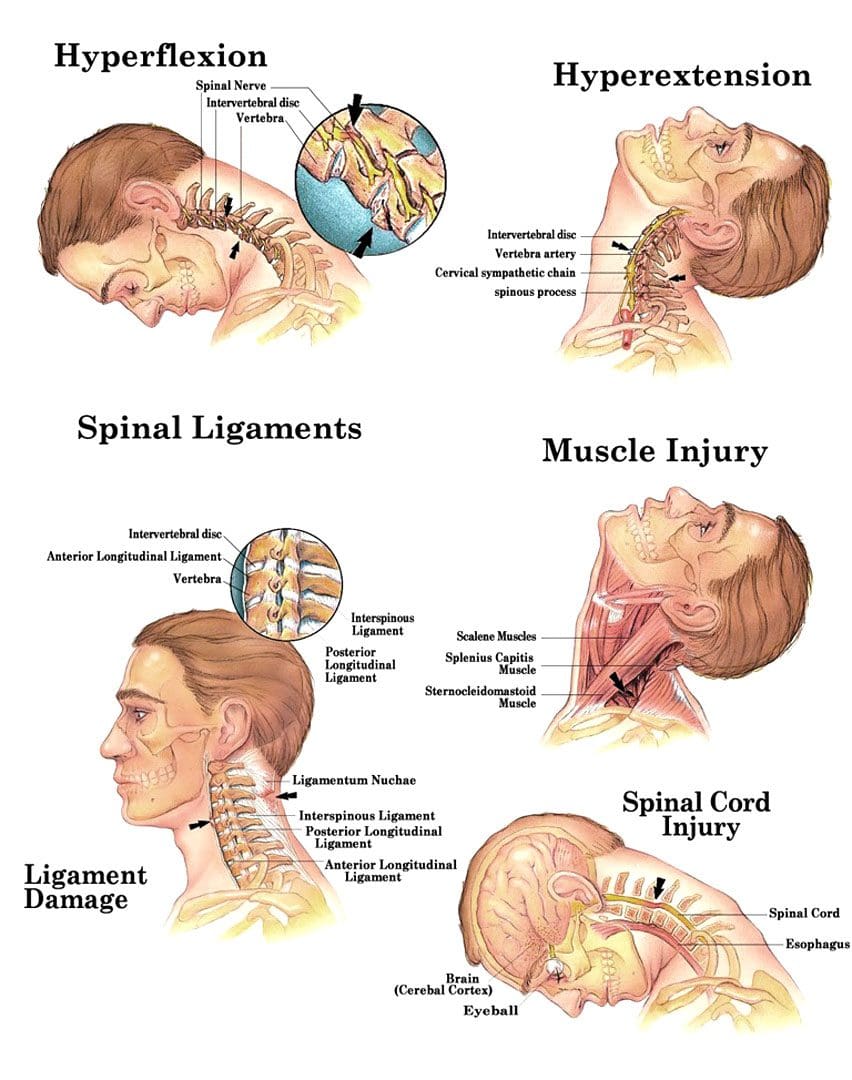
Cervical acceleration-deceleration is the mechanism of a neck injury caused by a forceful back-and-forth neck motion. It happens most commonly in rear-end vehicle collisions when the head and neck whip forward and backward with intense acceleration and/or deceleration causing the neck to flex and/or extend rapidly, more than normally, straining and possibly tearing muscle tissues and nerves, ligaments, dislocation of spinal discs and herniations, and cervical bone fractures.
For symptoms that do not improve or worsen after 2 to 3 weeks, see a healthcare provider or chiropractor for further evaluation and treatment.
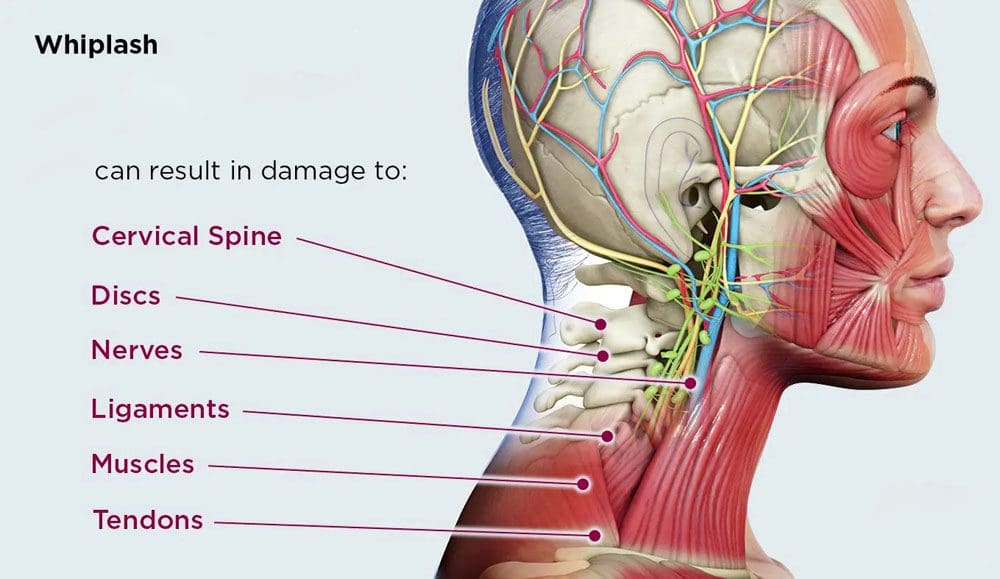
Whiplash injuries strain or sprain the neck muscles and/or ligaments, but can also affect the vertebrae/bones, disc cushions between the vertebrae, and/or the nerves.
Whiplash symptoms can present right away, or after several hours to a few days after the incident, and tend to worsen in the days after the injury. Symptoms can last a few weeks to a few months, and can severely limit activity and range of motion. Symptoms can include: (National Institute of Neurological Disorders and Stroke. 2023)
Pain that extends into the shoulders and back.
Neck stiffness
Limited neck motion
Muscle spasms
Numbness and tingling sensations – paresthesias or pins and needles in the fingers, hands, or arms.
Headaches – A whiplash headache usually starts at the base of the skull and can vary in intensity. Most individuals experience pain on one side of the head and toward the back, though some can experience symptoms all over their head, and a small number experience headaches on the forehead or behind the eyes. (Monica Drottning. 2003)
The headaches can become aggravated by moving the neck around, especially when looking up.
Headaches are often associated with shoulder pain along with sensitive neck and shoulder muscles that when touched can increase pain levels.
Whiplash headaches can lead to chronic neck-related headaches known as cervicogenic headaches. (Phil Page. 2011)
It is also important to rest your neck area following the injury.
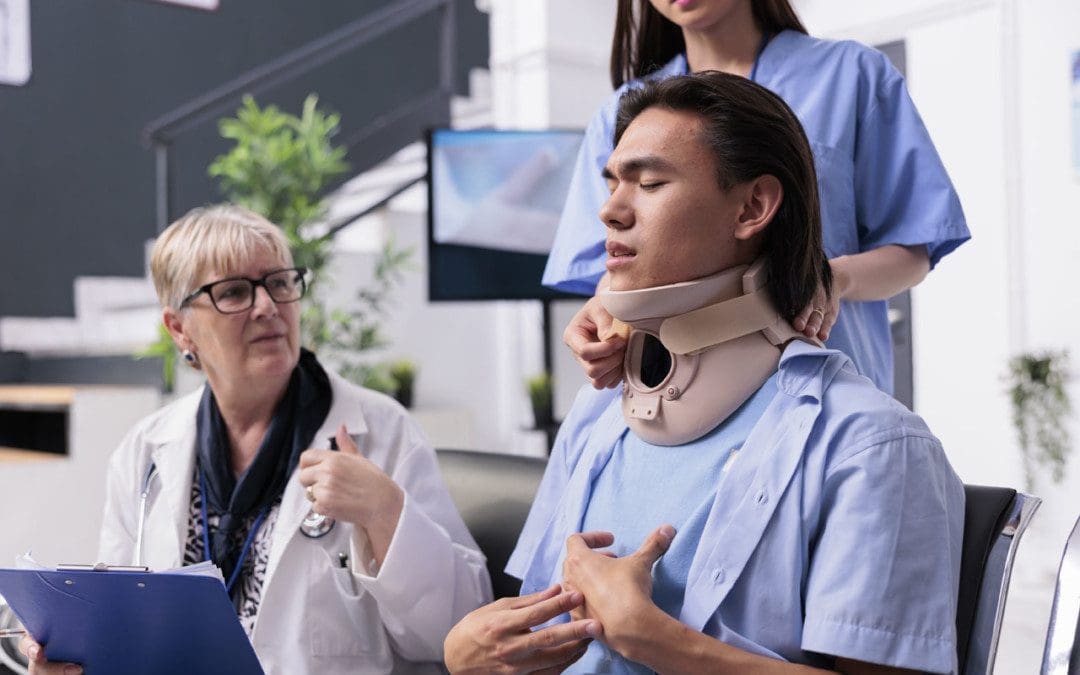
A cervical collar can be utilized temporarily to stabilize the neck, but for long-term recovery, it is recommended to keep the area mobile.
Physical activity reduction until the individual can look over both shoulders, and tilt their head all the way forward, all the way back, and from side to side without pain or stiffness.
Non-steroidal anti-inflammatories – NSAIDs – Ibuprofen or Naproxen.
Muscle relaxers
If symptoms do not improve, a healthcare provider may recommend physical therapy and/or stronger pain medications. For whiplash headaches that last for several months, acupuncture, or spinal injections may be recommended.
Neck Injuries
References
National Institute of Neurological Disorders and Stroke. Whiplash Information Page.
Drottning M. (2003). Cervicogenic headache after a whiplash injury. Current pain and headache reports, 7(5), 384–386. https://doi.org/10.1007/s11916-003-0038-9
Page P. (2011). Cervicogenic headaches: an evidence-led approach to clinical management. International journal of sports physical therapy, 6(3), 254–266.
Individuals spend around one-third of their life sleeping or resting. Every person has their own preferred sleeping position. However, not all sleep positions are comfortable and supportive to the body, especially the spine. Individuals that sleep on their side or stomach that experience back pain might want to consider switching to sleeping on their back. Changing preferred sleeping positions can seem impossible, however, learning to sleep on your back is possible with a little training and adjustment period.
Learning To Sleep On Your Back
After side sleeping, back sleeping is the second most common position. Individuals that are stomach or side sleepers that suffer from:
Learning to sleep on your back is recommended because its health benefits can potentially solve all these problems and more.
Adapting this sleeping position can help maintain proper spinal alignment.
Relieves waking up with tension headaches.
Relieve sinus problems.
Individuals that are not natural back sleepers understand how difficult it is to force oneself to adapt to a new sleeping position. There are ways to condition the mind and body to fall and stay asleep on your back, resulting in healthy rest. These include:
A Pillow Under The Knees
It may help to place a supportive pillow under the knees.
The knees should be slightly bent and feel comfortable.
Check to make sure that the neck and spine feel comfortable and are in alignment.
Make adjustments as needed.
A Pillow Under The Low Back
In the beginning, switching to back sleeping can increase discomfort in the low back.
Placing a pillow under the lower back can help.
Using too large or thick a pillow could create added discomfort.
Try a few different pillows to find what works best and feels right.
Pillow Surround
Individuals that are active sleepers and tend to roll onto their side or stomach soon after falling asleep, can place pillows around the midsection and hips.
A small barrier of pillows around the body can assist in learning to sleep on your back.
The pillows help prevent the body from rolling.
It’s recommended to place pillows closely against either side of the body.
Using the pillows as an enclosure will force the body to remain in a neutral position throughout the night.
Sleeping On The Right Pillow
Individuals will want to make sure they are using the right sleeping pillow.
In addition to supporting the spine’s alignment, a quality pillow will also support the neck.
The recommended pillow for back sleeping should cradle the head and ensure it stays elevated.
A pillow that is too flat or too thick can cause the head to become unlevel with the body leading to:
Neck and upper body pain
Restricted airflow, which may cause you to snore or suffer from sleep apnea.
Digestive issues like acid reflux and heartburn.
Consider a pillow that’s made out of some type of memory foam to assist with learning to sleep on your back.
The thickness and hugging sensation can help to stay on the back and prevent inadvertently flipping over.
Sleeping On The Right Mattress
A positive back sleeping experience begins with the right mattress. There are so many mattress types to choose from. It is recommended to consider the materials, the firmness level, and the size. For comfortably sleeping on your back, the firmness level is essential.
Consider the positioning of your spine.
The objective is to keep the spine as straight as possible, which is achieved with the proper firmness.
A mattress that is too firm will create unwanted pressure and tension on the shoulders and the pelvic region.
A mattress that is too soft will cause the hips to sink, throwing spinal alignment off and causing back pain symptoms.
A medium-firm mattress is recommended.
Memory foam is a great option for learning to sleep on your back.
Memory foam cradles the natural curve of the body, and hugs the body during sleep, which helps avoid accidentally rolling onto your side or stomach.
Memory foam mattresses with integrated gel can provide cooling and ventilation to keep the body refreshed throughout the night.
A medium-firm memory foam mattress will make sure the body stays straight, with the proper cushioning around the pelvis and hips.
Training To Sleep On Your Back
References
Anderson, Ngaire H et al. “Association of Supine Going-to-Sleep Position in Late Pregnancy With Reduced Birth Weight: A Secondary Analysis of an Individual Participant Data Meta-analysis.” JAMA network open vol. 2,10 e1912614. 2 Oct. 2019, doi:10.1001/jamanetworkopen.2019.12614
Desouzart, Gustavo, et al. “Effects of sleeping position on back pain in physically active seniors: A controlled pilot study.” Work (Reading, Mass.) vol. 53,2 (2015): 235-40. doi:10.3233/WOR-152243
Khan, Bashir Ahmad, et al. “Effect of bed head elevation during sleep in symptomatic patients of nocturnal gastroesophageal reflux.” Journal of Gastroenterology and Hepatology vol. 27,6 (2012): 1078-82. doi:10.1111/j.1440-1746.2011.06968.x
Portale, G et al. “When are reflux episodes symptomatic?.” Diseases of the esophagus: official journal of the International Society for Diseases of the Esophagus vol. 20,1 (2007): 47-52. doi:10.1111/j.1442-2050.2007.00650.x
Skarpsno, Eivind Schjelderup, et al. “Sleep positions and nocturnal body movements based on free-living accelerometer recordings: association with demographics, lifestyle, and insomnia symptoms.” Nature and Science of Sleep vol. 9 267-275. 1 Nov. 2017, doi:10.2147/NSS.S145777
Surdea-Blaga, Teodora, et al. “Food and Gastroesophageal Reflux Disease.” Current medicinal chemistry vol. 26,19 (2019): 3497-3511. doi:10.2174/0929867324666170515123807
Joints are the musculoskeletal areas where two bones connect. The joints have soft tissues around them, like cartilage, tendons, and ligaments. Cartilage is the flexible tissue that covers the ends of the bones at a joint. The tendons are bands between the muscles and bones that connect everything to initiate joint movement. And the ligaments are a kind of bridge that connects the bones of the joints to keep the body stable when in motion. After an injury, the joints need to be worked out, stretched, and massaged to return to proper function and support. A chiropractic personalized rehabilitation program will include exercises that target joint stability.
Joint Injury Rehabilitation
The shoulders, elbows, wrists, knuckles, hips, knees, and ankles are joints. The spine is also made up of joints. The first step for achieving joint stability after a lower-body injury is to assess the joints for:
A physician, chiropractor, or therapist will check the joint and test for weakness or deficits in soft tissues, tendons, ligaments, and cartilage.
Individuals can have conditions, diseases, or injuries that affect the joints, causing dysfunction.
Correcting deficits may require taping, bracing, exercises, or surgery.
Joint stability is attained through specific exercises that target balance, proprioception, range of motion, flexibility, strength, and endurance.
Individuals must participate in their rehabilitation program to fully recover from their injuries.
Proprioception and Neuromuscular Training
Neuromuscular training and proprioception are essential to joint stability.
Neuromuscular control is an unconscious response to joint motions without awareness.
It is how workers or athletes adjust to uneven pavement or shift their weight to stay balanced on an incline or stairs.
Proprioceptionis the ability to sense the body’s orientation in the environment.
It allows body movement and responds without consciously thinking about where the body is in space.
The information signals detect joint position, limb movement, direction, and speed.
A joint with a high level of neuromuscular control and a trained proprioceptive system can respond appropriately to various forces placed upon it during activity, decreasing the risk of injury.
Proprioceptive exercises train joint proprioceptors to adapt before initiating a potentially damaging/injurious movement.
Targeted Training
Specific to the individual’s injury, specific exercises are incorporated to regain/relearn skill sets and reset automatic movement patterns.
Skills training improves the ability to make adjustments quickly and decreases the potential for worsening or creating another injury.
Research has found that individuals who participate in neuromuscular retraining have improved muscular activation and reaction to changes compared to those who do not incorporate retraining exercises.
Trainers and therapists use neuromuscular exercises to prevent and rehabilitate ACL injuries.
The following example of an exercise rehabilitation program can be used to rehabilitate the lower extremities. The exercises should be done slowly over several weeks. Therapeutic exercises should be combined with an appropriate and gradual range of motion and strengthening program. Individuals should always work with a chiropractor and physical therapist to develop the most suitable program for specific injuries and limitations.
One-Leg Balance
Try to stand on one leg for 10 to 30 seconds.
One-Leg Balance with Eyes Closed
Stand on one leg for 10 to 30 seconds with your eyes closed.
Akbar, Saddam, et al. “Effects of neuromuscular training on athletes’ physical fitness in sports: A systematic review.” Frontiers in physiology vol. 13 939042. 23 Sep. 2022, doi:10.3389/fphys.2022.939042
Borrelli, Joseph Jr et al. “Understanding Articular Cartilage Injury and Potential Treatments.” Journal of orthopedic trauma vol. 33 Suppl 6 (2019): S6-S12. doi:10.1097/BOT.0000000000001472
Cote, Mark P, et al. “Rehabilitation of acromioclavicular joint separations: operative and nonoperative considerations.” Clinics in sports medicine vol. 29,2 (2010): 213-28, vii. doi:10.1016/j.csm.2009.12.002
Jeong, Jiyoung, et al. “Core Strength Training Can Alter Neuromuscular and Biomechanical Risk Factors for Anterior Cruciate Ligament Injury.” The American Journal of sports medicine vol. 49,1 (2021): 183-192. doi:10.1177/0363546520972990
Porschke, Felix, et al. “Return to work after acromioclavicular joint stabilization: a retrospective case-control study.” Journal of orthopedic surgery and Research vol. 14,1 45. 12 Feb. 2019, doi:10.1186/s13018-019-1071-7
Vařeka, I, and R Vařeková. “Kontinuální pasivní pohyb v rehabilitaci kloubů po úrazech a operacích” [Continuous passive motion in joint rehabilitation after injury and surgery]. Acta Chirurgie orthopaedicae et traumatologiae Cechoslovaca vol. 82,3 (2015): 186-91.
IFM's Find A Practitioner tool is the largest referral network in Functional Medicine, created to help patients locate Functional Medicine practitioners anywhere in the world. IFM Certified Practitioners are listed first in the search results, given their extensive education in Functional Medicine