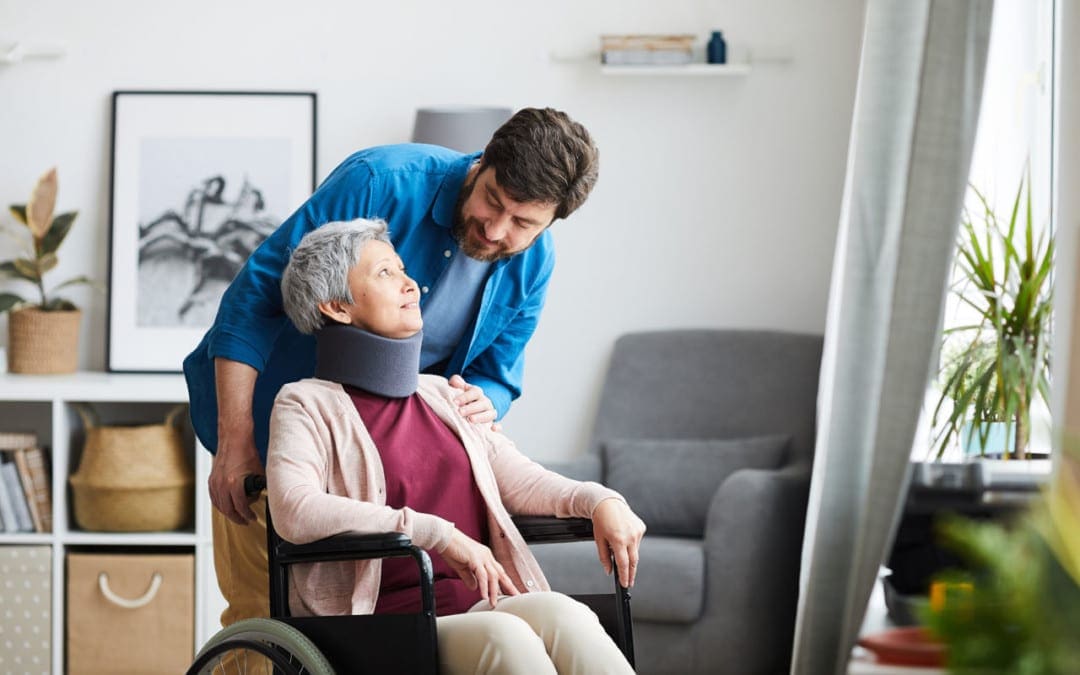
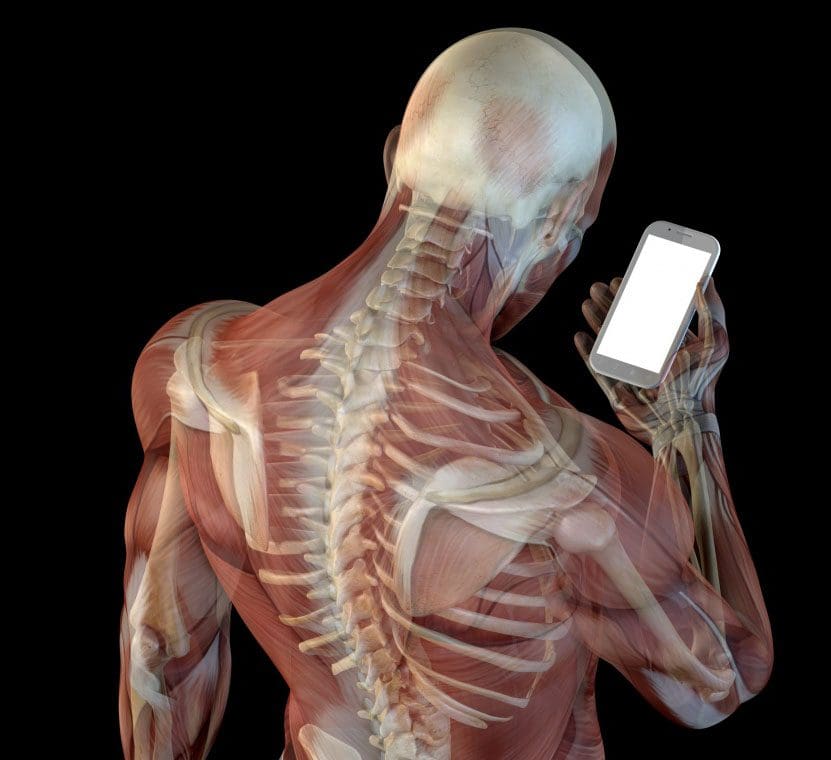
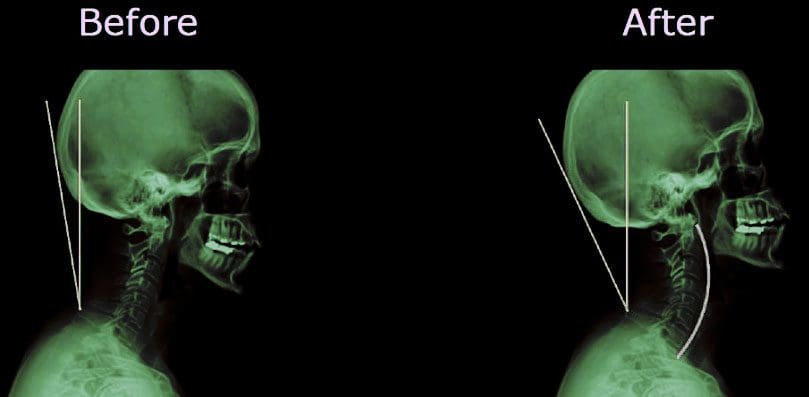
Using a neck brace or collar can be part of a treatment option for individuals dealing with a neck injury, pain, and recovery. Cervical-neck spinal conditions can go from mild to debilitating if left untreated and could progress to chronic pain. Whiplash and abnormal cervical lordosis, which is an unnatural curvature of the spine, can happen from looking down at a phone too long, known as text-neck. These are common but different neck disorders that can be helped with a neck brace.
Being prescribed a neck brace depends on the severity of the pain symptoms. Does it present with or without upper back pain, radiate into the shoulders, cause headaches/migraine? These details will help a doctor or chiropractor figure out the best treatment option. If the patient can benefit then a neck brace, also called a cervical collar or cervical orthosis could be used.
Neck Brace
Fortunately, spinal surgery is rarely necessary. There are plenty of non-surgical treatment options that can help manage and reduce neck pain. A neck brace or collar could be part of a treatment plan that includes:
Chiropractic
Physical therapy
Massage
Acupuncture
Medications - over-the-counter and prescription if necessary
The treatment plan will be based on the outcome of:
Physical examination
Neurological examination
X-rays
Other imaging tests
Severity of symptoms
These combined will confirm a diagnosis with the treatment focusing on:
Neck stabilization
Pain management
Advanced healing
Early mobilization
Brace Basics
There are a variety of soft and rigid neck braces available to help manage different cervical spine conditions. The type of brace prescribed is based on the diagnosis and treatment plan. Soft neck braces are flexible and offer the greatest range of motion. Rigid collars are for stricter immobilization/stabilization.
Stabilization refers to immobilizing the head and neck. Limiting or preventing motion helps to support the head while reducing weight from the cervical spine. Two of the most common neck pain disorders are whiplash and poor posture.
Soft Collar
Whiplash is a hyperflexion and hyperextension neck injury. It is caused when the neck quickly, forcefully and swiftly whips forward and backward. Whiplash injuries most commonly happen from auto accidents, work, personal, and sports injuries.
Whiplash symptoms are considered sprains and strains. This is when ligaments, in this case, those of the neck, and the muscles are stretched or torn. These include:
Neck pain
Stiffness
Muscle spasms
Headaches that start in the neck
However, all of the symptoms can radiate into the head and upper back. This is where a doctor could recommend a soft cervical collar as part of a treatment plan. This could be in conjunction with muscle relaxants and physical therapy. Soft collars provide neck support to help reduce soft tissue inflammation and the pain forty-eight to seventy-two hours after the injury.
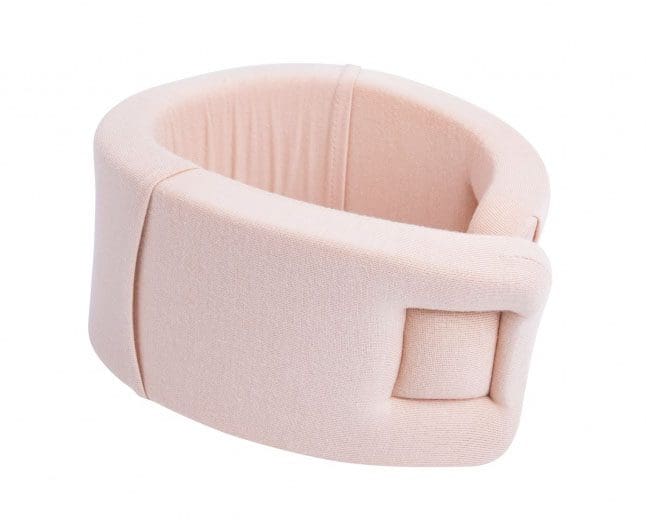
Soft neck braces are usually made of foam and covered with cotton or other easily washable, comfortable wearable material. The brace wraps around the neck and is secured with Velcro straps. Be aware that over-using a neck brace can happen. A doctor will explain further and will prescribe/encourage performing daily motion exercises, and stretching exercises, as soon as the patient is able after a whiplash injury.
Rigid Collar
Lordosis means the normal forward curve in the neck. However, the normal curve can change negatively with time when the head regularly bends forward past the shoulders. An example is looking down at your phone. Most of us spend hours a day looking down at a phone pad, etc. This causes significant strain on the neck. The human head weighs around 12 pounds. This weight increases to about 60 pounds when the head and neck are extended forward and bent down.
A constantly increased load on the spine can lead to massive stress to the bones, ligaments, and muscles with the potential change in the normal curve and chronic neck pain. Text neck is another spinal disorder that a neck brace can help treat. Depending on the severity of the pain and injury a rigid neck brace or collar could be used.
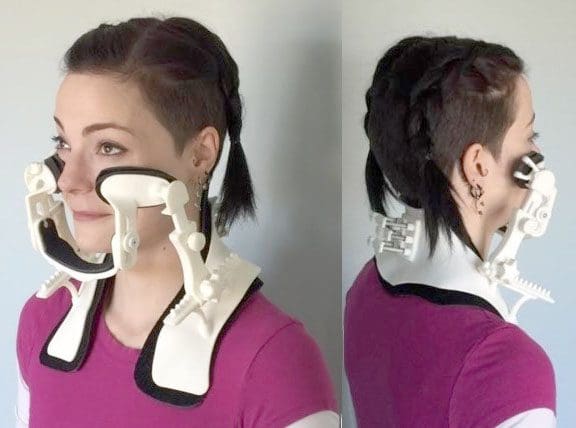
All neck braces offer some degree of head and neck support. Another type of rigid neck brace has adjustable features that were developed to treat forward head posture caused by poor posture. This brace is called the Cervigard Forward Head Posture Neck Collar. It supports while correcting the alignment of the head and neck. Regular use can gradually restore the normal curvature by correcting head and neck posture.
Doctors recommend the brace be worn for 20 minutes a day or several hours, depending on the severity of pain and injury. The process of correcting the deformation can be compared to straightening teeth with braces, aligners, etc. This retrains the muscles and corrects the abnormal soft tissue tightness that develops from the condition.
Instructions
If a doctor prescribes a brace, follow their instructions for how to wear the neck brace. This will ensure the pain reduces and alleviates, while at the same time reducing the risk of the negative effects of overuse. Ask the doctor or chiropractor how to care for the brace.
Neck & Low Back Pain Treatment
Dr. Alex Jimenez�s Blog Post Disclaimer
The scope of our information is limited to chiropractic, musculoskeletal, physical medicines, wellness, and sensitive health issues and/or functional medicine articles, topics, and discussions. We use functional health & wellness protocols to treat and support care for injuries or disorders of the musculoskeletal system. Our posts, topics, subjects, and insights cover clinical matters, issues, and topics that relate and support directly or indirectly our clinical scope of practice.*
Our office has made a reasonable attempt to provide supportive citations and has identified the relevant research study or studies supporting our posts. We also make copies of supporting research studies available to the board and or the public upon request. We understand that we cover matters that require an additional explanation as to how it may assist in a particular care plan or treatment protocol; therefore, to further discuss the subject matter above, please feel free to ask Dr. Alex Jimenez or contact us at 915-850-0900. The provider(s) Licensed in Texas& New Mexico*
Healthy aging is not the easiest to do. The muscle aging process breaks down faster than they get repaired as the body ages. This makes it difficult to participate and carry out regular activities. For healthy aging to be achieved exercise is a must. Specifically, strength training helps to regain muscle loss from aging/inactivity. Strength training reduces the difficulty of daily tasks, enhances the body's energy, and composition. Strength training combined with vitamin D supplementation will slow down muscle loss, help regain muscle mass/strength, maintain healthy blood sugar levels, and prevent falls.New health problems, new aches, pains, and new fragility caused by muscle loss. What steps can be taken to promote healthy aging and staying healthy and fit? The science of aging, and what can be done to age gracefully and maintain optimal health.
The body and aging
The body's muscles are constantly going breaking down and repairing themselves. As the muscles are used throughout the day, tiny microscopic tears happen from wear and tear. This is where the tears need to be rebuilt with protein. As the body gets older, it stops rebuilding muscle as efficiently and with time, there is a reduction in overall muscle mass and strength. This loss can be from a combination of factors including:
Hormone changes - increasing/decreasing levels
Physical inactivity
Underlying conditions like cardiovascular disease, diabetes, cancer
This reduction in muscle mass does not just happen to the seniors and the elderly. Body development and strength are at their optimal in an individual's twenties and start to plateau in the thirties. A decrease in strength usually leads to being less active, and routine activities start to become more difficult. Less activity leads to:
Less to no calories burned
Minimal muscle development
Negative changes to body composition
Muscle loss
Increase in body fat
At some point in an individual's thirties, the body begins to progressively lose muscle each year. At fifty an individual could have lost around ten percent of the body's muscle. Then an additional 15% by sixty and another 15% by seventy. Then overall functionality is lost and the ability to enjoy life to the fullest decreases.
Muscle loss factors
Sarcopenia
Sarcopenia is a significant loss of muscle mass and strength. It focuses on diet changes and physical activity that cause progressive loss of muscle mass.
Balance issues
Change in walking ability
Decreased ability to perform daily activities
It was once believed that muscle loss and the effects that came with it were inevitable. However, with the advancements in science and musculoskeletal health, along with continuing to stay active and keeping track of body composition, there are ways to combat loss of muscle mass and strength. Causes include:
Malnutrition is a lack of nutritional intake, which can affect body composition. Malnutrition can create complications that not only affect diet and exercise but how the body responds to diet and exercise. Elderly individuals tend not to get enough protein, which is essential for healthy muscle repair. This is often because they have trouble chewing, food-costs, and trouble cooking limit their access to getting protein on a regular basis. Inadequate protein intake can lead to sarcopenia. Protein requirements for older individuals are higher than for the younger population. This is brought on by age-related changes like a decreased response to protein intake. This means that older individuals need to consume more protein to achieve the same anabolic effect.
Micronutrient deficiency means a lack of nutrients. These are minerals and vitamins, that support body processes like cell regeneration, immune system health, and eyesight. Examples are iron or calcium deficiencies. This deficiency has the highest impact on normal physiological functions/processes and can happen with a protein-energy deficiency. This is because most micronutrients are obtained from food.
Body composition and age
Proper lean muscle mass is essential for healthy aging. A lack of enough muscle can result in:
Difficulty moving
This is when regular movements are no longer regular but now take massive amounts of strength and energy. Examples include taking the elevator becoming a necessity and getting in and out of a car is just as challenging. Loss of function and independence are common as muscle loss progresses. Nineteen percent of women and ten percent of men aged 65 or older no longer have the ability to kneel.
Weight gain
The muscles are linked with the body's metabolism, so once muscles begin to diminish, so does the metabolism. This is referred to as the body's metabolism slowing down. What is actually happening is a loss of muscle, meaning the body needs fewer calories to function. When the body needs fewer calories and an individual continues eating the same amount of calories, this is when body fat starts to accumulate. This can happen with no significant changes to individual weight. As muscle loss progresses, it is replaced by fat. Body-weight can remain unchanged, but changes in body composition are unseen, which often leads to an array of health problems associated with obesity.
New healthy aging problems
Studies show that weight gain at a steady rate can lead to adult-onset diabetes. This is due to more body fat and muscle loss. Skeletal muscle mass loss has been linked with insulin resistance. This means the less muscle, the less insulin sensitive an individual becomes. As insulin sensitivity decreases and becomes more resistant, the risk factors for type 2 diabetes increases. Loss of muscle can cause other problems with age. One damaging condition is osteoporosis. A few ways to prevent muscle loss.
Eat a proper amount of protein throughout the day. Space out protein across several meals rather than trying to eat it all at once. This will ensure the proper amount daily.
Monitor body composition regularly. Try to keep muscle mass loss and fat mass gain at a minimum.
Begin a strength training routine.
Focus on building muscle
Muscle loss and weakness has been shown to not be a part of aging, but rather as a result of chronic inactivity. Muscle mass is lost with age but it is not the aging process itself that causes muscle atrophy. It is because individuals tend to become more inactive. Physical inactivity is really what causes muscle loss and weakness. However, something can be done about inactivity. For example, there was a study on postmenopausal women that revealed that regular resistance training increased muscle strength by about 19% after one year.
Scientific researchers believed this training increased bone mineral density, which defends against brittle bones. This along with related studies also confirmed that bone frailty can be reduced. Muscle strength relative to muscle mass can also be improved with resistance/strength training. The idea is that physical aging can be slowed down with physical activity. This is to keep the muscles from losing function.
DNA damaged cells
Telomeres are caps at the end of DNA strands that protect the chromosomes. They can be thought of as the plastic ends on shoelaces. If those shoelaces lose the plastic ends the laces become frayed until they unravel and can no longer do their job. The same can be said of telomeres, the DNA strands become damaged and the cells cannot do their job. A shortening of the Telomere is a hallmark of cellular aging. Cells with shortened telomeres tend to malfunction and secrete hormones that trigger an inflammatory response and tumor formation. A study found that individuals that exercise regularly have longer telomeres. This does not mean that an individual has to spend the entire day at the gym. Only moderate, not heavy strength training was found to be effective.
Maintain muscle
Older individuals can still be reluctant to try improving their fitness level. Many believe that years of inactivity has done its damage and that they are too old to train. However, anyone can set goals to improve body composition that will improve energy levels and maintain activity.
Functional fitness refers to the ability to move comfortably throughout daily life. It not only benefits physical activity but contributes to improved body composition. The aging process does reduce metabolic rate and often leads to increased body fat. Lean Body Mass contributes to the overall Basal Metabolic Ratealso known as metabolism. This is the number of calories the body needs to support its essential functions.
Engaging in strength training or resistance exercises can regain some of the muscle loss brought on from aging and inactivity. This can lead to an increase in lean body mass, which increases Basal Metabolic Rate. This all helps prevent:
Bone loss
Heart disease
Obesity
Age-related falls
With age and the loss of lean muscle mass, balance and agility follow. Tendencies to fall increase and the injuries from those falls can be detrimental to overall health and quality of life. Fractures caused by falling are higher in elder women.
A study of all-women over the age of fifty spent 12 weeks using bands as the chosen form of resistance, as opposed to dumbbells or seated machines, saw a significant increase in strength. None of the participants reported injuries. This could be important for those that are worried that exercise could cause too much strain on the body.
It is never too late
Six percent of adults in the United States engage in resistance training or some form of weight training at least twice a week. There are misconceptions that weight training has an age limit. This is not true. The benefits from lifting weights, whether dumbbells, bodyweight exercises, bands, machines, etc are for everyone young and old. This does not mean training at high-intensity. Older adults should look to resistance training to increase energy levels and decrease body fat. A study in Sports Medicine focused on the effects of strength training for older adults found:
Increased power
Reduced difficulty to perform daily tasks
Enhanced energy
Improved body composition
Participation in spontaneous physical activity
There are several key changes for older adults to increase their healthy aging. They are:
Eating sufficient nutrients
Monitoring body composition
Strength/resistance training
Both strength training and proper nutrition are vital for maintaining or achieving ideal body composition.
Vitamin D
Vitamin D is a nutrient that can be acquired in several ways. It supports the normal physiologic functions that include the absorption of minerals like calcium and zinc. This nutrient can be acquired through food consumption, supplemental form, and exposure to the sun. Most foods in a regular diet provide a relatively small amount with the exception of fatty-fish. Examples of natural food sources include:
Once Vitamin D enters the body, it goes through the liver, kidneys and gets converted into an active form, known as a prohormone. It is then circulated into the blood. A prohormone is essential to normal physiological function and support of the skeletal muscle system.
Building muscle
Vitamin D plays an important role in bone health. More recently it has been reported to contribute to muscle quality. Skeletal Muscle Mass decreases with age, primarily from decreased activity. Treatment includes proper nutrition, exercise, and vitamin D naturally or in supplementation form. It was found to slow down muscle loss, help regain muscle mass and strength.
On your feet
Falls are the number-one cause of fatal and nonfatal injury/s. Low vitamin D levels could be partly to blame. There is strong evidence that vitamin D deficiency can increase the risk of a fall in older adults. The connection has to do with the effects of muscle strength and function. Around 250 older adults participated in a trial of taking vitamin D daily plus calcium supplementation improved:
Quadriceps strength
Postural control
Daily functions
Standing up
Walking
After a year falls were found to decrease by over 25%. Compared with patients that only received calcium, and improved by almost 40% after 20 months. Supplements helped these individuals counter the effects of aging and inactivity on their muscles, and was important in preventing potential falls that could result in injury. Getting enough vitamin D is a step to take to supplement exercise, strength training, and maintain muscle health.
Blood sugar check
Vitamin D benefits for muscle health have been linked with muscle mass and blood sugar. Insulin is a hormone that allows blood sugar into the muscles. Individuals with sufficient blood vitamin D levels have a significantly lower risk of hyperglycemia than those with below-recommended levels. Research shows that daily vitamin D supplements in combination with calcium slow down the long-term rise in blood sugar in individuals with prediabetes. Research has shown that supplementation is beneficial for those who are classified as having a deficiency.
Vitamin D Supplements
For individuals with vitamin deficiencies, supplementation can help prevent loss of muscle, strength, falling, and the progression of hyperglycemia. Aging can be accomplished strength training, aerobic exercise, a healthy diet, and the regular monitoring of body composition.
Healthy aging
Maintaining optimal health and aging the way we were supposed to is possible. It does get harder to maintain ideal body composition. The muscles have a harder time rebuilding/repairing and can experience sarcopenia and malnutrition. It is not about getting a flawless physique, but about being able to participate in activities and maintain a healthy lifestyle. Achieving functional fitness through:
Observation
Diet evaluation
Dietary supplementation
Twice a week strength training
Five-time a week moderate cardiovascular fitness
It is never too late to start on the journey towards optimal health and healthy aging.
Weight Loss Techniques - Push Fitness Center
Dr. Alex Jimenez�s Blog Post Disclaimer
The scope of our information is limited to chiropractic, musculoskeletal, physical medicines, wellness, and sensitive health issues and/or functional medicine articles, topics, and discussions. We use functional health & wellness protocols to treat and support care for injuries or disorders of the musculoskeletal system. Our posts, topics, subjects, and insights cover clinical matters, issues, and topics that relate and support directly or indirectly our clinical scope of practice.*
Our office has made a reasonable attempt to provide supportive citations and has identified the relevant research study or studies supporting our posts. We also make copies of supporting research studies available to the board and or the public upon request. We understand that we cover matters that require an additional explanation as to how it may assist in a particular care plan or treatment protocol; therefore, to further discuss the subject matter above, please feel free to ask Dr. Alex Jimenez or contact us at 915-850-0900. The provider(s) Licensed in Texas& New Mexico*
Individuals dealing with back pain or spinal condition that negatively impacts their general health want to know about what they can do to make the pain go away. Back pain and spinal issues that individuals experience can be reduced and alleviated with proper nourishment, exercise, and if necessary chiropractic or physical therapy to keep the body aligned. Fortunately, the majority of these individuals will not need surgery.
In addition to the back pain, they want to know what they can do to prevent the pain from radiating to other areas and becoming chronic. This is where proper nourishment for bone health comes into play. It is now becoming a part of the mainstream media as science and technology are finding the links surrounding body/bone health and how nutrition fits into it all.
We've seen and heard about Omega-3 fatty acids for heart health or the importance of fruits and vegetables to help prevent cancer. There is also the nutritional health of the bones and the spine is the largest, not to mention the spinal cord housing all the nerves that establish communication with the body.
Vitamins
Continual optimal health is based on the body's vitamin and mineral composition. Many of the beneficial vitamins that keep the bones strong can be found in supplements. However, it is recommended to get into the habit of getting nourishment from real food in combination with supplements. This is because a person can follow a vitamin supplement regimen with no benefits. This is because their diet consists of heavily processed, unhealthy foods. Therefore eating highly nourishing foods is the best way to begin. Here are a few to consider:
Dairy
Dairy can be difficult for individuals with intestinal issues and other autoimmune conditions. It can seem daunting trying to figure out what to get and what to avoid. For those with lactose intolerance avoid dairy products altogether and look to calcium and vitamin D supplements. The quality of the dairy product/s also makes a difference. Therefore make sure it doesn't have artificial ingredients or sugars. This is essential to keeping dairy as part of a healthy diet.
Offal
Offal is the term for internal organs of animals that are used as food. It offers a massive dose of bone-healthy vitamins. Before saying absolutely not, there are plenty of recipes to consider, remember this is about spinal bone health. Beef, calf, and chicken liver, are examples of high sources of:
Vitamin A, which repairs tissue and contributes to the formation of bone
Vitamin B12 which is important for healthy bone marrow
Vitamin K is necessary for proper absorption of calcium into the bones
Iron is a necessity for healthy cells and muscles that support the spine
Greens
Spinach packs vitamin A and B12. Kale and broccoli are great sources of Vitamin K and Iron. Nutritionists have a saying that goes "the greener the vegetable, the better." Eating these vegetables in raw form is not for everybody, so find recipes that incorporate them into favorite dishes while adjusting to the flavors.
Oranges
Orange fruits are all great sources of vitamin A essential for repairing damaged tissue and in the formation of strong healthy bones and include:
Nectarines
Cantaloupe
Apricots
Carrots
Sweet potatoes
It does not matter if it is the brain, heart, digestive system, or the spine the body is as healthy as what it consumes. Small dietary changes can generate intense bone protection, especially when it comes to a healthy weight. Obesity and back pain are becoming too common. The condition has been studied extensively and the proof is overwhelming. The body was not designed to carry around this extra weight. Remember the spine is the central support structure and needs to be maintained with proper posture, exercise, and nourishment.
Improve Whole Body Wellness with Functional Foot Orthotics
Dr. Alex Jimenez�s Blog Post Disclaimer
The scope of our information is limited to chiropractic, musculoskeletal, physical medicines, wellness, and sensitive health issues and/or functional medicine articles, topics, and discussions. We use functional health & wellness protocols to treat and support care for injuries or disorders of the musculoskeletal system. Our posts, topics, subjects, and insights cover clinical matters, issues, and topics that relate and support directly or indirectly our clinical scope of practice.*
Our office has made a reasonable attempt to provide supportive citations and has identified the relevant research study or studies supporting our posts. We also make copies of supporting research studies available to the board and or the public upon request. We understand that we cover matters that require an additional explanation as to how it may assist in a particular care plan or treatment protocol; therefore, to further discuss the subject matter above, please feel free to ask Dr. Alex Jimenez or contact us at 915-850-0900. The provider(s) Licensed in Texas& New Mexico*
Essential oils for back pain could be a treatment option as long as they are used correctly. Although their popularity has grown, people are still divided when it comes to their effectiveness. The common questions that arise are, do these plant-based oils have the power to alleviate pain, or are they just a placebo?
Oils
They are essentially chemicals extracted from various plants. They are aromatic, and as far as chemical compounds go they can easily enter the air allowing for inhalation. Doctors have been asked for their opinions on essential oils. And they agree that they can be effective. However, it is something that is difficult to prove scientifically. Currently, there is not a great deal of research to turn to prove that they work. One reason is that it�s difficult to do this type of study.
But there are some reliable studies. An example is a study found that using essential oils as aromatherapy can significantly reduce pain. Another study found orange oilspecifically to relieve pain. There is more developing research that suggests certain oils applied as a topical agent to the low back, like wintergreen or peppermint, they act as an alternativepain reducer to traditional meds that cause side effects.
Definitely more research needs to be done to become a standard form of care. And they can be it just depends on what it's for. For example, can they cure cancer? No. Can they help with the symptoms? Yes. Certain oils have anti-inflammatory and muscle-relaxing properties. Patients have reported aromatherapy and oils applied topically has helped them with their pain. But, just like anything, it is different for everybody.
When to use
Back pain/conditions that are appropriate for essential oils would be chronic, low-level pain. With any type of numbness, weakness, bowel/bladder dysfunction, or severe, incapacitating pain, go to the hospital, emergency clinic, etc. If pain symptoms do not improve within three to five days, make an appointment with a doctor, chiropractor, or spine specialist.
Always check with a healthcare physician before starting an essential oil regimen. This is to make sure there are no adverse effects or complications. It is essential to see a doctor or spine specialist making sure a serious condition is not the cause of the back pain. Severe conditions should not be treated with only essential oils. Oils are considered to be a small part of a larger integrative treatment plan. This includes:
Allopathic therapies
Physical therapy
Mind-body
Exercises
Sleep
Anti-inflammatory diet
Use for back pain
Once a doctor clears an individual to use essential oils, adding them to a back-care treatment plan can be done in two ways.
Aromatherapy, with the use of a diffuser to release into the air, allowing for inhalation.
Topical agent in the form of a salve, lotion, or cream, and massaged into the pain area
There are combined aromatic salves and lotions that appeal to patients. An example is an aromatherapy combined with calming lavender oil. Oils that are used to alleviate back pain:
Lavender is an excellent choice as an aromatherapy
Orange
For a topical agent:
Ginger
Camphor
Menthol
Rosemary
Wintergreen
Mint
What to Know
Choosing the topical option means the oil needs to be diluted as undiluted oil can cause a rash or other reaction. They can be diluted with a carrier. This can be almond, avocado, or coconut. Never ingest essential oil. They can be extremely toxic if ingested and should not be used for small children. Used correctly they could help out with back pain issues, ask your doctor or chiropractor if they could be an option.
Lower Back Pain Treatment
Dr. Alex Jimenez�s Blog Post Disclaimer
The scope of our information is limited to chiropractic, musculoskeletal, physical medicines, wellness, and sensitive health issues and/or functional medicine articles, topics, and discussions. We use functional health & wellness protocols to treat and support care for injuries or disorders of the musculoskeletal system. Our posts, topics, subjects, and insights cover clinical matters, issues, and topics that relate and support directly or indirectly our clinical scope of practice.*
Our office has made a reasonable attempt to provide supportive citations and has identified the relevant research study or studies supporting our posts. We also make copies of supporting research studies available to the board and or the public upon request. We understand that we cover matters that require an additional explanation as to how it may assist in a particular care plan or treatment protocol; therefore, to further discuss the subject matter above, please feel free to ask Dr. Alex Jimenez or contact us at 915-850-0900. The provider(s) Licensed in Texas& New Mexico*
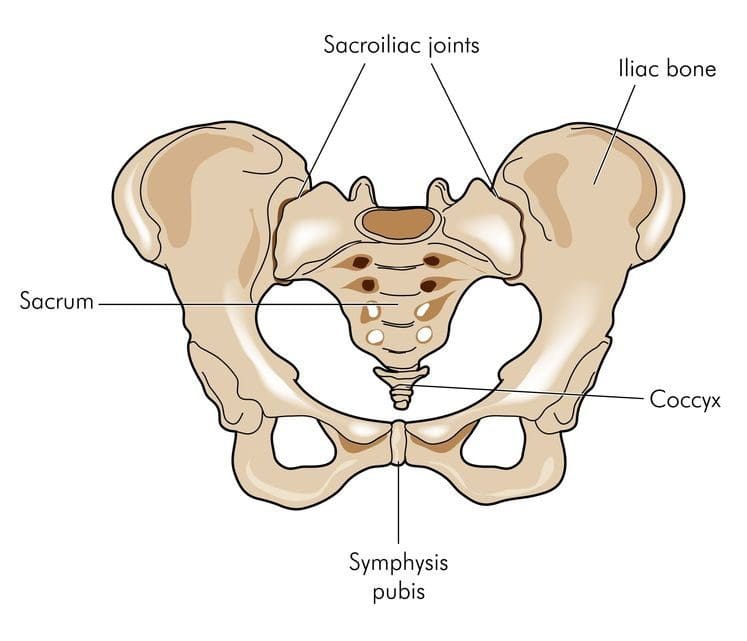
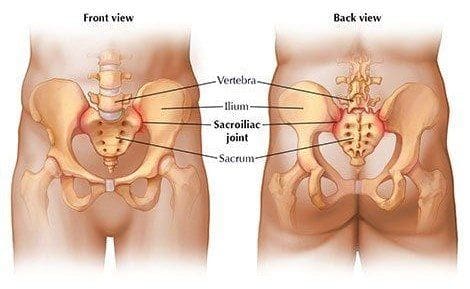
A doctor, chiropractor, or physical therapist could recommend therapeutic stretches along with exercises as part of a sacroiliitis or sacroiliac joint pain treatment plan. Sacroiliitis refers to inflammation in one or both of the sacroiliac joints. This could be caused by:
Pregnancy
Injury
Infection
Arthritis
Ankylosing spondylitis
Sacroiliac joint pain is a symptom related to sacroiliac joint dysfunction. The symptoms of sacroiliitis and sacroiliac joint pain can be felt in the lower back, buttocks, hips, and legs. These symptoms can be similar to sciatica and can mimic other lower back disorders.
Some of the stretches and exercises included are common for treatment plans for various low back conditions/problems. Talk with a chiropractor or doctor to get their recommendation prior to starting any exercise or stretching program.
Stretches
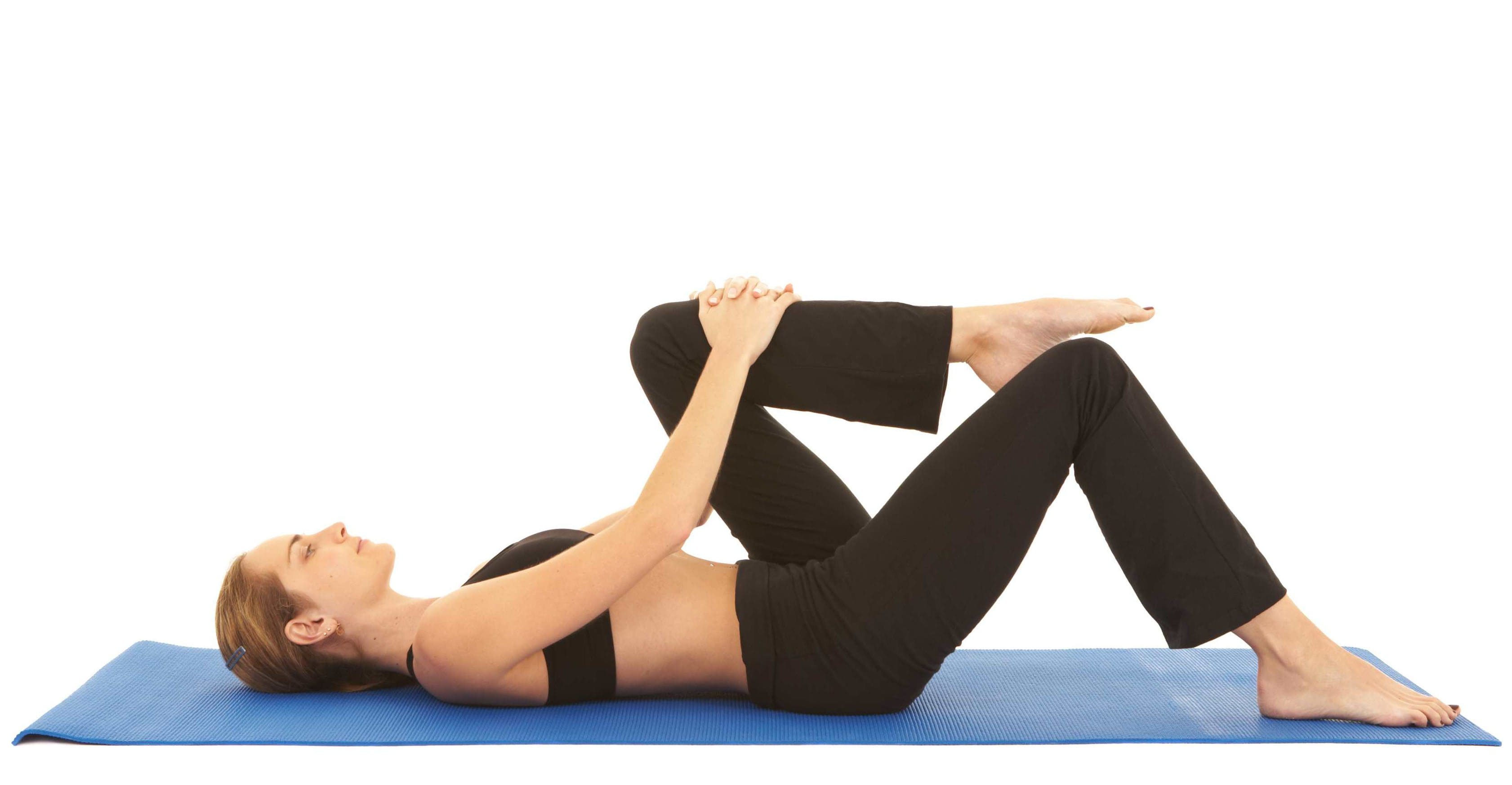
Piriformis stretch
The piriformis muscle extends over the hip and can aggravate the sacroiliac joint when it becomes tight. To help stretch the muscle:
Lie on back with knees bent
Feet flat on the floor
Slowly raise the right leg
Bring the right knee toward chest
Gently pull the leg in until there is a comfortable stretch in the buttock
Exhale during the stretch movement
Hold the stretch for 30 seconds
Lower leg
Repeat on the left leg
Repeat each side 3 times daily, as needed
The stretch helps the muscle fibers to lengthen/elongate and relax.
Trunk rotation
Trunk rotation increases flexibility in the low back and hips. This can help relieve pressure on the sacroiliac joints. To do this stretch:
Lie on back with knees bent
Feet flat on the floor
With knees together
Slowly rotate to one side
Feet, hips, and back should stay on the floor
Hold 3-5 seconds
Move knees to the opposite side
Repeat 5-10 times on each side
Bridge
This is a stretch that strengthens the muscles in the lower back, buttocks, and hips.
Lie on back with arms at side
Knees should be bent, and feet flat on the floor
Slowly raise hips while squeezing buttocks and hamstrings
Hold raised position for 5 seconds
Repeat 10 times
Water Therapy and Yoga Exercises
Aquatics and yoga are a gentle and natural form of exercise that is recommended for staying active. Talk to a doctor before starting any exercise program. Aquatic therapy, known now as hydrotherapy/water therapy, is one of the gentlest forms of exercise and is highly effective.
Exercising in water creates an almost weightless environment without gravity. Hydrotherapy uses the resistance from the water to improve strength and flexibility without straining the muscles. Regular exercise can cause pain by placing added pressure on the sacroiliac joints. Water therapy conditions the spine and hip muscles without generating muscle stress. Another option for individuals with back pain is yoga. The following poses are recommended and beneficial for the sacroiliac joints:
Child�s pose
This pose stretches the hips and thighs and is a great yoga pose for beginners.
Cobra
Cobra pose can help strengthen and stabilize the sacroiliac joints.
Lie flat on the stomach
Hands beneath the shoulders
Slowly push up as far as the arms extend
Bring upper body off the ground
Keep the pelvis and legs on the floor
When extended, be sure low back and buttocks are relaxed
Hold for 15 to 30 seconds
Gently lower to the floor
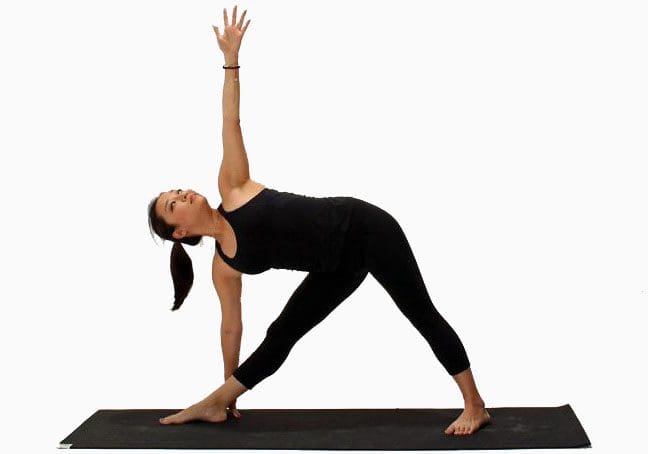
Triangle pose
Triangle pose helps to strengthen the sacroiliac joints and makes them less susceptible to pain. However, this pose involves twisting, so make sure to do this pose only when the joints are stable and pain-free.
Before stretching and exercise
Before starting any stretching or exercise program, check with a doctor or chiropractor, if the joints are able then the stretching/exercise could begin right away. However, in most cases, a doctor will refer the patient to a physical therapist or chiropractor to create a customized exercise and stretching plan. The therapist will show exactly what activities will strengthen the joints and how to do them properly and safely. These movements can help condition the spinal and abdominal muscles. This can help prevent future episodes of back pain.
If an individual just had surgery for sacroiliac joint pain, the surgeon more than likely prescribed a customized rehabilitation stretching/exercise program. Follow instructions, and get the surgeon�s approval before engaging in anything outside of the plan.
Staying fit safely
When dealing with sacroiliac joint dysfunction or sacroiliitis, physical activity may need to be redefined after treatment. As regular exercise could mean strenuous activity and could do more damage. Exercises like heavy weightlifting, contact sports, and intense biking could place excessive pressure on the joints. A doctor or chiropractor will offer the best stretching and exercises for every individual.
Physical activity combined with gentle stretching and conditioning exercises can effectively reduce low back and hip pain. Talk to a doctor, chiropractor, or physical therapist about incorporating healthy exercise into a daily regimen. For some, the workout might not feel like there's anything going on, but the effects on the pain will be.
Chiropractic Hip Pain Treatment
Dr. Alex Jimenez�s Blog Post Disclaimer
The scope of our information is limited to chiropractic, musculoskeletal, physical medicines, wellness, and sensitive health issues and/or functional medicine articles, topics, and discussions. We use functional health & wellness protocols to treat and support care for injuries or disorders of the musculoskeletal system. Our posts, topics, subjects, and insights cover clinical matters, issues, and topics that relate and support directly or indirectly our clinical scope of practice.*
Our office has made a reasonable attempt to provide supportive citations and has identified the relevant research study or studies supporting our posts. We also make copies of supporting research studies available to the board and or the public upon request. We understand that we cover matters that require an additional explanation as to how it may assist in a particular care plan or treatment protocol; therefore, to further discuss the subject matter above, please feel free to ask Dr. Alex Jimenez or contact us at 915-850-0900. The provider(s) Licensed in Texas& New Mexico*
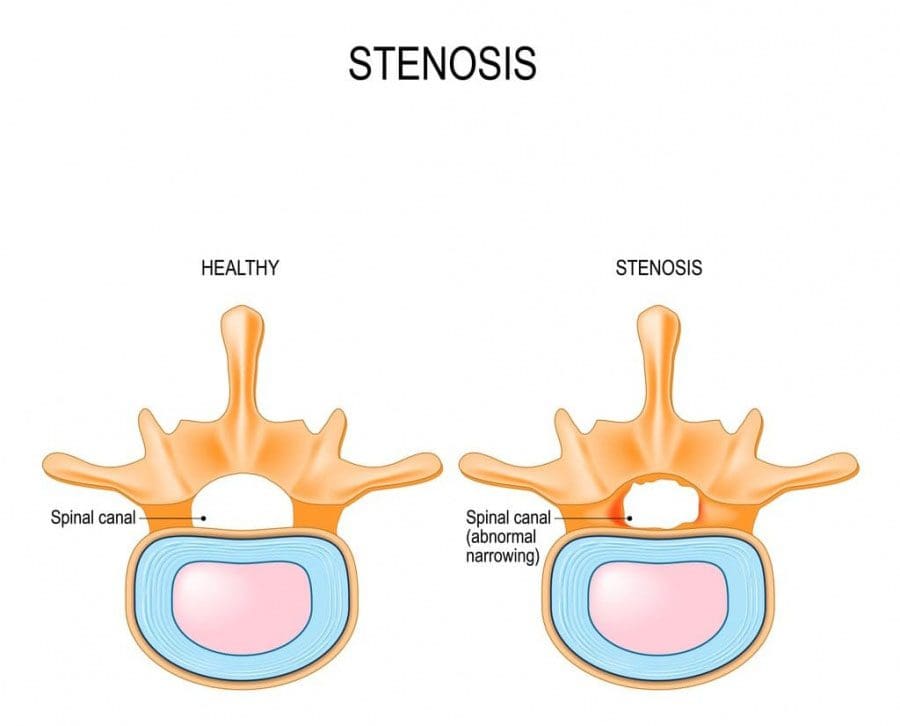
Understanding the cause of spinal stenosis is important for accurate diagnosis and in creating a customized optimal treatment plan. The cause of spinal stenosis is categorized as either primary or acquired.
Primary means the stenosis could be congenital or since birth. Some individuals are born with a spinal canal that is narrower than normal. This is a rare occurrence. Signs or symptoms of primary spinal stenosis do not present until adulthood usually around mid-life.
Acquired spinal stenosis can develop as a result of:
Bone overgrowth brought on from wear and tear from osteoarthritis on the spinal bones can form bone spurs, that can grow into the spinal canal.
Paget's disease is a bone disease that affects adults, and can also cause bone overgrowth in the spine.
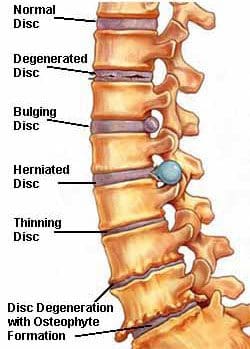
Herniated discs - The discs can begin to dry out with age and form cracks or tears letting out the soft inner material creating pressure on the spinal cord or nerves.
The ligaments are tough cords that hold the bones of the spine together. They can become stiff and thickened with age and time. The thick ligaments can then bulge into the spinal canal.
Tumors or abnormal growths can develop inside the spinal cord, in the membranes that cover the spinal cord or inside the space between the cord and vertebrae.
Spinal trauma/injury like automobile accidents, sports, and other trauma can cause dislocations or fractures of the vertebrae. Pieces of bone from a spinal fracture can fall into and damage the spinal canal.
Back surgeryswelling of tissue immediately after can put pressure on the spinal cord or nerves.
Acquired Spinal Stenosis
The leading cause is wear and tear on the spine due to aging. The most common direct cause is osteoarthritis, where the cartilage that cushions the joints begins to degenerate with age. The cartilage is smooth when brand new. As the body ages, the cartilage can become rough and can wear through completely. This allows the bones to rub against each other. The rubbing produces small bone growths called bone spurs.
Individuals with these symptoms try to limit movement and limit pain from the bones rubbing together. However, individuals can't stop moving entirely, and less movement reduces the quality of life. The bone spurs can create other types of pain. Inside the spine, the spurs can narrow the spinal canal, which can compress the spinal cord or nerve roots.
Risk factors for osteoarthritis and disc problems include:
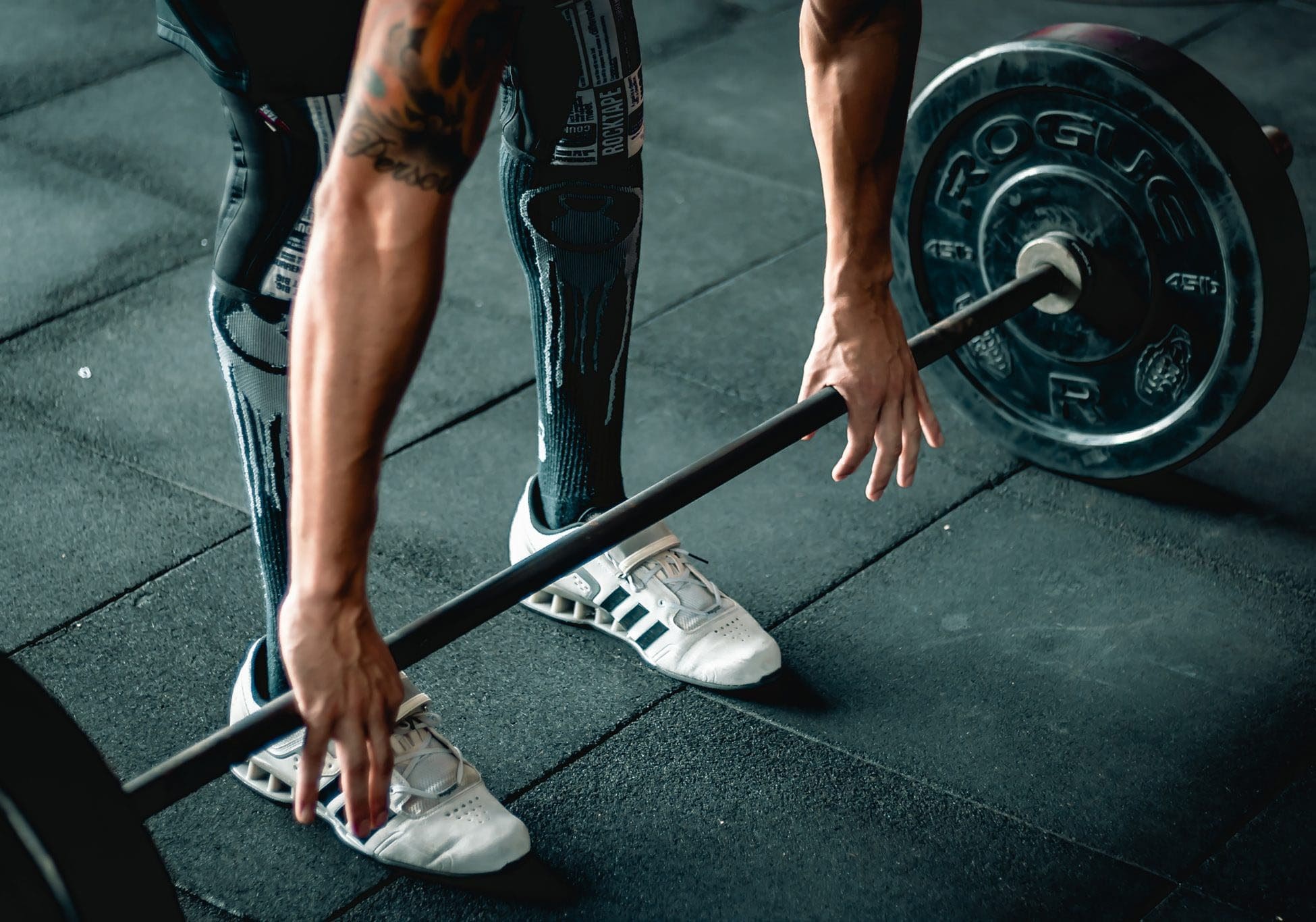
Lifting heavy objects without using proper lifting techniques.
This can damage a disc or move the vertebrae out of proper alignment.
Prevention
Spinal stenosis prevention is about practicing lifestyle habits to improve and maintain spinal health. For those with stenosis, regular exercise combined with proper body mechanics will help reduce the risk of the spinal stenosis becoming worse.
Exercise
Exercise, done properly, strengthens and protects the spine from the everyday wear and tear and helps maintain body weight. Being at the proper weight puts less pressure on the spine. Gradually build up the workout sessions until comfortable. General exercise guidelines are to go for 30 minutes a day. This in combination with aerobic activities like walking or swimming and resistance training like yoga or weight lifting. Stretching out regularly is highly recommended as an effective way to lengthen, loosen, and warm up the spinal muscles. Here are some basic back stretches and exercises for spinal stenosis.
Body Mechanics
Proper posture along with proper body mechanics are some of the best ways to prevent stenosis from developing/progressing and ensures the health of the spine. They should be practiced all the time:
Sitting
Standing
Lifting heavy objects
Sleeping
Proper mechanics and posture keep the spine operating at the top level even when doing regular/normal activities. Even though aging is the primary cause of spinal stenosis, does not mean to not be proactive about spinal and general health. Exercise and proper mechanics give the back and neck a strong defense system against cervical or lumbar stenosis that will serve for years.
Chiropractic Care For Auto Accident Injuries
Dr. Alex Jimenez�s Blog Post Disclaimer
The scope of our information is limited to chiropractic, musculoskeletal, physical medicines, wellness, and sensitive health issues and/or functional medicine articles, topics, and discussions. We use functional health & wellness protocols to treat and support care for injuries or disorders of the musculoskeletal system. Our posts, topics, subjects, and insights cover clinical matters, issues, and topics that relate and support directly or indirectly our clinical scope of practice.*
Our office has made a reasonable attempt to provide supportive citations and has identified the relevant research study or studies supporting our posts. We also make copies of supporting research studies available to the board and or the public upon request. We understand that we cover matters that require an additional explanation as to how it may assist in a particular care plan or treatment protocol; therefore, to further discuss the subject matter above, please feel free to ask Dr. Alex Jimenez or contact us at 915-850-0900. The provider(s) Licensed in Texas& New Mexico*
Whiplash injuries very rarely call for surgery. But with those rare occurrences, that are severe cases, surgery is considered appropriate when neck or shoulder pain worsens. Doctors recommend patients go through 4 to 6 weeks of non-surgical treatment. If there is no improvement or the condition is worsening then a doctor could recommend whiplash surgery as the best option.
A spine surgeon will recommend the best procedure for the specific injury. Ask all the questions you have to fully understand the exact process, the outcome, and the recovery time. Surgery is an individual's decision. The surgeon can recommend it, but the patient has the final say. The procedure depends on what area/s the cervical spine is injured/damaged.
Disc Herniation
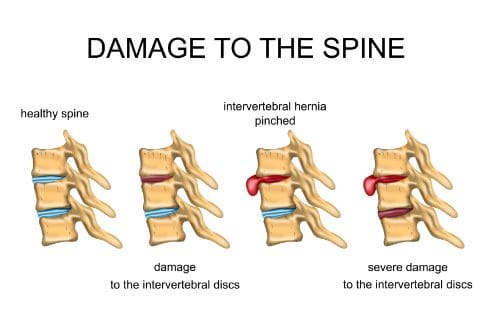
Depending on the type of trauma individuals can rupture or herniate the intervertebral disc/s, located between the vertebrae. This can generate constant pain, numbness, and weakness. With cases like this sometimes removal of the disc is necessary.
A surgeon will remove all or portion of the damaged disc through a process called a discectomy. After the discectomy, a doctor may have to permanently stabilize the area. This is because the spine becomes unstable and can move in abnormal ways. This increases the risk of a serious neurological injury. Therefore a discectomy is usually followed with a re-stabilization of the spine. Spinal stabilization techniques used:
Artificial Disc Replacement
Cervical artificial disc replacement also known as ADR could be performed instead of standard discectomy combined with spinal fusion. An artificial disc is implanted into the empty space following the procedure. Artificial disc replacement preserves or restores movement of the neck.
Fusion and Spinal Instrumentation
This form of spine stabilization can be done on its own or in combination with decompression surgery. The bones in the spine fuse together over time usually several months or longer depending on how the surgeon set up the fusion process. The surgeon will use a bone graft or a biological chemical that stimulates bone growth. A surgeon could use spinal instrumentation. These are:
Interbody device/s
Screws
Rods
Plates
These all are used to increase stability and help fuse the bones properly. The fusion prohibits movement between the vertebrae for long-term stability.
Stenosis
Whiplash surgery could also be necessary if the injury caused the spinal canal in the neck to narrow. Here a cervical corpectomy could be performed to remove part of the vertebra and intervertebral disc/s. This reduces the added pressure on the spinal cord and nerves.
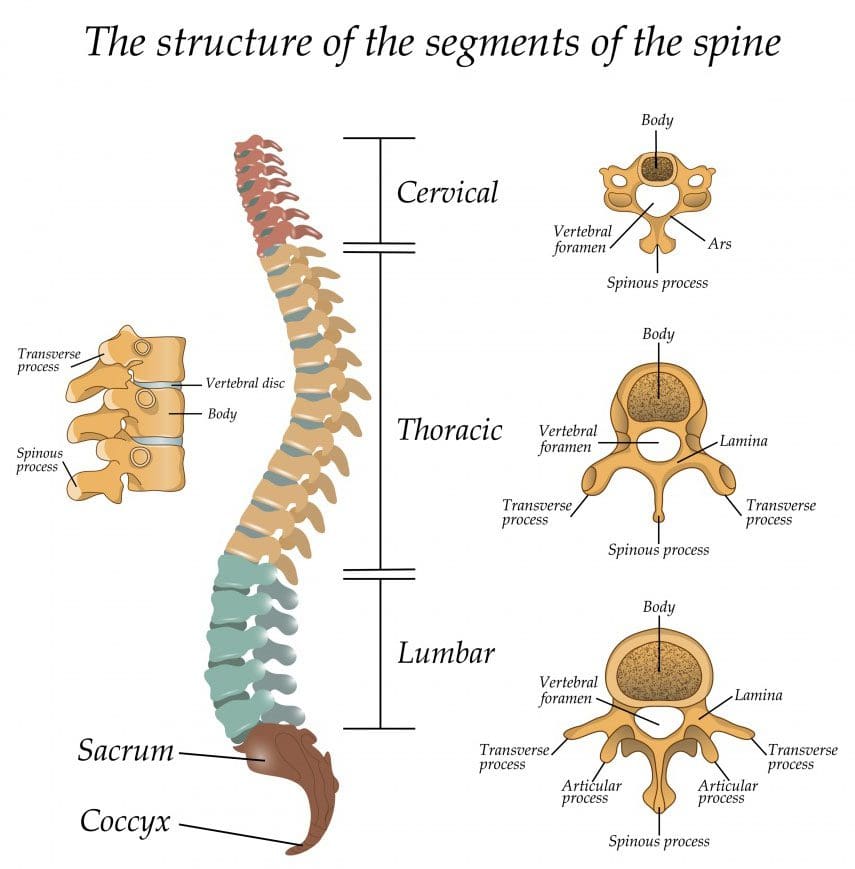
A surgeon could also do a laminectomy or a laminoplasty. Both focus on the lamina, which is the bony plate at the back of each vertebra. The lamina protects the spinal cord and canal. The lamina could also present added pressure on the spinal cord. This is where the surgeon will create extra space for the cord by removing all or part of the lamina. This is a laminectomy.
A laminoplasty re-shapes the lamina to create more room for the spinal cord. If there is a narrowing of the space where the nerve exits the canal, a cervical foraminotomy could be utilized. The foramen is the area where the nerve roots exit the spinal canal. This is removed to allow for more space for the nerves to move through. A larger pathway is less likely to pinch/compress the nerve.
Complications
A doctor will discuss all the potential risks before being asked to sign a surgical consent form. Complications can include:
Injury to the spinal cord, nerves, esophagus, carotid artery, vocal cords
Pain and swelling in the leg veins known as phlebitis
Blood clots in the lung
Urination problems
Complications could lead to more surgery, so make sure there is a complete understanding of the surgery and the risks before proceeding. The final decision is up to the individual.
Whiplash Surgery Recovery
After surgery, things might not be great right away. More than likely individuals are out of bed within 24 hours, and on pain meds for 2 to 4 weeks. Individuals will receive instructions on how to sitting down, and standing up. The body needs time to heal, so the doctor will recommend restricting certain activities that involve moving the neck too much. Avoid sports, twisting, or heavy lifting during recovery. And report any problems like fever increased pain, or infection right away.
Whiplash Massage Therapy
Dr. Alex Jimenez�s Blog Post Disclaimer
The scope of our information is limited to chiropractic, musculoskeletal, physical medicines, wellness, and sensitive health issues and/or functional medicine articles, topics, and discussions. We use functional health & wellness protocols to treat and support care for injuries or disorders of the musculoskeletal system. Our posts, topics, subjects, and insights cover clinical matters, issues, and topics that relate and support directly or indirectly our clinical scope of practice.*
Our office has made a reasonable attempt to provide supportive citations and has identified the relevant research study or studies supporting our posts. We also make copies of supporting research studies available to the board and or the public upon request. We understand that we cover matters that require an additional explanation as to how it may assist in a particular care plan or treatment protocol; therefore, to further discuss the subject matter above, please feel free to ask Dr. Alex Jimenez or contact us at 915-850-0900. The provider(s) Licensed in Texas& New Mexico*
IFM's Find A Practitioner tool is the largest referral network in Functional Medicine, created to help patients locate Functional Medicine practitioners anywhere in the world. IFM Certified Practitioners are listed first in the search results, given their extensive education in Functional Medicine