Injury prevention should be on everyone's mind. All jobs, sports, and activities have the potential to cause some form of injury/s. Sustaining an injury, no matter how big or small can take a toll on the body. It can force an individual to take a lengthy break from work, school, sports, etc, or stop completely.
Some form of rest is usually necessary to expedite the healing process but there are other ways to help with injury prevention. The most common type of injury that can be prevented is overuse/repetitive motion/s injuries. Many individuals realize that an underlying issue for injuries is spinal/body misalignment.
Injury prevention
A few ways that injury prevention can be optimized for various activities:
Full body stretching regularly will keep the body flexible
Developing the body's ability to learn healthy movement/s
Regular chiropractic, physical therapy
Health coaching
Misalignment and injury
When the spine is out of alignment the entire body goes out of balance and begins to function improperly and eventually breaks down. The nerve, blood circulation energy is affected. This compromises:
Tissue health
The body�s natural healing abilities
Normal body coordination and movement
This increases the risk of injury/s. Proper posture and body mechanics have a primary role in injury prevention. Proper spinal alignment allows the body�s ability to coordinate effective, pain/injury-free movement. Better coordination promotes optimal performance with less effort and corrects/improves muscle strain, tissue damage, and enhances bone health.
Proper spinal alignment
Chiropractic is a specialized expert approach that focuses on addressing core issues related to spinal alignment. Chiropractic treatment will locate and address spinal misalignments that individuals did not even know were there. The chiropractic approach will help establish a solid foundation for regular daily activities without injury. When the spine/body is properly-aligned nerve flow is restored and the body can move with reduced risk of injury or complication/s. Contact a chiropractic specialist and see what they can offer.
Body Composition Clinic
Too Much Sitting Health Consequences
When the body is in a seated position, the gluteal muscles, abdominal muscles, and legs remain static. When sitting for a long time day after day with no exercise/movement the muscles begin to degenerate/weaken and go into a pseudo form of atrophy from the lack of engaged movement/exercise.
Metabolism is linked with body composition meaning that more muscle increases metabolism and helps burn more calories. Muscle loss, especially from the lower body which is the largest muscle group, can lead to continued fat gain if exercise is not implemented and an unhealthy diet is not changed. Gradual muscle loss from the lower body can hurt functional strength and with age increases the risk of falls.
Dr. Alex Jimenez�s Blog Post Disclaimer
The scope of our information is limited to chiropractic, musculoskeletal, physical medicines, wellness, and sensitive health issues and/or functional medicine articles, topics, and discussions. We use functional health & wellness protocols to treat and support care for injuries or disorders of the musculoskeletal system. Our posts, topics, subjects, and insights cover clinical matters, issues, and topics that relate and support directly or indirectly our clinical scope of practice.*
Our office has made a reasonable attempt to provide supportive citations and has identified the relevant research study or studies supporting our posts. We also make copies of supporting research studies available to the board and or the public upon request. We understand that we cover matters that require an additional explanation as to how it may assist in a particular care plan or treatment protocol; therefore, to further discuss the subject matter above, please feel free to ask Dr. Alex Jimenez or contact us at 915-850-0900. The provider(s) Licensed in Texas& New Mexico*
References
McClure, Roderick J. �What is this thing called injury prevention?.��Injury prevention: journal of the International Society for Child and Adolescent Injury Prevention vol. 24,3 (2018): 177. doi:10.1136/injury prev-2018-042838
Participating in any sports or physical activities strengthens the mind and body. But working out and engaging in these types of activities too much or without rest periods wears down the body. There is the feeling of a good workout with some sore muscles and achiness that lets you know the activity is working positively.
However, soreness can quickly lead to pain and further injury if ignored. The lower back is a common area of soreness after working out playing sports, and where muscle spasms, pulls, and pinches occur. Being able to distinguish between workout soreness and pain is critical for maintaining a healthy spine.
A constant-sore back or feelings of sharp pains is not normal. If there is a feeling of low back pain during or after a physical routine, stop and take a moment to examine the tingling, discomfort, or pain being experienced. If unsure if the soreness or pain is a cause for concern call or video conference with a chiropractor to discuss what is going on.
Physical activity and pain
Individuals participating in physical/sports activities have an increased risk of low back pain because of the consistent running, twisting, and jumping. Any of these movements place pressure on the spine along with the surrounding ligaments and muscles, which can lead to injury.
Repetitive twisting and turning, stresses the muscles around the spine, which can cause frequent muscle sprains. Running and jumping also wears down the vertebrae and discs. Impact activities can also cause injuries to the spine, nerve roots, and surrounding tissues. The most common back problems include:
Muscle sprains
Osteoarthritis
Bulging discs
Herniated discs
Sciatica
Fractures are less common but still pose a risk
Individuals should watch for achiness or stiffness that lasts longer than a few days and does not alleviate with ice or anti-inflammatory over the counter medication, or sharp pain that happens with specific movement/s, along with any pain, numbness, tingling that runs down the leg/s or to other areas should consult a medical professional.
Treatment and prevention
Maintaining the body's health is critical. If the lower back begins to present discomfort or hurts, do not ignore it. Many will play through the pain when they should be taking a break. And ignoring any back pain could create new injuries or worsen the condition. Continued pressure on the back will worsen any strains or fractures and will hinder the body from healing properly.
Individuals tend to take on awkward/uncomfortable postures and move in awkward ways to avoid or compensate for the pain. This places added pressure in the wrong places and can cause/worsen an injury or condition. Pay attention to the pain. Try ice and heat therapy at home to see if it eases up. Using a foam roller or self-massage device can help if the back pain is muscular. However, if the pain is sharp, shooting, or does not go away, visit a chiropractor for diagnosis and treatment.
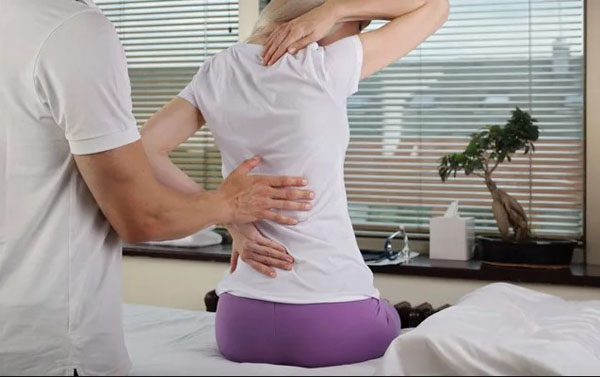
A chiropractor will conduct imaging tests and physical exams to identify the root cause. Once a diagnosis has been reached a treatment plan will be implemented through:
Massage
Stretches
Therapeutic exercises
Spinal adjustments
Health coaching
Visiting a chiropractic professional will improve the condition and strengthen the spine.
Fit Body Composition
Muscle recovery
When engaging in physical activity there is microscopic damage to the muscle cells. The stress and fatigue the body goes through during physical activity cause hormone and enzyme levels to fluctuate, increasing inflammation. This leads to:
Fat loss
Increased metabolism
Increased strength
Muscle growth
However, it happens through proper recovery. There are different types of recovery: immediate, short-term, and training.
Immediate recovery is the short time between movements. For example, when jogging, immediate recovery is the time between each stride.
Short-term is the time between sets of exercises. For example, the rest periods between exercise intervals.
Training recovery is the period between one workout session ending and the next beginning.
Research has shown that rest time is not a one size fits all. Everyone is different and therefore should consult a fitness trainer, or sports chiropractor and experiment with what feels right. For some individuals, 24 hours works. For others, it can be 48 or 72 hours to feel fully recovered. It depends on age, fitness level, physical activity intensity, diet, sleep, and more.
Dr. Alex Jimenez�s Blog Post Disclaimer
The scope of our information is limited to chiropractic, musculoskeletal, physical medicines, wellness, and sensitive health issues and/or functional medicine articles, topics, and discussions. We use functional health & wellness protocols to treat and support care for injuries or disorders of the musculoskeletal system. Our posts, topics, subjects, and insights cover clinical matters, issues, and topics that relate and support directly or indirectly our clinical scope of practice.*
Our office has made a reasonable attempt to provide supportive citations and has identified the relevant research study or studies supporting our posts. We also make copies of supporting research studies available to the board and or the public upon request. We understand that we cover matters that require an additional explanation as to how it may assist in a particular care plan or treatment protocol; therefore, to further discuss the subject matter above, please feel free to ask Dr. Alex Jimenez or contact us at 915-850-0900. The provider(s) Licensed in Texas& New Mexico*
References
Smith, Jo Armour et al. �Risk Factors Associated With Low Back Pain in Golfers: A Systematic Review and Meta-analysis.��Sports health�vol. 10,6 (2018): 538-546. doi:10.1177/1941738118795425
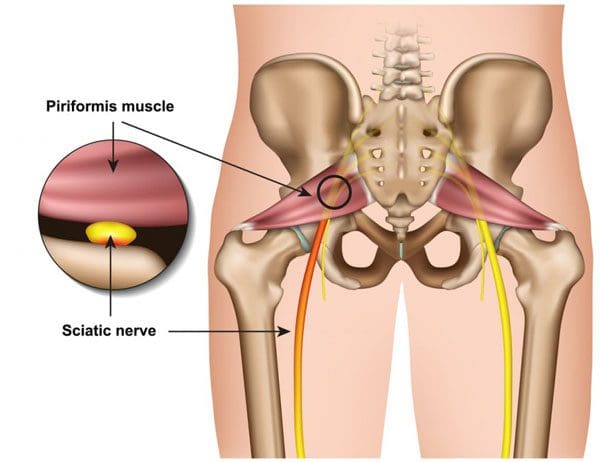
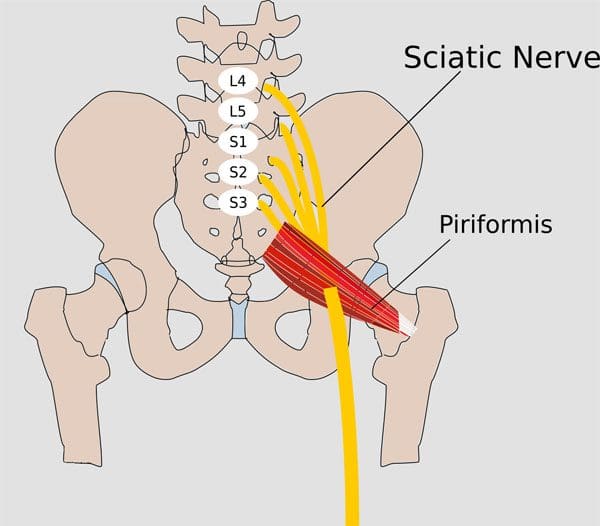
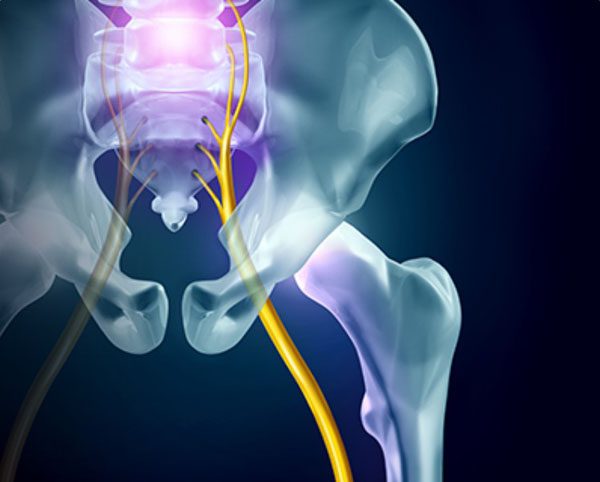
Identification of piriformis syndrome or sciatica requires proper testingand examination. The piriformis muscle begins at the sacrum near the sacroiliac joint and is attached to the femur/thigh bone at the outer area of the hip. The sciatic nerve passes typically under or through the muscle before going down the back of the thigh.
The piriformis helps turn the hip outward and bring the thigh outward to one side while the hip is bent. This could be when raising the knee and bringing the leg out. An example is stepping out of a car. The muscle also helps to stabilize when walking, running, and standing. Individuals with the sciatic nerve passing through the piriformis have an increased chance of developing piriformis syndrome. It can also be called piriformis sciatica since it is not true sciatica.
Symptoms
Piriformis syndrome does not always present the same way. Common symptoms include pain, tingling, and numbness in the buttocks that becomes worse when sitting. Other symptoms can include:
Pain when sitting, standing, or walking.
Pain when getting up from a seated/squatting position
Pain in the sacroiliac joint
Pain and/or pins and needles, burning, tingling, or itching sensation
Movement helps to reduce pain symptoms
Numbness in the foot
Many of these symptoms can be mistaken for sciatica. This is why proper testing is necessary to provide the appropriate treatment; otherwise, the condition could worsen or create new injuries.
Causes
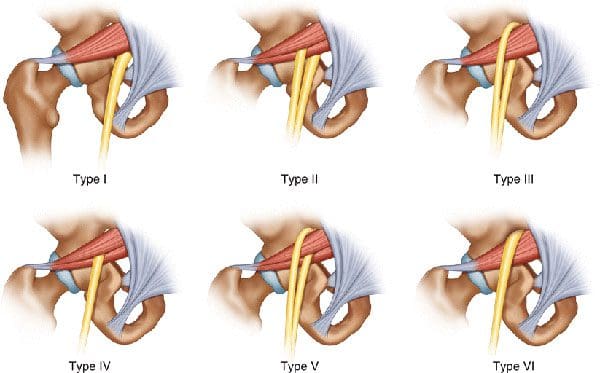
Primary piriformis syndrome happens when splitting the piriformis muscle, the sciatic nerve, and/or the sciatic nerve does not run along the normal path.
Secondary piriformis syndrome is more common and is caused by inflammation of the soft tissues, muscle spasms, etc. And the result is nerve compression.
Direct trauma to the buttock area can definitely cause inflammation, scarring, and contraction of the piriformis muscle. This could be the result of an automobile accident or a fall.
The most common cause is a progressive tightening of the muscle brought on from a weakened piriformis muscle.
Testing
Because of the close relation between piriformis syndrome and sciatica, a chiropractic medical professional will perform various tests to determine if symptoms are spinal disc-related or caused by the sciatic nerve getting pinched or impinged piriformis muscle. A chiropractor will examine the low back, hip, pelvis, sacroiliac joint, walking gait, posture, and leg length. They will test various body reflexes as well. Other tests can include:
Palpation/manipulation of the piriformis muscle
A Straight leg raise will be done to see if there is localized pain when pressure is applied to the piriformis muscle and the tendon. The chiropractor will flex the hip at a 90-degree angle and extend/straighten the knee.
A Freiberg test will be done to see if pain presents around the piriformis or reproduces symptoms.
The Pace maneuver test looks for pain and/or weakness during rotation of the hip when sitting.
The F.A.I.R test stands for flexion, adduction, and internal rotation. This test has the individual lie on the non-affected side while the chiropractor guides the painful leg into hip flexion, turns it in toward the body, and gently turns the lower leg outward.
The Beatty maneuver tests for pain while lying on the non-affected side, and the chiropractor elevates the flexed symptomatic leg.
Testing for pain or weakness in specific positions is usually conducted for one minute or when the individual experiences symptoms.
In addition to a physical exam, a chiropractor will utilize imaging scans to rule out any other causes. This can include X-rays, MRIs, or CT scans. Once the source has been diagnosed, treatment can begin. Many individuals choose to wait and see what happens, hoping the problem will go away. But the sooner the root issue is dealt with, the sooner an individual can get back to living pain-free.
Sciatica Pain Rehabilitation
References
The Journal of the Osteopathic Medical Association. (November 2008) Diagnosis and Management of Piriformis Syndrome: An Osteopathic Approach https://jaoa.org/article.aspx?articleid=2093614
Post-Injury: We push ourselves throughout our lives, and accidents that result in injuries are just part of the process. The top causes of injury include:
Falls
Automobile accidents
Sports injuries
Work injuries
Many of them lead to prolonged injury to the spine, knees, hands, and feet. The objective after an injury is to make sure the body heals properly. Without proper treatment, disability, chronic pain, and the development of other health issues are increased.
Post-Injury Care
Injuries cause pain that can result in spinal misalignment, range of motion problems, and a poor quality of life. Seeking care from a spinal expert in alignment and movement will help recover quicker and sustainably. Chiropractic is a research-oriented, top-quality approach that provides natural whole-body care. A chiropractic practitioner will promote proper recovery and decrease the risk of disability and chronic suffering.
Proper spinal alignment
Chiropractic providers are experts in spinal alignment. Here are a few of the amazing benefits that chiropractic provides. Even the most subtle misalignments affect blood and nerve circulation/energy leading to decreased overall body function, slow down the healing process, increases pain, and other health issues. Misalignment is associated frequently as a root cause for symptoms. This allows the body to restore its normal function and heal the recovery process.
Tissue restoration and flexibility
Once alignment has been restored, the continued chiropractic adjustments will maximize the effectiveness of the treatment plan. A personalized treatment plan focuses on the most effective, optimal, non-invasive techniques. The objective is to maintain body balance/alignment allowing the body to recover and rehabilitate properly. Treatment can include:
Pain management with modalities
Soft tissue massage
Exercises
Stretching
Health coaching
Maximize the benefits
Initial symptoms can become chronic and worsen with time if left untreated/ignored and are not medically addressed. Properly maintained recovery will minimize this risk of exacerbating or developing new injuries. Long-term issues typically stem from:
Improper mechanics
Misunderstanding of the injury
Scar tissue
Spinal misalignments
Chiropractic experts are trained to recognize subtle changes that can make differences in the long run and will help minimize all issues right from the start.
Chiropractic for injuries
After an injury has been sustained chiropractic post-injury will increase recovery potential and get the body back on track. Chiropractic post-injury will reduce pain, and get the body back at its best. Find a chiropractor to maximize the recovery process today.
Best Sports Chiropractor
��
Dr. Alex Jimenez�s Blog Post Disclaimer
The scope of our information is limited to chiropractic, musculoskeletal, physical medicines, wellness, and sensitive health issues and/or functional medicine articles, topics, and discussions. We use functional health & wellness protocols to treat and support care for injuries or disorders of the musculoskeletal system. Our posts, topics, subjects, and insights cover clinical matters, issues, and topics that relate and support directly or indirectly our clinical scope of practice.*
Our office has made a reasonable attempt to provide supportive citations and has identified the relevant research study or studies supporting our posts. We also make copies of supporting research studies available to the board and or the public upon request. We understand that we cover matters that require an additional explanation as to how it may assist in a particular care plan or treatment protocol; therefore, to further discuss the subject matter above, please feel free to ask Dr. Alex Jimenez or contact us at 915-850-0900. The provider(s) Licensed in Texas& New Mexico*
References
Piper, Steven et al. �The effectiveness of soft-tissue therapy for the management of musculoskeletal disorders and injuries of the upper and lower extremities: A systematic review by the Ontario Protocol for Traffic Injury Management (OPTIMa) collaboration.� Manual therapy�vol. 21 (2016): 18-34. doi:10.1016/j.math.2015.08.011
Chronic stress is a continued and constant feeling of stress that negatively affects the body's health if left untreated. It is caused by everyday pressures from work, family, or trauma, but instead of calming down and going back to a neutral demeanor, the worry and anxiety keep going. Chronic stress happens when the body experiences stressors to an intense degree, that the nervous system is not able to activate the relaxation response regularly.
Normal stress is an essential part of the body�s fight or flight response that keeps an individual safe from danger and ensures survival when something threatening occurs. If the stress becomes chronic and is not managed appropriately it can be detrimental causing or exacerbating serious health problems that include:
Mental health problems
Depression
Anxiety
Disorders
Cardiovascular disease/s
Heart disease
High blood pressure
Abnormal heart rhythms
Heart attack
Stroke
This affects almost every system in the body, directly and indirectly. The body can handle acute/short-term stress, but not chronic stress. Despite how chronic stress can damage overall health, chiropractic can bring the body back into balance and help manage the stress.
Chronic Stress Health
There are a variety of factors that can lead to the onset of chronic stress and include:
Mental health problems related to depression, anxiety, etc
Traumatic events like natural disasters, automobile accident, injuries
Caring for a family member or elder that is sick
Continued exposure to negativity from social media, news, etc
Chronic blue light exposure from electronic devices
Unhealthy habits related to poor sleep, unhealthy diet, and lack of exercise
Chronic illness
Having no stress management techniques or unhealthy coping methods
The body is not meant to be in a constant state of stress, as it does not allow the body to repair itself and rest properly. This can lead to the breakdown of cellular processes, proper organ functions, and lead to disease. Chronic stress has been linked to heart disease, diabetes, and depression.
Identification
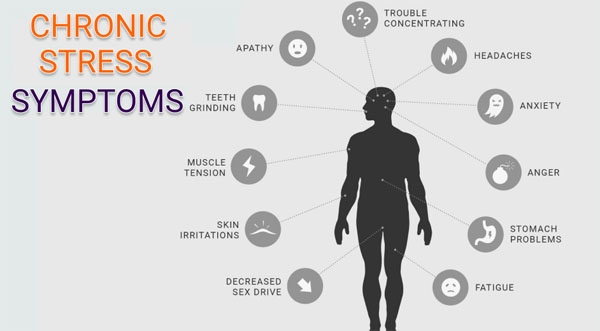
It is not easy to recognize chronic stress. This is because of its long-lasting nature that individuals get so accustomed to, that it becomes normal. Symptoms to look for when identifying chronic stress:
Mood fluctuations and/or irritability
Always worrying about something
No time to take care of oneself or take part in enjoyable activities
Little inconveniences become too much to handle
Constantly getting colds or infections
Rely on unhealthy coping mechanisms like junk food, or alcohol to manage the stress
Management Techniques
The ability to properly manage chronic stress is crucial for achieving optimal health. Management can be simple and straightforward. Options for management include:
Chiropractic
Healthy diet
Sleep improvement
Regular physical activity
Relaxation techniques like massage and heat therapy
Time management skills improvement
Reduced screen exposure specifically at night
Less time on social media
Mindfulness practice like meditation
Spinal Alignment
The techniques listed address reducing the external cues that affect internal health brought on by the stress response. Addressing internal imbalances will help the body return to a state of homeostasis. A common underlying imbalance that contributes to chronic stress is spinal misalignment. This is a root cause that could be over-activating the stress response which limits the body's ability to return to a relaxed state.
Chiropractic Management
Spinal misalignment/s hinders the nervous system's ability to regulate the body's stress response. This is due to improper nerve signaling and poor blood, and energy flow. Chiropractic is a research-oriented, science-based natural medical approach that specializes in addressing spinal issues. It gets the body's natural healing ability to activate returning the body's natural state of balance.
Most Recommended Chiropractor
��
Dr. Alex Jimenez's Blog Post Disclaimer
The scope of our information is limited to chiropractic, musculoskeletal, physical medicines, wellness, and sensitive health issues and/or functional medicine articles, topics, and discussions. We use functional health & wellness protocols to treat and support care for injuries or disorders of the musculoskeletal system. Our posts, topics, subjects, and insights cover clinical matters, issues, and topics that relate and support directly or indirectly our clinical scope of practice.*
Our office has made a reasonable attempt to provide supportive citations and has identified the relevant research study or studies supporting our posts. We also make copies of supporting research studies available to the board and or the public upon request. We understand that we cover matters that require an additional explanation as to how it may assist in a particular care plan or treatment protocol; therefore, to further discuss the subject matter above, please feel free to ask Dr. Alex Jimenez or contact us at 915-850-0900. The provider(s) Licensed in Texas& New Mexico*
References
Abdallah, Chadi G, and Paul Geha. Chronic Pain and Chronic Stress: Two Sides of the Same Coin?.Chronic stress (Thousand Oaks, Calif.) vol. 1 (2017): 2470547017704763. doi:10.1177/2470547017704763
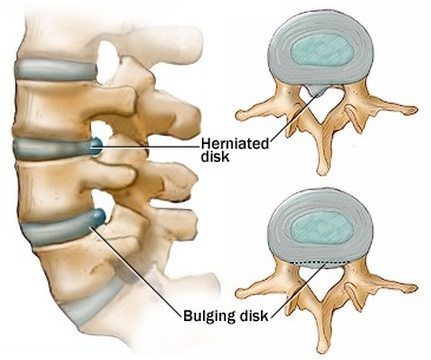
Bulging discs usually present in the lower back. Chiropractic studies have shown that the L4 and L5 segments are more susceptible to stressors that enable and cause the discs to bulge.
These vertebrae shift and become compressed with stress and time. The bulge eventually reaches a point that causes symptoms that include:
Pain
Limited range of motion
Mobility issues
Bulging discs are a common ailment that chiropractors specialize in treating and is one of the most common reasons individuals seek treatment. There is a surprise when individuals learn that spinal adjustments are only part of the solution for relief from bulging discs. Once a chiropractor realigns the vertebrae back into place, the individual must put in the work of preventing any re-bulging.
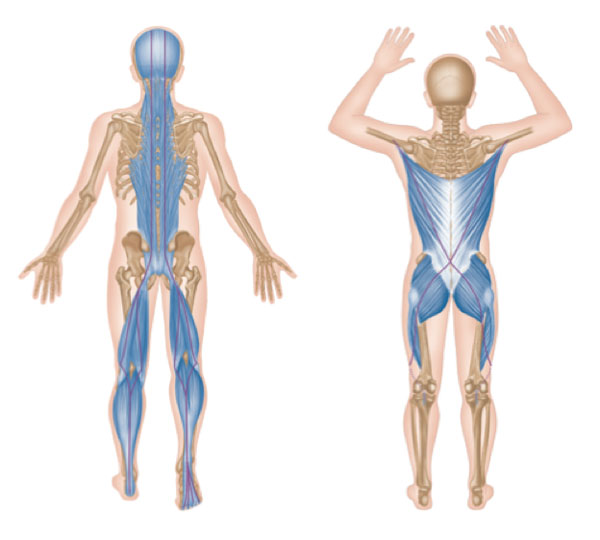
Once relief has been attained individuals can become hesitant when a chiropractor informs them of the need for posterior chain strengthening. Posterior chain adjustments along with strength exercises are very important for the prevention of further bulging discs and overall optimal spine health. Restoring the lower back's curvature and maintaining alignment requires strengthening the support system. Part of the chiropractic experience is educating patients on how to best maintain their spines.
Posterior chain Identification
A bulging low back disc is more than low back pain. A chiropractor will help an individual identify the posterior chain stimulus that is causing their bulging discs. An example to identify the posterior chain root that is causing the pain, a chiropractor will have an individual perform certain movements to figure out where along the chain the problems are occurring. It could be a weakness in the gluteal muscles or if the chiropractor asks the individual to touch their toes from a standing position and they are unable could show inflexibility.
Chiropractic Adjustments
Bulging discs begin with proper chiropractic adjusting and re-alignment. Palpitation along with radiological imaging will allow a chiropractor to determine which lumbar disc/s is bulging and to what extent. This will determine the treatment protocol that the chiropractor will take.
It can include drop table adjustments that will help shift any misaligned vertebrae, and traction to alleviate compression and inflammation. Depending on age, the severity of the bulge, and the cause of the condition, a combination of adjustment techniques could be utilized.
Strengthening
Once the pain has been addressed, a chiropractor will recommend exercises and stretches to strengthen the posterior chain and its support system. The disc/s that are bulging will be able to realign properly while any further bulges can be avoided. Strengthening is focused on the:
Gluteal muscles
Hamstrings
Quadriceps
Hip flexors
Low back
Core strengthening will increase the strength of these muscle groups. This means enhanced support for the entire spine promoting the spine's ability to handle stressors and avoid bulging. Individuals have found benefits from yoga or a specific stretching regimen of the posterior chain. This helps reduce stress in overused/worked muscles that improve flexibility and mobility support systems.
Bulging disc relief
Bulging discs should not be ignored. If left untreated it could lead to more severe complications. To prevent recurring bulges along with low back pain, an individual needs to strengthen the posterior chain. Strengthening, and stretching are all crucial to the chiropractic adjustment process. A customized chiropractic treatment plan will ensure every individual gets the proper support their body needs.
Herniated Disc Treatment
��
Dr. Alex Jimenez�s Blog Post Disclaimer
The scope of our information is limited to chiropractic, musculoskeletal, physical medicines, wellness, and sensitive health issues and/or functional medicine articles, topics, and discussions. We use functional health & wellness protocols to treat and support care for injuries or disorders of the musculoskeletal system. Our posts, topics, subjects, and insights cover clinical matters, issues, and topics that relate and support directly or indirectly our clinical scope of practice.*
Our office has made a reasonable attempt to provide supportive citations and has identified the relevant research study or studies supporting our posts. We also make copies of supporting research studies available to the board and or the public upon request. We understand that we cover matters that require an additional explanation as to how it may assist in a particular care plan or treatment protocol; therefore, to further discuss the subject matter above, please feel free to ask Dr. Alex Jimenez or contact us at 915-850-0900. The provider(s) Licensed in Texas& New Mexico*
References
Djuric, N et al. �Lumbar disc extrusions reduce faster than bulging discs due to an active role of macrophages in sciatica.��Acta neurochirurgica�vol. 162,1 (2020): 79-85. doi:10.1007/s00701-019-04117-7
Because sciatica is an inflammatory condition, with the sciatic nerve specifically being the target, sciatica fitness and exercise is one of the first recommendations from chiropractors. Sciatica is a series of symptoms from a variety of underlying medical causes and condition/s. This could be:
Too much sitting, which most of us are doing these days
Work injuries
Automobile accident injuries
Sports injuries
Awkward movements/motions that pulled the sciatic nerve in the wrong direction
A correct diagnosis of the cause is essential to help the chiropractor formulate a customized optimal treatment plan. Individuals can experience the same symptoms across the board, however, despite the similarities, sciatica requires a careful, customized precision approach to treatment. An ideal treatment plan often requires a very specific exercise regimen and chiropractic adjustment schedule. Therefore, there is no one-size-fits-all solution.
Sciatica can be treated effectively with the right chiropractic approach with a high success rate for alleviated symptoms. Effectively treating sciatica requires direct treatment to the specific cause, rather than using techniques that only mask the pain. Example: If a herniated disc is the root cause, sciatica can be relieved by reducing the bulge of the disc, thus bringing down the irritation/inflammation and compression of the sciatic nerve.
�
Sciatica treatment/s depends on the cause
A stretching regimen for sciatica caused by a low back herniated disc will be different than stretches for treating low back spinal stenosis. Understanding how sciatica is the key to unlocking a treatment plan that will work to minimize pain and inflammation.
Exercise Can Help
Exercising and sciatica fitness will help relieve sciatic pain in various ways. These include:
Improves the range of motion, which reduces stress on the spine
Higher activity levels generate adrenaline and endorphins, to help combat the pain
Specific exercises/stretches need to be done that target the sciatic nerve and the root cause. Working with a chiropractor will bring an understanding of specifically how the body should be worked out, the intensity of the workout, and where on the body the focus should be.
For example, if the nerve is irritated from a pelvic tilt and low back compression, a chiropractor could recommend a minimal cardio workout with combined strength exercises for the hamstrings, glutes, and lower body. A strength and conditioning regimen will increase stability in the lower body, prevent pelvic tilt, and reinforce the chiropractic adjustments/alignment.
Chiropractic Benefits
However, sciatica fitness and exercise on its own is not the complete solution for dealing with chronic sciatic pain. Chiropractic adjustments along with chiropractic prevention are necessary to restore the stability and integrity of the spine. When used in combination with exercise, the re-alignment and corrections can take effect sooner and maintain optimal spinal health. When individuals condition and strengthen their body, The musculature that supports the spine gets massive reinforcement. This minimizes the chances of a reoccurring pelvic tilt from weakened core muscles. The long-term effects of sciatica fitness/exercise and chiropractic spinal/hip manipulation work together to form a perfect combination.
�
Sciatica Fitness
For truly long-term effects of pain relief and a better quality of life, a chiropractic treatment plan is highly recommended. Specific targeted adjustments and re-alignment with a sciatica fitness program will promote optimal health and wellness.
�
Whole Body Wellness Foot Orthotics
Dr. Alex Jimenez�s Blog Post Disclaimer
The scope of our information is limited to chiropractic, musculoskeletal, physical medicines, wellness, and sensitive health issues and/or functional medicine articles, topics, and discussions. We use functional health & wellness protocols to treat and support care for injuries or disorders of the musculoskeletal system. Our posts, topics, subjects, and insights cover clinical matters, issues, and topics that relate and support directly or indirectly our clinical scope of practice.*
Our office has made a reasonable attempt to provide supportive citations and has identified the relevant research study or studies supporting our posts. We also make copies of supporting research studies available to the board and or the public upon request. We understand that we cover matters that require an additional explanation as to how it may assist in a particular care plan or treatment protocol; therefore, to further discuss the subject matter above, please feel free to ask Dr. Alex Jimenez or contact us at 915-850-0900. The provider(s) Licensed in Texas& New Mexico*
References
Beavers, Kristen M et al. �Effect of exercise training on chronic inflammation.��Clinica chimica acta; international journal of clinical chemistry�vol. 411,11-12 (2010): 785-93. doi:10.1016/j.cca.2010.02.069
Coulombe, Brian J et al. �Core Stability Exercise Versus General Exercise for Chronic Low Back Pain.��Journal of athletic training�vol. 52,1 (2017): 71-72. doi:10.4085/1062-6050-51.11.16
IFM's Find A Practitioner tool is the largest referral network in Functional Medicine, created to help patients locate Functional Medicine practitioners anywhere in the world. IFM Certified Practitioners are listed first in the search results, given their extensive education in Functional Medicine