For individuals wanting to try acupuncture for various health conditions but aren’t sure?
Is Acupuncture Painful?
Acupuncture is a procedure where extremely fine needles are inserted into pressure points in the body. A traditional Chinese medicine technique used to alleviate pain and enhance physical and emotional well-being. (Harvard Health, 2023) It can be beneficial for anyone dealing with persistent painful conditions, such as back pain, sciatica, arthritis-related discomfort, headaches, and post-surgery pain. It’s also a supportive option for individuals experiencing hot flashes and generalized inflammation, making it a versatile choice for holistic health. People undergoing acupuncture experience minimal pain, usually mild pressure or soreness during or after. However, choosing an experienced practitioner and communicating with them during the treatment is the best way to avoid increased pain.
When Performed Correctly, It Should Not Hurt
Many fear that acupuncture will be painful. However, this is not the case because the procedure uses extremely fine needles. One study of pediatric patients found that 87% reported minimal to no pain while having the treatment (Gold J. I. et al., 2023). Improper needle placement is one of the most common reasons that patients experience pain during or after treatment (Johns Hopkins Medicine, 2025). This is why it is important to be treated by a licensed practitioner who is well-versed in treating specific conditions.
Soreness After Treatment
It is relatively uncommon to experience pain after receiving acupuncture. About 10% of individuals experience minor soreness after the treatment (Kelly R. B. & Willis J. 2019). The soreness is typically felt in the areas where the needles were inserted.
Situations When Pain Can Present
A small group of those who undergo acupuncture may experience some pain. It is most frequently seen in the following: (Harvard Health, 2023)
The acupuncturist is inexperienced and inserts the needle incorrectly or not in the right area.
The needles are inserted more deeply than normal or with too much pressure.
The patient has a lower pain threshold and/or is more sensitive to needles.
The practitioner uses higher gauge/thicker needles.
It is important for individuals who have not had acupuncture before to discuss the procedure and any concerns with their provider beforehand. The acupuncturist may be able to perform a trial needle insertion to provide a preview of the treatment. During the initial session, they may use fewer needles or target a smaller area. Constantly communicate with the acupuncturist during the treatment. This allows them to adjust the needles causing soreness or discontinue the procedure if there is increased pain.
Acupuncture Process
Modern medicine explains acupuncture’s benefits. When the needles are inserted, they stimulate the release of endorphins, opioids, immune system cells, and neurohormones. These chemicals help reduce and relieve pain and modify how the body perceives it. They may also impact blood pressure, body temperature, and central nervous system function. (Harvard Health, 2023)
Pressure Points: Is Acupuncture Painful On Certain Body Parts?
Acupuncture can cause some increased soreness in certain body areas. This is especially true when needles are inserted into less muscle or fat regions. For example, hand or foot acupuncture can occasionally cause increased pain (Kaiser Permanente, 2021). Thin individuals with less soft tissue may also experience a stinging sensation as needles are inserted. Communication with the provider is the key to making the acupuncture sessions as comfortable as possible.
During A Session
The first acupuncture session may consist of the following:
The practitioner goes over medical history and current symptoms.
The practitioner examines the body and may also examine the tongue to assess for any present imbalances.
The patient will lie or sit on a table.
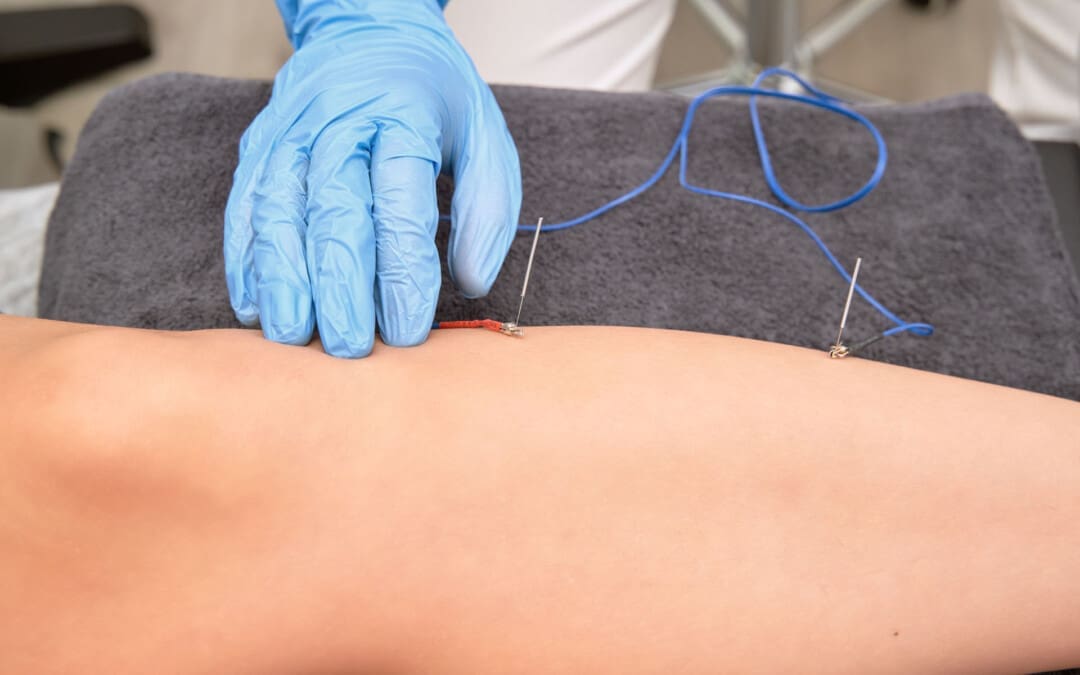
Sterilized needles are inserted into the affected areas one at a time.
In some situations, heat or electrical stimulation may also be used to enhance its effects. (Johns Hopkins Medicine, 2025)
Most cases of soreness after treatment will resolve in one to three days. During this time, here are a few recommendations to alleviate any soreness symptoms:
Apply ice to the areas of soreness.
Gently stretch the sore areas.
Increase fluid intake.
Soak in a warm bath with Epsom salts or magnesium oil.
Perform light aerobic exercise.
Take over-the-counter anti-inflammatory medication if recommended by a physician. (University of Georgia, N.D.)
Find a Licensed Acupuncturist
Most states have an online directory of licensed acupuncturists that can help find a local provider. Some national acupuncture associations also maintain lists of members who are board-certified. For example, this directory searches for certified acupuncturists through the National Certification Commission for Acupuncture and Oriental Medicine. (National Certification Commission for Acupuncture and Oriental Medicine, 2024)
Injury Medical Chiropractic and Functional Medicine Clinic
Therefore, acupuncture is not painful and can help relieve symptoms such as anxiety, stress, pain, discomfort, tightness, and poor circulation. Injury Medical Chiropractic and Functional Medicine Clinic can help individuals recover and build optimal health and wellness solutions with primary healthcare providers and specialists. We focus on what works for you to relieve pain, restore function, prevent injury, and help mitigate issues through adjustments that help the body realign itself. They can also work with other medical professionals to integrate a treatment plan to resolve musculoskeletal problems.
Beyond Adjustments: Chiropractic and Integrative Healthcare
References
Harvard Health Publishing. (2023). Acupuncture. https://www.health.harvard.edu/a_to_z/acupuncture-a-to-z
Gold, J. I., Kobylecka, M., Ngo, N. H., Lin, C. T., & Hurray, C. N. (2023). Does Acupuncture Hurt? A Retrospective Study on Pain and Satisfaction during Pediatric Acupuncture. Children (Basel, Switzerland), 10(11), 1774. https://doi.org/10.3390/children10111774
Kelly, R. B., & Willis, J. (2019). Acupuncture for Pain. American family physician, 100(2), 89–96.
Kaiser Permanente. (2021). Acupuncture 101: here’s what you can expect. https://healthy.kaiserpermanente.org/health-wellness/healtharticle.acupuncture-101
University of Georgia. (N.D.). Dry needling. https://healthcenter.uga.edu/healthtopics/dryneedling/
National Certification Commission for Acupuncture and Oriental Medicine. (2024). Directory: Feel Confident About Finding a Qualified Practitioner. https://directory.nccaom.org/#
Can incorporating an exercise program like the Alfredson Protocol help athletes and individuals who have hurt their Achilles tendon find pain relief and healing so they can return to regular physical activities?
Exercise Protocol Achilles Tendonitis
Achilles tendonitis occurs when the tendon at the back of the ankle gets injured. It is common in runners. For individuals who have Achilles tendonitis, walking and running can be painful. You might have to stop engaging in exercise and physical activities like sports. Depending on your job, having the condition may make working harder. Here are a few of the signs and symptoms of the condition:
Pain in the back of the lower leg, just above the heel.
Pain with running, jumping, or pointing the toes.
A small lump on the Achilles tendon just above the heel.
The first line of treatment is to rest and ice the tendon. Anti-inflammatory medications can help reduce pain. (American Academy of Orthopaedic Surgeons, 2022) Physical therapy can include strengthening exercises, ultrasound heat therapy, and deep massage. Exercises stretching the nearby muscles will help gradually increase the stress the tendon can handle, eventually reducing inflammation and swelling. Stretching and flexibility exercises will help an Achilles tendon heal. (University of Michigan, 2023)
The only way to determine if an individual has injured their Achilles tendon is to see a doctor. If the injury is Achilles tendonitis, a physical therapist may be recommended. A physical therapist can train individuals on the Alfredson protocol, an exercise protocol program for those with Achilles tendonitis (tendinopathy) that research has shown is helpful for those with the condition. The therapist will train on how to exercise to strengthen the tendon. The exercises stretch the Achilles tendon to help it handle forces and stress, known as eccentric loading. (Stevens M., & Tan C. W. 2014)
Inflammation
Tendonitis is inflammation of a tendon. However, studies have shown that the tendon might not be inflamed in those with the condition. When an area of the body is inflamed, inflammatory cells are present. Individuals usually feel pain in the inflamed area. For those with Achilles tendonitis, the tendon will present with pain, but not necessarily because the tendon is inflamed. Under a microscope, researchers examined tissue from the tendons of those with Achilles tendonitis. They did not find inflammatory cells in the tissue. (Stevens M., & Tan C. W. 2014) This means that although individuals felt pain, they were not inflamed. If there are no inflammatory cells in the tendon, this could explain why those with Achilles tendonitis often do not find relief from the anti-inflammatory treatment of non-steroidal anti-inflammatory drugs (NSAIDs). Studies have shown that gentle exercise protocols for the tendon are more helpful. However, researchers are not sure why these exercises are so beneficial. (O’Neill S., Watson P. J., & Barry S. 2015)
Eccentric Exercise
A chiropractic physical therapy team can help individuals heal the injury with eccentric loading exercises. Eccentric loading exercises work the muscles and tendons to help them get stronger. Once healing has begun, they can help strengthen the tendon. Individuals start slowly with easy exercises and then work up to harder ones. They will have the patient lengthen or stretch out the muscle. As the patient moves, the muscles and tendons contract or shorten. The Alfredson protocol consists of eccentric loading exercises for the Achilles and the muscles that support it.
Alfredson Protocol
Before exercising, talk to a doctor or physical therapist to know if it’s safe. How to do the Alfredson protocol:
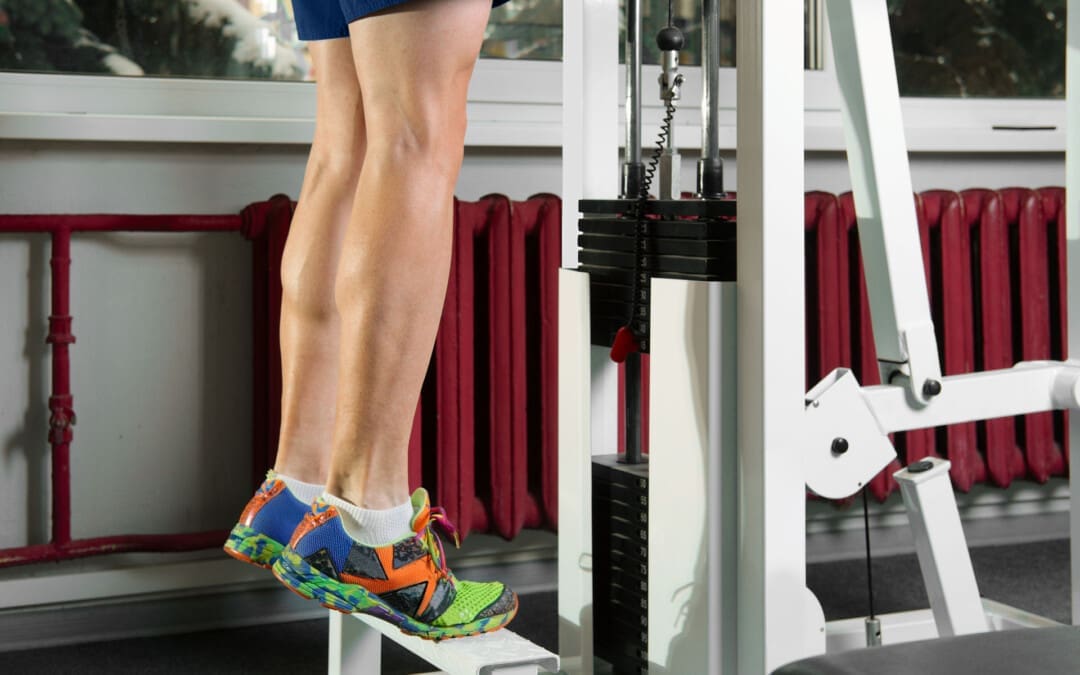
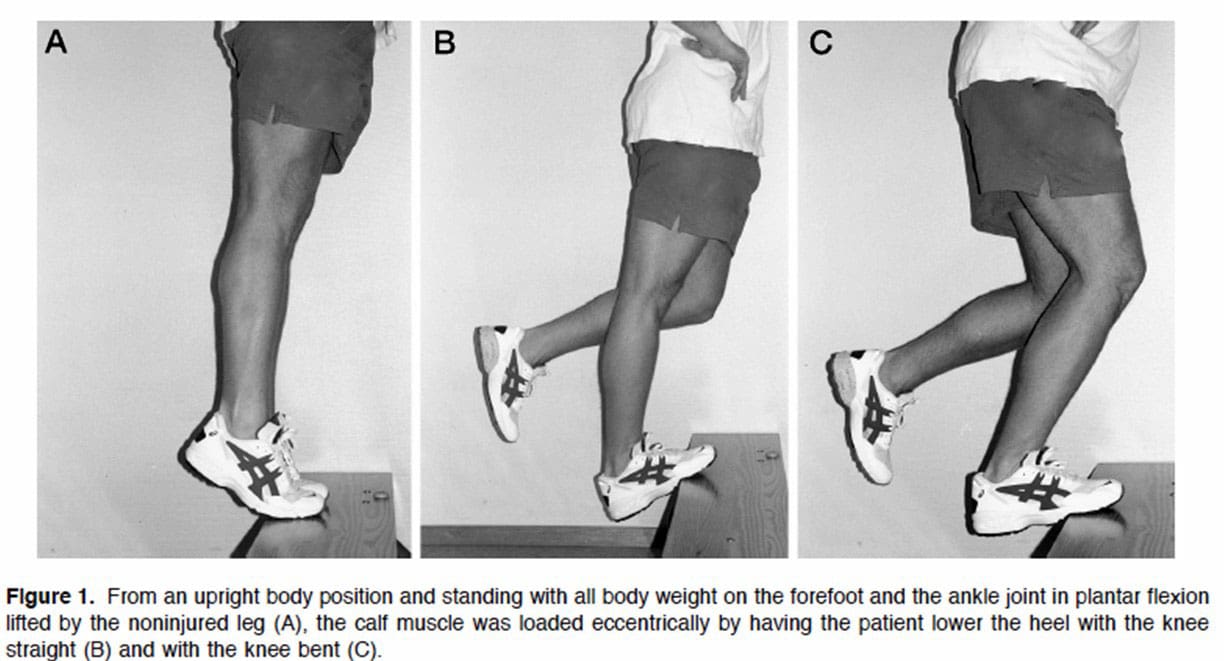
First, stand on a small step or curb.
Stand with the balls of your feet on the edge.
Your heels should hang over the edge.
Hold onto something for balance.
Keep the knees straight.
This will load a muscle part of the Achilles tendon called the gastrocnemius.
Using both feet, lift the heels and rise onto the balls of the feet.
Keep the foot with the painful Achilles tendon on the step.
Lift the non-injured foot off the step.
Slowly lower down using the injured ankle.
The heel should move towards the floor.
The ball of the foot should remain in contact with the edge of the step.
Return the non-injured foot to the step.
Repeat the exercise.
Do three sets of 15 reps with the knees straight. Then, do the Alfredson protocol again with the knees slightly bent. This will work a muscle called the soleus, which connects to the gastrocnemius. Perform three sets of 15 repetitions. Perform both exercises twice a day. This could be in the morning and the evening. The Alfredson protocol is most beneficial when done for about 12 weeks. (Stevens M., & Tan C. W. 2014)
Injury Medical Chiropractic and Functional Medicine Clinic
The Alfredson exercise protocol can be done at home with a step or raised platform to put the feet on safely. Individuals should consider working with a personal trainer to ensure safety and get the most out of the workouts. Injury Medical Chiropractic and Functional Medicine Clinic works with primary healthcare providers and specialists to build optimal health and wellness solutions. We focus on what works for you to relieve pain, restore function, prevent injury, and help mitigate issues through adjustments that help the body realign itself. They can also work with other medical professionals to integrate a treatment plan to resolve musculoskeletal problems.
American Academy of Orthopaedic Surgeons. OrthoInfo. (2022). Achilles Tendinitis. https://orthoinfo.aaos.org/en/diseases–conditions/achilles-tendinitis/
University of Michigan. (2023). Achilles Tendon Injury: Physical Therapy and Rehab. https://www.uofmhealth.org/health-library/tr2261
Stevens, M., & Tan, C. W. (2014). Effectiveness of the Alfredson protocol compared with a lower repetition-volume protocol for midportion Achilles tendinopathy: a randomized controlled trial. The Journal of orthopaedic and sports physical therapy, 44(2), 59–67. https://doi.org/10.2519/jospt.2014.4720
O’Neill, S., Watson, P. J., & Barry, S. (2015). WHY ARE ECCENTRIC EXERCISES EFFECTIVE FOR ACHILLES TENDINOPATHY?. International journal of sports physical therapy, 10(4), 552–562.
What is the recommended way to choose a mattress for individuals with back pain?
Back Pain Mattress
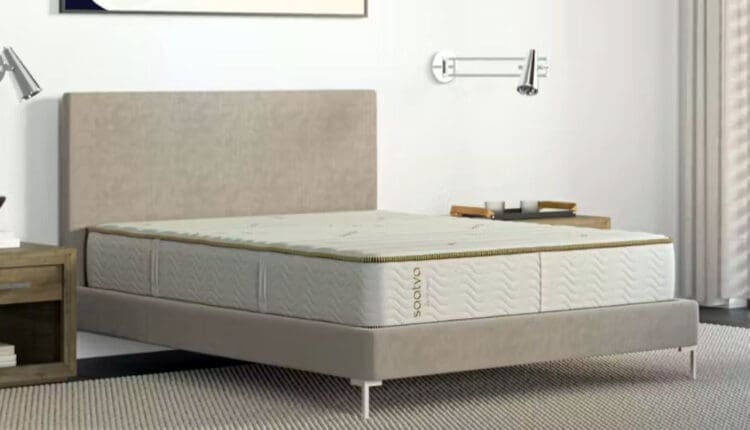
When choosing a back pain mattress, one size does not fit all in selecting one for those with spine pain. Several other factors play a role, as well. However, whether a firm or soft mattress is the best option for individuals whose back pain keeps them up at night, most health experts say the choice is yours and that the mattress that makes you feel most comfortable is likely the best option. The research says that medium firmness seems to provide the most painless sleep. A review gathered information from 24 controlled trials where participants used soft, medium-firm, firm, or custom-inflated mattresses. The results showed that medium-firm and self-adjusted mattresses were best for sleep comfort, quality, and spinal alignment. (Radwan A. et al., 2015)
Medical Status
Selecting the back pain mattress best suited to your spinal condition is more than just how hard or soft the mattress is. Individuals and their healthcare providers should thoroughly review their medical history to tailor the mattress to their needs. Before purchasing a mattress, check the following:
Age
Medical history
Injuries current and past
Current diagnosis or diagnoses
Disease and/or Conditions
Sleeping preferences
For example, symptoms of spinal stenosis tend to present themselves when one is standing and walking but not when lying down. For this reason, mattress firmness is not a big issue only for people with spinal stenosis. However, it must be taken into consideration for those who have degeneration along with spinal stenosis.
Individuals with spinal arthritis without stenosis, disc problems, or non-specific back pain need to consider the relative firmness or softness of the back pain mattress. People with these conditions do better with more support, i.e., a firmer mattress. While everyone needs some back support when they sleep, those who have undergone multiple back surgeries often need less. The tissues have been altered and may be stiffer after several surgeries. In this case, a softer mattress may be more suitable and comfortable.
Mattress Age
Mattress springs break down over time, which makes the bed softer. This can aggravate the spine and back muscles. Based on this, investing in a new mattress makes sense, or pain and stiffness can worsen with the current one. While this will vary among individuals, medical research may help shed some light: A study measured the comfort and quality of sleep for 27 participants with low back pain and stiffness. The participants recorded their sleep comfort and quality in their beds for 21 days and then with a new prescribed mattress and bedding system, which they used for 12 weeks. The study found that the participants showed significant and progressive improvement in back pain and stiffness on the new mattresses and improved sleep quality significantly. (Jacobson B. H. et al., 2010)
Sleeping Position
The position usually slept in makes a difference in the support needed for the back pain mattress. Some recommendations for back sleepers, side and fetal position sleepers, and stomach sleepers:
Side Sleepers
Most people are side sleepers.
They sleep in the fetal position with their knees drawn up toward their chest.
This position tends to place pressure on the hips and shoulders.
For side and fetal sleepers, a slightly softer mattress is recommended.
The foam the mattress is made of conforms to the body, especially in the thoracic and lumbar regions of the spine.
Stomach Sleepers
For the stomach sleeper, soft mattresses can irritate the back.
A soft mattress encourages the abdomen to sink into the bed.
The resulting position is known to increase the arch in the lower back and cause pain.
A medium-firm surface is good for stomach sleepers.
The idea is to derive support from the chosen mattress without the abdominal sinking.
The sinking effect is amplified if you have a large abdomen.
For thin individuals, sinking may not be as much of an issue.
Back Sleepers
For support, place a thin, rolled towel or pillow under the knees and lower back of those who sleep on their backs.
A pillow/s under these areas will help support them and provide more comfort.
Researchers divided the participants according to their usual sleep position. They were assigned to a medium-firm mattress with foam and latex layering based on their preferred sleep position. The participants rated their sleep comfort and quality daily for three months. The researchers found that the new mattresses improved back pain and stiffness. For this reason, they concluded that sleep surfaces relate to sleep discomfort and that replacing a mattress with one uniquely suitable to your spinal condition can reduce and relieve pain. (Jacobson B. H. et al., 2010)
Injury Medical Chiropractic and Functional Medicine Clinic
Choosing the right back pain mattress ultimately comes down to personal preference. Individuals should try various mattresses and see which one they like best. Individuals who struggle with sleep or other sleep disorders that impact their ability to get restful sleep should consult with their healthcare provider about getting an assessment and treatment. Injury Medical Chiropractic and Functional Medicine Clinic can help individuals recover and regain the benefits of quality rest through healthy sleep practices and lifestyle accommodations. We build optimal health and wellness solutions with primary healthcare providers and specialists. We focus on what works for you to relieve pain, restore function, prevent injury, and help mitigate issues through adjustments that help the body realign itself. They can also work with other medical professionals to integrate a treatment plan to resolve musculoskeletal problems.
Chiropractic Care Can Transform Pain Into Relief
References
Radwan, A., Fess, P., James, D., Murphy, J., Myers, J., Rooney, M., Taylor, J., & Torii, A. (2015). Effect of different mattress designs on promoting sleep quality, pain reduction, and spinal alignment in adults with or without back pain; systematic review of controlled trials. Sleep health, 1(4), 257–267. https://doi.org/10.1016/j.sleh.2015.08.001
Jacobson, B. H., Boolani, A., Dunklee, G., Shepardson, A., & Acharya, H. (2010). Effect of prescribed sleep surfaces on back pain and sleep quality in patients diagnosed with low back and shoulder pain. Applied ergonomics, 42(1), 91–97. https://doi.org/10.1016/j.apergo.2010.05.004
Can performing the hip hinge exercise movement help individuals with lower back pain?
Hip Hinge Exercise
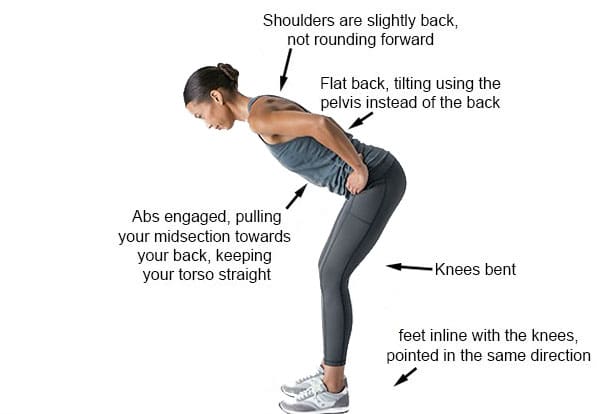
A hip hinge is a controlled movement that involves bending forward from the hips while keeping the spine neutral. The thoracic, lumbar, and pelvis stay neutral while bending forward. The movement comes from the hips, preventing the thoracic and lumbar spine from flexing or rounding. It is a fundamental movement that helps prevent back injuries and strengthens the glutes. It’s used in everyday activities, like picking up objects and sitting down.
The hip hinge exercise targets the posterior chain or back muscles, including the lower back, the glutes, and the hamstrings. It also strengthens the core or abdominal muscles to assist in the movement. When the body hinges at the hips, the bend occurs at the hips, and the spine stays neutral. When the lower back hinges or bends, this causes pain and reduces the range of motion.
Performing the Movement
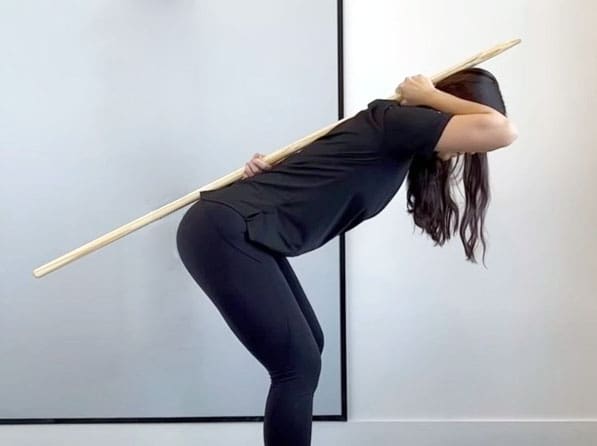
A wooden dowel, broom handle, or PVC pipe can be used as a guide to help achieve the proper positioning and learn the correct form. Place the dowel or pipe vertically on your back, anchoring it to the head, shoulder blades, and tailbone.
Grasp one end with your right hand in the natural curve of your neck and the other with your left hand in the small of your back. Ensure the dowel touches the back of your head, upper back, and the area where the lower back meets the sacrum. To perform the hip hinge:
Stand with your feet shoulder-width apart
Shift your weight to your heels and
Push your hips back while hinging your torso forward
Keep your chest open and back flat
Slightly bend your knees
Visualize sticking the butt out
The dowel should not lose contact with the three points as you hinge. If it does, the movement is incorrect.
Lower your torso until it’s midway between vertical and parallel to the floor.
Pause when your torso is about 45 degrees
Keep a slight bend in your knees during the downward and upward phases.
Reverse the movement by contracting your glutes and pushing your hips forward and upward to return to the starting position.
Repeat
Benefits
The hip hinge is a fundamental movement pattern that helps the body perform essential tasks such as bending over and picking things up without worry of pain or injury. It’s also required in strength training exercises like the deadlift, kettlebell swing, power clean, and more. The exercise can help strengthen the core, reduce back pain, improve balance, and improve flexion, extension, and trunk rotation. (Michaud F. et al., 2021) Stronger core muscles can increase fitness and athletic performance. (Clark D. R. et al., 2018)
Variations
It is a challenging movement that requires plenty of practice. Individuals who can’t perform it correctly after a few tries may need to modify the movement.
Wall Variation
Using a wall as a guide is an easy way to make the movement easier.
To do this, stand with your back to a wall, about three inches away.
Start hinging at the hips by sticking your butt out touching the wall.
Keep a neutral spine and a flat back.
Once you can do this several times, try stepping out another inch or two and perform the same modified motion. Stick with this until you are away from the wall and can do a full hinge without the wall.
With A Kettlebell
Once you master the basic hinge, you can elevate it using a kettlebell to make this move more difficult.
Start with the kettlebell swing exercise and progress to more challenging moves with the kettlebell.
Common Mistakes
Be aware of common mistakes to keep the move effective and reduce the risk of injury.
Treating the Move Like a Squat
The hip hinge is not the same as a squat.
This is a common misconception. When squatting, the knee joint determines the movement pattern.
But when hip hinging, the movement starts at the hips.
Not Engaging the Core Muscles
This exercise requires core engagement throughout the entire movement.
If these muscles relax, there is an increased risk of dipping the hips during the hinge, which can cause the lower back to dip and cause pain.
Using the Lower Back
Bending or hinging with the lower back rather than letting the hips generate the movement.
Using the wall as a guide can help reduce and eliminate excessive bending at the waist.
Lost Dowel Contact
If the dowel loses contact with one or more set-up positions on the back, the hinge is not being executed correctly.
If your head loses contact with the dowel, the neck is flexing too far forward.
If you lose contact with the sacrum or lower back area, the spine is flexing too much.
If you lose contact with the mid-back, the knees are bending rather than the hips.
Safety
Stop and check your form if you feel back pain during any part of the movement. The movement may need to be modified further or decrease how far the hinge is at the hips. If the pain continues, discontinue the exercise and talk with a doctor or a physical therapist before reattempting the exercise. The dowel is a great tool to help maintain a neutral spine. If you cannot perform the hip hinge while keeping the dowel in contact with the body, you might benefit from working with a personal trainer or physical therapist who can walk you through the steps with the correct form.
Injury Medical Chiropractic and Functional Medicine Clinic
Chiropractic care aims to help individuals improve movement with less pain due to condition, after injury, or surgery. A chiropractic physical therapy team can assess your condition and develop a customized treatment plan to expedite pain relief and improve mobility. Injury Medical Chiropractic and Functional Medicine Clinic works with primary healthcare providers and specialists to build optimal health and wellness solutions. We focus on what works for you to relieve pain, restore function, prevent injury, and help mitigate issues through adjustments that help the body realign itself. They can also work with other medical professionals to integrate a treatment plan to resolve musculoskeletal problems.
Chiropractic: The Secret to Unlocking Mobility
References
Michaud, F., Pérez Soto, M., Lugrís, U., & Cuadrado, J. (2021). Lower Back Injury Prevention and Sensitization of Hip Hinge with Neutral Spine Using Wearable Sensors during Lifting Exercises. Sensors (Basel, Switzerland), 21(16), 5487. https://doi.org/10.3390/s21165487
Clark, D. R., Lambert, M. I., & Hunter, A. M. (2018). Contemporary perspectives of core stability training for dynamic athletic performance: a survey of athletes, coaches, sports science and sports medicine practitioners. Sports medicine – open, 4(1), 32. https://doi.org/10.1186/s40798-018-0150-3
Getting a good night’s sleep can be difficult for individuals suffering from arthritis. Can finding a mattress that fits an individual’s needs help relieve aches and pains and provide restful sleep?
Mattress For Arthritis
Quality sleep can be difficult for those managing arthritis. Joint pain, stiffness, and tenderness can make falling and staying asleep feel impossible. A mattress for arthritis should be firm, provide comfortable support, and relieve joint pressure. (Sleep Foundation, 2024)
How Mattresses Affect Arthritis?
Not adequate support or cushioning can exacerbate arthritis pain and stiffness.
Individuals not sleeping well at night can experience significant physical and mental fatigue, increase the risk of injury, and perceive a higher level of pain.
Zoned mattresses provide targeted pressure relief to areas of arthritis pain, like the neck and lower back.
Mattresses that don’t support the body are more likely to disrupt sleep and exacerbate nighttime and daytime pain symptoms.
The body needs time to recover and repair during sleep, so the right mattress for arthritis will allow sound rest throughout the night.
A joint-supporting mattress can alleviate pain and stiffness.
What to Look For Mattress Types
Mattresses fall into three basic categories.
Foam or Latex
These mattresses are often recommended for individuals with chronic pain because they conform to the body and alleviate pressure points without being too firm that they aggravate existing injuries or inflammation.
Not all foam is the same; some mattresses are too soft to support someone with arthritis.
Latex is a more reliable material for support and durability, but it’s also more expensive than memory foam.
Innerspring
Innerspring mattresses are often long-lasting and provide firm support.
However, they are not recommended for individuals with arthritis because they can be hard on joints and pressure points.
The innerspring system doesn’t mold or conform to the body, so getting and staying comfortable can be difficult, if not impossible.
They’re not as heat-retaining as foam mattresses so that hot sleepers may prefer them.
Hybrid
A hybrid mattress typically consists of individually wrapped springs topped with one or more layers of memory foam.
Hybrid mattresses are often recommended for arthritis patients because they meet the expert-recommended balance between support and cushioning.
Firmness Levels
Mattress firmness is rated on a scale of 1 to 10, with firmer mattresses scoring higher, often 6 or 7 and above. However, no one firmness rating works for all individuals with arthritis. Finding the right firmness for arthritis symptoms is highly individualized. For some, a super firm sleep surface can aggravate symptoms. In determining what firmness number is needed, consider weight. For example, a person weighing 400 pounds will have a different experience on a soft mattress than a person weighing 150 pounds. Typically, larger bodies need a firmer mattress to avoid sinking too far into the mattress’s core. Petite individuals may be perfectly supported on a mattress rated 5 or 6 for firmness, but taller or heavier individuals should look for a mattress rated seven or eight.
Support and Pressure Relief
Individuals will want to look for a mattress that targets specific areas for relieving aches and pains, such as the shoulders, hips, and lower back. Foam helps relieve pressure points in the body without feeling too soft, which is helpful when managing joint pain. There is debate over whether latex or memory foam is better for relieving sensitive pressure points. A Journal of Chiropractic Medicine study suggests that latex foam may outperform traditional memory foam as it reduces body pressure and evenly distributes weight along pressure points. (Low F. Z. et al., 2017)
Motion Transfer
Motion transfer refers to a mattress’s ability to isolate body movement. It’s helpful to consider how much you and your partner are affected by each other’s movement throughout the night. This may not be necessary for individuals who don’t sleep with a partner. So, if you or a partner disrupt sleep throughout the night, a mattress with better motion absorption is recommended.
Sleep Position Can Affect Arthritis and Joint Pain
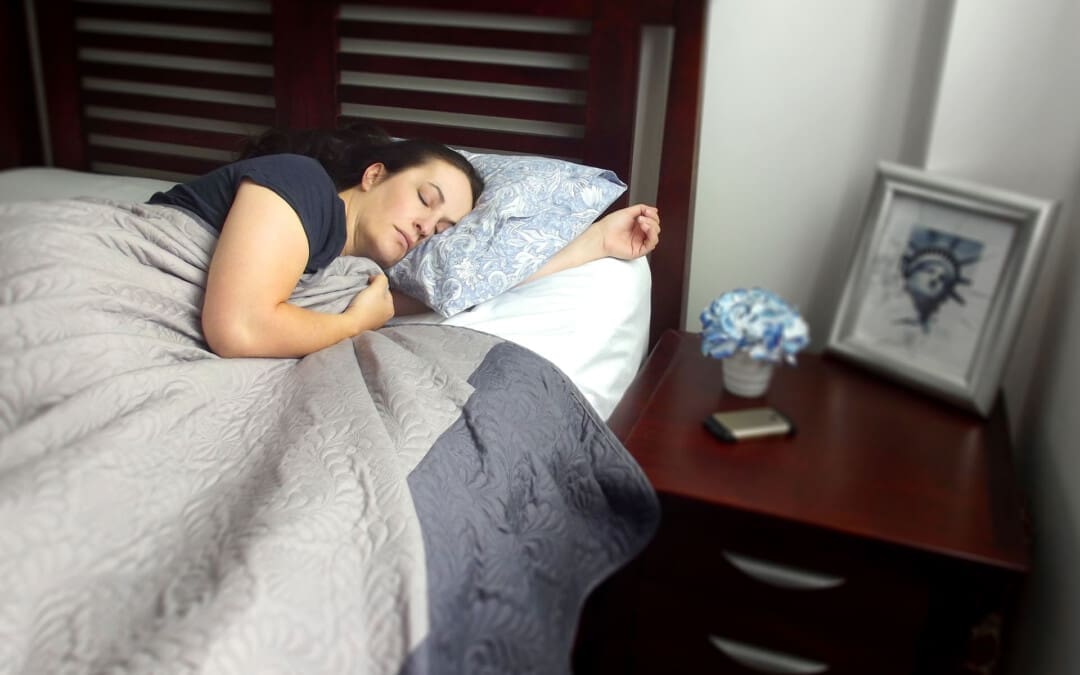
Mattress manufacturers often design mattresses to accommodate back, side, or stomach sleepers, as different sleeping positions usually require different types of support. One study suggests that sleeping-related pain can be reduced in those with lower back pain when they choose the right sleeping surface for their preferred sleep position. (Jacobson B. H. et al., 2010) Therefore, purchasing a mattress for the preferred position is important.
Durability
A mattress’s expected lifespan depends on the materials it’s made from. A mattress that immediately loses some of its features and benefits won’t last very long. This is why it is recommended to know how long the trial period is for the mattress and keep track of its performance. Count on at least six to seven years, but latex and hybrid mattresses can last longer.
Trial Period
Considering the trial period on the mattress is important when buying online. Determining if it’s right for your body can take a little while as it takes a while to break in a new mattress, so look for a longer trial period to see and feel if it is the right choice. (Mattress Firm, 2023) Most online mattress retailers offer at least a 100-day trial period, while some offer 365 days to send it back. However long the trial period, looking into the terms and conditions of any return policy is recommended. A company can say you can return it if it doesn’t meet expectations; however, restrictions or exclusions may apply to your purchase.
Injury Medical Chiropractic and Functional Medicine Clinic
Injury Medical Chiropractic and Functional Medicine Clinic works with primary healthcare providers and specialists to develop an optimal health and wellness solution. We focus on what works for you to relieve pain, restore function, prevent injury, and help mitigate the pain through spinal adjustments that help the body realign itself. They can also work with other medical professionals to integrate a treatment plan to resolve musculoskeletal issues.
Fighting Inflammation Naturally
References
Sleep Foundation. Noyed D. (2024). How to Choose a Mattress. https://www.sleepfoundation.org/mattress-information/how-to-choose-a-mattress
Low, F. Z., Chua, M. C., Lim, P. Y., & Yeow, C. H. (2017). Effects of Mattress Material on Body Pressure Profiles in Different Sleeping Postures. Journal of Chiropractic Medicine, 16(1), 1–9. https://doi.org/10.1016/j.jcm.2016.09.002
Jacobson, B. H., Boolani, A., Dunklee, G., Shepardson, A., & Acharya, H. (2010). Effect of prescribed sleep surfaces on back pain and sleep quality in patients diagnosed with low back and shoulder pain. Applied ergonomics, 42(1), 91–97. https://doi.org/10.1016/j.apergo.2010.05.004
Mattress Firm. (2023). Breaking In a New Mattress: Tips for a Comfortable Night’s Sleep. Mattress Firm Blog. https://www.mattressfirm.com/blog/sleep-tips/break-in-a-new-mattress
Experiencing a whiplash injury can be disorienting and painful. Can recognizing the signs of more serious complications, seeking timely medical intervention, and following a structured whiplash rehabilitation plan help individuals find relief and restore function and quality of life?
Whiplash Rehabilitation
For individuals who have recently been in an automobile accident, once the initial neck pain and stiffness have passed, it’s crucial to recognize potential delayed symptoms, such as nerve damage. While many recover quickly, some may experience prolonged symptoms requiring more aggressive treatment and management.
Neck Injury
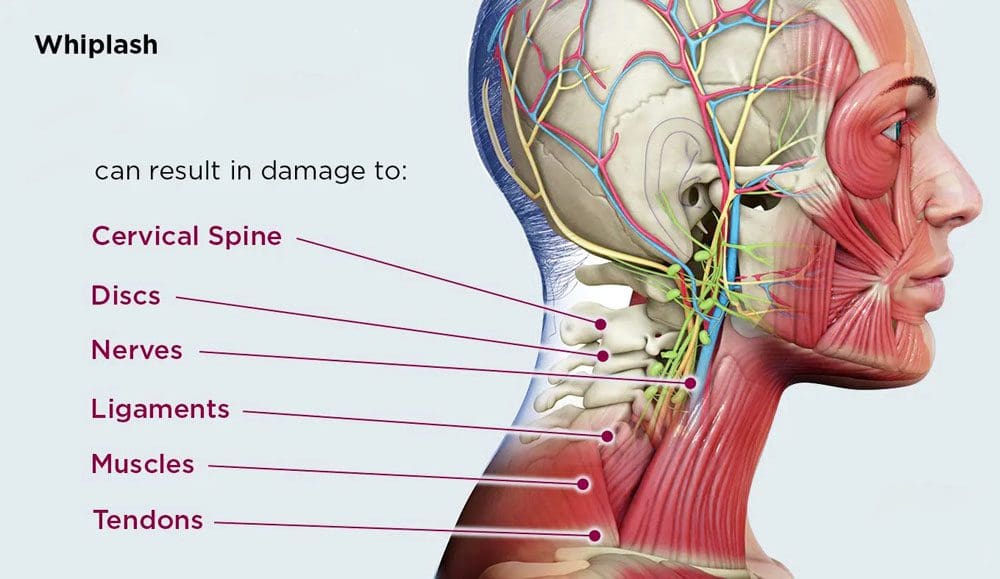
Whiplash injuries result from sudden, forceful whipping back and forth of the head, commonly occurring in rear-end vehicle collisions, and are one of the most common neck injuries. Other potential causes include: (Johns Hopkins Medicine, 2024)
Following a healthcare provider’s recommendations regarding medication use, including dosage and duration, is critical to managing symptoms while effectively minimizing potential side effects.
Rehabilitation Steps
To determine the appropriate treatment whiplash rehabilitation plan, a healthcare provider will assess how much the pain affects daily life, including mental health and the ability to do regular activities (American Academy of Physical Medicine and Rehabilitation, 2024). X-rays or other imaging tests will be done to determine how serious the damage to the neck or spine is. Resting and icing the injured area are recommended to relieve inflammation. A provider may recommend slowly increasing neck movements several times daily and continuing with normal daily activities, as exercise will help maintain flexibility. Not moving the neck may prolong pain, stiffness, and healing. Physical therapy may be recommended if symptoms continue for over one or two weeks. (American Academy of Physical Medicine and Rehabilitation, 2024)
Symptoms last longer than the healthcare provider estimated
Other symptoms develop, like weakness, numbness, or a sensation of pins and needles.
Long-Term Injury Side Effects
Individuals in whiplash rehabilitation usually recover in a few weeks to months, but some may have longer-lasting pain as the injury can cause nerve damage. (Fundaun J. et al., 2022) Discuss any new or worsening symptoms with a healthcare provider for guidance. (Johns Hopkins Medicine, 2024)
Over-the-counter pain relievers, such as acetaminophen or NSAIDs.
Muscle relaxants for tightness and tension.
Prescription pain medications.
If pain becomes chronic, antidepressants such as serotonin and norepinephrine reuptake inhibitors may be prescribed. These medications can help manage pain and improve sleep quality. (Ferreira G. E. et al., 2023) For severe inflammation and pain, corticosteroid injections directly into the affected area can provide relief. Healthcare providers administer these injections, offering long-lasting effects. (Harvard Health Publishing, 2015)
Injury Medical Chiropractic and Functional Medicine Clinic
Navigating a whiplash injury can be challenging, but understanding the whiplash rehabilitation process can significantly aid in recovery. A healthcare provider can determine the most effective treatment strategies. It is important to talk with a healthcare provider to determine the cause and extent of the injury to provide individualized patient education regarding treatment. This can include physical therapy, rest, health coaching, medication, and surgery, which may be recommended in certain cases. Overcoming these limitations is possible. Injury Medical Chiropractic and Functional Medicine Clinic works with primary healthcare providers and specialists to develop an optimal health and wellness solution. We focus on what works for you to relieve pain, restore function, prevent injury, and help mitigate the pain through spinal adjustments that help the body realign itself. They can also work with other medical professionals to integrate a treatment plan to resolve musculoskeletal issues.
American Academy of Physical Medicine and Rehabilitation. (2024). Cervical whiplash. https://www.aapmr.org/about-physiatry/conditions-treatments/musculoskeletal-medicine/cervical-whiplash
Rush University Medical Center. (2014). 5 facts about whiplash. https://www.rush.edu/news/5-facts-about-whiplash
National Library of Medicine. MedlinePlus. (2024). Whiplash. Retrieved from https://medlineplus.gov/ency/imagepages/9853.htm
National Health Service NHS. (2023). Whiplash. https://www.nhs.uk/conditions/whiplash/
University of Rochester Medical Center. (2024). Whiplash injury. https://www.urmc.rochester.edu/encyclopedia/content.aspx?contenttypeid=85&contentid=p01388
National Library of Medicine. MedlinePlus. (2020). Pregabalin. Retrieved from https://medlineplus.gov/druginfo/meds/a605045.html
Fundaun, J., Kolski, M., Baskozos, G., Dilley, A., Sterling, M., & Schmid, A. B. (2022). Nerve pathology and neuropathic pain after whiplash injury: a systematic review and meta-analysis. Pain, 163(7), e789–e811. https://doi.org/10.1097/j.pain.0000000000002509
National Institute of Arthritis and Musculoskeletal and Skin Diseases. (2023). Back pain: diagnosis, treatment, and steps to take. Retrieved from https://www.niams.nih.gov/health-topics/back-pain/diagnosis-treatment-and-steps-to-take
Ferreira, G. E., Abdel-Shaheed, C., Underwood, M., Finnerup, N. B., Day, R. O., McLachlan, A., Eldabe, S., Zadro, J. R., & Maher, C. G. (2023). Efficacy, safety, and tolerability of antidepressants for pain in adults: overview of systematic reviews. BMJ (Clinical research ed.), 380, e072415. https://doi.org/10.1136/bmj-2022-072415
Harvard Health Publishing. (2015). New recommendations aim to improve safety of pain-relieving spinal steroid injections. Harvard Health Publishing
Harvard Medical School. https://www.health.harvard.edu/blog/new-recommendations-aim-to-improve-safety-of-pain-relieving-spinal-steroid-injections-201505077991
Is applying ice the best option for individuals who experience an acute back strain injury?
Temperature Treatment
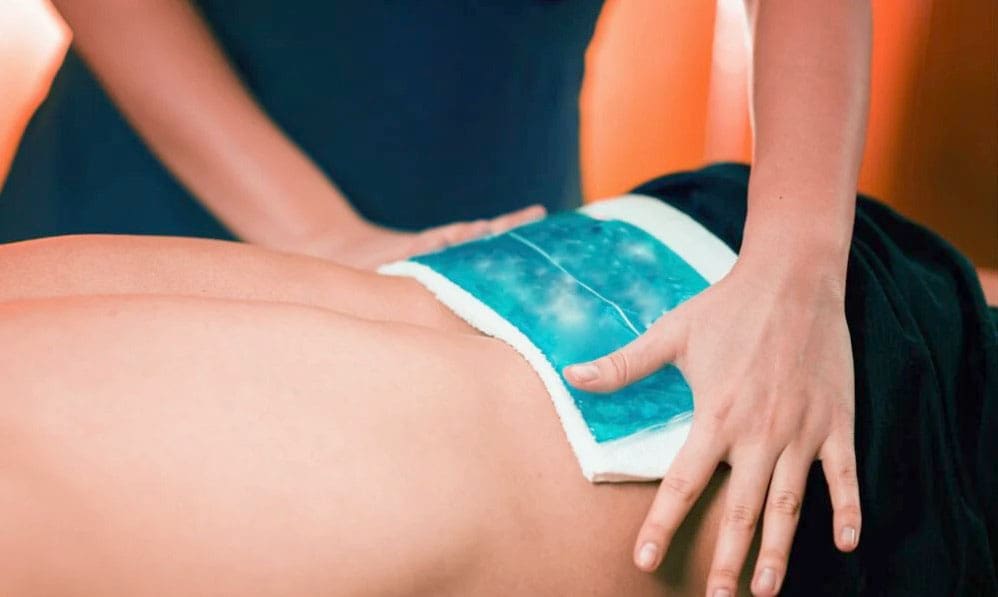
Ice temperature treatment, also known as cryotherapy or cold therapy, is a treatment that uses freezing temperatures to reduce pain and swelling. It can be applied in a variety of ways, including:
Ice packs:
Ice massage
Coolant sprays
Whirlpools
Ice baths
Ice is usually recommended for acute injuries and is a common and simple way to treat pain and swelling. Individuals can buy freezable gel packs or make their own with ice cubes in a plastic bag or towel. Heat therapy tends to be used more with chronic issues involving muscle spasms to increase blood circulation.
How Ice Relieves Pain and Reduces Inflammation
Ice temperature treatment works by:
Narrowing blood vessels slows blood circulation to the injured area and soft tissues and reduces swelling.
Reduced blood flow also helps control excessive swelling.
Ice has a short-term analgesic-numbing effect. The coldness numbs nerve endings, relieving pain symptoms.
Relieving the pain allows the muscles to relax.
Controlling blood circulation helps control pain by reducing the flow of irritating chemicals that can inundate the injury site. These chemicals are a natural and the correct response to inflammation, but the ice keeps them in check to help control pain.
After a Back Injury
For a back strain injury, ice and anti-inflammatory medication like NSAIDs are the first line of treatment during the inflammatory phase, which usually lasts 24 to 72 hours. Because heat can increase inflammation by increasing blood circulation, it is not recommended as an initial treatment. After the first few days, most doctors and pain specialists recommend using ice or heat, depending on the individual’s preference. While researchers continue to investigate the best ways to treat acute injuries, most doctors still recommend ice as the first line of defense for back injuries.
A review of studies evaluated 20 different treatment categories to learn about their safety and effectiveness. (McIntosh G. & Hall H. 2011) Treatments included over-the-counter pain medications, acupuncture, McKenzie exercises, other back exercises, and temperature treatments. Regarding temperature treatment, the review found moderate evidence that using a heat wrap 5 days after the injury could help relieve pain. However, there was not enough evidence to support the effectiveness of any of the temperature treatments, necessitating more research. (McIntosh G. & Hall H. 2011)
Physical Therapy and Activity
The review found that prolonged rest should be avoided, and gentle exercise and a progressive return to physical activity should be encouraged to achieve the best outcomes for pain relief and restoring function. Staying active significantly reduces time off from work and chronic disability for up to 1 year compared to traditional medical treatment. (McIntosh G. & Hall H. 2011) Research also found that introducing physical therapy early on could expedite recovery. Mobility work, targeted exercises, and strengthening exercises have been shown to relieve pain, reduce injury recurrence, and improve overall function. More research supports physical activity and exercise as effective treatment options for acute lower back strains. However, further research regarding temperature treatments is required. (French S. D. et al., 2006) (See Q. Y. et al., 2021)
Injury Medical Chiropractic and Functional Medicine Clinic
It is important to talk with a healthcare provider to determine the cause and extent of the injury to provide individualized patient education regarding treatment. This can include physical therapy, rest, health coaching, medication, and surgery, which may be recommended in certain cases. Overcoming these limitations is possible. Injury Medical Chiropractic and Functional Medicine Clinic works with primary healthcare providers and specialists to develop an optimal health and wellness solution. We focus on what works for you to relieve pain, restore function, prevent injury, and help mitigate the pain through spinal adjustments that help the body realign itself. They can also work with other medical professionals to integrate a treatment plan to resolve musculoskeletal issues.
Beyond the Surface: Understanding the Effects of Personal Injury
References
McIntosh, G., & Hall, H. (2011). Low back pain (acute). BMJ clinical evidence, 2011, 1102.
French, S. D., Cameron, M., Walker, B. F., Reggars, J. W., & Esterman, A. J. (2006). A Cochrane review of superficial heat or cold for low back pain. Spine, 31(9), 998–1006. https://doi.org/10.1097/01.brs.0000214881.10814.64
See, Q. Y., Tan, J. B., & Kumar, D. S. (2021). Acute low back pain: diagnosis and management. Singapore Medical Journal, 62(6), 271–275. https://doi.org/10.11622/smedj.2021086
IFM's Find A Practitioner tool is the largest referral network in Functional Medicine, created to help patients locate Functional Medicine practitioners anywhere in the world. IFM Certified Practitioners are listed first in the search results, given their extensive education in Functional Medicine