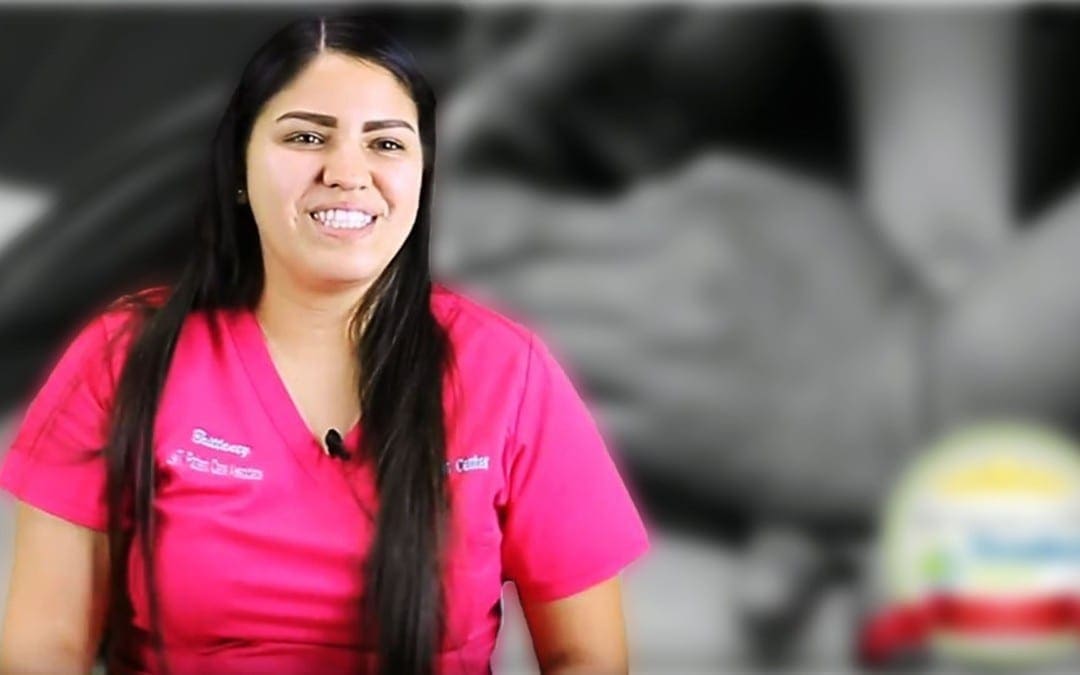
Influenced since a young age to pursue a career in massage therapy, Brittaney always wished to offer relief to people in pain. Along with Dr. Alex Jimenez, doctor of chiropractic, Brittaney cares deeply about the attention and care she provides to every single one of her patients. Brittaney is motivated to know that she can help people find pain relief through the treatment she and Dr. Alex Jimenez give their patients. Brittaney highly recommends Dr. Alex Jimenez as the non-surgical choice for a variety of health issues, including back pain.
Massage Rehabilitation
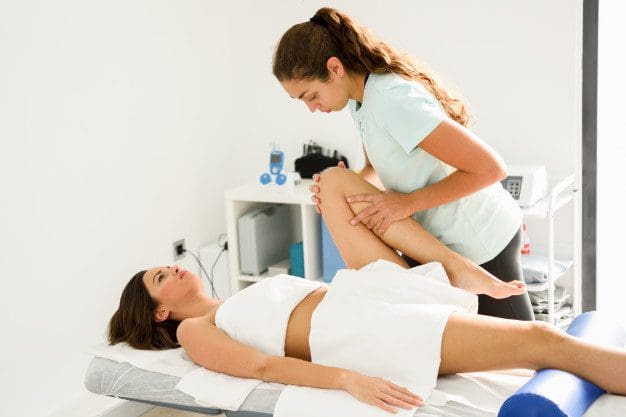
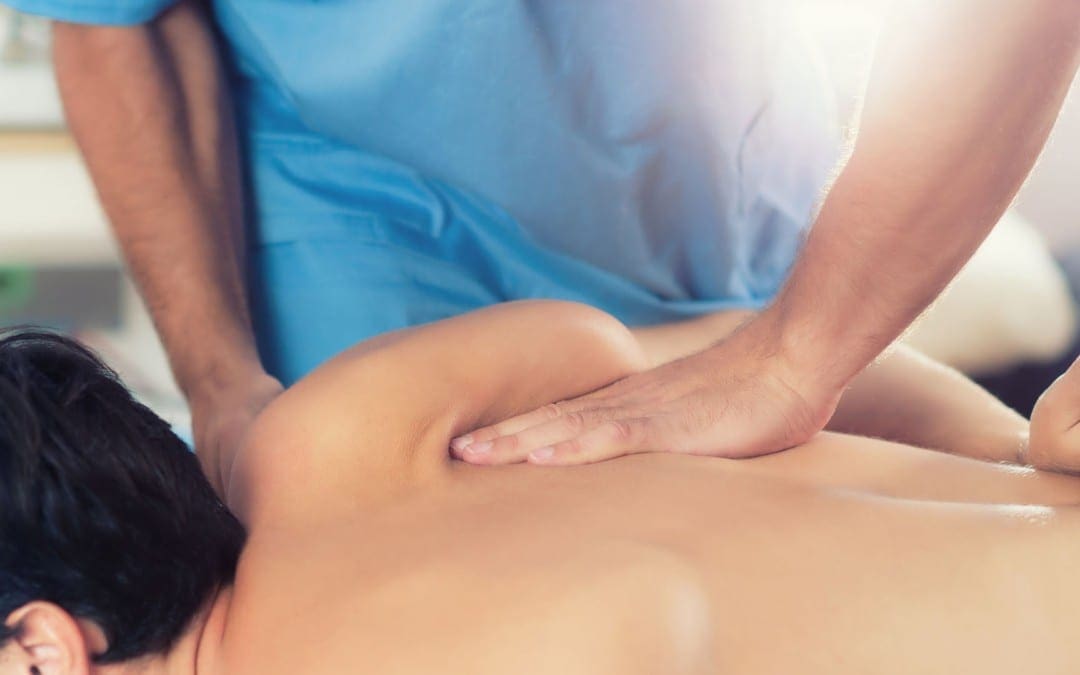
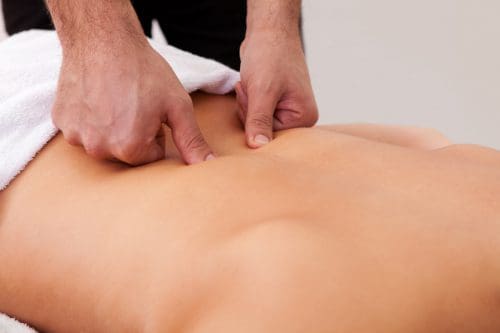
Massage therapy is the manual manipulation of soft body tissues (muscle, tendons, and ligaments) to enhance an individual’s well-being. There are many different types of massage therapy approaches. Massage techniques are commonly applied with hands, fingers, elbows, knees, forearms, feet, or a device. The objective of massage therapy is to treat pain or body stress, although it may also help in treating injuries and aggravated conditions. Chiropractic care may also involve the use of massage therapy.
We are blessed to present to you�El Paso�s Premier Wellness & Injury Care Clinic.
As El Paso�s Chiropractic Rehabilitation Clinic & Integrated Medicine Center,�we passionately are focused on treating patients after frustrating injuries and chronic pain syndromes. We focus on improving your ability through flexibility, mobility and agility programs tailored for all age groups and disabilities.
If you have enjoyed this video and we have helped you in any way, please feel free to subscribe and recommend�us.
When the weather warms, melting the snow and ice as it ushers in the newness of spring, people are drawn outdoors, and increased activity soon follows. Runners top the list, training for upcoming marathons and races, or to get faster and increase endurance.
While some runners won�t let anything stop them, be it rain, sleet, or snow, most will not venture outside or engage in more rigorous training until the environment is more pleasant. This increased activity, though, can increase a person�s risk of injury, especially if they have been mostly inactive during the winter months. The most prevalent injury is runner�s knee, an umbrella term used to describe a variety of knee injuries including patellofemoral tracking syndrome.
What is Patellar Tracking Disorder?
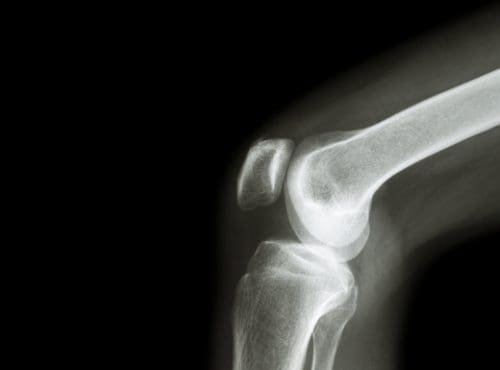
When the patella, or kneecap, does not remain in place as the leg straightens or bends, it is called patellofemoral tracking syndrome. Many people believe that the kneecap only moves up and down, but that is not accurate. The kneecap is very mobile, rotating and tilting so that there are a variety of contact points between the femur and patella. The most common way that this disorder presents is the kneecap extends too far to the outside of the leg. Less frequent is when the kneecap shifts to the inside. The result is pain (sometimes severe) and limited mobility.
Understanding the syndrome means understanding the mechanics of the knee joint. The thighbone (femur) and lower leg (tibia and fibula) are joined by the knee, a large, complex hinge. A groove runs along the front of the joint, where the thighbone ends. The patella sits in the groove and is held in place by a network on the sides by ligaments and at the top and bottom by tendons. The underside of the kneecap is a layer of cartilage that allows it to move easily, or glide, along with the groove. When there is a problem with any of the parts that make up the knee it can lead to patellofemoral tracking syndrome.
Causes of Patellofemoral Tracking Syndrome
While overuse of the knee is the blanket term that describes the cause of patellofemoral tracking syndrome, it is the result of a combination of several problems. These can include:
Leg ligaments, tendons, or muscles that are too loose or too tight
Structural problems with the knee bones
Weak thigh muscles
The continuous stress put on the knee, such as activities that use a twisting motion to the knee
Repetitive, high-stress activities like running
Repeated movements like squatting, knee bending, or jumping
Improper alignment of the knee bones
Trauma to the knee that forces the kneecap off track, usually to the outside area of the leg
People who are most likely to develop the syndrome are those who experience any of these problems in addition to playing sports or running. Obesity or being overweight, when combined with the above problems can also put a person at risk for the syndrome.
Chiropractic for Patellofemoral Tracking Syndrome
Many people have experienced relief from the pain of patellofemoral tracking syndrome by using chiropractic care. Chiropractic for patellofemoral tracking syndrome is a medication free, non-invasive treatment that quickly and effectively treats the pain and helps to restore mobility. This is usually done by bringing the body back into alignment and performing specific manipulations depending on the unique needs of the patient. Treatment may involve the foot, ankle, spine, and hip in addition to the knee.
The patient may also be advised to make specific dietary adjustments, take special, targeted supplements, and do specific exercises in addition to the chiropractic treatments. Stretching is often recommended, and Kinesio taping is also a standard therapy to aid healing. Chiropractic will not only return the body to its natural balance and alignment, but it will get it to a state where it can begin healing itself.
Louie Martinez has been a Wrestling coach for 15 years, coaching young athletes ranging from 8 to 15 years old. Louie Martinez shares how he met Dr. Alex Jimenez 10 years ago after he suffered an initial injury. Coach Martinez has experienced a variety of injuries throughout his coaching career, from shoulder injuries to back injuries, and every time, Dr. Alex Jimenez has helped Coach Martinez regain his health. Before meeting Dr. Jimenez, Louie Martinez didn’t understand the importance of seeing a chiropractor. Louie Martinez recommends Dr. Alex Jimenez as the non-surgical choice for sports injuries.
Sports Injury Rehabilitation
When visiting a chiropractor for sports injuries, a physical exam will help pinpoint the health issue to make an individualized treatment plan to treat it. Chiropractic care was observed in several studies to reduce the healing time of sports injuries, as well as help prevent future sports injuries. It’s important to understand your chiropractor. The healthcare professional might have useful suggestions that can keep you healthy as you work to attain your athletic objectives.
We are blessed to present to you�El Paso�s Premier Wellness & Injury Care Clinic.
As El Paso�s Chiropractic Rehabilitation Clinic & Integrated Medicine Center,�we passionately are focused on treating patients after frustrating injuries and chronic pain syndromes. We focus on improving your ability through flexibility, mobility and agility programs tailored for all age groups and disabilities.
If you have enjoyed this video and we have helped you in any way, please feel free to subscribe and recommend�us.
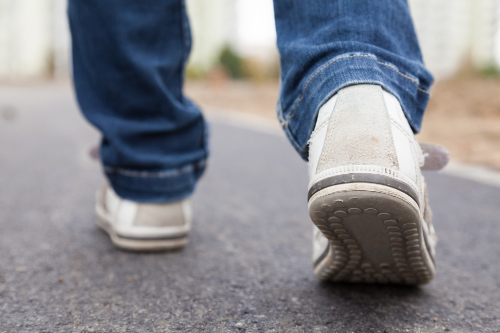
The way a person walks, their gait, can be very telling. It can reveal problems in the feet, ankles, knees, and hips � even in spinal alignment. A problem with gait can indicate pain in a patient as well as serious conditions like diabetes and arthritis. It, is a diagnostic tool for many conditions, injuries, and syndromes including autism. When it comes to chiropractic care, a patient�s gait can offer critical clues regarding the root of their complaints, allowing for a more well-rounded, whole body approach to treatment. If you think that the way you walk or moves doesn�t matter, think again. It most certainly does matter.
What is Gait Analysis?
Gait analysis is a set of tests that are designed to provide a comprehensive evaluation of a person�s gait. It is a systematic study of human motion that involves observation as well as the use of instruments that measure body movements, muscle activity, and body mechanics.
It is intended to be used as an assessment tool and provide insight into devising a treatment plan for people who have conditions or injuries that affect their ability to walk. It is often used in sports biomechanics to aid athletes in more efficient movement and to identify problems with movement or posture, particularly those with injuries.
During the analysis, the patient may walk in a prescribed pattern or on a treadmill, that is often connected to a computer, while the chiropractor observes them from various angles. Often cameras are used, places at multiple points to capture different views including the anterior, posterior, and sides.
The patient may have markers applied to specific points on the body such as the knee, ankle, pelvis, and other areas. As they move, the computer captures specific data of the movement, providing a three-dimensional calculation of each marker. It then applies a model to assess the movement of the skeletal structure, resulting in a detailed analysis of each joint�s movement.
Factors that Affect Gait Analysis
Certain factors affect a person�s gait, and that information must be included for the gait analysis to be accurate. The gender, age, height, and weight of the person is vital because men and women move differently and as a person ages their structure changes.
Excess weight or they physique can affect a person�s posture and their gait. The individual�s shoes (or lack of shoes) is essential, as is their clothing, the terrain they are walking on, and anything they may usually carry, such as a purse. Other factors include:
Physiological factors such as body proportion
Psychological factors such as their state of mind, emotions, stress level, and personality type
Pathological factors such as neurological diseases, psychiatric disorders, trauma, and musculoskeletal anomalies
It will also measure and factor into the analysis data that includes the patients:
Getting a gait analysis can be very advantageous because it can provide invaluable insight into how your body is aligned and how it moves. It is an excellent diagnostic tool for identifying health issues related to the gait, spine, and feet and can also help provide early detection of health issues before the onset of symptoms.
If your chiropractor recommends that you get a gait analysis, it could be that he or she suspects that something is going on, or it could simply mean that they want to examine you to provide optimal care more thoroughly. If you have any concerns, you should sit down with your chiropractor and ask them any questions that you have before undergoing the analysis. Stress and anxiety can put tension on the muscles and body, affecting the results.
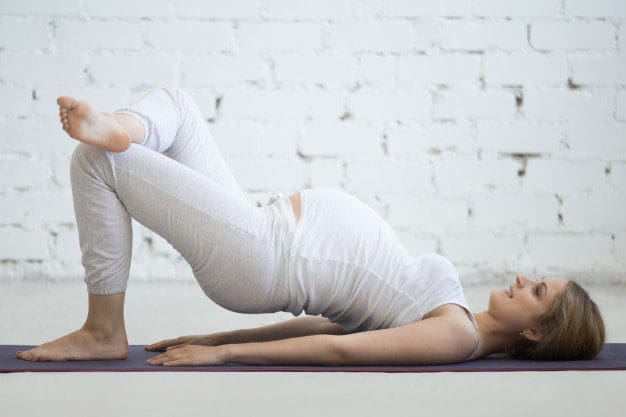
Truide Torres started having back pain throughout the progression of her pregnancy. After she began to experiencing many limitations with her daily physical activities, Truide Torres visited Dr. Alex Jimenez, chiropractor, to receive chiropractic care for her back pain. Because of her pregnancy, Truide Torres had some doubts, and she felt unsure about receiving chiropractic care. However, Dr. Alex Jimenez and his staff reassured her and gave her the confidence to follow through with her treatment. Truide Torres recommends Dr. Alex Jimenez to anyone.
Chiropractic Help in Pregnancy
Chiropractic care provides maintenance to the spinal column, discs, bones, and nerves without drugs/medications or surgery. It helps correct any spinal misalignments, or subluxations, which reduces spinal nerve strain and promotes health and wellness throughout the body. There are no known contraindications to chiropractic care during pregnancy. All chiropractors are trained to work with women who are pregnant. Providing chiropractic care for pregnant women is routine care for the majority of chiropractors.
We are blessed to present to you�El Paso�s Premier Wellness & Injury Care Clinic.
As El Paso�s Chiropractic Rehabilitation Clinic & Integrated Medicine Center,�we passionately are focused on treating patients after frustrating injuries and chronic pain syndromes. We focus on improving your ability through flexibility, mobility and agility programs tailored for all age groups and disabilities.
If you have enjoyed this video and we have helped you in any way, please feel free to subscribe and recommend�us.
When dealing with a sports injury or a similar type of injury, many people are familiar with the R.I.C.E. protocol for injury care. R.I.C.E. stands for Rest, Ice, Compression, and Elevation and has long been used when treating everything from sprained ankles to banged up knees. With acute injury patients, experts recommend adding �P� for protection because of the protection of the area is vital in the healing process. It is crucial that this is implemented as soon after the injury as possible and it should be maintained for anywhere from 24 hours to 72 hours afterward. Of course, this depends on the severity of the injury.
P is for Protection: Injuries hurt and pain can be a good thing because it prevents you from further injuring that area. It encourages you to protect it.
It is essential to listen to your body and protect the injured area through full or partial immobilization and restricted use. The way you do this depends on the body part.
An arm or shoulder injury can be protected with the use of a sling. An ankle injury may require a brace or splint, and you may have to avoid or limit weight bearing for a while. This means using crutches a walker, or a cane.
R is for Rest: The body needs rest to heal. This could mean complete rest, but in many cases, it means what is known as �relative rest.� This means that it allows for enough rest to heal but is not entirely restrictive which could slow or inhibit recovery.
This means avoiding activities that are stressful to the area to the point that they cause pain or that they might compromise healing. Many times, though, some movement is a good thing, even beneficial. Some gentle movements can speed recovery.
Isometric contractions of the muscles and joints that surround the injury and even some range of motion exercises can help. The key is to keep the movements gentle and to listen to your body for guidance on how much and how far to push.
I is for Ice:Cryotherapy or cold treatments can come in the form of actual ice, or there can be other types such as a cold soak. When treating acute injuries at home, the best known, and probably most straightforward way is to put some crushed ice in a freezer bag with a zip lock closure and wrap it in a small towel to keep the pack from directly touching the skin.
Frozen vegetables, like green beans, peas, or edamame work well too � remember to use the towel as a barrier between the skin and the pack. You should not use the pack more than 10 to 15 minutes as a time. The recommended cycle is 10 to 15 minutes on and 1 to 2 hours off.
In some cases, you may not be able to apply ice directly to the site. In those cases, you can use the pack at the joint above the affected area. For instance, a tightly wrapped ankle can still benefit from ice, you just apply the ice pack to the back on the knee on the same leg.
C is for Compression: A compression wrap can offer mild support and reduce swelling. Typically, an elastic bandage is used to compress or apply pressure to the injured tissue.
When applying a compression bandage, start it several inches below the area that is injured. It should be applied directly to your skin.
Use some tension as you wrap, but not to the point that it cuts off circulation (characterized by tingling or numbness and the soft tissue should not change color). Wrap the bandage in a figure eight configuration or spiral, depending on the area, stopping a few inches above the injury.
E is for Elevation: When an injured joint or extremity is not elevated, fluid can pool in the area and swelling can occur. This can lead to increased pain and limited range of motion. Elevation helps prevent these things from happening and can even help to speed up recovery.
The key to elevation is positioning the injured area at a level that is above the heart. The most effective way to accomplish this is to keep the area elevated as much as possible while awake and prop it up with pillows while sleeping for at least the first 24 to 48 hours. Some injuries may require more time though, so listen to your body.
Many people think of joints, bones, and the, skeletal system when they think of chiropractic, but in fact, the muscles also play an integral part in supporting the body. The muscles are layers and interwoven work to move and stabilize the spine, facilitate the movement of the body�s joints, and aid in respiration. When there is pain within this system, chiropractic can be a very effective treatment. More patients are turning to chiropractic care to treat a variety of painful conditions because it does not use addictive pharmaceuticals with unpleasant side effects; it is completely natural. Chiropractic can also keep patients from requiring surgery in many cases. So when it comes to myofascial pain and trigger points, this form of treatment is often considered optimal.
What is Myofascial Pain?
In simple terms, myofascial pain is simply pain in the muscles. When you break down the word, �myo� means muscle and �fascia� refers to the connective tissue that are interwoven throughout the body.
The pain originates in specific trigger points that are located in the muscles and fascia at various areas of the body. The pain can range in intensity from mild and annoying to severe and debilitating.
What are Trigger Points?
Trigger points are tightened, hypersensitive spots that can be located in any muscle. Different people may have different trigger points. It isn�t like specific lower back pain or neck pain which occur in particular areas of the body. Trigger points can vary from person to person.
When trigger points form, they become nodules or spots that exist in one of the muscle�s taut bands. The patient may experience a variety of symptoms including pain, weakness, burning, tingling, and other symptoms.
What often makes trigger points challenging to locate is that they cause what is known as referred pain. In other words, the person may experience the pain at the exact location of the trigger point, or the pain can be referred to other areas in the body. Referred pain usually has fairly consistent pain patterns so it can be traced to the origin � eventually.
Around 85% of the pain that individuals experience is attributed to myofascial pain. The trigger points determine whether the pain is chronic or acute. It is a condition that is very common.
How do Trigger Points Form?
Trigger points form when the muscle undergoes trauma of some type. The trauma can come from disease, accidents, related work conditions (from persistent, repetitive motion), and sports injuries.
Activities or habits that place a repetitive, long-term strain on the muscles can also cause trigger points. Poor posture, improper ergonomics, and repetitive movements are the most common of these types of activities. Emotional and physical stress are often identified as causes of irritating trigger points.
Benefits of Chiropractic for Myofascial Pain and Trigger Points
Chiropractic care is often a preferred treatment for myofascial pain due to its effectiveness and drug-free approach. Patients who undergo treatment will usually experience a dramatic decrease in their pain level, or it will be eliminated.
They also enjoy increased strength, flexibility, and range of motion. With continued chiropractic care, they will find that they have more endurance for work and recreational activities and even sleep better. It should be noted that sleep disruptions are a common complaint associated with myofascial pain.
Overall, chiropractic can give patients with myofascial pain a better quality of life with decreased incidence of injury. They are often able to lower their pain medication or eliminate it.
Because chiropractic is a whole-body approach, patients learn healthy habits including diet, exercise, and mental wellness. Most of all, they can live with less pain or no pain at all.
IFM's Find A Practitioner tool is the largest referral network in Functional Medicine, created to help patients locate Functional Medicine practitioners anywhere in the world. IFM Certified Practitioners are listed first in the search results, given their extensive education in Functional Medicine