Optimizing Recovery from Work-Related Back Injuries: The Interdisciplinary Approach of Dr. Alexander Jimenez, DC, APRN, FNP-BC
Introduction
Back injuries sustained at work are a leading cause of disability and lost productivity, affecting diverse professions such as truck drivers, construction workers, healthcare providers, and office employees. These injuries often result from improper lifting, repetitive motions, or prolonged sitting, leading to conditions like herniated discs, muscle strains, or chronic pain. For those injured, securing workers’ compensation benefits and accessing effective treatment are critical steps toward recovery. Dr. Alexander Jimenez, a dual-licensed chiropractor and nurse practitioner with over three decades of experience, specializes in treating work-related back injuries, particularly those from personal injury cases and auto accidents. His integrative approach, detailed on www.dralexjimenez.com and www.chiromed.com, combines chiropractic care, advanced medical interventions, and collaboration with trusted medical and legal professionals to deliver comprehensive care.
This article outlines the benefits of chiropractic care in managing work-related back injuries, the expanded treatment options enabled by Dr. Jimenez’s nurse practitioner licensure, and the interdisciplinary strategies that optimize recovery. It also highlights how Dr. Jimenez collaborates with legal providers to ensure patients receive the support needed to navigate workers’ compensation claims effectively.
The Burden of Work-Related Back Injuries
Work-related back injuries are prevalent across industries, with the Bureau of Labor Statistics reporting over 900,000 cases of nonfatal occupational injuries involving the back in 2020. High-risk occupations include:
Truck Drivers: Prolonged sitting and unloading heavy cargo increase spinal stress.
Construction Workers: Lifting, twisting, and repetitive motions contribute to injury.
Healthcare Workers: Patient handling and prolonged standing elevate risk.
Manual Laborers: Heavy lifting and improper techniques lead to strains.
Office Workers: Poor posture and sedentary behavior cause chronic pain.
These injuries often result from improper lifting, repetitive turning, twisting while lifting, or holding heavy objects overhead. Symptoms may include acute pain, limited mobility, or chronic conditions requiring long-term management. Workers’ compensation programs exist to cover medical expenses and lost wages, but the process can be complex, necessitating expert medical and legal guidance.
Benefits of Chiropractic Care for Work-Related Back Injuries
Chiropractic care is a cornerstone of non-invasive treatment for back injuries, focusing on restoring spinal alignment, reducing pain, and improving function. Dr. Jimenez leverages evidence-based chiropractic techniques to address work-related injuries, supported by randomized controlled trials (RCTs) and cohort studies.
Pain Reduction and Functional Improvement
Chiropractic adjustments, or spinal manipulations, realign the spine to alleviate pressure on nerves and muscles. A 2018 RCT published in The Spine Journal (Goertz et al.) found that chiropractic care combined with usual medical care significantly reduced pain and disability in patients with low back pain compared to medical care alone. Dr. Jimenez employs manual adjustments, flexion-distraction techniques, and soft tissue therapies to target specific injury sites, promoting natural healing.
Non-Invasive and Drug-Free Approach
Chiropractic care offers a drug-free alternative to pain management, reducing reliance on opioids, which is critical given the opioid crisis. A 2020 cohort study in Pain Medicine (Whedon et al.) demonstrated that patients receiving chiropractic care for low back pain had a lower likelihood of opioid prescriptions compared to those receiving only medical care. Dr. Jimenez integrates therapies like myofascial release and therapeutic exercises to manage pain without pharmacological interventions.
Prevention of Chronic Conditions
Early chiropractic intervention can prevent acute injuries from becoming chronic. A 2019 study in Journal of Manipulative and Physiological Therapeutics (Eklund et al.) showed that maintenance chiropractic care reduced the recurrence of low back pain episodes. Dr. Jimenez designs personalized treatment plans that include corrective exercises and ergonomic counseling to minimize re-injury risk.
Support for Workers’ Compensation Claims
Chiropractors play a vital role in documenting injuries for workers’ compensation claims. Dr. Jimenez provides detailed clinical notes and treatment plans, ensuring compliance with workers’ compensation requirements. His expertise in occupational health allows him to assess whether injuries are work-related, facilitating accurate reporting to employers and insurance carriers.
Expanded Scope of Practice: Nurse Practitioner Expertise
As a board-certified Family Nurse Practitioner (FNP-BC), Dr. Jimenez’s dual licensure enhances his ability to provide comprehensive care, particularly in personal injury and auto accident cases. Nurse practitioners (NPs) have an expanded scope of practice, allowing them to diagnose, treat, and prescribe medications, which complements chiropractic interventions.
Advanced Diagnostics and Treatment
NPs can order and interpret diagnostic imaging, such as X-rays, MRIs, and CT scans, to assess the extent of spinal injuries. A 2021 study in Journal of General Internal Medicine (Mafi et al.) highlighted the accuracy of NPs in managing musculoskeletal conditions through diagnostics and treatment planning. Dr. Jimenez uses these tools to develop precise treatment strategies, ensuring timely interventions for conditions like herniated discs or vertebral fractures.
Medication Management
In cases where pain or inflammation requires pharmacological support, Dr. Jimenez can prescribe medications like non-steroidal anti-inflammatory drugs (NSAIDs) or muscle relaxants. His NP training ensures judicious use of medications, aligning with evidence-based guidelines to avoid over-reliance. This is particularly beneficial in auto accident cases, where soft tissue injuries often require short-term pharmacological support alongside chiropractic care.
Coordination of Multidisciplinary Care
NPs are trained to coordinate care across specialties, making Dr. Jimenez uniquely positioned to oversee interdisciplinary treatment plans. For complex injuries, he collaborates with orthopedic surgeons, neurologists, and physical therapists to ensure holistic care. A 2020 RCT in BMJ Open (Côté et al.) demonstrated improved outcomes when NPs coordinated multidisciplinary care for back pain, reducing recovery time and costs.
Enhanced Patient Education
NPs emphasize patient education, empowering individuals to manage their recovery. Dr. Jimenez provides guidance on posture, lifting techniques, and lifestyle modifications, drawing on his NP training to address comorbidities like obesity or diabetes that may complicate recovery. This integrative approach aligns with the philosophies outlined on www.chiromed.com, emphasizing patient-centered care.
Interdisciplinary Treatment Strategies
Dr. Jimenez’s practices integrate chiropractic and NP services with interdisciplinary treatments tailored to work injury trauma and auto accident cases. These strategies address the physical, emotional, and legal challenges of recovery.
Comprehensive Treatment Modalities
Chiropractic Adjustments: Correct spinal misalignments to reduce pain and restore mobility.
Physical Therapy: Strengthen core muscles and improve flexibility through targeted exercises.
Hydrotherapy: Use water-based therapies to reduce inflammation and enhance circulation.
Spinal Injections: Administer corticosteroid injections for severe inflammation, guided by diagnostic imaging.
Rehabilitation Programs: Design long-term plans to restore function and prevent re-injury.
A 2017 cohort study in Spine (Blanchette et al.) found that multidisciplinary care combining chiropractic, physical therapy, and medical interventions resulted in faster return-to-work rates for back injury patients. Dr. Jimenez’s integrative approach mirrors these findings, ensuring patients receive tailored care.
Focus on Personal Injury and Auto Accidents
Personal injury cases, including auto accidents, often involve whiplash, soft tissue injuries, and spinal trauma. Dr. Jimenez’s dual expertise allows him to address these conditions comprehensively. For example, whiplash may require chiropractic adjustments to restore cervical alignment, physical therapy to strengthen neck muscles, and short-term NSAIDs to manage pain. His ability to order MRIs ensures accurate diagnosis of soft tissue damage, which is critical for workers’ compensation and insurance claims.
Collaboration with Medical Specialists
Dr. Jimenez collaborates with a network of trusted medical providers, including:
Orthopedic Surgeons: For surgical interventions like discectomy or spinal fusion.
Neurologists: To address nerve-related symptoms like radiculopathy.
Pain Management Specialists: For advanced pain relief techniques, such as epidural injections.
This collaborative model ensures seamless care, with Dr. Jimenez overseeing the treatment plan to maintain continuity. His practice websites emphasize this integrative philosophy, highlighting partnerships with specialists who share a commitment to patient outcomes.
Collaboration with Trusted Legal Providers
Navigating workers’ compensation and personal injury claims requires legal expertise, particularly when employers or insurance carriers dispute claims. Dr. Jimenez partners with trusted legal providers specializing in workers’ compensation and personal injury law to support his patients.
Role of Legal Providers
Legal providers assist with:
Claim Filing: Ensuring timely and accurate submission of workers’ compensation claims, adhering to state-specific statutes of limitations (e.g., one year in many states).
Dispute Resolution: Representing patients in disputes over injury causation or benefit denials.
Maximizing Benefits: Advocating for coverage of all necessary treatments, including chiropractic care, diagnostics, and rehabilitation.
Auto Accident Claims: Handling insurance negotiations and litigation for injuries sustained in work-related auto accidents.
Dr. Jimenez refers patients to attorneys who understand the medical complexities of back injuries, ensuring alignment between clinical documentation and legal arguments. This collaboration is critical in gray-area cases, such as injuries sustained at work-related events or while working from home.
Streamlined Communication
Dr. Jimenez maintains active communication with legal providers, sharing clinical notes and treatment plans to substantiate claims. Workers’ compensation is exempt from HIPAA privacy regulations for injury-related records, allowing seamless information exchange. This ensures legal providers have the evidence needed to advocate effectively, reducing delays in treatment or compensation.
Patient Advocacy
By connecting patients with reputable attorneys, Dr. Jimenez empowers them to focus on recovery without the stress of legal battles. His websites, www.dralexjimenez.com and www.chiromed.com, emphasize this patient-centered approach, highlighting resources for legal support alongside medical care.
Workers’ Compensation: Coverage and Process
Workers’ compensation is an employer-funded insurance program that covers medical expenses and lost wages for work-related injuries. Coverage typically includes:
Emergency department visits
Diagnostic testing (e.g., X-rays, MRIs)
Follow-up care with specialists
Surgical interventions
Rehabilitation and physical therapy
Dr. Jimenez ensures patients understand their rights under workers’ compensation, advising them to report injuries immediately to their employer’s human resources department. Prompt reporting strengthens claims and prevents disputes over injury causation.
Challenges and Solutions
Challenges in securing workers’ compensation include:
Gray-Area Injuries: Injuries at work-related events or while working remotely may be contested. Dr. Jimenez provides detailed documentation to clarify work-related causation.
Employer Pressure: Some employers may pressure workers to return before medical clearance. Dr. Jimenez collaborates with legal providers to protect patients’ rights.
Wage Replacement Issues: Workers reliant on overtime may face reduced compensation. Dr. Jimenez advises patients to consult attorneys to maximize benefits.
A 2019 study in Journal of Occupational and Environmental Medicine (Mueller et al.) found that early legal intervention improved outcomes in contested workers’ compensation cases, underscoring the value of Dr. Jimenez’s legal partnerships.
Maximizing Recovery: Patient-Centered Strategies
Dr. Jimenez’s integrative approach prioritizes patient compliance and transparency to optimize recovery. Key strategies include:
Adherence to Treatment Plans: Keeping appointments and following recommendations ensures consistent progress.
Open Communication: Patients are encouraged to report symptoms accurately, enabling adjustments to treatment plans.
Ergonomic Training: Guidance on posture, lifting, and workplace modifications reduces re-injury risk.
Holistic Care: Addressing comorbidities and mental health to support overall well-being.
His websites provide resources like exercise guides and ergonomic tips, reinforcing these strategies and empowering patients to take an active role in their recovery.
Conclusion
Work-related back injuries and auto accident trauma require a comprehensive, interdisciplinary approach to achieve optimal recovery. Dr. Alexander Jimenez, DC, APRN, FNP-BC, combines his expertise as a chiropractor and nurse practitioner to deliver evidence-based treatments, from spinal adjustments to advanced diagnostics and medication management. His collaboration with trusted medical and legal providers ensures patients receive holistic care and robust support through the workers’ compensation process. By integrating chiropractic care, medical interventions, and legal advocacy, Dr. Jimenez empowers patients to recover fully and return to work with confidence. Visit www.dralexjimenez.com and www.chiromed.com to learn more about his integrative approach and commitment to patient-centered care.
References
Goertz, C. M., et al. (2018). Effect of usual medical care plus chiropractic care vs usual medical care alone on pain and disability among US service members with low back pain: A comparative effectiveness clinical trial. The Spine Journal, 18(8), 1391–1399.
Whedon, J. M., et al. (2020). Association between chiropractic care and use of prescription opioids among patients with low back pain. Pain Medicine, 21(6), 1087–1095.
Eklund, A., et al. (2019). The Nordic maintenance care program: Effectiveness of chiropractic maintenance care versus symptom-guided treatment for recurrent and persistent low back pain. Journal of Manipulative and Physiological Therapeutics, 42(7), 477–487.
Mafi, J. N., et al. (2021). Nurse practitioners and physician assistants in primary care: A systematic review of scope of practice and patient outcomes. Journal of General Internal Medicine, 36(5), 1423–1432.
Côté, P., et al. (2020). Management of neck pain and associated disorders: A clinical practice guideline from the Ontario Protocol for Traffic Injury Management (OPTIMa) Collaboration. BMJ Open, 10(3), e035366.
Blanchette, M. A., et al. (2017). Effectiveness of multidisciplinary rehabilitation programs for work-related low back pain: A systematic review. Spine, 42(13), 1007–1016.
Mueller, K. L., et al. (2019). Impact of early legal representation on workers’ compensation claim outcomes. Journal of Occupational and Environmental Medicine, 61(4), 312–318.
Damaris Foreman suffered from migraines before she received chiropractic care from Dr. Alex Jimenez. After various treatment approaches were unable to provide Damaris Foreman with the migraine pain relief she needed, she was skeptical at first about chiropractic care. However, following the migraine pain relief she found with Dr. Alex Jimenez, Damaris Foreman highly recommends chiropractic care. She emphasizes how much Dr. Jimenez has helped her and how much she has learned about her health issue. Damaris Foreman states that Dr. Alex Jimenez has provided her with the best treatment approach she has ever received for her migraines. Dr. Jimenez is the non-surgical choice for various injuries and conditions, including headaches and migraines.
Chiropractic Therapy
We are blessed to present you El Paso's Premier Wellness & Injury Care Clinic.
Our services are specialized and focused on injuries and the complete recovery process. Our areas of practice include Wellness and nutrition, Chronic Pain, Personal Injury, Auto Accident Care, Work Injuries, Back Injury, Low Back Pain, Neck Pain, Migraine Treatment, Sports Injuries, severe sciatica, Scoliosis, Complex Herniated Discs, Fibromyalgia, Chronic Pain, Stress Management, and Complex Injuries.
As El Paso's Chiropractic Rehabilitation Clinic & Integrated Medicine Center, we passionately focus on treating patients with frustrating injuries and chronic pain syndromes. We also focus on improving your ability through flexibility, mobility, and agility programs tailored for all age groups and disabilities.
We want you to live a life that is fulfilled with more energy, a positive attitude, better sleep, less pain, proper body weight, and education on how to maintain this way of life. I have made a life of caring for all of my patients.
I assure you, I will only accept the best for you.
If you have enjoyed this video and we have helped you in any way, please feel free to subscribe and recommend us.
Individuals dealing with pain in the buttocks and in the back of the thigh, along with numbness and tingling down to the bottom of the foot, may be experiencing hamstring syndrome, a condition caused by pressure on the sciatic nerve. What is the recommended treatment?
Hamstring-Syndrome Relief
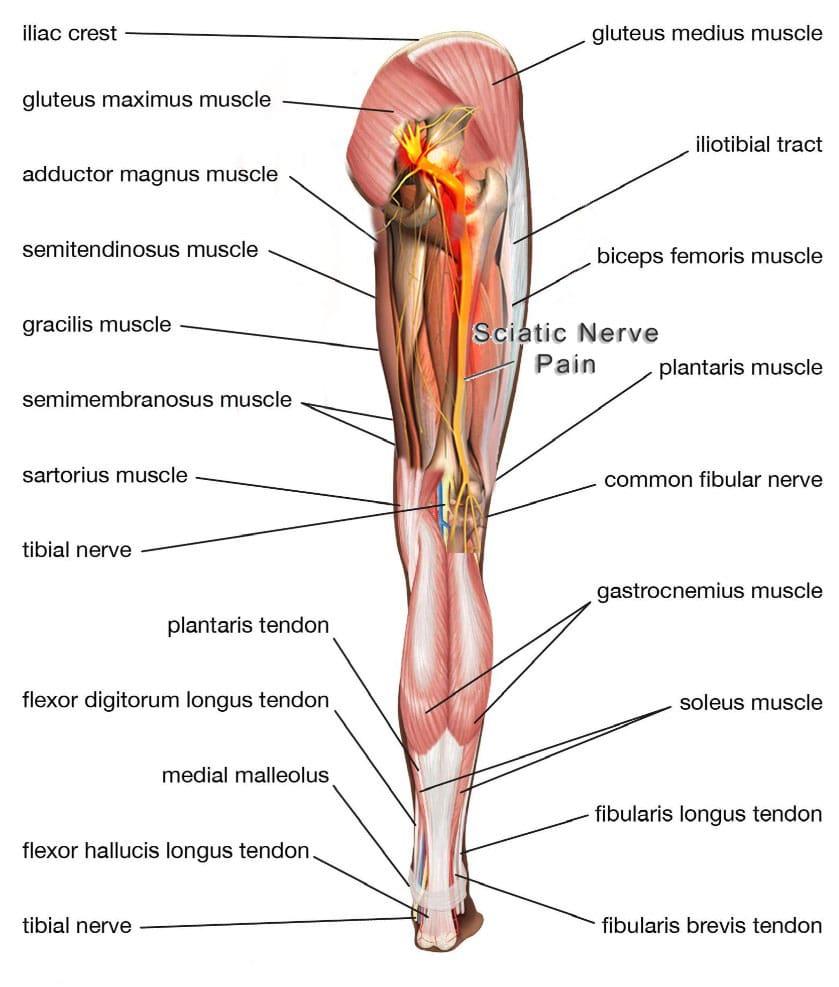
The hamstrings are three muscles in the back of the thigh, extending from the pelvis or upper thigh across the back of the knee to the leg. This muscle group is important for bending the knee, straightening the hip, and stabilizing the knee. The sciatic nerve is a large nerve that runs from the lower back down the legs. It usually passes near or through these muscles, and the pelvis then runs under these muscles in the thigh. Hamstring syndrome refers to pain in the buttock and back of the thigh, often radiating down the leg, caused by compression or irritation of the sciatic nerve at the hamstring-insertion point on the ischial tuberosity, typically due to tight or scarred tissue. (Sakari Orava, 1997)
Pain Location
The pain is primarily felt in the buttock and back of the thigh, sometimes extending down the leg. It’s characterized by pressure on the sciatic nerve, which runs through the buttock and into the back of the thigh, where it supplies the hamstring muscles. (Kaiser Permanente, 2024)
In some cases, injections with cortisone and numbing medicine may be used to reduce nerve inflammation and pain. (Lower Limb Surgery, 2024)
Surgery
In severe cases, surgery may be necessary to release the compressing bands and free the sciatic nerve. (Lower Limb Surgery, 2024)
Injury Medical Chiropractic & Functional Medicine Clinic
Talk to a healthcare provider about what interventions would help the most. Injury Medical Chiropractic and Functional Medicine Clinic works with primary healthcare providers and specialists to develop an optimal health and wellness solution. We focus on what works for you to relieve pain, restore function, and prevent injury. Regarding musculoskeletal pain, specialists like chiropractors, acupuncturists, and massage therapists can help mitigate the pain through spinal adjustments that help the body realign itself. They can also work with other medical professionals to integrate a treatment plan to resolve musculoskeletal issues.
Kaiser Permanente. (2024). Hamstring Syndrome: Care Instructions. https://healthy.kaiserpermanente.org/health-wellness/health-encyclopedia/he.hamstring-syndrome-care-instructions.abr3618
Puranen, J., & Orava, S. (1988). The hamstring syndrome. A new diagnosis of gluteal sciatic pain. The American Journal of Sports Medicine, 16(5), 517–521. https://doi.org/10.1177/036354658801600515
Zion Physical Therapy. (2023). Hamstring Tendinitis Vs. Hamstring Syndrome. https://www.zionpt.com/post/hamstring-tendinitis-vs-hamstring-syndrome
What are some leg-strengthening exercises that will expedite recovery for athletes and physically active individuals who have undergone leg surgery?
Post Surgery Leg Strengthening
Leg muscles may weaken after hip, knee, ankle, or foot surgery. This happens because those muscles are not used as much during recovery. Gaining back strength and muscle endurance after an injury or surgery is an important step in recovery. Leg exercises can help regain mobility and prevent complications like blood clots and pressure sores after surgery or an injury, which is why engaging in post-surgery leg strengthening is important once the doctor gives the ok.
Benefits
Post-surgery leg strengthening exercises have several benefits, including
Rebuilds strength and confidence
Retraining for optimal mobility and flexibility
Prevents pressure sores
Prevents blood clots
When the leg muscles are contracted, they move blood like a pump, maintaining proper circulation. Moving in a bed after surgery also helps prevent pressure sores from forming and blood clots. A physical therapy team will determine the right leg exercises for each individual and their injury/condition. This is an important step when moving forward after surgery. (Hoogeboom T. J. et al., 2014)
This isometric exercise means the muscles contract while no motion occurs at the hip joints. To perform:
Lie on your back and tighten your buttock muscles.
Hold the muscles tight for 5 seconds, then relax.
Repeat 10 or 15 times.
Gluteal sets can be done several times per day.
Heel Slide
Heel slides can help regain strength in the major muscles of the leg. To perform:
Lie on your back.
Bend the knee of the surgical leg and slowly slide the heel toward your butt.
Slide as far as possible and hold for 5 seconds.
Slowly return to the starting position and repeat.
Short Arc Quad
The short arc quad, or SAQ, is a simple way to get the quadricep muscles working. To perform:
Lie on your back with a towel roll, small ball, or something similar under the knee.
Slowly straighten the knee.
Tighten the quad muscle on the top of the thigh.
Hold for 3 seconds, then relax.
Repeat 10 to 15 times.
Quad Set
This exercise helps get the quad muscles working. It also helps control the position of the kneecap. To perform:
Lie on your back.
Place a small towel roll under the knee.
Try to press the back of the knee flat against the floor.
Hold for 10 seconds and release.
Repeat 10 to 15 times.
Individuals can complete quad sets bilaterally or with both knees simultaneously. This makes the stronger leg help strengthen the weaker side.
Straight Leg Raise
To perform:
Lie on your back.
Lift your leg straight off the floor until it is at the height of the opposite bent knee.
Hold for 10 seconds and slowly lower.
Repeat 10 to 15 times.
Be sure to keep the knee straight for the entire exercise. Keep the opposite knee bent for comfort. To ensure the knee is straight, individuals can complete a quad set first and then the straight leg raise. The exercise can be more challenging by increasing repetitions or adding a 2- to 3-pound ankle weight on the thigh. For even more challenge, add the ankle weight to the ankle.
Hamstring Strengthening
Working out the hamstrings after injury or surgery is important. The hamstring muscles bend the knee and extend the hip backward. To perform:
Lie on your stomach.
Bend one knee to raise the lower limb straight in the air.
Hold for 5 seconds and lower slowly.
Repeat 10 to 15 times.
Once the exercise is easy to do, increase the repetitions to 30. Individuals can also try adding a 2- to 3-pound ankle weight.
Physical therapy can help individuals regain mobility after injury or surgery. A therapist may prescribe exercises as part of an at-home exercise program. Over time, progress will go from simple exercises to more challenging ones to improve balance and mobility. (Madara K. C. et al., 2019)
Injury Medical Chiropractic & Functional Medicine Clinic
Before starting this or any other exercise program, consult a doctor and a physical therapist to find the right exercises for your situation. Injury Medical Chiropractic and Functional Medicine Clinic works with primary healthcare providers and specialists to develop an optimal health and wellness solution. We focus on what works for you to relieve pain, restore function, and prevent injury. Regarding musculoskeletal pain, specialists like chiropractors, acupuncturists, and massage therapists can help mitigate the pain through spinal adjustments that help the body realign itself. They can also work with other medical professionals to integrate a treatment plan to resolve musculoskeletal issues.
Are You Recovering From Ankle Sprains?
References
Hoogeboom, T. J., Dronkers, J. J., Hulzebos, E. H., & van Meeteren, N. L. (2014). Merits of exercise therapy before and after major surgery. Current opinion in anaesthesiology, 27(2), 161–166. https://doi.org/10.1097/ACO.0000000000000062
Madara, K. C., Marmon, A., Aljehani, M., Hunter-Giordano, A., Zeni, J., Jr., & Raisis, L. (2019). PROGRESSIVE REHABILITATION AFTER TOTAL HIP ARTHROPLASTY: A PILOT AND FEASIBILITY STUDY. International Journal of Sports Physical Therapy, 14(4), 564–581.
For individuals managing chronic pain conditions, can incorporating a personal TENS device help?
Personal TENS Device
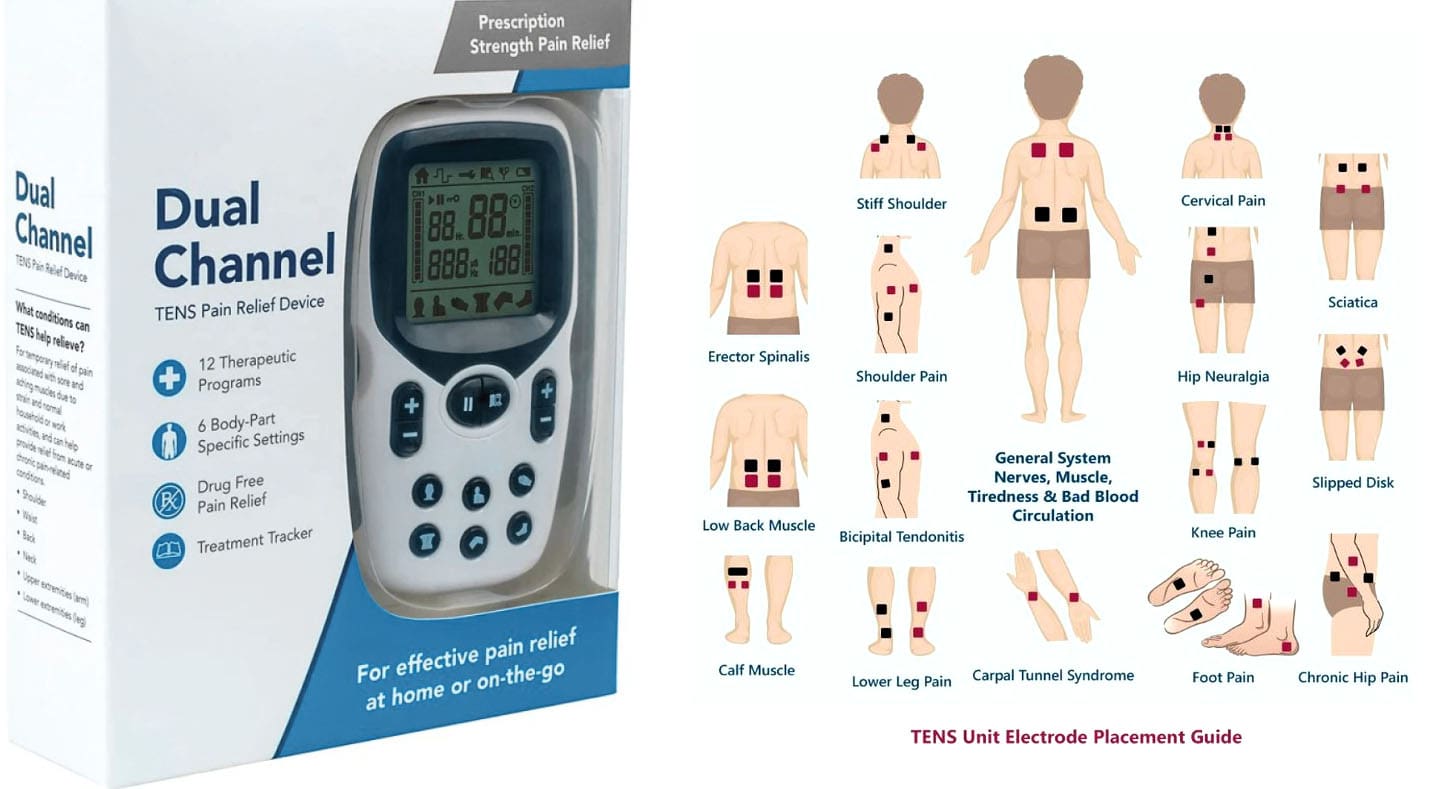
Almost all physical therapy, chiropractic, acupuncture, and massage clinic healthcare providers offer TENS (transcutaneous electrical nerve stimulation) therapy. Individuals can buy a TENS unit for on-the-go and home care use. A personal TENS unit is a small, battery-powered device that uses low-voltage electrical currents delivered through electrodes placed on the skin to help relieve pain.
How It Works
TENS units work by stimulating nerve fibers in pain, which can help block pain signals from reaching the brain or by stimulating the release of endorphins, the body’s natural pain-killing chemicals.
Uses
TENS units are used to treat a variety of conditions, including:
Arthritis
Muscle cramps
Neck pain
Back pain
Pelvic pain
Knee pain
Osteoarthritis
Fibromyalgia
Tendinitis
Bursitis
Diabetes-related neuropathy
Pelvic pain from periods or endometriosis
Features
Portability
TENS units are small, lightweight, and portable, making them convenient for home or on the go. It can be held in a pocket or clipped to a belt. (National Health Service UK, 2025)
Electrodes
The unit is connected to a series of electrodes placed on the skin to deliver the electrical charge.
Adjustable Settings
Many TENS units allow users to adjust the electrical pulses’ intensity, frequency, and duration.
Benefits
Non-Invasive
TENS therapy is a non-invasive method for relieving pain.
Drug-Free
It can provide pain relief without the need for medication.
Convenient
TENS units are small, portable, and relatively discrete.
Precautions
Consult a healthcare provider before using a TENS device to ensure its safety for you and your injury/condition. The treatment should not be used for individuals who are pregnant, have epilepsy, poor sensation, a heart problem, a pacemaker, or another electrical or metal implant in their body. (National Health Service UK, 2025) The electrodes should not be placed on certain areas of the body, including (Teoli D, Dua A, An J. 2025)
Head
Eyes
Mouth
Front of the Neck
Chest and upper back at the same time
Numb areas
Broken skin
Tumors
There is a minor risk of skin irritation, particularly if allergic to the adhesive pads.
Effectiveness
Researchers are still determining how effective TENS units are for relieving and reducing pain. A study found that TENS was effective in relieving pain for patients with fibromyalgia. (Dailey D. L. et al., 2013) Another study suggested that TENS may improve bone pain for cancer patients, but the results were inconclusive because of the limited number of randomized trials. (Vance C. G. et al., 2014)
Research suggests that some factors can impact the effectiveness of the intervention. Varying the intensity and frequency may help it be more effective so the body doesn’t develop a tolerance to it. In addition, using the electrodes in areas that are acupuncture points may help to reduce pain. While further study is needed, TENS is considered a safe pain-relief option for many conditions because it’s non-invasive and doesn’t require medication. (Vance C. G. et al., 2014)
Injury Medical Chiropractic & Functional Medicine Clinic
Individuals interested in trying a personal TENS unit should consult their healthcare provider. They may be able to refer them to a physical therapist, who can show them which type and how to use it for their particular condition. Injury Medical Chiropractic and Functional Medicine Clinic works with primary healthcare providers and specialists to develop an optimal health and wellness solution. We focus on what works for you to relieve pain, restore function, and prevent injury. Regarding musculoskeletal pain, specialists like chiropractors, acupuncturists, and massage therapists can help mitigate the pain through spinal adjustments that help the body realign itself. They can also work with other medical professionals to integrate a treatment plan to resolve musculoskeletal issues.
Don’t Ignore Post-Accident Pain
References
National Health Service UK. (2025). TENS (transcutaneous electrical nerve stimulation). https://www.nhs.uk/conditions/transcutaneous-electrical-nerve-stimulation-tens/
Teoli, D., Dua, A., & An, J. (2025). Transcutaneous Electrical Nerve Stimulation. In StatPearls. https://www.ncbi.nlm.nih.gov/pubmed/30725873
Dailey, D. L., Rakel, B. A., Vance, C. G. T., Liebano, R. E., Amrit, A. S., Bush, H. M., Lee, K. S., Lee, J. E., & Sluka, K. A. (2013). Transcutaneous electrical nerve stimulation reduces pain, fatigue, and hyperalgesia while restoring central inhibition in primary fibromyalgia. Pain, 154(11), 2554–2562. https://doi.org/10.1016/j.pain.2013.07.043
Vance, C. G., Dailey, D. L., Rakel, B. A., & Sluka, K. A. (2014). Using TENS for pain control: the state of the evidence. Pain management, 4(3), 197–209. https://doi.org/10.2217/pmt.14.13
What are the recommendations for a pulled muscle injury to fully recover?
Pulled Muscle Recovery Time
A pulled muscle, medically known as a strain, occurs when muscle fibers are stretched too far and sometimes tear. A pulled muscle injury typically starts to heal within days. Mild injuries can heal completely in one to three weeks, but more serious strains or tears, depending on the severity, can take six to 12 weeks or longer. (Fernandes T. L., Pedrinelli A., & Hernandez A. J. 2015) Rest, hydration, healthy foods, and slowly returning to activity can help expedite healing time.
Timeline
The timeline for recovering from a pulled muscle depends on the injury’s severity.
Pulled muscles are typically categorized into three grades based on the degree and size of pulled muscle fibers, as follows (Hospital for Special Surgery, 2024)
Grade 1 (mild)
Heals in a few days.
A microscopic tear or stretch in the muscle fiber.
It might feel sore, but you can still use the muscle.
Grade 2 (moderate)
Heals in four to six weeks.
A partial tear in the muscle causes noticeable pain and swelling, making it harder to move or use the injured muscle.
Grade 3 (severe)
Heals in several months
This type of muscle strain causes a complete tear, also known as a rupture.
It results in intense pain, significant swelling, and inability to use the muscle.
Surgery may be required in some cases.
Larger muscles, such as the hamstrings and quadriceps, may take longer to heal than smaller muscles due to their increased size and greater weight-bearing loads.
Body Parts More Susceptible To Injury
The following are more susceptible to muscle strains, pulls, or tears (Nölle L. V. et al., 2022)
Neck – levator scapulae and trapezius
Shoulders – rotator cuff muscles
Lower back – erector spinae
Groin – adductors
Front of the thigh – quadriceps
Behind the thigh – hamstrings
Calves – gastrocnemius and soleus
Healing Stages and Factors
Pulled muscles heal in three predictable stages, though the timing and progression may vary by individual and injury severity (Baoge L. et al., 2012).
Inflammatory Stage (zero to three days)
When pulling a muscle, the body reacts instantly with an inflammatory response that may include swelling, redness, bruising, and pain.
Rest is important during this stage to prevent the injury from getting worse.
Repair Stage (three to 21 days)
Damaged muscle fibers are repaired and regrow during this stage.
Collagen fills in any tears to rebuild damaged muscle tissue.
Gentle movement and easy activity can help the fibers line up properly and reduce stiffness.
Start slowly moving a pulled muscle as soon as possible, but avoid too much activity too soon, as it can delay and prolong healing.
Remodeling Stage (three weeks to one year)
Repaired tissue gets stronger and adapts to regular movement.
Gradually adding more activity, stretching, and strengthening exercises helps treat a pulled muscle and return to full strength and function but should be done carefully to avoid re-injury.
Avoid activities that cause pain, but move the muscle gently to prevent stiffness.
Prolonged rest can slow healing, so maintain a balance between rest and exercise.
Ice
Add ice for 10–20 minutes for the first 48 hours to reduce swelling and pain.
Ice helps control inflammation by limiting blood flow to the injured area.
Compression
Use compression stockings or wrap the injured part in bandages to help reduce swelling.
Ensure the binding is not too tight so circulation is not cut off.
Elevation
Raise the injured area above heart level throughout the day.
This helps reduce swelling by allowing fluids to drain away from the injury site.
Heat
After the first two to three days, heat therapy increases blood circulation and improves flexibility, helping the muscle heal.
Eat Healthy
Get enough protein for muscle repair.
Maintain Hydration
Drink plenty of water to help with circulation and muscle lubrication.
Massage and Physical Therapy
These hands-on interventions can improve circulation, help reduce scar tissue, and restore range of motion.
Over-the-counter Medications
If needed, over-the-counter nonsteroidal anti-inflammatory medications like Advil or Motrin (ibuprofen) and Aleve (naproxen sodium) can help with pain and swelling.
Only use as directed.
These steps can help promote faster healing and expedite returning to normal daily activities.
When to Resume Normal Activity
Individuals may need one to two weeks to recover before resuming normal activity for mild strains. However, for more severe injuries, it could take four to six weeks or longer to return to all daily activities. (Harvard Health Publishing, 2023) It’s essential to gradually return to daily activities to avoid reinjury, which can delay and prolong healing. Follow these recommendations to recover from a pulled muscle safely and quickly (Kraemer W., Denegar C., & Flanagan S. 2009)
Once the pain has subsided, the swelling has decreased, and the muscle feels better, start with low-impact exercises.
Slowly resume normal activities, avoiding overexerting the injured area.
Gradually increase activity levels and stop if there is any pain.
Avoid strenuous activities that place excessive stress on the injured muscle until the muscle is completely healed.
Contact a Healthcare Provider
While most pulled muscles heal with home care, seek medical attention if: (Penn Medicine, 2023)
Pain persists or worsens after seven to 10 days.
This can indicate a more serious injury, such as a severe torn muscle.
Significant pain, loss of motion and strength, and swelling disrupt daily activities or show signs of worsening despite rest and self-care.
It is difficult to move the affected area, or the muscle cannot bear weight, suggesting a more severe injury.
There are signs of infection, including redness, warmth, increased swelling, or fever, especially if the skin is cut or broken near the injured area.
There is unusual bruising or a visible deformity, which could indicate a bone fracture requiring professional evaluation.
A healthcare provider may recommend imaging studies, such as MRI, ultrasound, or X-rays, to assess the extent of the injury, rule out fractures, or check for muscle tears.
Injury Medical Chiropractic & Functional Medicine Clinic
Injury Medical Chiropractic and Functional Medicine Clinic works with primary healthcare providers and specialists to develop an optimal health and wellness solution. We focus on what works for you to relieve pain, restore function, and prevent injury. Regarding musculoskeletal pain, specialists like chiropractors, acupuncturists, and massage therapists can help mitigate the pain through spinal adjustments that help the body realign itself. They can also work with other medical professionals to integrate a treatment plan to resolve musculoskeletal issues.
Say Goodbye to Pain with Chiropractic Care
References
Fernandes, T. L., Pedrinelli, A., & Hernandez, A. J. (2015). MUSCLE INJURY – PHYSIOPATHOLOGY, DIAGNOSIS, TREATMENT, AND CLINICAL PRESENTATION. Revista brasileira de ortopedia, 46(3), 247–255. https://doi.org/10.1016/S2255-4971(15)30190-7
Hospital for Special Surgery. J. N. R., MD. (2024). Muscle Strain: Causes, Symptoms, Treatment. https://www.hss.edu/conditions_muscle-strain.asp
Nölle, L. V., Mishra, A., Martynenko, O. V., & Schmitt, S. (2022). Evaluation of muscle strain injury severity in active human body models. Journal of the mechanical behavior of biomedical materials, 135, 105463. https://doi.org/10.1016/j.jmbbm.2022.105463
Baoge, L., Van Den Steen, E., Rimbaut, S., Philips, N., Witvrouw, E., Almqvist, K. F., Vanderstraeten, G., & Vanden Bossche, L. C. (2012). Treatment of skeletal muscle injury: a review. ISRN orthopedics, 2012, 689012. https://doi.org/10.5402/2012/689012
Laumonier, T., & Menetrey, J. (2016). Muscle injuries and strategies for improving their repair. Journal of Experimental Orthopaedics, 3(1), 15. https://doi.org/10.1186/s40634-016-0051-7
Harvard Health Publishing. (2023). Muscle strain. https://www.health.harvard.edu/staying-healthy/muscle-strain-a-to-z
Kraemer, W., Denegar, C., & Flanagan, S. (2009). Recovery from injury in sport: considerations in the transition from medical care to performance care. Sports Health, 1(5), 392–395. https://doi.org/10.1177/1941738109343156
Penn Medicine. (2023). Strains. https://www.pennmedicine.org/for-patients-and-visitors/patient-information/conditions-treated-a-to-z/strains
Enzymes’ function is to help trigger bodily processes ranging from digestion to blood clotting to growth. What is the best way to support enzyme production?
Enzymes
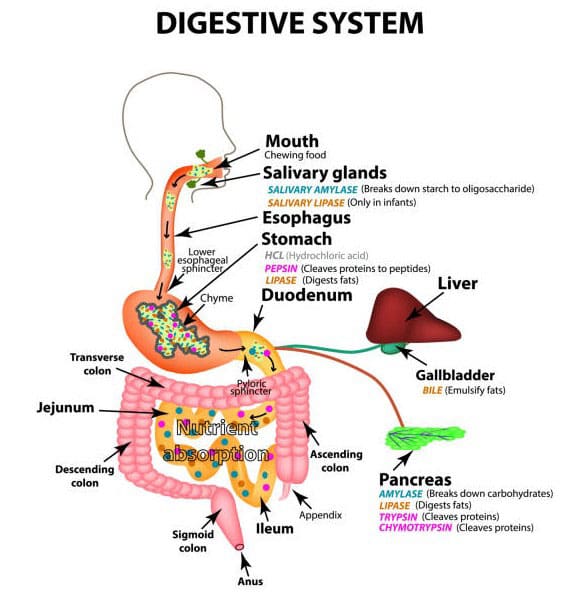
Enzymes are proteins that act as biological catalysts. They cause and speed up crucial chemical reactions and help the body complete necessary chemical reactions. They are vital for many biological processes, including digestion, metabolism, and molecule building and breaking down. This includes breaking down food, facilitating growth, and forming blood clots. Too little of a certain type can lead to serious health implications like a fatal buildup of toxins. Individuals missing a certain kind of enzyme or having too little of it can develop serious health conditions.
Function
They help speed up chemical reactions in the body (National Human Genome Research Institute, 2025). They facilitate chemical reactions in everything from digesting food to muscle growth. Enzymes facilitate this by binding to a cell, creating the reactions needed. With enzyme binding, chemical reactions can occur without destroying the cell. (Nemours KidsHealth, 2023) Each cell in the body has thousands of enzymes to help facilitate all the complex reactions to maintain health. (National Human Genome Research Institute, 2025)
Factors Affecting Production
In healthy individuals, the body produces the enzymes it needs. However, metabolic disorders can occur if the body does not produce enough of a certain type. (Kennedy Krieger Institute, 2025) These disorders can be serious and are usually caused by a genetic malfunction that impacts production.
Types
There are thousands of different types. Digestive enzymes, for example, aid in the breakdown of food and convert it into energy. Common enzymes that are critical for health include (Nemours KidsHealth, 2023)
Amylase
Digestive helps break down starches.
Aspartate aminotransaminase (AST) and Alanine Aminotransaminase (ALT)
Help the liver convert sugar into energy.
Creatine Kinase (CK)
Helps muscles create energy.
DNA Polymerase
Facilitates growth by allowing DNA to duplicate.
Glucose-6-Phosphate Dehydrogenase
Keeps red blood cells healthy by preventing damage to the cell.
Lipase
A digestive enzyme that helps break down fats and oils.
Protease
Digestive helps break down proteins.
Thrombin
Causes blood to clot.
Deficiencies
If the body doesn’t make enough of a certain enzyme, it cannot undergo the bodily processes that the enzyme helps facilitate. This can lead to a variety of symptoms. Some are minor, like not being able to eat lactose. Others are serious, like developmental delays caused by the build-up of toxins. (Kennedy Krieger Institute, 2025) Usually, these deficiencies are caused by genetics.
Types
There are various deficiencies. Some are very rare, while others can lead to conditions such as: (Nemours KidsHealth, 2023)
Lactose Intolerance
This is caused by not having enough of the enzyme that breaks down lactose, a sugar found in milk, leading to gas and bloating.
Tay-Sachs Disease
An often fatal disease caused by a missing hexosaminidase, which is responsible for breaking down fats
Gilbert’s Syndrome
This is caused by a missing enzyme that removes waste product (bilirubin) from the blood, leading to bilirubin buildup and
Jaundice or yellowing of the skin and whites of the eyes
Galactosemia
This leads to slow growth and trouble gaining weight, which is caused by the missing galactose-1-phosphate uridylyltransferase (GALT), which helps break down a sugar called galactose.
Phenylketonuria (PKU)
This is caused by having too little phenylalanine hydroxylase, which breaks down a protein called phenylalanine, causing brain damage.
Morquio Syndrome
This is caused by having too few enzymes that break down glycosaminoglycans, a type of sugar molecule.
This leads to bone and growth abnormalities.
Wilson’s Disease
A liver disease is caused by a missing protein that helps break down copper in the body.
Enzyme Production Support
Eat a healthy, well-balanced diet of fruits and vegetables to support enzyme production. Avoid processed foods, especially those that are very fatty (Johns Hopkins Medicine, 2025). The body produces all the necessary enzymes unless the individual has a genetic condition. Supplements aren’t usually required, but they can help with lactose intolerance or digestion in cystic fibrosis patients. (Nemours KidsHealth, 2023)
One supplement type, pancreatic enzyme replacement therapy (PERT), is available. PERT is an FDA-regulated prescription medication prescribed to patients with serious illnesses such as cystic fibrosis. (U.S. Food and Drug Administration, 2019)
Injury Medical Chiropractic & Functional Medicine Clinic
Injury Medical Chiropractic and Functional Medicine Clinic works with primary healthcare providers and specialists to develop an optimal health and wellness solution. We focus on what works for you to relieve pain, restore function, and prevent injury. Regarding musculoskeletal pain, specialists like chiropractors, acupuncturists, and massage therapists can help mitigate the pain through spinal adjustments that help the body realign itself. They can also work with other medical professionals to integrate a treatment plan to resolve musculoskeletal issues.
Chiropractic Care and Metabolism: The Hidden Link
References
National Human Genome Research Institute. (2025). Enzyme. Retrieved from https://www.genome.gov/genetics-glossary/Enzyme
U.S. Food and Drug Administration. (2019). FDA approves new breakthrough therapy for cystic fibrosis. Retrieved from https://www.fda.gov/news-events/press-announcements/fda-approves-new-breakthrough-therapy-cystic-fibrosis
IFM's Find A Practitioner tool is the largest referral network in Functional Medicine, created to help patients locate Functional Medicine practitioners anywhere in the world. IFM Certified Practitioners are listed first in the search results, given their extensive education in Functional Medicine