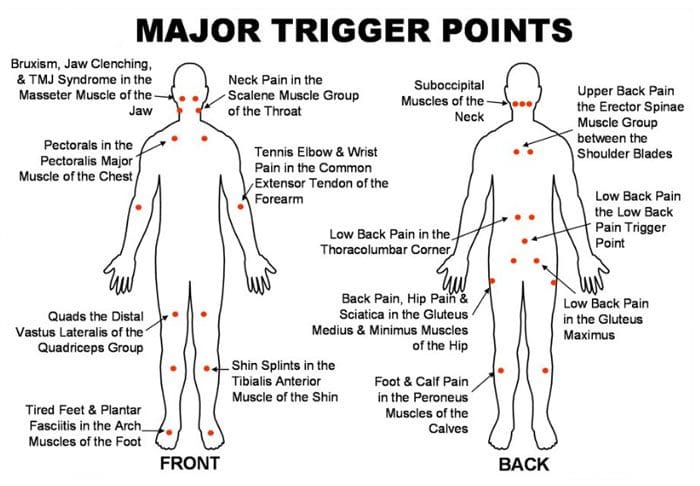
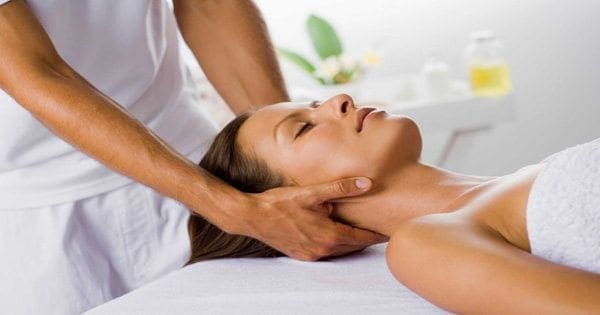
A neuromuscular massage is a form of manual massage used to release strained muscles. Strained areas are also known as trigger points that tend to be the cause of muscular pain symptoms. Trigger points are small areas of the muscle that contract the tissue. The lack of blood and nutrients in these areas causes an inability for the muscles to relax. The area becomes hypersensitive, causing fatigue, weakness, inflammation, and pain. Trigger points can lead to referred pain in which other areas of the body experience sensations of pain, tingling or numbness.
Neuromuscular Massage
Neuromuscular massage treatment involves applying alternating levels of concentrated pressure on the trigger point/s done through manual and instrument manipulation. Neuromuscular therapy is also called trigger point myotherapy. The American Academy of Pain Management recognizes this form of treatment as an effective treatment for pain caused by soft tissue injury.
Deep Tissue Massage
A deep tissue massage is generally used to address muscle aches and pains and is administered on an on-off basis. Neuromuscular manual therapy techniques are specialized and designed to correct pain and movement dysfunction by treating:
Neuromuscular massage is considered an ongoing treatment.
Massage Reduces Pain
Muscles, when spasming, are painful to the touch. The pain is caused by ischemic muscle tissue. Ischemia means the muscle is lacking proper blood flow because of the spasm. This causes adverse effects because the muscles are not receiving enough blood; the muscles also do not receive enough oxygen.
The lack of oxygen causes the muscles to produce lactic acid.
The lactic acid causes the muscles to feel sore following physical activity.
Neuromuscular massage therapy relaxes the muscles releasing the lactic acid, allowing the muscles to receive enough blood and oxygen. Neuromuscular therapy can feel painful at first, but the pressure of the massage will alleviate the muscle spasm/s. It is crucial to communicate with the chiropractor and massage therapist about the pressure – whether it is too much, too little, feels better, feels worse, etc. Massage therapy pressure should never be overly painful. Individuals often describe the pressure as good pain, where they can feel the difference. Following a neuromuscular massage, the soreness should fade after twenty-four to thirty-six hours. The tight muscles should remain relaxed for four to fourteen days, depending on activities and stress levels.
Massage Treatment
Medical issues and conditions for which neuromuscular massage can treat include:
Tendonitis
Headaches
Temporomandibular joint pain – TMJ disorders
Jaw pain
Carpal tunnel
Upper back pain
Low back pain
Sciatica
Hip pain
Knee pain
Iliotibial band syndrome
Calf cramps
Plantar fasciitis
Neuromuscular Massage Benefits
Individuals who undergo neuromuscular massage therapy can experience the following benefits:
Reduced and/or complete elimination of pain.
Increased blood circulation.
Body toxin release.
Increased flexibility and strength.
Better movement.
Improved posture.
Balanced musculoskeletal and nervous systems.
Increased energy and vitality.
Body Composition
Fatigue
When it comes to getting fit, remember it is a long-distance marathon, not a quick sprint. Whether physical, mental, or a combination, fatigue is a common obstacle for successfully reaching health goals. Physical fitness requires energy:
Energy for work or school.
Energy to set up the gear or get to the gym.
Energy for the workout.
Energy to prepare regular healthy meals.
Combined with the pressures of everyday life can make it a challenge to work out consistently. The objective is to make gradual changes rather than significant immediate changes. This will help prevent/avoid early burnout and help lead to maintaining healthy habits. One tip could be scheduling the workouts and meal prep time for the day or week when most active. For example, knowing that after work or school, the body can’t take a workout and needs to crash at the end of the day, set up the exercise for the morning or afternoon. And once the workouts become a routine, energy levels will improve, allowing for more activity.
References
Bervoets, Diederik C et al. “Massage therapy has short-term benefits for people with common musculoskeletal disorders compared to no treatment: a systematic review.” Journal of physiotherapy vol. 61,3 (2015): 106-16. doi:10.1016/j.jphys.2015.05.018
Field, Tiffany. “Massage therapy research review.” Complementary therapies in clinical practice vol. 24 (2016): 19-31. doi:10.1016/j.ctcp.2016.04.005
Furlan, Andrea D et al. “Massage for low-back pain.” The Cochrane database of systematic reviews,9 CD001929. 1 Sep. 2015, doi:10.1002/14651858.CD001929.pub3
Qaseem, Amir et al. “Noninvasive Treatments for Acute, Subacute, and Chronic Low Back Pain: A Clinical Practice Guideline From the American College of Physicians.” Annals of internal medicine vol. 166,7 (2017): 514-530. doi:10.7326/M16-2367
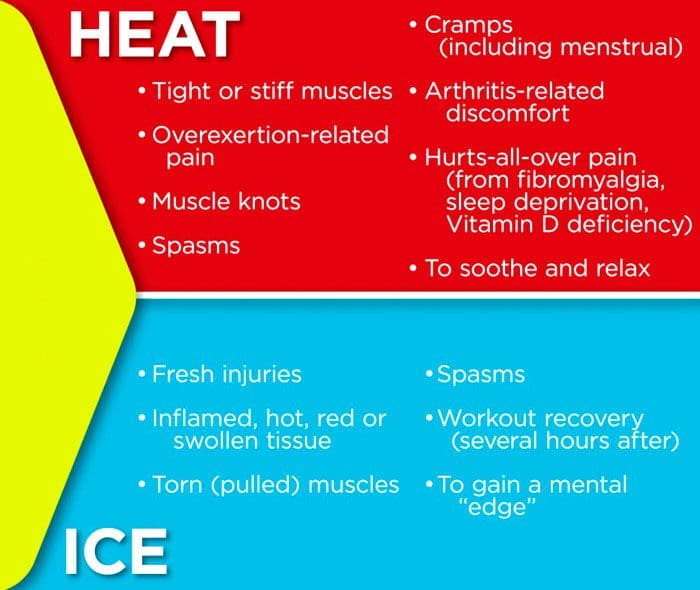
Most if not all of us have probably used heat and/or ice on a sprain, strain, or sore area of the body. Having a pinched nerve, however, has a different feeling than a sprain or strain. Chiropractic treatment for a pinched nerve is recommended, but if the pain isn’t too bad, then home care can work. Which is better for a pinched nerve, heat or ice? Both. Using heat and ice helps reduce swelling, increases blood flow to the area, and relaxes the muscles around the pinched nerve. The objective is to know when to use ice and/or heat.
Applying Heat on a Pinched Nerve
Applying heat on a pinched nerve is fine. The general guideline for a pinched nerve is to use heat only after the pain has subsided/reduced.
When pain presents or flares up, use ice before using heat.
Do not apply heat to the area directly after applying ice.
Wait 30 minutes to an hour.
Keep the heat on the affected area for 10 to 20 minutes at a time.
Take a minimum 30-minute break between sessions.
If the heat helps, make the heat moderate and use it on the area for an hour or more.
Extended heat therapy is beneficial for severe pain from a pinched nerve.
The equivalent is like soaking in a hot bath.
Heat for a Pinched Nerve Benefits
Heat soothes and relaxes both the muscles and the mind.
Heat increases healing abilities by circulating new blood to the injured/affected area, helping to flush toxins away.
Decreases tension and spasms in the muscles.
Increases the range of motion in the joints.
When Not To Use Heat Therapy
It can be dangerous for individuals with pre-existing conditions. Conditions include:
If home remedies don’t work, know when to consult a chiropractor.
Doctors of chiropractic specialize in pinched/compressed nerves. A chiropractor is trained in different techniques to relieve the pressure and release the nerve back to its proper position.
Body Composition
Peripheral Artery Disease
Peripheral artery disease or PAD is the narrowing of the arteries that carry blood away from the heart to the other areas of the body. What to know about PAD:
Peripheral artery disease risks increase with age.
Over half of affected individuals do not present with symptoms.
Around one-fourth of individuals with peripheral artery disease have diabetes mellitus.
Smokers have an increased risk of developing PAD.
This is why it’s important to monitor blood pressure.
References
Chandler, Anne, et al. “Using heat therapy for pain management. (clinical practice).” Nursing Standard, vol. 17, no. 9, 13 Nov. 2002, pp. 40+. Accessed 15 Sept. 2021.
Edzard Ernst, Veronika Fialka, Ice freezes pain? A review of the clinical effectiveness of analgesic cold therapy, Journal of Pain and Symptom Management, Volume 9, Issue 1, 1994, Pages 56-59, ISSN 0885-3924, https://doi.org/10.1016/0885-3924(94)90150-3.
Shu, Jun, and Gaetano Santulli. “Update on peripheral artery disease: Epidemiology and evidence-based facts.” Atherosclerosis vol. 275 (2018): 379-381. doi:10.1016/j.atherosclerosis.2018.05.033
Pregnancy can take a toll on a woman’s body. New aches and pains start to present as the pregnancy progresses. Hormonal changes can affect the state of mind, making trying to relax or relieve stress extremely difficult to impossible, causing more frustration and tensed muscles. It’s absolutely safe and beneficial to get a professional therapeutic massage while pregnant. Most pregnant women are cleared to get massages after their first trimester. However, if it is a high-risk pregnancy, talk to your doctor before scheduling a massage.
Benefits of Therapeutic Massage
A therapeutic massage while pregnant, known as prenatal massage, generates a peaceful and serene mindset. Studies show prenatal massage is beneficial for the mother and baby. Pregnant women that are unable to find discomfort/pain relief benefit from prenatal massage. Benefits include:
Swelling is reduced
Improved hormone regulation helps reduce instances of low birth weight
Joint, back, and nerve pain/sciatica is reduced, and function improved
Headaches lessen in severity and frequency
Blood and nerve circulation improves
Sleep cycles improve
Anxiety, depression, and stress improves
Types of Massage
Safe massages when pregnant. The most common prenatal massage is a Swedish Massage. This type of massage is gentle but forceful enough to provide the aforementioned benefits. Swedish Massage focuses on the topmost layer of muscle with long strokes that incorporate movement of the joints. Avoid deep-tissue massage when pregnant, as this is a more aggressive style of massage.
Back Massage
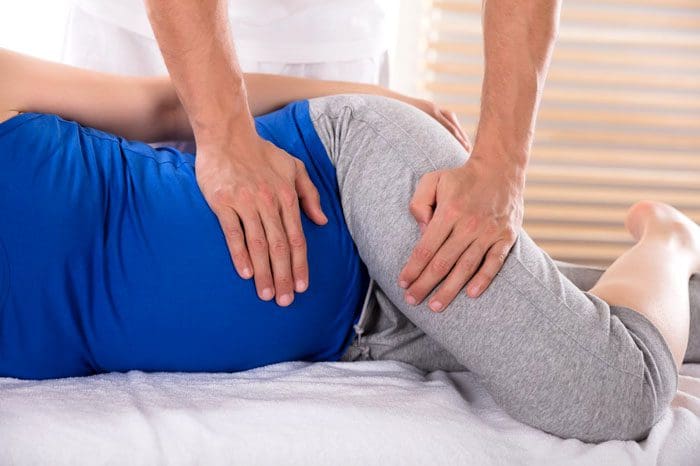
During pregnancy, posture changes from the added weight. The center of gravity shifts making the spine and back muscles work harder. This regularly makes the muscles achy, sore, and stiff. Prenatal back massage is done while sitting or lying on the side. Long strokes are performed on the muscles, along with gentle kneading. The focus is on the muscles along the spine and the low back. This type of massage is highly beneficial if sciatica is presenting.
Neck Massage
Massaging the neck loosens tight muscles, improves awkward neck posture, alleviates nerve pain preventing tension headaches, and promotes flexibility. Most therapists will start with the neck and arms while the individual sits up, then lie down to work on the rest of the body.
Chiropractic Massage
This type of massage is performed by a licensed chiropractor and/or a physical massage therapist at the direction of a chiropractor. Chiropractic massage therapists have undergone thorough training and always take care to avoid any pressure points or areas that could cause discomfort.
Areas that Are Avoided During Massage
Professional massage therapists know what areas to avoid during the therapeutic massage, but it’s also important for the patient. The areas that will be avoided include:
The pressure points in the wrist and around the ankles. These areas have points that could cause uterine contractions and cervical ripening.
Around the belly. However, it is recommended to perform gentle, low-pressure massaging at home.
Around open wounds, rashes, or skin conditions.
Safety Tips
Other precautions to take when receiving a massage during pregnancy. The massage therapist should look out for blood clot symptoms or varicose veins. Other precautions to follow:
Make sure the massage therapist knows you are pregnant before beginning.
If the massage triggers nausea, discomfort, or is not enjoyable, ask to stop.
Avoid massage tables that have a hole cut out for the belly.
The recommended method is on the side, supported with proper padding to ensure stability and comfort.
The massage should be no more than an hour.
A massage in the first trimester is not recommended.
A trained massage therapist should perform a prenatal therapeutic massage. However, a partner can perform an easy, safe massage at home following a few guidelines.
Avoid the ankles and the areas around the wrists.
Avoid the belly and the area around it.
Back, neck, scalp, and foot rubs are recommended.
Utilize long gentle strokes with all-natural and safe massage oils or lotions.
Talk to your physician if you have an increased risk for blood clots.
Get a Massage
A prenatal therapeutic massage can improve hormone regulation, help sleep, reduce stress and anxiety, and promote a healthy and optimal delivery.
Body Composition
Diastasis Recti Post-Baby Weight
Pregnancy can cause abdominal muscle separation or diastasis recti.
This happens when the outermost abdominal muscles/rectus abdominis, which are the muscles from the breastbone to the pubic bone pull apart from the fibrous attachment point/linea alba. Muscle separation is common after pregnancy, but the degree and location of the separation are what vary from one woman to another. As the pregnancy progresses, the uterus makes room for the growing baby. This can cause the abdominal – recti muscles to stretch and become flabby. This muscle separation is not linked with complications for the mother or the baby and it is not a sign of muscle loss.
References
Hall, Helen et al. “The effectiveness of complementary manual therapies for pregnancy-related back and pelvic pain: A systematic review with meta-analysis.” Medicine vol. 95,38 (2016): e4723. doi:10.1097/MD.0000000000004723
“Perineal Massage in Pregnancy.” Journal of midwifery & women’s health vol. 61,1 (2016): 143-4. doi:10.1111/jmwh.12427
Schreiner, Lucas et al. “Systematic review of pelvic floor interventions during pregnancy.” International journal of gynecology and obstetrics: the official organ of the International Federation of Gynaecology and Obstetrics vol. 143,1 (2018): 10-18. doi:10.1002/ijgo.12513
The hands are used for all kinds of tasks/chores day and night. Using the hands requires the wrists. When wrist pain presents, it can make life unbearable, causing individuals to make all kinds of awkward and unhealthy habits that can worsen and cause further injury. Chiropractic wrist and hand adjustments are recommended for this type of injury. A majority of wrist injuries are the result of micro-stress/repetitive tearing use. Repetitive stress injuries often require a multifaceted treatment approach. This is why chiropractic is so effective, in that it treats the symptoms and the causes to get back to work, school, and normal life quickly.
Wrist Tendonitis
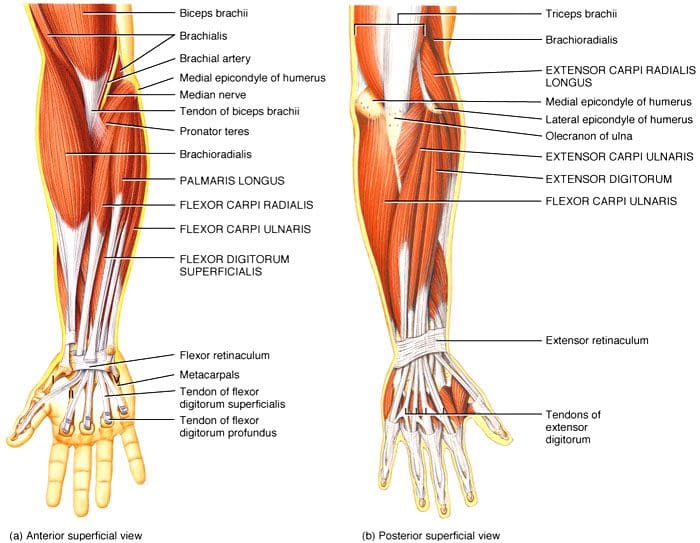
Wrist tendonitis happens when a tendon becomes inflamed. This is common among athletes, store workers, clerks, warehouse workers, hair stylists/barbers, etc. Individuals that are constantly using their hands, wrists, and arms have an increased risk of developing tendonitis. And without proper treatment and rest, the inflammation continues and worsens. Chiropractic wrist adjustments for wrist tendonitis include:
Diagnosis and assessment.
Swelling and pain are alleviated using ice, bracing, ultrasound, laser therapy, and other inflammation-reducing techniques.
Once the inflammation has been brought down, massage therapy is incorporated to keep the tendons loose and relaxed.
Physical therapy and manual manipulation will restore mobility and flexibility to the wrist.
When the pain is completely reduced and mobility is restored, chiropractic wrist adjustments will break down the scar tissue to prevent future injury.
The chiropractor will recommend ergonomic tips and exercises to prevent flare-ups.
Wrist Crepitus
Another common issue that can be painful is crepitus, which is a popping, clicking, and/or cracking in the wrist when moving the hand. Different causes depend on the type the popping/clicking/cracking. If it occurs without pain, more than likely, it is the gases escaping from the wrist joint. This is normal and is not something to worry about. However, a chiropractor can help if it becomes burdensome. Another cause is when a tendon extends or contracts over the bone with certain types of movements. This type of popping often results in pain and should be addressed by a professional to prevent further damage. Both issues are commonly treated with wrist adjustments.
Dislocated Wrist
A dislocated wrist needs immediate medical care from the emergency room. The wrist needs to be reset and given time to recover/heal before a chiropractor can work on it to repair any issues that the dislocation caused. There are benefits from chiropractic after a serious wrist injury that includes:
Pain relief
Function restored
Mobility restoration
Proper wrist alignment
Scar tissue removal
Strength training
Aching, popping, and cracking relief
Chiropractic Wrist Adjustment
Wrist adjustments depend on the injury/condition that the individual is going through. A chiropractor uses different approaches and techniques that return the joints to the proper alignment. Wrist adjustments are usually done by hand and are gentle. This is because the bones and tendons do not need major force to correct. Chiropractors focus on the wrist the same way they focus on the whole body.
They relieve pain and swelling first.
They determine what caused the injury.
Then focus on strengthening the joint.
Develop a prevention regimen to keep it from recurring.
Body Composition
Complete Body Measurement
Getting body composition tested will help progress to optimal health by the results, not the weight scale. Determining progress with metrics like this and lean body mass equips individuals with the knowledge needed to get the results faster and smarter. The quickest and easiest way to determine body composition is to use the InBody. This means focusing on body fat percentage instead of weight. The devices being used today are extremely accurate at giving reliable body fat percentage results. Get a complete readout of your body that includes:
Muscle mass
Fat mass
Body water
Body fat percentage
Getting as much information as possible using optimal tests will help with goal planning and achieving optimal health.
References
Hulbert, James R et al. “Chiropractic treatment of hand and wrist pain in older people: systematic protocol development Part 2: cohort natural-history treatment trial.” Journal of chiropractic medicine vol. 6,1 (2007): 32-41. doi:10.1016/j.jcme.2007.02.011
Prasad, Ganesh, and Mustafa J Bhalli. “Assessing wrist pain: a simple guide.” British journal of hospital medicine (London, England: 2005) vol. 81,5 (2020): 1-7. doi:10.12968/hmed.2019.0051
Sadowski, M, and D Della Santa. “Les syndromes douloureux du poignet” [Wrist pain]. Revue medicale suisse vol. 2,92 (2006): 2919-23.
We all want to relax. In our hectic lives, it’s hard to find time for R&R. If you deal with this in your life, a massage is in order. The article below has what you must know about the fine art of massage.
The Basics of Massage
Share Free Ebook
First of all, make sure to drink plenty of water following a massage. With massaging procedures, the tissues of your body will be stimulated, resulting in the release of toxins. Drinking at least 10 glasses of water throughout the day will flush out the toxins. Aim to drink 2-3 glasses within the first hour or so and then at least 8 more within the next 24 hours.�In the hour following the massage, drink several glasses and then continue with eight more in the next 23 hours.
As for those giving the massages, when performing the procedure, it is important to use your thumbs. They are strong, and can be great for muscle stimulation. Don’t overdo it, though, as you could hurt the recipient.
Also, don’t eat just before a massage. Eating before a massage can leave you feeling bloated and can make you uncomfortable when lying down. Let food fully digest first. You’ll feel much better and more relaxed during the massage.
Massages once or twice per week are a great idea. When people take the time to have regular massages, they experience overall mood improvement and health. This is more than likely attributed to the simple fact that massages are natural stress reducers which help both relax your mind and body. Try to go to the massage parlor twice a week, or more.
Experiment with different types of oils on the person before you massage them. Each person is different and will have a different reaction to oil; you must find what works for them. The massage will be better if you have lubrication, which is what the oils provide you with.
If you do not like the stretch marks you received from pregnancy or weight fluctuations, you will likely have given most removal options a try. You should massage your stretch marks with some cocoa butter on a daily basis. Massaging the area stimulates tissue regeneration, lessening the appearance of stretch marks.
If you’re the person getting a massage, be sure you watch what you eat before it. Eating a lot may make you feel uncomfortable during your massage and that can make the experience go badly. To make sure you feel good, eat something light and healthy beforehand.
Analyze how your partner is reacting to the massage as you do it. Check out how they are reacting to different motions and levels of pressure. This reading ability will provide a great deal of benefits for you as a masseuse. Let their reactions guide how you massage them.
Do not hesitate to pose questions as you receive a massage. Your massage therapist will welcome questions. What you must do is attempt such comfort, so ask the masseuse and find out what you need to do.
If the lights are not dimmed when you go for your massage, request this. A dark room will enhance the relaxing environment you want to experience during a massage. Try to keep the room dim to resemble the night and a quiet atmosphere.
Massages are not only relaxing, but also healing. Kids that have asthma can find massages to help them, they can reduce stress and headaches as well. They can also help with easing tense muscles in all areas of the body. To get the most of a massage, you must concentrate on relaxing fully.
If you’re receiving a massage, you shouldn’t hesitate to talk to your massage therapist. Let your therapist know if there’s a part of your body you want her to focus on more. If no enough pressure is being applied on you, those deep knots will not budge and you will not get relief.
Don’t underestimate the power of massage. Massages tend to alleviate pain and stress and increase energy levels. No matter what your personal situation is, a massage could be the answer to many of your problems.
Remember the hands and feet when you are massaging someone. These are two of the most sensitive areas on the entire body and can produce some of the best feelings throughout the whole massage. You should be firm when massaging to loosen the muscles.
Bear hugs can help with shoulder tension. Just wrap yourself with your own arms. Put one hand on each shoulder and rub. This simple action can relieve tension and provide a quick massage whenever needed.
Massaging your own stomach can help with digestion and any stomach pains. After a big meal, try rubbing your abdomen clockwise with both hands. This simple technique can aid your stomach in the digestion of your food. It is important, however, that you don’t apply a lot of pressure in the abdomen area until digesting has finished.
When getting a massage, one should shave in advance. This creates a smooth surface which will make your job a lot easier, particularly if oil is being used. Your hands will be able to glide much more easily over their skin, maximizing the pleasure and sensation of the massage.
Be open with your therapist about all of your medical conditions before you start. Let your masseuse know about important things such as pregnancy. The more your therapist knows about your body, the more he or she will be able to make a plan for the most effective treatment. If you don’t let your massage therapist know of your situation, you could worsen your aches.
Any athlete that has hard works outs knows about sports massages. Those who enjoy exercise, even if they are not a pro, can take advantage of good sport massages. These types of massages are meant to help build you up to prevent injury.
Speak up during a deep tissue or sports massage. If you feel discomfort or pain at all you should tell your massage therapist, because the only way they will know is if you speak up. Your therapist has a right to know if you are experiencing anything uncomfortable.
The pain of a migraine headache can shut down your world. If you’ve ever had a migraine, then you know how terrible they feel. Fortunately, massages can be beneficial to migraines.
Make sure that your hands are following the body’s curves, when you are massaging someone. Work out the palm and fingers of your hand. Use your palm to apply gentle pressure on bony areas. For deeper curves of the body, you can press further in to get out any kinks.
What area should you concentrate on with a massage? Anyplace you have pain! Begin with areas that have aches and pains and head outwards from there. If you locate new pain, work that out as well. When the good feeling stops, you can end the massage.
If you apply oil to someone’s body during the massaging process, make sure you allow them to clean up in some way. The shower will wash the oil away and provide a soothing effect. It can also help their skin, keeping pores from becoming clogged and forming blemishes.
Eliminate stomach pain and improve your digestion by massaging your stomach. After you have eaten, put your hands on your stomach and rub it in a clockwise motion. This simple technique can aid your stomach in the digestion of your food. Be gentle and keep pressure off the abdomen until digestion has finished.
Always warm the oil with your hands before applying it on the patient’s skin. Cool oil feels unpleasant on the skin and it is not going to start off the procedure correctly. Pour a few drops of oil in the palm of your hands so you can warm the oil by rubbing. Friction is enough to warm the oil to the right temperature.
Massage Therapist
Prior to exercise, give your muscles a massage to increase blood flow and make recovery faster. Before you start exercising, use fists to do a pommeling motion on the muscles to encourage blood flow in your arms and legs. After you finish exercising, rub your muscles with palm or fist towards the direction of the heart.
If you like giving massages, think about obtaining a massage therapist license. Getting your licence should only take a few months and you will be able to earn a good living as a massage therapist. You could either go work for a clinic or invest in a massage table so you can receive clients at home.
Be sure to immerse yourself within a relaxing environment while giving massages. The focus is on stress relief and relaxation. Noise just leads to more stress. You should be in a place that is good for sleeping in. You can achieve a calming effect by dimming the lights and providing soft music.
Don’t be afraid to use pressure and even thumps on tense muscles as throughout massages. Start softly and communicate while you do it. If you are careful, the pressure that you use can rid the person of pain and stress. Don’t use these techniques near an articulation or very close to their spine.
If you sustained an injury while practicing a sport, you should get deep tissue massages besides using efficient recovery therapies. Seeing a chiropractor or getting acupuncture are good therapy examples. These are good activities to combine for a complete experience that involves the nervous system, the skeletal system and musculature. They may shorten healing times and help you return to the activity that you love.
You are deserving of a massage, and you now know how to receive one. You can use the information that has been provided to you to help you find the right specialist. Enjoy the pleasure of massage for life by applying the knowledge shared here.
Don’t be afraid to tell your masseur what it is you want. Some massage therapists will press your body too hard while others too less that is why you should not hesitate to let them know. You’re paying for the service, so you should get what you’re looking for.
IFM's Find A Practitioner tool is the largest referral network in Functional Medicine, created to help patients locate Functional Medicine practitioners anywhere in the world. IFM Certified Practitioners are listed first in the search results, given their extensive education in Functional Medicine