For athletes and individuals who want to engage in physical and sports activities, can focusing on health-related fitness components improve overall fitness and conditioning so that they can participate in various sports and other forms of exercise?
Fitness Components For Improved Physical and Sports Performance
Improving cardiovascular fitness, muscular strength and endurance, and flexibility will enhance athletes’ abilities and the daily lives of individuals who exercise and play sports. When enhancing performance in a specific activity, skill-related fitness training that focuses on that activity will be most beneficial. For instance, cardiovascular endurance and flexibility are necessary to play sports that require a lot of running, jumping, and changing positions quickly and to be able to play for the entire time, along with various skills that need to be practiced for agility, power, speed, and hand-eye coordination. Activity-related skills can differentiate two areas of fitness.
Getting In Shape and Improving Performance
Health-related fitness components are important for everyone in all walks of life, regardless of competition in or performing physical activities at an optimum level. These are:
Cardiovascular endurance
Flexibility
Muscle endurance
Muscle strength
Body composition
When improving cardiovascular endurance, the risk of heart disease is reduced. When improving flexibility, a healthy range of motion is maintained, enhancing the ability to perform activities of daily living, like household chores and tasks. These fitness components are crucial for physical health and contribute to positive lifestyle outcomes. (Garber C. E. et al., and American College of Sports Medicine 2011) The American College of Sports Medicine recommends:
Moderate-intensity Cardio
30 minutes a day, five days a week for a total of 150 minutes/week or
Vigorous-intensity Cardio
For 20 minutes a day, three days a week, or
A Combination
Moderate- and vigorous-intensity exercise, plus
Resistance Training
Two to three days a week, along with
Flexibility Training
Two days a week
Skill Related Components
Skill-related fitness components are:
Agility
Balance
Coordination – hand-eye and/or foot-eye
Power
Reaction time
Speed
The skill-related fitness components can help those who want more training for a specific fitness-related goal.(Zemková E. and Hamar D. 2018) For example, while everyone can benefit from daily walks, weightlifters can focus most of their effort on power, balance, and strength.
Power
Power combines speed and strength, which is how fast maximal force can be generated. Athletes exert maximum strength in short, all-out efforts. Jumping requires leg power, while jumping and striking involve a combination of upper- and lower-body power. Power can be improved by combining resistance and speed with fast-paced strength-training exercises that include:
Kettlebell swings
Clean lifts
Jerk lifts
Plyometric box jumps
Pushing a weighted sled
Sprinting
Speed
Athletes train differently but with a similar goal: to become faster in their sport. Speed training will differ based on the sport being trained for. High-intensity interval training, or HIIT, is one of the best ways to improve speed. Training involves working at an all-out or near all-out effort for set periods, followed by set rest periods. (Alansare A. et al., 2018) It repeatedly challenges the aerobic and anaerobic systems, teaching the muscles, heart, and lungs to grow accustomed to working at higher intensity levels. Depending on the sport, the length and intensity of the intervals will be longer or shorter, less challenging, or more difficult. Runners can try these example HIIT speed drills:
Marathon Training
Mile repeats – a style of interval training where the runner goes all-out for a full mile before resting and doing it again.
Sprint Training
Focuses on shorter, more intense intervals.
Ranging from 40 to 400 meters, running all out and resting before repeating.
These same concepts apply to other sports as well.
Agility
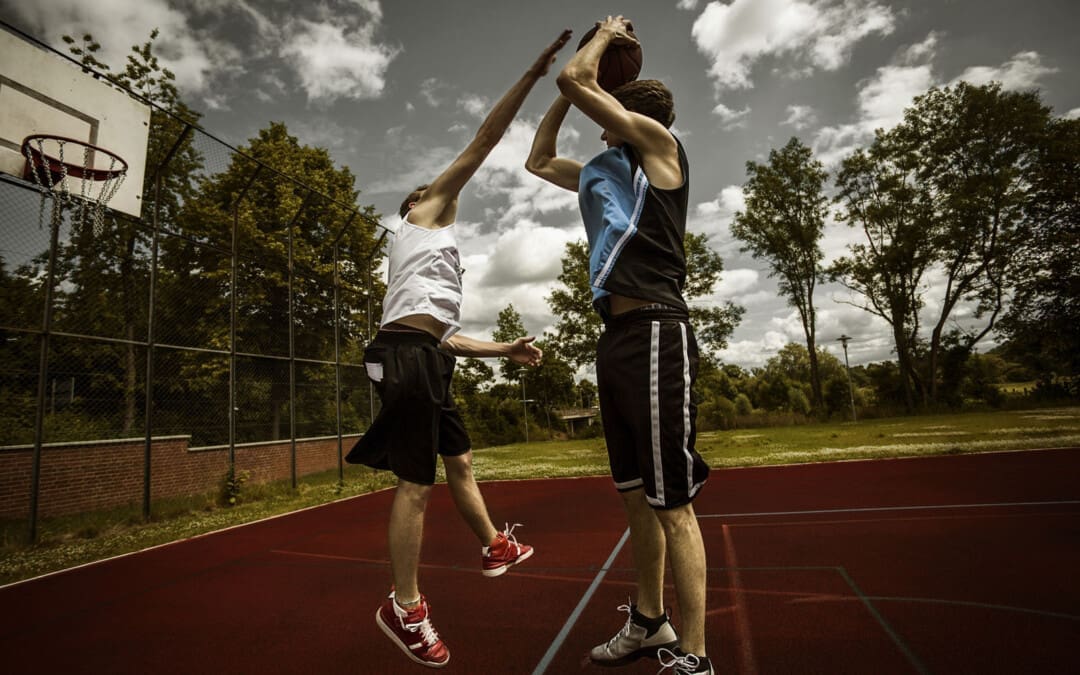
Agility is the ability to move and change direction quickly and easily. For example, soccer, basketball, football, and tennis players are incredibly agile and have to move in every direction, jumping, sliding, twisting, and backpedaling in quick response to the ball’s movement and other players. Their bodies must be trained to respond and change course. Agility drills commonly involve exercises that develop foot speed and direction change, that include:
Ladder Drills
Using an agility ladder can help develop quick and specific foot placement.
Cone Drills
Set up cones in a T shape, then sprint, slide, backpedal, or change direction depending on the cone.
Coordination
Sports and physical activities require well-honed hand-eye and foot coordination. They require seeing an external object and responding precisely with the hands and/or feet. Think of hitting a ball, running and catching a ball, throwing a frisbee, or blocking a shot. To improve coordination, try skill-related fitness exercises like:
Playing catch
Jumping rope
Dribbling a ball
Throwing or hitting balls or specific sports objects at targets
Balance
Balance refers to the ability to adjust the body position to remain upright. It involves proprioception, or knowing where the body is in space and being able to adjust position as the center of gravity changes during movement. (Aman J. E. et al., 2015) Sports and daily physical activities require balance for performance and safety. Jumping on a trampoline or rebounder, for example, can help individuals better sense where their bodies are as they move. To improve balance, try these exercises:
Practice standing on one foot.
Practice standing yoga poses.
BOSU balance ball workouts.
Use balance discs to perform squats, lunges, and push-ups.
Reaction Time
Reaction time refers to how quickly one responds to an external stimulus and focuses on the mind-body connection. The eyes see a stimulus, the mind interprets the stimulus, and the body reacts to that interpretation. This mind-body reaction relates to knowledge of the sport or activity and enables individuals to respond more quickly and accurately to the stimulus. Reaction-time training tends to be sport-specific, but skill-related fitness activities can help and include:
Using tools like reaction balls
Fielding a ball
Protecting a goal as other players try to score
Playing table tennis
Playing hacky sack
Injury Medical Chiropractic and Functional Medicine Clinic
Ask a qualified fitness coach or personal trainer if you are unsure where to begin. Other athletes, local teams, gyms, athletic clubs, and healthcare organizations can direct individuals in the right direction. At Injury Medical Chiropractic and Functional Medicine Clinic, we focus on what works for you to relieve pain, restore function, and prevent injury. If other treatment is needed, individuals will be referred to a clinic or physician best suited to their injury, condition, and/or ailment.
Improving Athletic Performance Through Chiropractic
References
Garber, C. E., Blissmer, B., Deschenes, M. R., Franklin, B. A., Lamonte, M. J., Lee, I. M., Nieman, D. C., Swain, D. P., & American College of Sports Medicine (2011). American College of Sports Medicine position stand. Quantity and quality of exercise for developing and maintaining cardiorespiratory, musculoskeletal, and neuromotor fitness in apparently healthy adults: guidance for prescribing exercise. Medicine and science in sports and exercise, 43(7), 1334–1359. https://doi.org/10.1249/MSS.0b013e318213fefb
Zemková, E., & Hamar, D. (2018). Sport-Specific Assessment of the Effectiveness of Neuromuscular Training in Young Athletes. Frontiers in physiology, 9, 264. https://doi.org/10.3389/fphys.2018.00264
Alansare, A., Alford, K., Lee, S., Church, T., & Jung, H. C. (2018). The Effects of High-Intensity Interval Training vs. Moderate-Intensity Continuous Training on Heart Rate Variability in Physically Inactive Adults. International journal of environmental research and public health, 15(7), 1508. https://doi.org/10.3390/ijerph15071508
Aman, J. E., Elangovan, N., Yeh, I. L., & Konczak, J. (2015). The effectiveness of proprioceptive training for improving motor function: a systematic review. Frontiers in human neuroscience, 8, 1075. https://doi.org/10.3389/fnhum.2014.01075
Individuals with hip bursitis often experience discomfort during physical activity, walking, and pain when lying on the affected side. What treatment options are available to control and manage the condition?
Hip Bursitis
Hip bursitis, also known as trochanteric bursitis, is a common condition that causes pain and discomfort in the hip and upper thigh along the outside of the hip joint. It occurs when one of the hip’s bursae, or fluid-filled sacs cushion joints, becomes inflamed. Treatment for hip bursitis is to control the inflammation caused by this condition.
Causes
Hip bursitis can be caused by injury or overuse of the hip, such as repetitive activities, twisting, or rapid joint movement. It can also be caused by a direct blow or fall to the side of the hip.
Symptoms
Pain from hip bursitis can be sharp at first and may feel dull and achy later.
It may be worse when standing up after sitting, moving, or using the hip.
Individuals may also notice pain when lying on the affected side or sitting for a long time.
Rest
This means a period of not participating in physical, exercise, and sports activities that aggravate symptoms. Any activity that causes hip pain should be avoided as this only contributes to inflammation of the bursa. (American Academy of Orthopaedic Surgeons, 2022) Modifying how particular activities are performed can help alleviate pressure on the inflamed bursa. Working with a physical therapist can also be recommended. They are experts in movement and alignment, and if certain muscles are overused compared to others, this can lead to unhealthy movement patterns, causing bursa irritation.
Anti-Inflammatory Medications
Nonsteroidal anti-inflammatory drugs, such as Motrin, Aleve, Naprosyn, etc., will help control inflammation (American Academy of Orthopaedic Surgeons, 2022). Anti-inflammatory medications can be extremely effective but should be taken cautiously. The instructions on the label need to be followed unless directed otherwise by a healthcare provider. Be aware of side effects and inform the healthcare provider if side effects present.
Cold Therapy
Applying ice to the hip area often helps alleviate the symptoms (National Library of Medicine, 2022). Ice can control inflammation by decreasing blood circulation to the area, especially after physical activity and exercise.
Aspiration
A needle is placed into the bursa to drain the fluid for those with a significant amount of fluid collected within the bursa. (National Library of Medicine, 2022) This is rarely needed in cases of hip bursitis, but when it is done, it can be combined with a cortisone injection.
Cortisone Injections
A cortisone injection may also be given into the bursa to alleviate pain. (American Academy of Orthopaedic Surgeons, 2022) The cortisone injection is helpful because it can be a diagnostic and therapeutic tool. In cases where hip bursitis may be one of several diagnoses being considered, cortisone can be given to see if it helps alleviate symptoms. Cortisone is a powerful anti-inflammatory medication that can be administered directly to the problem area. These injections are well-tolerated, but there can be possible side effects. Once the initial symptoms are under control, physical therapy strengthening and stretching exercises may be recommended.
Stretching
Most find relief by stretching the muscles and tendons over the outside of the hip, specifically the iliotibial band. The goal is for a better-conditioned muscle and tendon to glide more easily and not cause inflammation. Proper stretching techniques and posture are important in re-injury prevention.
Physical Therapy
Working with a physical therapist is an effective adjunct treatment for bursitis (American Academy of Orthopaedic Surgeons, 2022). Physical therapists correct muscle imbalances through stretching and exercise and improve alignment to prevent bursa irritation from reoccurring.
Surgery
Most patients get better with conservative treatment within about six weeks. Surgical treatment for hip bursitis is rarely needed (UCSF Health, 2024). Those who do not rest from their activities until the inflammation subsides often have a return of bursitis symptoms, and those who return too aggressively to activities and do not gradually build up also find that their symptoms return. In cases where surgery is needed, the healthcare provider may recommend an arthroscopic bursectomy. (American Academy of Orthopaedic Surgeons, 2022) The surgery is an outpatient minimally invasive procedure in which the bursa is removed through a small incision. After a short healing period, the individual can return to normal activity. Crutches may be used for a few days. Common complications are anesthetic-related complications and infection.
Injury Medical Chiropractic and Functional Medicine Clinic
As with any treatment program, always talk with your healthcare provider before initiating specific treatments. Fortunately, treatment of hip bursitis is generally accomplished with conservative therapies. Efforts to limit pressure directly on the bursa, alleviate inflammation, and restore normal movement to the hip joint will typically resolve symptoms. At Injury Medical Chiropractic and Functional Medicine Clinic, we focus on what works for you to relieve pain and restore function. Regarding musculoskeletal pain, specialists like chiropractors, acupuncturists, and massage therapists can help mitigate the pain through spinal adjustments that help the body realign itself. They can also work with other associated medical professionals to integrate into a treatment plan to improve the body’s flexibility and mobility, resolve musculoskeletal issues, and prevent future pain symptoms from reoccurring.
The Chiropractic Approach for Pain Relief
References
American Academy of Orthopaedic Surgeons. (2022). Hip bursitis. https://orthoinfo.aaos.org/en/diseases–conditions/hip-bursitis
National Library of Medicine. (2022). Bursitis: Learn More – How can bursitis be treated? InformedHealth.org [Internet]. Cologne, Germany: Institute for Quality and Efficiency in Health Care (IQWiG). https://www.ncbi.nlm.nih.gov/books/NBK525763/
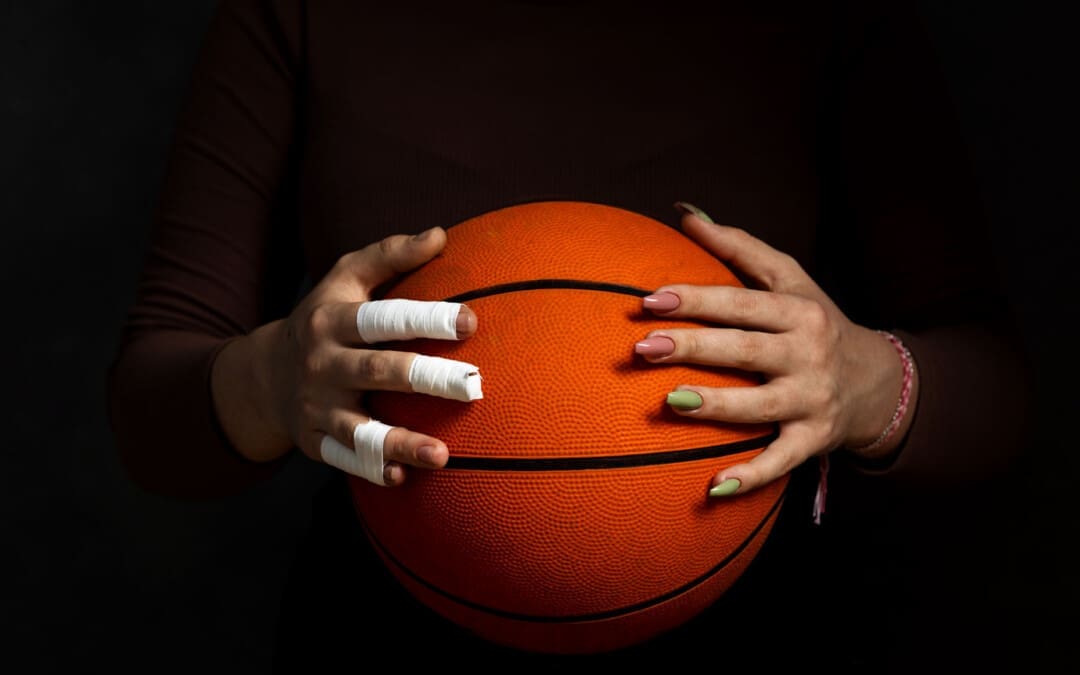
For individuals dealing with finger injuries, which can occur from various causes, including overuse, jobs, sports, and more, can knowing the cause of finger pain help healthcare providers determine what steps to take for treatment?
Finger Injuries
Finger injuries are common and can range from minor to serious. (van Veenendaal L. M. et al., 2014) Symptoms can result from an acute injury, including broken fingers and sprains, or chronic conditions like arthritis.
Fractures
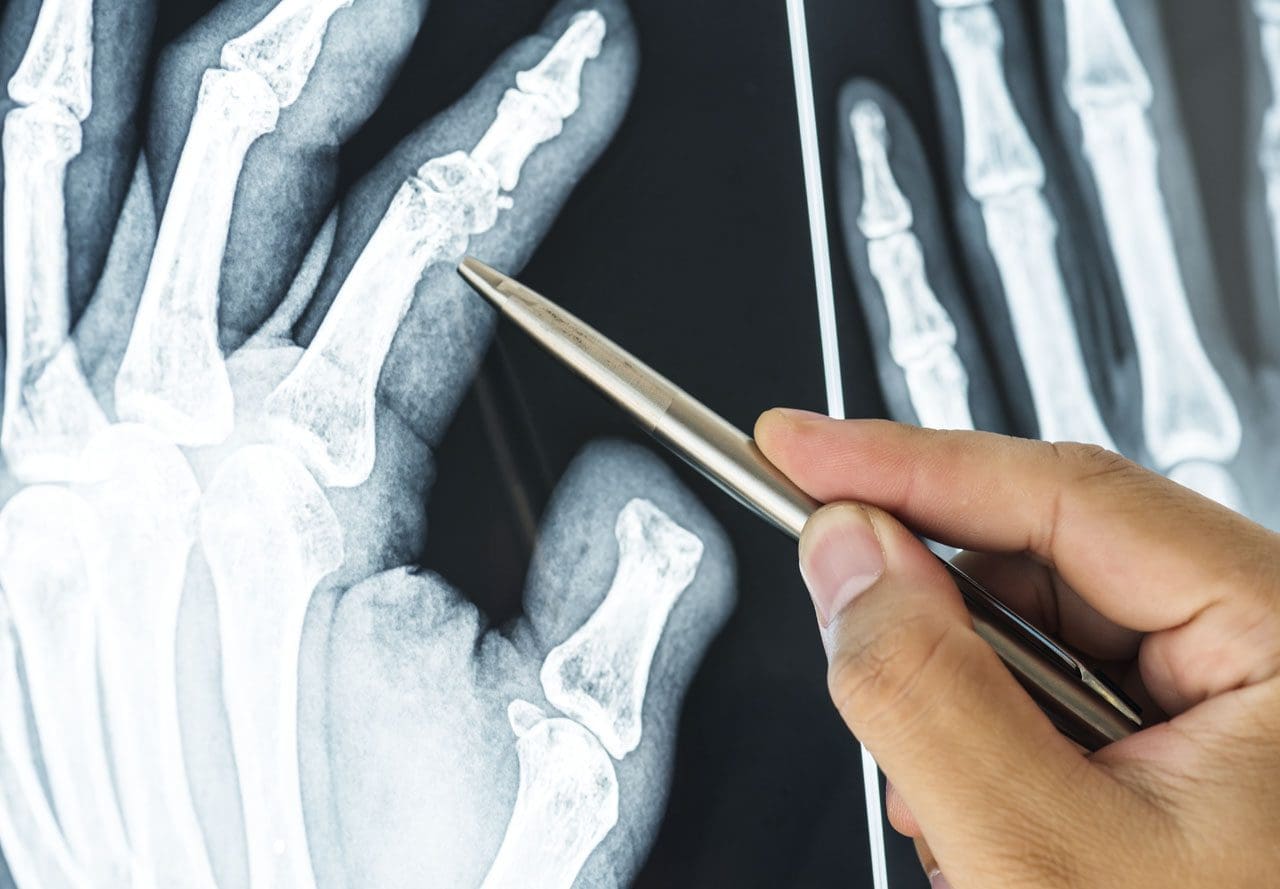
Finger fractures can vary and can be serious and lead to permanent damage, deformity, and loss of function if not treated properly. What is important is that fractures are appropriately diagnosed so the proper treatment plan can be initiated. Most finger fractures can be addressed with simple treatments, while others may require surgery. (Oetgen M. E., and Dodds S. D. 2008)
Sprain and Dislocation
Sprains and dislocations are common finger injuries. (Prucz R. B. and Friedrich J. B. 2015) Both damage the ligaments that support the finger joints. In more severe injuries, a dislocation can occur, necessitating the finger to be put back into place or reduced. Individuals with a sprain or dislocation often notice finger swelling or stiffness for months after the injury.
Ligament Damage
Some call this injury skier’s or gamekeeper’s thumb, which results from a specific type of thumb dislocation. Here, the ulnar collateral ligament of the thumb is damaged. This ligament helps keep the thumb stable and supports grip and hand strength. However, this type of ligament injury often requires surgery. (Christensen T. et al., 2016)
Arthritis
Arthritis causes damage to normal joint surfaces where two bones come together. Fingers are one of the most common locations where arthritis occurs. (Spies C. K. et al., 2018) Two types of arthritis commonly affect the fingers: osteoarthritis and rheumatoid arthritis.
Arthritis of The Thumb
Arthritis of the thumb usually occurs at the joint where the thumb meets the wrist. This joint called the carpometacarpal/CMC joint, helps with gripping and pinching. Thumb arthritis is more common in women than men and increases in frequency over 40. (Deveza L. A. et al., 2017)
Trigger Finger
Trigger finger or stenosing tenosynovitis, is a common injury that causes pain and snapping of the fingers’ tendons, resulting in a sensation of locking or catching when bending and straightening the digits. (Makkouk A. H. et al., 2008) Other symptoms include pain and stiffness in the fingers and thumb. Treatments can vary from observation, rest, splinting, injections, and surgery.
Tendon Injuries
Mallet finger
A mallet finger is an injury to the tip of the finger. Usually, it occurs when the end of a straightened finger or thumb is hit, jamming the finger. After the injury, the individual may notice that they cannot fully straighten the tip of the finger. Treatment almost always uses a splint that has to stay on for about six weeks without removal. (Alla, S. R., Deal, N. D., and Dempsey, I. J. 2014) Very rarely is a surgical procedure necessary.
Jersey Finger
This is an injury to the finger flexor tendon. The flexor tendon pulls the finger into the palm when contracting the forearm flexor muscles. The injury occurs at the tip of the finger; typically, the tendon snaps back to the finger’s base or into the palm.
Ring Injuries
Injuries to the finger while wearing wedding bands or other finger jewelry can lead to serious complications. Even minor injuries can have devastating complications if the severity of the injury is not recognized and addressed. If an injury occurs while wearing the jewelry and there is soft tissue damage, including blood circulation being cut off, immediate medical attention is necessary.
Other Injuries
Bruises
The most common finger injury is caused by direct trauma to the skin and muscles. Symptoms include pain, swelling, tenderness, and discoloration of the skin.
Cuts and Scrapes
These can range from minor to more serious, such as injuries that cut through blood vessels, nerves, and tendons.
Injury Medical Chiropractic and Functional Medicine Clinic
After the initial inflammation and swelling have subsided, a doctor will recommend a treatment plan that usually involves physical therapy, self-performed physical rehabilitation, or supervision by a physical therapist or team. At Injury Medical Chiropractic and Functional Medicine Clinic, our areas of practice include Chronic Pain, Personal Injury, Auto Accident Care, Work Injuries, Back Injury, Low Back Pain, Neck Pain, Migraine Headaches, Sports Injuries, Severe Sciatica, Scoliosis, Complex Herniated Discs, Fibromyalgia, Chronic Pain, Complex Injuries, Stress Management, Wellness & Nutrition, Functional Medicine Treatments, and in-scope care protocols. We focus on what works for you to relieve pain and restore function. If other treatment is needed, individuals will be referred to a clinic or physician best suited to their injury, condition, and/or ailment.
Sports Injury Rehabilitation
References
van Veenendaal, L. M., de Klerk, G., & van der Velde, D. (2014). A painful finger as first sign of a malignancy. Geriatric orthopaedic surgery & rehabilitation, 5(1), 18–20. https://doi.org/10.1177/2151458514522125
Oetgen, M. E., & Dodds, S. D. (2008). Non-operative treatment of common finger injuries. Current reviews in musculoskeletal medicine, 1(2), 97–102. https://doi.org/10.1007/s12178-007-9014-z
Prucz, R. B., & Friedrich, J. B. (2015). Finger joint injuries. Clinics in sports medicine, 34(1), 99–116. https://doi.org/10.1016/j.csm.2014.09.002
Christensen, T., Sarfani, S., Shin, A. Y., & Kakar, S. (2016). Long-Term Outcomes of Primary Repair of Chronic Thumb Ulnar Collateral Ligament Injuries. Hand (New York, N.Y.), 11(3), 303–309. https://doi.org/10.1177/1558944716628482
Spies, C. K., Langer, M., Hahn, P., Müller, L. P., & Unglaub, F. (2018). The Treatment of Primary Arthritis of the Finger and Thumb Joint. Deutsches Arzteblatt international, 115(16), 269–275. https://doi.org/10.3238/arztebl.2018.0269
Deveza, L. A., Hunter, D. J., Wajon, A., Bennell, K. L., Vicenzino, B., Hodges, P., Eyles, J. P., Jongs, R., Riordan, E. A., Duong, V., Min Oo, W., O’Connell, R., & Meneses, S. R. (2017). Efficacy of combined conservative therapies on clinical outcomes in patients with thumb base osteoarthritis: protocol for a randomised, controlled trial (COMBO). BMJ open, 7(1), e014498. https://doi.org/10.1136/bmjopen-2016-014498
Makkouk, A. H., Oetgen, M. E., Swigart, C. R., & Dodds, S. D. (2008). Trigger finger: etiology, evaluation, and treatment. Current reviews in musculoskeletal medicine, 1(2), 92–96. https://doi.org/10.1007/s12178-007-9012-1
Alla, S. R., Deal, N. D., & Dempsey, I. J. (2014). Current concepts: mallet finger. Hand (New York, N.Y.), 9(2), 138–144. https://doi.org/10.1007/s11552-014-9609-y
Can using a cane help individuals after an injury, living with chronic pain or balance issues, or post-surgery?
Walking With A Cane
A cane is an assistive device that can help individuals walk after injury or surgery and aids with balance and stability. It can be used for:
Balance or Stability Issues
Canes can help with minor balance or stability issues, such as weakness in the leg or trunk, or after an injury.
Pain
Canes can help reduce stress on painful joints or limbs.
Independence
Canes can help people continue living independently, especially the elderly.
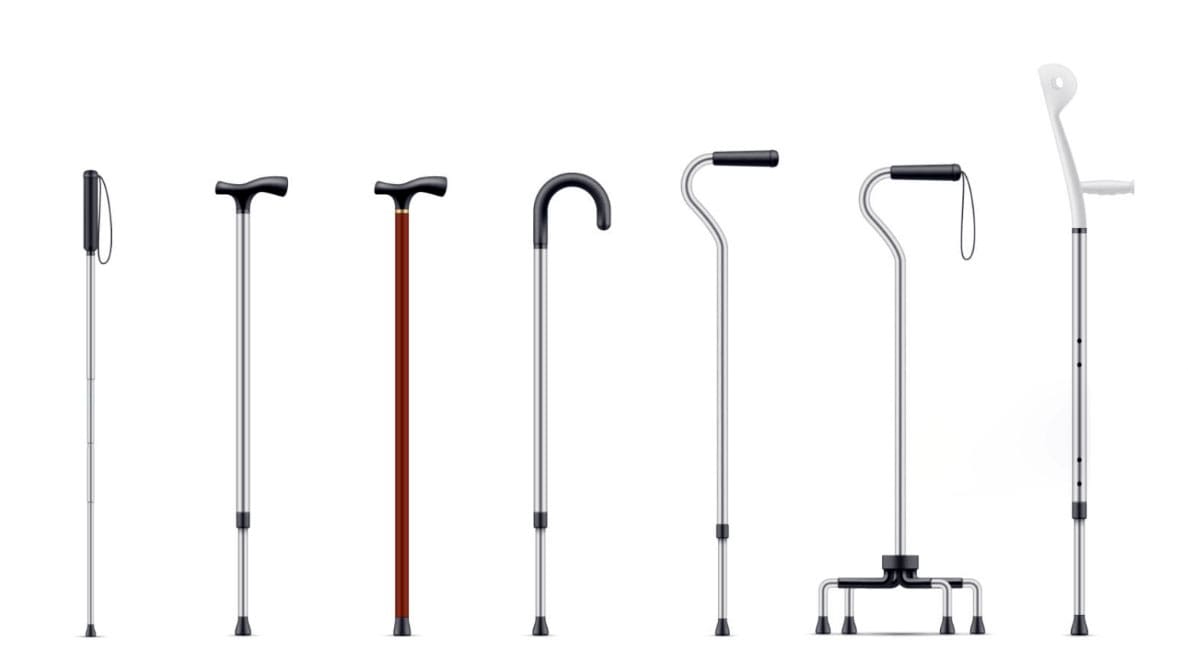
There are different types of canes, including single-point and quad canes. Single-point canes are generally the least expensive. Quad canes have four points and can provide more stability. It is important to use it correctly to prevent falls and injuries.
Post-surgery or Injury
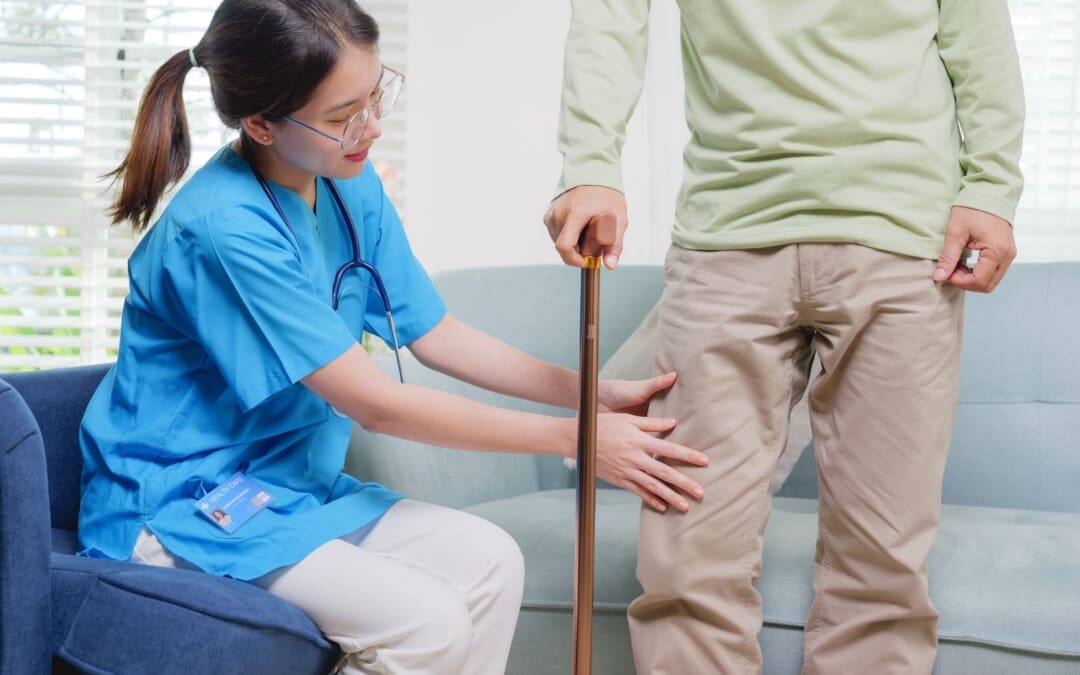
A cane can help reduce pressure on the leg or back after surgery or injury. Healthcare providers may recommend a cane as a step-down device after using a walker or crutches. Before walking with the cane, ensure it is at the right height. Hold the cane in the hand on the opposite side of the injury. Hold the cane’s handle at the level of the bend in the wrist when standing with the elbow slightly bent. (American Academy of Orthopaedic Surgeons, 2020) If there are issues in both legs or a cane is used after back surgery, keep the cane in the hand with the most support.
Step forward with the cane and injured leg at the same time.
Step the non-injured leg up with the cane firmly on the ground to meet the injured leg.
The feet should be side by side.
Walking Normally
Once comfortable taking practice steps, try walking normally with the cane. Step forward with the cane and injured leg simultaneously. The cane should be off the ground when the wounded leg is in the air. Firmly plant the cane when stepping onto the injured leg. Step forward with the cane and the injured leg first, then step past the injured leg with the good leg.
Step down with the injured leg while lowering the cane to the step below.
Make sure the cane is firmly on the stairs.
Bring the good leg down to the same step.
If a handrail is available, use it. Although doing so may require moving the cane to the other hand, even if it’s on the same side as the injured leg, it will improve stability and reduce the risk of falling. Once proficient on the stairs, individuals may alternate placing one foot on each step.
Walking With Chronic Pain
Walking with a cane with a chronic pain condition is similar to using it with an injury. The location of the pain will determine which hand the cane is held in. If the pain is on the right side of the body, keep the cane on the left side or vice versa. If chronic pain is not in the legs but, for example, back pain makes it difficult to walk, hold the cane on either side, whichever feels more supportive and comfortable. If there is weakness on one side of the body or decreased sensation/numbness in one of the legs or feet, hold the cane on the opposite side of the pain, weakness, or numbness. Walking with a cane can also benefit individuals with other medical conditions. For example, assistive devices may be recommended for those with balance issues. (National Library of Medicine, 2023)
Cane Types
There are two primary types of canes, characterized by their points, and choosing the right one depends on the reason it’s needed. (Arthritis Foundation, N.D.)
Single-point
Single-point canes have one tip at the end.
These are recommended for those who need to relieve some pressure off an injured leg or need support due to occasional difficulties with balance.
Quad
Quad canes have four tips or feet to provide more stability.
They provide more support and are recommended for those with significant weakness in one leg or difficulty maintaining their balance while walking.
The traditional cane has a rounded C handle. Other types have contoured handles for a more secure grip. Talk to a doctor, physical therapist, or other health care professional for suggestions on which cane is right for you.
Losing Balance
A potential risk of using a cane is losing balance. If unable to maintain balance with a cane, individuals may want to consider a different walking device, such as a walker or crutches. To reduce the risk of falls, consider the following tips (American Academy of Orthopaedic Surgeons, 2020)
Wear shoes with nonskid soles.
Add lighting so you can see where you are walking.
Remove throw rugs or objects that can cause tripping.
Arrange furniture to allow for wide walking paths throughout the home.
Carry objects in a backpack or fanny pack rather than holding them.
Injury Medical Chiropractic and Functional Medicine Clinic
Regarding musculoskeletal pain, specialists like chiropractors, acupuncturists, and massage therapists can help mitigate the pain through spinal adjustments that help the body realign itself. They can also work with other associated medical professionals to develop a personalized treatment plan to help relieve muscle pain, improve the body’s flexibility and mobility, resolve musculoskeletal issues, and prevent future pain symptoms from reoccurring.
Osteoporosis
References
American Academy of Orthopaedic Surgeons. (2020). How to use crutches, canes, and walkers. https://orthoinfo.aaos.org/en/recovery/how-to-use-crutches-canes-and-walkers/
Hirayama, K., Otaka, Y., Kurayama, T., Takahashi, T., Tomita, Y., Inoue, S., Honaga, K., Kondo, K., & Osu, R. (2022). Efficiency and Stability of Step-To Gait in Slow Walking. Frontiers in human neuroscience, 15, 779920. https://doi.org/10.3389/fnhum.2021.779920
National Library of Medicine. (2023). Using a cane. Retrieved from https://medlineplus.gov/ency/patientinstructions/000343.htm
Arthritis Foundation. (N.D.). How to choose the right cane. https://www.arthritis.org/health-wellness/healthy-living/managing-pain/joint-protection/how-to-choose-the-right-cane
Can determining whether arm numbness occurs suddenly or gradually and whether there are other symptoms help healthcare providers diagnose and treat the condition?
Arm Numbness
Arm numbness or tingling are common symptoms that various medical conditions can cause. Numbness can be caused by a sudden health emergency, nerve disorder, or nutritional deficiency. (National Institute of Neurological Disorders and Stroke, 2024) Sometimes, this symptom results from an arm falling asleep and could resolve after just a few minutes. The sensation may be temporary, caused by something like sleeping in the wrong position. However, arm numbness and tingling may also be caused by neuropathy and chronic and progressive nerve damage and can also suddenly occur due to serious conditions, such as a heart attack or a stroke.
Circulation Issues
Deficient blood circulation in the arm could cause numbness and tingling as the nerves cannot receive enough oxygen. Conditions can interfere with normal blood flow and include: (Bryan L. and Singh A. 2024)
Atherosclerosis – plaque buildup in the arteries that may require medication or surgery.
Severe frostbite can damage the blood vessels but can be resolved with proper warming and wound care.
Vasculitis – is inflammation of the blood vessels that can be treated with medication.
Sleeping Position
A common example of sudden numbness and tingling is the feeling that the arm has fallen asleep. This usually occurs after sleeping awkwardly or leaning on the arm for a long time. Known as paresthesia, this sensation is related to the compression or irritation of nerves. (Bryan L. and Singh A. 2024) Sleeping in certain positions has been associated with nerve compression, especially when the hands or wrists are tucked or curled under the body, as well as maintaining proper spine alignment when sleeping, is the best way to prevent arm numbness.
Nerve Injuries and Conditions
Numbness that persists may be related to an injury or underlying health problem that affects the brachial plexus, a group of nerves that runs from the lower neck to the upper shoulders and controls movement and sensation in the arms. (Mount Sinai, 2022) Possible injuries that affect these nerves include: (Smith, S. M. et al., 2021)
A herniated disc caused by aging or trauma causes the disc to leak out and press on the nerve root.
Many medications, like gabapentin, can be used to alleviate the sensations of arm numbness.
Some medications can cause numbness as a side effect.
Some medications can cause complications, and arm numbness could be a symptom of those complications.
Inform healthcare providers about medications being taken to determine the relationship between them and any sensory changes.
Vitamin Deficiency
Peripheral neuropathy can also be caused by nutritional deficiencies and vitamin imbalances, which can damage nerves and cause sensation loss in the left or right arm. The most common sources are vitamin B12 deficiency and excess vitamin B6. (National Institute of Neurological Disorders and Stroke, 2024) Excessive alcohol consumption and other disorders that affect nutritional intake can also lead to nerve damage.
Injury Medical Chiropractic and Functional Medicine Clinic
At Injury Medical Chiropractic and Functional Medicine Clinic, our areas of practice include Chronic Pain, Personal Injury, Auto Accident Care, Work Injuries, Back Injury, Low Back Pain, Neck Pain, Migraine Headaches, Sports Injuries, Severe Sciatica, Scoliosis, Complex Herniated Discs, Fibromyalgia, Chronic Pain, Complex Injuries, Stress Management, Wellness & Nutrition, Functional Medicine Treatments, and in-scope care protocols. We focus on what works for you to relieve pain and restore function. If other treatment is needed, individuals will be referred to a clinic or physician best suited to their injury, condition, and/or ailment.
Chiropractic Care: The Natural Way to Recover From Injuries
References
National Institute of Neurological Disorders and Stroke. (2024). Paresthesia. Retrieved from https://www.ninds.nih.gov/health-information/disorders/glossary-neurological-terms#paresthesia
Bryan, L., Singh, A. Sleep Foundation. (2024). Numbness in Hands While Sleeping: Causes and Remedies. https://www.sleepfoundation.org/physical-health/numbness-in-hands-while-sleeping
Mount Sinai. (2022). Brachial plexopathy. https://www.mountsinai.org/health-library/diseases-conditions/brachial-plexopathy
Smith, S. M., McMullen, C. W., & Herring, S. A. (2021). Differential Diagnosis for the Painful Tingling Arm. Current sports medicine reports, 20(9), 462–469. https://doi.org/10.1249/JSR.0000000000000877
National Heart, Lung, and Blood Institute. (2023). Vasculitis. Retrieved from https://www.nhlbi.nih.gov/health/vasculitis/symptoms#:~:text=Nerve%20problems%2C%20including%20numbness%2C%20tingling,can%20also%20occur%20with%20vasculitis.
Centers for Disease Control and Prevention. (2024). Stroke signs and symptoms. Retrieved from https://www.cdc.gov/stroke/signs-symptoms/?CDC_AAref_Val=https://www.cdc.gov/stroke/signs_symptoms.htm
National Heart, Lung, and Blood Institute. (2022). What Is a Heart Attack? Retrieved from https://www.nhlbi.nih.gov/health/heart-attack
National Institute of Arthritis and Musculoskeletal and Skin Diseases. (2023). Spinal Stenosis Basics. Retrieved from https://www.niams.nih.gov/health-topics/spinal-stenosis/basics/symptoms-causes
Senderovich, H., & Jeyapragasan, G. (2018). Is there a role for combined use of gabapentin and pregabalin in pain control? Too good to be true?. Current medical research and opinion, 34(4), 677–682. https://doi.org/10.1080/03007995.2017.1391756
National Institute of Neurological Disorders and Stroke. (2024). Peripheral Neuropathy. Retrieved from https://www.ninds.nih.gov/health-information/disorders/peripheral-neuropathy
Individuals getting into fitness may wonder whether they should join a gym or exercise at home. Is there an advantage to one versus the other?
Gym or Home
Exercising, whether at the gym or at home, depends on individual preference and budget. The first step is committing to a fitness health plan. Where to work out depends on the individual and their characteristics. For those who are self-motivated and will exercise no matter what, a home workout may be the best option. (Essery R. et al., 2017) Going to a gym may be a better choice for those who find too many distractions at home and other things to do besides the workout, like laundry, checking the phone, cleaning, etc. Working out at home is convenient; it takes driving out of the equation, changing into gym clothes, and going at the right time. However, the gym provides fewer distractions, community access, equipment like weights and cardiovascular machines, and group fitness classes. Each has pros and cons.
Pros and Cons – The Gym
Pros
Gym features and resources
Motivation
Focus
Classes
Community
Cons
Membership fees
Inconvenience
Too many people
Pros of a Gym
Features and Resources
Exercise can be so much easier when there are plenty of options.
There are various machines, such as treadmills, ellipticals, stair climbers, stationary bikes, and rowing machines.
Weights and machines, free weights, cable machines, bands, and more.
Motivation
Paying for a membership can be a motivating factor to regularly working out.
There is a friendly, competitive vibe with the other members who can help motivate each other.
Focus
Exercising at the gym can help maintain focus on fitness goals.
No chores, kids, or distractions to break off from the workouts.
Classes
Working out in a class can increase motivation and make working out fun.
There are online classes for working out at home, but it’s not the same as going to the gym and being around people.
Other features like a swimming pool, hot tub, tennis courts, etc may be available.
Community
Working out with others can give a sense of community.
People draw energy from others, pushing us to work harder.
Cons of a Gym
Gym membership drawbacks.
Cost
Membership fees can cause stress.
Some high-end gyms charge more than $100 monthly, while smaller gyms may charge only $10.
Inconvenience
Going to the gym includes packing a bag, driving there, parking, and waiting for the machines, weights, etc.
Total time will be longer because of the drive time.
Too Many People
At times, the gym can be packed with people.
Sometimes, individuals talk too loudly on their phones, leave sweat on the machines, and do not put weights away.
These could be the days or nights to work out at the house.
At Home Workouts
Pros
Cost
Convenience
Mix workouts
Cons
Space
Excuses
Boredom
Pros at Home
For some, home workouts could be the better option, and the benefits include:
Cost
There’s no membership fee.
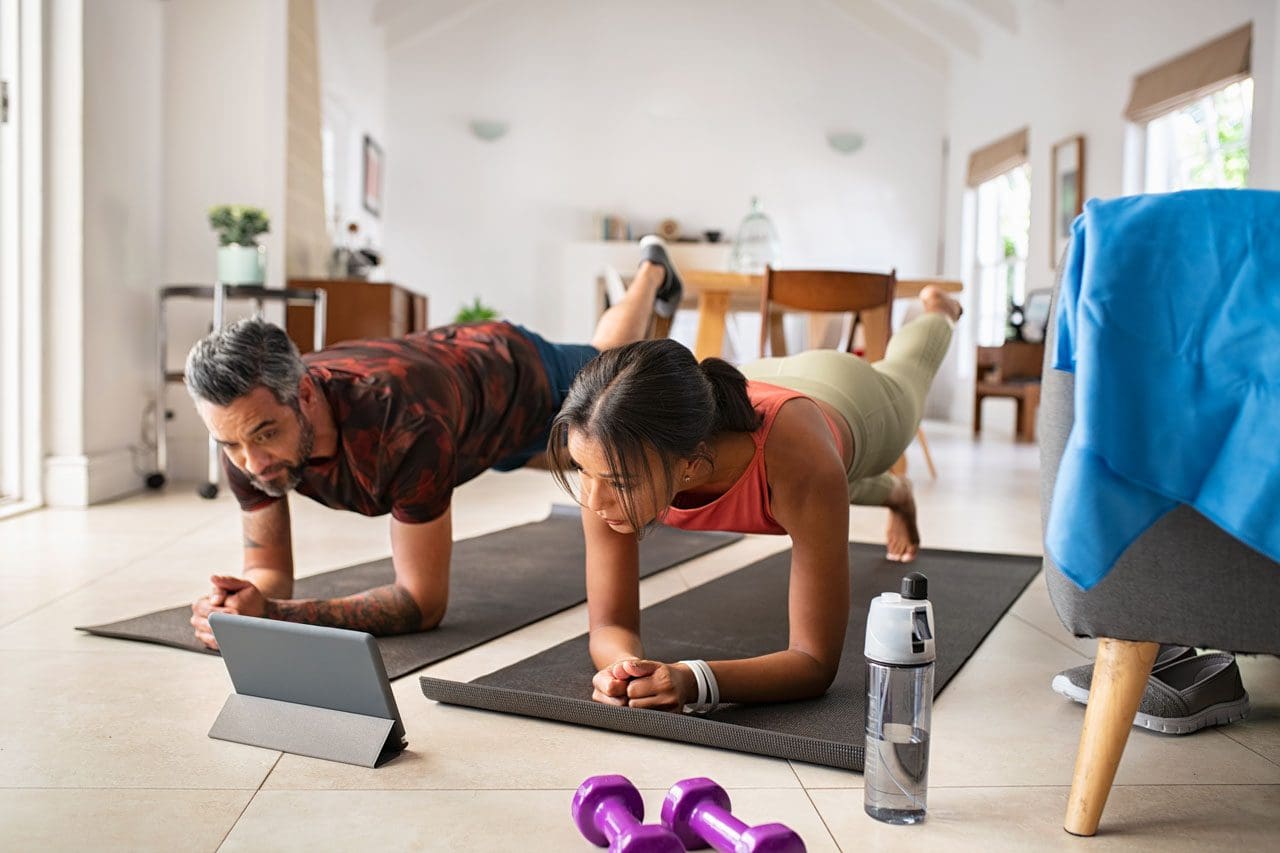
Individuals can do bodyweight workouts that require no equipment.
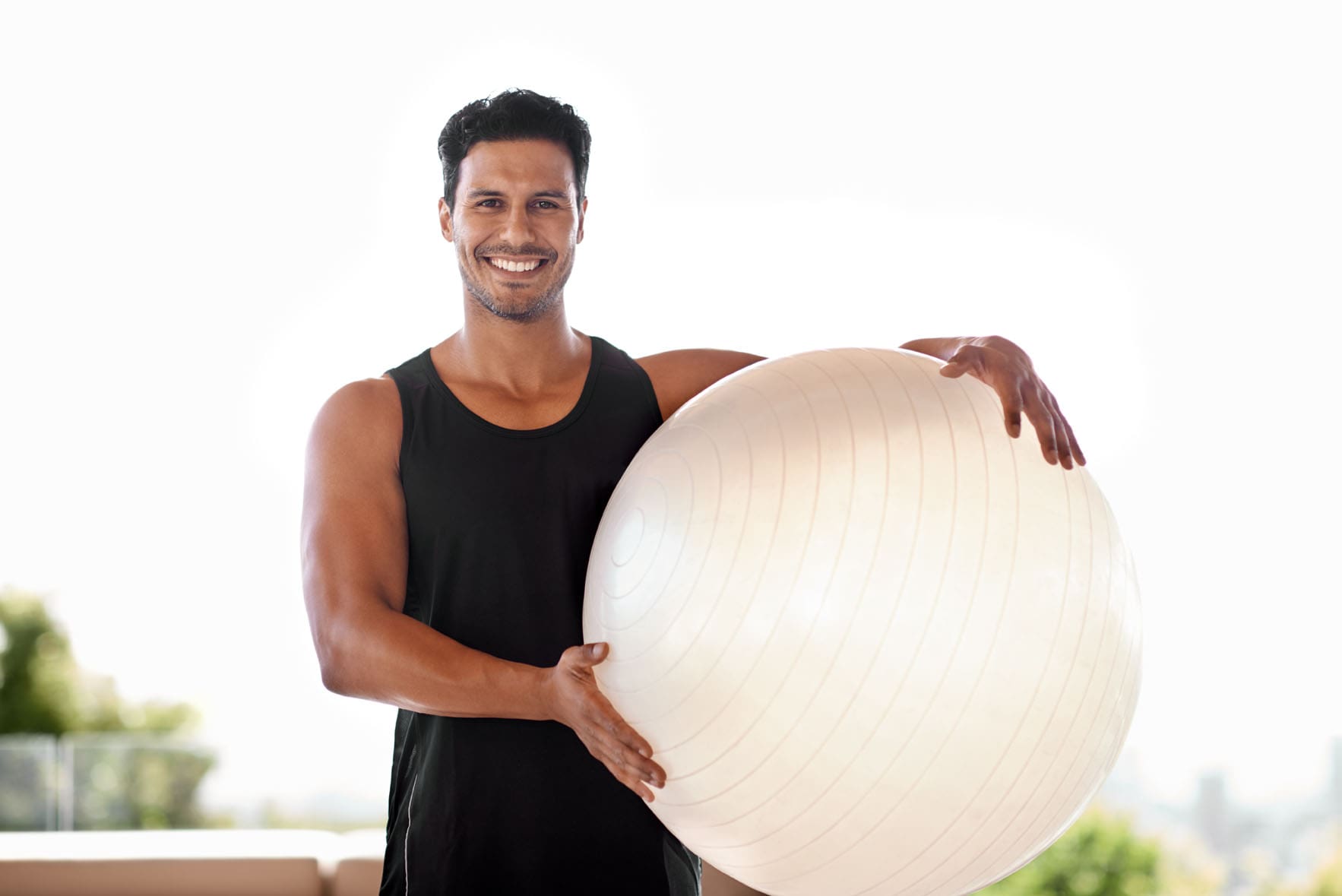
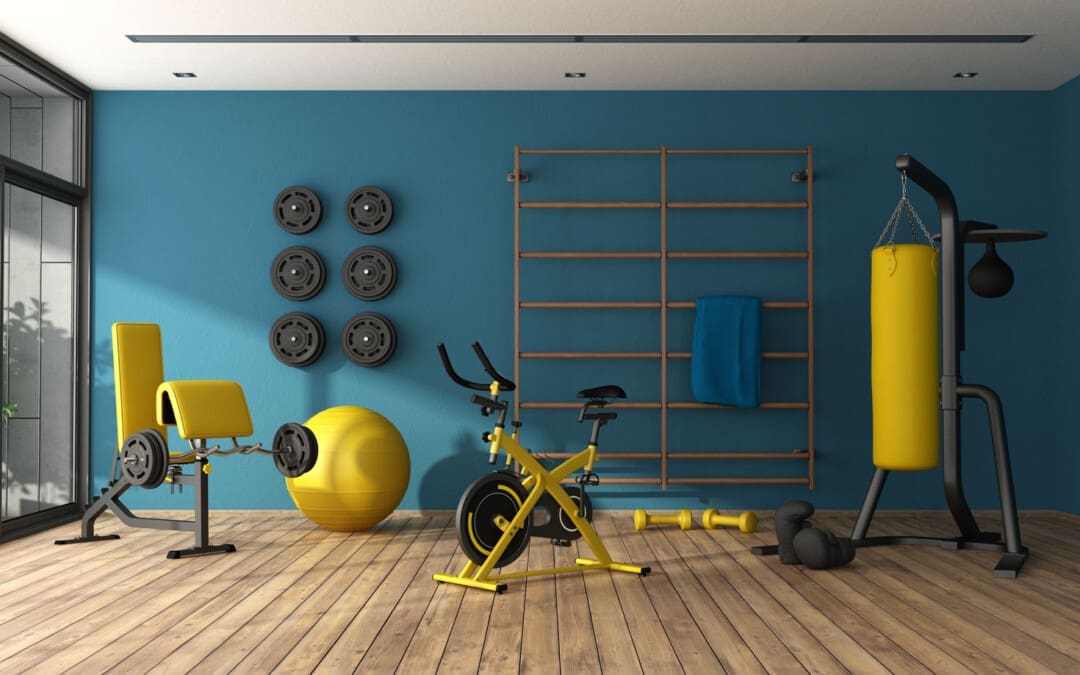
Develop a house gym with inexpensive resistance bands, a few weights, and an exercise ball.
Convenience
Individuals do not have to get their gym bag, drive, and arrange for child care.
Individuals can work out in pajamas or underwear.
Individuals can also work out whenever they like if they need to split their workouts or work out at a specific time.
Mix Workouts
Although gyms also mix things up, individuals can do it at home at their convenience.
Combining weights and cardio and finishing up with yoga.
Individuals can go outside, watch exercise videos, stream live classes, use fitness mirrors, play exercise games, or download workout apps.
There is also versatile home gym equipment.
Cons at Home
These can cause individuals to lose home workout motivation.
Space
Although not much space is needed to work out, wanting to use a treadmill or other large equipment might not be practical, which could lead to boredom.
Excuses
There can be endless excuses to skip a workout.
Individuals who are not self-motivated might avoid workouts with chores or other important home tasks.
Boredom
At a gym, there is energy potential that motivates individuals to move.
If there is not enough exercise variety at home, boredom can set in.
Injury Medical Chiropractic and Functional Medicine Clinic
Injury Medical Chiropractic and Functional Medicine Clinic treats patients’ injuries and chronic pain syndromes. We focus on improving ability through flexibility, mobility, and agility programs tailored to the individual. We use in-person and virtual health coaching and comprehensive care plans to ensure every patient’s personalized care and wellness outcomes. Our providers use an integrated approach to create customized care plans that include Functional Medicine, Acupuncture, Electro-Acupuncture, and Sports Medicine principles. Our goal is to relieve pain naturally by restoring health and function to the body. Suppose he feels the individual needs other treatment. In that case, they will be referred to a clinic or physician best suited for them. Dr. Jimenez has teamed up with the top surgeons, clinical specialists, medical researchers, and premier rehabilitation providers to provide our community with the best clinical treatments.
The Right Way To Implement an Exercise Prescription
References
Essery, R., Geraghty, A. W., Kirby, S., & Yardley, L. (2017). Predictors of adherence to home-based physical therapies: a systematic review. Disability and rehabilitation, 39(6), 519–534. https://doi.org/10.3109/09638288.2016.1153160
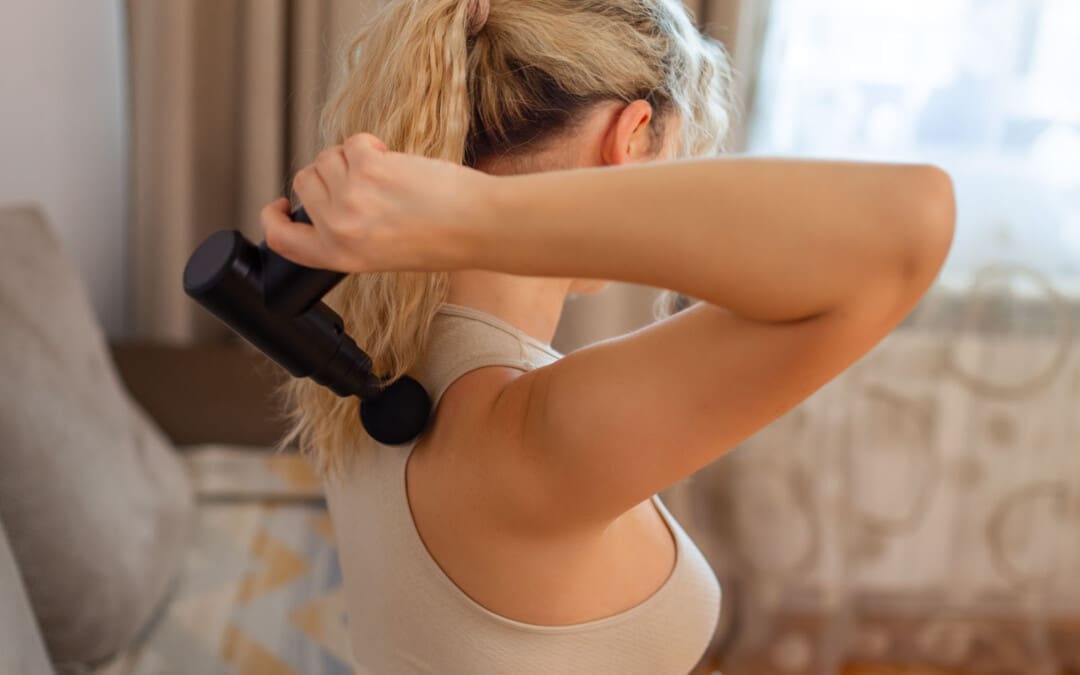
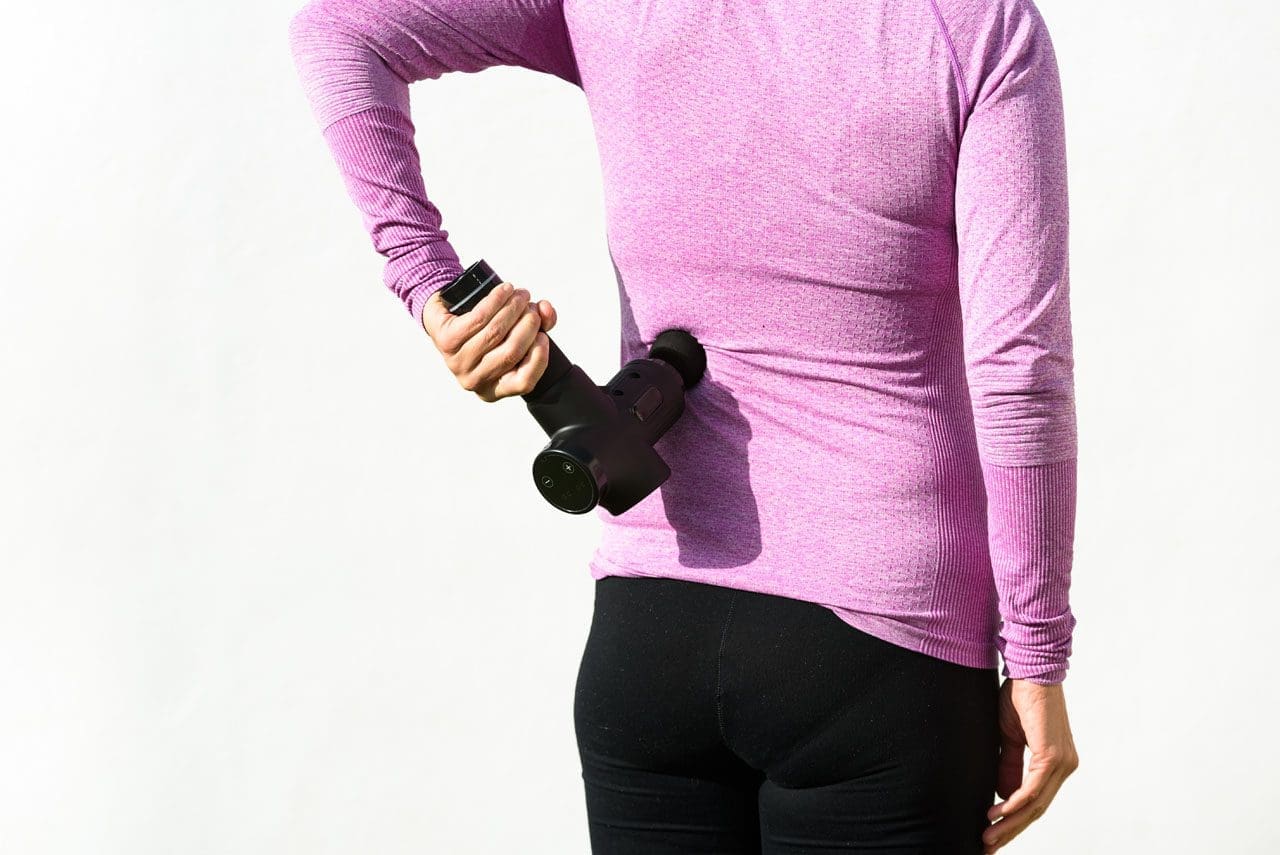
Therapeutic massage guns are great for athletes and fitness enthusiasts. Can daily massage gun use be incorporated into a daily routine?
Daily Massage Gun Use
Athletes or individuals participating in recreational sports and exercise may want to consider adding a massage gun to their daily routine. Massage guns create short, repeated bursts of pressure on certain areas of the body. Most massage guns have multiple settings to allow for different preferences and levels of intensity. They can help by warming up the muscles and during recovery. While the benefits are still being researched, daily massage gun therapy can improve the quality of physical activity, exercise, and life.
Benefits
Because massage guns work by softly and repeatedly stimulating or massaging the muscles, they are gentle enough to use daily as long as they are used correctly. They offer several benefits, including increasing physical ability and reducing recovery time. One study found that consistently using a massage gun increased the quality of life in fibromyalgia patients, indicating potential beyond exercise and sports. (Kraft, K., Kanter, S., and Janik, H. 2013) Some of the benefits include:
Decrease Muscle Soreness
Delayed-onset muscle Soreness/DOMS is a feeling of soreness experienced after a workout or intense manual labor. An example is waking up and feeling sore from work or exercising the previous day (National Academy of Sports Medicine, 2024). A study compared the effectiveness of vibration and massage therapy on DOMS. Both were found to be equally effective in preventing delayed onset muscle soreness. (Imtiyaz, S., Veqar, Z., and Shareef, M. Y. 2014)
Help Prevent Muscle Fatigue
Muscle fatigue occurs when the muscles are overworked and cannot function. Reduced muscle performance can lead to shorter workouts and injuries. A study on non-athletic males found that massage therapy helped prevent or reduce muscle fatigue. Researchers also found that different massage gun settings prevented or prolonged the onset of muscle fatigue. (Otadi, K. et al., 2019)
Increase Range of Motion
Range of motion/ROM describes the flexibility of a muscle or joint in the body. When engaging in physical activity or exercise, it is vital to know and consider the range of motion of the joints to ensure proper form and decrease the risk of injury. One study found that massage therapy can improve joint performance by increasing an individual’s range of motion. (Lyu, B. J. et al., 2020) The performance of the joints depends in part on the muscles that expand and contract to move it. Another research study found that a five-minute massage on certain muscle groups improved muscle performance and range of motion. (Konrad, A. et al., 2020)
Increase Muscle Strength and Endurance
Muscle strength and endurance are key components of a healthy musculoskeletal system and are essential to avoid straining or overworking muscles. Muscle strength describes the immediate performance of a muscle or muscle group, and muscle endurance describes how long performance can be sustained. (Lyu, B. J. et al., 2020) Massage therapy has been shown to improve muscle strength and endurance by helping increase immediate performance and the number of repetitions an individual can endure. (García-Sillero, M. et al., 2021)
Improve Agility
Agility is the ability to accelerate, decelerate, stabilize, and quickly change directions while maintaining proper posture. (National Academy of Sports Medicine, 2024) It is a skill that needs to be developed. One study found that engaging in massage therapy before a workout could improve agility. (Lyu, B. J. et al., 2020)
Daily Use
A massage gun is safe to use daily as long as it is used properly. Using a massage device correctly will improve effectiveness and prevent discomfort or injury. Recommended daily usage of a massage gun includes:
Set the massage gun to the lowest setting.
Use a light touch.
Adjust the speed to comfort level, ensuring there is no pain.
Focus the massage gun on an area for 10 to 30 seconds.
Hover it across the muscle or tendon to allow the vibrations to do their job.
Do this over the desired areas as part of a warm-up and cool-down.
Safety
While massage guns are useful for warmups and workout recovery, they should be used cautiously. Individuals should use massage guns over muscles and not on bony or sensitive areas. Individuals should avoid massaging around vital organs and/or inflamed body areas as these areas could cause a jarring or uncomfortable sensation and lead to injury. If the massage gun is causing bruising, sensitivity, or discomfort, stop using it and allow the body to recover before trying again. If pain persists, talk to a healthcare provider or a physical therapist. They can determine what is causing issues, whether a massage gun is being used correctly, and whether it is an appropriate self-care treatment for the individual. There are situations where using a massage gun is not advised. Individuals should talk to a healthcare provider before using the device if they have any of the following:
Have a musculoskeletal condition like osteoporosis or arthritis.
Take blood thinners.
Have anemia.
Have other blood-related conditions.
Are older than 65.
Take several medications.
Have a broken bone or a fracture.
Have varicose veins or a history of deep vein thrombosis.
Using a massage gun can help improve performance and reduce recovery time and can be incorporated into a daily routine.
Injury Medical Chiropractic and Functional Medicine Clinic
Injury Medical Chiropractic and Functional Medicine Clinic treats patients’ injuries and chronic pain syndromes. We focus on improving ability through flexibility, mobility, and agility programs tailored to the individual. We use in-person and virtual health coaching and comprehensive care plans to ensure every patient’s care and wellness outcomes. Our providers use an integrated approach to create customized care plans that include Functional Medicine, Acupuncture, Electro-Acupuncture, and Sports Medicine principles. Our goal is to relieve pain naturally by restoring health and function to the body. Patients who need other treatment will be referred to a clinic or physician best suited for them. Dr. Jimenez has teamed up with the top surgeons, clinical specialists, medical researchers, and premier rehabilitation providers to provide our community with the best clinical treatments.
Enhance Your Lifestyle With Chiropractic!
References
Kraft, K., Kanter, S., & Janik, H. (2013). Safety and effectiveness of vibration massage by deep oscillations: a prospective observational study. Evidence-based complementary and alternative medicine : eCAM, 2013, 679248. https://doi.org/10.1155/2013/679248
National Academy of Sports Medicine. Kaminski, J. (2024). Muscle soreness & DOMS. NASM. https://blog.nasm.org/doms-muscle-sorenes
Imtiyaz, S., Veqar, Z., & Shareef, M. Y. (2014). To Compare the Effect of Vibration Therapy and Massage in Prevention of Delayed Onset Muscle Soreness (DOMS). Journal of clinical and diagnostic research : JCDR, 8(1), 133–136. https://doi.org/10.7860/JCDR/2014/7294.3971
Otadi, K., Ghasemi, M., Jalaie, S., Bagheri, H., Azizian, M., Emamdoost, S., Sarafraz, H., & Sepahvand, M. (2019). A prophylactic effect of local vibration on quadriceps muscle fatigue in non-athletic males: a randomized controlled trial study. Journal of physical therapy science, 31(3), 223–226. https://doi.org/10.1589/jpts.31.223
Lyu, B. J., Lee, C. L., Chang, W. D., & Chang, N. J. (2020). Effects of Vibration Rolling with and without Dynamic Muscle Contraction on Ankle Range of Motion, Proprioception, Muscle Strength and Agility in Young Adults: A Crossover Study. International journal of environmental research and public health, 17(1), 354. https://doi.org/10.3390/ijerph17010354
Konrad, A., Glashüttner, C., Reiner, M. M., Bernsteiner, D., & Tilp, M. (2020). The Acute Effects of a Percussive Massage Treatment with a Hypervolt Device on Plantar Flexor Muscles’ Range of Motion and Performance. Journal of sports science & medicine, 19(4), 690–694.
García-Sillero, M., Jurado-Castro, J. M., Benítez-Porres, J., & Vargas-Molina, S. (2021). Acute Effects of a Percussive Massage Treatment on Movement Velocity during Resistance Training. International journal of environmental research and public health, 18(15), 7726. https://doi.org/10.3390/ijerph18157726
National Academy of Sports Medicine. Miller, K. (2024). Speed, agility, and quickess: SAQ. NASM. https://blog.nasm.org/sports-performance/speed-agility-quickness-saq
IFM's Find A Practitioner tool is the largest referral network in Functional Medicine, created to help patients locate Functional Medicine practitioners anywhere in the world. IFM Certified Practitioners are listed first in the search results, given their extensive education in Functional Medicine