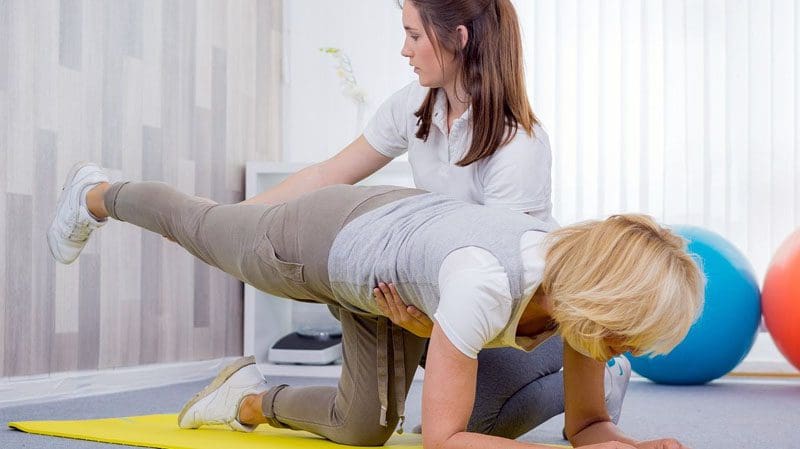
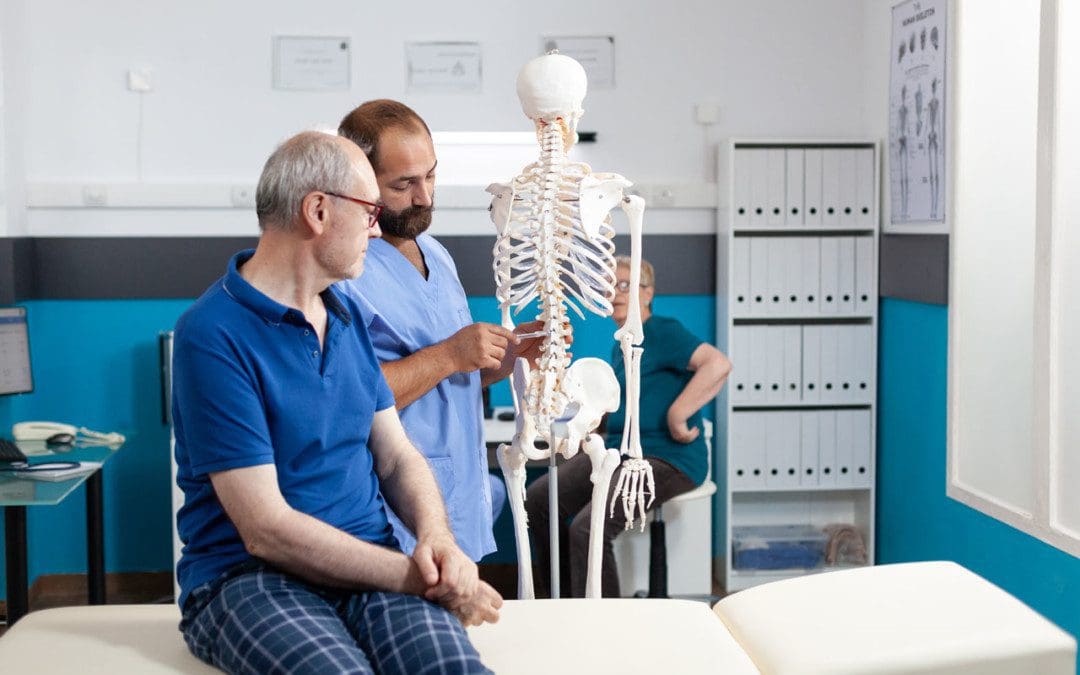
Recovery and rehabilitation after spinal fusion surgery take time. Gentle yoga poses can help expedite recovery from spinal fusion surgery and are recommended in a rehabilitation program. The spine is the body’s central support structure that allows the body to stand upright, bend, and stay balanced. However, an individual may need to have vertebrae fused to repair painful back problems. Spinal fusion is a surgical procedure that permanently connects/fuses two or more vertebrae into a single bone. The procedure is done to help:
Correct a deformity
Improve stability
Reduce pain
At the beginning of the recovery process, the doctor may recommend light physical activity like walking. As the spine continues to heal, moderate exercise is essential for optimal recovery. Doctors are recommending gentle yoga to increase mobility, flexibility and regain strength.
Gentle Yoga and Spine Surgery Recovery
Yoga has become a way to stretch the body, exercise, promote physical and mental well-being. There are different styles of yoga, ranging from gentle stretching to advanced poses. Yoga focuses on stretching, coordination, and balance. When stretching the body, the range of motion is improved. Yoga also helps improve balance and increases strength to reduce the risk of falls and injuries. Gentle yoga after spinal fusion benefits include:
Pain relief
Stress reduction
Improved mental health
Increased flexibility and strength
Improved balance
Increase in energy levels
Gentle yoga after surgery focuses on an improved range of motion/coordination of the arms and legs with the torso. This allows the spine to safely flex, not become stiff, and avoid strain, leading to fuller activity.
When To Begin Yoga After Spinal Fusion?
A reduced range of motion and loss of muscle mass is expected in the weeks and months following surgery. The healthcare/rehabilitation team will address this through exercise and physical therapy once the doctor clears the individual to begin rehabilitation training. The doctor will use some form of diagnostic imaging to determine if the vertebrae have fully fused before giving the ok for exercise. Most individuals can begin light physical activity four to six weeks after the procedure. If the fusion surgery was fused in only one place, individuals could start gentle yoga poses within two to three months. For a multi-level fusion surgery, individuals may need to wait four to six months after the procedure before they can safely begin.
Yoga Recovery Program
It’s essential to take it slow and steady when first beginning yoga after spinal fusion. As the body continues to heal, gradually add more challenging poses and stretches to the routine. This is a graduated recovery program separated into stages to help the individual build back strength and flexibility. In the first stages of recovery, gentle poses that have minimal effects on the spine are recommended. These include:
It’s crucial to listen to the body as a guide when moving through the poses, no matter what stage of recovery. The fusion needs time to heal and stabilize, so any poses that involve twisting movements and flexing should be avoided. Seek advice if there is confusion about how or whether or not to proceed. It is recommended to work with an experienced yoga teacher after spinal fusion. A knowledgeable instructor can guide with the poses, inform which poses to avoid and make modifications to get the most out of the gentle poses.
Body Composition
How Heat Affects Basal Metabolic Rate
Gender, height, and age influence Basal Metabolic Rate. These are factors individuals cannot control or change. However, individuals can increase the calories the body burns by regulating body temperature. Both the internal and external temperatures influence metabolic rate. The chemical reactions that contribute to metabolism happen more quickly if the temperature is higher, as the body works harder to restore normal temperature balance. For example, when a fever is present, the Basal Metabolic Rate will jump up to a much higher rate than usual to increase the speed of cellular metabolic reactions to combat the fever and get the body back to a healthy state. When it comes to external temperature, it’s only prolonged exposure to heat that raises the Basal Metabolic Rate.
References
American Academy of Orthopedic Surgeons. (June 2018). “Spinal Fusion.” https://orthoinfo.aaos.org/en/treatment/spinal-fusion/
Gillooly, James F, and Andrew P Allen. “Changes in body temperature influence the scaling of VO2max and aerobic scope in mammals.” Biology letters vol. 3,1 (2007): 99-102. doi:10.1098/rsbl.2006.0576
National Center for Complementary and Integrative Health. (February 2020) “Yoga for Health: What the Science Says.” https://www.nccih.nih.gov/health/providers/digest/yoga-for-health-science
National Center for Complementary and Integrative Health. (April 2021) “Yoga: What You Need to Know.” https://www.nccih.nih.gov/health/yoga-what-you-need-to-know
Tractor-trailer semi-trucks are a vital part of our transportation/supply system. However, weather, drivers that are not careful and/or well-trained can cause dangerous and sometimes fatal accidents. One type of accident resulting from truck driver negligence is the jackknife accident. Jackknife accidents are extremely catastrophic because they can involve numerous vehicles. Almost all of them involve life-altering or fatal injuries. Here’s what to know about these violent truck crashes.
Jackknife Collision
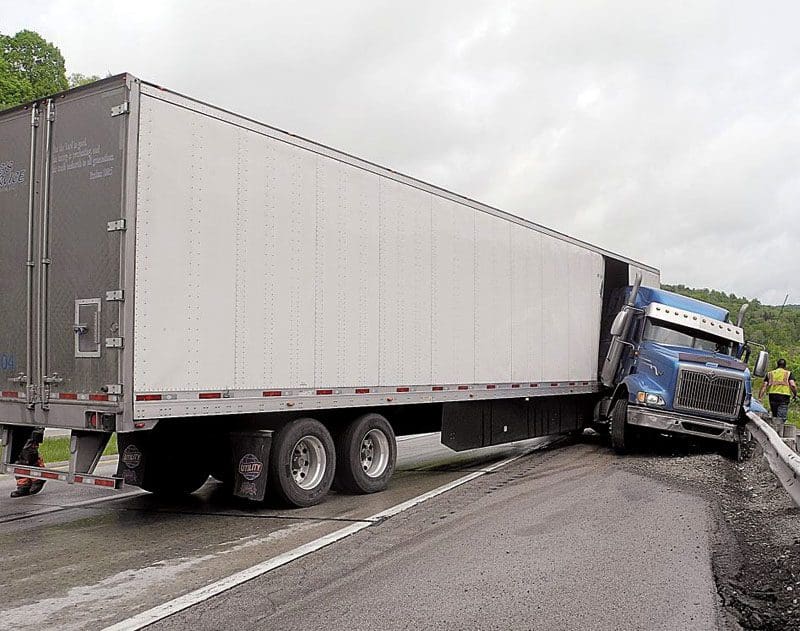
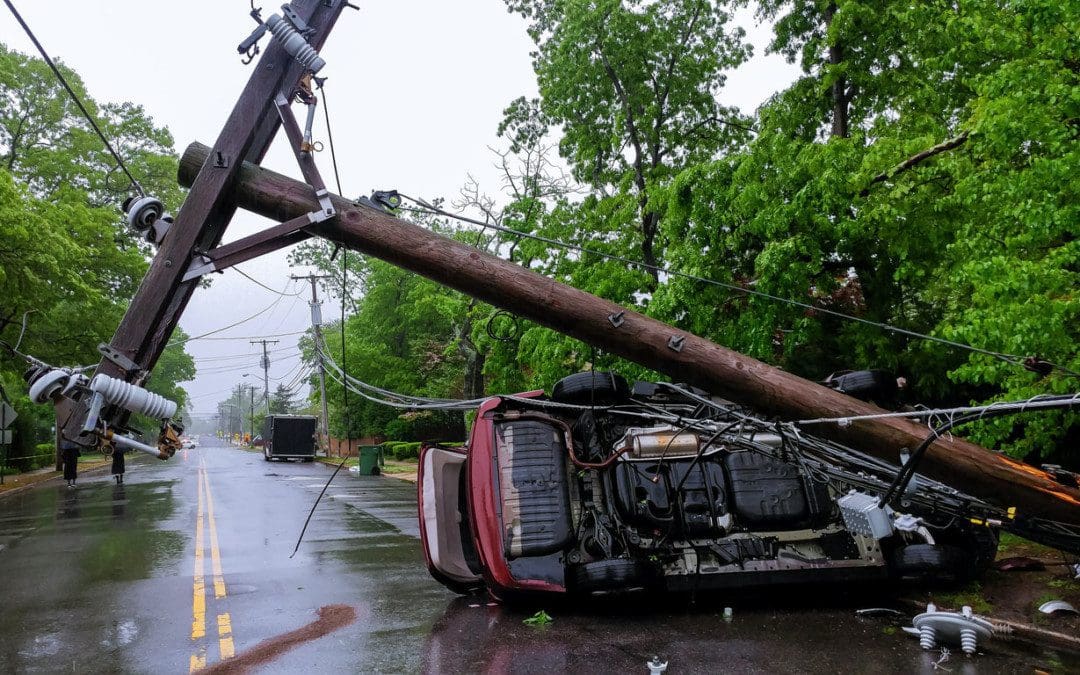
A jackknife occurs when the trailer of semi-truck swings to one side at a 90-degree angle and uncontrollably overtakes other lanes of traffic.The term comes from the look of the tractor-trailer after the crash resembling a jackknife or the letter L. When a jackknife wreck happens, the trailer and cab can hit and crush other vehicles in its path. It can also block numerous lanes leading to additional collisions. Jackknife crashes can also be considered rollover crashes when the truck slides and rolls over onto its side, although not all rollovers end in a jackknife.
Causes
Jackknife collisions are often either the cause of driver negligence or inclement weather, other distracted drivers, truck maintenance, or a combination. These include the following:
Excessive Speed
If a truck driver is speeding, the trailer can slide sideways and jackknife when forced to stop too quickly.
The average tractor-trailer weighs about 80,000 pounds.
The average length of a trailer is between 70 – 80 feet.
Tractor-trailer trucks need 40% more time to brake.
Weather Conditions
If drivers do not take it slow enough, bad weather or road conditions can also cause a jackknife.
Ice, snow, rain, loose gravel, or loose asphalt can cause trailers to bounce and slide.
Hazardous road conditions, as accumulated oil can cause slipperiness.
Improper Following Distance
Truck drivers that do not provide an adequate following distance to allow for a safe stopping distance can cause the trailer to slide sideways and jackknife when having to slam on the brakes.
Drivers who do not exercise caution as they enter and properly maneuver down hills or curves can end up shifting out of position and possibly topple over.
Driver Operator Fatigue
Many tractor-trailer accidents/crashes happen when drivers have logged too many hours without proper rest.
When the body is tired, response time suffers.
If a driver is groggy, they lack the cognizance to maneuver out of a dangerous situation.
Inexperienced or Untrained Operators
Driving a truck is a demanding job that requires several skill sets and experience.
Truck companies try to lower costs by using inexperienced drivers that don’t have the training or experience for long hauls or driving on busy/dangerous highways and interstates.
Load Balance
Safe truck driving ensures the trailer’s cargo is loaded correctly and the weight is equally distributed.
When the load is unbalanced, it can shift, causing the trailer to tilt or tip.
Unbalanced loads are a common factor in rollover crashes.
Lack of Maintenance
Drivers or companies that ignore:
Routine maintenance
Alignment checks
Brake pad replacement
All can lead to accidents and crashes.
Research shows that jackknife crashes can cause widespread damage, as they usually spread across multiple lanes of traffic. Because of this, there is the danger of secondary crashes or vehicles not initially involved in the crash, running into the tractor, trailer, or scattered wreckage and debris.
18 Wheeler Accident Chiropractic Treatment
Analysis An Effective Tool In Physical Therapy Rehabilitation
Body composition is essential for understanding an individual’s physiological makeup and guiding a personalized treatment plan to target specific areas. InBody is non-invasive and convenient, making it ideal for rehabilitation practices. The InBody test provides comprehensive results that can educate and engage individuals in tracking their progress throughout their physical therapy. In less than 60 seconds, the InBody Test provides easy-to-understand, accurate, and objective measurements. Chiropractors and physical therapists use the InBody for:
Monitoring changes to determine the efficacy of exercise programs.
Guiding recommendations to ensure long-term success.
References
Girotto, Edmarlon et al. “Working conditions, and sleepiness while driving among truck drivers.” Traffic injury prevention vol. 20,5 (2019): 504-509. doi:10.1080/15389588.2019.1609670
Gray, Garry. “A bird’s eye view of driving safety culture: Truck drivers’ perceptions of unsafe driving behaviors near their trucks.” Work (Reading, Mass.) vol. 64,2 (2019): 187-194. doi:10.3233/WOR-192985
Smith, Joyce A et al. “Spine and spinal cord injury in motor vehicle crashes a function of change in velocity and energy dissipation on impact with respect to the direction of the crash.” The Journal of trauma vol. 59,1 (2005): 117-31. doi:10.1097/01.ta.0000171534.75347.52
Stavrinos, Despina et al. “Commercial Truck Driver Health and Safety: Exploring Distracted Driving Performance and Self-Reported Driving Skill.” Workplace health & safety vol. 64,8 (2016): 369-76. doi:10.1177/2165079915620202
Stein, H S, and I S Jones. “Crash involvement of large trucks by configuration: a case-control study.” American Journal of public health vol. 78,5 (1988): 491-8. doi:10.2105/ajph.78.5.491
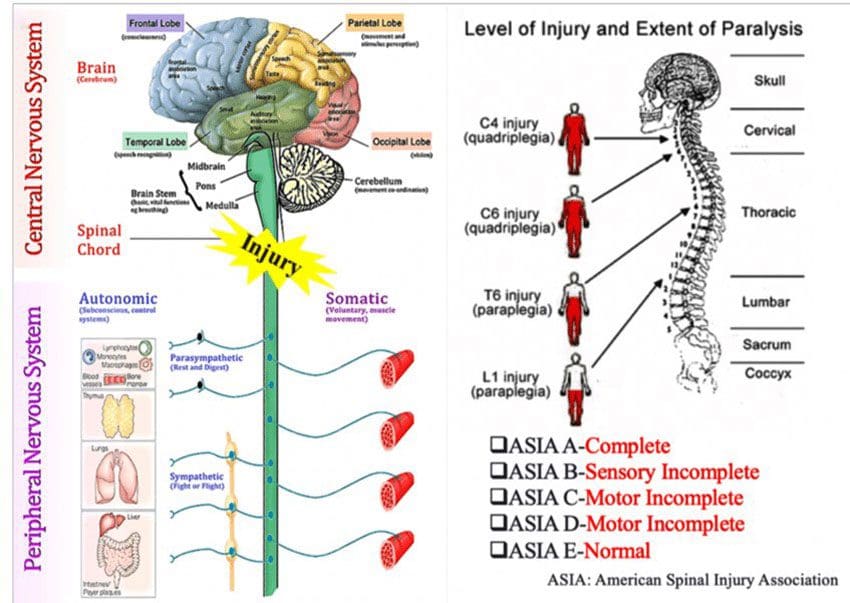
Spinal cord injuries or SCI’s don’t just happen from intense force/high-energy trauma like hard falls or auto accidents. Non-traumatic spinal cord injuries are more common. However, traumatic spinal cord injuries tend to get the most attention. This can cause problems as it can delay treatment for individuals with a non-traumatic injury. Awareness is vital because spinal cord disorders tend to not get recognized for their impact on overall health.
Non-traumatic Spinal Cord Injury
Non-traumatic spinal cord injuries is an umbrella term that includes several disorders, like:
Understanding these disorders helps determine a correct diagnosis. Degenerative cervical myelopathy or DCM is the most common form of a non-traumatic spinal cord injury. It is a slow progressive injury that causes continued compression usually brought on by spondylosis or osteoarthritis of the spine’s joints. DCM can have a devastating effect on the quality of life if not diagnosed and treated as it can have a ripple effect by raising the risk of falls, leading to a traumatic spinal cord injury. Being aware can help in preventing the damage.
Other Causes and Complications
Other causes for non-traumatic spinal cord injury include:
One of the most significant risk factors is age. This is due to an increased risk of conditions like osteoarthritis and hypertension as individuals get older, which is why individuals with a non-traumatic spinal cord injury are, on average, older than individuals that suffer a traumatic spinal cord injury. Weakness, instability, and loss of muscle control are common complications that can develop as the non-traumatic spinal cord injury progresses. Other complications that can present include:
Chronic pain
Sleep disturbance
Constipation
Urinary incontinence
Urinary tract infections
Impotence
Pressure ulcers/bed sores if immobilized
Possible blood clots that can lead to deep vein thrombosis
Depression and anxiety
Treatment
With a traumatic spinal cord injury, treatment depends on the severity of the injury. With non-traumatic spinal cord injuries, treatment depends on what type of condition is involved. The primary treatment for non-traumatic spinal cord injuries typically involves various forms of rehabilitation to minimize further damage to the spinal cord. Surgery may be necessary if the spine needs to be decompressed.
Body Composition
Extracellular Water and Intracellular Water
Extracellular Water – ECW
Extracellular is the water located outside the body’s cells.
Allows molecules to be transported to the different organelles inside the cell.
Picks up where the extracellular water leaves off by continuing the pathway for fuel/energy to be transported to the cells.
References
Badhiwala, Jetan H et al. “Degenerative cervical myelopathy – update and future directions.” Nature reviews. Neurology vol. 16,2 (2020): 108-124. doi:10.1038/s41582-019-0303-0
Handbook of Clinical Neurology (2012) “Spinal Cord Injury.” https://www.sciencedirect.com/topics/medicine-and-dentistry/non-traumatic-spinal-cord-injury
Milligan, James et al. “Degenerative cervical myelopathy: Diagnosis and management in primary care.” Canadian family physician Medecin de famille canadien vol. 65,9 (2019): 619-624.
Physical Management in Neurological Rehabilitation (2004) “Spinal cord injury.” https://www.sciencedirect.com/topics/medicine-and-dentistry/non-traumatic-spinal-cord-injury
Any job-related back injury can significantly complicate an individual’s life. Dealing with the pain, trying to figure out how to get things done while in recovery, and workers’ compensation to protect individuals who are injured on the job, getting them healthy without the stress of worrying about losing money from missing work.
Job-Related Injury
According to the Occupational Safety and Health Administration or O.S.H.A., a job-related injury is one that either contributed to or is caused by something in the work environment that injures an individual or exacerbates/worsens a previous injury. This is a general overview of the definition, and there are some exceptions. For example, being at the place of work as a general public citizen and not working when an injury happens will not be covered. If not sure whether a back injury is job-related, it’s better to be cautious and report the incident as soon as it happens.
Common Back Injuries
Back injuries are the most common job-related injuries. Back injuries are the number one reason individuals cannot work, whether they hurt their back at home or on the job. The Bureau of Labor Statistics found that nearly 40% of all musculoskeletal injuries that resulted in lost workdays were because of back injuries. The most common back injuries include:
Every state’s workers’ compensation program is different; however, the basic components are the same throughout. This means that if a workers’ compensation claim is approved and an individual cannot work because of their injury, they can expect to receive a regular base salary during treatment, rehabilitation, and recovery. Individuals also continue to receive medical coverage through the company, while the workers’ compensation fund should pay for treatment and diagnostics related to the injury.
When A Back Injury Occurs at Work
When a back happens at work, inform the employer as soon as possible. Do not be embarrassed or feel as if it is not a big deal to seek workers’ compensation. It is an insurance program for both the individual and the employer. An employer pays into the state’s workers’ compensation program for limited liability when employees get injured. Individuals don’t pay for the program, but it protects the individual in case something happens.
Letting an injury go untreated might not be anything at first, but months and years later, it can come back and be worse than when it first happened, causing greater damage, added medical costs, and procedures that the individual has to pay for out of pocket.
Once an individual knows they have a back injury, it is recommended to seek treatment as soon as possible to prevent worsening the injury or create new ones and develop a treatment, rehabilitation, and strengthening program. If an individual needs emergency care, tell the doctors about the work injury and precisely what happened. Emergency medical care should be sought out when:
There is a loss of function in any of the limbs.
There is a persistent numbness with the back pain.
There is nausea, dizziness, or vomiting after the injury.
There is a fever with back pain.
Loss of consciousness.
Loss of bowel or bladder control.
If the injury is not immediate and progresses gradually, but suspect that it is from work, it should be reported and examined by a medical professional.
Treatment
Proper treatment for a back injury depends on the severity of the injury. Those who prefer non-invasive, medication-free treatment are able to recover with chiropractic or physical therapy. Chiropractic doctors are experts in the spine and the musculoskeletal system. Chiropractic treatment is safe, and proven, and can help relieve pain, restore function, to get back to work safely.
Body Composition
Resistance Exercise
Resistance workouts are made to stress the muscles resulting in muscle gain. Resistance exercise makes the body adapt by growing the muscles to make them more capable of handling intense forces without strain. The stress of resistance exercise causes the muscle fibers to tear at the cellular level. Then, special muscle cells, known as satellite cells, jump into action to repair, rebuild, and grow the muscle. These types of exercises include high-intensity workouts or compound exercises that increase muscle growth. However, there needs to be a healthy balance between workouts and rest to support healthy hormone levels and maximize muscle gain.
Hormones
There are three primary hormones that stimulate muscle hypertrophy. They are:
Insulin-like growth factor 1 IGF-1
Growth hormone GH
Testosterone
Muscle protein synthesis is a critical process in muscle hypertrophy and happens after weight training. The hormones signal to the muscle to repair and rebuild after workout sessions. GH is released in high quantities during sleep, which is why proper sleep is needed to help reach body composition goals. When nutrition, workouts, and hormonal effects are combined, muscle-building happens. Figuring out the right balance is essential for reaching health goals.
References
Burton, A K, and E Erg. “Back injury and work loss. Biomechanical and psychosocial influences.” Spine vol. 22,21 (1997): 2575-80. doi:10.1097/00007632-199711010-00021
Marjorie L Baldwin, Pierre Côté, John W Frank, William G Johnson, Cost-effectiveness studies of medical and chiropractic care for occupational low back pain: a critical review of the literature, The Spine Journal, Volume 1, Issue 2, 2001, Pages 138-147, ISSN 1529-9430, https://doi.org/10.1016/S1529-9430(01)00016-X.(https://www.sciencedirect.com/science/article/pii/S152994300100016X)
Randall, Sara. “1. Avoiding back injury.” The practicing midwife vol. 17,11 (2014): 10, 12-4.
Taking it slow after spinal surgery is recommended to optimize a full recovery. What usually happens is that an individual starts feeling normal/better, so they begin to engage in a few daily activities. Then pain presents, letting the individual know that they have done too much too soon. The pain does not necessarily signal re-injuring the area, but recovery should be treated seriously. More than 50% of patients have successful spine surgery, but repeat surgeries do not tend to be quite as effective. Doing too much too early during recovery can result in severe re-injury or creating new injuries. So when can an individual get back to everyday life?
Surgery Recovery
Recovery after back surgery is different for everyone. Low back lumbar fusion surgeries usually require more recovery time than lumbar non-fusion surgeries, like:
Laminectomy – when the lamina portion of a vertebra is removed.
Microdiscectomy – the removal of abnormal disc material
Cervical spine surgeries.
Individuals who have undergone a procedure where two or more vertebrae have been surgically fused should expect a longer recovery. A typical timeline for lumbar fusion usually involves around three months. What happens is individuals want to get up and move, doing household activities almost immediately because they feel so good, but this is because of the pain medications. Strong pain medication use ends by four to six weeks. It is not until after 12 weeks or three months with post-operative chiropractic rehabilitation and physical therapy that individuals are encouraged to engage in specific physical activities that will optimize the healing process.
Taking It Slow With Certain Activities
Specific activities should not be engaged in after lumbar fusion surgery, as it requires a higher level of caution during recovery.
No Bending, Lifting, and Twisting
Bending, lifting, and twisting all require the direct use of the back muscles. Performing these movements can cause serious damage and hinder proper healing. Therefore it is recommended not to bend, lift, or twist for six weeks.
No Taking Baths or Swimming
Taking showers can be done right away with protective plastic or a sponge bath for a few days after surgery, but it is advised not to take baths or go swimming for three weeks.
No Cardiovascular Exercise
While the back may be feeling better after the spine surgery, cardiovascular exercise is not recommended for at least six to 12 weeks as it is too strenuous on the back. Light walking is fine, but the doctor and a chiropractor and physical therapist will develop a controlled, progressive exercise program for the individual. The program usually starts between 6 weeks and three months after surgery. This can include working out on an elliptical machine, a stationary bike, or easy treadmill walking.
Listening to The Body
The doctor will be clear about what can and can’t be done immediately following back surgery. Therefore it is crucial to follow the instructions to avoid any complications and listen to the body. Don’t push through activity or try taking on too much. Give the body and spine time to heal, taking it slow. There is time to get back to normal activities, but if re-injury or new injuries occur, rehabilitation/recovery could become the regular activity.
Body Composition
Malnutrition
Malnutrition is defined as deficiencies, excesses, or imbalances in an individual’s energy intake and/or nutrients. Protein-energy deficiency is one of the most common forms of malnutrition, and this health condition has an immediate and negative impact on body composition. The deficit wreaks havoc on skeletal muscle mass as the body progressively goes into starvation mode, breaking down the protein stored in the muscle for fuel.
Micronutrient deficiency is a lack of minerals and vitamins that support vital bodily processes like cell regeneration, immune system health, and eyesight. Common examples include iron or calcium deficiencies. Micronutrient deficiency has the most significant impact on normal physiological functions, processes and can happen in conjunction with a lack of protein-energy. This is because most micronutrients are obtained from food. Nutritional deficiencies of specific micronutrients can affect processes like building and repairing muscle; protein deficiency has a more pronounced effect on body composition because lowered protein intake can lead to muscle mass loss. Malnutrition and nutritional deficiencies in adults include:
Physical function, including handgrip strength and physical performance, diminishes.
Serious medical conditions can result from fluid accumulation like edema.
References
Daniell, James R, and Orso L Osti. “Failed Back Surgery Syndrome: A Review Article.” Asian spine journal vol. 12,2 (2018): 372-379. doi:10.4184/asj.2018.12.2.372
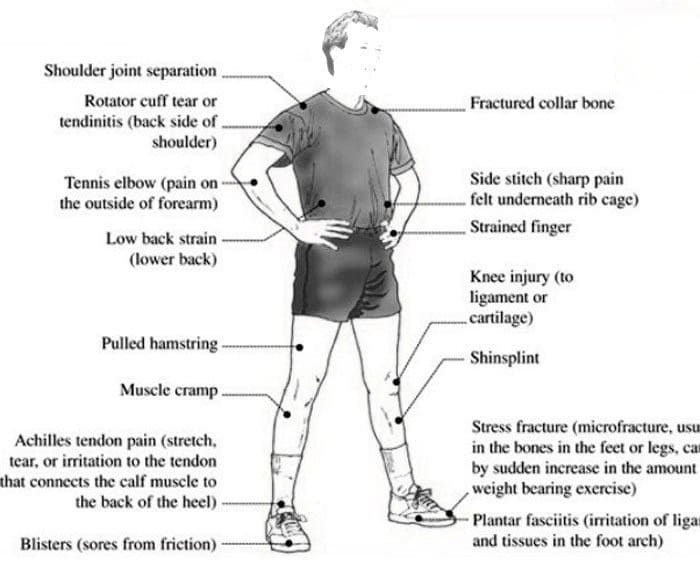
Acute and chronic sports injuries. Individuals who participate in sports or physical activities have an increased risk of experiencing an injury. These types of damages range from minor to severe and could require medical attention. Acute sports injuries happen suddenly and are usually the result of trauma to the area. A specific, identifiable incident is what causes an acute injury. Chronic sports injuries, also known as repetitive/overuse injuries, happen with time and are not caused by a single incident.
Acute and Chronic Sports Injuries Identification
Acute injuries can be identified by their cause. This could be a falling down during a run, sharp pain that presents in the shoulder after a throw, or a sprained ankle. The ability to focus on one cause usually means it’s acute. Acute injuries are characterized by:
Sudden pain in an area where there was none.
Swelling
Redness
Tenderness
Limited range of motion.
The inability of the injured area to support its weight.
A broken bone.
Dizziness
Headache
Nausea
Vomiting
Chronic injuries are different but are usually easy to identify. The pain begins gradually, usually over weeks or months. Repetitive activities like running, throwing, and swinging can exacerbate the pain. However, it is difficult to point to a specific issue that first caused the discomfort or pain. Chronic sports injuries are characterized by:
Pain and tenderness in the area, especially during and immediately after activity.
Minor swelling and limited range of motion.
Dull pain when resting.
These two types of injuries have different causes – trauma for acute and wear-and-tear for chronic – but they can both result in similar issues. For example, shoulder rotator cuff injuries are common, especially those that repeatedly use their shoulder to swing, throw, swim, etc. The individual needs to undergo a rotator cuff injury test to diagnose the injury correctly, whether the damage is acute or chronic. Chronic injuries can cause acute injuries, and acute injuries can lead to chronic injuries if left untreated.
Examples of Acute and Chronic Sports Injuries
Chronic and acute injuries are common in every type of sport. There’s an opportunity for both types of injuries. The most common include:
Other injuries from trauma, overuse, or both include:
Nonspecific Back Pain
Herniated Disc/s
Spondylolysis
Treatment
Minor acute injuries can be treated with rest, ice, compression, and elevation, aka R.I.C.E. Overuse injuries, are different as the injury has been gradually increasing in its severity, possibly causing scar tissue and ganglion cysts to develop. To prevent the injury from worsening, it’s recommended to see a sports injury chiropractor or physical therapist. These professionals can help heal the body and educate the individual on self-care and prevention.
Chiropractic
The musculoskeletal system takes a beating. Chronic injuries usually affect the bones, joints, muscles, or a combination. Chiropractic helps keep the musculoskeletal system limber and in proper alignment. Adjustments include:
Neck adjustments
Arm and hand adjustments
Shoulder adjustments
Knee adjustments
Hip adjustments
Foot adjustments
Physical Therapy
Physical therapy for a chronic injury can help prevent future injuries. A physical therapist helps:
Improve range of motion
Reduces pain and swelling
Increases strength
Whether an athlete or is just staying active and having some fun with sports, acute and chronic injuries can sneak up and worsen if they are not treated properly. Healing with the help of a professional can quicken recovery time and prevent future injuries.
Body Composition
Maintain Muscle Mass While Losing Fat
Individuals who want to lose weight should focus on losing excess fat tissue, not muscle mass. Studies have shown that diet and exercise are crucial to preserving Skeletal Muscle Mass while losing weight. Losing weight healthily includes:
A healthy balance of cardio and resistance training to burn calories and build muscle.
Wörtler, K, and C Schäffeler. “Akute Sportverletzungen und chronische Überlastungsschäden an Vor- und Mittelfuß” [Acute sports injuries and chronic overuse stress damage to the forefoot and midfoot]. Der Radiologe vol. 55,5 (2015): 417-32. doi:10.1007/s00117-015-2855-3
Yang, Jingzhen et al. “Epidemiology of overuse and acute injuries among competitive collegiate athletes.” Journal of athletic training vol. 47,2 (2012): 198-204. doi:10.4085/1062-6050-47.2.198
Vehicle accidents are a leading cause of injury and death worldwide, with millions of crashes occurring annually. In 2023, the National Highway Traffic Safety Administration (NHTSA) reported approximately 6.1 million police-reported crashes in the United States alone, resulting in over 2.5 million injuries and 40,000 fatalities (NHTSA, 2024). Understanding the different types of vehicle accidents is critical for drivers, policymakers, and healthcare professionals to promote safer roads and effective injury prevention. This article explores the most common types of vehicle accidents, their causes, and their impacts on individuals and communities, while incorporating insights from recent research.
Common Types of Vehicle Accidents
1. Rear-End Collisions
Rear-end collisions occur when one vehicle strikes the back of another. These are among the most frequent types of accidents, often caused by distracted driving, tailgating, or sudden stops. According to the Insurance Institute for Highway Safety (IIHS), rear-end crashes accounted for 29% of all collisions in 2022 (IIHS, 2023). Common injuries include whiplash, neck strains, and soft tissue damage, which can lead to chronic pain if untreated (Mayo Clinic, 2025).
Causes:
Distracted driving (e.g., texting, eating)
Following too closely
Sudden braking or traffic slowdowns
Poor weather conditions, reducing visibility or traction
Prevention:
Maintain a safe following distance (e.g., the 3-second rule).
Use advanced driver-assistance systems (ADAS) like automatic emergency braking.
Stay focused and avoid distractions while driving.
2. Side-Impact Collisions (T-Bone)
Side-impact collisions, often called T-bone accidents, occur when the front of one vehicle strikes the side of another, typically at intersections. These crashes are particularly dangerous due to limited side protection in most vehicles. The NHTSA notes that side-impact crashes accounted for 24% of passenger vehicle occupant deaths in 2022 (NHTSA, 2024).
Causes:
Running red lights or stop signs
Failure to yield the right-of-way
Misjudging traffic signals or other vehicles’ movements
Poor visibility at intersections
Prevention:
Always check for oncoming traffic before entering intersections.
Use side-impact airbags and reinforced vehicle frames.
Install intersection cameras to deter reckless driving.
3. Head-On Collisions
Head-on collisions occur when the front ends of two vehicles collide, often at high speeds. These accidents are rare but have a high fatality rate due to the combined force of impact. The IIHS reports that head-on crashes made up 10% of fatal accidents in 2022 (IIHS, 2023).
Causes:
Crossing the centerline (e.g., due to distracted or impaired driving)
Overtaking on two-lane roads
Fatigue or falling asleep at the wheel
Road design flaws, such as sharp curves
Prevention:
Use centerline rumble strips to alert drifting drivers.
Avoid driving while fatigued or under the influence.
Adhere to speed limits and road signs.
4. Rollover Accidents
Rollover accidents involve a vehicle tipping over onto its side or roof. These are more common with taller vehicles like SUVs and trucks due to their higher center of gravity. The NHTSA estimates that rollovers accounted for 17% of fatal crashes in 2022, despite being only 2% of total crashes (NHTSA, 2024).
Causes:
Sharp turns at high speeds
Overcorrecting during a skid
Collisions with curbs or other objects
Uneven road surfaces or tire blowouts
Prevention:
Drive at safe speeds, especially on curves.
Ensure proper tire maintenance and vehicle stability control.
Avoid overloading vehicles, which can raise the center of gravity.
5. Sideswipe Collisions
Sideswipe collisions occur when the sides of two parallel vehicles make contact, often during lane changes or merging. While typically less severe, they can cause vehicles to lose control, leading to secondary collisions. The IIHS notes that sideswipe crashes are often underreported but contribute significantly to property damage (IIHS, 2023).
Causes:
Failure to check blind spots
Improper lane changes
Drifting due to distraction or fatigue
Narrow roads or construction zones
Prevention:
Use turn signals consistently.
Install blind-spot monitoring systems.
Check mirrors and surroundings before changing lanes.
6. Single-Vehicle Accidents
Single-vehicle accidents involve only one vehicle, often colliding with fixed objects like trees, poles, or guardrails. These crashes are frequently linked to driver error or environmental factors. According to a 2023 study by the AAA Foundation for Traffic Safety, single-vehicle crashes account for approximately 50% of all accidents (AAA, 2023).
Vehicle accidents result in significant physical, emotional, and financial consequences. Injuries range from minor bruises to severe trauma, such as spinal cord injuries or traumatic brain injuries (TBI). The Centers for Disease Control and Prevention (CDC) estimates that motor vehicle crashes cost the U.S. economy $340 billion annually in medical expenses, lost productivity, and property damage (CDC, 2024). Additionally, survivors may face long-term psychological effects, such as post-traumatic stress disorder (PTSD) (American Psychological Association, 2025).
Strategies for Reducing Vehicle Accidents
Driver Education: Comprehensive driver training programs can teach defensive driving techniques and hazard awareness.
Technology Adoption: Advanced safety features like lane departure warnings, adaptive cruise control, and automatic braking can reduce crash risks.
Infrastructure Improvements: Better road design, improved signage, and traffic calming measures can enhance safety.
Policy Enforcement: Stricter enforcement of traffic laws, such as speed limits and DUI regulations, can deter reckless behavior.
Public Awareness: Campaigns promoting safe driving habits, like avoiding distractions, can foster a culture of responsibility.
Conclusion
Vehicle accidents remain a significant public health and safety concern, with various types posing unique risks and challenges. By understanding the causes and implementing preventive measures, drivers and communities can work together to reduce crashes and their devastating impacts. Staying informed, adopting safety technologies, and advocating for better road policies are crucial steps toward safer roads for everyone.
References
National Highway Traffic Safety Administration (NHTSA). (2024). Traffic Safety Facts 2023. Retrieved from https://www.nhtsa.gov.
Insurance Institute for Highway Safety (IIHS). (2023). Crash Statistics and Analysis. Retrieved from https://www.iihs.org.
Mayo Clinic. (2025). Whiplash and Neck Injuries. Retrieved from https://www.mayoclinic.org.
Centers for Disease Control and Prevention (CDC). (2024). Motor Vehicle Crash Injuries. Retrieved from https://www.cdc.gov.
AAA Foundation for Traffic Safety. (2023). Single-Vehicle Crash Analysis. Retrieved from https://www.aaa.com.
American Psychological Association (APA). (2025). PTSD and Motor Vehicle Accidents. Retrieved from https://www.apa.org.
IFM's Find A Practitioner tool is the largest referral network in Functional Medicine, created to help patients locate Functional Medicine practitioners anywhere in the world. IFM Certified Practitioners are listed first in the search results, given their extensive education in Functional Medicine