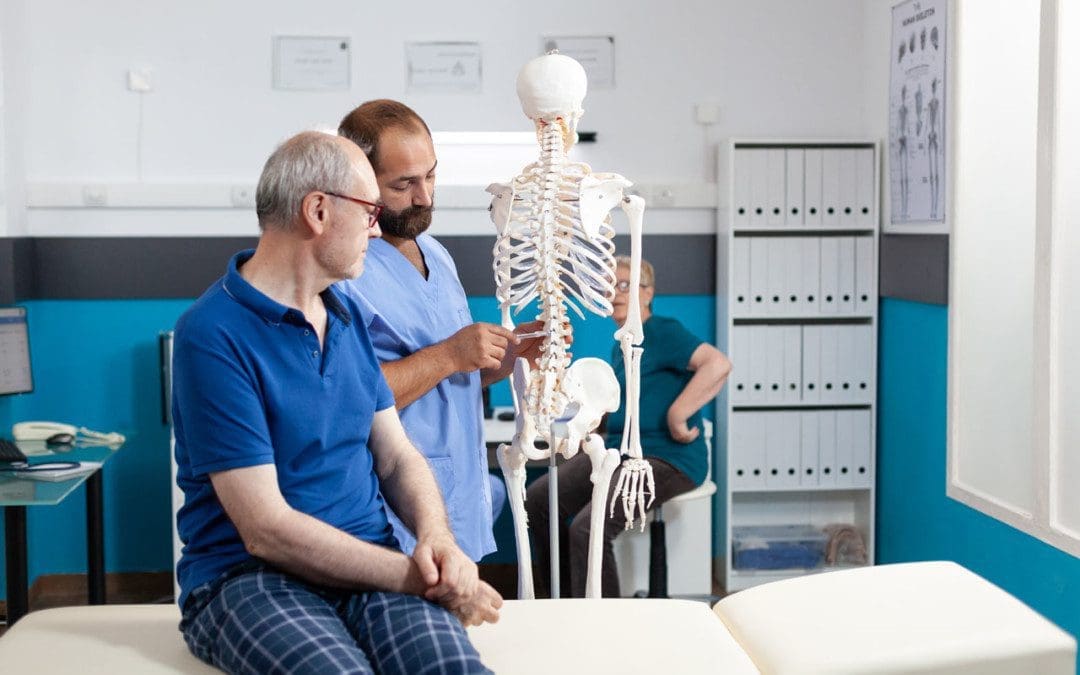
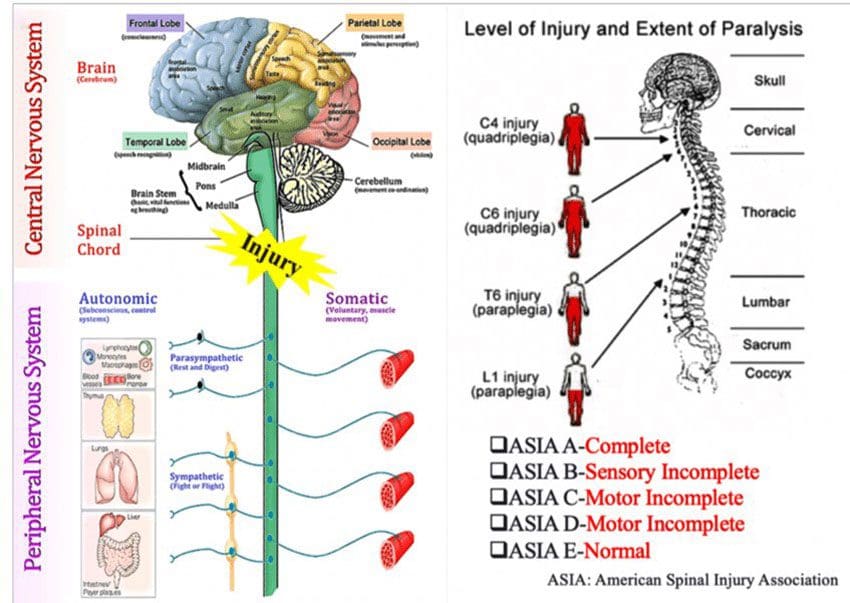
Spinal cord injuries or SCI’s don’t just happen from intense force/high-energy trauma like hard falls or auto accidents. Non-traumatic spinal cord injuries are more common. However, traumatic spinal cord injuries tend to get the most attention. This can cause problems as it can delay treatment for individuals with a non-traumatic injury. Awareness is vital because spinal cord disorders tend to not get recognized for their impact on overall health.
Non-traumatic Spinal Cord Injury
Non-traumatic spinal cord injuries is an umbrella term that includes several disorders, like:
Understanding these disorders helps determine a correct diagnosis. Degenerative cervical myelopathy or DCM is the most common form of a non-traumatic spinal cord injury. It is a slow progressive injury that causes continued compression usually brought on by spondylosis or osteoarthritis of the spine’s joints. DCM can have a devastating effect on the quality of life if not diagnosed and treated as it can have a ripple effect by raising the risk of falls, leading to a traumatic spinal cord injury. Being aware can help in preventing the damage.
Other Causes and Complications
Other causes for non-traumatic spinal cord injury include:
One of the most significant risk factors is age. This is due to an increased risk of conditions like osteoarthritis and hypertension as individuals get older, which is why individuals with a non-traumatic spinal cord injury are, on average, older than individuals that suffer a traumatic spinal cord injury. Weakness, instability, and loss of muscle control are common complications that can develop as the non-traumatic spinal cord injury progresses. Other complications that can present include:
Chronic pain
Sleep disturbance
Constipation
Urinary incontinence
Urinary tract infections
Impotence
Pressure ulcers/bed sores if immobilized
Possible blood clots that can lead to deep vein thrombosis
Depression and anxiety
Treatment
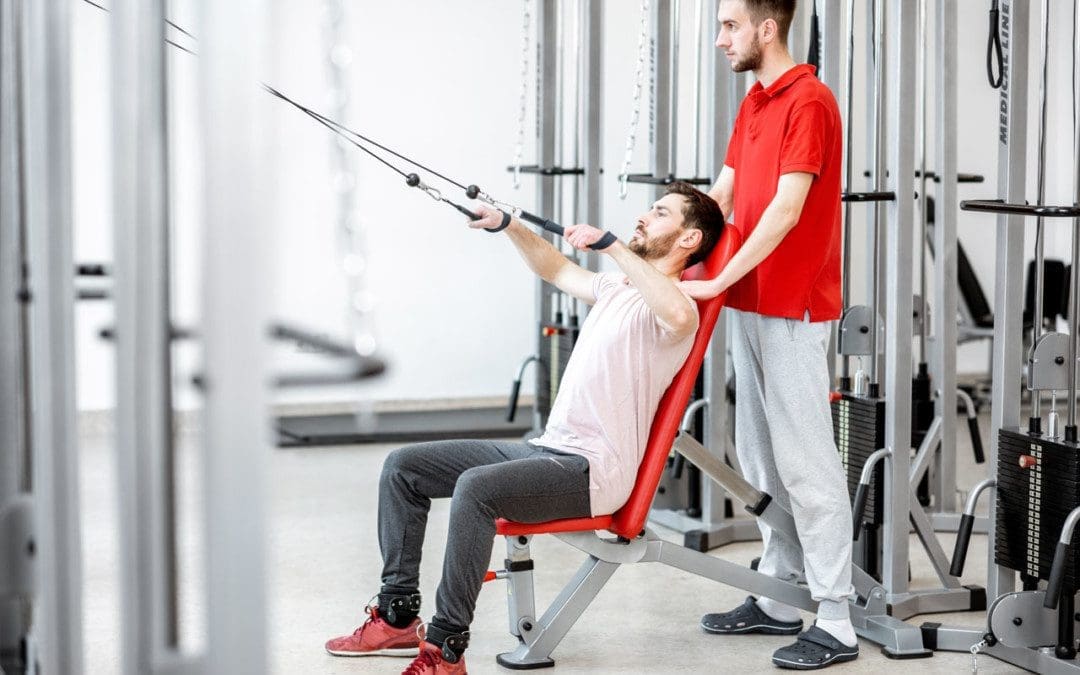
With a traumatic spinal cord injury, treatment depends on the severity of the injury. With non-traumatic spinal cord injuries, treatment depends on what type of condition is involved. The primary treatment for non-traumatic spinal cord injuries typically involves various forms of rehabilitation to minimize further damage to the spinal cord. Surgery may be necessary if the spine needs to be decompressed.
Body Composition
Extracellular Water and Intracellular Water
Extracellular Water – ECW
Extracellular is the water located outside the body’s cells.
Allows molecules to be transported to the different organelles inside the cell.
Picks up where the extracellular water leaves off by continuing the pathway for fuel/energy to be transported to the cells.
References
Badhiwala, Jetan H et al. “Degenerative cervical myelopathy – update and future directions.” Nature reviews. Neurology vol. 16,2 (2020): 108-124. doi:10.1038/s41582-019-0303-0
Handbook of Clinical Neurology (2012) “Spinal Cord Injury.” https://www.sciencedirect.com/topics/medicine-and-dentistry/non-traumatic-spinal-cord-injury
Milligan, James et al. “Degenerative cervical myelopathy: Diagnosis and management in primary care.” Canadian family physician Medecin de famille canadien vol. 65,9 (2019): 619-624.
Physical Management in Neurological Rehabilitation (2004) “Spinal cord injury.” https://www.sciencedirect.com/topics/medicine-and-dentistry/non-traumatic-spinal-cord-injury
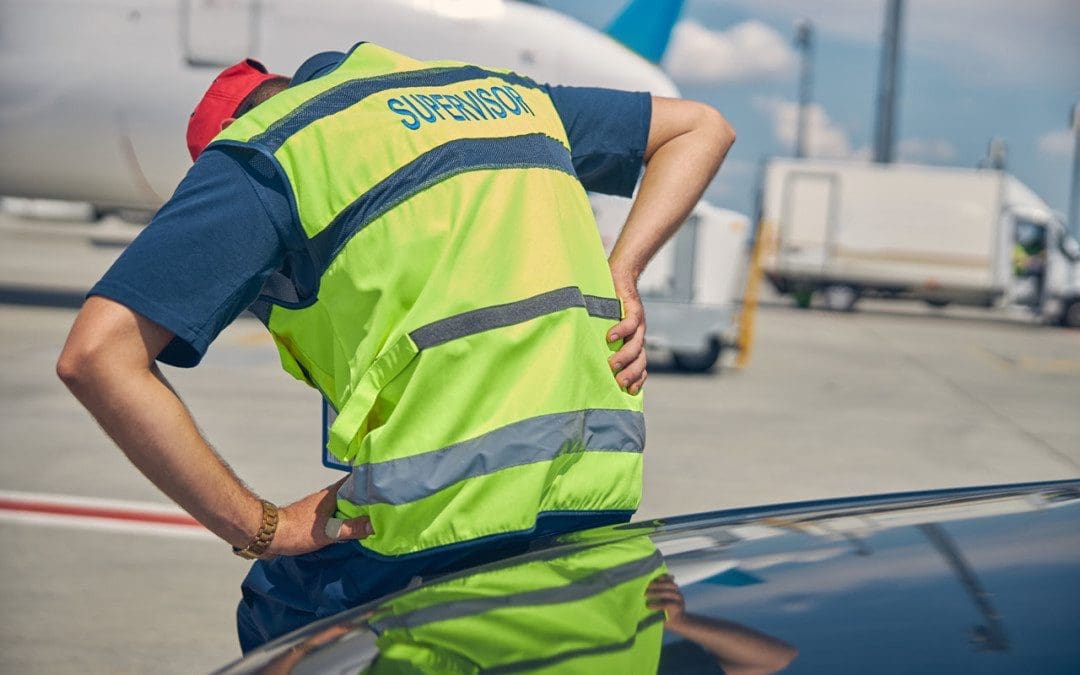
Any job-related back injury can significantly complicate an individual’s life. Dealing with the pain, trying to figure out how to get things done while in recovery, and workers’ compensation to protect individuals who are injured on the job, getting them healthy without the stress of worrying about losing money from missing work.
Job-Related Injury
According to the Occupational Safety and Health Administration or O.S.H.A., a job-related injury is one that either contributed to or is caused by something in the work environment that injures an individual or exacerbates/worsens a previous injury. This is a general overview of the definition, and there are some exceptions. For example, being at the place of work as a general public citizen and not working when an injury happens will not be covered. If not sure whether a back injury is job-related, it’s better to be cautious and report the incident as soon as it happens.
Common Back Injuries
Back injuries are the most common job-related injuries. Back injuries are the number one reason individuals cannot work, whether they hurt their back at home or on the job. The Bureau of Labor Statistics found that nearly 40% of all musculoskeletal injuries that resulted in lost workdays were because of back injuries. The most common back injuries include:
Every state’s workers’ compensation program is different; however, the basic components are the same throughout. This means that if a workers’ compensation claim is approved and an individual cannot work because of their injury, they can expect to receive a regular base salary during treatment, rehabilitation, and recovery. Individuals also continue to receive medical coverage through the company, while the workers’ compensation fund should pay for treatment and diagnostics related to the injury.
When A Back Injury Occurs at Work
When a back happens at work, inform the employer as soon as possible. Do not be embarrassed or feel as if it is not a big deal to seek workers’ compensation. It is an insurance program for both the individual and the employer. An employer pays into the state’s workers’ compensation program for limited liability when employees get injured. Individuals don’t pay for the program, but it protects the individual in case something happens.
Letting an injury go untreated might not be anything at first, but months and years later, it can come back and be worse than when it first happened, causing greater damage, added medical costs, and procedures that the individual has to pay for out of pocket.
Once an individual knows they have a back injury, it is recommended to seek treatment as soon as possible to prevent worsening the injury or create new ones and develop a treatment, rehabilitation, and strengthening program. If an individual needs emergency care, tell the doctors about the work injury and precisely what happened. Emergency medical care should be sought out when:
There is a loss of function in any of the limbs.
There is a persistent numbness with the back pain.
There is nausea, dizziness, or vomiting after the injury.
There is a fever with back pain.
Loss of consciousness.
Loss of bowel or bladder control.
If the injury is not immediate and progresses gradually, but suspect that it is from work, it should be reported and examined by a medical professional.
Treatment
Proper treatment for a back injury depends on the severity of the injury. Those who prefer non-invasive, medication-free treatment are able to recover with chiropractic or physical therapy. Chiropractic doctors are experts in the spine and the musculoskeletal system. Chiropractic treatment is safe, and proven, and can help relieve pain, restore function, to get back to work safely.
Body Composition
Resistance Exercise
Resistance workouts are made to stress the muscles resulting in muscle gain. Resistance exercise makes the body adapt by growing the muscles to make them more capable of handling intense forces without strain. The stress of resistance exercise causes the muscle fibers to tear at the cellular level. Then, special muscle cells, known as satellite cells, jump into action to repair, rebuild, and grow the muscle. These types of exercises include high-intensity workouts or compound exercises that increase muscle growth. However, there needs to be a healthy balance between workouts and rest to support healthy hormone levels and maximize muscle gain.
Hormones
There are three primary hormones that stimulate muscle hypertrophy. They are:
Insulin-like growth factor 1 IGF-1
Growth hormone GH
Testosterone
Muscle protein synthesis is a critical process in muscle hypertrophy and happens after weight training. The hormones signal to the muscle to repair and rebuild after workout sessions. GH is released in high quantities during sleep, which is why proper sleep is needed to help reach body composition goals. When nutrition, workouts, and hormonal effects are combined, muscle-building happens. Figuring out the right balance is essential for reaching health goals.
References
Burton, A K, and E Erg. “Back injury and work loss. Biomechanical and psychosocial influences.” Spine vol. 22,21 (1997): 2575-80. doi:10.1097/00007632-199711010-00021
Marjorie L Baldwin, Pierre Côté, John W Frank, William G Johnson, Cost-effectiveness studies of medical and chiropractic care for occupational low back pain: a critical review of the literature, The Spine Journal, Volume 1, Issue 2, 2001, Pages 138-147, ISSN 1529-9430, https://doi.org/10.1016/S1529-9430(01)00016-X.(https://www.sciencedirect.com/science/article/pii/S152994300100016X)
Randall, Sara. “1. Avoiding back injury.” The practicing midwife vol. 17,11 (2014): 10, 12-4.
Taking it slow after spinal surgery is recommended to optimize a full recovery. What usually happens is that an individual starts feeling normal/better, so they begin to engage in a few daily activities. Then pain presents, letting the individual know that they have done too much too soon. The pain does not necessarily signal re-injuring the area, but recovery should be treated seriously. More than 50% of patients have successful spine surgery, but repeat surgeries do not tend to be quite as effective. Doing too much too early during recovery can result in severe re-injury or creating new injuries. So when can an individual get back to everyday life?
Surgery Recovery
Recovery after back surgery is different for everyone. Low back lumbar fusion surgeries usually require more recovery time than lumbar non-fusion surgeries, like:
Laminectomy – when the lamina portion of a vertebra is removed.
Microdiscectomy – the removal of abnormal disc material
Cervical spine surgeries.
Individuals who have undergone a procedure where two or more vertebrae have been surgically fused should expect a longer recovery. A typical timeline for lumbar fusion usually involves around three months. What happens is individuals want to get up and move, doing household activities almost immediately because they feel so good, but this is because of the pain medications. Strong pain medication use ends by four to six weeks. It is not until after 12 weeks or three months with post-operative chiropractic rehabilitation and physical therapy that individuals are encouraged to engage in specific physical activities that will optimize the healing process.
Taking It Slow With Certain Activities
Specific activities should not be engaged in after lumbar fusion surgery, as it requires a higher level of caution during recovery.
No Bending, Lifting, and Twisting
Bending, lifting, and twisting all require the direct use of the back muscles. Performing these movements can cause serious damage and hinder proper healing. Therefore it is recommended not to bend, lift, or twist for six weeks.
No Taking Baths or Swimming
Taking showers can be done right away with protective plastic or a sponge bath for a few days after surgery, but it is advised not to take baths or go swimming for three weeks.
No Cardiovascular Exercise
While the back may be feeling better after the spine surgery, cardiovascular exercise is not recommended for at least six to 12 weeks as it is too strenuous on the back. Light walking is fine, but the doctor and a chiropractor and physical therapist will develop a controlled, progressive exercise program for the individual. The program usually starts between 6 weeks and three months after surgery. This can include working out on an elliptical machine, a stationary bike, or easy treadmill walking.
Listening to The Body
The doctor will be clear about what can and can’t be done immediately following back surgery. Therefore it is crucial to follow the instructions to avoid any complications and listen to the body. Don’t push through activity or try taking on too much. Give the body and spine time to heal, taking it slow. There is time to get back to normal activities, but if re-injury or new injuries occur, rehabilitation/recovery could become the regular activity.
Body Composition
Malnutrition
Malnutrition is defined as deficiencies, excesses, or imbalances in an individual’s energy intake and/or nutrients. Protein-energy deficiency is one of the most common forms of malnutrition, and this health condition has an immediate and negative impact on body composition. The deficit wreaks havoc on skeletal muscle mass as the body progressively goes into starvation mode, breaking down the protein stored in the muscle for fuel.
Micronutrient deficiency is a lack of minerals and vitamins that support vital bodily processes like cell regeneration, immune system health, and eyesight. Common examples include iron or calcium deficiencies. Micronutrient deficiency has the most significant impact on normal physiological functions, processes and can happen in conjunction with a lack of protein-energy. This is because most micronutrients are obtained from food. Nutritional deficiencies of specific micronutrients can affect processes like building and repairing muscle; protein deficiency has a more pronounced effect on body composition because lowered protein intake can lead to muscle mass loss. Malnutrition and nutritional deficiencies in adults include:
Physical function, including handgrip strength and physical performance, diminishes.
Serious medical conditions can result from fluid accumulation like edema.
References
Daniell, James R, and Orso L Osti. “Failed Back Surgery Syndrome: A Review Article.” Asian spine journal vol. 12,2 (2018): 372-379. doi:10.4184/asj.2018.12.2.372
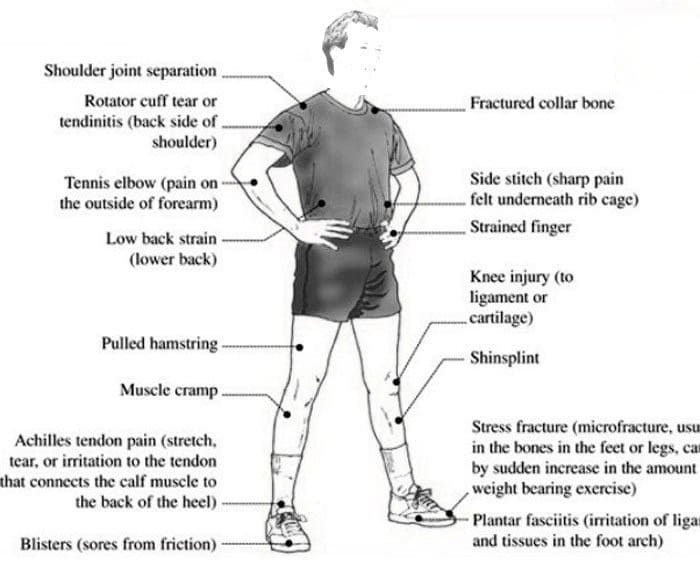
Acute and chronic sports injuries. Individuals who participate in sports or physical activities have an increased risk of experiencing an injury. These types of damages range from minor to severe and could require medical attention. Acute sports injuries happen suddenly and are usually the result of trauma to the area. A specific, identifiable incident is what causes an acute injury. Chronic sports injuries, also known as repetitive/overuse injuries, happen with time and are not caused by a single incident.
Acute and Chronic Sports Injuries Identification
Acute injuries can be identified by their cause. This could be a falling down during a run, sharp pain that presents in the shoulder after a throw, or a sprained ankle. The ability to focus on one cause usually means it’s acute. Acute injuries are characterized by:
Sudden pain in an area where there was none.
Swelling
Redness
Tenderness
Limited range of motion.
The inability of the injured area to support its weight.
A broken bone.
Dizziness
Headache
Nausea
Vomiting
Chronic injuries are different but are usually easy to identify. The pain begins gradually, usually over weeks or months. Repetitive activities like running, throwing, and swinging can exacerbate the pain. However, it is difficult to point to a specific issue that first caused the discomfort or pain. Chronic sports injuries are characterized by:
Pain and tenderness in the area, especially during and immediately after activity.
Minor swelling and limited range of motion.
Dull pain when resting.
These two types of injuries have different causes – trauma for acute and wear-and-tear for chronic – but they can both result in similar issues. For example, shoulder rotator cuff injuries are common, especially those that repeatedly use their shoulder to swing, throw, swim, etc. The individual needs to undergo a rotator cuff injury test to diagnose the injury correctly, whether the damage is acute or chronic. Chronic injuries can cause acute injuries, and acute injuries can lead to chronic injuries if left untreated.
Examples of Acute and Chronic Sports Injuries
Chronic and acute injuries are common in every type of sport. There’s an opportunity for both types of injuries. The most common include:
Other injuries from trauma, overuse, or both include:
Nonspecific Back Pain
Herniated Disc/s
Spondylolysis
Treatment
Minor acute injuries can be treated with rest, ice, compression, and elevation, aka R.I.C.E. Overuse injuries, are different as the injury has been gradually increasing in its severity, possibly causing scar tissue and ganglion cysts to develop. To prevent the injury from worsening, it’s recommended to see a sports injury chiropractor or physical therapist. These professionals can help heal the body and educate the individual on self-care and prevention.
Chiropractic
The musculoskeletal system takes a beating. Chronic injuries usually affect the bones, joints, muscles, or a combination. Chiropractic helps keep the musculoskeletal system limber and in proper alignment. Adjustments include:
Neck adjustments
Arm and hand adjustments
Shoulder adjustments
Knee adjustments
Hip adjustments
Foot adjustments
Physical Therapy
Physical therapy for a chronic injury can help prevent future injuries. A physical therapist helps:
Improve range of motion
Reduces pain and swelling
Increases strength
Whether an athlete or is just staying active and having some fun with sports, acute and chronic injuries can sneak up and worsen if they are not treated properly. Healing with the help of a professional can quicken recovery time and prevent future injuries.
Body Composition
Maintain Muscle Mass While Losing Fat
Individuals who want to lose weight should focus on losing excess fat tissue, not muscle mass. Studies have shown that diet and exercise are crucial to preserving Skeletal Muscle Mass while losing weight. Losing weight healthily includes:
A healthy balance of cardio and resistance training to burn calories and build muscle.
Wörtler, K, and C Schäffeler. “Akute Sportverletzungen und chronische Überlastungsschäden an Vor- und Mittelfuß” [Acute sports injuries and chronic overuse stress damage to the forefoot and midfoot]. Der Radiologe vol. 55,5 (2015): 417-32. doi:10.1007/s00117-015-2855-3
Yang, Jingzhen et al. “Epidemiology of overuse and acute injuries among competitive collegiate athletes.” Journal of athletic training vol. 47,2 (2012): 198-204. doi:10.4085/1062-6050-47.2.198
Vehicle accidents are a leading cause of injury and death worldwide, with millions of crashes occurring annually. In 2023, the National Highway Traffic Safety Administration (NHTSA) reported approximately 6.1 million police-reported crashes in the United States alone, resulting in over 2.5 million injuries and 40,000 fatalities (NHTSA, 2024). Understanding the different types of vehicle accidents is critical for drivers, policymakers, and healthcare professionals to promote safer roads and effective injury prevention. This article explores the most common types of vehicle accidents, their causes, and their impacts on individuals and communities, while incorporating insights from recent research.
Common Types of Vehicle Accidents
1. Rear-End Collisions
Rear-end collisions occur when one vehicle strikes the back of another. These are among the most frequent types of accidents, often caused by distracted driving, tailgating, or sudden stops. According to the Insurance Institute for Highway Safety (IIHS), rear-end crashes accounted for 29% of all collisions in 2022 (IIHS, 2023). Common injuries include whiplash, neck strains, and soft tissue damage, which can lead to chronic pain if untreated (Mayo Clinic, 2025).
Causes:
Distracted driving (e.g., texting, eating)
Following too closely
Sudden braking or traffic slowdowns
Poor weather conditions, reducing visibility or traction
Prevention:
Maintain a safe following distance (e.g., the 3-second rule).
Use advanced driver-assistance systems (ADAS) like automatic emergency braking.
Stay focused and avoid distractions while driving.
2. Side-Impact Collisions (T-Bone)
Side-impact collisions, often called T-bone accidents, occur when the front of one vehicle strikes the side of another, typically at intersections. These crashes are particularly dangerous due to limited side protection in most vehicles. The NHTSA notes that side-impact crashes accounted for 24% of passenger vehicle occupant deaths in 2022 (NHTSA, 2024).
Causes:
Running red lights or stop signs
Failure to yield the right-of-way
Misjudging traffic signals or other vehicles’ movements
Poor visibility at intersections
Prevention:
Always check for oncoming traffic before entering intersections.
Use side-impact airbags and reinforced vehicle frames.
Install intersection cameras to deter reckless driving.
3. Head-On Collisions
Head-on collisions occur when the front ends of two vehicles collide, often at high speeds. These accidents are rare but have a high fatality rate due to the combined force of impact. The IIHS reports that head-on crashes made up 10% of fatal accidents in 2022 (IIHS, 2023).
Causes:
Crossing the centerline (e.g., due to distracted or impaired driving)
Overtaking on two-lane roads
Fatigue or falling asleep at the wheel
Road design flaws, such as sharp curves
Prevention:
Use centerline rumble strips to alert drifting drivers.
Avoid driving while fatigued or under the influence.
Adhere to speed limits and road signs.
4. Rollover Accidents
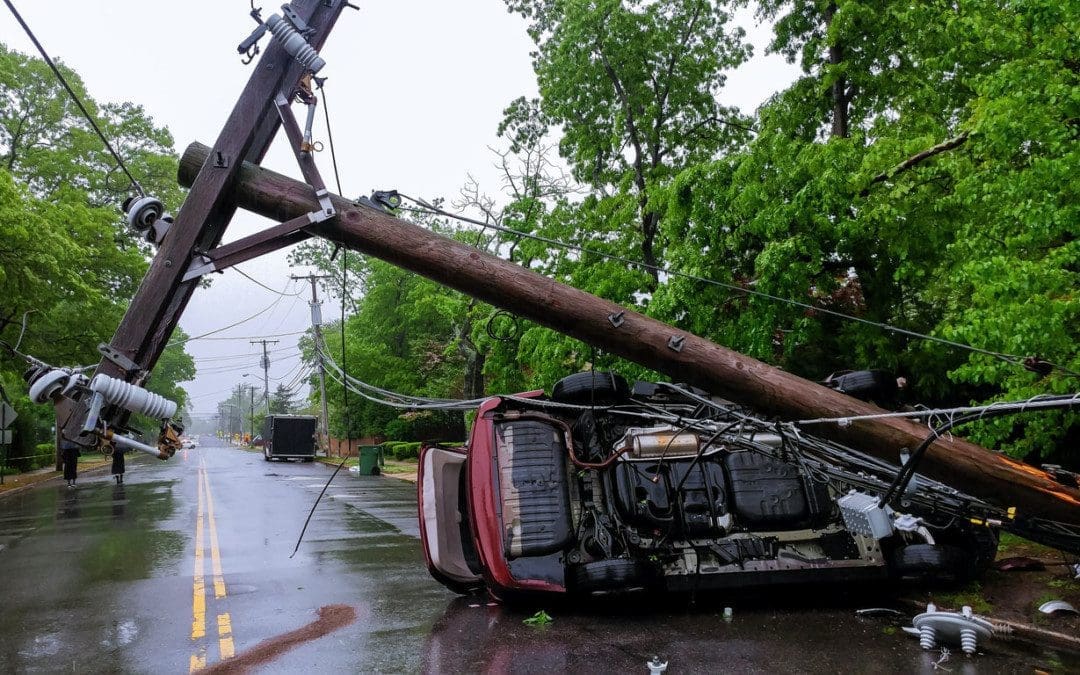
Rollover accidents involve a vehicle tipping over onto its side or roof. These are more common with taller vehicles like SUVs and trucks due to their higher center of gravity. The NHTSA estimates that rollovers accounted for 17% of fatal crashes in 2022, despite being only 2% of total crashes (NHTSA, 2024).
Causes:
Sharp turns at high speeds
Overcorrecting during a skid
Collisions with curbs or other objects
Uneven road surfaces or tire blowouts
Prevention:
Drive at safe speeds, especially on curves.
Ensure proper tire maintenance and vehicle stability control.
Avoid overloading vehicles, which can raise the center of gravity.
5. Sideswipe Collisions
Sideswipe collisions occur when the sides of two parallel vehicles make contact, often during lane changes or merging. While typically less severe, they can cause vehicles to lose control, leading to secondary collisions. The IIHS notes that sideswipe crashes are often underreported but contribute significantly to property damage (IIHS, 2023).
Causes:
Failure to check blind spots
Improper lane changes
Drifting due to distraction or fatigue
Narrow roads or construction zones
Prevention:
Use turn signals consistently.
Install blind-spot monitoring systems.
Check mirrors and surroundings before changing lanes.
6. Single-Vehicle Accidents
Single-vehicle accidents involve only one vehicle, often colliding with fixed objects like trees, poles, or guardrails. These crashes are frequently linked to driver error or environmental factors. According to a 2023 study by the AAA Foundation for Traffic Safety, single-vehicle crashes account for approximately 50% of all accidents (AAA, 2023).
Vehicle accidents result in significant physical, emotional, and financial consequences. Injuries range from minor bruises to severe trauma, such as spinal cord injuries or traumatic brain injuries (TBI). The Centers for Disease Control and Prevention (CDC) estimates that motor vehicle crashes cost the U.S. economy $340 billion annually in medical expenses, lost productivity, and property damage (CDC, 2024). Additionally, survivors may face long-term psychological effects, such as post-traumatic stress disorder (PTSD) (American Psychological Association, 2025).
Strategies for Reducing Vehicle Accidents
Driver Education: Comprehensive driver training programs can teach defensive driving techniques and hazard awareness.
Technology Adoption: Advanced safety features like lane departure warnings, adaptive cruise control, and automatic braking can reduce crash risks.
Infrastructure Improvements: Better road design, improved signage, and traffic calming measures can enhance safety.
Policy Enforcement: Stricter enforcement of traffic laws, such as speed limits and DUI regulations, can deter reckless behavior.
Public Awareness: Campaigns promoting safe driving habits, like avoiding distractions, can foster a culture of responsibility.
Conclusion
Vehicle accidents remain a significant public health and safety concern, with various types posing unique risks and challenges. By understanding the causes and implementing preventive measures, drivers and communities can work together to reduce crashes and their devastating impacts. Staying informed, adopting safety technologies, and advocating for better road policies are crucial steps toward safer roads for everyone.
References
National Highway Traffic Safety Administration (NHTSA). (2024). Traffic Safety Facts 2023. Retrieved from https://www.nhtsa.gov.
Insurance Institute for Highway Safety (IIHS). (2023). Crash Statistics and Analysis. Retrieved from https://www.iihs.org.
Mayo Clinic. (2025). Whiplash and Neck Injuries. Retrieved from https://www.mayoclinic.org.
Centers for Disease Control and Prevention (CDC). (2024). Motor Vehicle Crash Injuries. Retrieved from https://www.cdc.gov.
AAA Foundation for Traffic Safety. (2023). Single-Vehicle Crash Analysis. Retrieved from https://www.aaa.com.
American Psychological Association (APA). (2025). PTSD and Motor Vehicle Accidents. Retrieved from https://www.apa.org.
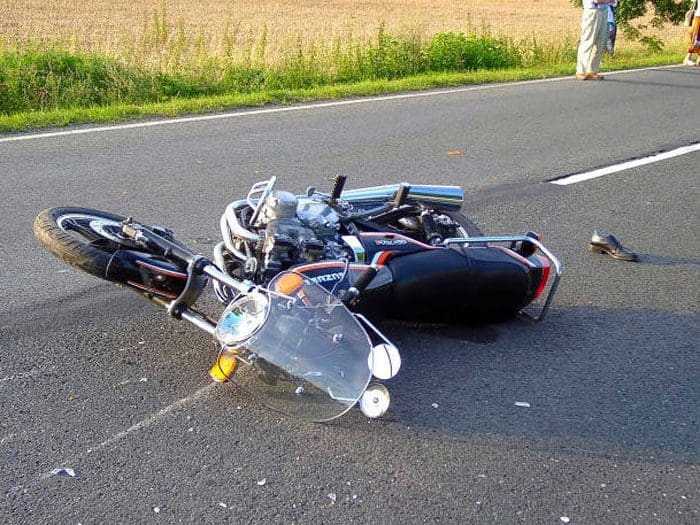
A motorcyclist has an increased risk of injury every time they get on their bike and get on the road. There is no barrier to protect them in the case of a crash or accident. Because of this, motorcycle injuries sustained can be life-changing. The most common injuries that motorcycle riders sustain and suffer when involved in accidents and crashes tend to be related to high traffic, speed, distracted drivers, and construction. This means that most common motorcycle accidents and crash injuries are severe.
Road Rash
Also known as road burn. This is a type of burn that is caused when the body’s skin gets badly scraped and shredded from the road. This often happens when a rider is thrown from the motorcycle skidding down the road before coming to a stop. Road rash can happen on any part of the body. For motorcyclists, it is common on the legs, hands, arms, and back. It can be excruciating even though the injury is not considered fatal, complications and overlapping injuries can develop. This is usually in the form of infections that can affect mobility and flexibility issues that can require further medical intervention and rehabilitation. In severe cases, it can require skin grafts. Depending on the severity it can leave permanent scarring. Treatment often includes antibiotics, bandage dressings, burn soothing and disinfectant creams.
Fractures and Broken Bones
When a motorcycle and a vehicle collide, it is very common for the motorcyclist to get thrown or knocked off with intense force. When the rider hits the ground, the impact alone can cause fractures and breaks. If the rider lands at an awkward angle this can definitely cause a fracture or break. Broken bones can happen anywhere on the body, but are most commonly sustained in the arms and legs. Broken ribs are also common and usually occur when the motorcyclist gets hit or falls hard. Motorcycle endorsement classes emphasize the ATGATT system that stands for All The Gear, All The Time. This means wearing motorcyclist protective clothing and ankle-high boots. Ankle injuries and fractures are commonly sustained from operating a motorcycle.
Spinal Cord Injuries
If the spinal cord gets injured or damaged the results can be devastating. Depending on the area of the injury, an individual might not be able to walk, use their arms, or move at all. Spinal cord injuries tend to happen when the motorcyclist gets thrown hard or up in the air landing hard on their neck, back, or the body gets pierced by an object. Spine fractures often happen when the rider gets pinned or crushed between vehicles and objects. This can cause temporary or permanent paralysis.
Traumatic Brain Injury
This is one of the most serious injuries sustained in a motorcycle crash. Traumatic brain injury – TBI is when the brain sustains trauma. These injuries usually happen when a motorcyclist is involved in an accident and is not wearing a helmet, their head hits an object forcefully, the head is shaken violently back and forth, or if the skull gets punctured. Around 15% of motorcyclists involved in accidents that receive medical treatment are diagnosed with a traumatic brain injury. When a person sustains a TBI, they can develop physical and cognitive deficits. Depending on the severity, brain injuries can be treated with surgery, traction, and rehabilitation, but can have lifelong effects.
Organ Injury and Damage
Intense and forceful impacts can cause internal organ damage. Internal bleeding is common in motorcycle accidents. This can be fatal if not diagnosed and treated. Injuries that prove to be fatal, more than three-quarters are caused by traumatic brain injury.
Therapy Rehabilitation
Our experienced team of accident physical therapists and chiropractic team will review the details of the collision, medical treatments and develop a thorough rehabilitation plan. Call our team today and let us help you put your life back together.
Body Composition
Breakfast and Mental Health
Beyond an individual’s physical health, breakfast can significantly impact mood and mental health. According to a 2018 study, a healthy high-quality breakfast has been shown to reduce stress and depression in adolescents. Breakfast nutritional quality was based on individual responses to the following questions:
Do you have cereal or other grain-based products bread, toast, etc?
Do you have some type of dairy product for breakfast?
Do you have commercially baked goods like biscuits or pastries for breakfast?
If a participant stated they consumed commercially baked goods and did not eat bread/toast/cereal or dairy products for breakfast, this was considered a poor quality breakfast. Avoiding commercially baked goods altogether and eating whole bread, healthy cereals, and/or dairy products was considered a good quality breakfast. Choosing grain-based foods along with dairy products was considered healthy because these foods provide a wide range of nutrients. Healthy cereals can provide:
Protein
Carbohydrates
Micronutrients
Results found that individuals that ate healthy quality breakfasts had:
Reduced mental distress
Reduced depressive symptoms
Increased positive mood
Improved quality of life
References
Alicioğlu, Banu et al. “Motosiklet kazalarina bağli yaralanmalar” [Injuries associated with motorcycle accidents]. Acta orthopaedica et traumatologica turcica vol. 42,2 (2008): 106-11.
Araujo, Miguel et al. “Effectiveness of interventions to prevent motorcycle injuries: a systematic review of the literature.” International journal of injury control and safety promotion vol. 24,3 (2017): 406-422. doi:10.1080/17457300.2016.1224901
Dupaix, John P et al. “A Comparison of Skeletal Injuries Arising from Moped and Motorcycle Collisions.” Hawai’i journal of health & social welfare vol. 78,10 (2019): 311-315.
Elsemesmani, Hussein et al. “Association Between Trauma Center Level and Outcomes of Adult Patients with Motorcycle Crash-Related Injuries in the United States.” The Journal of emergency medicine vol. 59,4 (2020): 499-507. doi:10.1016/j.jemermed.2020.06.018
Peng, Yinan et al. “Universal Motorcycle Helmet Laws to Reduce Injuries: A Community Guide Systematic Review.” American journal of preventive medicine vol. 52,6 (2017): 820-832. doi:10.1016/j.amepre.2016.11.030
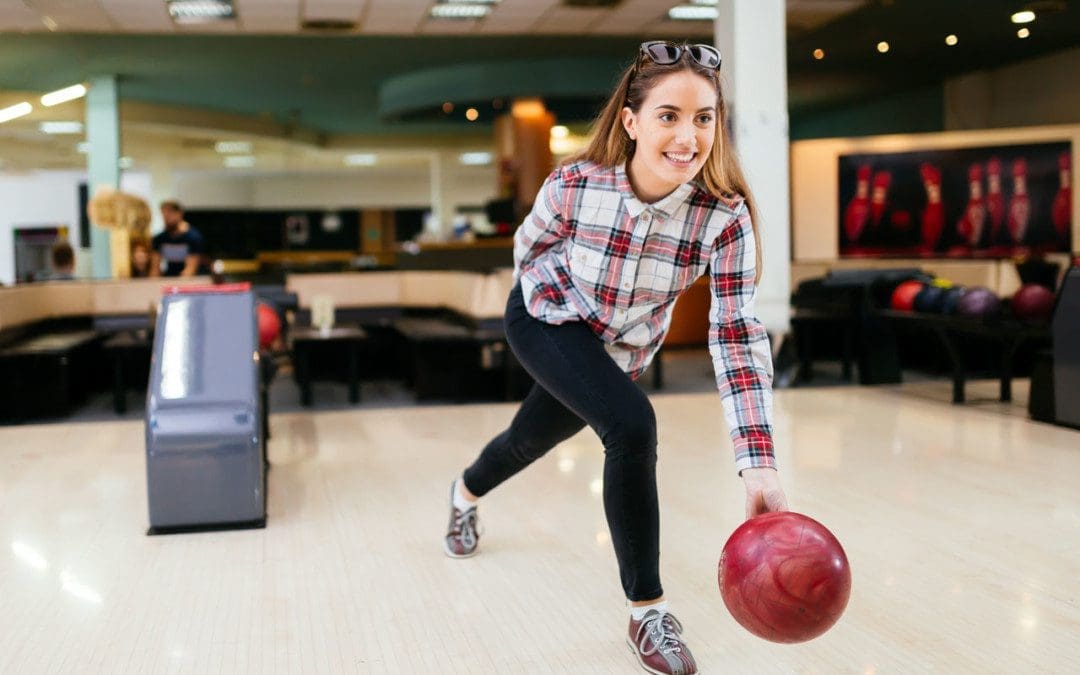
Bowling is a fun physical activity that is enjoyable for all ages. Today, there are college bowlers, recreational bowlers, amateur, semiprofessional, professional leagues, and tournaments worldwide. Although it might not be the first sport that comes to mind when thinking of injuries and chronic pain conditions, it can place significant stress on the muscles and tendons of the upper and lower body. It is important to know and understand how to avoid injuries.
How Bowling Injuries Happen
There are two main causes of injuries and chronic pain related to bowling. The first is poor mechanics, and the second is repetitive over-use. Both cause/develop painful symptoms that can turn into injuries that become chronic conditions. Many injuries are caused by:
Slip and fall accidents
Players dropping the ball on their feet
The majority of injuries come from overuse/repetition and improper body mechanics.
Overuse injuries result from repetitive and/or strenuous actions/movements that place profound stress on the body’s musculoskeletal system.
For example, a semi-pro and professional bowler will play fifty or more games a week. This means throwing a sixteen-pound ball for ten frames per game. When consistently repeated over and over, this can cause serious wear and tear to the body. With amateur and recreational bowlers, they don’t play as much, so they don’t experience overuse injury as much, but what they do experience is improper/poor form techniques that shift the body in non-ergonomic ways, wrong equipment like oversized/too-small shoes that can cause awkward postures and body motions, a ball that is too heavy causing an individual to overthrow and strain their arms, backs, hips, and legs. Or a ball with small finger holes that get stuck or too large, causing finger, hand, arm, shoulder pulls strains, and sprains.
Common Bowling Injuries
The most common injuries and conditions associated with bowling include:
Many of the injuries can lead to tendonitis or arthritis later in life.
Trigger/Bowler’s Finger
Symptoms include:
Hand pain after bowling, specifically in the fingers
A clicking or popping when moving the fingers
A finger gets locked in a bent position
Rest, and no bowling is recommended. How long a rest depends on how long the symptoms have been presenting. Physical therapy, along with chiropractic exercises, can help improve finger strength. Splinting the finger could be required to improve the condition. If all fails or does not generate adequate relief, hand surgery could be optioned with a trigger finger release. The surgery allows the finger to move more freely.
Bowler’s Thumb
This usually happens to bowlers that want to generate a lot of spin on the ball. If the thumb’s hole is too tight, it can pinch the ulnar nerve inside the thumb. If the thumb injury is not serious, rest and getting the correct ball size can correct the issue. This is where purchasing a personal bowling ball can help.
Finger Sprain
This is an injury to one or more of the ligaments in the fingers. It most often takes place in the collateral ligaments along the sides of the fingers inside the ball. The ligament/s gets stretched or torn when the finger is forced beyond its normal range of motion. Common symptoms of a finger sprain include swelling, tenderness, stiffness, and pain in the affected finger. This usually occurs from:
The weight of holding the ball with the fingers alone
A poor release
Using a ball that doesn’t properly fit the fingers
A finger sprain falls into grades on the severity of how much the ligament is stretched or torn:
Grade 1
Stretching or microscopic tearing.
Grade 2
Less than 90% of the ligament is torn.
Grade 3
More than 90% of the ligament is torn. Grade three sprains can be accompanied by joint instability and immobility.
Herniated Disc
A herniated disc is when the discs get injured/damaged from overuse, wear, and tear, or a traumatic injury to the spine. The disc can dry out, become less flexible, bulge out, or rupture. Bowlers are constantly:
Bending during the final approach and throw
Carrying a heavy ball
Shifting, twisting, and releasing, increasing the pressure within the discs
In bowling, the majority of herniated discs happen in the low back. The most common symptom is backaches and back pain. Lumbar herniated discs left untreated can cause sciatica.
Avoid and Prevent Injury
The best way to prevent injury is to stay aware of body position, mechanics, equipment, and what the body says.
Stretching
Stretching is one of the best things to avoid injury before practicing, competing, or just playing. Stretching will increase flexibility, especially in the wrist, hand, arm, and low back.
Improving technique
Continually using poor techniques over and over is a perfect set-up for injury. Working with a coach will ensure the proper form. This is important when it comes to generating spin on the ball, as well as, making sure the grip does not place too much strain on the hands.
Using the right ball
The ball being used might not be the right fit for your hand or strength. The holes could be too far apart, causing strain on the fingers. Get as much information as possible and try out different styles and weights to get a comfortable feel for the right ball.
Bowling less
Hard-core bowlers could be overdoing it. Cutting back, and creating a balance will allow the body to recover thoroughly and not cause flare-ups.
Getting in shape
Studies show that individuals who bowl and do not exercise significantly increase the risk of a back injury than those who exercise their back and core. Bowling is not as strenuous as other sports, but it still requires the body to be able to handle the stress.
Body Health
Test Body Composition
Testing body composition regularly is the best way to ensure the body stays healthy. Tracking body composition tracks Lean Mass and Fat Mass gain or loss. The information provided allows the individual to make the necessary changes to ensure they stay fit and healthy.
Diet adjustment
Diet needs to be adjusted to match the individual’s current activity level, or risk running a caloric surplus. A great way to optimize diet is to use Basal Metabolic Rate which will make sure the body is getting enough nutrients to fuel muscle growth, and lose belly fat.
Physical activity that fits the new lifestyle
Increase physical activity levels that work with current lifestyle. This does not mean performing at high levels every day. Be active on a schedule that works for you. Two days of strength training a week offer great physical and mental benefits. The key is to maintain the balance between food consumption and exercise/physical activity that fits your current lifestyle.
References
Almedghio, Sami M et al. “Wii knee revisited: meniscal injury from 10-pin bowling.” BMJ case reports vol. 2009 (2009): bcr11.2008.1189. doi:10.1136/bcr.11.2008.1189
Kerr, Zachary Y et al. “Epidemiology of bowling-related injuries presenting to US emergency departments, 1990-2008.” Clinical pediatrics vol. 50,8 (2011): 738-46. doi:10.1177/0009922811404697
Kisner, W H. “Thumb neuroma: a hazard of ten pin bowling.” British journal of plastic surgery vol. 29,3 (1976): 225-6. doi:10.1016/s0007-1226(76)90060-6
Miller, S, and G M Rayan. “Bowling related injuries of the hand and upper extremity; a review.” The Journal of the Oklahoma State Medical Association vol. 91,5 (1998): 289-91.
IFM's Find A Practitioner tool is the largest referral network in Functional Medicine, created to help patients locate Functional Medicine practitioners anywhere in the world. IFM Certified Practitioners are listed first in the search results, given their extensive education in Functional Medicine