Individuals with the autoimmune disease lupus may be more sensitive to sun exposure. Are there ways to help protect the skin?
Lupus Sun Exposure
Lupus is an autoimmune disease in which the body mistakenly attacks the joints, muscles, and skin. Around 5 million individuals worldwide, and 1.5 million in the United States, have been diagnosed with lupus. The disease is most common in early to mid-adulthood, and 90% develop in women. (Lupus Foundation of America, 2021) For some, the symptoms manifest as joint swelling or muscle soreness. Skin rashes, mottling or red or purple marbled skin, and sun sensitivity are common lupus symptoms. (Medline Plus, 2024) While exposure to UV radiation from natural and artificial light can be damaging to everyone, minimal exposures can cause a flare-up for those with chronic lupus.
Certain medications can impact individual sensitivity to the sun and UV radiation.
Sun Exposure
Lupus can increase photosensitivity or immune system reaction to the sun’s rays. This symptom affects 40% and 70% of individuals with lupus. (Lupus Foundation of America, 2021) UV radiation damages cells and alters DNA. However, the damage can be more severe in those with lupus because their cells are more sensitive, and damaged cells are removed from the body more slowly, which can cause an attack on the immune system. (Lupus Foundation of America, 2021)
Symptoms
UV light and certain artificial light sources can trigger reactions in those with lupus. These reactions can happen immediately or develop weeks later and include: (Lupus Foundation of America, 2013)
Rashes or skin lesions that appear after sun exposure can come and go within hours or days, or they can last for months. (Lupus Foundation of America, 2013) UV light can also cause a lupus flare-up of symptoms, including fatigue, joint pain, tingling, and numbness. (Lupus Foundation of America, 2021)
Protection
Protecting the skin from UV radiation is recommended for everyone, but it is especially important for individuals with photosensitivity from lupus. Some strategies to protect the skin include.
Sunscreen
Applying sunscreen to the skin provides a chemical or physical barrier to UV radiation. (MD Anderson, 2024) Most commercial sunscreens offer a combination of protection:
Physical Barriers
These include minerals like titanium dioxide or zinc oxide.
The finely ground minerals lay on top of the skin’s surface and reflect UV rays away.
Chemical Absorbers
These offer a thin, protective film that absorbs UV rays before they can penetrate the skin.
Proper sunscreen application is crucial, regardless of which type is chosen. The recommended application is to apply a palmful of sunscreen every two hours or more often if it gets wet or sweaty. Look for sunscreens that offer broad-spectrum protection against:
Ultraviolet A (UVA) rays
Ultraviolet B (UVB) rays
A sun protection factor (SPF) of at least 30 is recommended.
Most clothing offers protection against UV radiation.
Individuals can purchase clothing or hats with UV-blocking properties or washing products for their clothes to increase their level of UV protection. (American Cancer Society, 2024)
Sunglasses are also important against UV radiation, eye damage, and other problems.
Utilize Shade Areas
In the summer, the sun is strongest in most locations between 10 a.m. and 4 p.m. UV rays can pass through windows, and the body is exposed to UV radiation on cloudy days (American Cancer Society, 2024). Avoiding sunlight or other strong sources of UV radiation will help protect the skin. Staying indoors or in shaded areas is the best choice during these hours.
Seeing a Healthcare Provider
Lupus treatment varies and changes over time. Individuals with lupus schedule regular appointments with their healthcare provider to review treatment and symptoms, especially after sun exposure. Avoiding sun exposure by seeking shade and wearing sunscreen and protective clothing can help reduce the chances of experiencing a flare-up. Some cases of photosensitivity are mild, while others can require more intense treatments to avoid larger flare-ups.
Injury Medical Chiropractic and Functional Medicine Clinic works with primary healthcare providers and specialists to develop a personalized care plan for each patient through an integrated approach to treating injuries and chronic pain syndromes, improving flexibility, mobility, and agility programs to relieve pain and help return to normal and optimal function. If other treatments are needed, Dr. Jimenez has teamed up with top surgeons, clinical specialists, medical researchers, and rehabilitation providers to provide the most effective treatments.
Unlocking Pain Relief
References
Medline Plus. (2024). Lupus. Retrieved from https://medlineplus.gov/lupus.html
Lupus Foundation of America. (2021). Lupus facts and statistics. https://www.lupus.org/resources/lupus-facts-and-statistics
U.S. Environmental Protection Agency. (2024). Health effects of UV radiation. Retrieved from https://www.epa.gov/sunsafety/health-effects-uv-radiation
Centers for Disease Control and Prevention. (2024). UV radiation. Retrieved from https://www.cdc.gov/radiation-health/features/uv-radiation.html?CDC_AAref_Val=https://www.cdc.gov/nceh/features/uv-radiation-safety/index.html
Lupus Foundation of America. (2021). UV exposure: What you need to know. https://www.lupus.org/resources/uv-exposure-what-you-need-to-know
Lupus Foundation of America. (2013). Research on photosensitivity among people with lupus. https://www.lupus.org/resources/research-on-photosensitivity-among-people-with-lupus
MD Anderson Center. (2024). How does sunscreen work? https://www.mdanderson.org/cancerwise/how-does-sunscreen-work.h00-159698334.html
Skin Cancer Foundation. (2020). Ask the expert: Does sunscreen stay effective after its expiration date? https://www.skincancer.org/blog/ask-the-expert-does-a-sunscreen-stay-effective-after-its-expiration-date/
American Cancer Society. (2024). How do I protect myself from ultraviolet (UV) rays? https://www.cancer.org/cancer/risk-prevention/sun-and-uv/uv-protection.html
For individuals who lift weights, are there ways to protect the wrists and prevent injuries when lifting weights?
Wrist Protection
The wrists are complex joints. The wrists significantly contribute to stability and mobility when performing tasks or lifting weights. They provide mobility for movements using the hands and stability to carry and lift objects securely and safely (National Library of Medicine, 2024). Lifting weights is commonly performed to strengthen and stabilize the wrists; however, these movements can cause wrist pain and lead to injuries if not performed correctly. Wrist protection can keep wrists strong and healthy and is key to avoiding strains and injuries.
Wrist Strength
The wrist joints are set between the hand and forearm bones. Wrists are aligned in two rows of eight or nine total small bones/carpal bones and are connected to the arm and hand bones by ligaments, while tendons connect the surrounding muscles to the bones. Wrist joints are condyloid or modified ball and socket joints that assist with flexion, extension, abduction, and adduction movements. (National Library of Medicine. 2024) This means the wrists can move in all planes of motion:
Side to side
Up and down
Rotate
This provides a wide range of motion but can also cause excessive wear and tear and increase the risk of strain and injury. The muscles in the forearm and hand control finger movement necessary for gripping. These muscles and the tendons and ligaments involved run through the wrist. Strengthening the wrists will keep them mobile, help prevent injuries, and increase and maintain grip strength. In a review on weightlifters and powerlifters that examined the types of injuries they sustain, wrist injuries were common, with muscle and tendon injuries being the most common among weightlifters. (Ulrika Aasa et al., 2017)
Protecting the Wrists
Wrist protection can use a multi-approach, which includes consistently increasing strength, mobility, and flexibility to improve health and prevent injuries. Before lifting or engaging in any new exercise, individuals should consult their primary healthcare provider, physical therapist, trainer, medical specialist, or sports chiropractor to see which exercises are safe and provide benefits based on injury history and current level of health.
Increase Mobility
Mobility allows the wrists to have a full range of motion while retaining the stability necessary for strength and durability. Lack of mobility in the wrist joint can cause stiffness and pain. Flexibility is connected to mobility, but being overly flexible and lacking stability can lead to injuries. To increase wrist mobility, perform exercises at least two to three times a week to improve range of motion with control and stability. Also, taking regular breaks throughout the day to rotate and circle the wrists and gently pull back on the fingers to stretch them will help relieve tension and stiffness that can cause mobility problems.
Warm-Up
Before working out, warm up the wrists and the rest of the body before working out. Start with light cardiovascular to get the synovial fluid in the joints circulating to lubricate the joints, allowing for smoother movement. For example, individuals can make fists, rotate their wrists, perform mobility exercises, flex and extend the wrists, and use one hand to pull back the fingers gently. Around 25% of sports injuries involve the hand or wrist. These include hyperextension injury, ligament tears, front-inside or thumb-side wrist pain from overuse injuries, extensor injuries, and others. (Daniel M. Avery 3rd et al., 2016)
Strengthening Exercises
Strong wrists are more stable, and strengthening them can provide wrist protection. Exercises that improve wrist strength include pull-ups, deadlifts, loaded carries, and Zottman curls. Grip strength is vital for performing daily tasks, healthy aging, and continued success with weightlifting. (Richard W. Bohannon 2019) For example, individuals who have difficulty increasing the weight on their deadlifts because the bar slips from their hands could have insufficient wrist and grip strength.
Wraps
Wrist wraps or grip-assisting products are worth considering for those with wrist issues or concerns. They can provide added external stability while lifting, reducing grip fatigue and strain on the ligaments and tendons. However, it is recommended not to rely on wraps as a cure-all measure and to focus on improving individual strength, mobility, and stability. A study on athletes with wrist injuries revealed that the injuries still occurred despite wraps being worn 34% of the time prior to the injury. Because most injured athletes did not use wraps, this pointed to potential preventative measures, but the experts agreed more research is needed. (Amr Tawfik et al., 2021)
Preventing Overuse Injuries
When an area of the body undergoes too many repetitive motions without proper rest, it becomes worn, strained, or inflamed faster, causing overuse injury. The reasons for overuse injuries are varied but include not varying workouts enough to rest the muscles and prevent strain. A research review on the prevalence of injuries in weightlifters found that 25% were due to overuse tendon injuries. (Ulrika Aasa et al., 2017) Preventing overuse can help avoid potential wrist problems.
Proper Form
Knowing how to perform movements correctly and using proper form during each workout/training session is essential for preventing injuries. A personal trainer, sports physiotherapist, or physical therapist can teach how to adjust grip or maintain correct form.
Be sure to see your provider for clearance before lifting or starting an exercise program. Injury Medical Chiropractic and Functional Medicine Clinic can advise on training and prehabilitation or make a referral if one is needed.
Fitness Health
References
Erwin, J., & Varacallo, M. (2024). Anatomy, Shoulder and Upper Limb, Wrist Joint. In StatPearls. https://www.ncbi.nlm.nih.gov/pubmed/30521200
Aasa, U., Svartholm, I., Andersson, F., & Berglund, L. (2017). Injuries among weightlifters and powerlifters: a systematic review. British journal of sports medicine, 51(4), 211–219. https://doi.org/10.1136/bjsports-2016-096037
Avery, D. M., 3rd, Rodner, C. M., & Edgar, C. M. (2016). Sports-related wrist and hand injuries: a review. Journal of orthopaedic surgery and research, 11(1), 99. https://doi.org/10.1186/s13018-016-0432-8
Bohannon R. W. (2019). Grip Strength: An Indispensable Biomarker For Older Adults. Clinical interventions in aging, 14, 1681–1691. https://doi.org/10.2147/CIA.S194543
Tawfik, A., Katt, B. M., Sirch, F., Simon, M. E., Padua, F., Fletcher, D., Beredjiklian, P., & Nakashian, M. (2021). A Study on the Incidence of Hand or Wrist Injuries in CrossFit Athletes. Cureus, 13(3), e13818. https://doi.org/10.7759/cureus.13818
Reflex pain is a complex condition that involves the body’s pain withdrawal reflexfailing to turn off after the event that triggered the pain, so the pain sensations continue. This is a neurological condition known as the withdrawal reflex. It occurs when the body and brain undergo a chain of reactions to remove an affected body part from dangerous situations/stimuli. A typical example is a vehicle crash or accident. During the process, the body’s reflex muscle\s in the injured area tighten to protect the specific body part/s from further damage.
The reflex can feel like a muscle spasm that goes away over time. However, in the case of reflex pain, the signals keep firing. Reflex pain can occur all over the body as the muscles overcompensate to handle the prolonged pain; secondary injuries often develop. An example could be reflex pain in the ankle caused by injury or problems in the hips and back, where the individual tries to avoid moving the ankle in a specific way to prevent and avoid the pain symptoms. Individuals with reflex pain also experience headaches and referred spine and extremity pain. Reflex pain can become a cycle of symptoms that include:
Unusual tightness
Stiffness
Pain
Contracture – hardening or shortening of the affected muscles, tendons, or other tissues.
Decreased functional abilities.
Somatic Pain
Somatic pain causes receptors in tissues including the skin, muscles, connective tissues, joints, and skeleton to be activated. Stimuli like force trauma, vibration, extreme temperature, or inflammation/swelling activate these receptors. The pain is often described as:
Aching
Gnawing
Cramping
Sharp
Somatic pain is often localized to a particular area that is constant and stimulated by movement. There are two types.
Superficial painoccurs when everyday injuries activate pain receptors in the skin and mucous membranes.
Deep somatic pain occurs when stimuli activate pain receptors deeper in the body, including the tendons, joints, bones, and muscles. Deep body pain usually feels more like aching.
Pain can be confined to a local area or radiate to other areas of the body, depending on the extent of the injury.
Somatic pain can come from a variety of different potential causes that include:
Injury to joints or bones.
Trauma.
Fall or collision that damages connective tissues.
Sometimes these reflexes can stay in the on position and keep the body from achieving full relaxation.
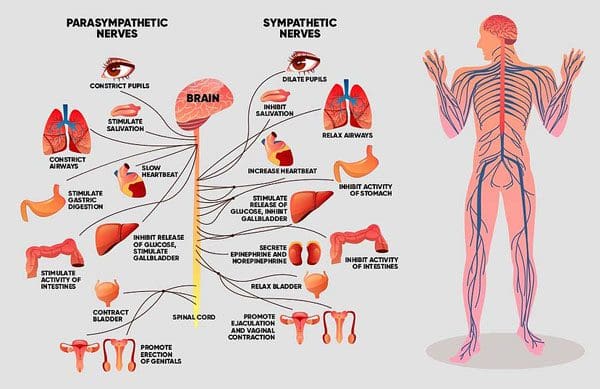
In the nervous system, a body part is stimulated, and the message travels through the spinal cord and into the brain. The information is processed, then sent back through the spinal cord to the level that activates the specific body part. The reflexes transmit faster staying at the same spinal level without having to travel to the brain and back again.
During reflex pain, the body’s muscles are unable to relax, which is necessary for motion/movement. This prolonged contraction generates added pain and causes imbalances that can decrease excitabilityin the muscles. This can increase the activation of brain receptors that receive pain signals to respond by telling them to shorten and contract.
Therapy
Body misalignment can cause muscles to spasm, causing the nerves to stretch in an awkward way, compress, and get twisted and tangled around other nerves or other tissues. This disrupts communication resulting in pain, illness, and ailments that can lead to other health problems. Chiropractic care can address reflex pain by realigning the spine and improving joint motion and nerve conduction.
Chiropractic restores the body to its full and proper function by activating the natural healing abilities. Manual and mechanical spinal decompression realigns the vertebrae, reducing swelling, blockages, and nerve stress. A comprehensive examination will identify potential dysfunctional areas of the body using palpitations to identify which muscles are involved. Once identified, chiropractic, massage, and physical therapy options can be prescribed to rebalance the body’s muscles, and restore their ability to contract and relax normally.
Patient education will be provided concerning self-assessment techniques, instruction on how to treat pain, and an anti-inflammatory diet.
An exercise and stretching program will help maintain the adjustments, keep the body flexible, and strengthen the body.
Patients are helped to understand how to take control of their pain.
Spinal Decompression Testimonials
References
Biurrun-Manresa J, Neziry A, Curatolo M, Arendt-Nielson L, Anderson O. Test-retest reliability of the nociceptive withdrawal reflex and electrical pain thresholds after single and repeated stimulation in patients with chronic low back pain. Eur J Appl Physiol. 2011;111:83-92
Derderian C, Tadi P. Physiology, Withdrawal Response. [Updated 2021 Nov 12]. In: StatPearls [Internet]. Treasure Island (FL): StatPearls Publishing; 2022 Jan-. Available from: https://www.ncbi.nlm.nih.gov/books/NBK544292/
Muir, J M, and H Vernon. “Complex regional pain syndrome and chiropractic.” Journal of manipulative and physiological therapeutics vol. 23,7 (2000): 490-7. doi:10.1067/mmt.2000.108816
Neziri A, Haesler S, Steen P, et al. Generalized expansion of nociceptive reflex receptive fields in chronic pain patients. Pain. 2010;151(3):798-805
Szynkowicz, Peter, and Anthony Petrucci 4th. “Chiropractic Care of a Patient With Complex Regional Pain Syndrome Type 1 (CRPS-1): A Case Report.” Journal of chiropractic medicine vol. 19,2 (2020): 145-151. doi:10.1016/j.jcm.2020.05.001
Yezierski R, Vierck C. Reflex and pain behaviors are not equivalent: Lessons from spinal cord injury. Pain. 2010;151(3):569-577
Chiropractors understand the need to treat the whole body to reduce and alleviate pain. Many types of pain are caused by inflammation. Inflammation is a natural and healthy response to injury; however, chronic inflammation is not. Low-grade chronic inflammation can lead to health problems like obesity, diabetes, arthritis, dementia, heart disease, stroke, and cancer. If not treated, chronic inflammation can spread throughout the body, causing pain and aggravation. When it comes to nutritional health, the foods can worsen chronic pain. Chiropractors and doctors recommend an anti-inflammation diet for chronic pain.
Anti-Inflammation Diet
When the body gets injured, the nervous system sends signals to the immune system to send chemicals and new red and white blood cells needed for healing. The immune system works correctly when it fights infection by activating when the body recognizes anything foreign entering the system. This could be plant pollen, chemicals, or invading microbes. Studies show that individuals get 50 percent of their calories from sugar, white flour, vegetable oil, and industrial seed oils. These foods are known to increase inflammation in the body. Eating foods that trigger the immune system, like refined white flours or sugar, creates inflammation that does not turn off because the information sent constantly signals an injury exacerbating inflammation and pain.
Foods That Cause Inflammation
The following foods should be avoided or limited as much as possible:
Sugary beverages and soda drinks.
Margarine and lard.
Gluten and white pasta.
Refined carbohydrates in white bread and pastries.
Processed meat like sausages and hot dogs.
Red meat like steaks and burgers.
Fried foods that are high in trans fats, like chips and fries.
Excessive alcohol.
Some of these foods have been associated with chronic diseases that include:
Foods high in natural antioxidants include apples and blueberries. Antioxidants are reactive molecules that can reduce the number of free radicals in the diet. A free radical is a molecule that has the potential to alter and damage the cells in the body. Damaged cells increase the risk of disease development.
Chiropractic Inflammation Relief
Chiropractic physiotherapy strengthens the body by strengthening the immune system removing any blockage. This maintains the natural flow of blood and nutrients throughout the body, increasing the immune system’s defense. Changing to an anti-inflammation diet can help boost the immune system but can be a challenging adjustment. Discuss available options to manage pain relief and inflammation.
Body Composition
Muscle Is Not Just For Athletes
Many individuals think that muscle gain is only necessary for athletes. Not everyone wants to be muscular, but everyone needs to be able to fight off sickness from infection/s. Muscle is made up primarily of water and protein. Protein is an essential macronutrient that the body needs to function correctly. When the body enters a stressed state like becoming sick, the body’s protein demands suddenly increase up to four times the amount usually required. If the body does not get the necessary protein from the food, it will begin to take what it needs from the muscles and start breaking them down. If muscles aren’t sufficiently developed or underdeveloped, the body becomes reduced in its ability and strength to fight off infections and increases the chances for future ones.
References
Haß, Ulrike et al. “Anti-Inflammatory Diets and Fatigue.” Nutrients vol. 11,10 2315. 30 Sep. 2019, doi:10.3390/nu11102315
Owczarek, Danuta et al. “Diet and nutritional factors in inflammatory bowel diseases.” World journal of gastroenterology vol. 22,3 (2016): 895-905. doi:10.3748/wjg.v22.i3.895
Sears, Barry. “Anti-inflammatory Diets.” Journal of the American College of Nutrition vol. 34 Suppl 1 (2015): 14-21. doi:10.1080/07315724.2015.1080105
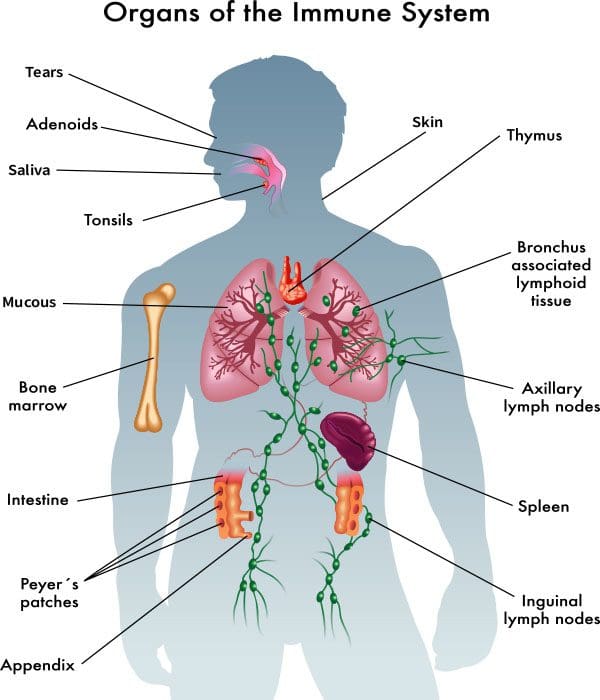
The immune system is made up of a network of cells and proteins that defend the body against infection/s. It is made up of specialized organs, and chemicals that fight microorganisms, specifically that are bacterial and can cause infection/disease. The system keeps a record of every germ so it can recognize and destroy any microbes if they enter the body again.
Immune system abnormalities can lead to:
Protection from viruses and bacterias requires a long term solution/s for building and strengthening immunity. Chiropractic adjustments along with health coaching can help. The main organs of the immune system are:
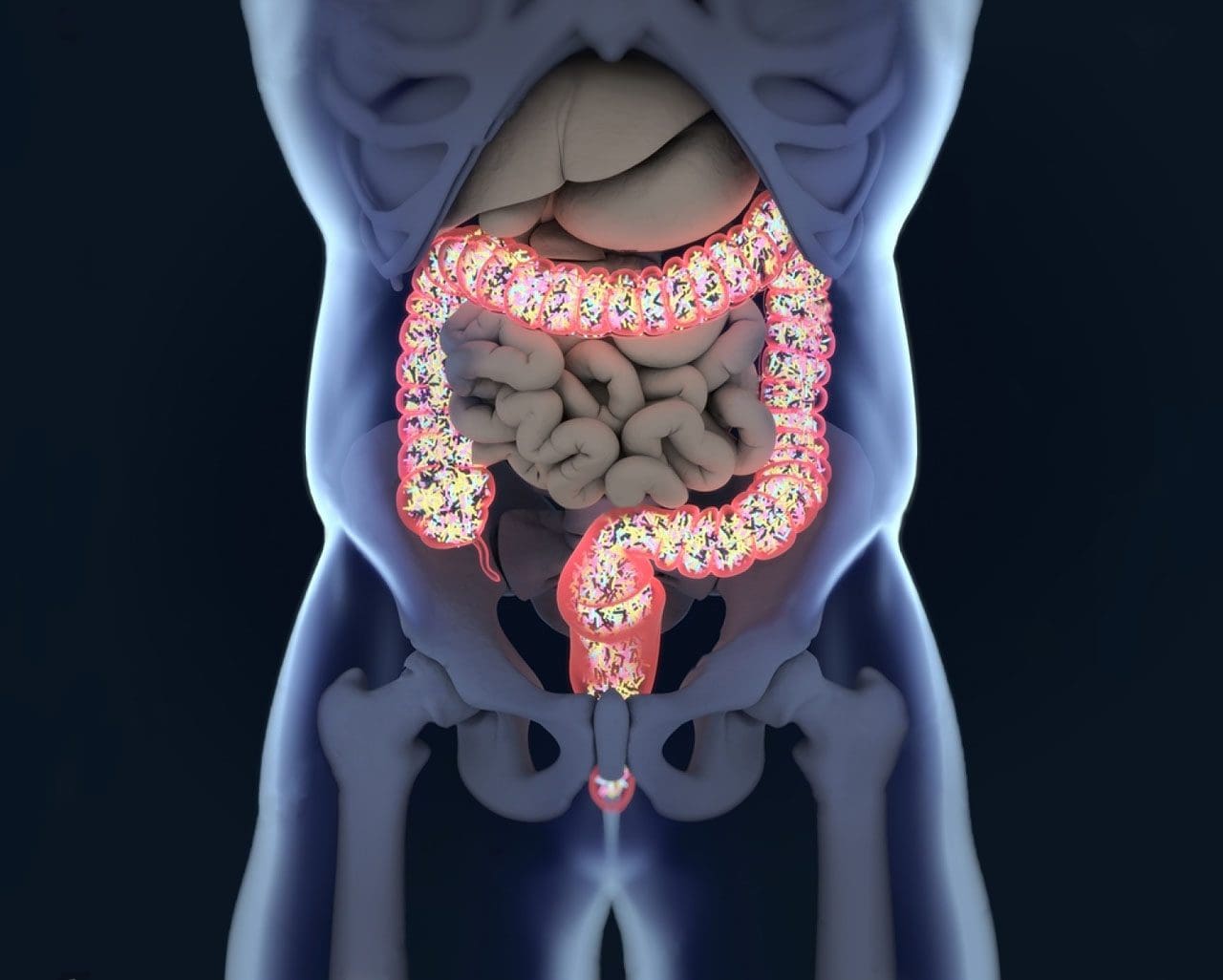
The health and variety of bacteria in the gastrointestinal tract have been shown to have significant effects on overall health, including immunity. When gut health is optimized, it helps thebody�s natural processes for detecting and fighting microorganisms. Simple ways to strengthen gut health include:
Diet
A healthy diet rich in a variety of whole foods and vegetables will promote diversity in the gut.
Supplements
Probiotics can significantly help strengthen gastrointestinal health.
Get Out In the Sun
Being outside provides the microbiome vitamin D which helps fight inflammation and strengthens the sense of well-being.
Nerve Signal Optimization
The central nervous system has a primary role in gastrointestinal motility and overall balance. Proper spinal alignment will help blood and nerve synapse circulation.
Maintaining Body Balance
A strengthened immune system is about maintaining whole-body balance. The body is a complicated system that operates/functions in top form when tuned up and in proper alignment.
Spinal Alignment
Chiropractic can provide expert treatment to restore spinal misalignment/s. This keeps the body functioning at an optimal level.
Exercise
A moving body is a healthy body. Regular exercise will benefit the immune system and keep it strong.
Stress Management
A high level of stress can compromise the immune system’s health. Regular physical activity/exercise, chiropractic, being aware of any health issues can help manage stress. Chiropractic immune system management will help promote a healthy gastrointestinal tract, help manage stress, get in more physical activity, and stay pain-free. Chiropractic can help kick in the body’s natural immune response and keep the flow going. Call today to see how we can help build a healthy immune system.
Lower Back Pain Chiropractic Treatment
Dr. Alex Jimenez�s Blog Post Disclaimer
The scope of our information is limited to chiropractic, musculoskeletal, physical medicines, wellness, and sensitive health issues and/or functional medicine articles, topics, and discussions. We use functional health & wellness protocols to treat and support care for injuries or disorders of the musculoskeletal system. Our posts, topics, subjects, and insights cover clinical matters, issues, and topics that relate and support directly or indirectly our clinical scope of practice.*
Our office has made a reasonable attempt to provide supportive citations and has identified the relevant research study or studies supporting our posts. We also make copies of supporting research studies available to the board and or the public upon request. We understand that we cover matters that require an additional explanation as to how it may assist in a particular care plan or treatment protocol; therefore, to further discuss the subject matter above, please feel free to ask Dr. Alex Jimenez or contact us at 915-850-0900. The provider(s) Licensed in Texas& New Mexico*
Reference
Colombi, Andrea, and Marco Testa. �The Effects Induced by Spinal Manipulative Therapy on the Immune and Endocrine Systems.��Medicina (Kaunas, Lithuania)�vol. 55,8 448. 7 Aug. 2019, doi:10.3390/medicina55080448
Creating a healthy, safe ergonomic work environment is important to protect your back, neck and whole body. Just by taking simple breaks and enhancing your workspace with a sit-stand desk will protect your spine and general health.
Break Taking
Working in the same position and using the same muscles, joints, and ligaments for hours is not good for any part of your body. Ergonomists are lifestylescientists that design spaces/equipment/tools to reduce discomfort, fatigue, and injury, agree that taking frequent and brief rest breaks is essential for total and optimal body health. And, it�s not just your legs that need a break every now and then.
At work, start practicing:
Eye breaks:Looking at the computer screen for a long time changes how the eyes work. What happens is you blink less and expose the eyes to the air. Therefore, every 15 minutes look away from the screen for a minute or two to a distant area that is at least 20 feet away or further. This allows the muscles in the eye to relax. Also, blink your eyes real quick for a few seconds. This refreshes the tear ducts and clears dust from the surface of the eyes.
Micro-breaks: These are breaks that are less than two minutes and perfect to utilize between office jobs. Most people work in bursts rather than continuously. So in between these bursts�take a rest in a:
Relaxed
Flat
Straight posture
These breaks are short but perfect for stretching, standing up, and moving around, or switching to a different task like making a phone call or making some copies, etc. These types of breaks are a break from using the same set of muscles over and over.
Rest breaks: These you want to do every 30 to 60 minutes. This is the break to, get up, move around, and do something else non-office related. Go get a beverage, quick conversation with a coworker, or take a walk around the office or building. As long it’s within reason. This allows your body and mind to empty and workout different muscles. Practice this and the feeling of tiredness will be a thing of the past.
Exercise breaks: This is purely a stretching and gentle exercise break to do to relieve muscle fatigue. These should be done every one to two hours.
Ergonomic software: It is easy to lose track of how long you’ve been working. There is software that monitors how long you’ve been on the computer and will alert you to take a break at different intervals and offer easy ergonomic exercises to keep your muscles loose and in top office shape.
Ergonomic Products
There are plenty of products out there to improve your workplace environment and promote top spine health. Consider an ergonomic chair, computer accessories, or sit-stand desk to help maintain proper posture.
These products can be adjusted and customized to your needs. They encourage healthy long-term habits that can reduce and prevent various types of injuries. Sit-to-stand desks allow transition from sitting to a standing position. Varying your posture throughout the day is highly beneficial to general health and even helps to burn extra calories.
These ergonomic products are for creating a healthy/safe work environment. Therefore take some time to research the product you are interested in before buying.� Here are a few questions to think about:
Do the manufacturer’s claims make sense or are too good to be true?
Is there evidence that can support their claims?
Is it a cheap knock-off? Knock off products should be avoided as they can worsen and create more injuries. However, when it comes to the brand name products, don’t go for the fully loaded models that could cost quite a bit, instead find something in the middle but that still meets ergonomic standards.
Are you comfortable using the product?
What do experts/reviews say about the product? If it’s not recommended then don’t use it.
Some products can feel strange or uncomfortable because they make you change the way you work. Don’t panic, as this is the point of the product that you have to get used to. But it will be beneficial to your overall health. However, if a product continues to feel uncomfortable or causes pain after short use, then discontinue using and try something else.
Improving spinal health and hygiene at work is as simple as taking breaks for light stretching, walking around, and utilizing ergonomic office products to stay fit and injury-free. Whatever you choose, understand how your back and neck are moving/functioning during the workday/night by using ergonomic practices that will keep your body/mind healthy and prevent office injuries.
Control *FOOT MOTION & POSTURE* with Functional Foot Orthotics | El Paso, Tx (2019)
NCBI Resources
Ergonomics is a scientific discipline that�s been in existence for many years. Keeping their work environments safe and efficient and traditionally concerned with factory workers, ergonomic professionals have expanded their work to include all types of workers from laborers to seniors to office workers & students.
It looks for means to improve our environment to lower the risks of illness and harm, enhance productivity, and improve the caliber of our work life.
The most important thing about summer is the food. Hotdogs and burgers on the grill and the seasonal fruits and vegetables that are ripe for the picking.� As much as we love the summer sun, it is still dangerous and can be harmful to our skin. We still put on sun cream, wear hats, and wear sun-protective clothing, but, did you know that certain foods can help heal your skin from sun damage and when possible can be eaten raw.
In the previous article, we talked about the 9 nutrients your skin needs to be protected from the harmful sun�s rays. Here is the top 9 food that will protect you from the sun and perfect for the summer.
Guava:
When we think of vitamin C, our minds think of any citrus fruit like oranges, lemon, limes, and grapefruit. But did you know that guava contains vitamin C as well? In fact, guava contains about 5 times more of vitamin C as much as any citrus fruit.
Guava contains about 228.3 mg of vitamin C and has antioxidants that attack free radicals and helps boost your immune system. Vitamin C has been known to battle scurvy. Plus guava can help improve your skin. By eating the fruit or using the guava leaves, your skin will be toned and the antioxidants from the fruit can keep your skin glowing, fight wrinkles and reduce signs of premature aging.
Sweet Potato:
Who doesn�t love potatoes? We eat them as fries, baked, saut�ed, mashed and use them as filling for pies. The sweet potato is no exception. There are many variations of sweet potatoes as they come in orange, white, and purple, depending on where you get them from and which region.
The sweet potatoes we are familiar with have an orange hue due to the carotenoids; which gives us that lovely orange color and has antioxidants to protect our skin from sun damage. Not only that but; sweet potatoes are very high in vitamin A, which is very good when they are cooked. Some people say that potatoes are known to be very starchy and can be used to soothe a sunburn by drawing out the heat from the skin.
Strawberries and Blueberries:
Both of these berries are great on their own but together, they are the dynamic duo to help our bodies combat the sun. Blueberries are richly filled with antioxidants as they combat the free radicals in our systems and can reduce the chances of cancer showing up.
Strawberries are really great as they are called �nature�s natural sunblock.� They contained about 108% of vitamin C as well as ellagic acid, which cleans up the free radicals and reduce sun-damaged pigmentation.� The Journal of Agricultural Food Chemistry stated that strawberries have anthocyanins, which gives the fruit its lovely red color to protect our cells.
Green Tea:
Who doesn�t love green tea? Not only it contains L-theanine, but it has many astounding health benefits that are wonderful and protects our body. Green tea can be consumed or used as a topical cream to soothe and hydrate your skin from the harsh sun rays. Green tea is jammed packed with vitamins B2 and E, as well as large amounts of polyphenol including, EGCG (Epigallocatechin Gallate).
These polyphenols help our inflammatory system repair our DNA from anything harsh in our bodies. Plus green tea has been known to lower the risk of various types of cancers.
Oatmeal:
Oatmeal is one of those foods that we all eat for breakfast. However, did you know that oatmeal can be used to soothe sunburns and exfoliate sun-damaged skin? Not only that but when oatmeal is finely grounded it is known as �colloidal oatmeal.�
You may have seen this type of oatmeal in the health/medical section in your local stores and it may be called, �Aveeno.� �Colloidal oatmeal has been approved by the FDA since 2003 and has been used as a topical ointment for anyone with eczema. Anyone with eczema experiences an abundance of itchiness when they are overly exposed by the sun�s rays or due to the heat of the summer knows this all too well.
With colloidal oatmeal, it helps relieve the symptoms of eczema by being applied with water and gently patting the topical on the source of eczema to lower the inflamed skin, thus calming it down.
Cucumber:
Cucumbers are used for anything that we can think of. In the spa, in our salads, or as a wonderful snack. This green vegetable is packed with vitamins C and K as well as, caffeic acid and potassium. Not only that but cucumbers are made up of 96% of water, which is very refreshing and great for the skin. Since our bodies lose water when we sweat and cucumbers actually replenishes our water intake and�helps cool off our bodies when we are sunburned.
Tomatoes:
Just like strawberries, tomatoes contain lycopene, which gives tomatoes that gorgeous red color and has vitamins C. K1, and B9 and potassium. Tomatoes can be eaten raw and are rich with antioxidants that help balance our bodies pH balance. As well as, protecting our skin from the sun.
Watermelon:
Oh, watermelon� not only you are the most consumed fruit for the 4th of July but you are one of the best summer fruits to be consumed. Watermelons contain not only vitamins A, B6 and C; but they also contained lycopene like tomatoes. Which helps our skin from photoaging from the sun but it�s in the top 30 most hydrating foods, next to cucumbers with 92% of water for excellent hydration properties for our skin.
Carrots:
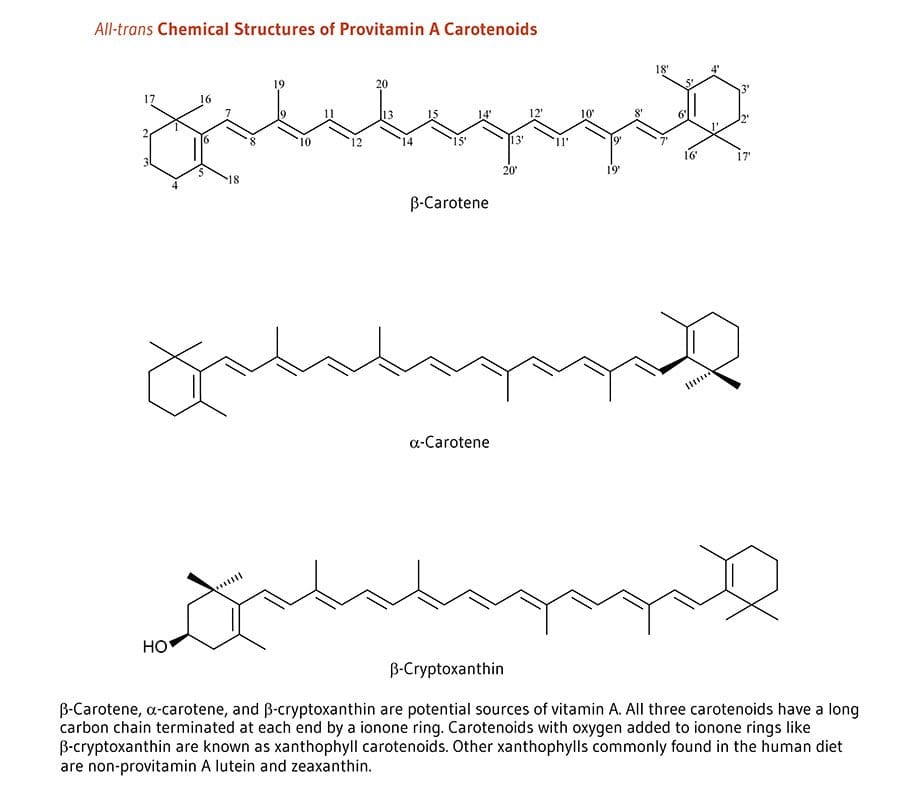
Carrots are not only good for our eyes but did you know that carrots are jammed pack with beta-carotene, which turns to vitamin A when we eat it. Plus the sun exposure gives carrots vitamin C to help us protect our skin. Carrots have a wonderful source of carotenoids to produce photoprotection for our skin health.
Here at the clinic, we strive to inform our patients about the nutrients that food provides to our bodies. As well as, making our patients feel good with whole, nutritious options. Whether it is by adjustments or leading them to different food options for a healthy life, these top 9 foods not only help protect your skin from the sun but they also taste really good. So enjoy the summer months but remember to eat your photoprotective food.
NCBI Resources
A healthy diet is the cornerstone of good health.�You should maintain a diet�that includes lean meats, fresh fruits and vegetables, and whole grains. The key is choosing fresh, seasonal foods that are local to your area. Foods grown in their season have certain vitamins and minerals that the body needs for the time of year in which they are ripe and ready.
Anti-inflammatory activities of colloidal oatmeal (Avena sativa) contribute to the effectiveness of oats in the treatment of itch associated with dry, irritated skin: https://www.ncbi.nlm.nih.gov/pubmed/25607907
IFM's Find A Practitioner tool is the largest referral network in Functional Medicine, created to help patients locate Functional Medicine practitioners anywhere in the world. IFM Certified Practitioners are listed first in the search results, given their extensive education in Functional Medicine