Vehicle accidents are a leading cause of injury and death worldwide, with millions of crashes occurring annually. In 2023, the National Highway Traffic Safety Administration (NHTSA) reported approximately 6.1 million police-reported crashes in the United States alone, resulting in over 2.5 million injuries and 40,000 fatalities (NHTSA, 2024). Understanding the different types of vehicle accidents is critical for drivers, policymakers, and healthcare professionals to promote safer roads and effective injury prevention. This article explores the most common types of vehicle accidents, their causes, and their impacts on individuals and communities, while incorporating insights from recent research.
Common Types of Vehicle Accidents
1. Rear-End Collisions
Rear-end collisions occur when one vehicle strikes the back of another. These are among the most frequent types of accidents, often caused by distracted driving, tailgating, or sudden stops. According to the Insurance Institute for Highway Safety (IIHS), rear-end crashes accounted for 29% of all collisions in 2022 (IIHS, 2023). Common injuries include whiplash, neck strains, and soft tissue damage, which can lead to chronic pain if untreated (Mayo Clinic, 2025).
Causes:
Distracted driving (e.g., texting, eating)
Following too closely
Sudden braking or traffic slowdowns
Poor weather conditions, reducing visibility or traction
Prevention:
Maintain a safe following distance (e.g., the 3-second rule).
Use advanced driver-assistance systems (ADAS) like automatic emergency braking.
Stay focused and avoid distractions while driving.
2. Side-Impact Collisions (T-Bone)
Side-impact collisions, often called T-bone accidents, occur when the front of one vehicle strikes the side of another, typically at intersections. These crashes are particularly dangerous due to limited side protection in most vehicles. The NHTSA notes that side-impact crashes accounted for 24% of passenger vehicle occupant deaths in 2022 (NHTSA, 2024).
Causes:
Running red lights or stop signs
Failure to yield the right-of-way
Misjudging traffic signals or other vehicles’ movements
Poor visibility at intersections
Prevention:
Always check for oncoming traffic before entering intersections.
Use side-impact airbags and reinforced vehicle frames.
Install intersection cameras to deter reckless driving.
3. Head-On Collisions
Head-on collisions occur when the front ends of two vehicles collide, often at high speeds. These accidents are rare but have a high fatality rate due to the combined force of impact. The IIHS reports that head-on crashes made up 10% of fatal accidents in 2022 (IIHS, 2023).
Causes:
Crossing the centerline (e.g., due to distracted or impaired driving)
Overtaking on two-lane roads
Fatigue or falling asleep at the wheel
Road design flaws, such as sharp curves
Prevention:
Use centerline rumble strips to alert drifting drivers.
Avoid driving while fatigued or under the influence.
Adhere to speed limits and road signs.
4. Rollover Accidents
Rollover accidents involve a vehicle tipping over onto its side or roof. These are more common with taller vehicles like SUVs and trucks due to their higher center of gravity. The NHTSA estimates that rollovers accounted for 17% of fatal crashes in 2022, despite being only 2% of total crashes (NHTSA, 2024).
Causes:
Sharp turns at high speeds
Overcorrecting during a skid
Collisions with curbs or other objects
Uneven road surfaces or tire blowouts
Prevention:
Drive at safe speeds, especially on curves.
Ensure proper tire maintenance and vehicle stability control.
Avoid overloading vehicles, which can raise the center of gravity.
5. Sideswipe Collisions
Sideswipe collisions occur when the sides of two parallel vehicles make contact, often during lane changes or merging. While typically less severe, they can cause vehicles to lose control, leading to secondary collisions. The IIHS notes that sideswipe crashes are often underreported but contribute significantly to property damage (IIHS, 2023).
Causes:
Failure to check blind spots
Improper lane changes
Drifting due to distraction or fatigue
Narrow roads or construction zones
Prevention:
Use turn signals consistently.
Install blind-spot monitoring systems.
Check mirrors and surroundings before changing lanes.
6. Single-Vehicle Accidents
Single-vehicle accidents involve only one vehicle, often colliding with fixed objects like trees, poles, or guardrails. These crashes are frequently linked to driver error or environmental factors. According to a 2023 study by the AAA Foundation for Traffic Safety, single-vehicle crashes account for approximately 50% of all accidents (AAA, 2023).
Vehicle accidents result in significant physical, emotional, and financial consequences. Injuries range from minor bruises to severe trauma, such as spinal cord injuries or traumatic brain injuries (TBI). The Centers for Disease Control and Prevention (CDC) estimates that motor vehicle crashes cost the U.S. economy $340 billion annually in medical expenses, lost productivity, and property damage (CDC, 2024). Additionally, survivors may face long-term psychological effects, such as post-traumatic stress disorder (PTSD) (American Psychological Association, 2025).
Strategies for Reducing Vehicle Accidents
Driver Education: Comprehensive driver training programs can teach defensive driving techniques and hazard awareness.
Technology Adoption: Advanced safety features like lane departure warnings, adaptive cruise control, and automatic braking can reduce crash risks.
Infrastructure Improvements: Better road design, improved signage, and traffic calming measures can enhance safety.
Policy Enforcement: Stricter enforcement of traffic laws, such as speed limits and DUI regulations, can deter reckless behavior.
Public Awareness: Campaigns promoting safe driving habits, like avoiding distractions, can foster a culture of responsibility.
Conclusion
Vehicle accidents remain a significant public health and safety concern, with various types posing unique risks and challenges. By understanding the causes and implementing preventive measures, drivers and communities can work together to reduce crashes and their devastating impacts. Staying informed, adopting safety technologies, and advocating for better road policies are crucial steps toward safer roads for everyone.
References
National Highway Traffic Safety Administration (NHTSA). (2024). Traffic Safety Facts 2023. Retrieved from https://www.nhtsa.gov.
Insurance Institute for Highway Safety (IIHS). (2023). Crash Statistics and Analysis. Retrieved from https://www.iihs.org.
Mayo Clinic. (2025). Whiplash and Neck Injuries. Retrieved from https://www.mayoclinic.org.
Centers for Disease Control and Prevention (CDC). (2024). Motor Vehicle Crash Injuries. Retrieved from https://www.cdc.gov.
AAA Foundation for Traffic Safety. (2023). Single-Vehicle Crash Analysis. Retrieved from https://www.aaa.com.
American Psychological Association (APA). (2025). PTSD and Motor Vehicle Accidents. Retrieved from https://www.apa.org.
Managing rheumatoid arthritis is an ongoing balancing act. Flare-ups can still present despite following the rheumatologist’s lifestyle instructions, proper medication use, and a well-maintained RA plan. Monitoring daily activities can help minimize the chances of experiencing episodes.
Rheumatoid Arthritis Flare-Ups
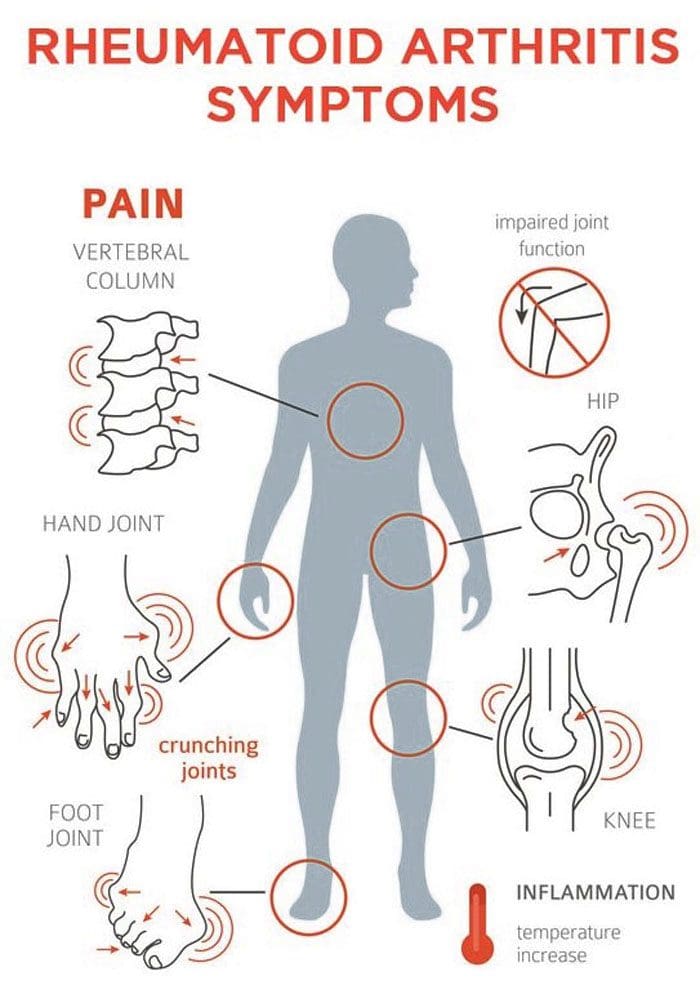
A rheumatoid arthritis flare-up is a short-term escalation of arthritis symptoms. A flare-up can go away within a day or can persist for several weeks or months. A flare-up usually involves joint stiffness and pain but can also present as any symptoms worsening. If the flare-up is severe, it can affect the ability to perform regular everyday activities.
Symptoms
Symptoms can vary, and not every person experiences the same. Most individuals describe flare-ups with a sudden increase in:
Pain
Stiffness
Swelling
Limited joint mobility
Fatigue
Symptoms that feel like the flu.
Frequency and severity can also vary.
Back Pain Symptoms
Rheumatoid arthritis can affect many joints. It is the inflammation of a joint’s synovial membrane. These include the facet joints in the spine. The most commonplace in the spine affected by rheumatoid arthritis is the upper neck, around the base of the skull. The joints at the top of the neck get inflamed and can become unstable or form abnormal tissue that sticks out and compress the spinal cord.
Triggers
Several potential flare-up triggers include:
Stress
Not getting enough sleep
Medication changes
Injury
Excessive physical activity and/or exercise
Repetitive overuse injury
Smoking
Spinal infections
Airborne toxins can also be a trigger to a flare-up. Substances include chemicals like household cleaners. Switching to organic and environmentally safe cleaners can help. Airborne toxins are a concern in densely populated cities and areas that experience air pollution and smog. To minimize risks, staying indoors during times of poor air quality is recommended.
However, flare-ups can happen without an identifiable trigger. Certain foods can increase inflammation and could contribute to a flare-up, including:
Avoiding these foods and following a diet that has been developed to prevent symptoms will help significantly. The objective is to learn to identify an RA flare-up to moderate activities accordingly.
Prevention
Managing any chronic medical condition is challenging, especially when trying to predict when a flare-up will happen. There is not a foolproof strategy for prevention, but advice that can help minimize the risks of an RA flare-up.
Understand that the disease can change over time. This means changes in medications and the need for multi-approach treatment. Learning healthy self-care techniques will go a long way in managing symptoms.
Body Composition
Antioxidants protection
Metabolic processes, like energy production, and environmental pollution, can result in free radical production. These are highly reactive molecules that can damage the body’s cells and lead to oxidative stress. This can develop into a disease, including heart disease. The body has natural protective mechanisms to neutralize free radical molecules, including glutathione, which is the body’s top antioxidant. If glutathione becomes depleted because of increased free radicals, the body switches to dietary antioxidants from food as a secondary defense.
Pham-Huy, Lien Ai et al. “Free radicals, antioxidants in disease and health.” International Journal of biomedical science: IJBS vol. 4,2 (2008): 89-96.
Individuals don’t like to read the warning signs of their spinal health, saying to themselves the pain will go away. Individuals will feel their back seize up or sting for a moment and then goes back to normal. The body is doing its job to warn you that something is not right. This is where choices come into play:
Ignore the warning because the tingling or pain went away.
Pay attention to the warning before more damage is done.
This is where waiting, hoping that it will resolve on its own, is not recommended. This is because something did happen but did not fully present, like a loose part that is still functioning. However, time, movement, or action, can throw the body off balance and create all kinds of health issues.
Paying attention to the Warning Signs
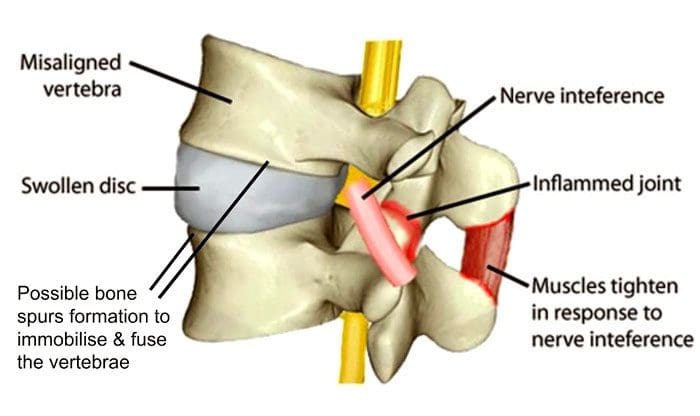
The body is always adapting to the internal and external environments. For example, external adaptation is sweating during a hot summer day. The body adapts to the heat by sweating to cool down and bring down the temperature. An example of internal adaptation is the spine has been slowly shifting out of alignment. The muscles that support the spine have been adapting to this shifting. However, it is not the ideal adaptation situation as some muscles over/under stretch while others under/over-contract to compensate, causing pain. The body gets stressed out physically, with possible damage occurring. This is where an individual knows something is not right and needs to listen to their body.
The Impact
A spine that is misaligned/subluxated does not move properly or function correctly. Improper movement damages the spinal:
Bones
Discs
Cord
Nerves
The spinal cord and nerves transmit and receive all the vital information the body needs to function. These include:
Heart function
Intestinal function
Lung function
A misaligned spine can hurt or cause symptoms for a split second. The effects of an untreated misaligned spine can affect an individual for life. If you have experienced any of these or other warning signs, contact a chiropractor. Injury Medical Chiropractic and Functional Medicine Clinic will help assess your symptoms and develop a personalized treatment plan.
Body Composition
Work On Goals One at A Time
To reach goals faster, it’s best to target one goal at a time. How to decide which goal to begin with:
Fat Loss First
This goal is best for individuals whose body compositions have a high body fat percentage and high overall weight.
Lean Body Mass First
Individuals may want to begin by increasing Lean Body Mass if they are skinny fat. Skinny fat means the individual is not overweight but has low amounts of Lean Body Mass and high amounts of Fat Mass.
Resistance training to build muscle will likely bring down Fat Mass as well. Increasing Lean Body Mass will increase the calorie needed by the body to maintain itself. This increased calorie need can lead to the body acquiring energy by burning extra fat. The calories burned in resistance training also speed up fat loss. Everyone is different in how the body responds to programs targeting fat and those designed to build muscle. Consult with our health coach, nutritionist, and fitness chiropractic team with any questions you may have.
Flynn, Diane M. “Chronic Musculoskeletal Pain: Nonpharmacologic, Noninvasive Treatments.” American family physician vol. 102,8 (2020): 465-477.
Sanzarello, Ilaria et al. “Central sensitization in chronic low back pain: A narrative review.” Journal of back and musculoskeletal rehabilitation vol. 29,4 (2016): 625-633. doi:10.3233/BMR-160685
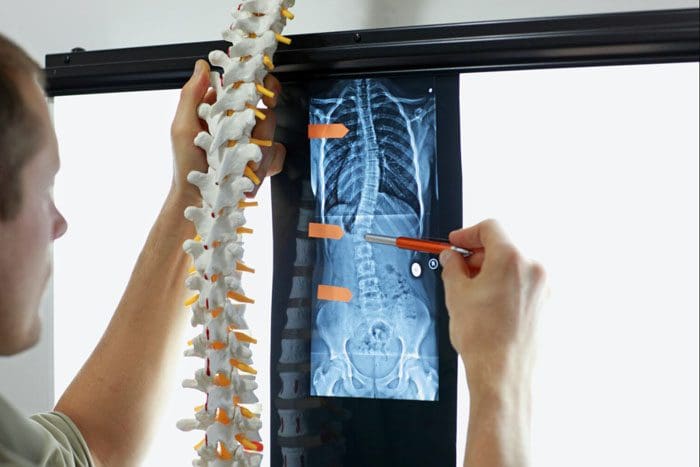
Scoliosis causes the spinal curvature to go sideways and can cause various symptoms. One of the most common symptoms is scoliosis hip pain. This happens because the spine’s curvature can pull the hips out of alignment, causing one side to be raised higher than the other. A result of this is one hip begins to take on more weight. This overloads the hip causing strain, soreness, aches, and pain, especially after standing or walking.
Scoliosis Hip Pain
Idiopathic scoliosis typically occurs in children, but often there are no pain symptoms. This type of scoliosis can go on unnoticed and undiagnosed for years even until adulthood. When the spine stops growing, even a small scoliosis curve can cause hip pain. The hip pain varies but generally presents with:
Sharp pain.
Throbbing pain.
Pain that increases with activity like walking, running, standing for a long time.
Stiffness with combined pain after sitting or lying down for a long time.
The type of scoliosis – degenerative or idiopathic.
Bodyweight. Individuals that are obese are more likely to have severe hip pain because of the added weight.
Activity level. Physical activity can cause the pain to worsen.
Lifestyle.
It varies from person to person.
The Higher Hip
When scoliosis has progressed enough, the curvature and uneven hips are pretty apparent. However, only around 10% of scoliosis cases get this far. If the curvature is minimal, which is usually the case, trying to determine which hip is higher usually requires medical assistance.
The hip that presents with pain is generally the one taking on more weight.
This causes the muscles to fatigue faster and places added stress on that hip joint.
A way to tell which hip is higher stand on bare feet in front of a mirror holding a piece of yarn, or string with both hands.
Place the heel of each hand on the corresponding hip bone.
The string will be tilted if the hips are uneven or will be straight if they are not.
Adult Scoliosis
Hip pain caused by scoliosis is most common in adults. However, it is not the only cause of hip pain. Unless diagnosed with scoliosis as a child, individuals may be suffering from de novo scoliosis or degenerative scoliosis.
De Novo/Degenerative Scoliosis
As the body ages, the spinal discs between the vertebrae begin to wear down. The worn-down discs can cause the spine to develop a sideways curve, that can pull the hips out of alignment. Studies are showing that this type of scoliosis is widespread. Loss of bone density can be a contributor to scoliosis in older adults. Bone density loss from menopause means women are more susceptible than men. Past the age of 70, both men and women lose on average, the same amount of bone density. There are effective integrative, natural treatment therapies that incorporate:
Exercises
Nutrition
Posture correction
Chiropractic
Physical therapy
Scoliosis Hip Exercises
For uneven hips, there are exercises to help relieve pain and strengthen weak muscles.
Hip Stretch
Lie on the back with both legs straight out.
Lift the right leg
Using the hands pull the knee toward you, keeping the foot pointed up.
Pull the knee to your chest as far as you can without causing discomfort or pain.
With the right hand, reach toward the left foot, touching if possible.
Return to the original position.
With the left hand, reach toward the right foot.
Repeat 6 to 8 times.
Chiropractic
If misaligned and uneven hips are causing pain, chiropractic care for scoliosis is recommended. Spine and hip realignments help relieve pain, stretch the muscles, and corrects posture. One study showed that multi-approach chiropractic for adult scoliosis was found to be beneficial even two years after treatment was finished. Injury Medical Chiropractic and Functional Medicine Clinic can help with recommending nutrition and lifestyle tips. Instead of just treating symptoms, our team helps manage the cause.
Body Composition
Body Analysis for Disease Prevention
Early identification of disease is imperative for developing the proper treatment plan. Testing can help improve long-term health outcomes. Testing is made easy with the data being easily implemented into patient management software. A comprehensive printout is ready for engaging and educating patients in understanding health risk management and reduction. In 60 seconds, an InBody Test will generate easy-to-understand, accurate, and objective measurements to evaluate potential disease risk. Medical providers can use the InBody to:
Monitor muscle, and visceral fat to provide an accurate measure of health risk.
Monitor muscle distribution to determine specific health risks related to diseases.
Identify fluid imbalances associated with certain diseases.
Track changes for effective long-term risk identification and reduction.
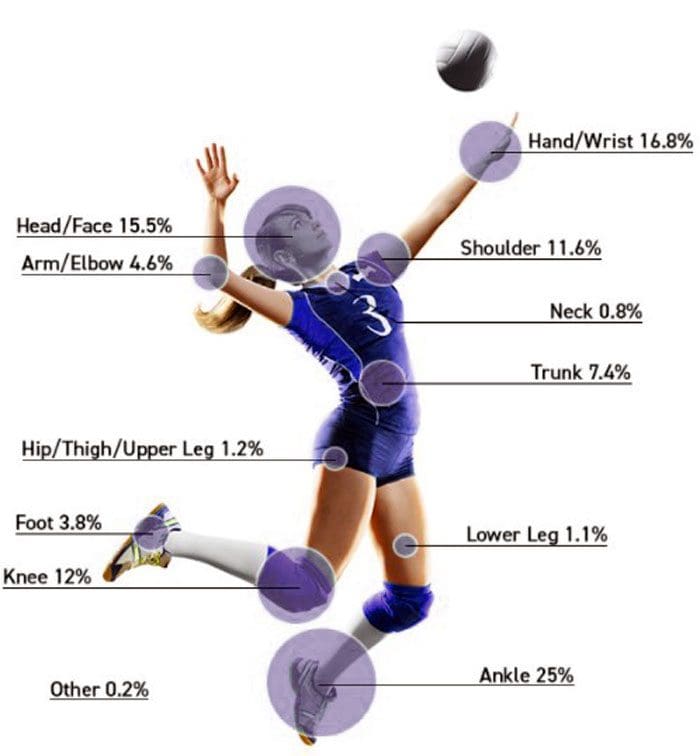
Around a half-million high school students in the U.S. play volleyball. Whether the parent of a volleyball player or part of a recreational league, the goal is to be ready for the season, which means preventing and addressing volleyball injuries. It is a highly demanding sport with quick movements, jumping, twisting, diving, spiking, etc. Despite being fit and healthy, extensive training along with match play takes a toll on the body. Chiropractic can benefit volleyball players.
Common Volleyball Injuries
Why Chiropractic Works
Chiropractic treatment and rehabilitation, especially by a sports chiropractor, is recommended for volleyball injuries because it addresses acute and chronic injuries to all areas of the body. Chiropractic treats the entire musculoskeletal system. Proper joint alignment from chiropractic adjustments in the spine and throughout the body maintains the biomechanic integrity. This reduces high-impact forces in the joints. Soft tissue treatments like instrument-assisted soft tissue mobilization can help resolve injuries by providing the tissues with more blood flow into the affected area allowing for faster healing. Most volleyball injuries result from overuse to the joints and muscles, resulting in repetitive strain. In volleyball, repetitive/overuse injuries are common in the knees, ankles, and shoulders. This comes from all the jumping, serving, and spiking.
Player Benefits
Body Soreness Is Reduced/Alleviated
Many athletes, including volleyball players, do not get the proper recovery time from training or playing.
Reduced recovery periods cause body soreness and stiffness that can overlap into an injury.
Chiropractic can reduce and alleviate body soreness.
Chiropractic promotes faster recovery.
Optimal Performance
Studies show that athletes that receive regular chiropractic care found speed and mobility performance enhanced.
Athletes require fast reflexes and optimal hand-eye coordination.
Speed, mobility, reflexes, and coordination depend on a healthy nervous system.
90% of the central nervous system travels through the spine.
Spinal alignment can either allow for proper nerve flow or disrupt nerve flow.
Even when just one spinal segment is misaligned and out of place, the nervous system can impact reflexes, speed, mobility, and hand-eye coordination.
A properly functioning spine and nervous system will ensure the player is at their best.
Faster Injury Recovery Time
Healing the body properly takes time. Just like the body needs sleep/rest to function properly, so it is with injuries.
The issue for athletes is how much time healing takes.
Individual athletes receiving chiropractic care have been shown to heal faster.
Mobility and Strength
A chiropractic doctor can reduce the pressure around the nerve roots that exit the spine, which will help improve player performance. This includes:
Range of motion
Mobility and flexibility
Strength
Endurance
To find out how chiropractic can help, contact Injury Medical Chiropractic and Functional Medicine Clinic. We will perform a thorough musculoskeletal and nervous system examination.
Ankle Sprain Treatment
How Many Calories Over 24 hours
Myths that offer strategies that avoid the hard work and commitment that diet and exercise demand should be avoided. Individuals cannot expect to experience healthy body composition changes by increasing/decreasing meal frequency if they are living a sedentary lifestyle. It is not important how often or what time an individual takes in calories (has a meal). What is important is how many calories an individual has over a 24-hour period. A study looked at healthy individuals that ate one large meal a day for two weeks and then later ate the same meal but spread out over five smaller meals for another two weeks. It was concluded that there was no statistical difference in body weight gain or loss between the two eating methods. 2000 calories over 3 meals is the same 2000 calories consumed over 5 meals. There is no substitute for proper diet and exercise. The focus should be on what and how much you eat.
References
Eerkes, Kevin. “Volleyball injuries.” Current sports medicine reports vol. 11,5 (2012): 251-6. doi:10.1249/JSR.0b013e3182699037
Gouttebarge, Vincent et al. “Preventing musculoskeletal injuries among recreational adult volleyball players: design of a randomized prospective controlled trial.” BMC musculoskeletal disorders vol. 18,1 333. 2 Aug. 2017, doi:10.1186/s12891-017-1699-6
Kilic, O et al. “Incidence, etiology, and prevention of musculoskeletal injuries in volleyball: A systematic review of the literature.” European journal of sports science vol. 17,6 (2017): 765-793. doi:10.1080/17461391.2017.1306114
Seminati, Elena, and Alberto Enrico Minetti. “Overuse in volleyball training/practice: A review on the shoulder and spine-related injuries.” European journal of sports science vol. 13,6 (2013): 732-43. doi:10.1080/17461391.2013.773090
Wolfram, G et al. “Thermogenese des menschen bei unterschiedlicher mahlzeitenhäufigkeit” [Thermogenesis in humans after varying meal time frequency]. Annals of nutrition & metabolism vol. 31,2 (1987): 88-97. doi:10.1159/000177255
Pregnancy can take a toll on a woman’s body. New aches and pains start to present as the pregnancy progresses. Hormonal changes can affect the state of mind, making trying to relax or relieve stress extremely difficult to impossible, causing more frustration and tensed muscles. It’s absolutely safe and beneficial to get a professional therapeutic massage while pregnant. Most pregnant women are cleared to get massages after their first trimester. However, if it is a high-risk pregnancy, talk to your doctor before scheduling a massage.
Benefits of Therapeutic Massage
A therapeutic massage while pregnant, known as prenatal massage, generates a peaceful and serene mindset. Studies show prenatal massage is beneficial for the mother and baby. Pregnant women that are unable to find discomfort/pain relief benefit from prenatal massage. Benefits include:
Swelling is reduced
Improved hormone regulation helps reduce instances of low birth weight
Joint, back, and nerve pain/sciatica is reduced, and function improved
Headaches lessen in severity and frequency
Blood and nerve circulation improves
Sleep cycles improve
Anxiety, depression, and stress improves
Types of Massage
Safe massages when pregnant. The most common prenatal massage is a Swedish Massage. This type of massage is gentle but forceful enough to provide the aforementioned benefits. Swedish Massage focuses on the topmost layer of muscle with long strokes that incorporate movement of the joints. Avoid deep-tissue massage when pregnant, as this is a more aggressive style of massage.
Back Massage
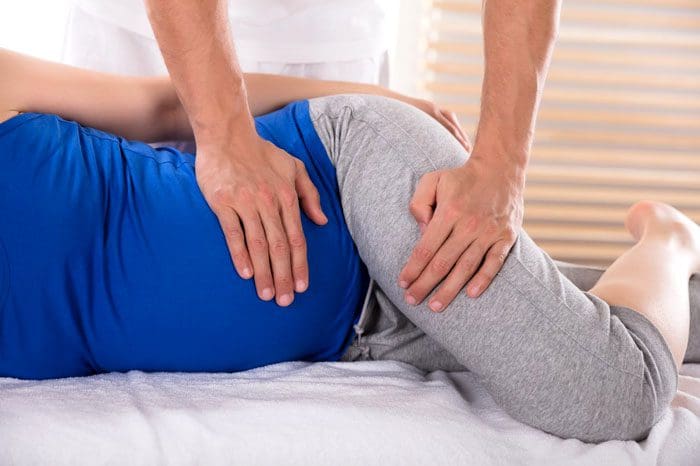
During pregnancy, posture changes from the added weight. The center of gravity shifts making the spine and back muscles work harder. This regularly makes the muscles achy, sore, and stiff. Prenatal back massage is done while sitting or lying on the side. Long strokes are performed on the muscles, along with gentle kneading. The focus is on the muscles along the spine and the low back. This type of massage is highly beneficial if sciatica is presenting.
Neck Massage
Massaging the neck loosens tight muscles, improves awkward neck posture, alleviates nerve pain preventing tension headaches, and promotes flexibility. Most therapists will start with the neck and arms while the individual sits up, then lie down to work on the rest of the body.
Chiropractic Massage
This type of massage is performed by a licensed chiropractor and/or a physical massage therapist at the direction of a chiropractor. Chiropractic massage therapists have undergone thorough training and always take care to avoid any pressure points or areas that could cause discomfort.
Areas that Are Avoided During Massage
Professional massage therapists know what areas to avoid during the therapeutic massage, but it’s also important for the patient. The areas that will be avoided include:
The pressure points in the wrist and around the ankles. These areas have points that could cause uterine contractions and cervical ripening.
Around the belly. However, it is recommended to perform gentle, low-pressure massaging at home.
Around open wounds, rashes, or skin conditions.
Safety Tips
Other precautions to take when receiving a massage during pregnancy. The massage therapist should look out for blood clot symptoms or varicose veins. Other precautions to follow:
Make sure the massage therapist knows you are pregnant before beginning.
If the massage triggers nausea, discomfort, or is not enjoyable, ask to stop.
Avoid massage tables that have a hole cut out for the belly.
The recommended method is on the side, supported with proper padding to ensure stability and comfort.
The massage should be no more than an hour.
A massage in the first trimester is not recommended.
A trained massage therapist should perform a prenatal therapeutic massage. However, a partner can perform an easy, safe massage at home following a few guidelines.
Avoid the ankles and the areas around the wrists.
Avoid the belly and the area around it.
Back, neck, scalp, and foot rubs are recommended.
Utilize long gentle strokes with all-natural and safe massage oils or lotions.
Talk to your physician if you have an increased risk for blood clots.
Get a Massage
A prenatal therapeutic massage can improve hormone regulation, help sleep, reduce stress and anxiety, and promote a healthy and optimal delivery.
Body Composition
Diastasis Recti Post-Baby Weight
Pregnancy can cause abdominal muscle separation or diastasis recti.
This happens when the outermost abdominal muscles/rectus abdominis, which are the muscles from the breastbone to the pubic bone pull apart from the fibrous attachment point/linea alba. Muscle separation is common after pregnancy, but the degree and location of the separation are what vary from one woman to another. As the pregnancy progresses, the uterus makes room for the growing baby. This can cause the abdominal – recti muscles to stretch and become flabby. This muscle separation is not linked with complications for the mother or the baby and it is not a sign of muscle loss.
References
Hall, Helen et al. “The effectiveness of complementary manual therapies for pregnancy-related back and pelvic pain: A systematic review with meta-analysis.” Medicine vol. 95,38 (2016): e4723. doi:10.1097/MD.0000000000004723
“Perineal Massage in Pregnancy.” Journal of midwifery & women’s health vol. 61,1 (2016): 143-4. doi:10.1111/jmwh.12427
Schreiner, Lucas et al. “Systematic review of pelvic floor interventions during pregnancy.” International journal of gynecology and obstetrics: the official organ of the International Federation of Gynaecology and Obstetrics vol. 143,1 (2018): 10-18. doi:10.1002/ijgo.12513
It is estimated that every adult will experience some form of back pain at least once in their lives. There’s a difference between mechanical and inflammatory back pain. With inflammatory back pain, movement tends to help it, while resting worsens the pain. For some individuals, relief from inflammatory back pain is something they could have to manage for some time. Fortunately, there are effective management and relief options available.
Inflammatory vs. Mechanical Pain
Chronic back pain has two major causes. These are Mechanical and Inflammatory. They have slightly different characteristics when presenting. Chiropractors know what to look for to tell the difference between the two. Then a decision can be made on how to proceed with treatment or management.
Inflammatory
Pain caused by inflammation can be described as:
Not having a known definite cause.
Characterized by stiffness, especially after waking up.
Pain reduces with movement, activity, stretching, exercise.
Is worst during the early hours of the morning.
Is often accompanied by pain in the buttocks/sciatica symptoms.
Mechanical
Mechanical pain can be described as:
Pain that becomes worse with activity, stretching, or exercise.
Pain reduces with rest.
There is no stiffness after sleeping.
This pain is not constant but can become intense/severe for short periods.
Pain in the buttocks/sciatica symptoms do not present.
Inflammatory and Non-Inflammatory
Non-inflammatory is the same as mechanical pain. Mechanical/non-inflammatory back pain has causation related to the mechanics of the back and can result from injury or trauma. The cause of non-inflammatory pain does not necessarily present right away. For example, poor posture that leads to back pain is a mechanical/non-inflammatory cause. However, non-inflammatory back pain can be accompanied by inflammation as a natural reaction to injury. But this inflammation is not the cause of the pain. Non-inflammatory back pain can be treated effectively with conservative treatments. This includes:
Chiropractic adjusting
Physical therapy
Spinal decompression
Contributing Autoimmune Diseases
When inflammation is the cause of pain, it is considered inflammatory pain. Autoimmune disease/s can cause the body to attack different areas of the body mistakenly. Chronic pain can be caused by autoimmune diseases that include:
Rheumatoid Arthritis
Arthritis causes the immune system to attack the joints throughout the body.
Ankylosing Spondylitis
This is a rare type of arthritis that affects the spine. It is found more in men and usually begins in early adulthood.
Multiple Sclerosis
This is a disease where the immune system attacks nerve fibers and can lead to back pain.
Psoriatic Arthritis
This type of arthritis is characterized by patches of psoriasis along with joint pain and inflammation.
Inflammatory Pain Treatment
Individuals that think they might have inflammatory back pain should consult a doctor, spine specialist, and/or chiropractor. A general practitioner can misdiagnose inflammatory back pain as mechanical back pain. Many find relief from taking non-steroidal anti-inflammatory drugs or NSAIDs and following an exercise/physical activity regimen. However, sometimes this is not enough. This is where chiropractic treatment and physical therapy comes in.
Chiropractic and Physical Therapy
These medical professions complement each other well and can be beneficial as a part of an overall treatment plan. A chiropractor, with the help of a physical therapist, can bring significant relief. Management techniques involve:
Chiropractic adjustments
Flexion-distraction
Posture correction
Personalized exercises
Inflammation Night Pain
Inflammatory back pain tends to worsen at night. What happens is the inflammatory markers settle down when the body is not moving. A few simple practices can help you get better sleep.
Stretch Before Bed and When Waking
Performing stretches before going to bed and after waking up helps keep the body limber.
Inspect Pillows and Mattress
Sleeping with the spine out of alignment could exacerbate the problem. Using a too-soft mattress or a too-large pillow could be contributing to the pain. Sleeping on the side is recommended to use a pillow between the legs to keep the low back straight.
Exercises
Some exercises should be discussed with your doctor. Individuals have found that exercise and stretching are essential for relief.
Cardio
These exercises increase heart rate, boost mood, and release natural pain killers. Low-impact cardio exercises:
Swimming
Walking
Cycling
Strength-Building
Strengthening the core muscles will help maintain posture and spine support. Some of these include yoga poses:
Sustainable and easy to follow three basic elements: following the diet, physical activity, and high levels of socializing. For individuals that want to change their diet and lifestyle to the Mediterranean, try the following:
Add more vegetables to meals. This can be salads, stews, and pizzas. Kidney beans, lentils, and peas are common Mediterranean staples.
Switch to whole grains as well as products made from whole grain flour. The high fiber content can improve heart health and can help lower blood pressure. Minimize refined carbohydrates like white bread and breakfast cereals.
Balance rich desserts with fresh fruits like oranges and bananas that can include antioxidant fruits like blueberries and pomegranates.
Treat meat as a side dish instead of the main course. Adding strips of chicken or beef into a vegetable saute/soup.
Balance meat dishes with fish and seafood. This includes sardines, salmon, clams, and oysters.
Go vegetarian for one day a week.
Cut out processed meats with high levels of preservatives.
Add healthy fats like avocados, sunflower seeds, nuts, and peanuts to meals.
Cornelson, Stacey M et al. “Chiropractic Care in the Management of Inactive Ankylosing Spondylitis: A Case Series.” Journal of chiropractic medicine vol. 16,4 (2017): 300-307. doi:10.1016/j.jcm.2017.10.002
Dahlhamer, James et al. “Prevalence of Chronic Pain and High-Impact Chronic Pain Among Adults – the United States, 2016.” MMWR. Morbidity and mortality weekly report vol. 67,36 1001-1006. 14 Sep. 2018, doi:10.15585/mmwr.mm6736a2
Riksman, Janine S et al. “Delineating inflammatory and mechanical sub-types of low back pain: a pilot survey of fifty low back pain patients in a chiropractic setting.” Chiropractic & manual therapies vol. 19,1 5. 7 Feb. 2011, doi:10.1186/2045-709X-19-5
Santilli, Valter et al. “Chiropractic manipulation in the treatment of acute back pain and sciatica with disc protrusion: a randomized, double-blind clinical trial of active and simulated spinal manipulations.” The spine journal: official journal of the North American Spine Society vol. 6,2 (2006): 131-7. doi:10.1016/j.spinee.2005.08.001
Teodorczyk-Injeyan, Julita A et al. “Nonspecific Low Back Pain: Inflammatory Profiles of Patients With Acute and Chronic Pain.” The Clinical journal of pain vol. 35,10 (2019): 818-825. doi:10.1097/AJP.0000000000000745
IFM's Find A Practitioner tool is the largest referral network in Functional Medicine, created to help patients locate Functional Medicine practitioners anywhere in the world. IFM Certified Practitioners are listed first in the search results, given their extensive education in Functional Medicine