When individuals stop working on their back pain therapy, the pain can come back. Don't give up on the process and trust the therapists/providers. Many people experience their first episode of low back pain between the ages of 20 and 40. Often they are not sure what caused their back problems. There are a variety of factors that could be contributors like:
Old running shoes
A heavy box that was inappropriately lifted and carried
Exercise strain
Too much sitting
Poor posture
Work injury
Personal injury
Sports injury
After some time with the pain, a visit to the doctor is in order, hoping for clear answers and strong medicine. A diagnosis of non-specific back pain and a prescription for physical therapy is given. This is because doctors are now required to prescribe non-medication, non-invasive therapeutic approaches for any type of pain first. After three to four weeks of physical therapy, and there is still no improvement or signs of improvement will a doctor recommend medication/s and/or surgery.
Physical Therapy
Nonspecific back pain describes back pain that is not associated with a clear cause like:
Osteoporosis
Inflammatory arthritis
Tumor
Fracture
Infection
Structural deformity
Non-specific back pain is very common and often acute, meaning the symptoms usually go away on their own within a month. Physical therapy also known as PT can help expedite the healing process. Physical therapy can improve a variety of back-related problems, including those caused by disease and structural abnormalities. A study found that physical therapy works as well as surgery for lumbar spinal stenosis or the narrowing of the spinal canal in the low back.
Don't Give Up On The Program
Unfortunately, many individuals do not follow through with the full course of physical therapy. Reasons include:
Time
Cost
Inconvenience
Low level of physical activity before treatment
Depression
Anxiety
Poor social support
Increased pain during exercise
The problem with stopping physical therapy is that individuals can end up right where they began. Not following a treatment plan can have negative effects on outcomes and healthcare costs. Progress depends on how much follow-through an individual does on their own. Don't give up on the program and maintain rehabilitative progress.
Scientifically Backed Benefits
Scientific proof means measuring results objectively to determine if a treatment works. Physical therapy has consistently proven to be highly effective. Researchers found that physical therapy led to positive health benefits when treating back pain. Specifically, individuals that followed a physical therapy program to the end had:
For example, spine stabilization exercises during an episode of low back pain can decrease pain, disability, and the risk of another episode.
The Right Physical Therapy Clinic
Do research to find the best therapeutic clinic or professional. It is perfectly understandable to be picky about physical therapy. Several studies have shown that a healthy relationship between patients and physical therapists improves outcomes. When choosing a clinic, individuals should be aware that there are different models. The differences can influence the experience.
Some therapists treat more than one person at a time. This means the exercises will be shown how to do them properly, then the individual will be expected to continue on their own with the therapist returning to see the progress and start the next exercise.
Some therapists see the patient once, then an assistant takes over. Assistants will help with the exercise programs.
There are some clinics that could be out of network or do not accept insurance. Individuals can pay more, but the benefit is more one-on-one time/care with a physical therapist.
If an individual does not like the experience with one model, try another.
Remember that individuals need to advocate for their own health, treatment, and progress.
If an individual is not improving, then they need to have a discussion with the physical therapist.
The therapist can then problem solve and try a new treatment or refer the patient for additional care like imaging, medications, or a different intervention altogether. Don't give up, relief from back pain is possible.
Don't Give Up On Body Health
Body composition analysis an effective tool during physical therapy
Body composition is essential for understanding physiological makeup and to help guide a treatment plan to target specific areas in physical therapy programs. InBody analysis is non-invasive and convenient, making it ideal when used in conjunction with physical therapy rehabilitation programs. The InBody test provides results that can be used to educate and engage individuals to help track improvements throughout the physical therapy course. In less than 60 seconds, the test results are easy-to-understand, accurate, and objective. This helps to evaluate and monitor progress during rehabilitation. With the test a physical therapist can:
Assess muscle distribution
Focus on areas weakened by injury or surgery
Identify fluid imbalances related to inflammation
Monitor changes to determine the efficacy of the therapy program
Guide recommendations for long-term success
Don't give up!
Dr. Alex Jimenez�s Blog Post Disclaimer
The scope of our information is limited to chiropractic, musculoskeletal, physical medicines, wellness, and sensitive health issues and/or functional medicine articles, topics, and discussions. We use functional health & wellness protocols to treat and support care for injuries or disorders of the musculoskeletal system. Our posts, topics, subjects, and insights cover clinical matters, issues, and topics that relate and support directly or indirectly our clinical scope of practice.*
Our office has made a reasonable attempt to provide supportive citations and has identified the relevant research study or studies supporting our posts. We also make copies of supporting research studies available to the board and or the public upon request. We understand that we cover matters that require an additional explanation as to how it may assist in a particular care plan or treatment protocol; therefore, to further discuss the subject matter above, please feel free to ask Dr. Alex Jimenez or contact us at 915-850-0900. The provider(s) Licensed in Texas& New Mexico*
If dealing with chronic disease, condition, or just poor overall health, detox support combined with chiropractic/health coaching is definitely an option that will help. Toxicity in the body can initiate or worsen existing health conditions.
A detox is not about a massive diet overhaul or spending a lot of time at some clinic. Detox support involves making small changes/adjustments that will help support the body�s natural detoxing process without radical changes. One way that a detox is supported is with chiropractic.
Detoxing the Body
The body is exposed to chemicals/toxins every day from food, air, and other particles that the body comes in contact with. However, the body has a natural ability for managing exposure to toxins to maintain overall health. If the toxins become too much to handle it can lead to a range of symptoms. Symptoms can range from:
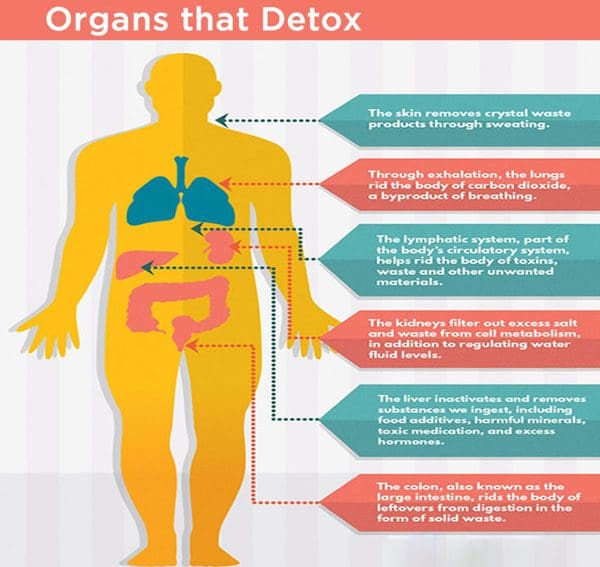
Reducing the toxic load can be accomplished by supporting the body�s natural detox pathways. The body has organs/systems that detoxify and keep the body in balance. These support detoxification and include:
Reducing toxin exposure is a long term strategy for improved health. Detox options include:
Increased water intake
Nutritional adjustments that focus on increased nutrient whole foods and reduced processed chemical foods
Regular exercise
More sleep
Improved stress management skills/techniques
Reducing environmental exposure with hygiene and cleaning product awareness
Cleansing supplements
Lifestyle changes
Fasting, intermittent or longer with nutritionist/health coach supervision
Chiropractic Can Help
When the body struggles with toxin overload, the body can begin storing some of these toxins. Common areas include visceral fat and joints, like the spine. If toxins buildup in the spine, spinal misalignment can be exacerbated as it affects blood and nerve circulation. Spinal alignment restoration will help open and support the body's natural detox abilities and prevent unnecessary storage of toxins.
A chiropractic practitioner specializes in naturally restoring spinal alignment and the body's balance. This supplies the body with the energy it needs to process and rid itself of toxins. When the body is optimally supported and its detox pathways cleared overall optimal health can be achieved. Contact Injury Medical Chiropractic Clinic and experience what chiropractic support can do.
Body Composition Support
Food
Neutralizing oxidative stress, lowering inflammation, and boosting metallothionein expression, food can support the body when detoxifying and countering the effects like brain fog, and neurodegenerative disorders. However, foods and nutrients that detoxify can be a part of a healthy diet and lifestyle that includes a regular fitness routine.
References
Klein, A V, and H Kiat. �Detox diets for toxin elimination and weight management: a critical review of the evidence.��Journal of human nutrition and dietetics: the official journal of the British Dietetic Association�vol. 28,6 (2015): 675-86. doi:10.1111/jhn.12286
Consistency is what makes chiropractic care work. A common misunderstanding about chiropractic medicine is the number of follow-up treatments necessary after the initial adjustment. Every individual requires a unique customized treatment plan. There are a few general guidelines chiropractors use to determine how they schedule follow-ups. Here is some insight into the nature of corrective chiropractic adjustments.
Consistent Chiropractic
The critical nature of follow-up visits is that a single chiropractic adjustment is not an instant cure. It is an ongoing corrective process. Follow-up appointments are to ensure that the adjustments are on the right track and that whole-body wellness is maintained. Consistent chiropractic treatments maximize effectiveness and ensure proper functionality.
Types of Care
The need for consistent care can be placed in types or phases. Types of care are:
Urgent
Reparative
Preventive
Rehabilitative
Urgent
Individuals go to a medical clinic because they are experiencing discomforting symptoms, pain, etc. A chiropractor's responsibility is to alleviate those symptoms and address the root cause. Until the symptoms stop and no longer present an individual is in the urgent phase. During this phase, because the injury/condition is new to the chiropractor, they need to get it stabilized first, which consists of several adjustments that focus on various areas. In order to bring proper balance, each of those areas is worked on at follow-up treatment sessions.
Reparative/Rehabilitative
Reparative care does not require the need to see the individual as often. Instead, the treatment is now focused on the root cause of the symptoms, and getting back range of motion. Regular appointments are still important, but they are not as frequent as initial treatment.
Preventive
The preventive care phase is when the main issues have been addressed and can now work on strengthening the immune system through regular adjustments along with stretches, exercises, and diet recommendations that will optimize overall health. This phase includes regularly scheduled but more infrequent adjustment appointments.
Chiropractic Supplementation
A properly maintained regimen of treatment is going beyond the physical manipulation of the spine. Chiropractic clinics offer many other benefits that include:
Consistent chiropractic treatment approaches require time, patience, and energy. All of these help to deliver superior care that leads to optimal health.
Power and Rehab Chiropractic Care
Dr. Alex Jimenez�s Blog Post Disclaimer
The scope of our information is limited to chiropractic, musculoskeletal, physical medicines, wellness, and sensitive health issues and/or functional medicine articles, topics, and discussions. We use functional health & wellness protocols to treat and support care for injuries or disorders of the musculoskeletal system. Our posts, topics, subjects, and insights cover clinical matters, issues, and topics that relate and support directly or indirectly our clinical scope of practice.*
Our office has made a reasonable attempt to provide supportive citations and has identified the relevant research study or studies supporting our posts. We also make copies of supporting research studies available to the board and or the public upon request. We understand that we cover matters that require an additional explanation as to how it may assist in a particular care plan or treatment protocol; therefore, to further discuss the subject matter above, please feel free to ask Dr. Alex Jimenez or contact us at 915-850-0900. The provider(s) Licensed in Texas& New Mexico*
References
Liebenson, C. �Rehabilitation and chiropractic practice.��Journal of manipulative and physiological therapeutics�vol. 19,2 (1996): 134-40.
Often referred to as C1-C7, with the “C” indicating cervical, and the numbers 1-7 indicate the level.
C1 is closest to the skull
C7 is closest to the thoracic chest/rib cage area
The cervical spine is particularly susceptible to degenerative problems because:
Highly mobile with a broad range of motion
Supports the skull
Neck anatomy is complex
Many degenerative problems, including osteophytes or bone spurs, can develop.
Neck Pain Symptoms
Several symptoms can occur and indicate the presence of a degenerative condition:
Neck pain
Pain around the back of the shoulder area
Arm pain, numbness, or weakness
Difficulty with hand dexterity or walking
Conditions That Affect the Neck
The degenerative process begins in any of the joints in the spine, but over time it can cause changes in the other joints.
An example is an intervertebral disc�where:
The disc narrows and the normal movement becomes altered, and the adjacent joints are subjected to force and pressure, which can lead to degenerative arthritis joint inflammation.
Spondylosis or spinal osteoarthritis causing pain in the neck is common. The pain can radiate, or spread, into the shoulder/s or down the arm/s. Arm pain or weakness caused by a bone spur compressing a spinal nerve root can also occur.
Diagnosing Cervical Spine Conditions
Once examined one or more symptoms are likely to be present.
The doctor will ask the patient questions to learn the history of the patient.
A thorough evaluation of the patient will be conducted, including tests to identify the cause of pain and symptoms.
A neurologic examination is performed to rule out neurological disorders
Shoulder examination will also be done to ensure that the symptoms originate from the neck
Diagnostic tests
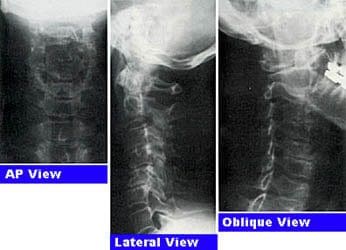
X-rays for:
Narrow intervertebral disc space
Anterior osteophytes or bone spurs
Spondylosis (ie, arthritis) of the facet joints
Osteophytes created from the uncovertebral joints
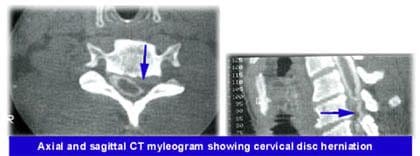
CT Scans or computed tomography can show bone changes associated with degenerative spondylosis. Osteophytes can be observed and evaluated.
CT does not provide an optimal evaluation but can sometimes show disc herniations.
MRI magnetic resonance imaging is a powerful tool for cervical spondylosis.
MRI can help doctors identify:
Disc herniation
Osteophytes
Joint arthrosis a type of osteoarthritis
MRI is best for soft disc herniation/s.
Myelogram/CT can be utilized in complex cases that involve multi-level spinal diseases.
It is very useful in delineating bone spurs from safe disc herniations.
Discography is used diagnostically when viewing the lumbar/low back and thoracic/mid-back spine, but using it in cervical spine imagery is debated among doctors.
Treatment Options
After the tests have been performed, a custom treatment plan is created.
Nonsurgical Neck Pain Treatment
Nonsurgical treatment of cervical degenerative disease has been proven to provide excellent results in over 85% of patients.
A multi-disciplinary approach:
Immobilization of the neck�to reduce motion can be beneficial during acute episodes of pain.
Physical therapy (PT) and Chiropracticcan be useful to decrease muscle spasms and return motion.
Non-surgical treatment provides positive long-term pain and symptom relief.
Surgery
A surgeon is likely to consider surgery for a disorder if one or more of the following criteria are met:
Nonsurgical care has been tried and has not worked
Spinal cord dysfunction
Arm pain or weakness (neurological symptoms) that do not go away
Depending on the diagnosis, surgical procedures can vary:
One type of surgery is the removal of the bone spur(s)
Cervical spinal fusion that joins two or more vertebrae
But the surgical procedure is based on the way you the patient wants to go, the diagnosis, general health, and what the spine surgeon recommends.
The surgeon will explain the recommended procedure to you clearly.
Most of the time the preferred approach is anterior or from the front interbody fusion.
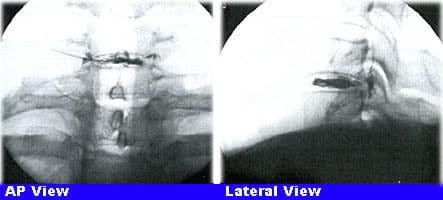
A cervical plate could be placed over the interbody device or graft to stabilize the neck. This can avoid the need for a brace after.
A posterior approach from the back of the spine is considered when a disc has herniated laterally or to the side.
Things You Can Do
Cervical spine disorders can be diagnosed�and treated more accurately with today’s advancing technology.
With the guidance and treatment of an expert medical team, patients can expect to see a definite improvement in their condition and symptoms.
El Paso, TX Neck Pain Chiropractic Treatment
Sandra Rubio discusses the symptoms, causes, and treatments of neck pain. Headaches, migraines, dizziness, confusion, and weakness in the upper extremities are a few of the typical symptoms. Trauma from an accident, such as that from an automobile accident or a sports injury, or an aggravated illness because of improper posture can commonly cause neck pain and other ailments. Dr. Alex Jimenez uses spinal alterations and manual manipulations, one of other chiropractic treatment techniques like deep-tissue massage, to reestablish the alignment of the cervical spine and improve neck pain. Chiropractic care with Dr. Alex Jimenez is your non-surgical choice for restoring general patient well-being.
Neck pain is a frequent health issue, with roughly two-thirds of the people being influenced by neck pain at any time throughout their lifetimes. Numerous other health issues can cause pain arising in the upper back, or the spine. Neck pain can result emanating from the vertebrae, or because of muscular tightness in both the neck and the upper back. Joint disruption in the neck causes migraines, and headache, as does joint disturbance at the trunk, or can generate a variety of other symptoms. Neck pain affects about 5 percent of the worldwide population as of 2010, based on figures.
NCBI Resources
A chiropractor evaluates the spine as a whole because other regions of the�neck (cervical), mid-back (thoracic) and low back (lumbar)�can be affected as well. Along with treating the spine as a whole, chiropractic medicine treats the entire person and not just a specific symptom/s. Chiropractors may�educate on nutrition, stress management, and lifestyle goals in addition to treating neck pain.
Chiropractor 79936: Truide Torres, office manager at Injury Medical Clinic, discusses several common questions regarding what type of insurance Dr. Alex Jimenez’s chiropractic care office accepts, what is the process that the staff must go through when patients are involved in an automobile accident or a work accident. Finally, Truide Torres describes what is the best route to take if the patient’s personal insurance is able to cover the damages and injuries to the individual. Truide Torres encourages patients to contact Dr. Alex Jimenez’s chiropractic office to discuss any matter involving their insurance and she recommends Dr. Jimenez as the non-surgical choice for neck and back pain..
Chiropractor 79936
It is important to comprehend the expenses involved in chiropractic care, exactly what your insurance policy covers, and also what your fiscal responsibilities may be. Insurance coverage for chiropractic care may depend on a variety of factors. Most plans cover the cost of chiropractic care for severe (short-term) conditions. But many patients frequently have a co-pay in the time of the visit. When longer-term care is required for conditions that are chronic, severe, or occur together with another health problem, make sure you talk to your insurance company to find out your benefits. Overall prices for patients receiving treatment for back pain have been reported lower for people who receive treatment from a chiropractor.
We are blessed to present to you�El Paso�s Premier Wellness & Injury Care Clinic.
As El Paso�s Chiropractic Rehabilitation Clinic & Integrated Medicine Center,�we passionately are focused treating patients after frustrating injuries and chronic pain syndromes. We focus on improving your ability through flexibility, mobility and agility programs tailored for all age groups and disabilities.
If you have enjoyed this video and/or we have helped you in any way please feel free to subscribe and share us.
IFM's Find A Practitioner tool is the largest referral network in Functional Medicine, created to help patients locate Functional Medicine practitioners anywhere in the world. IFM Certified Practitioners are listed first in the search results, given their extensive education in Functional Medicine