How is fat turned into energy to be used as fuel for individuals working to improve their health and physical abilities?
Fat Into Energy Conversion
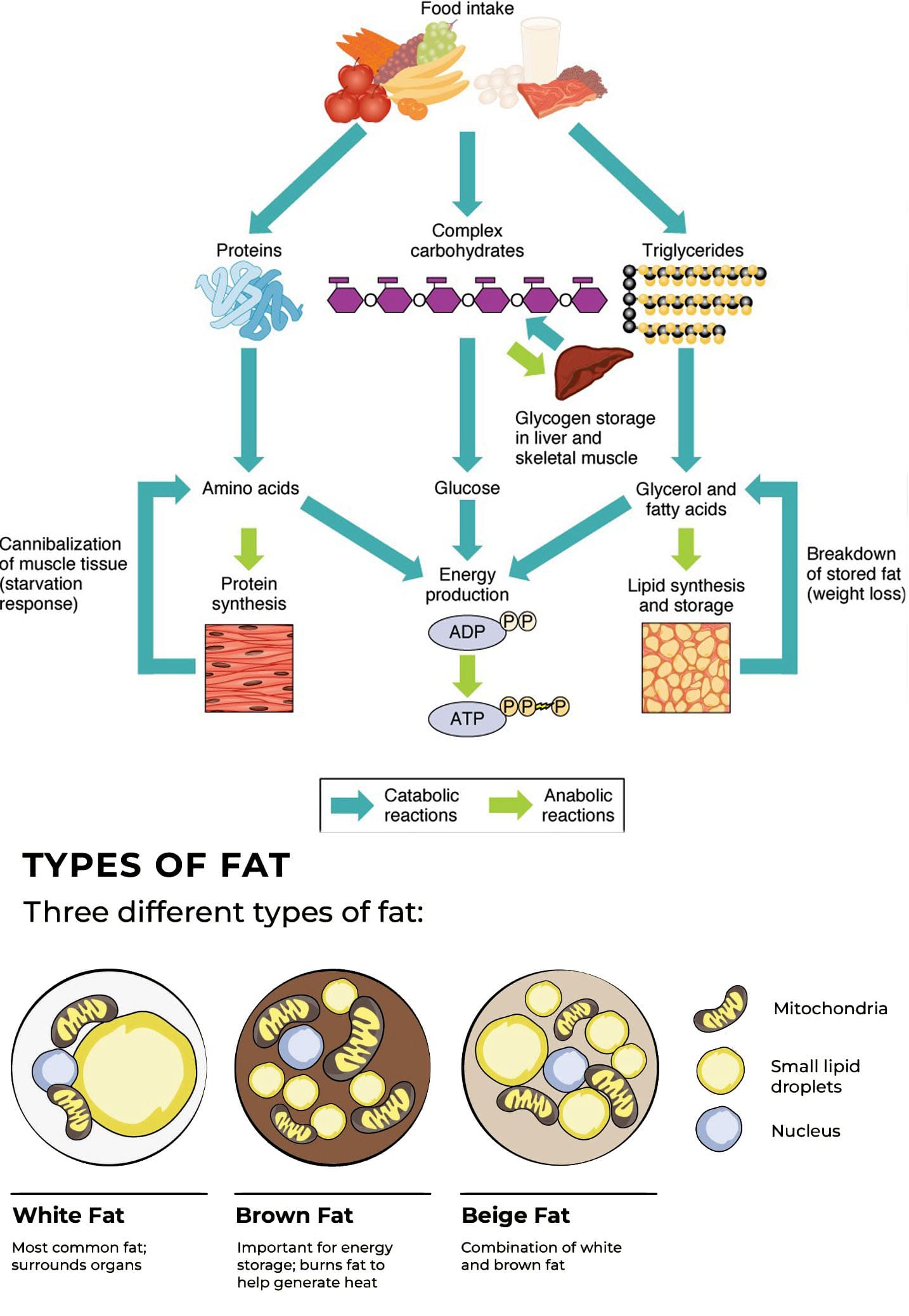
Fat is an essential component of a diet that fuels physical activity, work, exercise, etc. Its calorie density is the highest of all nutrients, and fat’s unlimited storage capacity makes it the body’s largest energy reserve. Fat is essential for longer, slower, lower-intensity endurance physical activities and exercises like walking and cycling.
What Is Fat?
Everything eaten is made up of:
Macronutrients
Protein
Carbohydrates
Fat
Micronutrients
Vitamins
Minerals
These are converted to energy, helping to fuel all bodily functions.
Dietary fat has been blamed for various health problems, but it is an essential nutrient for optimal health. The adipose tissue/stored fat provides cushion and insulation to internal organs, protects nerves, circulates vitamins A, D, E, and K through the body, and is the largest stored energy reserve. Stored body fat is different from dietary fat. Body fat is only stored when more calories are consumed than used from all foods, not just from dietary fats. There is an optimal level of body fat for health and regular physical and athletic activity.
Types
Researchers and scientists are learning more and more about body fat/adipose tissue and its roles in the body. Two well-known types are white fat and brown fat.
White fat is responsible for energy storage and metabolic functions like insulin sensitivity.
White fat can transition to brown fat under certain cold temperatures. (Rabiee A. 2020)
Beige fat is another type that scientists are still learning about.
When Fat Is Burned
When fat is used as fuel, the fatty acids inside the fat cell are broken down and released into the system as water and carbon dioxide. (MacLean P. S. et al., 2015) The body uses the water for hydration, and the carbon dioxide is exhaled through the lungs. The remaining fat cell shrinks as it is depleted of its fatty acids. The fat into energy conversion also produces heat.
Fat for Fuel
Fat is the main fuel source for long-duration, low—to moderate-intensity physical activities and exercise like endurance sports. Even during high-intensity activities and training, where carbohydrates are the main fuel source, the body still needs fat to help access the stored carbohydrates or glycogen. Using fat to fuel activity includes three key components which include:
Digestion
Fat is slow to digest and convert into a usable form of energy.
The process can take up to six hours.
Transportation
After the body breaks down the fat, it needs time to transport it to the working muscles before it can be used as energy.
Conversion
Converting stored body fat into energy takes increased oxygen, requiring decreased physical activity and exercise intensity.
This is why timing when and how much fat is consumed is important for its full potential. Eating foods high in fat immediately before or during intense physical work activity or exercise is not recommended. First, the job, chore, or workout will be done before the fat can be used as energy. And second, it can cause uncomfortable gastrointestinal symptoms like nausea, vomiting, and diarrhea.
Fat Loss Optimization
For individuals trying to alter body fat composition, the most important thing is to adopt a safe and effective physical activity and exercise routine and to eat a balanced diet of nutrient-dense foods that provide adequate amounts of macronutrients, including dietary fat.
Macronutrient
Low-carbohydrate and high-fat diets, like the ketogenic and Paleo diets, all work on the same premise: Lower carbohydrate intake, high fat intake, and moderate to high protein intake lead to burning body fat as the primary fuel source while engaging in physical activity or exercising. There is some scientific evidence that long-term low-carb/high-fat diets are safe and may help improve metabolic risk factors for chronic disease. Some studies on these diets have shown them to be beneficial for performance in endurance sports, but several months of adaptation to a low-carb/high-fat diet are required for metabolic changes to occur. (Chang C. K., Borer K., and Lin P. J. 2017))
High-Intensity Interval Training
High-intensity interval training is an efficient way to convert fat to energy. In a study, overweight individuals were able to convert body fat to energy in half the time using HIIT vs. aerobic activity alone (Zhang H. et al., 2017). HIIT specifically converts visceral fat, typically white adipose tissue, often found in the midsection. (Mittal B. 2019) HIIT also helps increase muscle mass and resting metabolism. (Thyfault J. P. and Bergouignan A. 2020) However, any exercise regimen that helps increase muscle mass provides these beneficial effects.
Injury Medical Chiropractic and Functional Medicine Clinic
At Injury Medical Chiropractic and Functional Medicine Clinic, we focus on what works for you to relieve pain, restore function, prevent injury, and better the body. Through research methods and total wellness programs, individuals can condition themselves to excel in physical activity or sports through proper fitness and nutrition. Regarding musculoskeletal pain, specialists like chiropractors, acupuncturists, and massage therapists can help mitigate the pain through spinal adjustments that help the body realign itself. They can also work with other medical professionals to integrate a treatment plan to resolve musculoskeletal issues.
Integrative Medicine and Chiropractic Care
References
Richard, A. J., White, U., Elks, C. M., & Stephens, J. M. (2000). Adipose Tissue: Physiology to Metabolic Dysfunction. In K. R. Feingold, B. Anawalt, M. R. Blackman, A. Boyce, G. Chrousos, E. Corpas, W. W. de Herder, K. Dhatariya, K. Dungan, J. Hofland, S. Kalra, G. Kaltsas, N. Kapoor, C. Koch, P. Kopp, M. Korbonits, C. S. Kovacs, W. Kuohung, B. Laferrere, M. Levy, E. A. McGee, R. McLachlan, M. New, J. Purnell, R. Sahay, A. S. Shah, F. Singer, M. A. Sperling, C. A. Stratakis, D. L. Trence, & D. P. Wilson (Eds.), Endotext. https://www.ncbi.nlm.nih.gov/pubmed/32255578
Rabiee A. (2020). Beige Fat Maintenance; Toward a Sustained Metabolic Health. Frontiers in endocrinology, 11, 634. https://doi.org/10.3389/fendo.2020.00634
MacLean, P. S., Higgins, J. A., Giles, E. D., Sherk, V. D., & Jackman, M. R. (2015). The role for adipose tissue in weight regain after weight loss. Obesity reviews : an official journal of the International Association for the Study of Obesity, 16 Suppl 1(Suppl 1), 45–54. https://doi.org/10.1111/obr.12255
Chang, C. K., Borer, K., & Lin, P. J. (2017). Low-Carbohydrate-High-Fat Diet: Can it Help Exercise Performance?. Journal of human kinetics, 56, 81–92. https://doi.org/10.1515/hukin-2017-0025
Zhang, H., Tong, T. K., Qiu, W., Zhang, X., Zhou, S., Liu, Y., & He, Y. (2017). Comparable Effects of High-Intensity Interval Training and Prolonged Continuous Exercise Training on Abdominal Visceral Fat Reduction in Obese Young Women. Journal of diabetes research, 2017, 5071740. https://doi.org/10.1155/2017/5071740
Mittal B. (2019). Subcutaneous adipose tissue & visceral adipose tissue. The Indian journal of medical research, 149(5), 571–573. https://doi.org/10.4103/ijmr.IJMR_1910_18
Thyfault, J. P., & Bergouignan, A. (2020). Exercise and metabolic health: beyond skeletal muscle. Diabetologia, 63(8), 1464–1474. https://doi.org/10.1007/s00125-020-05177-6
Can knowing the serving size help lower sugar and calories for individuals who enjoy eating dried fruits?
Dried Fruits
Dried fruits, like cranberries, dates, raisins, and prunes, are great because they last a long time and are healthy sources of fiber, minerals, and vitamins. However, dried fruits contain more sugar and calories per serving because they lose volume when dehydrated, allowing more to be consumed. This is why the serving size matters to ensure one does not overeat.
Serving Size
Fruits are dried in dehydrators or left in the sun to dehydrate naturally. They are ready once most of the water has disappeared. The loss of water decreases their physical size, which allows individuals to eat more, increasing sugar and calorie intake. For example, around 30 grapes fit in a single measuring cup, but 250 raisins can fill one cup once dehydrated. Nutritional information for fresh and dried fruit.
Thirty raisins have 47 calories and under 10 grams of sugar.
Grapes’ natural sugar content varies, so different types can be subject to nutritional value assessments.
Some fruits, like cranberries, can be very tart, so sugar or fruit juices are added during drying.
Ways to Use
Fresh fruit may be higher in certain vitamins, but mineral and fiber content are retained during drying. Dried fruits are versatile and can be made part of a healthy, balanced diet that can include:
Lightly sweeten oatmeal with a small serving of dried fruits for a hearty and healthy breakfast.
Salads
Toss dark, leafy greens, fresh apple slices, dried cranberries or raisins, and cheeses.
Main Course
Use dried fruit as an ingredient in savory entrees.
Protein Bar Substitutes
Raisins, dried blueberries, apple chips, and dried apricots are convenient and last longer than fresh fruit, making them perfect when protein bars are unavailable.
At Injury Medical Chiropractic and Functional Medicine Clinic, our areas of practice include Wellness & Nutrition, Chronic Pain, Personal Injury, Auto Accident Care, Work Injuries, Back Injury, Low Back Pain, Neck Pain, Migraine Headaches, Sports Injuries, Severe Sciatica, Scoliosis, Complex Herniated Discs, Fibromyalgia, Chronic Pain, Complex Injuries, Stress Management, Functional Medicine Treatments, and in-scope care protocols. We focus on what works for you to achieve improvement goals and create an improved body through research methods and total wellness programs.
Functional Medicine’s Influence Beyond Joints
References
FoodData Central. U.S. Department of Agriculture. (2017). Raisins. Retrieved from https://fdc.nal.usda.gov/fdc-app.html#/food-details/530717/nutrients
FoodData Central. U.S. Department of Agriculture. (2018). Grapes, American type (slip skin), raw. Retrieved from https://fdc.nal.usda.gov/fdc-app.html#/food-details/174682/nutrients
FoodData Central. U.S. Department of Agriculture. (2018). Grapes, red or green (European type, such as Thompson seedles), raw. Retrieved from https://fdc.nal.usda.gov/fdc-app.html#/food-details/174683/nutrients
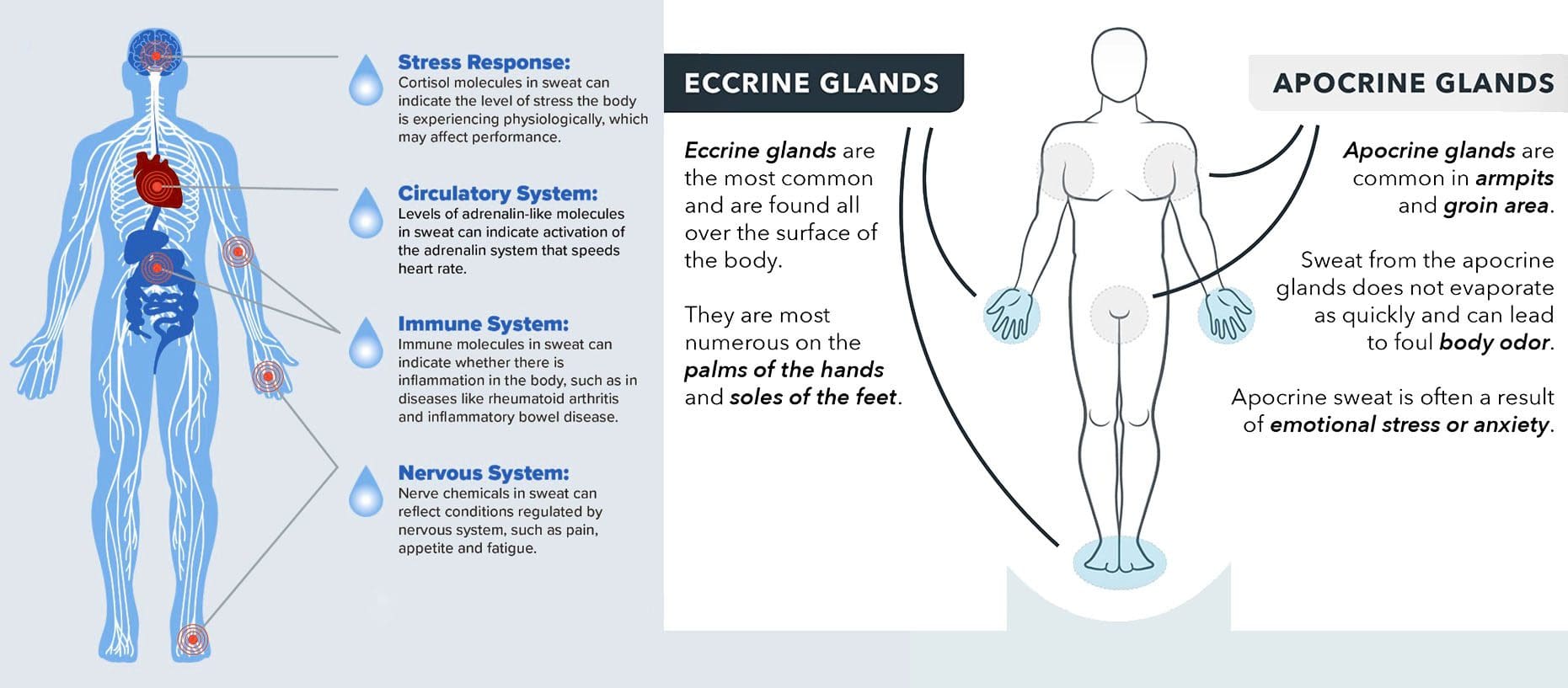
When the body shifts out of homeostasis or when something in the body is out of balance, the body sweats. Sweating is a process known as perspiration that releases salt-based fluids from the body’s sweat glands to help the body stay cool and regulate body temperature. Sweat is commonly found under the arms, on the feet, and on the palms of the hands. Body temperature, outdoor temperature, or emotional state changes can cause sweating.
Sweating
An individual has around 2-4 million sweat glands, which begin to become fully active during puberty. There are two types of sweat glands: eccrine and apocrine. The most common areas of sweating include:
Face.
Armpits.
Palms of the hands.
Soles of the feet.
Sweating in normal amounts is an essential bodily process.
Not sweating enough or sweating too much can cause problems.
Sweat is mostly water but contains small amounts of salt.
Sweat also contains electrolytes and minerals – including potassium, chloride, magnesium, zinc, copper, proteins, urea, and ammonia.
Electrolyte levels need to be replenished after heavy sweating.
Causes
Sweating is normal. However, a variety of causes can stimulate increased sweating.
High Temperature
Elevated body temperature.
Elevated outdoor temperature.
Are the primary cause of increased sweating.
Emotions and stress
Emotions and conditions can also make the body break out in a heavy sweat.
Emotional stress
Anxiety
Anger
Fear
Embarrassment
Foods
Sweating may be a response to certain foods. This type of sweat is known as gustatory sweating, which can be caused by:
Spicy foods
Caffeinated drinks – like soda, coffee, and tea.
Alcoholic beverages.
Medications
Illness and Medications
Sweating may be caused by medication use and certain illnesses:
Individuals can become dehydrated and have an increased risk of heatstroke.
Chiropractic Adjustments
The nervous system coordinates and oversees all functions of the body. Some can be consciously controlled, and others are automatic. The autonomic nervous system– ANS regulates involuntary processes, including blood pressure, heart rate, digestion, respiration, gland function, sweating, etc. The ANS is divided into the sympathetic and parasympathetic systems.
The sympathetic nervous system – when activated, creates a state of elevated activity and attention or the fight or flight response.
This process increases blood pressure and heart rate, preparing the body to respond to various stressors.
The parasympathetic nervous system promotes resting and digesting processes that lower heart rate and blood pressure.
The parasympathetic calms the body.
Chiropractic adjustments have been known to affect the autonomic nervous system. This is achieved by increasing parasympathetic activity/relaxation and down-shifting the sympathetic/fight or flight response and inflammation. A chiropractic adjustment can remove subluxations, which cause interferences in the nervous system. Chiropractic restores and improves the brain and body system communication.
Thoracic Spine Pain
References
Baker, Lindsay B. “Physiology of sweat gland function: The roles of sweating and sweat composition in human health.” Temperature (Austin, Tex.) vol. 6,3 211-259. 17 Jul. 2019, doi:10.1080/23328940.2019.1632145
Cabanac, M. “Temperature regulation.” Annual Review of Physiology vol. 37 (1975): 415-39. doi:10.1146/annurev.ph.37.030175.002215
Cui, Chang-Yi, and David Schlessinger. “Eccrine sweat gland development and sweat secretion.” Experimental dermatology vol. 24,9 (2015): 644-50. doi:10.1111/exd.12773
Kiani, Aysha Karim, et al. “Neurobiological basis of chiropractic manipulative treatment of the spine in the care of major depression.” Acta bio-medica : Atenei Parmensis vol. 91,13-S e2020006. 9 Nov. 2020, doi:10.23750/abm.v91i13-S.10536
McCutcheon, L J, and R J Geor. “Sweating. Fluid and ion losses and replacement.” The Veterinary clinics of North America. Equine practice vol. 14,1 (1998): 75-95. doi:10.1016/s0749-0739(17)30213-4
The body needs food for fuel, energy, growth, and repair. The digestive process breaks down food into a form the body can absorb and use for fuel. The broken-down food gets absorbed into the bloodstream from the small intestine, and the nutrients are carried to the cells throughout the body. Understanding how the organs work together to digest food can help with health goals and overall health.
The Digestive Process
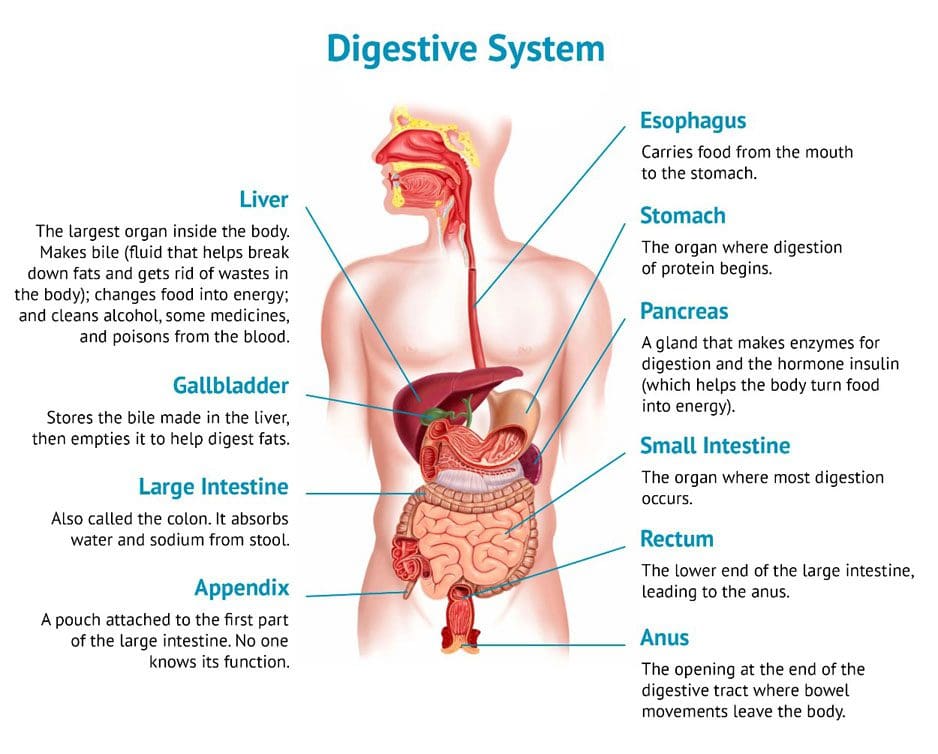
The organs of the digestive system are the following:
The digestive process starts with the anticipation of eating, stimulating the glands in the mouth to produce saliva. The digestive system’s primary functions include:
Mixing food
Moving food through the digestive tract – peristalsis
The chemical breakdown of food into smaller absorbable components.
The digestive system converts food into its simplest forms, which include:
Glucose – sugars
Amino acids – protein
Fatty acids – fats
Proper digestion extracts nutrients from food and liquids to maintain health and function properly. Nutrients include:
Carbohydrates
Proteins
Fats
Vitamins
Minerals
Water
Mouth and Esophagus
The food is ground up by the teeth and moistened with saliva to swallow easily.
Saliva also has a special chemical enzyme that starts breaking down carbohydrates into sugars.
Muscular contractions of the esophagus massage the food into the stomach.
Stomach
The food passes through a small muscle ring into the stomach.
It gets mixed with gastric chemicals.
The stomach churns the food to break it down further.
The food is then squeezed into the first part of the small intestine, the duodenum.
Small Intestine
Once in the duodenum, the food mixes with more digestive enzymes from the pancreas and bilefrom the liver.
The food passes into the lower parts of the small intestine, called the jejunum and the ileum.
Nutrients are absorbed from the ileum, lined with millions of villi or thread-like fingers that facilitate the absorption.
Each villus is connected to a mesh of capillaries, which is how nutrients get absorbed into the bloodstream.
Pancreas
The pancreas is one of the largest glands.
It secretes digestive juices and a hormone called insulin.
Insulin helps regulate the amount of sugar in the blood.
The liver has several different roles that include:
Breaks down fats using bile stored in the gallbladder.
Processes proteins and carbohydrates.
Filters and processes impurities, medications, and toxins.
Generates glucose for short-term energy from compounds like lactate and amino acids.
Large Intestine
A large reservoir of microbes and healthy bacteria live in the large intestine and play an important role in healthy digestion.
Once the nutrients have been absorbed, the waste is passed into the large intestine or bowel.
Water is removed, and the waste gets stored in the rectum.
It is then passed out of the body through the anus.
Digestive System Health
Ways to keep the digestive system and the digestive process healthy include:
Drink More Water
Water helps the food flow more easily through the digestive system.
Low amounts of water/dehydration are common causes of constipation.
Add More Fiber
Fiber is beneficial to digestion and helps with regular bowel movements.
Incorporate both soluble and insoluble fiber.
Soluble fiber dissolves in water.
As soluble fiber dissolves, it creates a gel that can improve digestion.
Soluble fiber may reduce blood cholesterol and sugar.
It helps your body improve blood glucose control, which can aid in reducing your risk for diabetes.
Insoluble fiber does not dissolve in water.
Insoluble fiber attracts water into the stool, making it softer and easier to pass with less strain on the bowels.
Insoluble fiber can help promote bowel health and regularity and supports insulin sensitivity which can help reduce the risk of diabetes.
Balanced Nutrition
Eat fruit and vegetables daily.
Choose whole grains over processed grains.
Avoid processed foods in general.
Choose poultry and fish more than red meat and limit processed meats.
Cut down on sugar.
Eat Foods with Probiotics or Use Probiotic Supplements
Probiotics are healthy bacteria that help combat unhealthy bacteria in the gut.
They also generate healthy substances that nourish the gut.
Consume probiotics after taking antibiotics that often kill all the bacteria in the gut.
Eat Mindfully and Chew Food Slowly
Chewing food thoroughly helps to ensure the body has enough saliva for digestion.
Chewing food thoroughly also makes it easier for nutritional absorption.
Eating slowly gives the body time to digest thoroughly.
It also allows the body to send cues that it is full.
How The Digestive System Works
References
GREENGARD, H. “Digestive system.” Annual review of physiology vol. 9 (1947): 191-224. doi:10.1146/annurev.ph.09.030147.001203
Hoyle, T. “The digestive system: linking theory and practice.” British journal of nursing (Mark Allen Publishing) vol. 6,22 (1997): 1285-91. doi:10.12968/bjon.1997.6.22.1285
Martinsen, Tom C et al. “The Phylogeny and Biological Function of Gastric Juice-Microbiological Consequences of Removing Gastric Acid.” International journal of molecular sciences vol. 20,23 6031. 29 Nov. 2019, doi:10.3390/ijms20236031
Ramsay, Philip T, and Aaron Carr. “Gastric acid and digestive physiology.” The Surgical clinics of North America vol. 91,5 (2011): 977-82. doi:10.1016/j.suc.2011.06.010
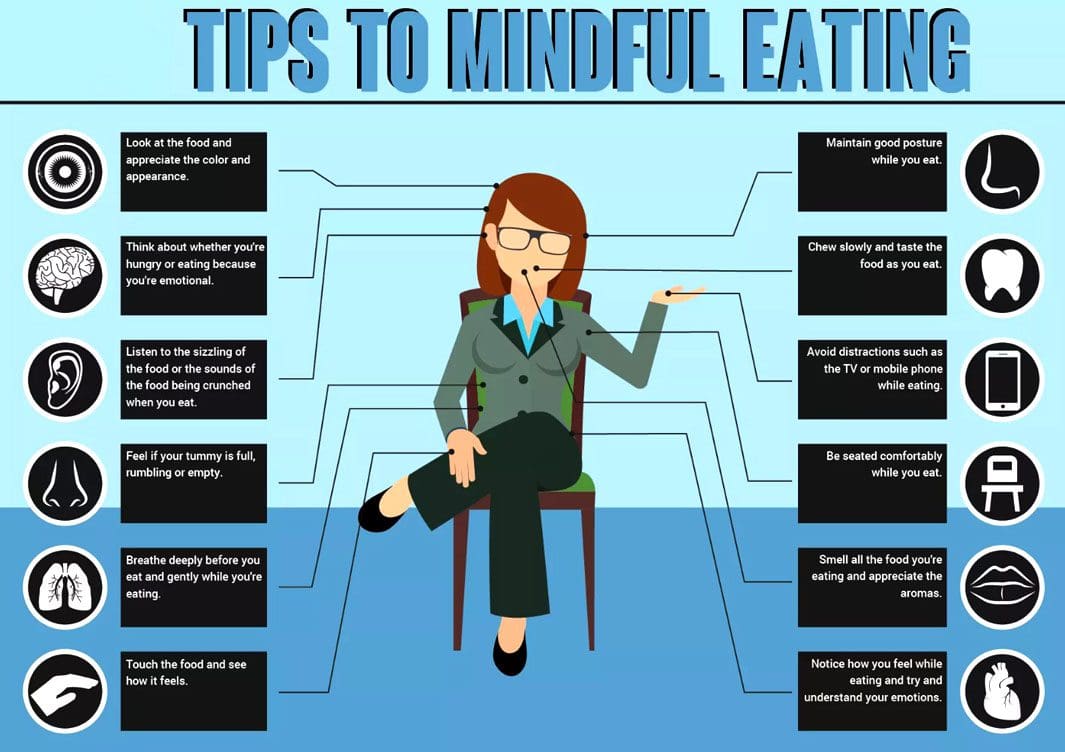
Mindful eating involves paying attention to what and how individuals eat, helping to become more aware of the body’s natural hunger and satisfaction cues. The process can help individuals become aware of the reasons behind their hunger and help to reduce cravings, control portion sizes, and develop long-term healthy eating habits.
Mindful Eating
It’s easy to rush through meals and snacks without pausing to enjoy the experience while refueling the body. Like meditation, individuals focus on what they are eating, how it smells, tastes, and the bodily sensations experienced. It is a way of checking in with the mind and body throughout a meal or snack. Mindful eating puts the individual in touch:
Hedonic hunger – emotional, stressful, conditioned, celebratory, etc.
Benefits
Individuals do not have to go all-in but can adopt some principles of slowing down and tuning into the body to improve health. Benefits include:
Better Digestion
Slowing down and chewing food properly makes it easier to digest.
Improved Nutrition
Fast foods can cause a feeling of sluggishness and bloating.
Eating nutrient-packed meals provides more energy.
Improved nutrition means improved immune system health.
The awareness reinforces making healthier choices.
Satisfaction After Meals
Rushing to finish a meal means not enjoying the flavors and texture factors that can generate a sense of fullness and satisfaction.
Training the mind and body to be truly satisfied with meals and snacks leads to less stress and less craving.
Healthier Food Relationship
The body needs food physiologically for fuel and nourishment.
Individuals also develop emotional attachments to food associated with experiences and memories.
Addressing all aspects and influences in food relationships allows individuals to become more aware of their learned behaviors, perceptions, emotions, and mindsets.
Identifies behaviors that are not beneficial so the individual can work to improve them.
Improved Cardiometabolic Health
Mindful or intuitive eating has been shown to improve:
Blood sugar levels in pregnant women.
Inflammatory markers in postmenopausal women.
Lipid and blood pressure in overweight adults.
Food Consumption Health
Put away electronics and set aside time and space for eating only.
Eat in a setting where you are relaxed.
Eating in the car, in front of a computer while working, or on the phone doesn’t give full attention to the eating process and, as a result, can cause the individual to eat more or eat foods that are not healthy.
Sit down and take a few deep breaths before starting the meal.
If emotions are running high and are geared towards eating, see if you can acknowledge and express those emotions rather than eat through them.
This will help the digestive process and get the most out of the meal.
Eat a palette of colors, sample various salty, sweet, spicy, and umami/savory flavors, and take in the food with all the senses.
Not eating a variety of flavors at a meal can cause a feeling of missing something that can lead to unhealthy cravings.
Eat with others, as sharing food can enrich everyone involved and help focus on the experience, not the amount of food consumed.
Chew thoroughly, as digestion begins in the mouth, where enzymes are secreted in saliva to break down food.
Not properly chewing and making the food smaller can cause indigestion and other digestive problems.
Listen to your body and recognize when you have had enough or want more.
Waiting five minutes before getting another serving can help the body become more attuned to hunger and fullness cues.
Eat Mindfully
References
Cherpak, Christine E. “Mindful Eating: A Review Of How The Stress-Digestion-Mindfulness Triad May Modulate And Improve Gastrointestinal And Digestive Function.” Integrative medicine (Encinitas, Calif.) vol. 18,4 (2019): 48-53.
Espel-Huynh, H M et al. “A narrative review of the construct of hedonic hunger and its measurement by the Power of Food Scale.” Obesity science & practice vol. 4,3 238-249. 28 Feb. 2018, doi:10.1002/osp4.161
Grider, Hannah S et al. “The Influence of Mindful Eating and/or Intuitive Eating Approaches on Dietary Intake: A Systematic Review.” Journal of the Academy of Nutrition and Dietetics vol. 121,4 (2021): 709-727.e1. doi:10.1016/j.jand.2020.10.019
Hendrickson, Kelsie L, and Erin B Rasmussen. “Mindful eating reduces impulsive food choice in adolescents and adults.” Health psychology: official journal of the Division of Health Psychology, American Psychological Association vol. 36,3 (2017): 226-235. doi:10.1037/hea0000440
Morillo Sarto, Hector, et al. “Efficacy of a mindful-eating program to reduce emotional eating in patients suffering from overweight or obesity in primary care settings: a cluster-randomized trial protocol.” BMJ open vol. 9,11 e031327. 21 Nov. 2019, doi:10.1136/bmjopen-2019-031327
Nelson, Joseph B. “Mindful Eating: The Art of Presence While You Eat.” Diabetes spectrum: a publication of the American Diabetes Association vol. 30,3 (2017): 171-174. doi:10.2337/ds17-0015
Warren, Janet M et al. “A structured literature review on the role of mindfulness, mindful eating and intuitive eating in changing eating behaviors: effectiveness and associated potential mechanisms.” Nutrition research reviews vol. 30,2 (2017): 272-283. doi:10.1017/S0954422417000154
Chiropractic is a form of neuromusculoskeletal care that repairs and re-optimizes the nervous system that helps to relieve tension, inflammation, pain and restore body health. Like any piece of machinery that requires regular maintenance to operate correctly without issues, so too is the body an exquisite machine that needs regular maintenance. Treatment restores and maintains optimal function to the nervous system, muscles, bones, tendons, ligaments, and joints.
Neuromusculoskeletal Care
Central Nervous System – CNS
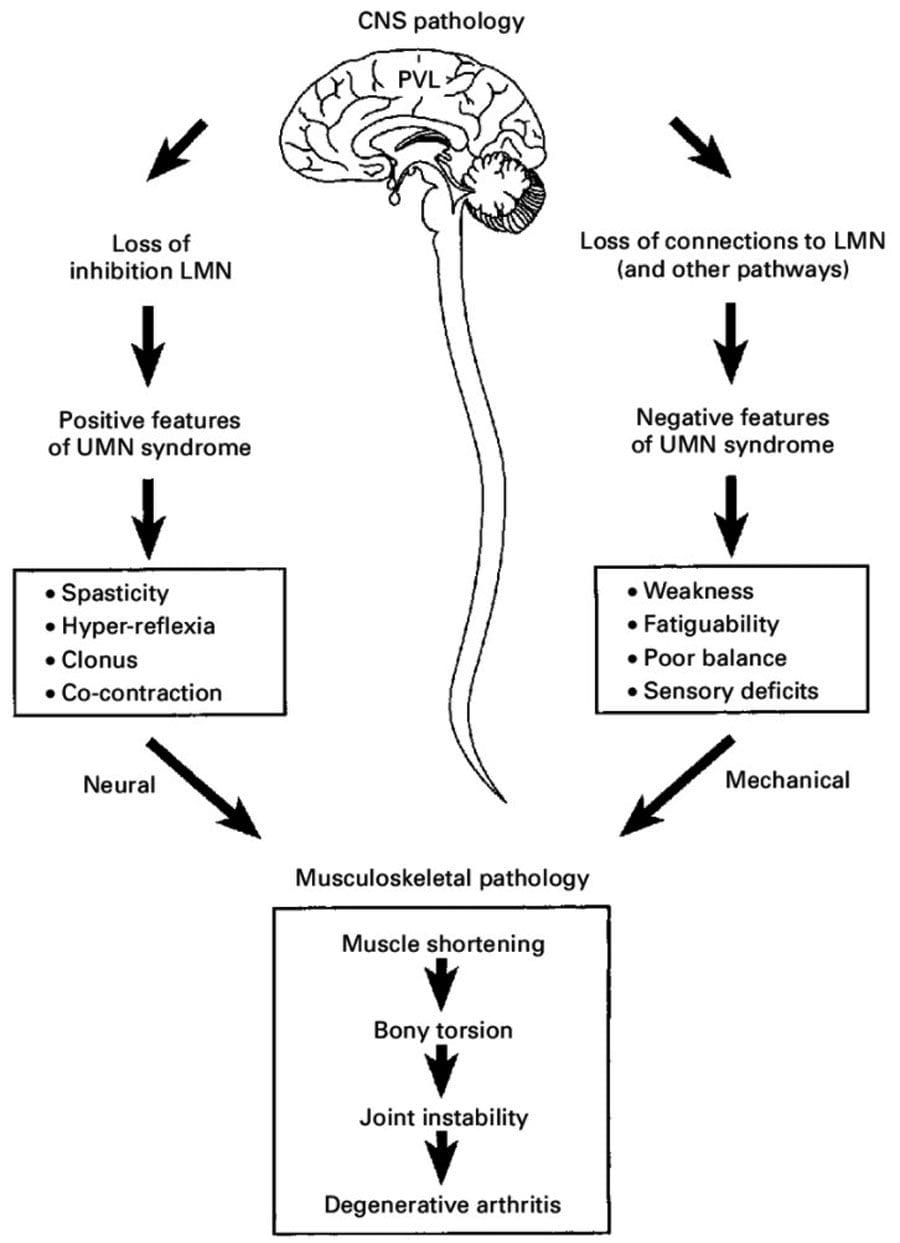
The Central Nervous System or CNS is the body’s computer.
It processes functions in the body and mind.
It s made up of the brain and spinal cord.
It helps process external information through sight, sound, touch, smell, and taste.
The CNS interprets sensory information that goes through the spinal cord to the brain, and the body responds accordingly.
It controls voluntary movements like walking, talking, exercising.
It controls involuntary movements like blinking, breathing, digestion.
It allows thoughts, emotions, and perceptions to be created and expressed.
When the Central Nervous System works correctly, the body is coordinated, all senses send and receive information effectively, and cognition/thinking is clear.
Peripheral Nervous System – PNS
The Peripheral Nervous System or PNS transmits signals from the outside to the Central Nervous System.
The PNS is comprised of all the nerve bundles that run throughout the body.
The PNS is responsible for transmitting information back and forth from the CNS to the rest of the body by electrical impulses and current.
When the PNS is functioning correctly, and there is thorough nerve circulation throughout the body, there are no issues like numbness, weakness, pain, and digestion is in top form.
Enteric Nervous System – ENS
The Enteric Nervous System or ENS is a branch of the peripheral nervous system that signals the digestive system.
It comprises nerves that stretch across the entire gastrointestinal tract.
It allows the nervous system to communicate with the digestive tract and regulate activity.
It can stop the digestive process when the body is under stress or strain, i.e., fight or flight response.
Inflammation and stress can cause the enteric system to disrupt and cause digestive problems.
Pain Relief
Body pain can be an indication of an imbalance in the nervous system. Misalignment from work, home activities, trauma, injury, or posture problems, a subluxation/misalignment can turn into discomfort that leads to pain and neuromusculoskeletal system issues. Pain in the neuromusculoskeletal system can result from spinal misalignment and a shifting skeletal structure. The joints and misaligned bones compress the surrounding nerves and tissue, causing inflammation that results in pain symptoms. This causes the muscular system to compensate for the lack of stability support from the skeletal structure causing awkward body posturing. A chiropractor realigns the spinal structure, removing the compression/pressure from the nerves, tissues, muscles, ligaments, and tendons.
Body Composition
Chiropractic Medicine
The nervous system is highly responsive to chiropractic care because of chiropractic’s focus on the spine, which restores and rejuvenates. Chiropractic medicine and a properly aligned spine:
Reduces and eliminates pain.
Reduces and eliminates headaches and migraines.
Improves balance and coordination.
Improves digestive function.
Improves quality of sleep.
Increases energy.
Increases flexibility and mobility.
Enhances cognition and clear thinking.
References
Goudman, Lisa et al. “The Link Between Spinal Cord Stimulation and the Parasympathetic Nervous System in Patients With Failed Back Surgery Syndrome.” Neuromodulation: journal of the International Neuromodulation Society vol. 25,1 (2022): 128-136. doi:10.1111/ner.13400
Gyer, Giles et al. “Spinal manipulation therapy: Is it all about the brain? A current review of the neurophysiological effects of manipulation.” Journal of integrative medicine vol. 17,5 (2019): 328-337. doi:10.1016/j.joim.2019.05.004
Millet, Guillaume Y et al. “The role of the nervous system in neuromuscular fatigue induced by ultra-endurance exercise.” Applied physiology, nutrition, and metabolism = Physiologie appliquee, nutrition et metabolisme vol. 43,11 (2018): 1151-1157. doi:10.1139/apnm-2018-0161
Stoll, T et al. “Physiotherapie bei lumbaler Diskushernie” [Physiotherapy in lumbar disc herniation ]. Therapeutische Umschau. Revue therapeutique vol. 58,8 (2001): 487-92. doi:10.1024/0040-5930.58.8.487
Improving posture can be challenging. Poor posture is often the source of various musculoskeletal issues like chronic pain throughout the body. Poor posture can be so ingrained in the brain that it becomes an unconscious positioning reflex that feels right but could be worsening spinal, hip, and leg problems. The Alexander Technique could be a treatment option that could help long-term.
Alexander Technique
The approach focuses on learning mind-body awareness. It is an educational process to teach individuals to become aware of their body positioning and change unhealthy posture/movement habits into healthy ones. The objective is learning to utilize sufficient levels of muscle tension for everyday activities, like sitting, standing up, and walking in a healthy way to maintain optimal health of the musculoskeletal system.
The theory is that less tension minimizes wear and tear on the muscles and structures of the spine vulnerable to compression.
The fundamental goal of the Alexander Technique is to undo all the unhealthy tension habits to decompress the spine and retrain the mind and body to approach movement and body positioning in a new and healthy way.
Teachings
The technique can be done in a class setting or one-on-one teaching because everyone’s postural and movement habits are unique. A teacher helps identify the tension-inducing postures and educates the individual on how to correct them. Human touch is an integral part of the Alexander Technique. Using their hands gently to adjust the individual to a proper upright position, a teacher helps release pressure from the head, neck, shoulders, and upper back. The individual learns to release the tension throughout their body. The Alexander Technique is a type of hands-on therapy; it is not manipulation or massage. It uses a light touch with no risk of injury to the spine, allowing anyone to participate. However, individuals must be willing to participate/engage in the process to get the benefits. Most individuals can tell if it’s right for them during the first lesson.A typical program teaches:
Staying alert to the body’s warning of tension and compression.
Tension Build Up
Individuals usually don’t even realize they’re constantly placing pressure on their spine from unhealthy postural habits, building up muscular tension they never knew they created. For example, unhealthy neck position habits include:
Pushing the head forward
Slumping over
Pinning the shoulders back
These postures generate/build pressure and tension that radiates outward and down to the large muscles of the spine.
Habitual downward pressure can pull and change the spine’s shape, leading to degenerative forms of spinal deformity in severe cases.
When the tension is released, the neck and body begin to stand upright comfortably, without pulling down or pulling back.
Frederick Matthias Alexander
Developed the technique in the 1890s to help his muscle tension problems affecting his acting career. When performing, he would stiffen his neck and pull his head back and up, building tension that caused him to tighten his throat and lose his voice. He did not know he was doing this until he performed in front of a mirror and saw his awkward positioning. He realized this and retrained himself to pose naturally, stay relaxed, and be aware of any tension building in the muscles to release it immediately. Alexander Technique educators/practitioners practice all over the world. The American Society for the Alexander Technique or AmSAT website has a Find A Teacher Tool that connects individuals to AmSAT-approved teachers.
Body Composition
Practicing Mindfulness
Developing a mindfulness practice can help identify triggers of negative behavior or thoughts. Just like diet and exercise, practicing mindfulness is unique to everyone. It is recommended to try different things like:
Journaling is another way to tune into oneself. Grab a pen and paper, a computer, tablet, or phone, and take a few minutes to write every day.
Write one thing that makes you happy.
One thing you want to improve.
One goal you want to accomplish that day or that week.
Mindful music listening can help reduce stress by allowing the individual to focus their attention when their mind is going in all directions.
Instead of turning to the news or email when waking up, grab a cup of coffee or tea and listen to a favorite podcast or music.
Put the phone away and listen to your mind and self.
Try to meditate in the morning when waking up. This helps set the day’s goals/plans. Goal-setting mindfulness has been shown to reduce stress levels and anxiety. However, if the morning is not possible then at night before bed can be used to reflect on the day’s activities, what went well, what didn’t, how to improve something, whatever the case, the point is to make time for yourself to reflect, set goals, and develop a plan to achieve those goals.
References
Becker, Jordan J et al. “Preliminary evidence for feasibility, efficacy, and mechanisms of Alexander technique group classes for chronic neck pain.” Complementary therapies in medicine vol. 39 (2018): 80-86. doi:10.1016/j.ctim.2018.05.012
Cacciatore et al., Improvement in automatic postural coordination following Alexander technique lessons in a person with low back pain. Physical Therapy Journal, 2005; 85:565-578. Accessed January 5, 2011
Chin, Brian et al. “Psychological mechanisms driving stress resilience in mindfulness training: A randomized controlled trial.” Health psychology: official journal of the Division of Health Psychology, American Psychological Association vol. 38,8 (2019): 759-768. doi:10.1037/hea0000763
Little P, Lewith G, Webley F, et al. Randomised controlled trial of Alexander technique lessons, exercise, and massage (ATEAM) for chronic and recurrent back pain. The BMJ. 2008;337:a884. doi: https://doi.org/10.1136/bmj.a884.
Paolucci, Teresa et al. “Chronic low back pain and postural rehabilitation exercise: a literature review.” Journal of pain research vol. 12 95-107. December 20 2018, doi:10.2147/JPR.S171729
IFM's Find A Practitioner tool is the largest referral network in Functional Medicine, created to help patients locate Functional Medicine practitioners anywhere in the world. IFM Certified Practitioners are listed first in the search results, given their extensive education in Functional Medicine