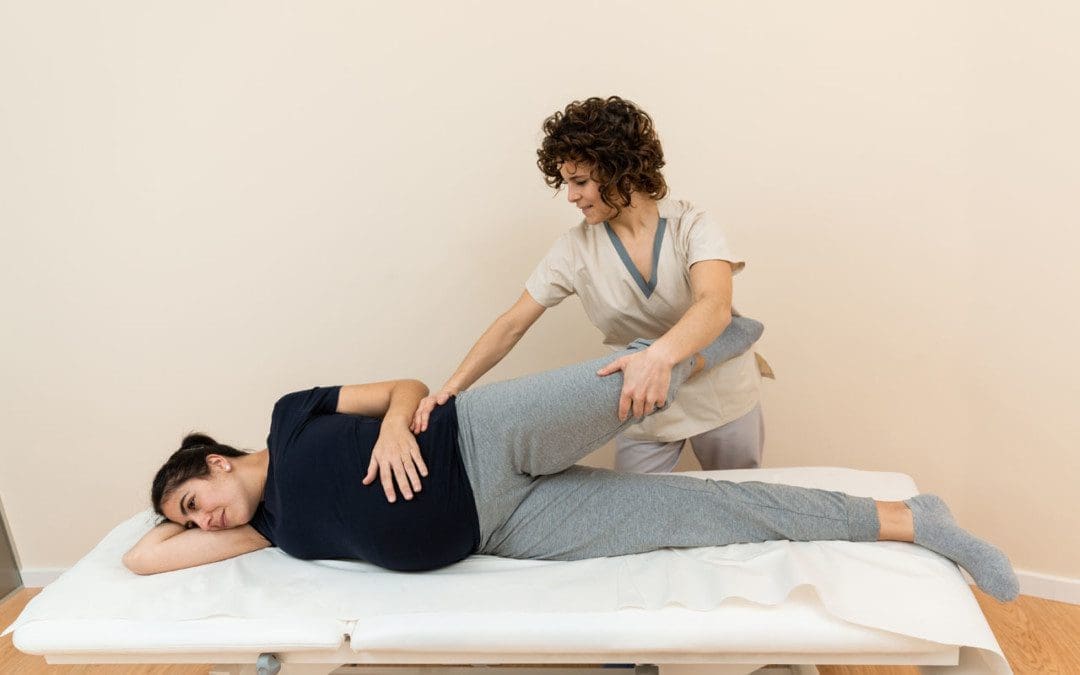
Pregnant and Chiropractic: Many women experience back/pelvis/leg/feet swelling, soreness, achiness, and pain during pregnancy. A growing belly added weight and changes in connective tissue can cause a variety of musculoskeletal strains and misalignments. Chiropractic care provides health maintenance of the spinal column, discs, nerves, joints, muscles, and bones. It is an art and science of adjusting a misaligned body, reducing stress, and promoting health throughout the body.
Pregnant and Chiropractic
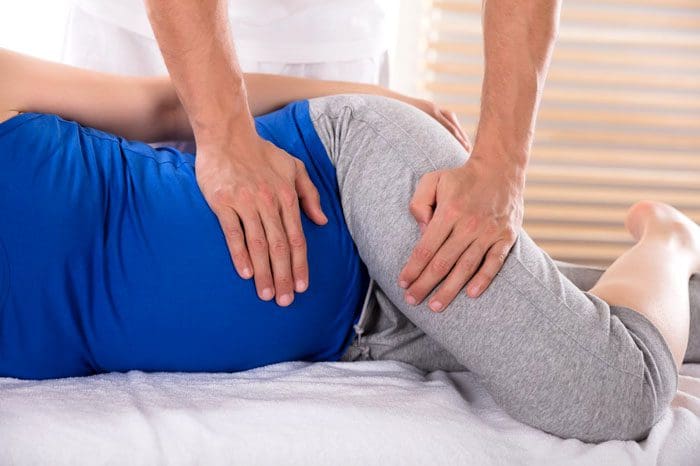
With a primary doctor’s clearance, chiropractic can provide safe adjustments. Chiropractors trained to work with pregnant women utilize techniques that avoid applying pressure on or around the abdomen. Benefits of chiropractic during pregnancy include:
Restores and maintains spinal alignment and balance.
Helps control symptoms of nausea.
Improves energy levels.
Relieves body pain.
Helps reduce labor time and delivery.
Restores pelvic positioning and balance, improving standing, sitting, and walking mechanics.
A chiropractor trained in the needs of pregnant women will also provide exercises and stretches that are safe during pregnancy. A chiropractor will discuss/recommend treatment options, patient concerns, and a complete medical history assessment. They will monitor symptoms to customize treatments to the individual’s specific needs to get the most relief.
Body Composition
Gestational Hypertension
Gestational hypertension develops during pregnancy. It is not preventable and returns to normal levels postpartum. However, there is an increased risk of developing chronic hypertension later if gestational hypertension begins to develop. According to Mayo Clinic, gestational hypertension is diagnosed by the following:
Blood pressure is higher than 140/90 on at least two occasions.
Must be more than four hours apart.
There is no other organ damage present.
References
Gutke, Annelie et al. “Treatments for pregnancy-related lumbopelvic pain: a systematic review of physiotherapy modalities.” Acta Obstetricia et Gynecologica Scandinavica vol. 94,11 (2015): 1156-67. doi:10.1111/aogs.12681
Poděbradská, R et al. “The effect of physiotherapy intervention on the load of the foot and low back pain in pregnancy.” “Vliv fyzioterapeutických postupů na zatížení plosky a bolesti zad v těhotenství.” Ceska gynekologie vol. 84,6 (2019): 450-457.
Schreiner, Lucas et al. “Systematic review of pelvic floor interventions during pregnancy.” International journal of gynecology and obstetrics: the official organ of the International Federation of Gynaecology and Obstetrics vol. 143,1 (2018): 10-18. doi:10.1002/ijgo.12513
With a growing belly and changes in connective tissue, many pregnant women are unable to stay comfortable. A pregnancy chiropractor is safe and effective in helping manage pain in the back, hips, legs, joints and establish pelvic balance. This can provide the baby with space to grow and move throughout the pregnancy and lead to faster, easier labor and delivery. Relief and better symptom management are possible with a pregnancy chiropractor.
Chiropractic Is Safe During Pregnancy
Before engaging in any treatment during pregnancy, consult a doctor. For the most part, non-invasive chiropractic is considered safe for healthy, low-risk pregnancies and even higher-risk pregnancies once cleared by a doctor. Because pregnant women cannot take medications or undergo other invasive treatment options for pain, chiropractic treatment is recommended for sore, tight muscles, irritability, and pain management.
How A Pregnancy Chiropractor Can Help
What a chiropractor can offer includes:
Restore pelvic balance.
Improve mechanics for standing, sitting, and walking that could otherwise cause pain.
Pain management through therapeutic massage and adjustments.
Optimize the pelvic position to allow for an easier birth; evidence indicates a shorter labor time thanks to an optimal pelvic position.
Clinic Appointment
The pregnancy chiropractor begins with an initial consultation. Here the patient asks questions, discusses any concerns, along with a full assessment of medical history. They will suggest various treatment options to restore the body to its optimal balance. The chiropractor will continually monitor the patient to tailor the treatments to their specific needs and achieve the most relief.
Body Composition
Impact of Breastfeeding and Body Composition
It turns out that breastfeeding and weight loss are showing that there could be a relationship. A study suggested that breastfeeding could eliminate weight gain during six months. These findings are corroborated by another study comparing body fat loss between exclusively breastfeeding and mixed feeding mothers. The researchers found that exclusively breastfeeding promotes more significant body fat loss than mixed feeding among mothers during the first 12 weeks after childbirth. A weight loss of approximately about a pound per week between 4 and 14 weeks after delivery in overweight, lactating women who were exclusively breastfeeding showed no adverse effect on the growth and development of their newborns.
References
Bernard, Maria, and Peter Tuchin. “Chiropractic Management of Pregnancy-Related Lumbopelvic Pain: A Case Study.” Journal of chiropractic medicine vol. 15,2 (2016): 129-33. doi:10.1016/j.jcm.2016.04.003
Borggren, Cara L. “Pregnancy and chiropractic: a narrative review of the literature.” Journal of chiropractic medicine vol. 6,2 (2007): 70-4. doi:10.1016/j.jcme.2007.04.004
Weis, Carol Ann et al. “Chiropractic Care for Adults With Pregnancy-Related Low Back, Pelvic Girdle Pain, or Combination Pain: A Systematic Review.” Journal of manipulative and physiological therapeutics vol. 43,7 (2020): 714-731. doi:10.1016/j.jmpt.2020.05.005
Chocolate is comfort food. When stressed out, frustrated it makes you feel better, and when things are great, it can make them even better. However, there is a difference between the chocolate bar candies on the store shelves and healthy chocolate. Unhealthy chocolate is full of sugar and fat that can cause health problems like acne, obesity, high blood pressure, and diabetes. Healthy dark chocolate can be eaten regularly in moderation to gain a variety of health benefits what to know as far as what type of chocolate should be eaten and how much.
Healthy Dark Chocolate
All the chocolate snacks, bars, minis, etc., contain added sugar, honey, and butter. These are not healthy for the body. Healthy dark chocolate contains at least 70% cocoa.
Dark Chocolate Nutrition
A 3.5 ounce – 100 grams dark chocolate bar contains:
11 grams of fiber
98% of recommended daily intake of manganese
89% of recommended daily intake of copper
67% of recommended daily intake of iron
58% of recommended daily intake of magnesium
Zinc
Selenium
Potassium
However, one bar contains 600 calories, which is why it needs to be consumed in moderation.
Cardiovascular System Benefits
Studies have shown that dark chocolate can restore elasticity and flexibility to the blood vessels and arteries. It was found to help prevent white blood cells from sticking to the blood vessel walls, a common cause of clogged arteries.
Lowers Cholesterol & Reduces Risk of Heart Disease
Dark chocolate has compounds that prevent the oxidation of LDL or low-density lipoprotein cholesterol. Less cholesterol means a lower risk of heart disease. Researchers found that dark chocolate reduced the risk of heart disease by 50% throughout a 15-year study.
Healthy for Expecting Mothers and Baby
Women that are pregnant and craving sweets can have dark chocolate. Eating dark chocolate can help improve blood flow to the arteries in the uterus. The improved blood flow helps the placenta develop and function normally, leading to a healthy pregnancy and delivery. It is recommended that pregnant women should only consume healthy dark chocolate during the first two trimesters and not in the third trimester. Speak to an obstetrician before making any diet changes.
Can Help Prevent Diabetes
When consumed in moderation, healthy dark chocolate can delay and even prevent the development of diabetes. This is achieved by improving insulin sensitivity. A study found that dark chocolate helped delay diabetes and also helped to lower blood pressure.
Beneficial for the Brain
Dark chocolate has been found to improve blood flow to the brain. This increases overall function. Subjects in a study found that after five days of consuming a small amount of dark chocolate daily, they had significantly increased the amount of blood in the brain. It was also found to help improve cognitive function in elder individuals. Another study found that 90 elderly patients had enhanced verbal skills and improved overall health.
Moderation Health
To be healthy, it needs to be consumed in moderation. This means about 1 ounce a day. A regular-sized healthy chocolate bar contains approximately 3.5 ounces. Therefore the bar should be split into thirds with one piece a day. Read the label carefully and ensure that that dark chocolate has a 70% or higher cocoa content. There can be several types of cocoa are on the label, including:
Cocoa nibs
Cocoa butter
Cocoa powder
All are perfectly healthy additions to a healthy dark chocolate bar.
It is recommended to avoid dark chocolate known as Dutched,or that has been processed with alkali. Treating dark chocolate with alkali reduces the bitter taste but also reduces the healthy antioxidants. Dark chocolate does have some sugar but is far less than the average milk chocolate bar. It is recommended to look for dark chocolate with sugar listed as the last or next to final ingredient on the list. Often the higher the percentage of cocoa, the less sugar.
Body Composition
Overeating
ASAPscience simplified the science of hunger and cravings in the above two-minute video. It explains the body’s hunger-regulation system and the why of second helpings how the appetite works. Appetite is different from hunger. Hunger is the need to eat, while appetite is the desire to snack mindlessly even after a meal. Hunger and appetite are influenced by a network of pathways involving the neuroendocrine system. Appetite regulation, fullness/satisfaction, and energy balance include:
The gut – the largest endocrine organ in the body
Various hormones
The brain
High-calorie foods rich in fat and sugar are highly desirable to the body. This comes from the hunter-gatherer ancestors who sought these foods for survival because they were scarce or difficult to come by. The instinct for fatty and sugary foods is still active even though these foods are available all over. The continual intake of high-calorie fat and sugary foods overrides the body’s natural hunger regulation system, leading to chronic overeating. The more an individual eats foods with high levels of fat and sugar, the more likely the body gets addicted to them.
References
Buijsse, Brian et al. “Cocoa intake, blood pressure, and cardiovascular mortality: the Zutphen Elderly Study.” Archives of internal medicine vol. 166,4 (2006): 411-7. doi:10.1001/archinte.166.4.411
Desideri, Giovambattista, et al. “Benefits in cognitive function, blood pressure, and insulin resistance through cocoa flavanol consumption in elderly subjects with mild cognitive impairment: the Cocoa, Cognition, and Aging (CoCoA) study.” Hypertension (Dallas, Tex. : 1979) vol. 60,3 (2012): 794-801. doi:10.1161/HYPERTENSIONAHA.112.193060
Francis, S T et al. “The effect of flavanol-rich cocoa on the fMRI response to a cognitive task in healthy young people.” Journal of cardiovascular pharmacology vol. 47 Suppl 2 (2006): S215-20. doi:10.1097/00005344-200606001-00018
Pregnancy can take a toll on a woman’s body. New aches and pains start to present as the pregnancy progresses. Hormonal changes can affect the state of mind, making trying to relax or relieve stress extremely difficult to impossible, causing more frustration and tensed muscles. It’s absolutely safe and beneficial to get a professional therapeutic massage while pregnant. Most pregnant women are cleared to get massages after their first trimester. However, if it is a high-risk pregnancy, talk to your doctor before scheduling a massage.
Benefits of Therapeutic Massage
A therapeutic massage while pregnant, known as prenatal massage, generates a peaceful and serene mindset. Studies show prenatal massage is beneficial for the mother and baby. Pregnant women that are unable to find discomfort/pain relief benefit from prenatal massage. Benefits include:
Swelling is reduced
Improved hormone regulation helps reduce instances of low birth weight
Joint, back, and nerve pain/sciatica is reduced, and function improved
Headaches lessen in severity and frequency
Blood and nerve circulation improves
Sleep cycles improve
Anxiety, depression, and stress improves
Types of Massage
Safe massages when pregnant. The most common prenatal massage is a Swedish Massage. This type of massage is gentle but forceful enough to provide the aforementioned benefits. Swedish Massage focuses on the topmost layer of muscle with long strokes that incorporate movement of the joints. Avoid deep-tissue massage when pregnant, as this is a more aggressive style of massage.
Back Massage
During pregnancy, posture changes from the added weight. The center of gravity shifts making the spine and back muscles work harder. This regularly makes the muscles achy, sore, and stiff. Prenatal back massage is done while sitting or lying on the side. Long strokes are performed on the muscles, along with gentle kneading. The focus is on the muscles along the spine and the low back. This type of massage is highly beneficial if sciatica is presenting.
Neck Massage
Massaging the neck loosens tight muscles, improves awkward neck posture, alleviates nerve pain preventing tension headaches, and promotes flexibility. Most therapists will start with the neck and arms while the individual sits up, then lie down to work on the rest of the body.
Chiropractic Massage
This type of massage is performed by a licensed chiropractor and/or a physical massage therapist at the direction of a chiropractor. Chiropractic massage therapists have undergone thorough training and always take care to avoid any pressure points or areas that could cause discomfort.
Areas that Are Avoided During Massage
Professional massage therapists know what areas to avoid during the therapeutic massage, but it’s also important for the patient. The areas that will be avoided include:
The pressure points in the wrist and around the ankles. These areas have points that could cause uterine contractions and cervical ripening.
Around the belly. However, it is recommended to perform gentle, low-pressure massaging at home.
Around open wounds, rashes, or skin conditions.
Safety Tips
Other precautions to take when receiving a massage during pregnancy. The massage therapist should look out for blood clot symptoms or varicose veins. Other precautions to follow:
Make sure the massage therapist knows you are pregnant before beginning.
If the massage triggers nausea, discomfort, or is not enjoyable, ask to stop.
Avoid massage tables that have a hole cut out for the belly.
The recommended method is on the side, supported with proper padding to ensure stability and comfort.
The massage should be no more than an hour.
A massage in the first trimester is not recommended.
A trained massage therapist should perform a prenatal therapeutic massage. However, a partner can perform an easy, safe massage at home following a few guidelines.
Avoid the ankles and the areas around the wrists.
Avoid the belly and the area around it.
Back, neck, scalp, and foot rubs are recommended.
Utilize long gentle strokes with all-natural and safe massage oils or lotions.
Talk to your physician if you have an increased risk for blood clots.
Get a Massage
A prenatal therapeutic massage can improve hormone regulation, help sleep, reduce stress and anxiety, and promote a healthy and optimal delivery.
Body Composition
Diastasis Recti Post-Baby Weight
Pregnancy can cause abdominal muscle separation or diastasis recti.
This happens when the outermost abdominal muscles/rectus abdominis, which are the muscles from the breastbone to the pubic bone pull apart from the fibrous attachment point/linea alba. Muscle separation is common after pregnancy, but the degree and location of the separation are what vary from one woman to another. As the pregnancy progresses, the uterus makes room for the growing baby. This can cause the abdominal – recti muscles to stretch and become flabby. This muscle separation is not linked with complications for the mother or the baby and it is not a sign of muscle loss.
References
Hall, Helen et al. “The effectiveness of complementary manual therapies for pregnancy-related back and pelvic pain: A systematic review with meta-analysis.” Medicine vol. 95,38 (2016): e4723. doi:10.1097/MD.0000000000004723
“Perineal Massage in Pregnancy.” Journal of midwifery & women’s health vol. 61,1 (2016): 143-4. doi:10.1111/jmwh.12427
Schreiner, Lucas et al. “Systematic review of pelvic floor interventions during pregnancy.” International journal of gynecology and obstetrics: the official organ of the International Federation of Gynaecology and Obstetrics vol. 143,1 (2018): 10-18. doi:10.1002/ijgo.12513
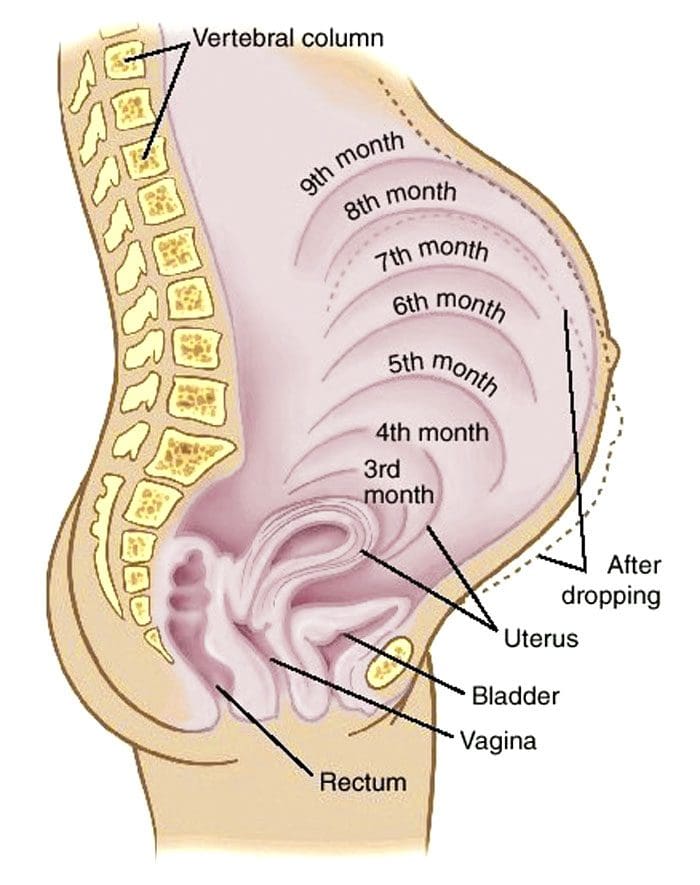
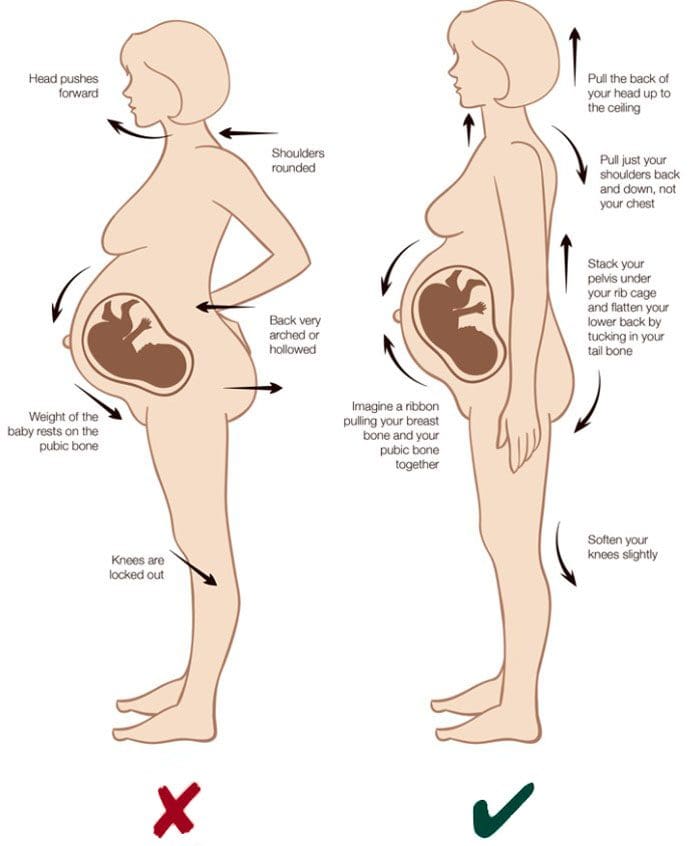
Pregnancy is an exciting time in a woman’s life. A healthy pregnancy is the objective, and therefore, essential to maintain a healthy diet and stay physically active. However, it can be easy to forget about the strain that pregnancy places on the body and push through the aches and pain with everything going on. Specifically the spine and pelvis. During pregnancy, the body goes through various changes to accommodate the growing baby. When pregnant, a hormone known as relaxin is released. This relaxes the joints for labor and delivery. Sometimes the ligaments can become too loose that they become structurally unstable. This causes pain. Other factors that can lead to spine misalignment and pain:
25 – 30 lbs of added weight and pressure on the spine, pelvis, legs, feet.
Weakened abdominal muscles.
Lower back curvature becomes more prominent.
Pregnant women going through discomfort/pain can benefit from chiropractic pregnancy adjustments. These maintain spinal alignment while keeping the baby safe. Chiropractors are trained to treat pregnant women; however, there is additional certification to specialize in this area. A prenatal chiropractor also provides information on:
Preparing the body for labor and birth
Maintaining healthy posture
Ensure the body is properly aligned throughout the pregnancy.
Diet
Health coaching
Postpartum care
Chiropractic Benefits For A Healthy Pregnancy
The obvious benefits include back pain relief, quality of life improvement, and reducing the need for pain medications. Other benefits include:
Alleviates sciatic nerve pain
Helps to control urinary incontinence
Reduces pregnancy-related nausea
Aligns the pelvis for optimal delivery
Reduces labor and delivery time
There is little risk associated with prenatal chiropractic care. However, it is not recommended for pregnant women with health complications like vaginal bleeding or ectopic pregnancy.
Repositioning
If the baby does not have enough room or is going into a breeched position, a chiropractor will work on the ligaments and muscles in the pelvic region to decrease any intrauterine restrictions. Getting the pelvis aligned will allow for an optimal delivery position. This will help move the head down and give the baby more space. If there is a breech position, it is recommended to see a chiropractor once a week during the eighth and ninth months.
When to Start
After receiving approval from the obstetrician, a woman can see a chiropractor at any stage during pregnancy. Many women start chiropractic in the first trimester. This develops a relationship early and benefits the woman as her body changes throughout the pregnancy.
How Often
Most patients visit a chiropractor once a month during the first trimester. Then they increase the sessions as the pregnancy progresses. Every woman’s pregnancy is different, requiring a personalized/customized treatment plan. The chiropractor will best advise on the frequency of treatment.
Pregnancy Technique
A chiropractor’s job is to manipulate the woman’s spine, joints, and muscles into alignment.
The adjustments utilize gentle pressure. The techniques are adjusted accordingly. Depending on how far along the woman is, as well as musculoskeletal health. For example, they could emphasize focus on the pelvis to reduce stress on the uterus and ligaments for a few sessions. Then shift back to the spine. They will not exert excessive pressure on the abdomen and possibly incorporate specialized equipment specifically for pregnant women.
Sciatica
Symptoms of sciatica are common during pregnancy, typically in the later months. This comes from the added pressure on the sciatic nerve. It can be sharp, burning pain from the hip to the foot. This makes walking, sitting, and sleeping uncomfortable to unbearable. Some women are fortunate enough to experience relief if the baby moves off the sciatic nerve. However, most will need some form of treatment to manage and heal the symptoms. This usually includes:
Series of adjustments
Hot and cold therapies
Stretches
Chiropractic can continue to help after giving birth, providing post-natal care helping the body return to its pre-pregnancy state healthily and optimally.
Body Composition
Diet, Nutrition During Pregnancy
From a nutritional perspective, a high GI diet during pregnancy increases the chances of excessive weight gain and overweight babies. Intake of low-glycemic carbs is associated with weight gain in the normal range. If planning to get pregnant or are pregnant, pay attention to the quality of carb intake for a healthy pregnancy. Health care providers recommend avoiding extreme diets for the first four to six weeks after delivery. This gives the body time to recover and helps to establish a consistent milk supply, as rapid weight loss could interfere with breastfeeding. Before going on a diet or starting an exercise program, check with a healthcare provider to rule out any medical conditions.
References
30 of the Most Surprising (And Alarming) Back Pain Statistics. The Good Body. https://www.thegoodbody.com/back-pain-statistics/. Last updated May 30, 2017. Accessed September 22, 2017.
Bernard, Maria, and Peter Tuchin. “Chiropractic Management of Pregnancy-Related Lumbopelvic Pain: A Case Study.” Journal of chiropractic medicine vol. 15,2 (2016): 129-33. doi:10.1016/j.jcm.2016.04.003
Gostine M. Is Lower Back Pain Normal During Pregnancy? BabyQ. https://www.babyq.com/lens/lifestyle/is-lower-back-pain-normal-during-pregnancy/. Published February 4, 2017. Accessed September 22, 2017.
Sabino J, Grauer JN. Pregnancy and low back pain. Curr Rev Musculoskelet Med. 2008; 1(2): 137–141. Published online February 26, 2008. doi: 10.1007/s12178-008-9021-8.
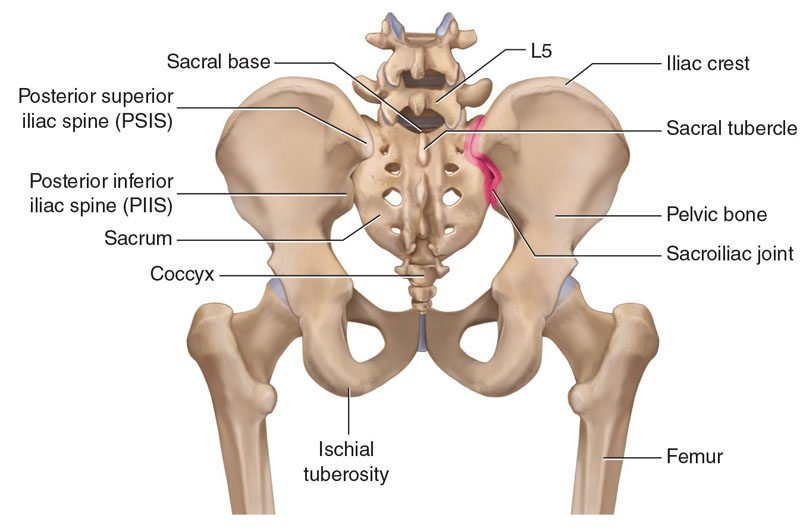
The pelvis is designed to bear and distribute the weight of the body along with regular everyday movement. It is built to properly distribute weight between the upper and lower body that utilizes the core muscles, ligaments, and joints creating a complex pelvic girdle that helps the body function properly. The bones of the pelvis house and protect organs like the:
Reproductive system
Bladder
Below the digestive tract
When pain in the pelvis presents, daily physical activities can become difficult to get through. Chiropractic treatment combined with lifestyle adjustments can bring pain relief and strengthen the pelvis muscles/bones to maintain optimal function.
Causes of Pelvic Pain
When pain presents there can be a variety of underlying causes contributing to it. Certain causes are more serious than others. This is why seeking professional medical guidance is highly recommended for the best outcomes. Possible causes include:
These are a few causes that can contribute to mechanical changes and imbalances within the pelvis anatomy. If the pain is thought to be caused by an internal organ issue with nausea, fever, vomiting, or severe pain contact a healthcare provider immediately.
Chiropractic Relief
The pelvis can be thought of as a direct continuation of the spine. The lowest fused five vertebrae are known as the sacrum and are part of the pelvic girdle complex. Individuals dealing with pelvic pain typically experience the sensation within the joints themselves. These are the pubic symphysis and/or sacroiliac joints. These joints interact with the entire skeletal system. Learning how they operate can help bring relief and recovery. This is where a chiropractor can help.
Chiropractors are experts in total body alignment, restoring balance to the pelvis and spine. Plus through the treatment, they help increase the body’s natural ability to heal itself. When the lower back or pelvis is out of alignment the entire body along with its systems can be thrown off balance causing dysfunction. Chiropractic promotes and increases balance with pelvic adjustments and diverse therapies that include:
A professional chiropractor is one of the best options for the management and alleviation of pelvis pain. Pelvis misalignment can impede nerve energy and adequate blood flow. Chiropractic restoration strengthens and maintains optimal long-lasting results. Whether the pelvic pain comes from an injury, pregnancy, or pelvic shift/imbalance, a chiropractic provider can help address and alleviate the pain.
Body Composition
Lifestyle Adjustments for Optimal Kidney Health
The kidneys are small organs that work twenty-four-seven to filter blood and flush waste. In one day the kidneys pump more than 400 gallons of recycled blood throughout the body. When the kidneys do not function properly the body can be engulfed with waste. This is why it is vital to keep them healthy. Individuals usually don’t realize how an unhealthy lifestyle can harm/injure the kidneys. Chronic kidney disease slowly progresses over years, and it is not reversible. Incorporating some basic healthy lifestyle adjustments can lower the risk of developing kidney-related diseases. Here are a few lifestyle adjustments that can keep the kidneys healthy.
Drinking plenty of water
An adequate supply of water in the kidneys flushes out sodium, urea, and toxins helping avoid kidney stones. The goal is to drink eight 8-ounce glasses of water every day. Everyone’s water levels are different but body composition analysis can calculate what a normal level should be.
Healthy foods maintain a healthy body
Poor diet and visceral fat gain have been linked to chronic kidney disease. Reducing visceral fat can be achieved by eating a restricted caloric diet of vegetables, fruit, and lean protein, as well as cutting back on processed foods.
Be cautious consuming supplements, antibiotics, and over the counter medications
Regular use of common medications and supplements can cause kidney damage and disease. Consult with a doctor before taking medications and supplements if there is kidney function impairment.
Fitness and activity
Individuals need to participate in regular cardiovascular and weight-resistance physical activity/exercise. High blood sugar levels have been shown to stress the kidneys. Building adequate muscle mass helps control blood sugar.
Smoking and kidney health issues
Smoking narrows the blood vessels in the kidneys. This reduces proper blood flow and accelerates kidney malfunction.
Disclaimer
The information herein is not intended to replace a one-on-one relationship with a qualified health care professional, licensed physician, and is not medical advice. We encourage you to make your own health care decisions based on your research and partnership with a qualified health care professional. Our information scope is limited to chiropractic, musculoskeletal, physical medicines, wellness, sensitive health issues, functional medicine articles, topics, and discussions. We provide and present clinical collaboration with specialists from a wide array of disciplines. Each specialist is governed by their professional scope of practice and their jurisdiction of licensure. We use functional health & wellness protocols to treat and support care for the musculoskeletal system’s injuries or disorders. Our videos, posts, topics, subjects, and insights cover clinical matters, issues, and topics that relate to and support, directly or indirectly, our clinical scope of practice.* Our office has made a reasonable attempt to provide supportive citations and has identified the relevant research study or studies supporting our posts. We provide copies of supporting research studies available to regulatory boards and the public upon request. We understand that we cover matters that require an additional explanation of how it may assist in a particular care plan or treatment protocol; therefore, to further discuss the subject matter above, please feel free to ask Dr. Alex Jimenez or contact us at 915-850-0900.
Dr. Alex Jimenez DC, MSACP, CCST, IFMCP, CIFM, CTG* email: [email protected] phone: 915-850-0900 Licensed in Texas & New Mexico
Kim DH, Cho D, Dickman CA, Kim I, et al. Surgical Anatomy & Techniques to the Spine. 2nd Ed. Saunders, Elsevier, Inc. Philadelphia, PA.
Lirette LS, Chaiban G, Tolba R, Eissa H. Coccydynia: An Overview of the Anatomy, Etiology, and Treatment of Coccyx Pain. Ochsner J. 2014 Spring;14(1): 84-87.
Moderate physical activity for most expectant moms is encouraged for a healthy pregnancy. The CDC warns that bending too much while pregnant could lead to complications. However, moving boxes is not all there is to do. There are plenty of things like cleaning, organizing, packing, showing where to put the boxes, getting food and refreshments, etc.
Moving during pregnancy
Moving is exciting and stressful at the same time. Questions start to come up like bending, lifting, and wearing a back brace. Here are some tips during your move.
Talk to a doctor
Your doctor or chiropractor should know about the upcoming move giving them an opportunity to help and provide safety tips. If it is during the first trimester it could be stressful for the pregnancy if not careful. Moving during the first three months could cause preterm labor with other possible complications. This does not mean to not move just to make a plan with your doctor for keeping the stress low and avoiding the risk for potential issues.
Questions to ask:
What can I lift while pregnant?
Is there a specific bending technique?
Is lifting during the first trimester safe?
How long should I be on my feet during the move?
Is it safe to go up and down stairs consistently?
Brain fog and planning ahead
This is also known as baby brain or pregnancy brain and is the cognitive slowdown and memory issues that many pregnant women report. If there are issues with general cognitive functioning, fatigue, or other brain fog symptoms, careful planning can help.
Help for pregnancy brain fog:
Create detailed lists and save them to your phone or location where they won�t get lost.
Sleep a lot more as being tired will worsen symptoms.
During the move take frequent breaks.
Eat foods with Omega-3, these benefit brain function, and the baby�s development.
Packing fun
Packing the right way can mean all the difference between a smooth move and a chaotic one. It is recommended to allow for a week longer than anticipated for packing. Declutter a month before packing. Then donate, sell, and give away whatever is not needed to lighten the load. Create a moving day kit with a change of clothes, snacks, water, vitamins, a cooling pack, and anything else that a pregnant woman will need.
Having fun during the packing process can be accomplished by turning the tasks into a game or some type of fun activity. Working/dancing with fun music can ease the monotony, keeps the joints loose, proper blood circulation is achieved and the stress is worked out. Light aerobic dancing has shown to decrease the risk of disorders while pregnant, and the recovery time after giving birth.
Get plenty of help
Nobody wants to help family, friends move. Therefore throw a party or some event where everyone will be of the mindset that it was worth helping out. More help is needed during pregnancy because of the added rest times and minimal heavy lifting. If there is not enough help, an investment in professional movers could be necessary. Prices vary depending on where someone lives and the companies available. However, with some research, it can be money well spent while pregnant.
Safety checklist
Create a safety checklist that includes:
Regular water breaks – hydration is extremely important while pregnant, especially if prone to morning sickness.Dehydration symptoms can include:
Doctors generally recommend twenty-five pounds as the threshold during pregnancy. However, it depends on the trimester and what the individual is already used to lifting. An example is a woman lifting something heavy in the third trimester is different than when they were only five weeks. Proper lifting techniques need to be implemented like bending the knees not the back, keep the back straight while doing so, and avoid quick jerking movements.
Proper moving attire
On moving day, wear lightweight, breathable, stretchy clothing, so discomfort and malfunction won’t pop up. Cotton stays cool and free of sweat or itchiness. When pregnant the center of balance shifts, therefore, the right shoes are a must. Here are some shoes that can help during pregnancy.
Don’t rush the nursery
Getting the nursery finished for the baby, creates added pressure. Pretty much all newborns sleep in the same room with their parents, and the American Academy of Pediatrics recommends this for the first months. So cut yourself some slack when it comes to the perfect baby nursery. The baby is not going to hold it against you and there is time after the move to settle in.
Proper rest
This is a stressful time that requires a lot of energy. But just like proper hydration is important, so is plenty of sleep and embrace the positive aspects rather than focus on the complications. Talk to your doctor, enlist plenty of help, drink lots of water, and leave the heavy lifting to those that are not pregnant. At the end of the day, it will all be worth it.
Back Pain During Pregnancy Treatment
Dr. Alex Jimenez�s Blog Post Disclaimer
The scope of our information is limited to chiropractic, musculoskeletal, physical medicines, wellness, and sensitive health issues and/or functional medicine articles, topics, and discussions. We use functional health & wellness protocols to treat and support care for injuries or disorders of the musculoskeletal system. Our posts, topics, subjects, and insights cover clinical matters, issues, and topics that relate and support directly or indirectly our clinical scope of practice.*
Our office has made a reasonable attempt to provide supportive citations and has identified the relevant research study or studies supporting our posts. We also make copies of supporting research studies available to the board and or the public upon request. We understand that we cover matters that require an additional explanation as to how it may assist in a particular care plan or treatment protocol; therefore, to further discuss the subject matter above, please feel free to ask Dr. Alex Jimenez or contact us at 915-850-0900. The provider(s) Licensed in Texas& New Mexico*
IFM's Find A Practitioner tool is the largest referral network in Functional Medicine, created to help patients locate Functional Medicine practitioners anywhere in the world. IFM Certified Practitioners are listed first in the search results, given their extensive education in Functional Medicine