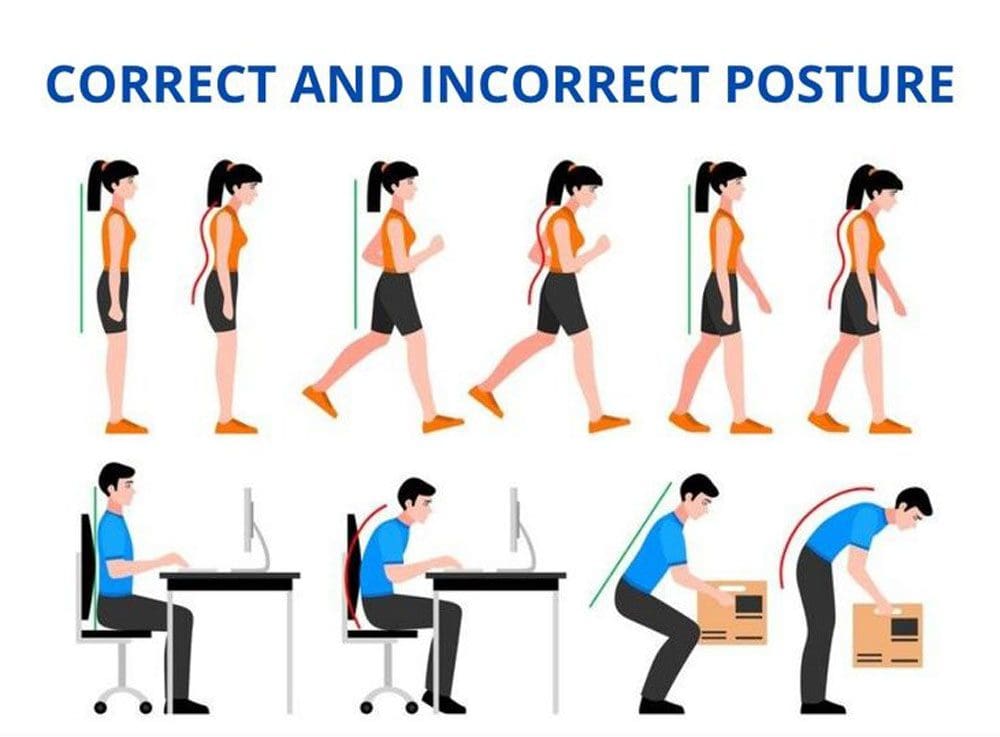
Healthy Posture Guidelines: Posture is how an individual holds their body. Healthy posture is when minimal stress is applied to the joints. Maintaining and holding your body correctly can prevent pain, injuries, and other health problems. Faulty postures and musculoskeletal imbalances often precipitate painful conditions in the spine and extremities. However, unhealthy postures do not always present with discomfort and pain symptoms that can go unnoticed for years. This leads to chronic stress and advanced wear of the joints. Injury Medical Chiropractic and Functional Medicine Clinic can realign the spine, relieve symptoms, and restore flexibility, mobility, and function.
Healthy Posture Guidelines
There are two types of posture:
Dynamic Posture
This posture is when the body moves, like walking, running, or bending to pick up something.
Static Posture
This posture is when the body is not moving, like sitting, standing, or sleeping.
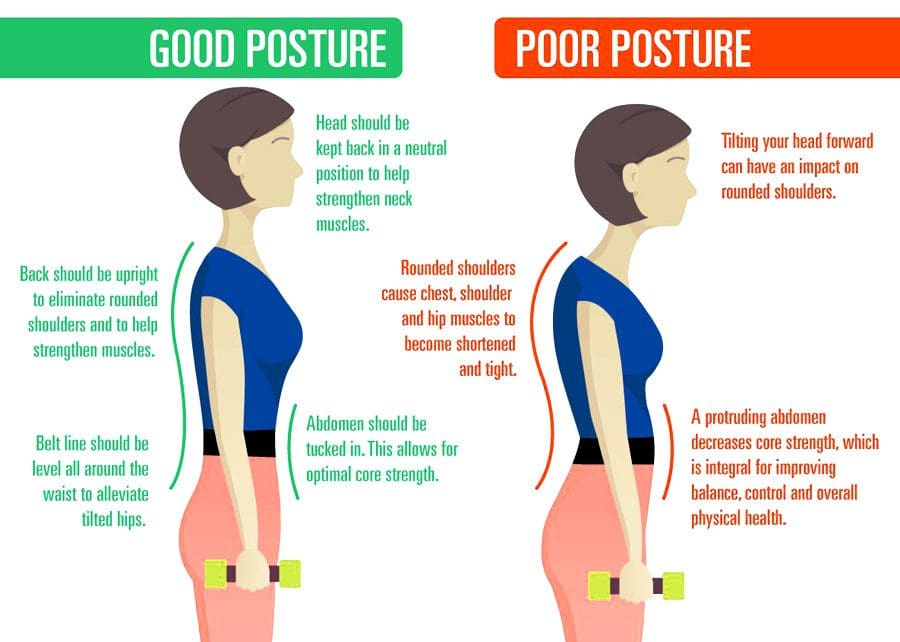
Both are important, and the key is the spine’s position. The spine has three natural curves: neck, mid, and low back. Correct posture maintains the curves with the head above the shoulders, and the top of the shoulder should be over the hips.
Unhealthy Positioning
Postural faults include:
Forward head positioning
Rounded shoulders
Loss of the normal lordosis curve in the lower back.
Early warning signs of postural problems may include:
The inability to sit or stand for a prolonged period.
Stiffness when getting up from a chair after sitting.
Feeling of physical exhaustion at the end of the day.
Muscle imbalances.
Loss of normal flexibility.
Symptoms of discomfort.
Affected Health
Unhealthy posture can affect overall health and includes:
Misaligned musculoskeletal system.
Decreased flexibility.
Neck, shoulder, and back pain.
The advanced wearing down of the spine making it more fragile and susceptible to injury.
Affected joint movement.
Affected balance.
Increased risk of falling.
Digestion problems.
Potential breathing problems.
Improvements
Be mindful of your posture during everyday activities, like walking, watching tv, washing dishes, etc.
Maintain Physical Activity
Certain exercises like yoga, tai chi, and other classes focusing on body awareness can help develop healthy posture habits.
Exercises that strengthen the core muscles around the back, abdomen, and pelvis.
Maintain Healthy Weight
Extra weight can weaken the abdominal muscles, cause problems for the pelvis and spine, and contribute to back pain.
Wear Comfortable Shoes
High heels, for example, can throw off the body’s balance and force unhealthy walking movements.
This puts added stress on the muscles and affects posture.
Proper Height
Make sure workstations are at a comfortable height, whether sitting in front of a computer, making dinner, or eating.
Chiropractic Care
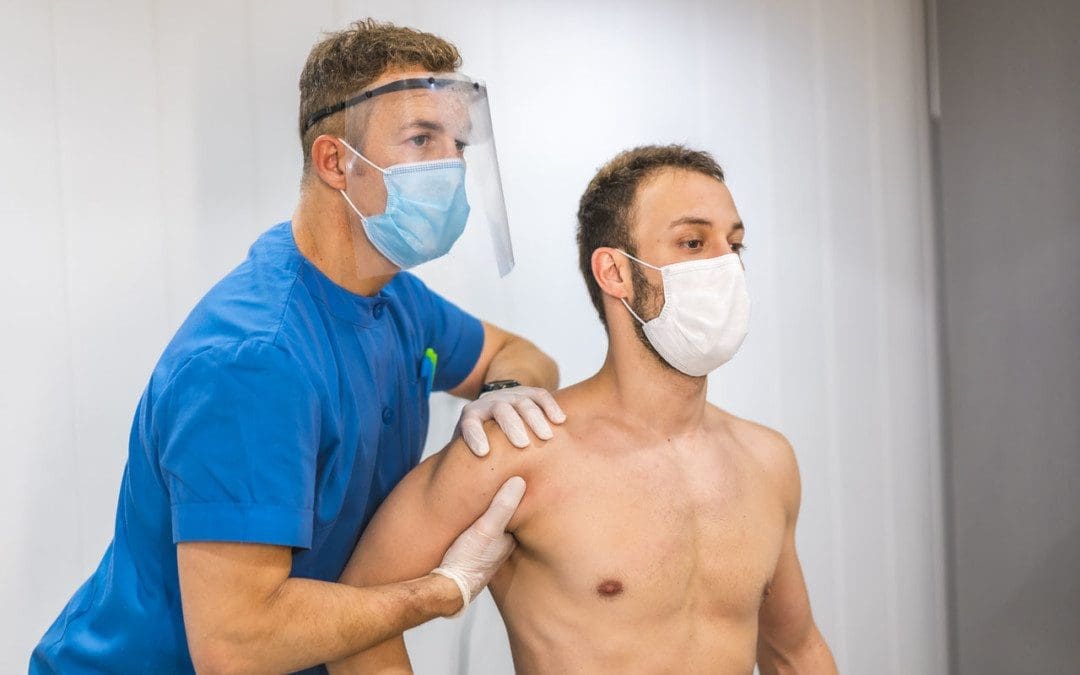
Chiropractors and physical massage therapists specialize in evaluating and treating musculoskeletal dysfunction and identifying and screening for postural dysfunction. Healthy posture can have an immediate effect on health that include:
Proper alignment of bones and joints.
Reduced wear on the muscles and joints.
Reduced stress on ligaments.
Decreased risk of back injury.
Increased energy.
Improved digestion.
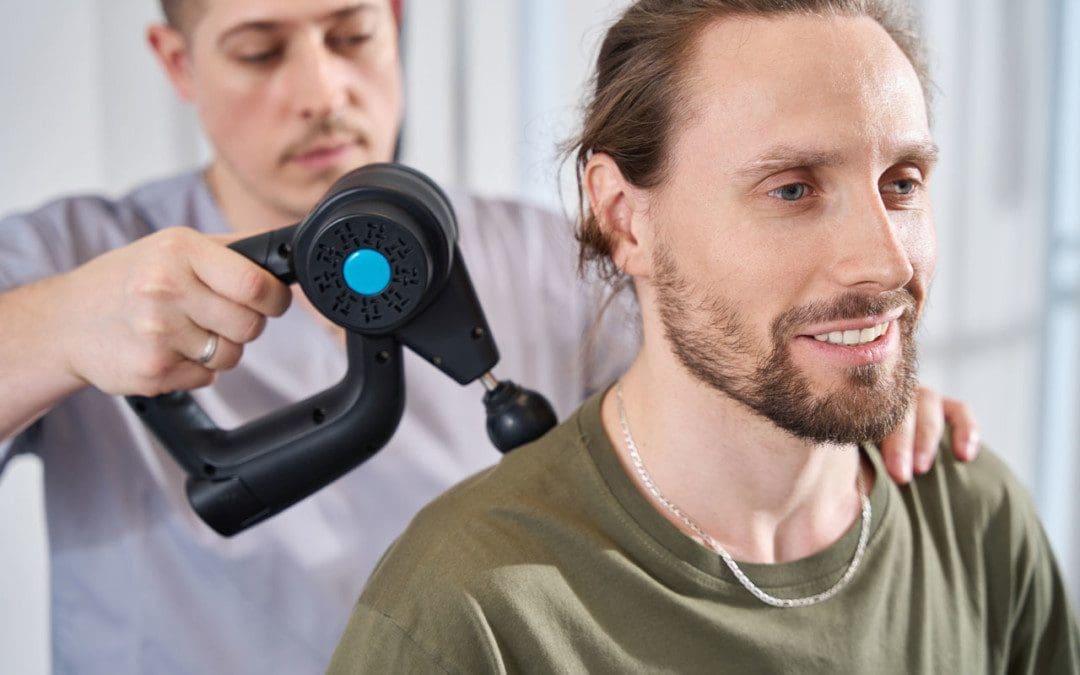
A chiropractic team will massage and relax the muscles reducing tension, adjust and realign the spine, increase joint movement, and ease the individual into a healthy posture. The team will also provide careful rehabilitation exercises and nutritional recommendations to maintain a healthy posture.
Custom Foot Orthotics
References
Carini, Francesco, et al. “posture and posturology, anatomical and physiological profiles: overview and current state of the art.”Acta bio-medica : Atenei Parmensis vol. 88,1 11-16. 28 Apr. 2017, doi:10.23750/abm.v88i1.5309
Creze, Maud, et al. “posture-related stiffness mapping of paraspinal muscles.”Journal of anatomy vol. 234,6 (2019): 787-799. doi:10.1111/joa.12978
Korakakis, Vasileios, et al. “physiotherapist perceptions of optimal sitting and standing posture.”Musculoskeletal science & practice vol. 39 (2019): 24-31. doi:10.1016/j.msksp.2018.11.004
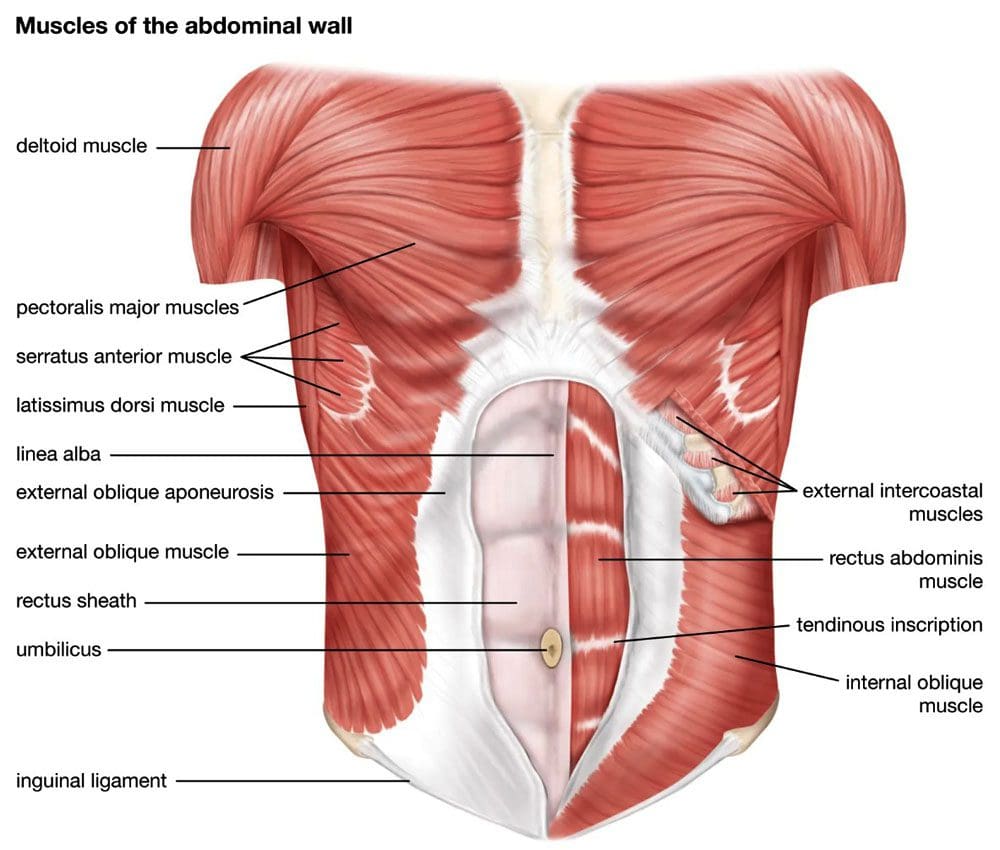
The 0blique muscles support and aid in side-to-side movement, helping maintain back strength and healthy posture. There are two oblique muscle sets, the internal and external obliques. Maintaining a strong core is one recommended way to protect the body and spine. However, many forget to train and strengthen all of the oblique muscles. Individuals tend to focus on the superficial core muscle, or rectus abdominis, and not enough or any attention goes to the lateral stabilizers or the internal and external obliques. Chiropractic and functional medicine can restore musculoskeletal flexibility, mobility, and function.
Oblique Muscles
The external obliques make up a large part of the trunk area. There are two external obliques on either side of the body, located on the lateral sides of the abdominal region. These muscles have an essential role in daily movements.
External
External obliques help with trunk rotation and support spine rotation.
They assist with pulling the chest down to compress the abdominal cavity.
They help with bending from side to side.
Any strain or injury to these muscles can lead to abdominal, hip, and back issues.
Maximizing external oblique strength is important to maintain a strong core.
Internal
The internal oblique is a muscle deep within the lateral side of the abdomen.
The internal oblique muscle is one of the main stabilizers and functions to flex the trunk and compress the chest.
Its positioning makes it invisible, but it still has an essential role in body movement.
This muscle can function bilaterally, meaning both sides can operate at the same time.
These muscles provide spinal and posture support.
Strain or injury in this area can cause posture problems and abdominal, hip, and back issues.
Rotation and Mobility
The internal and external obliques are the primary rotators of the spine and provide thoracic spine mobility.
The internal obliques work with the external obliques and the rectus abdominis for lateral spine flexion of the quadratus lumborum and lumbar paraspinals.
They attach to the diaphragm, transverse abdominis, and thoracolumbar fascia, contributing to core stabilization.
A quadratus lumborum muscle spasm can result from muscle inhibition in the obliques.
Inhibition
If the internal obliques are inhibited, compensation can cause an alteration in the sequence patterns of the posterior oblique subsystem.
When this system is not functioning correctly, individuals usually complain of discomfort in the hips and shoulders.
A common sign of oblique inhibition is individuals holding their breath during basic movement patterns to gain stability, indicating dysfunction in the intrinsic stabilization subsystem.
Simple movements include walking gait, single-leg stance, flexion, extension, etc.
If you are experiencing waistline, hip, and low back stiffness or tightness and pain, consult our professional chiropractic team. We’re ready to help!
Oblique Anatomy and Movement
References
Calais-Germain, Blandine, and Stephen Anderson. Anatomy of Movement. Seattle: Eastland, 1993.
Cook G. Movement: Functional Movement Systems: Screening, Assessment, and Corrective Strategies. Aptos, CA: On Target Publications, 2010.
Elphinston J. Stability, Sport and Performance Movement: Practical Biomechanics and Systematic Training for Movement Efficacy and Injury Prevention. Lotus Publishing, 2013.
Huxel Bliven, Kellie C, and Barton E Anderson. “Core stability training for injury prevention.” Sports health vol. 5,6 (2013): 514-22. doi:10.1177/1941738113481200
Myers TW. Anatomy Trains: Myofascial Meridians for Manual and Movement Therapists. Edinburgh: Churchill Livingstone, 2001.
Neumann DA. Kinesiology of the Musculoskeletal System: Foundations for Physical Rehabilitation. St. Louis: Mosby, 2002.
Starrett K, Cordoza G. Becoming a Supple Leopard: The Ultimate Guide to Resolving Pain, Preventing Injury, and Optimizing Athletic Performance. Las Vegas: Victory Belt Pub., 2013.
Weinstock D. NeuroKinetic Therapy: An Innovative Approach to Manual Muscle Testing. Berkeley, CA: North Atlantic, 2010.
Sciatica is one of the most common injuries, with as many as 40% of individuals experiencing the condition, and it becomes more frequent as the body ages. The pain originates with the sciatic nerves and can go on for several weeks, months, or years. Staying active is a major recommendation to relieve the pain and prevent future flare-ups. Injury Medical Chiropractic and Functional Medicine Clinic can decompress and release the nerve and educate individuals on an anti-inflammatory diet and staying active to expedite healing.
Staying Active
Sciatica is most commonly caused by a slipped disc, which puts pressure or irritates the sciatic nerve, and causes discomfort and painful sensations. The most common factors for developing sciatica include the following:
As the body ages, the spinal discs wear out and break down, leading to the spine shifting out of alignment.
Job occupations that place added strain on the back, like sitting or standing for extended periods, repetitive heavy lifting, or bending, reaching, and twisting movements.
Doctors and chiropractors have found that only resting with sciatica can worsen the injury.
This is because if it is a slipped/bulging/herniated disc, the disc remains in this state, the nerve stays compressed or irritated, and the muscles that control the low back become weak and unable to provide support.
Recommendations
Don’t Sit For Too Long
Prolonged periods of sitting place added pressure on the discs and ligaments in the low back.
Even when sitting doesn’t make it worse, the muscles can develop unhealthy muscle memory that causes partial contracting when there shouldn’t be any that tightens the gluteal muscles causing added strain.
Individuals with a job requiring a lot of sitting or standing are recommended to take frequent breaks to stretch out their muscles or use a standing desk to change positions.
Posture Adjustments
Slouching, hunching, and continuing to practice unhealthy postures will exacerbate sciatica.
Pay attention to the body’s position when standing or sitting.
To prevent slouching, pull the shoulders down and back.
Imagine the shoulder blades touching.
Individuals working at a desk or workstation should take frequent breaks.
Position the screen to see it without tilting the head down.
Increase Physical Activity and Exercise
Exercise is highly recommended to keep the muscles and nerves moving and circulation flowing.
Aerobics
Walking, light jogging, swimming, cycling, and dancing, increase heart rate without causing added strain or pain.
Strength Training
Exercises using free weights, weight machines, or isometric exercises strengthen the muscles and can help restore their position.
Stretching and Flexibility Training
Yoga, tai chi, and Pilates increase flexibility and strength.
The stretching will keep the nerves and muscles from spasms that can worsen the injury.
Strengthen The Core
A stronger core will improve spinal health. Actively engaging the abdominal muscles protects sciatic nerve roots by minimizing spinal pressure.
The back muscles can become increasingly stressed and tired when they have to do all the work without core muscle support.
A weak core can cause additional back pain and worsen sciatica symptoms.
Stand Up Straight
Keep the head and shoulders straight.
Focus On Breathing
Rhythmic breathing helps keep the mind focused and alert while engaged in an activity.
Core Muscles
The back, side, pelvis, and buttock muscles are also part of the core.
Strengthening all of these muscles helps to support the spine.
Exercises for core strengthening include yoga and Pilates, planks, and bridges.
Nerve Recovery
As the nerve recovers, the area the nerve supplies could experience tingling discomfort.
This could be accompanied by an electric sensation at the level of the healing nerve fibers.
The location of this sensation should move as the nerve heals.
With time the sensations should subside, and the area should begin to feel more normal.
Spinal Decompression Demonstration
References
Jensen, Rikke K et al. “Diagnosis and treatment of sciatica.” BMJ (Clinical research ed.) vol. 367 l6273. 19 Nov. 2019, doi:10.1136/bmj.l6273
Kuai, Shengzheng, et al. “Influences of lumbar disc herniation on the kinematics in multi-segmental spine, pelvis, and lower extremities during five activities of daily living.” BMC musculoskeletal disorders vol. 18,1 216. 25 May. 2017, doi:10.1186/s12891-017-1572-7
Ma, Xiao, et al. “The Effect of Diaphragmatic Breathing on Attention, Negative Affect and Stress in Healthy Adults.” Frontiers in psychology vol. 8 874. 6 Jun. 2017, doi:10.3389/fps.2017.00874
Ramaswami, Ramya, et al. “Management of Sciatica.” The New England journal of medicine vol. 376,12 (2017): 1175-1177. doi:10.1056/NEJMclde1701008
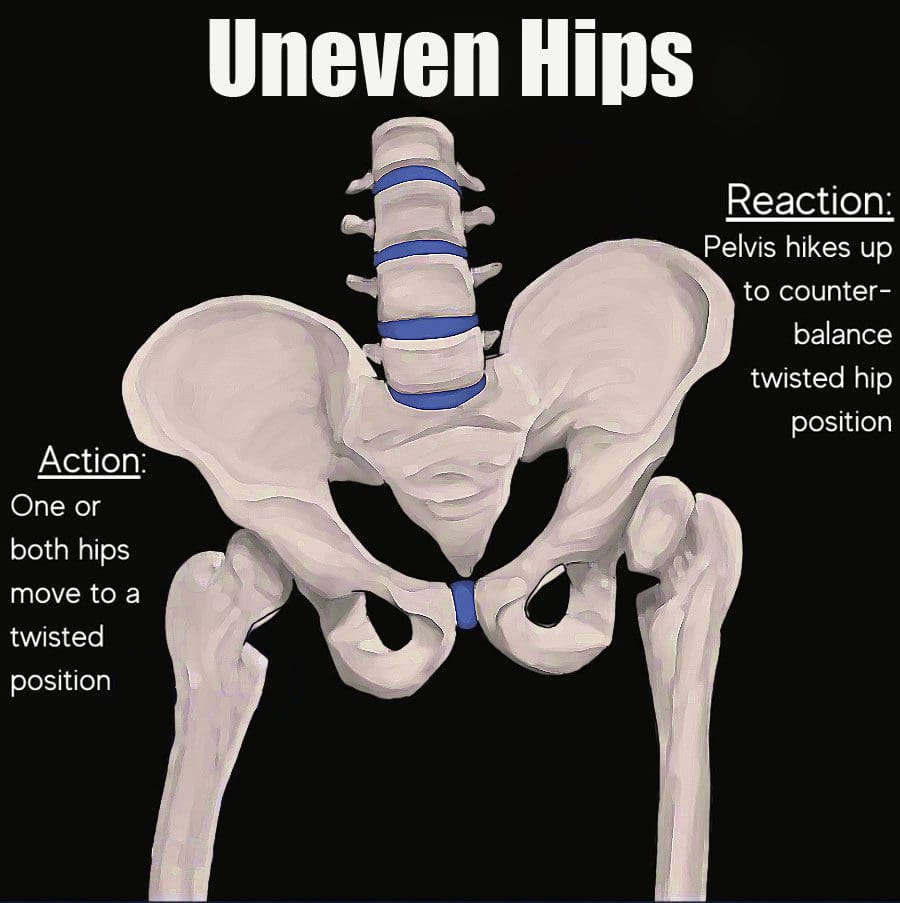
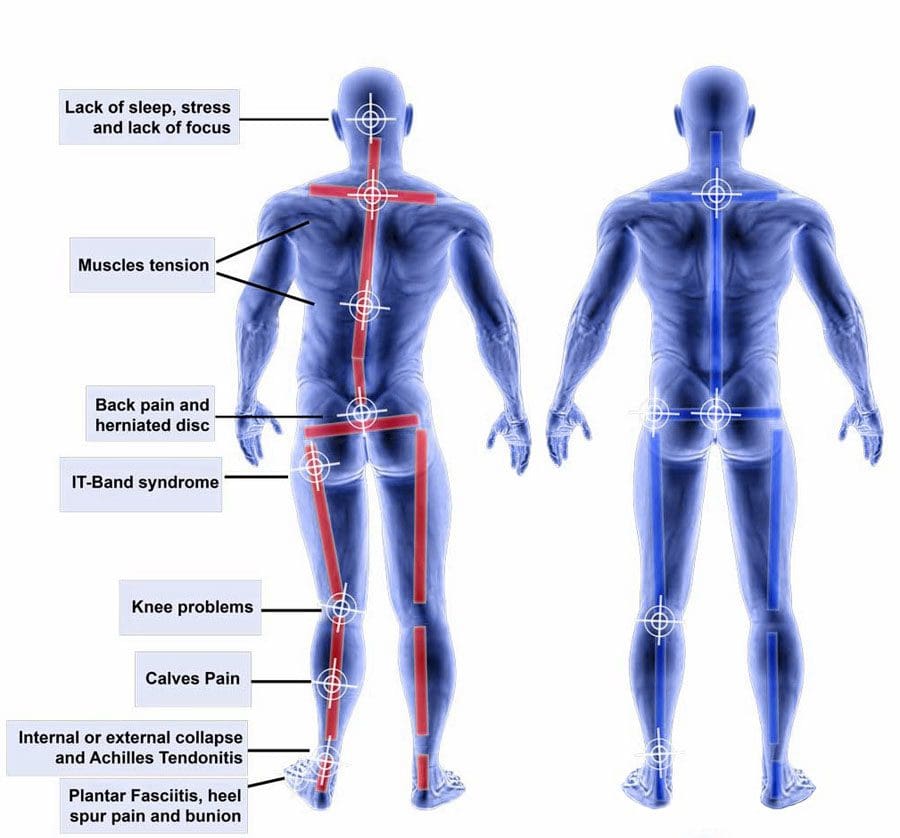
Uneven hips can throw the back out of natural alignment and cause back stiffness, tightness, discomfort, and pain. Hips that are off-balance unhealthily affect standing, sitting, sleeping posture, walking gait, and overall movements. Biomechanics issues cause the core and spine stabilizing muscles to become weakened and fatigued from overcompensating to keep the body up and moving. Over time this can lead to chronic pain in the back, hips, knees, and feet. Chiropractic care can restore proper hip and spinal alignment and wellness.
Uneven Hips
Misaligned hips can be caused by work or sports injury, exercise, vehicle collision, and/or general wear and tear. When hips are out of alignment, they have shifted from their centered position. They could be rotated forward or backward, forcing the spine and the lower limbs to compensate, resulting in the spine tilting that can make the legs appear uneven. Discomfort may be one-sided low back pain near the sacroiliac joint, causing a stiff/tight back, limited motion, and/or pain symptoms. Because the spine and lower limbs have to compensate for the unevenness, the shoulders and upper back, connected to the pelvis through the spine, are also affected and result in:
Back pain.
Hip and gluteal muscle pain.
Uneven leg length.
Knee, ankle, and foot issues and pain.
Uneven shoulders.
The shoulder blades can stick out on the side of the lower hip.
Rib discomfort and pain.
The rib cage could protrude out on one side. However, this could be due to advanced scoliosis.
Therapy
Staying active is recommended and includes stretching and core strengthening. General stretches recommended to optimize hip equity include:
Hamstring stretch
For this stretch, lie on a flat surface with your legs extended straight out.
Bend the right leg at the knee, placing the right foot on the ground.
Use a towel, belt, or band to grab and wrap around the left foot.
Keep the hip/buttock on the left side planted on the floor.
Slowly raise the left leg upward as far as possible until you feel the stretch.
Once you feel a stretch or restriction in the hamstring, hold the position for 30 seconds.
Repeat on the other side.
Perform 2 to3 times.
Hip flexor stretch
Kneel on the affected leg and bend the healthy leg out in front with the foot flat on the floor.
Back straight.
Slowly push the hips forward until you feel the stretch in the upper thigh and hip.
Hold the stretch for around 15 to 30 seconds.
Chiropractic Care
Chiropractic treatment is a highly recommended non-surgical option for uneven hips and pelvic tilt. Depending on the severity of the misalignment, underlying issues, and body scanning images, hip alignment treatment could include:
Soft tissue therapeutic massage
Chiropractic muscle release for tight hip flexors, quadriceps, hamstrings, and glutes.
Kiapour, Ali et al. “Biomechanics of the Sacroiliac Joint: Anatomy, Function, Biomechanics, Sexual Dimorphism, and Causes of Pain.” International journal of spine surgery vol. 14, Suppl 1 3-13. 10 Feb. 2020, doi:10.14444/6077
Lee, Jeong-Hoon, et al. “The effect of Graston technique on the pain and range of motion in patients with chronic low back pain.” Journal of physical therapy science vol. 28,6 (2016): 1852-5. doi:10.1589/jpts.28.1852
Patel, Rikin V et al. “Pelvic Tilt and Range of Motion in Hips With Femoroacetabular Impingement Syndrome.” The Journal of the American Academy of Orthopaedic Surgeons vol. 28,10 (2020): e427-e432. doi:10.5435/JAAOS-D-19-00155
Rivière, C et al. “Spine-hip relations add understandings to the pathophysiology of femoro-acetabular impingement: A systematic review.” Orthopaedics & traumatology, surgery & research : OTSR vol. 103,4 (2017): 549-557. doi:10.1016/j.otsr.2017.03.010
Suits, William H. “Clinical Measures of Pelvic Tilt in Physical Therapy.” International journal of sports physical therapy vol. 16,5 1366-1375. 1 Oct. 2021, doi:10.26603/001c.27978
Look how young children position their backs. There is a natural S curve, and their movements are effortless. As the body ages, too much sitting, slouching, and inactivity can cause muscle fatigue and tension leading to posture issues. Rounded shoulders describe a resting position that has shifted the shoulders out of the body’s natural alignment, which can worsen if left untreated. Chiropractic care can realign the shoulders, as well as the spine, and restore musculoskeletal health to optimum levels.
Rounded Shoulders
Rounded shoulders are an excessive thoracic kyphosis referring to an uneven forward rounding or curvature of the middle and upper back. Rounded shoulders shift out of proper alignment with the spine, causing posture-related problems like shoulder/neck/back discomfort, tightness, stiffness, and pain. Overall unhealthy posture contributes to the following:
The head constantly being in a forward or backward position
Headaches
Body aches and pains
Muscle fatigue
Chronic back soreness
Bent knees when standing or walking
Body movement dysfunction
Joint problems
Potbelly
Rounded shoulders
Body responses to rounded shoulders include:
Chronic musculoskeletal aches and pains
Breathing problems
Limited body function
Impaired mobility performance
Increased mental and musculoskeletal stress
Causes
Rounded shoulders are typically caused by unhealthy posture, but can also be caused by muscle imbalances from, for example, overfocusing on building chest strength but neglecting the core and upper back. Other causes include:
Standing and sitting for long periods
Stress
Lack of physical activity
Environmental factors
Too much exercise, sports, and physical activities
Musculoskeletal Imbalance
Postural imbalances anywhere in the body can cause rounded shoulders.
For example, when an individual tilts their head forward to look at their phone, the upper back has to round forward to hold the head. Constantly tilting can begin to generate an unhealthy muscle memory causing the neck and shoulder muscles to remain in a semi-flexed position that starts to become the norm.
Another example is when the arms are held out and in front for prolonged periods, like driving, typing, and cooking, the chest muscles get shortened. As time goes on, this causes the shoulder blades to move forward on the ribcage, making the upper back and shoulder area hunch awkwardly and unhealthily.
Stress
When the brain perceives a threat, the body physically prepares to take action through the fight or flight response. Common reactions include:
Jaw tensing
Tightening the abdominal muscles
Holding one’s breath
Rounding the shoulders
Stressors can include:
Job worries
Money issues
Relationship problems
Family responsibilities
All can cause changes in the body that result in rounded shoulders.
Environmental Factors
Respiratory conditions like asthma, COPD, and allergies can affect the body’s breathing and the ability of the diaphragm to contract and relax correctly.
Ribcage restrictions caused by chronic breathing problems can result in the thoracic/middle back tightening up, causing excessive shoulder rounding.
Exercise and Physical Activities
Exercise and physical activities can contribute to rounded shoulders because of the long periods of spinal flexion. These can include:
Bike riding, martial arts, and swimming.
Knitting requires the arms to be out in front.
Gardening requires kneeling and being hunched over.
Chiropractic Treatment
Chiropractic adjustments, therapeutic massage, and decompression therapy can unlock tight shoulder and chest muscles. A chiropractor uses gentle targeted adjustments to relieve pain, restore function, and retrain the muscles.
The doctor will look at the individual’s resting position while standing.
An individual with slumped shoulders can slouch, even when standing up straight.
Their hands will likely face behind them, with their thumbs pointed at each other.
Once the adjustments are made, a correct standing posture will make the hands face the body with the thumbs facing ahead.
Exercises will be recommended to strengthen the core and stretches to maintain the adjustments.
Posture Chiropractic
References
Fathollahnejad, Kiana, et al. “The effect of manual therapy and stabilizing exercises on forward head and rounded shoulder postures: a six-week intervention with a one-month follow-up study.” BMC musculoskeletal disorders vol. 20,1 86. 18 Feb. 2019, doi:10.1186/s12891-019-2438-y
Go, Seong-Uk, and Byoung-Hee Lee. “Effects of scapular stability exercise on shoulder stability and rehabilitative ultrasound images in office workers.” Journal of physical therapy science vol. 28,11 (2016): 2999-3002. doi:10.1589/jpts.28.2999
Kwon, Jung Won, et al. “Changes in upper-extremity muscle activities due to head position in subjects with a forward head posture and rounded shoulders.” Journal of physical therapy science vol. 27,6 (2015): 1739-42. doi:10.1589/jpts.27.1739
Lee, Do Youn, et al. “Changes in rounded shoulder and forward head posture according to exercise methods.” Journal of physical therapy science vol. 29,10 (2017): 1824-1827. doi:10.1589/jpts.29.1824
Park, Sang-In, et al. “Effects of shoulder stabilization exercise on pain and functional recovery of shoulder impingement syndrome patients.” Journal of physical therapy science vol. 25,11 (2013): 1359-62. doi:10.1589/jpts.25.1359
When the body is correctly aligned, the shoulders are the same height, and face forward. Uneven shoulders are when one shoulder begins to raise higher than the other. It usually starts with a slight difference but can turn into a more severe imbalance causing discomfort, tightness, and pain in the neck, shoulders, hips, and back. Chiropractic treatment can bring the body back into balance and alignment through various techniques and therapy modalities.
Misaligned Uneven Shoulders
Several factors can lead to uneven shoulders. Misalignments can be caused by:
Often the shoulder on the dominant side tends to be slightly lower.
Constantly using one hand or side for everything.
Carrying a heavy bag on the dominant shoulder.
Structural issues or muscular skeletal imbalances in other areas of the body.
For example, if the ankle or hip gets injured, it can cause an individual to bring their body out of alignment to adjust to how they position themselves and move. Other common causes include:
Overuse of the shoulders
Tight upper back muscles
Unhealthy posture
Uneven hips
Pinched nerve
Weak muscles
Flat feet
Sedentary lifestyle
Varying leg length
Osteoporosis
Scoliosis
Shoulder injuries
Incorrect sleeping position or sleeping on one side
Sports like tennis, golf, and baseball have an increased risk of causing misaligned, uneven shoulders and posture imbalances.
Symptoms
Uneven shoulders can result in discomfort, tightness, and stiffness in the neck, shoulders, and lower back.
Continued tightness and pulling in the higher shoulder.
A chiropractic massage and functional medicine team will bring the shoulders back into normal alignment.
Therapeutic myofascial release massage will release tension, relax the muscles, and increase flexibility.
Chiropractic adjustments
Spinal decompression therapy
Stretches and muscle-building exercises to balance the shoulders.
Lifestyle adjustment instructions for switching shoulders when carrying bags, using armrests, using the phone, using a mouse, and using ergonomic chairs.
Posture training includes learning to stay aware of one’s posture throughout the day when standing or sitting and completing regular activities.
Learning to use the non-dominant arm to balance the workload.
Incorporating relaxation, meditation, and breathing techniques to relieve stress, tension, and tightness.
Shoulder Pain Treatment
References
Burbank, Kelton M et al. “Chronic shoulder pain: part I. Evaluation and diagnosis.” American family physician vol. 77,4 (2008): 453-60.
Foroozan Mahmoodi et al. The effect of corrective exercises on the pain and degree of uneven shoulder deformity https://rsr.basu.ac.ir/article_625_en.html
Mayo Clinic Staff. (2017). Stress management. mayoclinic.org/healthy-lifestyle/stress-management/in-depth/relaxation-technique/art-20045368
Mitchell, Caroline, et al. “Shoulder pain: diagnosis and management in primary care.” BMJ (Clinical research ed.) vol. 331,7525 (2005): 1124-8. doi:10.1136/bmj.331.7525.1124
Pu Chu, Eric Chun, and Kevin Hsu Kai Huang. “Bridging the gap between observation and brace treatment for adolescent idiopathic scoliosis.” Journal of family medicine and primary care vol. 6,2 (2017): 447-449. doi:10.4103/jfmpc.jfmpc_52_17
Bicycling at any level is excellent healthwise, but the specific physical repetitive motions and postures can wear on a cyclist’s body, causing strains and injury to the:
Muscles
Ligaments
Tendons
Nerves
Spine
Injuries can be caused by falls, overused muscles, joints, posture, and/or balance problems, whether riding a bicycle for fun, health, or sport. Chiropractic decompression can treat cycling-related injuries and help prevent common injuries by helping cyclists with conditioning and exercises. Chiropractic adjustments, combined with health coaching and nutrition planning, can maximize the body’s overall athletic ability and increase/improve:
Many cyclists suffer from back pain overuse injuries that are caused by:
Incorrect saddle/seat height or an uneven seat/saddle
Not bending the knee at the end of a pedal stroke forces the cyclist to rock the pelvis side to side to generate enough power, placing added stress on the low back muscles.
Handlebars that are too far forward can cause over-stretching of the spine.
Constantly tilting the head can cause neck and shoulder pain.
Staying in the same position for an extended period strains the spine.
Repetitive hip flexion causes the muscles to become tight and perform less efficiently, straining the rest of the body to make up for the lost support.
Hamstrings that become tight can shorten in length, causing the body to pull on the pelvis and the spine.
Lack of core strength allows more stress to penetrate the glutes, back, and hips.
Riding on bumpy or rough terrain increases body jarring and spinal compression.
Chiropractic Decompression
Chiropractic decompression for cyclists can rehabilitate the body from injuries, alleviate pain, improve blood and nerve circulation and maintain the body’s flexibility. Advanced decompression techniques personalized to the individual realign and release the body from obstructions and toxins in the neural pathways. Nutritional and supplementation recommendations are incorporated to enhance the body’s natural healing abilities, and exercise/stretches to sustain the adjustments.
Spinal Decompress
References
Schultz, Samantha J, and Susan J Gordon. “Recreational cyclists: The relationship between low back pain and training characteristics.” International journal of exercise science vol. 3,3 79-85. 15 Jul. 2010
Silberman, Marc R. “Bicycling injuries.” Current sports medicine reports vol. 12,5 (2013): 337-45. doi:10.1249/JSR.0b013e3182a4bab7
Streisfeld, Gabriel M et al. “Relationship Between Body Positioning, Muscle Activity, and Spinal Kinematics in Cyclists With and Without Low Back Pain: A Systematic Review.” Sports health vol. 9,1 (2017): 75-79. doi:10.1177/1941738116676260
Thompson, M J, and F P Rivara. “Bicycle-related injuries.” American family physician vol. 63,10 (2001): 2007-14.
IFM's Find A Practitioner tool is the largest referral network in Functional Medicine, created to help patients locate Functional Medicine practitioners anywhere in the world. IFM Certified Practitioners are listed first in the search results, given their extensive education in Functional Medicine


 Healthy Posture Guidelines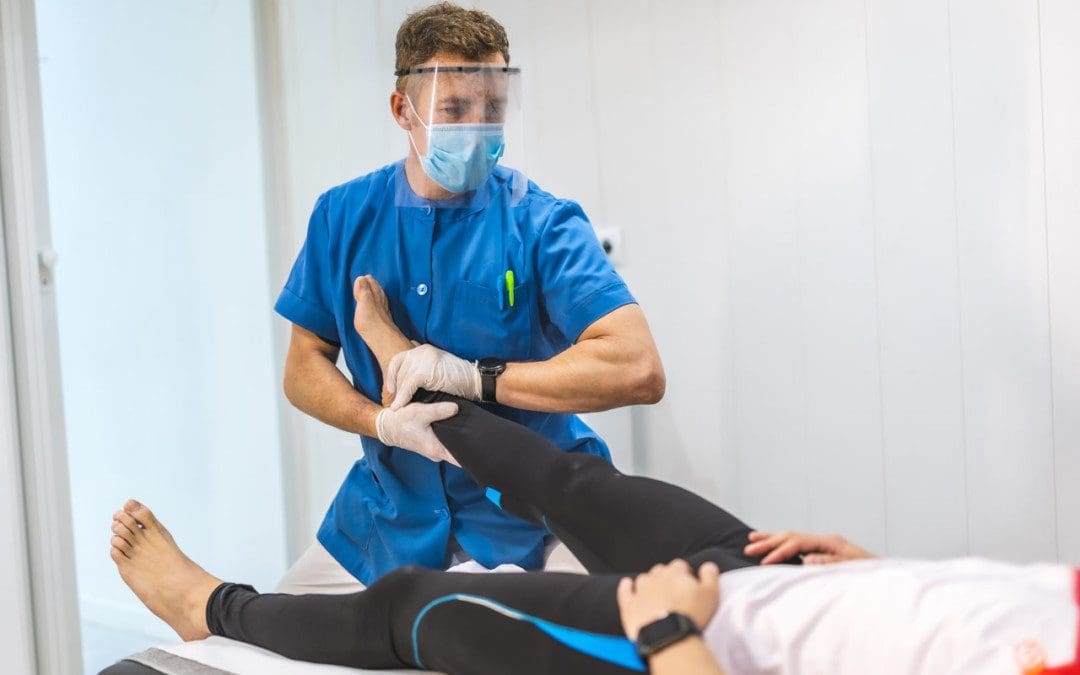
 Oblique Muscles