Can understanding the planes of motion help individuals adjust fitness training to maximize fitness for physical and sports performance and reduce the risk of injury?
Planes of Motion
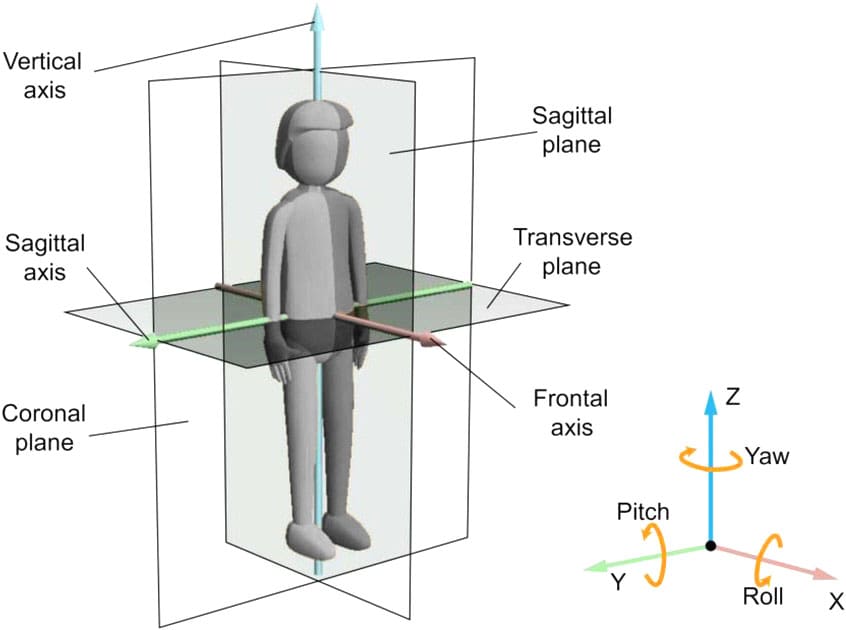
The body’s planes of motion are the sagittal, frontal, and transverse planes, which divide it into left and right, front and back, and top and bottom halves. The body moves in different dimensions during daily work, house chores, and physical activity/exercises. The movements in each plane correspond to forward/backward, side-to-side, and rotational motions. Think of each plane as an imaginary line or a pane of glass that divides the body into opposing segments when standing in the anatomical position. (National Academy of Sports Medicine, 2024)
Sagittal plane -Divides the body into right and left sides.
Frontal plane – Divides the body into front and back.
Transverse plane – Divides the body into top and bottom sections.
To determine the plane of motion of a particular movement, consider how the movement would interact with the imaginary lines or plates. When a movement runs parallel to the imaginary line, the movement is occurring in that plane of motion. For example, when going upstairs, the forward and upward movement at the hip, knee, and ankle occurs primarily in the sagittal plane because that movement runs parallel to the imaginary line that divides the body into right and left sides. Frontal plane movements occur while you walk up the stairs and reach for the handrail. The movement is in the frontal plane because the lateral hand reach runs parallel to the line, dissecting the body into front and back sections. If you turn around to look behind, the rotational movement occurs in the transverse plane because your upper torso runs parallel to the line, dissecting the body into an upper and lower section. Individual movements at any joint in the body can occur in a single plane or multiple planes. Complex movements usually happen in several planes of motion concurrently.
Sagittal Plane
Movement in the sagittal plane generally happens in front or behind. This is the most familiar plane of motion because many typical day-to-day activities happen within arm’s reach in front. Walking, texting, or computer work involves movement primarily in the sagittal plane. Several eating mechanics occur in the sagittal plane. Movements include:
Flexion – A bending movement that decreases the angle at a joint.
Extension – An extending movement that increases the angle at a joint.
Hyperextension – Extending the angle at a joint beyond neutral.
Dorsiflexion – Bending at the ankle so the top of the foot moves toward the shin.
Plantarflexion – Pushing the foot down and away from the body.
Many strength-training exercises in the sagittal plane include biceps curls, forward or reverse lunges, squats, vertical jumping, running, downward dog, and yoga chair poses.
Frontal Plane
The frontal plane divides the body into front/anterior and back/posterior sections. Frontal plane movements are lateral or side-to-side and include:
Abduction – Moving the body or a limb laterally and away from the body’s midline.
Adduction – Moving the body or a limb towards the body’s midline.
Elevation – Moving the shoulder blades up.
Depression – Moving the shoulder blades down.
Eversion – Rolling the foot towards the inside/medial side.
Inversion – Rolling the foot towards the outside/lateral side.
Frontal plane movements are less common than sagittal movements. For example, individuals walk forward more than side to side or reach for something in front rather than directly to the side. Frontal plane movements in fitness include side lunges, lateral shoulder raises, and side shuffles, and in yoga poses, standing side bends and the triangle.
Transverse Plane
The transverse plane divides the body into upper/superior and lower/inferior sections. Transverse plane movements generally involve rotation. Movement in this plane is less common. Exercise injuries most often occur during transverse/rotational movements. (National Academy of Sports Medicine, 2024) Movements include:
Rotation – Moving the torso or a limb around its vertical axis.
Pronation – Rotating the forearm or foot to a palm-side or foot-side down position.
Supination – Rotating the forearm or foot to a palm-side or foot-side-up position.
Horizontal Abduction – Moving the upper arm away from the body’s midline when elevated to 90 degrees.
Horizontal Adduction – Moving the upper arm towards the body’s midline when elevated to 90 degrees.
Typical everyday activities in the frontal plane include turning the head to look behind or turning a doorknob. Exercises in the transverse plane include hitting a golf ball, swinging a baseball bat, or performing a seated twist.
Training Within the Planes of Motion Benefits
Training in all three planes can help with movement in several ways, providing greater ease in life and sports.
Prepares Body for Daily Tasks
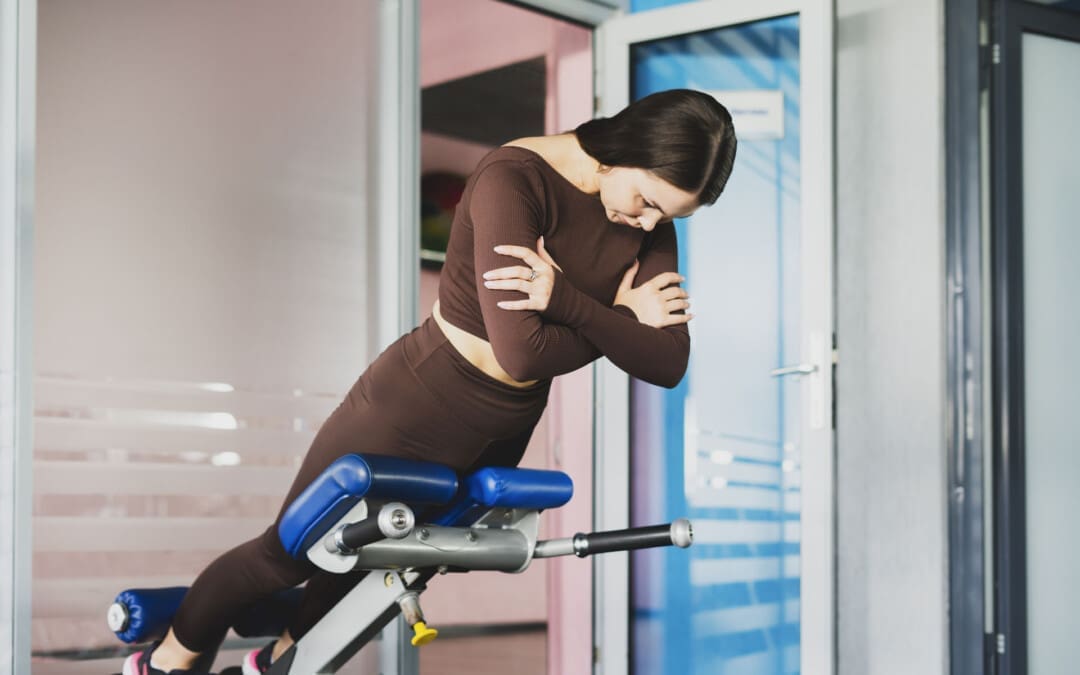
Many traditional strength-training programs focus on training one muscle at a time, often in a single plane of motion. For example, weight lifters might do bicep curls to primarily work the biceps in the sagittal plane, a chest fly exercise to primarily work the pectoral muscles in the transverse plane, or lateral raises to work the shoulders in the frontal plane. However, compound exercises have recently become much more common. Compound movements allow individuals to train several muscle groups simultaneously and in different planes of motion.
In this way, training activities mimic daily living activities. For example, individuals often lift several heavy bags of groceries and turn to open the car or trunk, involving both sagittal and transverse movement. Preparing the body for complex activities with compound exercises allows individuals to perform them more easily throughout the day.
Prepares Body for Sports and Physical Activities
Complex multi-planar movements help prepare for safe and effective physical activity and sports performance (National Academy of Sports Medicine, 2024). Researchers and experts understand that many physical and athletic activities require the body to move in different directions, often quickly and under high stress. Several studies have found that anterior cruciate ligament/ACL injuries are more likely to occur during multi-planar rather than single-planar movements. (Quatman C. E., Quatman-Yates C. C., & Hewett T. E. 2010) Training the body to perform multi-planar movements safely and effectively through exercise can help reduce the risk of injury during daily activities or stressful athletic competitions.
Encourages Variation For Full Body Strengthening
Individuals tend to fall into certain movement patterns, such as repeatedly performing the same fitness activity or exercises. This can cause them to have a favorite plane of motion. One way to break away from the same routine is to include movement from all planes of motion. For example, many abdominal workout machines help train in multiple planes of motion, challenging your body to move in different ways. Dumbbells, kettlebells, TRX straps, and bands allow individuals to move joints freely in various planes of motion and work several muscles.
Runners train primarily in the sagittal plane, even if they cross-train by swimming, cycling, or using cardio machines. For this reason, trainers and coaches often recommend doing some form of yoga or weight training that allows them to move their joints in different ways, including lateral movements or rotation. Even flexibility training should incorporate all three planes of motion. For example, walkers might choose to do a simple calf or hamstring stretch at the end of their workout but may also benefit from a seated spine rotation or a lying hip stretch.
Injury Medical Chiropractic and Functional Medicine Clinic
Understanding the concept and importance of training in the three planes of motion can help improve sports and physical performance and prevent musculoskeletal injuries. Chiropractic care aims to help individuals enhance movement with less pain due to condition, after injury, or surgery. Injury Medical Chiropractic and Functional Medicine Clinic works with primary healthcare providers and specialists to build optimal health and wellness solutions. We focus on what works for you to relieve pain, restore function, prevent injury, and help mitigate issues through adjustments that help the body realign itself. They can also work with other medical professionals to integrate a treatment plan to resolve musculoskeletal problems.
The Difference of Using Custom Foot Orthotics
References
National Academy of Sports Medicine. (2024). Sagittal, Frontal and Transverse Body Planes: Exercises & Movements. NASM. https://blog.nasm.org/exercise-programming/sagittal-frontal-traverse-planes-explained-with-exercises?utm_source=blog&utm_medium=referral&utm_campaign=organic&utm_content=ReasonsToBecomeCES
Quatman, C. E., Quatman-Yates, C. C., & Hewett, T. E. (2010). A ‘plane’ explanation of anterior cruciate ligament injury mechanisms: a systematic review. Sports medicine (Auckland, N.Z.), 40(9), 729–746. https://doi.org/10.2165/11534950-000000000-00000
Can individuals have a full night of sleep by making small changes to their sleep posture to reduce general aches and pains?
Introduction
Many individuals know that after a long, hard day of working or running errands, getting much rest is necessary to reduce tension in the body and put it in a relaxed state. Getting a quick nap to a full night of sleep is important not only for the body but also for the posture. However, many people get a bad night’s rest from various environmental factors that can keep them from getting the full benefits of eight hours of sleep. It can range from stressful events impacting a person’s life to overlapping risk profiles correlated with chronic conditions. Today’s article focuses on how poor posture can affect sleep and how there are different ways for a person to get a good night’s rest, improve sleep posture, and find the right mattress and pillows to allow the individual to stay asleep. We discuss with certified medical providers who inform our patients how various environmental factors can cause overlapping risk profiles and not getting a full night of rest. While asking informed questions to our associated medical providers, we advise patients to incorporate various techniques to improve sleep posture when getting a full night of quality sleep. Dr. Alex Jimenez, D.C., encompasses this information as an academic service. Disclaimer.
Poor Posture Affecting Sleep
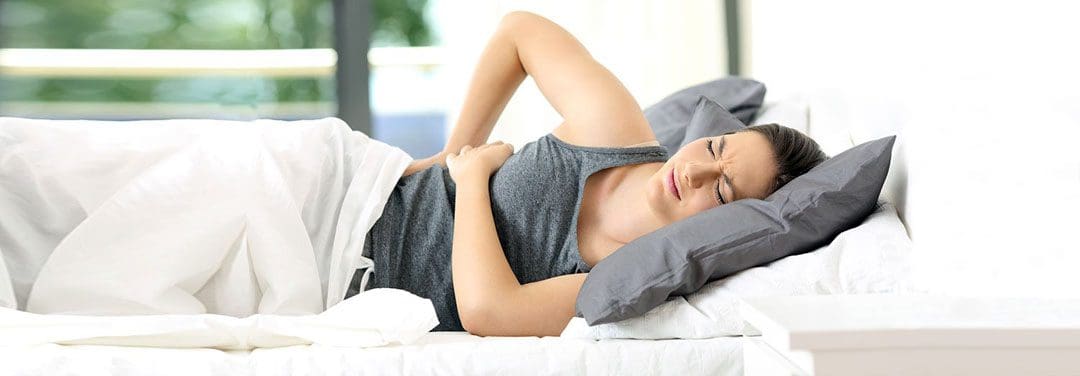
Do you feel extremely tired throughout the day, even after a full night? Do you experience stiffness in the morning that gets better throughout the day? Or how often do you wake up constantly at night and have trouble staying asleep? Many individuals who have experienced these scenarios are frequently correlated with bad sleeping habits. Many individuals have dealt with poor sleeping habits throughout the day due to environmental factors that can impact their sleep. Some environmental factors, like poor posture, can affect how people sleep at night. Poor posture has always been associated with musculoskeletal disorders. When musculoskeletal disorders have overlapping risk profiles from physical workload and psychological stress, it can become a predictor or even correlate with sleep disorders. (Hammig, 2020) This is because having habitual in-bed behaviors like movement and posture could cause health complications and prevent people from getting a good night’s rest. (Elnaggar et al., 2023)
This is due to how individuals’ posture can affect their sleep quality and overall health. For instance, individuals dealing with chronic spinal pain will begin to develop poor posture over time. When this happens, it can coexist with other comorbidities like insomnia, which can lead to a larger negative effect on a person’s physical and mental functioning while preventing them from being less productive and having poor quality of sleep. (Bilterys et al., 2021) When people experience spinal pain, causing them to develop poor posture, it can lead to sleep disturbances. The correlation between sleep disturbances and poor posture can cause impairment of the physiological process that can contribute to maintaining chronic pain. (Skillgate et al., 2021) However, there are numerous ways for people to get a good night’s rest while improving their posture.
The Benefits Of Stretching-Video
Ways To Get a Good Night Rest
When it comes to finding ways to get a good night’s rest, many people will try to devise solutions to establish a routine for their bedtime. Some of the ways people can utilize for a good night’s rest include:
Lowering room temperature
Keeping a sleep diary
Limit caffeinated drinks in the evening
Limit electronics before bed
Stick and create a sleep schedule
By creating some of these habits and sticking with them, many people can get much-needed rest and more energy when they wake up. At the same time, proper sleeping habits can help improve sleeping posture.
Improving Sleep Posture
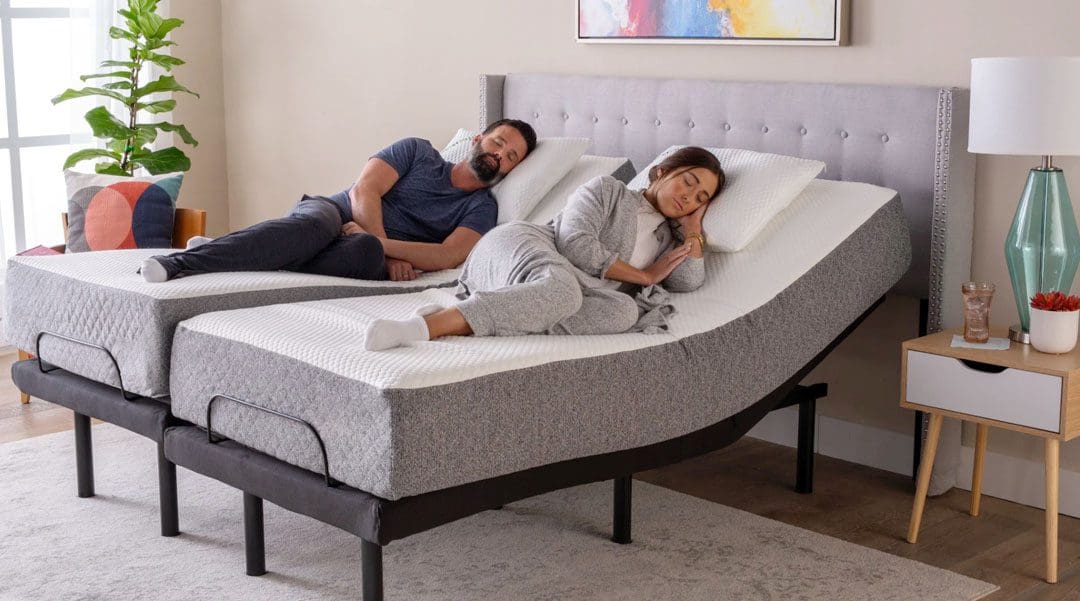
There is no right way to do it regarding proper sleeping habits and improving sleep posture. Everyone has a position they favor more to be comfortable. For instance, a person who sleeps on the back is more relaxed than sleeping on their sides. Since sleep posture is associated with sleep quality, poor posture may provoke increased wake time and affect a person’s ability to maintain an asleep state. (Cary et al., 2021) So, by listening to the body and following its natural sleep flow, a person can stay asleep longer and be comfortable.
Finding The Right Mattress & Pillow
At the same time, improving one’s sleeping posture is not the only way to get a good night’s rest. Finding the right mattress and pillows is important, too. When people seek mattresses and pillows to improve their sleep quality, many often seek out tempur-pedic mattresses to support their body and have the best sleep. Many tempur-pedic mattresses can help reduce pressure from the body, making a person comfortable and minimizing movement. Additionally, new pillows supporting the neck and lower back can reduce somatic symptoms and provide neutral spinal alignment for the body. (Yamada et al., 2023) When it comes to having the best quality of sleep, it can be achievable with proper sleep habits, a new set of pillows and mattresses, and a comfortable position that will allow people to feel refreshed and re-energized.
References
Bilterys, T., Siffain, C., De Maeyer, I., Van Looveren, E., Mairesse, O., Nijs, J., Meeus, M., Ickmans, K., Cagnie, B., Goubert, D., Danneels, L., Moens, M., & Malfliet, A. (2021). Associates of Insomnia in People with Chronic Spinal Pain: A Systematic Review and Meta-Analysis. J Clin Med, 10(14). https://doi.org/10.3390/jcm10143175
Cary, D., Jacques, A., & Briffa, K. (2021). Examining relationships between sleep posture, waking spinal symptoms and quality of sleep: A cross sectional study. PLOS ONE, 16(11), e0260582. https://doi.org/10.1371/journal.pone.0260582
Elnaggar, O., Arelhi, R., Coenen, F., Hopkinson, A., Mason, L., & Paoletti, P. (2023). An interpretable framework for sleep posture change detection and postural inactivity segmentation using wrist kinematics. Sci Rep, 13(1), 18027. https://doi.org/10.1038/s41598-023-44567-9
Hammig, O. (2020). Work- and stress-related musculoskeletal and sleep disorders among health professionals: a cross-sectional study in a hospital setting in Switzerland. BMC Musculoskelet Disord, 21(1), 319. https://doi.org/10.1186/s12891-020-03327-w
Skillgate, E., Isacson Hjortzberg, M., Stromwall, P., Hallqvist, J., Onell, C., Holm, L. W., & Bohman, T. (2021). Non-Preferred Work and the Incidence of Spinal Pain and Psychological Distress-A Prospective Cohort Study. Int J Environ Res Public Health, 18(19). https://doi.org/10.3390/ijerph181910051
Yamada, S., Hoshi, T., Toda, M., Tsuge, T., Matsudaira, K., & Oka, H. (2023). Changes in neck pain and somatic symptoms before and after the adjustment of the pillow height. Journal of Physical Therapy Science, 35(2), 106-113. https://doi.org/10.1589/jpts.35.106
Can correcting body misalignments and the elements of unhealthy posture help achieve a healthy posture?
Healthy Posture
Maintaining a healthy posture is more important than ever, as individuals from all walks of life realize how practicing awkward and unhealthy postures can wreak havoc on their bodies and quality of life. Unhealthy postures include rounding the upper and lower back, slouching, and forward head posture. Over time, these postures make daily activities more difficult or painful. Mobility, stability, and strengthening exercises can address unhealthy posture problems and issues, along with practicing correct sitting, standing, and resting postural habits to reinforce proper alignment daily. A chiropractic and physical therapy team can treat and train individuals to restore correct and healthy posture.
Body Alignment
Ideal posture involves correct body alignment or how the structural parts, such as the head, trunk, hips, knees, etc., relate to an individual’s form. Whether standing, sitting, lying down, or moving, body parts need to be balanced in relationship to each other to avoid unnecessary stress on the spine and musculoskeletal system. (Bone Health & Osteoporosis Foundation, 2024)
Posture Types
Posture is considered static when sitting or standing still and dynamic when moving. Both are categorized as active postures as they require the activation of stabilizing muscles to deal with gravity and maintain alignment. Lying down and remaining still is considered an inactive posture, as muscle involvement is minimal. However, both have the potential to be healthy or unhealthy.
Proper Body Alignment
An easy way to check proper alignment while standing is to stand against a wall with the base of the head, shoulder blades, and buttocks flush against the wall, with enough space for a hand wide enough to slide in between the wall and the small of the back. This exercise correctly lines up the head, shoulders, and hips to reduce or eliminate undue stress on the spine. Body balance is the foundation for active and inactive postures concerning workstations, industrial ergonomics, daily activities, and sports. (Mayo Clinic, 2023) Healthy alignment is a standard position in which all body joints are centered and balanced and the most mechanically efficient position for static or dynamic activities. Biomechanical efficiency (the ability to use the body’s muscles and joints to perform movements while minimizing energy use and maximizing output) enables the muscles surrounding the joints to work in balance and efficiently activate, which, in turn, helps reduce strain, tension, and injury. Balanced muscles also conserve energy, leading to better daily stamina.
Development of Imbalances
Individuals develop position and movement habits in joint positioning that have led to imbalanced muscles. When this is the case, some muscles can be chronically stretched, and others become chronically tight, all to hold the body up or move around, which can lead to postural conditions like upper crossed (Physiopedia, 2024) or lower crossed syndrome (Physiopedia, 2024) which often leads to pain and/or mobility issues.
Posture Assessment
The recommended way to determine if one’s posture is healthy or poor is by conducting a posture assessment. The examination looks at joint positions and gathers visual information about the planes into which parts of each joint move and the axes around which those movements occur (Singla D. and Veqar Z., 2014) (Debra Coglianese et al., 2006). In a posture assessment, body alignment is compared with the ideal standard, a plumb line, usually a string with a small weight attached to the bottom to help maintain straightness. The other end of the string is affixed to the ceiling to be used as an accurate reference for correct alignment. (Singla D. and Veqar Z. 2014) During a posture assessment, the patient stands next to the plumb line while the doctor or therapist compares the relative positions of the following areas:
Ears
Shoulder joint
Spine
Hip joint
Knee joint
Ankle joint
Feet
Any areas that don’t match the reference can indicate misalignments in one or several regions.
Making Corrections
Chiropractic care can help correct unhealthy posture by realigning the spine and strengthening the musculoskeletal system:
Spinal Adjustments
Chiropractors use their hands or instruments to apply controlled force to the spine to realign the vertebrae. This can help relieve pressure on muscles, ligaments, and nerves, which can improve posture.
Corrective Exercises
Chiropractors can create custom exercises to strengthen postural muscles and maintain proper alignment.
Massage Therapy
Chiropractors can use massage therapy to work on strained ligaments and soft tissue.
Guidance and Training
Chiropractors can teach patients how to move to encourage a neutral spine and provide strategies for maintaining healthy posture.
A posture corrector or brace can also help teach and engage the correct muscles to achieve proper alignment. However, it should not be relied on long-term because promoting and activating one’s stabilizing muscles is important rather than relying on a brace for prolonged periods.
Injury Medical Chiropractic and Functional Medicine Clinic
Achieving and maintaining proper posture requires consistent work and development. Retraining the body and maintaining its optimal health requires daily efforts through exercise, conscious position corrections, and ergonomics. Injury Medical Chiropractic and Functional Medicine Clinic works with primary healthcare providers and specialists to develop an optimal health and wellness solution. We focus on what works for you to relieve pain, restore function, and prevent injury. Regarding musculoskeletal pain, specialists like chiropractors, acupuncturists, and massage therapists can help mitigate the pain through spinal adjustments that help the body realign itself. They can also work with other medical professionals to integrate a treatment plan to resolve musculoskeletal issues.
Upper Cross Syndrome
References
Bone Health & Osteoporosis Foundation. (2024). Proper body alignment. https://www.bonehealthandosteoporosis.org/patients/treatment/exercisesafe-movement/proper-body-alignment/
Mayo Clinic. (2023). Mayo Clinic Q and A: Proper posture and body alignment. https://newsnetwork.mayoclinic.org/discussion/mayo-clinic-q-and-a-proper-posture-and-body-alignment/
Singla, D., & Veqar, Z. (2014). Methods of postural assessment used for sports persons. Journal of clinical and diagnostic research: JCDR, 8(4), LE01–LE4. https://doi.org/10.7860/JCDR/2014/6836.4266
Coglianese, D. (2006). Muscles: Testing and Function With Posture and Pain, ed 5 (with Primal Anatomy CD-ROM). Physical Therapy, 86(2), 304-305. https://doi.org/https://doi.org/10.1093/ptj/86.2.304
Can individuals incorporate proper posture in their workouts to provide effective results and reduce muscle pain in their bodies?
Introduction
Many people have started participating in various physical activities to improve their health and wellness. Additionally, engaging in different physical activities can provide numerous beneficial properties for the body as it can help strengthen the various muscles, bones, and ligaments that have succumbed to multiple injuries, strains, or conditions that cause many individuals to be in pain. When many people with musculoskeletal conditions start incorporating exercises as part of their treatment, maintaining proper posture while doing each set of stretches or exercises for each muscle can help reduce any unwanted strain or pulls that can cause more harm than good. Today’s post focuses on how maintaining proper posture can help make any workouts more efficient, how adequate posture can provide stability and strength to weak muscles, and how incorporating proper posture in a customized treatment plan can prevent numerous injuries from reoccurring. We discuss with certified associated medical providers who consolidate our patients’ information to assess many individuals to understand the importance of proper posture. We also inform and guide patients while asking their associated medical provider intricate questions to integrate non-surgical treatments to reduce the overlapping symptoms correlating with poor posture and help create a customized treatment plan that utilizes proper posture during exercises. Dr. Jimenez, D.C., includes this information as an academic service. Disclaimer.
Maintaining Posture Is Important For Effective Workouts
How often do you feel muscle strain on your shoulders, neck, and lower back after a strenuous long day? Do you notice that you feel more hunched over that you feel muscle aches and discomfort? Or do you feel discomfort when stretching your muscles that it causes temporary relief? More often than not, when the world has been on its entire feet or sitting down all day from working, school, or commuting to different locations, many individuals will often slip into an unhealthy habit of slouching when relaxing after a hard day. This, in turn, can cause many individuals to develop neck and back issues that often correlate with an increased stress load in the neck and lower back area. (Hansraj, 2014) Hence, postural correction and its beneficial effects on the back and neck are limited. However, when manual and physical therapists incorporate a PSB (postural-structural-biomechanical) model, it can help ascertain the various causes of musculoskeletal conditions and play an important role in clinical assessment and managing multiple muscle pains. (Lederman, 2011)
So why is it important to exercise to maintain proper posture? Well, when many individuals are in a hunched position from looking at their phones or leaning a lot more while being on the computer or driving, itcan cause the muscles in the neck, shoulders, and upper back to be in a static position, causing the muscles to be overused. (Abd El-Azeim et al., 2022) Additionally, say a person is working out to relieve stress, they would have to maintain a proper posture to prevent injuries and use the equipment to achieve muscular activity. When doing an effective workout, many individuals can improve their posture through muscle stretching exercises that can help improve postural alignment, which plays a role in preventing and treating musculoskeletal pain disorders. (Matsutani et al., 2023) At the same time, maintaining proper posture while working out can provide effective, good-quality movement and neutral spinal alignment.(Katzman et al., 2021)
Discovering The Benefits Of Chiropractic Care- Video
Proper Posture Stabilizes Weak Muscles
At the same time, having proper posture can help stabilize weak muscles in the upper and lower body quadrants. This is because environmental factors like obesity, repetitive movements, andexcessive sitting or standing can cause the muscles to be overused and weak over time when a person is not taking a break. This causes strength imbalances between the muscle groups, causing the accessory muscles to take over the main muscle’s job function and causing the spine to compensate and exaggerate the body’s natural curve. Hence why, exercises, especially core exercises, can help distribute the weight of the overbearing load and can help many individuals reduce the forward lean motion while decreasing muscle strain and fatigue on the upper and lower quadrants. Core exercises can help induce muscular contractions while influencing neuromuscular potentiation. (Lyons et al., 2021) This can help strengthen the weak muscles and stabilize the other muscles so the body can be realigned to invoke proper posture. Also, poor posture can correlate with lumbar spine and pelvis instability as the muscles can become weak. (Kim & Yim, 2020) Incorporating stability exercises into the weak muscles can help many individuals improve their posture when performing exercises.
Incorporating Proper Posture In A Customed Treatment Plan
When it comes to musculoskeletal pain conditions, many individuals can seek out pain specialists like chiropractors, acupuncturists, massage therapists to ease the pain in the muscles from an initial visit. Visiting a chiropractic care office or going to a gym and being assigned to a personal trainer can help practice healthy habits in maintaining and incorporating proper posture in a customized treatment plan. A chiropractic team can help mitigate the pain through spinal adjustments that can help the body realign itself and can work with other associated medical professionals to come up with a customer treatment plan that can help relieve muscle pain, improve the body’s flexibility and mobility, resolve musculoskeletal issues and prevent future pain symptoms from reoccurring. Additionally, a physical therapist can work together with a chiropractor to incorporate targeted exercises to help improve posture while stretching and strengthening the targeted muscles. This, in turn, helps with improving neuromuscular improvement to maintain correct posture. When many individuals develop improper posture over time, it can lead to dire consequences, as muscle pain can cause overlapping risk profiles in the body. Making small adjustments to how people sit or stand can help maintain proper posture. That way, the body can realign itself over time, and many can have a pain-free, healthy lifestyle.
References
Abd El-Azeim, A. S., Mahmoud, A. G., Mohamed, M. T., & El-Khateeb, Y. S. (2022). Impact of adding scapular stabilization to postural correctional exercises on symptomatic forward head posture: a randomized controlled trial. Eur J Phys Rehabil Med, 58(5), 757-766. https://doi.org/10.23736/S1973-9087.22.07361-0
Hansraj, K. K. (2014). Assessment of stresses in the cervical spine caused by posture and position of the head. Surg Technol Int, 25, 277-279. https://www.ncbi.nlm.nih.gov/pubmed/25393825
Katzman, W. B., Parimi, N., Gladin, A., Wong, S., & Lane, N. E. (2021). Long-Term Efficacy of Treatment Effects After a Kyphosis Exercise and Posture Training Intervention in Older Community-Dwelling Adults: A Cohort Study. J Geriatr Phys Ther, 44(3), 127-138. https://doi.org/10.1519/JPT.0000000000000262
Kim, B., & Yim, J. (2020). Core Stability and Hip Exercises Improve Physical Function and Activity in Patients with Non-Specific Low Back Pain: A Randomized Controlled Trial. Tohoku J Exp Med, 251(3), 193-206. https://doi.org/10.1620/tjem.251.193
Lederman, E. (2011). The fall of the postural-structural-biomechanical model in manual and physical therapies: exemplified by lower back pain. J Bodyw Mov Ther, 15(2), 131-138. https://doi.org/10.1016/j.jbmt.2011.01.011
Lyons, K. D., Parks, A. G., Dadematthews, O., Zandieh, N., McHenry, P., Games, K. E., Goodlett, M. D., Murrah, W., Roper, J., & Sefton, J. M. (2021). Core and Whole Body Vibration Exercise Influences Muscle Sensitivity and Posture during a Military Foot March. Int J Environ Res Public Health, 18(9). https://doi.org/10.3390/ijerph18094966
Matsutani, L. A., Sousa do Espirito Santo, A., Ciscato, M., Yuan, S. L. K., & Marques, A. P. (2023). Global posture reeducation compared with segmental muscle stretching exercises in the treatment of fibromyalgia: a randomized controlled trial. Trials, 24(1), 384. https://doi.org/10.1186/s13063-023-07422-w
For individuals who enjoy walking for exercise and health, can knowing when to replace walking shoes help protect their feet and prevent musculoskeletal injuries?
Replacing Walking Shoes
The best walking shoes must be replaced to ensure musculoskeletal health and prevent injuries. Wearing worn-out shoes during prolonged standing, distance walking or running, and high-impact workouts can exacerbate lower back stiffness, soreness, and pain. Comfortable walking shoes offer substantial support and superior cushioning, working to alleviate discomfort and prevent injury. However, they break down cushioning and support with each step. When an individual walks or runs 500 miles, most athletic shoes are ready for replacement and should be recycled or saved for non-exercise purposes.
500-Miles
Most athletic shoes are built to last 350 to 500 miles. (Cook, S. D., Kester, M. A., and Brunet, M. E. 1985) Walkers’ feet don’t impact their feet as hard as runners’, but individuals are unlikely to feel support and cushioning past 500 miles. Weight is also a factor; the more an individual weighs, the faster their shoes wear down.
It is recommended that individuals who walk 30 minutes daily or an average of three to four hours a week replace their shoes every six months.
Individuals who walk 60 minutes daily or seven hours weekly replace their shoes every three months.
Replace walking shoes every three to six months or every 500 miles.
Shoe Wear
When athletic shoes are glued together, they start to wear from the factory to the stores as the adhesive dries out. The air pockets in the cushioning slowly begin to dissipate. Walking shoes are often on sale when old models are discontinued and may already be over a year old. To get the longest life, buy the current model and ask staff how long they have been on the shelf.
Shoe Care
Shoes can last longer by following a few guidelines:
Use walking Shoes only for Walking Exercise
It is recommended not to wear them for daily use.
Use them only for walking.
Wearing them all day exposes them to foot moisture and bacteria, breaking them down faster.
Air Out Shoes Between Uses
Store walking shoes where they are exposed to air so they can dry out completely between uses.
Keeping them in a gym bag won’t allow them to breathe.
Wash Shoes and Air Dry
When washing walking shoes, use gentle soap and cold water to prevent the glue from breaking down.
Always air dry rather than placing them in a dryer.
Avoid heat, as this will contribute to faster glue breakdown.
Replace the Insoles
Individuals who prefer custom insoles should replace them each time shoes are replaced.
However, changing the insole is not a substitute for replacing the shoe.
Cushioning insoles do not provide the same support.
A new insole will not fix a broken-down walking shoe.
Rotate Walking Shoes
Alternate walking shoes every one to two months. The feet sense the difference when the older pair begins to break down. For individuals who walk one or more times daily, alternating shoes allow each pair to dry out fully between uses. Having two pairs of walking shoes to alternate will keep you from replacing them more frequently.
Signs It’s Time
Many wait until their shoes look worn out, with holes and torn laces, before considering replacing them. Here are a few guidelines for when to replace walking shoes:
Worn Tread
Many of today’s walking shoes change color through the sole to alert the individual.
If green turns to pink or some other combination, it’s time to replace the shoes.
Overpronation or Supination
This can lead to the heel of the shoe being worn down on one side more than the other.
This can affect your gait, making it important to replace your walking shoe.
Wrinkles On The Side or Bottom Of The Sole
The breakdown of support and cushioning can cause this.
Weak Ankle Support
This is usually from the uppers being broken down around the ankle.
Wear Patterns
Where and how the soles and heels of walking shoes are worn can tell a foot and shoe professional which shoes the individual should wear. It is recommended that used shoes be taken to the shoe store. They can indicate overpronation, a neutral gait, or supination.
Risks
The risks of wearing worn-out walking shoes include:
Lack of cushioning and support can lead to foot, knee, or leg pain.
Individuals who notice new soreness and aches may indicate that the shoes need replacing.
Recycling
Keeping one or two pairs of used walking shoes is great for household chores. They can also be recycled or donated. Recycled walking shoes are used to make playground and track surfaces. Look for a shoe bin at a community recycling center or athletic shoe store. Shoes in decent condition can be donated to charity clothing centers.
Injury Medical Chiropractic and Functional Medicine Clinic
At Injury Medical Chiropractic and Functional Medicine Clinic, our areas of practice include Wellness & Nutrition, Chronic Pain, Personal Injury, Auto Accident Care, Work Injuries, Back Injury, Low Back Pain, Neck Pain, Migraine Headaches, Sports Injuries, Severe Sciatica, Scoliosis, Complex Herniated Discs, Fibromyalgia, Chronic Pain, Complex Injuries, Stress Management, Functional Medicine Treatments, and in-scope care protocols. We focus on what works for you to achieve improvement goals and create an improved body through research methods and total wellness programs. If other treatment is needed, individuals will be referred to a clinic or physician best suited to their injury, condition, and/or ailment.
Custom Foot Orthotics Benefits
References
Cook, S. D., Kester, M. A., & Brunet, M. E. (1985). Shock absorption characteristics of running shoes. The American journal of sports medicine, 13(4), 248–253. https://doi.org/10.1177/036354658501300406
Rethnam, U., & Makwana, N. (2011). Are old running shoes detrimental to your feet? A pedobarographic study. BMC research notes, 4, 307. https://doi.org/10.1186/1756-0500-4-307
The levator scapulae muscles could be overstretched for individuals experiencing upper back, shoulder, and neck pain. Can physical therapies help relieve pain and retrain the muscles to function properly?
Levator Scapulae Muscles
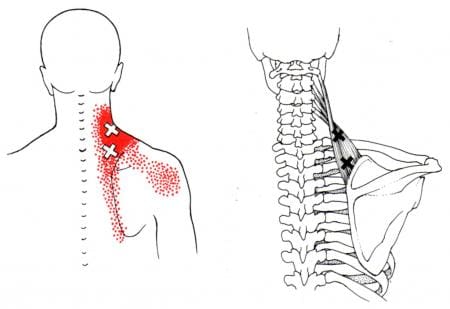
The levator scapulae muscles stretch along the spine across the upper back and neck. They originate from the cervical vertebrae C1 to C4 and attach to the inside top edge of the scapula. (Chotai P. N. et al., 2015) They elevate the shoulder blades, tilt the head, and work with other muscles to stabilize the spine and influence neck motion and upper back posture. The shoulder blade/scapula is the flat, triangular-shaped bone that sits on top of the upper part of the rib cage. Where the levator scapulae attaches, the muscles raise the shoulder blade, a movement called elevation, and indirectly rotates the scapula’s bottom tip downward towards the spine. These shoulder blade movements are part of the shoulder joint’s larger flexion and abduction movements.
Flexion occurs when moving the arm forward and up, and abduction occurs when moving the arm out to the side.
The levator scapulae muscles contract during flexion and/or abduction,
The muscles also contract when moving the neck in side bending, lateral flexion, rotation, or twisting.
Symptoms
Neck and shoulder pain are common problems for office workers, truck drivers, and others who sit most of the day for their jobs. It can worsen when there is no spinal support for maintaining correct alignment. Poorly designed work chairs may contribute to chronic muscle tension and spasms, plus they may contribute to muscle weakness. One of the primary functions of the levator scapulae muscles is to keep the shoulder blade in a position that supports a vertical alignment of the head and to prevent forward head posture. (Yoo W. G. 2018)
However, the shoulder blade is an extremely movable bone. Maintaining stability and correct neck posture is not easy. The levator scapulae muscles may not be strong enough to keep the shoulder blade where it’s supposed to be for healthy posture, and instead, they become overstretched. When muscles are overstretched, they often become taut to try to maintain some form of stability. It can feel like muscle tension because the muscles shorten, but there is a difference. The situation can worsen if one slouches, has no lumbar support, and/or the desk or steering wheel is too high or too low, which may force the shoulder blade upward or downward.
Pain Relief
The levator scapulae muscles are two of several shoulder muscles that may contribute when neck pain presents. This is why a qualified, licensed health professional should diagnose any pain or dysfunction in the area. Physical therapy can help get the body back on track. (Yoo W. G. 2018) Treatment may consist of restoring muscle strength and flexibility in the shoulder, neck, and upper back muscles and developing better posture habits. Physical therapy exercises, particularly those that address upper back posture, can help reduce the stress placed on the levator scapulae muscles and can help decrease kyphosis, often a precursor to forward head posture. Stretching, strengthening, and posture lessons will help relieve pain and increase the physical functioning of the upper body. Other tips for avoiding and relieving muscle pain include:
Stretching regularly by gently rotating the neck and shoulders.
Applying heat to promote relaxation.
Regular massage therapy.
Adjusting chairs and/or monitor height to align with a straight line of sight.
Not carrying heavy bags, especially on one shoulder.
Avoiding side sleeping without proper head support.
Injury Medical Chiropractic Clinic
Visiting a chiropractic and physical therapy team can help treat injuries and chronic pain syndromes, relieve pain, resolve musculoskeletal issues, and prevent future symptoms. Injury Medical Chiropractic and Functional Medicine Clinic works with primary healthcare providers and specialists to develop a personalized care program for each patient through an integrated approach to help return to normal and optimal function. If other treatments are needed, Dr. Jimenez has teamed up with top surgeons, clinical specialists, medical researchers, and rehabilitation providers to provide the most effective treatments.
The Natural Way to Heal: Non-Surgical Chiropractic Care for Pain Relief
References
Chotai, P. N., Loukas, M., & Tubbs, R. S. (2015). Unusual origin of the levator scapulae muscle from mastoid process. Surgical and radiologic anatomy : SRA, 37(10), 1277–1281. https://doi.org/10.1007/s00276-015-1508-6
Yoo W. G. (2018). Effects of thoracic posture correction exercises on scapular position. Journal of physical therapy science, 30(3), 411–412. https://doi.org/10.1589/jpts.30.411
For individuals who are feeling back pain, neck pain, or shoulder pain, can using postural techniques help decrease pain and develop strategies to maintain correct posture?
Maintaining Correct Posture
Exercise and postural correction are two of the most important strategies to manage pain. (Robin McKenzie, the great spine guru PT, (May S. and Donelson R. 2008) However, it is not easy to maintain correct posture as the day progresses. While working or driving, most of us forget to be mindful of our posture; we slip back into unhealthy habits of sitting slouched, to the side, forward, etc, which often leads to continued pain and movement limitations. Studies on postural correction and its effect on overall back or neck pain levels are limited. (Lederman E. 2011) However, some studies show that a forward-head posture increases stress and load on the neck. (Hansraj K. K. 2014) If an individual has pain that improves with sitting upright, perhaps checking posture as the day progresses could be beneficial. There are ways to start changing posture and maintain the change. First, visit a physical therapist, spine specialist, or chiropractor to learn how to sit or stand to manage posture problems. They can teach individuals how to attain healthy posture and manage their condition. These strategies can then be used to maintain correct posture.
Lumbar Support
A lumbar roll/support is one of the simplest ways to attain and maintain a healthy sitting posture. These specialized pillows can help maintain the forward curve in the lower back. Maintaining the lumbar lordosis curve is essential for keeping stress off the back muscles, joints, and discs. Lumbar support pillows can be found in various stores, office supply stores, or purchased online. A physical therapist PT can help train individuals to use a lumbar roll properly.
Utilize the Slouch Overcorrect Exercise
The slouch overcorrect exercise is a simple maneuver for training the body to find and maintain its neutral position. It involves slowly shifting from a slouched position to an overcorrected postural position. Once posture is overcorrected, a slight relaxation from a fully erect posture will return to sitting properly. Practicing this exercise daily can help train the body to feel the muscles, listen to the body, and maintain proper posture. The muscles have memory, and the more often the body is placed in optimal posture, the muscles memorize their healthy, pain-free positioning.
Kinesiology Tape
Kinesiology tape is a flexible cotton adhesive that facilitates muscle contractions and inhibits muscle spasms and pain. (Han J. T. et al., 2015) Using the tape is a simple way to help facilitate the postural support muscles. The tape can be applied to the middle trapezius and rhomboid muscles to help support the shoulder blades and spine. Kinesiology tape for postural control also gently pulls on the muscles when slouching to remind the individual to sit up or stand straight.
Scapular Stabilization Exercises
A physical therapist or chiropractor can help improve posture through targeted exercises. Strengthening the muscles attached to the shoulder blades can help individuals better control their posture. (Shiravi S. et al., 2019) Exercises like the prone T, I, or Y can help improve the muscles’ neuromuscular recruitment to maintain correct posture.
Use an Alarm
Setting an alarm while working can help train the body to maintain correct posture. Most of us sit at a computer, desk, or workstation with proper posture, but depending on what we’re working on, we eventually slouch, lean to the side, or have a forward head posture. Pretty much all computers and phones have an alarm setting or app. Use the alarm or timer to go off every 20 to 30 minutes. When the alarm rings, look at your posture to recognize what you’re doing, get up and move around to stretch the body, sit and readjust, reset the alarm, and continue working. As you get better at maintaining appropriate posture, you won’t need the alarm anymore, and readjusting will become automatic.
Chiropractic Team
Sitting and standing with unhealthy posture can significantly cause back, neck, and shoulder pain. By visiting a chiropractic and physical therapy team and learning to attain and maintain correct posture, you can quickly relieve pain, resolve musculoskeletal issues, and prevent future pain symptoms. Injury Medical Chiropractic and Functional Medicine Clinic works with primary healthcare providers and specialists to develop a personalized care plan for each patient through an integrated approach to treating injuries and chronic pain syndromes, improving flexibility, mobility, and agility programs to relieve pain and help return to normal and optimal function. If other treatments are needed, Dr. Jimenez has teamed up with top surgeons, clinical specialists, medical researchers, and rehabilitation providers to provide the most effective treatments.
Scapular Winging In-Depth
References
May, S., & Donelson, R. (2008). Evidence-informed management of chronic low back pain with the McKenzie method. The spine journal : official journal of the North American Spine Society, 8(1), 134–141. https://doi.org/10.1016/j.spinee.2007.10.017
Lederman E. (2011). The fall of the postural-structural-biomechanical model in manual and physical therapies: exemplified by lower back pain. Journal of bodywork and movement therapies, 15(2), 131–138. https://doi.org/10.1016/j.jbmt.2011.01.011
Hansraj K. K. (2014). Assessment of stresses in the cervical spine caused by posture and position of the head. Surgical technology international, 25, 277–279.
Han, J. T., Lee, J. H., & Yoon, C. H. (2015). The mechanical effect of kinesiology tape on rounded shoulder posture in seated male workers: a single-blinded randomized controlled pilot study. Physiotherapy theory and practice, 31(2), 120–125. https://doi.org/10.3109/09593985.2014.960054
Shiravi, S., Letafatkar, A., Bertozzi, L., Pillastrini, P., & Khaleghi Tazji, M. (2019). Efficacy of Abdominal Control Feedback and Scapula Stabilization Exercises in Participants With Forward Head, Round Shoulder Postures and Neck Movement Impairment. Sports health, 11(3), 272–279. https://doi.org/10.1177/1941738119835223
IFM's Find A Practitioner tool is the largest referral network in Functional Medicine, created to help patients locate Functional Medicine practitioners anywhere in the world. IFM Certified Practitioners are listed first in the search results, given their extensive education in Functional Medicine