Dr. Jimenez Injury Rehabilitation: Effective MVA Care
Physical Therapy After a Car Accident: Addressing Indirect Trauma, Pain, and Mobility Issues

Motor vehicle accidents (MVAs) can leave individuals grappling with a range of physical and emotional challenges, even when injuries seem minor at first glance. The sudden forces exerted on the body during a collision—whether a rear-end crash, side impact, or head-on accident—can cause significant indirect trauma, leading to back and neck pain, nerve damage, mobility and flexibility issues, and posture problems. These injuries often manifest as musculoskeletal joint pain, which can persist or worsen without proper intervention. Physical therapy (PT) is a cornerstone of recovery for MVA victims, offering a non-invasive, customized approach to restoring function, alleviating pain, and preventing long-term complications. In El Paso, Texas, professionals such as Dr. Alexander Jimenez, a distinguished chiropractor and board-certified family nurse practitioner, combine clinical expertise with advanced diagnostic tools to effectively address these injuries. This blog post explores the role of physical therapy in MVA recovery, drawing on clinical observations, evidence-based practices, and Dr. Jimenez’s integrative approach to care.
Understanding the Impact of Motor Vehicle Accidents
Motor Vehicle Accidents (MVAs) expose the body to sudden, powerful forces beyond its capacity to absorb. Even low-speed collisions can strain or injure the spine, muscles, joints, and nerves. According to the National Highway Traffic Safety Administration, over 2.1 million people in the U.S. sustain injuries in car crashes annually, with soft tissue injuries being the most common (NHTSA, 2023). These injuries often include whiplash, back strains, herniated discs, and nerve compression, which can lead to chronic pain and mobility limitations if untreated.
Indirect Trauma and Its Consequences
Indirect trauma refers to injuries that result from the body’s reaction to the sudden forces of a collision, rather than direct impact. For example, the rapid back-and-forth motion of the neck during a rear-end collision can strain muscles, ligaments, and nerves, leading to whiplash-associated disorders (WAD). This condition often causes neck pain, stiffness, and headaches, which may not appear immediately (Apex Spine & Neurosurgery, 2024). Similarly, the spine’s natural curves can be disrupted, contributing to posture problems and increased stress on joints and muscles.
Back and neck pain are among the most commonly reported symptoms following a motor vehicle accident (MVA). The spine, a complex structure of vertebrae, discs, and nerves, is particularly vulnerable. Herniated discs, where the inner material of a spinal disc protrudes and presses on nearby nerves, can cause radiating pain, numbness, or weakness (Jimenez, 2024). Nerve damage, such as neuropraxia, can occur when nerves are stretched or compressed, resulting in tingling, muscle weakness, or loss of sensation. (Personal Injury Doctors, 2016).
Mobility and flexibility issues often arise as the body attempts to compensate for pain or stiffness. For instance, a person with lower back pain may alter their gait, resulting in uneven stress on the hips and knees. Over time, these changes can exacerbate joint pain and contribute to the development of degenerative conditions, such as arthritis. Posture problems, such as forward head posture or slouching, may also develop, particularly if pain discourages proper alignment and posture. (Jimenez, 2016).
Musculoskeletal Joint Pain Progression
Musculoskeletal joint pain often progresses due to untreated or poorly managed MVA injuries. For example, whiplash can lead to chronic neck pain if scar tissue forms in strained muscles or if spinal misalignments (subluxations) persist (Baystate Physical Therapy, 2024). Similarly, a herniated disc in the lumbar spine may cause sciatica, characterized by sharp pain radiating down the leg due to nerve compression. These conditions can limit range of motion, reduce strength, and impair daily activities, significantly affecting quality of life.
Citations:
- National Highway Traffic Safety Administration. (2023). Traffic safety facts. https://www.nhtsa.gov/
- Apex Spine & Neurosurgery. (2024). Physical therapy after a car accident. https://www.apexosn.com/physical-therapy-after-a-car-accident/
- Jimenez, A. (2024). Personal injury chiropractic care. https://dralexjimenez.com/
- Personal Injury Doctors. (2016). Neuropraxia (nerve injury) – Causes and treatment. https://personalinjurydoctorgroup.com/neuropraxia-nerve-injury-causes-and-treatment/
- Jimenez, A. (2016). Posture specialty. https://dralexjimenez.com/posture-specialty/
- Baystate Physical Therapy. (2024). Motor vehicle accident injuries. https://baystatept.com/specialties-provided/motor-vehicle-accident-injuries/
The Role of Physical Therapy in MVA Recovery
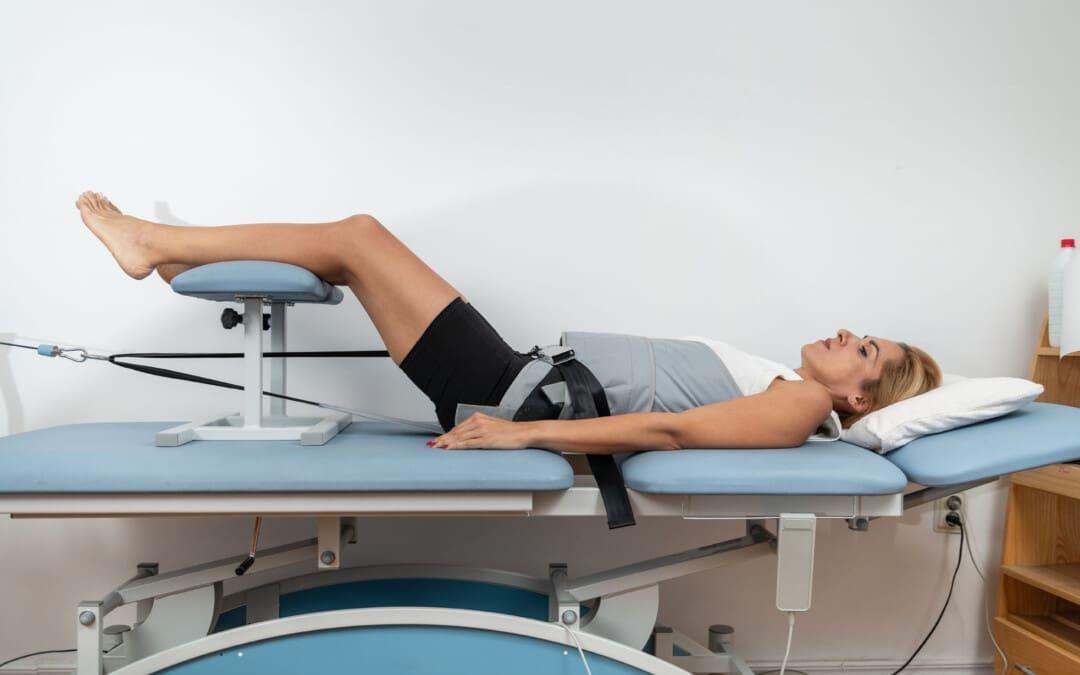
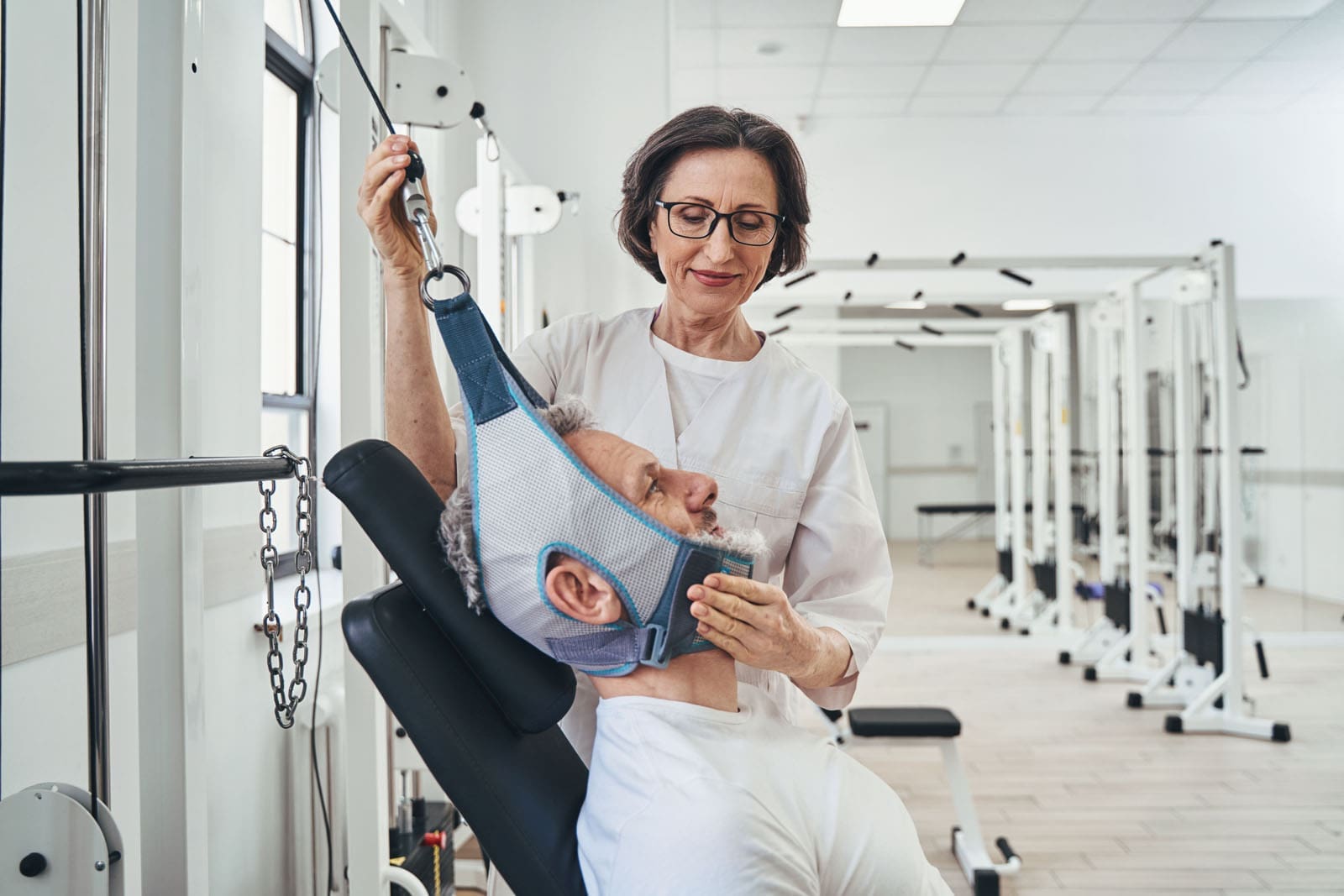
Physical therapy is a non-invasive, evidence-based approach to treating injuries related to motor vehicle accidents (MVAs). It focuses on restoring mobility, reducing pain, and preventing long-term complications through a combination of manual therapy, therapeutic modalities, and targeted exercises. Texas Physical Therapy Specialists emphasize that PT programs are tailored to each patient’s specific injuries and needs, ensuring optimal recovery (Texas Physical Therapy Specialists, 2024).
Key Components of Physical Therapy
- Manual Therapy: Techniques such as joint mobilization and soft tissue massage help reduce muscle tension, improve circulation, and restore joint function. These hands-on methods are particularly effective for addressing stiffness and pain in the neck and back (Apex Orthopaedics Spine & Neurology, 2024).
- Pain-Relieving Modalities: Tools like electrical stimulation, ultrasound, and heat/cold therapy can alleviate pain and inflammation. For example, transcutaneous electrical nerve stimulation (TENS) uses low-voltage currents to block pain signals (Rocky Mountain Physical Therapy, 2024).
- Stretching and Range-of-Motion Exercises: These exercises improve flexibility and restore normal joint movement. Gentle neck stretches, for instance, can counteract whiplash-induced stiffness (OneRehab, 2024).
- Strengthening Exercises: Building muscle strength supports injured areas and prevents re-injury. Core exercises, such as planks, stabilize the spine, while leg exercises like squats enhance overall mobility (Breakthrough Physical Therapy, 2024).
- Functional Training: Multi-joint, multi-muscle movements, such as lunges or rotational exercises, mimic daily activities, improving balance and coordination (Release Physical Therapy, 2024).
Customization of Treatment Plans
A physical therapist begins with a thorough evaluation, assessing the patient’s range of motion, strength, posture, and pain levels. Based on this assessment, they develop a personalized treatment plan. For example, a patient with whiplash may start with gentle stretches and progress to strengthening exercises as pain subsides. The duration of PT varies, typically ranging from a few weeks to several months, depending on the severity of the injury and the patient’s progress. (Georgia Spine & Orthopaedics, 2024).
Citations:
- Texas Physical Therapy Specialists. (2024). Motor vehicle accident. https://texpts.com/primary-services/motor-vehicle-accident/
- Apex Orthopaedics Spine & Neurology. (2024). Physical therapy after a car accident. https://www.apexosn.com/physical-therapy-after-a-car-accident/
- Rocky Mountain Physical Therapy. (2024). Post-auto collision. https://rockymountain.urpt.com/conditions/post-auto-collision/
- OneRehab. (2024). Physical therapy exercises after a car accident. https://onerehab.com/physical-therapy-exercises-after-a-car-accident/
- Breakthrough Physical Therapy. (2024). MVA-related injuries. https://breakthrough-pt.com/conditions/mva-related-injuries/
- Release Physical Therapy. (2024). Functional training. https://releasept.com/functional-training/
- Georgia Spine & Orthopaedics. (2024). Physical therapy after a car accident. https://www.gaspineortho.com/physical-therapy-after-a-car-accident/
Dr. Alexander Jimenez’s Integrative Approach
In El Paso, Dr. Alexander Jimenez stands out as a leader in treating injuries related to motor vehicle accidents (MVAs). With over 25 years of experience as a chiropractor and board-certified family nurse practitioner, Dr. Jimenez integrates chiropractic care, functional medicine, and advanced diagnostics to address the complex needs of personal injury patients (Jimenez, 2024). His dual licensure enables him to bridge the gap between biomechanical and systemic health, providing a holistic approach to recovery.
Clinical Rationale and Diagnostic Assessments
Dr. Jimenez emphasizes the importance of correlating patient injuries with objective diagnostic findings. He employs advanced imaging techniques, such as X-rays and MRIs, to identify spinal misalignments, disc herniations, and soft tissue injuries. These tools are crucial for detecting subtle injuries, such as ligament tears or nerve compression, that may not be apparent in initial examinations (Jimenez, 2024). Dual-scope procedures, combining chiropractic and medical evaluations, provide a comprehensive view of the patient’s condition, enabling precise treatment planning.
For example, a patient with neck pain post-MVA may undergo motion and static palpation to assess spinal joint mobility, followed by an MRI to confirm a suspected herniated disc. Dr. Jimenez’s diagnostic assessments also include neurological evaluations to detect nerve damage, such as radiculopathy or peripheral neuropathy, which can cause symptoms like numbness or muscle weakness (Jimenez, 2018).
Balancing Medical and Legal Needs
In personal injury cases, Dr. Jimenez’s expertise extends beyond clinical care to legal documentation. He meticulously documents examination findings and treatment plans to support insurance claims and legal proceedings, ensuring patients receive fair compensation (Jimenez, 2017). His ability to translate complex medical findings into clear, legally admissible reports is particularly valuable in El Paso, where personal injury cases are common due to the high volume of traffic.
Treatment Protocols
Dr. Jimenez’s treatment protocols often include chiropractic adjustments to correct spinal misalignments, reduce nerve compression, and restore mobility. He complements these with physical therapy modalities, such as ultrasound and electrical stimulation, to manage pain and inflammation. Functional strength training, tailored to the patient’s needs, enhances recovery by improving stability and preventing re-injury (Jimenez, 2024).
Citations:
- Jimenez, A. (2024). Injury medical & chiropractic clinic. https://elpasobackclinic.com/
- Jimenez, A. (2024). Personal injury doctor. https://dralexjimenez.com/
- Jimenez, A. (2018). Neuropathy presentation part II. https://elpasobackclinic.com/neuropathy-presentation-part-ii/
- Jimenez, A. (2017). Personal injury & accident resources. https://elpasobackclinic.com/personal-injury-accident-resources/
- Jimenez, A. (2024). El Paso chiropractic. https://elpasochiropractic.com/
Specific Physical Therapy Exercises for MVA Recovery
The type and severity of MVA injuries dictate the exercises prescribed in physical therapy. Below are examples of exercises commonly used to address back and neck pain, nerve damage, mobility issues, and posture problems.
Stretching Exercises
- Neck Stretches: Gently tilting the head side to side or forward and backward can help relieve tension in the cervical spine. These are ideal for whiplash patients. (OneRehab, 2024).
- Hamstring Stretches: Lying on the back and lifting one leg while keeping it straight stretches the lower back and hamstrings, improving flexibility (Sports Physical Therapy, 2024).
Range-of-Motion Exercises
- Shoulder Rolls: Rolling the shoulders forward and backward enhances mobility in the upper back and neck, counteracting stiffness (Breakthrough Physical Therapy, 2024).
- Spinal Twists: Seated or supine twists gently rotate the spine, improving lumbar mobility and reducing lower back pain (Texas Physical Therapy Specialists, 2024).
Strengthening Exercises
- Core Bridges: Lying on the back with knees bent, lifting the hips strengthens the core and lower back, stabilizing the spine (Rocky Mountain Physical Therapy, 2024).
- Planks: Holding a plank position builds core and shoulder strength, supporting proper posture (Release Physical Therapy, 2024).
Functional Training
- Squats: Multi-joint squats improve leg and core strength, enhancing overall stability (Synergy Rehab, 2024).
- Lunges: Forward or lateral lunges mimic walking and climbing, improving balance and coordination (Benchmark Physical Therapy, 2024).
Timing and Progression
It’s recommended to start physical therapy (PT) exercises within days of the accident, once acute pain subsides, to prevent stiffness and promote healing. Patients typically begin with low-impact stretches and progress to strengthening and functional exercises over the course of weeks or months. (Sports Physical Therapy, 2024).
Citations:
- OneRehab. (2024). Physical therapy exercises after a car accident. https://onerehab.com/physical-therapy-exercises-after-a-car-accident/
- Sports Physical Therapy. (2024). How to start exercising following a motor vehicle accident. https://sportsptcenters.com/how-to-start-exercising-following-a-motor-vehicle-accident/
- Breakthrough Physical Therapy. (2024). MVA-related injuries. https://breakthrough-pt.com/conditions/mva-related-injuries/
- Texas Physical Therapy Specialists. (2024). Motor vehicle accident. https://texpts.com/primary-services/motor-vehicle-accident/
- Rocky Mountain Physical Therapy. (2024). Post-auto collision. https://rockymountain.urpt.com/conditions/post-auto-collision/
- Release Physical Therapy. (2024). Functional training. https://releasept.com/functional-training/
- Synergy Rehab. (2024). Physical therapy after auto accident. https://synergyrehabinc.com/physical-therapy-after-auto-accident/
- Benchmark Physical Therapy. (2024). Motor vehicle accident. https://www.benchmarkpt.com/conditions/motor-vehicle-accident/
Preventing Long-Term Complications
Untreated MVA injuries can lead to chronic pain, reduced mobility, and degenerative conditions. Physical therapy helps prevent these outcomes by addressing inflammation, restoring function, and strengthening supportive muscles. For example, regular PT can reduce the risk of post-traumatic arthritis by maintaining joint mobility (Synergy Rehab, 2024). Dr. Jimenez’s combined method enhances prevention by integrating physical therapy (PT) with guidance on nutrition and overall health to address issues such as inflammation and metabolic imbalances. (Jimenez, 2024).
Citations:
- Synergy Rehab. (2024). Physical therapy after auto accident. https://synergyrehabinc.com/physical-therapy-after-auto-accident/
- Jimenez, A. (2024). Injury medical & chiropractic clinic. https://elpasobackclinic.com/
Conclusion
Motor vehicle accidents can cause a cascade of physical challenges, from indirect trauma and pain to mobility, flexibility, and posture issues. Physical therapy, with its focus on manual therapy, pain relief, and targeted exercises, is a vital tool for recovery. In El Paso, Dr. Alexander Jimenez’s expertise in chiropractic care, functional medicine, and diagnostic assessments ensures that MVA victims receive comprehensive, personalized treatment. By addressing both the medical and legal aspects of personal injury cases, Dr. Jimenez helps patients recover their health and regain their quality of life. If you’ve been in a car accident, consult a physical therapist or specialist like Dr. Jimenez to start your journey to recovery.
References
- Apex Orthopaedics Spine & Neurology. (2024). Physical therapy after a car accident. https://www.apexosn.com/physical-therapy-after-a-car-accident/
- Apex Spine & Neurosurgery. (2024). Physical therapy after a car accident. https://www.apexosn.com/physical-therapy-after-a-car-accident/
- Baystate Physical Therapy. (2024). Motor vehicle accident injuries. https://baystatept.com/specialties-provided/motor-vehicle-accident-injuries/
- Benchmark Physical Therapy. (2024). Motor vehicle accident. https://www.benchmarkpt.com/conditions/motor-vehicle-accident/
- Breakthrough Physical Therapy. (2024). MVA-related injuries. https://breakthrough-pt.com/conditions/mva-related-injuries/
- Georgia Spine & Orthopaedics. (2024). Physical therapy after a car accident. https://www.gaspineortho.com/physical-therapy-after-a-car-accident/
- Jimenez, A. (2016). Posture specialty. https://dralexjimenez.com/posture-specialty/
- Jimenez, A. (2017). Personal injury & accident resources. https://elpasobackclinic.com/personal-injury-accident-resources/
- Jimenez, A. (2018). Neuropathy presentation part II. https://elpasobackclinic.com/neuropathy-presentation-part-ii/
- Jimenez, A. (2024). El Paso chiropractic. https://elpasochiropractic.com/
- Jimenez, A. (2024). Injury medical & chiropractic clinic. https://elpasobackclinic.com/
- Jimenez, A. (2024). Personal injury doctor. https://dralexjimenez.com/
- National Highway Traffic Safety Administration. (2023). Traffic safety facts. https://www.nhtsa.gov/
- OneRehab. (2024). Physical therapy exercises after a car accident. https://onerehab.com/physical-therapy-exercises-after-a-car-accident/
- Personal Injury Doctors. (2016). Neuropraxia (nerve injury) – Causes and treatment. https://personalinjurydoctorgroup.com/neuropraxia-nerve-injury-causes-and-treatment/
- Release Physical Therapy. (2024). Functional training. https://releasept.com/functional-training/
- Rocky Mountain Physical Therapy. (2024). Post-auto collision. https://rockymountain.urpt.com/conditions/post-auto-collision/
- Sports Physical Therapy. (2024). How to start exercising following a motor vehicle accident. https://sportsptcenters.com/how-to-start-exercising-following-a-motor-vehicle-accident/
- Synergy Rehab. (2024). Physical therapy after auto accident. https://synergyrehabinc.com/physical-therapy-after-auto-accident/
- Texas Physical Therapy Specialists. (2024). Motor vehicle accident. https://texpts.com/primary-services/motor-vehicle-accident/