Chiropractic Care for Enhanced Mobility & Poses for Sciatica Relief
Learn about the best poses for sciatica and the role of chiropractic care in managing pain and promoting wellness.
Chiropractic Care for Sciatica Pain Relief: A Comprehensive Guide to Understanding and Managing Sciatic Nerve Pain
Sciatica pain can feel like an uninvited guest who overstays their welcome, turning simple tasks like sitting, standing, or even sneezing into a wince-worthy ordeal. If you’ve ever felt a sharp, shooting pain radiating from your lower back down to your toes, you might be dealing with sciatica. This condition affects millions and can make daily life feel like a game of dodgeball with invisible opponents. Fortunately, chiropractic care offers a non-invasive, evidence-based solution to help manage and reduce sciatica pain, particularly when it’s linked to low back pain. In this comprehensive guide, we’ll dive into the clinical rationale behind chiropractic care for sciatica, explore the musculoskeletal system’s role in this condition, and highlight how Dr. Alexander Jimenez, a renowned chiropractor in El Paso, Texas, uses advanced techniques to help patients reclaim their mobility and quality of life. We’ll also sprinkle in some humor to keep things light—because who said learning about sciatica can’t be fun? Let’s get started!
Understanding Sciatica: What’s All the Fuss About?
Sciatica isn’t a single condition but a collection of symptoms caused by irritation or compression of the sciatic nerve, the longest and largest nerve in the human body. This nerve runs from the lower back, through the buttocks, and down the legs, controlling muscles and providing sensation to the thighs, calves, and feet. When something pinches or irritates this nerve, it can lead to a symphony of discomfort: pain, tingling, burning sensations, or numbness that radiates along its path (Ropper & Zafonte, 2015). Think of it like a cranky electrical wire sparking and short-circuiting your leg’s circuitry.
Common Causes of Sciatica
Sciatica can be triggered by various issues, including:
- Herniated Discs: When the soft, jelly-like center of a spinal disc bulges or ruptures, it can press on the sciatic nerve roots in the lumbar spine. About 90% of sciatica cases stem from this issue (Ropper & Zafonte, 2015).
- Piriformis Syndrome: The piriformis muscle in the buttocks can sometimes pinch the sciatic nerve, especially if it’s tight or inflamed. Imagine the piriformis as a grumpy bouncer at a club, refusing the sciatic nerve entry.
- Spinal Stenosis: Narrowing of the spinal canal can compress nerve roots, leading to sciatica symptoms, particularly in older adults.
- Spondylolisthesis: When a vertebra slips out of alignment, it can squeeze the sciatic nerve, causing pain.
- Pregnancy: The added weight and shifting posture during pregnancy can irritate the sciatic nerve, making it a common complaint for expectant mothers.
- Obesity: Excess weight can stress the spine, contributing to conditions like intervertebral disc degeneration that lead to sciatica (Cao et al., 2022).
How Sciatica Impacts Daily Life
Sciatica doesn’t just cause pain—it can disrupt your entire routine. Simple activities like sitting at a desk, driving, or even tying your shoes can become Herculean tasks. For some, the pain is a dull ache; for others, it’s a sharp, electric jolt that makes you question your life choices—like that time you tried to lift a couch solo. Studies show that low back pain, often linked with sciatica, affects 619 million people globally and is the leading cause of disability worldwide (Ferreira et al., 2023). Up to 30% of sciatica cases can persist for a year or more if untreated, making early intervention critical (Ropper & Zafonte, 2015).
Risk Factors and Overlapping Profiles
Certain factors increase your chances of developing sciatica, including:
- Obesity: Excess body weight (BMI > 25) puts extra pressure on the spine, accelerating disc degeneration (Cao et al., 2022).
- Occupational Stress: Jobs involving heavy lifting, prolonged sitting, or repetitive motions can strain the musculoskeletal system.
- Poor Health Habits: Smoking, lack of exercise, and poor posture can exacerbate spinal issues.
- Age: Degenerative changes in the spine, like disc wear and tear, become more common as we age.
These risk factors often overlap, creating a perfect storm for sciatica. For example, an obese individual with a sedentary job may be more prone to disc herniation, which in turn compresses the sciatic nerve. Chiropractic care, with its focus on spinal alignment and musculoskeletal health, can address these overlapping issues to provide relief.
References
- Cao, S., Li, W., Wang, T., Li, Y., Xu, Y., & Zhang, J. (2022). Causal associations of obesity with the intervertebral degeneration, low back pain, and sciatica: A two-sample Mendelian randomization study. Frontiers in Endocrinology, 13, 882028. https://doi.org/10.3389/fendo.2022.882028
- Ferreira, M. L., de Luca, K., Haile, L., Steinmetz, J., Culbreth, G. T., Cross, M., … & Woolf, A. D. (2023). Global, regional, and national burden of low back pain, 1990–2020, its attributable risk factors, and projections to 2050: A systematic analysis of the Global Burden of Disease Study 2021. The Lancet Rheumatology, 5(6), e316-e329. https://doi.org/10.1016/S2665-9913(23)00098-X
- Ropper, A. H., & Zafonte, R. D. (2015). Sciatica. New England Journal of Medicine, 372(13), 1240-1248. https://doi.org/10.1056/NEJMra1410151
The Musculoskeletal System and the Sciatic Nerve: A Painful Partnership
The musculoskeletal system—your body’s framework of bones, muscles, joints, and connective tissues—plays a starring role in sciatica. When this system is out of whack, it can turn the sciatic nerve into a cranky toddler throwing a tantrum. Let’s break down how the musculoskeletal system and the sciatic nerve interact and why this relationship can lead to such a painful drama.
The Sciatic Nerve’s Journey
The sciatic nerve originates from the nerve roots (L4-S3) in the lumbar spine (lower back) and sacral plexus. It exits the pelvis through the sciatic notch, passes under or through the piriformis muscle, and travels down the back of the thigh, branching into smaller nerves that reach the feet. This nerve is like the body’s superhighway, carrying signals for movement and sensation. When it’s compressed or irritated—say, by a herniated disc or a tight piriformis muscle—it sends out distress signals in the form of pain, tingling, or numbness (Ropper & Zafonte, 2015).
Musculoskeletal Culprits
Several musculoskeletal structures can gang up on the sciatic nerve:
- Spinal Discs: Herniated or bulging discs in the lumbar spine can press on nerve roots, triggering sciatica. Think of a disc as a jelly donut—when the jelly squeezes out, it can squish the nerve.
- Piriformis Muscle: This small muscle in the buttocks can tighten or spasm, pinching the sciatic nerve. It’s like the nerve is stuck in a traffic jam with no exit.
- Facet Joints: These joints connect vertebrae and can become inflamed or misaligned, contributing to nerve irritation.
- Paraspinal Muscles: Tight or imbalanced muscles around the spine can alter posture and increase pressure on the sciatic nerve.
Impact on Daily Life
When the sciatic nerve is irritated, it doesn’t just cause pain—it can throw your whole body out of alignment. You might limp to avoid putting weight on the affected leg, which strains other muscles and joints. Prolonged sitting can feel like sitting on a bed of nails, and standing for too long might make you wish you could detach your legs. This can lead to reduced mobility, missed workdays, and even mood changes due to chronic discomfort. For instance, a truck driver with sciatica might struggle to sit for long hauls, while a pregnant woman might find walking unbearable (Jimenez, 2018).
Why Alignment Matters
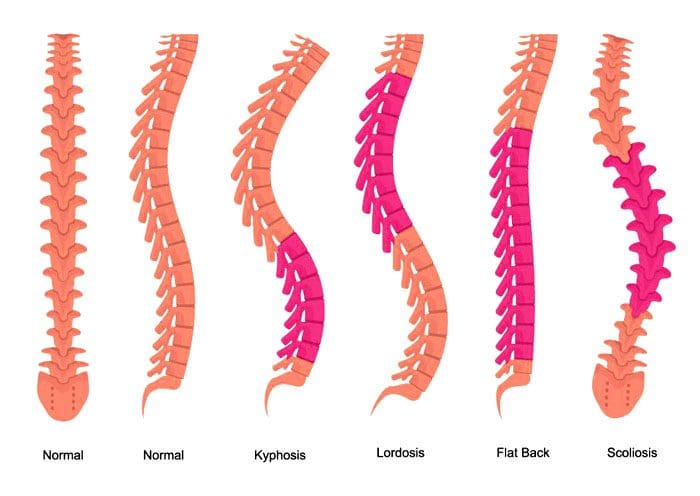
The musculoskeletal system’s alignment is key to keeping the sciatic nerve happy. Misalignments, or subluxations, in the spine can compress nerve roots, while tight muscles can exacerbate the problem. Chiropractic care focuses on restoring this alignment through spinal adjustments, reducing pressure on the sciatic nerve, and improving overall function.
References
- Jimenez, A. (2018). Piriformis syndrome treatment chiropractor | El Paso, TX. | Video. Push as Rx. https://pushasrx.com/piriformis-syndrome-treatment-chiropractor-el-paso-tx-video/
- Ropper, A. H., & Zafonte, R. D. (2015). Sciatica. New England Journal of Medicine, 372(13), 1240-1248. https://doi.org/10.1056/NEJMra1410151
The Clinical Rationale for Chiropractic Care in Sciatica
Chiropractic care is like a superhero swooping in to save the day for sciatica sufferers. It’s a non-invasive, drug-free approach that targets the root causes of sciatica rather than just masking the pain with medications. Here’s why chiropractic care, particularly under the expertise of Dr. Alexander Jimenez, is a game-changer for sciatica and low back pain.
How Chiropractic Care Works
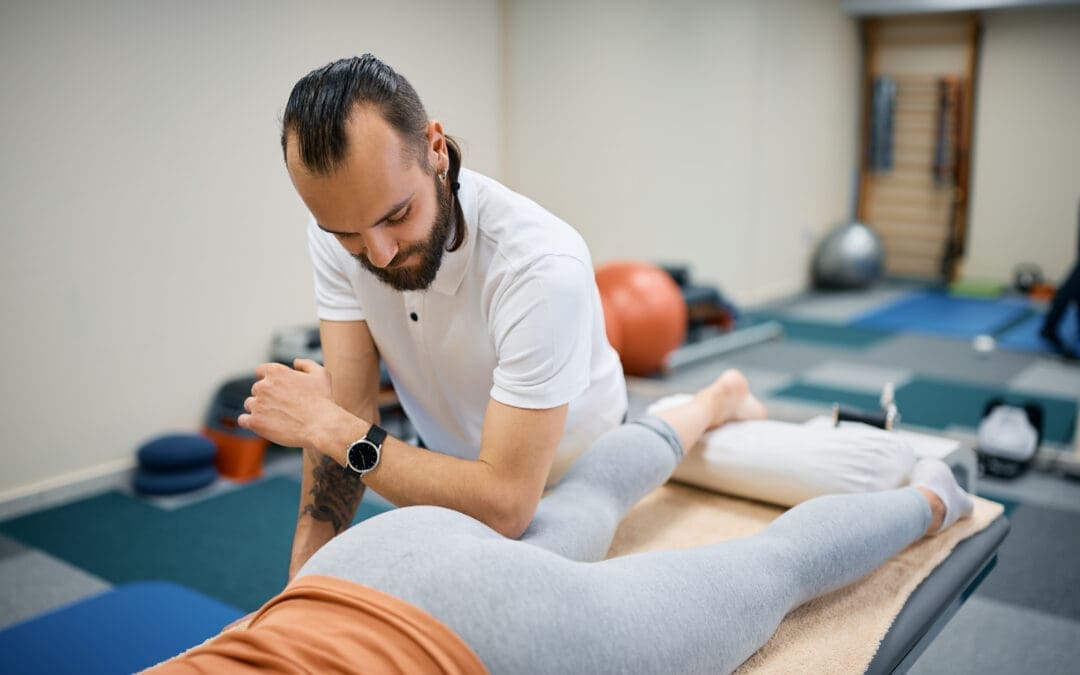
Chiropractors use spinal manipulation and mobilization techniques to restore proper alignment to the spine, reducing pressure on the sciatic nerve. These adjustments involve applying controlled force to specific vertebrae to correct subluxations (misalignments) that may be compressing nerve roots. A 2020 study found that spinal manipulative therapy significantly reduces pain and disability in patients with chronic low back pain, which often accompanies sciatica (Rubinstein et al., 2020). By realigning the spine, chiropractors help take the pressure off the sciatic nerve, allowing it to function without sending those pesky pain signals.
Specific Techniques for Sciatica
Dr. Alexander Jimenez, a board-certified chiropractor and family nurse practitioner in El Paso, Texas, employs a variety of techniques to address sciatica:
- Spinal Adjustments: Precise manipulations to correct spinal misalignments, reducing nerve compression. These adjustments are like hitting the reset button on your spine’s alignment.
- Spinal Decompression: A non-surgical technique that gently stretches the spine to relieve pressure on discs and nerves. It’s like giving your spine a much-needed stretch after a long day.
- Manual Therapy: Techniques like myofascial release and trigger point therapy to relax tight muscles and reduce inflammation (Jimenez, 2025).
- Electro-Acupuncture: Targeted electrical stimulation of acupuncture points to reduce pain and promote healing, shown to be effective for neuropathic pain (Li et al., 2018).
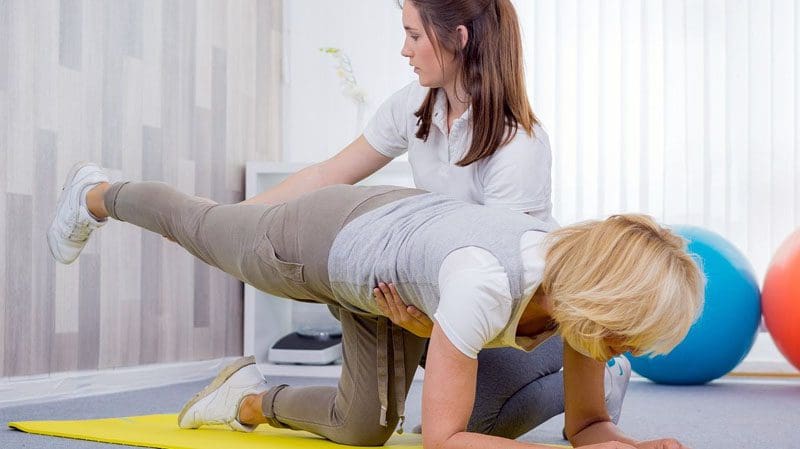
- Rehabilitation Exercises: Customized programs to strengthen core and lumbar muscles, improving spinal stability, and preventing re-injury.
Why It’s Effective
Chiropractic care is effective because it addresses the underlying musculoskeletal issues causing sciatica, rather than just treating symptoms. For example, a herniated disc pressing on the sciatic nerve can be alleviated by adjusting the spine to create more space for the nerve roots. A 2021 systematic review confirmed that spinal manipulative therapy is effective for reducing spine pain, including sciatica, by improving mobility and reducing inflammation (Coulter et al., 2021). Unlike medications like gabapentin or pregabalin, which show limited efficacy for sciatica and carry risks of adverse events (Enke et al., 2022), chiropractic care offers a safer, non-invasive alternative.
Incorporating Poses and Stretches
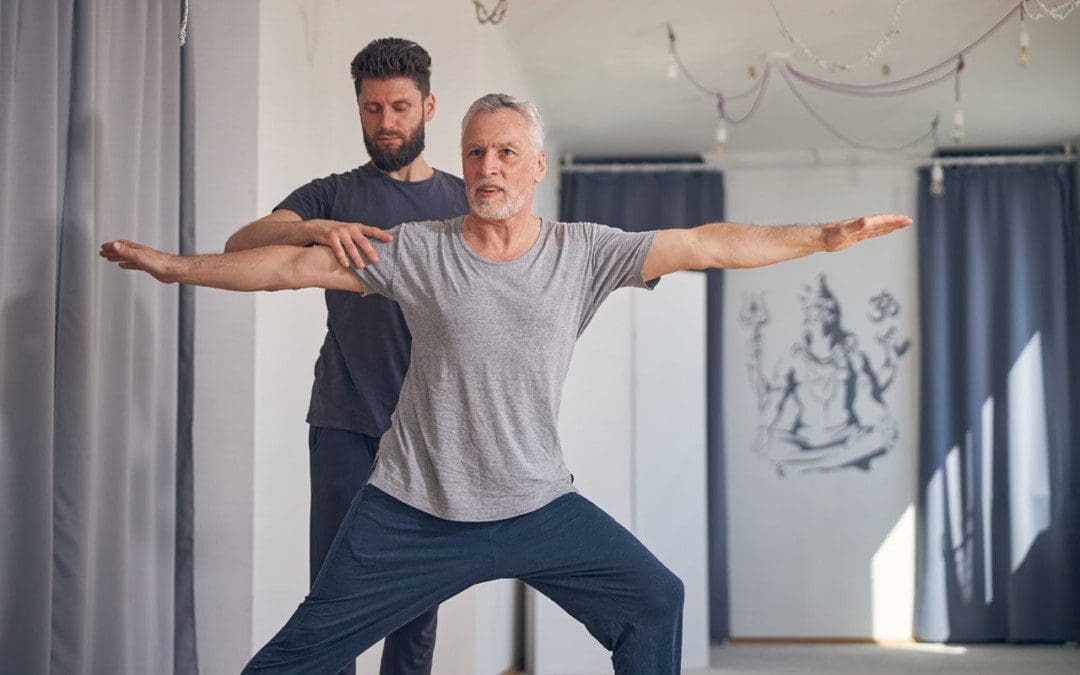
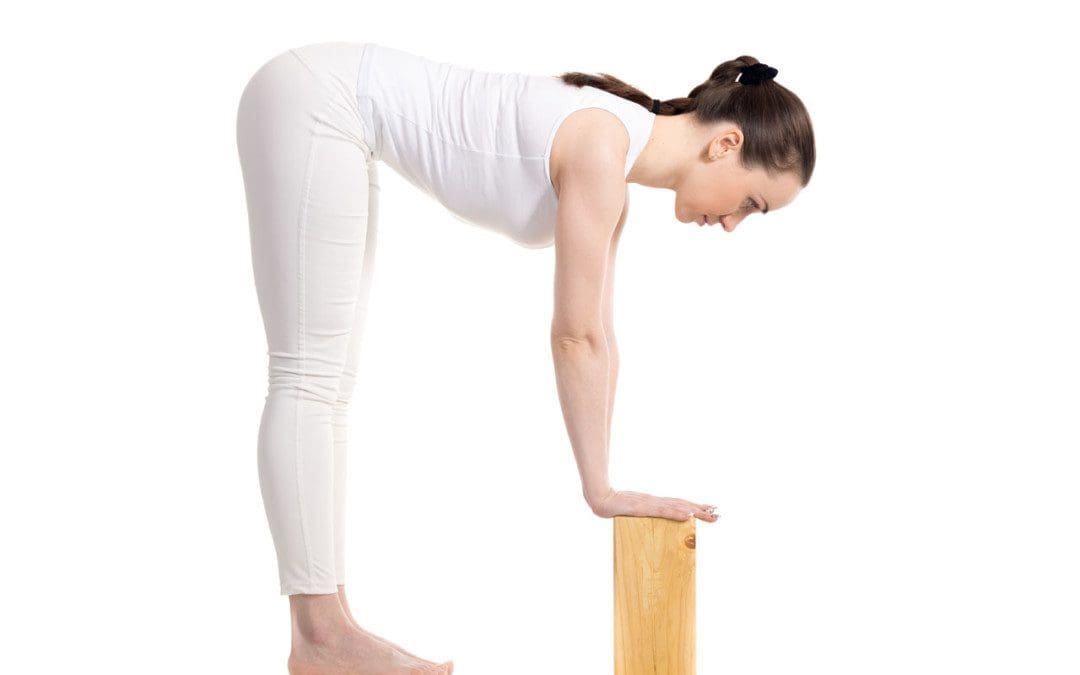
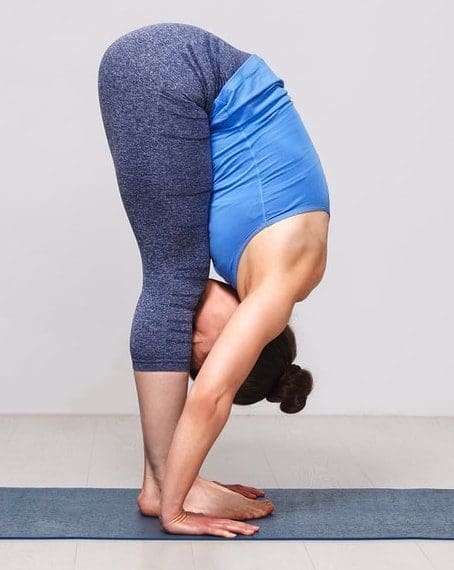
Chiropractic care often integrates specific poses and stretches to complement spinal adjustments. Dr. Jimenez frequently incorporates yoga-inspired poses to enhance flexibility and reduce muscle tension, which can exacerbate sciatica. Here are seven poses inspired by yoga that can help soothe sciatica, as outlined by Yoga International (Rinehart, 2016):
- Child’s Pose (Balasana): Relaxes the lower back and stretches the hips, reducing tension around the sciatic nerve.
- Downward-Facing Dog: Lengthens the spine and strengthens core muscles, promoting better spinal alignment.
- Pigeon Pose: Stretches the piriformis muscle, relieving pressure on the sciatic nerve.
- Seated Forward Bend: Stretches the hamstrings and lower back, improving flexibility.
- Thread the Needle: Targets the piriformis and glutes, releasing tension that may compress the sciatic nerve.
- Supine Twist: Gently twists the spine to relieve pressure and improve mobility.
- Bridge Pose: Strengthens the glutes and core, supporting spinal stability.
These poses, when guided by a chiropractor like Dr. Jimenez, can be tailored to a patient’s specific needs, ensuring safe execution and maximum benefit. Regular practice can reduce the overlapping risk factors like muscle tightness and poor posture, which contribute to sciatica.
Sciatica Secrets Revealed- Video
Dr. Jimenez’s Approach
Dr. Jimenez’s dual licensure as a chiropractor and nurse practitioner allows him to take a holistic approach, combining chiropractic adjustments with functional medicine. He uses advanced imaging (X-rays, MRIs) to pinpoint the exact cause of sciatica, such as a herniated disc or spinal stenosis. His diagnostic evaluations include thorough physical exams and functional assessments to identify biomechanical dysfunctions. By integrating these insights with spinal manipulation, acupuncture, and rehabilitation exercises, Dr. Jimenez creates personalized treatment plans that address both immediate pain and long-term recovery (Jimenez, 2025).
References
- Coulter, I. D., Crawford, C., Vernon, C., Hurwitz, E. L., Khorsan, R., Booth, M. S., & Herman, P. M. (2021). Clinical effectiveness and efficacy of chiropractic spinal manipulation for spine pain. Frontiers in Pain Research, 2, 765921. https://doi.org/10.3389/fpain.2021.765921
- Enke, O., New, H. A., New, C. H., Mathieson, S., McLachlan, A. J., Latimer, J., … & Lin, C. W. C. (2022). A systematic review and meta-analysis of the effectiveness and adverse events of gabapentin and pregabalin for sciatica pain. Atención Primaria, 54(2), 102144. https://doi.org/10.1016/j.aprim.2021.102144
- Jimenez, A. (2025). Chiropractic care techniques for five musculoskeletal issues. Sciatica Pain and Treatment Clinic. https://sciatica.clinic/chiropractic-care-techniques-for-five-musculoskeletal-issues/
- Li, Y., Wu, F., & Wang, Y. (2018). Electro-acupuncture for the treatment of neuropathic pain: A systematic review and meta-analysis. Evidence-Based Complementary and Alternative Medicine, 2018, 1239467. https://doi.org/10.1155/2018/1239467
- Rinehart, J. (2016). 7 poses to soothe sciatica. Yoga International. https://yogainternational.com/article/view/7-poses-to-soothe-sciatica/
- Rubinstein, S. M., de Zoete, A., van Middelkoop, M., Assendelft, W. J. J., de Boer, M. R., & van Tulder, M. W. (2020). Benefits and harms of spinal manipulative therapy for the treatment of chronic low back pain: Systematic review and meta-analysis of randomised controlled trials. BMJ, 368, m689. https://doi.org/10.1136/bmj.m689
Chiropractic Care in Personal Injury Cases: Dr. Jimenez’s Expertise in El Paso
In El Paso, Texas, personal injury cases—such as those from car accidents or workplace incidents—often involve musculoskeletal injuries like sciatica, whiplash, or chronic back pain. Dr. Alexander Jimenez stands out as a leading practitioner in this field, with over 25 years of experience and a unique dual licensure as a chiropractor (DC) and family nurse practitioner (FNP-BC). His practice, Injury Medical & Chiropractic Clinic, is a beacon of hope for victims of personal injuries seeking non-invasive solutions (Jimenez, 2025).
The Role of Chiropractic Care in Personal Injury
Personal injuries, especially from motor vehicle accidents (MVAs), can cause a range of musculoskeletal issues, including sciatica due to herniated discs or soft tissue damage. Chiropractic care is particularly effective in these cases because it addresses the biomechanical dysfunctions that result from trauma. For instance, a car accident might cause a vertebral misalignment that compresses the sciatic nerve, leading to radiating pain. Dr. Jimenez uses spinal adjustments to restore alignment, complemented by physical therapy to rebuild strength and prevent re-injury (Jimenez, 2024).
Advanced Imaging and Diagnostic Evaluations
Dr. Jimenez’s approach is grounded in precision. He utilizes advanced imaging techniques, such as X-rays and MRIs, to identify the exact source of sciatica, whether it’s a herniated disc, spinal stenosis, or piriformis syndrome. His diagnostic evaluations include:
- Physical Exams: Assessing range of motion, muscle strength, and neurological function.
- Functional Assessments: Evaluating how the injury affects daily activities, like walking or sitting.
- Dual-Scope Procedures: Combining chiropractic and medical approaches to provide a comprehensive diagnosis.
These tools allow Dr. Jimenez to create detailed treatment plans tailored to each patient’s needs, ensuring both immediate pain relief and long-term recovery (Jimenez, 2025).
Legal and Medical Liaison
One of Dr. Jimenez’s standout qualities is his ability to serve as a liaison between medical care and legal documentation. In personal injury cases, accurate documentation is crucial for insurance claims and legal proceedings. Dr. Jimenez provides detailed reports that link a patient’s injuries to the accident, supported by advanced imaging and diagnostic findings. This dual-scope approach ensures that patients receive the medical care they need while also having the documentation required for legal success (Jimenez, 2024).
Patient Testimonials
Patients in El Paso rave about Dr. Jimenez’s care. Truide Torres, who suffered from sciatica during pregnancy, credits Dr. Jimenez’s chiropractic adjustments and lifestyle advice for helping her regain mobility. Edgar M. Reyes, a truck driver, found relief from sciatica that had made long drives unbearable, thanks to Dr. Jimenez’s tailored rehabilitation program (Jimenez, 2018). These testimonials highlight Dr. Jimenez’s commitment to personalized, patient-centered care.
Why El Paso Chooses Dr. Jimenez
With accolades as a top-rated chiropractor from 2015 to 2024, Dr. Jimenez’s practice is renowned for its holistic approach. His website, https://www.dralexjimenez.com, offers resources like patient testimonials and articles on spinal health, showcasing his expertise in treating complex conditions like sciatica. His LinkedIn profile (https://www.linkedin.com/in/dralexjimenez/) further underscores his credentials as a board-certified practitioner dedicated to holistic healing (Jimenez, 2025).
References
- Jimenez, A. (2018). Piriformis syndrome treatment chiropractor | El Paso, TX. | Video. Push as Rx. https://pushasrx.com/piriformis-syndrome-treatment-chiropractor-el-paso-tx-video/
- Jimenez, A. (2024). Rehabilitation with Dr. Jimenez: Comprehensive recovery solutions. El Paso Chiropractor Blog. https://www.elpasochiropractorblog.com/rehabilitation-with-dr-jimenez-comprehensive-recovery-solutions/
- Jimenez, A. (2025). Chiropractic care techniques for five musculoskeletal issues. Sciatica Pain and Treatment Clinic. https://sciatica.clinic/chiropractic-care-techniques-for-five-musculoskeletal-issues/
Comparing Chiropractic Care to Other Treatments
While chiropractic care shines in the spotlight for sciatica treatment, it’s worth comparing it to other options to understand its unique benefits. Let’s take a look at some common treatments and how they stack up.
Medications
Medications like gabapentin and pregabalin are often prescribed for sciatica. Still, a 2022 systematic review found little evidence of their effectiveness for sciatica pain, with potential side effects like dizziness and nausea (Enke et al., 2022). Non-steroidal anti-inflammatory drugs (NSAIDs) may reduce inflammation, but they don’t address structural issues like disc herniation or spinal misalignment. Chiropractic care, on the other hand, targets these root causes without the risks associated with long-term medication use.
Acupuncture
Acupuncture, including techniques like pestle needle (chu zhen), involves inserting needles into specific points to relieve pain. Some studies suggest acupuncture may help with sciatica by stimulating nerve pathways and reducing inflammation (Liu et al., 2019; Wang et al., 2019). However, its effects are often temporary, and it doesn’t correct spinal misalignments. Chiropractic care complements acupuncture by addressing structural issues, and Dr. Jimenez usually combines electro-acupuncture with adjustments for enhanced relief (Jimenez, 2025).
Physiotherapy
Physiotherapy focuses on exercises and manual therapies to improve strength and mobility. It’s effective for sciatica, particularly when combined with neural mobilization techniques that stretch and mobilize the sciatic nerve (Neto et al., 2023). However, physiotherapy alone may not fully address spinal misalignments. Chiropractic care integrates well with physiotherapy, as Dr. Jimenez often prescribes tailored exercises alongside adjustments to ensure comprehensive recovery (Jimenez, 2024).
Surgery
In severe cases, surgery like a discectomy or laminectomy may be recommended to relieve nerve compression. However, surgery carries risks like infection and long recovery times, and it’s typically a last resort. Chiropractic care is a non-invasive first line of defense, often preventing the need for surgery by addressing issues early (Coulter et al., 2021).
Why Chiropractic Stands Out
Chiropractic care is unique because it combines structural correction (spinal adjustments) with holistic approaches (exercises, lifestyle advice) to address both symptoms and causes. It’s cost-effective, too—a 2024 systematic review found that chiropractic care is associated with lower downstream costs compared to medical management, reducing the need for expensive procedures like surgery or advanced imaging (Andronis et al., 2024). Plus, it’s got that hands-on, personal touch that makes you feel like you’re in good hands—literally!
References
- Andronis, L., James, J., Cairns, D., & Bhatt, S. (2024). Cost of chiropractic versus medical management of adults with spine-related musculoskeletal pain: A systematic review. Chiropractic & Manual Therapies, 32(1), 8. https://doi.org/10.1186/s12998-024-00529-9
- Coulter, I. D., Crawford, C., Vernon, C., Hurwitz, E. L., Khorsan, R., Booth, M. S., & Herman, P. M. (2021). Clinical effectiveness and efficacy of chiropractic spinal manipulation for spine pain. Frontiers in Pain Research, 2, 765921. https://doi.org/10.3389/fpain.2021.765921
- Enke, O., New, H. A., New, C. H., Mathieson, S., McLachlan, A. J., Latimer, J., … & Lin, C. W. C. (2022). A systematic review and meta-analysis of the effectiveness and adverse events of gabapentin and pregabalin for sciatica pain. Atención Primaria, 54(2), 102144. https://doi.org/10.1016/j.aprim.2021.102144
- Jimenez, A. (2024). Rehabilitation with Dr. Jimenez: Comprehensive recovery solutions. El Paso Chiropractor Blog. https://www.elpasochiropractorblog.com/rehabilitation-with-dr-jimenez-comprehensive-recovery-solutions/
- Jimenez, A. (2025). Chiropractic care techniques for five musculoskeletal issues. Sciatica Pain and Treatment Clinic. https://sciatica.clinic/chiropractic-care-techniques-for-five-musculoskeletal-issues/
- Liu, C. H., Kung, Y. Y., Lin, C. L., & Wu, H. C. (2019). Therapeutic efficacy and the impact of the “dose” effect of acupuncture to treat sciatica: A randomized controlled pilot study. Journal of Pain Research, 12, 351-360. https://doi.org/10.2147/JPR.S178510
- Neto, T., Freitas, S. R., Marques, M. J., & Gomes, J. P. (2023). Neural mobilization in low back and radicular pain: A systematic review. Journal of Manual & Manipulative Therapy, 31(1), 4-13. https://doi.org/10.1080/10669817.2022.2065596
- Wang, Y., Xu, L., & Zhang, X. (2019). Pestle needle (chu zhen) treatment for low-back pain and sciatica. Journal of Traditional Chinese Medicine, 39(2), 149-155.
Patient Education: Empowering Recovery
Educating patients about their condition is a cornerstone of Dr. Jimenez’s practice. A 2022 systematic review emphasized the importance of patient education materials for non-specific low back pain and sciatica, noting that informed patients are more likely to adhere to treatment plans and achieve better outcomes (Poitras et al., 2022). Dr. Jimenez provides comprehensive resources, such as videos and articles on his website (https://www.dralexjimenez.com), to help patients understand sciatica’s causes, symptoms, and treatment options.
Key Educational Points
- Understanding the Condition: Patients learn that sciatica is often caused by musculoskeletal issues like herniated discs or piriformis syndrome, which can be managed non-invasively.
- Lifestyle Modifications: Dr. Jimenez advises on weight management, posture correction, and regular exercise to reduce risk factors like obesity (Cao et al., 2022).
- Home Exercises: Patients are taught specific stretches and poses, like those mentioned earlier, to maintain flexibility and prevent flare-ups.
- When to Seek Help: Early intervention is key to preventing chronic sciatica, so patients are encouraged to seek care promptly.
This education empowers patients to take an active role in their recovery, reducing reliance on medications and improving long-term outcomes.
References
- Cao, S., Li, W., Wang, T., Li, Y., Xu, Y., & Zhang, J. (2022). Causal associations of obesity with the intervertebral degeneration, low back pain, and sciatica: A two-sample Mendelian randomization study. Frontiers in Endocrinology, 13, 882028. https://doi.org/10.3389/fendo.2022.882028
- Poitras, S., Tousignant, M., Maher, C. G., & Wong, J. J. (2022). Patient education materials for non-specific low back pain and sciatica: A systematic review and meta-analysis. PLoS ONE, 17(10), e0274521. https://doi.org/10.1371/journal.pone.0274521
The Science Behind Chiropractic Success
The effectiveness of chiropractic care for sciatica isn’t just anecdotal—science backs it up. Studies show that spinal manipulative therapy can reduce pain and disability in patients with low back pain and sciatica by improving spinal alignment, reducing inflammation, and enhancing mobility (Coulter et al., 2021). A 2010 study found that chiropractic care combined with standard medical treatment improved outcomes for acute back pain, including sciatica, compared to medical treatment alone (Goertz et al., 2013).
Biomechanical Benefits
Chiropractic adjustments restore proper biomechanics to the spine, reducing pressure on the sciatic nerve. For example, a case study demonstrated that spinal manipulation and mobilization forces significantly reduced sciatica symptoms by improving lumbar mobility (Hawk et al., 2022). This biomechanical correction is particularly effective for conditions like herniated discs, where misalignment directly contributes to nerve compression.
Cost-Effectiveness
Chiropractic care is not only effective but also cost-effective. A 2024 systematic review found that patients who started with chiropractic care for spine-related pain had lower rates of hospitalization, surgery, and advanced imaging, leading to reduced overall healthcare costs (Andronis et al., 2024). This makes chiropractic care an attractive option for those looking to avoid invasive procedures and their associated expenses.
Safety Profile
Unlike medications or surgery, chiropractic care has a low risk of adverse events when performed by a licensed professional like Dr. Jimenez. The most common side effects are mild soreness or discomfort, which typically resolve quickly. This safety profile, combined with its efficacy, makes chiropractic care a preferred choice for many sciatica sufferers.
References
- Andronis, L., James, J., Cairns, D., & Bhatt, S. (2024). Cost of chiropractic versus medical management of adults with spine-related musculoskeletal pain: A systematic review. Chiropractic & Manual Therapies, 32(1), 8. https://doi.org/10.1186/s12998-024-00529-9
- Coulter, I. D., Crawford, C., Vernon, C., Hurwitz, E. L., Khorsan, R., Booth, M. S., & Herman, P. M. (2021). Clinical effectiveness and efficacy of chiropractic spinal manipulation for spine pain. Frontiers in Pain Research, 2, 765921. https://doi.org/10.3389/fpain.2021.765921
- Goertz, C. M., Pohlman, K. A., Vining, R. D., Brantingham, J. W., & Long, C. R. (2013). Integrating chiropractic care into the treatment of acute back pain: A randomized controlled trial. Spine, 38(7), 540-548. https://doi.org/10.1097/BRS.0b013e318275d0c9
- Hawk, C., Whalen, W. M., Farabaugh, R. J., & Daniels, C. J. (2022). Spinal manipulation and mobilization forces delivered treating sciatica: A case report. Journal of Chiropractic Medicine, 21(3), 203-209. https://doi.org/10.1016/j.jcm.2022.02.006
Integrating Chiropractic Care with Lifestyle Changes
To maximize the benefits of chiropractic care, Dr. Jimenez emphasizes the importance of lifestyle changes to prevent sciatica flare-ups. Here are some key strategies:
- Weight Management: Reducing excess weight can decrease spinal stress and lower the risk of disc degeneration (Cao et al., 2022).
- Regular Exercise: Incorporating low-impact activities like walking, swimming, or yoga can improve spinal health and flexibility.
- Proper Posture: Maintaining good posture while sitting, standing, and lifting can prevent undue pressure on the spine.
- Ergonomic Adjustments: Using supportive chairs, mattresses, and proper lifting techniques can reduce musculoskeletal strain.
Dr. Jimenez often provides patients with tailored exercise plans and ergonomic advice to complement their chiropractic treatments, ensuring long-lasting relief (Jimenez, 2025).
References
- Cao, S., Li, W., Wang, T., Li, Y., Xu, Y., & Zhang, J. (2022). Causal associations of obesity with the intervertebral degeneration, low back pain, and sciatica: A two-sample Mendelian randomization study. Frontiers in Endocrinology, 13, 882028. https://doi.org/10.3389/fendo.2022.882028
- Jimenez, A. (2025). Chiropractic care techniques for five musculoskeletal issues. Sciatica Pain and Treatment Clinic. https://sciatica.clinic/chiropractic-care-techniques-for
Conclusion: A Serious Note on Sciatica Relief
Sciatica can be a debilitating condition, but with the right care, it doesn’t have to control your life. Chiropractic care, under the expertise of professionals like Dr. Alexander Jimenez, offers a non-invasive, effective, and cost-efficient solution for managing sciatica and associated low back pain. By addressing the musculoskeletal root causes, incorporating targeted poses, and providing comprehensive patient education, chiropractic care empowers individuals to regain their mobility and quality of life. Dr. Jimenez’s unique dual-scope approach in El Paso, combining advanced diagnostics with holistic treatments, makes him a trusted choice for personal injury victims and those seeking lasting relief.
Disclaimer: The information provided in this blog post is for educational purposes only and does not constitute medical advice. Sciatica and low back pain can have various causes and severities, and treatment should be tailored to the individual. Always consult a qualified healthcare professional, such as a licensed chiropractor or physician, before starting any treatment plan. For personalized care in El Paso, contact Dr. Alexander Jimenez at Injury Medical & Chiropractic Clinic at 915-850-0900 or visit https://www.dralexjimenez.com for more information.