
Platelet-Rich Plasma and Chiropractic Joint Healing Science
Platelet-Rich Plasma and Chiropractic Joint Healing
Abstract
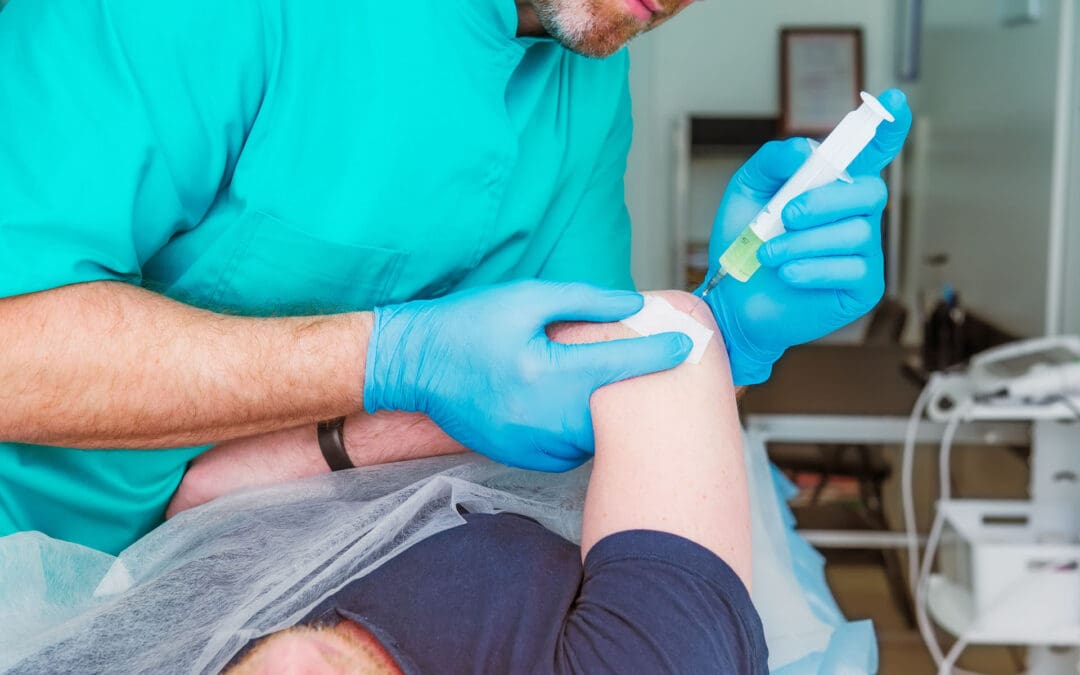
This educational post explores the sophisticated science behind regenerative medicine, with a particular focus on Platelet-Rich Plasma (PRP) therapy for joint and soft-tissue conditions. We will navigate the evolving understanding of PRP composition, moving beyond the older concepts of “leukocyte-rich” versus “leukocyte-poor” to a more nuanced, dose-dependent perspective. Drawing on the latest research, I will explain why the total number of platelets delivered to a target tissue is now considered a primary driver of clinical success. We will discuss the specific roles of white blood cell types (leukocytes), such as granulocytes, lymphocytes, and monocytes, in orchestrating the healing cascade. Crucially, this post will detail how integrative chiropractic care is essential for optimizing the outcomes of these advanced biological treatments. By combining regenerative injections with targeted chiropractic adjustments, advanced physical therapy, and functional medicine, we can create a synergistic healing environment that addresses both the biological and biomechanical aspects of an injury, ensuring a more complete and lasting recovery for my patients at El Paso Back Clinic.
As a practitioner dedicated to the principles of functional and integrative medicine, my mission has always been to seek out and apply the most effective, evidence-based treatments for my patients. Over the years, I’ve seen the field of regenerative medicine undergo a remarkable evolution. One of the most exciting areas is the use of Platelet-Rich Plasma (PRP), a therapy that harnesses a patient’s own biological material to stimulate healing. Today, I want to take you on a journey into the intricate world of PRP, sharing the latest findings from leading researchers and explaining how we apply this science in our clinic to help patients recover from chronic pain and injury. We’ll move past some older terminology and dive deep into what truly matters for successful outcomes: platelet dosing and the synergistic role of specific cell types.
The Critical Role of Platelet Concentration in PRP Therapy
A common question I receive from both patients and colleagues is about the specifics of the PRP preparations we use. They often ask, “What was the concentration you used?” and want to know about the composition, particularly the debate between “leukocyte-rich” versus “leukocyte-poor” PRP.
This is an excellent question, and the answer is more detailed than a simple choice between two options. To illustrate with a clinical example, in a recent case, we achieved a platelet concentration factor of approximately 7.5 times the patient’s baseline blood level. It’s important to understand that this concentration isn’t a fixed number; it varies from patient to patient based on their unique physiology. In my clinical experience over nearly four years of using advanced PRP processing systems, I’ve consistently observed concentrations in the 6x to 10x range.
The key takeaway here is that the processing method is paramount. Modern systems allow us to be incredibly precise. In our clinic, we use a system that isolates the buffy coat—a thin layer in centrifuged blood that is densely packed with platelets and leukocytes (white blood cells). This method ensures we capture the vast majority of available platelets. By maximizing this platelet capture, we are focusing on what recent research has identified as a crucial factor for success: the total platelet dose.
Beyond a Simple Dichotomy: Re-evaluating Leukocytes in Healing
For many years, the regenerative medicine community categorized PRP into two main types:
- Leukocyte-Rich (LR-PRP): Containing a high concentration of white blood cells.
- Leukocyte-Poor (LP-PRP): Containing a low concentration of white blood cells.
This framework emerged around 2011-2012 and provided a useful way to conceptualize what was being injected into a joint or tendon. It was a simple “yes or no” system that allowed us to start differentiating preparations. The prevailing thought was that, for certain conditions, such as tendon injuries, the pro-inflammatory nature of LR-PRP might be beneficial, whereas for others, such as joint arthritis, the less inflammatory LP-PRP might be superior.
However, scientific understanding is not static; it evolves. In a significant development around 2022, the very same researchers who first proposed this “rich versus poor” classification published a new paper. Their updated findings, specifically regarding joint arthritis, suggested that in the long run, the distinction between leukocyte-rich and leukocyte-poor PRP did not significantly impact outcomes (Driban et al., 2022). The focus began to shift from the cell ratio to the absolute number of healing cells delivered. The new paradigm became centered on platelet dosing—how many total platelets are we successfully delivering to the site of injury?
This makes intuitive sense. Platelets are the primary drivers of tissue repair, releasing a symphony of growth factors that orchestrate the healing process. It stands to reason that delivering a higher, more potent dose of these signaling molecules would lead to a more robust clinical response. Retrospectively, it appears that many of the early studies showing better results with “leukocyte-rich” systems may have been observing a confounding variable: those systems also yielded higher total platelet counts. The success was likely due to the higher platelet dose, not necessarily the presence of leukocytes alone.
The Specialized Roles of Leukocytes: Not All White Blood Cells Are the Same
This shift in understanding doesn’t mean leukocytes are unimportant. On the contrary, we now appreciate their roles with greater nuance. Instead of viewing them as a monolithic group that is either “good” or “bad,” we now recognize that different types of leukocytes have distinct and vital functions in the healing cascade.
Our advanced PRP processing system allows for this nuanced approach. While the buffy coat contains the bulk of the platelets, we also strategically capture a small portion of the red cell layer just below it. This zone, once feared for being overly inflammatory, is actually rich in specific leukocyte types that are highly beneficial.
Let’s break down the key players:
- Granulocytes: These are a type of white blood cell often associated with the initial, acute inflammatory response. While a massive, uncontrolled influx can be detrimental, their presence in controlled numbers is part of the natural healing process. They are the “first responders” that help clear debris from the injury site.
- Lymphocytes and Monocytes: These are the real stars of the secondary healing phase. Our preparation method is designed to maximize the inclusion of these specific cells. Monocytes, in particular, are critical. When they migrate from the bloodstream into the tissue, they differentiate into macrophages. These macrophages are essential for modulating inflammation and directing the regenerative process. The presence of lymphocytes and other signaling molecules in the PRP helps guide these monocytes toward a pro-healing, anti-inflammatory “M2 macrophage” phenotype, which is crucial for long-term tissue repair and remodeling.
So, to summarize, our goal is not simply to create a “leukocyte-rich” PRP. It is to create a biologically optimized PRP that contains:
- A high dose of platelets to deliver a powerful payload of growth factors.
- A beneficial concentration of monocytes and lymphocytes to help orchestrate the subsequent phases of tissue repair and inflammation resolution.
This sophisticated approach ensures we are not just initiating inflammation but guiding the body through the entire healing process, from cleanup to rebuilding.
Integrative Chiropractic Care: The Essential Framework for Regenerative Success
Here is where the worlds of advanced regenerative medicine and foundational chiropractic care merge. Injecting a high-quality PRP preparation is a powerful tool, but it is only one piece of the puzzle. At El Paso Back Clinic, we understand that for healing to be successful and durable, we must address the entire functional unit—not just the damaged tissue. This is the core philosophy of integrative chiropractic care.
1. Correcting Biomechanical Imbalances
Imagine we are treating a patient’s arthritic knee with PRP. The injection can do wonders in reducing inflammation and stimulating cartilage repair. However, if that patient has a misaligned pelvis, a functional leg-length discrepancy, or poor foot mechanics, abnormal stress will continue to be placed on the knee joint. This constant, improper loading can undermine the healing process initiated by the PRP and lead to a recurrence of symptoms.
This is why a thorough chiropractic and biomechanical assessment is the first step. Through specific chiropractic adjustments, we can:
- Restore proper joint alignment in the spine, pelvis, and extremities.
- Improve nervous system function to ensure the brain can communicate with and control the muscles that support the joint.
- Correct postural distortions that place undue stress on injured tissues.
By optimizing the body’s biomechanics, we create an environment where the PRP-stimulated healing can occur without being constantly disrupted by mechanical dysfunction. We are ensuring the “house” is built on a solid foundation.
2. Advanced Physical Therapy for Functional Restoration
Once the PRP injection has initiated the biological repair process and chiropractic adjustments have corrected the structural framework, the next step is to rebuild functional strength and stability. This is accomplished through a customized physical therapy and rehabilitation program.
Our approach goes beyond simple exercises. We focus on:
- Neuromuscular Re-education: Retraining the brain and muscles to work together in proper movement patterns. After an injury, the body often develops compensatory strategies that are inefficient and can lead to further problems. We work to overwrite these faulty patterns.
- Proprioceptive Training: Enhancing the body’s sense of position and movement. This is crucial for joint stability and preventing re-injury.
- Targeted Strengthening and Flexibility: Building strength in the specific muscles that support and protect the healing joint while improving the flexibility of tight, restricted tissues.
This active rehabilitation is critical. The mechanical loading from therapeutic exercise provides the necessary signals to the healing tissues, guiding the new collagen fibers to align properly and form strong, resilient tissue. It turns the healing potential created by PRP into actual, functional strength.
3. Functional Medicine: Supporting Healing from the Inside Out
Finally, we look at the patient’s overall health through the lens of functional medicine. A successful regenerative outcome depends on the body’s systemic ability to heal. We assess and optimize factors such as:
- Nutritional Status: Ensuring the patient has the necessary building blocks (amino acids, vitamins, minerals) for tissue repair.
- Inflammatory Balance: Using diet and targeted supplements to manage systemic inflammation, which can otherwise hinder local healing.
- Hormonal Health: While we keep this in the background, we are aware that hormones like testosterone and growth hormone play roles in tissue regeneration. We support the body’s natural balance to create an optimal internal healing environment.
By integrating these three pillars—precise regenerative injections, foundational chiropractic care, and functional rehabilitation—we create a powerful, synergistic effect. We are not just treating a symptom; we are treating the whole person and addressing the root causes of their condition from every angle. This comprehensive model is the future of musculoskeletal care and how we achieve lasting results for our patients at El Paso Back Clinic.
References
- Driban, J. B., McCulloch, P. C., & Rodeo, S. A. (2022). Do leukocytes in platelet-rich plasma really matter for the treatment of osteoarthritis? Moving from the “leukocyte-rich” versus “leukocyte-poor” dichotomy. The American Journal of Sports Medicine, 50(14), 3981–3986. https://doi.org/10.1177/03635465221128362
- Jimenez, A. (n.d.). About Dr. Alex Jimenez. El Paso Back Clinic. Retrieved May 2, 2026, from https://elpasobackclinic.com/
- Jimenez, A. (n.d.). Alex Jimenez DC, APRN, FNP-BC. LinkedIn. Retrieved May 2, 2026, from https://www.linkedin.com/in/dralexjimenez/









