How do healthcare professionals provide a clinical approach in the role of nursing to reducing pain in individuals?
Introduction
The practice of Registered Nurses (RN), Advanced Practice Registered Nurses (APRN), and Licensed Practical Nurses (L.P.N.) is governed by the Nurse Practice Act. Nurses working in the specializations above must keep up their practice skills and knowledge, which includes familiarity with the rules and regulations that pertain to their profession. Practicing practical nursing is authorized for Licensed Practical Nurses (L.P.N.s). Today’s article looks at the role of nursing. We discuss with certified associated medical providers who consolidate our patients’ information to assess any pain or discomfort they are experiencing. We also inform and guide patients while asking their associated medical provider intricate questions to integrate into their personalized treatment plan to manage the pain. Dr. Jimenez, DC, includes this information as an academic service. Disclaimer.
The Roles In Nursing
The Nurse Practice Act describes practical nursing as “the performance of selected various actions, including the administration of numerous treatments and medications, in the care of the ill, injured, and providing the promotion of wellness, health maintenance and prevention of illnesses while following under the direction of a registered nurse, a licensed physician, osteopathic physician, podiatric physician, or a licensed dentist.” It was revised in 2014 and now teaches broad health and wellness concepts to non-nursing students and the public. The main goal for an RN is to complement the access to health care for individuals in pain or who are dealing with chronic issues. (Cassiani & Silva, 2019)
Many individuals are under the supervision of a registered nurse, doctor, or dentist, individuals who have completed a prelicensure practical nursing education program approved by the Board, a professional nursing education program, and graduate practical nursing students qualifying as professional nursing students; however, licensed practical nurses who have not completed the specified course under Rule 64 B9-12.005, FAC, may perform a limited scope of intravenous therapy. This range consists of:
Intravenous Therapy Within the Scope of the Practical Nurse:
Calculate and adjust the flow rate of IV therapy.
Observe and report both subjective and objective signs of various reactions to IV administration to the patient.
Must inspect the insertion site, change the dressing, and remove the intravenous needle or catheter from the peripheral veins
Hanging bags or bottles of hydrating fluid.
Intravenous Therapy Outside the Scope of the Practical Nurse:
Initiation of blood and blood products
Initiation or administration of cancer chemotherapy
Initiation of plasma expanders
Initiation of administration of investigational drugs
Making IV solution
IV pushes, except for heparin flushes and saline flushes
It is appropriate for licensed practical nurses to provide treatment for patients undergoing such therapy, even though this rule restricts the practice of licensed practical nurses. 64B-12.005 Requirements for Competency and Knowledge required for the LPN to be qualified to give IV therapy. If the IV Therapy Course Guidelines published by the National Federation of Licensed Practical Nurses Education Department are completed, an LPN may be certified to administer IV therapy. The LPN can take part in further training to provide IV therapy via central lines while supervised by an RN. “The Central Lines. The Board acknowledges that a Licensed Practical Nurse, as defined in subsection 64B9-12.002, FAC, may provide intravenous therapy via central lines under a registered professional nurse’s supervision with the necessary education and training. Four hours of instruction is the minimum required for appropriate education and training. The thirty hours of education for intravenous therapy needed for this rule’s subsection may include four hours of training. At the very least, didactic and clinical practicum instruction in the following areas must be included in the education and training mandated by this subsection:
Central venous anatomy and physiology
CVL site assessment
CVL dressing and cap changes
CVL flushing
CVL medication and fluid administration
CVL blood drawing
CVL complications and remedial measures
The Licensed Practical Nurse will be evaluated on clinical practice, competency, and theoretical knowledge and practice after completing the intravenous therapy course via central lines. A Registered Nurse must witness the clinical practice assessment and file a proficiency statement on a Licensed Practical Nurse. The Licensed Practical Nurse will be evaluated on clinical practice, competence, and theoretical knowledge and practice. A Registered Nurse who oversees the clinical practice assessment must sign a proficiency statement attesting to the Licensed Practical Nurse’s competence in administering intravenous treatment through central lines. The applicant’s Licensed Practical Nurse personnel file must contain the proficiency statement. 64B9-12.005 code.
Professional nursing is practiced by registered nurses (RNs). The Nurse Practice Act defines this as “the performance of those numerous acts requiring substantial specialized knowledge, judgment, and nursing skill based upon the applied principles of psychological, biological, physical, and social sciences.” Professional nursing goes beyond hands-on care to include nursing diagnosis, planning, supervision, and training other staff members in the theory and execution of any tasks mentioned above. Additionally, nurses must use numerous experiences to assist patients with an understanding of empathy to make them feel comfortable and safe. (Torres-Vigil et al., 2021)
Delegations & Certificates For Nursing
The delegation of responsibilities to another healthcare provider or a competent unlicensed individual is permitted by the Florida Nurse Practice Act. When assigning a task or activity, the registered nurse (RN) or licensed practical nurse (L.P.N.) must consider appropriateness. They had to consider the possibility of patient injury, the difficulty of the work, the outcome’s predictability or unpredictability, and the resources—including staff and equipment—available in the patient environment. The RN and the LPN may assign tasks outside the supervising or delegating nurse’s scope of practice. These tasks include determining the nursing diagnosis or interpreting nursing assessments, developing the plan of care, establishing the goals of nursing care, and assessing the progress of the care plan. The role of nursing is to promote advocacy and create a direct relationship with patients. (Ventura et al., 2020)
464.0205 Retired Volunteer Nurse Certificate
A retired practical or registered nurse may apply for a retired volunteer certificate from the Board of Nursing to work with underprivileged, impoverished, or critically ill populations. They are directly supervised by a physician, advanced practice registered nurse, registered nurse, director of a county health department, and:
Provides services under the certificate only in sponsored settings that the Board has approved
The scope of practice for a certified volunteer is limited to primary and preventive health care by the Board.
A retired volunteer nurse shall not:
Administer controlled substances
Supervise other nurses
Receive monetary compensation
464.012 Advanced Practice Registered Nurse (APRN)
“The Barbara Lumpkin Prescribing Act” was proposed towards the end of 2018. This Act helps many practitioners convert a certificate to a license, and it takes effect on October 1, 2018. This Act established a transition timeline and process for practitioners certified as advanced registered nurse practitioners or clinical nurse specialists as of September 30, 2018, to practice as advanced practice registered nurses (APRNs). Until the department and Board complete the transition from certification to licensure, established under this Act, an advanced registered nurse practitioner who is holding a certificate to practice on September 30, 2018, may continue to practice with all the rights, authorizations, and responsibilities under this licensure section as an advanced practice registered nurse. They may also use the applicable title under s.464.015 after this Act’s effective date.
The Board of Nursing requires the following to establish an APRN license:
A nurse who wants to become an advanced practice registered nurse must apply to the APRN department, provide documentation that they meet the requirements set out by the Board, and have a valid license to practice professional nursing or an active multistate license to practice professional nursing by s. 464.0095.
Accreditation by a relevant specialty board. To become a certified nurse in any nursing department and to renew your current state license, you must first obtain this certification. For a duration deemed suitable for preparing for and passing the national certification examination, the Board may, by rule, grant certified registered nurse anesthetists, clinical nurse specialists, certified nurse practitioners, psychiatric nurses, and certified nurse midwives provisional state licensure.
Completing a master’s program in a clinical nursing specialty field and training in particular practitioner skills. For candidates who will graduate on or after October 1, 1998, paragraph (4)(a) requires completion of a master’s degree program to be eligible for initial certification as a certified nurse practitioner.
The Board of Nursing defines APRN’s role/duties:
Prescribe, dispense, administer, or order any medication; however, an advanced practice registered nurse is only permitted to prescribe or dispense the controlled substance as specified in s.893.03 if they have completed a master’s or doctoral program that provides training in specialized practitioner skills and leads to a master’s or doctoral degree in clinical nursing.
Initiate appropriate therapies for certain conditions.
Performed additional functions as may be determined by rule under s.464.003.
Order diagnostic tests and physical and occupational therapy.
Order any medication for administration to a patient in a facility.
Beyond the general duties mentioned in subsection (3), an APRN is qualified to carry out the following tasks within their area of expertise:
Within the confines of established protocol, the certified nurse practitioner may carry out any or all of the following actions:
Manage selected medical problems.
Order physical and occupational therapy.
Initiate, monitor, or alter therapies for certain acute illnesses.
To monitor and manage patients with stable chronic diseases.
Established behavioral problems and diagnoses and made treatment recommendations.
The Stature goes on to define the functions of anesthetists and nurse midwives. Refer to the Statue for more details.
Obtaining & Maintaining Nursing License
A license may be acquired through testing, endorsement, or the Nurse Licensure Compact’s enactment. Upon application and a non-refundable payment fee determined by the Board, the department will grant the necessary license by endorsement to engage in professional or practical nursing to the applicant who can provide proof to the Board that they:
Possesses a valid license to practice professional or practical nursing in another state or territory in the United States, provided that the requirements for licensure in that state were either more stringent or substantially equivalent to those in Florida when the applicant obtained their original license.
Fulfills the requirements outlined in s.464.008 for licensing and has passed a state, regional, or national exam that is at least as difficult as the one administered by the department.
Has spent two of the previous three years actively practicing nursing in a different state, territory, or jurisdiction within the United States without having any action taken against their license by any jurisdiction’s licensing body. Under this paragraph, applicants who obtain a permit must finish a board-approved Florida laws and rules course within six months of receiving their license. After reviewing the findings of the national criminal background check, the applicant will be granted the relevant license by endorsement as soon as the department determines that the applicant has no criminal history.
It will be assumed that any exams and requirements from other US states and territories are roughly the same or more demanding than those from this state. This assumption will materialize on January 1, 1980. The Board may, however, establish rules designating some states and territories, the qualifications and exams for which shall not be deemed to be substantially similar to those of this state.
When an individual submission of the appropriate application and fees, as well as the successful completion of the criminal background check that is required under subsection (4), an applicant for licensure by endorsement who is relocating to this state due to the official military orders of their spouse with a military connection and who is a member of the Nurse Licensure Compact in another state will have all the requirements satisfied.
The applicant must submit a set of fingerprints to the department on a form and per departmental rules. The applicant must also pay the department a sum equal to the expenses the Department of Health paid for the applicant’s criminal background check. For a statewide criminal history check, the Department of Health will send the applicant’s fingerprints to the Florida Department of Law Enforcement, and the Florida Department of Law Enforcement will forward the fingerprints to the FBI for a nationwide criminal history check. When an applicant satisfies all other requirements for licensure and has no criminal record, the Department of Health will review the results of the criminal history check, issue a license, and refer all other applicants who have a criminal history back to the Board for a decision on whether or not to issue a permit and under what circumstances.
Until the investigation is finished, at which point the requirements of s.464.018 will take effect, the department will not grant an endorsement license to any applicant who is being investigated in another state, jurisdiction, or territory of the United States for an act that would violate this part or chapter 456. After completing all necessary data collection and verification, the department will issue a license within 30 days. It will also develop an electronic applicant notification process and provide electronic notifications upon application receipt and completion of background checks. Suppose the applicant must appear before the Board because of information on their application or because of screening, data gathering, and verification procedures. In that case, the 30-day license issuance time will be extended. The qualifications for licensure by endorsement in this section do not apply to an individual with an active multistate license in another state under s. 464.0095.
Licensure By Examination
Anyone who wants to take the licensing exam to become a registered nurse must apply to the department. The department will assess each candidate who:
The applicant has fulfilled the requirements by filling out the application form and paying the $150 fee set by the Board. Additionally, they have paid the $75 examination fee set by the Board and the actual cost per applicant to the department for purchasing the exam from the NCSBN (National Council of State Boards of Nursing) or a comparable national organization.
Possesses enough information as of October 1, 1989, or later, which the department needs to provide to conduct a statewide criminal records correspondence check with the Department of Law Enforcement.
Possesses a high school diploma or its equivalent, is in good mental and physical health, and has fulfilled the prerequisites for:
Graduation from an approved program
Graduation from a pre-licensure nursing education program equivalent to an approved program determined by the Board.
Graduated on or after July 1, 2009, from an accredited program
Graduation before July 1, 2009, from a pre-licensure nursing education program whose graduates were eligible for examination.
Completing courses in a professional nursing education program may satisfy the educational criteria for licensing as a licensed practical nurse. Possesses the ability to communicate in English, as assessed by a department exam. Unless rejected by s.464.018, any applicant who passes the exam and has completed the educational requirements listed in subsection (1) is eligible to become a licensed practical nurse or registered professional nurse, as the case may be.
Regardless of the jurisdiction in which the examination is administered, any applicant who fails the test three times in a row will need to finish a remedial course approved by the Board to be eligible for reexamination. The candidate may be permitted to attempt the test up to three times after completing the remedial course before being forced to undertake remediation. After the remedial process, the applicant has six months to petition for a reexamination. By regulation, the Board will set requirements for remedial education.
An applicant who completes an approved program must be enrolled in and complete a board-approved licensure examination preparing course if they choose not to take the license examination within six months of graduation. The applicant cannot use federal or state financial aid to cover any course-related expenses; they are solely responsible for covering them. The Board will set rules for the preparatory courses for licensing exams. Section 464.0095 exempts an individual from the licensure requirements if they currently have an active multistate license in another state (2).
Licensure Upon Enactment of the Nurse Licensure Compact
Florida passed the Nurse Licensure Compact into law. This allows nurses to participate in 26 states’ licensing compacts. The call to remove the burdensome and redundant system of duplicate licensure and to advance public safety and health advantages led to the enactment of this law. The official statement is as follows:
“This agreement becomes operative and legally binding on December 31, 2018, whichever comes sooner, or on the day it is enacted into law by at least 26 states. Within six months following the implementation date of this compact, any member states that were also parties to the previous Nurse Licensure Compact (“prior compact”) that this compact replaced are considered to have withdrawn from the previous compact.”
Until a party state is withdrawn from the prior compact, each party state to this one shall respect a nurse’s multistate licensure privilege to practice in that party state granted under the preceding compact. Any party state may opt out of the compact by passing a law canceling it. A party state’s departure becomes effective six months after the repealing Act is passed. Any cooperative arrangement, including nurse licensure agreements, between a party state and a nonparty state that complies with the other conditions of this compact remains valid and unaffected by this compact. The party states may alter this contract. Only when it is incorporated into the laws of every party, state a modification to this compact is binding on the party states and becomes effective. Before all party states adopt this compact, representatives of nonparty states to the agreement will be invited to engage in commission activities without being able to vote.
Unlocking Vitality: Chiropractic Wisdom & The Science of Functional Healing-Video
Continuing Nursing Education Requirement
Licenses need to be renewed every biennium or every two years. One contact hour must be completed for each calendar month of the licensure cycle in a given year. The hours stipulated in subsection (1) at the designated times must include the following continuing education courses as a necessary component:
A 2-hour course in prevention of medical errors must be completed each biennium.
A 1-hour course in HIV/AIDS in the first biennium only
A 2-hour course in Florida laws and rules in each biennium
Effective August 1, 2017, a 2-hour course in recognizing impairment in clinical approach and every other biennium after that.
On or after January 1, 2019, a 2-hour course on human trafficking and each biennium after that.
A 2-hour course in domestic violence is required every third biennium.
In addition, the Florida Board of Nursing requires general hours of continuing education to fulfill the requirement of one contact hour for each calendar month of the licensure cycle. These hour requirements are updated on their website. In addition to the courses mentioned above, they currently demand 16 hours of continuing education in general nursing.
Nurse Licensee With Two Licenses & CE Requirements
A licensee with an RN and an LPN license may fulfill CE requirements by completing the necessary RN-specific continuing education. Visit the Board of Nursing website for further information regarding the rules, as mentioned earlier, and the exceptions.
Standards For Continuing Education
Learner Objectives: The objectives should outline the anticipated behavioral outcomes of the learners and be measurable, reachable, and pertinent to the state of nursing practice today. The goals will dictate the curriculum, mode of instruction, and assessment strategy.
Subject Matter: The content must be specifically created to satisfy the participants’ learning needs, levels, and objectives. The information will be arranged logically and incorporate advice from subject-matter experts. Appropriate subject matter for continuing education offerings should include information from one or more of the following. It should represent the learner’s professional educational needs to address the consumer’s health care demands:
Nursing areas and special health care problems.
Biological, physical, behavioral, and social sciences.
Legal aspects of healthcare
Management/administration of health care personnel and patient care
Teaching/ learning process of health care personnel and patients
Evaluation: It must be demonstrated in a way that satisfies the Board that participants are given the chance to assess the educational opportunities, delivery strategies, facilities, and resources utilized in the offering. At the end of the learning process, self-directed learning activities—such as computer programs, web-based courses, internet research, and home study—must be used to assess student knowledge. There must be ten questions or more in the assessment. For the learner to be eligible for the contact hours, they must receive an evaluation score of at least 70%. The provider is required to grade the assessment.
References
Cassiani, S. H. B., & Silva, F. (2019). Expanding the role of nurses in primary health care: the case of Brazil. Rev Lat Am Enfermagem, 27, e3245. https://doi.org/10.1590/1518-8345.0000.3245
Torres-Vigil, I., Cohen, M. Z., Million, R. M., & Bruera, E. (2021). The role of empathic nursing telephone interventions with advanced cancer patients: A qualitative study. Eur J Oncol Nurs, 50, 101863. https://doi.org/10.1016/j.ejon.2020.101863
Ventura, C. A. A., Fumincelli, L., Miwa, M. J., Souza, M. C., Wright, M., & Mendes, I. A. C. (2020). Health advocacy and primary health care: evidence for nursing. Rev Bras Enferm, 73(3), e20180987. https://doi.org/10.1590/0034-7167-2018-0987
How can healthcare professionals recognize and establish protocols for individuals who are being trafficked and provide a safe place?
Introduction
Today, we will look at part two of this series, which is about recognizing trafficking in a clinical setting. Today’s article in this two-part series of recognizing trafficking helps inform many healthcare professionals to understand the roles and protocols for identifying trafficking that is affecting their patients and help provide a safe, positive space for them. We discuss with certified associated medical providers who consolidate our patients’ information to assess and identify trafficking in the clinic while taking the proper protocols to ensure patient safety. We also inform and guide patients while asking their associated medical provider intricate questions to integrate and provide them with a safe and positive space. Dr. Jimenez, D.C., includes this information as an academic service. Disclaimer.
Health Care Professional’s Role in Identifying Trafficking
Even though they may come across victims of human trafficking and have the chance to step in, many healthcare professionals believe they lack the knowledge and self-assurance needed to recognize these victims and offer them the kind of aid they need. As an illustration:
Just 37% of social workers and medical professionals surveyed again had any training in recognizing and supporting victims of human trafficking (Beck et al., 2015).
It is extremely hard for processors to identify and aid victims because traffickers move their victims around a lot and employ various strategies to evade discovery. Frequently, it could be your final interaction with the victim (Macy & Graham, 2012).
There can be a companion who comes across as very domineering, who won’t let the patient spend time alone with you, or who insists on filling out paperwork or talking on the patient’s behalf.
It’s possible that neither the victim nor their friend will have identification or insurance paperwork and will just pay in cash.
The victim or their companion may refuse to answer questions.
The victim may decline additional testing and follow-up care.
The victim may have physical injuries, sexually transmitted diseases, and signs of psychosocial stress.
The victim may not know the city and state that they are in.
The victim may appear fearful when asked questions or in the presence of their companion.
The victim may exhibit feelings of shame, guilt, helplessness, or humiliation.
You may notice inconsistencies in basic information, such as age, name, address, work history, or information regarding living status and daily activities.
If the patient does not speak English, where are they from, and how did they arrive?
If the patient is a minor, who and where is the guardian?
The victim may have unusual tattoos to indicate that they are the “property” of their trafficker.
Recognizing the Signs of Trafficking
You can more easily spot possible victims and offer the right help if you are aware of the typical warning indicators of human trafficking. The following are typical signs that someone is being trafficked. Naturally, not all victims or forms of trafficking will exhibit all of the indicators. Work and Living Conditions (National Human Trafficking Hotline, n.d.):
The victim may not be able to come and go on their own or leave their current home or work situation.
Human trafficking victims are often minors who are forced to engage in commercial sex acts.
The individual may work in the commercial sex industry and be under the control of a pimp or manager.
The victim may be required to work unusual or excessively long hours.
The victim may receive little, if any, pay or may only receive tips.
The victim may be subjected to unusual or extreme restrictions at work or may not be allowed to take breaks.
The victim may owe a large debt to their “employer.”
The victim may have been lured to their current work or living situation through false promises about the nature of their work or living environment.
The victim’s home or work location may have unusually high security, such as opaque or boarded-up windows, bars on windows, high fences, and security cameras.
The victim may be required to live at their work location.
The victim may experience various signs of abuse at the hands of their employer.
The victim may not be paid directly. Instead, the money is directed to the supervisor or manager, who deducts a large percentage for living expenses and other debts.
The victim may be forced to meet unreasonable daily quotas.
The victim may be forced to work in unsafe work environments without the proper safety equipment.
Chiropractic Care for Healing After Trauma-Video
Best Practice Guidelines for Interviewing Trafficking Individuals
As a healthcare provider, you must continuously weigh the different courses of action at every interview process step. To establish trust and ensure safety, practitioners must, above all, put aside preconceived notions and assumptions about the victims and their behavior (Hodge, 2014; DeBoise, 2014; Hemmings, Jakobowitz, & Abas, 2016). Zimmerman and Watts (2003) suggest that the World Health Organization has produced rules for every phase of the interview process, which include the following recommendations:
It’s critical to keep in mind that every trafficking scenario and survivor is distinct, making it crucial to pay attention to and accept each person’s account.
It could take some time for victims to open up and be willing to talk about their experiences because it can be hard for them to build rapport and trust.
You should take precautions to protect both you and the victim because you should anticipate that the victim is at risk of psychological, bodily, social, and legal harm.
To prevent further upsetting the victim, you should consider the risks and advantages before beginning the interview process, as it can be a traumatic experience in itself.
While you should direct victims to available resources when necessary, you should avoid making unfulfilled promises or pledges.
The amount of time it takes for victims of human trafficking to be prepared to embrace change might vary greatly. Some victims can be eager to look for new possibilities and to improve their circumstances. Some people can be less likely to accept assistance because they haven’t developed enough trust issues or because they fear retaliation from their trafficker.
Depending on the situation, many service providers or interpreters must be present during the interview. Everyone taking part in the interview process ought to be reasonably knowledgeable about human trafficking, including how traffickers manipulate their victims and how to interact with them in a way that respects their cultural differences. To maintain anonymity and ensure the victim can communicate freely and honestly, you should refrain from using interpreters who are acquainted with the victim or who live in the same neighborhood.
Having an emergency safety plan in place is crucial to shielding the victim from harm—both from others and self-harm.
Consent must always be obtained voluntarily for all interventions, including interviews. For many victims who have never known autonomy or self-determination, this may be a foreign idea.
Avoid using legal or technical jargon.
Furthermore, it’s critical to remember that trauma survivors may suffer after treatment can have a lasting effect on all facets of their lives, making psychological, emotional, and physical safety a top priority. It is reasonable to presume that the person provides the most accurate account of their experience at that time. A person’s guarded, defensive, and belligerent behavior may be only their coping mechanism for their trauma. (V. Greenbaum, 2017)
How to Report Known or Suspected Trafficking
The best way to report suspected trafficking is by calling the National Human Trafficking Hotline or texting the number 711 if the patient responds affirmatively to the evaluation questions if your findings imply that they might be victims of human trafficking. Additionally, you can text 233733. Basic details about the case will be requested from you, such as (National Human Trafficking Hotline, n.d.):
the location of the suspected trafficking
the name of the alleged trafficker, if possible
your city and state
how you learned about the hotline
Health care providers who know or believe that a youngster is being abused, neglected, or abandoned should report their concerns to law enforcement or the relevant child welfare agency right away, as they are required reporters under child abuse and neglect statutes. You can report abuse online or by calling the Department of Children and Families Abuse Hotline in the state you are residing in.
Documenting Physical Findings
Physical findings should be meticulously and precisely recorded using written descriptions, freehand sketches that have been identified and annotated, and digital or film photos with the patient’s consent. Regarding photography, the picture should show the patient’s face and the lesion or injury measured using a coin, ruler, or other common object. The photo should include a piece of paper bearing the date the picture was taken. More photos can capture up close shots of every pertinent lesion or injury. Serial follow-up photos over seven to ten days can be used to record the healing or advancement of ecchymoses and other injury-related symptoms. A statement identifying the photographer and attesting to the accuracy and integrity of the images ought to be incorporated into the chart. Before any photos are taken, consent for the photographic documentation should be sought and recorded. Patients should be aware of their rights, which include the ability to decline all photographic documentation or limit it to a limited number of specified locations.
In addition to providing essential medical care, the healthcare professional should work to establish an environment where each patient feels respected, comfortable, cared for, validated, and empowered to reveal if they so choose. If the patient does not feel “ready” to demonstrate in the clinical environment, disclosure may happen later. As a result, for at-risk patients, every single clinical interaction should be seen as a step toward their eventual safety.
Laws & Policies for Human Trafficking
The United States has enacted a variety of laws and policies designed to prevent human trafficking, punish the perpetrators, and protect the survivors. One of these laws and policies is the Trafficking Victims Protection Act law or the TVPA (U.S. Congress).
This is the centerpiece of federal human trafficking legislation. The act focuses on three primary areas:
The TVPA seeks to prevent human trafficking through increased training and awareness.
The act seeks to protect trafficking victims by providing them access to services using federal funds similar to other refugees.
The act establishes trafficking and related crimes as federal offenses subject to stiff penalties.
One way that the legislation protects victims of human trafficking is that it absolves them of consequences for engaging in criminal activities that arise from their trafficking experience, such as entering the nation using fraudulent documents or working without the proper authorization. In addition, families of trafficking victims are qualified for T visas, which let them stay in the nation to support federal law enforcement in their pursuit of the offenders. After three years, victims can then apply to become permanent residents. Depending on the specific circumstances, many individuals may be entitled to assistance and benefits, such as access to the Witness Security Program and reparations. In addition, individuals between 16 and 24 could qualify for the Job Corp program and work permits.
Others criticize the TVPA. Usually, the onus is on the victim to prove their innocence or compulsion first. Second, the act emphasizes sex trafficking more than other types of human trafficking, which ignores how intricate human trafficking is. Only victims and survivors of “severe” types of trafficking who are prepared to cooperate with the investigation and prosecution of their offenders are eligible for the services provided under the act. This ignores the severity of the abuse the victims endured and the degree of mistrust and terror they might harbor toward both the abuser and others in positions of power.
Preventing Trafficking Through Awareness, Interventions, & Resources
In the shadows, human trafficking flourishes. We eradicate the shadows where human traffickers lurk by increasing public and health practitioner awareness of the problem (Hodge, 2008; Gozdziak & MacDonnell, 2007). For instance, putting up signs and pamphlets on human trafficking can not only help to enhance public awareness but also boost the chance that victims may come forward on their own. Brochures and posters are free from the Campaign to Rescue and Restore Victims of Trafficking.
When assisting victims of human trafficking, practitioners and service providers need to be able to engage with a variety of governmental, legal, medical, and social service organizations and institutions. Generally speaking, there are three main categories into which the care and services that a victim falls (Dell et al., 2019; Johnson, 2012; Oram & Domoney, 2018):
Immediate Services
Services Related to Recovery
Services About Reintegration
Resources for Providers
The National Human Trafficking Resource Center’s referral database can be consulted by providers looking to connect with local programs that assist victims of human trafficking or who need assistance for a victim or survivor. Many healthcare providers can check out the website to provide helpful resources in their local area.
Conclusion
Any human trafficking violates fundamental rights. Since human trafficking has many underlying roots, eradicating the issue would need different approaches on various fronts. When it comes to addressing racism, poverty, oppression, prejudice, and other factors that lead to human trafficking, healthcare professionals need to be dedicated to facing this issue both within their patient population and in partnership with colleagues from different disciplines. Physicians, social workers, counselors, and other health care professionals are required by their code of ethics to lead in addressing power abuses and advancing social justice. Practitioners can accomplish this, among other things, by teaching others and themselves about the intricate dynamics and international scope of human trafficking.
References
Beck, M. E., Lineer, M. M., Melzer-Lange, M., Simpson, P., Nugent, M., & Rabbitt, A. (2015). Medical providers’ understanding of sex trafficking and their experience with at-risk patients. Pediatrics, 135(4), e895-902. https://doi.org/10.1542/peds.2014-2814
DeBoise, C. (2014). Human Trafficking and Sex Work: Foundational Social-Work Principles. Meridians: Feminism, Race, Transnationalism, 12(1), 227–233. https://muse.jhu.edu/article/541879/pdf
Dell, N. A., Maynard, B. R., Born, K. R., Wagner, E., Atkins, B., & House, W. (2019). Helping Survivors of Human Trafficking: A Systematic Review of Exit and Postexit Interventions. Trauma Violence Abuse, 20(2), 183-196. https://doi.org/10.1177/1524838017692553
Gozdziak, E., & MacDonnell, M. (2013, March 4). Closing the Gaps: the Need to Improve Identification and Services to Child Victims of Trafficking by School of Foreign Service – Georgetown University – Issuu. Issuu.com. https://issuu.com/georgetownsfs/docs/gozdziak-closing-the-gaps
Greenbaum, V. J. (2017). Child sex trafficking in the United States: Challenges for the healthcare provider. PLoS Med, 14(11), e1002439. https://doi.org/10.1371/journal.pmed.1002439
Hemmings, S., Jakobowitz, S., Abas, M., Bick, D., Howard, L. M., Stanley, N., Zimmerman, C., & Oram, S. (2016). Responding to the health needs of survivors of human trafficking: a systematic review. BMC Health Serv Res, 16, 320. https://doi.org/10.1186/s12913-016-1538-8
Hodge, D. R. (2008). Sexual trafficking in the United States: a domestic problem with transnational dimensions. Soc Work, 53(2), 143-152. https://doi.org/10.1093/sw/53.2.143
Macy, R. J., & Graham, L. M. (2012). Identifying domestic and international sex-trafficking victims during human service provision. Trauma Violence Abuse, 13(2), 59-76. https://doi.org/10.1177/1524838012440340
How do healthcare professionals provide a clinical approach to recognizing trafficking to individuals seeking a safe environment?
Introduction
Around the world, there is a phenomenon that local media and organizations are paying more attention to and that many people should be aware of. This is known as trafficking, and it can encompass a wide range of activities, from forced labor in various industries to sex work. While most individuals of trafficking are usually young women or children, it can affect many individuals of all ages and backgrounds. Many survivors of trafficking are compelled to live with the psychological and physical injuries they sustained from the mistreatment they endured at the hands of their traffickers. This course aims to give medical professionals and others in allied fields an understanding of the realities of human trafficking, as well as the kinds of resources and interventions that can be used to help many individuals trafficking in this two-part series. Today’s article overviews trafficking and how it can impact the individual. In part two, we will discuss the roles and protocols of how healthcare professionals can identify trafficking while providing a safe and positive space for the individual. We discuss with certified associated medical providers who consolidate our patients’ information to assess and identify trafficking in the clinic. We also inform and guide patients while asking their associated medical provider intricate questions to integrate a customized treatment plan for their pain and provide them with a safe and positive space. Dr. Jimenez, D.C., includes this information as an academic service. Disclaimer.
The Definition of Trafficking
It can be challenging to define trafficking since it frequently coexists with other problems like forced marriage, sexual assault, domestic abuse, and forced labor. (Hume & Sidun, 2017) As the United Nations stated, trafficking encompasses the following activities: “as recruitment, transportation, transfer, harboring, or receipt of many individuals using the threat or use of force to achieve the consent of a person having control over another person, for exploitation.” (United Nations Human Rights Office of the High Commissioner, n.d.) The following components of this definition include:
Act: This is a reference to the different forms of human trafficking, including the hiring, transferring, receiving, and harboring of individuals.
Means: Coercion, force, fraud, kidnapping, deception, abuse of power or weakness, or providing cash or other rewards to someone in a position of authority over the victim are typically used to carry out trafficking.
Purpose: Traffickers engage in forced labor, prostitution, sexual exploitation, forced servitude, slavery, and even organ harvesting to further their financial interests.
While the terms are occasionally used synonymously, human trafficking and people smuggling are not the same. Human smuggling is the transportation of a person into the nation by illicit means; it is voluntary, as the person smuggled usually offers compensation to another individual or party to achieve this purpose (Lusk & Lucas, 2009).
The broad term of human trafficking in the Trafficking Victims Protection Act includes both labor trafficking and sex trafficking. Sex trafficking is when someone is under the age of 18 and is obtained, patronized, or solicited for a commercial sex act by deception, force, or compulsion. The forced, coerced, or fraudulent submission of an individual to slavery, debt bondage, involuntary servitude, or peonage is considered labor trafficking. According to the U.S. Congress, the TVPA does not require that trafficking take place if a person is physically moved from one location to another.
The Statistics Of Trafficking
Determining the actual extent of the problem is challenging due to the complexity of the human trafficking issue and the fact that both the offenders and the victims frequently go unnoticed. A few published estimates from academics, researchers, and organizations and agencies responsible for recording and monitoring occurrences of human trafficking are as follows:
According to estimates from the International Labour Organization, there are over 40 million victims of human trafficking worldwide. (International Labour Organization, n.d.)
Over 51,000 complaints of cases of human trafficking have been received by the National Human Trafficking Hotline since 2007 (National Human Trafficking Hotline, n.d.).
The number of persons thought to be trafficked in the United States varies greatly from year to year, with estimates ranging from 40,000 to 50,000. (Weizter, 2007)
In 2017, the United States Department of Justice obtained 1,045 convictions for offenses related to human trafficking, a 78% increase from 2015. (International Labour Organization, n.d.).
According to the International Labour Organization, over 15 million people are in forced marriages, 4.8 million people are victimized by sex trafficking, and forced labor trafficking claims the lives of almost 25 million people globally. (International Labour Organization, 2017)
In the US, Florida is the third-most popular destination for victims of human trafficking. In 2018, there were 767 reports of human trafficking incidents in Florida and close to 1,900 contacts with the National Human Trafficking Hotline. There was almost 70% of sex trafficking, 16.5% of labor trafficking, and 7.5% of both sex and labor trafficking combined. Of the victims, 56% were adults, and 69% were female (National Human Trafficking Hotline, n.d.).
Data Collection Challenges
The current ICD-10-CM abuse codes could not adequately distinguish victims of human trafficking from other abuse victims, even though an increasing number of caregivers are trained to recognize and record individuals of different forms of human trafficking. Clinicians couldn’t properly identify a condition or arrange the resources needed to administer treatment without the right codes. Additionally, this made it impossible to critically monitor the existence and recurrence of human labor or sexual exploitation.
June 2018 saw the publication of the first ICD-10-CM codes for categorizing abuse related to human trafficking, as requested by the American Heart Association’s Hospitals Against Violence program. The proposal for the modification came from the AHA’s Central Office on ICD-10, which collaborated with Catholic Health Initiatives, the Human Trafficking Initiative at Massachusetts General Hospital, and the Freedom Clinic. With effect from FY 2019, certain ICD-10-CM codes can be used to collect data on adult or child forced labor or sexual exploitation, whether it is proven or suspected. These new codes may be issued in addition to other current ICD-10-CM codes for abuse, neglect, and other maltreatment. These codes received support from different hospitals and health systems. Furthermore, there exist novel codes that can be utilized to record an individual’s past labor or sexual exploitation history, examine, rule out, and observe instances of exploitation, and identify multiple, repeating perpetrators of maltreatment and neglect through an external cause of code (Macias-Konstantopoulos, 2018).
The ICD-10-CM provides specific abuse codes for a range of abuse experiences, such as physical abuse of an older adult, sexual abuse of a child, and violence against a spouse or partner. Similar to how disease diagnosis codes are used, tracking the frequency and trends of particular abuse types, their relationships to other injuries and illnesses, and the kinds of resources that might be needed to stop the abuse are all made feasible by recording abuse using the relevant ICD-10-CM code. Adopting prevention strategies, creating best practices for treatment, introducing new services and payment methods, and establishing new financing and research fields are all made possible by using these codes as the primary diagnosis (Macias-Konstantopoulos, 2018).
Documenting particular types of violence and abuse alone does not give a full picture of the abuse experience. Every abuse experience is a result of a complex interaction between several variables, including the physical surroundings, social and familial dynamics, and personal risks and vulnerabilities. Healthcare professionals can respond to illnesses and injuries connected to abuse as well as underlying health-related social and mental requirements more effectively when these aspects are assessed, documented, and coded using ICD-10-CM Z codes. Similarly, applying ICD-10-CM S, T, V, W, X, and Y codes to record and classify external causes of morbidity as well as the nature, purpose, and mechanism of injury can help shed light on how abuse and violence are committed and pave the way for further preventative measures (Macias-Konstantopoulos, 2018).
Required Actions
Coders should be aware of and start using the ICD-10-CM codes for forced labor and sexual exploitation as they examine a patient’s medical records to determine which ICD-10-CM codes to include.
Hospitals and health systems should inform those who need to know—doctors, nurses, other medical professionals, and coding specialists, among others—about the significance of gathering data on forced labor and sexual exploitation of people.
By keeping track of verified and suspected cases within the healthcare system, hospitals, and health systems can better monitor victim requirements and find ways to enhance community health.This practice also offers an additional means of gathering data to help the systemic creation of a service and resource infrastructure, as well as attempts to prevent harm and inform public policy.
The accompanying chart illustrates the distinction between focused and comprehensive assessment, documentation, and coding of abuse. It also highlights how these differences may affect medical professionals’ reactions to cases and their comprehension of the kinds of resources that may be required to help victims of human trafficking (Macias-Konstantopoulos, 2018).
Beyond the Surface: Understanding the Effects of Personal Injury- Video
Common Misconceptions of Trafficking
There is a misconception that trafficking entails the kidnapping and crossing of national or international borders for various activities to individuals. This misconception fails to acknowledge that individual trafficking can be of any ethnicity, gender, or country and that it can happen almost anywhere and in any sector of the economy. A handful of the widespread myths about human trafficking are as follows:
Myth: Physical violence is a common part of trafficking. Traffickers frequently employ nonviolent tactics, such as deception, manipulation, intimidation, and deceit, to coerce their victims into exploitative circumstances, even while physical violence plays a role in many of their crimes.
Myth: Sexual exploitation is a necessary component of trafficking. It’s likely the most well-known type of trafficking, but commercial sexual exploitation of victims is also a frequent practice. However, experts think that labor trafficking is more commonplace throughout the world.
Myth: Only undocumented foreign nationals are victims of trafficking.The Polaris Project operates the National Human Trafficking Hotline, which has handled thousands of cases of trafficking involving foreign nationals who are lawfully employed or residing in the United States.
Myth: Only illicit or covert sectors are involved in trafficking. Trafficking has been documented concerning several legitimate industries, including manufacturing, restaurants, cleaning services, and construction.
Myth: Transporting a person across state or national borders is a part of trafficking. Human smuggling is the illicit movement of persons across state or national borders. There can be trafficking even when there is no cross-border travel. A person may even become a victim of trafficking in their own house or hometown.
Myth: Trafficking is always a part of the commercial sex trade. Any commercial sex with kids is invariably seen as human trafficking. Adult commercial sex is only classified as trafficking when the victim is coerced, compelled, or deceived into doing it against their will.
Common Forms of Trafficking
There are many forms of trafficking as many individuals that were trafficked are categorized into the following:
Sex Trafficking
Bonded Labor/Forced Labor
Child Labor
Child Conscription
The Impact & Consequences of Trafficking on Individuals
For someone who has never experienced human trafficking, it might be challenging to understand why so many victims choose to remain silent or show such a strong willingness to cooperate with their traffickers (Johnson, 2012). According to Baldwin, Fehrenbacher, and Eisenman (2015), the victim’s compliance and quiet are influenced by the following elements, which the quiet Compliance Model explains:
Coercion: Traffickers use violence, intimidation, and depriving the individual of basic needs to force them into obedience. Traffickers may employ psychological strategies, including isolation, degrading treatment, and induced tiredness in addition to physical force. As a result, the individual experiences a distorted sense of reality and feels helpless.
Collusion: The victim’s cooperation with their traffickers in trafficking or other illicit activities may result from a combination of factors, including fear, loneliness, total dependence, and even a sense of identification with the trafficker.
Contrition: The victims’ guilt and regret for their acts, despite the coerced collaboration, only serve to guarantee their quiet (Johnson, 2013).
Trafficking individuals are susceptible to a wide range of health issues, including chronic illnesses brought on by inadequate working conditions or malnourishment, unwanted pregnancies, severe injuries, and STDs. It’s crucial to remember that emotional issues are often experienced as physical illnesses or sensations in certain cultures. For instance, depression, stress, or anxiety may manifest as symptoms of exhaustion, headaches, or gastrointestinal issues (Greenbaum, 2018; Zimmerman, Hossain, & Fun, 2008).
Conclusion
It is important to recognize the signs of trafficking in individuals who have been dealing with these issues. In part 2 of this series, we will look at how healthcare workers are identified and what procedures to take when a patient is trafficked. This allows the individual to know they are in a safe and positive environment to get the help they deserve.
References
Baldwin, S. B., Fehrenbacher, A. E., & Eisenman, D. P. (2015). Psychological Coercion in Human Trafficking. Qualitative Health Research, 25(9), 1171-1181. https://doi.org/10.1177/1049732314557087
Greenbaum, V. J. (2017). Child sex trafficking in the United States: Challenges for the healthcare provider. PLoS Med, 14(11), e1002439. https://doi.org/10.1371/journal.pmed.1002439
Hume, D. L., & Sidun, N. M. (2017). Human Trafficking of Women and Girls: Characteristics, Commonalities, and Complexities. Women & Therapy, 40(1-2), 7-11. https://doi.org/10.1080/02703149.2016.1205904
Lusk, M., & Lucas, F. (2008). The challenge of human trafficking and contemporary slavery. Journal of Comparative Social Welfare, 25(1), 49–57. https://doi.org/10.1080/17486830802514049
Macias-Konstantopoulos, W. L. (2018). Diagnosis Codes for Human Trafficking Can Help Assess Incidence, Risk Factors, and Comorbid Illness and Injury. AMA J Ethics, 20(12), E1143-1151. https://doi.org/10.1001/amajethics.2018.1143
Parreñas, R. S., Hwang, M. C., & Lee, H. R. (2012). What Is Human Trafficking? A Review Essay. Signs: Journal of Women in Culture and Society, 37(4), 1015–1029. https://doi.org/10.1086/664472
Saiz Echezarreta, V., Alvarado, C., & Gómez-Lorenzini, P. (2018). Advocacy of trafficking campaigns: A controversy story. Comunicar, 26(55), 29–38. https://doi.org/10.3916/c55-2018-03
Weitzer, R. (2007). The Social Construction of Sex Trafficking: Ideology and Institutionalization of a Moral Crusade. Politics & Society, 35(3), 447-475. https://doi.org/10.1177/0032329207304319
Zimmerman, C., Hossain, M., Yun, K., Gajdadziev, V., Guzun, N., Tchomarova, M., Ciarrocchi, R. A., Johansson, A., Kefurtova, A., Scodanibbio, S., Motus, M. N., Roche, B., Morison, L., & Watts, C. (2008). The health of trafficked women: a survey of women entering posttrafficking services in Europe. Am J Public Health, 98(1), 55-59. https://doi.org/10.2105/AJPH.2006.108357
Can healthcare professionals implement an inclusive and positive approach for gender affirming healthcare for non-binary individuals?
Introduction
When it comes to many individuals looking for the right healthcare options for their ailments and general well-being, it can be scary and challenging to some, including many individuals within the LGBTQ+ community. Many individuals need to research when finding positive and safe healthcare facilities that listen to what the person is dealing with when getting a routine check-up or their ailments treated. Within the LGBTQ+ community, many individuals do find it difficult to express what is affecting their bodies due to past traumas of not being seen or heard due to their identities, pronouns, and orientation. This can cause numerous barriers between them and their primary doctor, leading to a negative experience. However, when medical professionals provide a positive, safe environment, listen to the person’s ailments, and be non-judgmental to their patients, they can open the doors to improving inclusive healthcare wellness within the LGBTQ+ community. Today’s article focuses on one identity within the LGBTQ+ community, known as non-binary, and how inclusive healthcare can be optimized while benefitting many individuals dealing with general aches, pains, and conditions within their bodies. Coincidentally, we communicate with certified medical providers who incorporate our patients’ information to provide a safe and positive experience in inclusive healthcare. We also inform them that there are non-surgical options to reduce the effects of general aches and pain while restoring their quality of life. We encourage our patients to ask amazing educational questions to our associated medical providers about their symptoms correlating with body pain in a safe and positive environment. Dr. Alex Jimenez, D.C., incorporates this information as an academic service. Disclaimer
What Is Non-Binary Gender?
The term non-binary is used within the LGBTQ+ community to describe a person who doesn’t identify as a male or female within the gender identity spectrum. Non-binary individuals can even fall under various gender identities that make them who they are. These can include:
Genderqueer: An individual who doesn’t follow the traditional gender norm.
Agender: An individual who doesn’t identify with any gender.
Genderfluid: An individual whose gender identity is not fixed or can change over time.
Intergender: An individual who identifies as a combination of male and female.
Androgynous: An individual whose gender expression combines masculine and feminine traits.
Gender Non-Conforming: An individual who doesn’t conform to society’s expectation of gender identity.
Transgender: An individual whose gender identity is different from their assigned gender at birth.
When it comes to non-binary binary individuals looking for healthcare treatment for their ailments, it can be a bit of a challenge as many individuals who identify as non-binary within the LGBTQ+ community have to deal with the socio-economic impact when getting treatment, which can lead to unnecessary stress when going in for a routine check-up or getting their ailments treated. (Burgwal et al., 2019) When this happens, it can lead to a negative experience for the individual and make them feel inferior. However, when healthcare professionals take the time to be properly trained, use the correct pronouns, and create an inclusive, positive, and safe space for individuals who identify as non-binary, it can open the doors to creating more of an inclusive awareness and lead to more appropriate care for the LGBTQ+ community. (Tellier, 2019)
Optimizing Your Wellness- Video
Do you or your loved ones are dealing with consistent pain in their bodies that makes it difficult to function? Do you feel stress in different body locations that correlate with musculoskeletal disorders? Or do your ailments seem to be affecting your daily routine? More often than not, in today’s ever-changing world, many individuals are researching safe and inclusive healthcare treatments to reduce their ailments. It is an important aspect to many individuals within the LGBTQ+ community, as finding the appropriate care they need can be stressful. Many healthcare professionals must provide the best possible healthcare and interventions within the LGBTQ+ community to understand the health disparities that they are experiencing. (Rattay, 2019) When healthcare professionals create a negative experience with their patients within the LGBTQ+ community, it can cause them to develop socio-economic stressors that can overlap with their pre-existing condition, creating barriers. When disparities are associated with socio-economic stressors, it can lead to poor mental health. (Baptiste-Roberts et al., 2017) When this happens, it can lead to coping mechanisms and resilience that can correlate with serious implications for the person’s overall health and well-being. However, all is not lost, as many healthcare professionals are integrating into safe, affordable, and positive healthcare spaces for individuals who identify as non-binary. We here at Injury Medical Chiropractic and Functional Medicine Clinic will work on reducing the effects of health disparities while raising awareness to continuously improve positive and inclusive experiences for non-binary individuals seeking inclusive healthcare. Check out the video above to learn more about optimizing wellness to improve your health and well-being.
How To Optimize Non-Binary Inclusive Healthcare?
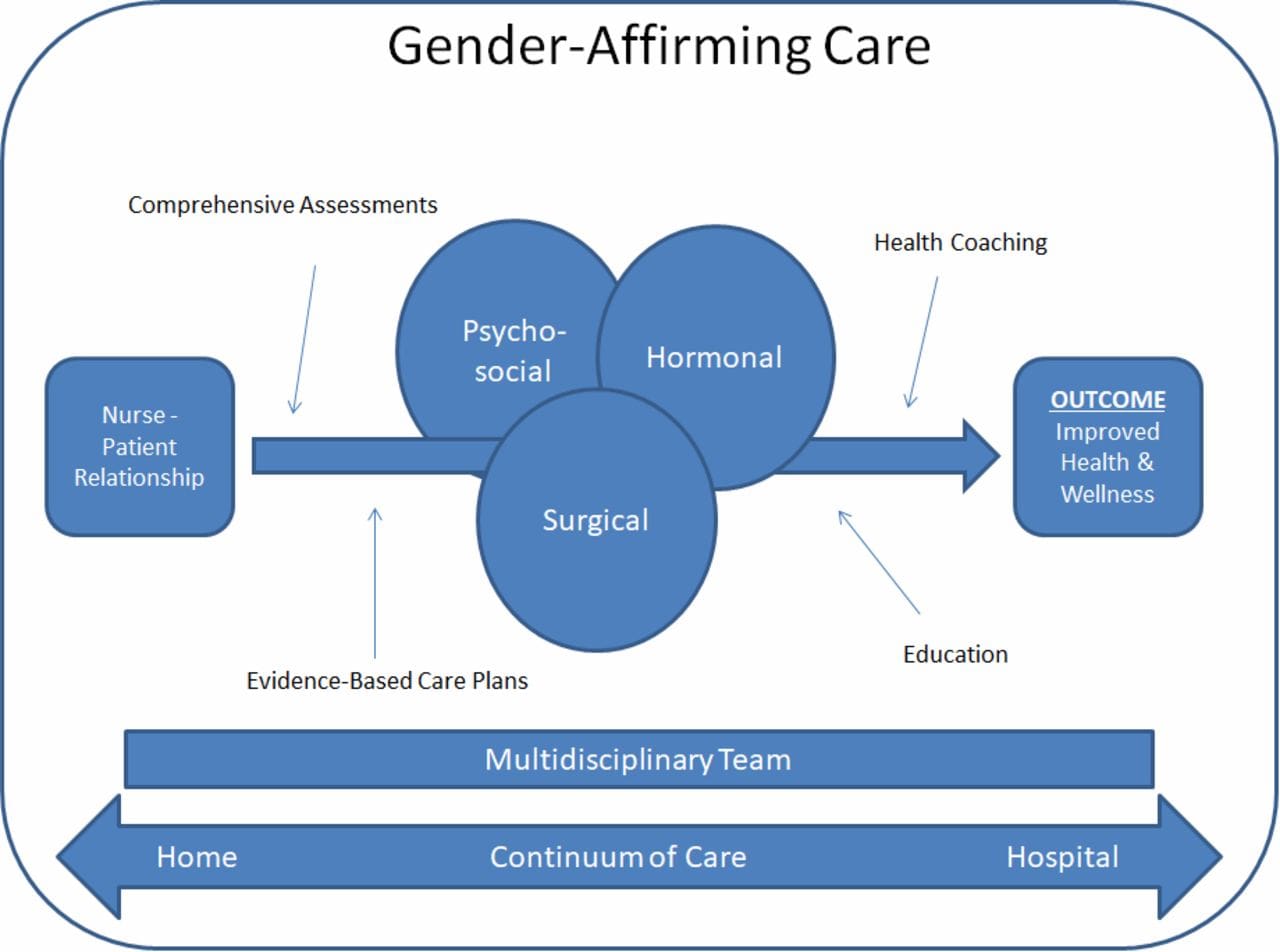
When it comes to inclusive health care for non-binary individuals within the LGBTQ+ community, many healthcare providers must honor the individual’s gender identity while creating a positive and trusting relationship to reduce the ailments they are experiencing. By making a safe and positive experience for their patients, LGBTQ+ individuals will start to address to their doctors what issues they are experiencing, and it allows the doctor to come up with a personalized health care plan that is catered to them while improving their health outcomes. (Gahagan & Subirana-Malaret, 2018) At the same time, being an advocate and systemically improving, including gender-affirming care, can lead to positive results and benefit LGBTQ+ individuals. (Bhatt et al., 2022)
References
Baptiste-Roberts, K., Oranuba, E., Werts, N., & Edwards, L. V. (2017). Addressing Health Care Disparities Among Sexual Minorities. Obstet Gynecol Clin North Am, 44(1), 71-80. https://doi.org/10.1016/j.ogc.2016.11.003
Bhatt, N., Cannella, J., & Gentile, J. P. (2022). Gender-affirming Care for Transgender Patients. Innov Clin Neurosci, 19(4-6), 23-32. https://www.ncbi.nlm.nih.gov/pubmed/35958971
Burgwal, A., Gvianishvili, N., Hard, V., Kata, J., Garcia Nieto, I., Orre, C., Smiley, A., Vidic, J., & Motmans, J. (2019). Health disparities between binary and non binary trans people: A community-driven survey. Int J Transgend, 20(2-3), 218-229. https://doi.org/10.1080/15532739.2019.1629370
Gahagan, J., & Subirana-Malaret, M. (2018). Improving pathways to primary health care among LGBTQ populations and health care providers: key findings from Nova Scotia, Canada. Int J Equity Health, 17(1), 76. https://doi.org/10.1186/s12939-018-0786-0
Rattay, K. T. (2019). Improved Data Collection for Our LGBTQ Population is Needed to Improve Health Care and Reduce Health Disparities. Dela J Public Health, 5(3), 24-26. https://doi.org/10.32481/djph.2019.06.007
Tellier, P.-P. (2019). Improving health access for gender diverse children, youth, and emerging adults? Clinical Child Psychology and Psychiatry, 24(2), 193-198. https://doi.org/10.1177/1359104518808624
Gender is a concept with many facets. Everyone has a gender expression. Can learning about gender expression help healthcare professionals provide better and more effective treatment plans for the LGBTQ+ community?
Gender Expression
Gender expression refers to the ways that individuals present their gender identity and themselves. This can be clothing, haircuts, behaviors, etc. For many, there can be confusion between what society expects from their gender and how these individuals choose to present themselves. Gender expression is constructed from the culture that surrounds it, meaning that there may be a shared social expectation about gender. It can also mean that the same feminine hair or clothing style in one setting could be seen as masculine in another.
Society tries to regulate expression by making women wear certain kinds of clothes, and men other kinds, in order to participate in school, work, and when in public.
When cultures enforce gender norms it is known as gender policing, which can range from dress codes to physical and emotional punishment.
Creating a safe space for all genders requires awareness of these explicit or implicit gender norms so policing can be prevented. (José A Bauermeister, et al., 2017)
Research has shown that there are increased rates of discrimination against transgender and gender-nonconforming individuals compared with bias against those who are LGBTQ. (Elizabeth Kiebel, et al., 2020)
Health Care
Gender expression can and does affect access to and quality of health care.
Individuals with a gender expression that is different from what is expected for their assigned sex at birth may experience increased bias and harassment from providers. (Human Rights Watch. 2018)
A significant percentage of patients feared health workers would treat them differently because of their expression. (Cemile Hurrem Balik Ayhan et al., 2020)
Minority stress has been shown to play an important role in health imbalances. (I H Meyer. 1995)
Research suggests that gender expression is a part of the minority stress described by cisgender sexual minorities and gender minorities. (Puckett JA, et al., 2016)
Better Training
The effects of gender expression are different depending on a person’s sex, gender identity, and their setting.
However, doctors do need to know a person’s sex that was assigned at birth to be able to do proper screening tests, like screening for prostate or cervical cancer.
One way to be more affirming is for the doctor to introduce themselves first, using their own pronouns.
Health workers should ask everyone what name they prefer to be called and what pronouns they use.
This simple act invites the patient to share without creating awkward uneasiness.
Each person chooses how to present themselves to the world, and we respect all. We at Injury Medical Chiropractic and Functional Medicine Clinic will work to address the effects of minority stress on health disparities and raise awareness of the ways to continually improve positive experiences for LGTBQ+ individuals seeking inclusive health care for neuromusculoskeletal injuries, conditions, fitness, nutritional, and functional health.
Revolutionizing Healthcare
References
Bauermeister, J. A., Connochie, D., Jadwin-Cakmak, L., & Meanley, S. (2017). Gender Policing During Childhood and the Psychological Well-Being of Young Adult Sexual Minority Men in the United States. American journal of men’s health, 11(3), 693–701. https://doi.org/10.1177/1557988316680938
Kiebel, E., Bosson, J. K., & Caswell, T. A. (2020). Essentialist Beliefs and Sexual Prejudice Toward Feminine Gay Men. Journal of homosexuality, 67(8), 1097–1117. https://doi.org/10.1080/00918369.2019.1603492
Human Rights Watch. “You Don’t Want Second Best”—Anti-LGBT Discrimination in US Health Care.
Ayhan, C. H. B., Bilgin, H., Uluman, O. T., Sukut, O., Yilmaz, S., & Buzlu, S. (2020). A Systematic Review of the Discrimination Against Sexual and Gender Minority in Health Care Settings. International journal of health services: planning, administration, evaluation, 50(1), 44–61. https://doi.org/10.1177/0020731419885093
Meyer I. H. (1995). Minority stress and mental health in gay men. Journal of health and social behavior, 36(1), 38–56.
Puckett, J. A., Maroney, M. R., Levitt, H. M., & Horne, S. G. (2016). Relations between gender expression, minority stress, and mental health in cisgender sexual minority women and men. Psychology of Sexual Orientation and Gender Diversity, 3(4), 489–498. https://doi.org/10.1037/sgd0000201
How can physicians create a positive experience for LGTBQ+ individuals seeking inclusive health care for muscle pain?
Introduction
Finding proper treatment for many body pain conditions should not be challenging when numerous factors and conditions can impact a person’s lifestyle. When it comes to these factors can range from their home environment to their medical conditions, which then harms their well-being and not being heard when informed about their situation. This can cause barriers to be built up and causes the individual not to be seen or heard when seeking treatment for their pain. However, many individuals within the LGBTQ+ community can seek numerous personalized solutions to improve their general well-being and have a positive experience that suits their needs. This article explores how inclusive health care can positively impact the LGBTQ+ community and how non-surgical treatments like chiropractic care can be incorporated into a person’s personalized inclusive health care plan. Additionally, we communicate with certified medical providers who integrate our patient’s information to reduce general pain through inclusive healthcare treatment. We also inform them that non-surgical treatments can be a positive experience for them to minimize general body pain. We encourage our patients to ask amazing questions while seeking education from our associated medical providers about their pain conditions in a safe and positive environment. Dr. Jimenez, D.C., incorporates this information as an educational service. Disclaimer
What Is Inclusive Health Care?
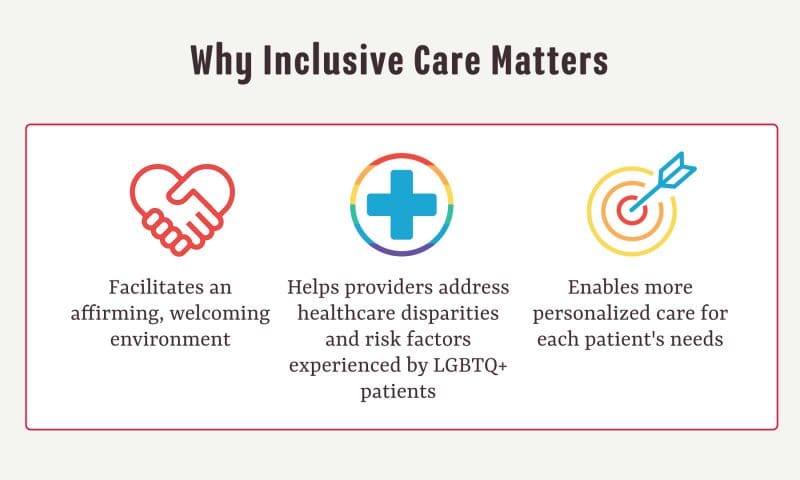
Have you been dealing with constant stress that is causing pain in your body? Do you feel like there are barriers that are preventing you from getting the relief you need from your pain? Or are many environmental factors preventing you from getting back your health and wellness? Many individuals seeking treatment for general pain or conditions affecting their health and wellness will often research which care treatment suits their wants and needs in a positive and safe manner while being inclusive. Healthcare treatments like inclusive health care can provide a positive and safe outcome for members of the LGBTQ+ community. Inclusive health care can help many healthcare professionals establish an inclusive code of conduct within the LGBTQ+ community to improve health-specific outcomes. (Moran, 2021) Now inclusive health care is defined as removing barriers to health care services that should be equally accessible and affordable to many individuals regardless of age, sexual orientation, and gender identity. For many people within the LGBTQ+ community, many individuals identify as gender minorities. A gender minority is an individual who identifies as gender non-conforming and whose gender identity or expression differs from the conventional gender binary. Inclusive health care is an important aspect for the LGBTQ+ community as it can benefit people in getting the treatment they deserve.
How Does Inclusive Health Care Benefits The LGTBQ+ Community?
Regarding inclusive health care, many healthcare providers must respect their patients and their needs when coming in for a general check-up. Since many individuals in the LGBTQ+ community are already dealing with enough stress, especially young people, it is important to have a calm, safe, and non-judgmental environment promoting safety and inclusion. (Diana & Esposito, 2022) There are many ways that inclusive health care can provide beneficial results to the individual and health care provider. Some may include:
What pronouns the individual preferred
What the individual wants to be identified
Being respectful of the patient’s needs
Building a trusted relationship with the individual
When individuals in the LGBTQ+ community have inclusive health care in a positive environment, it can create a positive experience for them as it can improve mental health and general well-being and make a huge impact that can be life-saving. (Carroll & Bishop, 2022) The Injury Medical Chiropractic and Functional Medicine Team is committed to building a positive and safe space for individuals in the LGBTQ+ community that need inclusive health care to reduce pain-like symptoms through personalized treatment plans.
How Can Chiropractic Care Transform Pain To Relief-Video
With many individuals looking for the right kind of treatment for general pain and discomfort, many people will look into non-surgical therapies. Non-surgical treatments can be beneficial for many individuals in the LGBTQ+ community as it is safe and can provide individuals with an understanding of what is impacting their bodies. Non-surgical treatments like chiropractic care, spinal decompression, and MET therapy can alleviate pain-like symptoms associated with musculoskeletal disorders through a personalized treatment plan catered to the person. Many health professionals who are respectful and provide a supportive environment for LGBTQ+ individuals seeking inclusive health has been reported an increase in their confidence, and a decrease in their anxiety, which can potentially decrease uncertainty for future visits. (McCave et al., 2019) Creating a safe, positive environment for individuals seeking inclusive health care can help them reduce the pain they have been experiencing while easing their minds. The video explains how non-surgical treatments like chiropractic care can help reduce musculoskeletal pain associated with stress and help realign the body out of subluxation. Additionally, these small changes in creating a safe and inclusive environment when receiving health care can make a lasting and positive impact on many individuals. (Bhatt, Cannella, & Gentile, 2022)
Utilizing Beneficial Treatments For Inclusive Health Care
When it comes to non-surgical treatments being part of inclusive treatment, it is critical to reduce the health disparities and to ensure that many LGBTQ+ individuals receive the needed medical they deserve. (Cooper et al., 2023) Since many individuals face unique health challenges, from body and gender dysmorphia to common muscle strains associated with musculoskeletal disorders, many individuals can seek non-surgical treatments like chiropractic care. Chiropractic care can help meet the individual’s needs by supporting their musculoskeletal health and general well-being. (Maiers, Foshee, & Henson Dunlap, 2017) Chiropractic care can reduce musculoskeletal conditions that many LGBTQ+ individuals have and can be aware of what factors are affecting their bodies in a safe and positive environment. Non-surgical treatments can be combined with other therapies in inclusive health care for LGBTQ+ individuals. They can provide a safe environment in the clinic and improve their care quality by being cost-effective. (Johnson & Green, 2012) Inclusive health care can help make LGBTQ+ individuals a safe and positive space to make them get the treatment they deserve without negativity.
References
Bhatt, N., Cannella, J., & Gentile, J. P. (2022). Gender-affirming Care for Transgender Patients. Innov Clin Neurosci, 19(4-6), 23-32. https://www.ncbi.nlm.nih.gov/pubmed/35958971
Carroll, R., & Bisshop, F. (2022). What you need to know about gender-affirming healthcare. Emerg Med Australas, 34(3), 438-441. https://doi.org/10.1111/1742-6723.13990
Cooper, R. L., Ramesh, A., Radix, A. E., Reuben, J. S., Juarez, P. D., Holder, C. L., Belton, A. S., Brown, K. Y., Mena, L. A., & Matthews-Juarez, P. (2023). Affirming and Inclusive Care Training for Medical Students and Residents to Reduce Health Disparities Experienced by Sexual and Gender Minorities: A Systematic Review. Transgend Health, 8(4), 307-327. https://doi.org/10.1089/trgh.2021.0148
Johnson, C. D., & Green, B. N. (2012). Diversity in the chiropractic profession: preparing for 2050. J Chiropr Educ, 26(1), 1-13. https://doi.org/10.7899/1042-5055-26.1.1
Maiers, M. J., Foshee, W. K., & Henson Dunlap, H. (2017). Culturally Sensitive Chiropractic Care of the Transgender Community: A Narrative Review of the Literature. J Chiropr Humanit, 24(1), 24-30. https://doi.org/10.1016/j.echu.2017.05.001
McCave, E. L., Aptaker, D., Hartmann, K. D., & Zucconi, R. (2019). Promoting Affirmative Transgender Health Care Practice Within Hospitals: An IPE Standardized Patient Simulation for Graduate Health Care Learners. MedEdPORTAL, 15, 10861. https://doi.org/10.15766/mep_2374-8265.10861
It can be challenging to find the proper treatment for general aches and pains in the body due to various environmental factors. These factors, such as home life, physical activity, and work conditions, can lead to overlapping symptoms that negatively impact a person’s mental and emotional well-being. If left untreated and depending on the severity, these symptoms can develop into chronic conditions. However, individuals can find personalized solutions to reduce pain and discomfort by taking charge of their health and wellness. This article will explore gender-affirming care, a treatment that can benefit the LGBT+ community, and non-surgical options like spinal decompression and chiropractic care. We work with certified medical providers who use our patients’ valuable information to provide treatments like gender-affirming care for individuals with general body pain. We encourage patients to ask essential questions and seek education from our associated medical providers about their condition. Dr. Jimenez, D.C., provides this information as an educational service. Disclaimer
What Is Gender-Affirming Care?
When seeking treatment, people often research and find the care that best suits their needs. One treatment that has been shown to impact many individuals positively is gender-affirming care. Research studies revealed that this process could address gender affirmation through various means, including clothing, hair, voice and pronouns, name changes, medical and surgical care, and social transition. People may use gender-affirming care uniquely to receive the treatment they deserve. Research also suggests that gender-affirming care should be multidisciplinary, involving diagnostic assessments, psychotherapy/counseling, and therapies. Many individuals in the LGBT+ community seek gender-affirming care to improve their mental and physical well-being, which can be life-saving.
How Does Gender-Affirming Care Help The LGBT+?
Gender-affirming care is an important aspect of supporting the LGBT+ community. It involves acknowledging and accepting a person’s gender identity and making necessary changes to help them express it. Creating a safe and positive environment for gender-affirming care can significantly improve the experience, health outcomes, and life quality of many individuals in the LGBT+ community, particularly those who identify as transgender. It’s important to understand the meaning of “gender” and “affirming” to provide effective care. Gender refers to how society perceives a person’s sex as either male/man or female/woman, while affirming involves accepting and validating a person’s identity. Research studies have revealed that gender-affirming care positively impacts the LGBT+ community, making it a crucial component of healthcare for this population.
In the LGBT+ community, the “T” stands for transgender individuals with a gender identity that does not match their assigned sex at birth. This can include:
Transgender woman: Male-to-female, assigned male at birth, lives female/affirmed woman, transfeminine spectrum
Transgender man: Female-to-male, assigned female at birth, live male/affirmed man, transmasculine spectrum
Transexual: individuals in the transgender community who has transitioned to the opposite sex, often including sexual reassignment surgery
Many transgender people seek gender-affirming care to improve their overall health and well-being by making changes to align their bodies and mind. Unfortunately, there are barriers associated with accessing gender-affirming care.
Barriers Associated With Gender-Affirming Care
Accessing gender-affirming care can be a barrier for many in the LGBT+ community, leading to poor mental health, decreased social support, and discrimination. Research studies revealed that these burdens can contribute to developing body dysmorphia and associated symptoms. Research has shown that individuals with body dysmorphia may develop comorbid disorders during general examinations, including gender dysmorphia, which can lead to distress for the patient. However, creating a safe and respectful environment for the LGBT+ community is possible by providing personalized gender-affirming care. The Injury Medical Chiropractic and Functional Medicine Team is committed to building a positive space for individuals who identify as transgender and alleviating pain-like symptoms through personalized treatment plans.
The Benefits of a Healthy Diet & Chiropractic Care- Video
Beneficial Treatments Utilize In Gender-Affirming Care
There is hope for individuals seeking gender-affirming care, as many beneficial treatments are available. Non-surgical options such as spinal decompression and chiropractic care can ease musculoskeletal issues and educate patients on environmental factors that affect their well-being. Hormone, physical, and mental therapy are important for personalized care plans, making them affordable and ensuring safety. Individuals in the LGBT+ community face unique health challenges, and having a safe and positive space can make their health and wellness journey more manageable.
References
Bhatt, N., Cannella, J., & Gentile, J. P. (2022). Gender-affirming Care for Transgender Patients. Innovations in Clinical Neuroscience, 19(4-6), 23–32. https://www.ncbi.nlm.nih.gov/pmc/articles/PMC9341318/
Carroll, R., & Bisshop, F. (2022). What you need to know about gender‐affirming healthcare. Emergency Medicine Australasia, 34(3). https://doi.org/10.1111/1742-6723.13990
Grant, J. E., Lust, K., & Chamberlain, S. R. (2019). Body dysmorphic disorder and its relationship to sexuality, impulsivity, and addiction. Psychiatry Research, 273, 260–265. https://doi.org/10.1016/j.psychres.2019.01.036
Hashemi, L., Weinreb, J., Weimer, A. K., & Weiss, R. L. (2018). Transgender Care in the Primary Care Setting: A Review of Guidelines and Literature. Federal Practitioner, 35(7), 30–37. https://www.ncbi.nlm.nih.gov/pmc/articles/PMC6368014/
Kaplan, E., & Bard, P. (2023). The Ultimate Spinal Decompression. JETLAUNCH.
Tordoff, D. M., Wanta, J. W., Collin, A., Stepney, C., Inwards-Breland, D. J., & Ahrens, K. (2022). Mental Health Outcomes in Transgender and Nonbinary Youths Receiving Gender-Affirming Care. JAMA Network Open, 5(2). https://doi.org/10.1001/jamanetworkopen.2022.0978
IFM's Find A Practitioner tool is the largest referral network in Functional Medicine, created to help patients locate Functional Medicine practitioners anywhere in the world. IFM Certified Practitioners are listed first in the search results, given their extensive education in Functional Medicine