The body’s lower extremities have a very important role as it helps support the upper body’s weight and provide stability to the lower body. The lower half of the body consists of the lower abdominals, hips, pelvic, and buttock regions, which have various muscles surrounding the lumbar and pelvic areas of the spine. These muscles help protect the lower vital organs and work with the central nervous system to utilize the sensory-motor function of the legs and feet. When normal factors like prolonged sitting or standing begin to affect the lower body, it can cause referred pain to travel down to the legs and push the lower extremities to develop symptoms associated with trigger points on the lower torso. Today’s article looks at the lower torso, how trigger points affect the lower torso, and therapeutic ways to manage trigger points in the lower torso. We refer patients to certified providers who incorporate various techniques in more inadequate body pain treatments related to trigger points to aid people suffering from pain-like symptoms along the lower torso muscles along the body’s lower extremities. We encourage and appreciate patients by referring them to our associated medical providers based on their diagnosis, especially when it is appropriate. We understand that education is an excellent solution to asking our providers complex questions at the patient’s request. Dr. Jimenez, D.C., utilizes this information as an educational service only. Disclaimer
What Is The Lower Torso?
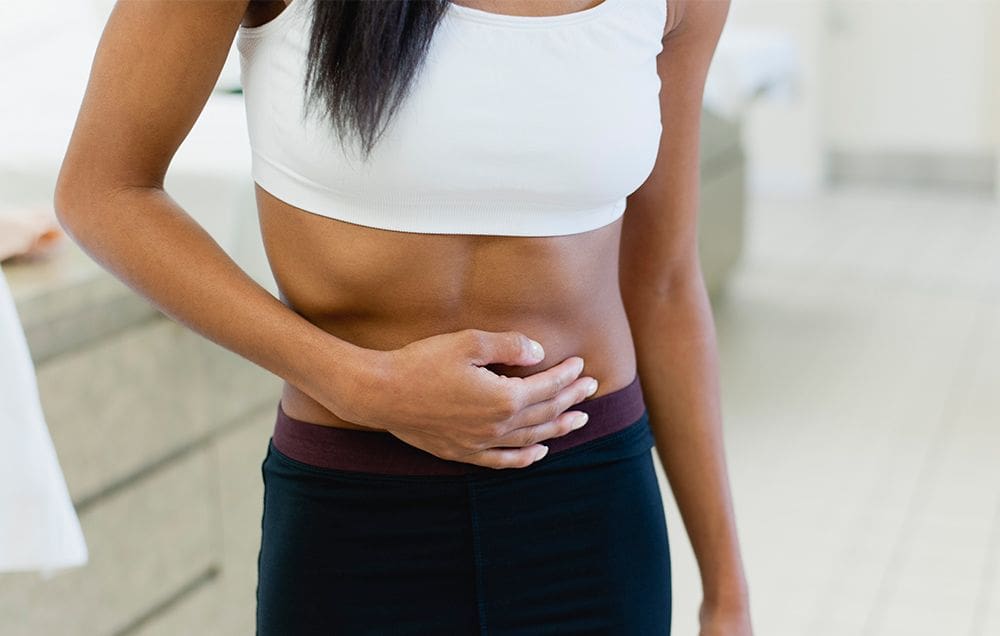
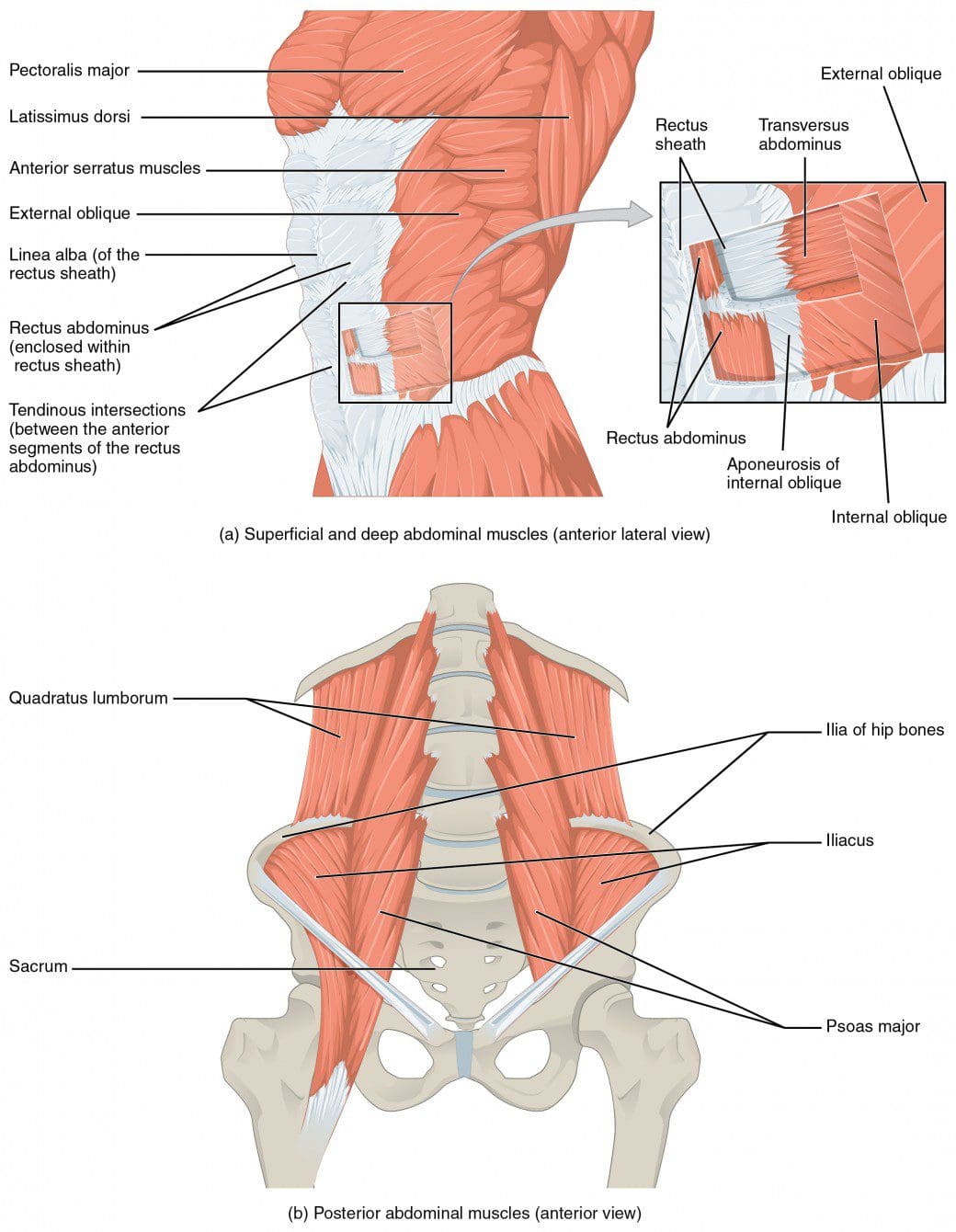
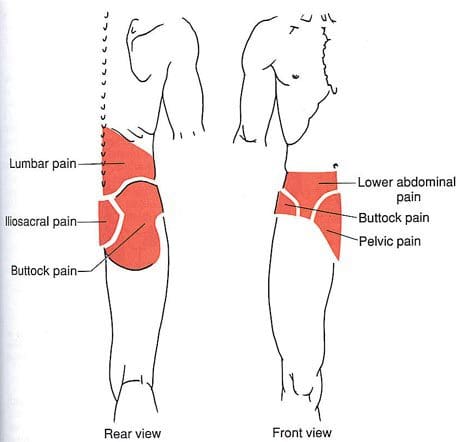
Have you been feeling stiffness around your hips lately? Have you noticed that you are leaning forward constantly, causing strain on your lower back? Or have you been experiencing pain in one location in your lower half? When dealing with these issues in the lower half of the body, it could correlate with somato-visceral symptoms associated with trigger points in the lower torso. The lower torso of the human body, or the lower abdominals, is defined as the anterior region of the trunk between the thoracic diaphragm and serves as the cavity to house the digestive, urinary, endocrine, and parts of the reproductive system. The lower torso has various muscles and nerves that surround the lower back, the hips, the pelvis, and the buttock region of the body that stabilizes the legs when in motion and supports the upper body. The muscles in the lower torso also surround the lumbar and pelvic areas of the spine to protect the joints and vertebrae from becoming dysfunctional. When issues begin to rise and affect the lower torso, it can lead to overlapping problems affecting the body’s lower extremities.
How Do Trigger Points Affect The Lower Torso?
Some of the issues affecting the lower torso that most people don’t realize are that prolonged sitting or standing can cause problems to the legs, hips, pelvis, and feet. This causes the blood supply to pool into the legs and feet, thus causing swelling and muscle weakness in the lower torso muscles. Another issue is when the lower torso has been through a traumatic event that can cause the affected muscles to develop tiny nodules known as trigger points to cause problems in the lower back, hips, pelvis, and buttock region of the body. Studies reveal that trigger points are often characterized by pain causing a limited range of motion in the joints while causing muscular contracture and mimicking other chronic conditions affecting the muscles. When trigger points affect the muscles in the lower torso, “Myofascial Pain and Dysfunction,” written by Dr. Janet Travell, M.D., pain associated with movement can cause tingling or electric sensations down to the lower extremities causing somato-visceral referred pain to the lower torso. Since the nerve roots from the spinal cord branch out to the various muscles and become irritated, causing referred pain to different areas of the lower extremities.
Trigger Point Therapy For The Abs- Video
Have you been dealing with hip mobility issues? What about experiencing low back pain after being in a hunch position for an extended period? Or have you been experiencing problems in your pelvic region? Many of these issues are correlated with trigger points associated with the lower torso. Trigger points or myofascial pain syndrome are caused when the affected muscles have been overused or been through a traumatic event that causes referred pain to different body locations. The video explains where trigger points are located in the lower torso, especially in the abdomen and how to release them through palpations and massage. These techniques can help reduce the pain symptoms that affect the lower torso and manage myofascial pain from developing in the future.
Therapeutic Ways To Manage Trigger Points In The Lower Torso
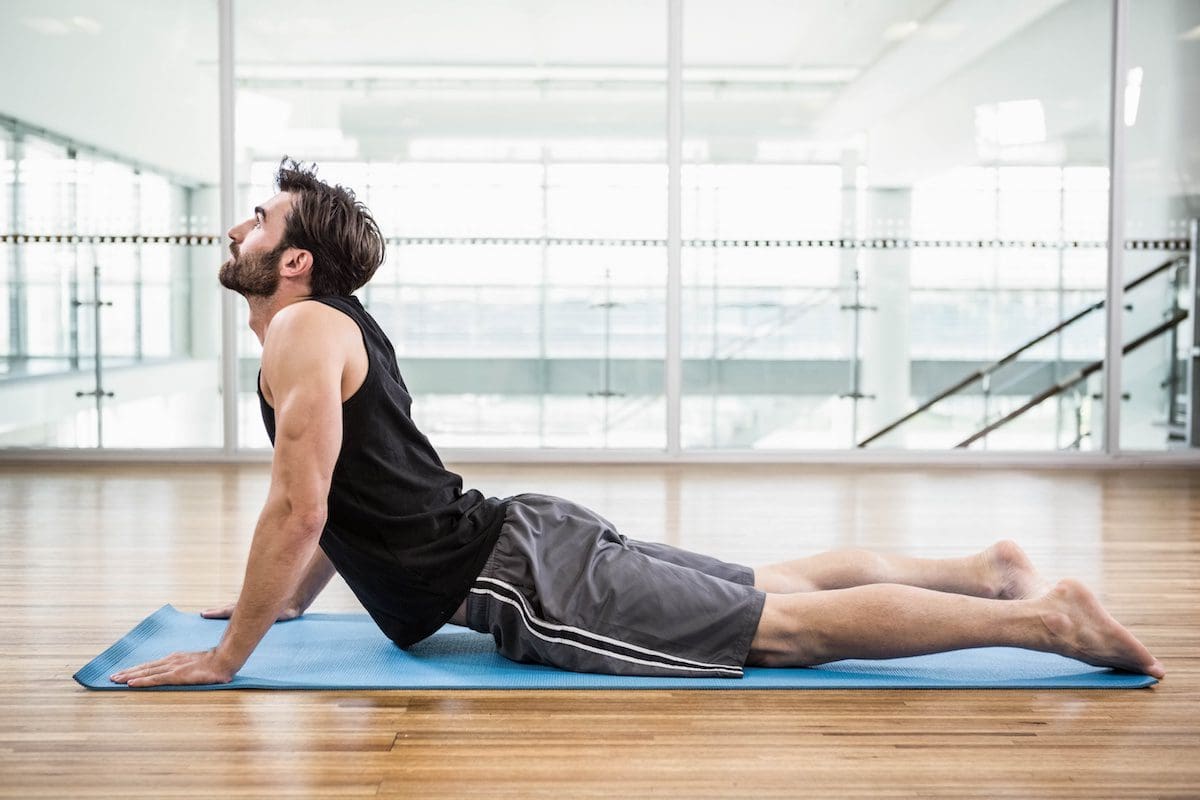
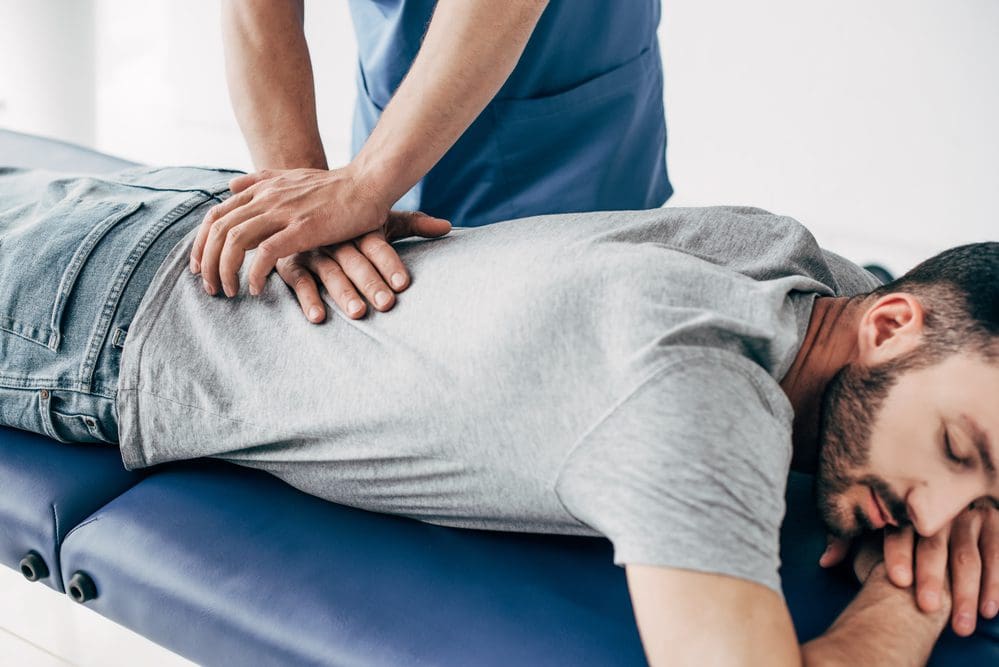
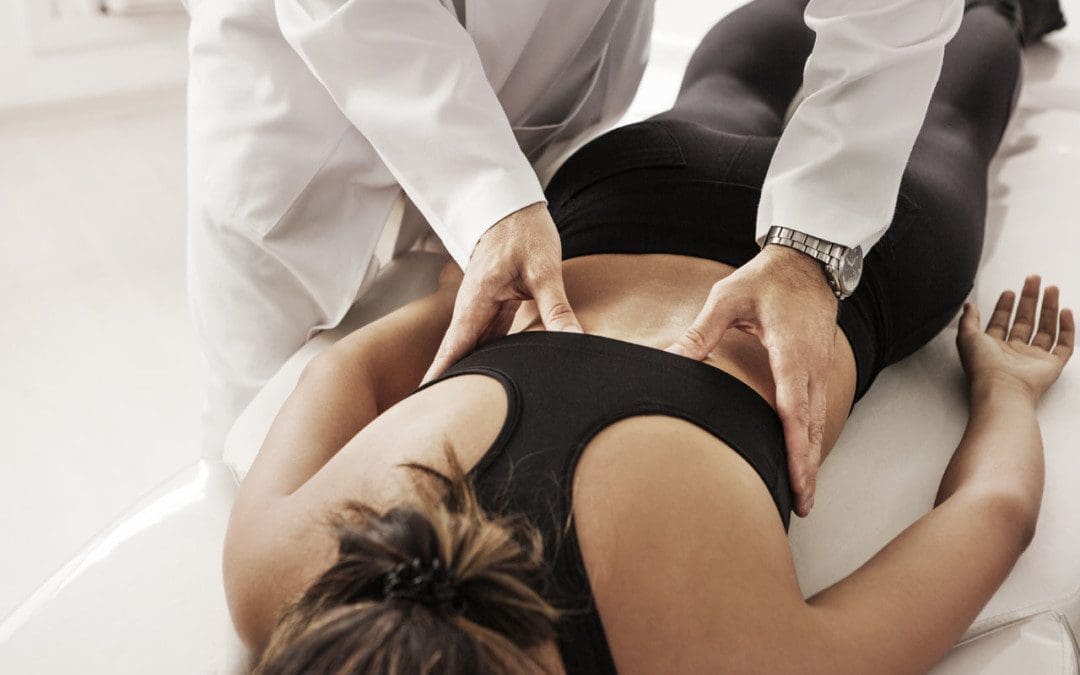
Pain specialists like chiropractors and massage therapists will use various techniques to reduce the pain and alleviate the trigger points from the affected muscles. Many often go to a pain specialist who deals with trigger points through recommendations by their primary doctor. They will go through an examination process and explain to the pain specialist where the pain is located. Afterward, they will devise a treatment plan with the patient’s primary doctor, allowing them to follow a routine to prevent the pain from returning. Various techniques like stretching the abdominals, exercising, and resting can manage trigger points from returning to the affected muscles and even help bring muscle strength back to the body.
Conclusion
The lower torso consists of the hips, lower back, pelvis, and buttock region while protecting the body’s vital organs. The lower torso helps stabilize, the lower body extremities and supports the upper body’s weight. When normal issues like prolonged sitting or standing start to cause muscle strain to the lower torso region, it can develop trigger points to cause various problems to that region and cause mobility issues in the lower abdominal area. When the pain becomes unbearable, many individuals go to a pain specialist to help manage the trigger points from affecting the lower torso region and bring back mobility function to the lower extremities.
References
Akamatsu, Flavia Emi, et al. “Anatomical Basis of the Myofascial Trigger Points of the Gluteus Maximus Muscle.” BioMed Research International, Hindawi, 2017, https://www.ncbi.nlm.nih.gov/pmc/articles/PMC5733974/.
Travell, J. G., et al. Myofascial Pain and Dysfunction: The Trigger Point Manual: Vol. 2:the Lower Extremities. Williams & Wilkins, 1999.
Wade, Christian I, and Matthew J Streitz. “Anatomy, Abdomen and Pelvis, Abdomen – Statpearls – NCBI Bookshelf.” In: StatPearls [Internet]. Treasure Island (FL), StatPearls Publishing, 25 July 2022, https://www.ncbi.nlm.nih.gov/books/NBK553104/.
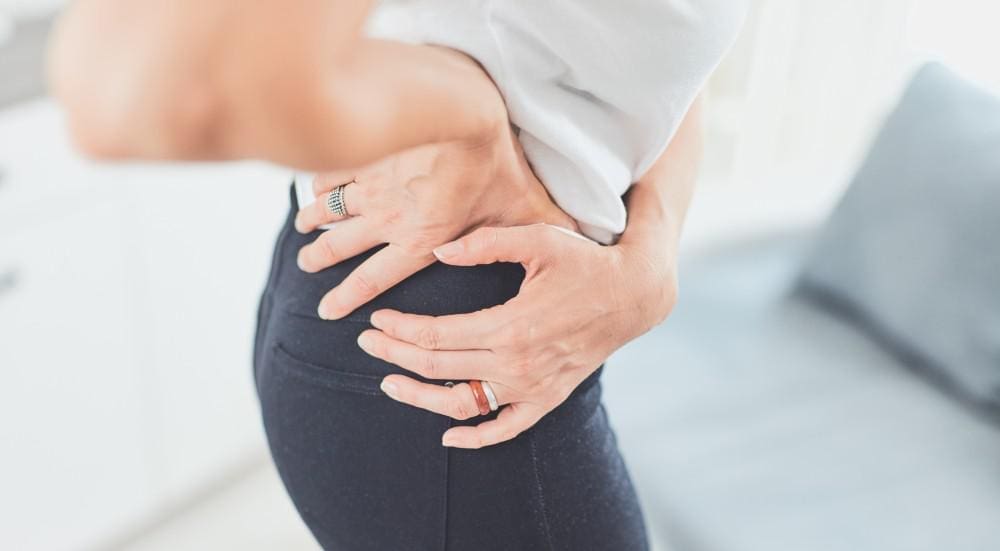
The skeletal joints can keep the body upright and stabilized while protecting the internal organs. The skeletal joints also are at risk of factors (normal and traumatic) that can impact the body, thus potentially causing painful symptoms to affect different body areas. Hip pain is among the most common complaints for many individuals, especially the elderly. To that point, when the body suffers from hip pain, it may involve pelvic pain and associated symptoms that mimic other issues within the body. Today’s article examines the causes of hip and pelvic pain, the symptoms related to hip and pelvic pain, and how chiropractic care may relieve hip and pelvic pain. We refer patients to certified providers specializing in osteopathic treatments to help many individuals with hip and pelvic pain. We also guide our patients by referring to our associated medical providers based on their examination when it’s appropriate. We find that education is the solution to asking our providers insightful questions. Dr. Alex Jimenez DC provides this information as an educational service only. Disclaimer
The Causes Of Hip & Pelvic Pain
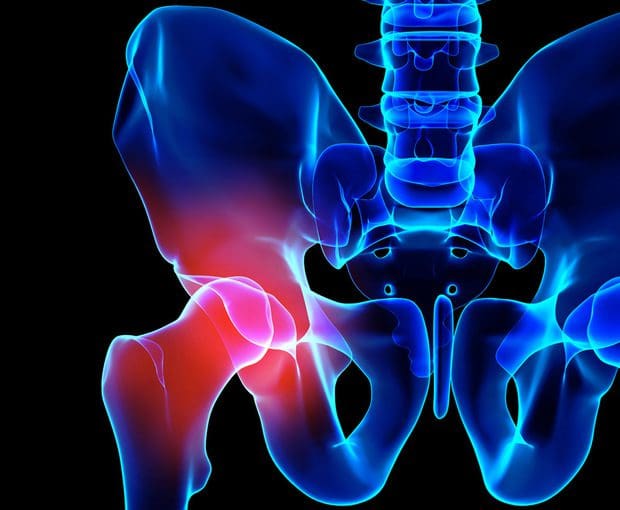
Do you experience stiffness located on your low back or hips? What about sciatic nerve pain that travels down your legs? Or have you been experiencing cramping around the pelvic regions of your body? Experiencing these symptoms may be the potential cause that you might be dealing with hip and pelvic pain. Even though hip pain is often associated with older individuals, it can affect many individuals of different ages. Studies reveal that the pathologies outside the hips may be the cause and referred pain, making diagnosing hip pain difficult. Hip pain causes could be overused joints and soft tissues that support the hips due to repetitive motions, strain from the multiple muscles that support the hips, or arthritic symptoms. Studies reveal that individuals who work in a desk job will potentially develop low back pain due to prolonged sitting, thus becoming associated with excessive mobility of the lumbar spine and decreased hip joint mobility.
Individuals with hip pain could risk developing pelvic pain associated with the overuse of joints and soft tissues. Now how pelvic pain correlates with hip pain, and what’s the causation? Studies reveal that the stabilizing muscles (iliopsoas, pectineus, obturator externus, gluteus minimus, and piriformis muscles) are overworked and become consequent hip and joint destabilization. This causes the affected muscles to become tired and weak and triggers sciatic nerve compression along the piriformis muscle. Pelvic pain associated with hip pain may cause dysfunctional musculoskeletal symptoms along the lower abdominals, hips, and lumbosacral back.
The Associated Symptoms Of Hip & Pelvic Pain
The factors involved with hip and pelvic pain could potentially have associated symptoms that might affect the body’s lower extremities. One of the most prominent symptoms of hip pain is groin pain, which could possibly be involved with pelvic pain since the ligaments and muscles that encompass the hips and groin may be weak and overused. Sometimes various underlying causes do contribute to hip and pelvic pain, causing associated symptoms that may confuse the individual in pain. Hip and pelvic pain may refer to low back and sciatic nerve pain since the lower spine and hips are close together; thus, pinpointing where the true source of pain is in the body’s lower half makes it confusing. Some of the symptoms associated with hip and pelvic pain include:
Low back pain
Muscle weakness
Sacroiliac joint dysfunction
Bladder issues
Sciatic nerve pain
Piriformis syndrome
The 3 Common Causes Of Hip Pain-Video
Have you been dealing with muscle stiffness around or along your hips and lower back? Do you have bladder issues? Or have you experienced muscle weakness in the lower extremities of your body? Some of these symptoms could be associated with hip and pelvic pain. The video above explains the three common causes of hip pain, and interestingly, one of the causes of hip pain could potentially involve the lower back. Studies reveal that since the low back and hips are close to each other, alterations in the lumbopelvic region could potentially be involved with low back pain. Some of the issues associated with the alterations in the lumbopelvic area include:
Limited range of motion on hip rotation
Tissue injury
Stiff joint capsules
Micro/macro trauma
Fortunately, hip and pelvic pain management may help alleviate referred pain issues through chiropractic care.
Chiropractic Relief For Hip & Pelvic Pain
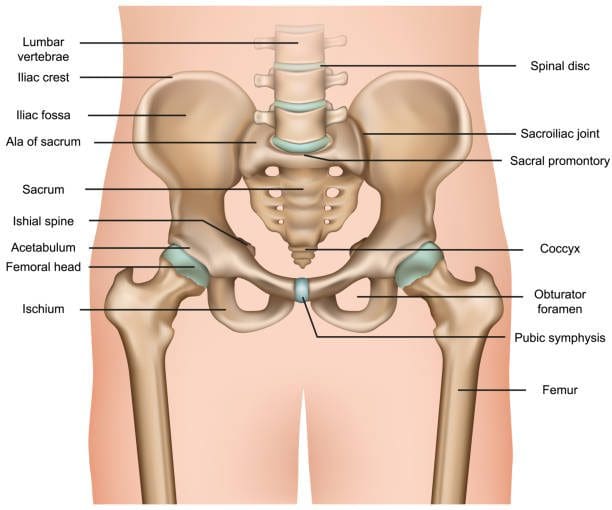
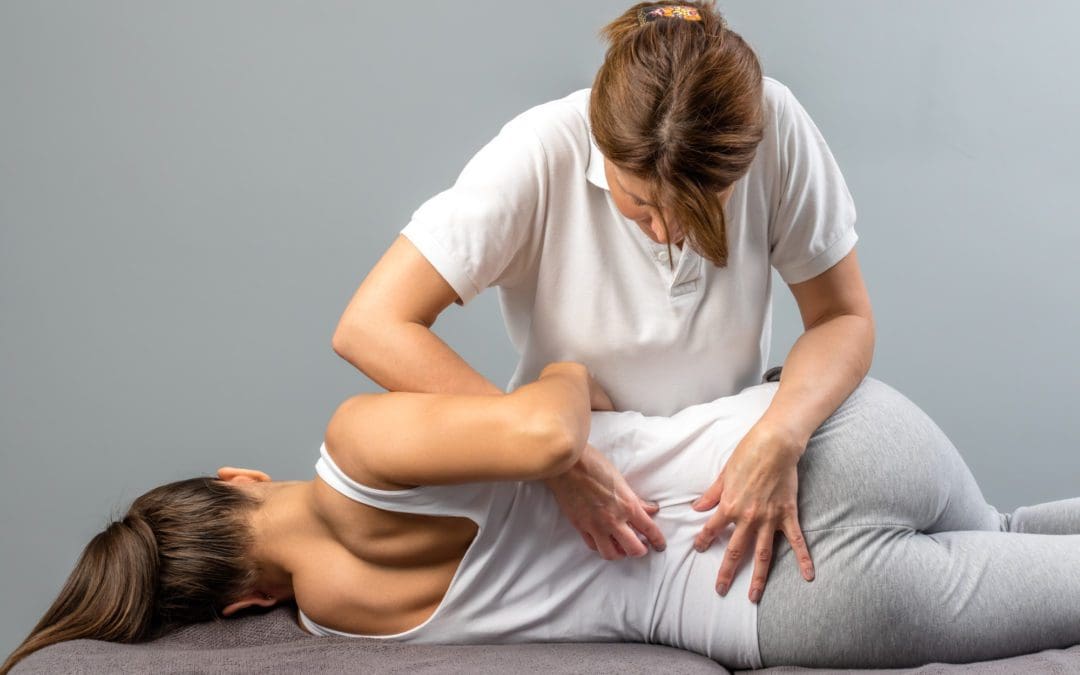
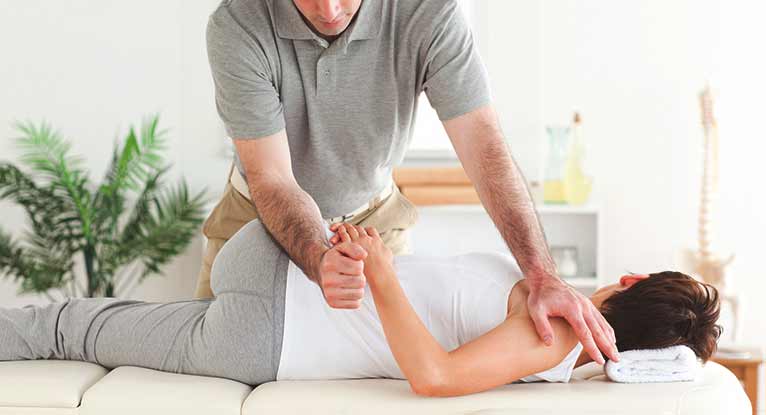
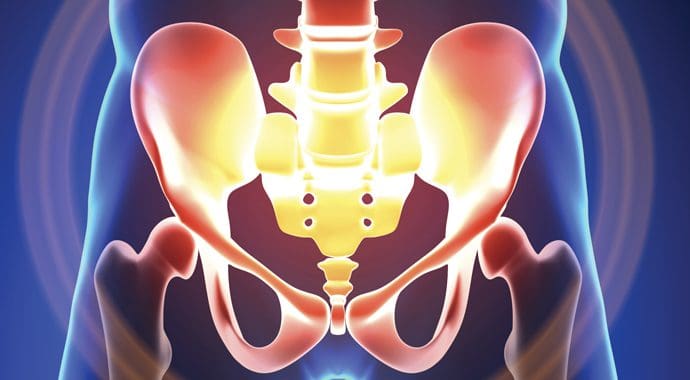
Individuals dealing with hip and pelvic pain may find relief through chiropractic care. The pelvis is a direct continuation of the spine as the sacrum (the five lowest fused vertebrae) and the pelvic girdle complex interact with the joints from the lower skeletal system. If there is pain in the lower body and the individual is unsure whether it is their back or hips, their first course of action is to visit their primary doctor or a chiropractor. Afterward, they will review the individual’s medical history while performing a series of physical exams like various movements to make an accurate diagnosis. Once the pain diagnosis is identified, chiropractors utilize total body alignment by restoring balance in the pelvis and the spine through manipulation. When the spine and hips suffer from a subluxation, it can cause unnecessary strain on the surrounding muscles around the spine and hips. To that point, realigning the spine from a chiropractic adjustment could reduce or eliminate the excessive stress affecting the surrounding muscles. Chiropractic care can also promote various therapies that increase balance along the hips and pelvic region, which include:
Stretching
Therapeutic massage
Physical activities/Exercise therapy
Nutrition
Whether the pain is located in the hips, low back, or pelvic regions, chiropractic care can help restore, address, and alleviate the pain while maintaining optimal long-lasting results.
Conclusion
The skeletal joints can help keep the body upright and stabilized while protecting the internal organs from normal and traumatic factors. When these factors begin to cause an impact on the body, the skeletal joints are at risk of developing pain along the musculoskeletal structure. Hip and pelvic pain have an overlapping relationship as they are amongst the most common complaints for many individuals. To that point, pain from the hips or the pelvic may mimic other issues associated with chronic disorders. Incorporating treatments like chiropractic care can help alleviate, address, and restore the body through spinal manipulation. This allows individuals to be pain-free and help restore balance in their joints.
References
Harris-Hayes, Marcie, et al. “Relationship between the Hip and Low Back Pain in Athletes Who Participate in Rotation-Related Sports.” Journal of Sport Rehabilitation, U.S. National Library of Medicine, Feb. 2009, https://www.ncbi.nlm.nih.gov/pmc/articles/PMC2699456/.
Lee, Dae Wook, et al. “Chronic Pelvic Pain Arising from Dysfunctional Stabilizing Muscles of the Hip Joint and Pelvis.” The Korean Journal of Pain, The Korean Pain Society, Oct. 2016, https://www.ncbi.nlm.nih.gov/pmc/articles/PMC5061646/.
Luthra, Jatinder Singh, et al. “Understanding Painful Hip in Young Adults: A Review Article.” Hip & Pelvis, Korean Hip Society, Sept. 2019, https://www.ncbi.nlm.nih.gov/pmc/articles/PMC6726866/.
Nishimura, Takaaki, and Ryo Miyachi. “Relationship between Low Back Pain and Lumbar and Hip Joint Movement in Desk Workers.” Journal of Physical Therapy Science, The Society of Physical Therapy Science, Oct. 2020, https://www.ncbi.nlm.nih.gov/pmc/articles/PMC7590845/.
Pain in different body areas can excruciate the host as it can affect other regions. In the body, pain can affect the muscles, tissues, organs, and skeletal joints through environmental factors that affect the body’s systems. For example, the gut system provides the body with overall health and wellness by regulating homeostasis and metabolism, which can be affected by common factors like stress or unhealthy eating habits that can cause joint inflammation due to overproducing harmful gut bacteria. Or how about poor posture affecting the organs in the pelvic region and causing the lower back and neck muscles to have a dull ache in the body. Today’s article looks at how pelvic pain affects the somato-visceral reflexes in the body and how there are treatments for relieving pelvic pain. We refer patients to certified providers specializing in chiropractic treatments that help those with pelvic pain. We also guide our patients by referring to our associated medical providers based on their examination when it’s appropriate. We find that education is the solution to asking our providers insightful questions. Dr. Alex Jimenez DC provides this information as an educational service only. Disclaimer
Can my insurance cover it? Yes, it may. If you are uncertain, here is the link to all the insurance providers we cover. If you have any questions or concerns, please call Dr. Jimenez at 915-850-0900.
Somatovisceral Reflexes & Pelvic Pain
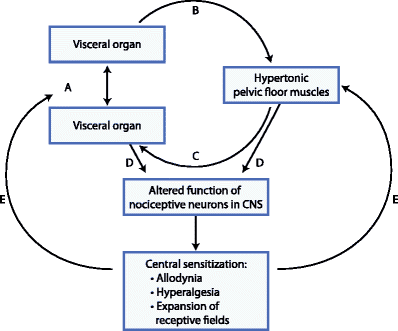
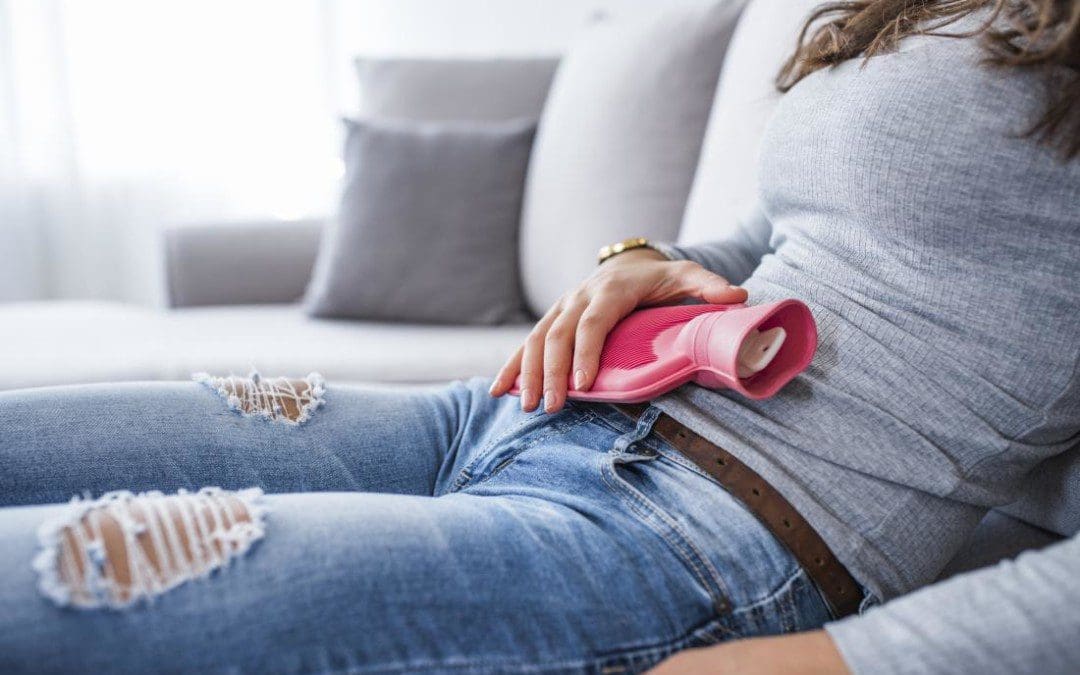
Have you experienced pain in your lower back or pelvic regions from sitting too long? Have you experienced bladder dysfunction that is causing you to urinate frequently? Or are you suffering from muscle cramps in the pelvic area? Studies have revealed that pelvic pain can be a chronic, persistent pain associated with co-morbidities like IBS (irritable bowel syndrome), neurological disorders, or low back pain. Pelvic pain is challenging to diagnose since it is multifactorial and shares various nerve roots that send signals to the brain. For example, individuals that suffer from pelvic pain will complain about the somatovisceral convergence affecting their reproductive organs and connective tissues. Other issues like prolonged sitting and poor posture can also affect the lumbosacral nerve root as it is being compressed, causing low back pain and pelvic organ dysfunction.
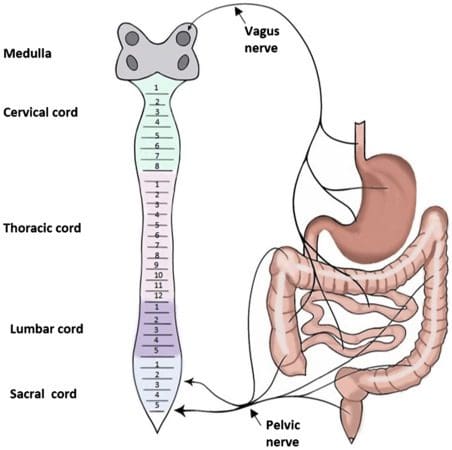
The somato-visceral reflexes of the pelvic muscles can become overstretched and compress the surrounding nerve roots like the sciatic nerve and the lumbosacral nerve, causing issues of sciatica or lower back pain. Studies have also revealed that individuals who suffer from spinal cord injuries can disrupt the somatic lumbosacral nerve pathway that is responsible for coordinating bladder function to the pelvic region. These pathways can also produce different autonomic reflex responses to the various organs and somatic afferents. For example, if a female is experiencing pain in her hips or thighs from hyper-sensitive nerve roots, the brain will register that as pain in her reproductive system. Or, if the pelvic muscles are hypersensitive to the touch, something might be affecting the genital regions.
An Overview Of Pelvic Pain- Video
Have you experienced muscle tenderness located in the pelvic region? Have stressful events caused changes in the reproductive system? Have you experienced pelvic pain that is associated with low back pain? You might be experiencing these systems due to pelvic pain and associated co-morbidities. The video above gives an overview of pelvic pain and how it affects the body. Research studies have revealed that the characteristic of mechanically induced pelvic pain and organic dysfunction that correlates to lower sacral nerve root compression results from low back disorders. The environmental factors that can cause low back conditions include:
Obesity
Heavy lifting
Muscle strain
Poor posture
Herniated disc
Treatments For Pelvic Pain
Various treatments can help relieve these overlapping risk profiles associated with pelvic pain and low back pain that are causing the issue and strengthen the weak muscle affected. Exercising can help support the hip and thigh muscles to prevent muscle strain on the low back and pelvic muscles with the combination of chiropractic therapy to provide beneficial pain relief. Chiropractic therapy on the lumbar spine can help alleviate pelvic pain and lumbosacral nerve root irritation affecting the pelvic region. The effects of chiropractic therapy help sustain the caudal flexion of the lumbar spine and release the muscle that aggravates the lumbosacral nerve root that is running along the pelvic region.
Conclusion
Pain affecting the pelvic region can be due to co-morbidities affecting different areas in the body. With pelvic pain being multifactoral, it can be a challenge to diagnose since it shares various nerve roots signaling to the brain. This causes many individuals to complain about somatovisceral convergence that can affect their reproductive organs and connective tissues in the pelvic region. Other issues like low back pain associated with prolonged sitting and poor posture can cause pelvic pain too. Treatments like chiropractic therapy and exercising can help strengthen the low back and pelvic muscles to alleviate painful symptoms that are causing underlying issues and discomfort in the body.
References
Browning, J E. “Mechanically Induced Pelvic Pain and Organic Dysfunction in a Patient without Low Back Pain.” Journal of Manipulative and Physiological Therapeutics, U.S. National Library of Medicine, Sept. 1990, https://pubmed.ncbi.nlm.nih.gov/2212886/.
Browning, J E. “Chiropractic distractive decompression in treating pelvic pain and multiple system pelvic organic dysfunction.” Journal of manipulative and physiological therapeutics vol. 12,4 (1989): 265-74. https://pubmed.ncbi.nlm.nih.gov/2527938/
CM;, Spitznagle TM;Robinson. “Myofascial Pelvic Pain.” Obstetrics and Gynecology Clinics of North America, U.S. National Library of Medicine, 9 June 2014, https://pubmed.ncbi.nlm.nih.gov/25155122/.
Craggs, Michael D. “Pelvic Somato-Visceral Reflexes after Spinal Cord Injury: Measures of Functional Loss and Partial Preservation.” Progress in Brain Research, U.S. National Library of Medicine, 2006, https://pubmed.ncbi.nlm.nih.gov/16198702/.
Dydyk, Alexander M, and Nishant Gupta. “Chronic Pelvic Pain – Statpearls – NCBI Bookshelf.” In: StatPearls [Internet]. Treasure Island (FL), StatPearls Publishing, 11 Nov. 2021, https://www.ncbi.nlm.nih.gov/books/NBK554585/.
The lower half helps stabilize the body and provides movement from the legs and rotation in the hips. The lower abdominal organs help control bowel movement while the muscles allow movement by regulating internal abdominal pressure. Combined with the back muscles, the lower abdomen can keep the body stable while protecting the lumbar section of the spine. When external factors begin to affect the lower back or disrupt the lower abdominal organs, it can trigger different symptoms that correspond to other sections of the body, like knee or leg pain being associated with menstrual cramping in the lower abdominals or even having pelvic pain that is an associated mediator to having constipation. Today’s article looks at pelvic pain, how it affects the lower abdominals, and ways to treat pelvic dysfunction in the body. We refer patients to certified, skilled providers specializing in chiropractic treatments that help those suffering from pelvic pain. We also guide our patients by referring to our associated medical providers based on their examination when it’s appropriate. We find that education is critical for asking insightful questions to our providers. Dr. Alex Jimenez DC provides this information as an educational service only. Disclaimer
Can my insurance cover it? Yes, it may. If you are uncertain, here is the link to all the insurance providers we cover. If you have any questions or concerns, please call Dr. Jimenez at 915-850-0900.
How Does Pelvic Pain Occur?
Have you suffered from frequent urination or irregular periods? Have you felt excruciating pain when bending down? Or feeling muscle weakness in the lower extremities of the body? Many of these symptoms are correlated to pelvic pain and can trigger different symptoms affecting the body’s lower half. Research studies have mentioned that pelvic pain in its chronic form is a non-cyclic pain located in the pelvis, and the multiple causations can make it difficult to source where the pain is coming from. The overlapping profiles of pelvic pain can be traced through the numerous nerve pathways that are connected to the spine that can become aggravated and become the mediators for pelvic pain. For example, a person having low back pain might experience uncontrollable urinary discharge in their pelvic region. This could be due to the lower sacral nerve root being impaired and causing an overlap of the profiles resulting from mechanical legions to the lumbar spine, thus increasing the risk associated with the pelvis.
How Does It Affect The Lower Abdominals?
The pelvic region ensures that the body’s lower half is stable and protects the lower abdominal organs from disruptive factors like pelvic pain. Research studies have shown that pelvic pain is a relatively common pain associated with comorbidities affecting the body. Some of the various associated symptoms of pelvic pain can cause a correlation to disturbances of the bladder and sexual function in both sexes while also triggering abdominal and low back pain. Additional research studies have found that chronic pelvic pain can cause a correlated issue with PBS or painful bladder syndrome. What PBS does is that it can make a person have a frequent need to urinate and can cause the pelvic muscles to become tense and sensitive. This coincidentally causes the lower sacral nerves to be aggravated and become a mediator for the genital region to be hypersensitive.
Pelvic Pain Overview-Video
Are you feeling stiffness or tenderness in the groin region? How about going to the bathroom constantly? Or have you been experiencing low back pain? Many of these symptoms correlate to pelvic pain and other symptoms associated with the body. The video above overviews pelvic pain and how it affects the body’s lower extremities. The pelvic region consists of lower sacral nerve roots connected to several different nerve pathways that correspond to the primary nerves and provide an extensive neurological connection to the other areas in the pelvis. When mediators cause an increased risk in the pelvic region, the pelvic splanchnic nerves start to trigger muscle dysfunction in the lower abdominal organs. This causes numerous combinations of symptoms and disorders that causes overlapping of profiles in the body. The lower sacral nerve that is aggravated in the pelvic region could be the causation of pelvic and leg pain.
Treatments For Pelvic Dysfunction
Since the pelvic region has many nerve roots that are intertwined and connect to the major nerves in the spinal cord, it can become aggravated by accompanying the lower lumbar and upper sacral nerve roots to be impaired. Research studies have found that pelvic pain can cause an overlap in risk profiles that involves either the visceral or somatic system and the encompassed structures that help the nervous system form a causal relationship to the spine and lower extremities. When the nerve roots become irritated and affect the pelvic region, treatments like chiropractic therapy and physical therapy can help relieve the pelvic area and even help alleviate other symptoms. Physical therapy helps strengthen the hip and abdominal muscles from becoming weak and can reduce overlapping pathologies. Chiropractic therapy can help manipulate the L-1 through 5 vertebrae in the lumbar region of the spine, causing low back pain and bladder dysfunction. Research studies have mentioned that spinal manipulation can help reduce lower sacral nerve root compression triggering low back pain associated with leg pain. This overlap of risk profiles may cause pelvic pain affecting the body and causing organ dysfunction.
Conclusion
The lower half of the body consists of the lower abdominal organs and the pelvic region that allows bowel movement and keeps the body stable when in motion. When external factors begin to affect the lower back or the lower abdominal organs, it can cause a triggering effect on different sections of the body. Pelvic pain can affect the internal organs in the lower abdominal and pelvic region and cause comorbidities affecting the body’s lower back and bladder function. Treatments that help strengthen the hips and abdominal muscles or manipulate the spine to reduce the encased nerves trapped in the pelvic muscles will provide relief to the body’s lower extremities and improve functionality.
References
Browning, J E. “Chiropractic Distractive Decompression in Treating Pelvic Pain and Multiple System Pelvic Organic Dysfunction.” Journal of Manipulative and Physiological Therapeutics, U.S. National Library of Medicine, Aug. 1989, https://pubmed.ncbi.nlm.nih.gov/2527938/.
Dydyk, Alexander M, and Nishant Gupta. “Chronic Pelvic Pain – Statpearls – NCBI Bookshelf.” In: StatPearls [Internet]. Treasure Island (FL), StatPearls Publishing, 11 Nov. 2011, https://www.ncbi.nlm.nih.gov/books/NBK554585/.
Grinberg, Keren, et al. “New Insights about Chronic Pelvic Pain Syndrome (CPPS).” International Journal of Environmental Research and Public Health, MDPI, 26 Apr. 2020, https://www.ncbi.nlm.nih.gov/pmc/articles/PMC7246747/.
Hwang, Sarah K. “Advances in the Treatment of Chronic Pelvic Pain: A Multidisciplinary Approach to Treatment.” Missouri Medicine, Journal of the Missouri State Medical Association, 2017, https://www.ncbi.nlm.nih.gov/pmc/articles/PMC6143566/.
Lee, Dae Wook, et al. “Chronic Pelvic Pain Arising from Dysfunctional Stabilizing Muscles of the Hip Joint and Pelvis.” The Korean Journal of Pain, The Korean Pain Society, Oct. 2016, https://www.ncbi.nlm.nih.gov/pmc/articles/PMC5061646/.
The body is held up by skeletal joints that keep the body upright and provide everyday movements for the body to go anywhere at any time. The musculoskeletal system provides the muscles, tissues, and ligaments that encase the skeletal joints protecting them from unknown factors that can cause harm to the body. The internal organs also have a purpose in the body as they help provide the nutrients and necessary hormones to the muscles and joints that need these nutrients to function. When environmental factors affect the body, either internal or external, it can cause the body to become dysfunctional and even cause unwanted symptoms that affect the internal organs that correspond to the muscles suffering. Today’s article looks at pelvic pain, how gut disorders are associated with pelvic pain, and how viscerosomatic pain affects the pelvis. We refer patients to certified, skilled providers specializing in osteopathic and gut treatments that help those with gut disorders and pelvic pain issues. We also guide our patients by referring to our associated medical providers based on their examination when it’s appropriate. We find that education is critical for asking insightful questions to our providers. Dr. Alex Jimenez DC provides this information as an educational service only. Disclaimer
Can my insurance cover it? Yes, it may. If you are uncertain, here is the link to all the insurance providers we cover. If you have any questions or concerns, please call Dr. Jimenez at 915-850-0900.
What Is Pelvic Pain?
Have you been experiencing gut issues that are affecting your pelvic region? Has your gut been feeling inflammatory effects? Have you noticed that you need to go to the bathroom more frequently than usual? Many of these symptoms are some of the signs that are associated with pelvic pain. Research studies have defined pelvic pain as disabling, chronic, and persistent pain that commonly affects women. Pelvic pain can range from acute to chronic depending on how severe the pain affects the pelvic region of the body. Additional research studies have mentioned that pelvic pain in its chronic form can become a multifactorial disorder that can cause pain in the gastrointestinal, pelvic musculoskeletal, or nervous system, making the immune, neurological, and endocrine metabolism dysfunctional. When pelvic pain begins to affect the gastrointestinal system, it can lead to various gut disorders that can cause the pain to become worse if it is not treated.
How Do Gut Disorders Associate Pelvic Pain?
Research studies have mentioned that since pelvic pain is a multifactorial disorder, it can cause pain to arise in the internal organs in the gastrointestinal system. When pelvic pain starts to affect the gastrointestinal system, it can cause the development of gut disorders to affect the body further. When gut disorders co-exist with pelvic pain, it can cause an enhancement to the overall pain symptoms that are becoming the result of viscerosomatic dysfunction through the cross-organ sensitization mechanisms. Additional information studies have mentioned that gut disorders like IBS (irritable bowel syndrome) can cause changes in thermal/visceral pain sensitivity that overlap in the lower body’s pelvic region, further enhancing rectal/thermal pain. This can cause a person to become miserable and even affect their quality of life since they are suffering from so much pain.
Visceral Afferent Nerves Being Affected By Pelvic Pain-Video
Have you experienced gut issues like IBS (irritable bowel syndrome), inflammation, or IBD (inflammatory bowel disease)? Have you felt pain in your pelvic region constantly? Has the pain-affected certain areas in your body, not just your pelvis? If you have these symptoms, it might be due to your visceral nerves being involved. The video above explains what the visceral afferent nerves from the pelvic region are doing to keep the body functioning in the lower extremities. The visceral afferent nerves become aggravated by environmental factors affecting the body, including the gut system. Symptoms of inflammation and gut disorders from persistent aspects of many forms of stress or trauma can cause visceral pain to affect the body, thus causing pelvic pain, gut issues, lower back pain, and other body pains.
How Viscerosomatic Pain Affects The Pelvis
The body’s viscerosomatic pain can be complex since the organs also affect the corresponding muscles. The way the pain is described in the body from viscerosomatic pain ranges from dull to excruciating pain. Research studies have mentioned that the burden of viscerosomatic pain emanates from the internal thoracic, pelvic, and abdominal organs associated with the muscles. For visceral pain to affect the pelvic region, research studies have shown that the nociceptive pain from the pelvic area is usually visceral from the results from the pelvic organs that are poorly localized and can overlap with the somatic sensory tracts that are located in the spinal cord. When this happens, it can cause significant discomfort to the pelvic organs in the body and affect the individual with excruciating painful symptoms.
Conclusion
The body provides everyday movements held by the skeletal joints that help the body go anywhere. While the musculoskeletal system and the internal organs help give the muscles, tissues, ligaments, and nutrients the body needs to function. When environmental factors affect the body, it can lead to various issues that cause gut disorders and even pain in the pelvic region, known as visceral pain. Visceral pain is a complex disorder since the affected organs also affect the corresponding muscles. For visceral pain to affect the pelvic area, it can lead to dull excruciating pain in the pelvic organs and affect the individual. Visceral pain can also overlap the sensory somatic tracts in the spinal cord, causing unbearable painful symptoms to the body while inflammatory issues in the gut system are developing. When people realize that the pain is affecting them, they can start to find treatments from their specialized providers to help alleviate their pain.
References
Dydyk, Alexander M, and Nishant Gupta. “Chronic Pelvic Pain – Statpearls – NCBI Bookshelf.” In: StatPearls [Internet]. Treasure Island (FL), StatPearls Publishing, 11 Nov. 2021, https://www.ncbi.nlm.nih.gov/books/NBK554585/.
Grinberg, Keren, et al. “New Insights about Chronic Pelvic Pain Syndrome (CPPS).” International Journal of Environmental Research and Public Health, MDPI, 26 Apr. 2020, https://www.ncbi.nlm.nih.gov/pmc/articles/PMC7246747/.
Origoni, Massimo, et al. “Neurobiological Mechanisms of Pelvic Pain.” BioMed Research International, Hindawi Publishing Corporation, 2014, https://www.ncbi.nlm.nih.gov/pmc/articles/PMC4119661.
Udoji, Mercy A, and Timothy J Ness. “New Directions in the Treatment of Pelvic Pain.” Pain Management, U.S. National Library of Medicine, Sept. 2013, https://www.ncbi.nlm.nih.gov/pmc/articles/PMC3979473/.
Verne, G Nicholas, et al. “Viscerosomatic Facilitation in a Subset of IBS Patients, an Effect Mediated by N-Methyl-D-Aspartate Receptors.” The Journal of Pain, U.S. National Library of Medicine, Sept. 2012, https://www.ncbi.nlm.nih.gov/pmc/articles/PMC3489925/.
Yuan, Tian, and Beverley Greenwood-Van Meerveld. “Abdominal and Pelvic Pain: Current Challenges and Future Opportunities.” Frontiers in Pain Research (Lausanne, Switzerland), Frontiers Media S.A., 4 Feb. 2021, https://www.ncbi.nlm.nih.gov/pmc/articles/PMC8915637/.
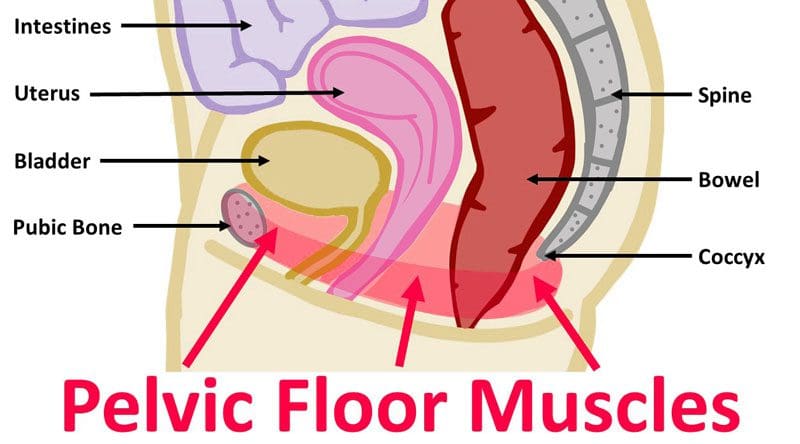
The pelvic floor is essentially the spine, and when pain presents, it can be mistaken for back pain. However, these two conditions are frequently linked. The National Institutes of Health- NIH reported that a quarter of women are impacted by pelvic floor disorders and up to 16% of men. The pelvic floor is made up of muscles. If the muscles begin to spasm, they can spread pain upwards and even downwards. This is where the misdiagnosis of lower back pain comes in.
The Pelvic Floor
The pelvic floor is comprised of muscles and connective tissue, known as fascia. The muscles and fascia intertwine, creating a support system for the pelvic organs. The pelvic floor muscles act as a spring system that supports the organs. When downward pressure is applied, and the spring system is working correctly, they push back up to support the muscles. These muscles create the base known as the core. The core muscles support the abdomen, diaphragm, and back muscles, supporting the spine. This is why back, pelvic pain is prevalent as these muscles are interconnected.
Pelvic Floor Dysfunction and Back Pain
If there is pelvic floor dysfunction, there is an inability to control the muscles. There can be too much or insufficient tension, resulting in urinary incontinence or inability to complete bowel movements. It can also be mistaken for back pain or contributes to pelvic and low back pain. The core muscles support the torso and promote stabilization during movement. If they are not working correctly, the torso and pelvis become unstable. The SI – sacroiliac joints linked with the pelvis and the lower spine can begin to present with posterior pelvic and back pain.
Symptoms
Dysfunction can present in several ways, including:
Vaginal dryness by a lack of estrogen during menopause.
Tight inner thigh muscles.
Back pain itself can cause dysfunction.
Women make up the majority of cases that result from:
Pregnancy
Childbirth
Endometriosis – a condition in which uterine tissue grows outside the uterus.
Men can also develop problems. As a man’s body ages, prostate problems can cause urinary leakage and frequency problems. It can develop from activities like bicycling. The seat can compress the pudendal nerve, causing pain and dysfunction.
Retraining the Muscles
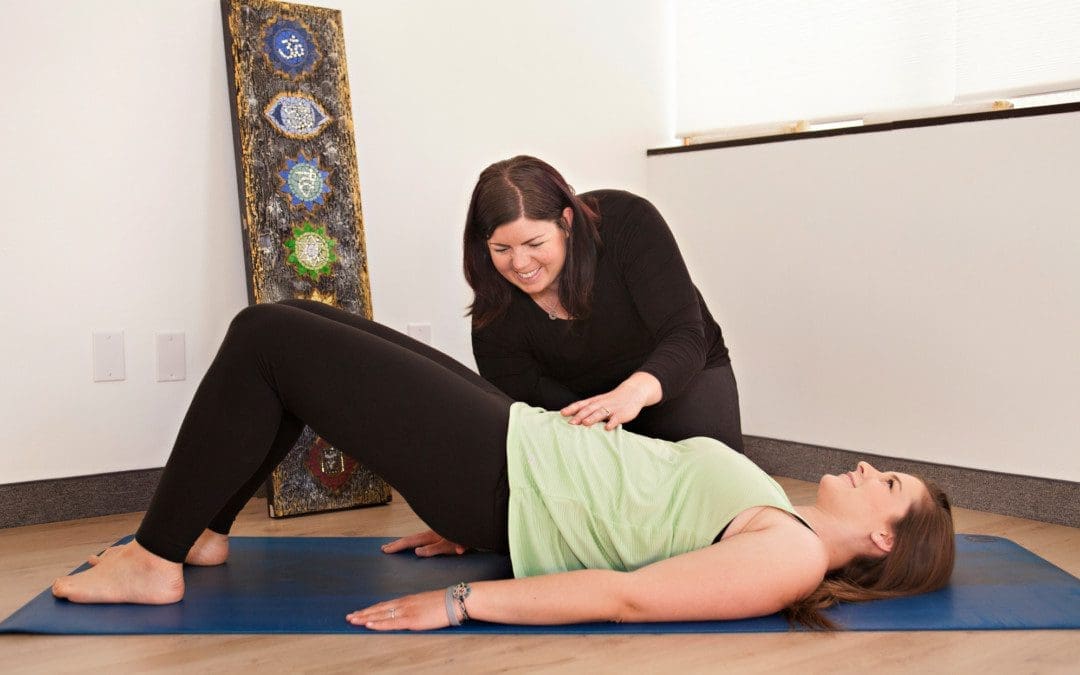
The dysfunction can be helped by reactivating and strengthening the pelvic and core muscles. Training the pelvic floor and the core muscles will help boost support for the spine and alleviate discomfort and pain. First, it is recommended to get a physical evaluation by a chiropractor or physical therapist to determine if the pelvic floor muscles are too tight or weak. The objective is to improve the strength of the pelvic floor muscles or relax them if they are too tight. A chiropractor and physical therapist can work on the muscles, educate on stretches, exercises, nutrition, and offer additional help and support.
Body Composition
Muscle Adaptation
The point of resistance training is to get the muscles to function more effectively. It begins with the contractile proteins that control muscle shortening and lengthening. Resistance exercise can cause some of the proteins to get pulled apart. The stress the muscles experience is the stimulus for the muscles to rebuild bigger, stronger, or more powerful. After resistance exercise, the muscle synthesizes proteins helped by nutritional stimuli and protein consumption. Satellite cellsalso activate to help build up the broken-down muscle. Resistance exercise causes activation.
National Institutes of Health. (September 2008) “Roughly One-Quarter of U.S. Women Affected by Pelvic Floor Disorders” https://www.nih.gov/news-events/news-releases/roughly-one-quarter-us-women-affected-pelvic-floor-disorders
Smith, Christopher P. “Male chronic pelvic pain: An update.” Indian journal of urology: IJU: journal of the Urological Society of India vol. 32,1 (2016): 34-9. doi:10.4103/0970-1591.173105
World Health Organization. (2013) “Low back pain” https://www.who.int/medicines/areas/priority_medicines/Ch6_24LBP.pdf
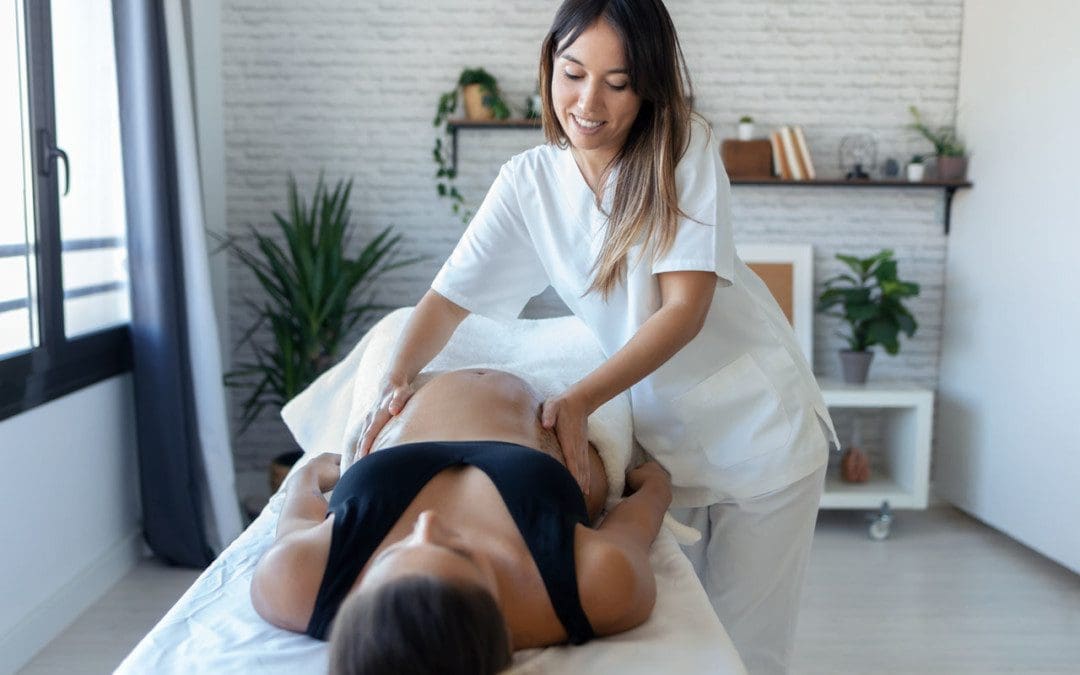
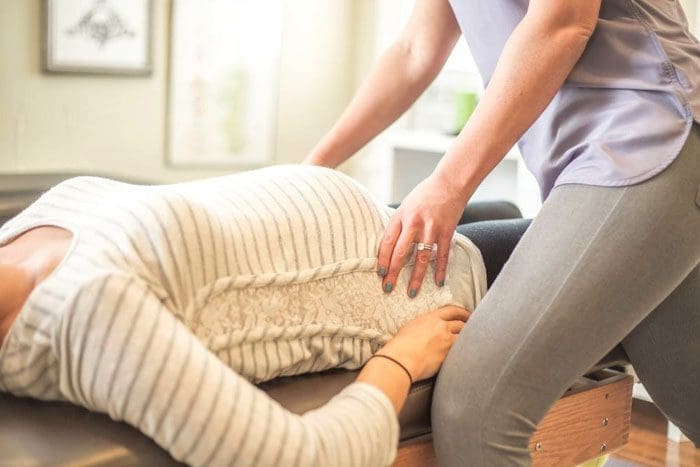
With a growing belly and changes in connective tissue, many pregnant women are unable to stay comfortable. A pregnancy chiropractor is safe and effective in helping manage pain in the back, hips, legs, joints and establish pelvic balance. This can provide the baby with space to grow and move throughout the pregnancy and lead to faster, easier labor and delivery. Relief and better symptom management are possible with a pregnancy chiropractor.
Chiropractic Is Safe During Pregnancy
Before engaging in any treatment during pregnancy, consult a doctor. For the most part, non-invasive chiropractic is considered safe for healthy, low-risk pregnancies and even higher-risk pregnancies once cleared by a doctor. Because pregnant women cannot take medications or undergo other invasive treatment options for pain, chiropractic treatment is recommended for sore, tight muscles, irritability, and pain management.
How A Pregnancy Chiropractor Can Help
What a chiropractor can offer includes:
Restore pelvic balance.
Improve mechanics for standing, sitting, and walking that could otherwise cause pain.
Pain management through therapeutic massage and adjustments.
Optimize the pelvic position to allow for an easier birth; evidence indicates a shorter labor time thanks to an optimal pelvic position.
Clinic Appointment
The pregnancy chiropractor begins with an initial consultation. Here the patient asks questions, discusses any concerns, along with a full assessment of medical history. They will suggest various treatment options to restore the body to its optimal balance. The chiropractor will continually monitor the patient to tailor the treatments to their specific needs and achieve the most relief.
Body Composition
Impact of Breastfeeding and Body Composition
It turns out that breastfeeding and weight loss are showing that there could be a relationship. A study suggested that breastfeeding could eliminate weight gain during six months. These findings are corroborated by another study comparing body fat loss between exclusively breastfeeding and mixed feeding mothers. The researchers found that exclusively breastfeeding promotes more significant body fat loss than mixed feeding among mothers during the first 12 weeks after childbirth. A weight loss of approximately about a pound per week between 4 and 14 weeks after delivery in overweight, lactating women who were exclusively breastfeeding showed no adverse effect on the growth and development of their newborns.
References
Bernard, Maria, and Peter Tuchin. “Chiropractic Management of Pregnancy-Related Lumbopelvic Pain: A Case Study.” Journal of chiropractic medicine vol. 15,2 (2016): 129-33. doi:10.1016/j.jcm.2016.04.003
Borggren, Cara L. “Pregnancy and chiropractic: a narrative review of the literature.” Journal of chiropractic medicine vol. 6,2 (2007): 70-4. doi:10.1016/j.jcme.2007.04.004
Weis, Carol Ann et al. “Chiropractic Care for Adults With Pregnancy-Related Low Back, Pelvic Girdle Pain, or Combination Pain: A Systematic Review.” Journal of manipulative and physiological therapeutics vol. 43,7 (2020): 714-731. doi:10.1016/j.jmpt.2020.05.005
IFM's Find A Practitioner tool is the largest referral network in Functional Medicine, created to help patients locate Functional Medicine practitioners anywhere in the world. IFM Certified Practitioners are listed first in the search results, given their extensive education in Functional Medicine