Transform your well-being with chiropractic care for the gluteus medius. Experience targeted solutions for enhanced movement and relief.
Comprehensive Guide to Chiropractic Care for Gluteus Medius Injuries and Hip Pain
Key Points
Gluteus Medius Role: This muscle stabilizes your pelvis and keeps you upright during movement, preventing you from wobbling like a poorly balanced skeleton.
Hip Pain Causes: Environmental factors like prolonged sitting, poor posture, or a car accident can strain the gluteus medius, leading to pain that feels like a grim reminder of mortality.
Chiropractic Benefits: Chiropractic care, combined with non-surgical treatments, can reduce hip pain by realigning joints and strengthening muscles, offering relief without the scalpel’s cold embrace.
Dr. Jimenez’s Expertise: In El Paso, Dr. Alexander Jimenez utilizes advanced imaging and diagnostics to connect injuries to legal claims, serving as a bridge between pain and justice.
Lifestyle Adjustments: Small changes, like better posture or targeted exercises, can prevent hip pain from haunting your daily life.
Understanding Hip Pain and the Gluteus Medius
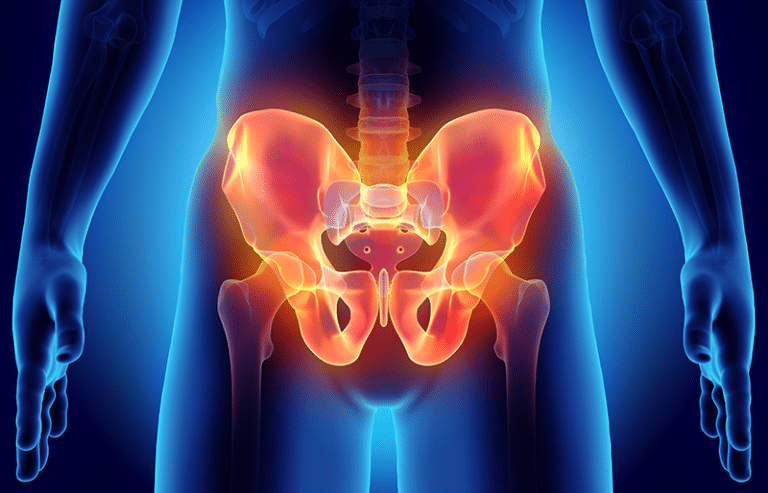
Hip pain can sneak up like a shadow in the night, turning simple tasks like walking or sitting into a grim ordeal. The gluteus medius, a key muscle in the hip, plays a crucial role in maintaining lower-body stability. When it’s injured—whether from a car accident, poor posture, or just life’s relentless grind—pain can radiate, making you feel like you’re starring in your own personal horror show. Chiropractic care, as practiced by experts like Dr. Alexander Jimenez in El Paso, offers a non-invasive way to tame this beast, restoring function and easing discomfort.
Why Chiropractic Care Matters
Chiropractic care isn’t just about cracking backs; it’s a calculated dance to restore balance to your body’s structure. For gluteus medius injuries, chiropractors use adjustments, soft tissue therapy, and targeted exercises to realign joints and strengthen muscles. This approach can reduce inflammation and pain, helping you move without feeling like you’re auditioning for a role as a creaky old gate.
Dr. Jimenez’s Role in Personal Injury Cases
In El Paso, Dr. Jimenez stands out as a beacon for personal injury victims, particularly those reeling from motor vehicle accidents (MVAs). His ability to connect clinical findings—through advanced imaging like MRI and dual-scope diagnostic procedures—to legal documentation makes him a vital ally. Whether it’s whiplash or a strained gluteus medius, his expertise ensures injuries are thoroughly assessed and properly reported for legal claims, offering a lifeline to those navigating the murky waters of recovery and justice.
Small Changes, Big Impact
Simple tweaks to your daily routine can keep hip pain at bay. From standing desks to targeted stretches, Dr. Jimenez’s insights, available through El Paso Back Clinic and his LinkedIn profile, guide patients toward lasting relief. These changes are like small wards against the creeping specter of chronic pain.
The Gluteus Medius: Your Hip’s Unsung Hero
Picture the gluteus medius as the grim, silent guardian of your hips. Nestled on the side of your pelvis, this muscle keeps you stable when you walk, run, or stand on one leg. Without it, you’d wobble like a poorly strung marionette, collapsing under the weight of your own existence. But when this muscle is injured, it’s like a betrayal from within, causing pain that can radiate from the hip to the lower back or even down the leg.
The Role of the Gluteus Medius in Lower Extremity Function
The gluteus medius is a key player in the lower extremities, acting as a stabilizer for the pelvis during movement. It abducts the hip (moves the leg away from the body) and assists in internal and external rotation. When you take a step, it prevents your pelvis from dropping on the opposite side, ensuring smooth, balanced motion. Studies show that a weak or injured gluteus medius can lead to issues such as Trendelenburg gait, where the pelvis tilts awkwardly, giving the appearance of an exaggerated posture, akin to auditioning for a role in a zombie flick (Mucha et al., 2019).
Weakness or tears in the gluteus medius can also contribute to lower back pain, knee issues, and even ankle instability. A systematic review found that individuals with low back pain often have impaired gluteus medius function, highlighting its role in the kinetic chain (Sadler et al., 2019). Essentially, if your gluteus medius is slacking, the rest of your lower body has to pick up the pieces, often with disastrous results.
References
Mucha, M. D., Caldwell, W., Schlueter, E. L., Walters, C., & Hassen, A. (2019). Gluteus medius tears of the hip: A comprehensive approach. Journal of the American Academy of Orthopaedic Surgeons, 27(3), 77–85. https://pubmed.ncbi.nlm.nih.gov/30278009/
Sadler, S., Cassidy, S., Peterson, B., Spink, M., & Chuter, V. (2019). Gluteus Medius Muscle Function in People with and without Low Back Pain: A Systematic Review. BMC Musculoskeletal Disorders, 20(1), 463. https://pubmed.ncbi.nlm.nih.gov/31640621/
Why Hip Pain Haunts: Environmental Culprits
Hip pain doesn’t just appear like a ghost in the night; the mundane horrors of daily life often summon it. Environmental factors—those sneaky, everyday villains—can wreak havoc on your gluteus medius and hips, turning your body into a creaky haunted house.
Prolonged Sitting: The Silent Killer
Sitting for hours, whether at a desk or in a car, is like sentencing your hips to a slow, torturous demise. It tightens the hip flexors and weakens the gluteus medius, creating an imbalance that screams for attention. Research shows that prolonged sedentary behavior is linked to musculoskeletal pain, including hip discomfort (Law et al., 2020). Imagine your gluteus medius, neglected and underused, plotting its revenge with every ache.
Poor Posture: The Slouch of Doom
Slouching isn’t just unflattering; it’s a biomechanical nightmare. Poor posture shifts your pelvis, overloading the gluteus medius and causing strain. Studies on posture and hip pain suggest that misaligned posture can exacerbate musculoskeletal issues, particularly in the hips and lower back (Smith et al., 2020).
Motor Vehicle Accidents: A Crash Course in Pain
Car accidents, even minor ones, can jolt the gluteus medius into dysfunction. The sudden force can strain or tear the muscle, leading to inflammation and pain. In El Paso, where rainy weather increases accident risks, the aftermath of MVAs often includes hip injuries (El Paso Back Clinic, n.d.). Whiplash-associated disorders (WAD) from accidents can also cascade into hip pain, as the body compensates for spinal misalignments (El Paso Back Clinic, n.d.).
Occupational Hazards: The Grind That Bites
Jobs requiring repetitive motions, heavy lifting, or prolonged standing can stress the gluteus medius. Construction workers, nurses, or even retail employees are at risk. A narrative review highlights that repetitive strain contributes to lateral hip pain, often tied to gluteus medius dysfunction (French et al., 2020).
Lifestyle Factors: The Everyday Terrors
Wearing high heels, carrying heavy bags on one shoulder, or even sleeping in awkward positions can damage your hips. These habits subtly strain the gluteus medius, leading to pain that feels like a cruel prank. Research on lifestyle and hip pain emphasizes the cumulative impact of these small stressors (French et al., 2020).
References
Law, D., Mark, J., & Smith, R. (2020). Hip Pain in Adults: Evaluation and Differential Diagnosis. American Family Physician, 101(2), 81–89. https://pubmed.ncbi.nlm.nih.gov/31939642/
Smith, J. A., Stabbert, H., & Bagwell, J. J. (2020). Posterior, lateral, and anterior hip pain due to musculoskeletal origin: A narrative literature review of history, physical examination, and diagnostic imaging. Journal of Chiropractic Medicine, 19(1), 1–14. https://pubmed.ncbi.nlm.nih.gov/33192189/
French, H. P., Woodley, S. J., & Schwank, A. (2020). Lateral hip pain: Relation to greater trochanteric pain syndrome. Current Reviews in Musculoskeletal Medicine, 13(5), 638–645. https://pubmed.ncbi.nlm.nih.gov/32748299/
El Paso Back Clinic. (n.d.). Auto accident insights for safe driving and recovering from WAD. Retrieved from https://elpasobackclinic.com/
Chiropractic Care: Banishing Hip Pain Without Surgery
Chiropractic care is like a well-aimed exorcism for hip pain, banishing discomfort without the need for invasive procedures. For gluteus medius injuries, chiropractors employ a multi-faceted approach that restores function and eases pain, all while keeping you out of the operating room’s cold embrace.
Why Chiropractic Works for Gluteus Medius Injuries
The gluteus medius thrives on proper alignment and balanced muscle function. Chiropractic adjustments realign the pelvis and spine, reducing stress on the muscles. According to a blog from El Paso Back Clinic, strengthening the gluteus medius post-injury involves targeted chiropractic interventions like spinal adjustments and soft tissue therapy, which improve blood flow and reduce inflammation (El Paso Chiropractor Blog, 2016). A randomized trial also found that core stability and hip exercises, often prescribed by chiropractors, improve function in patients with related pain (Jeong et al., 2020).
Non-Surgical Allies: A Team of Pain-Fighters
Chiropractic care doesn’t work alone; it’s backed by a grimly effective team of non-surgical treatments:
Massage Therapy: Loosens tight muscles and boosts circulation, like coaxing a grumpy ghost to leave. It’s particularly effective for post-MVA recovery (El Paso Back Clinic, n.d.).
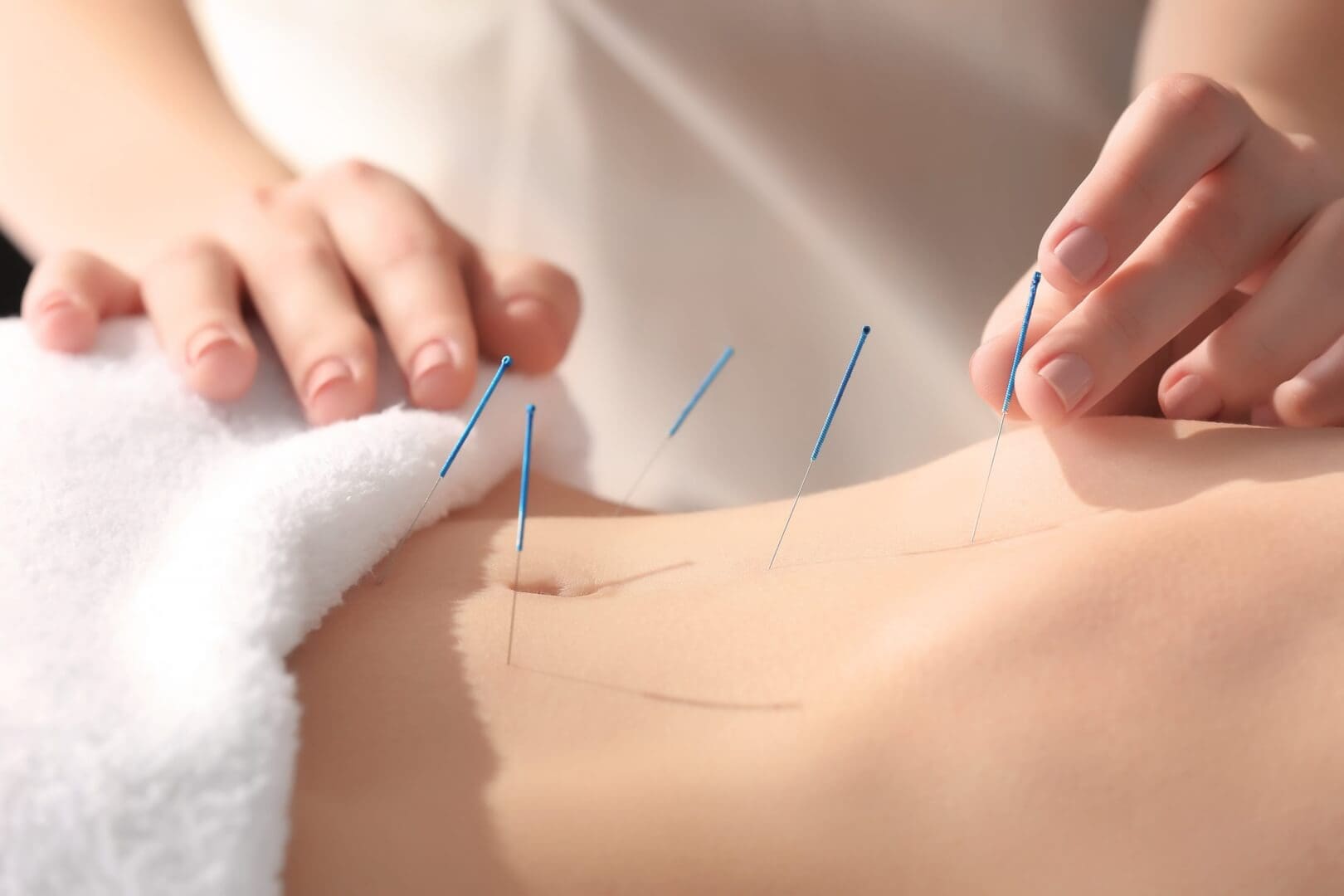
Dry Needling: Targets trigger points in the gluteus medius, reducing pain with a precision that would make even Wednesday Addams nod approvingly (Gattie et al., 2021).
Rehabilitation Exercises: Progressive loading exercises strengthen the gluteus medius, preventing re-injury. A systematic review highlights their efficacy in restoring function (Moore et al., 2020).
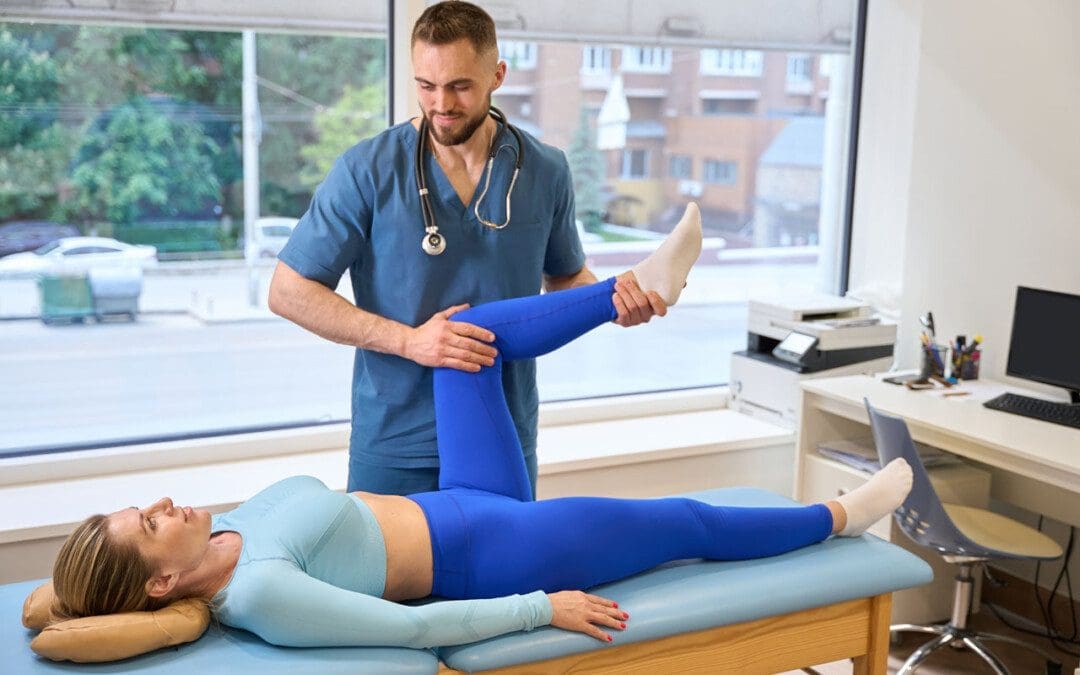
Physical Therapy: Complements chiropractic care by improving mobility and strength, ensuring your hips don’t creak like an old coffin.
These treatments work together to address overlapping risk factors, like muscle imbalances or joint dysfunction, that amplify hip pain.
Dr. Jimenez’s Clinical Insights
Dr. Alexander Jimenez, DC, APRN, FNP-BC, brings a clinical rigor to hip pain treatment that’s as sharp as a guillotine. His approach, detailed at El Paso Back Clinic, emphasizes personalized treatment plans. Simple changes, such as using ergonomic chairs, correcting posture, or incorporating daily stretches, can help prevent hip pain from becoming a chronic issue. His LinkedIn profile showcases his expertise in integrating functional medicine with chiropractic care, providing patients with a holistic approach to recovery.
Jeong, U. C., Kim, J. S., Park, S. H., & Lee, J. H. (2020). Core stability and hip exercises improve physical function and activity in patients with non-specific low back pain: A randomized controlled trial. Journal of Back and Musculoskeletal Rehabilitation, 33(4), 581–589. https://pubmed.ncbi.nlm.nih.gov/31594203/
Gattie, E., Cleland, J. A., & Snodgrass, S. (2021). Effectiveness of dry needling and ischemic trigger point compression in the gluteus medius in patients with non-specific low back pain: A randomized short-term clinical trial. Journal of Bodywork and Movement Therapies, 27, 529–536. https://pubmed.ncbi.nlm.nih.gov/34391285/
Moore, D., Semciw, A. I., & Pizzari, T. (2020). A systematic review of rehabilitation exercises to progressively load the gluteus medius. Journal of Sport Rehabilitation, 29(2), 222–238. https://pubmed.ncbi.nlm.nih.gov/30676192/
El Paso Back Clinic. (n.d.). Trigger point therapy MVAs explained for patients. Retrieved from https://elpasobackclinic.com/
Chiropractic Care for Leg Instability- Video
Dr. Jimenez and Personal Injury Cases in El Paso
In El Paso, personal injury cases—especially those from MVAs—are as common as tumbleweeds in a desert storm. Dr. Alexander Jimenez stands out as a distinguished practitioner, offering hope to those who have been injured in accidents. His ability to connect the dots between injuries and legal claims is nothing short of macabre genius.
Advanced Diagnostics: Seeing the Invisible
Dr. Jimenez uses advanced imaging, like MRI and X-rays, to pinpoint gluteus medius injuries or other musculoskeletal damage. These tools reveal what the naked eye can’t, like a radiograph exposing a skeleton’s secrets. Dual-scope procedures, combining diagnostic and therapeutic techniques, allow him to assess and treat injuries with precision. This approach ensures that injuries are documented thoroughly, providing critical evidence for legal claims.
Bridging Medicine and Law
As a liaison between medical care and legal documentation, Dr. Jimenez ensures that personal injury victims receive comprehensive care while building a robust case. His detailed reports link clinical findings to accident-related injuries, helping attorneys secure fair compensation. This is especially vital in cases involving gluteus medius injuries, where pain can be debilitating but hard to prove without expert evaluation.
Why El Paso Needs Dr. Jimenez
El Paso’s busy roads and frequent accidents make practitioners like Dr. Jimenez invaluable. His work with MVA victims, detailed at El Paso Back Clinic, ensures that injuries like gluteus medius strains or tears are treated effectively while supporting legal outcomes. His reputation, reflected on LinkedIn, underscores his role as a trusted ally for those navigating the aftermath of personal injuries.
References
El Paso Back Clinic. (n.d.). Musculoskeletal injury treatment after car accidents. Retrieved from https://elpasobackclinic.com/
El Paso Back Clinic. (n.d.). Spinal injury rehabilitation tools for enhanced care. Retrieved from https://elpasobackclinic.com/
Small Changes, Big Relief: Practical Tips
Preventing hip pain doesn’t require a deal with the devil—just a few practical tweaks to your daily routine. Dr. Jimenez’s insights offer a roadmap to keep your gluteus medius happy and your hips pain-free.
Daily Adjustments
Ergonomic Seating: Use chairs that support proper posture to prevent hip strain. Think of it as giving your gluteus medius a comfy coffin to rest in.
Regular Movement: Stand and stretch every 30 minutes to prevent your hips from seizing up like a rusted gate.
Proper Footwear: Opt for supportive shoes instead of high heels to reduce stress on your hips and gluteus medius.
Targeted Exercises
Dr. Jimenez recommends exercises like side-lying leg lifts and clamshells to strengthen the gluteus medius. A systematic review supports progressive loading exercises to rebuild muscle strength (Moore et al., 2020). These moves are like training your hips to fend off pain’s ghostly grip.
Posture Correction
Stand tall and align your spine to reduce strain on the gluteus medius. Imagine you’re a gothic statue, poised and unyielding. Regular posture checks can prevent pain from creeping back.
Nutrition for Recovery
A diet rich in anti-inflammatory foods, like omega-3s and leafy greens, supports muscle healing. El Paso Back Clinic emphasizes nutrition’s role in MVA recovery, noting that a proper diet can reduce inflammation and speed recovery (El Paso Back Clinic, n.d.).
Table: Daily Tips for Hip Pain Prevention
Tip
Description
Benefit
Ergonomic Seating
Use chairs with lumbar support and proper height.
Reduces pelvic strain.
Regular Movement
Stand and stretch every 30 minutes during prolonged sitting.
Prevents muscle tightness.
Supportive Footwear
Wear flat, cushioned shoes instead of high heels.
Minimizes hip stress.
Gluteus Medius Exercises
Perform side-lying leg lifts and clamshells daily.
Strengthens stabilizing muscles.
Posture Correction
Maintain neutral spine alignment during sitting and standing.
Reduces biomechanical strain.
Anti-Inflammatory Diet
Include foods like salmon, walnuts, and spinach.
Supports muscle healing and reduces pain.
References
Moore, D., Semciw, A. I., & Pizzari, T. (2020). A systematic review of rehabilitation exercises to progressively load the gluteus medius. Journal of Sport Rehabilitation, 29(2), 222–238. https://pubmed.ncbi.nlm.nih.gov/30676192/
El Paso Back Clinic. (n.d.). Nutrition for accident injuries during recovery. Retrieved from https://elpasobackclinic.com/
The Bigger Picture: Chiropractic’s Role in Musculoskeletal Health
Chiropractic care isn’t just about fixing hips; it’s about restoring the body’s balance, like a grim ritual to banish chaos. For gluteus medius injuries, it addresses the root causes—misalignments, muscle imbalances, and inflammation—while preventing future issues.
Overlapping Risk Profiles
Hip pain often overlaps with other conditions, like low back pain or knee issues, due to the interconnected nature of the musculoskeletal system. A weak gluteus medius can destabilize the entire lower body, leading to a cascade of problems. Chiropractic care, combined with therapies like dry needling and massage, tackles these risks holistically, ensuring that one injury doesn’t summon a host of others (Gattie et al., 2021).
Long-Term Benefits
Regular chiropractic care can prevent chronic pain by maintaining proper alignment and muscle function. Studies show that core and hip exercises, often part of chiropractic plans, improve long-term physical function (Jeong et al., 2020). It’s like fortifying your body against the inevitable decay of time.
El Paso’s Unique Needs
In El Paso, where MVAs are a grim reality, chiropractic care is a lifeline. Dr. Jimenez’s integrative approach—combining adjustments, rehabilitation, and nutrition—addresses the unique needs of accident victims, ensuring they don’t just survive but thrive.
References
Gattie, E., Cleland, J. A., & Snodgrass, S. (2021). Effectiveness of dry needling and ischemic trigger point compression in the gluteus medius in patients with non-specific low back pain: A randomized short-term clinical trial. Journal of Bodywork and Movement Therapies, 27, 529–536. https://pubmed.ncbi.nlm.nih.gov/34391285/
Jeong, U. C., Kim, J. S., Park, S. H., & Lee, J. H. (2020). Core stability and hip exercises improve physical function and activity in patients with non-specific low back pain: A randomized controlled trial. Journal of Back and Musculoskeletal Rehabilitation, 33(4), 581–589. https://pubmed.ncbi.nlm.nih.gov/31594203/
Conclusion: A Serious Note
While we’ve danced with dark humor to lighten the mood, hip pain and gluteus medius injuries are no laughing matter. They can disrupt your life, limit your mobility, and cast a shadow over your daily routine. Chiropractic care, as championed by Dr. Alexander Jimenez in El Paso, offers a proven, non-invasive path to recovery. By addressing the root causes of pain, integrating advanced diagnostics, and supporting legal claims, Dr. Jimenez helps patients reclaim their lives. Whether you’re recovering from an MVA or battling chronic hip pain, his expertise—rooted in clinical precision and holistic care—provides a beacon of hope.
Disclaimer: This blog post is for informational purposes only and should not be taken as medical advice. Always consult a qualified healthcare provider, such as Dr. Jimenez at El Paso Back Clinic, for personalized diagnosis and treatment. Hip pain can have serious underlying causes, and professional evaluation is essential for effective care.
Mucha, M. D., Caldwell, W., Schlueter, E. L., Walters, C., & Hassen, A. (2019). Gluteus medius tears of the hip: A comprehensive approach. Journal of the American Academy of Orthopaedic Surgeons, 27(3), 77–85. https://pubmed.ncbi.nlm.nih.gov/30278009/
Sadler, S., Cassidy, S., Peterson, B., Spink, M., & Chuter, V. (2019). Gluteus Medius Muscle Function in People with and without Low Back Pain: A Systematic Review. BMC Musculoskeletal Disorders, 20(1), 463. https://pubmed.ncbi.nlm.nih.gov/31640621/
Law, D., Mark, J., & Smith, R. (2020). Hip Pain in Adults: Evaluation and Differential Diagnosis. American Family Physician, 101(2), 81–89. https://pubmed.ncbi.nlm.nih.gov/31939642/
Smith, J. A., Stabbert, H., & Bagwell, J. J. (2020). Posterior, lateral, and anterior hip pain due to musculoskeletal origin: A narrative literature review of history, physical examination, and diagnostic imaging. Journal of Chiropractic Medicine, 19(1), 1–14. https://pubmed.ncbi.nlm.nih.gov/33192189/
French, H. P., Woodley, S. J., & Schwank, A. (2020). Lateral hip pain: Relation to greater trochanteric pain syndrome. Current Reviews in Musculoskeletal Medicine, 13(5), 638–645. https://pubmed.ncbi.nlm.nih.gov/32748299/
Jeong, U. C., Kim, J. S., Park, S. H., & Lee, J. H. (2020). Core stability and hip exercises improve physical function and activity in patients with non-specific low back pain: A randomized controlled trial. Journal of Back and Musculoskeletal Rehabilitation, 33(4), 581–589. https://pubmed.ncbi.nlm.nih.gov/31594203/
Gattie, E., Cleland, J. A., & Snodgrass, S. (2021). Effectiveness of dry needling and ischemic trigger point compression in the gluteus medius in patients with non-specific low back pain: A randomized short-term clinical trial. Journal of Bodywork and Movement Therapies, 27, 529–536. https://pubmed.ncbi.nlm.nih.gov/34391285/
Moore, D., Semciw, A. I., & Pizzari, T. (2020). A systematic review of rehabilitation exercises to progressively load the gluteus medius. Journal of Sport Rehabilitation, 29(2), 222–238. https://pubmed.ncbi.nlm.nih.gov/30676192/
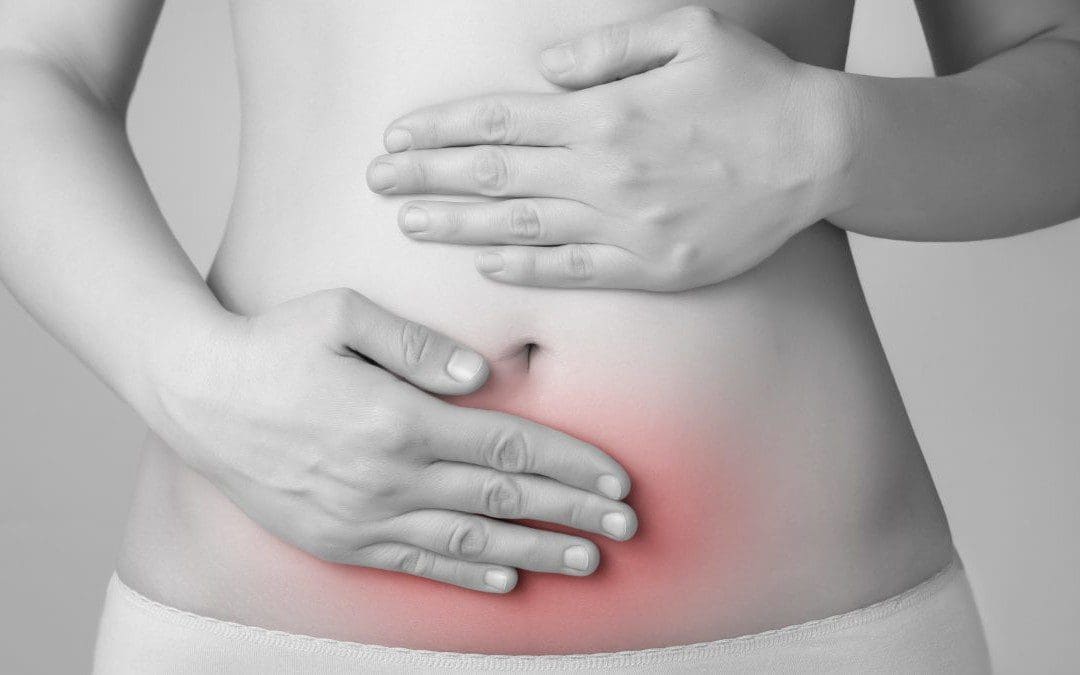
For individuals experiencing pelvic pain, it could be a disorder of the pudendal nerve known as pudendal neuropathy or neuralgia that leads to chronic pain. The condition can be caused by pudendal nerve entrapment, where the nerve becomes compressed or damaged. Can knowing the symptoms help healthcare providers correctly diagnose the condition and develop an effective treatment plan?
Pudendal Neuropathy
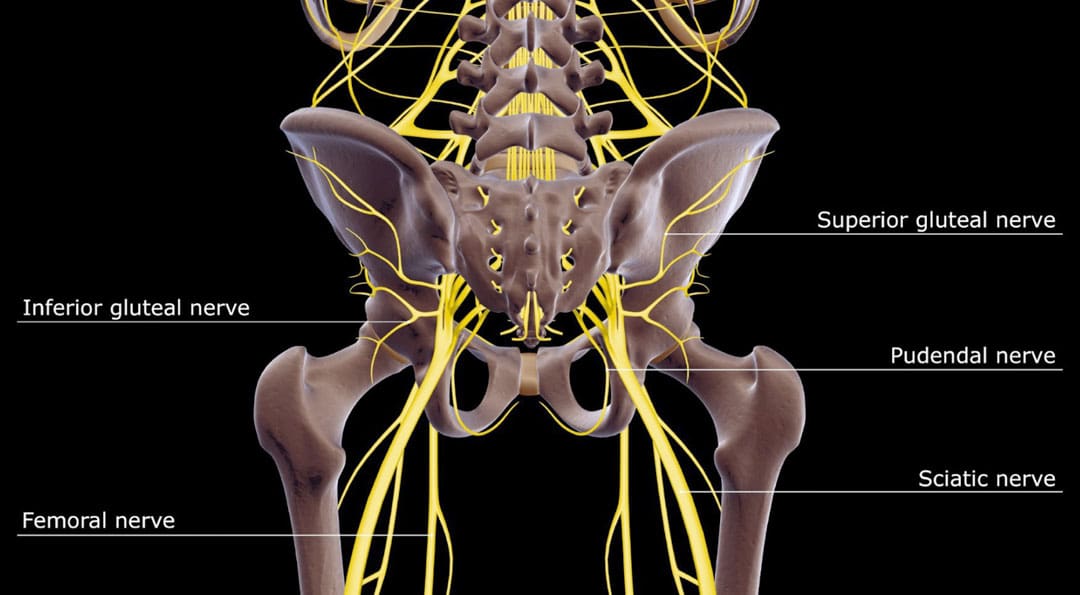
The pudendal nerve is the main nerve that serves the perineum, which is the area between the anus and the genitalia – the scrotum in men and the vulva in women. The pudendal nerve runs through the gluteus muscles/buttocks and into the perineum. It carries sensory information from the external genitalia and the skin around the anus and perineum and transmits motor/movement signals to various pelvic muscles. (Origoni, M. et al., 2014) Pudendal neuralgia, also referred to as pudendal neuropathy, is a disorder of the pudendal nerve that can lead to chronic pelvic pain.
Causes
Chronic pelvic pain from pudendal neuropathy can be caused by any of the following (Kaur J. et al., 2024)
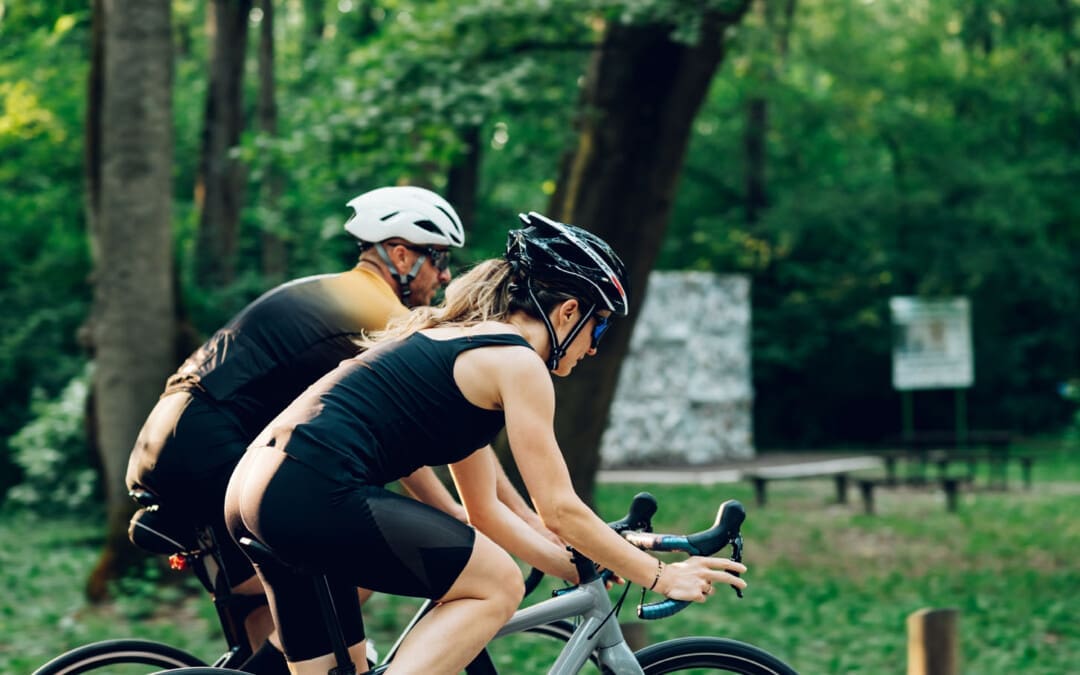
Excessive sitting on hard surfaces, chairs, bicycle seats, etc. Bicyclists tend to develop pudendal nerve entrapment.
Trauma to the buttocks or pelvis.
Childbirth.
Diabetic neuropathy.
Bony formations that push against the pudendal nerve.
Thickening of ligaments around the pudendal nerve.
Symptoms
Pudendal nerve pain can be described as stabbing, cramping, burning, numbness, or pins and needles and can present (Kaur J. et al., 2024)
In the perineum.
In the anal region.
In men, pain in the scrotum or penis.
In women, pain in the labia or vulva.
During intercourse.
When urinating.
During a bowel movement.
When sitting and goes away after standing up.
Because the symptoms are often hard to distinguish, pudendal neuropathy can often be hard to differentiate from other types of chronic pelvic pain.
Cyclist’s Syndrome
Prolonged sitting on a bicycle seat can cause pelvic nerve compression, which can lead to chronic pelvic pain. The frequency of pudendal neuropathy (chronic pelvic pain caused by entrapment or compression of the pudendal nerve) is often referred to as Cyclist’s Syndrome. Sitting on certain bicycle seats for long periods places significant pressure on the pudendal nerve. The pressure can cause swelling around the nerve, which causes pain and, over time, can lead to nerve trauma. Nerve compression and swelling can cause pain described as burning, stinging, or pins and needles. (Durante, J. A., and Macintyre, I. G. 2010) For individuals with pudendal neuropathy caused by bicycling, symptoms can appear after prolonged biking and sometimes months or years later.
Take breaks at least 20–30 seconds after each 20 minutes of riding.
While riding, change positions frequently.
Stand up to pedal periodically.
Take time off between riding sessions and races to rest and relax the pelvic nerves. 3–10 day breaks can help in recovery. (Durante, J. A., and Macintyre, I. G. 2010)
If pelvic pain symptoms are barely starting to develop, rest and see a healthcare provider or specialist for an examination.
Seat
Use a soft, wide seat with a short nose.
Have the seat level or tilted slightly forward.
Seats with cutout holes place more pressure on the perineum.
If numbness or pain is present, try a seat without holes.
Bike Fitting
Adjust the seat height so the knee is slightly bent at the bottom of the pedal stroke.
The body’s weight should rest on the sitting bones/ischial tuberosities.
Keeping the handlebar height below the seat can reduce pressure.
The Triathlon bike’s extreme-forward position should be avoided.
A more upright posture is better.
Mountain bikes have been associated with an increased risk of erectile dysfunction than road bikes.
Shorts
Wear padded bike shorts.
Treatments
A healthcare provider may use a combination of treatments.
The neuropathy can be treated with rest if the cause is excessive sitting or cycling.
Injury Medical Chiropractic and Functional Medicine Clinic care plans and clinical services are specialized and focused on injuries and the complete recovery process. Our areas of practice include Wellness and nutrition, Chronic Pain, Personal Injury, Auto Accident Care, Work Injuries, Back Injury, Low Back Pain, Neck Pain, Migraine Headaches, Sports Injuries, severe sciatica, Scoliosis, Complex Herniated Discs, Fibromyalgia, Chronic Pain, Complex Injuries, Stress Management, and Functional Medicine Treatments. If the individual requires other treatment, they will be referred to a clinic or physician best suited for their condition, as Dr. Jimenez has teamed with the top surgeons, clinical specialists, medical researchers, therapists, trainers, and premiere rehabilitation providers.
Pregnancy and Sciatica
References
Origoni, M., Leone Roberti Maggiore, U., Salvatore, S., & Candiani, M. (2014). Neurobiological mechanisms of pelvic pain. BioMed research international, 2014, 903848. https://doi.org/10.1155/2014/903848
Kaur, J., Leslie, S. W., & Singh, P. (2024). Pudendal Nerve Entrapment Syndrome. In StatPearls. https://www.ncbi.nlm.nih.gov/pubmed/31334992
Durante, J. A., & Macintyre, I. G. (2010). Pudendal nerve entrapment in an Ironman athlete: a case report. The Journal of the Canadian Chiropractic Association, 54(4), 276–281.
Chiaramonte, R., Pavone, P., & Vecchio, M. (2021). Diagnosis, Rehabilitation and Preventive Strategies for Pudendal Neuropathy in Cyclists, A Systematic Review. Journal of functional morphology and kinesiology, 6(2), 42. https://doi.org/10.3390/jfmk6020042
For individuals experiencing pelvic pain, can incorporating acupuncture help alleviate and reduce low back pain?
Introduction
In the musculoskeletal system, the upper and lower body portions have jobs to allow the host to be in motion. The lower body portions provide stability and maintain proper posture, which can help the surrounding muscles be strong and protect the vital organs. The skeletal joints in the body help ensure that the person’s body weight is evenly distributed. For the musculoskeletal system, the pelvic region in the lower body portion helps with stabilization and provides normal urinary function to the body. However, when normal and traumatic factors begin to affect the lower portions of the body, it can lead to pain-like issues that can cause some visceral referred pain to the lower back, and it can make many individuals think they are experiencing lower back pain, which is one of the symptoms associated with pelvic pain. When many individuals are experiencing pelvic pain associated with lower back pain, many will opt to seek treatment to reduce the pain-like symptoms and restore their body function. Today’s article looks at how pelvic pain is associated with low back pain and how treatments like acupuncture can help reduce pelvic pain associated with low back pain and provide relief. We speak with certified medical providers who incorporate our patients’ information to provide various treatments to ease low back pain correlated with pelvic pain. We also inform patients how non-surgical therapies like acupuncture can help reduce the effects of pelvic pain. We encourage our patients to ask intricated questions to our associated medical providers about the pain-like symptoms they are experiencing correlating with pelvic pain that is also causing issues in their lower backs. Dr. Alex Jimenez, D.C., utilizes this information as an academic service. Disclaimer.
How Pelvic Pain Is Associated With Low Back Pain?
Have you experienced excruciating pain from excessive sitting that is causing pain in your lower back or pelvic region? Do you feel stiffness in your lower back and pelvic region due to poor posture? Or are you experiencing intense cramping around your pelvic area? When many individuals are dealing with these pain-like issues, it is correlated with pelvic pain. Now, pelvic pain is a common, disabling, persistent pain that is associated with comorbidities that are multifactorial and are often centralized pain. (Dydyk & Gupta, 2023) At the same time, pelvic pain is a challenge to diagnose due to being multifactorial and sharing the numerous nerve roots that are spread out and intertwined with the lumbar region. To this point, this causes referred pain to the lower back and causes many individuals to think they are experiencing lower back pain when, in actuality, they are dealing with pelvic pain. This is due to the pelvic floor muscles becoming weak, which can cause many individuals to develop poor posture, leading to low back pain over time.
Additionally, when the pelvic region is misaligned due to repetitive motions that cause lower back pain, it can cause the surrounding muscles to be overstretched and loose around the sacroiliac joints. (Mutaguchi et al., 2022) When this happens, the surrounding muscles surrounding the hips and lower back may weaken, leading to anterior pelvic tilt and causing alterations to the lumbopelvic area.
Since the lumbopelvic area is in the lower body portions, it can cause alterations to the body’s skeletal structure, leading to lower back pain. When an increasing number of individuals deal with spinal deformity, they will maintain a standing position while preventing their central gravity from moving forward by using their pelvic muscles to compensate for their weight. (Murata et al., 2023) When this happens, it causes the surrounding core muscles and back muscles to overstretch, which then causes the accessory muscles to produce more energy and do the primary muscles’ jobs. This causes urinary and muscle issues that cause tomato-visceral referred pain in the musculoskeletal system. However, there are numerous ways to reduce pelvic pain associated with low back pain while restoring pelvic function and restoring muscle strength to the surrounding core muscles in the pelvic region.
Is Motion Key To Healing- Video
Have you been experiencing any muscle stiffness around your hips, lower back, or pelvic region? Do you feel you have a limited range of motion in the morning, only for it to feel better throughout the day? Or are you experiencing bladder issues that are correlated with low back pain? Many of these pain-like scenarios are associated with pelvic pain and can cause common back pain issues that cause many individuals to be hunched over and be in constant pain. Since pelvic pain is a multifactorial musculoskeletal disorder, it can be associated with comorbidities that can cause issues to the lumbar region of the spine and affect the body’s mobility. However, numerous treatments can reduce the effects of pelvic pain and restore low back mobility to the body. When it comes to looking for treatments, many individuals will look for therapies that are cost-effective and can help reduce the referred pain that is associated with low back and pelvic pain. The video above shows how non-surgical treatments can help restore mobility to the lower extremities.
Acupuncture For Pelvic & Low Back Pain
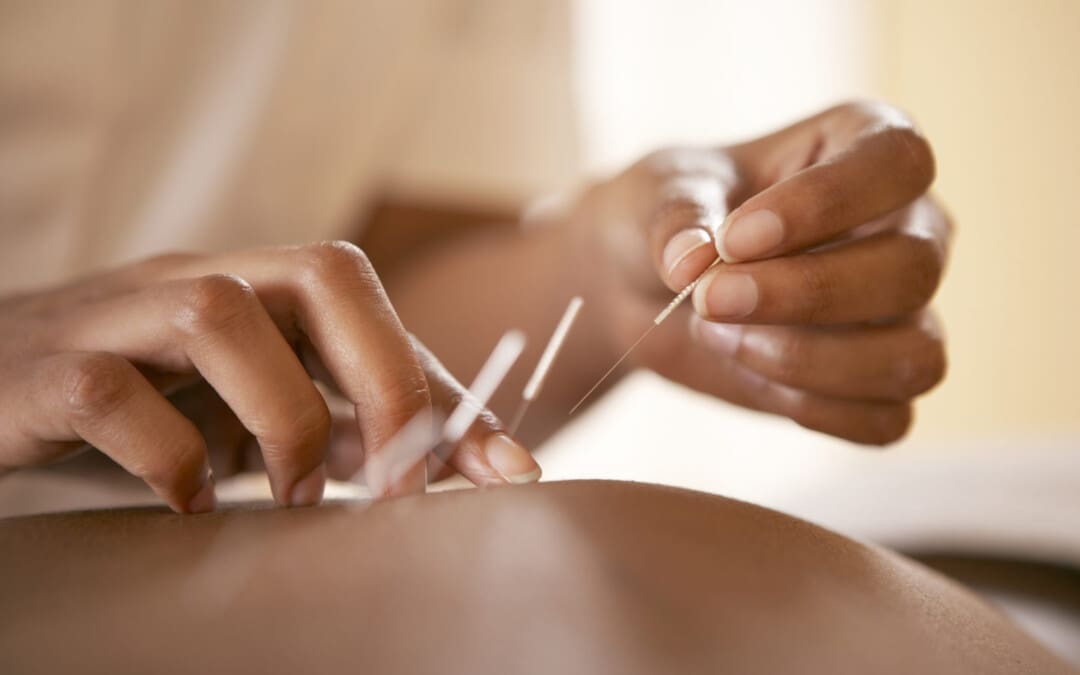
When it comes to non-surgical treatments, many individuals will seek cost-effective treatments. Treatments like chiropractic care, spinal decompression, and massage therapy can help reduce low back pain, but for pelvic pain, many individuals will seek out acupuncture. Acupuncture is a medical practice performed by a highly trained professional that uses solid but thin needles in specific body areas. So, for individuals dealing with pelvic pain, acupuncture can help restore the balance of energy that is associated with the internal organs that are causing the pain. (Yang et al., 2022) Acupuncture can help restore power to the pelvic region by redirecting the energy to the body and helping reduce impairment and functional disorders. (Pan et al., 2023) Acupuncture can minimize low back pain by selecting certain trigger points that can influence the areas between the hips and back to unblock circulation back to the muscle. (Sudhakaran, 2021) When many people start incorporating acupuncture as part of their personalized treatment plan, they can utilize it with other therapies to feel better and improve their health.
Murata, S., Hashizume, H., Tsutsui, S., Oka, H., Teraguchi, M., Ishomoto, Y., Nagata, K., Takami, M., Iwasaki, H., Minamide, A., Nakagawa, Y., Tanaka, S., Yoshimura, N., Yoshida, M., & Yamada, H. (2023). Pelvic compensation accompanying spinal malalignment and back pain-related factors in a general population: the Wakayama spine study. Sci Rep, 13(1), 11862. https://doi.org/10.1038/s41598-023-39044-2
Mutaguchi, M., Murayama, R., Takeishi, Y., Kawajiri, M., Yoshida, A., Nakamura, Y., Yoshizawa, T., & Yoshida, M. (2022). Relationship between low back pain and stress urinary incontinence at 3 months postpartum. Drug Discov Ther, 16(1), 23-29. https://doi.org/10.5582/ddt.2022.01015
Pan, J., Jin, S., Xie, Q., Wang, Y., Wu, Z., Sun, J., Guo, T. P., & Zhang, D. (2023). Acupuncture for Chronic Prostatitis or Chronic Pelvic Pain Syndrome: An Updated Systematic Review and Meta-Analysis. Pain Res Manag, 2023, 7754876. https://doi.org/10.1155/2023/7754876
For individuals experiencing pelvis pain symptoms and associated problems, can integrating pelvic floor physical therapy exercises help with treatment and prevention?
Pelvic Floor Physical Therapy
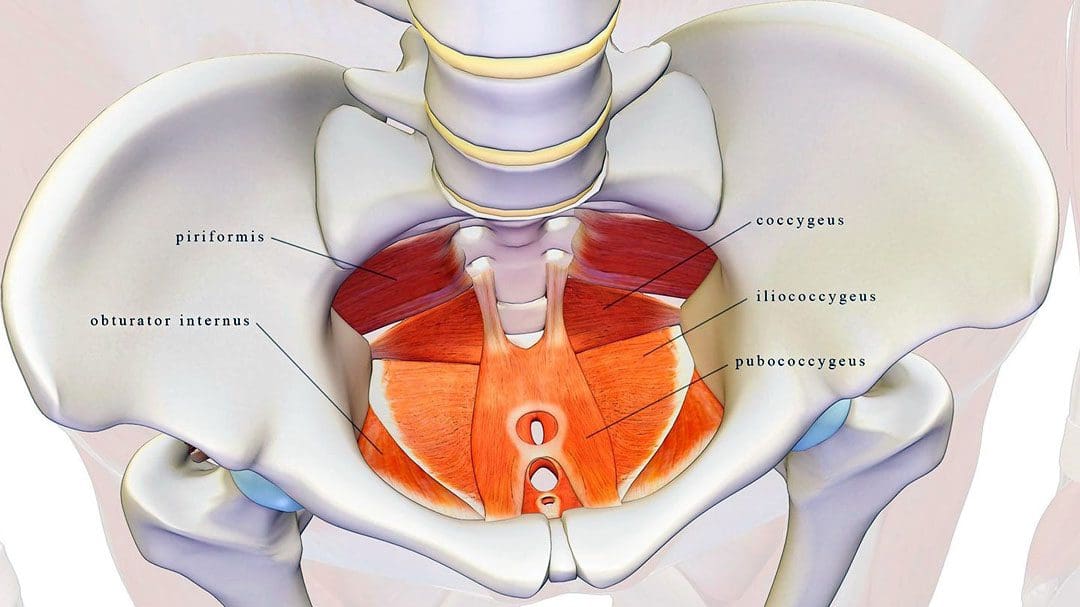
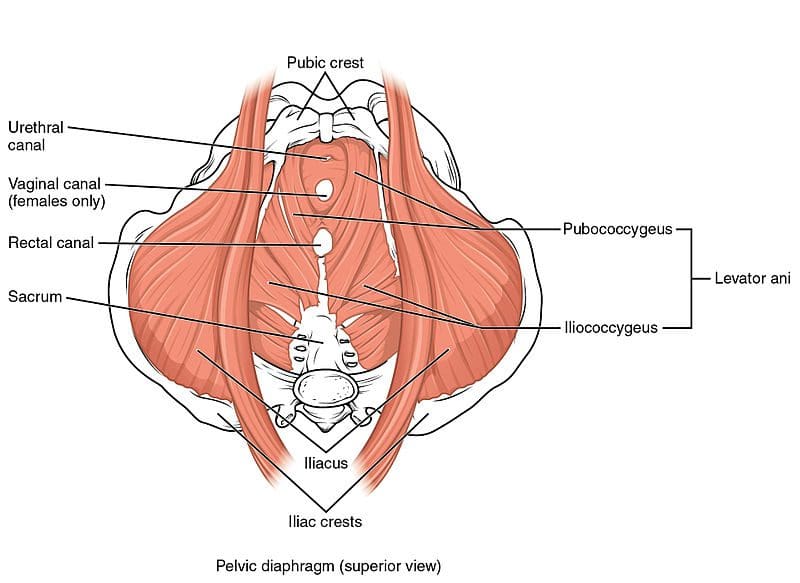
The pelvic floor muscles are located at the base of the pelvis and protect the pelvic organs like the vagina, cervix, uterus, bladder, urethra, and rectum. (U.S. Food and Drug Administration. 2019)
When the muscles fail to function correctly, individuals can experience symptoms like:
Painful intercourse
Prolapse – when an organ or tissue drops or shifts out of place.
Urinary incontinence
Constipation problems
These conditions are common in pregnant individuals or older women.
These symptoms can be treated with pelvic floor physical therapy to alleviate discomfort. Pelvic floor physical therapy can help women and individuals with vaginas:
Alleviate issues like painful sex, urinary leakage, and prolapse.
In physical therapy, individuals work on breathing, relaxation, and lengthening and strengthening techniques to train their muscles to function optimally.
Causes of Pelvic Floor Issues
Pelvic floor dysfunction tends to happen with age, during pregnancy, or in combination with events like the postpartum period and menopause, which can lower hormone levels.
Individuals who are pregnant are especially prone to pelvic floor issues but might not know they have a problem.
The pregnancy weight of a uterus can pressure and strain the muscles.
If left untreated, these symptoms can worsen over time.
Pelvic Floor Physical Therapy
An individual will meet with a specialist to discuss symptoms and undergo a physical examination that includes:
Pelvic floor exam.
Evaluation of posture, mobility, and core strength.
Once the initial exams and evaluation are complete, the practitioner will go over pelvic floor exercises and provide a treatment plan.
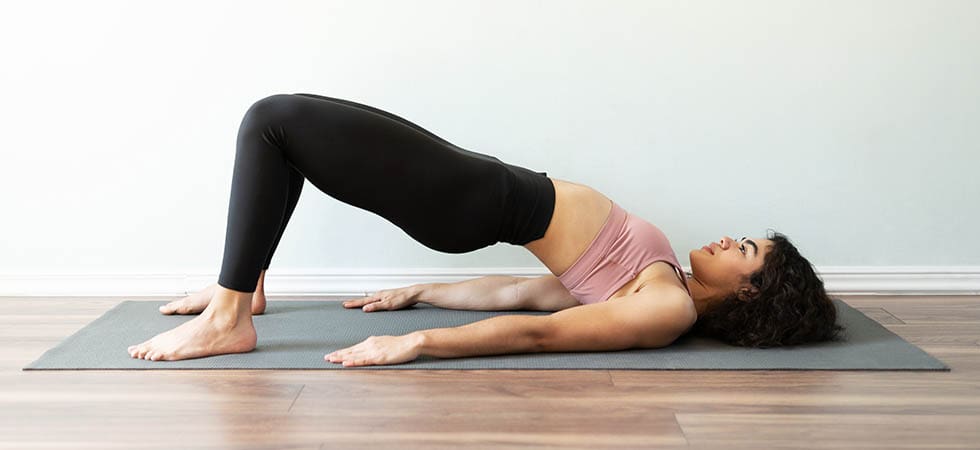
Recommended exercises vary based on symptoms but focus on relaxing, stretching, and/or strengthening muscles.
Muscle Relaxation
To relax the muscles, a therapist may recommend breathing exercises.
For pregnant individuals, this means timing breaths with contractions.
For individuals experiencing constipation, breathing exercises can help the body relax and reduce strain.
Stretching Muscles
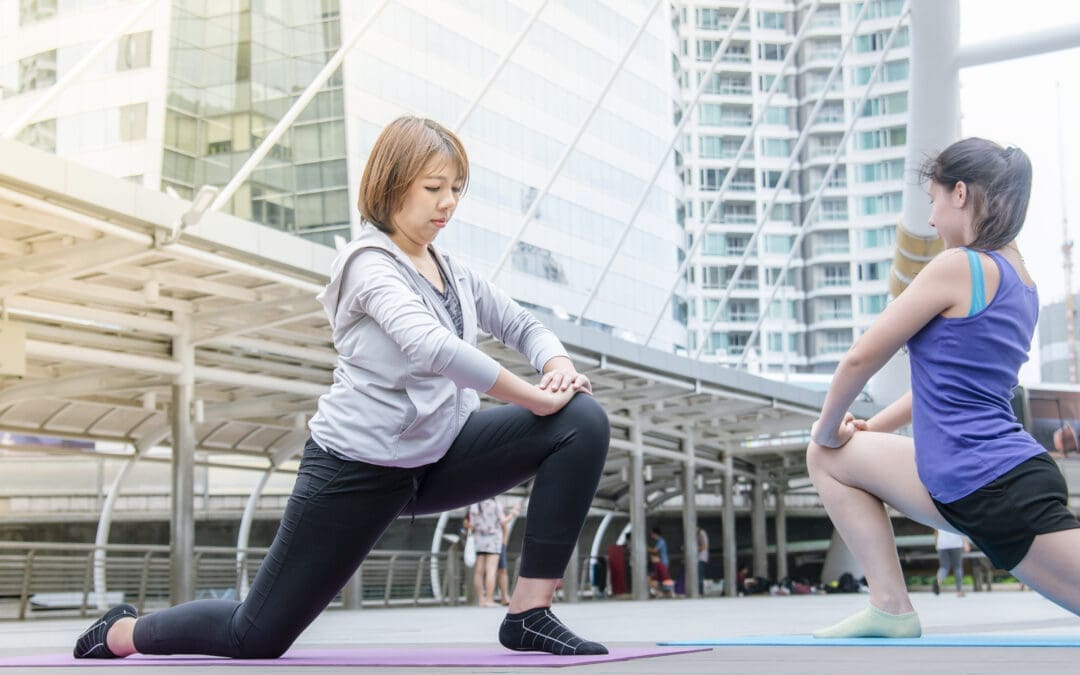
Stretching can help relieve muscle tightness and stiffness.
A therapist may help stretch the pelvic floor through various therapy modalities.
This type of physical therapy can help loosen tight muscles or help gently reset dislocated organs back into place.
Strengthening Muscles
After the pelvic floor is loose and relaxed, the focus typically switches to strengthening the muscles.
Strength work may target abdominal muscles or the pelvic floor muscles themselves.
With time, commitment, and targeted treatment, individuals can use pelvic floor physical therapy to loosen tissues, strengthen muscles, and restore function.
Sartori, D. V. B., Kawano, P. R., Yamamoto, H. A., Guerra, R., Pajolli, P. R., & Amaro, J. L. (2021). Pelvic floor muscle strength is correlated with sexual function. Investigative and clinical urology, 62(1), 79–84. https://doi.org/10.4111/icu.20190248
Raizada, V., & Mittal, R. K. (2008). Pelvic floor anatomy and applied physiology. Gastroenterology clinics of North America, 37(3), 493–vii. https://doi.org/10.1016/j.gtc.2008.06.003
Soave, I., Scarani, S., Mallozzi, M., Nobili, F., Marci, R., & Caserta, D. (2019). Pelvic floor muscle training for prevention and treatment of urinary incontinence during pregnancy and after childbirth and its effect on urinary system and supportive structures assessed by objective measurement techniques. Archives of gynecology and obstetrics, 299(3), 609–623. https://doi.org/10.1007/s00404-018-5036-6
Can combining chiropractic treatment with the common therapies of medication, exercise, and/or physical therapy help relieve sciatic endometriosis pain symptoms?
Sciatic Endometriosis
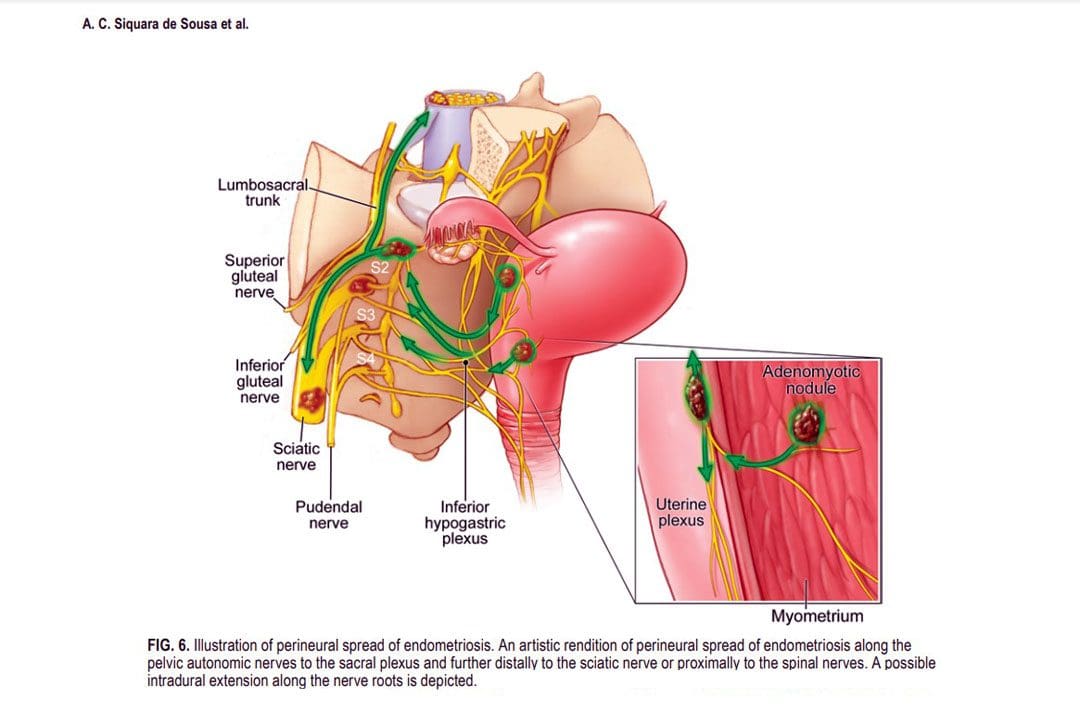
Sciatic endometriosis is a condition in which endometrial cells (tissue that resembles the lining of the uterus) grow outside of the uterine lining and compress the sciatic nerve. This places stress and pressure on the nerve causing back, pelvic, hip, and leg pain, especially before and during the menstrual cycle. It can also cause pain, irregular periods, and infertility. (The American College of Obstetricians and Gynecologists. 2021)
These areas of endometrial tissue growth are also known as lesions or implants.
Women with sciatic endometriosis often experience leg pain and weakness around the time of their menstrual cycle. (Lena Marie Seegers, et al., 2023)
Sciatic endometriosis can also cause pain when urinating, during a bowel movement, during sex, and fatigue, and irregular vaginal bleeding.
The abnormal growth may be caused by higher-than-normal levels of estrogen.
Researchers believe that endometriosis is related to retrograde menstruation, which causes menstrual blood to flow back into the pelvis instead of out through the vagina. (World Health Organization. 2023)
Sometimes, the cells grow in the area of the pelvis right above the sciatic nerve. (Adaiah Yahaya, et al., 2021)
The sciatic nerve is the longest nerve in the body and travels down the back of each leg. (Johns Hopkins Medicine. 2023)
When endometrial lesions place pressure on the sciatic nerve, they can cause irritation and inflammation leading to severe pelvic pain, which makes it harder to conceive. (Liang Yanchun, et al., 2019)
Symptoms
Some women with endometriosis experience no symptoms or misinterpret the symptoms as typical premenstrual syndrome/PMS signs. The most common signs and symptoms of sciatic endometriosis include:
Difficulty walking or standing.
Loss of sensation, muscle weakness, and reflex alteration.
Limping.
Balance problems.
Bloating and nausea.
Constipation or diarrhea before or after a period.
Painful, heavy, and/or irregular periods.
Bleeding between periods.
Pain during sex, urination, and bowel movements.
Pain in the stomach, pelvis, lower back, hips, and buttocks. (MedlinePlus. 2022)
Weakness, numbness, tingling, burning, or dull aching sensations in the back of one or both legs.
Endometriosis, including sciatic endometriosis, typically cannot be diagnosed with a pelvic examination or ultrasound by themselves. A healthcare provider may need to perform a biopsy using laparoscopy and discuss menstrual cycles, symptoms, and medical history.
The laparoscopy procedure involves making tiny incisions and taking a tissue sample with tools attached to a thin tube with a camera. (MedlinePlus. 2022)
Imaging tests, like magnetic resonance imaging/MRI, and computed tomography/CT scans, can help provide essential information about the location and size of any endometrial lesions. (The American College of Obstetricians and Gynecologists. 2021)
Treatment
Symptoms can sometimes be temporarily relieved with over-the-counter/OTC pain relievers. Depending on the condition and severity a healthcare provider may prescribe hormonal treatment to prevent new endometrial implants from growing. These can include:
Hormonal birth control.
Progestin – a synthetic form of progesterone.
Gonadotropin-releasing hormone – GnRH agonists.
If pain persists or worsens, individuals may need to undergo surgery to remove the tissue.
The American College of Obstetricians and Gynecologists. Endometriosis.
Seegers, L. M., DeFaria Yeh, D., Yonetsu, T., Sugiyama, T., Minami, Y., Soeda, T., Araki, M., Nakajima, A., Yuki, H., Kinoshita, D., Suzuki, K., Niida, T., Lee, H., McNulty, I., Nakamura, S., Kakuta, T., Fuster, V., & Jang, I. K. (2023). Sex Differences in Coronary Atherosclerotic Phenotype and Healing Pattern on Optical Coherence Tomography Imaging. Circulation. Cardiovascular imaging, 16(8), e015227. https://doi.org/10.1161/CIRCIMAGING.123.015227
World Health Organization. Endometriosis.
Yahaya, A., Chauhan, G., Idowu, A., Sumathi, V., Botchu, R., & Evans, S. (2021). Carcinoma arising within sciatic nerve endometriosis: a case report. Journal of surgical case reports, 2021(12), rjab512. https://doi.org/10.1093/jscr/rjab512
Johns Hopkins Medicine. Sciatica.
Yanchun, L., Yunhe, Z., Meng, X., Shuqin, C., Qingtang, Z., & Shuzhong, Y. (2019). Removal of an endometrioma passing through the left greater sciatic foramen using a concomitant laparoscopic and transgluteal approach: case report. BMC women’s health, 19(1), 95. https://doi.org/10.1186/s12905-019-0796-0
MedlinePlus. Endometriosis.
Center for Endometriosis Care. Sciatic endometriosis.
Chen, S., Xie, W., Strong, J. A., Jiang, J., & Zhang, J. M. (2016). Sciatic endometriosis induces mechanical hypersensitivity, segmental nerve damage, and robust local inflammation in rats. European journal of pain (London, England), 20(7), 1044–1057. https://doi.org/10.1002/ejp.827
Siquara de Sousa, A. C., Capek, S., Howe, B. M., Jentoft, M. E., Amrami, K. K., & Spinner, R. J. (2015). Magnetic resonance imaging evidence for perineural spread of endometriosis to the lumbosacral plexus: report of 2 cases. Neurosurgical focus, 39(3), E15. https://doi.org/10.3171/2015.6.FOCUS15208
For individuals with pelvic pain, how does MET treatment strategies reduce muscle weakness in the hips region?
Introduction
The pelvis’s main job is to ensure that the person’s body weight is distributed evenly for everyday movement within the upper and lower body. At the same time, the core muscles, ligaments, and joints surround the skeletal structure of the pelvis, which provides normal function while protecting the vital organ systems within the pelvic region. When normal or traumatic factors start to affect the body’s pelvic area, many individuals will often mistake the pain for low back pain, and the core muscles surrounding the pelvic bone can become weak and lead to pelvic pain. At the same time, normal factors like improper posture can cause anterior pelvic tilt and develop into other musculoskeletal disorders with overlapping risk profiles. When pelvic pain affects the lower extremities, it can also lead to reproductive issues that can cause even more stress to the individual. Luckily, many people opt for non-surgical treatments to reduce pelvic pain and its associated musculoskeletal condition by strengthening the weakened core muscles and reducing muscle weakness. Today’s article examines how referred pain symptoms affect the pelvis and how non-surgical treatments like MET therapy can reduce muscle weakness correlating with pelvic pain. Additionally, we communicate with certified medical providers who incorporate our patient’s information to reduce muscle weakness associated with pelvic pain. We also inform them that MET therapy can help mitigate the referred pain-like symptoms related to pelvic pain. We encourage our patients to ask amazing educational questions for our associated medical providers about their pelvic pain. Dr. Jimenez, D.C., incorporates this information as an educational service. Disclaimer
Referred Pain Symptoms Affecting The Pelvis
Have you noticed that you are taking more frequent trips to the bathroom and that your bladder still feels full? Do you experience muscle stiffness within your lower back or pelvic region from excessive sitting at your desk during work? Or do you notice that you are experiencing weak core muscles affecting your workout routine? These scenarios are associated with pelvic pain and can cause issues within the lower body extremities, affecting the person’s performance when doing normal activities. Pelvic pain is a multifactorial musculoskeletal disorder that can affect the corresponding body systems to induce referred pain. (Grinberg, Sela, & Nissanholtz-Gannot, 2020) Pelvic pain can cause referred pain to the gastrointestinal, pelvic musculoskeletal, and nervous systems, which then causes anatomic malfunction to the pelvic floor muscles. Pelvic pain can easily be mistaken for low back pain since the lumbar spine creates stressors for the muscles surrounding the pelvis.
When the pelvis is affected by mechanical stressors associated with the lumbar spine, it can cause pelvic dysfunction and causes the individual to be unbalanced when in motion. At the same time, the pelvic muscle structures will be overworked, leading to hip and joint destabilization, causing them to be weak. (Lee et al., 2016) When the pelvic muscle structures begin to destabilize, it can lead to sciatic nerve entrapment to the lower extremities, which leads to overlapping risk profiles for musculoskeletal disorders. When the surrounding pelvic muscles begin to entrap the pelvic nerve roots causing radiating pain down the legs. (Kale et al., 2021) However, there are ways to reduce referred pain affecting the pelvic region and restore muscle strength.
Sciatica, Causes, Symptoms, & Tips- Video
Since pelvic pain is a multifactorial musculoskeletal disorder that can lead to the development of referred pain to the lower body extremities, many individuals often think it is low back pain or sciatica. Referred pain is when pain affects a body location instead of where the source originated. Not treated immediately causes nerve entrapment, muscle weakness, and chronic pain within the reproductive and urinary organs. Many individuals seek non-surgical treatments to alleviate the pain and restore muscle strength to the body’s pelvic region. Non-surgical treatments like MET(muscle energy techniques) can help restore muscle strength to the pelvis through soft tissue stretching. Pain specialists specializing in MET therapy, like chiropractors and massage therapists, use hands-on maneuvers to relax, elongate, stretch, and massage the affected tight muscles and reduce any tender points that may have developed over time. (Grinberg et al., 2019) MET therapy can help stretch the pelvic stabilizing muscles. It can be combined with physical therapy and chiropractic care to realign the body and reduce nerve entrapment caused by pelvic pain. Check out the video above to learn more about the causes of sciatica and how non-surgical treatments may be the answer to alleviate pain.
MET Treatment Strategies For Pelvic Pain
MET therapy can reduce the effects of pelvic pain by including soft tissue manipulation methods to use controlled isometric and isotonic contraction to improve the normal physiologic function of the surrounding pelvic muscles and decrease pain and help stabilize the alternating structures within the pelvic region. (Sarkar, Goyal, & Samuel, 2021) MET therapy can also encourage self-regulating influences to reduce pain within the pelvic area, resulting in a greater range of motion. (Chaitow, 2009)
MET Treatment Reducing Muscle Weakness
MET therapy can also be part of a personalized health plan that can help restore muscle strength in the core and stabilize muscle within the pelvis. The positive effects of the combination of MET therapy and exercise, it can be more effective in reducing pain while improving physical function. (Hu et al., 2020) This allows the pelvis to realign itself and help stretch the shortened muscles. MET therapy can help restore low extremity function and improve a person’s quality of life. (Danazumi et al., 2021) MET therapy is an excellent way to stretch out tired muscles and restore pelvic function, as it can make individuals more mindful of their bodies while reducing the chances of pelvic pain associated with musculoskeletal disorders reoccurring again in the lower extremities.
Danazumi, M. S., Yakasai, A. M., Ibrahim, A. A., Shehu, U. T., & Ibrahim, S. U. (2021). Effect of integrated neuromuscular inhibition technique compared with positional release technique in the management of piriformis syndrome. J Osteopath Med, 121(8), 693-703. https://doi.org/10.1515/jom-2020-0327
Grinberg, K., Sela, Y., & Nissanholtz-Gannot, R. (2020). New Insights about Chronic Pelvic Pain Syndrome (CPPS). Int J Environ Res Public Health, 17(9). https://doi.org/10.3390/ijerph17093005
Grinberg, K., Weissman-Fogel, I., Lowenstein, L., Abramov, L., & Granot, M. (2019). How Does Myofascial Physical Therapy Attenuate Pain in Chronic Pelvic Pain Syndrome? Pain Res Manag, 2019, 6091257. https://doi.org/10.1155/2019/6091257
Hu, X., Ma, M., Zhao, X., Sun, W., Liu, Y., Zheng, Z., & Xu, L. (2020). Effects of exercise therapy for pregnancy-related low back pain and pelvic pain: A protocol for systematic review and meta-analysis. Medicine (Baltimore), 99(3), e17318. https://doi.org/10.1097/MD.0000000000017318
Kale, A., Basol, G., Topcu, A. C., Gundogdu, E. C., Usta, T., & Demirhan, R. (2021). Intrapelvic Nerve Entrapment Syndrome Caused by a Variation of the Intrapelvic Piriformis Muscle and Abnormal Varicose Vessels: A Case Report. Int Neurourol J, 25(2), 177-180. https://doi.org/10.5213/inj.2040232.116
Lee, D. W., Lim, C. H., Han, J. Y., & Kim, W. M. (2016). Chronic pelvic pain arising from dysfunctional stabilizing muscles of the hip joint and pelvis. The Korean Journal of Pain, 29(4), 274-276. https://doi.org/10.3344/kjp.2016.29.4.274
Sarkar, M., Goyal, M., & Samuel, A. J. (2021). Comparing the Effectiveness of the Muscle Energy Technique and Kinesiotaping in Mechanical Sacroiliac Joint Dysfunction: A Non-blinded, Two-Group, Pretest-Posttest Randomized Clinical Trial Protocol. Asian Spine Journal, 15(1), 54-63. https://doi.org/10.31616/asj.2019.0300
The body’s pelvic region has many functions crucial for functionality with the host. The various muscles surrounding the pelvis help provide stability to the body’s core, allow circulation to the heart in the cardiovascular system, support the reproductive and abdominal organs, and much more the body requires. The pelvic joints’ various muscles also allow hip mobility and function for the lower body extremities. When traumatic injuries or abnormal activities start to affect the pelvic floor muscles, the various issues can affect the functionality of the pelvic region and cause problems in bladder control for both the male and female bodies. Many of these issues correlate with trigger points surrounding or on the pelvic floor muscles that can affect how the vital organs operate in the body. Today’s article examines the pelvic floor muscles, how trigger points correlate with pelvic pain, and managing pelvic pain is associated with trigger points. We refer patients to certified providers who incorporate multiple techniques in the lower body extremities, like pelvic pain treatments related to trigger points, to aid individuals dealing with pain symptoms along the pelvic floor muscles near and surrounding the pelvis. We encourage and appreciate patients by referring them to our associated medical providers based on their diagnosis, especially when it is appropriate. We understand that education is an excellent solution to asking our providers complex questions at the patient’s request. Dr. Jimenez, D.C., utilizes this information as an educational service only. Disclaimer
What Are The Pelvic Floor Muscles?
Have you been experiencing bladder issues that constantly make you go to the bathroom? Have you been dealing with severe cramps that mimic sciatica pain? Or does it hurt when you are sitting down? Many of these issues correlate with muscle pain associated with trigger point pain along the pelvic floor muscles. The pelvic floor muscles are a unique anatomical body location with a balance of different pressures (visceral, muscular, or liquid) that play a fundamental role in the body’s lower extremities. The pelvic floor muscles have four divided compartments but have different parts and functions to allow optimal bodily function. The four pelvic floor compartments include:
Anterior or urinary (bladder)
Medium or genital (uterus in women, prostate in men)
Posterior or anterior (anus, anal cavity, and rectum)
Peritoneal (endopelvic fascia and perineal membrane)
Some of the functions that the pelvic floor muscles allow the body to perform properly include proper contraction for sexual function, allowing respiration in the abdominal organs, maintaining bodily fluid actions like going to the restroom, and maintaining good posture by working together with the thoracolumbar and lumbosacral columns of the spine. Studies reveal that the spine’s autonomic nerves, which include the sympathetic and parasympathetic, help supply the posterior and anterior compartments in the pelvic floor. When traumatic factors affect the pelvic floor muscles, it can lead to correlating issues regarding trigger points in the pelvic muscles.
How Do Trigger Points Correlate With Pelvic Pain?
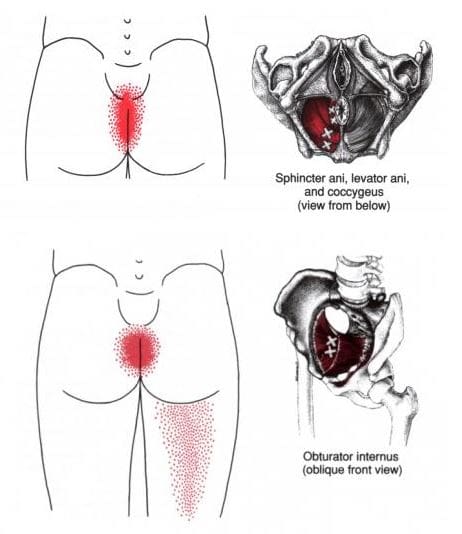
The pelvic floor has four different components to allow the muscles to function properly when traumatic factors start to invoke pain-like symptoms that can affect pelvic functionality in both the male and female body, thus developing trigger point pain associated with pelvic pain. For the female body, trigger points along the bulbospongiosus muscle (part of the pelvic floor muscles) may cause aching pain in the perineal region. In contrast, in the male body, trigger points along the retroscrotal area may cause discomfort while sitting erect. According to the book, “Myofascial Pain and Dysfunction,” written by Dr. Janet G. Travell, M.D., stated that many individuals that are dealing with trigger point pain along their pelvic floor muscles would often complain about feeling localized aching pain in their anal region and may experience painful bowel movements when going to the bathroom.
Studies reveal that myofascial trigger points develop “muscle contraction knots” of the pelvic floor muscles, may be identified in many patients suffering from pelvic pain syndrome (urological, colorectal, and gynecological), and are associated with trigger points. Trigger points are tricky when diagnosing where the pain is located since myofascial pain syndrome mimics other chronic conditions of the surrounding muscles, causing referred pain. Additional studies reveal that the location and severity of pelvic floor myofascial pain was significantly correlated with various pelvic pain symptoms that can affect both males and females with different conditions. When doctors recognize that their patients are dealing with trigger points associated with pelvic pain after an examination, they devise a treatment plan and work with other specialists to manage trigger points and reduce pain in the pelvic region.
Top 3 Pelvic Floor Exercises- Video
Have you been dealing with urinary issues that make it tricky to go to the bathroom? Do you have trouble finding a comfortable position when you are sitting down? Or do you feel pain radiating down your buttock and leg? Pelvic pain is a common issue that can affect both men and women that can cause various pain symptoms that correlate with trigger points along the pelvic floor muscles. When trigger points affect the pelvic floor muscles, it can lead to referred pain that connects with pelvic pain in the body’s lower extremities. Many factors can affect the pelvis, like issues affecting the digestive, reproductive, or urinary systems, a trauma in the surrounding pelvic muscles that causes them to be weak or corresponding issues on the hips and lower back. Trigger points associated with pelvic pain may be tricky. Still, they can be treatable with different therapies that can reduce the pain and help strengthen those weak muscles in the pelvic region. The video above demonstrates three other pelvic floor exercises that can help support the pelvic muscles and reduce the trigger points from reoccurring in the pelvic area of the lower body.
Managing Pelvic Pain Associated With Trigger Points
Various treatments can manage pain associated with trigger points through multiple therapies that can reduce pain-like symptoms along the pelvic floor muscles. Many therapies, like trigger point therapy and muscle training, can help reduce the pain along the pelvic floor muscles and bring back bowel function to the pelvic region. Studies reveal that doctors provide a range of protocols designed to strengthen the pelvic floor muscles and the different muscle groups around the pelvic area while improving function. However, treatment alone can only go so far, as people must take corrective actions to ensure that the trigger points do not return in the future. Movements like corrective posture exercises focusing on the lower back, hips, and pelvis and eating a fiber-rich diet can reduce pelvic pain. This allows the individual to get their lower half mobility back.
Conclusion
The pelvic floor muscle has four divided components that will enable optimal bodily function that has different jobs in the male and female bodies. The pelvic floor muscles have many crucial functions that provide the host stability in the body’s core, allow circulation to the cardiovascular system, and, most importantly, support the reproductive and abdominal organs. When issues affect the pelvic floor muscles, it can lead to pelvic pain associated with trigger points that can disrupt many from going to the bathroom or disrupting sexual functionality. All is not lost, as various therapies can reduce the pain and strengthen the pelvic muscles in the lower body. This allows lower body mobility back to the host and prevents unnecessary issues from reoccurring.
References
Bordoni, Bruno, et al. “Anatomy, Abdomen and Pelvis, Pelvic Floor.” In: StatPearls [Internet]. Treasure Island (FL), StatPearls Publishing, 18 July 2022, https://www.ncbi.nlm.nih.gov/books/NBK482200/.
Marques, Andrea, et al. “The Status of Pelvic Floor Muscle Training for Women.” Canadian Urological Association Journal = Journal De L’Association Des Urologues Du Canada, Canadian Medical Association, Dec. 2010, https://www.ncbi.nlm.nih.gov/pmc/articles/PMC2997838/.
Meister, Melanie R, et al. “Pelvic Floor Myofascial Pain Severity and Pelvic Floor Disorder Symptom Bother: Is There a Correlation?” American Journal of Obstetrics and Gynecology, U.S. National Library of Medicine, Sept. 2019, https://www.ncbi.nlm.nih.gov/pmc/articles/PMC6732028/.
Moldwin, Robert M, and Jennifer Yonaitis Fariello. “Myofascial Trigger Points of the Pelvic Floor: Associations with Urological Pain Syndromes and Treatment Strategies Including Injection Therapy.” Current Urology Reports, U.S. National Library of Medicine, Oct. 2013, https://pubmed.ncbi.nlm.nih.gov/23943509/.
Raizada, Varuna, and Ravinder K Mittal. “Pelvic Floor Anatomy and Applied Physiology.” Gastroenterology Clinics of North America, U.S. National Library of Medicine, Sept. 2008, https://www.ncbi.nlm.nih.gov/pmc/articles/PMC2617789/.
Travell, J. G., et al. Myofascial Pain and Dysfunction: The Trigger Point Manual: Vol. 2:the Lower Extremities. Williams & Wilkins, 1999.
IFM's Find A Practitioner tool is the largest referral network in Functional Medicine, created to help patients locate Functional Medicine practitioners anywhere in the world. IFM Certified Practitioners are listed first in the search results, given their extensive education in Functional Medicine