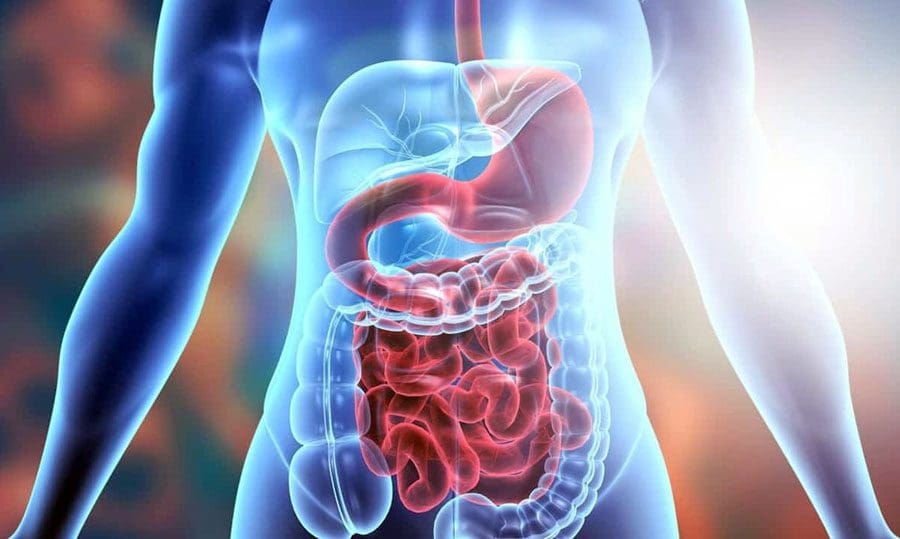
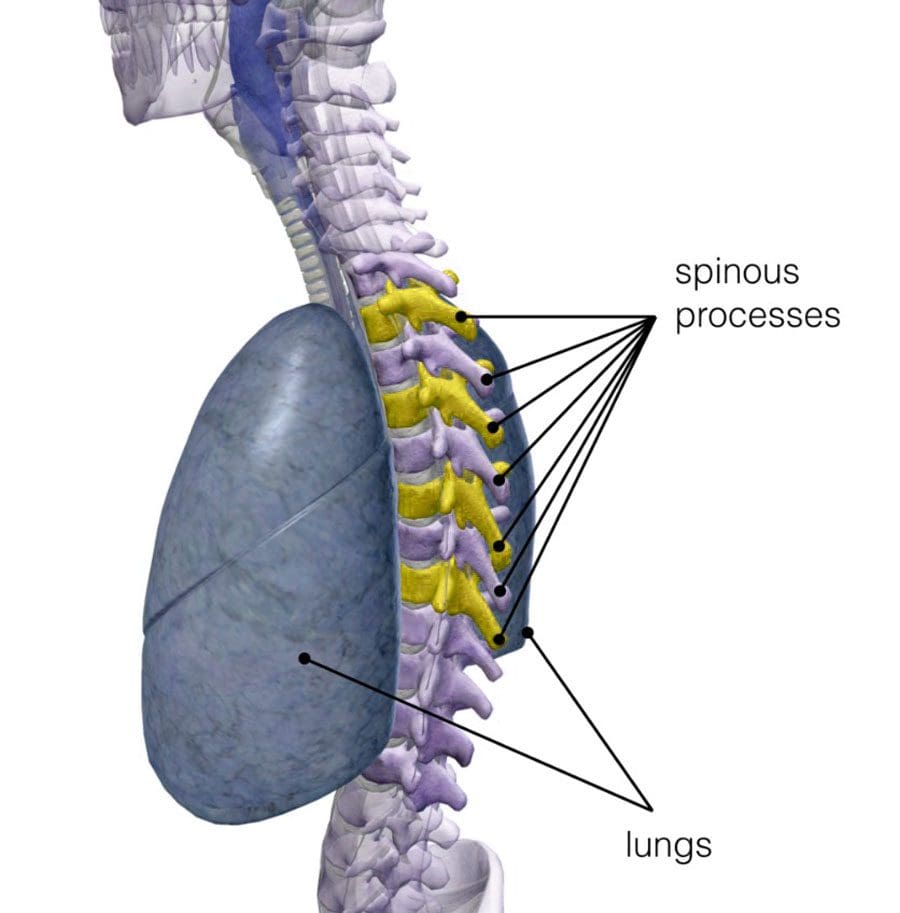
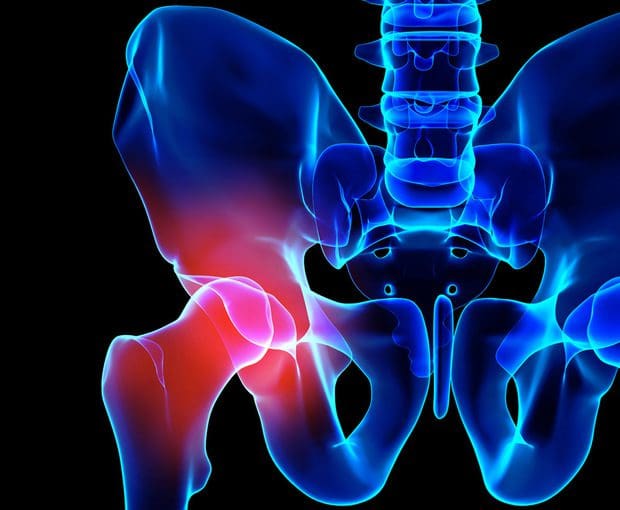
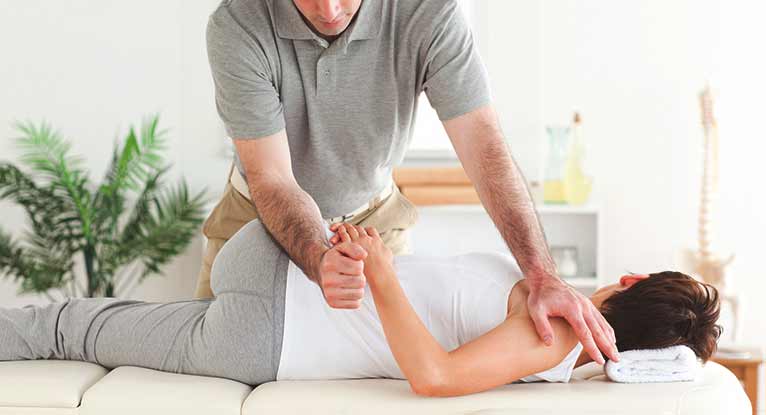
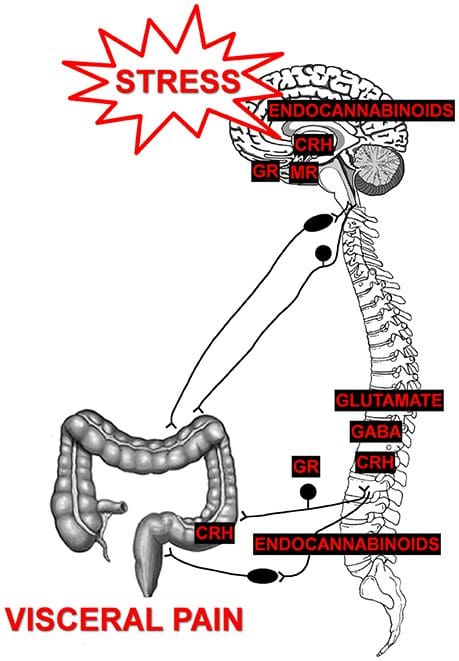
Viscerosomatic Gut Bloating: Everybody has healthy bacteria in the gut, but it can get thrown off balance with unhealthy bacteria that start taking over. Stress, viruses, and antibiotics can disrupt healthy bacteria levels. The bacterial balance known as the microbiome in the intestines is an essential factor in body wellness. The connection between intestinal and overall health is an important one as the gut is responsible for producing serotonin, a primary chemical necessary for emotional wellbeing. A viscerosomatic reflex is an organ/s causing pain to show up in the area where the injured, infected, dysfunctional organ is or, as referred pain in other areas of the body. Stress and unhealthy foods contribute to weight gain, organ stress, and chronic pain.
Viscerosomatic Gut Bloating
Bloating
Bloating is the feeling of pressure or gas in the abdomen. Distention refers to the physical expansion of the abdomen. However, these symptoms can present separately or in combination. Bloating can be a symptom on its own but often presents alongside other gastrointestinal disorders like:
After eating, flatulence, belching, bloating, and distention are a normal part of the digestive process. These issues are not considered problems until they cause pain and/or disrupt everyday life.
Stress
Stress can cause inflammation in the digestive tract, increasing pain receptors and distress-related bloating. Stress can disrupt the normal microbiome, creating intestinal dysbiosisand bacterial overgrowth. This can lead to digestive problems and symptoms that include bloating. This can be partly from excess gas production causing the sensation of bloating and physical distention combined with stress, creating an increased perception of bloating.
Foods Can Cause Inflammation
Animal products can cause inflammation because meat, poultry, and fish contain endotoxins/lipopolysaccharides found in the outer membrane of bacterial cells. These compounds are classified as toxins as they can cause health problems. No matter how these foods are cooked or prepared, the endotoxins are still present, absorbed into the body, and can trigger immune responses like inflammation. Eggs can cause inflammation because they contain high levels of cholesterol and arachidonic acid, which is an acid that is part of the inflammatory response. Excess cholesterol in the blood can trigger inflammation as well.
Dairy products can also trigger the inflammatory response in individuals that don’t produce the lactase enzyme, which breaks down the lactose in dairy products, are intolerant of casein and whey, two proteins in cow milk, or from the hormones and antibiotics given to cows to stimulate milk production and prevent infection. Dairy consumption has been linked to an increased risk of cancer and inflammatory conditions that include:
Acne
Asthma
Type 1 diabetes
Arthritis
Multiple sclerosis
Other Causes of Bloating
Other health conditions can present with visceral gut bloating and distention. This includes disorders and other underlying causes that include:
Musculoskeletal disorders can increase bloating and abdominal distention and can be triggered by stress. Two include:
Abdominal Muscle Dysfunction
These are abnormal contractions of the diaphragm and belly muscles that can occur after eating that can cause the nervous system to create a sense of bloating.
This viscerosomatic reflex leads to unhealthy postures and enlargement of the abdominal muscles that can worsen bloating sensations.
Exercises can be recommended to retrain the muscles to contract, usually after eating, which can help reduce bloating.
Pelvic Floor Dysfunction
Stressful situations naturally cause muscles to tighten, leading to increased contractions in the pelvic floor muscles.
These muscles control the bladder, bowel, and sexual function.
The opposite can happen when the pelvic floor muscles become too relaxed. This can make it difficult to have regular bowel movements.
Increased tone and/or over-relaxed muscles can lead to various symptoms, including bloating.
Chiropractic and Health Coaching
The nervous system controls the digestive process. Properly aligning the spine releases the stress and strain on the bones, muscles, and nerves to work correctly. Chiropractic body adjustments, diet/lifestyle adjustments, supplemental recommendations, and exercises can reduce the underlying causes of viscerosomatic gut bloating. Digestive problems such as:
Chronic heartburn
Gas
Constipation
Diarrhea
Bloating
Irritable bowel syndrome
Chiropractic offers a medication-free approach to treating digestive issues.
Descompresion Espinal DRX9000
References
Dragan, Simona, et al. “Dietary Patterns and Interventions to Alleviate Chronic Pain.” Nutrients vol. 12,9 2510. 19 Aug. 2020, doi:10.3390/nu12092510
Fifi, Amanda C, and Kathleen F Holton. “Food in Chronic Pain: Friend or Foe?.” Nutrients vol. 12,8 2473. 17 Aug. 2020, doi:10.3390/nu12082473
Lacy, Brian E et al. “Management of Chronic Abdominal Distension and Bloating.” Clinical gastroenterology and hepatology: the official clinical practice journal of the American Gastroenterological Association vol. 19,2 (2021): 219-231.e1. doi:10.1016/j.cgh.2020.03.056
Mari, Amir et al. “Bloating and Abdominal Distension: Clinical Approach and Management.” Advances in therapy vol. 36,5 (2019): 1075-1084. doi:10.1007/s12325-019-00924-7
Rice, Amanda D et al. “Decreasing recurrent bowel obstructions, improving quality of life with physiotherapy: Controlled study.” World journal of gastroenterology vol. 24,19 (2018): 2108-2119. doi:10.3748/wjg.v24.i19.2108
The body is a set of complex systems, including bones, organs, nerves, muscles, and tissue. Breathing disorders are increasing, including chronic bronchitis, asthma, emphysema, and other conditions. Viscerosomatic reflexes include poor breathing quality brought on by allergies, breathing disorders like COPD that can cause intense coughing, sneezing, hunching, arching of the back, and heaving that causes back pain and referred pain.
The brain sends electronic impulses to the different areas of the body through the spine/nervous system. If the nerves get shifted, stretched, compressed, or knocked out of position, the brain could start sending messages of pain and discomfort, which can also cause other body systems to malfunction. If the body is constantly transmitting pain signals, it can disrupt sleep, dietary habits, and overall well-being. Misalignment can disrupt the information delivered by the nervous system, leading to inflammation, irritation, and imbalances in the body.
Regular chiropractic maintains the nervous system to operate the way it was designed. Proper alignment of the spine and body will improve the nervous system’s health and function, encouraging the brain to release endorphins achieving pain relief, and leading to optimal health. When the nervous system performs optimally, the other systems will follow, including better breathing quality.
Poor Breathing
Breathing difficulties are widespread with various causes that include:
Allergies
Environmental pollutants
Viral and bacterial infections that cause inflammation
An overactive immune response can all contribute to poor breathing quality.
Individuals might not notice that their breathing quality is poor but instead notice they are:
Frequent exhaustion
Having to stop constantly in the middle of activities.
Experience brain fog.
Memory issues/forgetfulness.
Physical performance – endurance, flexibility, and muscle is deteriorating.
The breathing quality impacts how well the body’s systems can carry out their essential functions and be prepared for unexpected events. The body adjusts oxygen intake capacity in line with the energy required to perform physical activity. All bodily systems, including the cardiovascular, immune, and muscular systems, depend on the respiratory system to generate energy.
Immune protection against viruses, bacteria, fungi, and other diseases.
Chiropractic
A crucial part of the respiratory system’s function is transporting nutrients and oxygen throughout the body. Chiropractic treatment releases tension by moving muscle fascia and the spine that may have become stuck, compressed, or shifted out of position, causing poor posture and injury. Chiropractic eliminates toxins and cellular waste from tight, knotted areas by breaking up stagnant tissues.
Circulation Improvement
Chiropractic increases circulation, allowing fresh blood, lymphatic fluid, nutrients, and oxygen to enter the deprived tissues. These regions include:
Muscles in the shoulder, neck, back
Bones and joints across the spine
Body tissues
Ligaments
Tendons
Chiropractic treatment can be manual/mechanical traction/decompression, combined with therapeutic tissue massage, exercise, and diet recommendations.
Decompression De La Espalda
References
McCarty, Justin C, and Berrylin J Ferguson. “Identifying asthma triggers.” Otolaryngologic clinics of North America vol. 47,1 (2014): 109-18. doi:10.1016/j.otc.2013.08.012
Purnomo, Ariana Tulus, et al. “Non-Contact Monitoring and Classification of Breathing Pattern for the Supervision of People Infected by COVID-19.” Sensors (Basel, Switzerland) vol. 21,9 3172. 3 May. 2021, doi:10.3390/s21093172
Schend, Jason, et al. “An Osteopathic Modular Approach to Asthma: A Narrative Review.” The Journal of the American Osteopathic Association vol. 120,11 (2020): 774-782. doi:10.7556/jaoa.2020.121
Children, teens, and adults participate in organized and recreational sports activities for fun, exercise, and social benefits. Individuals and parents are used to scrapes, bumps, bruises, sprains, and strains. However, internal abdominal injuries from the body colliding with another player or object are less common but dangerous. Abdominal injuries make up less than 4 percent of sports injuries but can be severe when they occur. These injuries are common in sports like wrestling, gymnastics, soccer, basketball, football, skiing, snowboarding, BMX freestyle, motocross, skateboarding, ice/field hockey, and lacrosse. Early symptoms are not always obvious or apparent and can be mild or seem to go in a different direction away from the abdominal region, which is why it is essential to know what to look for.
Internal Abdominal Injuries Athletes
There are about 3oo 000 abdominal sports-related injuries. Kids and young athletes risk injuring their abdominal organs because their abdominal wall is thinner and still in development. However, internal abdominal injuries to the stomach, small and large intestine, spleen, liver, and kidneys can and do happen in adults.
Injury Types
Sports-related internal abdominal injuries are considered rare, but studies suggest they are increasing. The most common sites include:
Liver
This causes pain in the upper right side of the abdomen.
The right lobe is the one that gets injured more often because it is bigger and presses against the ribcage.
A torn liver can cause severe bleeding.
Shock can develop from the bleeding, causing heart palpitations, rapid breathing, shortness of breath, and a pale, grey, and/or sweaty appearance.
The liver and spleen are the most commonly injured organs in sports. They are filled with blood and can get bruised, or ruptured, and can cause severe bleeding when torn or cut. Bleeding in the abdomen can irritate the diaphragm, which can cause pain in the shoulder. Sometimes shoulder pain is the only symptom making it difficult to diagnose and because bleeding can take time to develop, the symptoms might not present for several hours.
Spleen
This causes pain in the upper left side of the abdomen.
The spleen filters around 10% of the body’s blood supply every minute.
A torn spleen can cause rapid and life-threatening internal bleeding.
Kidneys
The kidneys can be injured by a blow/hit to the back or flank that causes bruising or laceration.
This injury can cause flank/side pain, blood in the urine, nausea, and/or vomiting.
Abdominals
A single organ or multiple organs can be injured.
This can be the pancreas, diaphragm, stomach, gallbladder, bladder, or intestines.
Bruising discoloration or bruising, particularly around the belly and flanks.
This can cause abdominal pain with movement that does not get better that could be accompanied by fever, nausea, or vomiting.
Running into an object, another player, or falling hard can cause bruising, laceration, or create a tear/opening of a bowel wall. Symptoms can be delayed days to weeks after the injury when inflammation or infection develops.
Recognizing Internal Injuries
Signs and symptoms to look for include:
Abdominal pain
Bruising around the abdominal area.
Tenderness over the injured area.
Rigid abdomen.
Left-arm and shoulder pain.
Right-sided abdominal pain and right shoulder pain.
Blood in the urine.
Cold, sweaty skin.
Nausea and vomiting.
Rapid heartbeat.
Low blood pressure.
Loss of consciousness.
Treatment
Chiropractic focuses on whole-body health and can help with abdominal injuries. The nervous and digestive systems are interconnected, meaning that damage could lead to viscerosomatic reflexeseven if not directly injured. If internal damage or bleeding has occurred, individuals will be referred to a specialist, surgeon, or another emergency medical professional. If internal damage is ruled out, a chiropractic treatment plan that includes adjustments, massage therapy, manual and mechanical decompression, exercises, stretches, and health coaching will help with tissue injuries and problems that are causing gastrointestinal distress.
Spinal Non-Surgical Decompression
References
Arumugam, Suresh, et al. “Frequency, causes and pattern of abdominal trauma: A 4-year descriptive analysis.” Journal of emergencies, trauma, and shock vol. 8,4 (2015): 193-8. doi:10.4103/0974-2700.166590
Barrett, Cassie, and Danny Smith. “Recognition and management of abdominal injuries at athletic events.” International journal of sports physical therapy vol. 7,4 (2012): 448-51.
Kucera, K. L., Currie, D. W., Wasserman, E. B., Kerr, Z. Y., Thomas, L. C., Paul, S., & Comstock, R. D. (2019). Incidence of Sport-Related Internal Organ Injuries Due to Direct-Contact Mechanisms Among High School and Collegiate Athletes Across 3 National Surveillance Systems. Journal of athletic training, 54(2), 152–164. https://doi.org/10.4085/1062-6050-271-17
Slentz, Cris A et al. “Effects of aerobic vs. resistance training on visceral and liver fat stores, liver enzymes, and insulin resistance by HOMA in overweight adults from STRRIDE AT/RT.” American journal of physiology. Endocrinology and metabolism vol. 301,5 (2011): E1033-9. doi:10.1152/ajpendo.00291.2011
The lower half helps stabilize the body and provides movement from the legs and rotation in the hips. The lower abdominal organs help control bowel movement while the muscles allow movement by regulating internal abdominal pressure. Combined with the back muscles, the lower abdomen can keep the body stable while protecting the lumbar section of the spine. When external factors begin to affect the lower back or disrupt the lower abdominal organs, it can trigger different symptoms that correspond to other sections of the body, like knee or leg pain being associated with menstrual cramping in the lower abdominals or even having pelvic pain that is an associated mediator to having constipation. Today’s article looks at pelvic pain, how it affects the lower abdominals, and ways to treat pelvic dysfunction in the body. We refer patients to certified, skilled providers specializing in chiropractic treatments that help those suffering from pelvic pain. We also guide our patients by referring to our associated medical providers based on their examination when it’s appropriate. We find that education is critical for asking insightful questions to our providers. Dr. Alex Jimenez DC provides this information as an educational service only. Disclaimer
Can my insurance cover it? Yes, it may. If you are uncertain, here is the link to all the insurance providers we cover. If you have any questions or concerns, please call Dr. Jimenez at 915-850-0900.
How Does Pelvic Pain Occur?
Have you suffered from frequent urination or irregular periods? Have you felt excruciating pain when bending down? Or feeling muscle weakness in the lower extremities of the body? Many of these symptoms are correlated to pelvic pain and can trigger different symptoms affecting the body’s lower half. Research studies have mentioned that pelvic pain in its chronic form is a non-cyclic pain located in the pelvis, and the multiple causations can make it difficult to source where the pain is coming from. The overlapping profiles of pelvic pain can be traced through the numerous nerve pathways that are connected to the spine that can become aggravated and become the mediators for pelvic pain. For example, a person having low back pain might experience uncontrollable urinary discharge in their pelvic region. This could be due to the lower sacral nerve root being impaired and causing an overlap of the profiles resulting from mechanical legions to the lumbar spine, thus increasing the risk associated with the pelvis.
How Does It Affect The Lower Abdominals?
The pelvic region ensures that the body’s lower half is stable and protects the lower abdominal organs from disruptive factors like pelvic pain. Research studies have shown that pelvic pain is a relatively common pain associated with comorbidities affecting the body. Some of the various associated symptoms of pelvic pain can cause a correlation to disturbances of the bladder and sexual function in both sexes while also triggering abdominal and low back pain. Additional research studies have found that chronic pelvic pain can cause a correlated issue with PBS or painful bladder syndrome. What PBS does is that it can make a person have a frequent need to urinate and can cause the pelvic muscles to become tense and sensitive. This coincidentally causes the lower sacral nerves to be aggravated and become a mediator for the genital region to be hypersensitive.
Pelvic Pain Overview-Video
Are you feeling stiffness or tenderness in the groin region? How about going to the bathroom constantly? Or have you been experiencing low back pain? Many of these symptoms correlate to pelvic pain and other symptoms associated with the body. The video above overviews pelvic pain and how it affects the body’s lower extremities. The pelvic region consists of lower sacral nerve roots connected to several different nerve pathways that correspond to the primary nerves and provide an extensive neurological connection to the other areas in the pelvis. When mediators cause an increased risk in the pelvic region, the pelvic splanchnic nerves start to trigger muscle dysfunction in the lower abdominal organs. This causes numerous combinations of symptoms and disorders that causes overlapping of profiles in the body. The lower sacral nerve that is aggravated in the pelvic region could be the causation of pelvic and leg pain.
Treatments For Pelvic Dysfunction
Since the pelvic region has many nerve roots that are intertwined and connect to the major nerves in the spinal cord, it can become aggravated by accompanying the lower lumbar and upper sacral nerve roots to be impaired. Research studies have found that pelvic pain can cause an overlap in risk profiles that involves either the visceral or somatic system and the encompassed structures that help the nervous system form a causal relationship to the spine and lower extremities. When the nerve roots become irritated and affect the pelvic region, treatments like chiropractic therapy and physical therapy can help relieve the pelvic area and even help alleviate other symptoms. Physical therapy helps strengthen the hip and abdominal muscles from becoming weak and can reduce overlapping pathologies. Chiropractic therapy can help manipulate the L-1 through 5 vertebrae in the lumbar region of the spine, causing low back pain and bladder dysfunction. Research studies have mentioned that spinal manipulation can help reduce lower sacral nerve root compression triggering low back pain associated with leg pain. This overlap of risk profiles may cause pelvic pain affecting the body and causing organ dysfunction.
Conclusion
The lower half of the body consists of the lower abdominal organs and the pelvic region that allows bowel movement and keeps the body stable when in motion. When external factors begin to affect the lower back or the lower abdominal organs, it can cause a triggering effect on different sections of the body. Pelvic pain can affect the internal organs in the lower abdominal and pelvic region and cause comorbidities affecting the body’s lower back and bladder function. Treatments that help strengthen the hips and abdominal muscles or manipulate the spine to reduce the encased nerves trapped in the pelvic muscles will provide relief to the body’s lower extremities and improve functionality.
References
Browning, J E. “Chiropractic Distractive Decompression in Treating Pelvic Pain and Multiple System Pelvic Organic Dysfunction.” Journal of Manipulative and Physiological Therapeutics, U.S. National Library of Medicine, Aug. 1989, https://pubmed.ncbi.nlm.nih.gov/2527938/.
Dydyk, Alexander M, and Nishant Gupta. “Chronic Pelvic Pain – Statpearls – NCBI Bookshelf.” In: StatPearls [Internet]. Treasure Island (FL), StatPearls Publishing, 11 Nov. 2011, https://www.ncbi.nlm.nih.gov/books/NBK554585/.
Grinberg, Keren, et al. “New Insights about Chronic Pelvic Pain Syndrome (CPPS).” International Journal of Environmental Research and Public Health, MDPI, 26 Apr. 2020, https://www.ncbi.nlm.nih.gov/pmc/articles/PMC7246747/.
Hwang, Sarah K. “Advances in the Treatment of Chronic Pelvic Pain: A Multidisciplinary Approach to Treatment.” Missouri Medicine, Journal of the Missouri State Medical Association, 2017, https://www.ncbi.nlm.nih.gov/pmc/articles/PMC6143566/.
Lee, Dae Wook, et al. “Chronic Pelvic Pain Arising from Dysfunctional Stabilizing Muscles of the Hip Joint and Pelvis.” The Korean Journal of Pain, The Korean Pain Society, Oct. 2016, https://www.ncbi.nlm.nih.gov/pmc/articles/PMC5061646/.
Referred pain is the interpretation of feeling pain in a different location than the actual cause. For example, a pinched nerve in the spine/back causes pain not to show up not where it is pinching but further down in the buttock, leg, calf, or foot. Similarly, a pinched nerve in the neck could translate to shoulder or elbow pain. Referred pain is often caused by the muscles overcompensating weaker ones, like feeling pain outside the knee, with the actual injury stemming from hip joint dysfunction caused by weakened lateral hip muscles. The athletic referred pain could have been brought on by an acute sports injury, an overuse injury from the repetitive motion/s.
Athletic Referred Pain
Somatic referred pain originates from the muscles, skin, and other soft tissues and is not to be confused with visceral pain, which refers to the internal organs/viscera. However, the pain presents in regions supplied by the same nerve roots. Damaged or injured body structures can cause referred pain. This includes the muscles, nerves, ligaments, and bones.
Common Sites
Individuals can experience referred pain almost anywhere. Athletic referred pain commonly occurs in these areas:
The neck and shoulder where pain can be felt in the elbow, arm, and hand or cause headaches.
The back where pain can be felt in the hips, buttocks, and thighs.
The hip/s area, where pain can be felt in and around the low back and abdominal regions.
The groin, where pain can be felt in and around the abdominal region.
Problems with the vertebral discs, nerve root compression, muscle spasms, osteoarthritic changes, spinal fracture, or tumor/s can affect the body’s ability to transport sensory information, which can cause strange sensations and weakness of muscle tissues, and sometimes problems with coordination and movement. Part of an accurate diagnosis is knowing the patterns of referred pain in all the muscles and internal organs.
Pain Activation
Many nerve endings come together and share the same nerve cell group in the spinal cord. When signals travel through the spinal cord to the brain, some signals follow the same path as the pain signals from a different body part. Pain awareness is felt in a deeper center of the brain known as the thalamus, but the sensory cortex determines the perception of where the pain is coming from and the location of the pain. The intensity and sensation of the athletic referred somatic pain vary for different structures and depend on the inflammation level. For example:
Nerve pain tends to be sharp or shooting.
Muscle pain tends to be a deep dull aching or a burning sensation.
However, muscles can give a sensation of tingling where referred pain is presenting, but tingling is more commonly associated with a nerve injury.
Diagnosing referred pain injuries can be complex as there are various areas where the pain can show up. The source of damage needs to be identified; otherwise, achieving lasting pain relief will not last. A biomechanical analysis can help to find movement/motion patterns that may be causing pain and help identify the source.
Treatment
Athletic performance and spinal health are interconnected. Chiropractic treatment involves whole-body wellness that involves the spine and nervous system. Routine chiropractic care relieves neck, shoulder, arm, back, leg, and foot conditions/injuries and helps prevent disorders of joints and muscles. It calms the mind, provides pain relief, and educates individuals on being more aware of the body. Chiropractic adjustments improve blood flow and nerve function to increase agility, reaction times, balance, strength, and expedited healing of the body.
DRX9000 Decompression
References
Kapitza, Camilla, et al. “Application and utility of a clinical framework for spinally referred neck-arm pain: A cross-sectional and longitudinal study protocol.” PloS one vol. 15,12 e0244137. 28 Dec. 2020, doi:10.1371/journal.pone.0244137
Murray, Greg M. “Guest Editorial: referred pain.” Journal of applied oral science: Revista FOB vol. 17,6 (2009): i. doi:10.1590/s1678-77572009000600001
Weller, Jason L et al. “Myofascial Pain.” Seminars in neurology vol. 38,6 (2018): 640-643. doi:10.1055/s-0038-1673674
Wilke, Jan, et al. “What Is Evidence-Based About Myofascial Chains: A Systematic Review.” Archives of physical medicine and rehabilitation vol. 97,3 (2016): 454-61. doi:10.1016/j.apmr.2015.07.023
A viscerosomatic response or VSR is when the internal organs are going through some distress, illness, or injury, causing pain symptoms. An example is the right shoulder presenting with pain when the gall bladder is inflamed. The pain signals are transmitted through the spinal cord, and the muscles in the area could spasm, creating sensitivity or pain when touched. However, viscerosomatic pain is often not worsened or changed by bending, reaching, or twisting in different directions causing musculoskeletal/MSK pain. Without a thorough exam, it’s easy to confuse a VSR with an MSK or basic back ache. Individuals may sometimes feel visceral pain more through emotional symptoms like anger, anguish, or sadness than physical discomfort. Causation varies for everybody and can overlap with underlying conditions.
Causation
The visceral organs’ pain receptors are not as tightly packed or evenly spread out, which makes finding the pain’s source challenging to pinpoint. The most common causes include:
Inflammation
A process of the body’s white blood cells protecting the body from infections, bacteria, and viruses. In autoimmune diseases, the immune system reacts as if normal tissues are infected or have changed and attacks them causing damage. But in some conditions, like arthritis, the body’s immune system triggers inflammation despite no infections, bacteria, or viruses. When inflammation activates, chemicals from the body’s white blood cells enter the blood or tissues to protect the body raising the blood flow to the injured or infected area. Symptoms include:
Redness
Heat
Irritation
Chemicals can cause fluid to leak into the tissues.
Swelling
Pain
The symptoms depend on which organs are affected. Examples include:
Inflammation of the heart/myocarditis can cause shortness of breath and/or fluid buildup.
Inflammation of the tiny tubes in the respiratory system can cause shortness of breath.
Inflammation of the kidneys/nephritis can cause high blood pressure and/or kidney failure.
Circulatory Issues
Decreased blood circulation can strain areas of the body. The body pulls oxygen into the lungs that enter the blood. It travels throughout the body through blood vessels, veins, and arteries. If circulation becomes obstructed or gets stopped, a severe problem called ischemia can develop. This means areas of the body are not getting enough blood and enough oxygen. Ischemia usually originates from a buildup, blockage in the arteries, or a blood clot. Atherosclerosisis plaque, a hard, sticky substance made mostly of fat that collects in the arteries. It builds up slowly over time and can harden and narrow the arteries slowing down blood flow because the blood has less space to circulate.
Swelling/Stretching Organs
Swelling occurs when excess fluids are trapped in the body’s tissues, which can cause the affected organs to enlarge and stretch. Swelling can be internal or external. Internal swelling is usually caused by:
Menstrual cramps are throbbing, aching cramps experienced in the lower stomach just before and during a woman’s monthly period. They can range from mild to severe but are common and can strike right before and/or during the menstrual cycle. Some women can experience dysmenorrhea. Symptoms include:
Aching in the stomach
Pressure in the stomach
Constipation
Pain in the hips, low back, and inner thighs.
Severe cramp symptoms can include:
Upset stomach
Loose stools
Vomiting
Cysts and Tumors
Cysts and/or tumors in the pelvic or abdomen region can cause distress, irritation, inflammation, swelling, and pain viscerosomatic and musculoskeletal.
Chiropractic Causation Diagnosis
There is a connection between the spinal nerves and internal organ function. Internal organs connect to the brain through the spinal cord and nerve ganglia plexuses. The organs cannot function properly if the transmitted signals are interrupted or blocked. A chiropractor uses manual and mechanized manipulation to realign the spine. Chiropractic treatment diagnoses causation, restores joint function, eliminates pain, and prevents further injury, preventing degeneration and slowing disease processes in bone, muscle, and organs.
Spinal Decompression
References
Bath M, Owens J. Physiology, Viscerosomatic Reflexes. [Updated 2022 May 8]. In: StatPearls [Internet]. Treasure Island (FL): StatPearls Publishing; 2022 Jan-. Available from: https://www.ncbi.nlm.nih.gov/books/NBK559218/
Berrueta, Lisbeth, et al. “Stretching Impacts Inflammation Resolution in Connective Tissue.” Journal of cellular physiology vol. 231,7 (2016): 1621-7. doi:10.1002/jcp.25263
Carver AC, Foley KM. Types of Pain. In: Kufe DW, Pollock RE, Weichselbaum RR, et al., editors. Holland-Frei Cancer Medicine. 6th edition. Hamilton (ON): BC Decker; 2003. Available from: https://www.ncbi.nlm.nih.gov/books/NBK12991/
Sikandar, Shafaq, and Anthony H Dickenson. “Visceral pain: the ins and outs, the ups and downs.” Current opinion in supportive and palliative care vol. 6,1 (2012): 17-26. doi:10.1097/SPC.0b013e32834f6ec9
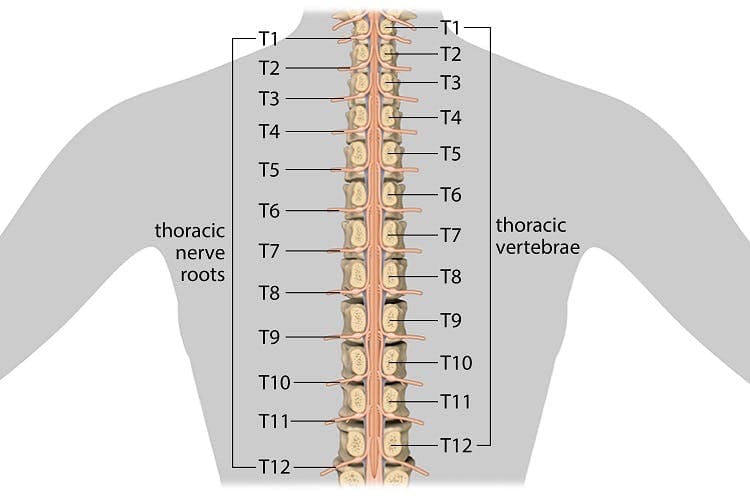
The spine has three areas: cervical, thoracic, and lumbar in the back, encased with muscles, tissues, ligaments, and joints that help protect the spinal cord from injuries. With the spinal cord being part of the central nervous system, this long cord has many nerve roots that are spread all over the body and help function each section of the body. When the back muscles become damaged or injured in the thoracic region of the spine, it can cause painful symptoms and other issues that correspond with the thoracic spine. Today’s article will look at the thoracic spine, how back pain in the upper-mid section of the back, and how visceral referred pain affects the thoracic region in the body. We refer patients to certified, skilled providers specializing in osteopathic and chiropractic treatments that help those suffering from chest pains and thoracic back pain. We also guide our patients by referring to our associated medical providers based on their examination when it’s appropriate. We find that education is critical for asking insightful questions to our providers. Dr. Alex Jimenez DC provides this information as an educational service only. Disclaimer
Can my insurance cover it? Yes, it may. If you are uncertain, here is the link to all the insurance providers we cover. If you have any questions or concerns, please call Dr. Jimenez at 915-850-0900.
The Thoracic Spine
Have you been experiencing herniation in the upper-mid section of your back? Have you felt chest pain occur frequently? Do your back muscles feel stiff or constantly ache even after you stretch? All these symptoms are signs that affect the thoracic region of the spine. Research studies have defined the three spinal areas: the cervical, thoracic, and lumbar help keep the upper half of the body upright. The thoracic area of the spine has added support from the rib cage and allows the body to rotate and flex the upper body. The thoracic region of the spine is also the first curvature that is tight enough to protect the vital organs and loose enough to allow respiratory movement in the body. Additional research studies have also mentioned that the thoracic segments in the spine are susceptible to injuries that can affect the back entirely. The thoracic segments can succumb to structural alterations, disc herniation, and even trauma in the spine from environmental factors like lifting or carrying heavy objects, muscle strain, and forceful impact.
How Thoracic Pain Affect The Body
When the thoracic region of the spine begins to suffer from environmental factors or traumatic events, it can affect the body and aggravate the nerves that encase the spinal column. Research studies have found that when the thoracic spine has succumbed to injuries, it can affect the upper half of the body. Structural changes in the thoracic T 1 through 3 regions of the spine can cause the cervical area to develop neck pain. This causes restricted segmental mobility in the cervical and thoracic regions of the spine. Another research study has mentioned that individuals suffering from thoracic pain will often complain about paravertebral pain aggravated by prolonged standing, hyperextension, and even hyper rotation in the thoracic spinal column. When this happens, it can cause discomfort to the individual and limit their range of motion since their muscles are stiff. Thoracic pain can even affect the corresponding muscles connected to the body’s internal organs.
Referred Pain Affect The Thoracic Spine-Video
Have you felt muscle stiffness in your upper-middle back? Have you been dealing with neck or chest pain? Have inflammatory issues affecting your esophagus? Many of these are signs and symptoms of visceral referred pain affecting the thoracic region of the spine. The video above explains how visceral referred pain can affect the thoracic spine and the corresponding muscle and organs in the area. Research studies have defined pain as damaged nociceptive sensory nerves that affect the peripheral tissues in the face. The broken nerve roots can affect one portion of the body but also a different section of the body. Additional research studies have also found that visceral pain affecting the thoracic regions of the spine can impact the cardiovascular system. This is due to hypertension caused by chronic stress from environmental factors.
Visceral Referred Pain Affecting The Thoracic Region
Research studies have noticed that thoracic spinal pain can become a common site for inflammation, degenerative discs, and other issues contributing to pain and disability in the spine. Visceral pain is a complex disorder that can cause the surrounding muscles and organs in the thoracic region to be compromised. When the body is suffering from visceral referred pain, the thoracic region of the spine will also begin to suffer. Additional research studies have found that visceral referred pain that affects the thoracic neurons will also affect the esophageal and cardiac input to the cardiovascular and gut systems. When the affected thoracic neurons begin to cause heart and esophageal problems, these two organs become hypersensitive due to noxious stimulation.
Conclusion
The spine has three areas: the cervical, thoracic, and lumbar, which help keep the body upright and is encased with muscles, tissues, and ligaments that protect the spinal cord from injuries. Injuries that affect the thoracic regions of the back can cause problems to the corresponding muscles and the internal organs, especially in the gut and cardiovascular systems. These organs become hyper-sensitive and can make the body develop hypertension and other issues that can make the body dysfunctional. When individuals realize that their upper-middle back pain in the thoracic region can affect their cardiovascular system, they can find ways to treat their back pain and prevent cardiovascular issues from forming.
References
Briggs, Andrew M, et al. “Thoracic Spine Pain in the General Population: Prevalence, Incidence and Associated Factors in Children, Adolescents and Adults. A Systematic Review.” BMC Musculoskeletal Disorders, BioMed Central, 29 June 2009, https://www.ncbi.nlm.nih.gov/pmc/articles/PMC2720379/.
Brumovsky, P R, and G F Gebhart. “Visceral Organ Cross-Sensitization – an Integrated Perspective.” Autonomic Neuroscience: Basic & Clinical, U.S. National Library of Medicine, 16 Feb. 2010, https://www.ncbi.nlm.nih.gov/pmc/articles/PMC2818077/.
Gkasdaris, Grigorios, et al. “Clinical Anatomy and Significance of the Thoracic Intervertebral Foramen: A Cadaveric Study and Review of the Literature.” Journal of Craniovertebral Junction & Spine, Medknow Publications & Media Pvt Ltd, 2016, https://www.ncbi.nlm.nih.gov/pmc/articles/PMC5111324/.
Joshi, Shriya, et al. “Thoracic Posture and Mobility in Mechanical Neck Pain Population: A Review of the Literature.” Asian Spine Journal, Korean Society of Spine Surgery, 3 June 2019, https://www.ncbi.nlm.nih.gov/pmc/articles/PMC6773982/.
Murray, Greg M. “Guest Editorial: Referred Pain.” Journal of Applied Oral Science : Revista FOB, Faculdade De Odontologia De Bauru Da Universidade De São Paulo, 2009, https://www.ncbi.nlm.nih.gov/pmc/articles/PMC4327510/.
van Kleef , Maarten, et al. “10. Thoracic Pain.” Pain Practice : the Official Journal of World Institute of Pain, U.S. National Library of Medicine, 2010, https://pubmed.ncbi.nlm.nih.gov/20492577/.
Ward, John, et al. “Immediate Effects of Upper Thoracic Spine Manipulation on Hypertensive Individuals.” The Journal of Manual & Manipulative Therapy, Maney Publishing, Feb. 2015, https://www.ncbi.nlm.nih.gov/pmc/articles/PMC4459143/.
Waxenbaum, Joshua A, et al. “Anatomy, Back, Thoracic Vertebrae – Statpearls – NCBI Bookshelf.” In: StatPearls [Internet]. Treasure Island (FL), StatPearls Publishing, 12 Aug. 2021, https://www.ncbi.nlm.nih.gov/books/NBK459153/.
IFM's Find A Practitioner tool is the largest referral network in Functional Medicine, created to help patients locate Functional Medicine practitioners anywhere in the world. IFM Certified Practitioners are listed first in the search results, given their extensive education in Functional Medicine