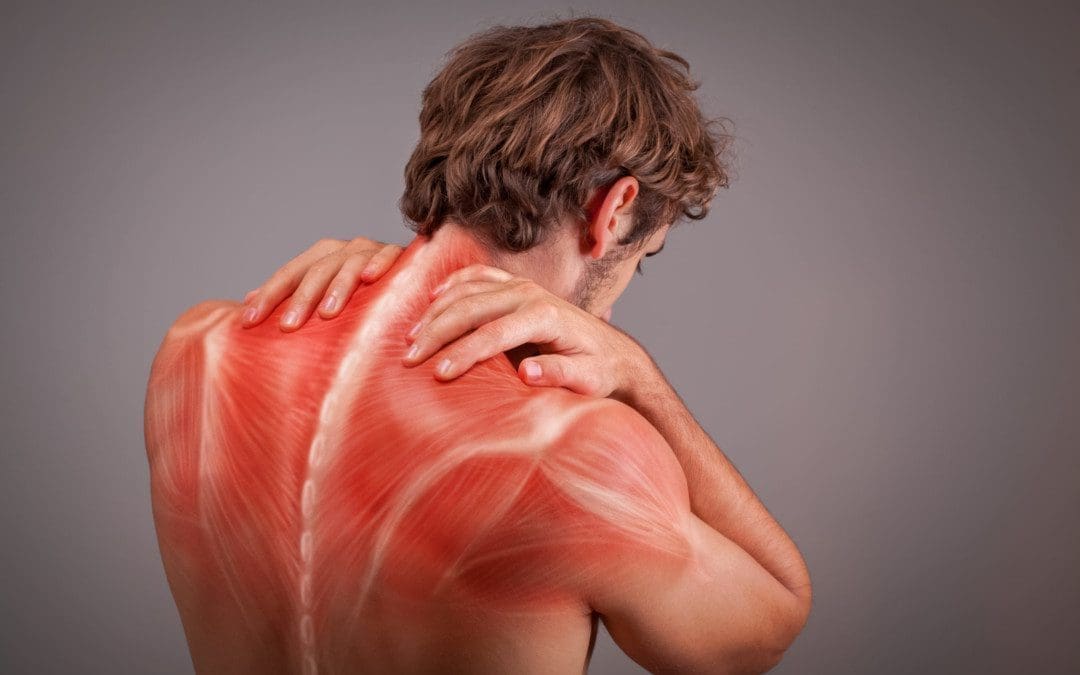
The muscles, tissues, and ligaments help stabilize the joints and structure of the spine so that the body can function. These muscles are layered and interwoven in the spine and joints that help facilitate movement. When the body suffers from injuries or traumatic events, the muscles, tissues, and ligaments become affected, causing muscle pain and discomfort. This causes the muscles to be tender to the touch and sensitive. This is known as myofascial pain syndrome. Today’s article looks at myofascial pain syndrome, how it is linked with central sensitization, and ways to manage myofascial pain syndrome. We refer patients to certified providers specializing in musculoskeletal treatments to help many individuals with myofascial pain syndrome associated with central sensitization. We also guide our patients by referring to our associated medical providers based on their examination when it’s appropriate. We find that education is the solution to asking our providers insightful questions. Dr. Alex Jimenez DC provides this information as an educational service only. Disclaimer
What Is Myofascial Pain Syndrome?
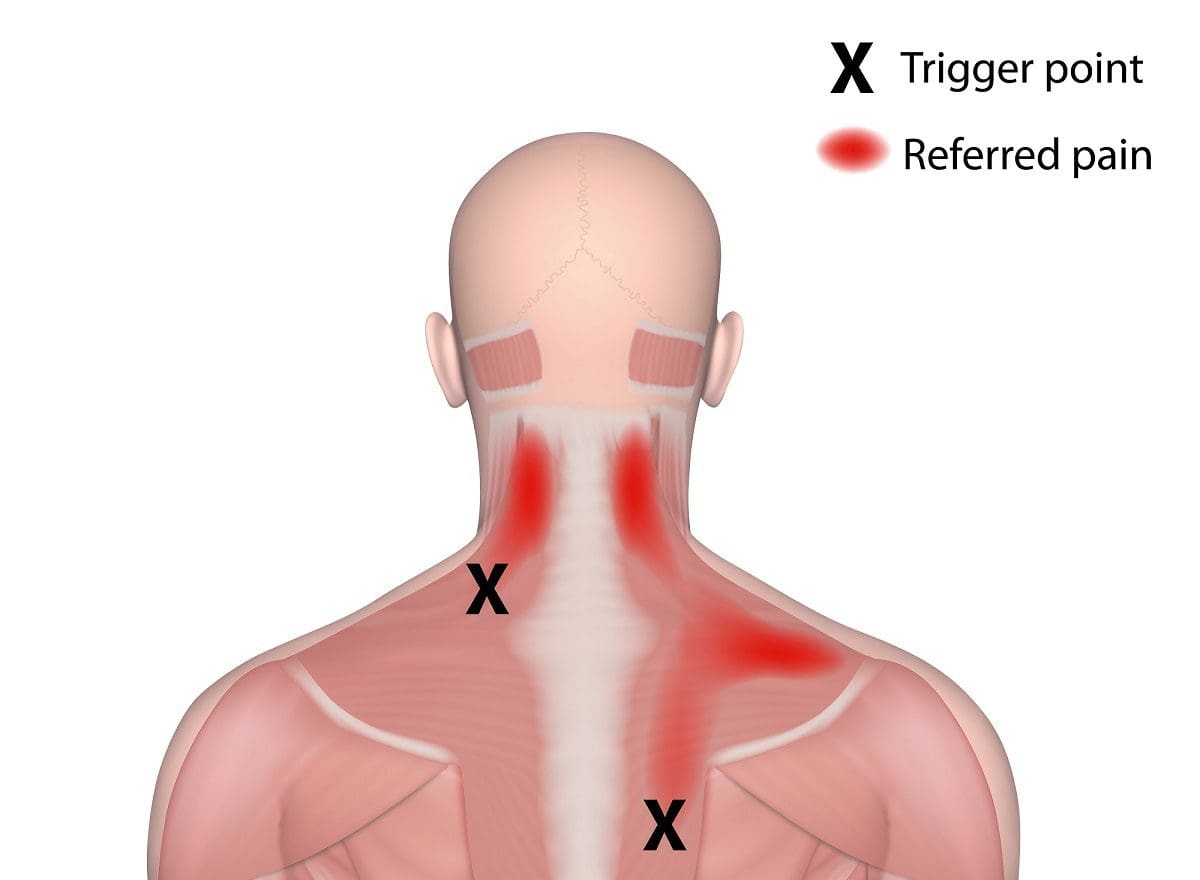
Have you been experiencing muscle tightness in different areas of your body? Have you felt your muscles tender to the touch? Or have you been having trouble sleeping? Many of these overlapping risk factors are signs that you might have myofascial pain syndrome. The term “myofascial” is split into two parts. “Myo” refers to the muscles, while “fascia” refers to the connective tissues found throughout the body. So myofascial pain syndrome is where there is muscle pain in various forms, which includes the muscle tissues, connective tissues, or both. Studies reveal that myofascial pain syndrome originates from trigger points in the skeletal muscle, causing the affected muscle to be in pain. The trigger points in the body’s skeletal muscles are the “knots” people feel when their muscles feel tight. These trigger points are challenging to identify because they occur in different areas causing referred pain (pain in one place but in another body area).
How Central Sensitization Link To Myofascial Pain Syndrome?
Studies reveal that central sensitization in the body is represented as an enhancement in neuron function and circuits in the nociceptive pathways that increases membrane excitability and synaptic efficacy. To that point, it reduces inhibition and manifests the remarkable plasticity of the somatosensory nervous system. The nociceptor inputs can trigger and manifest central sensitization as pain hypersensitivity when the body suffers from an injury. So how is central sensitization linked to myofascial pain syndrome? Let’s use fibromyalgia as an example. Many individuals dealing with myofascial pain may be potentially involved with fibromyalgia. This is due to fibromyalgia being a chronic condition that features widespread pain, and this causes the body to be more sensitive to pain. Central sensitization linked to myofascial pain syndrome can mimic fibromyalgia symptoms in the body, causing muscle pain and discomfort.
An Overview Of Myofascial Pain Syndrome-Video
Are you experiencing muscle weakness or soreness in some regions of your body? Have you dealt with chronic fatigue or poor sleep quality? Or have you been dealing with headaches constantly throughout the entire day? Many of these symptoms are signs that you might be at risk of developing myofascial pain syndrome. The video above explains myofascial pain syndrome, the symptoms, and the causes that affect the body. Studies reveal that myofascial pain has two types of trigger points:
Active trigger points associated with muscle pain without movement
Latent trigger points associated with muscle pain with movement
Myofascial pain syndrome can vary in acute or chronic forms and can range from mild to severe while being in different locations, making it very difficult to pinpoint where the pain is localized. Fortunately, there are ways to manage myofascial pain syndrome in the body that can help with the pain.
Ways To Manage Myofascial Pain Syndrome
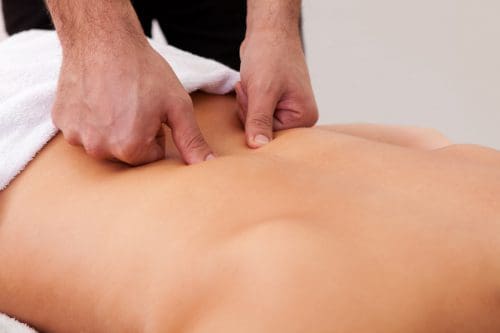
When managing myofascial pain syndrome, many individuals dealing with muscle pain will take pain medication to alleviate it; however, that only minimizes the pain for a short period. One way to manage myofascial pain syndrome is by utilizing chiropractic care as part of treatment. Chiropractic care is non-invasive and often the preferred treatment for individuals with myofascial pain syndrome due to its effectiveness and drug-free approach. Chiropractors are not only good at finding the trigger points, but they are good when it comes to treating them using various techniques. Studies reveal that chiropractors use direct pressure on the trigger points to relieve the pain with their hands or specific tools. Incorporating chiropractic care provides the body with an increase in muscle strength, flexibility, and range of motion. Since chiropractic care is a whole-body approach, it allows many people with myofascial pain syndrome to have a better quality of life and learn healthy habits, which include diet, exercise, and mental health, while living with less or no pain at all.
Conclusion
The body has muscles, tissues, and ligaments that help stabilize the joints and structure of the body, so there is functionality. These muscles help facilitate movement since the muscles are interwoven in the spine and joints. When the body suffers from a traumatic event or an injury, the muscles, tissues, and ligaments become affected. This causes muscle pain and discomfort, known as myofascial pain, where the trigger points cause pain in the body and can occur in different areas. Myofascial pain can be challenging to diagnose since it can be on one side of the body but affects a different section, known as referred pain. Fortunately, treatments like chiropractic care can help manage myofascial pain by treating the pain and using direct pressure to alleviate the pain. Incorporating chiropractic care to manage myofascial pain can help many individuals be pain-free on their health and wellness journey.
References
Bordoni, Bruno, et al. “Myofascial Pain – Statpearls – NCBI Bookshelf.” In: StatPearls [Internet]. Treasure Island (FL), StatPearls Publishing, 18 July 2022, https://www.ncbi.nlm.nih.gov/books/NBK535344/.
Desai, Mehul J, et al. “Myofascial Pain Syndrome: A Treatment Review.” Pain and Therapy, Springer Healthcare, June 2013, https://www.ncbi.nlm.nih.gov/pmc/articles/PMC4107879/.
Latremoliere, Alban, and Clifford J Woolf. “Central Sensitization: A Generator of Pain Hypersensitivity by Central Neural Plasticity.” The Journal of Pain, U.S. National Library of Medicine, Sept. 2009, https://www.ncbi.nlm.nih.gov/pmc/articles/PMC2750819/.
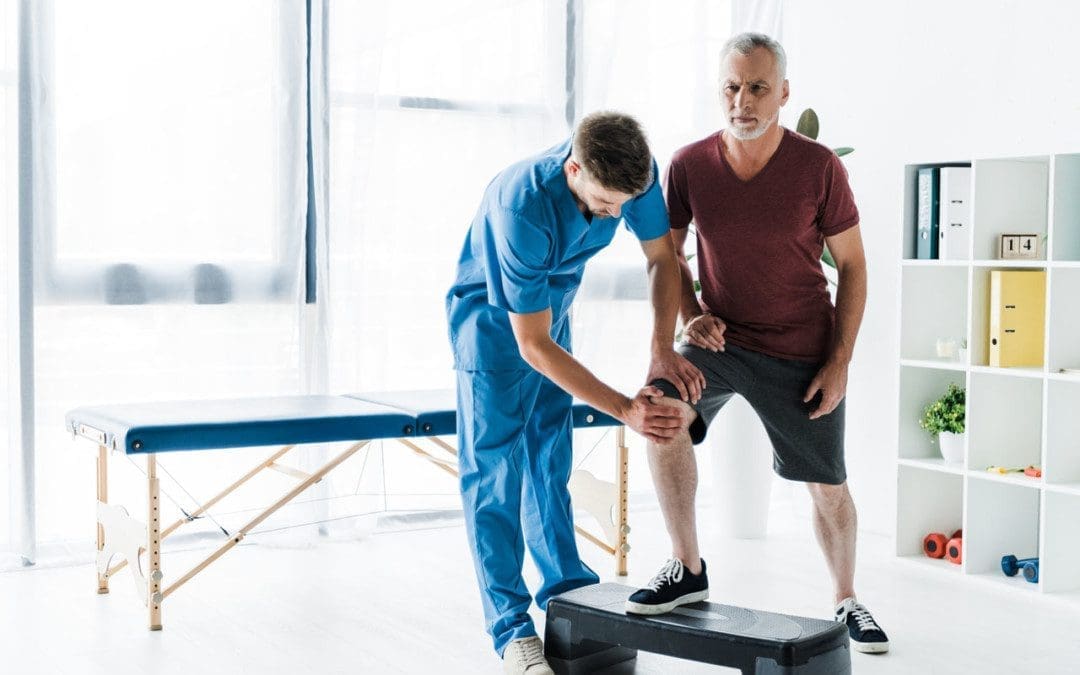
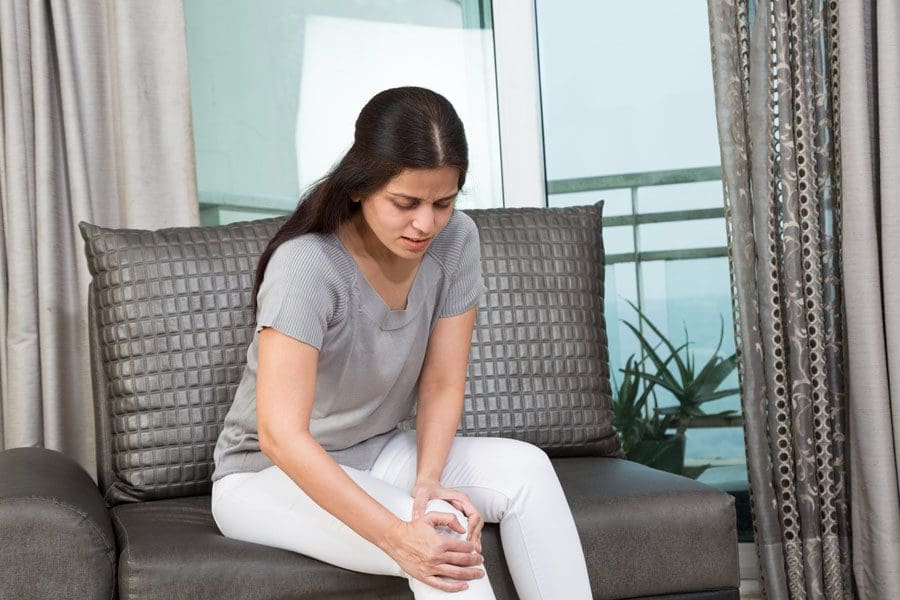
Many live with chronic discomfort and pain regularly in one or both knees. This could be from past injuries, being overweight, lack of physical conditioning, degeneration, or arthritis. Many take prescription or over-the-counter pain medication to deal with the discomfort. Pain medications only dull and mask the pain and discomfort associated with the symptoms. As a result, living with masked knee pain can worsen the condition, and the surrounding bones, joints, and tissues can begin to deteriorate. Chiropractic combined with massage, decompression, and traction therapy can significantly reduce or eliminate knee pain.
Knee Discomfort and Pain
The knee’s joint and ligaments need to be strong and healthy to support activities. The most common issues that individuals develop include:
Acute Injuries
Knee injuries can be caused by auto accidents, physical strain, playing sports, work accidents, workplace ergonomics, and walking up and down stairs.
Chronic or inflammatory medical conditions can wear down the cartilage cushion between the upper and lower leg bones.
Most common include gout, septic arthritis, osteoarthritis, and rheumatoid arthritis.
Unhealthy postures and obesity can also contribute to the chronic degradation of the knee joint.
Knee discomfort and pain can present in various ways. Some might hear an acute popping in the knee followed by swelling. Others might notice the gradual development of stiffness and weakness over time. When injured or compromised, localized pain is one of the first indicators. Chronic knee and joint pain can lead to weakness, nerve damage, or create new injuries/problems. Not all knee pain is caused by injury; in many cases, a triggering incident, like an awkward step or misstep, a stretch that went too far, or a walk, can create an injury. Even a sedentary lifestyle can contribute to knee degeneration as the surrounding muscles can lose strength, placing unnecessary strain on the joints when movement is necessary.
Chiropractic
A chiropractor will examine the knee through a series of analyses, including x-rays, digital imaging, and a physical exam. The chiropractor will develop a personalized treatment plan to treat, rehabilitate, and strengthen the knee. The treatment can include:
Posture correction to distribute body weight evenly, lessening the stress on an affected knee.
Targeted exercises and nutritional recommendations will ensure long-term healing.
Q Angle of the Knee
References
Cimino, Francesca, et al. “Anterior cruciate ligament injury: diagnosis, management, and prevention.” American family physician vol. 82,8 (2010): 917-22.
Donnell-Fink, Laurel A et al. “Effectiveness of Knee Injury and Anterior Cruciate Ligament Tear Prevention Programs: A Meta-Analysis.” PloS one vol. 10,12 e0144063. 4 Dec. 2015, doi:10.1371/journal.pone.0144063
Hoskins, Wayne, et al. “Chiropractic treatment of lower extremity conditions: a literature review.” Journal of manipulative and physiological therapeutics vol. 29,8 (2006): 658-71. doi:10.1016/j.jmpt.2006.08.004
Neogi, Tuhina, et al. “Sensitivity and sensitization in relation to pain severity in knee osteoarthritis: trait or state?.” Annals of the rheumatic diseases vol. 74,4 (2015): 682-8. doi:10.1136/annrheumdis-2013-204191
Around 60% of individuals have a condition caused by or complicated by chronic inflammation. The body reacts with acute inflammation, which is beneficial as the immune system fights off bacteria that could infect the injury. Examples could be getting a cut on the finger that swells for a day or so to repair the wound or catching a cold and coughing up mucus to expel the germs. However, acute inflammation only lasts as long as necessary; chronic inflammation can last for weeks, months, and years. Individuals can have chronic inflammation and not know the damage being done to arteries and organs until pain or other issues begin to present. There are a few anti-inflammatory diets, which are nutrition plans that can help reduce inflammation.
Anti-Inflammatory Diets
Health-promoting substances include vitamins, minerals, fiber, omega-3 fatty acids, flavan-3-ols in tea and cocoa, and anthocyanins in blueberries, strawberries, raspberries, and other red and purple plant foods. Certain chemicals in the body cause inflammation, and naturally-occurring chemicals in foods, can prevent and combat inflammation by providing essential nutrients.
Nordic Diet
This includes Denmark, Sweden, and Finland, which each have different cuisines, but traditionally, they share healthy foods that provide anti-inflammatory benefits, including:
Rye is a grain shown to help reduce blood sugar, the inflammatory marker C-reactive protein. Individuals that follow this way of eating have lower blood levels of C-reactive protein and other inflammation markers. A randomized study was done in various Nordic countries and lasted six to 24 weeks. One group was assigned a healthy Nordic diet while the other stayed on the country’s modern, less healthy diet. The studies found that individuals that practiced a healthy Nordic diet even for a short while improved inflammatory markers and lost weight.
Mexican Diet
Research has linked a traditional Mexican diet to lower inflammation. Staple foods of a traditional Mexican diet include:
Cheese
Corn tortillas
Fruits and vegetables, including hot peppers
Rice – brown and white
Legumes/Beans
Legumes/beans are linked to protection from inflammatory-related conditions that include:
Obesity
High blood pressure
High blood cholesterol
Type 2 diabetes
Cardiovascular disease
Legumes are high in fiber, which helps:
Reduce inflammation
Reduce unhealthy cholesterol
Reduce blood sugar spikes after a meal, which helps prevent type 2 diabetes and inflammation.
A National Cancer Institute study of post-menopausal women of Mexican descent living in the U.S. found that those following a more traditional Mexican diet averaged 23% lower C-reactive protein levels.
Nutritionist Health Coach and Chiropractic
In some instances, chronic inflammation can come from acute inflammation that does not turn off, which can happen when the body does not make enough chemical substances responsible for turning off the immune response. Blood tests for inflammation can include tests that detect the C-reactive protein and the erythrocyte sedimentation rate, which measures the speed red blood cells settle in a test tube that shows if more inflammatory compounds are present. A combined approach and team of medical professionals, including chiropractic, massage therapy, health coaching, and nutrition, can help relieve and prevent inflammation.
Nutritionist
Consulting a nutritionist is recommended to figure out and determine the best diet/nutrition plan for the individual.
A nutritionist may also suggest supplementation like vitamin D, magnesium, and fish oil supplements.
Body composition analysis breaks down the body elements of water, protein, minerals, and fat that can also discover inflammation markers.
Chiropractic
Chiropractic adjustments help reduce the production of cytokines or proteins that regulate the cells of the immune system. Overproduction of cytokines can cause a severe inflammatory response. Chiropractic’s purpose is to rebalance the body by realigning the vertebrae to reduce pressure on the nerves and promote a healthy nervous system. When the spine and other joints are correctly aligned, the nerves function correctly, returning the body’s biomechanics to normal.
InBody Results
References
Galbete C, Kröger J, Jannasch F, et al. Nordic diet, Mediterranean diet, and the risk of chronic diseases: the EPIC-Potsdam study. BMC Med. 2018;16(1):99.
Lankinen M, Uusitupa M, Schwab U. Nordic Diet and Inflammation-A Review of Observational and Intervention Studies. Nutrients. 2019;11(6):1369.
Ricker MA, Haas WC. Anti-Inflammatory Diet in Clinical Practice: A Review. Nutrition in Clinical Practice. 2017;32(3):318-325.
Santiago-Torres M, Tinker LF, Allison MA, et al. Development and Use of a Traditional Mexican Diet Score in Relation to Systemic Inflammation and Insulin Resistance among Women of Mexican Descent. J Nutr. 2015;145(12):2732-2740.
Valerino-Perea, Selene, et al. “Definition of the Traditional Mexican Diet and Its Role in Health: A Systematic Review.” Nutrients vol. 11,11 2803. 17 Nov. 2019, doi:10.3390/nu11112803
Yang, Yoon Jung, et al. “Dietary flavan-3-ols intake and metabolic syndrome risk in Korean adults.” Nutrition research and practice vol. 6,1 (2012): 68-77. doi:10.4162/nrp.2012.6.1.68
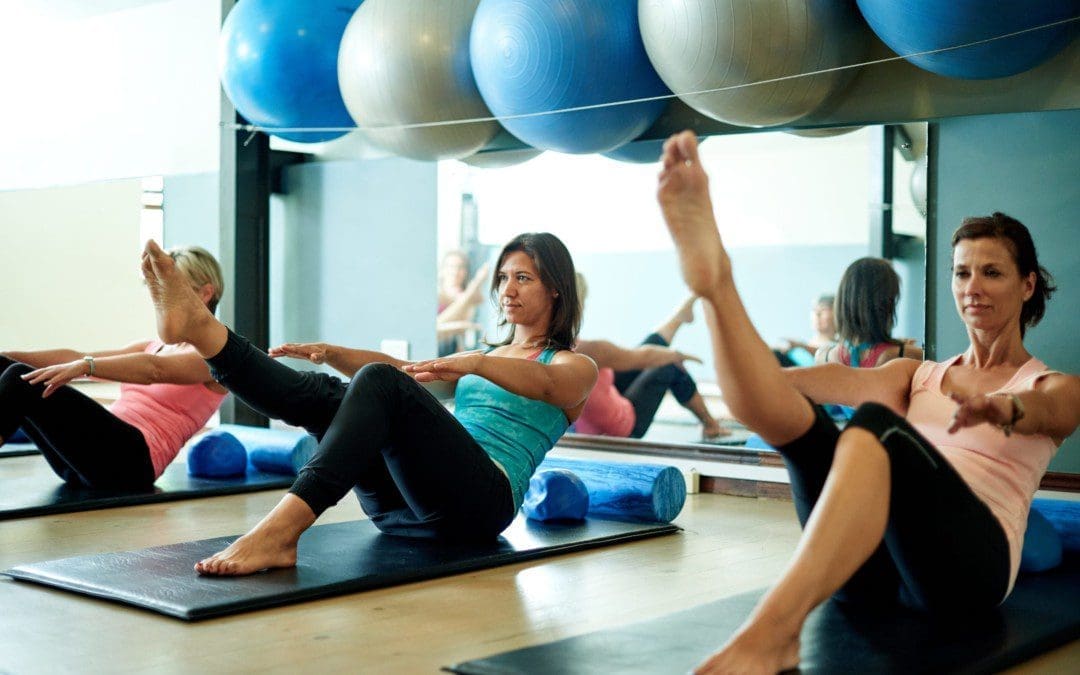
Many people worldwide know that exercising has impressive benefits that help improve the body’s overall wellness. The body has different muscle groups that have a casual relationship with the vital organs inside the body. Organs like the heart, lungs, gut, and bladder correlate with the different muscles through the nerve roots that connect them. When the body suffers from various factors that affect it, it causes referred pain to the body where one pain is at one location but radiates from the other side. Exercising can help the body recover through physical rehabilitation by reducing inflammation and scarring on the muscle tissues. One of the many exercises that helps strengthen the muscles, increase flexibility, and even improve posture is Pilates. Today’s article looks at Pilates, its benefits, and how it can help alleviate back pain. We refer patients to certified providers specializing in musculoskeletal treatments to help many individuals with low back pain issues affecting their bodies. We also guide our patients by referring to our associated medical providers based on their examination when it’s appropriate. We find that education is the solution to asking our providers insightful questions. Dr. Alex Jimenez DC provides this information as an educational service only. Disclaimer
What Is Pilates?
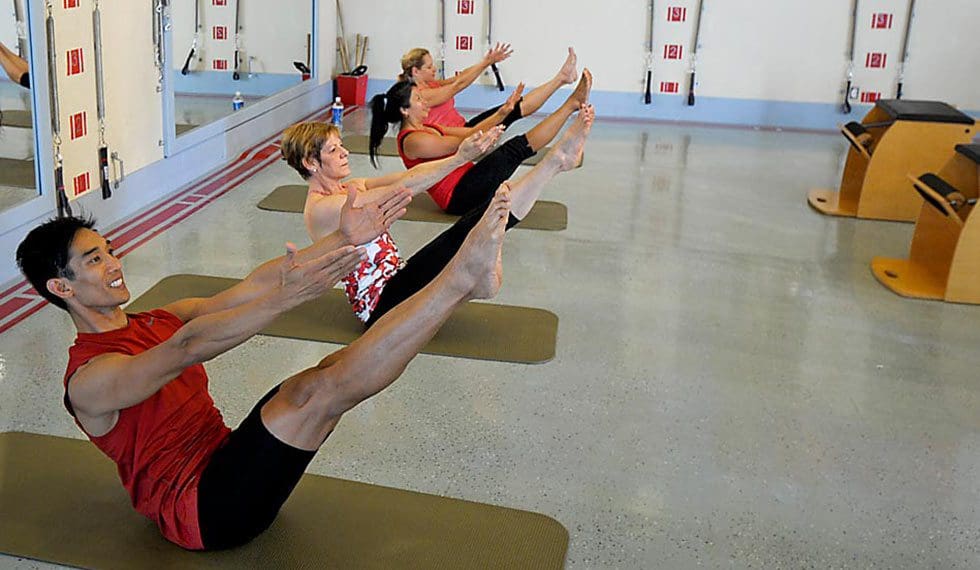
Have you been feeling sluggish or having low energy throughout the entire day? What about experiencing pain in your lower back? Have you experienced muscle stiffness in certain areas around your body? Many of these symptoms are associated with musculoskeletal issues that correlate with different factors that affect the body; why not try an exercise regime like Pilates? Pilates is a system of exercises that uses a particular machine or body to improve a person’s physical strength and posture while increasing the body’s flexibility and enhancing mental awareness. Joseph Pilates developed Pilates in the early 20th century as an exercise program to help World War I soldiers improve their physical fitness levels. Pilates was used as rehabilitation therapy for injured individuals by incorporating resistance, stretching, and target muscle strengthening. Pilates is now utilized for all individuals with different bodies and fitness levels and can provide tremendous benefits.
What Are The Benefits?
Pilates, like any other form of exercise, has many beneficial properties that help improve a person’s health and wellness. Studies reveal that Pilates helps many individuals, including older adults, by improving their posture by decreasing thoracic flexion while increasing lumbar extension for pain relief. Some of the beneficial properties that Pilates offer to the body include:
Increasing core strength: The deep muscles in the abdomen, back, and pelvic regions become stronger and help stabilize the body more.
Strengthen muscle groups: Pilates helps make the muscles not only strong but also helps stretch them so that they can look long and lean. This makes the individual look toned.
It’s a whole body workout: As many exercises work on specific body parts, Pilates focuses on each muscle part of the body and helps muscle development.
Posture Improvement: Pilates help keep the spine aligned while strengthening the body and core. Over time a person’s posture will improve naturally, making them stand taller, stronger, and even more graceful.
Increases energy: Like all exercises, Pilates will give a person the energy boost they need. This is due to the focused breathing and increased blood circulation that stimulates the muscles and the spine.
Pilates Exercises For Back Pain-Video
Are you looking for a new exercise to tone your muscles? Have you been dealing with pain in your lower back? Do you have muscle weakness in some regions of your body? If you have been experiencing pain-related issues, why not try Pilates? The video above goes through a 10-minute Pilates workout for back pain. Studies reveal that non-specific low back pain is a highly prevalent condition many individuals associate with disability and work absence worldwide. Many environmental factors affect many individuals, causing them to suffer back issues. Pilates can help encourage many individuals to regain their health and wellness by incorporating core strength and stability while improving their posture.
Pilates Alleviate Back Pain
Many people don’t realize that some low back pain symptoms are related to poor posture. Poor posture can lead to associated symptoms of headaches, back pain, improper balance, and pelvic issues. What Pilates does is that it creates body awareness and helps improve the lower back muscles by strengthening them and relaxing the stiff muscles. Studies reveal that incorporating Pilates as physical therapy for individuals suffering from low back pain can help address the mental and physical pain aspects with core strengthening, flexibility, and relaxing the tense muscles. Many individuals should never put off exercising when it comes to back pain. Incorporating an exercise routine can benefit the body and prevent future injuries.
Conclusion
An exercise regime can provide many beneficial results for those looking for ways to be healthy, those suffering from injuries, or those who want to add something else to their workout routine. Pilates is one of those exercises that incorporates resistance, stretching, and muscle targeting as it is a full-body workout. Pilates is used in rehabilitation therapy for injured individuals and can provide tremendous benefits. Pilates can help many individuals with back issues associated with environmental factors like poor posture. Many individuals that utilize Pilates as part of their exercise regime will begin to feel stronger and healthier as their backs will thank them.
References
Baker, Sara. “Pilates Exercise for a Healthy Spine – Spineuniverse.” Spineuniverse, 28 Dec. 2019, https://www.spineuniverse.com/wellness/exercise/pilates-exercise-healthy-spine.
Kuo, Yi-Liang, et al. “Sagittal Spinal Posture after Pilates-Based Exercise in Healthy Older Adults.” Spine, U.S. National Library of Medicine, 1 May 2009, https://pubmed.ncbi.nlm.nih.gov/19404180/.
Sorosky, Susan, et al. “Yoga and Pilates in the Management of Low Back Pain.” Current Reviews in Musculoskeletal Medicine, Humana Press Inc, Mar. 2008, https://www.ncbi.nlm.nih.gov/pmc/articles/PMC2684152/.
Yamato, Tiê P, et al. “Pilates for Low Back Pain.” The Cochrane Database of Systematic Reviews, John Wiley & Sons, Ltd, 2 July 2015, https://www.ncbi.nlm.nih.gov/pmc/articles/PMC8078578/.
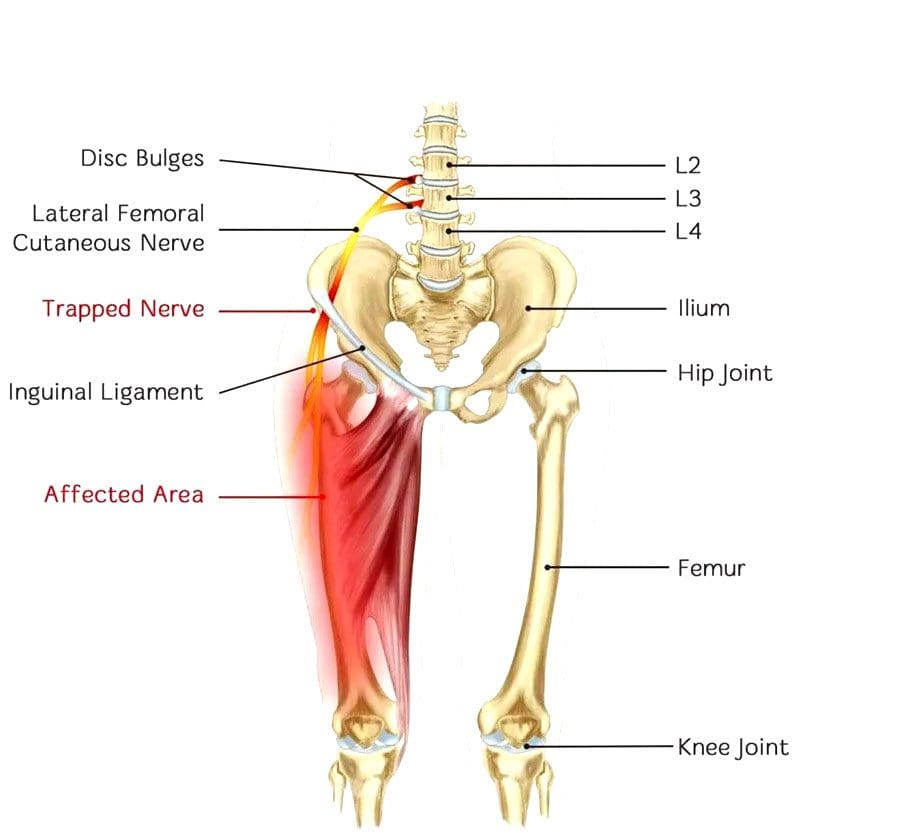
A pinched nerve in the hip can cause numbness, tingliness, weakness, and pain. A pinched/compressed nerve creates pressure that can result from a bone structural issue like hip misalignment or the nerve getting overly stretched, stuck, twisted, or kinked. The pressure obstructs the neural pathways and decreases neural activity. This causes pain. If discomfort or pain is present, chiropractic, physical rehabilitation, rest, exercise, and ice and heat can release and reset the nerve and help prevent re-injury.
Pinched Nerve In The Hip
A pinched or compressed nerve results from pressure being applied to the nerve. A pinched nerve in the hip often causes pain in the groin region, radiating down the inner thigh to the knee. The pain can feel like a dull ache or a sharp, burning pain. Individuals also report tightness, numbness, or a tingling sensation in the buttocks. The most common causes include:
Unhealthy posture.
Sitting for too long without moving around.
Misaligned bone or cartilage.
Muscle strain.
Pregnancy.
Obesity.
Inflamed tissue.
Herniated disc.
Arthritis.
Bone spurs.
Chiropractic
Different causes require different treatment approaches. For example, an obese individual could require chiropractic adjustments, specific exercises/stretches, and diet adjustments to address the whole body. The recommended treatment plans can vary but usually include:
Physical therapeutic massage.
Manipulative therapies of the joints and muscles.
Mobilization of the joints.
Soft tissue treatments.
Spinal decompression.
Exercise.
Walking and activity can worsen the pain when the hip presents with pain. This can cause the rest of the body to compensate by shifting the weight to the healthy side, which can cause even more pain in the back or legs or cause another injury. Regular chiropractic hip adjustments will improve posture, maintaining muscle and skeleton alignment that will prevent pinching nerves in the hip.
Chiropractic Hip Treatment
References
Ahuja, Vanita, et al. “Chronic hip pain in adults: Current knowledge and future prospective.” Journal of anaesthesiology, clinical pharmacology vol. 36,4 (2020): 450-457. doi:10.4103/joacp.JOACP_170_19
Christmas, Colleen, et al. “How common is hip pain among older adults? Results from the Third National Health and Nutrition Examination Survey.” The Journal of family practice vol. 51,4 (2002): 345-8.
“Free Communications: Case Reports: Hip.” Journal of Athletic Training vol. 38,2 Suppl (2003): S.73–S.74.
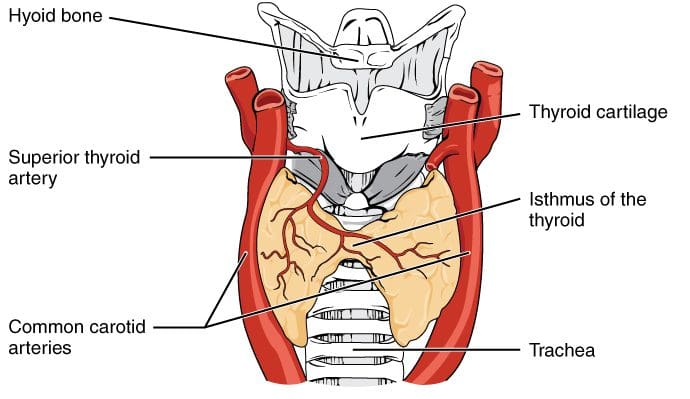
The body is a functional being with the brain to control the host’s movements when going to places or resting, the immune system to battle viruses that enter the body, digest food through the gut system, and the endocrine system regulate hormones that maintain the body. The thyroid secretes hormones out and has a vital role in the body’s functionality, and when it gets affected, it can cause issues associated with the body. When the thyroid doesn’t produce more hormones in the body, it can be at risk of developing hypothyroidism. Today’s article looks at the thyroid’s role in the body, how hypothyroidism affects the body, and how to manage hypothyroidism in the body. We refer patients to certified providers specializing in endocrinology treatments to help many individuals with hypothyroidism. We also guide our patients by referring to our associated medical providers based on their examination when it’s appropriate. We find that education is the solution to asking our providers insightful questions. Dr. Alex Jimenez DC provides this information as an educational service only. Disclaimer
What’s The Thyroid’s Role In The Body?
Have you been experiencing fatigue out of nowhere? What about having constipation issues in your lower abdominals? Or have you been experiencing frequent and heavy menstrual cycles? Some of these symptoms are associated with hypothyroidism. The thyroid is located at the neck’s base and produces hormones. Studies reveal that this small organ is mighty as it has a massive responsibility to the body by controlling its metabolism, growth, and functionality. As the thyroid secretes hormones for the body, these hormones travel with the bloodstream to different organs, muscles, and tissues throughout the body. Thyroxine(T4) and triiodothyronine (T3) are the two main hormones the thyroid gland produces. While the hypothalamus produces TRH (thyrotropin-releasing hormone), and the anterior pituitary glands produce TSH (thyroid-stimulating hormone). All three of these organs work in synchronized harmony with the body by maintaining the proper mechanism and homeostasis. The thyroid hormone affects not only the body but the vital organs like:
Heart
Central nervous system
Autonomic nervous system
Lungs
Skeletal muscles
Metabolism
GI tract
The Effects Of Hypothyroidism In The Body
Since the thyroid helps regulate hormones in the body, environmental factors play a role in hormone production. When environmental factors begin to affect the body, they potentially involve hormones. When the thyroid gland cannot produce sufficient hormones in the body, it risks developing hypothyroidism. Hypothyroidism is defined as a common condition that is the result of low hormone production overlapping various conditions and manifestations. When left untreated, hypothyroidism could associate with sympathetic and parasympathetic dysfunction. Studies reveal that the thyroid hormone influences the autonomic nervous system. Individuals suffering from hypothyroidism correlate to a dysfunctional autonomic system overlapping sympathetic reactivity. This means that hypothyroidism will cause the body’s metabolism to slow down and cause various symptoms to affect each vital organ.
An Overview Of Hypothyroidism-Video
Have you been experiencing chronic fatigue? How about muscle weakness in your arms or legs? What about feeling cold all the time? Individuals experiencing these symptoms are dealing with a condition known as hypothyroidism. The video above explains hypothyroidism, how it is diagnosed, and its symptoms in the body. Many environmental factors do play a role when it comes to the development of hypothyroidism. Some of the symptoms associated with hypothyroidism include:
Constipation
Decrease in sexual function
Depression
High cholesterol
Weight gain
Chronic fatigue
Brain fog
Hashimoto’s
When the body is being affected by environmental factors correlating with hypothyroidism, studies reveal that factors like spinal cord injuries do cause an impact on the body’s metabolic function and derange various hormonal axes. This causes issues that could potentially involve co-morbidities like urinary tract infections. Fortunately, there are ways to manage hypothyroidism and regulate the hormones to make the body functional again.
Managing Hypothyroidism
One cornerstone in managing hypothyroidism and reducing its associated symptoms is following a proper treatment for health and wellness. Maintaining healthy hormone levels in the body is achievable regarding hypothyroidism. Taking thyroid medication as prescribed by a doctor help improve symptoms associated with hypothyroidism while regulating T3 and T4 hormones. Eating nutritious foods may help relieve some symptoms of hypothyroidism. Exercising helps enhance energy levels and strengthen weak muscles for individuals with hypothyroidism. Incorporating chiropractic care can help reduce somato-visceral disorders associated with hypothyroidism through spinal manipulation. Utilizing these treatments to manage hypothyroidism benefits one’s health and wellness journey.
Conclusion
The thyroid is an organ at the neck’s base as part of the endocrine system. This organ is mighty as it helps the body by secreting hormones for all the various organs, muscles, and tissues. When the thyroid can’t produce sufficient hormones to regulate the body, it risks developing hypothyroidism. Hypothyroidism is a common condition that results in a low hormonal count, triggering symptoms that affect the body. If left untreated, it could become the mediator for sympathetic and parasympathetic dysfunction. Luckily, treatments are available to manage hypothyroidism and regulate hormonal secretion in the body. This allows the individual to incorporate healthy habits to maintain their hormones while their health and wellness journey continues impacting their lives.
References
Cheville, A L, and S C Kirshblum. “Thyroid Hormone Changes in Chronic Spinal Cord Injury.” The Journal of Spinal Cord Medicine, U.S. National Library of Medicine, Oct. 1995, https://pubmed.ncbi.nlm.nih.gov/8591067/.
Hardy, Katie, and Henry Pollard. “The Organisation of the Stress Response, and Its Relevance to Chiropractors: A Commentary.” Chiropractic & Osteopathy, BioMed Central, 18 Oct. 2006, https://www.ncbi.nlm.nih.gov/pmc/articles/PMC1629015/.
Mahajan, Aarti S, et al. “Evaluation of Autonomic Functions in Subclinical Hypothyroid and Hypothyroid Patients.” Indian Journal of Endocrinology and Metabolism, Medknow Publications & Media Pvt Ltd, May 2013, https://www.ncbi.nlm.nih.gov/pmc/articles/PMC3712377/.
Patil, Nikita, et al. “Hypothyroidism.” In: StatPearls [Internet]. Treasure Island (FL), StatPearls Publishing, 19 June 2022, https://www.ncbi.nlm.nih.gov/books/NBK519536/.
Shahid, Muhammad A, et al. “Physiology, Thyroid Hormone – StatPearls – NCBI Bookshelf.” In: StatPearls [Internet]. Treasure Island (FL), StatPearls Publishing, 8 May 2022, https://www.ncbi.nlm.nih.gov/books/NBK500006/.
The brain and the spinal cord have a casual relationship in the nervous system as they help transport neuron signals to the rest of the body. These neuron signals travel through the various nerve pathways that provide motor-sensory functions to the arms, legs, neck, and back that help keep the body upright and function properly. When natural causes or traumatic issues affect the spinal cord, it can cause pain symptoms associated with nerve compression that overlaps with different chronic problems. When there is spinal nerve compression in the back, it may potentially involve low back or neck pain. Today’s article looks at a condition known as Chiari malformation, its associated symptoms with the spine, and how decompression and chiropractic care manage Chiari malformation. We refer patients to certified providers specializing in neurological treatments to help many individuals with Chiari malformation. We also guide our patients by referring to our associated medical providers based on their examination when it’s appropriate. We find that education is the solution to asking our providers insightful questions. Dr. Alex Jimenez DC provides this information as an educational service only. Disclaimer
What Is Chiari Malformation?
Have you been experiencing chronic headaches that are triggering neck stiffness? What about uncontrollable bladder issues? Are you feeling tingling sensations down your fingers and toes? Some of these symptoms are signs that you might risk developing Chiari malformation. Chiari malformation is uncommon when parts of the brain tissue extend into the spinal canal. This condition is a cluster of abnormalities that involves parts of the brain and cervical cord. The brain consists of 6 pieces that have different functions; they are:
Parietal lobe (Sense of touch, visual perception, differentiation, etc.)
Temporal lobe (Memory, understanding languages)
Occipital lobe (Vision)
Cerebellum (Balance, motor activity, coordination)
The brain stem (spinal cord, breathing, sleep and wake cycles, etc.)
These different brain sections have a casual relationship with their correlated organs and muscles to keep the body moving. When there are deformities affecting the brain from Chiari malformation, studies reveal that the cerebellum is leaking out of the skull and pressing against the surrounding spinal canal, triggering symptoms along the spine.
The Symptoms Associated With Chiari Malformation & The Spine
The symptoms associated with Chiari malformation do affect the spine in the body. The symptoms vary from each individual, ranging from none to severe. The most common sign that is associated with Chiari malformation is a headache. Studies reveal that symptomatic cluster-like headaches are related to various diseases, including Chiari malformation. When dealing with a headache that radiates pain along the neck and shoulders, this is known as somato-visceral pain, where the affected muscle affects the organ, causing pain associated with a chronic issue. Let’s look at another symptom related to the presence of Chiari malformation. Scoliosis is when there is a sideways curvature in the thoracic or lumbar regions of the spine. So how is scoliosis associated with Chiari malformation? When skeletal maturity and age are affected by scoliosis, studies show that neural axis abnormalities correlate with curve progression, causing the risk of Chiari malformation to develop. Other symptoms that are associated with Chiari malformation include:
Muscle weakness (coordination issues, loss of balance)
Have you been experiencing bladder issues out of nowhere? Do you feel tingling, burning sensations along your arms and legs? Has your neck and upper back been feeling stiff? These are some of the symptoms associated with Chiari malformation in the cervical region. The video above gives an overview of Chiari malformation, its diagnosis, and how it’s treated. Chiari malformation has multiple causes, but the most common cause is when the cerebellum develops downward and compresses the spinal canal. This causes painful issues on the neck and affects the visceral organs and muscles, causing painful symptoms that potentially involve other parts of the body. Fortunately, treatments are available to manage Chiari malformation and its associated symptoms.
Decompression & Chiropractic Care For Chiari Malformation
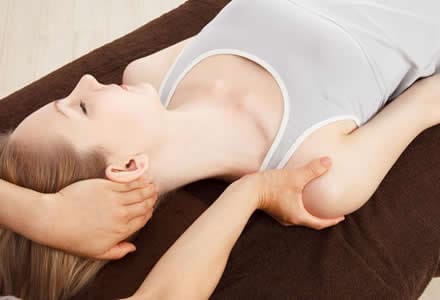
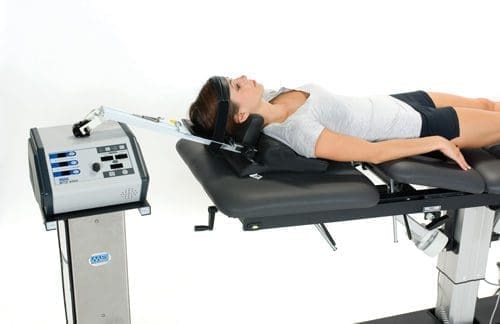
Chiari malformation is treatable through decompression and chiropractic care by managing the associated symptoms. Studies show that decompression may improve the symptoms associated with Chiari malformation and regain motor functions in the neck and range of motion in the arms. Decompression for the cervical region allows gentle traction on the neck to elongate the compressed spinal disc to release the pressure off the nerve root. For chiropractic care, spinal manipulation on the upper back may help alleviate headaches due to subluxation or spinal misalignment. Utilizing these two treatments allows many individuals to find the relief they are looking for and help manage the symptoms associated with their chronic issues.
Conclusion
Overall, the brain and spinal cord have a casual relationship in the nervous system as they help transport the neuron signals to each body part to be functional. Traumatic issues or injuries to the spine can cause pain in the cervical, thoracic, and lumbar regions while potentially being involved with chronic issues. Chiari malformation is a chronic condition where the cerebellum develops downwards and compresses the spinal canal. This causes associated symptoms in the cervical region that can drastically affect the upper half of the body. Treatments like decompression and chiropractic care help manage the associated symptoms that are caused by Chiari malformation through non-invasive ways. Incorporating these treatments allow the individual to be pain-free.
References
Goldschagg, Nicolina, et al. “Decompression in Chiari Malformation: Clinical, Ocular Motor, Cerebellar, and Vestibular Outcome.” Frontiers in Neurology, Frontiers Media S.A., 22 June 2017, https://www.ncbi.nlm.nih.gov/pmc/articles/PMC5479925/.
Hidalgo, Joaquin A, et al. “Arnold Chiari Malformation – Statpearls – NCBI Bookshelf.” In: StatPearls [Internet]. Treasure Island (FL), StatPearls Publishing, 1 May 2022, https://www.ncbi.nlm.nih.gov/books/NBK431076/.
Kaplan, Yüksel, and Özden Kamişli. “Cluster-like Headache Associated with Symptomatic Chiari Type 1 Malformation.” Noro Psikiyatri Arsivi, Turkish Neuropsychiatric Society, Mar. 2014, https://www.ncbi.nlm.nih.gov/pmc/articles/PMC5370268/.
Kelly, Michael P, et al. “Spinal Deformity Associated with Chiari Malformation.” Neurosurgery Clinics of North America, U.S. National Library of Medicine, Oct. 2015, https://www.ncbi.nlm.nih.gov/pmc/articles/PMC4584090/.
Staff, Mayo Clinic. “Chiari Malformation.” Mayo Clinic, Mayo Foundation for Medical Education and Research, 24 Sept. 2021, https://www.mayoclinic.org/diseases-conditions/chiari-malformation/symptoms-causes/syc-20354010.
IFM's Find A Practitioner tool is the largest referral network in Functional Medicine, created to help patients locate Functional Medicine practitioners anywhere in the world. IFM Certified Practitioners are listed first in the search results, given their extensive education in Functional Medicine