Nowadays, many individuals are incorporating various fruits, vegetables, lean portions of meat, and healthy fats and oils into their diet to get all the vitamins and minerals that their bodies need. The body needs these nutrients biotransformed into energy for the muscles, joints, and vital organs. When normal factors like eating unhealthy foods, not getting enough exercise, and underlying conditions affect the body, it can cause somato-visceral issues that correlate with disorders that push many individuals to feel unwell and miserable. Luckily, some supplements and vitamins like magnesium help with overall health and can reduce the effects of these environmental factors that are causing pain-like symptoms in the body. In this 3-part series, we will look at the impact of magnesium helping the body and what foods contain magnesium. Part 1 looks at how magnesium correlates with heart health. Part 2 looks at how magnesium helps with blood pressure. We refer our patients to certified medical providers that provide many available therapy treatments for individuals suffering from underlying conditions associated with low magnesium levels affecting the body and correlated to many underlying conditions affecting a person’s health and wellness. We encourage each patient when it is appropriate by referring them to associated medical providers based on their diagnosis. We accept that education is a marvelous way when asking our providers’ hard-hitting questions at the patient’s request and acknowledgment. Dr. Jimenez, D.C., only utilizes this information as an educational service. Disclaimer
An Overview Of Magnesium
Have you been experiencing muscle numbness in different locations in your body? What about muscle cramps or fatigue? Or have you been experiencing issues with your heart? Suppose you have been dealing with these overlapping issues that are affecting not only your body but your overall health. In that case, it could correlate with your body’s low magnesium levels. Studies reveal that this essential supplement is the body’s fourth most abundant cation when it comes to magnesium since it is a co-factor for multiple enzymic reactions. Magnesium helps with cellular energy metabolism, so the muscles and vital organs can function properly and helps replenish intracellular and extracellular water intake. Magnesium helps with the body’s metabolism, but it can also help reduce the effects of chronic conditions affecting the body.
How Magnesium Helps The Body
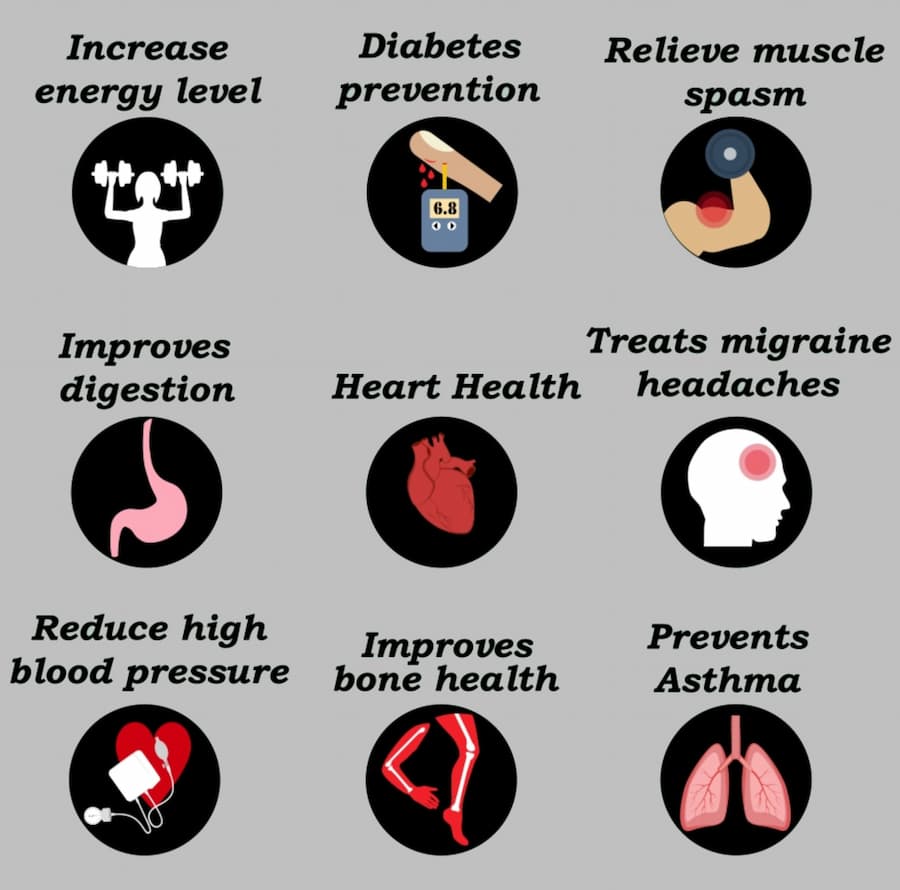
Additional studies reveal that magnesium is important in lowering chronic conditions’ effects on the body. Magnesium could help many individuals dealing with cardiovascular issues or chronic diseases associated with the heart or the muscles surrounding the upper and lower extremities of the body. How can magnesium help with overlapping health disorders that can affect the body? Studies show that taking magnesium can help prevent and treat many common health conditions:
Metabolic syndrome
Diabetes
Headaches
Cardiac arrhythmias
Many of these conditions are associated with everyday factors that can affect the body and lead to chronic disorders that can cause pain to the muscles, joints, and vital organs. So, taking magnesium can reduce pre-existing conditions from elevating the body and causing more harm.
Magnesium In Food
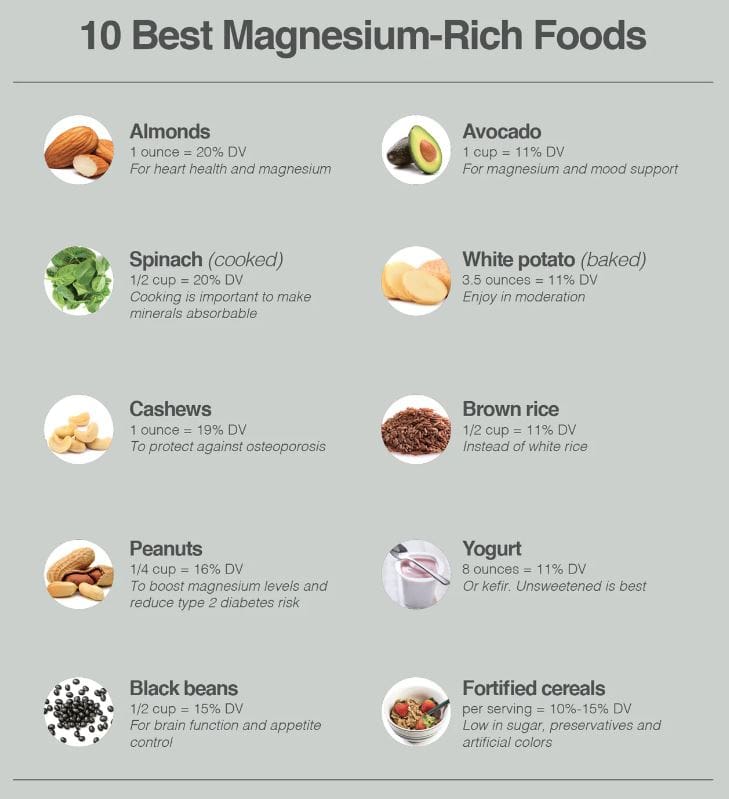
Biomedical physiologist Alex Jimenez mentions that magnesium supplementation usually causes diarrhea and explains what foods are high in magnesium. Surprisingly, avocados and nuts have a chaulk full of magnesium. One medium avocado has about 60 milligrams of magnesium, while nuts, especially cashews, have approximately 83 milligrams of magnesium. One cup of almonds has about 383 milligrams of magnesium. It also has 1000 milligrams of potassium, which we covered in an earlier video, and around 30 grams of protein. So this is a good snack to break up the cup into about half-cup serving throughout the day and snack on as you’re going. The second one is beans or legumes; for example, one cup of black beans cooked has around 120 milligrams of magnesium. And then wild rice is also a good source of magnesium. So what are the signs of low magnesium? The symptoms of low magnesium are muscle spasms, lethargy, irregular heartbeat, pins and needles in the hands or legs, high blood pressure, and depression. This video was informative for you regarding magnesium, where to find it, and the best supplemental forms to take it in. Thank you again, and tune in next time.
Foods Containing Magnesium
When it comes to taking magnesium, there are many ways to incorporate magnesium into the body’s system. Some people take it in supplemental form, while others eat healthy, nutritious foods with a chaulk full of magnesium to get the recommended amount. Some of the foods that are riched in magnesium include:
Dark Chocolate=65 mg of magnesium
Avocados=58 mg of magnesium
Legumes=120 mg of magnesium
Tofu= 35 mg of magnesium
What is great about getting these magnesium riched foods is that they can be in any dishes we consume for breakfast, lunch, and dinner. Incorporating magnesium in a healthy diet can help boost the body’s energy levels and help support the major organs, joints, and muscles from various disorders.
Conclusion
Magnesium is an essential supplement that the body needs to boost energy levels and help reduce the effects of pain-like symptoms that can cause dysfunction in the body. Whether it is in supplemental form or eating it in healthy dishes, magnesium is an important supplement that the body needs to function properly.
References
Fiorentini, Diana, et al. “Magnesium: Biochemistry, Nutrition, Detection, and Social Impact of Diseases Linked to Its Deficiency.” Nutrients, U.S. National Library of Medicine, 30 Mar. 2021, https://www.ncbi.nlm.nih.gov/pmc/articles/PMC8065437/.
Schwalfenberg, Gerry K, and Stephen J Genuis. “The Importance of Magnesium in Clinical Healthcare.” Scientifica, U.S. National Library of Medicine, 2017, https://www.ncbi.nlm.nih.gov/pmc/articles/PMC5637834/.
Vormann, Jürgen. “Magnesium: Nutrition and Homoeostasis.” AIMS Public Health, U.S. National Library of Medicine, 23 May 2016, https://www.ncbi.nlm.nih.gov/pmc/articles/PMC5690358/.
As more and more people start to keep track of their health, many often try to figure out what foods contain the right amount of vitamins and supplements to benefit their bodies and support the vital organs and the body’s gene levels. Many fruits and vegetables have a chock-full of vitamins and minerals that the body needs for energy and to prevent chronic issues from affecting the body. Today’s article looks at the most beneficial mineral the body needs, potassium, its benefits, and what kind of foods have potassium for the body. We refer our patients to certified providers that consolidate many available treatments for many individuals suffering from low potassium levels affecting a person’s body and correlating to chronic conditions that can cause overlapping risk profiles. We encourage each patient by referring them to associated medical providers based on their diagnosis when it is appropriate. We understand that education is a fantastic way when asking our providers intricated questions at the patient’s request and understanding. Dr. Jimenez, D.C., only utilizes this information as an educational service. Disclaimer
[
What Is Potassium?
Have you been experiencing muscle cramps and aches throughout your entire body? What about feeling tired constantly or experiencing low energy? Or have you noticed that your blood pressure is elevated? Many of these chronic issues are correlated with low levels of potassium in the body. Studies reveal that potassium is an essential mineral that the human body needs to function properly. Potassium is important since it is an electrolyte to replenish the body when a person sweats. Many athletic people need to fill their bodies with electrolytes after an intense workout session to ensure that the extracellular and intracellular compartments are hydrated. Additional studies also mentioned that potassium is one of the shortfall nutrients that many people often forget because of the adequate intake that needs to be met for the body to have the recommended amount of potassium to function throughout the entire day. However, incorporating different types of food that have potassium can provide the recommended amount that the individual needs and provide beneficial results.
The Benefits Of Potassium
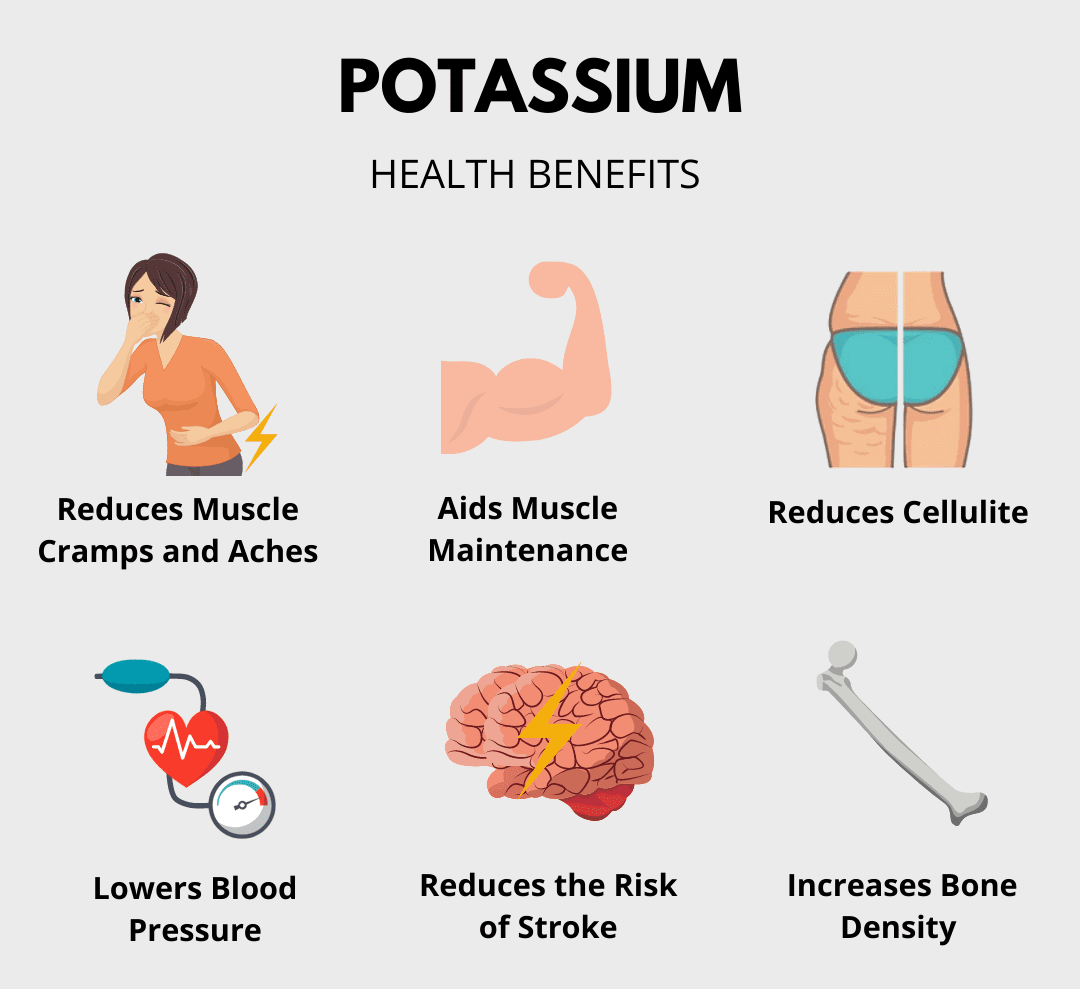
When it comes to the body and potassium, there are many beneficial factors that this essential mineral can provide. Research studies have revealed that increasing potassium intake with healthy, nutritious foods can benefit body health. Some of the beneficial properties that potassium can provide include the following:
Lowering blood pressure
Reduce the progression of renal disease
Decrease the risk of osteoporosis
Manages hypercalciuria
Prevent diabetes development
All these chronic issues that can affect the body are correlated with low potassium levels. When the body doesn’t have the right amount of vitamins and supplements to help prevent these issues, it can lead to pain-like symptoms associated with the muscles, joints, and vital organs. So when pain specialists like chiropractors or functional medicine doctors thoroughly examine patients and ask questions to determine if the patient’s body has low potassium levels. When the body has low potassium levels, studies reveal that chronic issues like hypertension and elevated glucose levels could potentially lead to cardiovascular problems associated with chest pain and diabetes. When these overlapping issues affect the body, it is known as somato-visceral pain. Somato-visceral pain is when the affected organs are causing problems to the body’s muscles and causing referred pain in different locations.
An Overview Of Potassium
Biomedical physiologist expert Alex Jimenez is going to be going over potassium. He mentions that potassium is a cat ion that is positively charged. So potassium is important for a few different reasons. It helps us regulate our heartbeat. It helps us regulate how our muscle and nervous tissue work, and it’s important for synthesizing protein and metabolizing carbohydrates. The recommended daily amount of potassium is 4.7 grams for the U.S. and 3.5 for the U.K. So, an average of three and a half grams. When we think about potassium and what foods are high in potassium, what’s the first that comes to mind? The banana, right? A banana only has 420 or 422 milligrams of potassium. So to get our daily amount of potassium, that’s going to require us to eat eight and a half bananas. I don’t know anybody eating eight and a half bananas unless you’re a monkey. So let’s look at other foods high in potassium to help counterbalance the nutritional amount instead of just eating eight and a half bananas. Some foods high in potassium are dried fruits, specifically dried apricots and raisins, which have about 250 milligrams per half-cup serving.
Foods That Are High In Potassium
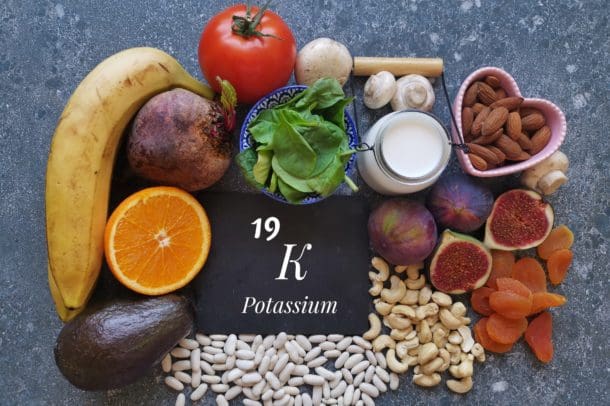
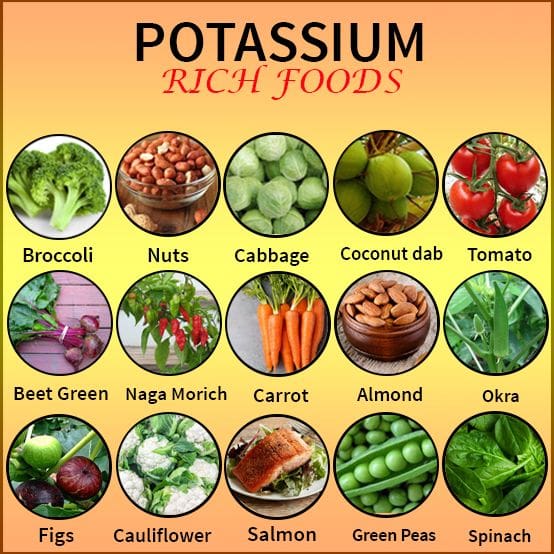
It is easy to incorporate potassium into a person’s daily habits. Many pain specialists like chiropractors work with associated medical providers like nutritionists and physical therapists to restore the body, prevent chronic conditions from progressing further, and reduce muscle and joint pain. Everybody knows that bananas are one of the more known fruits with potassium; however, eating bananas alone can be tiresome. So many fruits and vegetables have higher potassium levels and can help replenish the body’s electrolytes. Some of the nutritious foods that have potassium include:
Banana
Avocado
Sweet Potatoes
Spinach
Dried Fruits (Apricots, Raisins, Peaches, Prunes)
Now eating potassium-riched foods can help the body’s intra- and extracellular water intake but combined with treatments and exercises can prevent chronic issues associated with muscle and joint pain. When people utilize these healthy habits in their daily lives, they can feel better and function throughout the day.
Conclusion
Trying to be healthier should not be difficult and can begin small with the right motivation. Incorporating a healthy diet combined with exercises and therapy treatments can restore the body to its healthier version and prevent overlapping issues affecting the muscles, joints, vital organs, and gene levels. Eating whole, nutritional foods filled with potassium can help restore lost electrolytes and help prevent chronic disorders from progressing further in the body to avoid muscle and joint pain.
References
He, Feng J, and Graham A MacGregor. “Beneficial Effects of Potassium on Human Health.” Physiologia Plantarum, U.S. National Library of Medicine, Aug. 2008, https://pubmed.ncbi.nlm.nih.gov/18724413/.
Stone, Michael S, et al. “Potassium Intake, Bioavailability, Hypertension, and Glucose Control.” Nutrients, U.S. National Library of Medicine, 22 July 2016, https://www.ncbi.nlm.nih.gov/pmc/articles/PMC4963920/.
Sur, Moushumi, and Shamim S Mohiuddin. “Potassium – StatPearls – NCBI Bookshelf.” In: StatPearls [Internet]. Treasure Island (FL), StatPearls Publishing, 11 May 2022, https://www.ncbi.nlm.nih.gov/books/NBK539791/.
Weaver, Connie M. “Potassium and Health.” Advances in Nutrition (Bethesda, Md.), U.S. National Library of Medicine, 1 May 2013, https://www.ncbi.nlm.nih.gov/pmc/articles/PMC3650509/.
Dr. Alex Jimenez, D.C., presents how chronic stress can impact the body and how it is correlated with inflammation in this 2-part series. Part 1 examined how stress correlates with various symptoms affecting the body’s gene levels. Part 2 looks at how inflammation and chronic stress correlate with the various factors that can lead to physical development. We refer our patients to certified medical providers who provide available treatments for many individuals suffering from chronic stress associated with the cardiovascular, endocrine, and immune systems affecting the body and developing inflammation. We encourage each of our patients by mentioning them to associated medical providers based on their analysis appropriately. We understand that education is a delightful way when asking our providers questions at the patient’s request and understanding. Dr. Jimenez, D.C., only uses this information as an educational service. Disclaimer
How Stress Can Impact Us?
Dr. Alex Jimenez, D.C., presents: Stress can create many emotions that can hugely impact many of us. Whether it is anger, frustration, or sadness, stress can make anyone reach a breaking point and cause underlying conditions that can develop into cardiovascular issues. So those people with the highest level of anger, when you look at the cardiovascular literature, have the least probability of survival. Anger is a bad player. Anger causes arrhythmia. This study looked at, now that we have people with ICDs and defibrillators, we can monitor these things. And we see that anger can trigger ventricular arrhythmias in patients. And it’s easy now to follow, with some of our technology.
Anger has been linked to episodes of atrial fibrillation. When you think about it, it’s adrenaline outpouring into the body and causing coronary constriction. It’s increasing the heart rate. All of these things can lead to arrhythmia. And it doesn’t have to be AFib. It can be APCs and VPCs. Now, some very interesting research has come out about telomerase and telomeres. Telomeres are little caps on the chromosomes, and telomerase is the enzyme linked to telomere formation. And now, we can understand through the language of science, and we’re starting to use technology and use science in a way that we could never do before to understand the impact of stress on telomeres and telomerase enzymes.
The Factors That Lead Up To Chronic Stress
Dr. Alex Jimenez, D.C., presents: So one of the key people to study this is the Nobel Prize-winning, Dr. Elizabeth Blackburn. And what she said is that this is a conclusion, and we’ll come back to some of her other studies. She tells us that the telomeres of babies from women in utero had a lot of stress or were even shorter in young adulthood compared to mothers who did not have the same stressful situations. Maternal psychological stress during pregnancy may exert a programming effect on the developing telomere biology system that is already apparent at birth as reflected by the setting of newborn leukocyte telemetry length. So children can come in imprinted, and even if they do, this can be transformed.
What about racial discrimination these boxes here show high racial discrimination leading to low telomere length, which most of us have ever thought about. So, shorter telomere length leads to an increased risk of cancer and overall mortality. Cancer incidence rates are 22.5 per 1000 person-years in the shortest telomere group, verse 14.2 in the middle group, and 5.1 in the longest telomere group. Shorter telomeres can lead to instability of the chromosome and result in cancer formation. So, now we understand, through the language of science, the impact of stress on the telomerase enzyme and the telomere length. According to Dr. Elizabeth Blackburn, 58 premenopausal women were caregivers of their chronically ill children verse women who had healthy children. The women were asked how they perceive stress in their lives and whether it impacts their health by affecting their cellular aging.
That was the question of the study as they looked at telomere length and telomerase enzyme, and this is what they found. Now, the keyword here is perceived. We are not to judge each other’s stress. Stress is personal, and some of our responses may be genetic. For example, someone who has homozygous comps with a sluggish gene may have much more anxiety than someone who doesn’t have this genetic polymorphism. Someone who has an MAOA in an MAOB may have more anxiety than someone who doesn’t have that genetic polymorphism. So there is a genetic component to our response, but what she found was perceived psychological stress. And the number of years caring for chronically ill children was associated with shorter telomere length and less telomerase activity, providing the first indication that stress can impact telomere maintenance and longevity.
How To Transform Our Stress Response?
Dr. Alex Jimenez, D.C., presents: That’s powerful, and many healthcare providers are under some form of stress. And the question is, what can we do to transform our response? Framingham also looked at depression and identified clinical depression as a bigger risk for cardiovascular events and poor outcomes than smoking, diabetes, high LDL, and low HDL, which is crazy because we spend all of our time on these things. Yet, we don’t spend much time dealing with the emotional aspects of vascular disease. This is affected depression, inventory, a simple screening test for depression, looking at people with high levels of depression versus low levels of depression. And you can see that as you go from the low to the highest level, as you work your way through, the chance of survival becomes less.
And many of us have our theories as to why this occurs. And is it because if we are depressed, we don’t say, “Oh, I’m going to eat some brussels sprouts, and I’m going to take those B vitamins, and I’m going to go out and exercise, and I’m going to do some meditation.” So post-MI independent risk factor for an event is depression. Our mindset regarding depression makes us incapable of functioning normally and can make our bodies develop issues that affect our vital organs, muscles, and joints. So, depression is a big player, as 75% of post-MI deaths are related to depression, right? So looking at patients, now, you have to ask the question: Is it the depression causing the problem, or is it the cytokine sickness that’s already led to the heart disease causing the depression? We have to factor all of this in.
And yet another study looked at over 4,000 people with no coronary disease at baseline. For every increase of five points on the depression scale, that increased risk by 15%. And those with the highest depression scores had a 40% higher coronary artery disease rate and a 60% higher death rate. So mostly everyone thinks it’s a cytokine sickness that leads to MI, vascular disease, and depression. And then, of course, when you have an event, and you come out with a whole host of issues around it, we know that people who are depressed have a twofold increase in mortality, a fivefold increase in death after a heart attack, and poor outcomes with surgery. It’s like this, what came first, the chicken or the egg?
How Depression Is Linked With Chronic Stress?
Dr. Alex Jimenez, D.C., presents: Every surgeon knows this. They don’t want to do surgery on depressed people. They know the outcome is not good, and of course, they are less likely to follow through on all of our great functional medicine recommendations. So what are some of the mechanisms of autonomic dysfunction have been evaluated heart rate variability and low levels of omega-3s, which have a profound effect on the brain, and low levels of vitamin D. There are those inflammatory cytokines we talked about not getting restorative sleep, and many of our heart patients do have apnea. And remember, don’t just think it’s the heavyset heart patients with thick short necks; it can be quite deceiving. And it’s really important to look at the structure of the face and, of course, social connection, which is the secret sauce. So is autonomic dysfunction a mechanism? One study looked at heart rate variability in people with a recent MI, and they looked at over 300 people with depression and those without depression. They found that four heart rate variability indices will lower in people with depression.
Gut Inflammation & Chronic Stress
Dr. Alex Jimenez, D.C., presents: So here are two groups of people having a heart attack and heart rate variability, rising to the top as a possible etiology. One of the many things that can also affect chronic stress in the body is how the gut microbiome plays its part in oxidative stress. The gut is everything, and many heart patients laugh because they would ask their cardiologists, “Why do you care about my gut microbiome? Why would this affect my heart?” Well, all that gut inflammation is causing cytokine sickness. And what a lot of us have forgotten since medical school is that many of our neurotransmitters come from the gut. So chronic inflammation and exposure to inflammatory cytokines appear to lead to alterations in dopamine function and the basal ganglia, reflected by depression, fatigue, and psychomotor slowing. So we can’t emphasize the role of inflammation and depression enough if we take a look at acute coronary syndrome and depression, which was associated with higher markers for inflammation, more elevated CRP, lower HS, lower heart rate variability, and something that never gets checked in the hospital, which is nutrition deficiencies.
And in this case, they looked at omega-3s and vitamin D levels, so at a minimum, an omega-3 check and a vitamin D level are warranted in all of our patients. And certainly, if you can get a full diagnosis for stress-induced inflammation. Another condition you must look at when it comes to stress-induced inflammation is osteoporosis in the joints. Many people with osteoporosis will have muscle loss, immune dysfunction, fat around the midline, and high blood sugar are associated with aging, and it can come from elevated cortisol levels in the body.
High cortisol heart disease risks are two times higher in people taking high doses of steroids. Small amounts of steroids don’t have the same risk, so it is not as big a deal. Of course, we try to get our patients off of steroids. But the point here is that cortisol is a stress hormone and is a stress hormone that raises blood pressure and puts weight on the midline, makes us diabetic, causes insulin resistance, and the list is endless. So, cortisol’s a big player, and when it comes to functional medicine, we have to look at the various tests that pertain to elevated levels of cortisol like food sensitivity, a 3-day stool valve, a nutra-valve, and an adrenal stress index test to look at what is going on with the patients. When there is a heightened sympathetic nervous system and high cortisol, we discussed everything from coagulopathy to decreased heart rate variability, central obesity, diabetes, and hypertension.
Parental Relationships & Chronic Stress
Dr. Alex Jimenez, D.C., presents: And turning on the renin-angiotensin system it’s all linked to stress. Let’s look at this study that looked at 126 Harvard Medical students, and they were followed for 35 years, a long research. And they said, what’s the incidence of significant illness, heart disease, cancer, hypertension? And they asked these students very simple questions, what was your relationship with your mom and your dad? Was it very close? Was it warm and friendly? Was it tolerant? Was it strained and cold? This is what they found. They found that if the students identified their relationship with their parents as strained 100% incidence of significant health risk. Thirty-five years later, if they said it was warm and close, the results cut that percentage in half. And it would help if you thought about what it is and what can explain this, and you’ll see how adverse childhood experiences make us sick in a few minutes and how we learn our coping skills from our parents.
Conclusion
Dr. Alex Jimenez, D.C., presents: Our spiritual tradition comes from our parents often. Our parents are the ones who frequently teach us how to get angry or how to resolve conflict. So our parents have had a profound effect on us. And when you think about that, our connection is also not very surprising. This is a 35-year follow-up study.
Chronic stress can lead to multiple issues that can correlate to illness and dysfunction in the muscles and joints. It can affect the gut system and lead to inflammation if it is not taken care of immediately. So when it comes to the impact of stress affecting our daily lives, it can be numerous factors, from chronic conditions to family history. Eating nutritious foods high in antioxidants, exercising, practicing mindfulness, and going to daily treatments can lower the effects of chronic stress and reduce the associated symptoms that overlap and cause pain to the body. We can continue with our health and wellness journey pain-free by utilizing various ways to lower chronic stress in our bodies.
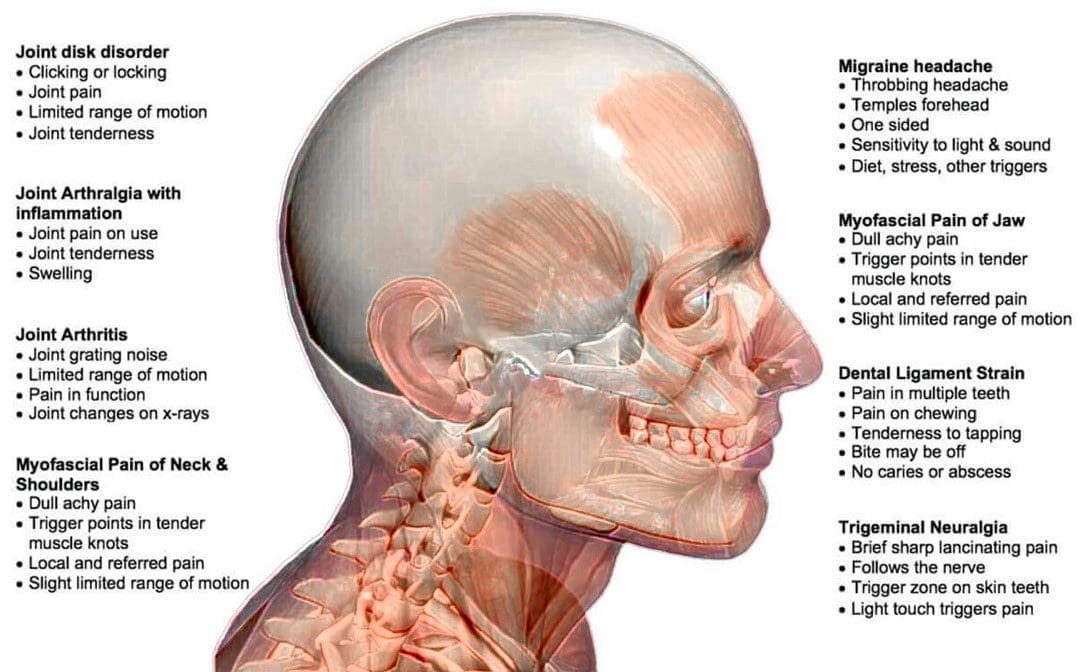
Bruxism is an abnormal jaw clenching or grinding of the teeth, either while awake or during sleep. This can cause neck and shoulder tension caused by excess pressure on the neck and jaw muscles. Individuals may not realize they have bruxism until a dentist notices excess wear and tear or a chiropractor examines their symptoms. Bruxism can play a role in temporomandibular disorders. Doctors and dentists agree that factors like stress increase the likelihood of jaw clenching. Dentists usually recommend a mouth guard to prevent grinding. Chiropractic care, massage, and decompression therapy can relieve symptoms, release and relax the muscles, realign the spine, and restore function.
Bruxism
There is awake bruxism and sleep bruxism. A tight jaw generates tension extending to the neck, shoulder, and upper back muscles. Over time, that excess strain irritates the joints, causing inflammation. Jaw clenching and teeth grinding can lead to health issues like damaged teeth, neck, shoulder, and upper back pain symptoms, and tension headaches.
Symptoms
Signs and symptoms can include:
Face, jaw, neck, and upper back aches, tightness, and soreness.
Tired or tight jaw muscles.
Headaches that start in the temples.
What feels like earache pain symptoms.
Damage from clenching on the inside of the cheek.
Increased tooth sensitivity.
Teeth that are loose, flattened, chipped, or fractured.
Sleep problems.
Risk Factors
Emotional tension – Stress, anxiety, frustration, and anger.
An unhealthy lifestyle – smoking, excess drinking, caffeine, etc., disrupts brain and cardiovascular functions.
Medications
Chiropractic Care for Jaw Clenching
If there is a jaw clenching or grinding issue, it is recommended to see a dentist for a professional diagnosis. Then a chiropractor can develop a personalized treatment plan that utilizes massage and decompression therapy to re-position the jaw, stretch, release and relax the muscles. They will recommend exercises to strengthen and maintain the relaxed jaw muscles and awareness exercises to help identify triggers and prevent clenching.
Jaw Exercises
References
Capellini, Verena Kise, et al. “Massage therapy in managing myogenic TMD: a pilot study.” Journal of applied oral science: Revista FOB vol. 14,1 (2006): 21-6. doi:10.1590/s1678-77572006000100005
Kuhn, Monika, and Jens Christoph Türp. “Risk factors for bruxism.” Swiss dental journal vol. 128,2 (2018): 118-124.
Nishida, Norihiro et al. “Stress analysis of the cervical spinal cord: Impact of the morphology of spinal cord segments on stress.” The journal of spinal cord medicine vol. 39,3 (2016): 327-34. doi:10.1179/2045772315Y.0000000012
Ohayon, M M et al. “Risk factors for sleep bruxism in the general population.” Chest vol. 119,1 (2001): 53-61. doi:10.1378/chest.119.1.53
Santos Miotto Amorim, Cinthia, et al. “Effectiveness of two physical therapy interventions, relative to dental treatment in individuals with bruxism: study protocol of a randomized clinical trial.” Trials vol. 15 8. 7 Jan. 2014, doi:10.1186/1745-6215-15-8
Dr. Alex Jimenez, D.C., presents how stress can impact many individuals and correlate with many conditions in the body in this 2-part series. We refer our patients to certified medical providers who provide multiple available treatments for many people suffering from hypertension associated with the cardiovascular, endocrine, and immune systems affecting the body. We encourage each of our patients by mentioning them to associated medical providers based on their analysis appropriately. We understand that education is a delightful way when asking our providers questions at the patient’s request and understanding. Dr. Jimenez, D.C., only uses this information as an educational service. Disclaimer
How Stress Impacts the Body
Dr. Alex Jimenez, D.C., presents: Now everyone responds to changes in the environment differently. When it comes to many individuals doing everyday activities from working at their job, opening on the weekends, traffic jams, taking exams, or preparing for a big speech, the body goes through a constant state of hyperreactive to a stage of emotional, mental exhaustion that leaves the individual to be exhausted and stressed out. And the key is to recognize this before it happens, as we see this impact of stress on our patients and ourselves. And the first thing to realize is what the initiating event is causing this impact.
Whatever the initiating event, the most important part is our perception of the event. What does it mean to us? Is it our perception? When the body goes through this initiating event, it can cause the perception to lead to the response and the effect on our body. So perception is everything as we talk about stress and the stress response. Now, we have over 1400 chemical reactions that occur in the body. So for this talk’s purpose, we’ll discuss the three key ones: adrenaline and neuro-adrenaline, aldosterone, and of course, cortisol.
And why are these important? Because every one of these has a huge impact on cardiovascular disease. Now, in the 1990s, many doctors were starting to understand the effect of stress on the physical body. And what happens to people when their HPA-axis signals that they are under threat and start flooding their bodies with stress hormones? Well, we see enhanced coagulation. We see a shift in the renin and angiotensin system. It revs up. We see weight gain in people and insulin resistance. What a lot of people don’t realize is that lipids become abnormal with stress. Almost every one of our patients knows that tachycardia and arrhythmia occur when our adrenaline is flowing, and our blood pressure increases. Now, think about this through the language of medicine.
Around the 1990s, doctors were giving aspirin and Plavix at the time for coagulation. We continue to provide ACEs and ARBs to our patients. The impact of cortisol causes weight gain and insulin resistance. We give statins; we give metformin. We provide beta blockers for that, tachycardia, and calcium blockers for that high blood pressure. So every single hormone that gets turned on with stress, we have a drug that we’re using to balance that. And quite frankly, for years, we talked about how good beta blockers were for the heart. Well, when you think about that, beta blockers do block adrenaline. So when doctors look at this, they begin to think, “Well, maybe we need to medicate and meditate, right? We’re using all these drugs, but we may need to look at other ways to transform the stress response.”
What is Vasoconstriction?
Dr. Alex Jimenez, D.C., presents: We won’t read every one of these symptoms because there are so many, but it all comes down to the same thing. Stress. We have to think of someone who’s in an auto accident, for example, and that person is bleeding. So the body is beautiful in that it puts together a way to stop the individual from bleeding or vasoconstriction. Vasoconstriction is constructing these blood vessels and making the platelets sticky so they form a clot, and the blood can stop. This increases the cardiac output by raising the heart rate and increases aldosterone, which causes salt and water retention to raise the blood pressure. So for someone in a medical emergency, like an accident, bleeding, or losing volume, this is the beauty of the human body. But unfortunately, we see people living this way, literally 24/7. So we know the vasoconstriction and the platelet stickiness, and we see increases in markers for inflammation, homocysteine, CRP, and fibrinogen, all of which increase cardiovascular risk.
We see the impact of cortisol, not only raising blood pressure, not only causing diabetes and insulin resistance, but also depositing abdominal fat around the midline. And then, as you’ll see in a few minutes, there are links between stressful events and arrhythmias like atrial fibrillation and even ventricular fibrillation. For the first time in medicine, in cardiology, we have a syndrome called takosubo cardiomyopathy, which is affectionately called broken heart syndrome. And this is a syndrome in which the myocardium becomes acutely stunned to the point of causing severe left ventricular function or dysfunction. And usually, this is triggered by bad news and an emotionally stressful event. It looks like someone needs a heart transplant. So when we think about the old Framingham risk factors, we say, which of these are impacted by stress?
Symptoms of Stress
Dr. Alex Jimenez, D.C., presents: People have all sorts of maladaptive behaviors to stress, whether 20 friends in this pack of cigarettes, eating this Cinnabon because it makes me feel good right now, or all the cortisol will make me fat and diabetic. Lipids go up under stress; blood pressure goes up under stress. So every one of these risk factors is impacted by stress hormones. And, of course, we know that with the turning on of the RAS system or the renin-angiotensin system, we always see a worsening in heart failure. And this is very much described in the literature. And, for those of you who may work in the emergency room, ask your patients what they were doing before coming in with their episode of congestive heart failure or chest pain. And you’re going to hear stories like, I was watching a bad movie, or I was watching a war movie, or I got upset over the football game, or something like that.
We’ll talk about heart rate variability, which gets impacted by stress. And, of course, stress affects our ability to resist infections. And we know that people are under stress when they’re vaccinated. For example, Cleco lasers work but don’t produce antibodies to the vaccine when they’re under stress. And, of course, as you’ll see in a minute, severe stress can cause sudden cardiac death, MI, and so on. So it is a bad player that’s overlooked. And for many of our patients, stress drives the train. So when we’re talking about eating brussels sprouts and cauliflower and, you know, lots of green leafy vegetables, and someone is under so much stress that they’re trying to figure out, “How am I going to get through the day?” They’re not hearing any of the other things that we’re recommending.
So, chronic stress and affective disorders, whether depression, anxiety, or panic, put our foot on the accelerator and rev up the sympathetic nervous system. We know that the same things we see with aging, as you’ll see in a minute, are linked to increased levels of stress hormones, especially cortisol. So whether it’s osteoporosis, decreased bone density, endothelial dysfunction, platelet activation, hypertension, central obesity, or insulin resistance, this comes from a stress response. And we have to have a plan for our patients on how to handle this. American Institute of Stress says that 75 to 90% of all healthcare provider visits result from stress-related disorders. And that’s way too high, but by looking at the patients and where they were coming in with, they tell their stories to their doctors. The results are the same; it doesn’t matter whether it was headaches, muscle tension, angina, arrhythmia, or irritable bowel; it almost always had some stress trigger.
Acute & Chronic Stress
Dr. Alex Jimenez, D.C., presents: There’s a difference between acute and chronic stress with our perception and social connection. Even though we gain some strength from a higher power, stress can impact anyone, and most of us might not be able to handle it well. So a great study was done many years ago by Dr. Ray and Holmes that stated, 50 years ago, put together a method for quantifying life-changing events. So let’s look at some areas, such as life-changing events. How do life-changing events and how do they rank? Which are the big ones, and which are the little ones?
And how does that ranking lead to major medical problems like cancer, heart attack, and sudden death in the future? So they looked at 43 life-changing events, ranked them originally, and re-ranked them in the 1990s. And some of them remained the same. They gave an adjustment score to the event, and then they looked at numbers that would be linked to major illness. So, for example, a life-changing event. Number one, 100 life-changing units, is a death of a spouse. Anyone could relate to that. Divorce was number two, separation number three, and the end of a close family member. But also noticed that some things got ranked that are, you might not equate with, being a major life-changing event that can impact a stress response like marriage or retirement.
Conclusion
Dr. Alex Jimenez, D.C., presents: So it wasn’t the actual single event that made the difference. It was the adding up of events. And what they found after looking at 67 physicians was if you had a life-changing unit score of somewhere between zero and one 50, not a big deal, no real major illness, but once you hit that 300 mark, there was a 50% chance of major illness. So this timeline of events in the patient’s life. We want to know what was going on in their life when their symptoms started and then bring it back earlier to understand the environment in which this individual was living. The impact of stress can make many individuals develop chronic conditions and mask other symptoms that can lead to muscle and joint pain. In part 2, we will dive in more about how the impact of stress affects a person’s body and health.
Dr. Alex Jimenez, D.C., presents how anti-inflammatory botanicals and phytochemicals can reduce inflammatory cytokines that can cause pain-like issues in the body. We dive into how different pharmaceuticals could influence NF-kappaB and how chronic conditions can affect inflammation. We refer our patients to certified providers that incorporate techniques and multiple therapies for many individuals suffering from inflammation, and its correlating symptoms can affect the musculoskeletal system. We encourage and appreciate each patient by referring them to associated medical providers based on their diagnosis when it is appropriate. We understand that education is a fantastic way when asking our providers intricated questions at the patient’s request and understanding. Dr. Jimenez, D.C., only utilizes this information as an educational service. Disclaimer
How Does The Body Deal With Inflammation
Dr. Alex Jimenez, D.C., presents: Our objectives are to look at the evidence for using selective phytochemicals and botanicals as anti-inflammatory and analgesic agents. Controlled studies have grown into mass numbers over the years, and we can feel more confident in some of their findings because a lot of these studies have been done with good-quality investigators and well-designed studies. And even though we get those studies published, the problem is that we rarely hear about them. The media needs to pick them up, and they usually don’t make it into the medical community despite their studies. If you compare that to when pharmaceutical research is done, you know it often makes the headlines and news. Let’s look at some of these botanicals and phytochemicals today.
In autoimmune conditions, pain is a huge issue in the body, and we also want to use its analgesic properties. And then, we have to identify the most appropriate phytochemicals and botanicals for specific inflammatory and pain conditions. So, before we jump into that, we want to review some of the mechanisms of the pharmaceuticals that are very commonly prescribed for inflammatory and autoimmune conditions. Even some of the newer biologics we’ve referred to a little bit, we want to look into them and, and look at how they work and some of their drawbacks, and then we’ll delve into these botanicals that are at our disposal. So it is important to remind anyone that all degenerative diseases have this pro-inflammatory state or inflammation as part of their underlying biochemical ideology. And that inflammation is a final common pathway for all these different dysfunctions. Diabetes, Alzheimer’s, atherosclerosis, cancer, and even some psychiatric disorders like schizophrenia and depression all have inflammation as one of their root causes. Now in this module, we’re focusing on the ones that are in the circles and these.
As you know, most chronic diseases are linked to excessive, persistent inflammation. We’ve pounded that point home well enough, as chronic inflammation occurs when the injury is ongoing or when a predisposed immune system just doesn’t shut off. It fails at counter-regulation and acute inflammation, which is beneficial; however, it can turn into a chronic inflammation if left untreated. Many chronic diseases have been associated with excessive or persistent inflammation. When it comes to chronic inflammation develops when an injury or traumatic event is ongoing, causing the muscles to tense up or when the immune system begins to attack the body when there are no pathogens that are affecting the body. And that the conventional pharmacological treatment focuses on specific pathways that are often really downstream in that inflammatory process, and from a functional medicine perspective, we want to look a bit more upstream to figure out what is the cause of chronic inflammation that is causing this many issues to this person and how anti-inflammatory botanicals and phytochemicals can dampen these inflammatory effects in the body.
How Do Pharmaceuticals Affect The Body?
Dr. Alex Jimenez, D.C., presents: One of the factors that can enhance inflammatory markers is pharmaceutical drugs. So, for example, pharmacologic controls like NSAIDs can inhibit the COX enzyme, while leukotriene inhibitors inhibit the LOX enzyme. DMARDs can affect various immune mechanisms that can influence the development of chronic inflammation. Biologics can inhibit multiple cytokines in the body, including the TNF-alpha and steroids, which can affect NF-kappaB and phospholipase-A2. So there are numerous ways to influence the inflammatory pathway and cause muscle and joint pain issues.
Pharmaceuticals are not the only factors that can cause inflammatory triggers to affect the body; it can be the food we eat or the environment that we live in that can trigger NF-kappaB, which disassociates from I-kappaB while going into the nucleus and binding to the DNA. That point leads to the transcription of many different genes. The body’s genes not only make DNA but can make RNA. When the body makes RNA, it is then biotransformed into DNA, leading to the turning of different inflammatory pathways. So when the pharmaceutical starts entering the body, it can inhibit the other cytokines and enzymes from turning on and cause chronic inflammation, thus causing the anti-inflammatory markers to dampen and causing the immune system to focus on the NF-kappaB.
NSAIDs
Dr. Alex Jimenez, D.C., presents: So let’s start looking at the non-steroidal anti-inflammatories or NSAIDs, which are ubiquitous as they are very common for many people to reach for when they are in pain. And the reason they use them is that they do work. NSAIDs inhibit cyclooxygenase enzymes and prevent those inflammatory prostaglandins, which cause inflammation and pain in the muscles or joints. Now paracetamol is on here, or acetaminophen is not technically an NSAID, but we will look at that separately.
But these NSAIDs, you know, aren’t without issues, as 70 million prescriptions for NSAIDs are written in the U.S. annually. And that over-the-counter uses included 30 billion doses of NSAIDs. That’s an enormous amount, and it’s no wonder most of us have taken them; we’re part of that 30 billion. However, that amount can lead to a leaky gut in our body system. We know their association with peptic ulcers and G.I. bleeding while inhibiting that resolving pathway, which is important to shut off the inflammatory response. So let’s look at DMARDs or disease-modifying anti-rheumatic agents. They’re the first-line therapy for rheumatoid arthritis. And one of the reasons they’re the first line of treatment is that they’re inexpensive but are slow acting and do decrease inflammation, but they don’t work very well to relieve pain directly.
So methotrexate is hydroxychloroquine, or Plaquenil is a very well-known one right now, especially with its use today. Still, methotrexate inhibits RNA and DNA synthesis, which has been used as a chemotherapy agent in cancer. And when it inhibits, it affects the dihydrofolate reductase, which is needed to make DNA and RNA; however, it also suppresses T and B-cell activation while inhibiting IL1 beta from binding to its receptors. So, unfortunately, even though they’re the first-line therapy, they come with several fairly severe side effects. But we keep talking about this idea of side effects; it’s no side effects. They’re the direct effects of the medication.
The Effects Of Pharmaceuticals
Dr. Alex Jimenez, D.C., presents: You know, they may be unwanted effects like rashes, stomach upset, liver, bone marrow, toxicity, congenital disabilities, and, of course, which we’ll see repeatedly. Any time that you shut down your immune system, you open yourself up for infections. So you become much more susceptible to infections. So, look at these biological DMARDs, which work as TNF-alpha blockers. These biological DMARDs work by curbing either T-cell activation or blocking TNF, which is the most common one, but they also can stop things like IL-six, deplete T-cells, and work in other ways. These biologics are called biologics because they’re actually monoclonal antibodies. And so these monoclonal antibodies, as antibodies do, they have very strong specific binding affinities.
And so, using antibodies as medications has been a great advance. Now, as we’re going to see, they may not be the ultimate solution for treating autoimmune disease, but they hold a lot of promise, especially when we need their specificity. So there are many chronic conditions that NSAIDs DMARDs or Biologic DMARDs that can mask inflammation and cause pain to the muscles and joints. Some of the chronic conditions include:
Ankylosing-spondylitis
Arthritis
Crohn’s disease
Endometriosis
Psoriasis
Rheumatoid Arthritis
Osteoarthritis
Fibromyalgia
Lupus
Conclusion
Dr. Alex Jimenez, D.C., presents: These pharmaceuticals can reduce the pain that the person is experiencing with these conditions, but they are short-termed and only mask the issue until a person goes into treatment. When a person has an autoimmune or chronic disorder associated with inflammation, the cost of any medication is high. Even though good pharmaceuticals are important, we need to look at treatments that can examine the lesser-known or rarer conditions that can reduce the inflammatory effects that cause joint and muscle pain. Incorporating anti-inflammatory botanicals and supplements like:
Fish oil
Curcumin
Ginger extract
Green Tea Extract
Resveratrol
All have anti-inflammatory properties that can reduce inflammatory cytokines from the muscle and joints and combine with physical therapy. Physical therapy can allow the body to heal itself and will enable the individual to be pain-free naturally.
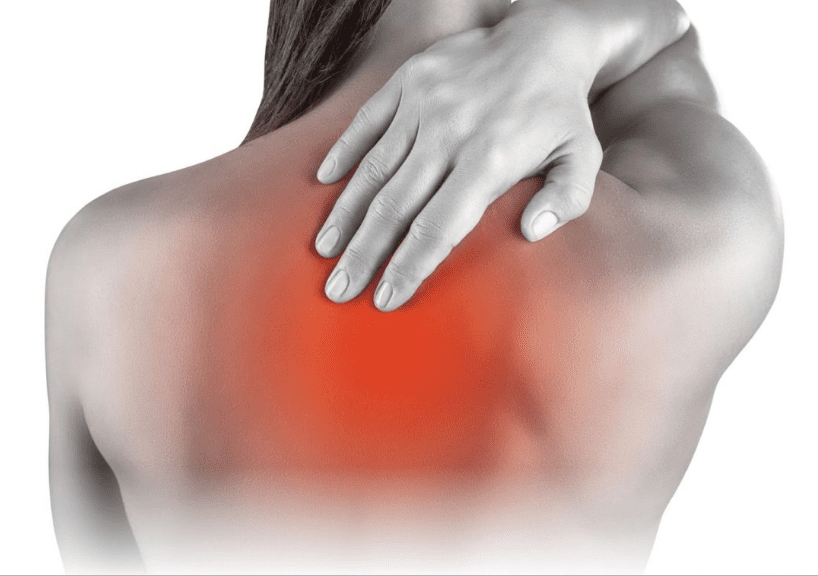
The various muscles and ligaments that encompass the back help protect the spine’s thoracic region. The spine has three sections: cervical, thoracic, and lumbar, which assist the body with bending, turning, and twisting. For the thoracic spine, various muscles like the rhomboid, trapezoid, and other superficial muscles provide functionality to the scapula or shoulder blades to stabilize the ribcage. When the body succumbs to injuries or traumatic forces, it can develop myofascial pain syndrome associated with upper back pain. Upper back pain can lead to unwanted symptoms affecting their quality of life. Fortunately, various exercises target the upper portion of the back and can strengthen multiple muscles from injuries. Today’s article looks at the effects of upper back pain in the body and shows a few stretches and exercises that can support the various muscle groups in the upper back region. We refer our patients to certified providers that incorporate techniques and multiple therapies for many individuals suffering from upper back pain and its correlating symptoms that can affect the musculoskeletal system in the neck, shoulders, and thoracic region of the spine. We encourage and appreciate each patient by referring them to associated medical providers based on their diagnosis when it is appropriate. We understand that education is a fantastic way when asking our providers intricated questions at the patient’s request and understanding. Dr. Jimenez, D.C., only utilizes this information as an educational service. Disclaimer
The Effects Of Upper Back Pain In The Body
Have you been experiencing stiffness around or near your shoulder blades? Do you feel muscle strain when you are rotating your shoulders? Or does it hurt when you stretch your upper back in the morning? Many of these issues are signs and symptoms of upper back pain. Studies reveal that back pain is one of the most common complaints many individuals would go for emergency care. Back pain can affect the different regions in the back and cause unwanted symptoms in various areas in the upper back. Additional studies mentioned that persistent pain in the thoracic region could cause hyper-sensitization of the intercoastal nerves that mimic other conditions affecting the back. Some of the causes and effects that can lead to the development of upper back pain include:
When this happens, it can lead to overlapping conditions that mimic other issues and, if not treated right away, leave individuals with chronic disabling symptoms that correlate with upper back pain.
Upper Back Pain Relief-Video
Have you been experiencing stiffness in your shoulders or neck? Do you feel aches and pains when stretching your arms? Or what about feeling muscle strain when lifting a heavy object? Many of these factors correlate with upper back pain affecting the thoracic spine region. When this happens, it can lead to overlapping risk profiles that can develop into different issues that can cause even more pain to the body. There are various ways to prevent upper back pain from causing further issues to the individual and can relieve the pain associated with it. Many people would go to chiropractic therapy to have their spine re-aligned to bring adequate relief or incorporate upper back exercises and stretches to relieve tension accumulated in the neck and shoulder regions. The video above explains how stretches work for different muscle regions in the upper back and provide relief to the thoracic spine.
Exercises For Upper Back Pain
Regarding the upper back, it is important to understand that incorporating various exercises that target the thoracic region can cause prolonged injuries. Studies reveal that different back exercises focus not only on the back but the shoulders, arms, chest, core, and hips providing stability, balance, and coordination to the individual. This allows the muscles in the back region to improve strength and endurance over time when a person continues to work out. More studies reveal that protocols like the McKenzie back exercise are effective programs to treat various musculoskeletal conditions that can cause pain in the back. Many physical therapists use this protocol on their patients to relieve back pain and help improve their muscular structure to have better posture.
Warm Up
Just like any individual that is starting to get back to their health and wellness through exercise, the most important step that anyone has to do is warming up their muscles before getting into a workout. Warming up each muscle group can prevent future injuries and increase blood flow before starting the exercise. Many individuals would incorporate stretches and foam rolling for 5-10 minutes to ensure that each muscle is ready to perform with maximum effort.
Exercises
After the body is warmed up, it is time to begin the exercise regime. Many different exercise movements target each muscle group and help build muscle mass and improve functionality. It is important to build up momentum when it comes to working out. Starting slowly with minimum reps and sets is important to ensure the exercise is done correctly. Afterward, the individual can increase the workout reps and go with a heavier weight. Below are some of the exercise routines that are suited for the upper back.
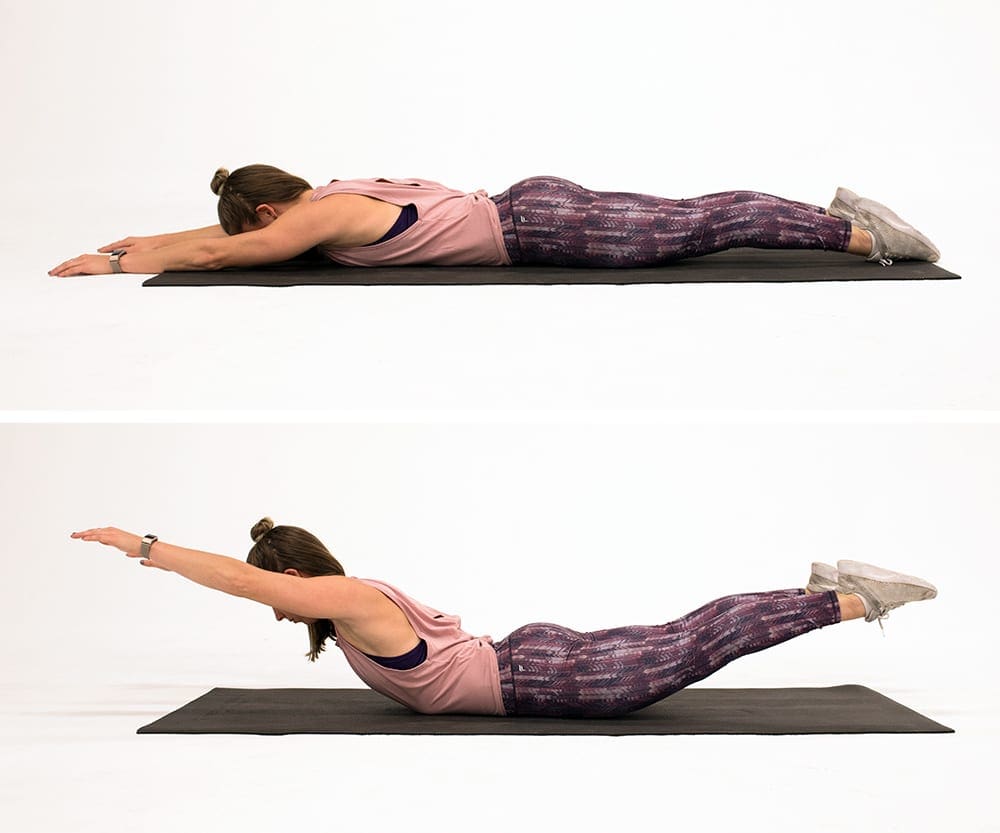
Superman
Lie on your stomach and extend your arms above the head
Keep neck in a neutral position and lift legs and arms off the floor at the same time
Make sure to use the back and glutes to lift
Briefly pause at the top, then return to starting position
Complete three sets of 10 reps
This exercise helps strengthen the spine and surrounding muscles to support the spine and reduce any future injuries from upper back pain.
Reverse Dumbbell Flies
Grab light weighted dumbbells
Hinge at the waist at 45 degrees while standing
Make sure the arms are hanging down with the weights
Keep the neck in a neutral position while gazing down
Lift the arms (with the dumbbells) out to the side and upwards
Squeeze the shoulders together at the top during this movement
Complete three sets of 8-12 reps
This exercise is excellent for strengthening the muscles that surround the shoulder and upper back.
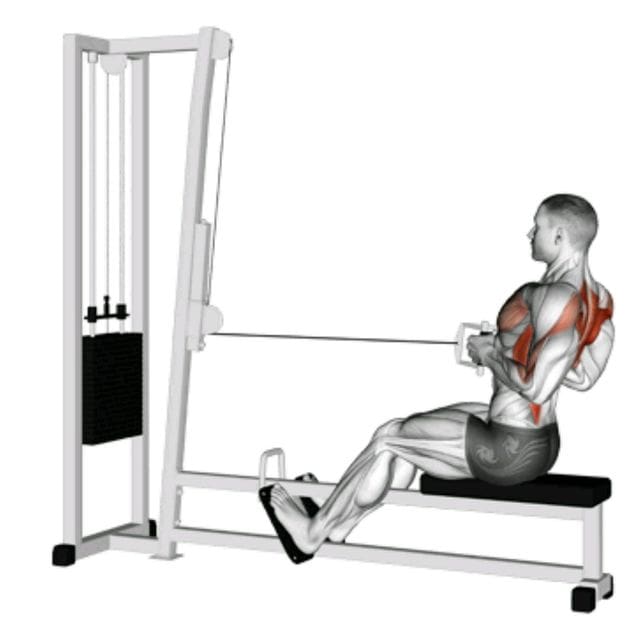
Rows
Use a resistance band or a light weighted dumbbell.
For the resistance band, affix the band to a stable surface above eye level. For the light weighted dumbbells, extend the arms in front of the body above eye level.
Use an overhead grip when holding the resistance band handles and the light weighted dumbbells.
Pull resistance bands or dumbbells toward the face.
Flare out the upper arms to the sides
Squeeze the shoulders together
Pause for a bit and then return to starting position
Complete three sets of 12 reps
This exercise helps strengthen the shoulder muscles and prevent future injuries from occurring in the upper back.
Conclusion
Some various muscles and ligaments encompass the back and help protect the spine’s thoracic region. These muscles help with the stabilization of the ribcage and help provide the functionality to the upper back. When multiple factors cause traumatic injuries to the upper back, it can lead to pain-like symptoms that can cause overlapping features and affect a person’s quality of life. Luckily, various exercises target the upper back and surrounding muscle groups. Each activity targets all the muscles in the upper back and allows a person to regain health and wellness without constant pain.
References
Atalay, Erdem, et al. “Effect of Upper-Extremity Strengthening Exercises on the Lumbar Strength, Disability and Pain of Patients with Chronic Low Back Pain: A Randomized Controlled Study.” Journal of Sports Science & Medicine, U.S. National Library of Medicine, 1 Dec. 2017, https://www.ncbi.nlm.nih.gov/pmc/articles/PMC5721192/.
Casiano, Vincent E, et al. “Back Pain – Statpearls – NCBI Bookshelf.” In: StatPearls [Internet]. Treasure Island (FL), StatPearls Publishing, 4 Sept. 2022, https://www.ncbi.nlm.nih.gov/books/NBK538173/.
Louw, Adriaan, and Stephen G Schmidt. “Chronic Pain and the Thoracic Spine.” The Journal of Manual & Manipulative Therapy, U.S. National Library of Medicine, July 2015, https://www.ncbi.nlm.nih.gov/pmc/articles/PMC4534852/.
Mann, Steven J, et al. “McKenzie Back Exercises – Statpearls – NCBI Bookshelf.” In: StatPearls [Internet]. Treasure Island (FL), StatPearls Publishing, 4 July 2022, https://www.ncbi.nlm.nih.gov/books/NBK539720/.
IFM's Find A Practitioner tool is the largest referral network in Functional Medicine, created to help patients locate Functional Medicine practitioners anywhere in the world. IFM Certified Practitioners are listed first in the search results, given their extensive education in Functional Medicine