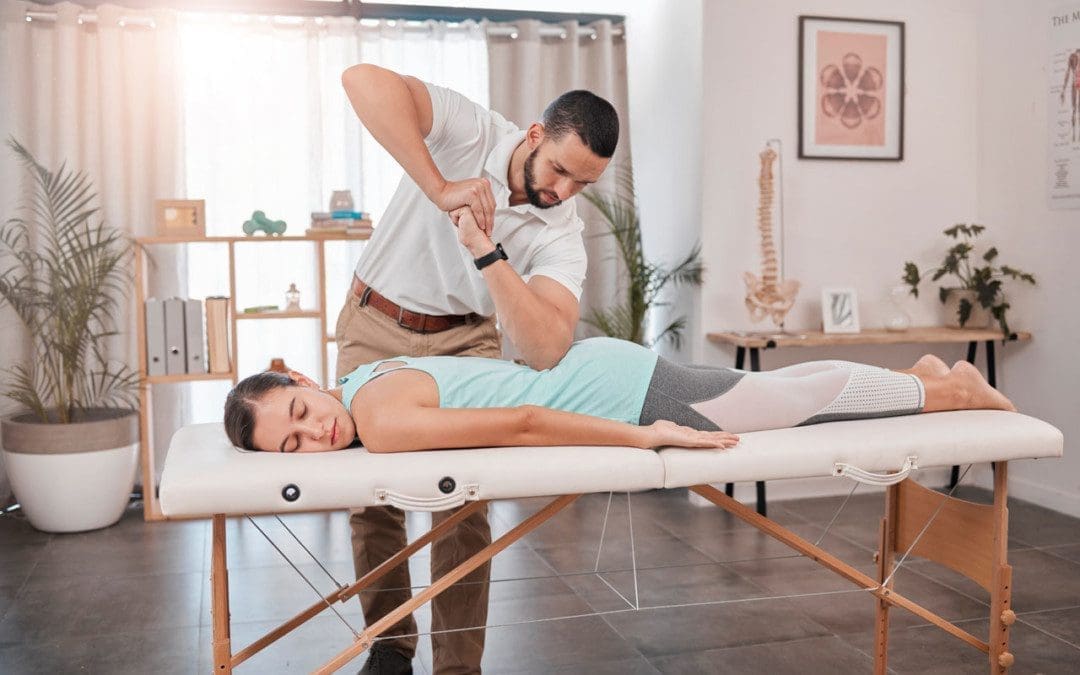
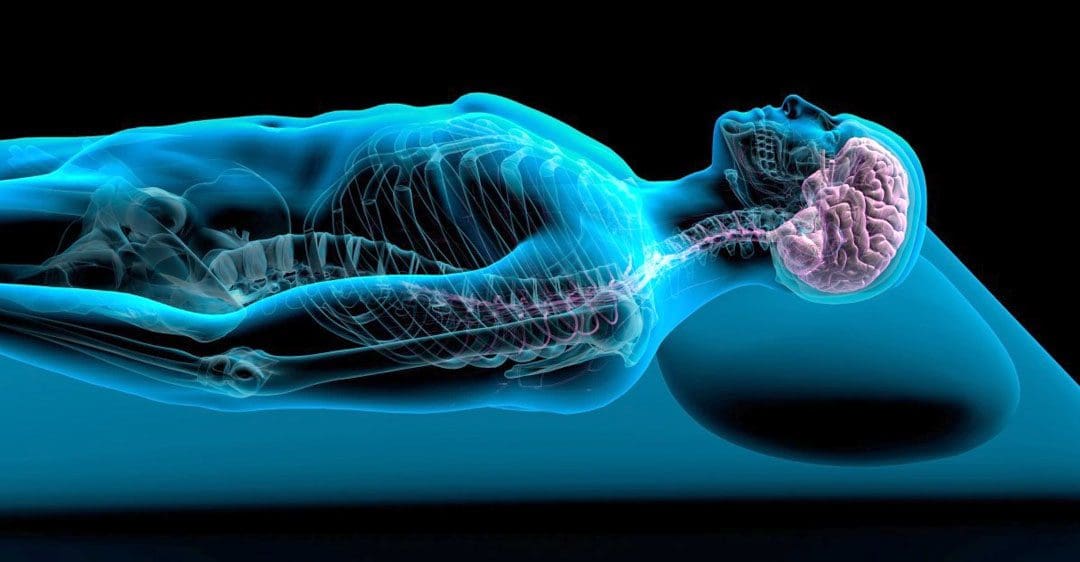
Healthy sleep is vital for having enough energy, thinking clearly, and managing everyday stresses confidently. Chronic unhealthy sleep patterns and/or insomnia can lead to and contribute to various health issues. This includes daytime fatigue, irritability, difficulty concentrating, delayed reaction time, constantly getting sick, and memory problems. Sleeping health problems can get worse with every night of poor rest. Injury Medical Chiropractic and Functional Medicine Clinic provide treatment, training, and tools to realign and relax the body and restore healthy sleep.
Sleeping Health Problems
Lack of sleep disrupts and slows down nerve impulses and transmissions throughout the body. This can lead to health problems that can include:
Excessive fatigue
Brain fog
Slow responses
Physical performance problems
Inability to remember
Low sex drive
Chronic illness
Over time the risk of developing a serious medical condition increases and can include:
Anxiety
Depression
High blood pressure
Diabetes
Weakened immune system
Stroke
Heart attack
Seizures
Staying On
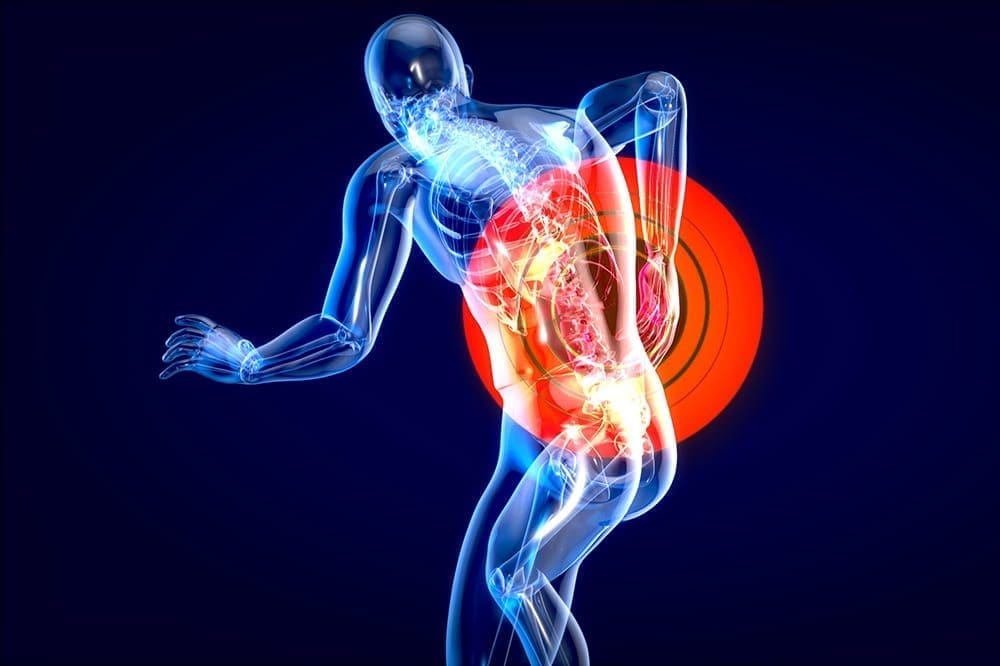
There is some research that insomnia is associated with hyperarousal or the state of staying on. It often starts with a stressful event that sets off the body’s systems, causing the inability to relax completely. Body discomfort and pain symptoms can also present when the mind and body can’t relax. The entire body can tighten/stiffen, causing aches, soreness, and pain. Continuation of sleeping health problems of the cycle leads to more stress.
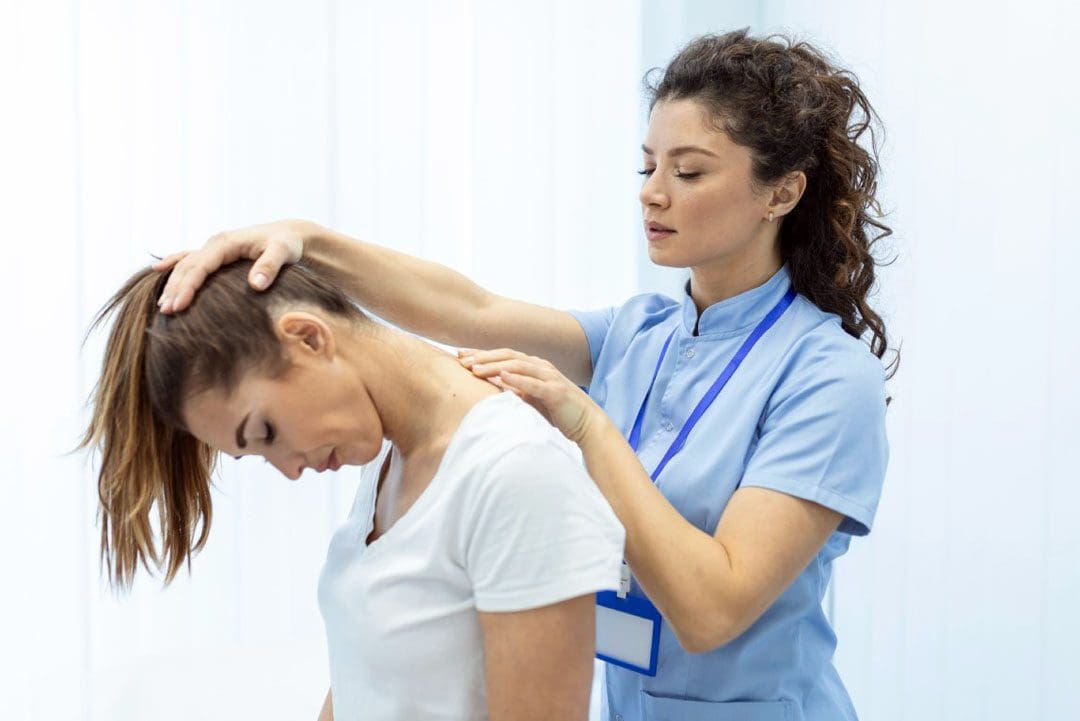
Chiropractic care, massage, and decompression therapy can help break the cycle. Breaking the process is necessary to help the body recover and rehabilitate properly. Treatment retrains the body to relax; stretching and pulling the muscles increases blood circulation, as well as advanced and improved brain signals telling the body to relax. A chiropractor will evaluate the individuals sleeping patterns and recommend various solutions. The benefits for individuals with sleep issues include:
Alleviates muscle tension.
Stimulates nerve circulation and blood flow.
Relaxes the whole body.
Enhances central nervous system function.
Relieves pain and discomfort.
A chiropractor will also provide the following:
Sleeping position recommendations.
Postural stretches and exercises.
Recommendations on supportive mattresses.
Ergonomics for work, home, and bed.
Chiropractic’s Evolution
References
Hale, Deborah, and Katherine Marshall. “Sleep and Sleep Hygiene.” Home healthcare now vol. 37,4 (2019): 227. doi:10.1097/NHH.0000000000000803
What Are Sleep Deprivation and Deficiency?https://www.nhlbi.nih.gov/health/sleepdeprivation#:~:text=Sleep%20deficiency%20is%20linked%20to,adults%2C%20teens%2C%20and%20children.
What Makes You Sleep? https://www.nhlbi.nih.gov/health/sleep-deprivation/body-clock
How Sleep Affects Your Health https://www.nhlbi.nih.gov/health/sleep-deprivation/health-effects
Riemann, Dieter. “Sleep hygiene, insomnia, and mental health.” Journal of sleep research vol. 27,1 (2018): 3. doi:10.1111/jsr.12661
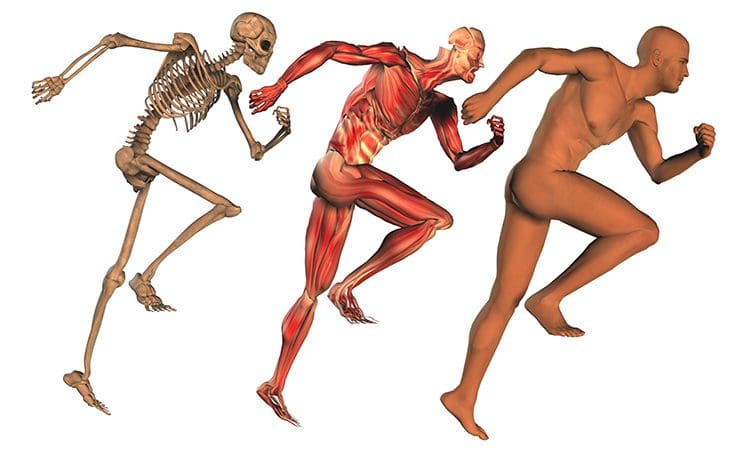
When it comes to the body, the various muscles, tissues, joints, and organs provide functionality and movement when it is in motion. Everyone worldwide cares for their bodies by resting them when needed, eating numerous foods to provide energy, and staying active to live longer. However, over time, many factors can contribute to the body by causing many individuals to develop musculoskeletal issues that can affect a person’s posture and the sensory-motor functions that the body provides to maintain motion and stability. In today’s article, we examine muscle imbalances, how it affects the body’s gait pattern, and how the MET technique can help with muscle imbalances. We provide information about our patients to certified medical providers that offer available therapy techniques like MET (muscle energy techniques) for individuals dealing with chronic conditions associated with muscle imbalances that could affect a person’s gait pattern and lead to pain in the muscles and joints. We encourage each patient appropriately by referring them to our associated medical providers based on their diagnosis results. We accept that education is a spectacular way when asking our providers the most crucial questions at the patient’s acknowledgment. Dr. Alex Jimenez, D.C., assesses this information as an educational service. Disclaimer
What Are Muscle Imbalances?
Have you been dealing with tight back, shoulders, and hip muscles? Do you feel one side of your body is weaker than the other? Or do you feel unstable when walking? Many people who are experiencing these issues are associated with muscle imbalances that are affecting their bodies. So what are muscle imbalances, and how does it affect the body? Well, according to “Clinical Applications of Neuromuscular Techniques,” written by Leon Chaitow, N.D, D.O, and Judith Walker DeLany, L.M.T., stated that the soft tissues in our bodies are often changed from their normal elastic, pliable, and toned functional status to short, fibrous and weak function in the different muscle groups. Since the body compensates (without any chronic symptoms) to everyday activities, when the body’s muscles and tissues are exhausted, it can cause the symptoms to develop over time, causing pain, muscle restriction, and limited range of motion to the body. Thus, these symptoms often correlate to musculoskeletal disorders, leading to muscle imbalances.
Other issues that can cause muscle imbalances in the body could result from muscle injuries from traumatic forces. Research studies have revealed that repetitive motions from traumatic injuries could result in microtrauma tears to the muscles and tendons, which can develop into muscle-referred pain and increase the risk of chronic joint inflammation. To that point, it can lead to referred pain in different body areas and affect a person’s stability. When the body is dealing with traumatic injuries that affect the muscles over time, many people shift how they walk or change their postures to compensate for the pain, which can change their gait patterns.
How Does It Affect The Body’s Gait Pattern?
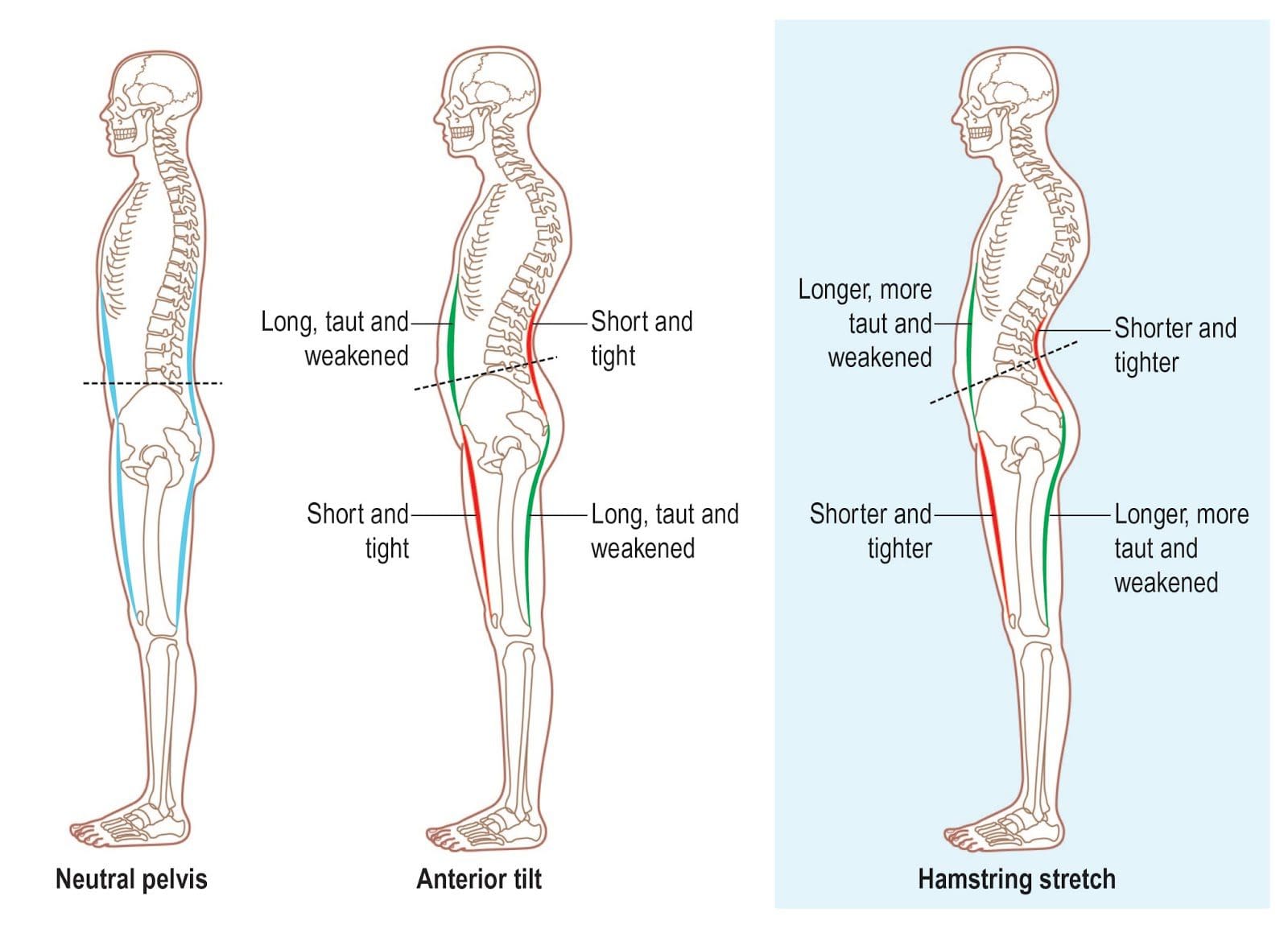
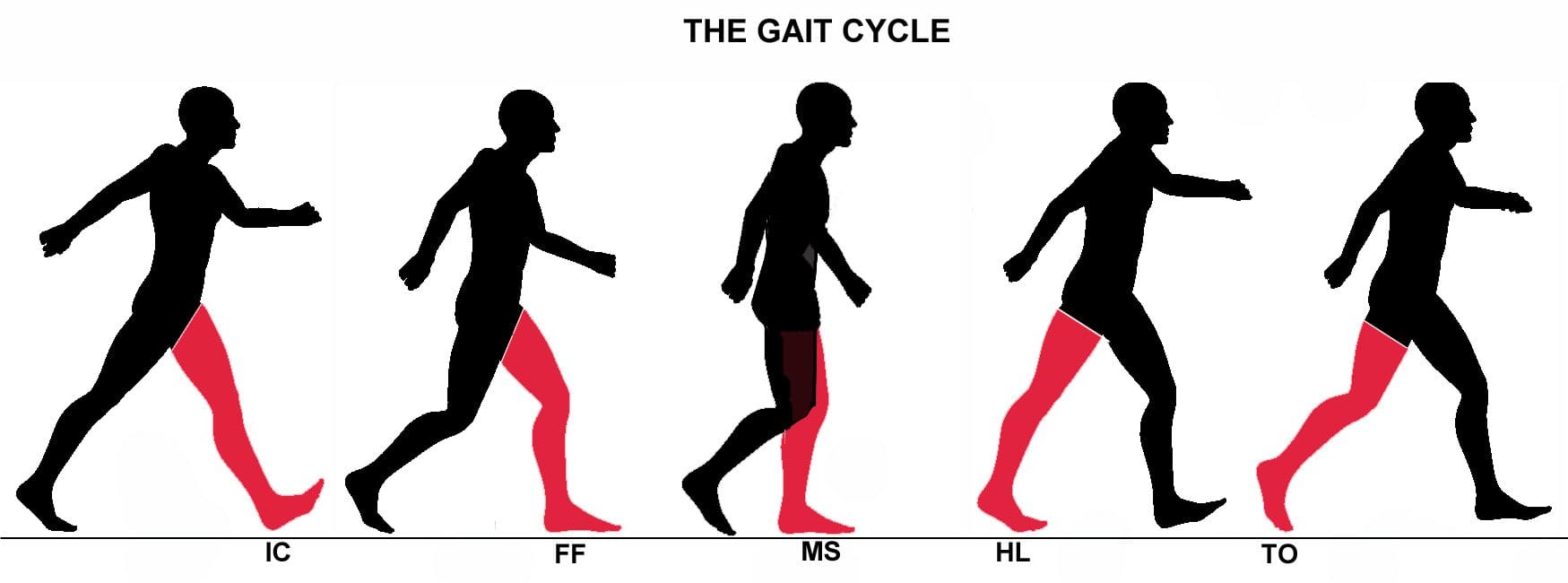
When a person is walking, their entire body is in motion, and over time their posture will change depending on the upper body’s weight bearing down to the hips and lower extremities. Studies reveal that loss of muscle strength can be characterized by musculoskeletal disorders like osteoarthritis that can cause pain symptoms, reduce physical function, decrease range of motion, and muscle/joint instability. So how would muscle imbalances affect the body’s gait pattern? First, we must look at the influences that the neurological and metabolic functions of the central nervous system provide on the musculoskeletal system. The central nervous system sends neuron signals to each muscle group from the upper and lower extremities to allow the individual to walk, run, and do other motor functions. When muscle imbalances are associated with traumatic injuries, it can cause the body to be hunched over over time, causing the short muscles to be tight and the long muscles to be weak. To that point, it can lead to a chain of dysfunctional phases of the gait cycle and its associated symptoms. Some of the signs that can affect a person’s gait pattern include:
Associated joint restriction on the hips
Muscle tension on the pelvis and lower extremities
Muscle tightness in the cervical-thoracic region of the back
Trigger points on the lower extremities causing referred pain
How Muscle Imbalances Associate With Low Back Pain- Video
Have you been dealing with pain in your joints or muscles? Do you find it difficult to walk or carry heavy objects? Or have you been experiencing tight hips and shoulders? Many of these issues are due to muscle imbalances associated with traumatic injuries. The video above explains how muscle imbalances could be related to low back pain. When environmental factors or traumatic forces begin to affect the muscles and joints in the body, it can change a person’s gait pattern (how they walk) and develop into chronic issues affecting the body. When the muscles are imbalanced and cause gait problems, it can lead to muscle and joint pain associated with poor posture and other chronic conditions. When this happens, it can lead to dysfunctional phases of the gait pattern. Luckily there are many treatments and techniques to reduce pain and restore gait function to the body.
How The MET Technique Help With Muscle Imbalances
Going to therapy treatments to restore muscle functionality, enable the body to recover naturally, and reduce the chances of future injuries to come back. When the body is dealing with muscle imbalances, there are many treatments and techniques that many pain specialists, like chiropractic care that are utilized to restore the body and prevent injuries from re-occurring. One of the techniques is called the MET technique (muscle energy technique). The MET technique is a form of manual therapy that uses isometric stretches to reduce pain in the soft tissues and lengthen weak muscles. Studies reveal that when pain specialists use the MET technique combined with other treatments like physical therapy and spinal manipulation, it can help reduce the pain affecting the muscle fibers while restoring the body to normalcy and lengthening tight muscles. When the MET technique is combined with other forms of therapy, it can help stretch and strengthen the weak muscles and allows the individual to be aware of how their posture is being corrected.
Conclusion
It is important to everyone that different factors and injuries could result from muscle imbalances that can affect your posture. Muscle imbalances in the body can lead to unwanted symptoms of muscle weakness, pain, and dysfunctional gait patterns that correlate with musculoskeletal disorders. Going to therapy treatments and incorporating techniques like MET, physical activities, and chiropractic care can help the body be restored and prevent future injuries from returning and affecting a person’s health and wellness.
References
Chaitow, Leon, and Judith Walker DeLany. Clinical Applications of Neuromuscular Techniques. Churchill Livingstone, 2003.
Joshi, Reema, and Nishita Poojary. “The Effect of Muscle Energy Technique and Posture Correction Exercises on Pain and Function in Patients with Non-Specific Chronic Neck Pain Having Forward Head Posture-a Randomized Controlled Trail.” International Journal of Therapeutic Massage & Bodywork, U.S. National Library of Medicine, 1 June 2022, https://www.ncbi.nlm.nih.gov/pmc/articles/PMC9134480/.
Neme, Jamil R. “Balancing Act: Muscle Imbalance Effects on Musculoskeletal Injuries.” Missouri Medicine, U.S. National Library of Medicine, 2022, https://www.ncbi.nlm.nih.gov/pmc/articles/PMC9324710/.
Vodička, Tomáš, et al. “Could the Evaluation of Muscle Strength Imbalances Be Used as a Predictor of Total Hip Arthroplasty?” International Journal of Environmental Research and Public Health, U.S. National Library of Medicine, 11 May 2021, https://www.ncbi.nlm.nih.gov/pmc/articles/PMC8150769/.
Nutrition and Chiropractic Care: Chiropractic care treats the body as a whole. It can relieve and alleviate ailments from injuries, conditions, or diseases to help maintain optimal health. A treatment plan includes nutrition recommendations to support the body’s systems, reduce inflammation responses, build muscle and bone strength, and maintain chiropractic adjustments.
Nutrition and Chiropractic Care
Individuals can influence musculoskeletal system health by balancing what they consume. If food choices are unhealthy, the benefits of chiropractic may be lessened from the negative effects of unhealthy foods on the body.
Muscle Repair
Muscle injuries are common from normal wear and tear, work, sports, and personal injuries. Calorie-heavy foods can lead to increased weight. Increased weight puts extra stress on the body as it is healing, making the healing process last longer and less effective. A recommended nutritional plan to build muscle strength around the injured areas will supplement chiropractic care.
Foods include sweet potatoes, salmon, eggs, spinach, bananas, nuts, and seeds.
Bone Health
Misalignment, imbalances, and injuries can be caused in part by weakness in various bones.
Calcium is integral in improving bone strength.
Foods high in calcium can benefit chiropractic adjustments by strengthening the skeletal system.
A balanced intake of calcium and magnesium helps build bone strength and decreases the chances of developing osteoporosis.
Magnesium can be found in almonds, spinach, avocado, cashews, and bananas.
Digestion
Chiropractic treatments also help promote healthy digestion by relieving tension in the stomach and helping to restore proper function in the organs and muscles. Regular chiropractic has been shown to reduce symptoms associated with constipation, bloating, diarrhea, nausea, irritable bowel syndrome – IBS, Crohn’s disease, colitis, GERD – Gastroesophageal Reflux Disease, and vomiting.
Foods that help maintain a healthy gut include brown rice, beans, oats, and fruits and vegetables.
Respiratory Health
Breathing problems come in various forms depending on the individual and their case. The ribs, upper chest, and neck muscles all support breathing. Stress can cause rapid and shallow breathing that overworks these muscles. Breathing problems often correlate with other health issues, including back and neck pain, poor digestion, fatigue, and tension headaches. Chiropractic pinpoints subluxations or undue interruption of the nerve signals and corrects any misalignments so that nerve signals flow properly.
Foods that help with lung health include tomatoes, apples, berries, and broccoli.
Nervous System Health
Chiropractic focuses on restoring the body to optimal function so that it can heal through normal nervous system function. Treatment resets the vertebrae into proper alignment, reducing swelling, blockages, and nerve stress, allowing the nervous system to function at full capacity.
Foods that can help are dark chocolate, spinach, avocados, garlic, and asparagus.
Circulatory System
Chiropractic adjustments increase blood circulation. Adjustments and massage loosen the muscles attached to the specific areas, which also promotes the flow and movement of waste in the lymphatic system in and out of specific areas.
Foods that help with circulation include onions, beets, citrus fruits, tomatoes, walnuts, and fatty fish.
Nutrition and chiropractic care go hand in hand. When the body gets the nutrition it needs, it works more efficiently.
An unhealthy diet can cause sluggishness, low energy, and increase inflammatory responses that can lead to chronic conditions. A nutritionist can create a personalized nutrition plan to maximize the benefits as they work together to improve overall health and wellness.
Intermittent Fasting
References
Elma, Ömer, et al. “Chronic Musculoskeletal Pain and Nutrition: Where Are We and Where Are We Heading?.” PM & R: the journal of injury, function, and rehabilitation vol. 12,12 (2020): 1268-1278. doi:10.1002/pmrj.12346
Elma, Ömer, et al. “Do Nutritional Factors Interact with Chronic Musculoskeletal Pain? A Systematic Review.” Journal of clinical medicine vol. 9,3 702. 5 Mar. 2020, doi:10.3390/jcm9030702
Holtzman, Denise, and Jeanmarie Burke. “Nutritional counseling in the chiropractic practice: a survey of New York practitioners.” Journal of chiropractic medicine vol. 6,1 (2007): 27-31. doi:10.1016/j.jcme.2007.02.008
Koehler, Karsten, and Clemens Drenowatz. “Integrated Role of Nutrition and Physical Activity for Lifelong Health.” Nutrients vol. 11,7 1437. 26 Jun. 2019, doi:10.3390/nu11071437
Lee, Mi Kyung, et al. “The use of nutritional guidance within chiropractic patient management: a survey of 333 chiropractors from the ACORN practice-based research network.” Chiropractic & manual therapies vol. 26 7. 20 Feb. 2018, doi:10.1186/s12998-018-0175-1
Mangano, Kelsey M et al. “Dietary protein is associated with musculoskeletal health independently of dietary pattern: the Framingham Third Generation Study.” The American journal of clinical nutrition vol. 105,3 (2017): 714-722. doi:10.3945/ajcn.116.136762
Mendonça, Carolina Rodrigues et al. “Effects of Nutritional Interventions in the Control of Musculoskeletal Pain: An Integrative Review.” Nutrients vol. 12,10 3075. 9 Oct. 2020, doi:10.3390/nu12103075
Tajary, Zahra, et al. “Musculoskeletal Pain Is Associated with Dietary Diversity Score among Community-Dwelling Older Adult: A Cross-Sectional Study.” International journal of food science vol. 2022 4228925. 7 Feb. 2022, doi:10.1155/2022/4228925
Many people don’t often realize that stability and balance are two of the most reliable abilities to keep the body from falling, and it is often taken for granted from the earlier stages, where infants and toddlers are learning to stand upright, to adulthood where we are walking, running or performing any physical activities. Our bodies are complex machines comprised of upper and lower portions that provide balance and stability. The lower half of our bodies helps stabilize and balance the upper half weight and allows us to move around. This is known as gait. However, when the body begins to age naturally or chronic issues begin to affect the muscles and cause an imbalance in the lower half, it can lead to many disorders associated with these imbalances. Today’s articles examine what gait is, how gait disturbances are associated with the body, and how the MET technique improves gait. We provide information about our patients to certified medical providers that offer available therapy techniques like MET (muscle energy techniques) for individuals dealing with chronic conditions associated with gait disturbances that could affect a person’s ability to walk. We encourage each patient appropriately by referring them to our associated medical providers based on their diagnosis results. We accept that education is a spectacular way when asking our providers the most crucial questions at the patient’s acknowledgment. Dr. Alex Jimenez, D.C., assesses this information as an educational service. Disclaimer
What Is Gait?
Have you been dealing with issues when walking for a short or long distance? Do your feet or ankles seem to feel tired or ache when stepping? Or have you been dealing with mobility issues in your hips? Many of these issues are associated with gait and can cause balance disturbances in the body. So what is gait? In the book by Leon Chaitow, N.D, D.O., and Judith Walker DeLany, L.M.T, titled “Clinical Applications of Neuromuscular Techniques,” gait is defined as how you walk and how each lower body section contributes to how you walk. This includes:
Feet
Ankles
Knees
Hips
Spine
The book also mentions how a person progresses from one location to another using muscular action and gravity to make them walk. Two functional units are in a casual relationship contributing to gait: the passenger and locomotor units. The passenger unit consists of the upper extremities, like the head, neck, arms, trunk, and pelvis, to be the center of gravity when moving forward. At the same time, the locomotor unit comprises the pelvis and lower extremities, like the legs, knees, feet, and ankles, to support the weight of the upper extremities and perform structural stability and mobility to make the body move forward.
Gait Disturbances Associated With The Body
So what happens when traumatic factors or natural aging begins to affect the body and causes gait disturbances. Research studies reveal that since gait depends on the interplay of the nervous, musculoskeletal, and cardiorespiratory system which can be influenced by age and other factors that can lead to issues in the lower extremities causing falls and injuries. Many factors can lead to gait disturbances that can affect how a person walks and how it can affect the joints and muscles, which can lead to pain-like symptoms. Additional studies mentioned that gait disorder affects elderly adults, increasing their fall risk and leading to mobility issues in their hips. Muscle shortening and joint health are other issues that can cause gait disturbances in the lower extremities. When the muscles in the lower extremities are tight and weak, it can cause them to be short and be accompanied by joint dysfunction. The health of the joints in the lower extremities depends on the balancing strength of the opposing flexor muscles. When the flexor muscles lose part or all of their function, it can cause the joint to be hyperextended. To that point, it causes abnormal joint stress, corresponding to lower back pain associated with gait disorders affecting a person’s ability to walk and keep their body balanced.
An Overview Of Gait Analysis-Video
Have you been dealing with mobility issues in your joints? Do you find yourself becoming unstable every time you walk? Or do your leg muscles feel tight? If you have been dealing with these issues, it could be due to a gait problem. Many people have different ways of walking; if there are issues, they can be pointed out in an examination. When there is an issue with gait, it can indicate pain and other revealing problems that can affect the entire body. The video above explains the gait cycle and gait analysis of a person’s walk. Gait analysis is often used in a normal examination to evaluate how a person walks, their body mechanics, and muscle activity to provide insight into the issue. A person’s gait can offer many important clues that doctors and pain specialists can see and identify the problem by developing a treatment plan to improve a person’s gait and reduce pain-like symptoms.
How The MET Technique Improves Gait
So many treatment plans can effectively improve balance and gait disorders in the body. Many pain specialists like chiropractors use manual spinal manipulation to re-align the spine to loosen stiff joints that may have contributed to imbalances in the lower extremities. MET (muscle energy technique) and physical therapy can help stretch the tight muscles and strengthen the muscle groups affected. MET and other approaches to improve gait allow many individuals to regain their stamina and adopt new strategies for their posture and movement. These therapy treatments will enable a person to feel more confident and more aware of how they walk while providing muscle strength to the affected muscles to prevent fatigue and decrease the chances of injuries in the future, as studies reveal.
Conclusion
Walking is determined by a person’s gait and how they move in different scenarios. Our bodies are comprised of upper and lower portions that correspond with gait and allow us stability and balance when we are in motion. When various issues like traumatic factors or just normal aging affect the body, the joints and muscles can cause problems with a person’s gait, leading to balance issues and fall injuries. Incorporating treatment plans to improve gait can help prevent future chances of injuries and help stretch and strengthen the affected muscles while loosening up stiff joints. This allows a person to regain their balance and improve stability in their bodies.
References
Baker, Jessica M. “Gait Disorders.” The American Journal of Medicine, U.S. National Library of Medicine, 27 Dec. 2017, https://pubmed.ncbi.nlm.nih.gov/29288631/.
Chaitow, Leon, and Judith Walker DeLany. Clinical Applications of Neuromuscular Techniques. Churchill Livingstone, 2003.
Pirker, Walter, and Regina Katzenschlager. “Gait Disorders in Adults and the Elderly : A Clinical Guide.” Wiener Klinische Wochenschrift, U.S. National Library of Medicine, Feb. 2017, https://www.ncbi.nlm.nih.gov/pmc/articles/PMC5318488/.
Van Abbema, Renske, et al. “What Type, or Combination of Exercise Can Improve Preferred Gait Speed in Older Adults? A Meta-Analysis.” BMC Geriatrics, U.S. National Library of Medicine, 1 July 2015, https://www.ncbi.nlm.nih.gov/pmc/articles/PMC4488060/.
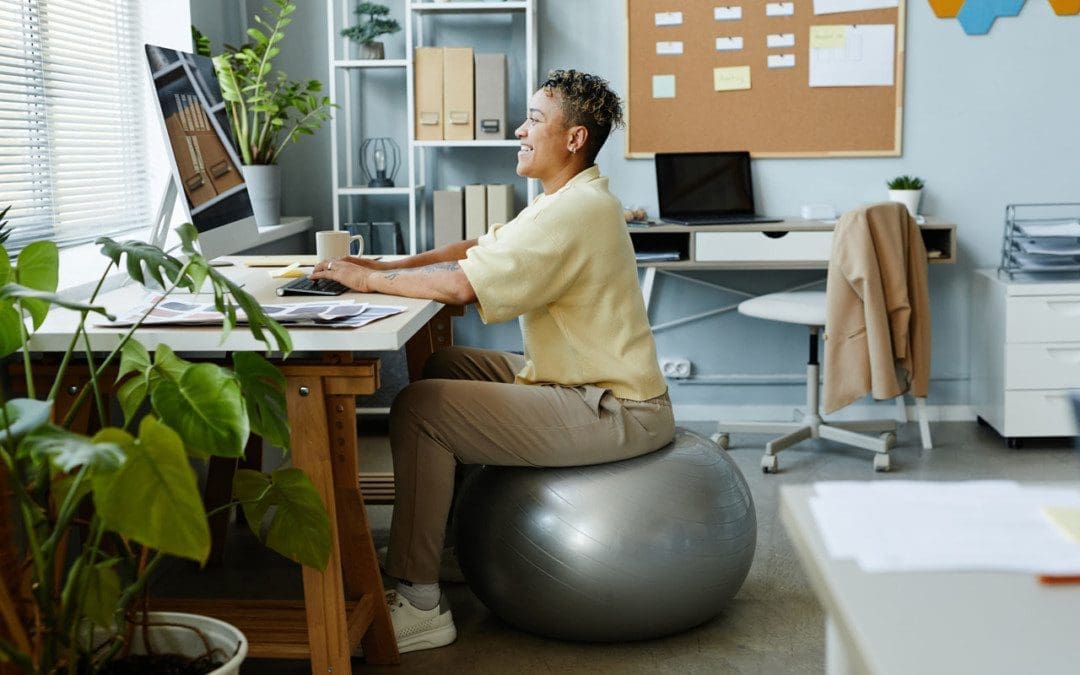
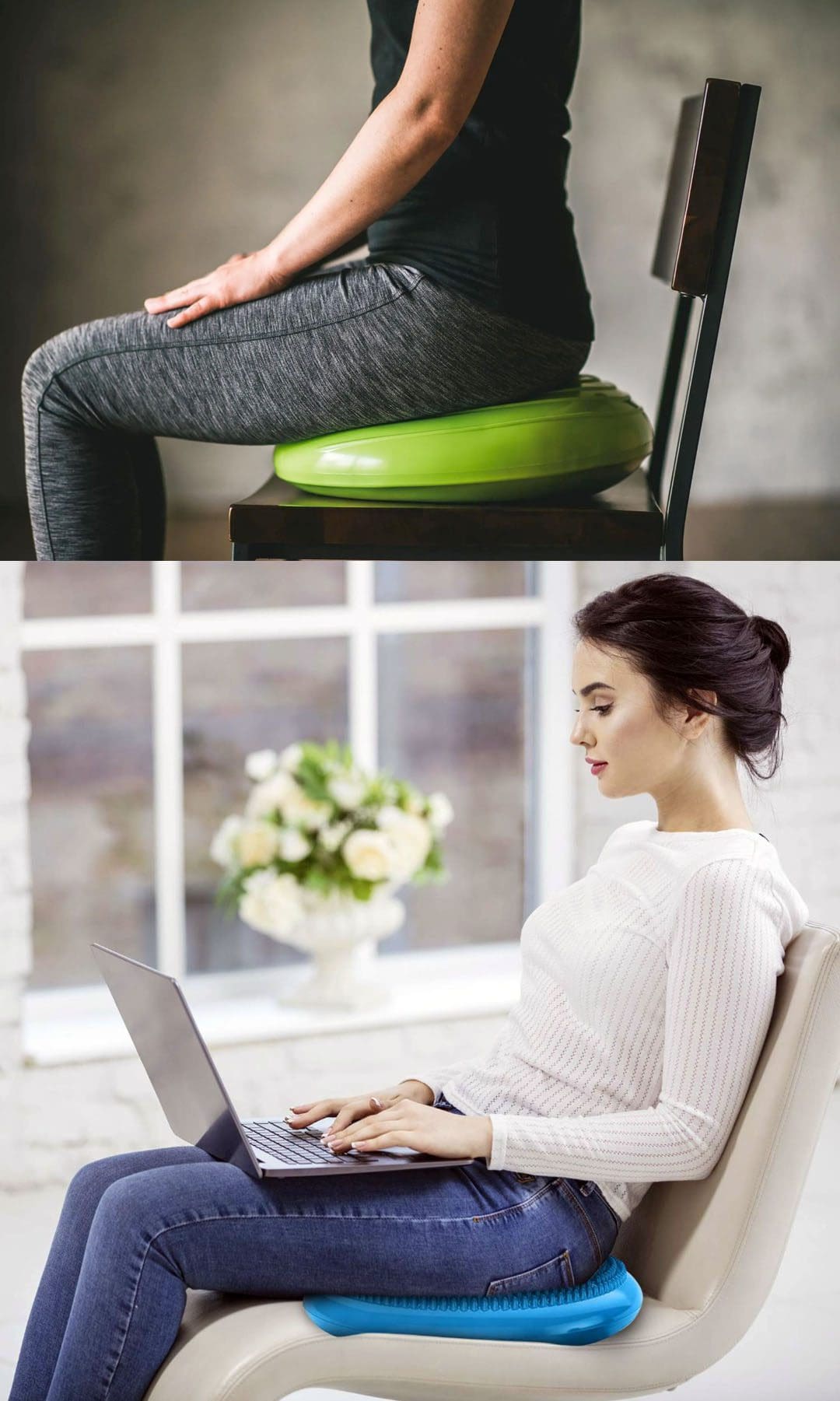
Wobble cushions are small round inflatable support pillows made of a flexible material that can be used to stand and sit on. The cushion creates instability, hence wobble, to engage the lower back, hips, and core muscles. They promote core stability, strengthen muscle tone, and improve balance and body posture. A flexible body helps in injury prevention. At Injury Medical Chiropractic and Functional Medicine Clinic, we utilize innovative techniques and therapies to reduce stress, assist in healing musculoskeletal damage from injuries, disease, or conditions, and keep the spine and whole body healthy.
Wobble Cushions
A common reason for back aches and pains is sitting for long periods. Individuals unintentionally slouch or hunch over as they go through their day, causing strain to the back muscles, gluteal muscles, core muscles, hips, and spine. This causes the lower half of the body to weaken and causes the top muscles to take up the slack to support the torso and lower body.
Muscle Spasms
Muscle spasms can be the acute type that is forceful and involuntary, and chronic sustained stiffness, tightness, cramping, and pain. Lower back discomfort and/or sciatica symptoms vary depending on the cause, location, and severity of the strain or injury. Signs could be dull, burning, or sharp at a single point or over a broad region that could spread into one or both legs. Types of low back discomfort:
Acute symptoms last less than three months. Most individuals with acute episodes will have at least one recurrence.
Recurrent means the acute symptoms return.
Chronic symptoms last longer than three months.
Cushion Benefits
Encouraging active sitting improves posture allowing individuals to sit and stay focused for longer as their body awareness improves, reducing hunching, slumping, slouching, and fidgeting. Other wobble cushion benefits include:
Decreased muscle stress and strain on the joints and ligaments, which improves proprioceptive sense or body awareness.
Increases blood circulation and oxygenation throughout the body.
Helps rehydrate the discs and circulate spinal fluid. Spinal discs do not have a direct blood supply; therefore, movement is required to pump and circulate healthy fluids.
Allows more flexibility in the spine, hips, and core muscles.
Improves overall posture.
The purpose of wobble cushions is not to provide comfort. They are supposed to be uncomfortable and unstable to make the individual sit up straight. The cushion can be placed on a chair or the floor to effectively practice balancing without putting pressure on the back, knees, or feet. They can also be used for practicing standing balance. Various factors to consider when looking for a cushion include:
Stability
Comfort
Resilience
Alignment
All play a role in determining the best option.
Discussing options with a doctor or chiropractor is recommended to ensure that the cushion meets your needs and preferences.
Spinal Hygiene
References
Alrwaily, Muhammad, et al. “Stabilization exercises combined with neuromuscular electrical stimulation for patients with chronic low back pain: a randomized controlled trial.” Brazilian journal of physical therapy vol. 23,6 (2019): 506-515. doi:10.1016/j.bjpt.2018.10.003
Haksever, Bunyamin et al. “The Dynamic Innovative Balance System Improves Balance Ability: A Single-Blind, Randomized Controlled Study.” International journal of sports physical therapy vol. 16,4 1025-1032. 1 Aug. 2021, doi:10.26603/001c.25756
Honert, Eric C, and Karl E Zelik. “Foot and shoe responsible for the majority of soft tissue work in the early stance of walking.” Human movement science vol. 64 (2019): 191-202. doi:10.1016/j.humov.2019.01.008
Ostelo, Raymond Wjg. “Physiotherapy management of sciatica.” Journal of physiotherapy vol. 66,2 (2020): 83-88. doi:10.1016/j.jphys.2020.03.005
Shahvarpour, A et al. “Active-passive biodynamics of the human trunk when seated on a wobble chair.” Journal of biomechanics vol. 49,6 (2016): 939-945. doi:10.1016/j.jbiomech.2016.01.042
The various muscles, tendons, and ligaments inside the body surround the skeletal joint to provide movement and multiple actions to allow the host to be mobile. The body also has various muscle groups, with soft tissues surrounding the vital organs to help support the body. Since the human body is mobile, many factors can cause issues to the body’s host and lead to chronic overlapping risk profiles that can correlate with pain in the joints and muscle tissues. When these factors are causing pain in the musculoskeletal system, various treatment techniques can help reduce the pain-like symptoms and help restore the body. MET, or muscle energy technique, is one of the different treatment techniques used by pain specialists like chiropractors, massage therapists, physical therapists, and occupational therapists on many individuals with musculoskeletal pain. Today’s article looks at the musculoskeletal system, how the issues affect the muscles, and how muscle energy technique is utilized to reduce muscle pain associated with the musculoskeletal system. We mention our patients to certified medical providers that provide available therapy treatments like MET (muscle energy techniques) for individuals suffering from chronic conditions associated with the musculoskeletal system. We encourage each patient when it is appropriate by referring them to associated medical providers based on their diagnosis or needs. We understand and accept that education is a marvelous way when asking our providers crucial questions at the patient’s request and acknowledgment. Dr. Alex Jimenez, D.C., uses this information as an educational service. Disclaimer
An Overview Of The Musculoskeletal System
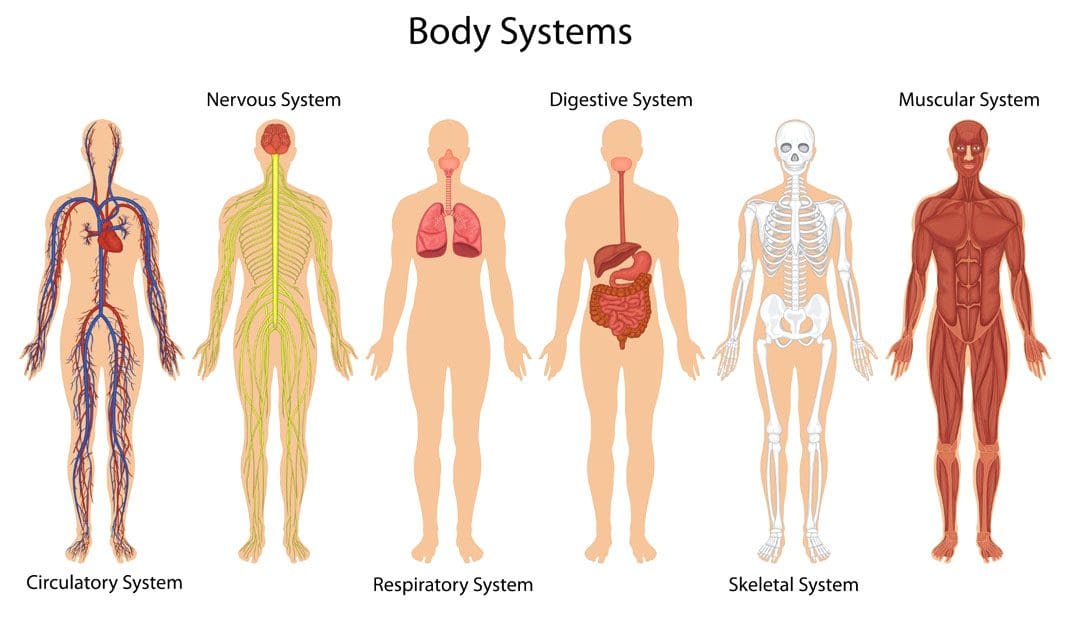
The musculoskeletal system plays a huge role in the body, consisting of numerous muscle groups, tissues, ligaments, joints, and organs controlled by the central nervous system. The central nervous system provides the motor-sensory function to the musculoskeletal system, allowing the body to rest and move around. What the central nervous system does to the musculoskeletal system, according to research studies, it is revealed that these two systems have a relationship with each other as they are interconnected. Besides the various muscle groups that help surround the skeletal joints and provide mobility to the body, we will look at the connective tissue associated with the facial system and how muscle activity is affected by chronic issues.
Connective Tissue & The Fascial System
Regarding the musculoskeletal system, the connective tissue is one of the single abundant materials that allow each muscle group to be connected to its specific body region. The connective tissue comprises the body’s bones, muscles, blood vessels, and lymph nodes while embracing all the soft tissues and organs. The body’s connective tissue also works with the fascial system, giving the body the fundamental requirements. The fascial system is the structural form of the body since the fascial system is composed of connective tissues. With these two systems connecting and working together, it allows the muscles in the body to respond to various actions thrown at in different environments. The fascia web allows all muscle tissues to exist in isolation and interwoven with other structures to provide mobility.
Muscle Activity
Everything from the connective tissues to the fascia is involved in muscle activity in the musculoskeletal system. When the various muscles start to work with the body’s most movement, it is combined with one or more muscles acting as the prime mover or antagonist, allowing synergistic muscles to assist and contract simultaneously. The various muscle groups in the musculoskeletal system allow different actions, often repeated, to become stabilizing or antagonizing muscles. A great example is looking at the upper and lower extremities of the body. The upper extremities allow the arms, neck, head, and shoulders to have mobility when it comes to bending, twisting, and turning. While the lower extremities allow the hips, low back, legs, and feet to allow, stability and flexion to make the body move. However, these muscle groups can be affected by multiple factors that can affect muscle activity and lead to overlapping soft tissue pain profiles.
Issues Affect Muscle Activity
Since the body is a complex machine, different environmental factors can affect muscle groups in various ways and cause numerous pain issues. Now when it comes to environmental factors, many negative influences do play a role in affecting the musculoskeletal system in three categories:
Biomechanical: trauma, overusing the muscles, congenital, etc.
Biochemical: endocrine imbalances, inflammation, ischemia, nutritional deficiency, etc.
Psychosocial: anxiety, depression, chronic stress, etc.
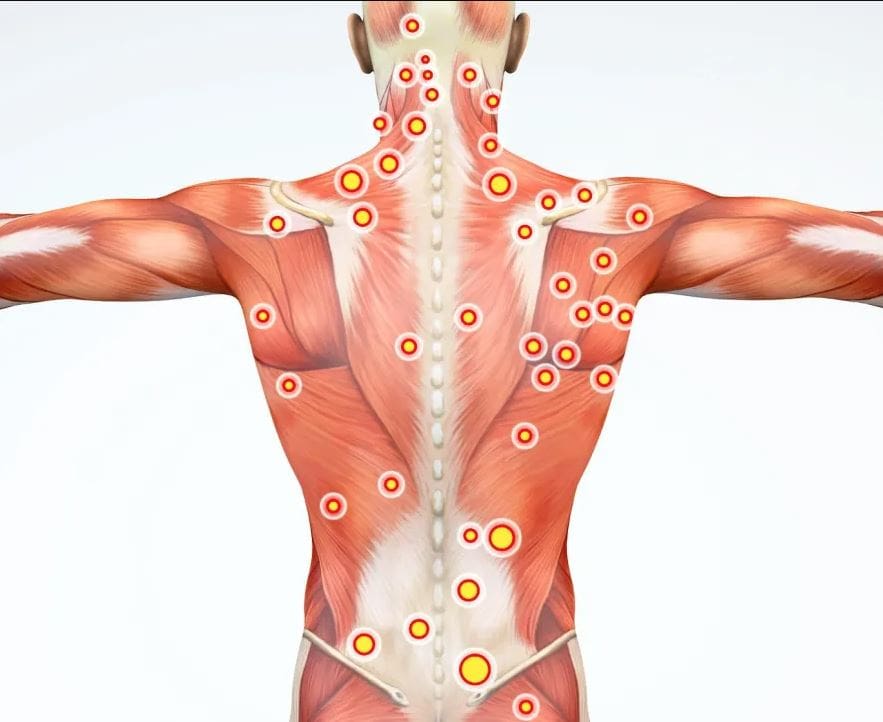
These influences can cause the muscles to tense up and restrict blood flow, causing pain and trigger points to form in the muscle fibers and making a person feel miserable. Fortunately, therapeutic techniques allow the muscles to relax and release the tension that the person is feeling.
MET(Muscle Energy Technique)-Video
What Is Muscle Energy Technique?
When people feel stressed, and their muscles become tight, they can develop pain-like symptoms that correlate with chronic issues. Fortunately, a revolution has taken place that many pain specialists like chiropractors and massage therapists take place when it comes to manipulative therapy through a technique known as MET or muscle energy technique. According to research studies, MET is an osteopathic manipulative medicine designed to improve the body’s musculoskeletal function. This technique helps target soft tissues and contributes to joint mobilization. The muscle energy technique allows the tight muscles and fascia to be stretched, improving circulation and lymphatic flow since chiropractors or doctors of chiropractic care utilize spinal manipulation to realign the body and restore joint function.
Additional studies also reveal that MET combined with chiropractic care allows pain reduction in the muscles and can increase the body’s range of motion. This technique is essential for chronic and acute low back pain, trigger point pain, and other musculoskeletal dysfunctions associated with environmental factors.
The Various Stretching Techniques Of MET
The main objective of MET is to induce relaxation of hypertonic musculature, which also stretches the muscles to reduce pain-like symptoms. Now many treatments like chiropractic care can combine different techniques to reduce pain and restore mobility to the individual. With MET, various stretching techniques can allow chiropractors to stretch the tense muscles while restoring the range of motion. Some of the stretching techniques that pain specialists use include:
Facilitated stretching: Allows chiropractors and massage therapists to use strong/light isometric contractions to treat the muscles and be actively stretched. Reduces muscle cramps, tissue damage, or pain to the affected muscle group while utilizing breathing techniques and producing sufficient post-isometric relaxation.
Active-isolated stretching: Allows chiropractors and massage therapists to stretch the affected muscle actively while using precise localization to allow the affected muscle to receive a specific extension. This allows the muscles to relax through a short repetitive contraction and retraction to increase oxygenated blood flow. This stretching technique prevents the activation of the myotatic stretch reflex on the affected muscle.
Static stretching: In yoga, the individual can maintain a position for a few minutes to allow deep breathing and slowly release contracted and tensed muscle tissues to relax. This stretch also releases myofascial trigger points from the affected muscle groups.
Ballistic stretching: This stretch provides a series of rapid, bouncing movements that allow the short muscles in the body to be lengthened rapidly.
Conclusion
When the body encounters environmental factors that can cause pain-like symptoms to the host, it can develop into pain and other chronic conditions affecting a person’s life. Many techniques like MET (muscle energy technique) allow the musculoskeletal system to stretch out tense muscles and help restore mobility to the body. Pain specialists like chiropractors can incorporate various MET stretching techniques combined with spinal manipulation to restore the body to its original state.
References
Chaitow, Leon, and Judith Walker DeLany. Clinical Applications of Neuromuscular Techniques. Churchill Livingstone, 2003.
Murphy, Andrew C, et al. “Structure, Function, and Control of the Human Musculoskeletal Network.” PLoS Biology, U.S. National Library of Medicine, 18 Jan. 2018, https://www.ncbi.nlm.nih.gov/pmc/articles/PMC5773011/.
Thomas, Ewan, et al. “The Efficacy of Muscle Energy Techniques in Symptomatic and Asymptomatic Subjects: A Systematic Review.” Chiropractic & Manual Therapies, U.S. National Library of Medicine, 27 Aug. 2019, https://www.ncbi.nlm.nih.gov/pmc/articles/PMC6710873/.
Waxenbaum, Joshua A, and Myro Lu. “Physiology, Muscle Energy – StatPearls – NCBI Bookshelf.” In: StatPearls [Internet]. Treasure Island (FL), StatPearls Publishing, 25 July 2022, https://www.ncbi.nlm.nih.gov/books/NBK559029/.
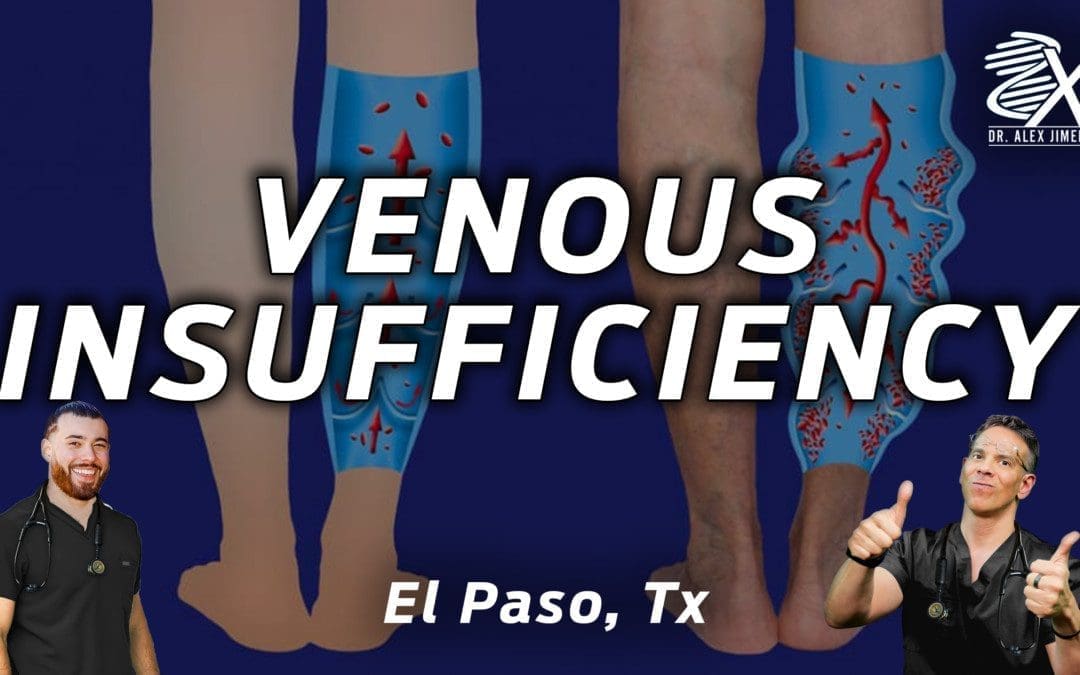
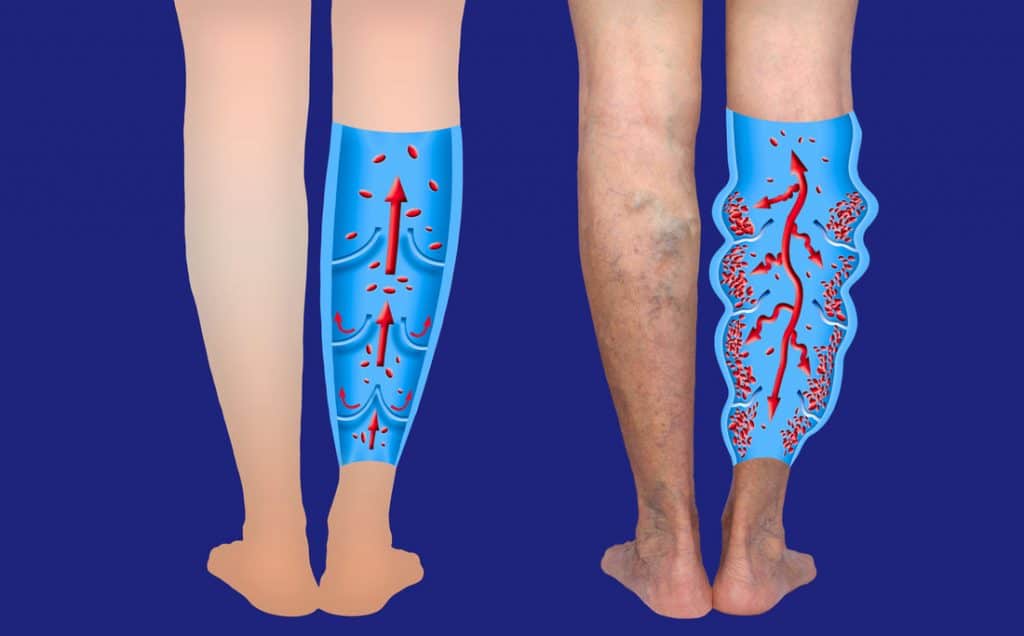
Dr. Jimenez, D.C., presents what you need to know about venous insufficiency. Many factors and lifestyle habits cause an effect on our bodies, which can lead to chronic disorders that can impact our musculoskeletal system and potentially lead to pain-like symptoms associated with chronic conditions. In this presentation, we will look at what venous insufficiency is, the symptoms, and how to prevent venous insufficiency from affecting the lower extremities. We mention our patients to certified medical providers that provide available therapy treatments for individuals suffering from chronic conditions associated with Lyme disease. We encourage each patient when it is appropriate by referring them to associated medical providers based on their diagnosis or needs. We understand and accept that education is a marvelous way when asking our providers crucial questions at the patient’s request and acknowledgment. Dr. Alex Jimenez, D.C., uses this information as an educational service. Disclaimer
What Is The Venous System?
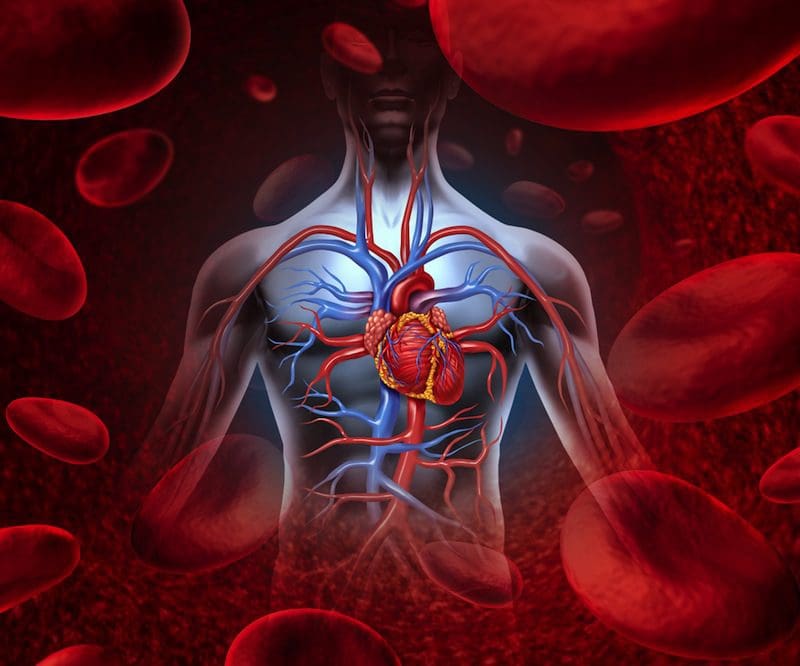
Dr. Alex Jimenez, D.C., presents: So we will go over tackling common cardiovascular problems and venous insufficiency. So let’s discuss this common complication in our practices: venous insufficiency and the functional medicine approach. So if you look at venous or blood flow, you look at the heart. The heart will pump blood to the arteries and the arterials, the arteries and arterials will pump to capillary beds, and venules will go to veins. Veins will then move the blood to the subclavian vein, and the lymph ducts will also drain in the subclavian vein.
The subclavian vein will then go into the heart, and in the process, it continues and circulates. The big difference between veins and arteries is that arteries have muscles within them, and the muscles will contract, regulate blood pressure, and help keep the blood flowing. But veins do not have that luxury. Veins will depend on our skeletal muscles around them; if we contract them a lot, we’re helping with circulation. So, being active, moving around, and flexing our muscles will keep the pressure in the superficial system to about 20 to 30. And then, when it starts going to the deeper system with the valves, what happens is that the valves will stop blood from flowing back. So the blood can only go in one direction.
And that is basically to have a healthy venous system. You want to be often exercising, and you want to have that higher venous pressure and flow. So what is the pathophysiology of chronic venous insufficiency? You have incompetent valves, or you can have incompetent valves, you can have thrombosis, and you can have obstruction. And that can lead to elevated venous pressure. High venous pressure can lead to vein dilation, skin changes, and ulceration, but also elevated venous pressure can worsen incompetent valves, thrombosis, and obstruction. And then you get this vicious cycle, and usually, it’s the lower extremities; they get worse and worse. So if you want to look at the contributing factors, look at the functional medicine matrix. Venous insufficiency pathogenesis hits many places on the functional medicine matrix, multiple places we can look at in the lower body extremities.
Venous Insufficiency & Its Signs
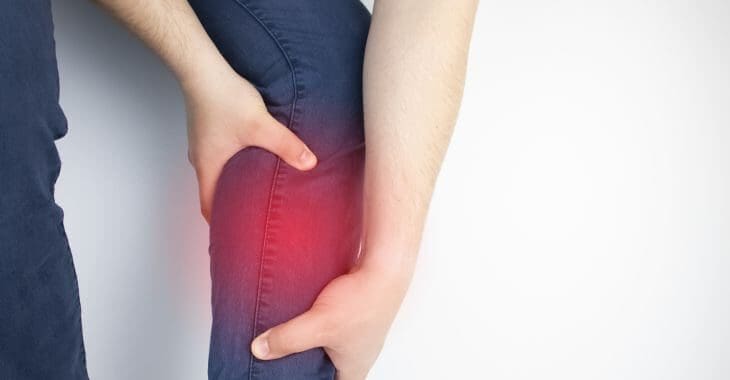
Dr. Alex Jimenez, D.C., presents: So what are the clinical manifestations of venous insufficiency? The symptoms are limb itching, heaviness, fatigue, particularly in the legs, pain in the legs, swelling, and tightness. The skin can get dry and become irritated. You might not be dealing with autoimmunity if you have this dry, irritated skin. You might be dealing with venous insufficiency. They can get muscle cramps. So your muscle cramps might not be a magnesium deficiency. Your muscle cramps might be venous insufficiency pain worse when standing or seated with their legs dangling. So when you’re sitting, the legs are dangling, and the pain improves when you elevate your legs and walk. And that actually can differentiate from arterial insufficiency. Remember, you get claudication in peripheral artery disease and arterial insufficiency. That’s when you walk and exert yourself. And because the blood vessels going to the muscles and the legs are tighter because of atherosclerosis, you get pain from walking.
Whereas venous insufficiency is the other side of the system, you walk and start feeling better. Why? Because those muscles are pumping the veins and moving blood through instead of the blood just being stagnant and sitting there. So edema you can get, which is swelling. Stasis dermatitis, which is dermatitis, red and swelling, and inflamed varicose veins, can be seen in this picture. Now the diagnosis is usually made by clinical signs and symptoms. So the clinical signs, what are the signs to look out for? For this part, go to your favorite search engine and look up every one of these symptoms that we mentioned so you know what it looks like. We are sure you’ve seen it before, but remind yourself what these things look like so that it can help you; it can help you when you’re diagnosing and looking at your patients.
Lymphodematosclerosis
Dr. Alex Jimenez, D.C., presents: Suppose a person has varicose veins. You can have lymphodematosclerosis, which is the champagne bottle sign. When you search that, look at that and see how the leg will look like an upside-down champagne bottle. Why? Because there’s a lot of fibrosis and hard tissue, and that tissue is holding that blood. You can’t get much edema, and you can’t get much swelling because it’s so tight, the blood can’t move in there. So look up the champagne bottle, not just the regular one, but look up a champagne bottle or lymphodematosclerosis, and you will remember that image when you see it. Then you will remember that image. You can get ulcerations because there’s decreased blood movement. So you get ulcers, and you can get hyperpigmentation. We see this often when you have a darkened skin color in the lower extremities from the constant fluid or blood leaking.
That’s hemosiderin deposits or iron deposits from popping blood cells. And you can get skin atrophy. So by typing these clinical signs on the internet that correlate with venous insufficiency, you have a good visual of what these things look like. So what is the functional medicine treatment plan? We’re going to look at the risk factors of chronic venous insufficiency, and we’re going to look at the adaptable ones, and based on that, we can give patients recommendations and plans. So obesity works on decreasing fat, sedentary life, being active, checking estrogen and hormone levels, and reducing estrogen and increasing progesterone. If you have to get out of that estrogen dominance, we want to look at those risk factors, see which ones are adjustable, and start working with them.
Ways To Reduce Venous Insufficiency
Dr. Alex Jimenez, D.C., presents: So you have this person with venous insufficiency. Check on their obesity levels, so you work on lowering their body fat and see if they have a sedentary lifestyle and getting them moving high. Check their hormone levels and see where their estrogen levels are regulated. If you check the IFM hormone module, check it out because it has some really good information on how to balance hormones in a functional medicine way. Make sure that they’re standing for a short period. At least occasionally, have them walk around, and you can have them set a timer. So every so often, every 20, 30 minutes, they walk around to keep their legs and blood flow moving. Work on decreasing smoking. And mentioning these risk factors to the patient can make them aware that this can worsen their venous insufficiency. Other conservative therapies include leg elevation. So have them lay down by putting their legs up to allow gravity to help push the blood down. Compression therapy. So have them wear compression stockings and stasis dermatitis; sometimes, you must use topical dermatologic steroids and some of those agents, which can be helpful there.
You may consider earthing. There was a research study that showed that if you put your feet on the ground outside barefoot, not in the insulated houses, then what can happen is, is the viscosity of your red blood cells will decrease. So the red blood cells will clump less, and you can have better movement and circulation. Pharmacological therapies and supplementations to target venous insufficiency. So what can we do while we’re looking at doing two things? We want the venous tone to be improved. So you want to tighten those veins up. On the arteries, you want to loosen them up. Usually, when an individual has hypertension, we want the veins to tighten those bad boys up so that circulation can happen. And then you want to improve the flow. You want the blood to be able to flow through the veins better.
Supplements For Venous Tone
Dr. Alex Jimenez, D.C., presents: So let’s take a look at the venous tone. This is one of the places where we’re ahead of the game in functional and integrative medicine because if you look at the conventional literature, even up-to-date research, many people are using up-to-date now to see how often they diagnose weak venous tone. So we can take a look at that. But if you look at what you can do for venous tone? It has two supplements. Regarding venous tone and increasing venous tone, two supplements can support the venous system: horse-chestnut seed extract (Escin) and diosmin.
So those are the two things that are mentioned. And we, in functional and integrative medicine, are more prepared to deal with this because we know about pharmacy grade; we learn about giving them a good product that is third-party tested and doesn’t have those toxic fillers and whatnot. The second way of treating venous insufficiency from a medical point of view is by improving venous flow. You want blood viscosity to be thinner. You don’t want the blood not to be as prone to clotting so the blood can flow easier. So here are some agents you can use. You can use aspirin; you can use pentoxifying; you can use nattokinase, which can help lower fibrinogen. Regarding venous insufficiency, it can cause the body to have high fibrinogen. So nattokinase can help lower elevated fibrinogen.
Conclusion
Dr. Alex Jimenez, D.C., presents: If they’re not on aspirin or any blood thinners and have high fibrinogen and venous insufficiency, it might also be a good one to put somebody on omega-3s. We are trying to get their omega-3 levels up, and they are useful when optimizing help with venous flow. You’re going to have people to come and see you, and you’re going to be treating them for other things. And because you’re functional medicine, you’re part of the cool club; what’s going to happen is they’re not even going to tell you about their venous insufficiency, and it’s going to get better just because of the treatments that you’re doing. And it will be epic. And if all else fails, you refer to associated medical specialists to help your patient. So, in conclusion, take care of your veins and look for the signs to prevent venous insufficiency from causing more issues in the lower extremities, and utilize vitamins and supplements to reduce the pain and inflammation in the muscles and joints.
IFM's Find A Practitioner tool is the largest referral network in Functional Medicine, created to help patients locate Functional Medicine practitioners anywhere in the world. IFM Certified Practitioners are listed first in the search results, given their extensive education in Functional Medicine