For individuals and athletes with a gluteal contusion with severe bruising, can a healthcare provider determine if there are any other injuries to underlying structures, including muscle or tendon tears?
Gluteal Contusion
A gluteal contusion is an injury, in this case, a bruise to the buttocks’ gluteal muscles caused by damage to muscle fibers and blood vessels. A buttock bruise is caused by direct bodily impact, typically from falls, automobile collisions, accidents, bumping into something, or being struck by an object or person. Like all bruises, a gluteal bruise most often results in pain and visible discoloration of the skin at the injury site, varying in severity from grade I to grade III, with higher-graded bruises requiring more time to heal. Most butt bruises can heal on their own with time and rest, but if bruising is severe, individuals may require physical therapy to restore full muscle function.
Symptoms
A contusion is a muscle injury that can affect the body’s skeletal muscles. A gluteal contusion can be painful, with a black and blue mark that changes color over time. Other symptoms may include: (Mount Sinai, 2024)
Tenderness to touch over the injury site
Increased pain with contraction of the glutes
Swelling
Discomfort with sitting
Causes
A contusion occurs from direct trauma and forceful impact on the gluteal muscles, causing damage to underlying blood vessels, muscle fibers, and sometimes bone, resulting in bleeding under the skin. (MedlinePlus, 2016) Direct impacts to the gluteal muscles that can cause a contusion include:
Falls
Car accidents
Direct hits to the buttocks from a piece of sports equipment or person.
Bumping into furniture, a door, or a counter.
Intramuscular injections into the gluteal muscles.
Individuals who take blood thinners or anticoagulant medication have an increased risk of bruising from direct contact injuries.
Diagnosis
A gluteal contusion is usually diagnosed through a physical examination and is generally straightforward to diagnose based on physical appearance, symptoms, and type of injury. Contusions can be graded based on the severity according to the following criteria (Fernandes, T. L. et al., 2015)
Grade I
An injury that affects only a small amount of muscle fibers, resulting in minimal pain, tenderness, and possible swelling.
Causes minimal or no loss of strength in the affected muscle or range of motion limitations.
Muscle use is typically unaffected.
Grade II
An injury that causes significant damage to muscle fibers, resulting in increased pain and impaired muscle contraction.
A small muscle defect can be felt to the touch.
Discoloration increases over the first few days after injury.
Grade III
An injury that involves extensive muscle fiber damage and bleeding across an entire area of a muscle that results in severe, and sometimes total, loss of muscle function.
Causes severe pain and significant discoloration of the skin.
When contusions are larger, deeper, and involve significant blood pooling and swelling, they are called hematomas.
If the bruising is severe, a diagnostic ultrasound, CT scan, or MRI may be used to determine whether any underlying structures are damaged.
Treatment
Contusions are generally mild injuries. Treatment typically involves rest to allow the muscles to heal from the bleeding and the bruising to dissipate.
Applying ice to the injury site can help relieve pain and inflammation.
If the bruising is severe, significant physical activity like sports, dancing, running, jumping, and weight lifting should be avoided until the muscles heal. (Mount Sinai, 2024)
With more severe bruising, contraction and stretching of the glutes are painful and can require longer healing and recovery time.
Physical therapy rehabilitation may be needed for more significant injuries to restore muscle function.
Prognosis
A mild injury usually heals on its own with time and rest. More significant injuries take longer to heal and may require physical therapy to build strength and range of motion if muscle function is affected.
Healing Time and Recovery
Healing and recovery times for gluteal contusions vary depending on the severity of the injury (Fernandes T. L. et al., 2015)
Grade I
Minor injuries that cause minimal discomfort typically heal fully in five days to two weeks.
Grade II
During the first two to three days, contusions develop, increasing discoloration under the skin, and complete healing can take two to three weeks.
Return to sport is typically resumed after a month.
Grade III
Contusions can take up to four to six weeks to heal, often requiring rehabilitation to restore muscle strength and range of motion.
Injury Medical Chiropractic and Functional Medicine Clinic
At Injury Medical Chiropractic and Functional Medicine Clinic, we passionately focus on treating patients’ injuries and chronic pain syndromes. We focus on improving ability through flexibility, mobility, and agility programs tailored to the individual. We use in-person and virtual health coaching and comprehensive care plans to ensure every patient’s personalized care and wellness outcomes. Our providers use an integrated approach to create personalized care plans that include Functional Medicine, Acupuncture, Electro-Acupuncture, and Sports Medicine principles. Our goal is to relieve pain naturally by restoring health and function to the body. If he feels the individual needs other treatment, they will be referred to a clinic or physician best suited for them as Dr. Jimenez has teamed up with the top surgeons, clinical specialists, medical researchers, and premier rehabilitation providers to provide our community with the best clinical treatments.
Building a Stronger Body
References
Mount Sinai. (2024). Bruise. https://www.mountsinai.org/health-library/injury/bruise
MedlinePlus. (2016). Bruises. Retrieved from https://medlineplus.gov/bruises.html
Fernandes, T. L., Pedrinelli, A., & Hernandez, A. J. (2015). MUSCLE INJURY – PHYSIOPATHOLOGY, DIAGNOSIS, TREATMENT AND CLINICAL PRESENTATION. Revista brasileira de ortopedia, 46(3), 247–255. https://doi.org/10.1016/S2255-4971(15)30190-7
Can the Oswestry Low Back Pain Disability Questionnaire help assess how low back pain impacts individuals’ ability to perform everyday tasks and activities and help physical therapists incorporate the outcome measure into an effective treatment plan?
Oswestry Disability Questionnaire
The Oswestry Disability Questionnaire, also known as the Oswestry Disability Index, provides objective data about an individual’s lower back pain. It determines the severity of the pain and how much it limits their daily activities. The questionnaire is a validated measure backed by research that can be used to justify the need for medical treatment. It includes questions regarding the symptoms and severity of low back pain and how these symptoms interfere with regular activities. Lower back pain can result from various causes (National Institute of Neurological Disorders and Stroke, 2020)
Arthritis, including inflammatory types of arthritis like psoriatic arthritis and ankylosing spondylitis.
Lumbar vertebrae compression fractures – usually from trauma or osteoporosis.
Low back surgery – including spinal fusions, discectomies, and laminectomies.
Spinal stenosis
Spondylolisthesis
Scoliosis
How The Questionnaire Works
The Oswestry Disability Questionnaire consists of 10 questions about the impact of lower back pain on daily life. The questions are divided into the following categories: (American Academy of Orthopedic Surgeons, N.D.)
Pain Intensity
How intense is the pain?
If painkillers are used, how much symptom relief do they provide?
Personal Care
Can the patient perform self-care activities like bathing and dressing when experiencing significant pain or limitations?
Whether physical assistance from another person is needed?
Lifting
Can the patient lift objects like weights with or without pain?
Can lifting be performed from the floor or a higher surface like a table if the objects are light, moderate, or heavy?
Walking
If and to what extent does the pain limit the patient’s walking distance and independence?
If an assistive device like a cane or crutches are needed?
Sitting
If so, how much pain limits the patient’s sitting tolerance?
Standing
If so, how much pain limits the patient’s standing tolerance?
Sleeping
If so, how much pain limits a patient’s sleeping duration?
Whether pain medication is needed to help the patient sleep comfortably?
Social Life
If and to what extent a patient’s social activities are limited because of pain symptoms?
Traveling
If so, to what extent does pain limit a patient’s ability to travel?
Employment and/or Homemaking Duties
Does pain limit a patient’s ability to perform job-related and/or household activities, including physically demanding and light duties?
Patients self-report the information and complete it on their own based on their understanding of the extent of their lower back pain and disability.
Each question can be scored between 0 and 5, with 0 indicating no limitations and 5 indicating complete disability.
The scores from all the questions are added together for a cumulative total score of 50 points.
Scores
The Oswestry Disability Questionnaire assesses how much a patient’s lower back pain limits daily activities. This information is used in clinical documentation for medical services. A higher score indicates a greater level of disability, according to the following scoring criteria:
0–4: No disability
5–14: Mild disability
15–24: Moderate disability
25–34: Severe disability
35–50: Completely disabled
Physical therapists must create individualized goals for each patient to develop a treatment plan and receive authorization from insurance companies. One of the most important aspects of a physical therapy goal is that it must be measurable. The Oswestry Disability Questionnaire provides a numerical score to track functional limitations and monitor the range of motion and strength testing. A baseline measurement is taken at the beginning of treatment, and progress is tracked in follow-up visits. A new score is used as a treatment goal. According to a study, the minimal clinically important difference (MCID) for the Oswestry Disability Questionnaire is 12.88. The MCID is the minimum score healthcare providers need to confirm a patient’s progress in function due to treatment. (Johnsen, L. G. et al., 2013)
By tracking changes in the total score before, during, and after treatment, healthcare providers can better assess whether treatment improves symptoms. A decrease in total score by 13 points or more would indicate that treatment is helping to improve a patient’s lower back pain and level of disability. Along with physical examination results, the patient’s score and the severity of symptoms can help healthcare providers determine an appropriate treatment plan.
No Disability
Treatment is unnecessary other than providing advice for lifting mechanics and general physical activity to maintain health.
Mild Disability
Conservative measures, such as physical therapy, exercise, hot or cold therapy, pain medication, and rest, are needed to help alleviate symptoms.
Moderate Disability
More aggressive intervention is needed, which can include extensive physical therapy services and pain management.
Severe Disability
Significant medical intervention is needed, including surgery, pain management, equipment like wheelchairs, and help from a caretaker.
Completely Disabled
Patients are either bedbound or have worsening symptoms, and a caretaker is needed to complete daily activities and self-care tasks.
Injury Medical Chiropractic and Functional Medicine Clinic
Improvements in range of motion, strength, and quality of movement and a decrease in total score can help show the treatment’s positive impact in managing lower back pain. A thorough medical exam and diagnostic tests, such as X-ray, MRI, or EMG, can help determine the underlying causes, discover the cause of the problem, and develop an effective treatment plan. Injury Medical Chiropractic and Functional Medicine Clinic works with primary healthcare providers and specialists to develop personalized treatment programs. Using an integrated approach to treating injuries and chronic pain syndromes to improve flexibility, mobility, and agility and help individuals return to normal activities. Our providers use Functional Medicine, Acupuncture, Electro-Acupuncture, and Sports Medicine principles. If other treatments are needed, Dr. Jimenez has teamed up with top surgeons, clinical specialists, medical researchers, and rehabilitation providers.
Optimizing Your Wellness
References
National Institute of Neurological Disorders and Stroke. (2020). Low Back Pain Fact Sheet. Retrieved from https://www.ninds.nih.gov/sites/default/files/migrate-documents/low_back_pain_20-ns-5161_march_2020_508c.pdf
American Academy of Orthopedic Surgeons. (N.D.). Oswestry Low Back Pain Disability Questionnaire. https://www.aaos.org/globalassets/quality-and-practice-resources/patient-reported-outcome-measures/spine/oswestry-2.pdf
Johnsen, L. G., Hellum, C., Nygaard, O. P., Storheim, K., Brox, J. I., Rossvoll, I., Leivseth, G., & Grotle, M. (2013). Comparison of the SF6D, the EQ5D, and the oswestry disability index in patients with chronic low back pain and degenerative disc disease. BMC musculoskeletal disorders, 14, 148. https://doi.org/10.1186/1471-2474-14-148
Back pain is one of the most common reasons for seeking health care. Individuals dealing with back pain but don’t know the cause may have some inflammatory joint disease or autoimmune condition. Can seeing a rheumatologist help?
Rheumatologist
Depending on what’s causing the back pain, individuals may need to see their primary doctor for a referral. Individuals are recommended to see a rheumatologist if they have back pain that doesn’t come from an injury that doesn’t go away after a few weeks, pain that comes back after treatment, or symptoms that suggest a rheumatic condition. Rheumatologists treat severe or persistent back pain and are experts in autoimmune diseases, including lupus, Sjogren’s syndrome, rheumatoid arthritis, ankylosing spondylitis, axial spondylitis, Psoriatic arthritis, and other forms of inflammatory or autoimmune arthritis.
What Do They Do?
A rheumatologist is an internist or pediatrician who has completed special training in treating conditions that are:
Inflammatory
Autoimmune
Related to painful joint disease
The doctors diagnose, treat, and manage these conditions long-term. Depending on diagnosis and care needs, they may also lead or be part of a team that includes other healthcare providers.
Symptoms
When muscles ache, pain presents, or joints hurt, and especially if there are signs of inflammation that don’t go away, seeing a healthcare provider is recommended. Symptoms of inflammation include:
Redness
Swelling
Pain
Stiffness
Loss of joint function
Usually, to see a rheumatologist, individuals need a referral from their primary care provider and may be referred when:
There is no evidence of a back injury.
At-home therapies like heat application, prescription medications, or physical therapy are unsuccessful.
There is uncertainty about what’s causing the back pain, but I suspect it’s rheumatological.
Blood tests for inflammatory markers or certain antibodies yield abnormal results.
There is a diagnosis of a rheumatic condition and recommend a specialist to manage it.
There is a family history of a rheumatic or autoimmune condition that may cause back pain.
Some types of arthritis can cause permanent, progressive joint damage.
Conditions
Conditions that can affect the spine and cause back pain and are treated by a rheumatologist include: (Johns Hopkins Medicine, 2024)
Rheumatoid arthritis (RA)
This often starts in smaller joints of the hands and feet and later moves to the neck and/or back.
It can also affect different body organs and have systemic symptoms.
Ankylosing Spondylitis (AS)
Primarily a disease of the spine, it may also impact the shoulders, hips, knees, and ankles.
Systemic symptoms, including fever and fatigue, can manifest.
Axial Spondylitis
This primarily affects the spine, chest, and pelvis.
It may also cause problems with the connective tissue, eyes, bowel, and skin.
Psoriatic Arthritis (PsA)
Pain in the lower back is common, especially in severe cases.
It can affect other joints and cause psoriasis.
Reactive Arthritis
This is a reaction to infection.
It is more common in the limbs, hands, and feet joints but can involve the spine.
Enteropathic Arthritis
This mainly affects the spine but can include other joints.
It is associated with inflammatory bowel disease.
Autoimmune diseases that don’t specifically target the spine but can also cause back pain include:
Lupus
Sjögren’s syndrome
Hashimoto’s thyroiditis
Finding a Doctor
Individuals may be fine with their primary healthcare provider’s choice regarding which rheumatologist to see. However, they may want to research other options to ensure the right rheumatologist is chosen. Things to look at include:
Search online medical directories.
Visit the websites of the doctors being considered to learn more about their training, approach, and specialties.
Check online reviews.
Check on health insurance coverage.
Ask members of the healthcare team, friends, and family for recommendations.
Contact rheumatologists’ offices to see if they are accepting new patients.
Once decided, pass along the information to the primary care doctor so they can make the referral.
Preparing For The Initial Visit
Before seeing a new rheumatologist, take a few minutes to prepare so you can make the most of the appointment. Individuals will want to have:
A list of back-related symptoms, including frequency and severity.
A list of what makes symptoms better or worse.
A copy of recent test results and records from other doctors.
Individuals can ask their provider/s to send their medical information to the rheumatologist’s office in advance.
A list of treatments that have been tried and how well they worked.
A list of all medications, over-the-counter and prescription, supplements, and herbal products taken.
A list of medication allergies.
Complete medical history and family history of potentially related diseases.
A list of any questions regarding conditions, treatment, etc.
If possible, fill out any paperwork for the new office beforehand to save time on the appointment day.
Injury Medical Chiropractic and Functional Medicine Clinic
Talking with a healthcare provider is important. Injury Medical Chiropractic and Functional Medicine Clinic works with primary healthcare providers and specialists to develop personalized treatment programs. Using an integrated approach to treating injuries and chronic pain syndromes to improve flexibility, mobility, and agility and help individuals return to normal activities. If other treatments are needed, Dr. Jimenez has teamed up with top surgeons, clinical specialists, medical researchers, and rehabilitation providers.
Quick Patient Initiation Process
References
Hospital for Special Surgery. (2023). What Is a Rheumatologist and What Conditions Do They Treat? https://www.hss.edu/conditions_what-is-a-rheumatologist.asp#when
Yale University School of Medicine. Dee, J. E. (2021). 5 reasons why a patient should see a rheumatologist. https://medicine.yale.edu/news-article/5-reasons-to-see-a-rheumatologist/
National Institute of Arthritis and Musculoskeletal and Skin Diseases. (2023). Autoimmune diseases. Retrieved from https://www.niams.nih.gov/health-topics/autoimmune-diseases
Johns Hopkins Medicine. (2024). Spinal arthritis (arthritis in the back or neck). https://www.hopkinsmedicine.org/health/conditions-and-diseases/spinal-arthritis
Individuals dealing with symptoms like sudden pain, weakness, and tenderness in the back of the knee could have a hamstring injury. Can knowing the symptoms and performing self-care help bring relief?
Hamstring Pain Behind The Knee
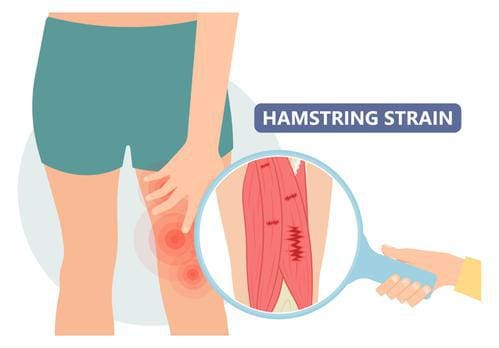
The hamstrings consist of three long muscles that run down the back of the thigh, cross over the back of the knee, and connect to bones in that area. A hamstring injury, such as a strain or tear, tendonitis, or biceps femoris tendinopathy, can cause pain in the back of the knee, difficulty bending the knee, swelling, and bruising. A hamstring strain occurs when the muscle is stretched too far or torn completely. This can happen from sudden, forceful movements or overstretching. Hamstring tendonitis develops over time, usually after a sudden increase in activity, when the hamstring tissue cannot recover from too much loading. Pain is often felt after physical activity and exercise and, in severe cases, during the activity or throughout the day. Biceps femoris tendinopathy can also cause pain in the back of the knee. Strains, tendonitis, bursitis, and muscle tears are all possible explanations for a hamstring injury that leads to pain behind the knee. Discussing pain symptoms with a healthcare provider is recommended, especially if it occurs suddenly during physical activity or exercise. They can help identify the exact cause and offer guidance for rehabilitation, including physical therapy referrals.
Causes and Triggers
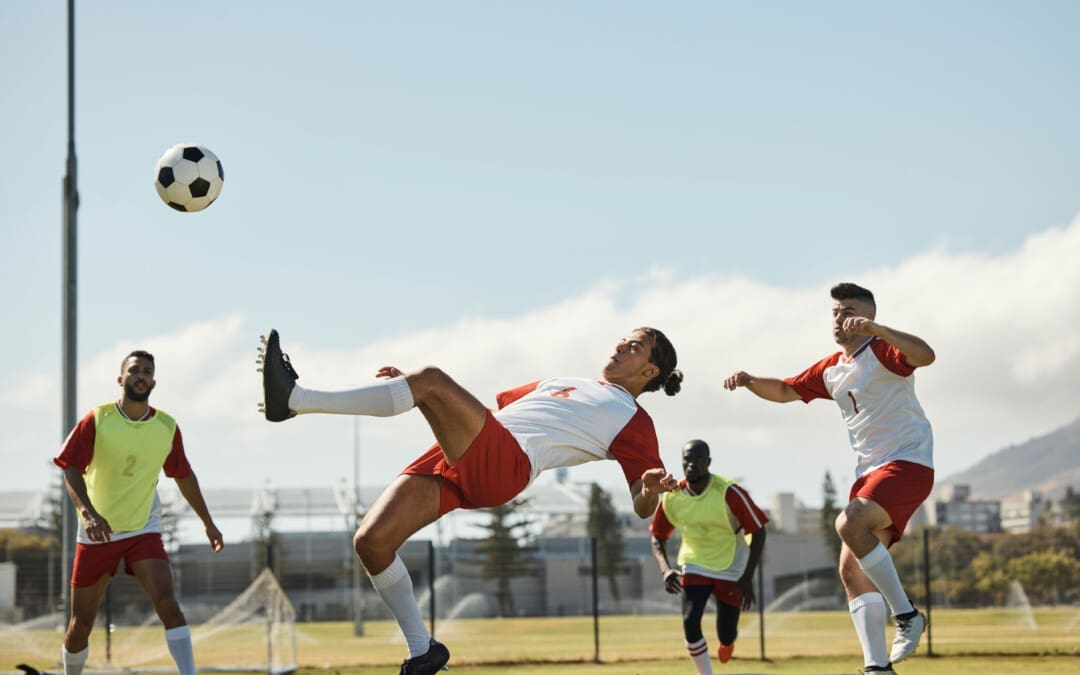
Individuals may experience hamstring pain behind the knee when the muscles in that area are overworked, inflamed, or injured, such as from activities like running, walking, dancing, soccer, or basketball. Possible types of injuries and their causes.
A primary cause of muscle strain occurs when the muscle is stretched too far or has to handle a sudden force like sprinting or kicking. (American Academy of Orthopaedic Surgeons, 2021)
Severe Cases
Most causes of pain behind the knee are easily treatable at home with self-care and rest. However, it can be more severe, signaling a blood clot, infection, torn muscle or tendon/ligament. Hamstring knee pain may be serious if any of the following is experienced (American Academy of Orthopaedic Surgeons, 2021)
Sudden pain during physical activity, often during a full stride.
Feeling a pop or sharp pain that causes falling or limping.
Pain that worsens over time and prevents or hinders walking or exercising as normal.
If pain is severe and does not improve with rest and anti-inflammatory medications, evaluation by a healthcare professional is necessary.
Assesses Hamstring Pain
A healthcare provider will ask about symptoms and injury, including what happened when the pain began. They will perform a physical examination, which may include pressing on the back of the thigh to look for swelling, bruising, tenderness, or bunched-up muscles. (American Academy of Orthopaedic Surgeons, 2021) The healthcare provider will ask the patient to perform specific resisted movements, such as the manual muscle test, and measure the range of motion. Diagnostic testing includes an X-ray or MRI to determine the degree of the injury and which soft tissues or bones may be involved.
Self-Care
The first line of treating hamstring knee pain is the RICE protocol, which includes: (Mount Siani, 2024)
Rest
Stop any activity that causes symptoms and pain.
A healthcare provider may recommend crutches or a knee scooter in severe cases.
Ice
Apply cold packs to the swollen or painful area for 20 minutes throughout the day.
Compression
A knee brace, wrap, or bandage that applies gentle pressure to the injured area can help reduce and prevent swelling.
Elevation
Lifting the leg higher than the heart will help reduce swelling and blood accumulation.
Individuals may need to lie on a bed or sofa and elevate their legs with pillows.
Individuals can use at-home pain relievers like acetaminophen or NSAIDs like ibuprofen or naproxen. Over time, and depending on the severity of the injury, a healthcare provider will advise on gentle hamstring stretches and how to ease back into physical activity.
A healthcare provider will advise immobilizing the knee to help with muscle healing, which could involve wearing a knee brace or using crutches.
Physical therapy
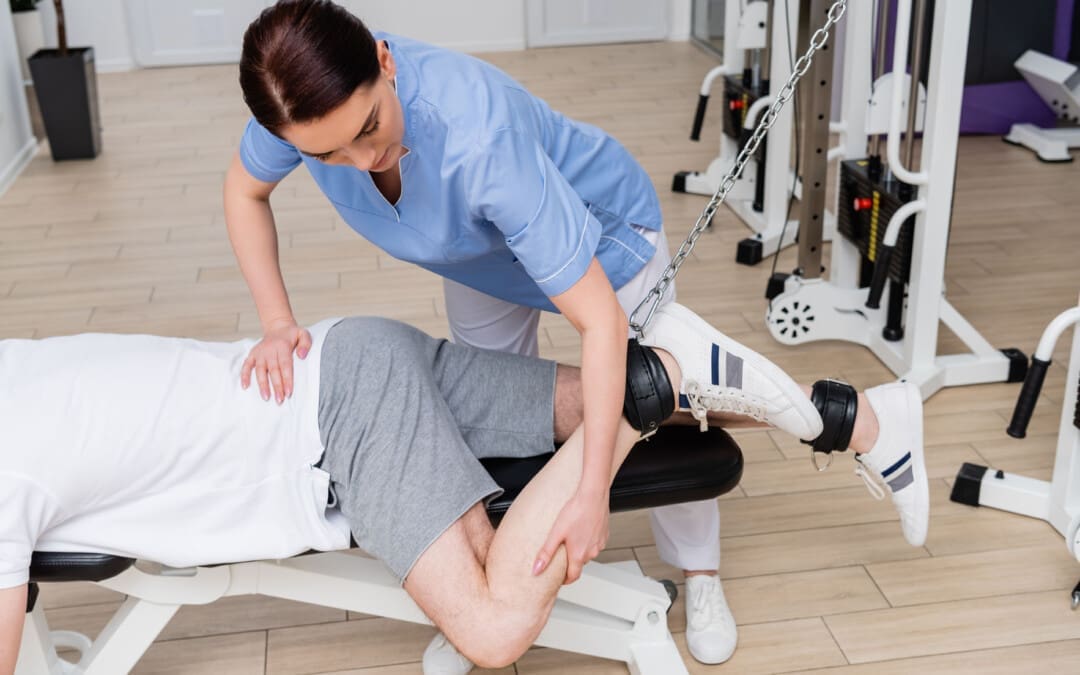
A healthcare provider may refer the patient to a physical therapist, who will perform a personalized evaluation and prescribe targeted exercises to heal the injury and regain strength, flexibility, and movement.
Surgery
Tendon avulsion injuries are when the hamstring tendon completely tears away from the bone, and surgery is required to reattach the tendon.
Platelet-rich plasma – PRP
Platelet-rich plasma has become an additional treatment for hamstring muscle strain or tendonitis. (Seow D. et al., 2021)
The treatment involves injecting a solution from the patient’s blood into the muscle to heal the injury.
Recovery
Predicting how long a hamstring injury takes to heal and how long the pain will linger depends on the type, location, and severity. The most severe type is the hamstring coming unattached around the knee. This surgical repair and rehabilitation take at least three months before returning to sports and exercise (American Academy of Orthopaedic Surgeons, 2021). Lesser injuries like tendonitis or a mild strain can take less time to heal. However, it’s essential to avoid reinjuring the area so the condition does not become chronic. This includes: (American Academy of Orthopaedic Surgeons, 2021)
Stretching to encourage and maintain flexibility.
Fixing muscle imbalances between the quadriceps and hamstring.
Endurance and conditioning.
Avoiding overuse.
Injury Medical Chiropractic and Functional Medicine Clinic works with primary healthcare providers and specialists to develop personalized treatment programs. We focus on what works for you and use an integrated approach to treating injuries and chronic pain syndromes to improve flexibility, mobility, and agility, relieving pain and helping individuals return to normal activities. If other treatments are needed, Dr. Jimenez has teamed up with top surgeons, clinical specialists, medical researchers, and rehabilitation providers. Our providers use Functional Medicine, Acupuncture, Electro-Acupuncture, and Sports Medicine principles.
Chiropractic Care for Leg Instability
References
National Library of Medicine. (2017). Tendinitis Also called: Tendonitis. Retrieved from https://medlineplus.gov/tendinitis.html
American Academy of Orthopaedic Surgeons. OrthoInfo. (2020). Sprains, strains, and other soft tissue injuries. https://orthoinfo.aaos.org/en/diseases–conditions/sprains-strains-and-other-soft-tissue-injuries/
American Academy of Orthopaedic Surgeons. OrthoInfo. (2021). Hamstring muscle injuries. https://orthoinfo.aaos.org/en/diseases–conditions/hamstring-muscle-injuries/
American Academy of Orthopaedic Surgeons. OrthoInfo. (2021). Pes aserine (knee tendon) bursitis. https://orthoinfo.aaos.org/en/diseases–conditions/pes-anserine-knee-tendon-bursitis/
Mount Siani. (2024). Hamstring strain – aftercare. https://www.mountsinai.org/health-library/selfcare-instructions/hamstring-strain-aftercare
Seow, D., Shimozono, Y., Tengku Yusof, T. N. B., Yasui, Y., Massey, A., & Kennedy, J. G. (2021). Platelet-Rich Plasma Injection for the Treatment of Hamstring Injuries: A Systematic Review and Meta-analysis With Best-Worst Case Analysis. The American journal of sports medicine, 49(2), 529–537. https://doi.org/10.1177/0363546520916729
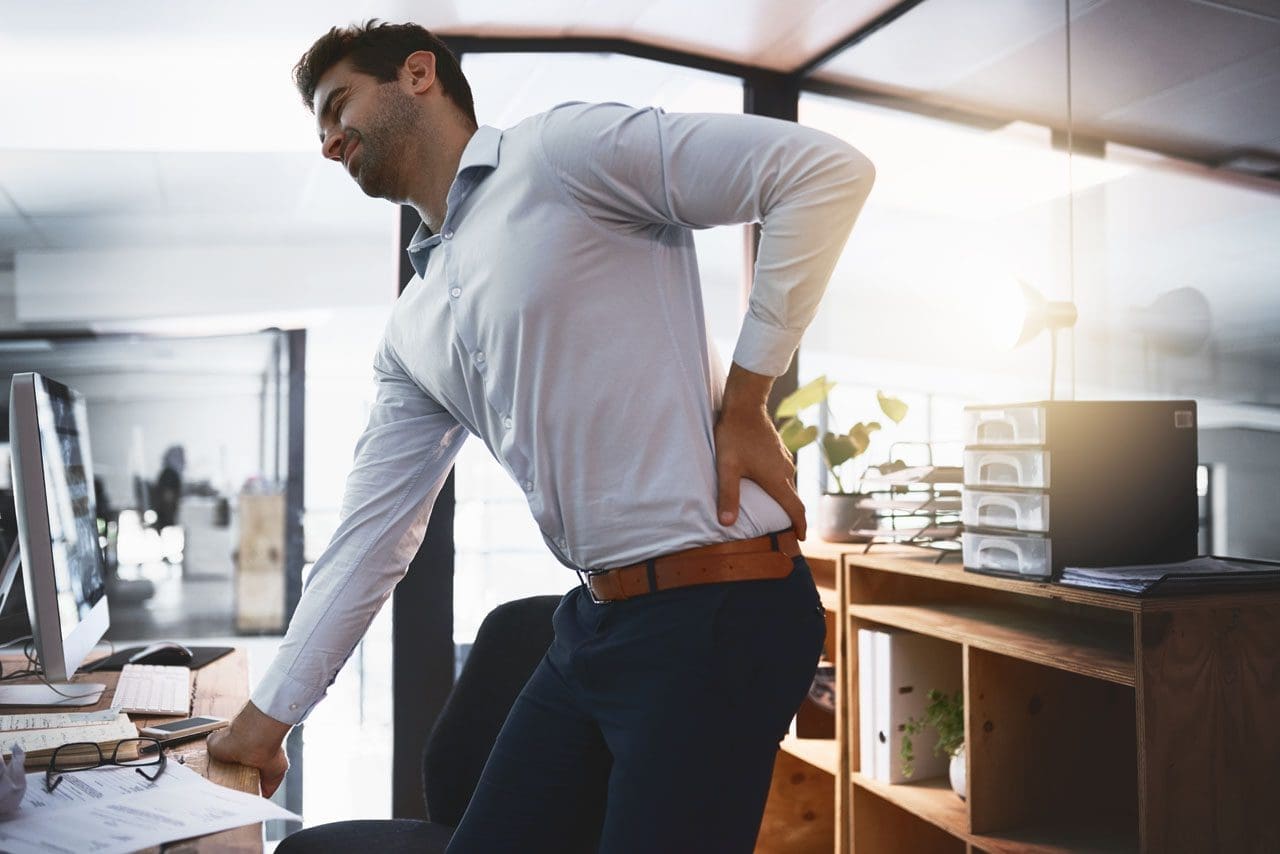
Individuals who sit in an office chair for a long period naturally tend to slouch over or slouch down into the chair. This posture can overstretch the spinal ligaments, strain the discs and surrounding structures in the spine, and contribute to or worsen back pain. Can the right office chair settings help relieve and prevent future injuries?
Work Office Chair
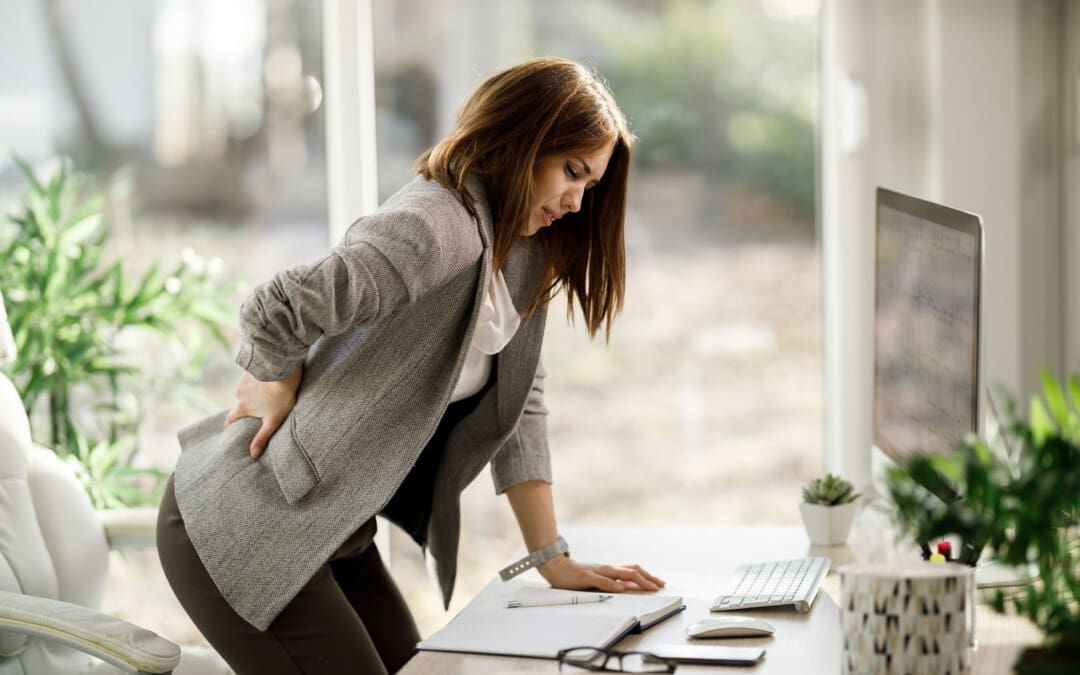
Sitting in an office chair for prolonged periods can cause lower back pain or worsen an existing back problem. The main reason behind this is that sitting is a static posture that increases stress in the back, shoulders, arms, and legs, putting pressure on the back muscles and spinal discs. Over time, incorrect sitting posture can damage the spinal structures. Most office chair customers base their decisions on availability, color, style, and price. However, it’s recommended that individuals learn about fitting seating equipment to their height, frame, or any condition, such as back or hip pain. The controls on or under the armrests and at the bottom of the chair seat, including the levers, paddles, and knobs, are there for a reason. Here are some recommendations for adjusting their work office chair to decrease back and hip pain.
Height Adjustment
The chair’s height affects the quadriceps, psoas, and hamstring muscles, which are important in posture-related back pain. Height adjustment is the primary way to change the angle of the hip joint while sitting. This angle affects the position of the pelvis and the degree of curve in the lower back, which can alter the spine’s normal alignment. (De Carvalho D. et al., 2017) Adjusting the chair’s height can provide a reference for other chair and workstation adjustments.
Back Angle
The hip angle is how close (increased hip flexion) or how far away (less hip flexion) the trunk is to the top of the thigh when sitting. Adjusting chair height can control the angle of the hip joint. When adjusting the height, adjust the degree of flexion at the hip joint to ensure ideal alignment for the individual body frame. A recent study measured the load that sitting has on simulated spinal discs. Researchers concluded that pressure on the spine can be relieved with a more open angle between the trunk and the thigh, that is, the hip joint angle. (Rohlmann A. et al., 2011) The backrest, seat tilt, and lumbar support features help maintain a pain-free back and relieve pressure and tension in the lower back and should be utilized.
Seat Depth
A kitchen chair, for example, may have no back supports or armrests to assist with posture and angle. (Holzgreve F. et al., 2022) When sitting, the individual’s back should be against the back of the work office chair for the best support and a healthy posture. Individuals will want to check and see how concave the seat surface is. If there is a prominent curve, this will cause the back to be rounded when sitting, which can become uncomfortable and lead to back pain. A chair with built-in support or a pillow can help adjust the depth. This means that chair size matters, as different people will need seats of varying depths to match their musculoskeletal structure.
Seat Height
Another way to understand the hip joint angle is to compare the height of the knees to the height of the hips. This is usually the easiest way to assess whether the chair height is right while adjusting. When the seat is right, the feet will be flat on the floor. The feet should reach the floor without causing pressure on the back of the thighs. Individuals with dangling feet, which may be because of their height, should place a footrest or thick book under them. The knees should be approximately level with or lower than the hips. In this case, the level is a 90-degree angle between the hip and trunk, which is stress-free on the hips and back.
Risks
Chair Too High
For individuals who can’t reach their feet to the floor, the chair is probably too high. The Occupational Safety and Health Administration (OSHA) says this is potentially hazardous because it can lead to scooting forward and forgoing the backrest’s support (United States Department of Labor, N.D.) Sitting like this is considered an awkward posture and a risk factor for work-related musculoskeletal disorders (MSD). Musculoskeletal disorders and symptoms caused by awkward sitting posture include muscle fatigue, swelling, pain, numbness, or decreased circulation. (Ng, P. K., Jee, K. S. and Lim, S. Y. 2016)
Chair Too Low
If the knees are higher than the hips, the chair is probably too low, causing extreme flexion in the hip joints. Most individuals’ backs can’t handle this well because their hip muscles are not flexible enough. If sitting with knees higher than hips, the position can cause lower back pain.
Taking Breaks
No matter how comfortable a work office chair is, prolonged static posture is unhealthy for the spine and is a common contributor to back problems and muscle strain. Remember to stand, stretch, and walk for at least a minute or two every half hour to prevent the back from staying in one position for a long period. A quick stretch or minimal movement, like a quick walk, will help. A longer walk will help even more, promoting blood circulation to supply nutrients to all the spinal structures.
Moving and stretching regularly throughout the day will help keep the joints, ligaments, muscles, and tendons loose and promote comfort, relaxation, and the ability to focus productively.
Injury Medical Chiropractic and Functional Medicine Clinic works with primary healthcare providers and specialists to develop personalized treatment programs. An integrated approach to treating injuries and chronic pain syndromes improves flexibility, mobility, and agility, relieving pain and helping individuals return to normal activities. If other treatments are needed, Dr. Jimenez has teamed up with top surgeons, clinical specialists, medical researchers, and rehabilitation providers.
Low Back Pain: Impact and Chiropractic Solutions
References
De Carvalho, D., Grondin, D., & Callaghan, J. (2017). The impact of office chair features on lumbar lordosis, intervertebral joint and sacral tilt angles: a radiographic assessment. Ergonomics, 60(10), 1393–1404. https://doi.org/10.1080/00140139.2016.1265670
Rohlmann, A., Zander, T., Graichen, F., Dreischarf, M., & Bergmann, G. (2011). Measured loads on a vertebral body replacement during sitting. The spine journal : official journal of the North American Spine Society, 11(9), 870–875. https://doi.org/10.1016/j.spinee.2011.06.017
Holzgreve, F., Maurer-Grubinger, C., Fraeulin, L., Bausch, J., Groneberg, D. A., & Ohlendorf, D. (2022). Home office versus ergonomic workstation – is the ergonomic risk increased when working at the dining table? An inertial motion capture based pilot study. BMC musculoskeletal disorders, 23(1), 745. https://doi.org/10.1186/s12891-022-05704-z
United States Department of Labor. (N.D.). Computer workstations eTool. Retrieved from https://www.osha.gov/etools/computer-workstations
Ng, P. K., Jee, K. S. & Lim, S. Y. (2016). Development of Ergonomics Guidelines for Improved Sitting Postures in the Classroom among Malaysian University Students. American Journal of Applied Sciences, 13(8), 907-912. https://doi.org/10.3844/ajassp.2016.907.912
For individuals dealing with stress, back and neck pain, and wanting to improve overall health, can trying a Hatha yoga class help?
Hatha Yoga Class
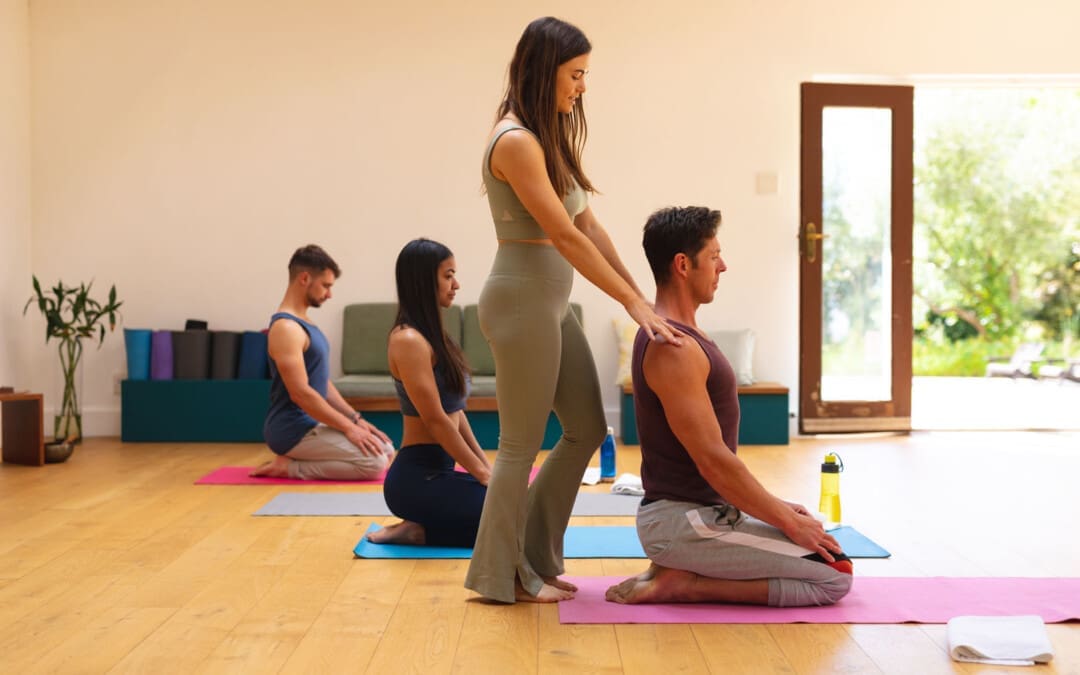
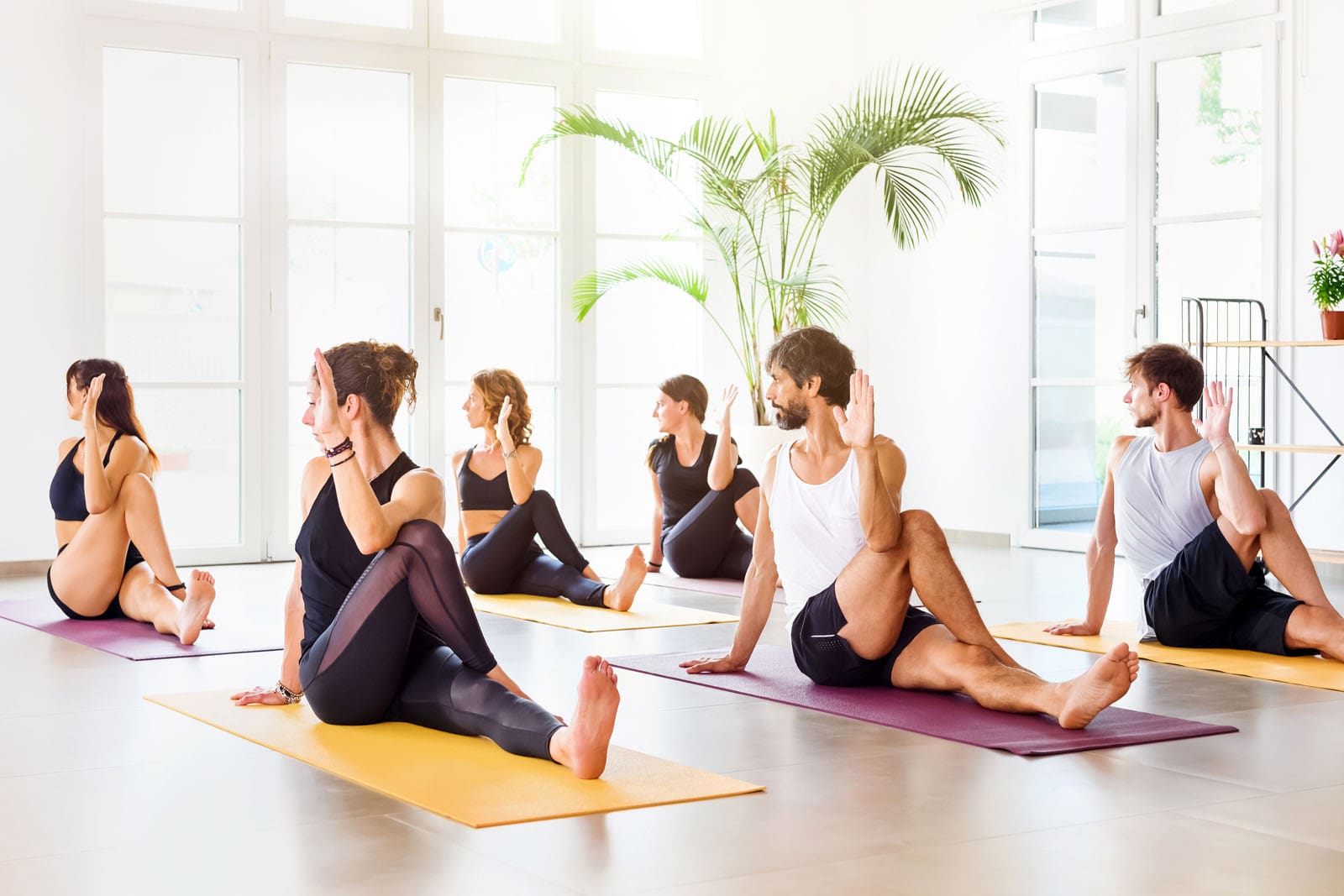
A yoga class is great for moms, athletes, or anyone interested in low-impact exercise. Today, many practice yoga for its mind and body, health and wellness benefits. Research shows that hatha yoga helps to reduce stress, relieve back and arthritis pain, support healthy habits, and improve emotional health. (National Center for Complementary and Integrative Health, 2023) Hatha classes stretch, unwind, and release tension, providing a healthy outlet for hectic lifestyles.
What Is It?
In Sanskrit, Hatha translates to force. Hatha yoga focuses on posture and breathing techniques to channel energy. Classes last 45 to 90 minutes and consist of breathing, poses, and meditation.
Yoga can help relieve everyday anxiety and depressive symptoms.
However, it may not be effective for clinically diagnosed mental health conditions.
The reviews and published studies on yoga did not find conclusive evidence to support its effectiveness in managing anxiety disorder, depression, or PTSD.
Arthritis and Fibromyalgia
According to the NCCIH, there is limited evidence to support yoga’s benefits for osteoarthritis, rheumatoid arthritis, and fibromyalgia.
Back Pain
The American College of Physicians recommends yoga as a non-pharmacological back pain treatment. (Qaseem A. et al., 2017)
A review of studies found that yoga improves low-back pain and function with both short-term and intermediate-term benefits, and its effects are similar to those of other types of exercise. (Skelly A. C. et al., 2020)
Balance
According to 11 out of 15 reviewed studies, yoga helps to improve balance in generally healthy individuals.
Emotional Health
Yoga has a positive impact on mental health. Ten out of 14 studies reviewed showed benefits in improving resilience or general mental well-being.
Menopause
Yoga can relieve physical and psychological symptoms of menopause, including hot flashes, according to the review of 1,300 study participants.
Mindfulness
In a survey of 1,820 young adults, participants attributed increased mindfulness, motivation to participate in other forms of activity, and eating healthier. (Watts A. W. et al., 2018)
Multiple Sclerosis
The NCCIH reports showed that yoga had short-term benefits on mood and fatigue in individuals with multiple sclerosis.
However, it did not affect muscle function, cognitive function, or quality of life.
Neck Pain
A 2019 meta-analysis, including ten studies and a total of 686 subjects, found that yoga can reduce neck pain intensity and disability pain while also improving the range of motion. (Li Y. et al., 2019)
Sleep
Several studies have found yoga can improve sleep quality and duration.
Populations found to experience sleep benefits include cancer patients, older adults, individuals with arthritis, pregnant women, and women experiencing menopause symptoms.
Stress Management
Yoga improved physical or psychological stress-related measures in 12 of 17 studies reviewed.
What to Expect
There are several different styles of yoga to choose from. Classes labeled yoga are likely the Hatha variety. Hatha is a gentle style that focuses on static poses and is great for beginners. However, it can still be physically and mentally challenging. Practitioners should wear athletic clothes and sports bras for maximum comfort and ease of movement. Each class varies depending on the instructor, but most last between 45 and 90 minutes.
Class Breakdown
Classes typically start with a gentle warm-up, advance to more physical poses, and end with a short meditation.
Breathing
Most Hatha classes start with a period of focus on breathing.
As you perform the poses, the instructor will continue to remind everyone to focus on breathing and may suggest different breathing exercises.
Poses
Yoga poses, also called postures or asanas, are a series of movements that help improve balance, flexibility, and strength.
Poses range in difficulty from laying flat on the floor to physically challenging positions.
If, during a class, a pose is too difficult, the instructor can provide a modified posture.
Meditation
Most classes end with a short period of meditation.
If you go into a Hatha class and it feels too slow or inactive, there are faster-paced, more athletic yoga classes, including flow, vinyasa, or power yoga classes. See if it’s more your speed.
Injury Medical Chiropractic Clinic
At Injury Medical Chiropractic and Functional Medicine Clinic, we focus on what works for you and strive to create fitness and better the body through research methods and total wellness programs. These programs use the body’s ability to achieve health and fitness goals, and athletes can condition themselves to excel in their sport through proper fitness and nutrition. Our providers use an integrated approach to create personalized programs, often including Functional Medicine, Acupuncture, Electro-Acupuncture, and Sports Medicine principles.
Home Exercises for Pain Relief
References
National Center for Complementary and Integrative Health. (2023). Yoga: What you need to know. Retrieved from https://www.nccih.nih.gov/health/yoga-what-you-need-to-know#hed11
Qaseem, A., Wilt, T. J., McLean, R. M., Forciea, M. A., Clinical Guidelines Committee of the American College of Physicians, Denberg, T. D., Barry, M. J., Boyd, C., Chow, R. D., Fitterman, N., Harris, R. P., Humphrey, L. L., & Vijan, S. (2017). Noninvasive Treatments for Acute, Subacute, and Chronic Low Back Pain: A Clinical Practice Guideline From the American College of Physicians. Annals of internal medicine, 166(7), 514–530. https://doi.org/10.7326/M16-2367
Skelly, A. C., Chou, R., Dettori, J. R., Turner, J. A., Friedly, J. L., Rundell, S. D., Fu, R., Brodt, E. D., Wasson, N., Kantner, S., & Ferguson, A. J. R. (2020). Noninvasive Nonpharmacological Treatment for Chronic Pain: A Systematic Review Update. Agency for Healthcare Research and Quality (US).
Watts, A. W., Rydell, S. A., Eisenberg, M. E., Laska, M. N., & Neumark-Sztainer, D. (2018). Yoga’s potential for promoting healthy eating and physical activity behaviors among young adults: a mixed-methods study. The international journal of behavioral nutrition and physical activity, 15(1), 42. https://doi.org/10.1186/s12966-018-0674-4
Li, Y., Li, S., Jiang, J., & Yuan, S. (2019). Effects of yoga on patients with chronic nonspecific neck pain: A PRISMA systematic review and meta-analysis. Medicine, 98(8), e14649. https://doi.org/10.1097/MD.0000000000014649
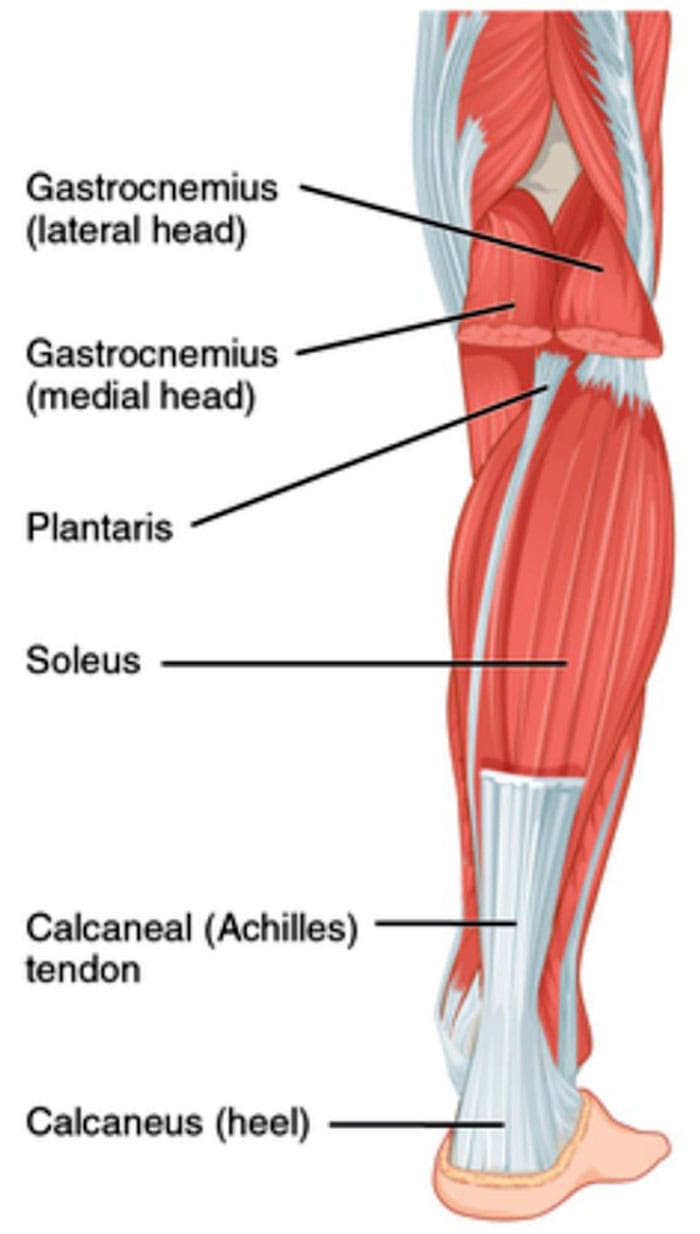
Individuals who engage in sports and physical activities that involve lunging forward while running or jumping can sustain a plantaris muscle injury. Can understanding the anatomy of the back of the leg and the symptoms help diagnose and treat plantar muscle injuries?
Plantaris Muscle
The plantaris muscle is a long, narrow muscle in the calf that runs along the back of the leg. It’s part of the Triceps Surae, a group of muscles in the calf that, along with the gastrocnemius and soleus muscles, makes up the bulk of the back of the leg. It is located in the superficial posterior compartment of the leg. Strains or tears of the plantaris muscle at the back of the leg can cause pain and swelling, similar to a calf strain or Achilles tendon tear. Individuals may feel immediate pain, cramping, and other symptoms.
Anatomy
The gastrocnemius and soleus muscles are the major muscles, with the soleus located deeper in the leg. Together, they form the Achilles tendon, which blends into a tendon in the back of the heel and attaches to the heel bone/calcaneus. When the calf muscles contract, they point the foot downward, propelling the body forward when walking, running, and sprinting. The plantaris muscle and tendon sit more or less in the center of the calf, between the two heads of the gastrocnemius. Around 7% to 20% of the population are born without plantaris muscles. There are variations, such as having a double- or triple-headed plantaris muscle. (Olewnik Ł. et al., 2020) However, individuals that do not have the muscle or have a variation have not been shown to affect long-term or short-term mobility.
Symptoms
Plantaris muscle ruptures are the most common injury and occur often during running or jumping. (Spang C. et al., 2016) Many who sustain this injury are athletes who have to lunge forward. Common symptoms include:
Swelling and bruising in the back of the calf area.
Cramping in the calf muscle.
Spasm sensations of the calf muscle.
Symptoms of a plantaris muscle strain are less severe, with the common signs being tightness and pain during and after physical activity.
Diagnosis
Plantaris muscle tears differ from Achilles tendon tears because the foot can be pointed downward following the rupture, whereas an Achilles tear cannot. Plantaris ruptures can also be confused with a blood clot in the large veins of the calf, called deep vein thrombosis/DVT. (Rohilla S. et al., 2013) Tests like MRI or ultrasound can be performed to confirm or exclude a plantaris rupture. Both can be useful for verifying whether the injury is a strain or tear and identifying other possible causes of calf pain.
Treatment
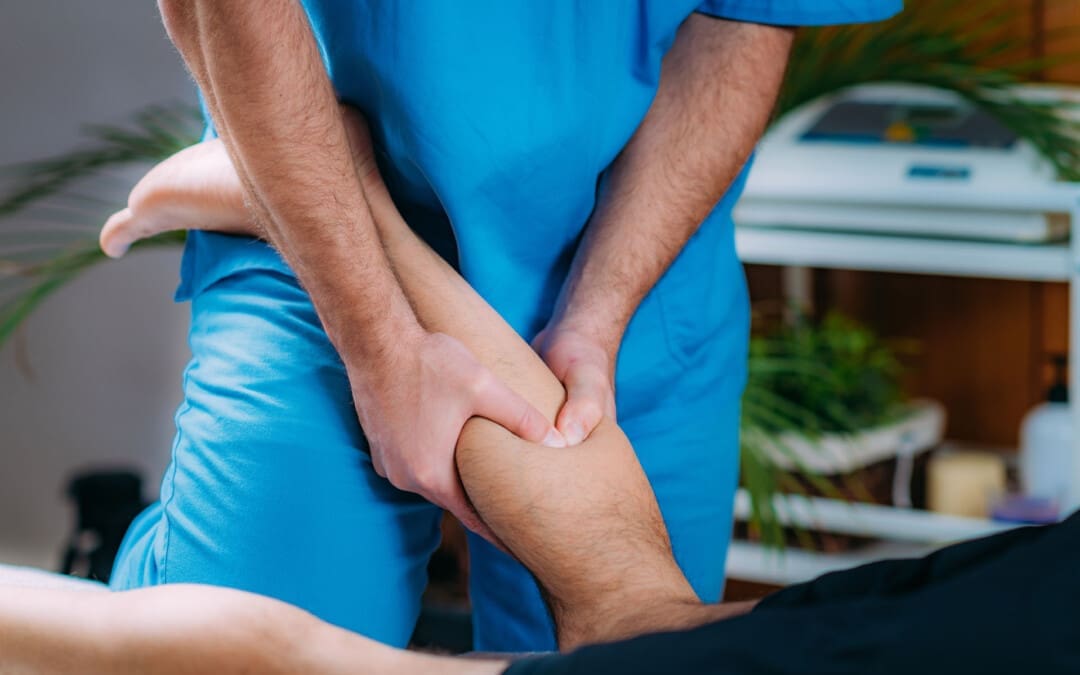
Treatment is typically non-surgical. While the injuries can cause pain and disability, the symptoms almost always resolve with conservative treatments and therapies. Rest, ice, compression, and elevation are the first line used and may be all that is needed for a muscle strain. Short-term use of NSAIDs may be recommended for a strain or tear to reduce pain and inflammation. (Morelli K. M. et al., 2018) If the pain is profound or there is a tear, patients may require short-term immobilization or the use of a crutch for the pain to subside. With the assistance of a physical therapist, sports chiropractor, and athletic trainer, gradual increases in mobility and strength can be obtained. Symptoms usually gradually resolve over several weeks. Full recovery may take up to eight weeks, depending on the severity of the injury.
Injury Medical Chiropractic and Functional Medicine Clinic works with primary healthcare providers and specialists to develop customized treatment programs through an integrated approach to treating injuries and chronic pain syndromes, improving flexibility, mobility, and agility, relieving pain, and helping individuals return to normal activities. If other treatments are needed, Dr. Jimenez has teamed up with top surgeons, clinical specialists, medical researchers, and rehabilitation providers to provide the most effective treatments.
Control Foot Motion with Custom Orthotics
References
Olewnik, Ł., Zielinska, N., Karauda, P., Tubbs, R. S., & Polguj, M. (2020). A three-headed plantaris muscle: evidence that the plantaris is not a vestigial muscle?. Surgical and radiologic anatomy : SRA, 42(10), 1189–1193. https://doi.org/10.1007/s00276-020-02478-8
Spang, C., Alfredson, H., Docking, S. I., Masci, L., & Andersson, G. (2016). The plantaris tendon: a narrative review focusing on anatomical features and clinical importance. The bone & joint journal, 98-B(10), 1312–1319. https://doi.org/10.1302/0301-620X.98B10.37939
Rohilla, S., Jain, N., & Yadav, R. (2013). Plantaris rupture: why is it important?. BMJ case reports, 2013, bcr2012007840. https://doi.org/10.1136/bcr-2012-007840
Morelli, K. M., Brown, L. B., & Warren, G. L. (2018). Effect of NSAIDs on Recovery From Acute Skeletal Muscle Injury: A Systematic Review and Meta-analysis. The American journal of sports medicine, 46(1), 224–233. https://doi.org/10.1177/0363546517697957
IFM's Find A Practitioner tool is the largest referral network in Functional Medicine, created to help patients locate Functional Medicine practitioners anywhere in the world. IFM Certified Practitioners are listed first in the search results, given their extensive education in Functional Medicine