After pulling out a tree root Muntathar experienced excruciating pain which forced him into a extreme hunched position. If he tried to stand up he would get terrible pain and numbness all down his leg. Despite being to emergency 9 times, he had found no help in the medical world. So as a last resort he decided to travel from America to Australia to see Dr. Ian. Watch as after 2 weeks of specific Gonstead Chiropractic care, Mun stands straight and tall once more and gets his life back. We hope you enjoy this very special case.
The video�(see at bottom of post) was posted on Reddit by user Duggerdean with the comment: �I used to be a skeptic about chiropractic care until I started watching this channel. His latest video is so amazing.�
The video they refer to is that of Dr Ian Watch, who practices at Gonstead Chiropractic in Victoria, Australia � and his teenage patient�Muntathar Altaii from the US.
Despite going to A&E nine times, he says no one was able to help him.
Day 1
Dr Ian X-rays Mun�s back and sees one of the joints isn�t functioning properly. The measurements are also quite a long way out which suggests the sacrum (the large triangular bone at the base of the spine) has rotated.
Mun Also Has No Feeling In His Right Leg
Dr Ian makes what he calls �a very small correction� at the first appointment. After just 10 minutes, he�s already got a small amount of feeling back in his leg.
Mun then confesses he hopes to be better by his graduation � on June 17. No pressure.
Day 2
Mun Reports He�s Slept Well For The First Time In Three Months
Dr Ian identifies a huge amount of upper cervical nerve pressure in his neck. His head sits higher on one side than the other. So, Dr Ian makes another �adjustment�.
Day 4
Mun has a lot more movement. He can move his leg easily, whereas before he would have to pick it up even to walk.
Day 7
After further manipulation of Mun�s spine (with assistance to keep it stable), Mun tells Dr Ian how desperate he�d become after his injury. �At first I didn�t want to even live anymore,� he says, �because I couldn�t walk anywhere.�
Day 10
‘Now he just walks like he�s been playing too much X-Box� jokes Dr Ian.
For The First Time, Mun�s Taller Than The Doctor
Transformation In Just 10 Days Is Pretty Incredible
Call Today!
Photo Mun Sent Back To His Family That Night
Before & After
Mun�s High School Graduation Picture � He Got His Wish Last Week
Mun, Second From Left, With His Dad
Now Mun Wants To Be A Chiropractor When He�s Older, Of Course!
As a team physician for the St Louis Cardinals during their 2011 World Series Championship season, I learned a lot about the importance of players taking care of themselves firsthand. I would see players preparing themselves both mentally and physically for the game ahead. Kids look up to these players and emulate them. Major League Baseball (MLB) recognizes this and wants their youth players to be healthy and play as safely as possible. This is why MLB took time, energy, and resources, to determine what would be best for today�s young pitchers. Below is a snapshot of what the MLB and the American Sports Medicine Institute (ASMI) found as risk factors for the young pitcher. It�s recommended that these guidelines be followed by coaches, parents, and players.
The MLB Pitch Smart guidelines provide practical, age-appropriate parameters to help parents, players, and coaches avoid overuse injuries and encourage longevity in the careers of young pitchers.
It was found that specific risk factors were seen as creating a higher incidence of injuries. According to the ASMI, youth pitchers that had elbow or shoulder surgery were 36 times more likely to regularly have pitched with arm fatigue. Coaches and parents are encouraged to watch for signs of pitching while fatigued during their game, in the overall season, and during the course of the entire year.
The ASMI also found that players that pitched more than 100 innings over the course of a year were 3.5 times more likely to be injured than those who did not exceed the 100 innings pitched mark. It�s important to note that every inning counts. Games and showcase events should count toward that total number of 100.
Rest is key. Overuse on a daily, weekly, and annual basis is the greatest risk to a young pitcher�s health. Numerous studies have shown that pitchers that throw a greater number of pitches per game, as well as those who don�t get enough rest between outings, are at a greater risk of injury. In fact, in little league baseball, pitch count programs have shown a reduction in shoulder injuries by as much as 50% (Little League, 2011). Setting limits for pitchers throughout the season is vitally important to their health and longevity in the game.
Pitching with injuries to other areas of the body will also affect a player�s biomechanics and change the way he delivers his pitch. An ankle, knee, hip, or spinal injury can cause changes in the biomechanics of how a player throws and will put more stress on his arm. Be cautious with these injuries, because at times the changes in the mechanics of the player can be very subtle; however, they can cause a significant amount of strain on a player�s pitching arm.
For best results for your youth baseball player�s longevity in the sport and keeping a healthy arm for seasons to come follow the MLB�s pitch count and required rest guide.
Call Today!
3 Common Shoulder Sports Injuries
The shoulder is the most mobile joint in the body, which also makes it prone to injury. If you�re an athlete, taxing your shoulder over time with repetitive, overhead movements or participating in contact sports may put your shoulder at risk for injury.
There are several nonsurgical and surgical options available to treat labrum tears in the shoulder.
These are three common shoulder injuries caused by sports participation:
1. SLAP Tear
This is a tear to the ring of cartilage (labrum) that surrounds your shoulder’s socket. A SLAP tear tends to develop over time from repetitive, overhead motions, such as throwing a baseball, playing tennis or volleyball, or swimming.
Athletic performance decreases. You have less power in your shoulder, and your shoulder feels like it could �pop out.�
Certain movements cause pain. You notice that pain occurs with certain movements, like throwing a baseball or lifting an object overhead.
Range of motion decreases. You may not throw or lift an object overhead like you used to, as your range of motion decreases. You may also find reaching movements difficult.
Shoulder pain you can�t pinpoint. You have deep, achy pain in your shoulder, but you can’t pinpoint the exact location.
It�s common to experience shoulder instability if you�re an athlete. This injury can occur if you�re participating in contact sports, including football or hockey, or ones that require repetitive movements, like baseball.
Shoulder instability happens when your ligaments, muscles, and tendons no longer secure your shoulder joint. As a result, the round, top part of your upper arm bone (humeral head) dislocates (the bone pops out of the shoulder socket completely), or subluxates (the bone partially comes out of the socket).
Dislocation is characterized by severe, sudden onset of pain; subluxation (partial dislocation) may be accompanied by short bursts of pain. Other symptoms include arm weakness and lack of movement. Swelling and bruising on your arm are visible changes you may also notice.
This is another injury commonly seen in athletes participating in repetitive, overhead sports, including swimming and tennis. Rotator cuff injuries are typically characterized by weakness in the shoulder, reduced range of motion, and stiffness.
Being aware of these injuries and knowing their symptoms may encourage you to seek medical treatment sooner; early treatment intervention could result in a better outcome and earlier return to sports.
There�s nothing more frustrating for an athlete than sitting injured on the sidelines watching others compete. Although there�s not one foolproof way to stop shoulder pain from occurring, there are several tips that may help prevent it from starting or getting worse.
If you notice shoulder pain during certain activities, say while throwing a baseball or swimming, stop that activity for a period of time and find an alternative exercise, such as riding a stationary bike. Doing so can give your shoulder some time to rest and heal, while maintaining your cardiovascular fitness.
At the same time, don�t eliminate all shoulder movement. This is because you don�t want to develop a stiff shoulder from infrequent use. Consider doing some mild stretches to keep your arm moving.
2. Change Your Sleeping Position
If you notice pain in your right shoulder, don�t sleep on your right side. Try sleeping on your left side or back instead. If sleeping on your back irritates your shoulder, try propping your arm up with a pillow.
3. Warm Up
Exercising cold muscles is never a good idea. Before practicing your volleyball serve or baseball pitch, warm up your body with mild exercise. For example, start walking for a few minutes and gradually build up to a jog. Doing so raises your heart rate and body temperature and activates the synovial fluid (lubricant) in your joints.1 In other words, a mild warm up gets your body ready for the intense workout that follows.
4. Build Up Your Endurance
It�s a good idea to increase your endurance over time. If it�s been a few weeks or months since you�ve hit the tennis court, consider playing for a short period of time�maybe just 20 minutes to start�and build up to a longer period of playing time. Don�t fall into the trap of doing too much too soon, especially when your body is not used to it.
Strengthening your shoulder muscles can help provide support and stabilization to your shoulder joint. This, in turn, may prevent painful injuries like a shoulder dislocation, which is when the ball of your shoulder comes out of its socket.
Speak to your doctor before starting a strengthening program. They can suggest exercises to perform or may recommend working with a physical therapist.
6. Cross-Train
Some sports are particularly taxing on the shoulder due to repetitive, overhead movements. So you may want think about cross-training. If you�re a swimmer, for example, alternate some of your swimming workouts with a running or biking workout to reduce the stress on your shoulder, while still staying physically fit.
Alternatively, if you�re a painter or construction worker�two occupations commonly associated with repetitive, overhead movements�talk to your boss and ask if there are other non-repetitive tasks you can take on.
Above all, listen to your body and be proactive. You may need to make some adjustments to workout or daily routine to help prevent further damage down the road. It may also be worth getting your doctor�s input, even if you think you�ve got a minor injury. Catching injuries or discomfort early may help keep you in the game and prevent painful injuries down the road.
Being aware of sports�injuries and knowing their symptoms may encourage you to seek medical treatment sooner as early treatment intervention could result in a better outcome and earlier return to sports.�For Answers to any questions you may have please call Dr. Jimenez at
Does Neck Curvature Protect You In a Car Accident?
Does the curvature of your cervical spine play a determinant in the severity of injury sustained in a motor vehicle accident?
We asked Chiropractic Biophysics, Dr. Deed Harrison to comment on this subject matter.
Unfortunately, many people can relate to having been involved in a car crash or motor vehicle collision (MVC) at some point in their lives. Whether it was a major accident or a minor one, MVC�s are no fun and can cause a variety of minor to serious injuries to those persons in the vehicles. These injuries are commonly and collectively referred to as �Whiplash Injuries�. The financial implications of a MVC, as well as interruption of your daily routine due to whiplash are also other major detriments of car crashes that may take years to recover from.
With more distracted drivers texting and speaking on their phones, MVC�s are on the rise, making for much more dangerous roadways. While we cannot control other people�s behaviors, we can certainly drive more cautiously and defensively to hopefully avoid being in a car accident. Unfortunately, MVC�s do happen despite our best efforts, so being prepared and having a plan in mind is key to recovering quickly and getting back on our feet again.
More serious car accidents mean more serious injuries, ranging from cuts and bruise to broken bones, brain damage, and even death. At first, less serious MVC�s however, may not seem like a big deal, with victims often walking away without a scratch, believing they have escaped the crash unscathed. Others may only complain of a slight headache, neck pain, stiff or kinked neck while resorting to taking over the counter pain killers, or wearing a neck brace to assist with their recovery � something that is far from addressing the true cause of the injury.
What most lay people (and even many physicians) don�t realize is the extent to which the CERVICAL LORDOIS (curvature in your neck from the side) plays a role in both: 1) the extent of the initial injury to the occupant(s) and 2) the long term pain and suffering from whiplash injury to the occupants. Furthermore, the MVC itself will damage the cervical lordosis.
1. Concerning the extent of initial injury, researchers have found that having a well preserved cervical lordosis actually prevents neck tissue damage to the sensitive cervical spine ligaments.1 In the figure at the top, the right hand image demonstrates what a normal cervical curve looks like when viewed from the side and the person facing to the right. In contrast, the same researchers identified that straightened cervical curves and worse yet, reversed (kyphotic) cervical curves predisposed to more severe cervical spine tissue injuries due to more extreme forces acting on the neck during the exact same MVC circumstances. The x-rays above at the far left and the middle show abnormal neck curves where more severe injury to the person is likely to result should they be involved in an MVC.
Thus, if you already have an abnormal cervical curvature prior to any MVC, it is in your best interest to rehabilitate the shape and amount of your cervical lordosis. If you do not, you�re at a higher risk of having more serious injuries should you be involved in a MVC.
2. In terms of long term pain and suffering, several research studies have identified that the patients who experience long term whiplash injuries and suffering are in fact the ones that have abnormal cervical lordosis. Straightened, S-curves, and Reversed cervical curvatures have been found to pre-dispose to the following conditions after MVC.
� Neck pain and stiffness,
� Headaches,
� Arm pain,
� Thoracic outlet symptoms,
� Dizziness,
� Lack of concentration,
� Degenerative arthritis in the cervical spine,
� Disc herinations.
What many whiplash injured subjects don�t realize is that a slight headache or neck pain is a true sign of a much more serious injury to your cervical lordosis and underlying neck tissues. Spinal misalignments as a result of the sudden jolt of the MVC may manifest immediately, or not become evident at all for a long period of time. But this doesn�t mean the spine is healthy or that no injury was sustained.
The fact is that MVC�s statistically damage the shape of your cervical lordosis. Researchers from Chiropractic BioPhysics have identified that the average patient exposed to a MVC will lose 10 degrees of their cervical lordosis, develop a mid cervical kyphosis, and have increased forward head posture as a result of the MVC.
A misaligned cervical curvature as a result of a MVC is a serious health condition. Altered cervical curves will cause nerve interference � hindrance of critical nerve energy that is responsible for every function of our organs, and every movement of our limbs. Ignoring the cervical spinal misalignment can manifest into pain and discomfort, fatigue, sleep disorders, organ dysfunction, depression, and eventually disease.
If you have been in a minor or major car accident, please see a corrective care chiropractor immediately for a full assessment of the health of your spine, even if you don�t feel any discomfort whatsoever. A small misalignment can only get worse with time, so addressing this injury quickly can mean a faster recovery time and less health problems in the future.
Corrective methods using Chiropractic BioPhysics��or CBP� Technique extension traction procedures and devices are the only true evidence based methods that have been shown to statistically and clinically improve the amount of cervical lordosis without the use of surgery. This has been documented in several clinical trials and case reports.8-11 Other conservative methods may restore the cervical lordosis in selected cases, but these have never been proven in clinical trials and are thus, at best, hit and miss. If you are suffering from an altered cervical lordosis as a result of a MVC, use the procedures that are truly scientifically supported.
Chiropractic Treatments for Whiplash
Whiplash Video
Because each individual case of whiplash is different, it is not possible to generalize about the chiropractic whiplash treatment.
The appropriate chiropractic treatment is unique to each whiplash injury and is directed at the primary dysfunctions detected during the chiropractic exam.
However, chiropractors commonly employ different chiropractic treatments for whiplash, often including:
Manipulation
Muscle relaxation and/or stimulation
Various exercises
Ergonomic and lifestyle changes.
This article explains when, why and how chiropractors may employ these whiplash treatments for neck pain, shoulder pain, back pain and other related symptoms.
Chiropractic Manipulation for Whiplash
The primary whiplash treatment for joint dysfunction, spinal manipulation involves the chiropractor gently moving the involved joint into the direction in which it is restricted.
Also known as a chiropractic adjustment, spinal manipulation may involve the application of a short thrust in that direction. In many cases, instead of a thrust, a slow mobilizing movement is used by the chiropractor.
The chiropractor’s primary whiplash treatment for related muscle dysfunction, muscle relaxation and/or stimulation consist of gentle stretches to the muscle that has excessive tension or repeated contractions of the muscle that is inhibited.
If the muscle is very tight, a more vigorous stretch may be applied by the chiropractor. Gentle finger pressure techniques may be applied to trigger points to relieve the pain associated with the tight muscles.
McKenzie Exercises and Stabilization/Sensorimotor Activities
View Chiropractic Videos
Chiropractors may employ different types of exercises, including McKenzie exercisesand/or stabilization and sensorimotor exercises, to help treat patients with whiplash injuries.
McKenzie exercises are specifically designed to reduce disc derangement related to a whiplash injury. They consist of simple movements that are initially done in the office but make for an easy transition to self-care at home. McKenzie exercises also help the patient take an active role in his or her own recovery
Stabilization and sensorimotor exercise approaches are designed to correct faulty movement patterns in routine activities and everyday life. Such whiplash treatment trains the nervous system to better coordinate and control movement patterns, and improves the ability of the neck muscles to maintain stability of the neck.
These exercises are designed to help in a major trauma, such as a fall or whiplash during a motor vehicle accident, or in “micro trauma” from simple things such as being jostled in a crowd, playing sports or performing occupational or home jobs that require physical effort.
Chiropractic Advice on Ergonomic and Lifestyle Changes
These whiplash treatment suggestions stress improvements for performing everyday activities with minimal strain to the body. The chiropractic advice addresses factors in an individual�s work, home or recreational activities that perpetuate the dysfunctions that result from the whiplash accident.
Additionally, spine care professionals at the chiropractic clinic may teach the patient better “use of self” and, if necessary, stress reduction methods to help chiropractic problems.
Whiplash Treatment in Chiropractic Care
Chiropractic On Cervical Spine Video
The whiplash treatment plan developed by the chiropractor for each specific problem may include one or more of these approaches and may involve others as well.
See Chiropractic Manipulation for the Cervical Spine
In addition to his or her whiplash treatment plan, the doctor of chiropractic might give a referral to another health professional, such as a medical specialist, if it is deemed appropriate.
�WHIPLASH, A SOFT TISSUE INJURY TO THE NECK, is also called neck sprain or neck strain. It is characterized by a collection of symptoms that occur following damage to the neck, usually because of sudden extension and flexion,� according to the National Institutes of Health.1
Approximately two-thirds of people involved in motor vehicle accidents develop symptoms of whiplash. The symptoms usually do not develop until two to 48 hours after the injury. Whiplash can also occur from falls, sports injuries, work injuries and other incidents.
Patients with whiplash injury may complain of pain and stiffness in the neck, extending into the shoulders and arms, upper back and even the upper chest. Two-thirds of patients suffer with headaches, especially at the base of the skull. Patients may also experience dizziness, difficulty swallowing, nausea and even blurred vision after injury, but these symptoms tend to resolve quickly.
According to Marshall, 45 percent to 85 percent of people who suffer a whiplash injury have the symptoms five years after the accident, and 82 percent had a straightening or reversal of their cervical curvature.2 “Many authors regard a straightening or reversal of the normally lordotic curvature to be one of the most significant changes of a whiplash injury.� 3
�The initial injury is due to damage of cervical muscles, ligaments, disks, blood vessels and nerves. The actual injury to soft tissues happens so rapidly that normal protective muscle reflexes cannot respond in time to decrease or prevent the injury,� according to a 2006 case report in the Journal of the American Chiropractic Association.3
The Diagnosis
To diagnose whiplash, a DC must first take a thorough history of the injury and the patient�s previous medical history. Pre-existing conditions, such as arthritis, may increase the severity of the whiplash. The DC should give the patient an in-depth physical examination with concentration on the neuromusculoskeletal system.
Similar to asking about whiplash injuries from motor vehicle accidents, DCs should ask the patient questions that reveal the details of a sports-related incident. DCs must ask patients with vehicular accident injuries, �Where was the impact from? Were you moving at the time? Did you have a seatbelt on? What type of seatbelt? Were you braced for impact? Did you hit anything in the vehicle?� says Dr. Alan Sokoloff, team chiropractor for the Baltimore Ravens. �You have to do the same for sport-related neck injuries, too,� he says.
Dr. Sokoloff explains that he �encounters doctors that say, �I do not treat sports injuries,� but if you are treating injuries from auto accidents and really dig into the mechanism of the injury with all of its details, it�s pretty much the same.�
Advanced Imaging
In some cases, advanced imaging may be necessary to make a proper diagnosis. A cervical CT scan is ordered if a DC suspects cervical spine trauma, such as a vertebral fracture, if the patient complains of paresthesia of the hands, if the patient is unconscious or has severe pain together with neurological deficits, explains Jerrold Simon, DC, president of the ACA Rehab Council.
�A cervical MRI is ordered when the whiplash patient complains of neck pain with radicular symptoms, such as a tingling sensation radiating down the arms or if there is suspected cervical spine trauma and the clinical findings suggest ligamentous damage. A cervical MRI may be ordered as a follow-up to normal cervical CT scan if the above symptoms are present,� says Dr. Simon.
Treatment
In treating whiplash injury, patients should be reminded to stay active, unless immobilization is necessary due to serious injury. �A cervical foam collar may be needed during the first few days following the incident if the cervical trauma is severe. However, in general, cervical collars are not recommended,� says Dr. Simon.
Immediately after the whiplash injury, Dr. Simon applies an ice compress to the posterior para-cervical spine musculature for about 10 minutes on a periodic basis. Ice compresses are generally only used for the first 48 hours after an injury.4
�A nutritional intervention for pain should include d-Phenylalanine 250 mg/day, dl-Phenylalanine 750 mg/day, L-tryptophan 3 g/day, and instruct the patient to to avoid coffee and other caffeinated beverages,� he says.
In addition, chiropractic care is beneficial. A retroactive study by Woodward et al. published in Injurydemonstrated that chiropractic treatment benefited 26 of 28 patients suffering from chronic whiplash syndrome.5 Chiropractic care in this study included spinal manipulation, proprioceptive neuromuscular facilitation stretching and cryotherapy [ice-pack therapy].
A neck adjustment works to improve the mobility of the spine to increase range of motion, while also enhancing movement of the adjoining muscles. This will eventually eliminate pain, soreness and stiffness and allow a patient to painlessly turn and tilt the head. In addition to adjustments, a treatment plan of mobilization, massage or rehabilitative exercises may speed up the recovery process.
�Cervical rehabilitation procedures should be considered after the initial pain and inflammation have substantially subsided,� says Dr. Simon. �Then a functional capacity evaluation with focal attention to the cervical spine should be performed to assess the magnitude and degree of upper spinal functional deficiency.�
Following this test, a DC can decide if the patient should receive a treatment of isometric cervical flexion, extension and lateral flexion against resistance exercises, a proprioceptive rocker board, wobble board and/or gym ball exercises and vibration therapy.
�Every person is different, and everyone�s ability to heal is different, so how we treat patients is very individualized,� says Dr. Sokoloff. �We will use modalities initially, if indicated. We will use soft-tissue techniques, if indicated. We will usually use a chiropractic adjustment, if indicated. But the one procedure we always use is progressive rehabilitative exercises, in office and home recommendations.�
Home recommendations include proper computer and phone ergonomics, range-of-motion exercises and icing, to name a few.
�Treatment plans that do not hold the patient responsible for helping themselves cheat everyone,� says Dr. Sokoloff. �The more a patient is informed about home icing instructions, home exercise and activity of daily living modifications, the better the outcomes are for everyone.�
What many whiplash injured subjects don�t realize is that a slight headache or neck pain is a true sign of a much more serious injury to your cervical lordosis and underlying neck tissues.�Because each individual case of whiplash is different, it is not possible to generalize about the chiropractic whiplash treatment.�For Answers to any questions you may have please call Dr. Jimenez at�915-850-0900
Arlington, Va.–People suffering from back pain should consider first trying chiropractic services and other non-drug therapies in light of a new research review that found common over-the-counter and prescription pain medications have limited effectiveness for back pain and raise the risk of side-effects, according to the American Chiropractic Association (ACA).
The review, published this month in Annals of the Rheumatic Diseases, examined 35 randomized, placebo-controlled trials, encompassing 6,000 patients, to determine the effectiveness and safety of non-steroidal anti-inflammatory drugs (NSAIDs) for spinal pain. The authors of the report found that NSAIDs provided �clinically unimportant effects� when compared with patients who received only a placebo. Meanwhile, those who used NSAIDs had a 2.5 times greater risk of experiencing gastrointestinal disorders.
�At present, there are no simple analgesics that provide clinically important effects for spinal pain over placebo,� the authors noted.
The news about NSAIDs follows reports last year that prescription opioids also have limited effectiveness for back pain�one of the most common causes of disability worldwide.
�The American Chiropractic Association urges people to try non-drug approaches to back pain relief first, before resorting to over the counter or prescription medications,� said ACA President David Herd, DC. �In addition to spinal manipulation, chiropractors can offer a range of non-drug therapies for back pain and recommend exercises and important lifestyle changes to help prevent future back pain and injury.�
According to a 2016 Gallup survey, more than 35 million people visit a chiropractor annually.
About the American Chiropractic Association
The American Chiropractic Association (ACA) is the largest professional association in the United States representing doctors of chiropractic. ACA promotes the highest standards of ethics and patient care, contributing to the health and well-being of millions of chiropractic patients. Visit us at www.acatoday.org to find an ACA chiropractor near you.
NSAIDs: Non-Steroidal Anti-Inflammatory Drugs
Every day, an estimated 30 million people worldwide take a non-steroidal anti-inflammatory medication, or NSAID.
These versatile medications, available in over-the-counter and prescription strength, treat both pain and inflammation. Inflammation is a contributing factor in most back pain conditions, so reducing inflammation is important to alleviate the pain.
Mild or moderate back pain, tenderness, inflammation, and stiffness
Activity-related pain or discomfort (e.g. pain that follows sports or activities such as housework, shoveling snow, or other exertion)
Pain related to muscle strain in the low back and elsewhere
Neck stiffness related to muscle, ligament, or tendon strains or damage
Osteoarthritis joint pain
Rheumatoid arthritis
Ankylosing spondylitis
A number of other forms of arthritis pain
This article provides information on how non-steroidal anti-inflammatory medications can be helpful against back, neck, and other pain, as well as several potential risks and complications to be considered.
Most Common Types of NSAIDs:
NSAIDs comprise a large class of drugs that act by hampering body substances called prostaglandins, which trigger feelings of pain, giving NSAIDs fever-reducing, pain-relieving, and anti-inflammatory properties. There are many types of non-prescription (over-the-counter) and prescription NSAIDs. The four NSAIDs most often used to treat many types of back and neck pain are:
Aspirin (brand names include Bayer, Bufferin, and Ecotrin, St. Joseph)
Ibuprofen (Advil, Motrin)
Naproxen (Aleve, Anaprox DS, Naprosyn)
Celecoxib (Celebrex)
Other Forms of NSAIDs:
In addition to the above, NSAIDs come in forms other than those taken by mouth. For example:
Ketorolac can be given as an intravenous, intramuscular, or intranasal drug, making it useful after surgery or if the patient cannot eat.
Diclofenac is available topically as a gel (Voltaren), patch (Flector), or solution (Pennsaid). The medication is applied directly to the area of pain. Topical forms reduce gastrointestinal and other potential side effects of NSAIDs.
Taking NSAIDs continuously, rather than just at the onset of pain, helps build up the body�s anti-inflammatory blood level, resulting in a better healing environment in the affected area. The efficacy is markedly lower if NSAIDs are taken only when experiencing pain.
Checking with the doctor. Because NSAIDs have risks and complications, it is important to keep the doctor informed. People taking NSAIDs for long periods are advised to see the doctor regularly so any side effects can be monitored. In some cases, a change in medication may be required.
Using as little as possible. The U.S. Food and Drug Administration advises that the lowest effective dose of NSAIDs be used, and then for only as long as necessary.
Combining with acetaminophen. NSAIDs and the pain relief medication acetaminophen (e.g. brand name Tylenol) work differently, so sometimes doctors recommend taking both medications. This often offers better pain relief than taking one type of pain medication. Some people find it also helps lessen the pain as one dose wears off, alternating between the two�for example, taking a dose of ibuprofen, then 3 hours later taking a dose of acetaminophen.
Any adverse reactions from taking an NSAID, or any other medication, should be reported to the doctor without delay.
When NSAIDs Are Not Advised
People having a lumbar fusion surgery are typically advised not to take NSAIDs for at least 3 months after surgery due to concerns about the impact NSAIDs may have on bone healing.
Many doctors also tell patients to stop using NSAIDs prior to other types of surgery because the medication poses an increased risk of bleeding.
Low Vitamin D Linked to Increased Headache Risk
News Bite: Vitamin D may be a component factor in headache a new study demonstrates.
More research is adding to the literature of a link between vitamin D deficiency and headaches, at least for men living in colder climates.
Data from 2600 middle-aged men from Finland who participated in the Kuopio Ischemic Heart Disease (KIHD) Risk Factor Study showed that those with the lowest levels of serum 25-hydroxyvitamin D (25[OH]D) were more than twice as likely to report having chronic headaches as those who had the highest vitamin D levels. In addition, reports of chronic headache were significantly more frequent in months other than the summer months (June through September).
The investigators note that although past studies have examined the link between vitamin D and headaches, the results have been �inconclusive� because many included small sample populations. When the KIHD study originally started, men in this part of Finland had the highest prevalence of heart disease in the world, and it was looking at risk factors for cardiovascular disease.
During the baseline examinations, questionnaires asked the participants to report headache status during the previous 12 months. �Frequent headache� was defined as a daily or weekly occurrence � and was reported by 9.6% of the full group.
Also at baseline, fasting venous blood samples were collected during morning hours and 25(OH)D concentrations were measured.
Interestingly, the mean concentration of serum 25(OH)D for the study group was 43.4 nmol/L, which is below the 50-nmol/L threshold generally considered to be a marker of vitamin D deficiency. In fact, 67.9% of the group had levels that were less than 50 nmol/L.
Every day, an estimated 30 million people worldwide take a non-steroidal anti-inflammatory medication, or NSAID.
These versatile medications, available in over-the-counter and prescription strength, treat both pain and inflammation.��The American Chiropractic Association urges people to try non-drug approaches to back pain relief first, before resorting to over the counter or prescription medications.� For Answers to any questions you may have please call Dr. Jimenez at�915-850-0900
6 Tweaks For Posture & See What Happens To Back Pain
Your Guide for Getting Rid of Pain With Super-Easy Posture-Tweaking Moves
A lot of us have aches and pains that have become so much a part of our daily lives that we�ve learned to live with them (if not accept them). The problem is that all these small aches and pains, such as lower back and neck issues, are derived from posture mistakes.
We�re NOT pointing any fingers here; we all make posture mistakes on a daily basis without even realizing it. Sure, an Epsom Salt Bath Soak might clear up the problem temporarily, but if you keep on making the same posture mistake, guess who�ll be knocking on your door again soon?
In this post, we�ll be highlighting some common posture mistakes, and then we�ll be giving you tips on how to fix those mistakes. We�ll even throw in some advice on how to posture-check yourself, just to help keep you on the right track. All of our recommendations take 30 seconds or less, and we�re kind of sure that you�ll find them as useful as we do.
6 Common Posture Problems (& How To Fix Them!)
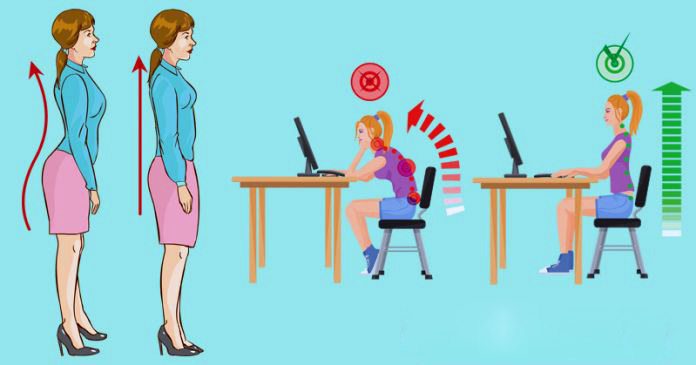
1. Not Sitting Up in a Chair
Most of us slouch in our chairs, which is why most of us experience some form of lower back pain during one stage or another of our lives.
How to Fix It
Make sure you sit up properly in your chair. Make sure you do exercises that strengthen the back and core muscles, which will further support your posture while sitting in a chair.
2. Standing With Your Butt Outwards
People that have a pronounced curve in their lower backs and folks that tend to stand with their bottom stuck out may develop (or already suffer from) hyper-lordosis.
This posture problem looks like a classic picture of Donald Duck. Conditions such as pregnancy and carrying too much belly fat exacerbate this problem.
How to Fix It
Make sure you do thigh stretches and hip flexor exercises � you can also do some core training, as well as exercises that strengthen the buttocks.
It�s crucial that you learn to stand upright, almost as if having a string tied to your head which pulls you upward. This will help get rid of your back pain.
3. Having Your Back Flat While Standing
Folks that tuck their pelvises in and straighten out their lower backs (instead of having a naturally curved posture) tend to stoop forward while standing.
This increases their chances of developing back pains that extend all the way from their upper to their lower backs. They�ll also have a hard time standing around for extended periods of time.
How to Fix It
Core strengthening exercises along with those that focus on strengthening the buttocks, neck, back, and shoulder muscles should be done to help correct this very common posture problem.
4. Leaning on the Right or Left Leg
While it might feel super comfy, leaning on either one of your legs while standing is a habit that could be causing you a lot of pain.
That�s because instead of using your buttocks or core muscle groups to keep you up, you�re relying on your hip and your lower back, and putting too much strain on this area causes pain.
How to Fix It
The best way to fix this common problem is to focus on the idea of distributing your weight on both of your legs as you stand. You can try exercises such as bridges and plank poses to help strengthen your muscles and get rid of any posture-related pains which you may be experiencing.
5. The Common Hunchback
Most of us know this posture problem as �the phone pose.� It�s the pose we all seem to adopt when we�re glued to our smartphones, putting a strain on our necks and backs while we check what�s new.
This leads to problems such as a rounded upper back, causing severe pain in the upper back and the shoulders.
How to Fix It
Make sure you�re doing a lot of exercises that�ll strengthen your shoulders, neck, and, of course, your upper back.
6. The Chin-Out Pose
Another name for this posture problem is the �PC screen stare.� You�ve all seen it, heck you may even be doing it right this moment! We�re talking about the people who sit too low beneath their PC screens and stick their chins out to compensate.
How to Fix It
Your sitting habits will have to be addressed and corrected if you want to get rid of the back pain that comes paired with the chin-out posture problem. Make sure you�re adjusting your seat height, and focus on keeping your head straight and upright while using the computer.
Final Thoughts
In our modern world, it�s pretty hard not to fall victim to one of these common posture pitfalls and the pain associated with them. The good news is that now you know what these common mistakes are, and how they can quickly and easily be corrected.
We hope that this post has been helpful in guiding you through the process of alleviating the pains that derive from poor posture, and that you�re a little more aware of where, why, and how to avoid these innocent yet painful mistakes.
Tips for Improving Posture and Ergonomics
Over time, poor posture may be caused by habits from everyday activities such as sitting in office chairs, staring at the computer, cradling a cell phone, carrying a purse over same shoulder, driving, prolonged standing, caring for small children, or even sleeping.
Poor posture can easily become second nature, causing and aggravating episodes of back and neck pain and damaging spinal structures. Fortunately, the main factors affecting posture and ergonomics are completely within one’s ability to control and are not difficult to change.
The following guidelines suggest several ways to improve posture and ergonomics, especially for people who work sitting in an office chair for most of the day.
Identify The Warning Signs Of Back Pain Caused by Poor Ergonomics & Posture
Back pain may be the result of poor ergonomics and posture if the back pain is worse at certain times of day or week (such as after a long day of sitting in an office chair in front of a computer, but not during the weekends); pain that starts in the neck and moves downwards into the upper back, lower back, and extremities; pain that goes away after switching positions; sudden back pain that is experienced with a new job, a new office chair, or a new car; and/or back pain that comes and goes for months.
Keep The Body In Alignment While Sitting & While Standing
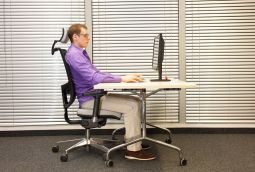
When standing, distribute body weight evenly to the front, back, and sides of the feet. While sitting in an office chair, take advantage of the chair’s features. Sit up straight and align the ears, shoulders, and hips in one vertical line. Any prolonged sitting position, even a good one, can be tiring. Shifting forward to the edge of the seat with a straight back can alternate with sitting back against the support of the office chair to ease the work of back muscles.
Some people benefit from a naturally balanced posture that is achieved by sitting on a balance ball; in this posture the pelvis is rocked gently forward increasing the lumbar curve which naturally shifts the shoulders back (similar to sitting on the edge of a chair seat).
Also be aware of and avoid unbalanced postures such as crossing legs unevenly while sitting, leaning to one side, hunching the shoulders forward, or tilting the head.
Get Up & Move
As muscles tire, slouching, slumping, and other poor postures become more likely; this in turn puts extra pressure on the neck and back. In order to maintain a relaxed yet supported posture, change positions frequently. One way is to take a break from sitting in an office chair every half hour for two minutes in order to stretch, stand, or walk.
Use Posture-Friendly Props & Ergonomic Office Chairs When Sitting
Supportive ergonomic “props” can help to take the strain and load off of the spine.�Ergonomic office chairs or chairs with an adjustable back support can be used at work.
Footrests, portable lumbar back supports, or even a towel or small pillow can be used while sitting in an office chair, on soft furniture and while driving.
Using purses, bags, and backpacks that are designed to minimize back strain can also influence good posture.
Proper corrective eyewear, positioning computer screens to your natural, resting eye position can also help to avoid leaning or straining the neck with the head tilted forward.
Increase Awareness Of Posture & Ergonomics In Everyday Settings
Becoming aware of posture and ergonomics at work, at home, and at play is a vital step towards instilling good posture and ergonomic techniques. This includes making conscious connections between episodes of back pain and specific situations where poor posture or ergonomics may be the root cause of the pain.
Building on the prior page, the following five points highlight important ways to improve posture in the workplace, helping to reduce back and neck pain and stiffness.
Exercise To Help Prevent Injury & Promote Good Posture
Regular exercise such as walking, swimming, or bicycling will help the body stay aerobically conditioned, while specific strengthening exercises will help the muscles surrounding the back to stay strong. These benefits of exercise promote good posture, which will, in turn, further help to condition muscles and prevent injury.
There are also specific exercises that will help maintain good posture. In particular, a balance of core muscle and back muscle strength is essential to help support the upper body and maintain good posture.
Avoid regularly wearing high-heeled shoes, which can affect the body�s center of gravity and induce compensatory alignment of the entire body, thus negatively affecting back support and posture.
When standing for long periods of time, propping a leg up on a foot rest, wearing supportive shoe orthotics, or placing a rubber mat on the floor can improve comfort.
Simply walking, lifting heavy materials, holding a telephone, and typing are all moving activities that require attention to ergonomics and posture. It is important to maintain good posture even while moving to avoid injury, walking tall with shoulders back for example.
Back injuries are especially common while twisting and/or lifting and often occur because of awkward movement and control of the upper body weight alone.
Create A Ergonomic Physical Environment & Workspace
It does require a small investment of time to personalize the workspace, home, and car, but the payoff will be well worth it. Undue strain will be placed on the structures of the spine unless the office chair, desk, keyboard, and computer screen, etc. are correctly positioned.
It’s much easier and less time consuming to correct everyday ergonomics and minimize back or neck pain than to add doctor visits and corrective therapies for debilitating pain conditions.
Remember that it is important to maintain an overall relaxed posture. Avoid restricting movements by clenching muscles or adopting an unnatural, stiff posture. For individuals who already have some back or neck pain, it’s a natural tendency to limit movements to avoid provoking increased pain.
However, unless there is a fracture or other serious problem, the structures in the spine are designed for movement and any limitation in motion over a long period of time creates more pain and a downward cycle of less motion and more pain.
Aches and pains have become a part of our daily lives that we�ve learned to live with them (if not accept them). The problem is that all these small aches and pains, such as lower back and neck issues, are derived from posture mistakes.�For Answers to any questions you may have please call Dr. Jimenez at�915-850-0900
Exercise is an important part of a healthy lifestyle, and sports are one approach many people choose to use to get their exercise.
For people with back pain, sports can still be a viable option if they pay attention to their back.
For others who participate in sports, knowing the type of strain various sports place on the back may help prevent a back injury.
This article gives specific information about sports injuries and back pain from bicycling, weight lifting, running, swimming, skiing, golf, and tennis.
Types of Sports-Related Back Injuries
In any sport, injuries to any part of the spine are possible, as well as injuries to the soft tissue and fascia that help comprise the makeup of the body. Up to 20% of all injuries that occur in sports involve an injury to the lower back or neck.
Lower Back Injury
The lower back is subject to a great deal of strain in many sports. Sports that use repetitive impact (e.g., running), a twisting motion (e.g. golf), or weight loading at the end of a range-of-motion (e.g., weightlifting) commonly cause damage to the lower back.
Neck Injury
The neck is most commonly injured in sports that involve contact (e.g., football), which place the cervical spine (neck) at risk of injury.
Upper Back Injury
The thoracic spine (mid portion of the spine at the level of the rib cage) is less likely to be injured because it is relatively immobile and has extra support. Injuries seen here can involve rib fracture and intercostal neuralgia as well as intercostal muscle strains in sports that involve rotation of the torso (e.g. weight training with rotation), swimming, golf, tennis, and even skiing.
Stretching and Warm-Up Prior to Exercise
While static stretching prior to any type of exercise used to be recommended, a number of studies in recent years have shown that stretching the muscles prior to exercise is not needed. A number of studies have shown that it does not help prevent injury, and likely does no harm either.1,2,3
For every sport, a thorough warm-up should be completed before starting to play. The warm-up will target the muscles used in that sport, but it should also prepare the back for the stresses to come.
The warm-up used should be specific to the sport to be played. A typical warm-up should include:
Increase circulation gradually by doing some easy movement (such as walking) to increase blood circulation to the muscles and ligaments of the back
Stretch the lower and upper back and related muscles, including hamstrings and quadriceps
Start slowly with the sport movements (e.g. swing the golf club, serve the ball)
Work with a Professional to Prevent or Manage Back Injury
There are professionals or instructors in almost every sport who are willing to share their expertise. Ideally, someone with this type of expertise can teach the correct form for a new sport or help develop and keep the proper technique for a current sport.
Before starting to work with any sports or exercise professional, it is advisable to inquire about his or her credentials. In general, if the individual is certified by the National Strength and Conditioning Association (NSCA), he or she should be up to date on the latest evidence related to stretching, exercise routines for specific sports, and additional information designed to benefit your personal routine.
Mets’ Infield, Chiropractor Is The Most Important Position
There are many ways to describe the Mets� projected starting infield of David Wright, Asdrubal Cabrera, Neil Walker and Lucas Duda. But two weeks ago, as Mets Manager Terry Collins discussed how he would handle their playing time, he provided a telling answer while rattling off the positions.
�We�ve got a bad back, bad back, bad knee and a bad back,� Collins said, referring to Wright, Walker, Cabrera and Duda.
The 2017 Mets, for all of their potential and talent, cannot ignore a significant question mark: health. Aside from the arm-related injuries of the pitching staff, the condition of the spines of three key infielders will hover over the team all season.
Wright, the long-tenured third baseman, has played only 75 games during the past two seasons; part of the reason was neck surgery in June, but mostly it is because of spinal stenosis, a chronic condition. Walker, the second baseman, had surgery to repair a herniated disk in his lower back in September. And Duda, the power-hitting first baseman, missed four months last season because of a stress fracture in his lower back.
All three reported to spring training relatively healthy; in Wright�s case, fusion surgery on a herniated disk in his neck had healed. But only two days into the exhibition schedule, the Mets have suffered a setback.
After experiencing what he said was a pain-free off-season, Duda reported feeling spasms in his back late last week. The pressure had an adverse effect on his hips, and he received a cortisone shot on each side Friday.
�So we�ll take a few days now instead of two weeks down the road,� Duda said. �Just being cautious.�
That should be the Mets� motto all year.
Although baseball players put repeated strain on their core when pitching or swinging, they do not suffer more back injuries than athletes in sports that entail more forceful impact, such as football or hockey, said Dr. Andrew C. Hecht, the chief of spine surgery for Mount Sinai Health System, who wrote a soon-to-be-released book on spine injuries in athletes.
�What happens when you have a few on one particular team is that it highlights it,� Hecht said.
Walker�s injury was the simplest. He first felt discomfort in his lower back and tingling in his leg late during the 2012 season, which he thought was caused by the sport�s day-to-day rigors. Some back pain recurred in the years that followed, but never to the degree that it did last season, when he said he also experienced numbness in his leg and foot.
Sign Up for the Sports Newsletter
Get the big sports news, highlights and analysis from Times journalists, with distinctive takes on games and some behind-the-scenes surprises, delivered to your inbox every week.
Hecht, who is not involved in the treatment of these Mets players, said lumbar disk herniation like Walker�s is �as common as common can be.� Surgery to repair the injury involves removing only the part of the herniated disk that is pinching the nerve and causing the pain, Hecht said.
Walker, 31, said he completed his physical therapy in less than three months and went through normal off-season workouts. Although he is healthy now, Walker said that he has a regimen of daily exercises and stretches to keep his back in good shape.
Despite the back ailment last season, Walker still hit .282, with 23 home runs and a career-high .823 on-base-plus-slugging percentage. The Mets felt confident enough in his recovery that they gave him a one-year, $17.2 million qualifying offer. Walker accepted, and the sides have talked about a contract extension.
Duda�s injury, a vertebral crack, is another common back ailment in athletes, Hecht said. The usual treatment is rest and rehabilitation.
Before his recent flare-up of back spasms, Duda, 31, said he, too, was regularly doing exercises to support his back. Until last week, there was reason to be optimistic about Duda�s outlook because, after missing 107 games last season, he returned in September to play eight games.
Still, as a precaution, right fielder Jay Bruce took ground balls at first base during workouts on Sunday. Jose Reyes and Wilmer Flores are options to back up Walker; Cabrera, the infielder with the balky knee last season; and Wright.
Wright�s stenosis, a narrowing of the canal in the spinal cord that can lead to chronic stiffness and pain, is the most complicated ailment. Hecht said the condition was rare among younger athletes, and while Wright is only 34, he is entering his 14th major league season.
Wright said doctors have told him his condition was the �perfect storm� of three factors. He was born with a narrow spinal canal, Wright said, explaining, �Ideally, you�d want a little more space so that those nerves don�t get pinched.� Wright also sustained a vertebral fracture years ago, which, along with the wear and tear of playing so much baseball, has contributed to his injury.
Wright had neck surgery in June, for an injury that he said was unrelated to his spinal stenosis, which was diagnosed in May 2015. After rest and rehabilitation, he returned to the field in August 2015, but he often required hours of stretching and preparation to play. That kind of maintenance is expected to continue for the rest of his career.
While expectations of how much Wright can play will be tempered again this season, he can try to limit the effects of spinal stenosis. Compared with last year, Wright said, he has a better idea of how to manage his back in spring training, even though he is still building up his arm strength after his neck surgery.
�I know the routine and the process,� he said. �I understand my body a little bit better.�
In any sport, injuries to any part of the spine are possible, as well as injuries to the soft tissue and fascia that help comprise the makeup of the body. Up to 20% of all injuries that occur in sports involve an injury to the lower back or neck.�For Answers to any questions you may have please call Dr. Jimenez at
Text neck is the term used to describe the neck pain and damage sustained from looking down at your cell phone, tablet, or other wireless devices too frequently and for too long.
Children & Teens Especially At Risk For Suffering Symptoms Of Text Neck.
Recently, a patient came in to my practice complaining of severe upper back pain. He woke up and was experiencing severe, acute, upper back muscle strain. I told him I believe the pain is due to the hours he was spending hunched over his cell phone. Diagnosis: Text neck.
This posture of bending your neck to look down does not occur only when texting. For years, we’ve all looked down to read. The problem with texting is that it adds one more activity that causes us to look down�and people tend to do it for much longer periods. It is especially concerning because young, growing children could possibly cause permanent damage to their cervical spines that could lead to lifelong neck pain.
Poor neck posture of all kinds, not just from texting, can lead to strain or sprain.
How Common Is Text Neck?
A recent study shows that 79% of the population between the ages 18 and 44 have their cell phones with them almost all the time�with only 2 hours of their waking day spent without their cell phone on hand.1
First, prevention is key. Here are several pieces of advice for preventing the development or advancement of text neck:
Hold your cell phone at eye level as much as possible. The same holds true for all screens�laptops and tablets should also be positioned so the screen is at eye level and you don’t have to bend your head forward or look down to view it.
Take frequent breaks from your phone and laptop throughout the day. For example, set a timer or alarm that reminds you to get up and walk around every 20 to 30 minutes.
If you work in an office, make sure your screen is set up so that when you look at it you are looking forward, with your head positioned squarely in line with your shoulders and spine.
The bottom line is to avoid looking down with your head bent forward for extended periods throughout the day. Spend a whole day being mindful of your posture�is your head bent forward when you drive? When you watch TV? Any prolonged period when your head is looking down is a time when you are putting excessive strain on your neck.
Keeping the neck straight and your phone at eye level can help prevent text neck.
Rehabilitation Is Important
Many people don’t know this, but you need to have strong core muscles�the abdominal and lower back muscles�to support your upper body, including your neck. Your core muscles usually do not get enough exercise during normal daily activities, so you need to do specific exercises to target these muscles.
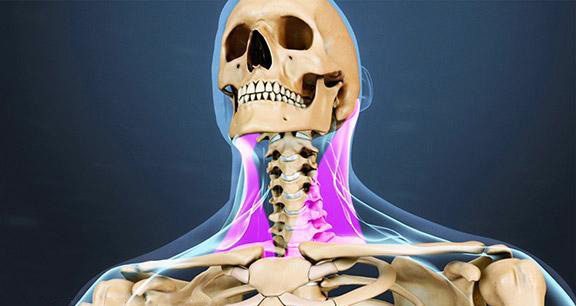
You also need strong and flexible muscles the neck to minimize strain on your cervical spine and help support the weight of your head. Again, your neck will not get sufficient stretching and strengthening during normal daily activities, so it is best to learn specific neck exercises with the help of a health professional.
Some people will also benefit from a more comprehensive treatment plan, such as a combination of manual adjustments, massage therapy, and cold laser therapy.
Chiropractic Leads the Charge Against �Text Neck Syndrome�
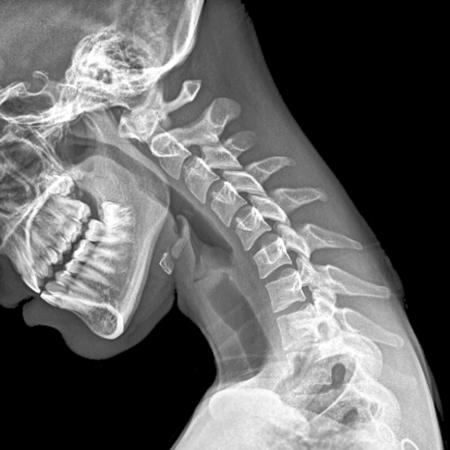
( Los Angeles Times) Dr. Dean Fishman, a chiropractor in Florida, was examining an X-ray of a 17-year-old patient�s neck in 2009 when he noticed something unusual. The ghostly image of her vertebral column showed a reversal of the curvature that normally appears in the cervical spine � a degenerative state he�d most often seen in middle-aged people who had spent several decades of their life in poor posture.
�That�s when I looked over at the patient,� Fishman says. She was slumped in her chair, head tilted downward, madly typing away on her cellphone. When he mentioned to the patient�s mother that the girl�s posture could be causing her headaches, he got what he describes as an �emotional response.� It seemed the teen spent much of her life in that position. Right then, Fishman says, �I knew I was on to something.�
The flexed neck can put strain on cervical disks. (Zephyr / Getty Images/Brand X)
He theorized that prolonged periods of tilting her head downward to peer into her mobile device had created excessive strain on the cervical spine, causing a repetitive stress injury that ultimately led to spinal degeneration. He began looking through all the recent X-rays he had of young people � many of whom had come in for neck pain or headaches � and he saw the same thing: signs of premature degeneration.
Fishman coined the term �text neck� to describe the condition and founded the Text Neck Institute (text-neck.com), a place where people can go for information, prevention and treatment.
�The head in neutral has a normal weight� of 10 to 12 pounds, says Fishman, explaining that neutral position is ears over shoulders with shoulder blades pulled back. �If you start to tilt your head forward, with gravity and the distance from neutral, the weight starts to increase.�
A recent study in the journal Surgical Technology International quantified the problem: As the head tilts forward 15 degrees from neutral, the forces on the cervical spine and supporting musculature increase to 27 pounds. As the tilt increases, the forces increase to 40 pounds at 30 degrees, 49 pounds at 45 degrees and 60 pounds at 60 degrees.
�When your head tilts forward, you�re loading the front of the disks,� says Dr. Kenneth Hansraj, study author and chief of spine surgery at New York Spine Surgery & Rehabilitation Medicine. Though the study didn�t look at long-term effects of this position, Hansraj says that, after seeing approximately 30,000 spinal surgery patients, he�s witnessed �the way the neck falls apart.�
He explains, �When you�re eccentrically loading the spine, you�re going to get cracks in the disks, slipped disks or herniated disks. This leads to stenosis or blockage of the spine.�
In addition, Fishman says, text-neck posture can lead to pinched nerves, arthritis, bone spurs and muscular deformations. �The head and shoulder blades act like a seesaw. When the head goes forward, the shoulder blades will flare out � and the muscles start to change over time.�
Much like tennis elbow doesn�t occur only in people who play tennis, text neck isn�t exclusive to people who compulsively send text messages. Hansraj says people in high-risk careers include dentists, architects and welders, whose heavy helmets make them especially vulnerable. He adds that many daily activities involve tilting the head down, but they differ from mobile-device use in intensity and propensity.
I�ve noticed a LOT of adolescents slumped over their phone sitting in the passenger seat of their parent�s cars�.there will be a whole range of physical and emotional problems that result from this behavior, believe these printed words! See you in the future!
�Washing dishes is something nobody enjoys, so you do it quickly. And while your head is forward, it�s probably tilted at 30 or 40 degrees,� he says. People tend to change position periodically while reading a book, and they glance up frequently while holding an infant. But mobile devices are typically held with the neck flexed forward at 60 degrees or greater, and many users, particularly teens, use them compulsively. The study reports that people spend an average of two to four hours a day with their heads tilted at a sharp angle over their smartphones, amounting to 700 to 1,400 hours a year.
To remedy the problem, Hansraj has a simple message: �Keep your head up.� While texting or scrolling, people should raise their mobile devices closer to their line of sight. The Text Neck Institute has developed the Text Neck Indicator, an interactive app that alerts users when their smartphones are held at an angle that puts them at risk for text neck ($2.99, available for Android; in development for iPhone).
Fishman also recommends that people take frequent breaks while using their mobile devices, as well as do exercises that strengthen muscles behind the neck and between the shoulder blades in order to increase endurance for holding the device properly.
He adds, �I�m an avid technology user � and I use it in the proper posture.�
Exercises To Ease The Strain Of �Text Neck�
If you�re not mindful of your body alignment, engaging with mobile devices for long periods of time can wreak havoc on your spine. This behavior can result in muscle strain, a straightening of the normal curvature of the cervical spine, disk compression, slipped disks, pinched nerves and arthritis. Here are some exercises that can help prevent and relieve �text neck�:
Neck Stretches
Increasing the range of motion in the neck keeps the cervical spine flexible and helps maintain its normal curvature. Gentle stretches relieve neck tension as well as lengthen muscles that may have shortened due to chronic poor posture.
First, relax your shoulders and nod your head �yes� and �no� slowly a few times. Then, holding one arm behind your back, grasp the side of your head with your opposite hand and press gently, tilting your head to the side until you feel a gentle stretch. Hold for 20 seconds. Next, tilt your chin up and hold for 20 seconds; tilt your chin down and hold for 20 seconds. Repeat on the other side.
Chest Opener
Expanding the chest muscles helps to counteract slumped posture.
Stand in a doorway with your arms held out from the body like a T, forearms resting on each doorjamb at a 90-degree angle to upper arms. Next, lean your body forward through the doorway, leading with your sternum until you feel a gentle stretch across your chest. Hold for 20 seconds. Now move your arms up the door jamb so they are positioned like a V and repeat the forward stretch, again holding for 20 seconds.
Shoulder, Upper Back & Neck Muscle Strengtheners
Strong muscles in the back of the neck and between the shoulder blades will support proper posture, preventing muscle strain and spinal degeneration. With more strength, you will be able to comfortably hold your mobile device in your line of sight without having to bend your neck forward and hunch over. Here are two exercises that help strengthen these postural support muscles:
Wall Angels
If you�ve ever made snow angels, you can use a similar movement to strengthen your shoulder muscles while standing against a wall. First, stand with your heels, back and head resting against a wall. Hold arms perpendicular to the body with the forearms pointing upward at a 90-degree angle to your upper arms. Press your shoulder blades back and down. Keeping your arms bent at a 90-degree angle, move them slowly overhead without letting them lift from the wall. Next, move arms slowly down until your upper arms touch the sides of your body. (Forearms are still perpendicular to upper arms, and shoulder blades are still locked down.) Do 12 repetitions.
Sky Diver
Lying face-down on a mat or other firm, comfortable surface, hold your arms straight over your head at an angle so your body forms the shape of a Y. Lift your upper torso from the mid-back, leading with your sternum and keeping your chin down so your neck is aligned with your spine. Hold for 30 seconds, then release. Next, still lying face-down, hold your arms straight out to the sides so your body forms the shape of a T. Rotate your arms so your thumbs are pointing skyward. Once again, lift your upper torso from the mid-back, leading with your sternum and keeping your chin down. While maintaining the upper body lift, pinch your shoulder blades together as you slowly lift and lower your arms for 12 repetitions.
Text neck is the term used to describe the neck pain and damage sustained from looking down at your cell phone, tablet, or other wireless devices too frequently and for too long.��For Answers to any questions you may have please call Dr. Jimenez at�915-850-0900
IFM's Find A Practitioner tool is the largest referral network in Functional Medicine, created to help patients locate Functional Medicine practitioners anywhere in the world. IFM Certified Practitioners are listed first in the search results, given their extensive education in Functional Medicine