El Paso, TX. Chiropractor Dr. Alex Jimenez takes a look at sciatica.
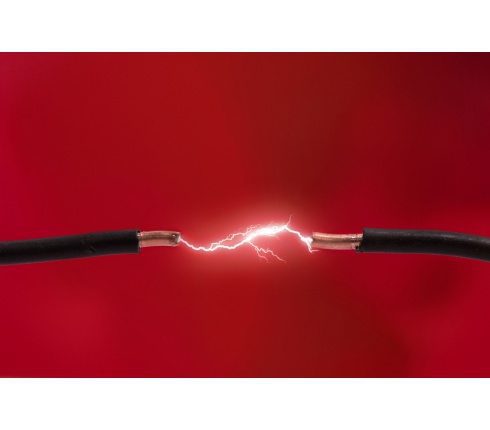
The pain shoots down your leg�burning, tingling, almost electric. Anyone who�s felt it knows that this is the hallmark symptom of sciatica. But did you know that there�s more to sciatica than just leg pain? And what about the best treatment�should you get plenty of rest or join boot camp? Get the answers with this slideshow. It�s your quick reference for all things sciatica�from what causes it to how to get rid of it.
Get the Answers to All Your Sciatica Questions
So What Exactly Is Sciatica?
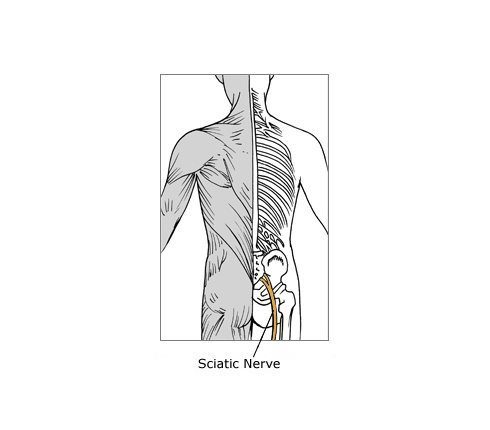
Sciatica Isn�t A Condition, Disorder or Disease. Though the pain may certainly warrant such a title. Sciatica is actually a group of symptoms. It involves the sciatic nerve, which is the longest and largest nerve in your body. The sciatic nerve is made from several nerve roots in your spine that merge and travel through your buttocks. It then extends down to your knee, where smaller nerves branch out from it and travel to your feet. Sciatica occurs when the sciatic nerve is compressed or aggravated in some way. So what causes that? Read on to learn more.
I Have Sciatica�But How Did It Happen?
Have You Done A Lot Of Heavy Lifting Lately? Perhaps with poor posture? Heavy lifting can cause a disc in your low back to bulge or herniate, and that can pinch your sciatic nerve. Lumbar herniated discs are the most common cause of sciatica. Herniated discs aren�t caused only by heavy lifting�the effects of aging on your spine can also cause herniated discs.�Though a herniated disc is the most common sciatica cause, it isn�t the only one. Spinal stenosis, injury or trauma, and even pregnancy are other common culprits.
What Does Sciatica Feel Like?
You likely understand the pain of sciatica it can shoot from your low back down your legs, sometimes into your feet. Burning, numbness, and tingling are also common sciatica symptoms. You may find that sitting or walking can become painful chores�and even a cough or sneeze can cause your pain to flare up.
Where Does It Hurt?
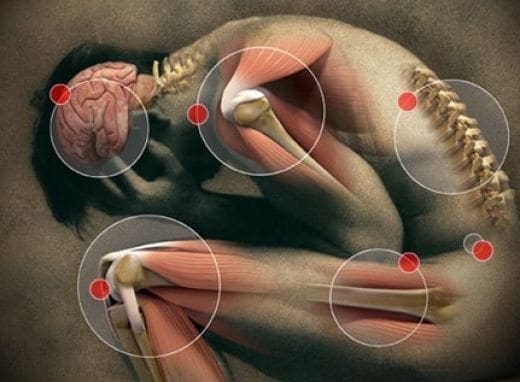
Sciatica affects people in different ways depending on the root cause. Some have pain in their feet, while others have intense pain above the knee. That�s why you should not only pay special attention to what your symptoms are but also where they are. This will help your doctor understand what�s causing your sciatica and, in turn, recommend the best treatment.
Medications
In some cases, the only thing you need to reduce your sciatica pain is time and over-the-counter medication. To help reduce inflammation and pain, you�ll want to choose non-steroidal anti-inflammatory drugs (NSAIDs). Advil and Aleve are brand name examples of NSAIDs. You can also try alternating heat and cold packs.
Treating Sciatica Pain
How Do I Treat Sciatica at Home?�Stay Active
Bed rest might be best for a cold, but it won�t treat your sciatica any faster. In fact, it might slow down the healing process. Most studies support staying active with mild exercise. This doesn�t mean you should spend hours in a gym�that would only aggravate your sciatica. Think gentle stretches and soothing movements. Need a place to start? Watch our sciatica exercise video series.
What if At-home Treatments Don�t Work?
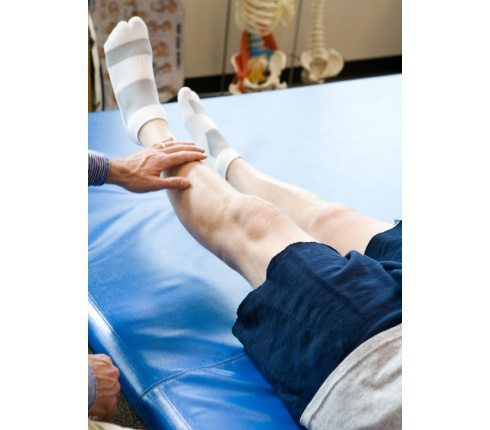
You should talk to your doctor. He or she may recommend prescription medications or epidural steroid injections to reduce pain and inflammation. Or you may want to consult with a chiropractor or physical therapist. These professionals use specific therapies and techniques to reduce your sciatica pain.
Should I Be Thinking about Surgery?
But if your pain just won�t go away�even after using a number of non-surgical treatments�then spine surgery might be the best option for you. Having surgery for sciatica is a big deal, so make sure you gather as much information as possible on your procedure and don�t be afraid to ask your doctor questions.
El Paso, TX. Chiropractor Dr. Alex Jimenez takes a look at driving and how it effects the spine.
Daily, nearly 90% of journeys and 92% of miles traveled are made in autos or ground transportation (buses, trucks). On average, guys drive 44 miles as well as girls drive 34 miles each day. For many Americans, driving a motorized road vehicle is their job: truck drivers, bus drivers, ambulance and fire trucks, police, taxis etc.
Modern car and truck layouts have come a long way in their own design over the past 20 years, with better fuel efficiency, better features, better styling and better relaxation. But is there any signs that the look of contemporary bus, car or truck seats and driving might play a part in causing a few of the back injuries that plague�Americans each year?
Exactly Why Is Driving Different To Ordinary Sitting?
In case your own car is not moving, then sitting in a driving seat probably isn’t substantially different to sitting in a chair that is cushioned, but as soon as the vehicle begins moving things change. Additionally, when driving the feet are actively being used, the right foot on the gas (accelerator) pedal, the left on the brake, and in a stick-shift also on the clutch. When the feet are active they can’t be utilized to support and stabilize the reduced body when they’re put on the floor during regular sitting in a chair, as usually occurs. There is evidence the blend of those variables, coupled with the look of the car seat itself, can increase the possibility of back problems for many people.
Is Driving Linked With Back Problems?
Lab studies have examined the effects of whole-body vibration when a person is sitting in a car seat. The lumbar spine has a natural resonant frequency of 4-5 Hz , and results show that this natural frequency can be excited by lab simulated vehicle driving, and this may result in high spinal loadings in the lower back, and also this in turn could result in greater postural distress and an increased hazard of low back pain and injury.
Quite a few research studies have investigated potential associations between back and driving problems, and usually these studies have found significant consequences.
Drivers in the USA and in Sweden found that in each country 50% of those questioned reported low back pain.�
Investigation of the potential reasons for this revealed that long term vibration exposure from driving was among the greatest risk factors for neck, back and low back problems.
Gender generally seems to play an important part in the possibility of developing driving-related back problems. A survey of over 7000 Parisians found that even though severity and the prevalence of low back pain was higher in women, driving was just connected with back problems in guys. The need for driving as a risk factor improved with driving time, and was especially important for guys who drove 4 hours or more each day.
A survey of over 1400 urban transportation system motorists showed that issues using the capacity to accurately adjust the seat that was driving have significant effects on the prevalence of low back problems.
Nevertheless, it appears that driving need not consistently raise the chance of back problems.
Is There An Ideal Car Seat Layout?
Based on a comprehensive evaluation of advice from peer-reviewed scientific journals and texts, automotive engineering reports, and also the National Library of Medicine a string of requirements for the best car seat layout have been developed. Ideally, the optimal car seat should have:
1. Adjustable seat back incline (100 degrees from horizontal is ideal)
2. Changeable seat bottom depth (from seat back to front edge)
3. Adjustable seat height
4. Flexible seat bottom incline
5. Seat bottom cushion with solid (dense) foam
6. Adjustable lumbar support (horizontally and vertically adjustable)
7. Depth pulsating lumbar support to lessen static load
8. Flexible bilateral arm rests
9. Flexible seat back incline (100-degrees from horizontal is optimal
10. Flexible head restraint with pad that is lordosis
11. Frequencies between 1- 20 Hz to dampen
12. Linear front-back seat traveling to allow otherwise sized drivers to reach the pedals
13. Seat back damped to reduce bouncing of the torso in rear end impacts
Driving Safety
What To Check For In A Great Car Seat Layout When You Buy The Next Car
It is likely that most automobiles available on the market today won’t have the features listed above that are desirable in the optimal car seat all, but some will have more than others pick wisely. Pay close focus on the subsequent 5 guidelines which should help you to protect your back when you drive.
1) Car Seat Comfort
You’ve fixed this to suit your body and when you sit in the car seat does it feel comfortable. Otherwise, you will be most likely caused by then the car seat rear discomfort issues should you drive for any length of time. Rebound up and down in the seat to find out the way that it adapts vibration. Take the automobile on a test drive.
2) Car Seat Adjustments
Can you correct each of the features of the car seat you want to adjust? At a minimum you need to have the ability to adapt:
Seat space to accommodate different leg lengths
Seat height to accommodate different leg lengths
Backrest angle to sit down in either an upright or more reclined posture
You Should�Look For Other Adjustments That Are Useful:
Seat tilt to angle the front of the seat down or up so that this does not press against the back of your knees
Look for a car seat that supplies you with great low back support that can be corrected for depth (frequently the seat has an inflatable cushion) and is height adjustable
Headrest for neck support
Arms rests which are broad, cushioned and comfortable, and preferably height flexible
3) Shift Your Position
Remember to go your position from time to time. Wait until driving conditions are right to enable you to wriggle in the seat to relieve postural fatigue.
4) Take Breaks
Driving is exhausting work and to prevent driver fatigue and minimize postural discomfort it is good move around and take to pretty frequent rest breaks that enable you to stand up.
You can select a number of car seat accessories that will enhance seat comfort for you personally, from fleece covers to soften the seat to bead backrests to provide for some type of back massage while you drive. Select anything you find adds to your driving comfort.
5) Seat Accessories
You’re able to pick a number of car seat accessories which will improve seat comfort for you personally, from fleece covers to soften the seat to bead backrests to provide for some sort of back massage while you drive. Choose anything you locate adds to your driving comfort.
El Paso TX. Chiropractor Dr. Alex Jimenez looks at the work environment to see if it is in fact spine friendly.
While work can be a pain, it doesn’t have to cause pain. Creating your office work room in order to avoid back and neck strain is easier than you may think. Plus, rethinking your work environment is a fantastic chance to brush up on other healthy work habits as well as your posture.
Here are five ways you are able to design your office together with your back in your mind.
#1. Perfect Your Sitting�Posture
If you’re not sitting right even with the top equipment, your back will suffer. Pay attention to the situation of legs, hands, and your head when sitting. To avoid back pain, make sure to do the following:
Sit erect with your back and shoulders against the trunk of your chair
Consider using a hands free headset to stop shoulder and neck pain
Don’t slouch
Arms should rest on the armrests of your chair to avoid nerve pressure or circulatory difficulties
Keep your feet flat on the flooring�don�t cross your legs
Rest your shoulders while typing
#2. Get A Good�Chair
A good-constructed ergonomic seat to help increase your blood flow, reduce fatigue, stress, and decrease the chance of injury to your own neck and back. Getting the chair that is best is important, which means this is one product which should be tried in the store as opposed to purchasing online so you know before purchasing it, the way that it feels. Make fully sure your office chair has got the following:
A good backrest that provides lumbar support
The capability to recline (Sitting erect at a 90� angle is not good for your spine; a 100-degrees to 110-degrees angle is much better.)
Flexible height (You don�t want the seat to be overly high�your feet must be flat on the floor)
The ability to rotate or swivel, so you can easily�change tasks
#3. Invest In A Desk That Offers More Than Just Storage
One of the biggest pitfalls of a spine-friendly work routine is staying in one position for a long time. Switching between sitting and standing is the best strategy, and some desks�known as sit-stand desks or sit-to-stand desks � encourage one to mix up your position through the entire workday.
Sit-to-stand desks offer you the choice to work comfortably in both sitting and standing poses�and they been discovered to simply help burn off calories. They come in various price points and styles, and a growing variety of companies are considering this investment to boost workplace wellness.
If you�re looking to boost the ergonomic quality of a traditional desk make sure the desk is:
Secure (not wobbly)
Suitably high (generally 28″ to 30″ above the floor)
Large enough for your computer, with surface space for writing along with other jobs.
Not�so large that you have to over reach to do your work, which could cause excessive stress on the back
#4. Look At Your Computer
Since so much office work is done on computers, wherever your equipment is put can really make a difference when you are at work, in how your back feels. Try the following hints:
Tilt the keyboard down and slightly away from you for better wrist posture
Be sure your mouse is close enough so you can use it with your arms relaxed, and let it be as close to your body as possible
Set the monitor right in front of you at eye level, not off to the side, in order to avoid eye and neck strain. Adjustable monitor stands are available to find an ideal height.
If using a notebook, consider getting an external monitor or keyboard (or both). This enables each of those parts individually to move to develop a comfortable arrangement.
#5.�Take A Break
Not just a coffee break but a spine break. Stretch, take a quick walk, get the blood flowing. It�s simple to get caught up in work jobs and forget that you�ve been sitting or typing for a straight hour. Whether it�s a 15-minute walk or two-minute stretch session, occasional breaks can help revive your muscles, and perhaps you can find feel more productive, too.
You spend lots of time at work�why not take a few extra steps to develop a space that does your back a number of favors in return?
El Paso TX. Chiropractor Dr. Alex Jimenez looks at how chiropractic treatment can help with joint inflammation.
If you are one of the millions of Americans with arthritis, you don�t have to suffer from painful joint inflammation.
Joint swelling is common in different types of arthritis, but arthritis can be managed with chiropractic care.
Arthritis Can Appear�Anywhere�& Symptoms Range From Inflammation, Pain & Stiffness
There Are More Than 100 Different Forms Of Arthritis & All Cause Pain In Different Ways
Arthritis was once considered a common part of the aging process and a signal that it�s time to slow down. However, according to the American Chiropractic Association, recent research and clinical findings show that there is much more to life for arthritis patients than the traditional recommendation of bed rest and medications.
The physical medicine of chiropractic adjustments which help restore the injured tissue strength and elasticity while decreasing the nerve sensitivity. With movement and function restored, excess pressure is not forced onto the joints.
According to Dr. Mike DeCubellis, owner and director of Main Street Chiropractic and Wellness Center in Downers Grove, the most effective therapies to relieve the pain and stiffness of osteoarthritis of the spine is massage therapy, electrical muscle stimulation therapy and ultrasound.
�The goal for each of the therapies is to reduce the pain and inflammation, relax the muscles tension associated with arthritis and increase the joint motion,� DeCubellis said.
Arthritis cannot be cured, but treatment from a chiropractor can prevent the damage created by the arthritis.
If a joint is out of alignment and not functioning properly, the surfaces will begin to make contact. That grinding causes inflammation, which leads to arthritis and – if left untreated – joint damage.
Your chiropractor can help you develop an exercise program that will help restore range of motion and improve flexibility and increase strength.
El Paso TX. Chiropractor Dr. Alex Jimenez takes a look at medication for joint pain and how they can make the pain worse.
Non-steroidal anti-inflammatory drugs (NSAIDs) are as common as candy, a staple of every home medicine cabinet and tossed casually in desk drawers, purses, and briefcases. Many people take these drugs, which include ibuprofen (sold as Motrin and Advil), naproxen (Aleve), and aspirin, at the first sign of a�headache or muscle cramps � and they are a daily ritual for many people living with arthritis.
But few people realize that NSAIDs carry a black-box warning, the strictest warning issued by the Food and Drug Administration. �Most people think that the government or FDA would not allow something dangerous on the market, especially since most of them are over-the-counter and [used] without a prescription,� says integrative medicine expert Sunil Pai, MD, author of An Inflammation Nation. �A black-box warning is the FDA�s attempt to let you know that you can end up in a casket if you are unlucky enough to suffer one of a medication�s serious reactions.�
Not only have NSAIDs been linked to a slew of serious side effects, including ulcers, hearing loss, allergic reactions and miscarriages, but they can actually worsen some of the conditions, such as arthritis, they are supposed to help.
�The scientific literature makes it abundantly clear that NSAIDs�have a significant negative effect on cartilage,� which accelerates the deterioration of arthritic joints, says Pai. �NSAIDs have no beneficial effect on [cartilage] and speed up the very disease for which they are most used and prescribed.�
Even worse, NSAIDs do not address the underlying conditions that cause pain and inflammation, such as a leaky gut, and can even exacerbate them. Stress, infections, alcohol, and a poor diet can all irritate the gut lining and lead to a leaky gut, but so can NSAIDs.
�If you use a full therapeutic dose of NSAIDs for two weeks, there is a 75 percent chance you will develop a leaky gut that doesn�t go away when you stop taking the drug, Leo Galland, MD, tellsExperience Life magazine.
6 Simple Dietary Interventions To Fight &�Heal A Leaky Gut
So, how can people with acute or chronic inflammatory conditions fight pain naturally? Some simple dietary interventions go a long way towards fighting inflammation and healing a leaky gut.
1. Try an Elimination Diet
Removing common foods that can irritate the gut, including gluten, sugar, dairy, processed foods and soy, can jumpstart the healing process. Sugar (and refined grains, which turn to sugar in the body), for example, is one of the single biggest drivers of inflammation and its downstream consequences.
When sugar cravings strike, try roasting root vegetables or sweet potatoes. Roasting concentrates the natural sweetness of the plant, but the fiber slows down sugar absorption in the bloodstream.
2. Eat Whole Foods
Michael Pollen�s recommendation � �Eat food. Not too much. Mostly plants.� � Is great advice when it comes to naturally fighting inflammation. Eating a Standard American Diet (SAD) � high in processed foods, unhealthy fats, and sugars � is like pouring kerosene on inflammation�s fire. Eating whole foods, rich in phytonutrients, helps put out that fire.
One fun way to eat more plants? Strive to �eat the rainbow,� or get at least one whole food from all the different colors of the rainbow each day:
Animal protein doesn�t need to be avoided if it�s grass-fed and pastured. Instead, try to reverse the ratio on your dinner plate: Make meat the side dish and vegetables the main course.
3. Supplement with Glutamine
Glutamine helps heal your gut by fueling the cells in your gut lining. You could think of it as a leaky gut superhero. �Glutamine heals the intestinal lining more than any other nutrient,� Liz Lipski, Ph.D., CCN, author of Digestive Wellness, tells Experience Life.
4. Get Your Omega-3s
Omega-3 fatty acids are natural inflammation fighters. Good whole food sources of omega-3s include wild-caught fish, grass-fed meat, pastured eggs, algae, and seeds such as hemp, chia, and flax. A high-quality omega-3 supplement is also worth considering. Even on a largely whole-foods-based, it can be hard to get the recommended daily amount of omega-3s.
5. Drink Bone Broth
Bone broth is one of the best natural sources of collagen, a protein found in abundance in our ligaments, tendons, bones, and skin. The collagen in broth is easily absorbed by our tissues and can not only help promote healthier connective tissue and ease joint pain, but it can also help heal a leaky gut. The best bone broth is homemade�but increasingly high-quality bone broth is available for purchase at cooperatives and health food stores.
6. Consider Botanical First Aid
Many plants are powerful inflammation fighters. Turmeric may be the best known and most studied.�Recent research suggests that the active ingredient in turmeric (called curcumin) has anti-inflammatory, antioxidant, antiviral, antibacterial, antifungal, and anticancer activities on par with commonly prescribed arthritis drugs like Enbrel and Humira.
A lot of other plants and plant compounds show similar activity in the body, including ginger, bromelain (an enzyme found in pineapple), capsaicin (the active ingredient in hot peppers), and ginger. Consult your healthcare practitioner before taking botanical supplements.
El Paso TX. Chiropractor, Dr. Alex Jimenez discusses ways�to assist you to get the care you’ll need at your next appointment. Dr. Michael J. Cooney, D.C�I�ve been treating patients with severe and chronic pain from around the corner in Rutherford, New Jersey to as far away as Australia and South Africa.
From our patient�s first reference to the past treatment office visit, the success of any pain treatment we prescribe is contingent upon us (the health care provider) correctly treating the root cause of your pain.
As the patient, just describing your intense pain or neuropathic pain is a high stakes� conversation that is �. I am able to read your medical history, attributing lab results and physician reports, however this really is secondary to understanding each patient�s pain mechanics. It is absolutely vital this is communicated to your pain management provider as correctly as possible.
For those fighting �invisible pain” such as fibromyalgia, CRPS (complex areas pain syndrome), RSD (reflex sympathetic dystrophy), diabetic neuropathy or long-term pain after cancer treatment, correctly communicating the place, frequency and depth of the discomfort can be especially demanding and emotionally taxing.
You might wish to bring this short article for your next doctor visit and go over each of the key pain description points I�ve outlined below.
I really hope your doctor will ask you these questions, but if not, you are able to behave as your own pain promoter and offer this information.
�Tell Me About Your Pain�
Based upon your medical records, we already know the reason behind your pain (injury or ailment). In order to restart your highest quality of life possible, our goal would be to remove or minimize this symptom.
Pain symptoms are private, subjective –and unique. (What Joe describes as �unbearable pain� could be considered �fairly disagreeable pain� to Mike). Through the years, I developed my own �pain diagnostic� conversation with patients to assist my team and I understand what, where, when and just how much pain patients are feeling.
I�ve outlined key points below:
Time Matters
This is key to a proper analysis. Don�t presume we know you�ve combated with this pain to get a month a year or a decade.
1.I�ve had this pain for _________________.
2.How frequently and how long does it last?
3.What ignites (flare) or lessens your pain and for how long?
Location, Location, Location
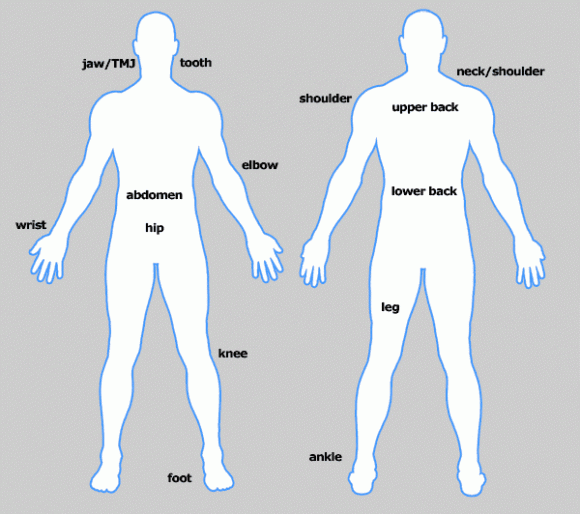
Graphic of a human body with a rear & front view (see above)
Doctors may instruct you to indicate the area/s where your pain is concentrated. They may also request that you notice a difference between pain which is on pain and the surface that’s below the surface.
The front and back of the unisex individual figure are the most identifiable, although this tool comes from the McGill Pain Questionnaire including other measurements.
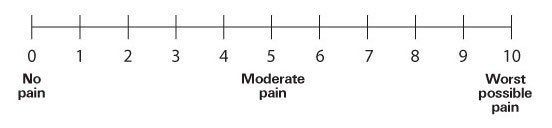
Most referring physicians, regardless of their medical specialty, utilize 1 to 10 point pain scale that is simple, so�I keep everyone on the same page.
This tool comes from the McGill Pain Questionnaire including other measurements, but the front and back of the unisex person body are the most identifiable.
How Bad Is Your Pain – Measurement Tool
Simply said, take into consideration where your pain level falls the majority of the time�unless you experience extreme pain changes.
No Pain
0 � Painfree
Manageable Pain
1 � Pain is quite mild, barely noticeable. You don’t think about it.
2 � Small pain. Annoying and may have occasional twinges that are stronger.
3 � Pain distracting and is noticeable, you may get used to it and adapt.
Moderate�Pain�Disrupts Regular Day-To-Day Living Tasks
4 � Moderate pain. If you should be deeply in an action, it may be blown off to get a time frame, but is diverting.
5 � Moderately strong pain. It can’t be dismissed for more than a few minutes, but you still can manage to work or participate in some social activities.
6 � Rather strong pain that interferes with normal daily activities. Difficulty focusing.
Severe�Pain�Disabling; Debilitating, Reduces Daily Quality Of Life, Cannot Live Independently
7� Severe pain that dominates your senses and significantly restricts your capability to perform ordinary daily tasks or maintain social relationships. Interferes with sleep.
8� Intense pain. Physical action is seriously limited. Conversing requires great exertion.
9. Not able to converse. Weeping outside or moaning uncontrollably.
10� Unspeakable pain. Perhaps and bedridden delirious. Mobility may be undermined.
�My Pain Feels Like��
Most of the time, patients experience one or two consistent pain �feelings� but some can experience a variety of sensations.
The most common pain kinds are:
Sharp stabbing pain
Extreme heat or burning sensation
Extreme cold
Throbbing, inflamed tissue
Susceptibility to contact / touching
Itching
Numbness, tingling, pins & needles
Create A Pain Journal
I motivate patients or their family members to document a weeklong pain cycle till they meet with chiropractic, their pain management or alternative medicine team.
Additionally, jot down any treatments or activities�that lessen or increase your discomfort.
As an example, maybe you have discovered that hot showers or cold weather allows you to feel worse, but exercise or Epsom salt baths makes the pain more manageable.
If you come prepared with all this information, your time with all the physician can be spent focusing on next steps and also a treatment plan, rather than a lengthy Q & A review of the information supplied here.
More importantly, addressing these issues beforehand will ensure your physician receives up-to-date, higher quality information.
Consequently, your case could be assessed more quickly and a pain management plan can be placed into action to begin removing or reducing your suffering as rapidly and efficiently as possible.
The understanding the spine is somehow involved in health and wellness, in addition to the practice of utilizing manual manipulation as a way to obtain healing, dates back to the time of the ancient Greek philosophers. In fact, Hippocrates once said, “Get understanding of the back, for this is the requisite for several ailments.”
The First�Chiropractic Adjustment
Modern chiropractic, however, indicates its beginnings in the late 1800s, �when a Canadian living in the US, Daniel David Palmer, a self educated teacher and healer, performed the very first spinal manipulation on a patient.
That patient was Harvey Lillard, a janitor who worked in Palmer’s building. Lillard was almost totally deaf and mentioned to Palmer that he lost his hearing many years before when he was bending over and felt a “pop” in his upper back.
Palmer, who had been a practitioner of magnet therapy (a common therapy of the time) was fairly learned in physiology and incredibly interested in how a spine interacts with all the remainder of the entire body’s systems.
He found a difficulty with one of his vertebra and examined Lillard’s back. Palmer manipulated Lillard’s vertebra and an amazing event occurred�Lillard’s hearing was restored. Today, this process is referred to as a chiropractic adjustment.
Palmer soon found that alterations could alleviate patients’ pain as well as other symptoms. These problems with vertebrae are called chiropractic subluxations.
He started to use these “hand treatments” to treat many different ailments, including sciatica, migraine headaches, stomach complaints, epilepsy, and heart trouble. In 1898, he started the Palmer School & Infirmary in Davenport, Iowa, and began teaching his chiropractic techniques.
Initial Resistance In The Medical Community
The medical community failed to immediately embrace techniques and Palmer’s chiropractic theories. The called him a “quack” and refused to recognize his achievements. At one point, Palmer spent time in jail because of his violation and was indicted for practicing medicine with no license.
Research has shown that Palmer was not the fish monger that was unlearned that some in the health care profession claim. An investigation of this library, which he quoted in his letters, showed that he was up to date in his knowledge at the turn of the 20th century. Obviously, his theories, in the light of 21st century knowledge, seem uneducated.
Chiropractic Today
Today, chiropractors are licensed in most European countries, Canadian provinces, all the US states, Australia and New Zealand. There tend to be more than 50,000 practicing chiropractors in the US alone . Despite its North American roots, there are more chiropractic educational programs beyond North America.
IFM's Find A Practitioner tool is the largest referral network in Functional Medicine, created to help patients locate Functional Medicine practitioners anywhere in the world. IFM Certified Practitioners are listed first in the search results, given their extensive education in Functional Medicine