Sandra Rubio discusses the symptoms, causes and treatments of neck pain. Headaches, migraines, dizziness, confusion and weakness in the upper extremities are some of the most common symptoms associated with neck pain. Trauma from an injury, such as that from an automobile accident or a sports injury, or an aggravated condition due to improper posture can commonly cause neck pain and other symptoms. Dr. Alex Jimenez utilizes spinal adjustments and manual manipulations, among other chiropractic treatment methods like deep-tissue massage, to restore the alignment of the cervical spine and improve neck pain. Chiropractic care with Dr. Alex Jimenez is the non surgical choice for improving overall health and wellness.
Cervical Pain Treatment
Neck pain is a common health issue, with approximately two-thirds of the population being affected by neck pain at any time throughout their lives. Neck pain originating in the cervical spine, or upper spine, can be caused by numerous other spinal health issues. Neck pain can result due to the pinching of the nerves emanating from the vertebrae, or because of muscular tightness in both the upper spine and the neck. Joint disruption in the neck can generate a variety of other common symptoms, including headache, or head pain, and migraines, as does joint disturbance in the back. Neck pain affects about 5 percent of the global population as of 2010, according to statistics.
If you have enjoyed this video and/or we have helped you in any way please feel free to subscribe and share us.
Chiropractic treatment is a nonsurgical option that can help reduce neck pain and related symptoms. Below are some of the different types of neck (cervical) conditions that Doctors of Chiropractic (DC’s) treat:
Chiropractors also use manual therapies to treat neck pain:
Cervical intervertebral disc injuries that don�t require surgery
Cervical sprain injuries
Degenerative joint syndrome of the neck (eg, facet joints)
A chiropractor evaluates the spine as a whole because other regions of the neck (cervical), mid back (thoracic) and low back (lumbar) can be affected as well. Along with treating the spine as a whole, chiropractic medicine treats the entire person and not just a specific symptom/s. Chiropractors may educate on nutrition, stress management, and lifestyle goals in addition to treating neck pain.
A chiropractor will do a thorough examination to diagnose the specific cause of the neck pain before deciding on which approach/technique to use.
They will determine any areas of restricted movement and will look at a walking cycle along with posture and spinal alignment. Doing these things can help the chiropractor understand the body’s mechanics.
In addition to the physical exam, a chiropractor will want to go over past medical history, and they may order imaging tests (eg, an x-ray or MRI) to help them diagnose the exact cause of the neck pain.
All these steps in the diagnostic process will give a chiropractor more information about the neck pain, which will help the� chiropractor create a customized treatment plan for the individual patient.
A chiropractor will rule out neck pain conditions that require surgery. If they believe surgery is the best treatment for the neck pain, then the patient will be referred to a spine surgeon.
Chiropractic Treatment: Neck Pain
A chiropractor may use a combination of spinal manipulation, manual therapy, and other techniques as part of the treatment plan.
Spinal Manipulation Techniques Used:
Flexion-Distraction Technique:�Gentle hands-on spinal manipulation that involves a pumping action on the intervertebral disc rather than direct force.
Instrument Assisted Manipulation:�Uses hand-held instruments, which allow the chiropractor to apply force without thrusting into the spine.
Specific Spinal Manipulation:�Restores joint movement with a gentle thrusting technique.
Chiropractors also use manual therapies to treat neck pain.
Instrument Assisted Soft Tissue Therapy: uses special instruments to diagnose and treat muscle tension.
Trigger Point Therapy is used to relieve tight, painful points on a muscle.
Other therapies used to ease neck pain symptoms.
Inferential Electrical Stimulation:�Is a low frequency electrical current used to stimulate neck muscles.
Ultrasound:�Sound waves travel into the muscle tissues to help stiffness and pain in the neck.
Therapeutic Exercises:�Helps improve overall range of motion in the neck and prevent neck pain from progressing.
The treatments listed are examples of possible chiropractic treatment for neck pain; The actual treatment plan will depend on the diagnosis. A chiropractor will thoroughly explain the treatment options available along with the actual customized treatment for the individual patient.
Chiropractic Clinic Extra: Neck Pain Care & Treatments
Chronic Pain Treatment: Sandra Rubio has worked with Dr. Alex Jimenez for about 6 years, providing health care services to patients at Dr. Jimenez’s clinic. As a result, Sandra has learned and witnessed how many health benefits chiropractic care can provide for patients who begin treatment with Dr. Alex Jimenez. Although chiropractic care may sometimes require more than a single treatment session as well as regular maintenance to completely improve the patient’s symptoms, Dr. Alex Jimenez offers positive, trustworthy, safe and effective non-invasive alternative treatment options without the use of drugs and/or medications and he also makes sure to educate patients thoroughly regarding their specific health issue. Sandra Rubio discusses how essential it is for people with chronic pain to first seek chiropractic care with Dr. Alex Jimenez as the non-surgical choice for their injuries and/or conditions in order for them to achieve overall health and wellness.
Chronic Pain Treatment
Chronic pain is medically defined as pain which lasts for an extended amount of time. The distinction between acute and chronic pain is sometimes determined by an arbitrary interval of time since onset; the two most commonly used markers being 3 months and 6 months since onset, although many healthcare professionals have established the transition from acute to chronic pain at 12 months. Other healthcare specialists and researchers apply the definition of acute pain symptoms to pain that lasts less than 30 days, while the definition of chronic pain symptoms to pain that lasts more than six months. Subacute pain is medically defined as pain that lasts from one to six months. Chronic pain may originate anywhere in the body, such as in the case of chronic back pain, or it may originate in the brain or spinal cord, such as in the case of fibromyalgia. While chronic pain is considered difficult to treat, many healthcare professionals, including chiropractors, can effectively improve chronic pain.
If you have enjoyed this video and/or we have helped you in any way please feel free to subscribe and share us.
Thank You & God Bless.
Dr. Alex Jimenez DC, C.C.S.T
Sciatica Pain: The sciatic nerve is the largest single nerve found within the human body, running from each side of the lumbar spine, through the area of the lumbar plexus, and trailing down into the buttocks, the back of the thigh and into the foot.
Sciatica is a medical term used to define a group of symptoms rather than a single injury or condition. The most common symptom for sciatica is pain in the lower back and, although low back pain can be the result of numerous lumbar spine injuries or conditions, various other common symptoms associated with sciatica can closely suggest its presence. Often a result of damage or impingement of the sciatic nerve, many people affected with sciatica experience burning and tingling sensations along the back of the thigh, followed by numbness or cramping. People suffering from sciatica may have difficulty going through their regular activities but chiropractic care can help relieve the symptoms and treat many other underlying conditions causing the pain and discomfort.
Sciatica Pain: Surgery Vs. Chiropractic
Chiropractic treatment for mild to severe cases of sciatica most frequently involves chiropractic adjustments and manual manipulations, followed by a specialized series of stretches and exercises accommodated to each individual�s level of injury or condition and its symptoms. Both of these treatments together may speed up the rehabilitation process as well as improve the health of the spine and ultimately reduce the symptoms of sciatica.
Sciatica is used to identify a set of symptoms on the region of the lumbar spine, generally as a result of a previous injury or underlying condition. Regular symptoms of low back pain, stiffness, and burning or tingling sensations could indicate the presence of sciatica. For more information, please feel free to ask Dr. Jimenez or contact us at (915) 850-0900.
David Garcia is a proud father and maintenance facility worker at the Region 19 Education Services Center in El Paso, TX. However, Mr. Garcia’s daily life is often affected by his chronic lower back pain. After experiencing worsening symptoms for approximately two years, David Garcia was recommended to seek chiropractic care with Dr. Alex Jimenez by his sister, a previous patient of Dr. Jimenez. Mr. Garcia has since experienced tremendous relief from his lower back pain and he is grateful to Dr. Alex Jimenez and his staff for providing him with education regarding his health issues as well as properly caring for his injuries and/or conditions. David Garcia recommends Dr. Alex Jimenez as the non surgical choice for lower back pain.
Chiropractic Care For Lower Back Pain
Low back pain is not a specific injury or condition but rather a symptoms which may be caused by a wide variety of underlying health issues, all of varying levels of severity. The majority of low back pain does not have a clear cause but is believed to be the result of non-serious musculoskeletal problems, including sprains or strains. Obesity, smoking, weight gain during pregnancy, stress, poor physical condition, poor posture and poor sleeping positions have also been attributed to develop low back pain.A full list of possible causes includes many less common conditions. Physical causes may include osteoarthritis, degeneration of the discs between the vertebrae or a spinal disc herniation, broken vertebra(e) (such as from osteoporosis) or, rarely, an infection or tumor of the spine.
Share Free Ebook
If you have enjoyed this video and/or we have helped you in any way please feel free to subscribe and share us.
Thank You & God Bless.
Dr. Alex Jimenez DC, C.C.S.T
If you are pregnant and have back pain, you are not alone. An estimated 50 to 70 percent of women who are pregnant experience back pain, according to the American Pregnancy Association. While pregnancy and childbirth is one of the most incredible experiences a woman can have, it is also very hard on her body. There are many dramatic changes that take place during that 9 to 10 month of gestation so it is understandable that she is going to feel some aches and pains along the way.
There are a number of reasons why a pregnant woman may experience back pain including:
Natural changes to her body such as softening of ligaments and loosening of joints as her body prepares to give birth
A shift in her center of gravity as her girth increases.
Weight gain.
Position of the baby.
Her posture.
Stress, exhaustion, and worry.
Is Chiropractic Care Safe During Pregnancy?
Chiropractic care has long been held as a viable method for relieving back pain in pregnant women. Historically, midwives and other natural or alternative practitioners were the ones advocating its many benefits. This resulted in minimal data from clinical studies existing on the topic.
However, in the last decade or so, researchers have been looking closer at chiropractic and its many benefits. In one study of pregnant women and chiropractic, 94 percent of the participants experienced dramatic improvement in their pain in just 5 days.
Today many doctors and obstetricians are sending their pregnant patients to chiropractors to help them manage their back and joint pain. It is perfectly safe for both mother and baby � and both can benefit from it.
Benefits Of Chiropractic Care During Pregnancy
While chiropractic care during pregnancy can be used as a safe, non-invasive, and drug free method of pain relief, women may also enjoy other benefits which include:
A healthier, happier pregnancy.
Improved mood and less anxiety.
More mobility.
Decreased morning sickness and nausea.
Easier, faster labor and delivery.
Better flexibility.
In some cases, prevent cesarean delivery.
Improved sleep.
Faster recovery time.
Relief of pain in the back, joints, and neck.
By keeping the body in proper alignment, chiropractic care can help a woman have a healthier, happier pregnancy. She can enjoy the many benefits and experience less pain so that she can better focus on the joy of pregnancy and the wonder of bringing a new life into the world.
Why You Should Have Chiropractic Care During Pregnancy
Pregnancy brings about many changes in a woman�s body. Hormonal changes as well as physiological ones occur at rapid speeds as her body creates and maintains a perfect environment where her baby will develop and grow. These changes can cause the spine or joints to become misaligned. When this occurs, painful conditions can be created, including:
Increased curvature of the back.
Pelvic changes.
Protruding abdomen that puts pressure on the back.
Changes in posture.
Keeping the pelvis and lower back well balanced and aligned is integral to preventing lower back pain during pregnancy. What�s more, when the pelvis and spine are not in alignment, it can limit the amount of room the baby has in the womb. This condition is called intrauterine constraint. This can also inhibit the baby�s ability to get in an optimal position for delivery.
Keeping the body, including the spine, in proper alignment is vital to mobility, flexibility, and overall wellness of the body even when it is not pregnant. However, pregnancy puts specific stress on the body, creating certain needs that chiropractic care can meet. It is safe, it is effective, it is fast, and it works.
Chiropractic Clinic Extra: Stress Management Care & Treatments
Temporomandibular Joint Disorder, or TMJ, is a common condition that affects the jaw. It can be extremely painful and many people are turning to methods other than medication or surgery to relieve that pain. While lifestyle changes such as diet may help, chiropractic care has been cited as a viable treatment for TMJ pain.
At first, this may seem counter-intuitive simply because it is widely believed that chiropractors only treat the spine and neck. This commonly held belief is not entirely accurate. Chiropractors treat all joints, including the spine and neck. A chiropractor may treat ankles, wrists, knees, and, yes, even the jaw. Sometimes the neck and spine can be contributing factors and they can be treated with chiropractic care as well.
What Is Temporomandibular Joint Disorder?
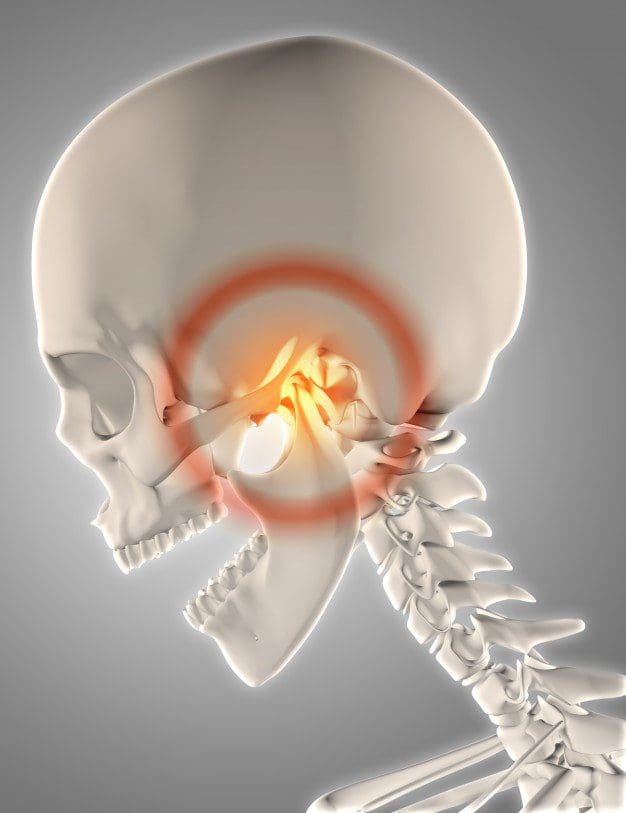
The joint that connects your jaw to your skull and allows you to open and close your mouth is the temporomandibular joint. When you have problems with the muscles or joint in that area it is called TMJ, or more accurately temporomandibular disorders, or TMD.
This disorder is characterized by pain and stiffness on one or both sides of the jaw. The jaw may also lock or get stuck in either a closed or open position. Patients may also notice a popping, clicking, or grating sound in the jaw when chewing, yawning, or when closing or opening their mouth. They may also have trouble chewing and even experience swelling.
Doctors don�t know what causes TMJ. It seems to be linked to trauma to the neck, such as with whiplash, but it also can be caused by:
Arthritis in the jaw
Grinding the teeth
Stress that causes clenching of the jaw
Movement of the disc, or soft cushion, that lies between the socket and ball of the jaw
Diagnosis & Treatment For Temporomandibular Joint Disorder
Many conditions can mimic the symptoms of TMD. After taking a medical history, your doctor will check the joints in the jaw for popping, clicking, or grating sounds. He will also assess the patient�s pain or tenderness level and check for any stiffness. During the exam, the doctor will assess the job and its ability to function properly. X-rays may also be a part of the examination.
If the doctor can pinpoint the probable cause of the TMJ, he may prescribe certain treatments or make recommendations that will help. Medication is one option, mainly stress or anti-anxiety medication to help the patient relax. A night guard or splint is another option. It helps to put the patient�s teeth in the correct position. A splint is worn all the time and a night guard is worn only at night. Dental work is another option and in come more serious cases, surgery.
Chiropractic Care For Temporomandibular Joint Disorder
Chiropractic for TMJ is not only common, but very effective. The chiropractor may perform neck or spine adjustment as well as adjustments to the jaw. This means that the patient may experience pressure on their skull, jaw, upper spine, or neck as the chiropractor treat the condition. There are also soft tissue treatments that the chiropractor may perform during the course of treatment for TMJ.
The chiropractor will often recommend lifestyle and diet changes to patients. This offers the patient the opportunity to treat the whole body as opposed to just one area. They may apply cold packs or heat packs to the area, recommend supplements, and teach the exercises designed to lessen the pain and encourage healing. Chiropractic is a safe, effective, and non-invasive treatment for TMJ.
So if you or a loved one have been diagnosed with TMD and/or are experiencing TMJ pain, give us a call. Our Doctor of Chiropractic is here to help!
Chiropractic Clinic Extra: Neck Pain Care & Treatments
IFM's Find A Practitioner tool is the largest referral network in Functional Medicine, created to help patients locate Functional Medicine practitioners anywhere in the world. IFM Certified Practitioners are listed first in the search results, given their extensive education in Functional Medicine

 If you have enjoyed this video and/or we have helped you in any way please feel free to subscribe and share us.
 A chiropractor may use a combination of spinal manipulation, manual therapy, and other techniques as part of the treatment plan.
 If you have enjoyed this video and/or we have helped you in any way please feel free to subscribe and share us.






 This disorder is characterized by pain and stiffness on one or both sides of the jaw. The jaw may also lock or get stuck in either a closed or open position. Patients may also notice a popping, clicking, or grating sound in the jaw when chewing, yawning, or when closing or opening their mouth. They may also have trouble chewing and even experience swelling.