Experience the powerful properties of moringa. Understand its health benefits and how it can support a healthier lifestyle.
Introduction
How often do you experience joint pain after doing daily tasks? Do you find that the upper and lower body extremities are hot and sensitive to the touch? Or do you wake up with widespread joint and muscle discomfort that goes away over the day? Inflammatory effects might result from overlapping pain feelings that are caused by inflammation in certain bodily joints. When this occurs, a lot of folks start searching for strategies to lessen joint inflammation. To lessen joint inflammation, many patients choose holistic therapies that include vitamins, herbal supplements, and nutraceuticals. Moringa is one of the supplements we will examine.
Moringa: The Nutritional Powerhouse
The “Miracle Tree,” or moringa, is a plant that is indigenous to many regions of Africa and Asia and has strong nutritional and therapeutic qualities. This nutrient-dense superfood is a multifunctional plant with a wide range of nutritional and medicinal benefits. (Arora and Arora, 2021) Numerous vital vitamins, minerals, antioxidants, and bioactive substances found in moringa plants support general health. To demonstrate the nutritional value of moringa oleifera, one gram of dried moringa leaves contains:
9 grams of protein.
Vitamin C: 51.7 milligrams
378 mcg of Vitamin
185 mg of calcium; 337 mg of potassium; 4 mg of iron; and 147 mg of magnesium
Two grams of fiber
Additionally, moringa’s inherent capacity to reduce inflammation and ease joint pain brought on by arthritis and other joint disorders is among its most advantageous qualities for a large number of people.
A Natural Remedy For Inflammation
The body’s normal reaction to diseases, traumas, and long-term joint disorders like arthritis is inflammation. Depending on how severe the damaged region is, a person may have either acute or chronic inflammation. In contrast to chronic inflammation, which may result in overlapping risk profiles and cause tissue damage and long-term discomfort, acute inflammation causes redness and heat to radiate from the afflicted location. When this occurs, moringa’s anti-inflammatory properties may aid in the natural reduction of joint inflammation.
How Moringa Helps Fight Inflammation
Moringa has numerous beneficial properties to reduce the impact of inflammation; it includes:
Antioxidant Riched
Strong antioxidants found in moringa neutralize dangerous oxidants brought on by inflammation and oxidative stress while also inhibiting the pro-inflammatory enzymes quercetin and kaempferol. (Chis and others, 2023) By neutralizing free radicals, moringa’s antioxidant properties help reduce the harm they cause. (Jimenez-Vergara et al., 2017)
Contains Natural Anti-Inflammatory Compounds
Moringa has strong antioxidants that neutralize dangerous oxidants brought on by inflammation and oxidative stress while blocking the pro-inflammatory enzymes quercetin and kaempferol. (Chis and others, 2023) Moringa’s antioxidant properties may neutralize free radicals and reduce their harmful effects. In 2017, Vergara-Jimenez et al.
Supports Immune Function
Many individuals are unaware that immune system failure is often associated with chronic inflammation, and that moringa may enhance immunological function. By causing a mild inflammatory phase to aid in healing, moringa consumption may reduce chemical and physical irritants as well as immunological problems. (Xiao and others, 2020) Moringa also contains significant levels of beta-carotene, vitamin A, and vitamin C, which enhance the immune system and support and control a healthy inflammatory response.
Unlocking The Secrets Of Inflammation-Video
Moringa for Joint Pain & Arthritis
Moringa may be a natural remedy for joint pain, whether from rheumatoid arthritis or osteoarthritis, without the typical negative effects of prescription drugs. This is because as the body ages, the joints may get smaller, resulting in inflammation-related pain that eventually leads to malalignment. (Gessl and others, 2021)
Reduces Joint Swelling
The anti-inflammatory properties that moringa has can help decrease joint swelling and reduce stiffness and pain. At the same time, the anti-inflammatory properties of moringa can help improve skeletal muscle dysfunction associated with joint swelling by reducing the pro-inflammatory cytokines. (Sailaja et al., 2022)
Prevents Cartilage Breakdown
The antioxidants in moringa help protect against cartilage degradation, which is a major cause of joint pain.
Improves Joint Mobility & Flexibility
Many people found that incorporating and regularly consuming moringa can help reduce joint pain and stiffness while improving mobility and flexibility in the upper and lower extremities.
Incorporating Moringa Into Your Diet
Many people who are thinking about their health and wellness can make small changes to their daily routine, especially regarding their eating habits. Since food and nutrition are crucial to developing and maintaining a healthy lifestyle, adding moringa into a person’s daily routine can do that. (Bibi et al., 2024) There are several ways to enjoy moringa’s benefits:
1. Moringa Powder
– Adding 1-2 teaspoons of moringa powder to smoothies, soups, or teas can provide an extra nutritional boost to the body.
2. Moringa Capsules
– For individuals with a busy, hectic lifestyle, consuming moringa capsules daily can help many people incorporate taking supplements as a daily habit.
3. Moringa Tea
– For those individuals who enjoy a warm cup of tea, seeping moringa leaves for three to five minutes in hot water can create a soothing anti-inflammatory tea.
4. Moringa Oil (Ben Oil)
– Individuals dealing with joint pain can apply moringa oil to their joints for additional pain relief.
Final Thoughts
Moringa is a powerful superfood with anti-inflammatory and joint pain-relieving properties that can be incorporated into a healthy diet. Due to its essential nutrients, antioxidants, and bioactive compounds can be a natural alternative for individuals seeking relief from arthritis and chronic inflammation. Incorporating moringa as part of a healthy dietary habit can improve individuals’ health and joint mobility.
Injury Medical & Functional Medicine Clinic
We associate with certified medical providers who understand the importance of the various effects of incorporating moringa to reduce the inflammatory effects that are causing joint pain. When asking important questions to our associated medical providers, we advise patients to implement small changes to their daily routine, like incorporating anti-inflammatory foods into their diets to reduce the effects of joint inflammation and restore mobility. Dr. Alex Jimenez, D.C., utilizes this information as an academic service. Disclaimer.
References
Arora, S., & Arora, S. (2021). Nutritional significance and therapeutic potential of Moringa oleifera: The wonder plant. J Food Biochem, 45(10), e13933. https://doi.org/10.1111/jfbc.13933
Bibi, N., Rahman, N., Ali, M. Q., Ahmad, N., & Sarwar, F. (2024). Nutritional value and therapeutic potential of Moringa oleifera: a short overview of current research. Nat Prod Res, 38(23), 4261-4279. https://doi.org/10.1080/14786419.2023.2284862
Chis, A., Noubissi, P. A., Pop, O. L., Muresan, C. I., Fokam Tagne, M. A., Kamgang, R., Fodor, A., Sitar-Taut, A. V., Cozma, A., Orasan, O. H., Heghes, S. C., Vulturar, R., & Suharoschi, R. (2023). Bioactive Compounds in Moringa oleifera: Mechanisms of Action, Focus on Their Anti-Inflammatory Properties. Plants (Basel), 13(1). https://doi.org/10.3390/plants13010020
Cuellar-Nunez, M. L., Gonzalez de Mejia, E., & Loarca-Pina, G. (2021). Moringa oleifera leaves alleviated inflammation through downregulation of IL-2, IL-6, and TNF-alpha in a colitis-associated colorectal cancer model. Food Res Int, 144, 110318. https://doi.org/10.1016/j.foodres.2021.110318
Gessl, I., Popescu, M., Schimpl, V., Supp, G., Deimel, T., Durechova, M., Hucke, M., Loiskandl, M., Studenic, P., Zauner, M., Smolen, J. S., Aletaha, D., & Mandl, P. (2021). Role of joint damage, malalignment and inflammation in articular tenderness in rheumatoid arthritis, psoriatic arthritis and osteoarthritis. Ann Rheum Dis, 80(7), 884-890. https://doi.org/10.1136/annrheumdis-2020-218744
Sailaja, B. S., Hassan, S., Cohen, E., Tmenova, I., Farias-Pereira, R., Verzi, M. P., & Raskin, I. (2022). Moringa isothiocyanate-1 inhibits LPS-induced inflammation in mouse myoblasts and skeletal muscle. PLOS ONE, 17(12), e0279370. https://doi.org/10.1371/journal.pone.0279370
Vergara-Jimenez, M., Almatrafi, M. M., & Fernandez, M. L. (2017). Bioactive Components in Moringa Oleifera Leaves Protect against Chronic Disease. Antioxidants (Basel), 6(4). https://doi.org/10.3390/antiox6040091
Xiao, X., Wang, J., Meng, C., Liang, W., Wang, T., Zhou, B., Wang, Y., Luo, X., Gao, L., & Zhang, L. (2020). Moringa oleifera Lam and its Therapeutic Effects in Immune Disorders. Front Pharmacol, 11, 566783. https://doi.org/10.3389/fphar.2020.566783
For individuals struggling with constipation, a common digestive issue, could performing abdominal self-massage help bring relief?
Abdominal Self Massage
Constipation refers to having a bowel movement fewer than three times per week. In addition to stress, certain lifestyle issues can lead to constipation, including not getting enough fiber, exercise, and proper hydration. Many also experience constipation while traveling. Abdominal self-massage involves gently massaging the stomach with your hands, either in a circular motion or with strokes, to improve digestion, relieve constipation, and reduce bloating. Performing self-massage on and around the abdomen can help ease constipation in several ways, such as stimulating the muscles, producing bowel movements, and soothing chronic stress. (Sinclair M. 2011)
Massage and Constipation
Abdominal massage can provide several benefits, including:
Stimulates and Improves Digestion
Massage stimulates the muscles and nerves that control digestion, promoting bowel movements and reducing constipation.
Reduces Bloating
Massaging the abdomen may help to reduce bloating and gas by gently moving fluids and gases through the digestive system.
In addition, it can help soften stool, speed up the movement of stool through the gut, and reduce the need to use laxatives. (University of Michigan Medicine, 2021)
Relieves Constipation
Abdominal massage can help with constipation by encouraging bowel movements.
Reduces Pain and Discomfort
Some find that abdominal massage helps to reduce pain and discomfort related to digestive issues.
Massage can help relax tense abdominal muscles and reduce pain associated with conditions like irritable bowel syndrome (IBS).
Improved lymphatic drainage
Massage helps move lymphatic fluid, which carries waste products and toxins away from the abdominal area.
Research
Although massage isn’t a standard treatment for constipation, some research shows it may help restore regularity. A report reviewed several clinical trials focusing on abdominal massage and its use as a treatment for chronic constipation. The results showed that abdominal massage may provide relief by promoting peristalsis, a series of muscle contractions that help move food through the digestive tract. The report also found that massage may help lessen colonic transit time, which is when digested food passes through the colon or last segment of the digestive tract. The report determined that abdominal massage can help alleviate constipation-related pain and discomfort. (Sinclair M. 2011)
In clinical trials, individuals with constipation reported improved quality of life after abdominal self-massage. However, some research suggests that using abdominal massage for constipation relief will not decrease the use of laxatives, the most commonly used treatment. (Lämås K. et al., 2009)
How to Massage
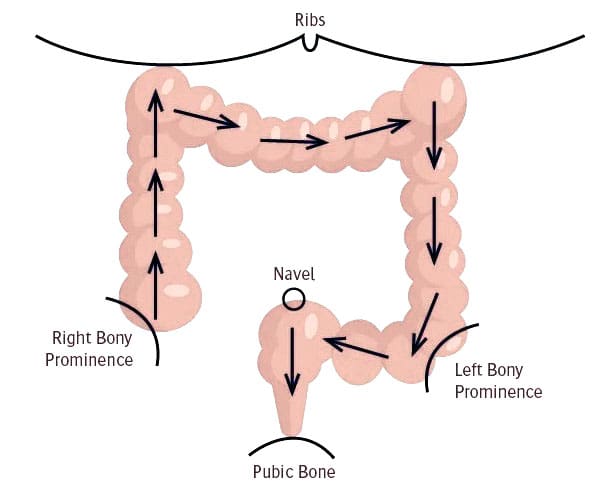
Various massage techniques may help relieve constipation and promote bowel movements. These are typically performed while lying down.
One technique involves placing the palm on the abdomen and making small, circular, clockwise motions around your belly button.
Individuals can also widen these circles so that the massage covers their entire abdomen.
Another technique begins by placing your hand below your breastbone, then gliding that hand down the length of your abdomen in one smooth stroke.
Repeat the movement with the other hand and continue this cycle for a few minutes.
When practicing self-massage, use light and gentle pressure, then gradually increase the pressure.
If you experience pain or tenderness, lighten up and return to a comfortable pressure level.
Try performing massage twice daily, aiming for a 20-minute session. Incorporating deep breathing into each session may also help. Before trying a massage or any home remedy, it is recommended to discuss it with a healthcare provider to see if it’s appropriate and safe. Pregnant women, for example, should avoid any massage on their abdomen. Constipation can sometimes signal an underlying condition that requires medical treatment, such as an underactive thyroid. Other symptoms like abdominal pain may be present, but sometimes constipation may be the only symptom.
Other Remedies
Self-massage alone is unlikely to treat chronic constipation; the goal should be to improve overall digestion to keep the organs functioning properly. To maintain regularity, it’s essential to drink plenty of water daily, eat enough fiber-rich foods, and engage in physical activity. Other alternative treatments include therapies like:
Acupressure
Biofeedback
Probiotics
Before trying self-massage, consult a medical caregiver to ensure it is safe and correct for the individual. Abdominal massage may not help with painful bloating caused by disease, infection, or other reasons.
Injury Medical Chiropractic & Functional Medicine Clinic
Injury Medical Chiropractic and Functional Medicine Clinic works with primary healthcare providers and specialists to develop an optimal health and wellness solution. We focus on what works for you to relieve pain, restore function, and prevent injury. Regarding musculoskeletal pain, specialists like chiropractors, acupuncturists, and massage therapists can help mitigate the pain through spinal adjustments that help the body realign itself. They can also work with other medical professionals to integrate a treatment plan to resolve musculoskeletal issues.
Massage Therapy Rehabilitation
References
Sinclair M. (2011). The use of abdominal massage to treat chronic constipation. Journal of bodywork and movement therapies, 15(4), 436–445. https://doi.org/10.1016/j.jbmt.2010.07.007
University of Michigan Medicine. (2021). Self-abdominal massage. https://www.med.umich.edu/1libr/MBCP/AbdominalSelfmassage.pdf
Lämås, K., Lindholm, L., Stenlund, H., Engström, B., & Jacobsson, C. (2009). Effects of abdominal massage in management of constipation–a randomized controlled trial. International journal of nursing studies, 46(6), 759–767. https://doi.org/10.1016/j.ijnurstu.2009.01.007
Individuals dealing with chronic pain following a minor injury, surgery, or trauma could be experiencing complex regional pain syndrome. What are the symptoms, diagnosis, and treatments available?
Complex Regional Pain Syndrome
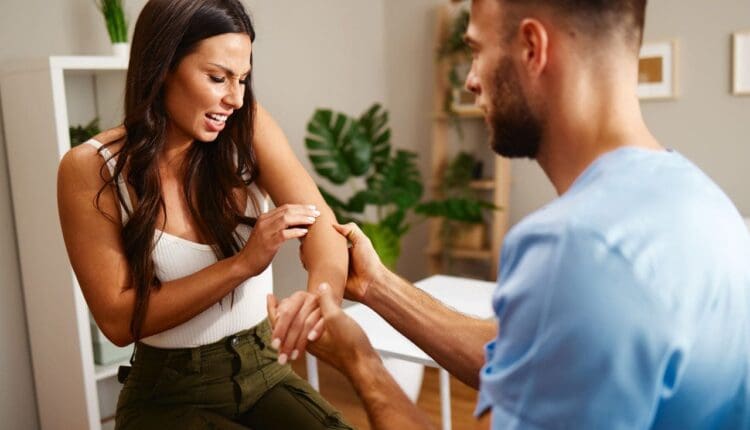
Reflex sympathetic dystrophy syndrome (RSDS), more commonly known as complex regional pain syndrome (CRPS), is a chronic pain condition where a person experiences severe, persistent pain in a limb, usually following an injury, that is significantly more profound than from the initial trauma. It is considered a neuroinflammatory disorder in which the body’s response to injury is dysregulated. The condition is characterized by severe burning pain, often in an arm or leg, that can occur following a minor injury, surgery, or trauma. It is associated with abnormal changes in skin temperature, swelling, and sensitivity to touch, usually affecting the affected area’s nerves, skin, muscles, blood vessels, and bones. Other names it is known by include:
Causalgia
Shoulder-Hand Syndrome
Sudeck’s Atrophy
Causes
CRPS is a chronic pain condition believed to result from dysfunction in the central or peripheral nervous systems (National Institute of Neurological Disorders and Stroke, 2017). It involves irritation and abnormal excitation of nervous tissue, leading to abnormal impulses along nerves that affect blood vessels and skin. Animal studies indicate that norepinephrine, a catecholamine released from sympathetic nerves, acquires the ability to activate pain pathways after tissue or nerve injury, resulting in CRPS. Another theory is that CRPS, which follows an injury, is caused by triggering an immune response and continuous inflammation symptoms (swelling, redness, warmth). (Goh E. L., Chidambaram S., & Ma, D. 2017) It is believed to have multiple causes producing similar symptoms.
Extreme sensitivity to touch, often causing significant disability in the affected limb.
Stiffness and swelling in affected joints
Skin color changes – blotchy, purple, pale, red.
Skin temperature changes – warmer or cooler than the opposing extremity.
Skin texture changes – shiny, thin, sweaty.
Changes in nail and hair growth patterns.
Pain can spread, for example, from the finger to the entire arm and the opposite extremity or from the left to the right arm.
Emotional stress can cause symptoms to worsen.
Some experts suggest three stages during which progressive changes occur in the affected area’s skin, muscles, joints, ligaments, and bones (Harvard Health Publishing, 2023). However, further research is needed.
Injury Medical Chiropractic & Functional Medicine Clinic
Injury Medical Chiropractic and Functional Medicine Clinic works with primary healthcare providers and specialists to develop an optimal health and wellness solution. We focus on what works for you to relieve pain, restore function, and prevent injury. Regarding musculoskeletal pain, specialists like chiropractors, acupuncturists, and massage therapists can help mitigate the pain through spinal adjustments that help the body realign itself. They can also work with other medical professionals to integrate a treatment plan to resolve musculoskeletal issues.
The Root Causes of Pain
References
National Institute of Neurological Disorders and Stroke. (2017). Complex regional pain syndrome fact sheet. Retrieved from https://www.ninds.nih.gov/sites/default/files/migrate-documents/CRPS_FactSheet-E_508C.pdf
Goh, E. L., Chidambaram, S., & Ma, D. (2017). Complex regional pain syndrome: a recent update. Burns & Trauma, 5, 2. https://doi.org/10.1186/s41038-016-0066-4
Bruehl S. (2015). Complex regional pain syndrome. BMJ (Clinical research ed.), 351, h2730. https://doi.org/10.1136/bmj.h2730
Harvard Health Publishing. (2023). Complex Regional Pain Syndrome (CRPS). https://www.health.harvard.edu/a_to_z/complex-regional-pain-syndrome-crps-a-to-z
Tajerian, M., & Clark, J. D. (2016). New Concepts in Complex Regional Pain Syndrome. Hand Clinics, 32(1), 41–49. https://doi.org/10.1016/j.hcl.2015.08.003
For individuals dealing with posture problems causing neck, back, and shoulder pain, can pectoralis minor stretches designed to work these areas be a part of physical therapy or as regular exercises at home?
Pectoralis Minor Muscle Stretches
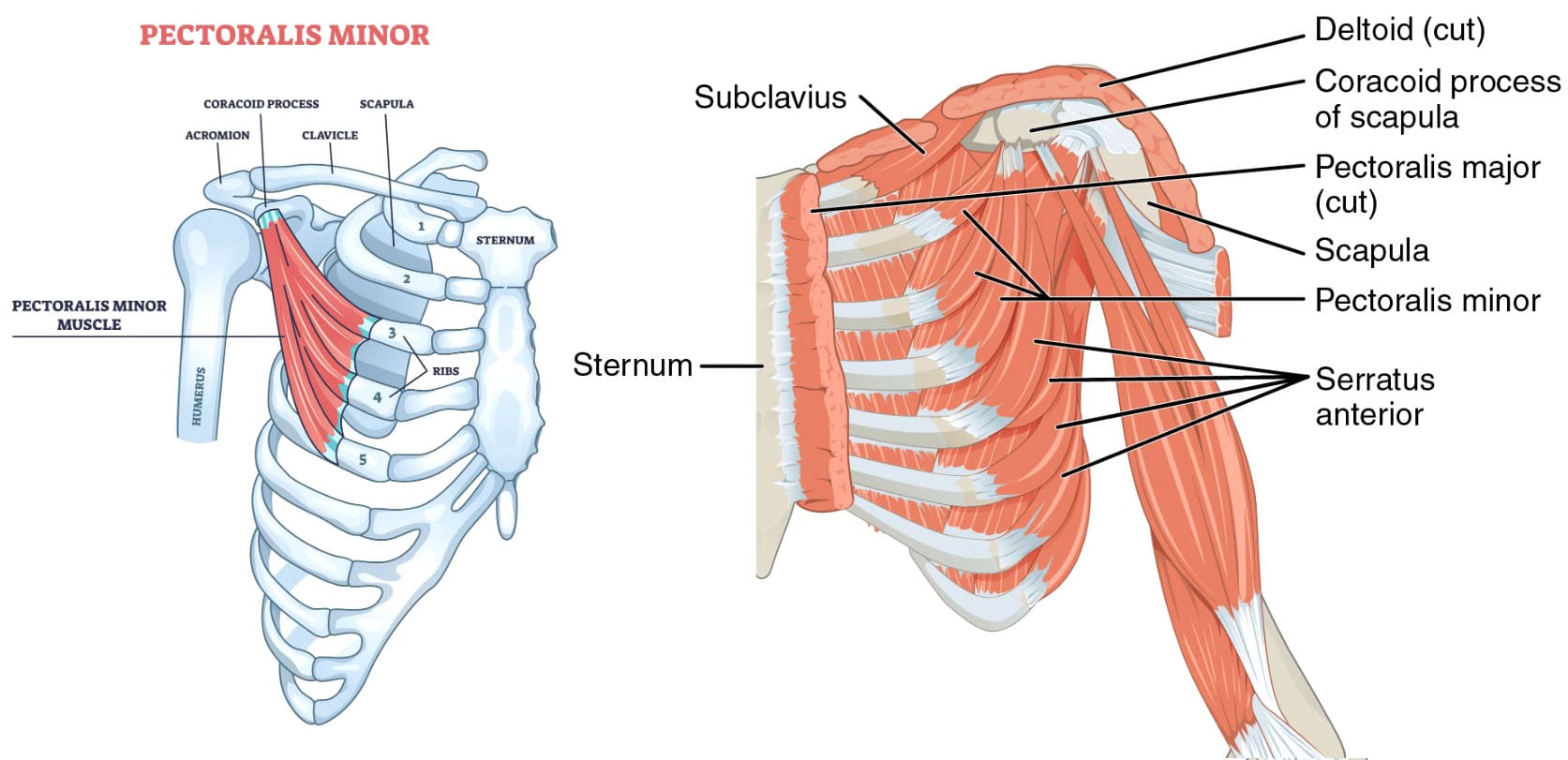
The pectoralis minor is a small, triangular muscle situated deep to the pectoralis major in the anterior chest wall. It originates from the margins of the third to fifth ribs adjacent to the costochondral junction and connects to the coracoid process of the scapula. The pectoralis minor helps with posture, mobility, and shoulder stability and aids breathing. Muscle tightness can cause pain in the chest, shoulder, and neck and a restricted range of motion. Strain and injuries can occur during activities involving overhead movements or forceful pushing. Pectoralis minor stretches are designed to work these muscles that span the ribs and connect to the shoulder to help improve posture and relieve pain and chest weakness. They can help reduce muscle tightness and other conditions like thoracic outlet syndrome. (Kaur U. et al., 2023) (Wagner E. R. et al., 2023) Talk with a healthcare provider Before starting any exercise or stretching program.
Corner Pectoralis Stretch
A corner pec stretch is similar to a wall push-up, except the emphasis is on staying in a position that lengthens the chest muscles. It’s important to move the whole body as a unit and not bend.
Stand facing a corner with a relaxed, upright posture.
Place your feet so they are parallel, and bend your knees slightly.
Stay as relaxed as possible during the movement to protect your joints.
Keep your gaze forward.
Place your forearms and palms over the walls where two walls connect at a right angle.
With your elbows bent to 90 degrees, move forward into the corner of the wall until you feel a comfortable stretch in the pectorals.
The doorway stretch is similar to the corner stretch. It works the pectoralis major and the minor muscles and helps with mobility. To perform: (Maryland Pain & Wellness Center, 2025)
Stand in a doorway with your feet placed together.
Place the palms and forearms on either side of the doorway.
Your elbows should be even with your shoulders and bend at a 90-degree angle.
Keep your back straight.
Take a step forward, leaning into the doorway.
You should feel the stretch in the muscle.
Repeat the stretch with the other foot.
Exercise and ergonomic changes to your chair or desk height can help improve posture and relieve muscle tightness. (Kaur U. et al., 2023)
T Stretch
The T stretch stretches the front of the chest and is done on the floor, typically with a foam roller placed directly under the spine. To perform: (OrthoCarolina, N.D.)
Lie down on your back with the foam roller aligned to the spine.
Make sure your head and tailbone are supported.
Open your arms straight out like a T.
Hold the position while stretching.
Y Stretch
The Y stretch is similar to the T stretch; both reduce chest muscle tightness and discomfort. To perform: (OrthoCarolina, N.D.)
Use the same foam roll position, lying on your back with the head and tailbone supported and aligned.
Stretch the arms out above your head, placing them into the shape of a Y.
Allow the chest muscles that connect to the arms to relax.
Studies have examined how quickly a prone scapular retraction can help stretch the back and shoulders. Results suggest the exercises must be performed longer before the pectoralis minor is lengthened to improve symptoms. (Dye J., Allyn M., & Frank C. 2024) However, further research is needed.
Health Conditions
Pectoralis minor stretches may be part of a personalized therapy program to improve mobility, posture, and/or breathing and sleep quality with health conditions that include:
Stretching and strengthening exercises can help improve their flexibility and function. Exercises can improve strength and function by standing or lying down, depending on the stretch.
Injury Medical Chiropractic and Functional Medicine Clinic
The pectoralis minor muscles are often overlooked in clinical examinations but can contribute to musculoskeletal pain and dysfunction. A healthcare provider can teach about stretches, how they can help, and whether they are safe for the individual’s injury and/or condition. Injury Medical Chiropractic and Functional Medicine Clinic works with primary healthcare providers and specialists to build optimal health and wellness solutions. Regarding musculoskeletal pain, specialists like chiropractors, acupuncturists, and massage therapists can help mitigate the pain through spinal adjustments that help the body realign itself. The clinic can also work with other medical professionals to integrate a treatment plan to resolve musculoskeletal problems.
Doorway Stretching Routine
References
Kaur, U., Shrestha, D., Hussain, M. A., Dalal, P., Kalita, M., Sharma, V., & Sharma, S. (2023). Prompt Impact of Muscle Energy Technique on Pectoralis Muscle Tightness in Computer Users: A Quasi-Experimental Study. Journal of Lifestyle Medicine, 13(2), 123–128. https://doi.org/10.15280/jlm.2023.13.2.123
Wagner, E. R., Gottschalk, M. B., Ahmed, A. S., Graf, A. R., & Karzon, A. L. (2023). Novel Diagnostic and Treatment Techniques for Neurogenic Thoracic Outlet Syndrome. Techniques in hand & upper extremity surgery, 27(2), 100–114. https://doi.org/10.1097/BTH.0000000000000419
University of North Carolina School of Medicine. (2020). Upper Body Stretching. https://www.med.unc.edu/htcenter/wp-content/uploads/sites/711/2020/04/Upper-Body-Stretching.pdf
Maryland Pain & Wellness Center. (2025). Stretches to Help with Strained Chest Muscles. Maryland Pain & Wellness Center Restoring Hope, Rebuilding Lives. https://www.marylandpainandwellnesscenter.com/blog/stretches-to-help-with-strained-chest muscles#:~:text=With%20your%20knees%20bent%20and,assist%20in%20deepening%20the%20stretch.
OrthoCarolina. (N.D.). Stretching Guide to Ease Tight Muscles. https://www.orthocarolina.com/storage/wysiwyg/stretching_guide_1.pdf
Dye, J., Allyn, M., & Frank, C. (2024). Is there an immediate effect on pectoralis minor length after performing a prone scapular retraction exercise using typical sets and repetitions in pain-free participants? Journal of bodywork and movement therapies, 40, 1014–1019. https://doi.org/10.1016/j.jbmt.2024.07.026
Chankavee, N., Amatachaya, S., Hunsawong, T., Thaweewannakij, T., & Mato, L. (2023). Effects of modified long stick exercise on hyperkyphosis, muscle imbalance, and balance control in elderly community-dwelling women with hyperkyphosis. Journal of back and musculoskeletal rehabilitation, 36(5), 1151–1162. https://doi.org/10.3233/BMR-220350
Liao, Y. X., Saiken, A., Chang, X., Guo, Y. F., Tan, Z., Deng, F., Meng, Q. L., Zhen, H., Li, Y. M., & Fang, B. M. (2025). Associations of fat, bone, and muscle indices with disease severity in patients with obstructive sleep apnea-hypopnea syndrome. Sleep & breathing = Schlaf & Atmung, 29(1), 82. https://doi.org/10.1007/s11325-024-03241-8
Thongchote, K., Chinwaro, U., & Lapmanee, S. (2024). Effects of scapulothoracic exercises on chest mobility, respiratory muscle strength, and pulmonary function in male COPD patients with forward shoulder posture: A randomized controlled trial. F1000Research, 11, 1284. https://doi.org/10.12688/f1000research.126832.2
Can walking backward on a treadmill aid in treating conditions and injuries, improving strength, gait, and mobility in the lower extremities and knee, hip, and ankle range of motion (ROM)?
Walking Backward On A Treadmill
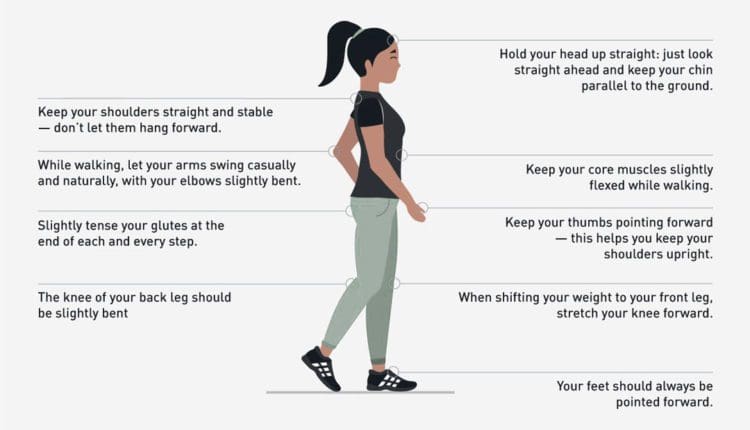
Walking backward is often used in physical therapy to treat multiple conditions and injuries and help improve strength, gait, balance, and mobility in the lower extremities. It is also used to improve knee, hip, and ankle range of motion and lower back pain and burn calories.
The Difference Backward vs. Forward
The difference from forward walking is that certain motions are normal gait characteristics.
First, the leg swings through the air, and the heel lands on the ground.
Then, the straight knee bends slightly as you roll from heel to toe.
As this occurs, the opposite leg rolls from the toes and up into the air.
This heel-to-toe motion repeats, and normal walking takes place.
Reverse walking creates the opposite gait process.
The leg swings through the air and reaches backward with a bent knee.
The toes contact the ground, and the bent knee straightens as you roll from toe to heel.
Then, the heel leaves the ground with the knee straight, repeating the process.
Reverse walking can help increase knee extension range of motion. (Zhang M. et al., 2022)
Individuals with knee injuries, surgeries, or arthritis may lose their knee extension or the knee’s ability to straighten.
The bent knee straightens fully when walking backward, moving from the toes onto the heel.
This helps to improve the range of motion into knee extension.
Quadriceps Function
Reverse walking can improve the function of the quadriceps muscles in the upper thighs. (Alghadir A. H. et al., 2019)
The quads are active when straightening the knee.
Exercises like quad sets, short arc quads, and straight leg raises increase quad strength.
Hamstring Flexibility
The hamstrings are located in the back of the upper thighs and work to bend the knees and extend the hips.
For individuals with tight hamstrings, a therapist may have you walk backward on the treadmill to improve the flexibility of the muscle group. (BBC, 2023)
When walking backward, the hamstring contracts to bend the knee as it swings through the air.
Then, the hamstring is stretched from the toe to heel movement, and the knee straightens.
Walking backward can help reset one’s gait and improve one’s ability to walk forward.
A study on stroke patients found that backward walking training was superior to standing balance training for improving balance and walking speed. (Rose, D. K. et al., 2018)
Burns Calories
Backward walking has been found to burn more calories than forward walking.
As a result, it improves heart and lung health better.
Conditions That Benefit
Individuals with a lower extremity impairment that results in loss of normal walking mobility may benefit from reverse walking. Common conditions that may help include: (BBC, 2023) (DelMastro H. M. et al., 2023)
Hamstring strain
Sciatica with tightness in hamstrings
Hip, knee or ankle surgery
Lower extremity fracture
Cerebral palsy
Multiple sclerosis
Parkinson’s disease
Stroke
A physical therapist will decide if an individual’s condition warrants reverse walking as part of a rehabilitation program.
Injury Medical Chiropractic and Functional Medicine Clinic
Injury Medical Chiropractic and Functional Medicine Clinic works with primary healthcare providers and specialists to develop an optimal health and wellness solution. We focus on what works for you to relieve pain, restore function, and prevent injury. Regarding musculoskeletal pain, specialists like chiropractors, acupuncturists, and massage therapists can help mitigate the pain through spinal adjustments that help the body realign itself. They can also work with other medical professionals to integrate a treatment plan to resolve musculoskeletal issues.
Control Foot Motion and Posture
References
Cha, H. G., Kim, T. H., & Kim, M. K. (2016). Therapeutic efficacy of walking backward and forward on a slope in normal adults. Journal of Physical Therapy Science, 28(6), 1901–1903. https://doi.org/10.1589/jpts.28.1901
Zhang, M., Pang, J., Lu, J., Kang, M., Chen, B., Jones, R. K., Zhan, H., & Liu, A. (2022). The Immediate Effect of Backward Walking on External Knee Adduction Moment in Healthy Individuals. Journal of Healthcare Engineering, 2022, 4232990. https://doi.org/10.1155/2022/4232990
Alghadir, A. H., Anwer, S., Sarkar, B., Paul, A. K., & Anwar, D. (2019). Effect of 6-week retro or forward walking program on pain, functional disability, quadriceps muscle strength, and performance in individuals with knee osteoarthritis: a randomized controlled trial (retro-walking trial). BMC musculoskeletal disorders, 20(1), 159. https://doi.org/10.1186/s12891-019-2537-9
BBC. (2023). Why walking backwards can be good for your health and brain. https://www.bbc.com/future/article/20231110-why-walking-backwards-can-be-good-for-your-health-and-brain
Balasukumaran, T., Olivier, B., & Ntsiea, M. V. (2019). The effectiveness of backward walking as a treatment for people with gait impairments: a systematic review and meta-analysis. Clinical Rehabilitation, 33(2), 171–182. https://doi.org/10.1177/0269215518801430
Rose, D. K., DeMark, L., Fox, E. J., Clark, D. J., & Wludyka, P. (2018). A Backward Walking Training Program to Improve Balance and Mobility in Acute Stroke: A Pilot Randomized Controlled Trial. Journal of Neurologic Physical Therapy: JNPT, 42(1), 12–21. https://doi.org/10.1097/NPT.0000000000000210
Thomas, K. S., Hammond, M., & Magal, M. (2018). Graded forward and backward walking at a matched intensity on cardiorespiratory responses and postural control. Gait & posture, 65, 20–25. https://doi.org/10.1016/j.gaitpost.2018.06.168
DelMastro, H. M., Ruiz, J. A., Simaitis, L. B., Gromisch, E. S., Neto, L. O., Cohen, E. T., Wong, E., Krug, R. J., & Lo, A. C. (2023). Effect of Backward and Forward Walking on Lower Limb Strength, Balance, and Gait in Multiple Sclerosis: A Randomized Feasibility Trial. International journal of MS care, 25(2), 45–50. https://doi.org/10.7224/1537-2073.2022-010
Learn about kyphosis, its causes and symptoms, and treatment approaches to alleviate discomfort and improve posture.
What Is Kyphosis?
How frequently have you seen that after spending too much time sitting down, your posture has become more hunched? Do you have neck and shoulder strains that are momentarily relieved by stretching? Or do you experience shoulder and back discomfort and tension as a result of bad posture? Frequently, people have experienced musculoskeletal problems that may impact the neck, shoulders, and back—the three most frequent parts of the body. A spinal disorder called kyphosis may result from prolonged hunching. An increase in the forward curve of the spine that affects the thoracic location is known as kyphosis, and it may be brought on by degenerative alterations in the intervertebral discs. (Lam & Mukhdomi, 2025) The development of a hunchback or rounded upper back is a symptom of kyphosis that may impact posture and general musculoskeletal health. Depending on how severe the kyphosis is, the symptoms might vary from severe stiffness and pain to trouble breathing. Finding different treatment choices for this spinal ailment may also be made easier for many people by having a better grasp of the environmental variables that contribute to its development and the symptoms that are connected with it.
Environmental Factors Contributing to Kyphosis
Kyphosis may occur as a result of many environmental factors. This is because a lot of individuals engage in physically demanding activities that put a lot of strain on the spine. On the other hand, kyphosis may occur as a result of the spine’s gradual aging process. Among the environmental elements that cause kyphosis are:
Bad Posture
Living a Sedentary Lifestyle
Overweight Items & Inappropriate Lifting
Osteoporosis
Conditions & Injuries of the Spine
Kyphosis Symptoms & Its Effects on the Musculoskeletal System
Because it may impact both the cervical and thoracic regions of the spine, kyphosis can result in a number of musculoskeletal issues.When kyphosis begins to damage the cervical region, it may result in referred neck pain, which puts more pressure on the soft tissues in the back. This forces the head to cope with a mechanical imbalance, which puts strain on the muscles and creates weariness. (Ogura and others, 2021) At the same time, when kyphosis begins to impact the thoracic spine, other risk factors include poor bone density and dysfunction in the lower extremities in older persons, which may restrict movement. (Lorbergs and others, 2017). Other musculoskeletal problems linked to kyphosis include:
Stiffness & Pain in the Upper Back
Minimal Flexibility & Mobility
Referred pain
Weakness and Muscle Fatigue
Digestive & Breathing Problems
Understanding Long-Lasting Injuries- Video
Treatment Approaches For Kyphosis
If the spinal curvature has become much worse, many people have chosen to undergo surgery to manage the symptoms of kyphosis. Nonetheless, a lot of individuals have chosen nonsurgical treatments since they are less expensive and noninvasive. In order to improve a person’s posture and lessen the difficulties associated with kyphosis, nonsurgical therapies may take many different forms. (Jenkins et al., 2021) When individuals begin using nonsurgical methods to lessen cervical kyphosis, their mobility and postural control will significantly improve. (Oakley and others, 2024)
Chiropractic Care & More
For those with kyphosis, chiropractic adjustments are a non-invasive treatment option that may help reduce pain and realign the spine. The goal of chiropractic therapy is to stretch and strengthen weak, tense muscles while realigning the spine to its natural position. By increasing the range of motion in the neck, chiropractic therapy may alleviate overlapping risk profiles, such as headaches and kyphotic neck discomfort. (Norton and others, 2022) Additionally, in order to avoid a slouched posture, chiropractors may create a personalized treatment plan for those with kyphosis that offers substantial relief from the neck to the back. (Fortner and others, 2017). For those with kyphosis, chiropractic adjustments may provide the following advantages:
Adjustments to the spine may help realign the vertebrae, improve posture, and lessen excessive curvature.
Postural Training: To improve support, chiropractors may provide workouts that build stronger core and back muscles.
Pain management: Spinal decompression methods and manual treatment may ease tense muscles and lessen transferred pain.
Increased Flexibility and Mobility: Mobility exercises and stretching help increase range of motion and avoid stiffness.
Additional Treatments For Kyphosis
In addition to chiropractic treatment, alternative kyphosis management techniques may enhance spinal stability and stop the progression of spine curvature. Among these extra treatments are;
Physical Therapy.
Supporting Postural Ergonomics
Final Thoughts
Although kyphosis may cause pain and suffering, quality of life can be greatly improved with early diagnosis and appropriate therapy. Proactively treating kyphosis may result in improved posture, less discomfort, and more mobility, whether via physical therapy, chiropractic adjustments, or lifestyle changes.
Injury Medical Chiropractic & Functional Medicine Clinic
We associate with certified medical providers who implement the importance of the causes and symptoms of kyphosis. While asking important questions to our associated medical providers, we advise patients to integrate small changes into their daily routine to reduce the effects of kyphosis from affecting the cervical and thoracic areas. Dr. Alex Jimenez, D.C., envisions this information as an academic service. Disclaimer.
References
Fortner, M. O., Oakley, P. A., & Harrison, D. E. (2017). Treating ‘slouchy’ (hyperkyphosis) posture with chiropractic biophysics((R)): a case report utilizing a multimodal mirror image((R)) rehabilitation program. Journal of Physical Therapy Science, 29(8), 1475-1480. https://doi.org/10.1589/jpts.29.1475
Jenkins, H. J., Downie, A. S., Fernandez, M., & Hancock, M. J. (2021). Decreasing thoracic hyperkyphosis – Which treatments are most effective? A systematic literature review and meta-analysis. Musculoskelet Sci Pract, 56, 102438. https://doi.org/10.1016/j.msksp.2021.102438
Lorbergs, A. L., Murabito, J. M., Jarraya, M., Guermazi, A., Allaire, B. T., Yang, L., Kiel, D. P., Cupples, L. A., Bouxsein, M. L., Travison, T. G., & Samelson, E. J. (2017). Thoracic Kyphosis and Physical Function: The Framingham Study. J Am Geriatr Soc, 65(10), 2257-2264. https://doi.org/10.1111/jgs.15038
Norton, T. C., Oakley, P. A., & Harrison, D. E. (2022). Improving the cervical lordosis relieves neck pain and chronic headaches in a pediatric: a Chiropractic Biophysics((R)) (CBP((R))) case report with a 17-month follow-up. Journal of Physical Therapy Science, 34(1), 71-75. https://doi.org/10.1589/jpts.34.71
Oakley, P. A., Gage, W. H., Harrison, D. E., & Mochizuki, G. (2024). Non-surgical reduction in thoracolumbar kyphosis and sagittal vertical axis corresponding with improved sensorimotor control in an older adult with spinal deformity: a Chiropractic Biophysics((R)) case report. Journal of Physical Therapy Science, 36(11), 756-764. https://doi.org/10.1589/jpts.36.756
Ogura, Y., Dimar, J. R., Djurasovic, M., & Carreon, L. Y. (2021). Etiology and treatment of cervical kyphosis: state of the art review-a narrative review. J Spine Surg, 7(3), 422-433. https://doi.org/10.21037/jss-21-54
In females, hernia symptoms are often smaller and deeper without a noticeable lump and can mimic gynecological issues, with misdiagnoses being common. Can knowing the risk factors and how female hernias are treated help women get relief?
Female Hernia
A hernia occurs when an internal structure pushes through a weak spot in the abdominal wall, the muscles, and the tissue covering the front of the torso. The more common include:
Groin hernia, known as an inguinal hernia.
Upper thigh or femoral hernia.
However, a hernia can develop anywhere from the ribcage to the upper thigh. Hernias are less common in women, have different symptoms than in men, and are often misdiagnosed. Lower abdominal and pelvic hernias present differently in women than men, who typically have a visible bulge. Instead, female hernias tend to be smaller, deeper, and less noticeable. They can also cause chronic pelvic pressure or pain that can be mistaken for gynecological problems.
Hernia Symptoms For a Woman
Hernias in women tend to be smaller and deeper than male hernias, with no lump showing. Instead, female hernias can cause chronic, deep pelvic pain and occasional sharp, stabbing pain that comes on fast and lingers. (Köckerling F., Koch A., & Lorenz R. 2019) Hernia pain worsens with exercise, laughing, coughing, or straining to evacuate the bowels. The pain is often described as:
Dull
Aching
Pinching
Sharp
Shooting
Burning
Inguinal hernia pain is usually felt at or above the groin and may radiate to the hip, lower back, vulva, or thigh. Many women find the pain increases during their menstrual cycle. The pain can also be exacerbated by any activity that generates extra pressure on the pelvic floor, including:
Prolonged sitting or standing.
Bending
Getting in or out of bed.
Getting in or out of a car.
Sexual intercourse
Emergency
Hernias in the pelvic area are at risk of becoming incarcerated hernias. An incarcerated hernia occurs when a portion of the intestine or other abdominal tissue becomes trapped in the hernial sac, making it impossible to push it back into place. If this gets trapped or strangulated, it can cause tissue death. Strangulated hernias are a medical emergency. Symptoms include:
Deep red or purple tissues.
The hernia bulge does not shrink when you lie down.
Contact a healthcare provider or the emergency room if experiencing any of the above symptoms.
Types
Hernias can occur anywhere on the abdominal wall. They may be caused by:
Internal pressure, such as during pregnancy.
A sports injury
Tissue weakness
Hernias in the lower abdomen or groin are typically indirect inguinal hernias. The inguinal canal comprises multiple layers of muscles and fascia that the thin round ligament threads through. Other groin and pelvic hernias include:
A direct inguinal hernia
A femoral hernia at the top of the inner thigh.
An obturator hernia in the front upper thigh, although this type is rare.
Other common hernias in women are:
Incisional hernia – at the site of a surgical incision
Pregnancy and repeated pregnancies are linked to an increased risk of hernia. Types that are more common in pregnancy include:
Umbilical hernia
Ventral hernia
Inguinal hernia
Umbilical hernias are the most common. However, only a small percentage of pregnant individuals get them. (Kulacoglu H. 2018)
Diagnosis
A hernia diagnosis is made with a physical examination and, if needed, imaging studies. Patients are asked to describe their symptoms precisely, where the pain is located, and any activities that exacerbate it. To check for a hernia, the healthcare provider will palpate for a hernia while the patient sits, stands, or coughs. Imaging tests can include:
Ultrasound
CT scan
Endoscopy – a camera is used to see inside the esophagus and stomach.
Misdiagnoses
Female hernia symptoms can be vague, which often points healthcare providers in the wrong direction. Female hernias are commonly misdiagnosed as: (Köckerling F., Koch A., & Lorenz R. 2019)
Cysts in the reproductive organs
Endometriosis
Fibroid tumors
Treatment
A small hernia that does not cause problems or pain may be treated with a wait-and-evaluate protocol. A hernia often worsens over time and could eventually require surgery. (University of Michigan Health, 2024) Self-care treatments include:
Medical treatments usually start with conservative measures, including physical therapy, stretching, exercise, and rest. Physical therapists often use myofascial release techniques to relieve muscle spasms. Surgery may be needed to repair the weak area of the abdominal wall to relieve symptoms. (University of Michigan Health, 2024) Hernia repair surgery is typically performed as a laparoscopic surgery. (Köckerling F., Koch A., & Lorenz R. 2019) Most patients heal quickly from the surgery and can return to regular activities in a week or two.
Injury Medical Chiropractic and Functional Medicine Clinic
Injury Medical Chiropractic and Functional Medicine Clinic works with primary healthcare providers and specialists to develop an optimal health and wellness solution. We focus on what works for you to relieve pain, restore function, and prevent injury. Regarding musculoskeletal pain, specialists like chiropractors, acupuncturists, and massage therapists can help mitigate the pain through spinal adjustments that help the body realign itself. They can also work with other medical professionals to integrate a treatment plan to resolve musculoskeletal issues.
Lumbar Spine Injuries in Sports: Chiropractic Healing
References
Köckerling, F., Koch, A., & Lorenz, R. (2019). Groin Hernias in Women-A Review of the Literature. Frontiers in surgery, 6, 4. https://doi.org/10.3389/fsurg.2019.00004
Johns Hopkins Medicine. (2025). How to tell if you have a hernia. https://www.hopkinsmedicine.org/health/conditions-and-diseases/how-to-tell-if-you-have-a-hernia
Kulacoglu H. (2018). Umbilical Hernia Repair and Pregnancy: Before, during, after…. Frontiers in surgery, 5, 1. https://doi.org/10.3389/fsurg.2018.00001
University of Michigan Health. (2024). Inguinal hernia: Should I have surgery now, or should I wait? https://www.uofmhealth.org/health-library/za1162
American Academy of Orthopaedic Surgeons. (2022). Sports hernia. https://orthoinfo.aaos.org/en/diseases–conditions/sports-hernia-athletic-pubalgia/
Northeast Georgia Health System. (2022). Living with a hernia. Northeast Georgia Health System Improving the health of our community in all we do. https://www.nghs.com/2022/02/15/living-with-a-hernia
IFM's Find A Practitioner tool is the largest referral network in Functional Medicine, created to help patients locate Functional Medicine practitioners anywhere in the world. IFM Certified Practitioners are listed first in the search results, given their extensive education in Functional Medicine