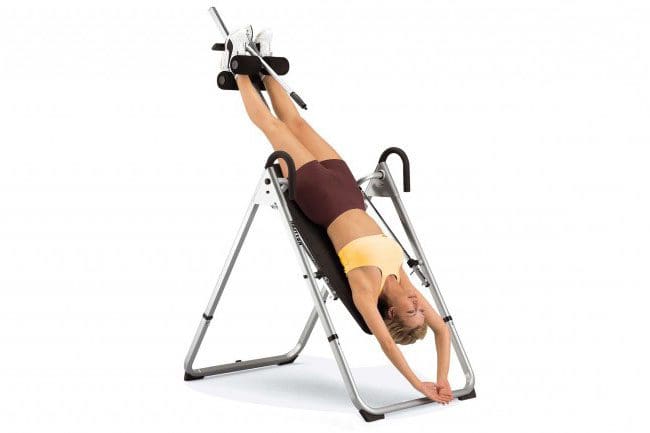
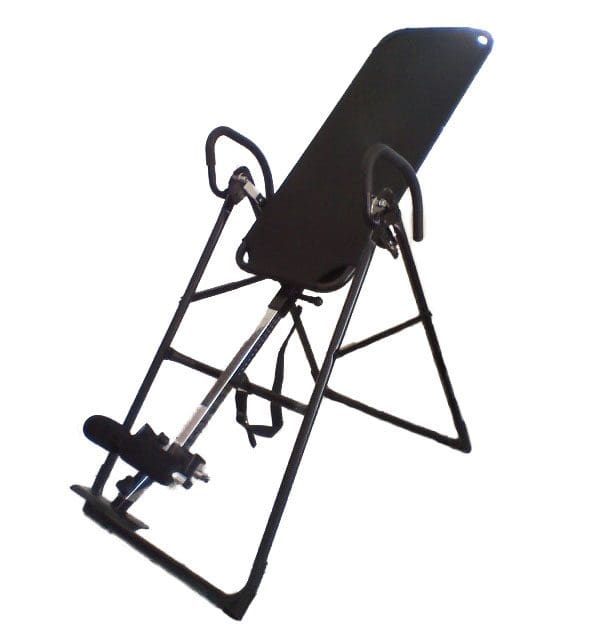
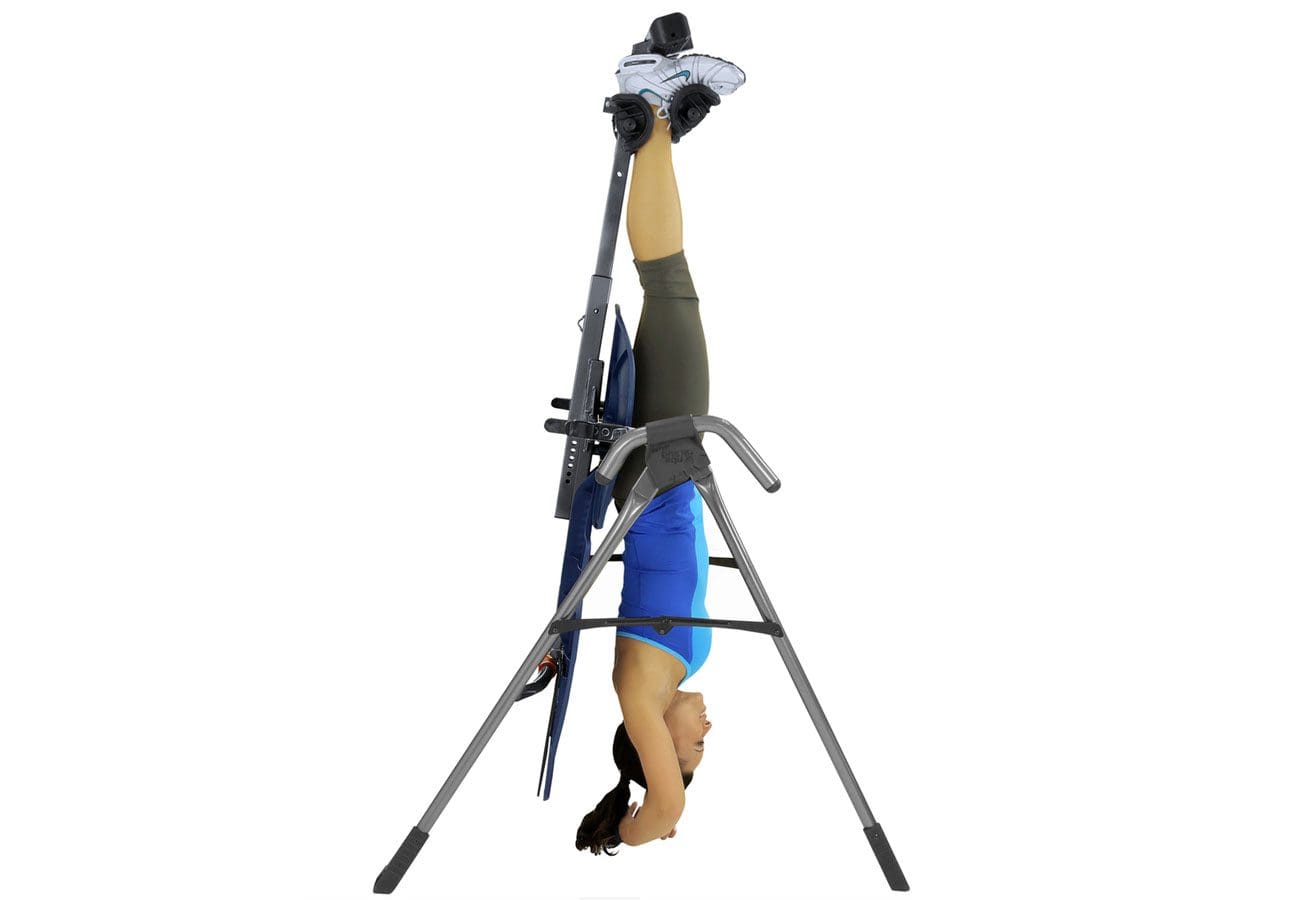
Inversion tables and inversion treatment/therapy could help with low back/leg pain and sciatica. It�s non-surgical and an option your doctor, or chiropractor could recommend to you before looking into more invasive options. Individuals with low back pain, sciatica or both found inversion therapy with an inversion table provided relief from symptoms, and continued use has kept them and their spines healthy.
With an inversion table, you don�t have to use gravity boots or completely hanging upside down. There are inversion boots and hanging racks that also offer inversion therapy, this type is not for beginners. With experience, you can move on to this type but for now, leave it to individuals in top health and athletic condition. This type of inversion table therapy is an alternative that doesn’t require being completely upside down.
An Ancient Therapy Brought Back
Inversion therapy is nothing new. Hippocrates, the father of medicine, saw what inversion therapy could do and the benefits around 400 BC. The goal is to use gravity to release compression in the spine. The downward force pulls everything toward the earth’s center.
How It Works
Inversion therapy works in a way like spinal traction.
For example, when we stand and sit gravity pulls the spine downward and this is what compresses the discs, vertebral bodies, nerves, and other spinal structures. The physical dynamics along with gravity helps relieve spinal compression. As the spine is stretched out the pressure on your back is reduced.
The theory behind inversion therapy sounds like a fantastic non-surgical option to back pain. However, the research going into inversion therapy is a bit more mixed. One study found that almost 77% of patients that were candidates for surgery no longer needed the surgery after using inversion therapy. For patients that didn�t use inversion therapy, only 23% avoided surgery.
But like all back pain/sciatica treatment plans, it’s what works for you. Ask your doctor/chiropractor about the pros and cons of this type of treatment as it relates to your condition to make an informed decision.
Other Benefits
Many patients report that inversion therapy is a great way to:
Stretch the muscles and ligaments
Reduce muscle spasms
Improve circulation
Stretching stimulates the lymph glands which increases the flow of lymphatic fluids, that are part of the body’s waste disposal. Cellular health depends on healthy blood circulation to be delivered, to nourish and remove waste.
The therapy also helped to relieve motion sickness and stress. This is because the body is more aware of its spatial orientation along with balance as the inner ear gets stimulated while inverted. As stated earlier it is not necessary to be positioned completely upside down to benefit from this therapy. Inversion tables are adjustable and offer the flexibility to find the best angle.
Discuss Inversion Therapy with A Doctor
Before you start using an inversion table�talk to your doctor. Certain medications and health conditions could make using an inversion table unsafe.
It could be recommended against inversion table therapy if you have:
There could be other medical conditions that are not listed but could interfere with inversion therapy, so make sure your doctor knows all your medical history/conditions and current health state before beginning.
Starting Inversion Therapy
How to start an inversion therapy program? Take it very slow, easy, taking your time and have someone there to help and assist until you are comfortable doing it on your own.�The tables can be set at different angles and it is recommended you start at the first and work your way to the last. At the 15-degree angle, your body will feel a stretch along with the benefits of increased blood circulation.
Most people don’t have to go beyond 60-degrees, as the spine decompresses at this angle. But you might want to completely invert yourself as you work through the different degrees and go for the full inversion. But don’t overdo it and listen to what your body tells you.
The tables come in a variety of styles, so be sure to research the different brands. Some tables can include a sliding backrest and foot lock that lets you work in gentle stretching exercises during inversion. This could include head movements from side-to-side, stretching the arms overhead, and doing abdominal sit-ups or crunches.
But first, find out from your doctor how often you should invert and the kinds of movements that will help with your condition and enhance your inversion program. Inversion therapy is another option for a back, sciatic pain treatment plan. For the different forms of spine pain, a doctor will try several non-surgical treatment options before discussing surgery. Inversion therapy could be part of a conservative treatment plan and could help prevent the need for spine surgery.
*Effective Treatment* for Sciatic Nerve Pain| El Paso, Tx
NCBI Resources
The spine is the primary support for the body. When it breaks down, the body suffers. Regular chiropractic treatment ensures that the spinal column remains in proper alignment which, in turn, keeps the body in proper alignment. It helps with joint health as well as the health of the related muscles and ligaments.
Your chiropractor can also recommend stretching and strength-building exercises to help keep your spine healthy and supple. Chiropractic helps to keep the back flexible which aids in preventing injury. A healthy spine is also less likely to become misaligned or experience pain. It can significantly improve your quality of life as you are more flexible and mobile.
In today’s workforce, many jobs place workers at a higher risk for a back injury. The list is pretty extensive and may surprise you! Individuals that have suffered a� neck or back injury at work know the cost goes beyond lost wages. The impact of these injuries on employees, employers, and the economy is staggering.
In a report published by the Bureau of Labor Statistics, there were 2.8 million cases of non-fatal occupational injuries and in 2018.� Of these cases, more than 50% lost time from work, transferred to a different job, or restricted work activity. Not all of these cases were spine-related injuries. However, 880,000 cases were back pain-related injuries.
The World Health Organization’s International Labour Office says that the problem is global.
Musculoskeletal diseases are a very common part of 270 million non-fatal work/job accidents where employees missed at least 3 workdays.
Risky Jobs
Occupational safety experts gather all kinds of information that they factor. This includes job requirements, work environment, and work station set up. In compiling the list of risky occupations, here are some of the criteria:
Heavy physical work
Forceful lifting movements
Bending
Twisting
Awkward work postures
Whole-body vibration
Static work postures like standing/sitting but never changing position compounds the risks to workers.
Two occupations that lead the list of jobs placing workers at the highest risk are construction and nurses/nursing home workers. Workers in both of these jobs tend to share the under-reporting of work-related injuries. This happens as the employees fear they will lose their job and cannot afford to take any time off.
Construction Workers
Employees at a construction site are repeatedly lifting, bending, carrying, pulling, and tugging. These repetitive movements lead to overuse injuries and back strain/sprains are a common part of this. More than 30% of workers have to miss job time. Those that must climb ladders or work on scaffolds have a greater risk of falling. This is where some serious spinal injuries can occur, causing disability and sometimes being fatal.
Nurses/Nursing Workers
Nursing homes and employment opportunities are growing from elderly population growth. These workers are at high risk for back pain and spine injury. This comes from transferring patients’ from their beds, bathtub, and bathroom facilities. All these actions require lifting, carrying, holding, pulling, pushing, and turning. The Bureau of Labor Statistics reports nearly all back and shoulder injuries are the result of moving patients.
Warehouse Workers
This is another job that requires lifting, along with using forceful movements, bending, twisting, carrying, and placing the body in awkward positions. Sometimes these workers have to drive a truck or an industrial vehicle that creates whole-body vibration. Continual exposure to vibration can cause backache and soreness that can lead to lost work time.
Dentists and Surgeons
Both of these professions involve prolonged standing, stooping, bending, and awkward body positioning. Not to mention the mental strain that diverts the doctor’s attention to proper posture and body mechanics that results in injury and pain.
Landscapers
The American Chiropractic Association puts landscapers in the top 10 list of jobs that cause back pain. This job puts these workers at a greater risk for cumulative trauma disorders. All the tasks that a landscaper has to do that include hedge trimming, tree pruning, and planting. These actions/movements involve lifting, reaching, bending, and stooping. This is a perfect set up for an overuse back injury.
Hand tools that get used over and over can cause painful conditions like carpal tunnel syndrome and thoracic outlet syndrome. Thoracic outlet syndrome is when the nerves and blood vessels become compressed between the neck and shoulder.
Store Cashier
Grocery and retail store cashiers require workers to stand in one place for a long time. This along with the repetitive motions of scanning, typing, opening, closing combined with bagging and lifting bags over and over can cause neck, shoulder, back, leg and foot pain. Over half of checkout workers complain of back pain.
We may not be able to instantly change our occupation, but there are steps to help prevent neck and back injuries. The key is workplace ergonomics and safety. Be proactive to help reduce workplace risk for neck and back injury and share what you learn with co-workers.
*BEST* Heel Spurs Treatment | El Paso, Tx (2020)
NCBI Resources
Injuries that are caused by repetitive movements often develop gradually.�This is the time when the symptoms are mild and come and go, so the individual just works through it and doesn�t think about it. It�s�not until the symptoms get very painful and debilitating that the individual realizes that something is wrong, and then they seek medical attention. Don�t wait, as soon as you feel a tingle, slight pinch, or a little soreness�and you feel that it stems from your work�s repetitive movements, get in touch with a doctor or chiropractor before it becomes excruciating.
Sitting is wonderful, however, sitting for too long is considered worse than smoking. Sitting for too long could be considered a disease. Today’s society is about technology. However, this technology involves a great deal of inactivity and sitting for a long time. This behavior has been linked to chronic disease and on a variety of health issues not to mention the havoc, it inflicts on your spine.
Unfortunately, many work environments encourage their employees to sit for hours and hours without any kind of movement except for using the bathroom. Something has to change because as someone said, “if you don’t take the time to focus on yourself and your health, you will be forced to take the time to focus on your illness.”
The Sedentary Work Lifestyle
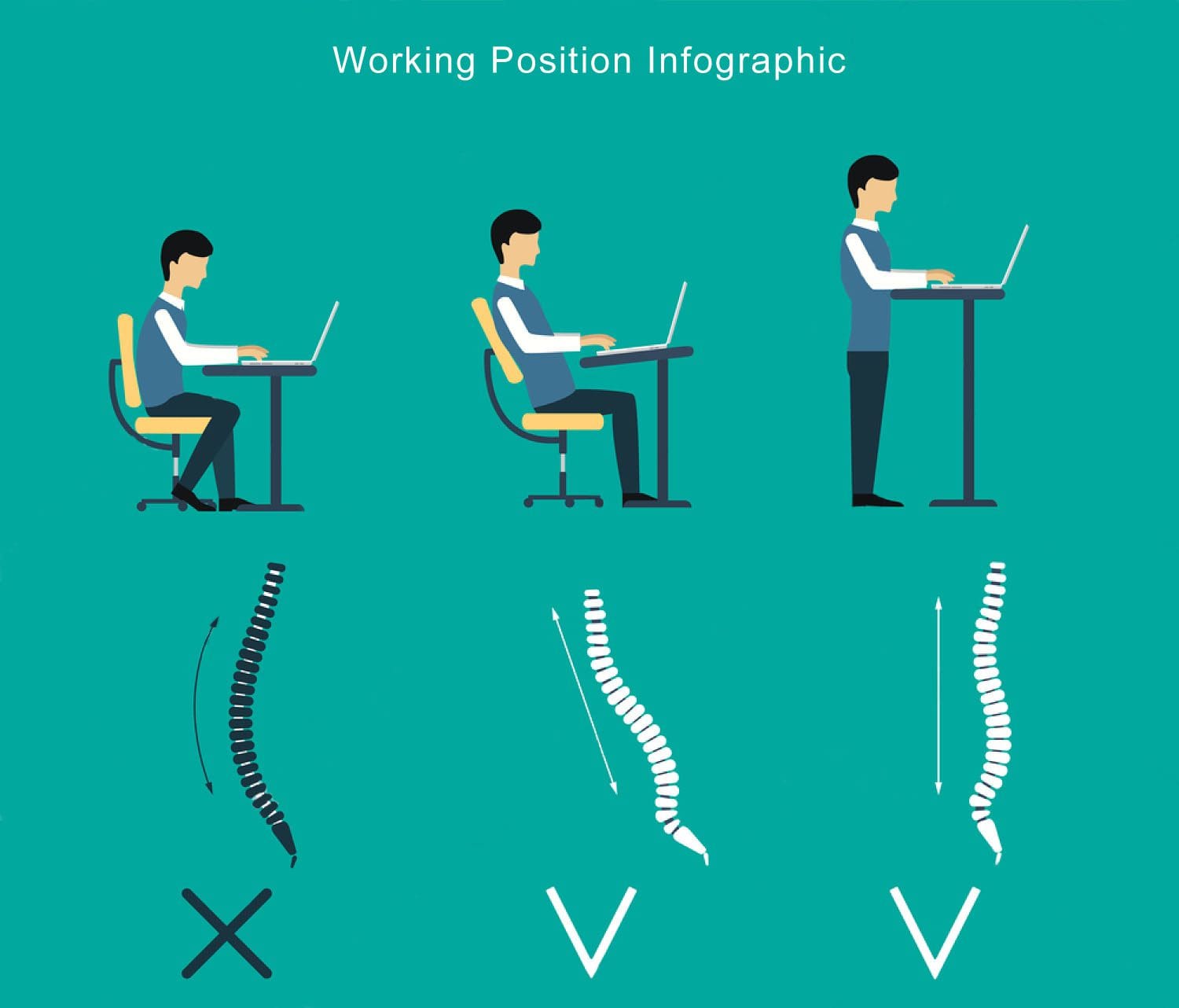
Being in front of a computer all day may be part of the job, however, the goal is to bring in more activity into the day. This can be accomplished by maintaining proper posture through exercise, stretching and if need be to invest in a sit-stand desk.
Understanding why you should avoid long bouts of time sitting, means you need to know the research about what the medical community is dubbing the sitting disease.
Health Hazards of Sitting Too Long
Up to 80% of people sit for six or more hours every day, according to a study from the National Health and Nutrition Examination Surveys. Whether at work, plopped down in front of the TV,� or the daily commute doesn’t matter, the point is that people are spending long hours sitting down and the impact of inactivity is not good.
Individuals that sit for prolonged periods have a greater risk of dying from all causes. This is because a sedentary lifestyle has been shown to increase the risk for:
Cardiovascular disease
Cancers (breast, colon, colorectal, endometrial, and epithelial ovarian)
Type 2 diabetes in adults
These results came from 47 studies that focused on the health effects of being sedentary. These included the types of activity people engage in, from leisure activities to strong physical activity. Those who did not exercise had the greatest risk of health problems with being sedentary. Adding only two minutes of light exercise for every hour spent sitting lowers the risk of presenting health issues/conditions by one-third, according to the Clinical Journal of the American Society of Nephrology study.
The Way Sitting Hurts the Back and Neck
Spending the majority of the day every day in a seated position will eventually take its toll leaving your spine sore, stiff, and in pain. Too much sitting puts stress on the muscles and discs of the back and neck.
What happens from all the sitting is tightness in the hip flexors like the iliopsoas muscle forms, along with pressure and restricted blood flow in the muscles of the gluteus maximus. This muscle supports a good amount of the weight placed on the spine.
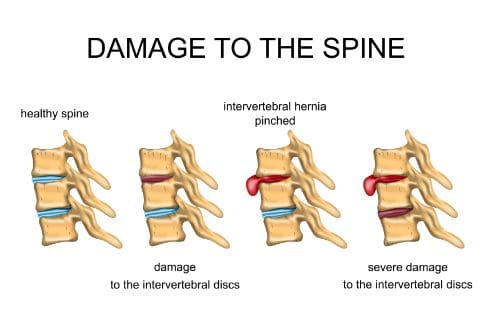
The longer individuals continue to repeat unhealthy sitting behavior, the higher the risk their posture begins to fall into slouching, into incorrect posture and possibly into spinal conditions and diseases. Slouching over time causes the ligaments to stretch beyond their healthy limit, combined with poor posture strains the spinal discs that can lead to herniation, bulging and complete loss of the intervertebral discs.
This results in added strain to the outer annulus of the disc and increases disc bulging and disc pressure.
When sitting, it’s usually at a computer/working on tasks at a desk that results in the head being in a constant forward position, with rounded shoulders that results in what is known as poor posture syndrome. Staying in the office chair or any chair too long leads to an isolated episode of back or neck pain/soreness. What’s happening is that the normal wear and tear of the spinal discs is sped up from the unhealthy weight and pressure being placed on the spine. This results in back pain that becomes a regular daily thing instead of an occasional problem.
Ergonomic chairs, sit-stand desks, fitness/stability balls and utilizing proper posture/exercises are tools to help mitigate the damage of sitting all day.
This includes stretching the muscles like the:
Pectorals
Scalene muscles in the neck
Hip flexors
Strengthening the muscles that are not used is very important. Muscles like the abdominals, glutes, back extensors and scapular muscles will bring back the spine�s normal balance, improving posture and getting relief from pain. Varying posture is another great way to exercise different muscles and ligaments by occasionally standing and moving around for a few minutes every half-hour. This keeps joints, muscles, tendons, and ligaments loose and pain-free.
Work Health
We�ve all been there working, typing feeling the positive flow and then you see two hours have passed and you haven�t gotten up from your chair at all.
Experts recommend activity every 20-30 minutes, with 20 minutes of standing per hour. Desk technology has arrived and wants to keep employees healthy. Sit-stand desks are proving to be highly beneficial to companies throughout the country. These desks allow you to transition from sitting to standing while your desk stays the same.
Standing at work has shown to boost productivity all the while allowing you to readjust posture, lose weight by burning 30% more calories and keeps your spine healthy.
Stand Up
Even without a sit-stand desk, there are still ways of combating sitting disease and protecting your spine. Consider:
Doing some work standing up at a high table or counter.
Walk laps during discussions so you and your co-workers get some movement.
Take stand-and-stretch breaks every 30 minutes, set a timer if you have to.
Walk to a coworkers office to tell them in person instead of emailing/texting.
Park your car a little bit further from the office to work your steps.
After lunch walk around or do some stand-up work as this will help with digestion.
This will reduce your sitting throughout the day. Remember that changing posture is good for your back and neck, but don�t take it to the other extreme and stop sitting. It’s all about mixing it up. Sitting, standing, and moving around throughout the day is the best way to keep your spine/body-safe, and in optimal health at work and home.
Low Back Pain Relief! | El Paso, Tx
NCBI Resources
This may sound melodramatic, but it�s true. As we talked about above, sitting for prolonged periods of time puts you at greater risk of diseases that may end up killing you.�A study�published in the Archives of Internal Medicine, �found people who sat for over 11 hours a day had a 40% greater risk of dying within three years from any cause than people who sat less than 4 hours a day.�
Spinal cord injury/s are separated into two phases: There is the primary injury and the secondary injury.
The primary injury refers to the physical trauma to the spine. This could be a:
Car accident
Sports accident
Severe fall
Other traumatic events
When the primary injury happens, neurological injury to the nerves and spinal cord can take place in the form of:
Compression
The compressing of the spinal cord/nerves can cause an impact of bone, disc, and ligaments against the tissues. This is because the spinal canal becomes narrowed and shifts out of proper alignment. This causes the nerves to get pinched during the injury.
Stretching
Tissues get stretched beyond what they’re capable of so the spinal cord can suffer serious damage with the slightest trauma directly to it. Complete cutting or severing of the cord is rare.
Blood supply inadequacy
The injury can cut off or significantly reduce blood supply to the cord and nerves. If the microscopic blood vessels get damaged almost instantaneous hemorrhage or bleeding into the spinal cord.
Spinal cord damage can be seen on an MRI immediately after trauma.
Secondary injury is a cascade of events that occur after the initial trauma, which is the body’s attempt to heal the injury.
This could be seconds, hours, days, and weeks afterward. Several factors play a role in how severe secondary injury will be.
The body releases chemicals in response to trauma. These chemicals cause inflammation, decreased blood flow, and cell death.
Treatments/therapies for spinal cord injuries usually directed at one or more steps during this cascade. Goals of treatment:
Decrease inflammation
Increase blood flow
Reduce scar formation
Slow degradation and cell death
The overall treatment of a spine injury is focused on stabilizing the injury. Once that has been accomplished, there are two following goals:
Treatment priority is to reduce the effects of primary and secondary injuries. One is to immobilize the spine to prevent further injury. This typically happens at the scene of the accident and can be done with a hard collar or brace. IV fluids and medications to maintain blood pressure and possible administration of oxygen may be used. These techniques are fairly standard to deal with primary injury/s.
Surgery could be needed to remove physical impingement/compression on the nerves, restore blood flow, and provide room for subsequent inflammation to help the body heal itself.
Sometimes surgery takes place later to restore the alignment of the bone and correct any deformities that may have occurred. This is as important as decompression for maximizing a patient’s rehabilitation. Stabilization from surgery can help patients sit upright, walk, and maintain proper weight on the trunk. It also helps to avoid developing posture problems in the future.
Methylprednisolone is a steroid that’s considered a neuroprotective agent. This is the only drug treatment supported by the medical community to be used immediately following the primary injury. There is still debate among the medical community as to the effectiveness of this steroid. To date, it has not been defined as a standard of care by any major medical associations.
Treatment Research
Other treatments have been proposed and proven successful in animal trials. These treatments first go through animal trials before human trials. Replicating the benefits in humans is still quite difficult to achieve. There were 100 different treatments that do work in animals, however, methylprednisolone is the only treatment that has demonstrated consistent results.
Reasons why research for spinal cord injuries is tough:
Anatomical differences in animal’s spinal cords: While rodents are typically used for most research, their spinal cords have the ability to create stepping patterns without signals from the brain. That means that after a spinal cord injury with no treatment they can learn to walk again. The human spinal cord cannot do this.
The differences between actual injury and a simulated one: Actual injuries that result in trauma to the spine usually have neurological compression that exceeds that seen in the animal models during the simulated injury. This means that treatments that are effective in animal trials where there is less trauma to the bones and nerves than�when the same treatments are tried for actual injuries, could be less effective because the injury/s are more severe.
During spinal cord treatment tests, researchers typically use mild/moderate spinal cord injuries. Human injuries can vary from one extreme to another that they are either too severe for therapy or too mild that they recover without treatment.
Doing the same experiments and research on animals and humans is complicated: There are all kinds of variables in animal research that can’t be controlled in human studies. There are different models of injury, that happen at different times and are treated with different medications, and all contribute to inconsistencies. The results significantly change the accounts of how useful any given treatment is, especially when comparing the animal studies and human studies.
Example –� Treatments in a laboratory are begun within one hour after injury simulation. This doesn’t happen in clinical settings, because typically, first responders at accident sites work to stabilize the patient’s airway, and spine before they are transported to an emergency room. Replicating that procedure with actual first responders can be quite difficult to do in clinical studies.
Promising Treatments
There are promising treatments in spinal cord injury:
Hypothermia
Naloxone
Corticosteroids
All three have shown positive results in animal trials. But there have been varying results in human trials. While these are positive results, further research from scientists and physicians is needed to develop a highly effective treatment for spinal cord injury.
Hypothermia treatment has piqued a great deal of interest based on a case of its use on a professional football player, that suffered a spinal cord injury. It was a success, but unfortunately, other human studies utilizing this treatment failed to demonstrate the same benefits and some believe the risks outweigh the benefits. Physicians believe that the player’s positive outcome was the result of a less severe injury and early decompression, and not necessarily from the hypothermia treatment.
Researchers debate that freezing reduces blood flow in the injured spinal cord but that it could worsen the secondary injury/s.
Conclusion
Treating spinal cord injury research is still a major focus in the medical community. With progress taking place there is still not yet the major breakthrough. Continued investigation into treatments for spinal cord injuries will go on until spinal injuries are no more.
Severe *Sciatica”* Pain Relief | El Paso, Tx (2020)
NCBI Resources
Spinal injury or trauma can result in myofascial pain syndrome, but lifestyle factors usually have a hand in the condition. Poor posture over a long period,�for example,�sleeping in an awkward position can cause physical muscular stress on the spinal muscles.�Mental and emotional stress can present itself through muscle tension�that helps the development of trigger points.
The�trapezius muscle, that extends from the back of the neck down the shoulders and upper back, is the most common site of spinal trigger points and myofascial pain because of the significant amount of pressure that the muscle has to bear and its susceptibility to whiplash.
Spinal Cord Injuries Are Not Only Caused by Trauma
When people think of spinal cord injury/s or SCI’s, traumatic events like a major auto accident, hard fall, severe sports injury or intense work injury come to mind. It is true that auto accidents are the leading cause, however, non-traumatic accidents and diseases like a spinal tumor can also cause spinal cord injuries.
These types of injuries involve damage to the spinal cord that can temporarily or permanently affect its functionality. Spinal cord injuries are divided into 2 categories: traumatic and non-traumatic. Even with non-traumatic injuries the impact or severity is not lessened and the aftermath can have a devastating effect on a person�s life.
Spinal Cord Injury Trauma
Vehicle crashes: Motor vehicle accidents are the leading cause of traumatic spinal cord injuries, and they account for 40% of all SCI’s.
Falls: Falls are the second cause of traumatic spinal cord injuries, and they account for 32% of injuries.
Violence: Violent acts, like gunshot wounds or a stabbing cause around 14% of spinal cord injuries.
Spinal cord injuries occur more in men than women with 80% of cases affecting men.
Although people of all ages can experience SCI, there are activities/events that increase the risk that affects different age groups more than others. An example is high-impact actions like motor vehicle accidents and sports injuries occur more in young adults. Conversely, spinal cord injuries caused by a fall happens more in adults over age 60.
Regardless, SCI occurs more in the neck or cervical spine. Around 60% of cases involve the neck, followed by the mid-back or thoracic spine that averages to around 32% of injuries. Although most people experience low-back pain, only 9% of spinal injuries occur in the low back and tailbone or lumbosacral spine.
Understanding SCI Trauma
Damage to the spinal cord not only affects the area where the point of impact occurred. The primary injury can also damage cells, dislocate the vertebrae and cause spinal compression. It can also trigger secondary injuries, that cause a series of biological changes. This can happen within weeks or months after the injury.
The secondary injury cascade processes:
Glial cells along with the nerve cells in the spinal cord begin to die. These cells provide nutrients and other support to the nerve cells in the central nervous system. This consists of the brain and spinal cord.
The blood vessels in the spinal cord lose their ability to function, and this reduces the blood supply to the cord. When the blood supply becomes inadequate it is called ischemia. Blood vessel injuries expose the cord to inflammatory cells that in turn cause swelling. When the spinal cord becomes inflamed the spinal cord gets more and more compressed. If this happens�the initial injury progressively worsens.
This changes the cord�s structure and its normal operation. The secondary injury cascade can interfere with the cord�s ability to heal itself. This means an individual could experience permanent nerve pain and dysfunction.
Non-traumatic SCI
Spinal cord damage does not only happen with traumatic events. An SCI can also be caused by non-traumatic diseases in the spine. Tumors are the leading cause, but infections and degenerative disc disease can also cause serious damage.
Non-traumatic SCI’s happen more than traumatic based ones. �The incidence of traumatic SCI in North America comes to around 54 cases per one million people. With the incidence of non-traumatic SCI is around 1,227 cases per million people.
Healthy Spinal Cord Injury Outcomes
Spine researchers are making great strides in developing optimal protective and regenerative treatments to improve spinal cord health after these injuries occur.
Currently, innovative medical, surgical, cell-based and alternative treatments are furthering the medical community�s understanding of SCI’s. This is dramatically improving the quality of life and creating positive futures for individuals who experience these injuries.
Car Accident Injury Rehabilitation | El Paso, Tx (2020)
NCBI Resources
The muscles in the back keep the spine moving and functioning properly.�When the spine or�abdominal muscles are�weak this creates a higher probability of a back strain or injury. Having strong, healthy spine muscles are important because they function in maintaining correct posture, which in some cases, causes chronic back pain because of poor posture.
If�only one part of the body is�strengthened like the back is not enough. Therefore strengthening the rest of the body is a must. These include the body�s core and leg muscles. Total body strength will reduce back pain and can help perform regular activities, like�lifting heavy objects much easier, with more confidence and with a lesser probability of injury.
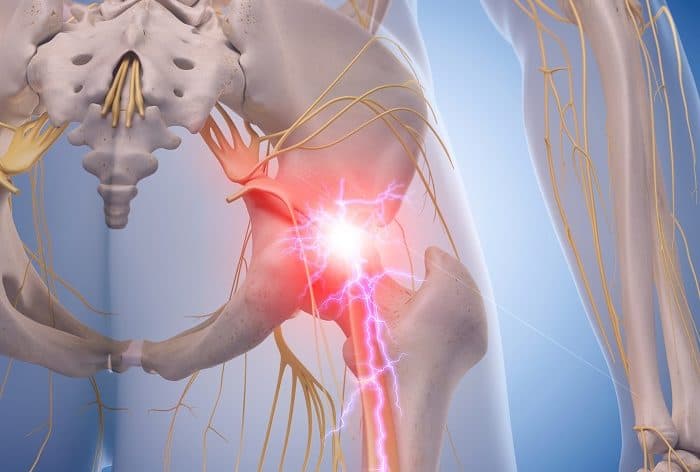
Sciatica is pain that can be accompanied by numbness, tingling and occasionally weakness along the course of the sciatic nerve. The sciatic nerve is the thickest in the body and is formed from nerve roots exiting the spine, and extend into the buttocks and down the back of the legs to the toes. Common causes of sciatica along with non-surgical treatment options are presented by a chiropractor and a physical therapist.
Causes of Sciatica and Non-Surgical Care
Compressed Lumbar Disc also called lumbar radiculopathy
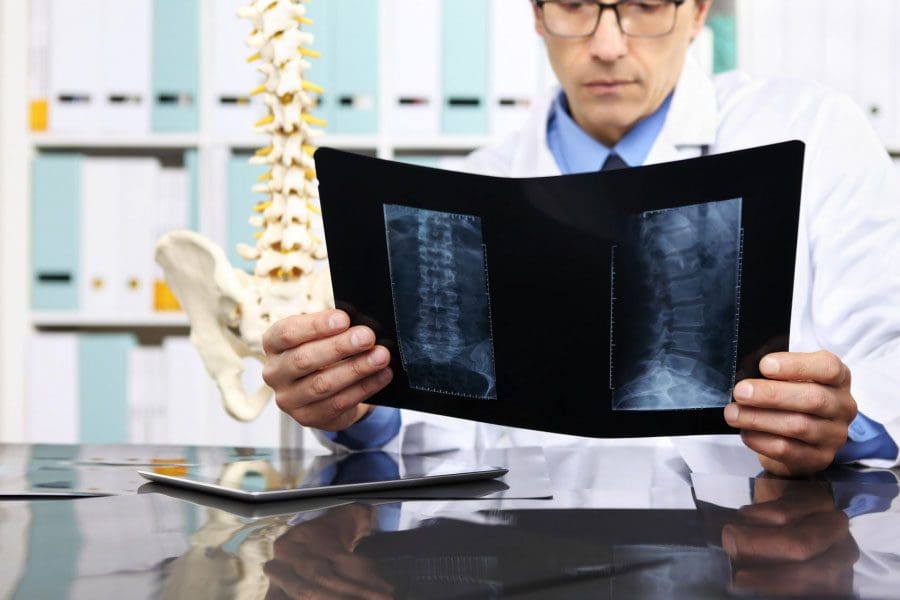
Probably one of the most common causes of sciatica that I treat. About 90% of patients have a positive response to alternative/conservative treatment. I use x-rays as a guide to follow where the nerve is compressed and where the best manipulation areas are for me to adjust. Spinal manipulation is a very safe procedure and most cases will heal without surgery.
Dr. Alex Jimenez D.C. and a practicing physical therapist� �Combined with chiropractic treatment and massage, we may use a topical steroid combined with electric stimulation or ultrasound to adjust/release the area where the nerve is compressed.”
Lumbar traction is also used to reduce the size of the disc herniation and combine this with exercises, which are customized to the patient. Extending back and flexing exercises are also incorporated into the treatment plan and each is made specific to the patient. Patients may experience muscle spasms or joint stiffness, which is also relieved by massage therapy and joint mobilizations. Patients could also be trained on Kinesio tape application to relieve pressure and relax muscles.
Remember that strengthening the core is the key to reduce the risk of worsening the injury and getting new ones.
Lumbar Spinal Stenosis
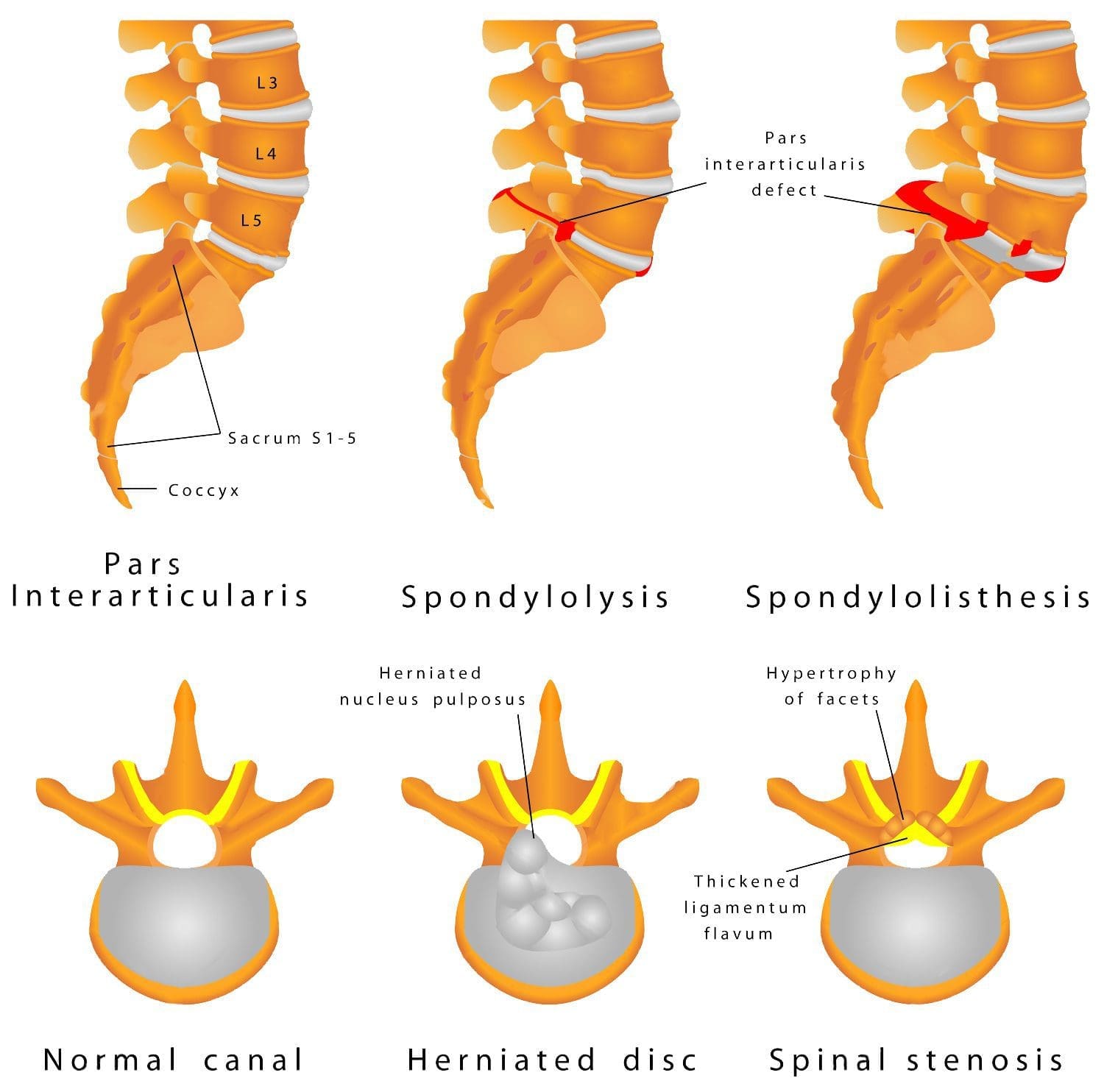
This is a condition that can be difficult to treat because of the mechanical nature of the compression on the nerves. The cause is often a combination of osteoarthritis, disc bulging and spinal holes that have narrowed�called neuroforamen. Physical therapy consists of traction, stretching, exercises, and chiropractic to lessen pain and inflammation.
Spondylolisthesis
This condition can be caused by trauma or degeneration of the spine. Conservative care is highly beneficial.
Extending the spine can worsen symptoms, therefore flexion-based exercises are what we recommend. Therapeutic exercises are utilized for abdominal strengthening and core stabilization. We get the patient to increase hip extension to reduce stress on the lumbar spine.� Manual therapies can also be used to control inflammation and alleviate muscle tightness or spasms.
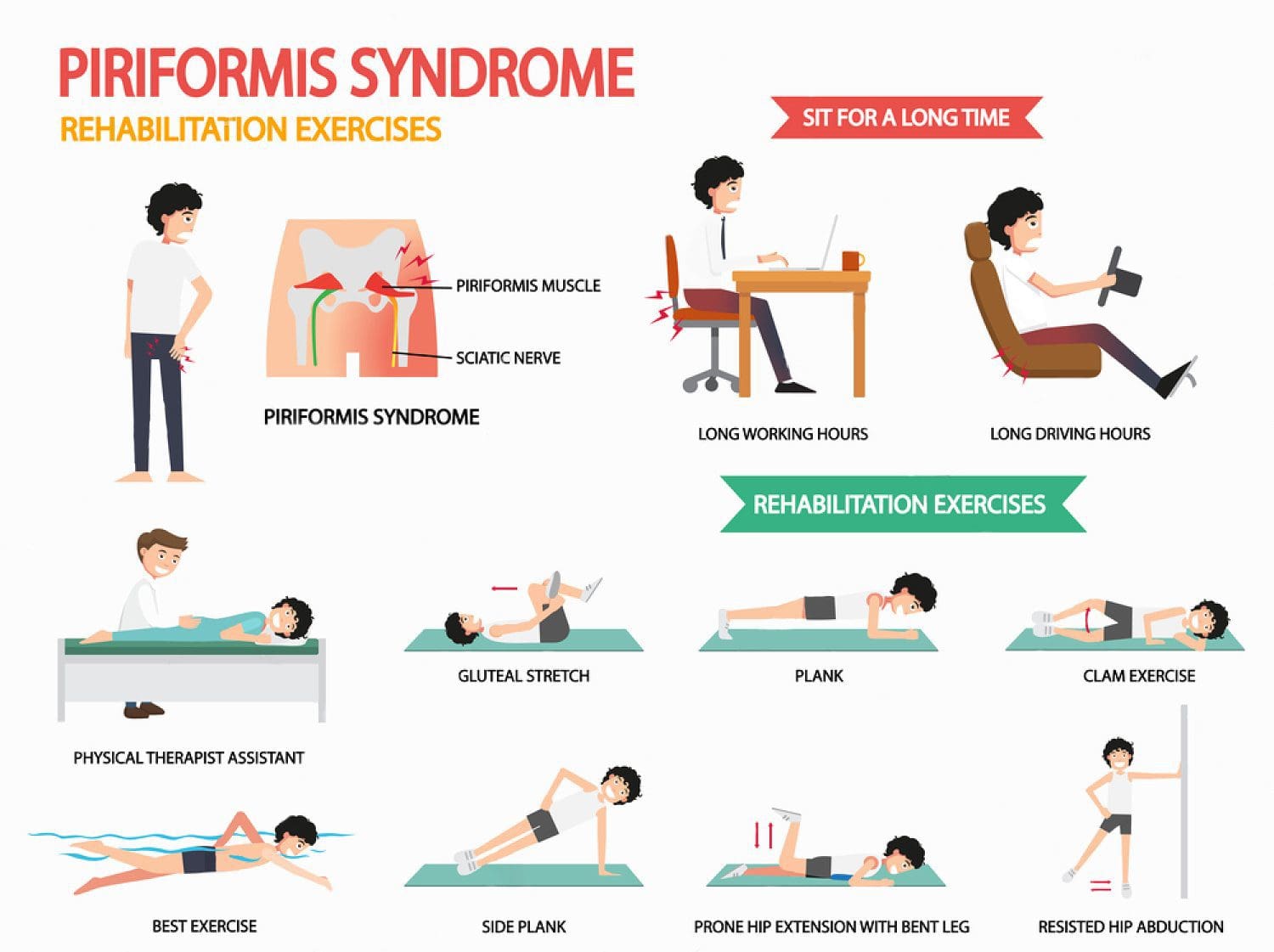
Piriformis Syndrome
Piriformis syndrome also responds positively to conservative treatment. We look for the main cause when we see piriformis syndrome. This type of injury happens when a patient has a job or play a sport where they shorten and overuse the muscle.
We create a custom treatment/exercise program based on what is found structurally. Most of the time the piriformis muscle gets over-used because the hips are weak, so strengthening the hips and the core is key. Sciatic nerve mobilization can also help increase�sciatic nerve mobility. This can be achieved with instrument-assisted soft tissue mobilization/Graston technique along with deep tissue massage will get optimal results.
Pregnancy
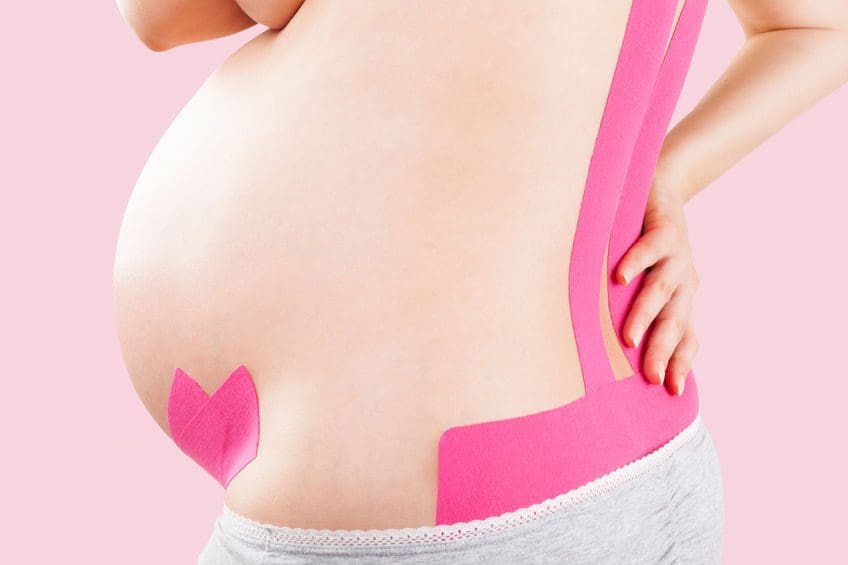
Sciatic symptoms often do present in pregnant women, which can make the pregnancy miserable. Our goal is to reduce symptoms and restore normal function with gentle exercise, massage, and hot/cold therapy.
The pelvic girdle is what we focus on, along with core stabilization, and Kinesio tape application to stabilize the girdle because of ligamentous laxity or loosening of the hips.
Trauma
Any kind of trauma that hits the gluteal area can become inflamed and spasm and bind around the sciatic nerve. We focus on relieving the pain and inflammation with manual therapies, and gentle exercises. These are based on what is found from the examination and how intense/extensive the trauma was.
Light spinal mobilization and massage have been proven to activate the body’s natural painkillers to alleviate and release the tight muscles. More rigorous exercises are brought in to the treatment plan as the patient gets stronger. These will strengthen their core and get them back to regular activities, job, and their sport.
*Effective Non-Surgical Treatment* for Sciatic Nerve Pain| El Paso, Tx
NCBI Resources
You may be suffering from�sciatica if you have ever experienced a shooting, nerve-like pain down one of your legs. The sciatic nerve can be impacted by a number of different things, including injury and degenerative diseases, that can lead to sciatica. Fortunately, chiropractic can be an effective non-surgical treatment for sciatica.
A car accident can easily damage the spine and soft tissues. An auto accident may cause a misalignment of the spine, a herniated disc, or other injuries that cause symptoms of sciatica.
Certain jobs or�daily�activities require us to do the same action over and over again. It can be enjoyable but these repetitive movements can cause serious injury to the body. Most affected are the:
Hands
Wrists
Elbows
Shoulders
Neck
Back
These injuries are quite common in the United States and are referred to as Repetitive Motion Disorders (RMDs).
Repetitive Motion Disorders
Repetitive motion disorders are musculoskeletal conditions caused by movements/motions done over and over. RMDs can be caused by:
Muscle/ligament friction from unnatural or awkward motions like twisting the arm, wrist, hands or other areas of the body where repeated motions are used.
Incorrect posture/positioning when doing these movements.
Overdoing it, either trying to go faster or with added strength that really strains the muscles.
RMD’s cause symptoms because of muscle fatigue, inflammation, and swelling or compression of the nerve’s tissues. Examples include:
Carpal tunnel syndrome happens when the tunnel of bones and ligaments in the wrist begin to pinch the nerves in the fingers and the muscles around the thumb.
Bursitis is inflammation of the bursa that’s between the tendon and skin, or between a tendon and bone/s.
Tendonitis�is inflammation, irritation, and swelling of a tendon/s.
Epicondylitis (elbow pain) is inflammation, soreness, and pain on the outside of the upper arm around the elbow.
Ganglion cyst occurs when tissues surrounding specific joints get inflamed and swell up with fluid.
Tenosynovitis happens when the lining of the sheath that surrounds a tendon gets inflamed.
Trigger finger can be a painful or painless clicking, snapping, or locking of a finger/s.
All of the above conditions can be caused by other means and not repetitive movement/s.
RMD Work Risk
Jobs vary all over, but if repetitive movements are how the job gets done those individuals have a higher risk to get a repetitive motion disorder. There are professions and activities that increase the risk that include:
Assembly/factory linework
Carpentry
Computer work like typing, digital/graphic design where a digital pad/pen and mouse are the main tools that have to keep moving
Pain, soreness, pinching and stiffness in the fingers, hands, wrists, forearms, elbows, shoulders, neck and back
Tingling or numbness.
Swelling or redness around the area.
Loss of flexibility and strength.
There could be no visible sign of injury or pain, but individuals find that the normal and easy tasks they’re used to become more and more difficult to do.
Injuries that are caused by repetitive movements often develop gradually. This is the time when the symptoms are mild and come and go, so the individual just works through it and doesn’t think about it. It’s not until the symptoms get very painful and debilitating that the individual realizes that something is wrong, and then they seek medical attention. Don’t wait, as soon as you feel a tingle, slight pinch, or a little soreness and you feel that it stems from your work’s repetitive movements, get in touch with a doctor or chiropractor before it becomes excruciating.
*BEST* Heel Spurs Treatment | El Paso, Tx (2020)
NCBI Resources
Safely Operating Tools that Cause Whole-Body Vibration
There are power tools that vibrate no matter what and�transmit vibration into the operator�s arms and hands, legs, and feet.�Using a tool like this can cause a condition called white finger or�Raynaud�s Phenomenon�to present.
The symptoms include:
Aching in the wrists and muscles of the forearm
Tingling sensations
Numbness
Whiteness in the fingers from restricted circulation
This type of vibration from riveting tools, grinders, pneumatic hammers, drills, and chain saws will affect the whole body�s well being.
IFM's Find A Practitioner tool is the largest referral network in Functional Medicine, created to help patients locate Functional Medicine practitioners anywhere in the world. IFM Certified Practitioners are listed first in the search results, given their extensive education in Functional Medicine