There are a variety of products and gadgets that claim to provide quick fast acting back pain relief. Here is a little information about which deliver and hold up to their claims. Back pain stops us in our tracks and we want relief fast. Other than taking pain meds, most of us want a way to achieve natural relief. That’s where back pain products and gadgets come into the picture.
For the most part, a lot of the gadgets online, even expensive ones don�t necessarily provide the back pain relief that most of us are expecting. This means they don’t remove the pain completely and life goes back to normal. These are made for temporarily relieving pain when symptoms present and through consistent use to strengthen, lengthen,� and stretch out the sore muscles, ligaments, tendons, etc, in a preventative fashion.
We are not knocking these products/gadgets, as we use these ourselves. But remember these are tools that are made to help out with back pain conditions, just like the tools chiropractors, physical therapists, massage therapists utilize in their practices. That being said this article is to help you make wise decisions about which back pain gadgets can help.
Posture Training/Trainers
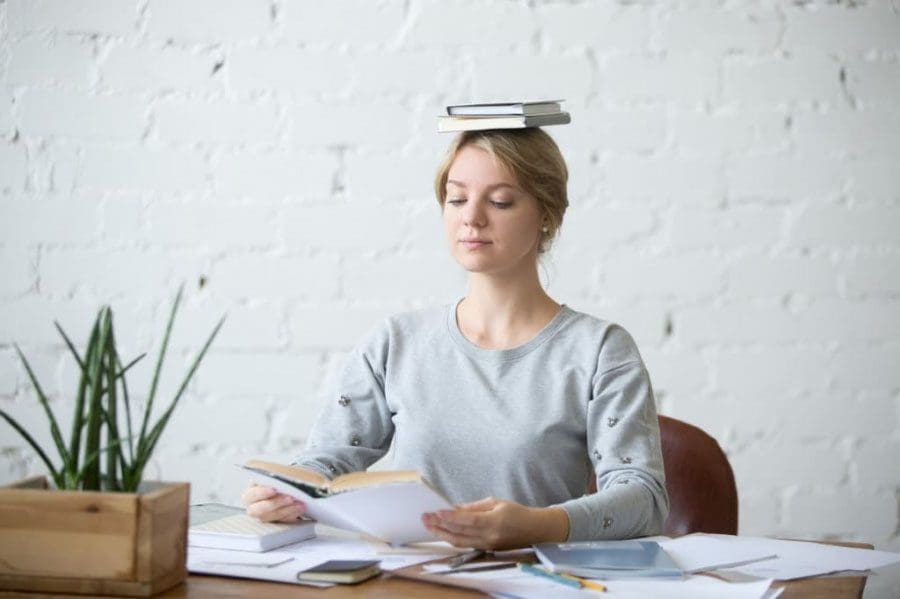
These are wearable sensors that vibrate when you begin to slouch, sway forward, hunch over, etc. The pain-relief claims that slouching puts a strain on your spine and that improving posture will help prevent strain and pain.
While this is true what the experts thought about this product was that, while it does help maintain proper posture it is not meant to relieve immediate pain, but rather to re-train your body in maintaining good posture. Therefore pass on this product if your goal is back pain relief.
Slouching places added stress on�the lower back that leads to strains and back pain. These devices can be helpful, just be aware to not hold yourself in an abnormal position causing more problems.
If poor posture contributes to your back pain, try these:
Exercise, specifically movements that strengthen the core
Wear comfortable shoes with low heels
Foot orthotics
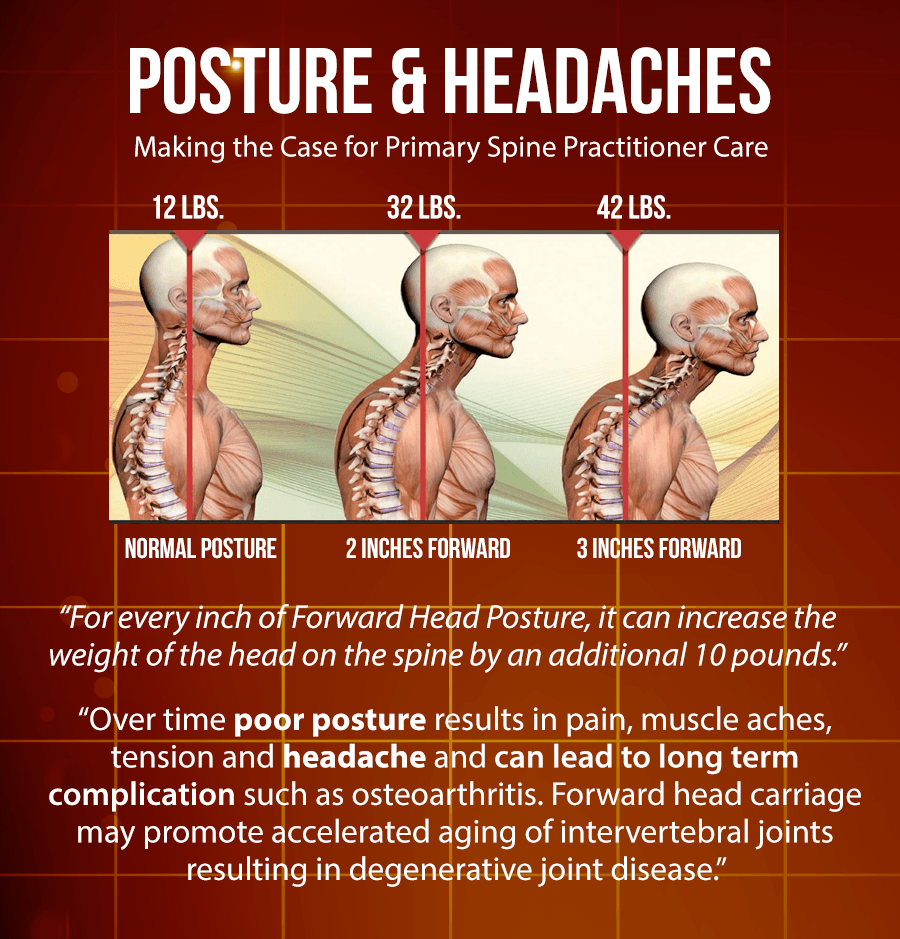
Balance make sure your head is not too forward
Dr. Jimenez adds that if you exhibit constant poor posture, consult a spine doctor or chiropractor to see if it is a structural issue.
Transcutaneous Electrical Stimulation
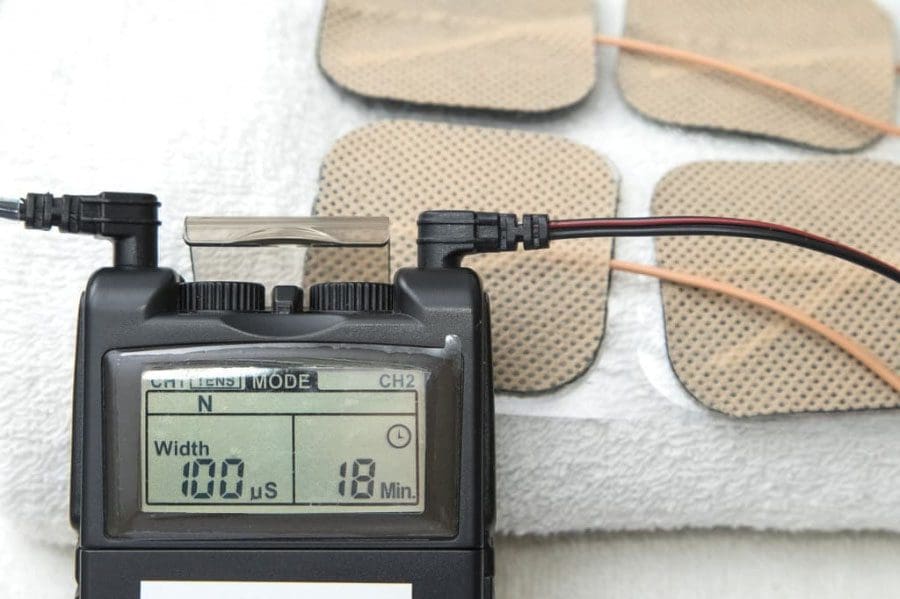
The QUELL�TENS transcutaneous electrical stimulation is a new brand unit that is worn on the calf. The pain-relief claims that it sends out safe electrical pulses that trigger the body’s natural pain relief response. The QUELL can help and is just like most other TENS units.
These units activate opioid nerve receptors, which is one of the reasons they provide pain relief. You can get them for under $50 at drug stores and online. Instead of being applied directly to the sore areas,�it’s worn on the calf and operates on the same TENS principle.� The cost currently is around $300. However, with any TENS unit, be aware that there can be a�relief tolerance that builds up and eventually might not work anymore. TENS units work well, but they�re best used in a physical therapist�s/chiropractic clinic because individuals can become habitually used to them.
Percussive Massager/s
This is a handheld massager that generates pulses of deep pressure along with strong vibrations to loosen and release tight areas. The pain-relief claims that it is similar to a deep tissue massage. These work and do help ease pain symptoms, but are not like a real therapeutic massage. There is limited research on these products but most state that percussive/vibrating massage tools, that can cost hundreds of dollars, could be a little better than a traditional massage for relieving muscle soreness. This has yet to be determined.
High-force massagers could exacerbate or cause further/new injury/s other than muscle soreness when used by untrained individuals. However, in a professional clinic setting research suggests that high vibration applied to the back is an effective physical therapy for low-back pain.
Low-Level Laser Therapy
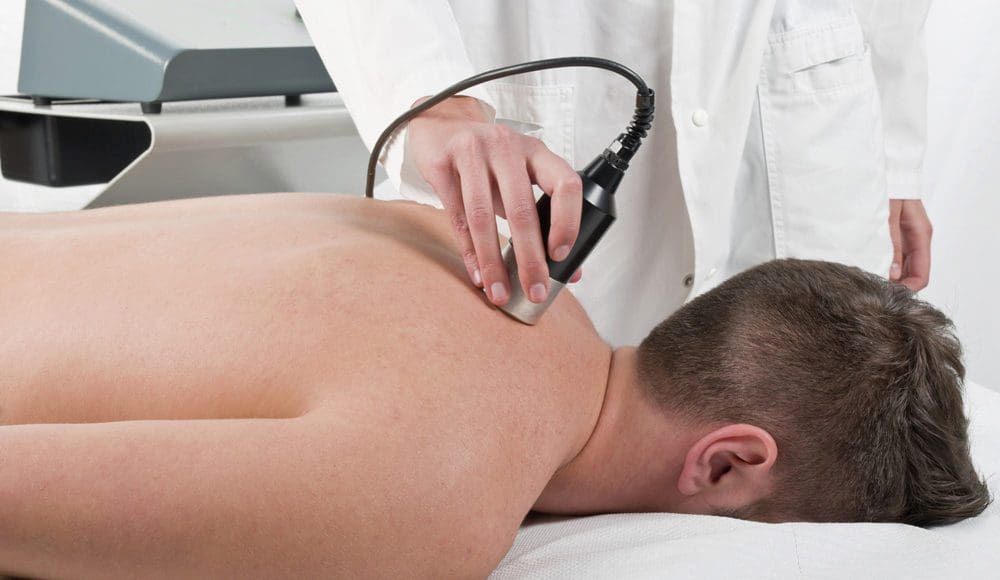
Low-intensity light therapy is used in treating neuropathy pain. The principal is that it triggers biochemical changes in the cells. The pain-relief claims that it reduces inflammation alleviates pain and promotes healing. There is not a great deal of evidence that it helps back pain, but that is only because there is not enough research yet. It doesn�t mean you won�t benefit from it. Laser therapy, which is sometimes utilized in physical therapy and chiropractic clinics, can provide relief for a range of conditions, and this includes back pain.
Simple Massage Tools
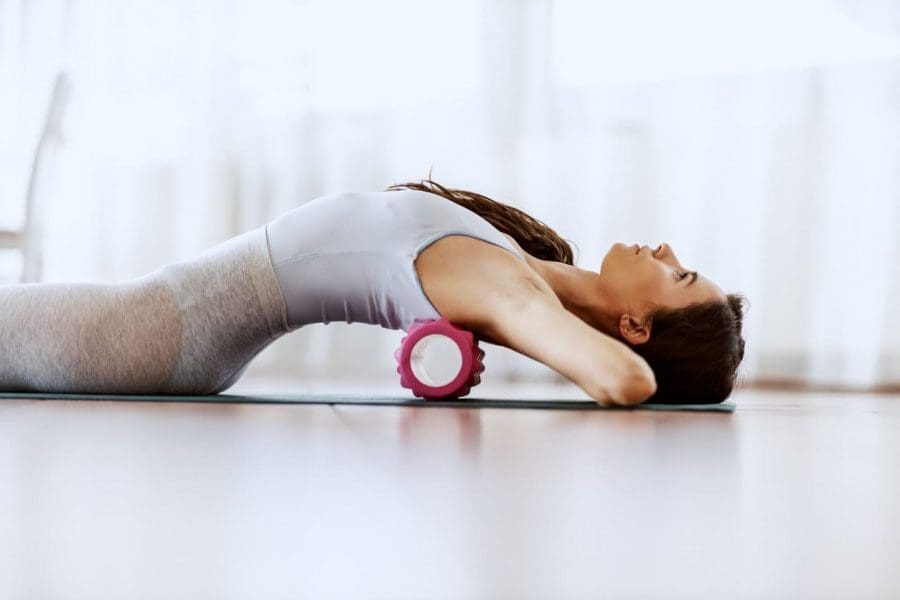
These consist of foam rollers, lacrosse balls, wraps, massage pads, and handheld muscle rollers. The pain-relief claims that they provide mini-massages for sore muscles. These work and can help when used correctly.
These products do not have a great deal of published material on the benefits of these tools. But physical therapists have recommended using these tools along with professional chiropractic/physical therapy. These low-tech massage tools can make your back feel better. They are effective for muscle spasms, are gentle to the soft tissues and improve blood flow circulation with very little risk of tissue damage.
Exercise balls can be included in exercise programs that function in extension and flexion postures. Sitting on them to safely engage and strengthen the core muscles is an added benefit and they are great for maintaining proper posture.
As we have transitioned to the spring season, especially with everything going on, most of us are taking on a DIY project or two along with spring cleaning around the house. You definitely want to avoid back pain and for sure back injury at any cost. The aim is to balance spring cleaning and spine safety while performing out-of-the-ordinary chores. Here is a little what to do’s and don’ts.
Spring Cleaning
What to do
Stand up straight and learn to practice proper posture. Stand in a way where your back is less prone to injury.
No matter what task you are performing, keep your spine in line and constantly check on how you’re standing, reaching and lifting.
Lift with your legs, not with your back. Avoid bending at the waist and straightening out, this is a bad habit and could be a set up for injury. You could slip a disc, tear a muscle, or sustain other injuries to the spine. No matter what you’re lifting, bend your knees and keep your back straight to avoid injury.
Maintain healthy body weight. While cleaning up the house, consider cleaning out the pantry and refrigerator. Carrying too much weight puts added and possibly dangerous pressure on the spine. This could mean that the added weight pulls your spine in all directions because of weak back/core muscles trying to keep the structure in line. Losing excess weight can help ease tension on the back and improve overall health.�
Strengthen the core muscles. Incorporatecore-strengthening exercises into your day. With strong abdominal and back muscles, the core supports your spine, keeping it aligned and healthy.
Get plenty of calcium-rich foods, like low-fat milk and cheese, almonds, black beans, and broccoli. Give your refrigerator a makeover with better foods for spine health. The spine needs healthy muscles to support it. Strong bones mean less risk of a spinal fracture if you suffer a slip and fall accident.
What not to do
Clear the air and stop smoking. Not only is smoking bad for the heart and lungs, but it is also bad for the spine. Nicotine decreases the discs ability to absorb nutrients to maintain the spine’s proper function. Weakening the vertebrae increases the risk of a herniated disc or other spine injury/s. Nicotine interferes with the healing process, meaning that recovery time is slower.
Over exert yourself. Taking on too much or trying to power through without proper breaks can lead to injury, as well as other health problems.
Over-reaching. Trying to clean that out of reach spot overstrains your back, and can definitely lead to injury/strain/sprain.
Use improper equipment. Using the wrong equipment/tool can be dangerous and raises the chance of injury.
Don’t take on large projects without warming up and stretching. When the body’s spine muscles are not used to certain physical activities they can spasm and lead to sprain/strain and back pain.
Don’t put your body in awkward positions when cleaning, etc. Change your posture frequently to keep all the spinal muscles moving and active. If an awkward position presents, stop and find a comfortable position to work from, ensuring spine safety.
Back Pain
All of these words can be used to describe back pain.
Achy
Dull
Excruciating
Sharp
Throbbing
Back pain is a common occurrence and when spring cleaning, if not using proper form and making wise decisions it can exacerbate the pain or create new injuries. The American Chiropractic Association says that back pain is the single leading cause of disability worldwide.
Treatment�
Back pain usually heals on its own. A few days of over-the-counter pain meds, ice, and rest bring the back/spine to normal.�For those that have to deal with the pain after a few weeks’ might want to opt for other solutions. This is true for individuals who experience repeated flare-ups, or chronic lower back pain.�One of the best options is chiropractic.
Chiropractic doesn’t focus only on the symptoms but helps kick in the body’s natural healing abilities. Chiropractors understand the:
Bones
Muscles
Discs
Nerves
They are able to determine the reason for the pain. Once diagnosed they can create a customized treatment plan that can range from compresses, spinal manipulation and exercises that helps heal the area and reduce the pain.
Medication-free solution
The natural healing, restorative approach that chiropractic treatment offers instead of pain meds, which just dull the pain is one of the primary reasons individuals flock to chiropractic. Each individual’s treatment varies according to Spine-Universe. As treatment progresses spinal alignment begins to balance the rest of the body and helps correct the issue causing the pain. Spinal manipulation improves mobility and function.
Chiropractic for back pain
Patients who experience lower back pain obviously never want to deal with it again, but�it can flare up periodically. According to the National Institute of Neurological Disorders and Stroke, roughly 20% of those who suffer from low back pain will eventually deal with it chronically. This can cause frustration, especially when it affects mobility.
Those who choose chiropractic are privy to treatment that:
Reduces pain
Increases healing
Shortens downtime
Lessens chances of recurrence
If over the counter medication and ice packs haven’t worked, it could be time to make an appointment with a licensed chiropractor. Spring is a great time to introduce yourself to new activities to keep you and your family busy and healthy. With some preparation and attention to detail spring cleaning can be productive and safe.
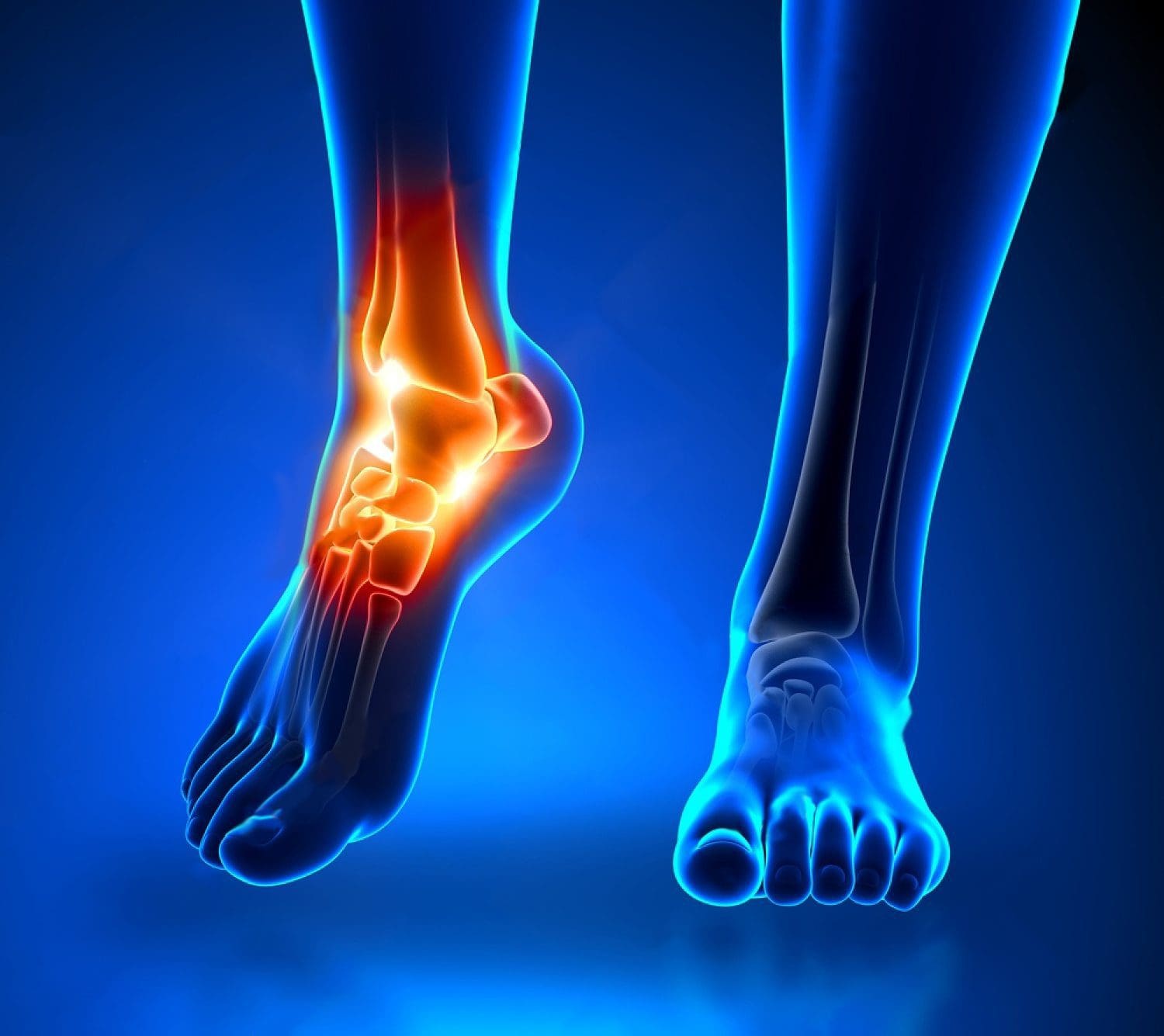
In the United States, ankle�injury/s like�ankle sprains and strains�happen to�people every day.�Around 50 percent of ankle injuries are�misdiagnosed, and not treated correctly, which can lead to disability or chronic ankle pain. An ankle that is not functioning properly affects the whole body. The muscles on either side of the leg and underneath the foot can present with soreness and pain.
This can lead to:
Loss of mobility
Uneven walking gait
Hip pain
Back pain
Ankle Anatomy
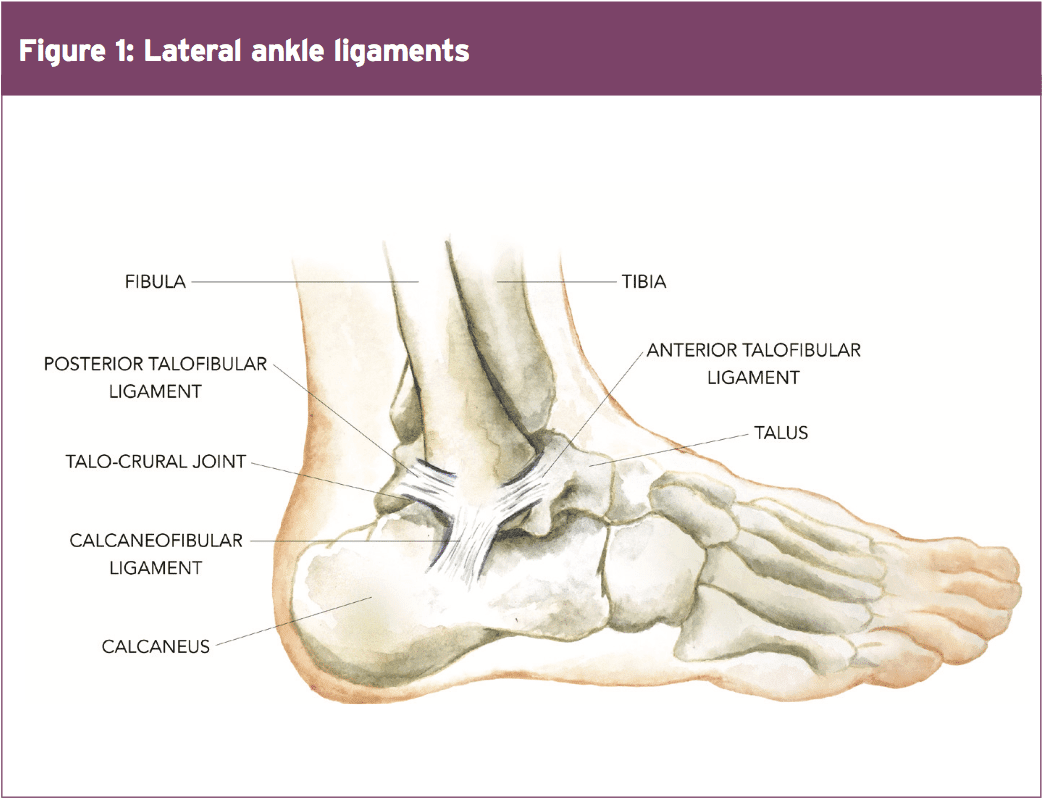
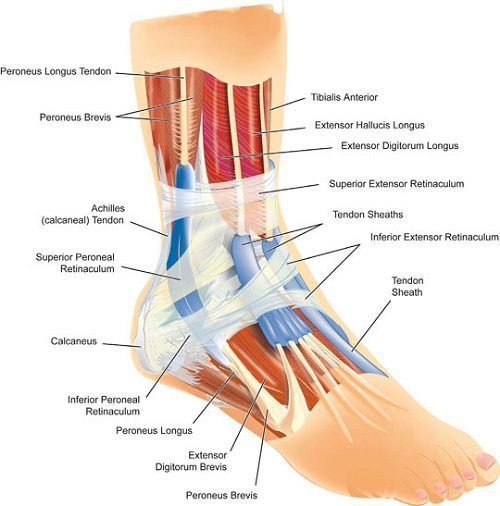
Three bones are connected to the ankle joint. The lower ends of the shinbone and the lower leg small bone meet to form a socket that the ankle bone sits in. The bottom of the talus rests on the heel bone.
There is around an inch-thick lining of soft cartilage inside the joint. This provides shock absorption for the body’s weight. It is so tough and durable provided there is no injury, it lasts for life. The bones are held together with ligaments and the muscles are attached to the bones by the tendons.
The standard treatment for ankle pain is R.I.C.E., which means rest, ice, compression, and elevation. Depending on the injury type there is an updated treatment approach that replaces the R with an M, where instead of resting, movement is the more beneficial treatment. This is done to keep the muscles, tendons, and ligaments from swelling, whereas resting would have allowed swelling to set in, thus extending recovery time.
There are certain types of ankle injuries that can be exacerbated by movement so only when it is deemed appropriate, otherwise stick with the rest. Other types of treatment include different techniques of pain control from ibuprofen to prescription meds.
When it comes to severe injuries, like a torn ligament, these could require surgical treatment. X-rays and MRIs are utilized to see if there is an injury and to determine the extent of the injury.
Physical Therapy/Chiropractic
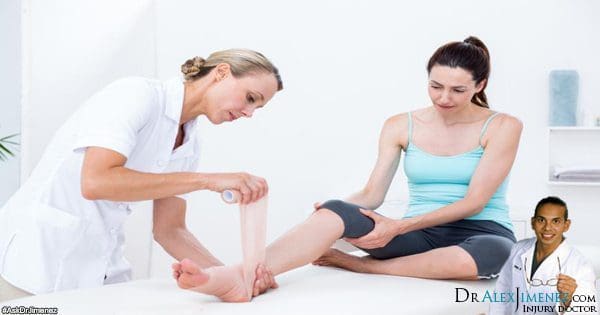
A chiropractor will assess the individual’s source of pain and determine the cause. They will use all the tools available. This includes x-rays, MRI, CT scans, and other diagnostic tools to help them determine the best treatment protocol.
When an ankle injury is new and inflammation has set in along with tenderness, treatment can include:
This is in addition to rest, ice, compression and elevation. As the ankle heals, the inflammation reduces and becomes more stable, ankle adjustments and foot adjustments could be introduced.
Chiropractic can reduce pain without prescription medication and any associated side effects. This is one of the reasons individuals gravitate towards chiropractic. Regular chiropractic can strengthen the ankle, increase its stability and increase mobility and flexibility.
Nerves and soft tissues can also become damaged. Chiropractic therapy promotes blood flow. This speeds the healing process and reduces the chance of further injury. The whole-body approach that chiropractic embraces also deals with a proper diet and a healthy lifestyle like losing weight and exercise. Chiropractic is a very effective therapy for treating ankle pain and injury/s. It is a non-invasive, natural approach to healing that allows and trains the body to heal itself.
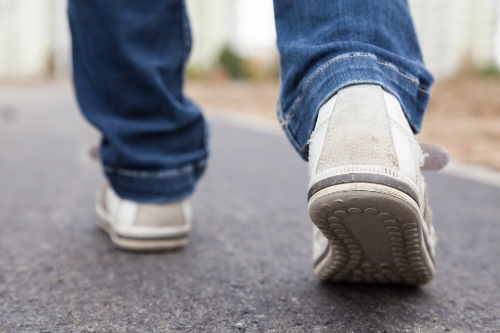
The way a person walks is known as gait. A problem with gait can indicate pain in a patient as well as serious conditions like diabetes and arthritis. An individual’s gait can be very telling revealing problems in the:
It is a diagnostic tool for a variety of conditions, injuries, and syndromes including autism. When it comes to chiropractic, an individual’s gait can offer important information regarding the root of the complaints, allowing for a more well-rounded, whole-body approach. If you think that the way you walk or moves does not matter, think again, as it could save you from developing back problems in the long run.
Gait Analysis
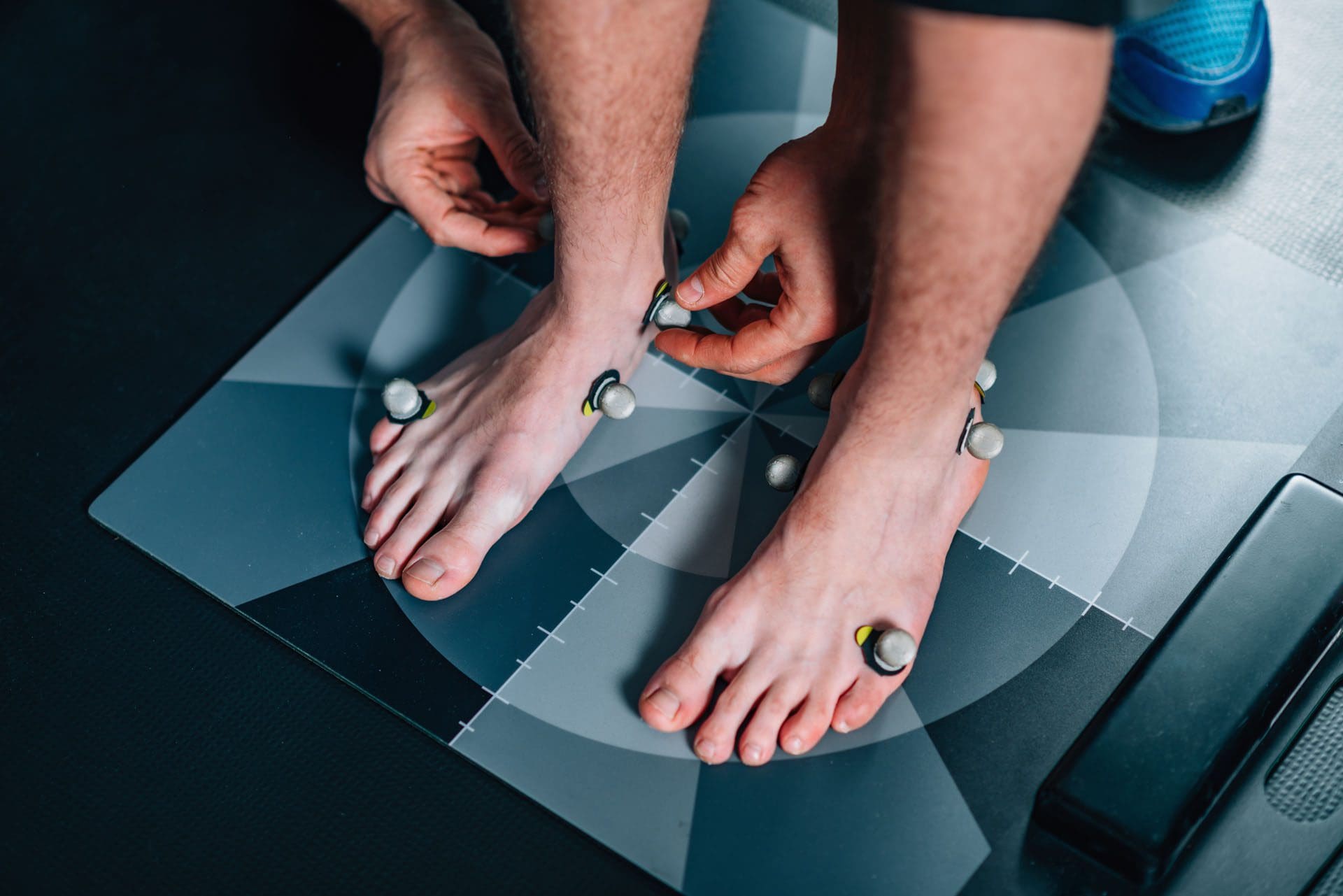
Gait analysis consists of a set of tests designed to provide a comprehensive evaluation of an individual’s gait. It is a study of human movement/motion that involves observing the individual and using specialized instruments that measure body movements, muscle activity, and body mechanics.
It is an assessment tool to provide insight into creating a treatment plan for people who have conditions or injuries that affect their ability to walk. It is utilized in sports biomechanics to help athletes gain optimal movement and for identifying problems with movement or posture, especially those with injuries. During the analysis, the individual may be asked to walk in a certain pattern or on a treadmill, that is usually connected to a computer, while the chiropractor/therapist looks at them from different angles.
Cameras are placed at different points to capture various views/perspectives including the front, back, and sides. The individual might have markers placed at certain points on the body like the knee, ankle, pelvis, etc. As the person moves, the computer captures data of the movement with a three-dimensional calculation of each marker. It generates a model to assess the movement of the skeletal structure, resulting in a detailed analysis of each joint�s movement.
Factors that Affect Gait
There are factors that affect an individual’s gait and that information is necessary for the analysis to be accurate. Age, gender, height, and weight of the individual is vital because men and women move differently and as individual age their body structure changes. Excess weight or physique can affect an individual’s posture and gait.
Shoes or not wearing shoes will also affect gait, as the terrain individuals walk on, and articles they carry, like a purse or backpack, changes how we walk. Other factors include:
Body proportion
State of mind
Emotions
Stress level
Personality type
Pathological factors such as
Neurological diseases
Psychiatric disorders
Trauma
Musculoskeletal issues
This is also measured and factored into the analysis data that includes the patients:
Length of stride
Cadence
Hip angle
Foot angle
Step length
Walking
Motion speed
Advantages of a Gait Analysis
Getting a gait analysis can be very helpful because it can provide invaluable insight into how your body is aligned and how it moves. It is a great diagnostic tool for identifying health issues related to the gait, spine, and feet and can also help provide early detection of health issues before the onset of symptoms.
If your chiropractor recommends you get a gait analysis it could be they suspect that something is going on, or it could mean they want a more thorough examination to provide optimal care. If you have any concerns talk with your chiropractor and ask them any questions that you have prior to the analysis, as stress and anxiety can put tension on the muscles and body, thus affecting the results.
Reduce Excessive Foot Pronation with Custom Foot Orthotics
Headaches can be detrimental to a high quality of life.� Especially, migraine and tension headaches.�Some deal with them on a weekly, or even daily, basis.�They can range from minor to life-changing afflictions. There are various causes, symptoms, and treatment options. The first step in treating headaches is understanding the type of headache it is.
Some people think they have a migraine, when in fact, they are suffering from a tension headache. Tension headaches are more common. But the Migraine Research Foundation found that 1 in 4 U.S. households include someone that suffers from migraines. Determining what type of headache can take some research.
Here are some things to think about to determine if the headache is a migraine or a tension headache.
Headache/s origin
According to the Mayo Clinic, migraines often begin in adolescence or early adulthood. Tension headaches can start at any time in an individual’s life.� An adult just beginning to have recurring headaches means that they are most likely tension headaches.
Where is the pain located
Migraines usually happen on one side of the head. Tension headaches can affect both sides of the head and can produce intense pressure on the forehead. The location of the pain can be a key indicator of the type of headache.
Describe the pain
If it is a dull pain, with pressure, and tenderness around the scalp, this could mean a tension headache. If the pain is throbbing or pulsing pain, it could be a migraine. Both headaches can present intense pain, just different types of pain.
Other symptoms
Migraines often come with symptoms beyond head pain.
Nausea
Light sensitivity
Sound sensitivity
Seeing bright flashing/sparkling lights
A sensation of Pins and needles in one or both arms
Dizziness
Individuals not experiencing any of these symptoms are more than likely dealing with a tension headache.
Functionality
Those with tension headaches can still perform jobs, drive, read, and operate through daily life even though it can be painful and frustrating. Migraines are very different. Lying down in a dark, quiet room with an eye mask on until the headache passes is how many handle their migraines. If the headache disrupts your life it is more than likely a migraine.
Over the counter pain killers
Tension headaches can usually be relieved with over-the-counter pain meds. However,�this type of treatment does not work for migraines. When a migraine shifts into full force, the individual has to go through it. Headaches that respond well to nonprescription pain killers means it’s a tension headache. The majority will at some point deal with a headache.
Although tension headaches are more common that doesn’t rule out the possibility of the headache being a migraine. Just a little insight as to the type of headache that is presenting, and some proactive treatments. No matter the type of headache, if the pain is severe, or starts up after a head injury, seek medical treatment.
When dealing with back pain, it’s not just the pain that has to be dealt with. It is stress, anxiety, and depression that can make coping even harder. Learn how to manage pain and mental health. Dealing with chronic back pain is difficult for anyone.
All-around mental distress can exacerbate pain and worsen the stress you are already experiencing creating a vicious cycle. There are treatments available for mental health and chronic back pain that can help get a handle on both at the same time. What you should know about the connection, along with the therapies that can help.
Dealing with Chronic Back Pain and Mental Health
Back pain is very common and it is estimated that about 90% of Americans will experience back pain. A small portion will develop chronic back pain or pain that continues more than 12 weeks. Chronic back pain can be caused by a variety of medical problems. Injuries to illness are all are pathways to chronic pain. Pain is different for everyone, depending on the cause, the area affected and the individual. For some, the pain might feel like a mild, persistent ache. While others, the pain could be a continual throbbing.
One factor of chronic back pain is the emotional response that happens when it presents. If you stress or fixate on the pain, you are perceiving it to be much worse. This can lead to more stress, and:
Anxiety
Appetite changes
Depression
Fatigue
Mood swings
Sleep issues
These problems then feedback into the pain and together significantly affect relationships, work, ability to function and your quality of life. The single step to take is to reach out to a doctor. They can check for mental health issues, begin treatment for your psychological/physical issues and refer you to specialists.
Therapy
There are many approaches to treating chronic back pain and the psychological issues that come with it. Not every treatment regimen works for everybody. The best approach is usually a combination of techniques. Psychotherapy, specifically the talking therapy can help treat both physical and emotional pain. One of the most-researched forms is cognitive-behavioral therapy (CBT).
During a session, you learn how to identify negative reactions and work to change them into positive thoughts and actions. The idea is to alter the initial response to better manage how the pain affects you. This therapy is directed by a therapist and can be done individually or in a group.
Medication
For many medications are an effective way to manage mental health issues and some can help relieve the pain itself.
While these drugs can be helpful, many can come with side effects. Antidepressants can cause:
Blurry vision
Drowsiness
Dizziness
Bathroom issues
Pain Rehabilitation
Chronic pain rehabilitation programs are another option. With rehab, a team of doctors/physical therapists from different areas of medicine, work together addressing the medical, physical and mental issues that come with the pain. Every treatment program is customized to the patient, and while treatments are usually conducted at a medical clinic, they can also be done online.
Pain rehab includes:
Addressing any underlying conditions
Improving physical function
Reducing reliance on pain medication
Helping you cope with stress, anxiety, and more
Integrative Health
Alternative health approaches can help control back pain and ease the mind. Research has shown that certain alternative practices do work to relieve pain. There is evidence that the following therapies can help reduce chronic back pain, according to the National Center for Complementary and Integrative Health:
Acupuncture
Chiropractic
Low-level laser therapy
Mindfulness-based stress breathing exercises and imagery
Muscle relaxation
Tai chi
Yoga
Other treatments
Electromyography biofeedback is a therapy where low-level electric signals are used to help gain control over muscle movement. Some patients find journaling, massage, prayer and other relaxation techniques to be helpful in coping. Speak with your doctor if you have questions or health issues before beginning complementary treatments.
Lifestyle
A most effective and widely recommended method for relieving stress, anxiety, depression and chronic pain improving physical function is regular exercise and a healthy diet.
Low-impact workouts like:
Stretching
Walking
Swimming
Yoga
These all are helpful for people with chronic back issues. Talk with a doctor about physical exercises that are safe. Proper sleep can help, like poor sleep and sleep deprivation increase stress, which leads to more pain. Adults should go for 7 to 9 hours regularly, according to the National Sleep Foundation. Wake up and go to bed at the same time every night and turn off electronic devices.
Eating healthy can boost mood and help relieve back pain by promoting weight loss. Enjoy complete meals full of lean proteins, whole grains, and vegetables while limiting the intake of processed foods, added sugars, and saturated fats. Avoid excess alcohol and smoking, as both are linked to chronic back pain. Learning and dealing with chronic back pain along with re-searching successful treatment options can be a long and frustrating process. Understanding the condition and cutting yourself plenty of slack can go a long way to helping you feel better.
Reduce stress, reduce pain. Life creates stress, and while some stress can be good, too much causes health problems. Everyone experiences stress. However, now it is becoming a new normal in today�s hectic, fast-paced, high-pressure society. Most individuals equate stress with high blood pressure, heart attacks, or stroke. However, neck and back pain, insomnia, and weight gain can be stress-related, as well. And a lot of stress can make already-existing back/neck pain worse.
73% of individuals report experiencing stress-related psychological symptoms including anxiety and depression. These are not accurate numbers because most do not seek help for their stress issues. Stress symptoms should not be taken lightly. It is important to address the symptoms and find ways to reduce stress. Chiropractic is an effective stress reliever.
Stress
Financial pressures, kids, long work weeks, and medical problems are common anxieties. Prolonged stress can become chronic, which results in muscle tension that can feel stiff, achy and uncomfortable. Stress can develop into neck or back pain.
Stress is the state of:
Emotional
Mental
Pressure
Tension
That results from difficulties, adverse situations, or extremely demanding circumstances. The very nature of stress by definition makes it very subjective. A “stressful” situation for one person might not phase another. This makes it difficult to pin down a precise definition.
More often, the term stress is more often used to describe the set of symptoms that are caused by stress and those symptoms can be as varied as the people who experience them.
Symptoms
Stress symptoms can affect the entire body physically and mentally. Common symptoms include:
Anxiety
Chest pain
Depression
Fatigue
Gastrointestinal problems
Irritability
Lower back pain
Muscle tension
Overeating
Headache
Restlessness
Sleep problems
Unable to focus
Undereating
Health
Technically, stress itself does not have a negative impact on health. Some individuals deal with situations that others would consider to be stressful, yet they never exhibit symptoms. This speaks to the subjective nature of stress. Different people experience different symptoms and are a combination of stress symptoms, how the person handles those symptoms that adversely affect health.
Ultimately, stress symptoms can lead to some very serious conditions including:
Heart disease
Hypertension
Diabetes
Obesity
Cancer/s
Psychologically, it can lead to social withdrawal and social phobias and is directly linked to alcohol and drug abuse.
Tips
These can help you reduce stress, and reduce pain.
Vital Signs
Get a medical checkup if possible through Telemedicine and talk to a doctor/therapist about your stress, along with medical history. Side effects from medications (prescription or over-the-counter), herbal products, or other supplements can cause restlessness, insomnia, and anxiety.
Physical therapy combines pain-relieving non-invasive treatments with therapeutic exercise, posture correction, and preventive body mechanics.
Consider conversational therapy with a stress counselor, psychologist, or support group online.
Get Moving
Yoga and relaxation movements help reduce stress and stretch muscles. Viniyoga blends breathing and movement together to quiet body and mind. These movements are less precise and adapted to a person’s physical condition. Talk to a doctor about trying yoga or other stretches.
Swimming combined with a sauna or steam bathing can relieve stress-induced pain.
Take frequent stretch breaks to loosen up tight neck or back muscles.
Go for short walks at break or lunchtime to get the circulation going.
Learn to Relax
Kick back, put your feet up, and empty your mind of everything.
Wrap an ice pack and hot pack (or hot water bottle) individually in towels. Apply the ice pack for 10 minutes and then the hot pack for 5 minutes. Alternate several times.
Massage, aromatherapy and spa treatments you can do at home.
Aromatic massage oils containing eucalyptus can help ease muscle pain.
Meditation or visualization therapy combines meditation practices that focus on breathing and calming the mind.
Visualization techniques combine imagery with breathing exercises.
Take Control of the Little Things
Break up problems into smaller manageable pieces and work on resolving the easier parts first.
Learn your limits, how to delegate responsibility and not take the entire load on your shoulders so as not to get overwhelmed.
Allow yourself to fail, we all have to fail in order to learn in order to apply what was learned.
Eat and Drink for Life
Make mealtime less stressful. Pick nourishing foods, eat slowly, and savor each other’s company.
Caffeinated coffee, soda, and other drinks do not help reduce stress or promote restful sleep.
Avoid drinking at night because it can make falling and staying asleep a challenge.
Proper sleep or naps can help relieve stress.
Dealing with Stress Is Good for Your Back
We may not be able to control life’s stressors, but don’t let everyday demands interfere with your health. Incorporate exercise, relaxation techniques, and healthy foods to reduce stress and pain and promote stress prevention.
Reduce stress reduce pain with chiropractic
Chiropractic cannot get rid of stress, but it can help relieve stress symptoms. The more stress the body endures, the more sensitive it becomes to pain and physical imbalances. Chiropractic helps by bringing the body back into balance, aligning the spine, and relieving pain.
The simple act of aligning the spine helps relieve stress in the body that you may not even be aware of. The physical stress of a misaligned spine can exacerbate symptoms and make a person more susceptible to stressful stimuli in their environment. Chiropractic helps to improve circulation which is essential in relieving muscle tension and helps shuts down the fight or flight response allowing the body to rest and heal.
IFM's Find A Practitioner tool is the largest referral network in Functional Medicine, created to help patients locate Functional Medicine practitioners anywhere in the world. IFM Certified Practitioners are listed first in the search results, given their extensive education in Functional Medicine