Understand the key aspects of spinal prevention from auto injuries and protect your spine while you travel.
Buckle Up for Safety: Reducing Auto Injuries with Seatbelts and Expert Care
Imagine cruising down the highway, the wind in your hair (or at least through the air vents), feeling as invincible as Herman Munster behind the wheel of the Munster Koach. But even a big, strong guy like Herman knows that one simple click of a seatbelt can make all the difference when the unexpected happens. Motor vehicle accidents (MVAs) are a leading cause of injuries worldwide, and in the United States, millions of people face the consequences of car crashes each year. From minor bumps to life-changing spinal injuries, the impact of these accidents can be profound. Fortunately, seatbelts and expert medical care, like that provided by Dr. Alexander Jimenez in El Paso, can help reduce the toll of these injuries.
In this blog post, we’ll delve into the clinical reasons why seatbelts are essential for preventing auto injuries, examine how these injuries can lead to cervical pain (that pesky neck ache), and highlight the role of chiropractic care in recovery. We’ll also shine a spotlight on Dr. Jimenez, a local hero for personal injury victims, who combines medical expertise with legal know-how to help patients get back on their feet. So, buckle up—let’s take a ride through the world of auto injury prevention and healing, with a touch of humor to keep things light!
The Impact of Auto Injuries
Car accidents happen every day—over 36,000 daily in the U.S., according to the National Safety Council. While many are minor fender-benders, more than 25% result in injuries serious enough to send someone to the emergency room. That’s nearly 3.5 million ER visits annually! Among the most common and troublesome injuries are those to the spine, which includes the cervical (neck), thoracic (mid-back), and lumbar (lower back) regions.
Spinal injuries can range from annoying to life-altering. Here’s a quick rundown of the main culprits:
Whiplash: Picture your head snapping back and forth like a bobblehead doll in a rear-end crash. That’s whiplash, a soft tissue injury that strains neck muscles and ligaments, causing pain and stiffness.
Herniated Discs: The force of a crash can displace the cushiony discs between your vertebrae, leading to pain, numbness, or weakness.
Fractures: High-impact collisions can cause vertebrae to crack or shatter, sometimes requiring surgical intervention.
Spinal Cord Injuries: The most severe injuries can cause partial or complete paralysis, depending on where and how badly the spinal cord is damaged.
These injuries don’t just hurt—they can disrupt your daily life, from missing work to struggling with simple tasks like turning your head. That’s why preventing them, or at least minimizing their severity, is so important.
Seatbelts: Your First Line of Defense
Seatbelts are like the unsung heroes of car safety, quietly saving lives every day. From 1975 to 2017, they’re estimated to have saved 374,276 lives, according to Injury Facts. In 2017 alone, seatbelts saved nearly 15,000 lives in the U.S. (The Zebra). The NHTSA reports that lap and shoulder belts cut the risk of fatal injury for front-seat passengers by 45% and moderate to critical injuries by 50%. That’s a pretty big deal for a simple strap!
But seatbelts aren’t perfect. A study by Rao et al. (2014) found that while three-point seatbelts (the kind with both lap and shoulder straps) reduce overall injury severity and death rates, they’re linked to a higher chance of thoracic and lumbar spine fractures, particularly burst fractures (Spine Journal). In their analysis of 4,572 crash victims from 1996 to 2011, 35.3% of belted occupants had thoracic or lumbar injuries compared to 11.6% of unbelted ones. However, belted folks had lower injury severity scores (25 vs. 29.7) and fatality rates (9% vs. 16.5%).
So, what’s the deal? Seatbelts work by spreading the crash force across your chest and pelvis—strong parts of your body—keeping you from flying out of the car or smashing into the dashboard. This restraint is a lifesaver, but it can put extra pressure on your spine, especially in high-speed crashes. Even so, the trade-off is clear: a possible fracture is far better than a fatal injury or severe brain trauma.
Table 1: Seatbelt Impact on Thoracic and Lumbar Spine Injuries (Rao et al., 2014)
Group
T&L Injury Incidence
Major Injuries
Minor Injuries
Mean ISS
Fatality Rate
Three-Point Belted
35.3% (365/1033)
18.4% (190/1033)
16.9% (175/1033)
25
9% (33/365)
Unbelted
11.6% (158/1360)
5.6% (76/1360)
6% (82/1360)
29.7
16.5% (26/158)
Despite the fracture risk, seatbelts protect against neurologic injuries, which can leave you paralyzed or worse. They also reduce the chance of being ejected from the vehicle, a major cause of death in crashes. So, even if Herman Munster’s neck is as sturdy as a steel beam, he’d still buckle up to avoid a bumpy ride to the hospital!
Why Seatbelts Matter: The Clinical Rationale
Why do doctors and safety experts keep harping on about seatbelts? Because the science backs them up. Seatbelts are the single most effective way to reduce the risk of death and serious injury in a car crash. Here’s why:
Lives Saved
The numbers don’t lie. Seatbelts have been saving lives for decades, with nearly 15,000 people spared in 2018 alone (The Zebra). They prevent nearly 50% of all automobile deaths, and only 1% of belted passengers are ejected during a crash, compared to 75% of those who die after being thrown from the vehicle.
How They Work
Seatbelts are like a trusty sidekick, holding you in place when chaos strikes. During a crash, they lock tight, distributing the force across your chest and hips, which are built to handle it. This keeps your head and neck from slamming into the steering wheel or windshield. Airbags help, too, but they’re designed to work with seatbelts, not replace them. Belted occupants with airbag deployment had even lower injury severity scores (22.9) and fatality rates (5.3%) in the Rao study.
Reducing Severity
Even when injuries occur, seatbelts make them less severe. A BMC Public Health study found that seatbelt use cuts the risk of spinal injuries by 44% (RR = 0.56, 95% CI = 0.37 to 0.84), along with facial and abdominal injuries. While the study noted no significant difference for neck or thoracic injuries, the overall harm reduction is undeniable.
The Catch
Seatbelts aren’t a magic shield. They can cause injuries like bruises, rib fractures, or sternal fractures, especially in high-speed crashes. The Rao study highlighted that three-point belts are linked to burst fractures in the spine, and older or heavier individuals may face extension injuries. But these risks pale in comparison to the alternative—unbelted crashes often lead to catastrophic outcomes like fracture-dislocations or severe organ damage.
So, the clinical takeaway? Seatbelts are your best bet for staying safe, even if they carry a small risk of specific injuries. It’s like choosing a helmet for a bike ride—sure, it might mess up your hair, but it’s better than a trip to the ER!
Cervical Pain: The Whiplash Woes
Now, let’s zoom in on the neck, or cervical spine, which often bears the brunt of auto injuries. If you’ve ever felt like your neck was auditioning for a horror movie after a fender-bender, you might have experienced whiplash. This injury is the poster child for MVAs, especially rear-end collisions, and it’s a major cause of cervical pain.
What Is Whiplash?
Whiplash happens when your head whips back and forth faster than a Munster family dance party. The sudden motion stretches and tears the muscles, ligaments, and tendons in your neck, leading to pain and stiffness. It’s most common in rear-end crashes, where the seat pushes your body forward, but your head lags, snapping backward before jerking forward again (Johns Hopkins Medicine).
A 2005 study cited by Grigory Goldberg, MD, found that 83% of individuals involved in collisions experience whiplash. That’s a lot of sore necks! Even low-speed crashes, as slow as five mph, can cause it, especially if you have a pre-existing neck issue or poor posture in the car (Thompsons Scotland).
Symptoms of Whiplash
Whiplash symptoms can sneak up on you, sometimes not showing up until hours or days after the crash. Common signs include:
Neck pain and stiffness
Headaches, often at the base of the skull
Dizziness or vertigo
Blurred vision
Fatigue
Trouble concentrating or remembering
Sleep problems
Tinnitus (ringing in the ears)
In severe cases, you might feel weakness in your arms or legs, indicating nerve damage. These symptoms can last a few days or, for some unlucky folks, turn into chronic pain known as whiplash-associated disorders (WAD) (Healthline).
Why Seatbelts Don’t Fully Prevent Whiplash
Here’s the tricky part: seatbelts are great at keeping your body in place, but your head is still free to move. In a rear-end crash, the seatbelt holds your torso, but your neck and head can whip around, causing that classic whiplash motion. Some sources, such as Kaizo Health, suggest that seatbelts can even increase the risk of whiplash in mild to moderate crashes by amplifying the force on the neck and chest.
However, this doesn’t mean you should skip the seatbelt. Without one, you’re far more likely to suffer severe injuries, like head trauma or ejection. The key is to pair seatbelt use with other precautions, such as a properly adjusted headrest, which can help catch your head and reduce the risk of whiplash (Consumer Reports).
Other Cervical Injuries
Whiplash isn’t the only neck injury from MVAs. More severe crashes can cause:
Cervical Fractures: Breaks in the cervical vertebrae, often from high-impact collisions, which can pinch nerves and cause pain or tingling (Spine Diagnostic).
Spinal Stenosis: Trauma can narrow the spinal canal, pressing on nerves and causing radiating pain.
Disc Herniations: The force can push cervical discs out of place, leading to arm pain or numbness.
These injuries can have long-term effects, making early diagnosis and treatment critical.
The Road To Recovery- Video
Preventing Auto Injuries: More Than Just Seatbelts
While seatbelts are the MVP of car safety, they’re not the only player on the team. Here are some practical tips to keep you safer on the road:
Wear Your Seatbelt Right
It’s not enough to just buckle up—you’ve got to do it correctly. Here’s how:
Place the lap belt low across your hips, not your stomach.
Position the shoulder belt across your chest, not under your arm or behind your back.
Make sure the belt is snug and not twisted.
For children, use car seats or booster seats until they’re big enough for adult seatbelts, typically around 8 to 12 years old (NHTSA).
A properly worn seatbelt is like Herman Munster’s favorite tie—secure, stylish, and ready for action!
Adjust Your Headrest
Your headrest isn’t just for napping on long drives—it’s a key whiplash preventer. Set it so the top is level with the top of your head and as close as possible to the back of your head (no more than 4 inches away). Newer cars may have “active” headrests that move forward in a crash to catch your head (Chiropractor at Castlebury).
Drive Smart
Safe driving habits can prevent crashes altogether:
Stick to speed limits and traffic rules.
Keep your eyes on the road—no texting or scrolling!
Maintain a safe distance from other cars.
Adjust for weather or road conditions.
Think of it like navigating the Munster mansion—slow and steady avoids the creaky traps!
Choose a Safe Vehicle
Check crash safety ratings from the Insurance Institute for Highway Safety (IIHS). Cars with well-designed headrests and advanced safety features, such as automatic emergency braking, can help lower your risk of injury.
The Role of Immediate Medical Care
Even if you feel fine after a crash, don’t skip the doctor’s visit. Injuries like whiplash or internal damage can hide for days, only to cause trouble later. A StatPearls article notes that post-crash soreness often appears 24 to 72 hours after the accident, and many patients don’t realize their injury severity until the next day.
Seeing a healthcare provider right away can:
Catch hidden injuries with exams or imaging.
Start treatment early to prevent chronic pain.
Document your injuries for insurance or legal claims.
In El Paso, Dr. Alexander Jimenez is a go-to expert for this kind of care, offering a one-stop shop for diagnosis, treatment, and recovery.
Dr. Alexander Jimenez: El Paso’s Injury Expert
When it comes to auto injuries, Dr. Alexander Jimenez is like the Herman Munster of healing—big on expertise and always ready to help. With over 30 years of experience, he’s a dual-licensed Doctor of Chiropractic (DC) and an Advanced Practice Registered Nurse (APRN), specifically a Family Nurse Practitioner-Board Certified (FNP-BC). His practice at El Paso’s Chiropractic Rehabilitation Clinic focuses on treating complex injuries, including those from MVAs.
Who Is Dr. Jimenez?
Dr. Jimenez isn’t just a chiropractor—he’s a functional medicine pioneer, certified by the Institute for Functional Medicine. His dual licensure lets him approach injuries from both a structural (bones and joints) and systemic (overall health) perspective. He’s also a community leader, working with veterans through the Tri-West Program and bringing neuropathy treatments to El Paso via the El Paso Neuropathy Center.
His accolades include being named a Top Rated El Paso Chiropractor from 2015 to 2024 by Three Best Rated® and memberships in the American and Texas Chiropractic Associations. He’s even a former bodybuilding champ, so he knows a thing or two about physical resilience!
How He Helps Auto Injury Patients
Dr. Jimenez employs a holistic, evidence-based approach to treating auto injuries, tailored to each patient’s specific needs. His methods include:
Chiropractic Adjustments: Realigning the spine to relieve pain and improve mobility.
Spinal Decompression Therapy: Gently stretching the spine to ease disc pressure.
Acupuncture and Electro-Acupuncture: Reducing pain and inflammation with targeted needle or electrical stimulation.
Nutritional Counseling: Supporting healing with diet and supplements.
Mind-Body Techniques: Managing stress to aid recovery.
He also utilizes advanced imaging techniques, such as X-rays or MRIs, and diagnostic evaluations to pinpoint injuries. For example, the Objective Spinal Motion Imaging Assessment (OSMIA) system, which measures spinal motion with low-dose fluoroscopy, can help assess damage with high accuracy (RMS error as low as 0.32° for side-bending).
Table 2: OSMIA Calibration Model 1 RMS Errors (degrees)
Condition
Side-bending Optimal
Side-bending Degraded
Flexion-extension Optimal
Flexion-extension Degraded
RMS Error (°)
0.32
0.40
0.52
1.03
This precision ensures patients get the right treatment, whether it’s for whiplash or a spinal fracture.
Personal Injury Cases in El Paso
El Paso sees its share of MVAs, and personal injury cases are common as victims seek compensation for medical bills, lost wages, and pain. Dr. Jimenez stands out in this regard, acting as a bridge between medical care and legal needs. He meticulously documents injuries using advanced diagnostics, which is crucial for insurance claims or lawsuits. His reports align clinical findings with legal standards, helping patients navigate the complex world of personal injury law.
For example, in a typical case, Dr. Jimenez might use OSMIA to measure spinal instability post-crash, then provide a detailed report linking the injury to the accident. This can make or break a claim, as insurance companies often require clear evidence of causation. His dual expertise as a chiropractor and nurse practitioner gives him a unique edge in this role.
Why El Paso Trusts Dr. Jimenez
Dr. Jimenez’s commitment to patient empowerment sets him apart. He educates his patients through webinars, podcasts, and daily blog posts on his website, covering topics such as injury recovery and chronic pain management. His work with the Health Voice 360 Podcast reaches a wide audience, spreading knowledge about health and wellness.
He’s also a community advocate, supporting veterans and bringing cutting-edge treatments to El Paso. Whether it’s helping a crash victim walk again or guiding a family through a legal battle, Dr. Jimenez is a trusted name in the city.
The Bigger Picture: Safety and Recovery
Auto injuries, especially to the spine, can turn your life upside down faster than a Munster family prank. However, with seatbelts and expert care, you can minimize the damage and return to your normal life. Seatbelts save lives—there’s no debate about that. They cut the risk of death and serious injury by nearly half, even if they come with a small chance of causing fractures. Whiplash and other cervical injuries are common, but proper headrests and safe driving can help keep them at bay.
If you’re in a crash, don’t wait to get checked out. Injuries can hide, and early care can prevent long-term pain. In El Paso, Dr. Alexander Jimenez offers the expertise and compassion you need to recover, from advanced diagnostics to personalized treatment plans. His role in personal injury cases ensures you’re covered medically and legally, giving you peace of mind.
So, next time you hop in the car, channel your inner Herman Munster and buckle up with a grin. It’s a small act that could save your life—and if the worst happens, know that experts like Dr. Jimenez are ready to help you bounce back.
Conclusion: A Serious Note
Motor vehicle accidents are no laughing matter. They cause millions of injuries and thousands of deaths each year, with spinal injuries like whiplash and fractures leading to significant pain and disability. Seatbelts are your best defense, reducing the risk of severe harm and saving countless lives. However, they don’t eliminate all risks, and injuries like whiplash can still occur. Taking preventive steps, such as wearing seatbelts correctly and adjusting headrests, is essential for your safety.
If you’re involved in a crash, seek medical attention immediately, even if you feel okay. Early diagnosis and treatment can make a huge difference in your recovery. In El Paso, Dr. Alexander Jimenez provides expert care for auto injury victims, combining advanced diagnostics with holistic treatments to help you heal. His role in personal injury cases ensures you get the support you need, both medically and legally.
Disclaimer: This blog post is for informational purposes only and should not be taken as medical advice. Always consult a qualified healthcare provider for any health concerns or injuries. Prioritize safety on the road, and don’t hesitate to seek professional help if you’re injured in an accident.
Learn how PTSD can arise from severe whiplash sustained in auto accidents. Discover healing approaches and recovery insights.
Understanding PTSD Associated with Severe Whiplash from Motor Vehicle Accidents
Introduction
Picture this: you’re driving along, maybe singing to your favorite tune, when bam!—a car rear-ends you. Your head snaps back and forth like it’s auditioning for a bobblehead commercial. That’s whiplash, and it’s no laughing matter. Whiplash is a neck injury caused by rapid head movement, often in motor vehicle accidents (MVAs), and it can lead to serious pain and long-term issues. But here’s the kicker: it’s not just your neck that might suffer. The trauma of the crash can also mess with your mind, potentially leading to Post-Traumatic Stress Disorder (PTSD).
PTSD is a mental health condition that can develop after a terrifying event, like a severe car accident. It brings symptoms like flashbacks, nightmares, and constant anxiety that make you feel like you’re reliving the crash. When whiplash is severe, the physical pain can team up with the emotional trauma, making recovery a tough road. This blog post dives into why severe whiplash and PTSD often go hand-in-hand, using research and insights from experts like Dr. Alexander Jimenez, a top chiropractor and nurse practitioner in El Paso, Texas. We’ll also explore why personal injury cases are important in El Paso and how Dr. Jimenez assists victims with advanced medical care and legal support. Buckle up (safely, of course) for a journey through the science, symptoms, and solutions for these conditions.
The Mechanism of Whiplash in Motor Vehicle Accidents
Whiplash is like your neck getting an unwanted rollercoaster ride. It happens when your head is suddenly forced forward and backward, or side to side, stretching the muscles, ligaments, and tendons in your neck beyond their normal range. In a typical rear-end collision, the car’s impact pushes your body forward, while your head lags, causing your neck to hyperextend. Then, as your body stops, your head whips forward, hyperflexing the neck. This rapid motion can damage the cervical spine (the upper part of the spine) and the surrounding soft tissues.
The forces involved are no joke. Even a low-speed crash at 7-8 mph can make your head move 18 inches at 7 G (that’s seven times the force of gravity) in less than a quarter of a second (Barnsley et al., 1994). These forces can cause capsular ligament laxity, where the ligaments that hold your neck bones together become stretched or torn, leading to cervical instability. This means your neck becomes wobbly, which can cause ongoing pain and other symptoms. The upper neck (C0-C2) might lead to dizziness or headaches, while the lower neck (C3-C7) can cause muscle spasms or numbness in your arms.
Muscle spasms, crepitation, paresthesia, and chronic neck pain
This physical damage sets the stage for both immediate and long-term problems, including the potential for psychological issues like PTSD.
Symptoms of Severe Whiplash
Severe whiplash can feel like your neck is staging a full-on rebellion. Symptoms often include:
Neck pain and stiffness: Your neck might feel like it’s made of concrete.
Headaches: Often starting at the base of your skull.
Dizziness or vertigo: Like the world’s spinning without you.
Blurred vision: Making it hard to focus.
Shoulder and back pain: Because your neck’s not suffering alone.
Numbness or tingling in arms: Like pins and needles that won’t quit.
Cognitive issues: Trouble concentrating or feeling foggy.
These symptoms might show up right after the crash or sneak up days later, which is why whiplash is sometimes called a “sneaky” injury (El Paso Back Clinic). In severe cases, symptoms can persist for months or years, rendering daily life a significant challenge. About 10% of whiplash victims end up with permanent disability, and the U.S. spends around $10 billion a year on whiplash-related costs, including medical bills and lost work (Brookdale Health).
Development of PTSD Following Motor Vehicle Accidents
PTSD is like your brain hitting the replay button on a scary movie you didn’t sign up for. It can develop after a traumatic event, and car accidents are a leading cause. Symptoms include:
Flashbacks or nightmares: Reliving the crash like it’s happening again.
Avoidance: Steering clear of driving or even talking about the accident.
Hypervigilance: Jumping at every honk or sudden noise.
Negative mood changes: Feeling hopeless or detached.
Sleep problems: Because your brain won’t let you rest.
MVAs are the top cause of PTSD in the general population, with studies showing up to 45% of survivors may develop it (Hickling & Blanchard, 2003). A study found that 27.5% of MVA patients had PTSD six months after a crash, and 24.3% still had it at 12 months (Mayou et al., 2002). Risk factors include severe injuries, a history of depression, or if the crash involved a fatality. The sudden, life-threatening nature of an accident can overwhelm your brain’s ability to cope, setting the stage for PTSD.
Correlation Between Severe Whiplash and PTSD
Here’s where things get tangled: severe whiplash and PTSD often team up to make recovery tougher. A study by Pedler and Sterling (2013) found that 25.7% of whiplash patients had PTSD, and it made their physical symptoms, like neck pain and disability, worse (Pedler & Sterling, 2013). Patients with both PTSD and sensory hypersensitivity (being extra sensitive to pain) had the worst outcomes. The study looked at 331 whiplash patients within three months of an MVA and found that PTSD alone was linked to more pain and disability, even without hypersensitivity.
Why does this happen? Chronic pain from whiplash can make you feel stressed or anxious, which feeds into PTSD. Meanwhile, PTSD can make you more aware of pain, creating a vicious cycle. The trauma of the crash itself—say, the screech of tires or the crunch of metal—can also trigger PTSD, especially if you’re already dealing with physical pain. Shared symptoms, like dizziness or cognitive issues, can blur the line between whiplash and PTSD, making diagnosis tricky.
Understanding Long-Lasting Injuries- Video
Clinical Insights from Dr. Alexander Jimenez
Dr. Alexander Jimenez is like the superhero of injury recovery in El Paso, Texas. With over 25 years as a chiropractor and nurse practitioner, he’s a go-to expert for whiplash and MVA injuries (El Paso Back Clinic). While specific studies on PTSD and whiplash from Dr. Jimenez aren’t widely published, his approach is all about treating the whole person, body, and mind.
Dr. Jimenez utilizes advanced tools, such as MRI and CT scans, to identify injuries that standard X-rays may miss, including soft tissue damage and cervical instability. He also employs functional imaging, such as digital motion X-ray (DMX), to see how your neck moves in real-time. His treatments include:
Chiropractic adjustments: To fix spinal misalignments and ease nerve pressure.
Spinal decompression: A non-surgical way to relieve disc pressure.
Functional medicine: Addressing diet and lifestyle to boost healing.
Dr. Jimenez’s holistic approach likely helps patients with both whiplash and PTSD by reducing physical pain, which can ease emotional stress. He also acts as a bridge between medical care and legal needs, providing detailed reports for personal injury cases.
Importance of Personal Injury Cases in El Paso
El Paso sees its fair share of car accidents, and personal injury cases are a big deal. With over 5.2 million MVAs in the U.S. each year, causing 2.2 million injuries, the need for expert care and legal support is huge (NHTSA, 2022). Dr. Jimenez excels in this area, providing medical evaluations that effectively link injuries to accidents, which is crucial for insurance claims or lawsuits.
His ability to use advanced imaging and diagnostics, like fMRI or DMX, helps prove the extent of injuries, especially when symptoms like pain or PTSD aren’t visible on standard tests. This makes him a key player in helping victims get fair compensation and the care they need. His dual role as a chiropractor and nurse practitioner enables him to provide both hands-on treatment and medical documentation, making the legal process smoother.
Role of Advanced Imaging and Diagnostic Evaluations
Diagnosing whiplash is like trying to find a needle in a haystack—standard X-rays often come back normal, even when you’re in pain. That’s where advanced imaging comes in. Tools like:
Functional MRI (fMRI): This technique enables the visualization of brain activity and soft tissue damage.
Digital Motion X-ray (DMX): Captures neck movement to spot instability.
Functional CT (fCT): Provides detailed images of bones and joints.
These can reveal issues, such as ligament tears or cervical instability, that regular X-rays may miss. For example, one study found that only 1 in 10 ligament disruptions showed up on standard X-rays (Barnsley et al., 1994). By pinpointing the injury, doctors like Dr. Jimenez can create targeted treatment plans, which might include chiropractic care, physical therapy, or even psychological support for PTSD.
Treatment Approaches for Whiplash and PTSD
Treating whiplash and PTSD is like tackling a two-headed monster—you need to hit both physical and mental symptoms. For whiplash, treatments include:
Chiropractic care: Adjustments to restore neck mobility (Jimenez, LinkedIn).
Pain management: Use heat, ice, or medications such as ibuprofen.
Electro-acupuncture: To reduce pain and inflammation.
For PTSD, options include:
Cognitive-Behavioral Therapy (CBT): Helps change negative thoughts about the trauma.
Eye Movement Desensitization and Reprocessing (EMDR): Reduces the intensity of traumatic memories.
Medications: Antidepressants or anti-anxiety drugs to manage symptoms.
Combining these is key. For example, easing whiplash pain with chiropractic care can make PTSD therapy more effective by reducing stress. Dr. Jimenez’s integrated approach, blending chiropractic and functional medicine, is a great example of this dual focus.
Statistics on Whiplash and PTSD from Motor Vehicle Accidents
The numbers tell a sobering story. Whiplash affects over 3 million Americans yearly, with about 1.2 million cases from MVAs alone (Brookdale Health). Around 10% of these lead to permanent disability, costing the U.S. $10 billion annually. Rear-end collisions are the primary cause, accounting for a significant portion of the 5.2 million U.S. crashes each year (NHTSA, 2022).
PTSD is just as common. Up to 45% of MVA survivors may develop PTSD, with 27.5% showing symptoms six months post-crash (Mayou et al., 2002). In severe crashes, the risk is higher, especially for women or those with prior mental health issues. These stats highlight why early treatment is critical.
Condition
Prevalence in MVA Survivors
Key Risk Factors
Whiplash
Over 3 million annually
Rear-end collisions, low-speed impacts
PTSD
Up to 45%
Severe injuries, prior depression, and crash fatalities
Conclusion
Severe whiplash from car accidents can do more than just hurt your neck—it can team up with PTSD to make life tough. The pain from whiplash can feed into anxiety and trauma, while PTSD can make physical symptoms feel worse. Understanding this link is crucial for helping people recover. In El Paso, Dr. Alexander Jimenez is a standout, using advanced imaging and a whole-person approach to treat whiplash and support personal injury cases. His work shows how combining physical and psychological care can make a big difference.
If you’ve been in a crash, don’t brush off your symptoms—whether it’s neck pain or nightmares, help is out there. Seek a healthcare provider to get the right diagnosis and treatment. Recovery might feel like climbing a mountain, but with the right support, you can get to the top.
Disclaimer: This blog post is for informational purposes only and is not medical advice. If you have whiplash or PTSD, consult a qualified healthcare professional for proper diagnosis and treatment.
Understand the benefits of physical therapy for managing auto injuries, whiplash, and improving your overall health.
Introduction
Motor vehicle accidents (MVAs) are a significant cause of injury worldwide, with millions of people experiencing collisions each year that lead to conditions like whiplash. Whiplash, a neck injury caused by rapid head movement, is particularly common and can result in persistent pain and disability if not addressed properly. This comprehensive guide explores why physical therapy is essential for individuals recovering from MVAs, focusing on whiplash, its symptoms, and the clinical rationale behind effective treatments. Drawing on insights from reputable sources and the expertise of Dr. Alexander Jimenez, DC, APRN, FNP-BC, a distinguished chiropractor and nurse practitioner in El Paso, Texas, we’ll highlight how physical therapy can transform recovery. We’ll also emphasize the importance of personal injury care in El Paso, where Dr. Jimenez stands out as a trusted practitioner. With a touch of humor to lighten the mood, this post aims to inform and engage readers while concluding with a serious note on the importance of professional care.
What is Whiplash and How Does It Occur?
Whiplash is a neck injury resulting from a sudden, forceful back-and-forth movement of the head, often compared to the cracking of a whip. This motion, common in rear-end car collisions, strains or tears the neck’s muscles, ligaments, and tendons. According to research on ligament injuries, such trauma can lead to partial or complete tears in structures like the medial collateral ligament (MCL) or anterior cruciate ligament (ACL), though in whiplash, the cervical ligaments are primarily affected (Smith, n.d.). These injuries disrupt normal joint stability, leading to a cascade of symptoms.
Symptoms of Whiplash
Whiplash symptoms can vary widely in intensity and timing, making it a complex condition to manage. Common symptoms include:
Neck Pain and Stiffness: The most frequent complaint, often worsening with movement.
Headaches: Typically starting at the base of the skull.
Dizziness and Fatigue: Affecting balance and energy levels.
Shoulder or Arm Pain: Sometimes radiating from the neck.
Tinnitus and Blurred Vision: Less common but disruptive.
Cognitive Issues: Difficulty concentrating or remembering.
Sleep Disturbances and Irritability: Affecting Overall Well-being.
These symptoms may appear immediately or develop over days to weeks, complicating diagnosis. Chronic whiplash, if untreated, can lead to long-term pain and reduced quality of life, as noted in a blog post on whiplash and exercise (El Paso Chiropractor Blog, 2016).
Key Citations
El Paso Chiropractor Blog. (2016, May). Whiplash and Exercise. Retrieved from Whiplash and Exercise
Discovering the Benefits of Chiropractic Care- Video
The Clinical Rationale for Physical Therapy
Physical therapy is a cornerstone of whiplash recovery, offering evidence-based methods to alleviate symptoms and restore function. The clinical rationale for its use stems from its ability to address both the immediate and long-term effects of MVA-related injuries. Here’s why physical therapy is effective, supported by clinical insights:
Pain Management
Physical therapy employs techniques like manual therapy, heat or ice application, and electrical stimulation to reduce pain and inflammation. These methods target the inflamed tissues and muscles affected by whiplash, providing relief without relying solely on medication.
Restoring Range of Motion
Gentle stretching and range-of-motion exercises help loosen stiff neck muscles and ligaments. Patients who began physical therapy within a month of injury experienced significantly better outcomes, with 39-44% reporting reduced pain after six months (El Paso Chiropractor Blog, 2016).
Strengthening and Stabilization
Strengthening exercises rebuild the neck and upper back muscles, which are crucial for supporting the spine. Ligament injuries from motor vehicle accidents (MVAs) can lead to disorganized scar tissue and reduced strength, resulting in 50% of normal failure loads, which increases the risk of further injury (Smith, n.d.). Physical therapy promotes controlled joint motion to enhance stability and reduce laxity.
Preventing Chronic Issues
Early intervention can prevent chronic whiplash-associated disorders. The El Paso Chiropractor Blog (2016) notes that neck exercises, when guided by a trained therapist, significantly increase the chances of recovery, particularly for individuals with chronic pain.
Patient Education
Therapists educate patients on posture, ergonomics, and self-care to prevent symptom recurrence. This empowers individuals to manage their recovery actively, reducing their reliance on long-term medical interventions.
Therapy Goal
Techniques Used
Expected Outcome
Pain Management
Manual therapy, heat/ice, electrical stimulation
Reduced pain and inflammation
Restore Range of Motion
Stretching, range-of-motion exercises
Improved neck mobility
Strengthening
Targeted neck and upper back exercises
Enhanced spinal support, reduced injury risk
Prevent Chronic Issues
Early intervention, guided exercises
Lower likelihood of long-term pain
Patient Education
Posture training, ergonomic advice
Empowered self-management
Key Citations
El Paso Chiropractor Blog. (2016, May). Whiplash and Exercise. Retrieved from Whiplash and Exercise
Dr. Alexander Jimenez, DC, APRN, FNP-BC, is a renowned healthcare provider in El Paso, Texas, with over 30 years of experience in chiropractic care and functional medicine. His clinic, Injury Medical & Chiropractic Clinic, is a beacon for MVA victims seeking comprehensive recovery. Dr. Jimenez’s dual licensure as a chiropractor and nurse practitioner allows him to offer integrative care that bridges traditional and alternative medicine.
Advanced Diagnostics
Dr. Jimenez utilizes advanced imaging techniques, including MRI and CT scans, in conjunction with laboratory tests and functional assessments to pinpoint the cause of injuries. This precision ensures accurate diagnoses, critical for tailoring effective treatment plans (El Paso Back Clinic, n.d.).
Integrative Treatment Approaches
His practice combines chiropractic adjustments, physical therapy, and functional medicine, addressing not only symptoms but also underlying issues such as inflammation and nutritional deficiencies. This holistic approach promotes long-term wellness and resilience.
Liaison for Legal Documentation
In personal injury cases, Dr. Jimenez acts as a vital link between the medical and legal realms. He provides detailed medical reports and expert testimony, ensuring patients’ injuries are well-documented for legal claims, which is essential in El Paso’s busy personal injury landscape.
Collaborative Care
Dr. Jimenez collaborates with surgeons, rehabilitation specialists, and other healthcare professionals to ensure comprehensive care. His clinic’s focus on non-invasive protocols minimizes the need for surgery, prioritizing natural recovery (Jimenez, n.d.).
Key Citations
El Paso Back Clinic. (n.d.). Physical Therapy Exercises After Motor Vehicle Accidents. Retrieved from Physical Therapy Exercises
Jimenez, A. (n.d.). Injury Medical & Chiropractic Clinic. Retrieved from Injury Medical Clinic
Personal Injury Cases in El Paso
El Paso, Texas, sees a high volume of personal injury cases due to MVAs, with victims facing physical, emotional, and financial challenges. The city’s busy roads and proximity to major highways contribute to a high frequency of accidents, making specialized care essential. Dr. Jimenez stands out as a trusted practitioner, offering:
Comprehensive Diagnostics: Using advanced imaging and functional assessments to document injuries for medical and legal purposes.
Dual-Scope Procedures: Referring patients to specialists for complex cases, ensuring all aspects of injury are addressed.
Legal Support: Providing detailed medical documentation to support personal injury claims, helping victims secure fair compensation.
His clinic’s patient-centered approach, backed by a 5.0/5 rating from 89 patient reviews, underscores his reputation as a top provider in El Paso (Sharecare, n.d.).
Key Citations
Jimenez, A. (n.d.). Auto Accident Doctor: Finding the Best Medical. Retrieved from Auto Accident Doctor
Sharecare. (n.d.). Dr. Alexander Jimenez, DC, Chiropractor – El Paso, TX. Retrieved from Dr. Jimenez Profile
A Light Touch of Humor
Recovering from whiplash can feel like a rollercoaster—minus the fun. Imagine celebrating every neck turn like it’s a gold medal moment at the Olympics! Or picture yourself mastering the art of nodding without wincing, earning you the unofficial title of “Neck Ninja.” These lighthearted moments remind us that recovery, while challenging, can include small victories that bring a smile. However, the seriousness of whiplash underscores the need for professional care to turn these humorous milestones into lasting recovery.
Conclusion
Physical therapy is a critical tool for recovering from whiplash and other MVA-related injuries, offering pain relief, improved mobility, and long-term health benefits. In El Paso, Dr. Alexander Jimenez provides exceptional care, combining advanced diagnostics, integrative treatments, and legal support to help personal injury victims reclaim their lives. His expertise ensures that patients receive not only medical care but also the documentation needed for legal recourse. For those navigating the aftermath of a motor vehicle accident (MVA), seeking care from a qualified professional like Dr. Jimenez can pave the way for a smoother recovery.
Disclaimer: This blog post is for informational purposes only and does not constitute medical advice. Always consult a qualified healthcare professional for diagnosis and treatment. Individual results may vary, and the information provided may not apply to every situation. Contact Dr. Alexander Jimenez or another licensed provider for personalized care.
Manage whiplash effectively at work with the right approaches. Gain knowledge on recovery techniques and symptom management.
Whiplash Recovery and Returning to Work After Motor Vehicle Accidents
Introduction to Motor Vehicle Accidents and Whiplash
Motor vehicle accidents (MVAs) are a leading cause of injury, with millions occurring annually in the United States alone. The National Highway Traffic Safety Administration reported over 6 million police-reported crashes in 2019, resulting in approximately 2.7 million injuries (NHTSA, 2020). Among these, whiplash is one of the most common, often resulting from rear-end collisions where the head is suddenly jerked forward and backward. This rapid motion can strain neck muscles, ligaments, and even the spine, leading to a condition known as whiplash-associated disorder (WAD).
Imagine you’re driving, singing along to your favorite song, when—wham!—you’re rear-ended. Your head does a wild bobblehead impression, and suddenly, your neck feels like it’s auditioning for a role in a horror movie. That’s whiplash, and while we can chuckle at the mental image, the reality is far less amusing. Whiplash can cause significant pain and disrupt your ability to work, socialize, or even enjoy a good Netflix binge.
This blog post explores the clinical rationale for returning to work after MVAs, focusing on whiplash injuries, their symptoms, nonsurgical treatments, and the pivotal role of Dr. Alexander Jimenez, a distinguished chiropractor and nurse practitioner in El Paso. We’ll also highlight the importance of personal injury cases in El Paso and how Dr. Jimenez bridges medical and legal needs. With a touch of humor to keep things light, we’ll ensure the information is accessible for a high school reading level, but rest assured, the conclusion will be serious, complete with a disclaimer.
References
National Highway Traffic Safety Administration. (2020). Traffic Safety Facts: 2019 Data. Retrieved from NHTSA Traffic Safety
Understanding Whiplash: Causes, Symptoms, and Impact on Work
Whiplash occurs when the head is forcibly moved beyond its normal range, typically during a rear-end collision, though side-impact crashes or sports injuries can also be culprits. The sudden acceleration-deceleration forces stretch or tear the neck’s soft tissues—muscles, ligaments, and tendons—causing a range of symptoms. A study supports the ligament-injury hypothesis, showing decreased neck ligament strength post-whiplash (failure force: 149.4 N vs. control 186.0 N, P = 0.036) (Sterner & Gerdle, 2004).
Symptoms may appear immediately or develop over days, including:
Neck pain and stiffness: The hallmark of whiplash, ranging from mild to severe.
Headaches: Often at the skull’s base, sometimes radiating.
Dizziness or vertigo: Common in the acute phase.
Shoulder and arm pain: Due to nerve irritation.
Fatigue: Unusual tiredness, even with minimal activity.
Cognitive issues: Memory problems or difficulty concentrating, known as “brain fog.”
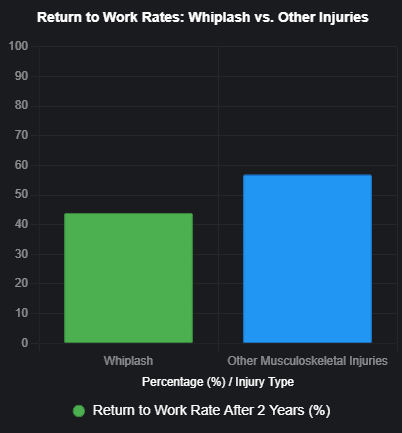
The impact on work can be significant. A Danish study found that 56% of whiplash patients were still on sick leave after two years, compared to 43% with other musculoskeletal injuries (Kasch et al., 2001). Another study reported that 12% of whiplash patients hadn’t returned to normal activities or had modified job functions after one year. Additionally, 5-8% develop chronic symptoms severe enough to diminish work capacity, with societal costs reaching up to $29 billion annually (Sterner & Gerdle, 2004).
Symptom
Description
Impact on Work
Neck Pain
Stiffness and discomfort
Limits head movement, affects desk or physical tasks
Headaches
Pain at skull base or radiating
Reduces focus, increases fatigue
Dizziness
Feeling unsteady
Poses safety risks in active jobs
Cognitive Issues
Memory or concentration problems
Hinders tasks requiring mental clarity
Why do some return to work while others struggle? Let’s explore the clinical rationale.
References
Kasch, H., Bach, F. W., & Jensen, T. S. (2001). Handicap after acute whiplash injury: a 1-year prospective study of risk factors. Neurology, 56(12), 1637-1643. Retrieved from Neurology Study
Sterner, Y., & Gerdle, B. (2004). Acute and chronic whiplash disorders—a review. Journal of Rehabilitation Medicine, 36(5), 193-209. Retrieved from JRM Review
Clinical Rationale for Returning to Work After MVAs
Returning to work after an MVA involves a complex interplay of clinical, personal, and external factors. Healthcare providers assess several key elements to determine readiness:
Injury Severity: Whiplash is graded from 1 (minor symptoms) to 3 (neurological signs). Mild cases often allow quicker returns, while severe cases require extended recovery.
Type of Work: Sedentary jobs (e.g., office work) are easier to resume than physically demanding roles (e.g., construction). Gradual return-to-work programs with modified duties are common.
Recovery Progress: Physical exams, imaging (e.g., MRI), and functional assessments track improvement. Reduced pain and improved mobility signal readiness.
Psychological Benefits: Work can restore normalcy and reduce anxiety, but mental readiness is crucial.
External Pressures: Financial needs or legal requirements (e.g., workers’ compensation) may influence decisions.
A BMC Public Health study found that 44% of whiplash patients returned to work after two years, compared to 57% with other musculoskeletal injuries, as shown in the chart above (El Paso Chiropractor Blog, 2016). This gap highlights whiplash’s unique challenges, with up to 50% failing to return within a year due to persistent symptoms.
Dr. Alexander Jimenez, a dual-licensed practitioner, emphasizes personalized recovery plans. “We don’t just aim for a quick return; we ensure it’s safe and sustainable,” he notes (El Paso Back Clinic). His approach includes monitoring recovery milestones and tailoring work re-entry plans.
References
El Paso Chiropractor Blog. (2016, June 16). Return to Work Rates After Whiplash [Blog post]. Retrieved from Whiplash Blog
El Paso Back Clinic. (n.d.). El Paso’s Chiropractic Rehabilitation Clinic & Integrated Medicine Center. Retrieved from El Paso Back Clinic
The Power of Chiropractic Chiropractic Care In Injury Rehabilitation- Video
Nonsurgical Treatments for Whiplash and Related Injuries
Most whiplash cases are managed conservatively, avoiding surgery. Effective nonsurgical treatments include:
Physical Therapy: Exercises to strengthen neck muscles and improve flexibility, plus modalities like heat, ice, or electrical stimulation.
Chiropractic Care: Spinal adjustments to realign the spine and reduce nerve pressure. Dr. Jimenez is renowned for his expertise here.
Medications: Over-the-counter pain relievers (e.g., ibuprofen) or prescription drugs for severe cases.
Injections: Corticosteroid injections to reduce inflammation in persistent cases.
Acupuncture: Stimulates healing and pain relief through needle insertion.
Massage Therapy: Relaxes tight muscles and improves circulation.
Dr. Jimenez integrates these with functional medicine, addressing nutritional deficiencies or hormonal imbalances that may delay recovery. His clinic uses evidence-based protocols, drawing from research like that at ChiroMed (El Paso Back Clinic).
Treatment
Purpose
Benefits
Physical Therapy
Strengthen neck, improve mobility
Restores function, reduces pain
Chiropractic Care
Realign spine, relieve nerve pressure
Enhances mobility, alleviates discomfort
Medications
Manage pain and inflammation
Provides short-term relief
Acupuncture
Stimulate healing
Reduces pain, promotes relaxation
Humor aside, imagine your neck as a grumpy old car—chiropractic care is like a tune-up, getting everything back in alignment so you can cruise through life again!
References
El Paso Back Clinic. (n.d.). El Paso’s Chiropractic Rehabilitation Clinic & Integrated Medicine Center. Retrieved from El Paso Back Clinic
The Role of Dr. Alexander Jimenez in Personal Injury Cases
Dr. Alexander Jimenez, DC, APRN, FNP-BC, is El Paso’s top injury specialist, with dual licensure as a chiropractor and nurse practitioner. His clinic, El Paso’s Chiropractic Rehabilitation Clinic & Integrated Medicine Center, is a hub for treating MVA-related injuries, including whiplash, soft tissue damage, and chronic pain conditions like fibromyalgia.
His clinical insights are rooted in evidence-based practice, integrating:
Sports Medicine: Tailors rehabilitation for active individuals.
Advanced Diagnostics: Uses genetic testing and imaging for precise diagnoses.
Non-Invasive Techniques: Includes spinal decompression, manual adjustments, and acupuncture.
In personal injury cases, Dr. Jimenez:
Provides accurate diagnoses using MRI, CT scans, and X-rays.
Develops personalized treatment plans, collaborating with orthopedic surgeons and physical therapists.
Offers detailed medical reports for legal proceedings, acting as an expert witness when needed.
His webinars and podcasts cover topics like stress hormones, gut health, and musculoskeletal rehabilitation, showcasing his commitment to holistic care (Dr. Jimenez LinkedIn).
References
El Paso Back Clinic. (n.d.). El Paso’s Chiropractic Rehabilitation Clinic & Integrated Medicine Center. Retrieved from El Paso Back Clinic
El Paso, a border city with heavy traffic, sees numerous MVAs, making personal injury cases critical. These cases help victims cover medical expenses, lost wages, and pain and suffering while holding negligent parties accountable. Dr. Jimenez’s expertise strengthens these claims by linking injuries to advanced diagnostics, ensuring fair compensation.
His role is particularly vital in El Paso, where access to specialized care may be limited. His clinic’s multidisciplinary approach ensures comprehensive treatment, from acute injury care to long-term rehabilitation.
References
El Paso Back Clinic. (n.d.). El Paso’s Chiropractic Rehabilitation Clinic & Integrated Medicine Center. Retrieved from El Paso Back Clinic
Advanced Imaging and Diagnostics in Personal Injury
Accurate diagnosis is paramount in personal injury cases. Advanced imaging techniques like MRI, CT scans, and X-rays reveal soft tissue damage, fractures, or spinal injuries not visible through physical exams. For example, MRI can detect ligament sprains or disc herniations, while CT scans identify bony injuries.
Dr. Jimenez uses these tools to:
Develop precise treatment plans.
Provide compelling evidence for legal claims, documenting injury severity.
This diagnostic precision is crucial for both recovery and securing compensation.
References
El Paso Back Clinic. (n.d.). El Paso’s Chiropractic Rehabilitation Clinic & Integrated Medicine Center. Retrieved from El Paso Back Clinic
Dr. Jimenez as a Liaison Between Legal and Medical Services
Dr. Jimenez’s dual expertise makes him an invaluable liaison between medical and legal realms. He provides detailed medical reports outlining diagnoses, treatments, and prognoses, essential for personal injury claims. These reports link injuries to the MVA, supporting compensation requests.
He can also testify as an expert witness, explaining medical complexities to legal teams and courts. His ability to communicate effectively across disciplines streamlines the process, allowing patients to focus on recovery.
References
El Paso Back Clinic. (n.d.). El Paso’s Chiropractic Rehabilitation Clinic & Integrated Medicine Center. Retrieved from El Paso Back Clinic
Returning to work after an MVA, particularly with whiplash, is a multifaceted journey requiring clinical expertise, effective treatment, and often legal support. Dr. Alexander Jimenez plays a pivotal role in El Paso, offering personalized care and bridging medical and legal needs for personal injury victims.
If you’ve been in an accident, don’t ignore your symptoms—seek professional help. With the right care, you can reclaim your life and return to work stronger than ever.
Disclaimer: This blog post is for informational purposes only and should not be taken as medical advice. Always consult a qualified healthcare professional for diagnosis and treatment of any medical condition.
References
Kasch, H., Bach, F. W., & Jensen, T. S. (2001). Handicap after acute whiplash injury: a 1-year prospective study of risk factors. Neurology, 56(12), 1637-1643. Retrieved from Neurology Study
Sterner, Y., & Gerdle, B. (2004). Acute and chronic whiplash disorders—a review. Journal of Rehabilitation Medicine, 36(5), 193-209. Retrieved from JRM Review
Spitzer, W. O., Skovron, M. L., Salmi, L. R., Cassidy, J. D., Duranceau, J., Suissa, S., & Zeiss, E. (1995). Scientific monograph of the Quebec Task Force on Whiplash-Associated Disorders: redefining “whiplash” and its management. Spine, 20(8 Suppl), 1S-73S.
National Highway Traffic Safety Administration. (2020). Traffic Safety Facts: 2019 Data. Retrieved from NHTSA Traffic Safety
El Paso Chiropractor Blog. (2016, June 16). Return to Work Rates After Whiplash [Blog post]. Retrieved from Whiplash Blog
El Paso Back Clinic. (n.d.). El Paso’s Chiropractic Rehabilitation Clinic & Integrated Medicine Center. Retrieved from El Paso Back Clinic
Uncover the connection between TMJ disorders and auto injuries, and explore ways to manage this common issue effectively.
Introduction
Imagine cruising down the road, enjoying a sunny day in El Paso, when—bam!—a car accident throws your world into a spin. Beyond the fender bender, you might start feeling pain in your jaw or neck that wasn’t there before. These could be signs of a Temporomandibular Joint (TMJ) disorder, a condition often linked to neck injuries from motor vehicle accidents (MVAs). In this comprehensive guide, we’ll explore why TMJ disorders and neck pain often go hand-in-hand after MVAs, the symptoms to watch for, nonsurgical treatment options, and the pivotal role of Dr. Alexander Jimenez, a distinguished chiropractor and nurse practitioner in El Paso, Texas. With a touch of humor to keep things light, we’ll also ensure you understand the serious nature of seeking professional care for these conditions.
Section 1: The Clinical Rationale for TMJ Disorders and Neck Pain from MVAs
Why Do TMJ Disorders Occur After MVAs?
The temporomandibular joint connects your lower jaw to your skull, enabling essential functions like chewing and speaking. When you’re involved in a motor vehicle accident, the sudden jolt—especially in rear-end collisions—can cause whiplash, a neck injury that strains muscles, ligaments, and the cervical spine. This trauma can ripple to the TMJ, even if your jaw wasn’t directly hit.
Research suggests that the connection between TMJ disorders and neck pain lies in the body’s neurological wiring. Pain signals from the neck travel to the brainstem, where they can overlap with signals from the jaw. This phenomenon, known as referred pain, means a neck injury can manifest as jaw pain or TMJ dysfunction. A 1998 study in Clinical Oral Investigations highlighted that patients with cervical spine issues often experience TMJ symptoms, reinforcing this link (Caring Medical, 2025).
The Role of Whiplash
Whiplash is a hallmark injury of MVAs, occurring when the head is forcefully thrown forward and back. This motion can damage the cervical spine and surrounding tissues, leading to chronic neck pain. According to a study in PMC (2008), individuals with MVA-related neck pain report higher levels of continuous pain compared to other causes, which can exacerbate TMJ issues. The chronic inflammation and muscle tension from whiplash can overstimulate nerves, causing jaw muscle tightness and pain, further contributing to TMJ disorders.
Neurological and Muscular Connections
The brainstem acts like a busy switchboard, where nerves from the neck and jaw converge before sending pain signals to the brain. This convergence can lead to “crossed signals,” similar to how arm pain can signal a heart attack. As a result, neck injuries from MVAs can trigger or worsen TMJ symptoms. Additionally, chronic neck pain can lead to compensatory behaviors, like jaw clenching, which further stress the TMJ.
Section 2: Symptoms of TMJ Disorders Related to Auto Injuries
Recognizing TMJ Symptoms
TMJ disorders can manifest in various ways, often overlapping with neck pain symptoms. Common signs include:
Jaw Pain and Tenderness: Pain around the jaw or ear, especially when chewing or speaking.
Difficulty Chewing: Discomfort or pain while eating, sometimes making it hard to open the mouth fully.
Jaw Locking or Restricted Movement: The jaw may feel stuck or limited in its range of motion.
Clicking or Popping Sounds: Noises when opening or closing the mouth, which may or may not be painful.
Neck and Shoulder Pain: Stiffness or ascending order or pain radiating from the neck.
Headaches: Often, tension-type headaches are linked to muscle tension.
Dizziness or Tinnitus: Less common but possible symptoms include dizziness or ringing in the ears.
A 2022 study cited in Medical News Today found that nearly 60% of individuals with TMJ disorders also experience neck pain, highlighting the prevalence of this dual issue (Medical News Today, 2023).
Delayed Onset of Symptoms
One tricky aspect of TMJ disorders post-MVA is that symptoms may not appear immediately. According to the El Paso Chiropractor Blog (2016), these issues can develop weeks or even months after the accident, making it critical to monitor for symptoms over time. This delay can complicate diagnosis, as patients may not initially connect their jaw pain to the earlier accident.
Chiropractic Care After Accidents & Injuries- Video
Section 3: Nonsurgical Treatments for TMJ Disorders and Neck Pain
Conservative Approaches to Relief
Most TMJ disorders and associated neck pain from MVAs can be managed without surgery, focusing on reducing pain and restoring function. Here are the primary nonsurgical treatments:
Physical Therapy: Specialized exercises and stretches improve jaw mobility and reduce muscle tension. Soft tissue massages targeting muscles like the pterygoids can relieve trigger points, as noted in Dr. Jimenez’s work on TMJ and anxiety (Dr. Alex Jimenez, 2016).
Chiropractic Care: Spinal adjustments and manual manipulation correct misalignments in the neck and jaw, reducing pain and improving function. Chiropractic care is particularly effective for whiplash-related injuries (El Paso Chiropractor Blog, 2016).
Medications: Over-the-counter pain relievers (e.g., ibuprofen), muscle relaxants, or anti-inflammatory drugs help manage pain and inflammation. In some cases, anxiety medications or antidepressants may address related stress or jaw clenching (Medical News Today, 2023).
Oral Appliances: Custom-fitted mouthguards or splints reposition the jaw to reduce clenching or grinding, which can worsen TMJ symptoms.
Lifestyle Modifications: Avoiding hard foods, practicing stress-reduction techniques (such as meditation), and maintaining good posture can all support recovery.
Acupuncture: This alternative therapy can reduce pain and muscle tension, offering relief for some patients.
Personalized Treatment Plans
Each patient’s condition is unique, so treatments should be tailored to their specific symptoms and severity. Consulting a healthcare professional, like Dr. Jimenez, ensures a comprehensive plan that addresses both TMJ and neck pain effectively.
Section 4: Dr. Alexander Jimenez’s Expertise in El Paso
A Leader in Personal Injury Care
Dr. Alexander Jimenez, DC, APRN, FNP-BC, is a cornerstone of personal injury care in El Paso, Texas, with over 25 years of experience as a chiropractor and nurse practitioner. His dual licensure allows him to bridge chiropractic and medical approaches, offering holistic care for MVA-related injuries, including TMJ disorders and neck pain.
Advanced Diagnostics and Dual-Scope Procedures
Dr. Jimenez stands out for his use of advanced imaging techniques, such as MRI and CT scans, to precisely pinpoint the extent of injuries. His diagnostic evaluations are thorough, identifying both primary injuries (e.g., whiplash) and secondary conditions (e.g., TMJ disorders). His dual-scope procedures combine chiropractic adjustments with medical treatments, addressing biomechanical and physiological aspects of recovery. This integrative approach promotes long-term healing and metabolic resilience (Injury Medical & Chiropractic Clinic, n.d.).
Liaison Between Medical and Legal Services
In personal injury cases, Dr. Jimenez plays a vital role by providing detailed medical reports and expert testimonies. These documents help legal professionals understand the full impact of injuries, ensuring victims receive fair compensation. His clinic, Injury Medical & Chiropractic Clinic, specializes in MVA-related conditions like cervical spine issues, whiplash, and chronic inflammation, making him a trusted resource in El Paso (El Paso Back Clinic, n.d.).
Service
Description
Benefit
Advanced Imaging (MRI/CT)
Accurate diagnosis of MVA-related injuries
Precise treatment planning
Dual-Scope Procedures
Combining chiropractic and medical treatments
Holistic recovery
Legal Documentation
Detailed reports and testimonies for personal injury cases
Supports fair compensation
Specialized MVA Care
Focus on whiplash, cervical spine issues, and related conditions
Let’s take a moment to chuckle with Herman Munster from The Munsters: “Folks, your jaw’s like the creaky hinge on my old coffin—when it starts acting up after a car crash, it’s no laughing matter! That neck of yours gets a shake, and suddenly your jaw’s throwing a tantrum. Don’t stay stiff like me on a bad day; head to Dr. Jimenez in El Paso, and he’ll have you moving smoother than Grandpa Munster dodging a garlic clove!”
Section 6: The Importance of Personal Injury Care in El Paso
Why Seek Care After an MVA?
Motor vehicle accidents can leave lasting effects, from neck pain to TMJ disorders, that impact daily life. In El Paso, where personal injury cases are common due to the high volume of traffic, seeking expert care is crucial. Dr. Jimenez’s clinic is a beacon for victims, offering not only medical treatment but also support for legal claims. His comprehensive approach ensures that injuries are thoroughly documented, aiding in fair settlements while promoting recovery.
Community Impact
Dr. Jimenez’s work extends beyond individual patients, contributing to the El Paso community by raising awareness about motor vehicle accident (MVA)- related injuries. His clinic’s resources, including blog posts and patient testimonials, educate residents on recognizing and treating conditions such as TMJ disorders, thereby fostering a healthier community (Dr. Alexander Jimenez, LinkedIn).
Conclusion
TMJ disorders and neck pain from motor vehicle accidents are interconnected conditions that can significantly affect quality of life. The clinical link stems from shared neurological pathways and the impact of whiplash, with symptoms ranging from jaw pain to headaches and neck stiffness. Nonsurgical treatments, including physical therapy, chiropractic care, and oral appliances, provide effective relief for most patients. In El Paso, Dr. Alexander Jimenez stands out as a leader in personal injury care, using advanced diagnostics and dual-scope procedures to treat these conditions while supporting legal claims with detailed documentation. If you’ve been in an MVA and are experiencing jaw or neck pain, don’t delay—seek professional care to prevent long-term complications and restore your well-being.
Disclaimer: This blog post is for informational purposes only and should not be taken as medical advice. Always consult a qualified healthcare professional for diagnosis and treatment of any medical condition. The information provided is based on general knowledge and should not be used as a substitute for personalized medical care.
Get informed about the effects of auto accidents, such as whiplash and Achilles tendinosis, and their implications for recovery.
Introduction
Imagine you’re driving along, singing to your favorite tune, when—bam!—another car rear-ends you. Your head snaps back and forth like a bobblehead on a bumpy road. That’s whiplash, folks, and it’s no laughing matter, despite the cartoonish image. Whiplash is a neck injury caused by sudden, forceful head movement, most often from motor vehicle accidents (MVAs). It affects the muscles, ligaments, and tendons in the neck, leading to pain that can range from a mild nuisance to a life-altering ordeal.
In this in-depth guide, we’ll explore whiplash from every angle: what it is, how it occurs, its symptoms, and the most effective ways to treat it. We’ll delve into why ligament injuries are a significant concern and how they contribute to chronic pain. Plus, we’ll spotlight Dr. Alexander Jimenez, a top chiropractor in El Paso, Texas, whose expertise helps accident victims recover and navigate personal injury claims. With a touch of humor to keep things light, we’ll also delve into the serious legal aspects, illustrating how the medical and legal worlds intersect to support victims. Buckle up—it’s going to be an informative ride!
Whiplash is like your neck’s version of a bad rollercoaster ride. It occurs when your head is jerked backward and then forward (or vice versa) with enough force to strain or tear the neck’s soft tissues. This rapid motion, often referred to as a cervical acceleration-deceleration injury, is most commonly triggered by rear-end car collisions. Picture this: your car gets hit from behind, your body lurches forward, but your head lags for a split second before snapping back. Ouch!
Mechanism of Injury
The physics of whiplash is brutal. In a rear-end crash, the sudden force pushes your torso forward, while your head remains momentarily still, causing hyperextension (overstretching backward). Then, as your body stops, your head whips forward into hyperflexion. This S-shaped motion of the cervical spine exceeds its normal limits, causing damage to tissues (Whiplash Associated Disorders). Other causes include sports injuries, falls, or even a particularly wild amusement park ride.
Anatomy of the Neck
Your neck, or cervical spine, is a marvel of engineering. It’s made of seven vertebrae (C1-C7) that support your head’s weight and allow you to nod, shake, and tilt like a pro. Between these vertebrae are intervertebral discs, acting like tiny shock absorbers. Ligaments, such as the anterior longitudinal ligament (ALL) and the posterior longitudinal ligament (PLL), maintain stability. Muscles and tendons provide movement and support. Whiplash disrupts this delicate balance, often targeting ligaments and muscles.
Types of Injuries
Whiplash can cause a variety of injuries, including:
Muscle Strains: Overstretched or torn muscle fibers, leading to soreness.
Ligament Sprains: Stretched or torn ligaments, especially the ALL, causing instability.
Tendon Injuries: Damage to tendons connecting muscles to bones.
Disc Herniation: Protruding discs that press on nerves.
Nerve Damage: Irritation or compression causing numbness or weakness.
Fractures: Rare, but possible in severe cases.
These injuries explain why whiplash can be so painful and persistent if not treated properly (Whiplash Injury).
Whiplash symptoms are like uninvited guests—they might not show up right away, but can linger for an extended period. Some people feel fine after a crash, only to wake up the next day with a neck that feels like it’s been through a wrestling match.
Common Symptoms
Here’s what you might experience:
Neck Pain and Stiffness: The hallmark of whiplash, often worse with movement.
Headaches: Starting at the skull’s base, sometimes spreading forward.
Shoulder and Upper Back Pain: From muscle tension or referred pain.
Dizziness: Feeling woozy or like the room is spinning.
Fatigue: A general sense of being wiped out.
Cognitive Issues: Trouble focusing, memory lapses, or irritability.
Sensory Disturbances: Numbness or tingling in arms or hands.
Visual Problems: Blurred vision or light sensitivity.
Sleep Issues: Pain is making it hard to get a good night’s sleep.
Symptoms can vary in intensity and may take hours or days to appear (Whiplash Symptoms).
Diagnosis
Diagnosing whiplash is like solving a puzzle. Doctors start with:
Patient History: They’ll ask about the accident, when symptoms began, and any past neck issues.
Physical Exam: Checking neck movement, tenderness, and neurological signs like reflexes and strength.
Imaging Tests:
X-rays: To spot fractures or dislocations.
MRI: For soft tissue damage like ligament tears.
CT Scans: Detailed bone images.
Soft tissue injuries often don’t show on X-rays, so normal results don’t rule out whiplash. Early diagnosis is key to preventing chronic pain (Whiplash Diagnosis).
Importance of Early Diagnosis
Think of whiplash like a leaky faucet—ignore it, and you’ll have a bigger mess later. Prompt diagnosis enables timely treatment, thereby reducing the risk of long-term complications.
Treating whiplash is similar to fixing a car after a fender bender—you need the right tools and a skilled mechanic. The goal is to reduce pain, restore function, and prevent chronic issues. Research suggests active treatments work best, and Dr. Alexander Jimenez in El Paso is a master at this.
Standard Treatment Approaches
Pain Management:
Medications: Over-the-counter options like ibuprofen or acetaminophen. Severe cases may require muscle relaxants or stronger pain medications.
Ice and Heat: Apply ice for the first 48 hours to reduce swelling, then use heat to relax muscles (Whiplash Treatments).
Physical Therapy:
Exercises: To boost the range of motion and strengthen neck muscles.
Manual Therapy: Massage or mobilization to ease pain.
Rest and Activity Modification:
Short-Term Rest: Avoid activities that may aggravate the condition initially.
Gradual Activity: Returning to normal tasks to prevent stiffness.
Education: Understanding the injury and recovery process empowers patients.
The Root Causes of Pain- Video
Dr. Jimenez’s Approach
Dr. Jimenez is like the Tony Stark of chiropractic care, utilizing cutting-edge techniques to help patients recover quickly. His clinic offers:
Chiropractic Adjustments: Realigning the spine to reduce pain.
Soft Tissue Therapies: Myofascial release or trigger point therapy for muscle tension.
Massage Therapy: To improve circulation and relaxation.
Exercise Rehabilitation: Tailored programs to strengthen and stabilize the neck (Chiropractic Care).
He’s also vocal about ditching cervical collars, which can weaken muscles and slow recovery. A study he cites found better outcomes with active treatments over collars (Cervical Collars).
Evidence-Based Insights
The Croft Whiplash Treatment Guidelines outline treatment duration based on injury severity:
Interestingly, whiplash shares similarities with Achilles tendonosis, such as abnormal blood vessel growth, suggesting that some treatments may overlap (Tendonosis Similarities).
Ligaments are the unsung heroes of your neck, keeping your spine stable like the ropes on a suspension bridge. When whiplash strikes, these ligaments, especially the anterior longitudinal ligament (ALL), can sustain significant damage, leading to serious consequences.
Why Ligament Injuries Are Critical
The ALL runs along the front of your spine, preventing excessive backward bending. Whiplash’s hyperextension phase can cause stretching or tearing, leading to instability. This can lead to:
Chronic Pain: From abnormal spine movement.
Increased Injury Risk: A wobbly spine is prone to further damage.
Degeneration: Over time, instability may cause arthritis or disc issues (Ligament Injuries).
Ligament injuries can be challenging because they often don’t show up on X-rays, requiring MRI or specialized imaging techniques like digital motion X-ray (DMX) (DMX Study).
Research Insights
Studies confirm ligament damage is common in whiplash. One found that ALL can stretch to 56% of its failure point at just eight mph collisions (ALL Study). The Croft Guidelines note that Grade III and IV whiplash involve ligamentous injury, requiring longer treatment (Croft Guidelines).
Dr. Jimenez’s Expertise
Dr. Jimenez utilizes advanced imaging techniques to detect ligament damage, ensuring an accurate diagnosis. His treatments focus on stabilizing the spine through chiropractic care and exercises, addressing the root cause of pain (El Paso Back Clinic).
Getting whiplash from a car accident is bad enough, but then comes the paperwork jungle of personal injury claims. In El Paso, where MVAs are all too common, experts like Dr. Jimenez bridge the gap between medical care and legal justice.
Understanding Personal Injury Law
Personal injury law helps victims harmed by someone else’s negligence—like a distracted driver—get compensation for medical bills, lost wages, and pain. Whiplash cases often involve claims against the at-fault driver’s insurance or lawsuits if settlements fail (Medical Experts).
The Role of Medical Documentation
Medical records are the backbone of a personal injury case. They prove:
The injury’s nature and extent.
The link to the accident.
The treatment and costs involved.
Without solid documentation, claims can falter (Doctors’ Role).
Dr. Jimenez’s Contribution
Dr. Jimenez is like a superhero with a stethoscope and a law library. He:
Provides Detailed Reports: Using MRI and diagnostic tools to document injuries.
Offers Expert Testimony: Explaining medical details to judges and juries.
Acts as a Liaison: Ensuring medical records reach lawyers and insurers accurately (El Paso Back Clinic).
His work strengthens cases by providing clear evidence of the impact of whiplash.
Importance in El Paso
El Paso’s busy roads see frequent accidents, making skilled practitioners like Dr. Jimenez vital. His reputation as a top chiropractor, recognized by awards from 2015 to 2024, makes him a trusted ally for victims (LinkedIn Profile).
While patient privacy prevents sharing specific cases, Dr. Jimenez has helped countless whiplash victims recover. Imagine a teacher rear-ended at a stoplight, suffering Grade II whiplash. After weeks of chiropractic adjustments, massage, and exercises at his clinic, she’s back in the classroom, pain-free. Such outcomes highlight the power of active treatment and expert care.
Conclusion
Whiplash is more than a sore neck—it’s a complex injury that can disrupt lives if ignored. Ligament injuries, such as those to the anterior longitudinal ligament, are a key reason why prompt, active treatment is crucial. Dr. Alexander Jimenez’s expertise in El Paso, combining advanced diagnostics with chiropractic care, offers hope for recovery and legal support for personal injury claims.
If you’ve been in an MVA, don’t wait for symptoms to worsen. Seek medical care immediately to protect your health and strengthen any potential legal case. The road to recovery starts with the right help.
Disclaimer: This guide is for informational purposes only and is not a substitute for professional medical advice. Always consult a qualified healthcare provider for diagnosis and treatment.
Explore the connection between musculoskeletal ligaments and automobile accidents, focusing on preventive and rehabilitative strategies.
Introduction
Motor vehicle accidents (MVAs) are usually the leading cause of musculoskeletal injuries worldwide, with ligaments in the upper body quadrant—neck, shoulders, and elbows—often bearing the brunt of the impact. These tough, fibrous bands stabilize joints, but when stretched or torn in a crash, they can trigger chronic pain, reduced mobility, and long-term disability. Imagine ligaments as the body’s bungee cords: stretchy but with limits. When an MVA snaps them, it’s less a thrill ride and more a grim tale of aches and legal battles, worthy of a Wednesday Addams smirk.
This guide examines the clinical rationale behind ligamentous injuries resulting from motor vehicle accidents (MVAs), with a focus on the upper body. We’ll break down the anatomy and physiology of ligaments, how accidents cause these injuries, and their role in neck and back pain. We’ll also spotlight Dr. Alexander Jimenez, a distinguished El Paso practitioner whose expertise in chiropractic care and personal injury cases helps victims recover and navigate the legal challenges they face. With a touch of dark humor to keep things bearable, let’s dive into this serious topic.
Understanding Ligaments: Structure, Function, and Physiology
Ligaments within the musculoskeletal system are fibrous connective tissues that link bones, ensuring joint stability and guiding movement. Composed primarily of collagen fibers, along with elastin and proteoglycans, they strike a balance between strength and flexibility. In the upper body, key ligaments include:
Cervical Spine Ligaments:
Anterior Longitudinal Ligament (ALL): Runs along the front of vertebral bodies, preventing hyperextension.
Annular Ligament: Secures the radius head against the ulna.
Ligaments function to limit excessive joint motion, guide movement, and aid proprioception (body position awareness). When injured, they cause instability, pain, and inflammation, especially in MVAs where sudden forces exceed their tensile strength.
References:
American Academy of Orthopaedic Surgeons. (2018). Repetitive Motion Disorders of the Upper Extremity. Rosemont, IL: Author.
Buckwalter, J. A. (1995). Activity vs. rest in the treatment of bone, soft tissue and joint injuries. Iowa Orthopaedic Journal, 15, 29-42.
Ligamentous Injuries from Motor Vehicle Accidents
MVAs generate high-energy impacts that can stretch or tear ligaments, particularly in the upper body. Common injuries include:
Whiplash-Associated Disorders (WAD):
Whiplash occurs in rear-end collisions when the head jerks forward and backward, straining or tearing cervical ligaments, such as the anterior longitudinal ligament (ALL) and posterior longitudinal ligament (PLL). Picture your neck as a ragdoll in a haunted carnival ride—except the aftermath is pain, not laughter.
Symptoms include neck pain, stiffness, and reduced range of motion.
Shoulder Injuries:
Shoulder ligaments, such as those in the acromioclavicular or glenohumeral joints, can sprain when arms brace against impact or from direct trauma.
These injuries cause pain, swelling, and impaired mobility in the arm.
Elbow and Wrist Injuries:
Bracing during a crash can stress elbow ligaments (UCL, RCL) or wrist ligaments, leading to sprains or instability.
Symptoms include tenderness and difficulty gripping.
Injury severity ranges from mild sprains (Grade 1) to partial tears (Grade 2) or complete tears (Grade 3), each requiring a tailored treatment approach.
Mechanism of Injury:
The biomechanics of MVAs explain these injuries:
Rear-End Collisions: Cause whiplash via rapid neck extension and flexion.
Front-End Collisions: Lead to hyperflexion, which stresses the posterior ligaments.
Factors such as vehicle speed, seatbelt use, headrest position, and occupant posture all influence injury severity.
References:
Applied Radiology. (2018, January 18). RSNA 2017: Understanding types of injuries caused by motor vehicle components (Applied Radiology).
Bryant & Peterson. (2021, October 26). Causes of Muscle Pain After Car Accidents | What to Do Next (Bryant PSC).
Clinical Rationale and Musculoskeletal Consequences
The clinical rationale for ligamentous injuries in motor vehicle accidents (MVAs) hinges on biomechanics. Rapid acceleration-deceleration forces exceed the ligaments’ tensile strength, causing micro tears or complete ruptures. The neck’s vulnerability—due to its mobility and the head’s weight—makes it prone to whiplash, while shoulder and elbow ligaments face stress from bracing or impact.
Musculoskeletal Consequences:
Neck Pain (Cervicalgia): Damaged cervical ligaments and muscles cause acute pain, which may become chronic without treatment. Whiplash can also trigger headaches or radiating pain.
Back Pain (Lumbago): Forces transmitted through the spine can strain upper back ligaments, contributing to discomfort.
Reduced Range of Motion: Ligament instability prompts compensatory muscle tension, which limits movement and fosters further dysfunction.
Chronic Pain Syndromes: Untreated injuries can lead to persistent pain, negatively impacting quality of life.
Diagnosis:
Physical Examination: Assesses tenderness, range of motion, and joint stability.
Imaging:
X-rays rule out fractures.
MRI visualizes ligament tears.
CT scans detail bony structures.
Functional Tests: Assess the impact of daily activities.
References:
Practical Pain Management. (2012, October 31). Whiplash Injuries in Motor Vehicle Accidents (Practical Pain Management).
BMC Musculoskeletal Disorders. (2020, June 9). Prevalence of ligamentous knee injuries in pedestrian versus motor vehicle accidents (BMC Musculoskeletal Disorders).
From Injury to Recovery- Video
Dr. Alexander Jimenez: Expert in Musculoskeletal Injury Treatment
Dr. Alexander Jimenez, DC, APRN, FNP-BC, is a leading practitioner in El Paso, specializing in musculoskeletal injuries related to motor vehicle accidents (MVAs). With over 30 years of experience, he employs a multidisciplinary treatment approach that combines chiropractic care, physical therapy, and functional medicine. His methods include:
Chiropractic Adjustments: Restore spinal and joint alignment.
Physical Therapy: Strengthen muscles and improve flexibility.
Acupuncture/Electro-Acupuncture: Reduce pain and inflammation.
Functional Medicine: Addressing Underlying Health Factors.
Nutritional Support: Promote tissue repair.
Advanced Diagnostics:
Dr. Jimenez likely uses MRI, CT, and other imaging to pinpoint ligament damage, ensuring accurate treatment plans. His dual licensure as a chiropractor and nurse practitioner allows a holistic perspective, integrating medical and chiropractic care.
Legal Liaison:
In personal injury cases, Dr. Jimenez provides detailed medical reports and expert testimony, linking injuries to motor vehicle accidents (MVAs) and establishing causation. This documentation is crucial for legal claims, ensuring that MVA victims receive compensation for medical expenses, lost wages, and pain and suffering.
El Paso sees frequent personal injury cases from MVAs, with ligamentous injuries impacting victims’ lives. Dr. Jimenez’s expertise is invaluable, offering:
Thorough medical evaluations to document injuries.
Treatment plans recognized by legal professionals.
Coordination between medical care and legal proceedings.
His work ensures no injury is overlooked, strengthening compensation claims while prioritizing recovery.
References:
HG.org. (n.d.). Dealing with Ligament Injuries after a Car Accident (HG.org).
Prevention and Safety Measures
Reducing MVA-related ligament injuries involves:
Seatbelts: Restrain the body, minimizing impact forces.
Headrest Adjustment: Support your head to reduce the risk of whiplash.
Avoiding Distractions: Prevent accidents by keeping your focus on driving.
Safe Speeds: Lower speeds reduce injury severity.
Vehicle Safety Features: Airbags and crumple zones mitigate harm.
Public education on these measures can lower MVA incidence and severity.
Importance of Early Intervention
Prompt treatment after an MVA:
Prevents Chronic Pain: Early care reduces long-term issues.
Reduces Inflammation: Speeds healing.
Restores Function: Prevents compensatory movement patterns.
Supports Legal Claims: Timely medical records link injuries to the accident, providing crucial evidence.
Consulting specialists, such as Dr. Jimenez, soon after a motor vehicle accident (MVA) can enhance recovery and legal outcomes.
Patient Testimonials
Patients often praise Dr. Jimenez’s care. One individual with post-MVA neck pain reported significant relief after chiropractic adjustments and therapy. Another with shoulder ligament damage regained mobility through acupuncture and exercises. These stories highlight his effective, patient-centered approach.
Injury Type
Treatment
Outcome
Whiplash (Neck)
Chiropractic, Physical Therapy
Reduced pain, restored motion
Shoulder Sprain
Acupuncture, Exercises
Full mobility regained
Conclusion
Ligamentous injuries from MVAs are a serious concern, potentially causing chronic neck and back pain. Understanding their clinical basis—biomechanical stress on ligaments—and seeking expert care is crucial for recovery. Dr. Alexander Jimenez’s multidisciplinary approach, which combines advanced diagnostics and holistic treatments, offers hope for MVA victims in El Paso. His role in personal injury cases further ensures patients receive both medical and legal support.
Disclaimer: This guide is for informational and academic purposes only and not a substitute for professional medical advice. Please consult with qualified healthcare providers for diagnosis and treatment.
IFM's Find A Practitioner tool is the largest referral network in Functional Medicine, created to help patients locate Functional Medicine practitioners anywhere in the world. IFM Certified Practitioners are listed first in the search results, given their extensive education in Functional Medicine