Individuals dealing with symptoms like sudden pain, weakness, and tenderness in the back of the knee could have a hamstring injury. Can knowing the symptoms and performing self-care help bring relief?
Hamstring Pain Behind The Knee
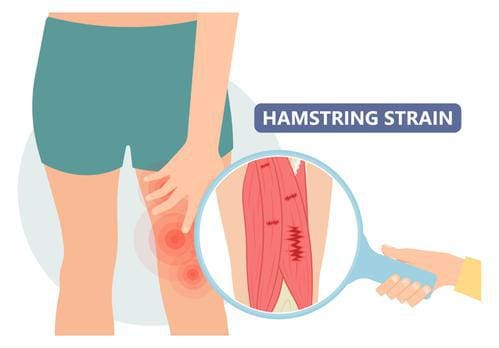
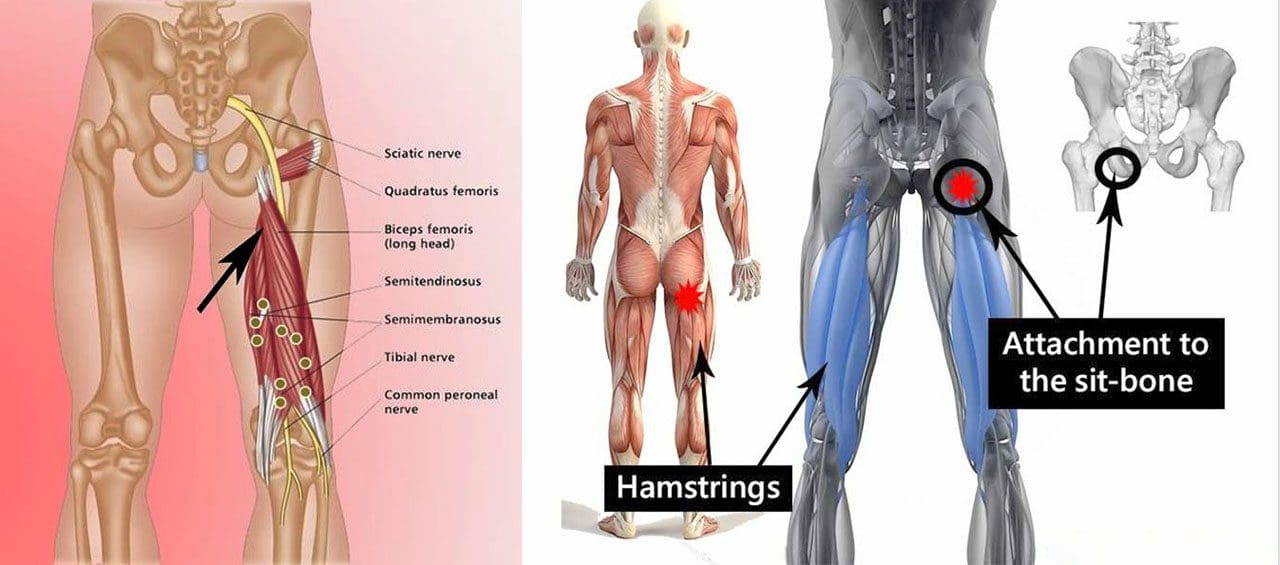
The hamstrings consist of three long muscles that run down the back of the thigh, cross over the back of the knee, and connect to bones in that area. A hamstring injury, such as a strain or tear, tendonitis, or biceps femoris tendinopathy, can cause pain in the back of the knee, difficulty bending the knee, swelling, and bruising. A hamstring strain occurs when the muscle is stretched too far or torn completely. This can happen from sudden, forceful movements or overstretching. Hamstring tendonitis develops over time, usually after a sudden increase in activity, when the hamstring tissue cannot recover from too much loading. Pain is often felt after physical activity and exercise and, in severe cases, during the activity or throughout the day. Biceps femoris tendinopathy can also cause pain in the back of the knee. Strains, tendonitis, bursitis, and muscle tears are all possible explanations for a hamstring injury that leads to pain behind the knee. Discussing pain symptoms with a healthcare provider is recommended, especially if it occurs suddenly during physical activity or exercise. They can help identify the exact cause and offer guidance for rehabilitation, including physical therapy referrals.
Causes and Triggers
Individuals may experience hamstring pain behind the knee when the muscles in that area are overworked, inflamed, or injured, such as from activities like running, walking, dancing, soccer, or basketball. Possible types of injuries and their causes.
A primary cause of muscle strain occurs when the muscle is stretched too far or has to handle a sudden force like sprinting or kicking. (American Academy of Orthopaedic Surgeons, 2021)
Severe Cases
Most causes of pain behind the knee are easily treatable at home with self-care and rest. However, it can be more severe, signaling a blood clot, infection, torn muscle or tendon/ligament. Hamstring knee pain may be serious if any of the following is experienced (American Academy of Orthopaedic Surgeons, 2021)
Sudden pain during physical activity, often during a full stride.
Feeling a pop or sharp pain that causes falling or limping.
Pain that worsens over time and prevents or hinders walking or exercising as normal.
If pain is severe and does not improve with rest and anti-inflammatory medications, evaluation by a healthcare professional is necessary.
Assesses Hamstring Pain
A healthcare provider will ask about symptoms and injury, including what happened when the pain began. They will perform a physical examination, which may include pressing on the back of the thigh to look for swelling, bruising, tenderness, or bunched-up muscles. (American Academy of Orthopaedic Surgeons, 2021) The healthcare provider will ask the patient to perform specific resisted movements, such as the manual muscle test, and measure the range of motion. Diagnostic testing includes an X-ray or MRI to determine the degree of the injury and which soft tissues or bones may be involved.
Self-Care
The first line of treating hamstring knee pain is the RICE protocol, which includes: (Mount Siani, 2024)
Rest
Stop any activity that causes symptoms and pain.
A healthcare provider may recommend crutches or a knee scooter in severe cases.
Ice
Apply cold packs to the swollen or painful area for 20 minutes throughout the day.
Compression
A knee brace, wrap, or bandage that applies gentle pressure to the injured area can help reduce and prevent swelling.
Elevation
Lifting the leg higher than the heart will help reduce swelling and blood accumulation.
Individuals may need to lie on a bed or sofa and elevate their legs with pillows.
Individuals can use at-home pain relievers like acetaminophen or NSAIDs like ibuprofen or naproxen. Over time, and depending on the severity of the injury, a healthcare provider will advise on gentle hamstring stretches and how to ease back into physical activity.
A healthcare provider will advise immobilizing the knee to help with muscle healing, which could involve wearing a knee brace or using crutches.
Physical therapy
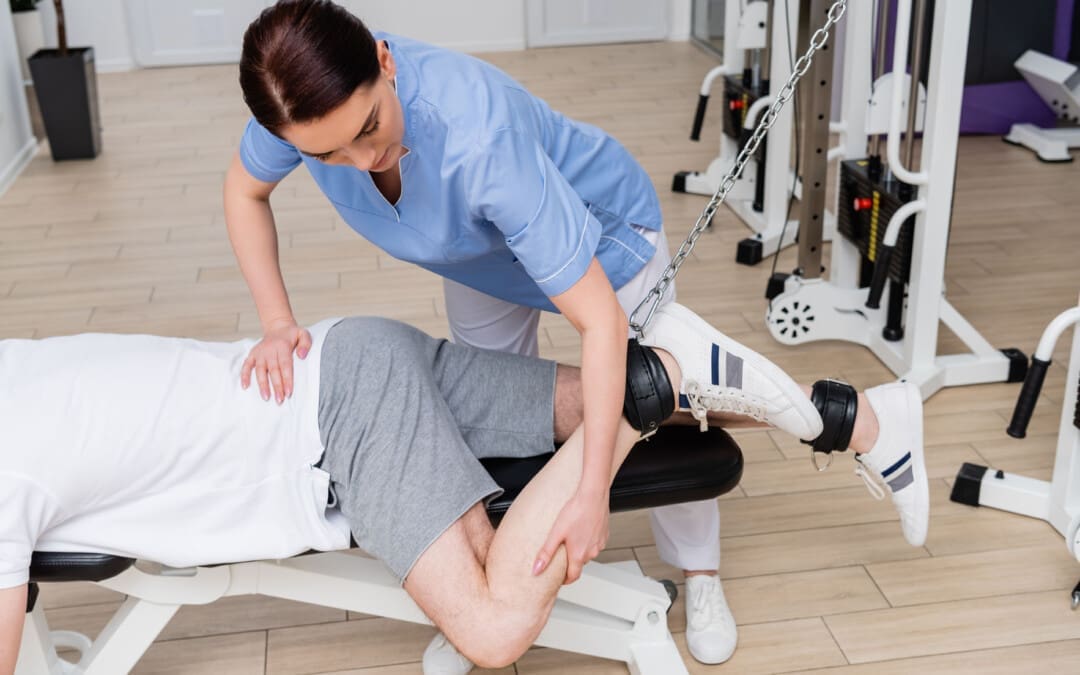
A healthcare provider may refer the patient to a physical therapist, who will perform a personalized evaluation and prescribe targeted exercises to heal the injury and regain strength, flexibility, and movement.
Surgery
Tendon avulsion injuries are when the hamstring tendon completely tears away from the bone, and surgery is required to reattach the tendon.
Platelet-rich plasma – PRP
Platelet-rich plasma has become an additional treatment for hamstring muscle strain or tendonitis. (Seow D. et al., 2021)
The treatment involves injecting a solution from the patient’s blood into the muscle to heal the injury.
Recovery
Predicting how long a hamstring injury takes to heal and how long the pain will linger depends on the type, location, and severity. The most severe type is the hamstring coming unattached around the knee. This surgical repair and rehabilitation take at least three months before returning to sports and exercise (American Academy of Orthopaedic Surgeons, 2021). Lesser injuries like tendonitis or a mild strain can take less time to heal. However, it’s essential to avoid reinjuring the area so the condition does not become chronic. This includes: (American Academy of Orthopaedic Surgeons, 2021)
Stretching to encourage and maintain flexibility.
Fixing muscle imbalances between the quadriceps and hamstring.
Endurance and conditioning.
Avoiding overuse.
Injury Medical Chiropractic and Functional Medicine Clinic works with primary healthcare providers and specialists to develop personalized treatment programs. We focus on what works for you and use an integrated approach to treating injuries and chronic pain syndromes to improve flexibility, mobility, and agility, relieving pain and helping individuals return to normal activities. If other treatments are needed, Dr. Jimenez has teamed up with top surgeons, clinical specialists, medical researchers, and rehabilitation providers. Our providers use Functional Medicine, Acupuncture, Electro-Acupuncture, and Sports Medicine principles.
Chiropractic Care for Leg Instability
References
National Library of Medicine. (2017). Tendinitis Also called: Tendonitis. Retrieved from https://medlineplus.gov/tendinitis.html
American Academy of Orthopaedic Surgeons. OrthoInfo. (2020). Sprains, strains, and other soft tissue injuries. https://orthoinfo.aaos.org/en/diseases–conditions/sprains-strains-and-other-soft-tissue-injuries/
American Academy of Orthopaedic Surgeons. OrthoInfo. (2021). Hamstring muscle injuries. https://orthoinfo.aaos.org/en/diseases–conditions/hamstring-muscle-injuries/
American Academy of Orthopaedic Surgeons. OrthoInfo. (2021). Pes aserine (knee tendon) bursitis. https://orthoinfo.aaos.org/en/diseases–conditions/pes-anserine-knee-tendon-bursitis/
Mount Siani. (2024). Hamstring strain – aftercare. https://www.mountsinai.org/health-library/selfcare-instructions/hamstring-strain-aftercare
Seow, D., Shimozono, Y., Tengku Yusof, T. N. B., Yasui, Y., Massey, A., & Kennedy, J. G. (2021). Platelet-Rich Plasma Injection for the Treatment of Hamstring Injuries: A Systematic Review and Meta-analysis With Best-Worst Case Analysis. The American journal of sports medicine, 49(2), 529–537. https://doi.org/10.1177/0363546520916729
Athletes and physically active individuals who participate in activities, exercises, and sports that involve kicking, pivoting, and/or shifting directions can develop pelvis overuse injury of the pubic symphysis/joint at the front of the pelvis known as osteitis pubis. Can recognizing the symptoms and causes help in treatment and prevention?
Osteitis Pubis Injury
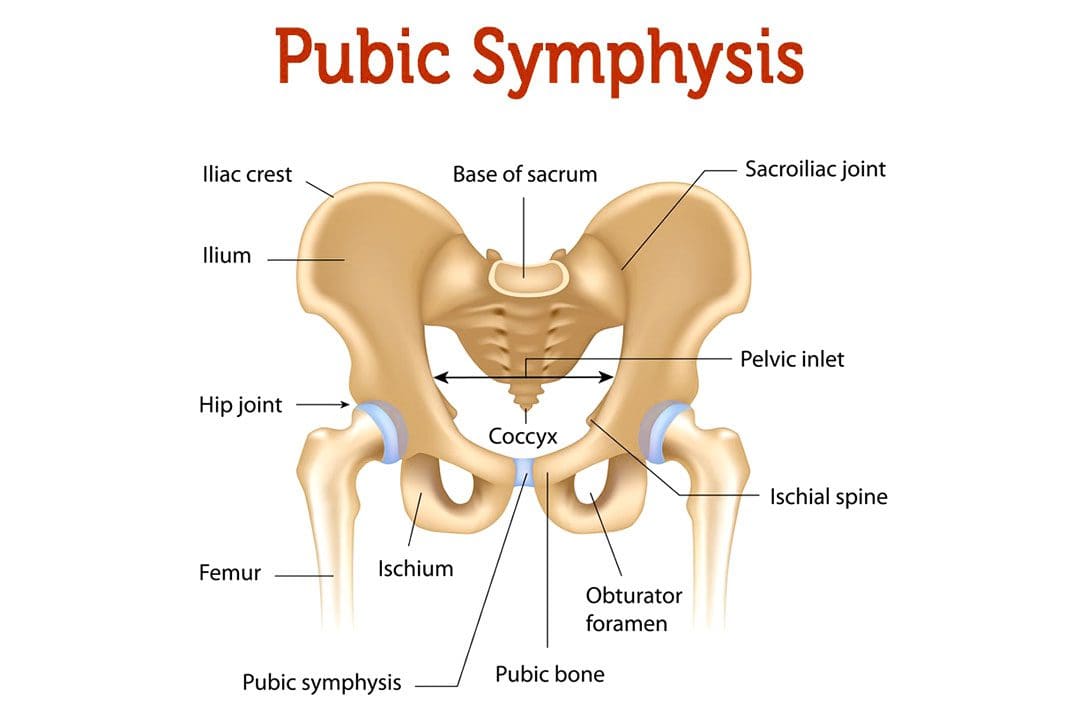
Osteitis pubis is the inflammation of the joint that connects the pelvic bones, called the pelvic symphysis, and the structures around it. The pubic symphysis is a joint in front of and below the bladder. It holds the two sides of the pelvis together in the front. The pubis symphysis has very little motion, but when abnormal or continued stress is placed on the joint, groin and pelvic pain can present. An osteitis pubis injury is a common overuse injury in physically active individuals and athletes but can also occur as the result of physical trauma, pregnancy, and/or childbirth.
Symptoms
The most common symptom is pain over the front of the pelvis. The pain is most often felt in the center, but one side may be more painful than the other. The pain typically radiates/spreads outward. Other signs and symptoms include: (Patrick Gomella, Patrick Mufarrij. 2017)
Lower abdominal pain in the center of the pelvis
Limping
Hip and/or leg weakness
Difficulty climbing stairs
Pain when walking, running, and/or shifting directions
Clicking or popping sounds with movement or when shifting directions
Pain when lying down on the side
Pain when sneezing or coughing
Osteitis pubis can be confused with other injuries, including a groin strain/groin pull, a direct inguinal hernia, ilioinguinal neuralgia, or a pelvic stress fracture.
Causes
An osteitis pubis injury usually occurs when the symphysis joint is exposed to excessive, continued, directional stress and overuse of the hip and leg muscles. Causes include: (Patrick Gomella, Patrick Mufarrij. 2017)
Sports activities
Exercising
Pregnancy and childbirth
Pelvic injury like a severe fall
Diagnosis
The injury is diagnosed based on a physical examination and imaging tests. Other tests may be used to rule out other possible causes.
The physical exam will involve manipulation of the hip to place tension on the rectus abdominis trunk muscle and adductor thigh muscle groups.
Pain during the manipulation is a common sign of the condition.
Individuals may be asked to walk to look for irregularities in gait patterns or to see if symptoms occur with certain movements.
X-rays will typically reveal joint irregularities as well as sclerosis/thickening of the pubic symphysis.
Magnetic resonance imaging – MRI may reveal joint and surrounding bone inflammation.
Some cases will show no signs of injury on an X-ray or MRI.
Treatment
Effective treatment can take several months or longer. Because inflammation is the underlying cause of symptoms, the treatment will often involve: (Tricia Beatty. 2012)
Rest
Allows the acute inflammation to subside.
During recovery, sleeping flat on the back may be recommended to reduce pain.
Ice and Heat Applications
Ice packs help reduce inflammation.
The heat helps ease pain after the initial swelling has gone down.
Physical Therapy
Physical therapy can be extremely helpful in treating the condition to help regain strength and flexibility. (Alessio Giai Via, et al., 2019)
Anti-inflammatory Medication
Over-the-counter nonsteroidal anti-inflammatory medications – NSAIDs like ibuprofen and naproxen can reduce pain and inflammation.
Assistive Walking Devices
If the symptoms are severe, crutches or a cane may be recommended to reduce stress on the pelvis.
Cortisone
There have been attempts to treat the condition with cortisone injections, but the evidence supporting its use is limited and needs further research. (Alessio Giai Via, et al., 2019)
Prognosis
Once diagnosed, the prognosis for full recovery is optimal but can take time. It can take some individuals six months or more to return to pre-injury level of function, but most return by around three months. If conservative treatment fails to provide relief after six months, surgery could be recommended. (Michael Dirkx, Christopher Vitale. 2023)
Sports Injuries Rehabilitation
References
Gomella, P., & Mufarrij, P. (2017). Osteitis pubis: A rare cause of suprapubic pain. Reviews in urology, 19(3), 156–163. https://doi.org/10.3909/riu0767
Beatty T. (2012). Osteitis pubis in athletes. Current sports medicine reports, 11(2), 96–98. https://doi.org/10.1249/JSR.0b013e318249c32b
Via, A. G., Frizziero, A., Finotti, P., Oliva, F., Randelli, F., & Maffulli, N. (2018). Management of osteitis pubis in athletes: rehabilitation and return to training – a review of the most recent literature. Open access journal of sports medicine, 10, 1–10. https://doi.org/10.2147/OAJSM.S155077
Dirkx M, Vitale C. Osteitis Pubis. [Updated 2022 Dec 11]. In: StatPearls [Internet]. Treasure Island (FL): StatPearls Publishing; 2023 Jan-. Available from: https://www.ncbi.nlm.nih.gov/books/NBK556168/
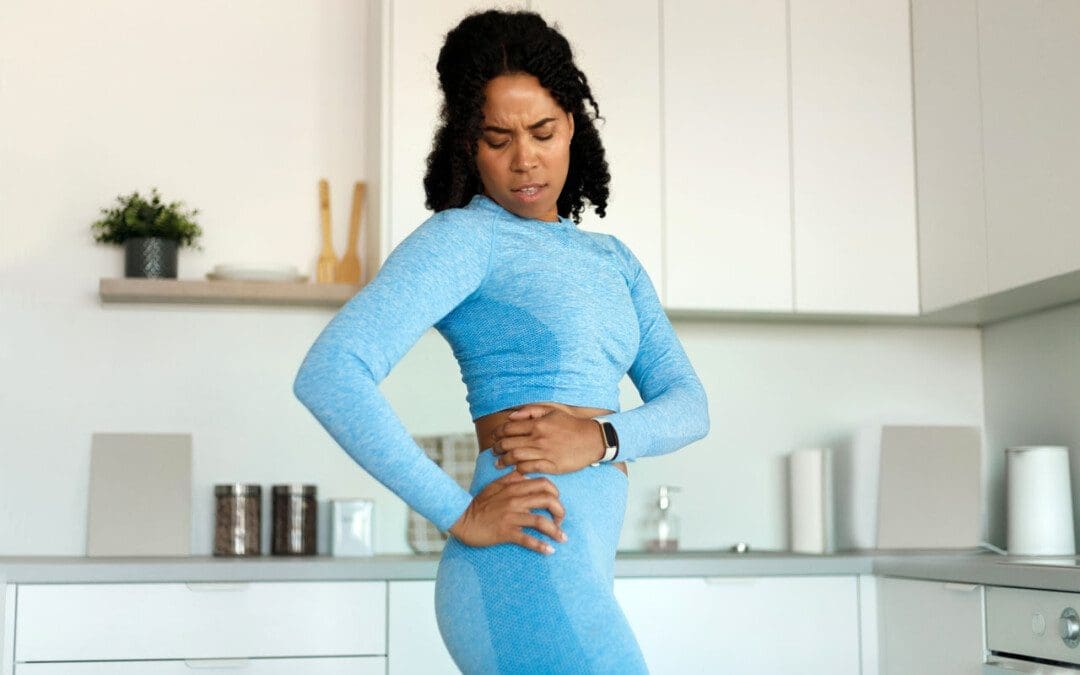
Individuals suffering from hip, thigh, and/or groin pain could be experiencing iliopsoas syndrome. Could knowing the symptoms and causes help in diagnosis and treatment?
Iliopsoas Syndrome
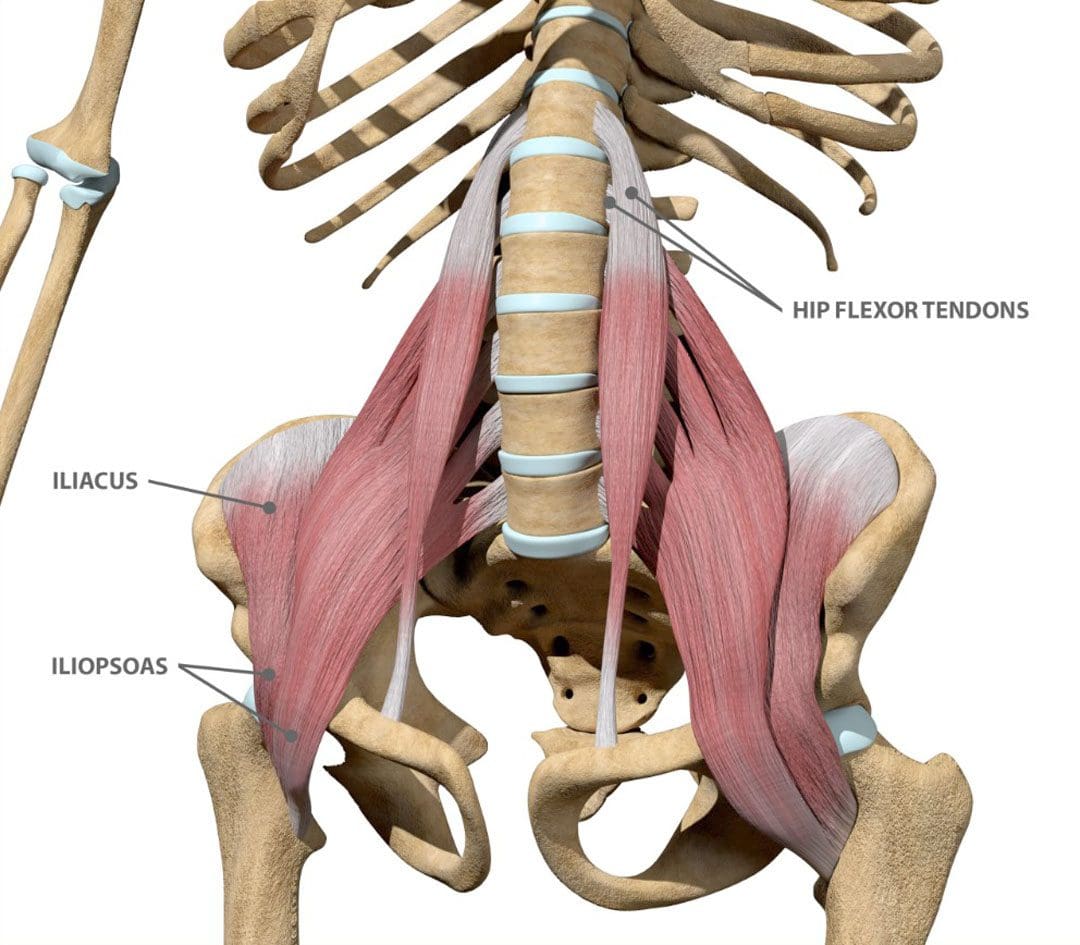
Iliopsoas syndrome encompasses several conditions that affect the inner hip muscle and can cause hip and thigh pain. The muscle helps to bend the leg toward the body.
The condition is usually caused by overuse injuries and commonly affects individuals who perform repeated hip flexion movements, like cyclists, gymnasts, dancers, runners, and soccer players. (Liran Lifshitz, et al., 2020)
The term is often used interchangeably with psoas syndrome, iliopsoas tendonitis, snapping hip syndrome, and iliopsoas bursitis. However, there are clinical differences.
Hip or groin clicking or snapping that can be heard and/or felt during movement.
Pain and/or stiffness in the hip and thigh area.
Pain that worsens when bending the hip – walking, climbing stairs, squatting, sitting.
Movements that involve bringing the knee toward the chest can worsen the pain.
Causes
The iliopsoas muscles are hip muscles on the front of the hip. They are made up of the psoas major, the psoas minor, and the iliacus. Small, fluid-filled sacs/bursae are within the hip joint between bones and soft tissues. The bursae reduce friction and provide cushioning to help the tendons, muscles, and other structures move smoothly over the bony prominences.
Iliopsoas bursitis happens when the bursa, which is located between the iliopsoas tendon and the inside of the hip joint, becomes inflamed and irritated.
Iliopsoas tendonitis/hip tendonitis happens when the tendon that attaches the thigh bone to the iliopsoas muscle becomes inflamed and irritated.
Iliopsoas bursitis and tendonitis are commonly caused by overuse injuries and intense activities like cycling, running, rowing, or strength training.
Diagnosis
Healthcare providers can diagnose iliopsoas syndrome based on symptom history and a hip examination.
Imaging tests – MRI and X-rays may be used to rule out other injuries or conditions like muscle tears. (Paul Walker, et al., 2021)
Avoid putting weight on the hip for a few days after the injury.
Ice
Apply ice immediately after the injury to bring the swelling down.
Use a cold pack for 20 minutes at a time, several times a day.
Do not apply ice directly on the skin.
Compression
Wrap the area in a soft bandage or use compression shorts to prevent further swelling.
Elevation
Rest as often as possible with the leg raised higher than the heart.
Medical Treatment
Non-steroidal anti-inflammatory drugs like ibuprofen and naproxen sodium can alleviate pain and reduce inflammation. (Paul Walker, et al., 2021)
Steroid injections can be used if symptoms continue or come back with additional injections administered as necessary. (Paul Walker, et al., 2021)
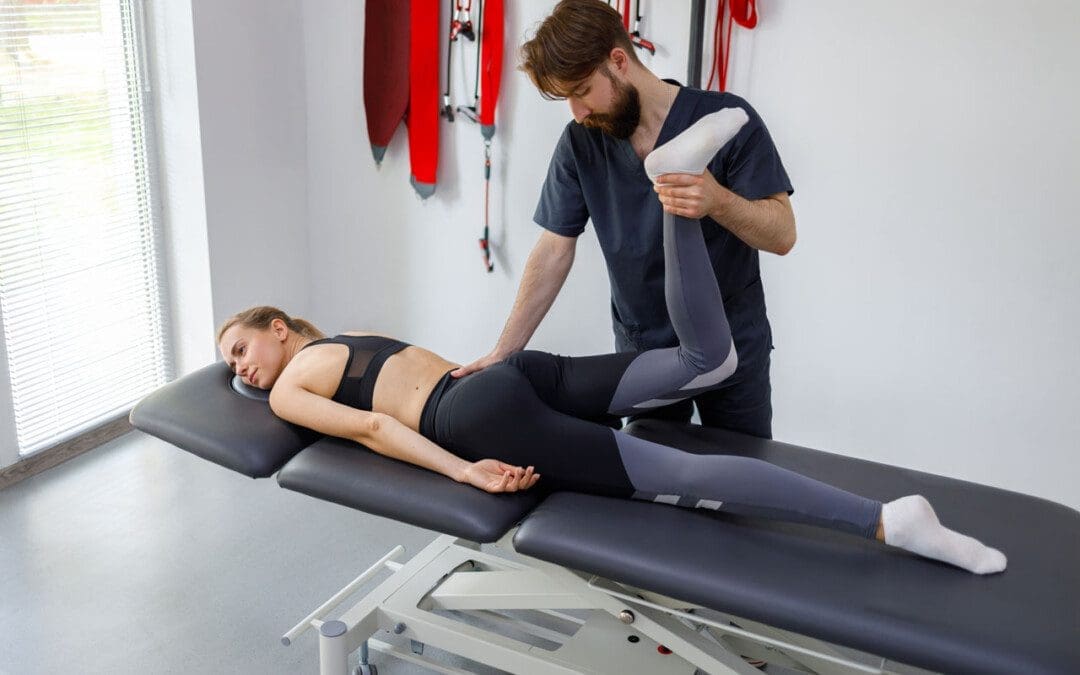
After pain and swelling subside, physical therapy may be recommended, as well as mild exercises to gradually improve hip strength and flexibility. (Paul Walker, et al., 2021)
A healthcare provider may recommend surgery in severe cases where pain persists, and conservative treatments don’t provide enough relief.
Lifshitz, L., Bar Sela, S., Gal, N., Martin, R., & Fleitman Klar, M. (2020). Iliopsoas the Hidden Muscle: Anatomy, Diagnosis, and Treatment. Current sports medicine reports, 19(6), 235–243. https://doi.org/10.1249/JSR.0000000000000723
Walker, P., Ellis, E., Scofield, J., Kongchum, T., Sherman, W. F., & Kaye, A. D. (2021). Snapping Hip Syndrome: A Comprehensive Update. Orthopedic reviews, 13(2), 25088. https://doi.org/10.52965/001c.25088
American Association of Orthopedic Surgeons. OrthoInfo. Hip strains.
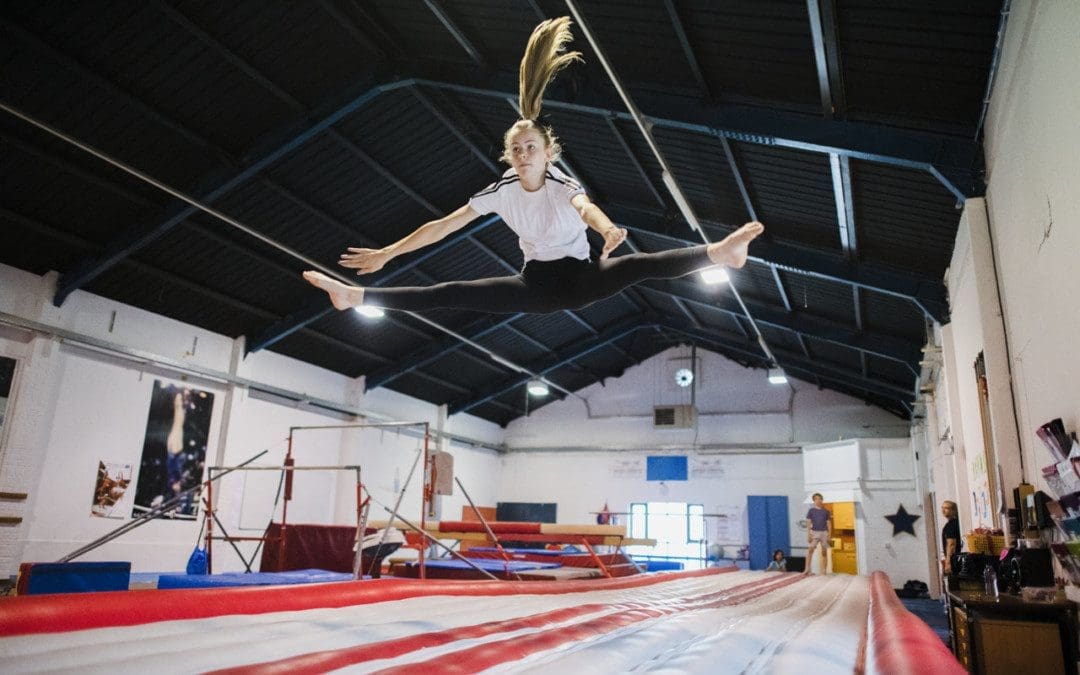
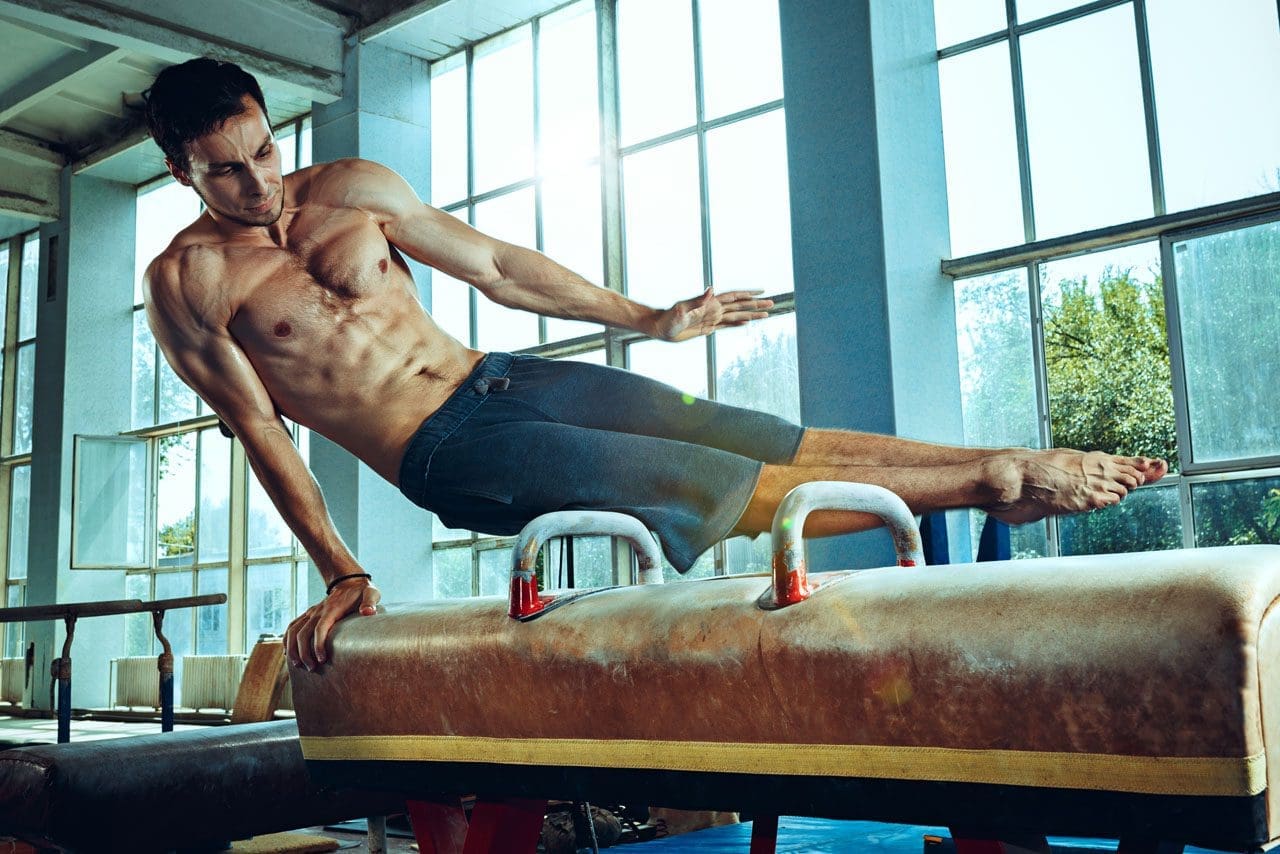
Gymnastics is a demanding and challenging sport. Gymnasts train to be powerful and graceful. Today’s moves have become increasingly technical acrobatic moves with a much higher degree of risk and difficulty. All the stretching, bending, twisting, jumping, flipping, etc., increases the risk of neuromusculoskeletal injuries. Gymnastics injuries are inevitable. Bruises, cuts, and scrapes are common, as are overuse strains and sprains, but severe and traumatic injuries can occur. Injury Medical Chiropractic and Functional Medicine Team can treat and rehabilitate injuries and help to strengthen and prevent injuries. The therapy team will thoroughly evaluate the individual to determine the injury/s severity, identify any weaknesses or limitations, and develop a personalized plan for optimal recovery, stability, and strength.
Gymnastic Injuries
One of the main reasons injuries are more prevalent is because today’s athletes start earlier, spend more time practicing, perform more complex skill sets, and have higher levels of competition. Gymnasts learn to perfect a skill and then train to make their bodies look elegant while executing the routine. These moves require precision, timing, and hours of practice.
Injury Types
Sports injuries are classified as:
Chronic Overuse injuries: These cumulative aches and pains occur over time.
They can be treated with chiropractic and physical therapy and prevented with targeted training and recovery.
Acute Traumatic injuries: These are typically accidents that happen suddenly without warning.
These require immediate first aid.
Most Common Injuries
Gymnasts are taught how to fall and land to lessen the impact on the spine, head, neck, knees, ankles, and wrists.
Back
Common back injuries include muscle strains and spondylolysis.
Bruises and Contusions
Tumbling, twisting, and flipping can result in various bruises and contusions.
Muscle Soreness
This is the sort of muscle soreness experienced 12 to 48 hours after a workout or competition.
Proper rest is necessary for the body to recover fully.
Overtraining Syndrome
Overtraining syndrome happens when individuals train beyond the body’s ability to recover.
Strength and/or flexibility imbalances – one side is stronger.
Chiropractic Care
Our therapists will start with an evaluation and a biomechanical assessment to identify all the factors contributing to the injury. This will consist of a thorough medical history to understand overall health status, training schedule, and the physical demands on the body. The chiropractor will develop a comprehensive program that includes manual and tool-assisted pain relief techniques, mobilization work, MET, core strengthening, targeted exercises, and injury prevention strategies.
Facet Syndrome Chiropractic Treatment
References
Armstrong, Ross, and Nicola Relph. “Screening Tools as a Predictor of Injury in Gymnastics: Systematic Literature Review.” Sports medicine – open vol. 7,1 73. 11 Oct. 2021, doi:10.1186/s40798-021-00361-3
Farì, Giacomo, et al. “Musculoskeletal Pain in Gymnasts: A Retrospective Analysis on a Cohort of Professional Athletes.” International journal of environmental research and public health vol. 18,10 5460. 20 May. 2021, doi:10.3390/ijerph18105460
Kreher, Jeffrey B, and Jennifer B Schwartz. “Overtraining syndrome: a practical guide.” Sports Health vol. 4,2 (2012): 128-38. doi:10.1177/1941738111434406
Meeusen, R, and J Borms. “Gymnastic injuries.” Sports medicine (Auckland, N.Z.) vol. 13,5 (1992): 337-56. doi:10.2165/00007256-199213050-00004
Sweeney, Emily A et al. “Returning to Sport After Gymnastics Injuries.” Current sports medicine reports vol. 17,11 (2018): 376-390. doi:10.1249/JSR.0000000000000533
Westermann, Robert W et al. “Evaluation of Men’s and Women’s Gymnastics Injuries: A 10-Year Observational Study.” Sports Health vol. 7,2 (2015): 161-5. doi:10.1177/1941738114559705
The hamstring muscles attach, through a tendon called the proximal hamstring tendon, to the ischial tuberosity, the bones used to sit deep in the buttock muscles. When the tendon is subjected to overuse/repetitive stresses and strains, the internal structure can become compromised, leading to weakness and pain symptoms. This is known as proximal hamstring tendinopathy. Tendinopathy is an overuse injury where the tendon is repeatedly strained until microscopic tears form. It is common in athletes that do a lot of running but also in individuals that sit for prolonged periods. If left untreated, high hamstring tendinopathy can lead to progressive degeneration of the tissues, leading to chronic weakness, pain, and dysfunction.
High Hamstring Tendinopathy
The hamstrings are a powerful muscle group that extends the hip and flexes the knee. They experience stress and pressure during activity and inactivity/sitting and are susceptible to strain injuries. Tendons attach muscle to bone and are designed to take compressive and tensile weight/loads that stretch or flex. A tendon is made up of fibrous tissue containing organized type 1 collagen. Tendons receive blood; however, the supply is less where the tendon attaches to the bone and is commonly where tendinopathy occurs.
Injury
A hamstring injury involves the bruising, irritation, or tearing of the hamstring tendon or muscle tissue. Severity can range from:
Microtears that cause stiffness and pain symptoms but heal fast on their own.
Severe ruptures that cause debilitating pain, dysfunction and require medical intervention.
The tendon attaches to the ischial tuberosity or sitting buttock bone. Tendons can have a spasm-like reaction to sudden or quick shift changes. A sudden change can cause adverse changes to the tendon. Too much load on the tendon beyond its ability to recover can cause the structure to change and the collagen to break down/tear like a rope tearing and unraveling. High hamstring tendinopathy happens around the hip area and presents as buttock or upper thigh pain. Individuals report deep, dull, radiating buttock pain during walking, running, and prolonged sitting or driving. Sometimes the sciatic nerve can become irritated or entrapped by an affected tendon’s scar tissue, causing sciatica-like symptoms.
Stages of Tendon Pathology
Reactive Phase
Caused by an acute overload of physical activity or inactivity.
The tendon will thicken temporarily to decrease the stress; however, there may be no inflammation.
The tendon can return to normal if the load is reduced or sufficient time for recovery and repair is allowed.
Disrepair
Chronically overloaded.
Unsuccessful healing.
More negative tendon changes occur.
Reversibility is possible with load management and targeted exercises to stimulate the tendon and surrounding tissues.
Degenerative
Continual progression of adverse tendon changes.
More common in older individuals.
Continue load management and strength training to maximize the tendon’s tolerance.
Chiropractic Treatment
A chiropractic therapy team will develop a personalized treatment program to improve tendon structure and strengthen the hamstrings, gluteal, and side abdominal muscles. They will begin with tendon symptom-relieving massage to loosen the muscles and get the blood circulating, MET-targeted stretches to lengthen the muscles, and spinal and pelvic adjustments to realign the body.
Sciatica Explained
References
Buckley, Mark R et al. “Distributions of types I, II and III collagen by region in the human supraspinatus tendon.” Connective tissue research vol. 54,6 (2013): 374-9. doi:10.3109/03008207.2013.847096
Lempainen, Lasse, et al. “Expert opinion: diagnosis and treatment of proximal hamstring tendinopathy.” Muscles, ligaments, and tendons journal vol. 5,1 23-8. 27 Mar. 2015
Mattiussi, Gabriele, and Carlos Moreno. “Treatment of proximal hamstring tendinopathy-related sciatic nerve entrapment: presentation of an ultrasound-guided “Intratissue Percutaneous Electrolysis” application.” Muscles, ligaments, and tendons journal vol. 6,2 248-252. 17 Sep. 2016, doi:10.11138/mltj/2016.6.2.248
Ono, T et al. “Estimation of tensile force in the hamstring muscles during overground sprinting.” International Journal of sports medicine vol. 36,2 (2015): 163-8. doi:10.1055/s-0034-1385865
White, Kristin E. “High hamstring tendinopathy in 3 female long-distance runners.” Journal of chiropractic medicine vol. 10,2 (2011): 93-9. doi:10.1016/j.jcm.2010.10.005
Wilson, Thomas J et al. “Sciatic Nerve Injury After Proximal Hamstring Avulsion and Repair.” Orthopedic Journal of sports medicine vol. 5,7 2325967117713685. 3 Jul. 2017, doi:10.1177/2325967117713685
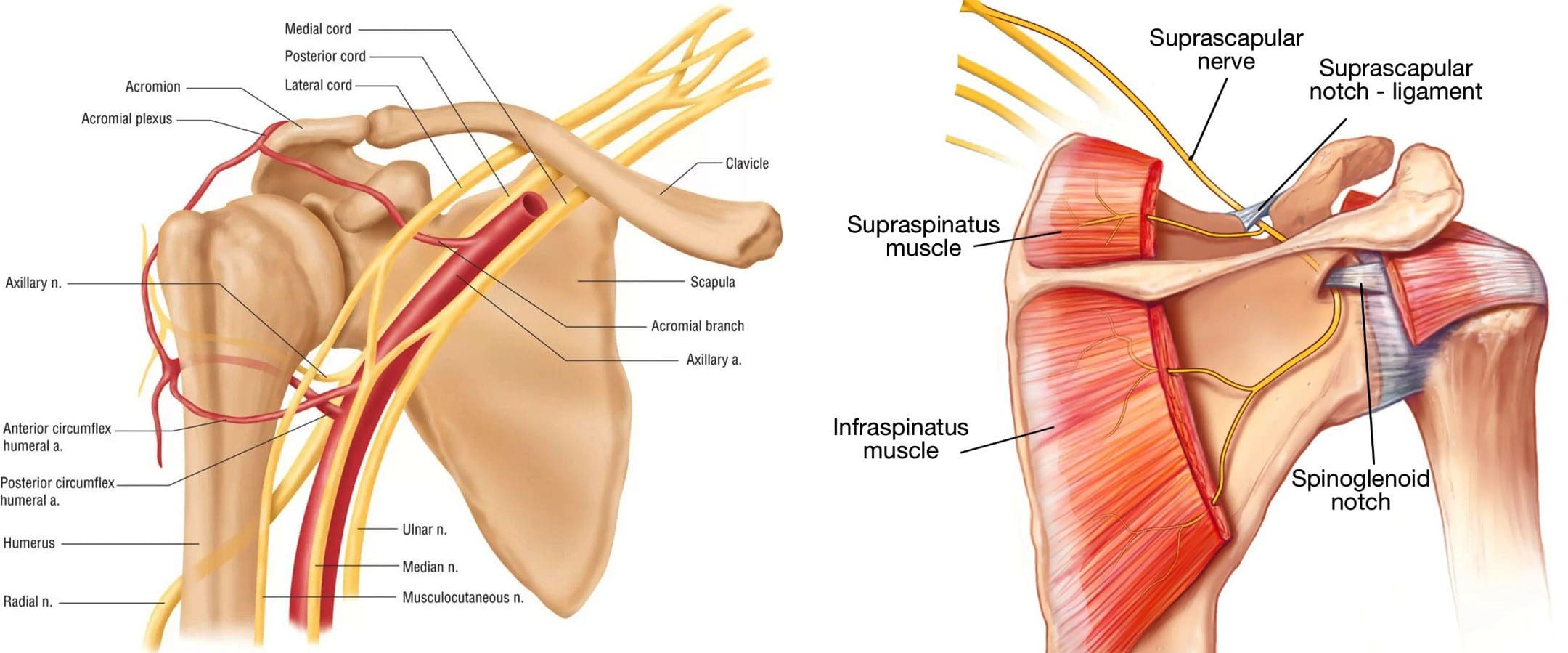
An acute injury or changes to the upper body over time can cause a compressed/pinched nerve in the shoulder. A pinched nerve in the shoulder happens when a muscle, ligament, tendon, or bone irritates or presses on a nerve exiting the neck. Shoulder nerve pain can develop from various sources, such as overuse work injuries, sports injuries, household chores, tendinitis, arthritis, torn cartilage, and other medical conditions, and injuries can contribute to symptoms. Chiropractors are highly qualified to treat pinched nerves. They are trained in whole-body realignment and rehabilitation techniques that find the root source and relieve pressure on compressed nerves.
Shoulder Nerve Pain
The shoulder joint is one of the most complex joints because of its wide range of motion. It is used so frequently that repetitive motion strain is common, often leading to injury. It is usually because of the continued use combined with an unhealed strain/injury that leads to shoulder nerve injury or when surrounding tissues like cartilage or tendons irritate or compress the nerves.
Pinched nerves also occur when a nerve root in the neck is damaged through wear and tear or an acute injury.
Individuals 50 years and older are likely to experience pinched nerves because of degeneration in the cervical spine and/or arthritis.
A nerve can become pinched when bone spurs form around the spinal discs.
Bone spurs are formations of bone that grow when discs weaken with age.
Bone spurs grow around the discs putting pressure on the nerve root.
Symptoms
Compressed Pinched Nerve/Cervical Radiculopathy
Pain sensations in the shoulder.
Tingling and/or pins and needles in fingers or hand.
Weakness in shoulder and arm muscles.
Symptoms have been known to overlap with shoulder arthritis, frozen shoulder, swimmer’s shoulder, or rotator cuff tears, so it’s always best to consult a chiropractor to understand possible causes. Other conditions with symptoms to compare:
Shoulder Arthritis
Stiffness in the joint.
Aching inside the shoulder.
Grinding when moving the joint.
Frozen Shoulder/Adhesive Capsulitis
Stiffness in the joint.
Pain in one shoulder.
Decreased range of motion and movement.
Swimmer’s Shoulder/Impingement
Pain and discomfort in the shoulder.
Weakness in the surrounding area.
Stiffness or tightness in the joint.
Impeded range of motion.
Rotator Cuff Tears
Pain and discomfort symptoms when moving the shoulder.
Weakness in the arm.
Deep aching sensations along the top and side of the joint.
Chiropractic Treatment
Chiropractors are experts on the neuromusculoskeletal system. First, a thorough medical examination will be conducted, including health history and regular activities, to understand the nature of the symptoms. Depending on the type of injury, tests, and exams may be needed to help diagnose and pinpoint the cause. Then the chiropractor will develop a personalized treatment plan. The objective is to relieve pressure and tension on the nerves and relax the muscles. In addition to adjusting the joint or other impacted areas, the therapy team will provide at-home exercises and stretches to maintain the adjustments and expedite healing.
Chiropractic Rehab
References
Kokkalis, Zinon T et al. “Nerve Injuries around the Shoulder.” Journal of long-term effects of medical implants vol. 27,1 (2017): 13-20. doi:10.1615/JLongTermEffMedImplants.2017019545
Leider, Joseph D et al. “Treatment of suprascapular nerve entrapment syndrome.” Orthopedic reviews vol. 13,2 25554. 11 Jul. 2021, doi:10.52965/001c.25554
Matzkin, Elizabeth, et al. “Swimmer’s Shoulder: Painful Shoulder in the Competitive Swimmer.” The Journal of the American Academy of Orthopaedic Surgeons vol. 24,8 (2016): 527-36. doi:10.5435/JAAOS-D-15-00313
Neviaser, Andrew S, and Jo A Hannafin. “Adhesive capsulitis: a review of current treatment.” The American Journal of sports medicine vol. 38,11 (2010): 2346-56. doi:10.1177/0363546509348048
Safran, Marc R. “Nerve injury about the shoulder in athletes, part 1: suprascapular nerve and axillary nerve.” The American Journal of sports medicine vol. 32,3 (2004): 803-19. doi:10.1177/0363546504264582
Strakowski, Jeffrey A, and Christopher J Visco. “Diagnostic and therapeutic musculoskeletal ultrasound applications of the shoulder.” Muscle & Nerve vol. 60,1 (2019): 1-6. doi:10.1002/mus.26505
The human body and the musculoskeletal system have a unique relationship as they help the host move around, rest and provide many actions without feeling pain or discomfort. The musculoskeletal system has two portions, the upper and lower sections, with various muscles that allow mobility and stability while protecting the spine from numerous injuries the body has endured. However, many environmental factors and issues pertaining to the musculoskeletal system can affect the muscles, tendons, and ligaments, causing the muscle fibers to be short or overused from repetitive motions. To that point, which can lead to muscle injuries and pain that can be relieved from treatments and numerous stretching techniques. Today’s article focuses on how injuries are associated with overused muscles, how it affects the body, and how chiropractic care incorporates techniques like MET to relieve overused muscles. We provide and mention valuable information about our patients to certified medical providers who offer therapy treatments like the MET combined with chiropractic care for individuals with musculoskeletal pain correlated with overused injured muscles. We encourage each patient by referring them to our associated medical providers based on their findings appropriately. We acknowledge that education is a spectacular way when asking our providers the most helpful questions at the patient’s acknowledgment. Dr. Alex Jimenez, D.C., utilizes this information as an educational service. Disclaimer
Injuries Associated With Overused Muscles
Have you been feeling aches and pains in your muscles? Do your legs feel tired constantly? Or have you suffered an injury causing your muscles to stiffen up? If you have been experiencing these pain-like symptoms, it could be due to overusing your muscles. When the musculoskeletal system has been dealing with stress overload from numerous repetitive motions, it causes the muscle fibers to develop symptoms of fatigue, weakness, and referred pain. Studies reveal that various risk factors associated with the musculoskeletal system correlate with overuse-related injuries. What this means is that when the injuries cause the involved body structures to develop symptoms of stress fractures associated with mechanical overload from repetitive trauma. Additional research studies mentioned that the influences from repetitive trauma could lead to a prolonged state of low-grade systemic inflammation in the joint and muscles in the body.
How Does It Affect The Body?
So what happens to the body when the muscle fibers are being overused? The referred pain associated with the musculoskeletal system causes dysfunction. Research studies have found that overuse of muscle injuries related to repetitive motion in the body causes microtrauma symptoms in the muscle, tendon, bone, or bursa. This causes the body to have insufficient recovery and produces painful arcs of motion on any joints. Leon Chaitow, N.D., D.O., and Judith Walker DeLany, L.M.T.’s book “Clinical Applications of Neuromuscular Techniques” stated that when the muscles are overused and injured, the “stress overload” has localized effects, which causes the musculoskeletal system to reach a point to break down. This causes symptoms to manifest as chronic fatigue and reduced performance efficiency. The book also stated that overuse injuries could involve certain muscles/tendons or bones to develop repetitive microtrauma over time. This causes the body to be dysfunctional and makes the individual feel tired, overworked, and stressed out due to not allowing the muscles to rest.
Chiropractic Care: The Nonsurgical Solution- Video
Have you been dealing with symptoms of muscle pain and weakness? Does your body feel exhausted after a long day doing errands? Or have you noticed any unexpected joint pain in certain parts of your body? Many people dealing with questionable musculoskeletal pain could be due to their muscles being overused and causing injuries. When the body goes through constant repetitive motions, it causes microtrauma in the musculoskeletal system, which correlates with muscle and joint pain. When this happens, pain-like symptoms develop over time and can cause the body to be overworked and different muscle groups to compensate for the pain by shifting the body. Luckily, numerous treatments are non-surgical that utilize techniques to reduce the pain and help gently stretch the muscles to return to normalcy. One of the treatments that are used for musculoskeletal pain is chiropractic care. The video above explains how chiropractic care incorporates various neuromuscular techniques to help realign the body from subluxation and reduce pain-like symptoms associated with musculoskeletal disorders.
How The MET Technique & Chiropractic Care Relieves Overuse Muscle Injuries
Treatments like chiropractic care are non-invasive and use neuromuscular techniques like MET (muscle energy technique) and manual manipulation to realign the body and help loosen up stiff muscles from experiencing more pain. Chiropractors or doctors of chiropractic will thoroughly examine while listening to the patient on where they are experiencing pain. After the examination, the chiropractor will utilize MET and various stretching techniques to loosen up the muscle fibers and restore their range of motion. Chiropractic care can help reduce the pain in the muscle while letting individuals be aware of their bodies. This can help many people to have a different mindset and listen to their bodies to reduce the effects of pain from returning and not repeat the actions in the future.
Conclusion
It is important to ensure that the musculoskeletal system is in pristine condition, as any pain-like symptoms can cause the muscle fibers to become overused, resulting in injuries and causing the body to be dysfunctional. When the body continuously goes through repetitive motions, it causes microtrauma tears in different body locations, causing the host to feel exhausted and deal with chronic pain. However, incorporating treatments like chiropractic care can help the body recover faster and prevent future injuries. This allows the body to naturally heal, restore itself from pain, and become functional again.
References
Aicale, R, et al. “Overuse Injuries in Sport: A Comprehensive Overview.” Journal of Orthopaedic Surgery and Research, U.S. National Library of Medicine, 5 Dec. 2018, https://www.ncbi.nlm.nih.gov/pmc/articles/PMC6282309/.
Chaitow, Leon, and Judith Walker DeLany. Clinical Application of Neuromuscular Techniques. Churchill Livingstone, 2002.
Neme, Jamil R. “Balancing Act: Muscle Imbalance Effects on Musculoskeletal Injuries.” Missouri Medicine, U.S. National Library of Medicine, 2022, https://www.ncbi.nlm.nih.gov/pmc/articles/PMC9324710/.
Orejel Bustos, Amaranta, et al. “Overuse-Related Injuries of the Musculoskeletal System: Systematic Review and Quantitative Synthesis of Injuries, Locations, Risk Factors and Assessment Techniques.” Sensors (Basel, Switzerland), U.S. National Library of Medicine, 1 Apr. 2021, https://www.ncbi.nlm.nih.gov/pmc/articles/PMC8037357/.
IFM's Find A Practitioner tool is the largest referral network in Functional Medicine, created to help patients locate Functional Medicine practitioners anywhere in the world. IFM Certified Practitioners are listed first in the search results, given their extensive education in Functional Medicine