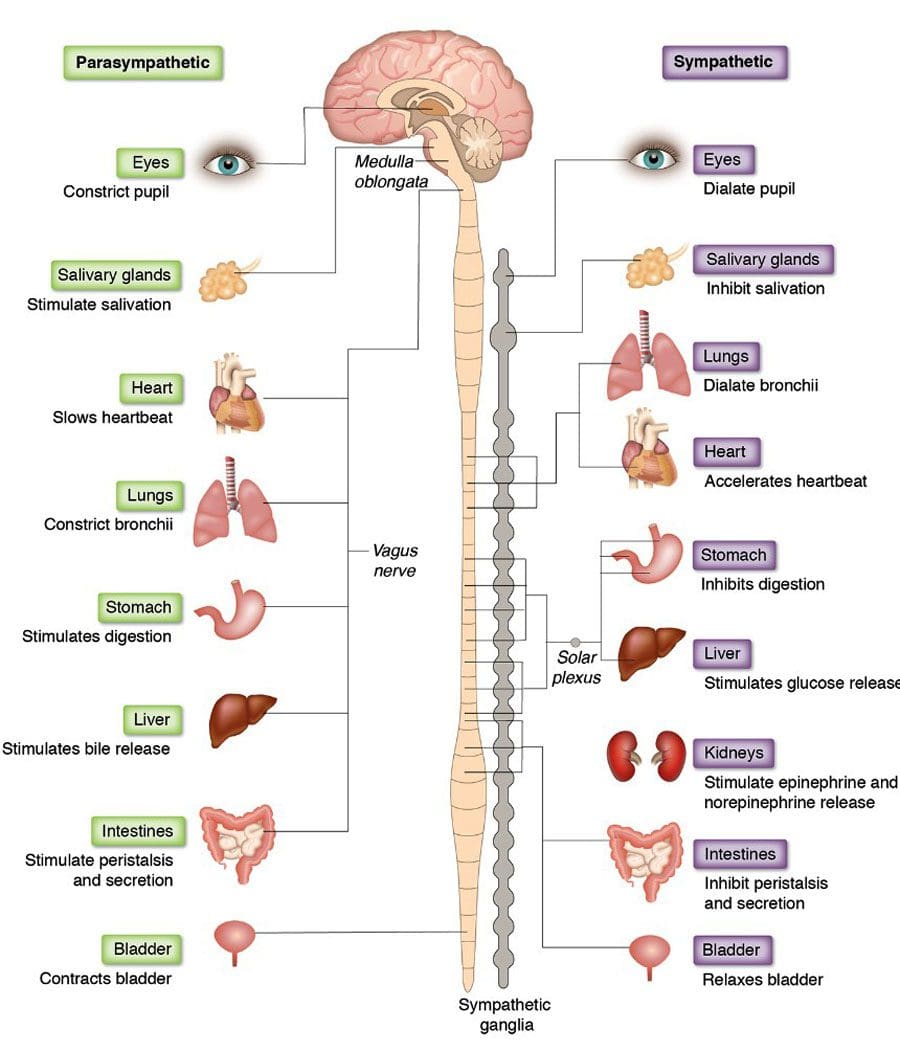
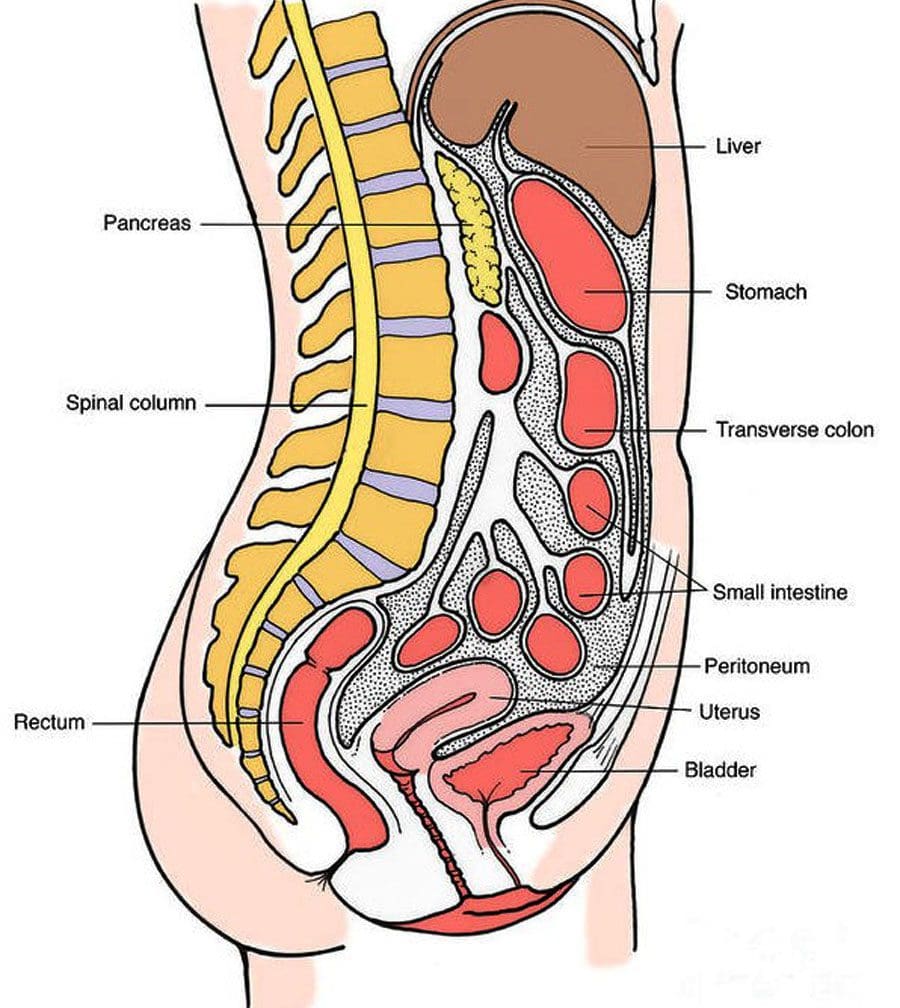
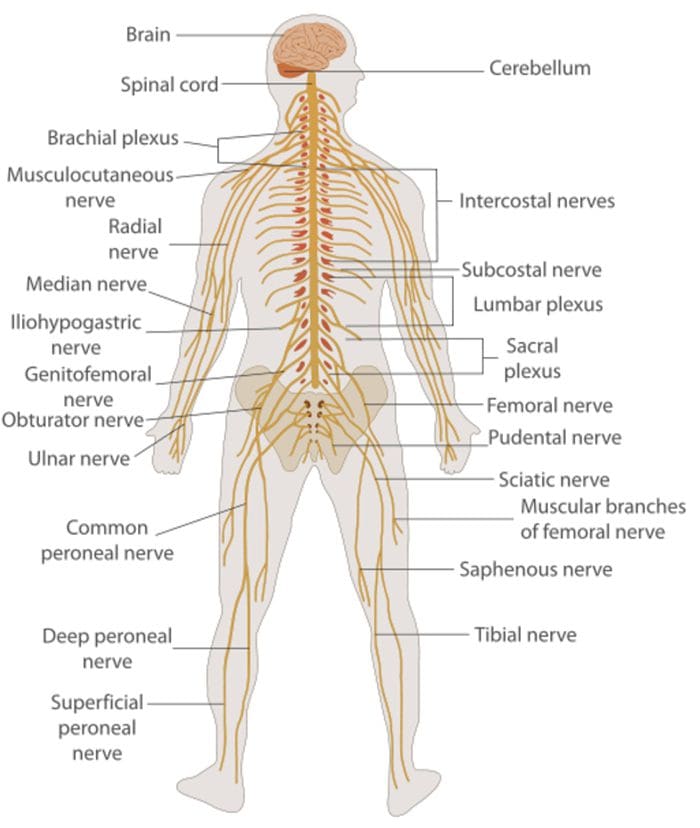
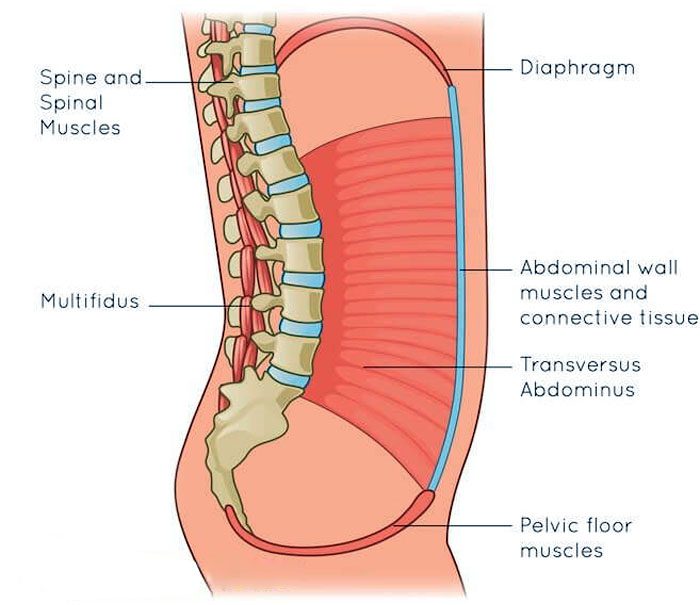
Low back and mid-back pain could be caused by abdominal or pelvic organ distress/irritation or infection that an individual doesn’t know about. This could be a viscerosomatic reflex. This can be the case when there is no back injury, muscle strain, or sprain that would coincide with back aching and soreness. Identifying the symptoms and diagnosing the underlying cause is the first step in getting ultimate pain relief.
The Organs
Inflammation and other issues with any internal organs in the central, abdominal, or pelvic region can produce low back pain. These include the following:
Heart
Lungs
Stomach
Intestines
Liver
Gallbladder
Viscerosomatic reflex pain can also be felt in a completely different body part than where the organ is located. This can cause an individual to think something is wrong in that body region when there is not.
Kidneys
The kidneys help remove liquid waste from the body.
Urine that contains more chemical substances than what can be diluted can cause kidney stones to form and sharp pain in the side and the lower back.
Kidney stones can also cause difficulty urinating and blood to show up in the urine.
Inflammation of the large intestine/colon and/or ulcerative colitis can also cause:
Low back pain.
Abdominal cramps
Rectal pain.
Visceral Pain
Visceral pain is different as it can be harder to pinpoint a source and feels like a dull aching or tightening pressure. The pain originates in the organs of the respiratory system, stomach, or pelvis that is often described as a dull ache but is also described as:
It can accompany other symptoms like nausea, vomiting, sweating, or heart palpitations.
Psychological symptoms like depression can begin to present.
Chiropractic Care
Chiropractic focuses on healing the musculoskeletal system of aches and pain, muscle stiffness, and/or chronic conditions that complement traditional medical care. Adjustments can correct the body’s alignment and how the body physically functions. A chiropractor will use manual or mechanical decompression techniques to realign the spine. This will release the muscle, tendon, ligament, and nerve tension, bringing pain relief, and improving nervous system function, and viscerosomatic reflex. Treatments include:
Adjustments
Will gently realign the joints to decrease pain and increase range of motion.
Soft-tissue therapy
Will relax tight muscles, relieve spasms, and release tension in the surrounding connective tissues.
Exercises and stretches
Will restore and maintain joint stability and mobility.
Joint bracing and Kinesio taping
Will support sprained joints or muscles as the healing process continues.
Integrative medicine expert referrals
Experts will guide individuals on diet and nutrition to reduce inflammation and promote healthy eating for overall health.
DRX9000 Low Back Pain, Sciatica, Herniated Disc
References
Bath M, Owens J. Physiology, Viscerosomatic Reflexes. [Updated 2022 May 8]. In: StatPearls [Internet]. Treasure Island (FL): StatPearls Publishing; 2022 Jan-. Available from: https://www.ncbi.nlm.nih.gov/books/NBK559218/
Beal, M C. “Viscerosomatic reflexes: a review.” The Journal of the American Osteopathic Association vol. 85,12 (1985): 786-801.
Lefebvre R, Peterson D, Haas M. Evidence-Based Practice and Chiropractic Care. (https://www.ncbi.nlm.nih.gov/pmc/articles/PMC3716373/) J Evid Based Complementary Altern Med. 2012;18(1):75-79. Accessed 4/25/2022.
Sikandar, Shafaq, and Anthony H Dickenson. “Visceral pain: the ins and outs, the ups and downs.” Current opinion in supportive and palliative care vol. 6,1 (2012): 17-26. doi:10.1097/SPC.0b013e32834f6ec9
Zhou, QiQi, and G Nicholas Verne. “New insights into visceral hypersensitivity–clinical implications in IBS.” Nature reviews. Gastroenterology & hepatology vol. 8,6 (2011): 349-55. doi:10.1038/nrgastro.2011.83
Detoxifying does not necessarily mean juicing and going on a diet. Detoxing is about cleansing the whole body of environmental pollutants, food waste, bacteria, and toxins. Things like medications and alcohol also need to be flushed from the body. When the body becomes unhealthy and overweight, it can put its systems in a chronically stressed state, leading to nerve energy production failure, fatigue, a weakened immune system, and disease. The body constantly works to cleanse itself. Exercise helps expedite the process.
Exercise To Detoxify
Exercise removes harmful toxins by getting the lungs and the blood pumping and increasing sweat production, which encourages detoxification. More blood circulating throughout the body allows the liver and the lymph nodes to flush out toxins properly. With exercise, fluid intake increases, allowing more sweat production to release toxins. Drinking more water during workouts also helps the kidneys function at optimal levels to flush out toxins, fats, and waste.
Aerobics
Any low-intensity aerobic exercise that increases heart rate and increases heavier breathing is recommended as long as the breathing is within the fat-burning heart rate. Exercises can be anything from:
Bouncing on a mini-trampoline, also known as rebounding, is another form of exercise that promotes toxin release. The low-impact motion stimulates the lymphatic system. Lymph nodes filter substances and fight off infections by attacking bacteria/germs that travel into the lymph fluid. Twenty minutes on the trampoline two or three times a week to detoxify.
Yoga
There are yoga poses that help to detoxify specific organs. Yoga can help the body cleanse inside and generate more energy.
This pose improves circulation, stretches, and strengthens the low back, hips, hamstrings, and calves.
Step with the feet 3 to 4 feet apart.
Hands-on hips.
Lift tall through the whole torso.
Fold slowly over the legs.
Bend from the hip joints without rounding the lower back.
If the back starts to round, stop folding forward.
Sweating and Detoxing
Sweat is one of the body’s primary ways of eliminating toxins. However, more sweat does not mean more toxins are being flushed. Excess sweat could be caused by the body overheating and can lead to dehydration. This is why it’s vital to maintain the body’s hydration levels while working out. Fluids like juice and sports drinks can help maintain hydration, but they contain sugar and other ingredients that could interfere with thorough detoxifying.
Body Composition
Before Starting A Detox Diet
Individuals are recommended to talk with their doctor, nutritionist, health coach about detox diet methods to lose and maintain weight.
Talk with a doctor
Seek consultation with a physician before starting any body detox cleanse, especially if there are underlying medical conditions like diabetes or kidney disease.
For individuals struggling with obesity, a physician can recommend alternative diet approaches and exercise programs.
Realistic expectations
Detox diets work primarily through caloric restriction like a conventional diet.
Individuals could feel better from a body cleanse because they will likely be avoiding processed foods and empty calories.
Adopt a long-term frame of mind
Diet and exercise to achieve and maintain a healthy weight is a lifelong journey.
Detox diets can be a helpful tool to get going in the right direction.
References
Ernst, E. “Alternative detox.” British medical bulletin vol. 101 (2012): 33-8. doi:10.1093/bmb/lds002
Klein, A V, and H Kiat. “Detox diets for toxin elimination and weight management: a critical review of the evidence.” Journal of human nutrition and dietetics: the official journal of the British Dietetic Association vol. 28,6 (2015): 675-86. doi:10.1111/jhn.12286
Obert, Jonathan et al. “Popular Weight Loss Strategies: a Review of Four Weight Loss Techniques.” Current gastroenterology reports vol. 19,12 61. 9 Nov. 2017, doi:10.1007/s11894-017-0603-8
Chiropractors understand the need to treat the whole body to reduce and alleviate pain. Many types of pain are caused by inflammation. Inflammation is a natural and healthy response to injury; however, chronic inflammation is not. Low-grade chronic inflammation can lead to health problems like obesity, diabetes, arthritis, dementia, heart disease, stroke, and cancer. If not treated, chronic inflammation can spread throughout the body, causing pain and aggravation. When it comes to nutritional health, the foods can worsen chronic pain. Chiropractors and doctors recommend an anti-inflammation diet for chronic pain.
Anti-Inflammation Diet
When the body gets injured, the nervous system sends signals to the immune system to send chemicals and new red and white blood cells needed for healing. The immune system works correctly when it fights infection by activating when the body recognizes anything foreign entering the system. This could be plant pollen, chemicals, or invading microbes. Studies show that individuals get 50 percent of their calories from sugar, white flour, vegetable oil, and industrial seed oils. These foods are known to increase inflammation in the body. Eating foods that trigger the immune system, like refined white flours or sugar, creates inflammation that does not turn off because the information sent constantly signals an injury exacerbating inflammation and pain.
Foods That Cause Inflammation
The following foods should be avoided or limited as much as possible:
Sugary beverages and soda drinks.
Margarine and lard.
Gluten and white pasta.
Refined carbohydrates in white bread and pastries.
Processed meat like sausages and hot dogs.
Red meat like steaks and burgers.
Fried foods that are high in trans fats, like chips and fries.
Excessive alcohol.
Some of these foods have been associated with chronic diseases that include:
Foods high in natural antioxidants include apples and blueberries. Antioxidants are reactive molecules that can reduce the number of free radicals in the diet. A free radical is a molecule that has the potential to alter and damage the cells in the body. Damaged cells increase the risk of disease development.
Chiropractic Inflammation Relief
Chiropractic physiotherapy strengthens the body by strengthening the immune system removing any blockage. This maintains the natural flow of blood and nutrients throughout the body, increasing the immune system’s defense. Changing to an anti-inflammation diet can help boost the immune system but can be a challenging adjustment. Discuss available options to manage pain relief and inflammation.
Body Composition
Muscle Is Not Just For Athletes
Many individuals think that muscle gain is only necessary for athletes. Not everyone wants to be muscular, but everyone needs to be able to fight off sickness from infection/s. Muscle is made up primarily of water and protein. Protein is an essential macronutrient that the body needs to function correctly. When the body enters a stressed state like becoming sick, the body’s protein demands suddenly increase up to four times the amount usually required. If the body does not get the necessary protein from the food, it will begin to take what it needs from the muscles and start breaking them down. If muscles aren’t sufficiently developed or underdeveloped, the body becomes reduced in its ability and strength to fight off infections and increases the chances for future ones.
References
Haß, Ulrike et al. “Anti-Inflammatory Diets and Fatigue.” Nutrients vol. 11,10 2315. 30 Sep. 2019, doi:10.3390/nu11102315
Owczarek, Danuta et al. “Diet and nutritional factors in inflammatory bowel diseases.” World journal of gastroenterology vol. 22,3 (2016): 895-905. doi:10.3748/wjg.v22.i3.895
Sears, Barry. “Anti-inflammatory Diets.” Journal of the American College of Nutrition vol. 34 Suppl 1 (2015): 14-21. doi:10.1080/07315724.2015.1080105
Optimal nervous system health is the key to maximum body function and overall health. Individuals don’t really think about their nervous system until symptoms from injury, disease, or nerve problems present. The nervous system consists of billions of neurons that connect/network the brain with the rest of the body.
Nervous System Health
All of the body’s systems, organs, and tissues have nerves attached to them. The brain engages with this network to control and coordinate bodily functions. Functions include:
Heart
Lungs
Immune system
Digestive system
Reproductive system
Every function the body performs requires brain-body communication through the nervous system. The brain communicates with the nervous system to regulate the body to the environment it is in. For example:
If it’s hot, the body sweats.
If it’s cold, the body shivers.
If there is danger, the fight or flight response activates.
All are directed by the brain transmitting signals and messages through the nervous system.
Body Function
Optimal body function means that all bodily functions are normal, active, and healthy. Everything is working as it should. When the body functions at less than 100%, it can develop into more serious problems little by little. Like a vehicle that starts making a little sound that seems like nothing, then after a few days, weeks, months, it becomes a massive popping, grinding, starting, stopping, emergency, when vital information that regulates function gets lost in transmission from the brain to the body, health declines.
Flowing Spinal Highway
The vital information/communication between the brain and the body flow through the spinal column. The super information highway/spinal cord travels down the spinal column. Branching off the spinal cord are spinal nerve roots that go to every system, organ, and tissue in the body. The spinal bones are lined up like an electrical conduit channel for the spinal cord. The vertebrae should be lined up and move properly, allowing optimal blood and nerve circulation without any obstruction or interference.
When the spine shifts out of place, creating misalignment, moving properly becomes hindered, causing discomfort and pain, along with the vital communication needed to regulate maximum function not able to get through. This leads to malfunction within the body and decreases health and well-being. Spinal misalignment that interferes with nerve message transmission is called a vertebral subluxation.Chiropractic healthcare professionals are trained to detect and correct spinal subluxations. They realign the spine’s bones to restore nervous system health and internal communication for proper body function.
Body Composition
Prebiotics Can Help With
Inflammation
Inflammation is a normal function of the immune system; however, chronic inflammation can cause damage to the body. Chronic inflammation is associated with:
Obesity
Heart disease
Cancer
Other diseases and conditions.
Having a balance of healthy gut microbiota helps decrease chronic inflammation and the risk of disease.
Gastrointestinal Diseases and Conditions
Prebiotics also ferment in the colon producing short-chain fatty acids. These provide energy for the colon’s epithelial cells that line and protect the colon. Prebiotics increase the protection provided by the epithelial cells, reducing the risk for gastrointestinal conditions like:
Irritable Bowel Syndrome – IBS
Crohn’s disease
Cancer.
Prebiotics can also reduce symptoms of gastrointestinal conditions.
Neurological System
The central nervous system is also known as the brain and spinal cord. However, many do not know about the enteric nervous system, which includes the gastrointestinal tract. The link between the enteric and central nervous systems involves cognitive and emotional functions. Prebiotics increase and promote healthy gut microbiota to help manage:
Mood
Learning
Memory
Certain psychological disorders
References
Cerdó, Tomás et al. “Probiotic, Prebiotic, and Brain Development.” Nutrients vol. 9,11 1247. 14 Nov. 2017, doi:10.3390/nu9111247
Chu, Eric Chun Pu, and Michelle Ng. “Long-term relief from tension-type headache and major depression following chiropractic treatment.” Journal of family medicine and primary care vol. 7,3 (2018): 629-631. doi:10.4103/jfmpc.jfmpc_68_18
Kiani, Aysha Karim et al. “Neurobiological basis of chiropractic manipulative treatment of the spine in the care of major depression.” Acta bio-medica : Atenei Parmensis vol. 91,13-S e2020006. 9 Nov. 2020, doi:10.23750/abm.v91i13-S.10536
Maltese, Paolo Enrico et al. “Molecular foundations of chiropractic therapy.” Acta bio-medica : Atenei Parmensis vol. 90,10-S 93-102. 30 Sep. 2019, doi:10.23750/abm.v90i10-S.8768
Wirth, Brigitte et al. “Neurophysiological Effects of High Velocity and Low Amplitude Spinal Manipulation in Symptomatic and Asymptomatic Humans: A Systematic Literature Review.” Spine vol. 44,15 (2019): E914-E926. doi:10.1097/BRS.0000000000003013
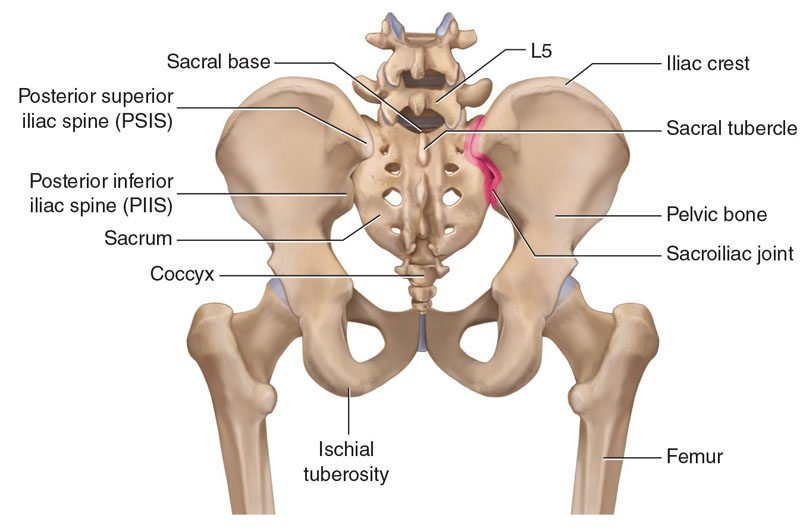
The pelvis is designed to bear and distribute the weight of the body along with regular everyday movement. It is built to properly distribute weight between the upper and lower body that utilizes the core muscles, ligaments, and joints creating a complex pelvic girdle that helps the body function properly. The bones of the pelvis house and protect organs like the:
Reproductive system
Bladder
Below the digestive tract
When pain in the pelvis presents, daily physical activities can become difficult to get through. Chiropractic treatment combined with lifestyle adjustments can bring pain relief and strengthen the pelvis muscles/bones to maintain optimal function.
Causes of Pelvic Pain
When pain presents there can be a variety of underlying causes contributing to it. Certain causes are more serious than others. This is why seeking professional medical guidance is highly recommended for the best outcomes. Possible causes include:
These are a few causes that can contribute to mechanical changes and imbalances within the pelvis anatomy. If the pain is thought to be caused by an internal organ issue with nausea, fever, vomiting, or severe pain contact a healthcare provider immediately.
Chiropractic Relief
The pelvis can be thought of as a direct continuation of the spine. The lowest fused five vertebrae are known as the sacrum and are part of the pelvic girdle complex. Individuals dealing with pelvic pain typically experience the sensation within the joints themselves. These are the pubic symphysis and/or sacroiliac joints. These joints interact with the entire skeletal system. Learning how they operate can help bring relief and recovery. This is where a chiropractor can help.
Chiropractors are experts in total body alignment, restoring balance to the pelvis and spine. Plus through the treatment, they help increase the body’s natural ability to heal itself. When the lower back or pelvis is out of alignment the entire body along with its systems can be thrown off balance causing dysfunction. Chiropractic promotes and increases balance with pelvic adjustments and diverse therapies that include:
A professional chiropractor is one of the best options for the management and alleviation of pelvis pain. Pelvis misalignment can impede nerve energy and adequate blood flow. Chiropractic restoration strengthens and maintains optimal long-lasting results. Whether the pelvic pain comes from an injury, pregnancy, or pelvic shift/imbalance, a chiropractic provider can help address and alleviate the pain.
Body Composition
Lifestyle Adjustments for Optimal Kidney Health
The kidneys are small organs that work twenty-four-seven to filter blood and flush waste. In one day the kidneys pump more than 400 gallons of recycled blood throughout the body. When the kidneys do not function properly the body can be engulfed with waste. This is why it is vital to keep them healthy. Individuals usually don’t realize how an unhealthy lifestyle can harm/injure the kidneys. Chronic kidney disease slowly progresses over years, and it is not reversible. Incorporating some basic healthy lifestyle adjustments can lower the risk of developing kidney-related diseases. Here are a few lifestyle adjustments that can keep the kidneys healthy.
Drinking plenty of water
An adequate supply of water in the kidneys flushes out sodium, urea, and toxins helping avoid kidney stones. The goal is to drink eight 8-ounce glasses of water every day. Everyone’s water levels are different but body composition analysis can calculate what a normal level should be.
Healthy foods maintain a healthy body
Poor diet and visceral fat gain have been linked to chronic kidney disease. Reducing visceral fat can be achieved by eating a restricted caloric diet of vegetables, fruit, and lean protein, as well as cutting back on processed foods.
Be cautious consuming supplements, antibiotics, and over the counter medications
Regular use of common medications and supplements can cause kidney damage and disease. Consult with a doctor before taking medications and supplements if there is kidney function impairment.
Fitness and activity
Individuals need to participate in regular cardiovascular and weight-resistance physical activity/exercise. High blood sugar levels have been shown to stress the kidneys. Building adequate muscle mass helps control blood sugar.
Smoking and kidney health issues
Smoking narrows the blood vessels in the kidneys. This reduces proper blood flow and accelerates kidney malfunction.
Disclaimer
The information herein is not intended to replace a one-on-one relationship with a qualified health care professional, licensed physician, and is not medical advice. We encourage you to make your own health care decisions based on your research and partnership with a qualified health care professional. Our information scope is limited to chiropractic, musculoskeletal, physical medicines, wellness, sensitive health issues, functional medicine articles, topics, and discussions. We provide and present clinical collaboration with specialists from a wide array of disciplines. Each specialist is governed by their professional scope of practice and their jurisdiction of licensure. We use functional health & wellness protocols to treat and support care for the musculoskeletal system’s injuries or disorders. Our videos, posts, topics, subjects, and insights cover clinical matters, issues, and topics that relate to and support, directly or indirectly, our clinical scope of practice.* Our office has made a reasonable attempt to provide supportive citations and has identified the relevant research study or studies supporting our posts. We provide copies of supporting research studies available to regulatory boards and the public upon request. We understand that we cover matters that require an additional explanation of how it may assist in a particular care plan or treatment protocol; therefore, to further discuss the subject matter above, please feel free to ask Dr. Alex Jimenez or contact us at 915-850-0900.
Dr. Alex Jimenez DC, MSACP, CCST, IFMCP, CIFM, CTG* email: [email protected] phone: 915-850-0900 Licensed in Texas & New Mexico
Kim DH, Cho D, Dickman CA, Kim I, et al. Surgical Anatomy & Techniques to the Spine. 2nd Ed. Saunders, Elsevier, Inc. Philadelphia, PA.
Lirette LS, Chaiban G, Tolba R, Eissa H. Coccydynia: An Overview of the Anatomy, Etiology, and Treatment of Coccyx Pain. Ochsner J. 2014 Spring;14(1): 84-87.
IFM's Find A Practitioner tool is the largest referral network in Functional Medicine, created to help patients locate Functional Medicine practitioners anywhere in the world. IFM Certified Practitioners are listed first in the search results, given their extensive education in Functional Medicine