Many doctors/surgeons rely on the widely adopted lumbar spinal fusion. However, experts have asserted that lumbar total disc replacement or TDR should be made available and increased for treating degenerative disc disease and other spinal conditions. Individuals interested in total disc replacement, the ability to have it done, and if insurance will pay? What to know about TDR and fusion before deciding and moving forward.
Total Disc Replacement
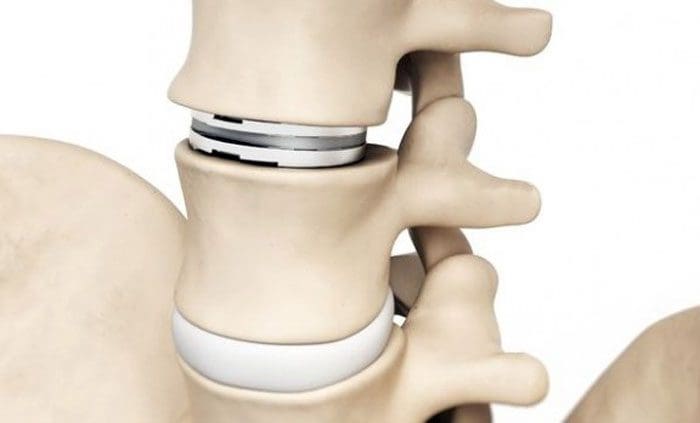
Spinal fusion has been the traditional approach for relieving lower back pain. In this procedure, a bone graft is inserted between two or more vertebrae. This eliminates movement that causes pain or could be dangerous to the individual. Total disc replacement demands more on a technical level than spinal fusion. However, the worn-out, injured, or damaged disc is fully replaced, even a completely degenerated disc, with a metal and/or plastic one. Benefits from lumbar TDR surgery include:
Shown to be a safe procedure with minimal complications
Significant improvement in health and quality of life
High rates of successful outcomes
Mobility is preserved
Who Needs Disc Replacement?
Low back problems affect more than a third of the population. This can come from:
Personal
Work
Sports
Automobile injuries
Aging
All are risk factors
Fusion or Total disc replacement
Fusion reduces and eliminates motion around the affected area which also changes with the spine’s mechanics. It can also place increased stress on the surrounding segments. However, the lack of motion is to eliminate the pain. Total disc replacement does increase mobility, but it can’t fully relieve the pain. It can relieve pain generated from the disc but not from other causes. TDR has been shown to:
Provides motion preservation
Reduces staying at the hospital
Provides long-term durability
Lower reoperation rates compared to fusion
Total disc replacement issues:
The procedure is more time-consuming
A lot of time making decisions
A lot of time preparing
An example could be the patient has a narrow disc space. Looking at the X-rays of the discs above and below, the surgeon has to make sure they choose the right size. Next, the narrow space needs to be mobilized back to a normal height that cannot be too high or too short. Finally, the surgeon has to make sure that the disc is anchored and fits properly.
Why Surgeons Still Choose Fusion?
Despite the benefits, there are reasons why surgeons still choose fusion.
There are strict rules as to when TDR can be used. This means insurers are prone only to approve fusion procedures.
The surgical technique is challenging. TDR surgery is a highly demanding procedure. As a result, many doctors specializing in fusion for 20 years or more can be reluctant to perform the procedure.
Complications and revision surgeries. Reoperations are sometimes necessary, but this happens in both fusion and TDR.
Individual Needs
Fortunately, most individuals with lower back problems never need total disc replacement. And those that do have severe pain/conditions are recommended to try non-invasive/surgical treatment. This ranges from:
Chiropractic
Physical therapy
Massage
Imaging and lab tests will be required. However, if an operation is necessary, ask questions about both procedures. For example, if a surgeon insists that fusion is the only option, ask why total disc replacement is not an option?
Body Composition Testing
Protein and Weight Loss
Protein is one of three basic macronutrients found in food. Proteins are made up of smaller units called amino acids. There are 22 amino acids, with 9 of these being essential. This means the body needs them, as the body cannot produce them. These essential amino acids can be obtained by eating protein-rich foods like:
Eggs
Meat
Fish
Vegetarian/vegan options include:
Nuts
Seeds
Beans
Tofu
Generally, all the essential amino acids cannot be obtained from just one food. Therefore it is recommended to eat a variety of animal and plant-based proteins. Protein is in almost every structure and function of the body.
Antibodies
These proteins fight off any infections, bacteria, etc.
Repair, maintenance, and structural
Proteins are the building blocks of the body’s muscles, bones, skin, and hair.
Hormones
Chemical messenger proteins are how cells and organs communicate. For example, Growth Hormone affects muscle gain and fat loss.
Enzymes
Not all proteins are enzymes; however, all enzymes are proteins. These proteins are catalysts or starters for chemical reactions in the body.
Transportation and storage
Some proteins carry molecules where they are needed. For example, hemoglobin or the red blood cells carry oxygen to cells, then transport carbon dioxide away.
Not getting enough protein in one’s diet can have serious consequences on the body’s health. Without enough protein, the muscles can begin to atrophy or waste away, taking Lean Body Mass, strength, and energy away as well.
The information herein is not intended to replace a one-on-one relationship with a qualified healthcare professional or licensed physician and is not medical advice. We encourage you to make your own health care decisions based on your research and partnership with a qualified health care professional. Our information scope is limited to chiropractic, musculoskeletal, physical medicines, wellness, sensitive health issues, functional medicine articles, topics, and discussions. We provide and present clinical collaboration with specialists from a wide array of disciplines. Each specialist is governed by their professional scope of practice and their jurisdiction of licensure. We use functional health & wellness protocols to treat and support care for the injuries or disorders of the musculoskeletal system. Our videos, posts, topics, subjects, and insights cover clinical matters, issues, and topics that relate to and support, directly or indirectly, our clinical scope of practice.* Our office has made a reasonable attempt to provide supportive citations and has identified the relevant research study or studies supporting our posts. In addition, we provide copies of supporting research studies available to regulatory boards and the public upon request.
We understand that we cover matters that require an additional explanation of how it may assist in a particular care plan or treatment protocol; therefore, to further discuss the subject matter above, please feel free to ask Dr. Alex Jimenez or contact us at 915-850-0900.
Salzmann, Stephan N et al. “Lumbar disc replacement surgery-successes and obstacles to widespread adoption.” Current reviews in musculoskeletal medicine vol. 10,2 (2017): 153-159. doi:10.1007/s12178-017-9397-4
Hopkins overview of Lumbar TDR (for consumers) https://www.hopkinsmedicine.org/health/treatment-tests-and-therapies/lumbar-disk-replacement
“Comparison of Lumbar Total Disc Replacement With Surgical Spinal Fusion for the Treatment of Single-Level Degenerative Disc Disease: A Meta-Analysis of 5-Year Outcomes From Randomized Controlled Trials”, Zigler J, et al., Global Spine Journal, June 2018, PMC602295 https://www.ncbi.nlm.nih.gov/pmc/articles/PMC6022955/
“Overview of Lumbar TDR” (for consumers); Johns Hopkins Medical Center https://www.hopkinsmedicine.org/health/treatment-tests-and-therapies/lumbar-disk-replacement
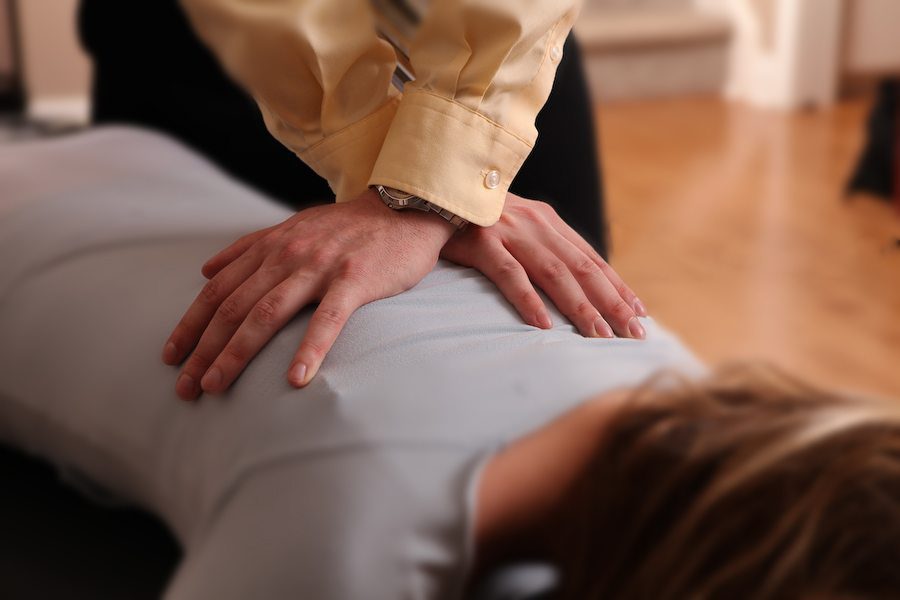
Chiropractic treatment and physical therapy are treatment methods/approaches that are conservative, non-invasive, and are both practical options. Both address health concerns, like various types of pain, automobile, work, sports, and personal injuries. Both are focused on helping individuals achieve long-term results and maintain health.
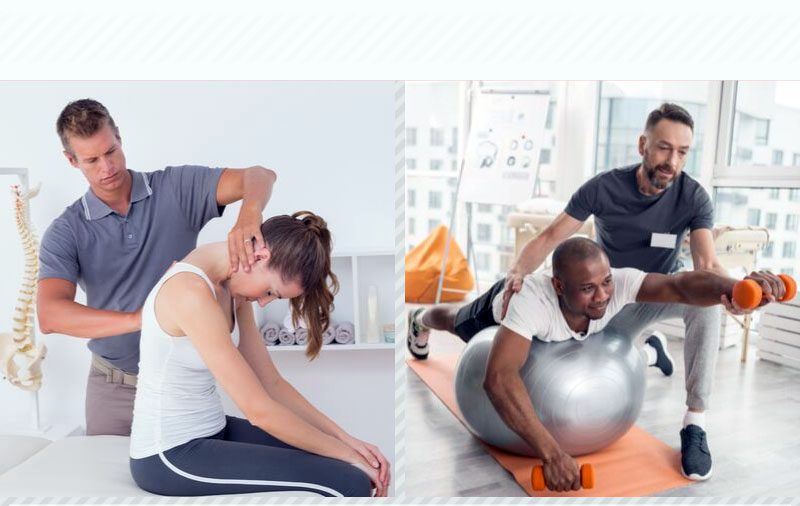
Chiropractic and physical therapy are usually done in combination, as they complement one another. There are benefits and similarities between the two treatment options. Here are some general guidelines to decide which treatment option is best for your needs.
Primary symptoms
Chiropractors are known for the ability to provide quick relief to individuals dealing with pain and stiffness in the joints, particularly the spine. They are experts in spinal realignment and proper posture. If flexibility is limited or the joints are locking up, a chiropractor is the recommended choice.
Physical therapists or PTs are the experts in body biomechanics and soft tissue injuries. If an individual finds themselves moving differently because of pain or injury, training and exercise will help movement and maximum recovery.
Treatment style
Chiropractors follow a meticulous expert-based protocol for achieving the best results. They provide a hands-on approach to treatment that requires regular follow-ups and maintenance. This is an approach that some individuals prefer. Physical therapy treatment/rehabilitation programs are typically short-term. The average treatment usually lasts only 12 weeks. A physical therapist’s primary objective is to provide a fundamental understanding of how to move properly and self-manage symptoms for the long term. This usually includes a balanced exercise program.
Insurance coverage
Insurance plans vary in what is covered. The first step is to see what an individual’s insurance will cover. Benefits can be found online or by calling a representative to see how to get the care/treatment needed. Most plans cover some form of physical therapy. Chiropractic is also usually covered by insurance providers. Skipping the insurance can also be done with chiropractic clinics providing affordable options.
Options
There is no clear-cut answer as to which to see. A physical therapist or chiropractor. Individuals should follow a doctor’s recommendations as to which treatment type would benefit them. If no recommendations have been given then take a look at a clinic’s website to see what they are about. Fortunately, many chiropractic clinics include physical therapists as part of their medical team. Both chiropractic and physical therapists provide dynamic benefits for increasing and maintaining overall health.
Body Composition
Hydration Guidelines
Drink according to thirst
The body knows when it needs water. Therefore drink when you are thirsty, not before. An adequate fluid intake should be timed according to feelings of thirst.
Estimate hourly sweat loss
Those that exercise or engage in regular physical activities for prolonged periods should weigh themselves before engaging in the exercise/activity. Then drink according to thirst as the event goes on, then weigh yourself after the activity. The goal is to maintain the same weight or be slightly less. If an individual weighs more than what they drank, then they drank too much.
Excess water consumption
If an individual is not thirsty, the recommendation is to not drink water in excess. Nausea and even vomiting could ensue. A simple indicator to determine if enough water is being consumed is to check urine color. If it is colorless or slightly yellow then an individual is drinking enough water.
Disclaimer
The information herein is not intended to replace a one-on-one relationship with a qualified health care professional, licensed physician, and is not medical advice. We encourage you to make your own health care decisions based on your research and partnership with a qualified health care professional. Our information scope is limited to chiropractic, musculoskeletal, physical medicines, wellness, sensitive health issues, functional medicine articles, topics, and discussions. We provide and present clinical collaboration with specialists from a wide array of disciplines. Each specialist is governed by their professional scope of practice and their jurisdiction of licensure. We use functional health & wellness protocols to treat and support care for the musculoskeletal system’s injuries or disorders. Our videos, posts, topics, subjects, and insights cover clinical matters, issues, and topics that relate to and support, directly or indirectly, our clinical scope of practice.* Our office has made a reasonable attempt to provide supportive citations and has identified the relevant research study or studies supporting our posts. We provide copies of supporting research studies available to regulatory boards and the public upon request. We understand that we cover matters that require an additional explanation of how it may assist in a particular care plan or treatment protocol; therefore, to further discuss the subject matter above, please feel free to ask Dr. Alex Jimenez or contact us at 915-850-0900.
Dr. Alex Jimenez DC, MSACP, CCST, IFMCP, CIFM, CTG* email: [email protected] phone: 915-850-0900 Licensed in Texas & New Mexico
References
American Association of Physical Therapists. www.apta.org
Cherkin, D C et al. “A comparison of physical therapy, chiropractic manipulation, and provision of an educational booklet for the treatment of patients with low back pain.” The New England journal of medicine vol. 339,15 (1998): 1021-9. doi:10.1056/NEJM199810083391502
Fritz, Julie M. “Physical therapy in a value-based healthcare world.” The Journal of orthopaedic and sports physical therapy vol. 42,1 (2012): 1-2. doi:10.2519/jospt.2012.0101
Shrier I. Does stretching help prevent injuries? Evidence-based Sports Medicine. Williston, VT: BMJ Books; 2002.
Minimally invasive surgical procedures can be used to treat spinal compression fractures. These procedures are utilized to reduce severe pain, stabilize the fracture itself, and restore lost height or shape of the broken vertebral body. These procedures are known as:
Balloon kyphoplasty
Vertebroplasty
Vertebral body augmentation
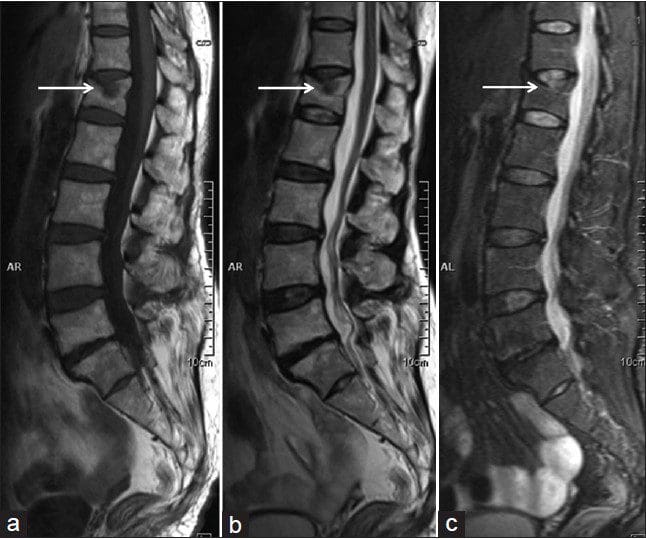
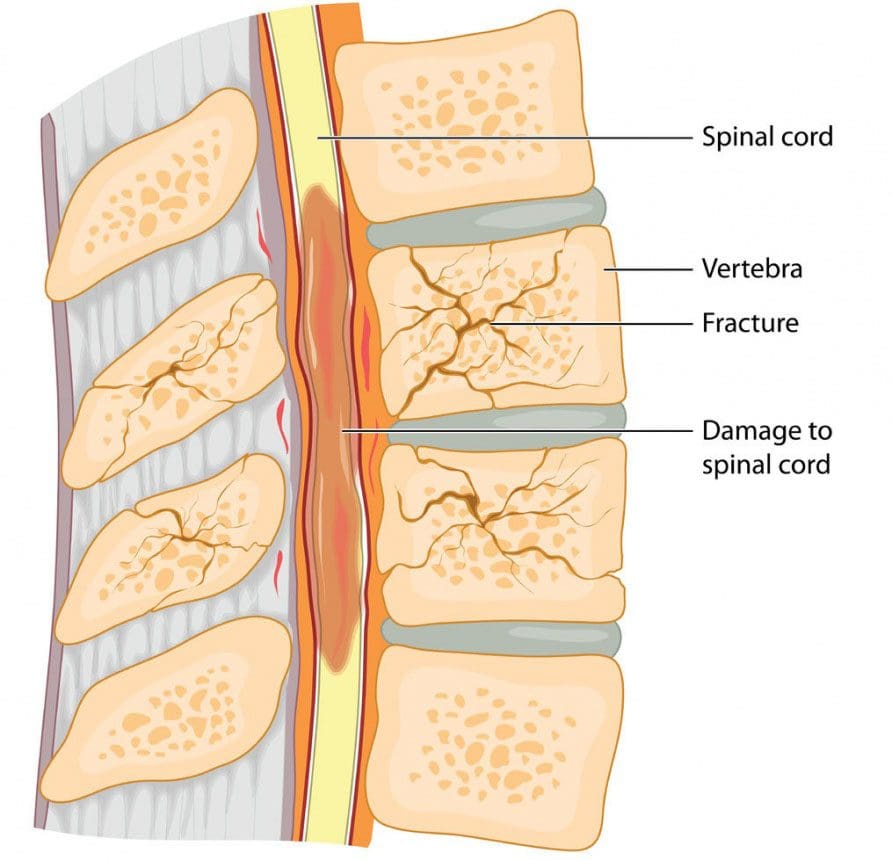
A vertebral compression fracture is a type of spinal fracture that can be caused by osteoporosis. This is a metabolic disease that weakens bone density and increases the risk of fracture/s in the spine, wrist, and hip. Osteopenia and osteoporosis affect millions, according to the National Osteoporosis Foundation. If left untreated, it can progress without an individual knowing and painlessly until the bone/s fracture. A vertebral compression fracture is more frequent than hip fractures and can lead to extended disability.
Vertebroplasty
Vertebroplasty is a minimally invasive treatment done through the skin for painful vertebral compression fractures. It also helps with strengthening the surrounding vertebral bodies also at risk of fracturing. Orthopedic bone cement is injected into the fractured vertebral body.
How is it performed?
Under general anesthesia, a specialized needle for bone is slowly inserted through the soft tissues of the back towards the vertebral compression fracture. The surgeon sees the position of the needle at all times through a real-time x-ray. Once reached a small amount of orthopedic bone cement, called polymethylmethacrylate, is injected into the vertebral body. Polymethylmethacrylate is a medical-grade bone cement that’ss been used for years for various orthopedic procedures.
The cement can sometimes be combined with an antibiotic to reduce the risk of infection along with a powder that has barium or tantalum. This allows it to be seen on the x-ray. The cement is a thick paste that hardens quickly. The fractured body is injected on the right and left sides, the midline of the back. After a few hours, the patient is up and moving. Most go home on the same day.
Balloon kyphoplasty
Balloon Kyphoplasty is another newer minimally invasive surgery for vertebral compression fractures that can be associated with osteoporosis. Kyphoplasty utilizes a balloon that expands the compressed bone to help restore lost vertebral height while creating a space where bone cement is injected. Kyphoplasty stabilizes fractures, restores lost vertebral height, and reduces deformities.
How it is performed?
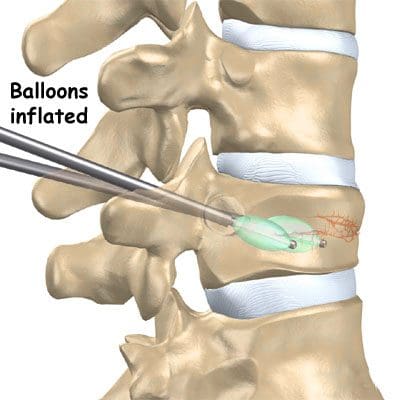
Balloon kyphoplasty is performed under local or general anesthesia. Using real-time x-ray two small incisions are made, and a probe is inserted into the vertebral body space. The bone is drilled and balloon/s, called a bone tamp is a pump that is inserted on each side.
These balloons are inflated with contrast medium so the surgeon can see on the real-time x-ray until each balloon expands to the correct height, and then are taken out. The balloon is used to create a space for the bone cement and helps expand the compressed vertebral body bone. The cement binds and stabilizes the fracture. The cement provides:
Strength
Stability
Hardens rapidly
Restores height
Relieves pain
Vertebral augmentation implant
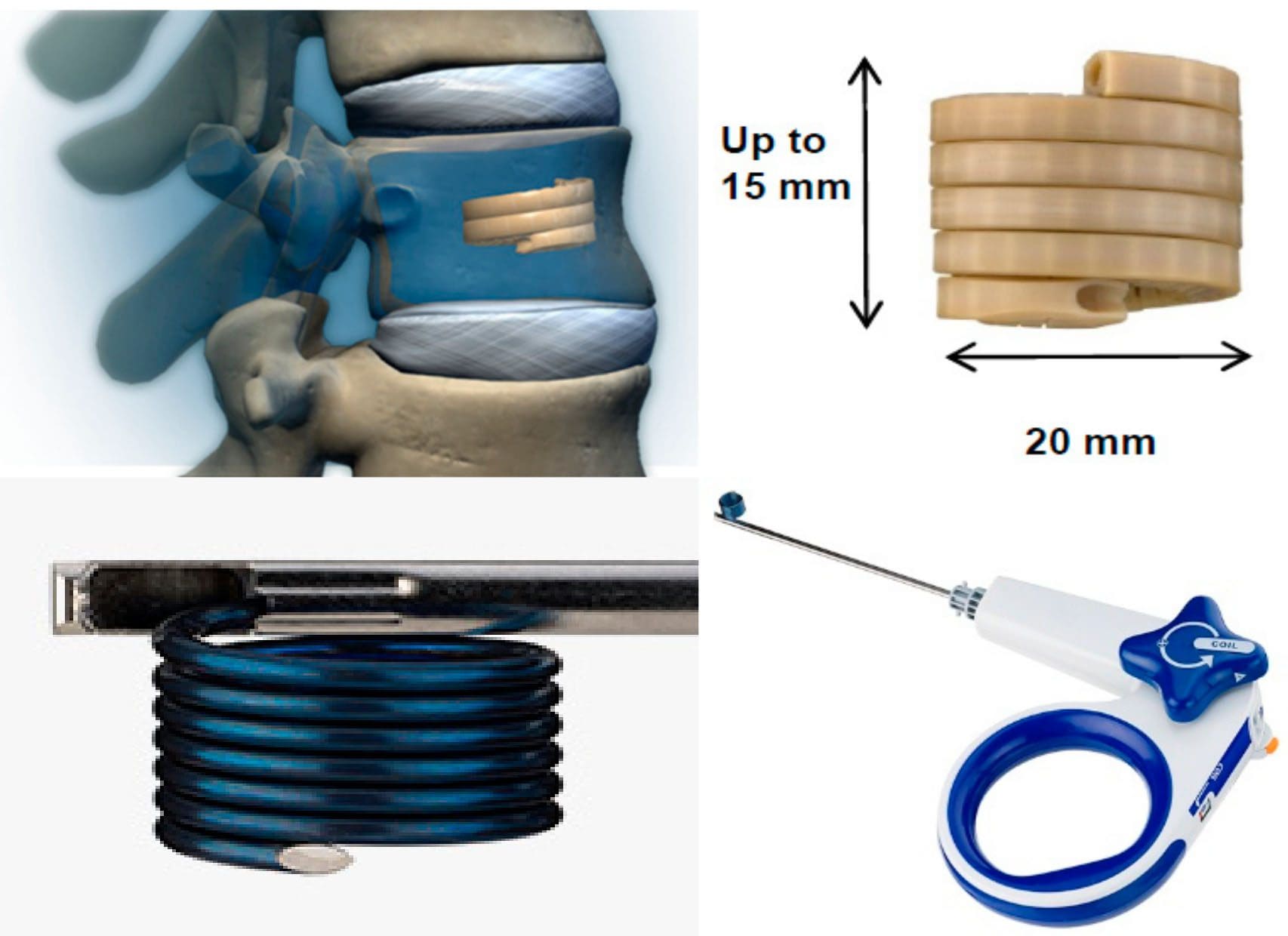
A vertebral augmentation implant is different from vertebroplasty and kyphoplasty. This minimally invasive procedure for middle and lower back spinal compression fractures utilizes a flexible loop spring style spinal implant. It is performed under local or general anesthesia. A real-time x-ray is used to visualize the spinal anatomy and guide the placement of the device. The implant is delivered through a small incision. Once the implant is in place, the bone cement is injected, and the implant is removed.
Potential benefits include:
Reduction of new fractures above or below the existing fracture
Improves the spine’s angle
Reduced spinal deformity
Reduces bone cement leakage
Reduces the amount of bone cement
Benefits of all
Vertebral compression fractures and the limited abilities of traditional surgical options led to the refinement of these surgical systems. Each procedure provides options, as to how the treatment helpsrelieve pain, reduce and stabilize fractures, reduce spinal deformity, and stop the progressive worsening of untreated osteoporosis.
Added benefits:
Surgical time is minimal
Local or general anesthesia is all that is needed
Hospital stay is a day or only a few hours
Patients can quickly return to normal activities
No bracing required
A spine surgeon will explain the purpose and aims of the recommended procedure, including the benefits and risks to help make an informed decision.
Foot Levelers Orthotics Reduce Low Back Pain
Dr. Alex Jimenez�s Blog Post Disclaimer
The scope of our information is limited to chiropractic, musculoskeletal, physical medicines, wellness, and sensitive health issues and/or functional medicine articles, topics, and discussions. We use functional health & wellness protocols to treat and support care for injuries or disorders of the musculoskeletal system. Our posts, topics, subjects, and insights cover clinical matters, issues, and topics that relate and support directly or indirectly our clinical scope of practice.*
Our office has made a reasonable attempt to provide supportive citations and has identified the relevant research study or studies supporting our posts. We also make copies of supporting research studies available to the board and or the public upon request. We understand that we cover matters that require an additional explanation as to how it may assist in a particular care plan or treatment protocol; therefore, to further discuss the subject matter above, please feel free to ask Dr. Alex Jimenez or contact us at 915-850-0900. The provider(s) Licensed in Texas& New Mexico*
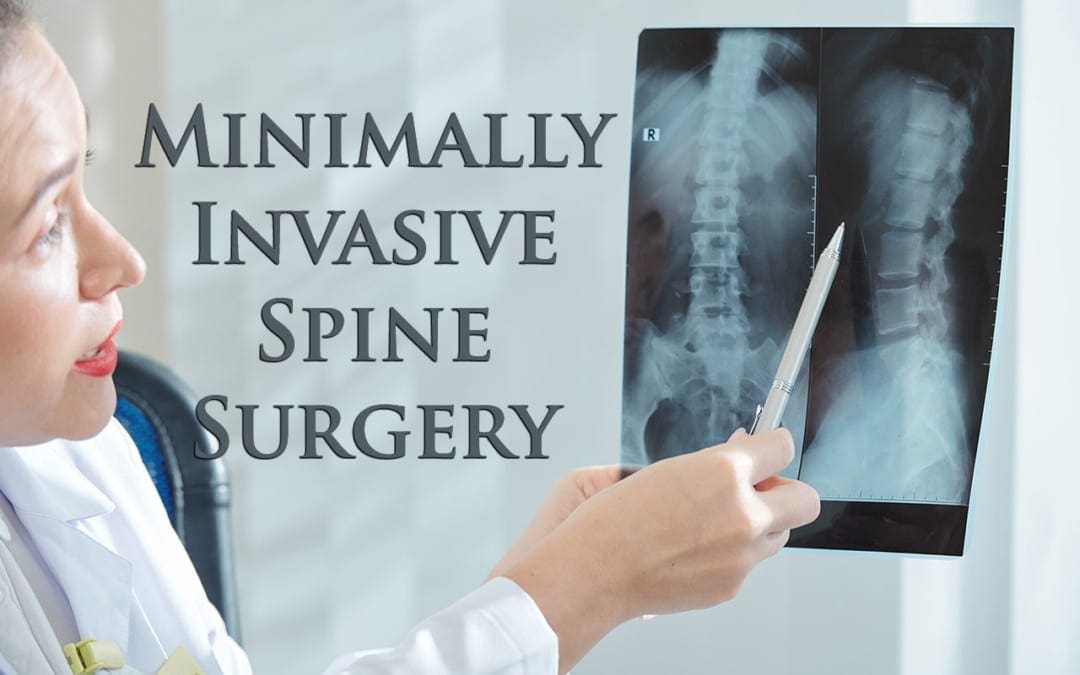
Minimally invasive spine surgery known as M.I.S.S is an option to traditional open surgical procedures, as well as an alternative when non-surgical approaches are working but the pain or condition is becoming worse, regardless. These are performed to treat a variety of spinal disorders like:
Bone spurs
Degenerative disc disease
Herniated disc
Scoliosis
Spinal instability
Spinal stenosis
Spinal tumors
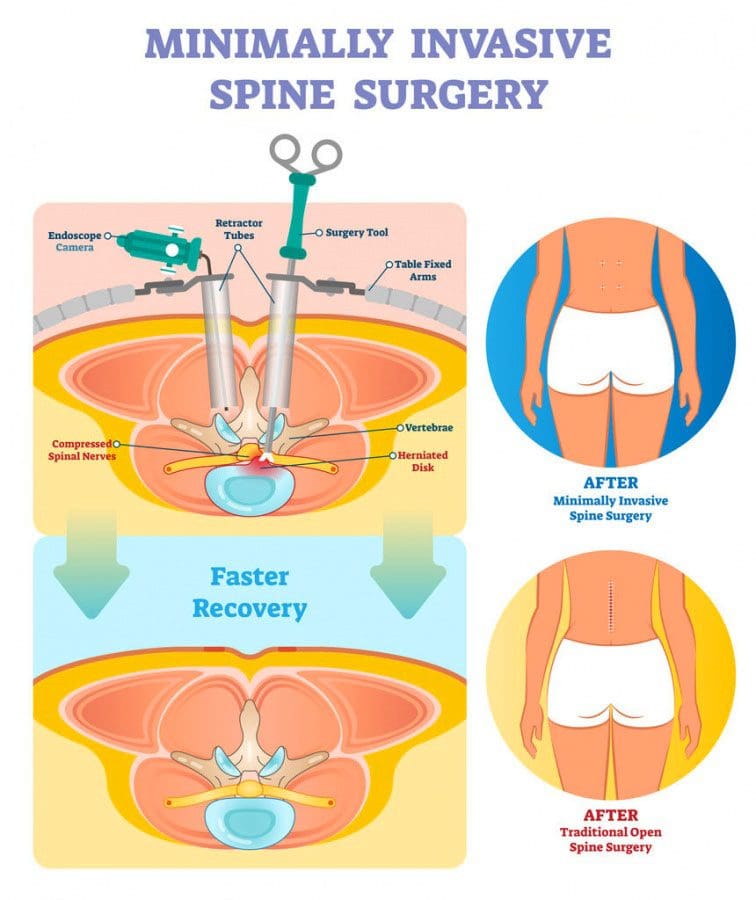
Minimally invasive surgery can offer potential benefits. These include
A small/tiny incision/s
Minimal cutting through soft tissues like ligaments, and muscles
Outpatient option/s
Reduced post-operative pain
Quicker recovery
�
The Focus of Spine Surgery
There are two main goals when it comes to spine surgery or rather the goal/focus of the surgery. These are decompressing and stabilizing the spine.
�
Decompression of the spine
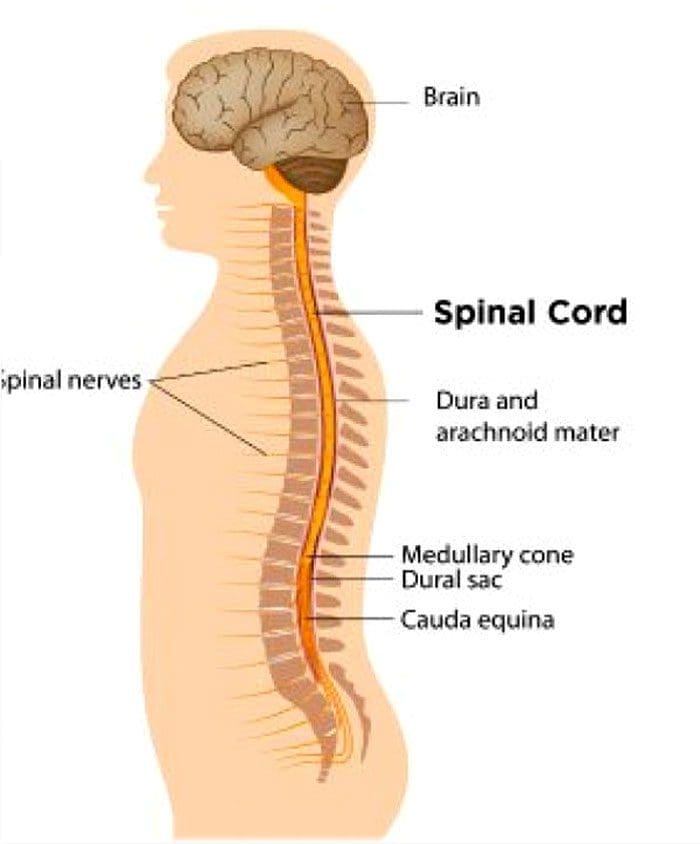
Spinal decompression involves removing any tissue/s that are compressing/pinching the nerve structures like a spinal nerve root or the spinal cord itself. Bone spurs and fragments from a herniated disc are the types of tissue/s that can cause neural compression.
�
Stabilization of the spine
An abnormal movement of one or more levels/segments of the spinal cord can cause back pain, neck pain, or both. Surgeries that are meant to stabilize and stop these abnormal movements utilize spine instrumentation combined with fusion.
�
Spine Surgery Techniques
Minimally invasive spine surgery techniques include:
Rather than cutting through soft tissues, a tubular retraction instrument generates a tunnel that expands and passes between the muscle/s to access the spine’s column. Then an endoscope or a tiny video camera goes in and around the area, projecting a visualization of what’s happening on a monitor during the procedure.
�
This is the surgeon’s/team’s eyes as they work to repair the damage. The surgery is run through the tubular retraction system along with any specially designed instruments that are needed. Types of surgical procedures performed with minimally invasive surgery include:
Discectomy
Microdiscectomy
Foraminotomy
Microforaminotomy
Microlaminectomy
Microlaminotomy
The micro means that the surgery is done using a special microscopic camera to view the disc/s and nerve/s. Imaging scans, systems, and image-guidance technologies, like fluoroscopy, which is a real-time x-ray are utilized during the surgery pinpointing the key aspects of the patient�s spinal anatomy. The surgical imaging shows 2D and 3D views, which guides the placement of any instrumentation, like pedicle screws.
�
Disorders Treated with Minimally Invasive Surgery
�
Degenerative disc disease
Degenerative disc disease is known as DDD often develops progressively in older adults and affects the intervertebral discs. The normal wear and tear of cellular age-related changes in the body can cause the spine’s discs to:
Stiffen
Lose Flexibility
Loss of Strength
Loss of Height
Lose shape, along with the ability to absorb/distribute the forces associated with moving
These structural changes increase the risk of disc herniation and subluxations.
�
Herniated discs
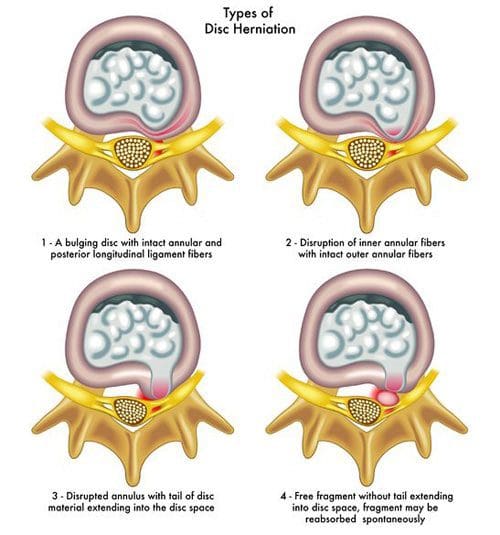
A herniated disc also called a slipped, bulging, and ruptured disc. This happens when the soft gel cushion of a disc breaks through the protective outer layer. Other than the damaged disc, the loose interior gel can also irritate and inflame the nerves causing back pain. �
�
Scoliosis
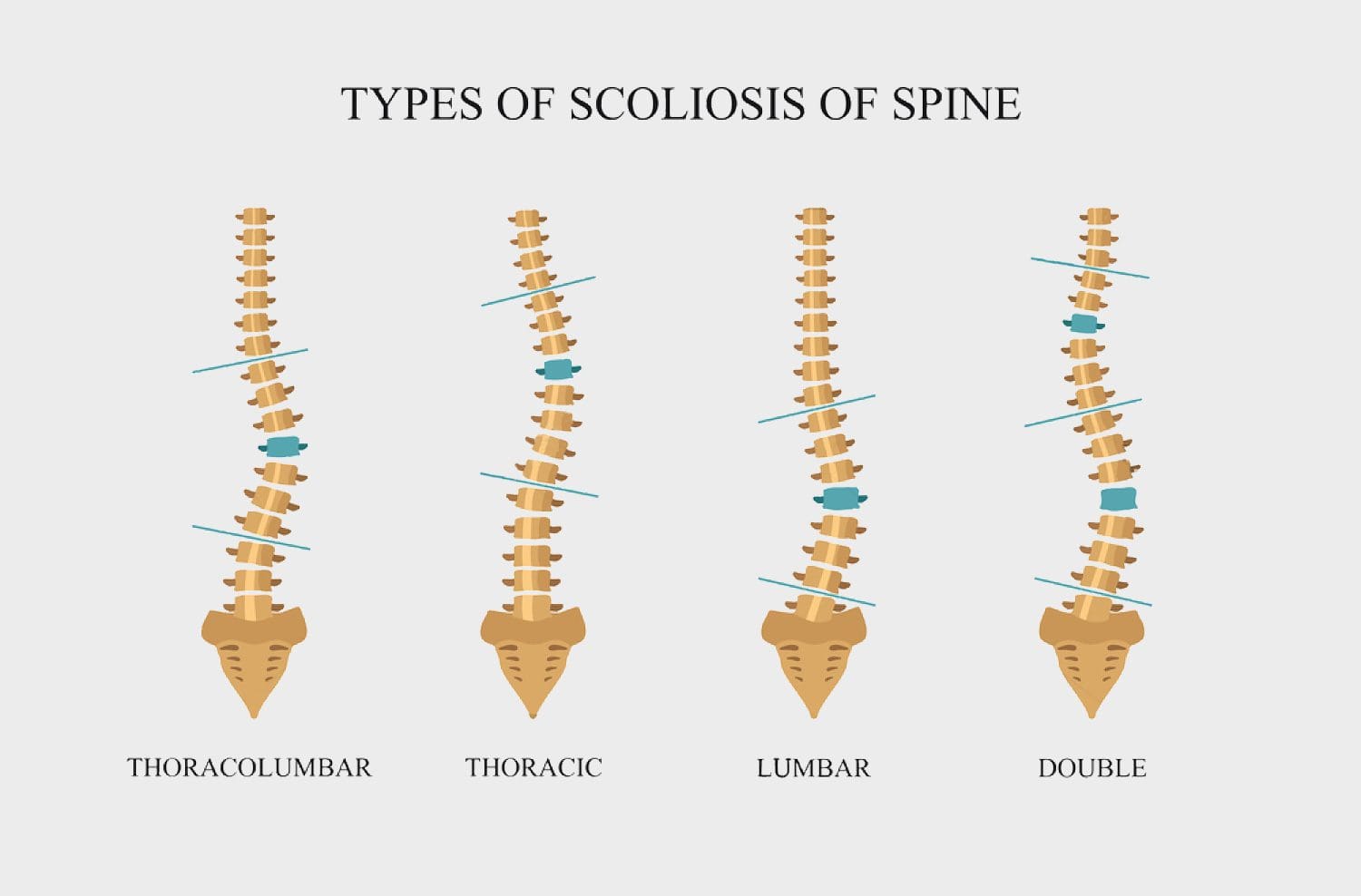
Scoliosis is an abnormal sideways curve of the spine that can cause progressive spinal deformity. A scoliotic curve can look like an �S� or �C.� Most cases have no known cause, and while the condition is more commonly associated with children, adults can develop scoliosis, as well.
�
Spinal stenosis
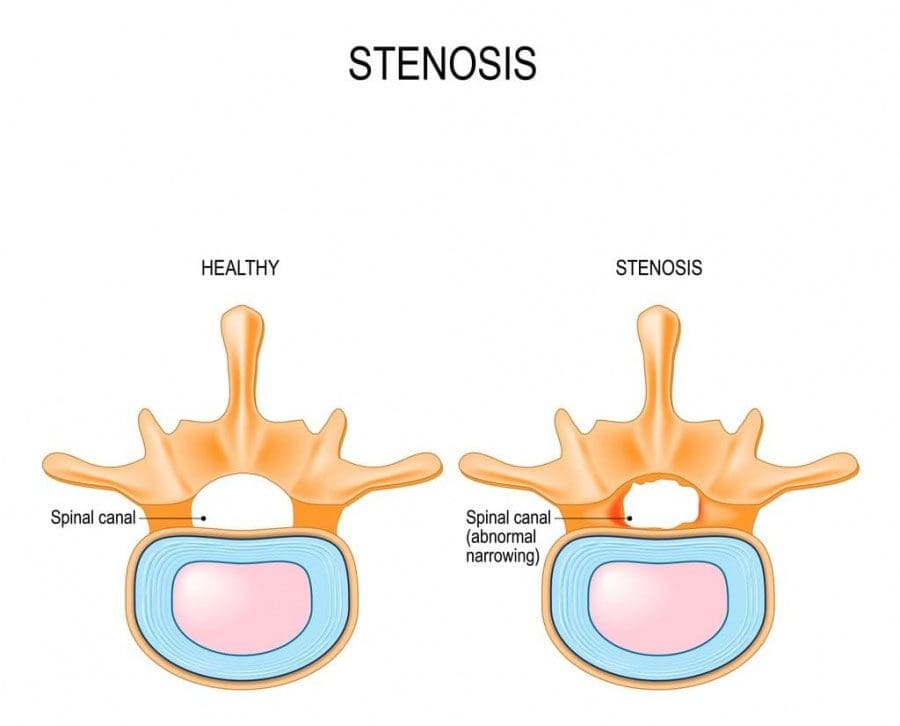
Spinal stenosis happens when the spinal nerve roots and the spinal cord become compressed/pinched. These nerves branch off the spinal cord and exit the spinal canal through passageways called neuroforamen. Nerve and spinal cord compression can cause symptoms like:
Pain
Weakness
Tingling sensations
Numbness
Sometimes, pain can travel into the arms or legs
�
Spine Surgery Risks
With any spine surgery there are potential risks and complications that can occur. Here are some possible complications that can happen during and after surgery, with both open and minimally invasive procedures.
Minimally invasive spine surgery does offer many benefits:
Tiny incision
Less pain
Reduced risk
Faster recovery
Let’s not forget that M.I.S.S is still surgery. Less than 5% of people with back or neck pain need spine surgery and, surgery is the last resort for treating pain and symptoms caused by a spinal condition/disorder.
It is only when non-surgical treatments like chiropractic, acupuncture, physical therapy, medication, or spinal injections do not reduce symptoms in 3 to 6 months. This is when you qualify to be a candidate for spine surgery. There are certain types of spinal disorders that require urgent or immediate surgical intervention.
Talk with your doctor, chiropractor, or spine specialist about the pain, the symptoms, and compare the results of the different therapies/treatments and go from there. With any type of surgery there are many considerations to discuss before making a decision to treat back or neck pain and if minimally invasive surgery could be an option.
Perhaps you bent the wrong way while lifting something heavy. Or you�re dealing with a degenerative condition like arthritis. Whatever the cause, once you have low back pain, it can be hard to shake. About one in four Americans say they�ve had a recent bout of low back pain. And almost everyone can expect to experience back pain at some point in their lives.
Sometimes, it�s clearly serious: You were injured, or you feel numbness, weakness, or tingling in the legs. Call the doctor, of course. But for routine and mild low back pain, here are a few simple tips to try at home.
Chill It
Ice is best in the first 24 to 48 hours after an injury because it reduces inflammation, says E. Anne Reicherter, PhD, PT, DPT, associate professor of Physical Therapy at the University of Maryland School of Medicine. �Even though the warmth feels good because it helps cover up the pain and it does help relax the muscles, the heat actually inflames the inflammatory processes,� she says. After 48 hours, you can switch to heat if you prefer. Whether you use heat or ice � take it off after about 20 minutes to give your skin a rest. If pain persists, talk with a doctor.
Keep Moving
�Our spines are like the rest of our body � they�re meant to move,� says Reicherter. Keep doing your daily activities. Make the beds, go to work, walk the dog. Once you�re feeling better, regular aerobic exercises like swimming, bicycling, and walking can keep you � and your back � more mobile. Just don�t overdo it. There�s no need to run a marathon when your back is sore.
Stay Strong
Once your low back pain has receded, you can help avert future episodes of back pain by working the muscles that support your lower back, including the back extensor muscles. �They help you maintain the proper posture and alignment of your spine,� Reicherter says. Having strong hip, pelvic, and abdominal muscles also gives you more back support. Avoid abdominal crunches, because they can actually put more strain on your back.
Stretch
Don�t sit slumped in your desk chair all day. Get up every 20 minutes or so and stretch the other way. �Because most of us spend a lot of time bending forward in our jobs, it�s important to stand up and stretch backward throughout the day,� Reicherter says. Don�t forget to also stretch your legs. Some people find relief from their back pain by doing a regular stretching routine, like yoga.
Think Ergonomically
Design your workspace so you don�t have to hunch forward to see your computer monitor or reach way out for your mouse. Use a desk chair that supports your lower back and allows you to keep your feet planted firmly on the floor.
Watch Your Posture
Slumping makes it harder for your back to support your weight. Be especially careful of your posture when lifting heavy objects. Never bend over from the waist. Instead, bend and straighten from the knees.
Wear Low Heels
Exchange your four-inch pumps for flats or low heels (less than 1 inch). High heels may create a more unstable posture, and increase pressure on your lower spine.
These could be signs that you have a nerve problem or another underlying medical condition that needs to be treated.
Call Today!
Are Functional Orthotics Part of Your Wellness Protocol?
Most Chiropractors advertise pain relief without drugs and care for injuries. Recently, some doctors and practices have begun labeling and promoting themselves as Wellness Centers. A wellness practice is focused on both maintaining a pre-existing level of musculoskeletal balance and postural health and preventing conditions that might alter this state of health. The challenge is, how can healthy patients be protected from problems that might arise in the future? The answer is simple: custom-made orthotics. Custom orthotics may be traditionally seen as a preventative measure, but so are most treatments of old. They are the perfect, foundational support your patients will never want to go without.
Wellness is a great concept�one of those �win-win� situations for doctor and patient. Orthotics are the perfect way to implement this concept and help establish a �preventative� approach, in addition to the traditional reactive ones, if need be. Let�s take at a look at the foundation of the body, and see just how useful they can be.
Look To The Feet
The feet are the foundation of the body. By age 40, nearly everyone has a foot condition of�some sort, many of which eventually contributing to health concerns farther up the Kinetic Chain (Figure 1). Therefore, it�s in the best interest of healthy patients to be offered a wellness program which stresses preventative care for normal, healthy feet, in order to prevent foot problems from occurring later in life.
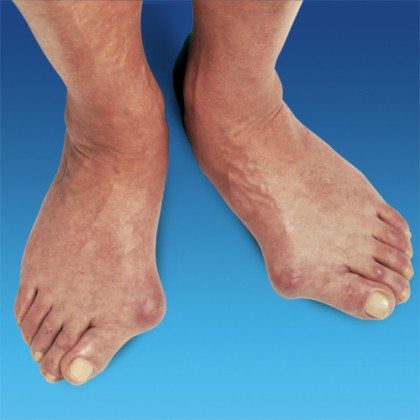
�Pictured above, patient with severe bunions, or Hallux Valgus.
Figure 1. While 99% of all feet are normal at birth, 8% develop troubles by the first year of age, 41% at age 5, and 80% by age 20 (Fig. 1).�By age 40, nearly everyone has a foot condition of some sort.
How Can Orthotics Help?
Patients who participate in Chiropractic wellness programs can benefit from custom-made orthotics nearly as much as patients who seek Chiropractic care for musculoskeletal injuries and conditions. Foot Levelers� custom orthotics have been shown to effectively support the pedal foundation for both categories of patients, and can prevent problems well into the future with static and dynamic support.
Static support.Static support. A 1999 study using radiographic measurements found that custom-made, flexible orthotics can significantly improve the alignment of the arches when standing.2 In the wellness-practice concept of orthotic use, custom-made, flexible orthotics can be used to maintain a properly functioning arch alignment.
Dynamic support. During gait, the foot undergoes substantial changes and must permit a smooth transfer of the body�s center of mass over the leg in order to conserve energy and keep the work expenditure to a minimum.3 This requires a flexible, yet supportive orthotic that accommodates varying weights and forces and allows proper movement and function of the foot, while supporting all three arches�in order to prevent eventual arch collapse.
Postural benefits. Since the entire body structure is balanced on one foot at a time when walking and running, improving foot alignment can help maintain knee, hip, pelvic and even spinal postural alignment,4 and prevent joint degeneration (of the hip, knee, or spinal joints). A pelvic or spinal tilt or recurrent subluxations will often respond rapidly to orthotic support of the arches in the feet.
Orthotics For Everyone
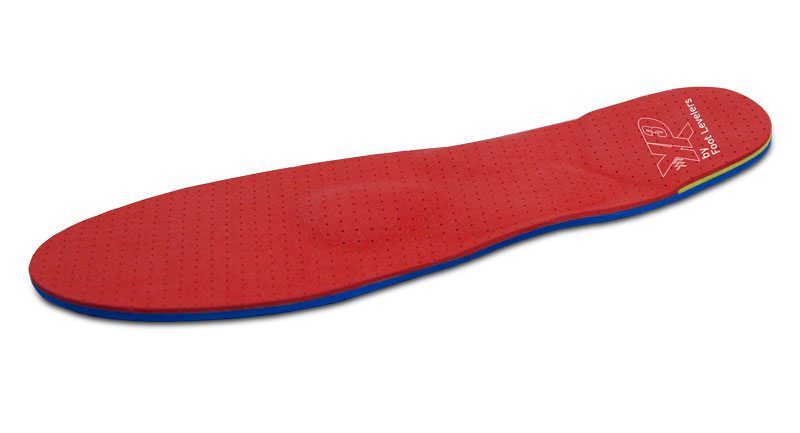
Custom-made, flexible orthotics have long been recognized as a valid adjunct to Chiropractic care for many musculoskeletal conditions. In the wellness model of Chiropractic care, Foot Levelers� custom-made, flexible orthotics (Fig. 2) can be utilized as a preventative modality for the preservation of optimal arch support and the postponement or prevention of joint imbalances in later years. Therefore, orthotics are appropriate for virtually all Chiropractic patients.
If you want to reduce the number of opioid prescriptions and pills being used, and potentially misused, you need alternative pain management. And chiropractors say that�s what they�ve been providing for decades.
�It gives people options, and that�s probably the most important thing right now is to give people options for treatment,� Dr. Mark Stagnone, president of the New Hampshire Chiropractic Association said.
At its annual meeting, the association is pointing to a trio of recent studies showing that chiropractic care cuts down on the use of opiate pain medicines.
In one of the studies, a former Dartmouth doctor analyzed 33,000 cases of lower back pain in a New Hampshire database.
�His preliminary research is indicating that there�s about a 56-57 percent reduction in opioid use when chiropractic care has been utilized in a patients treatment,� Stagnone said.
James Vara, the governor�s adviser on addiction and behavorial health, said the state needs more alternative pain management.
�It becomes a question of what insurance covers it and how long they cover it for, and that�s certainly something I�ve looked at and will continue to,� said Vara.
The Current Insurance Model Puts Patients On A Path To Prescription Drugs
�The problem that it produces is that the average individual who�s trying to treat a condition is faced with paying a high co-pay to visit a chiropractor or paying a considerably lower one to see a primary care physician,� Stagnone said.
Changing that dynamic will require legislation that has failed in the past. But chiropractors said in this ongoing addiction crisis, it�s time for adjustment.
Chiropractic care is covered under the New Hampshire Health Protection program, or expanded Medicaid. And if the program lapses, so does that coverage.
Call Today!
Painkillers Sometimes Increase Chronic Pain
We’re facing an opioid addiction crisis in America. Opioid (narcotic) pain medications killed an estimated 14,000 people in the U.S. in 2014 through overdose. A further 14,000 people overdosed on heroin, another opioid that many people turn to when they can’t access prescription painkillers.
This epidemic is why physicians and pharmacists are increasingly raising the bar on who can receive opioid medications, how much, and for how long. It’s not just the addiction risk that calls for caution when using opioids to treat chronic pain though�long-term use of opioids can actually make pain worse.
Becoming addicted to pain medication is a disease. This is because these painkillers (oxycodone, hydrocodone, methadone, fentanyl) cause a change in your brain chemistry that is not under your control.
Most people who take opioids for more than 2 to 4 weeks will develop a tolerance to the medication. Tolerance means your body may need an increased dosage to feel the same effect. Opioid tolerance can cause withdrawal symptoms when the medication is stopped. This is a natural process, and it is not to be confused with addiction.
In his recent blog on the subject, Dr. Ullrich explains: “Pain medication addiction is a more complicated process. It involves manipulative behavior to obtain narcotic medications and a refusal to discontinue a medication even though it is no longer being used for a medical purpose. Some, including those at significant risk of overdosing, will go to multiple doctors to get medications.”
For those who are addicted to opioid medications, a detoxification program is often needed. Painkiller addiction is a chemical, physical disease, one that requires expert medical treatment in a safe, humane environment.
Most people know that painkillers can be addictive, but they don’t know that taking opioids over a long period of time may in fact increase a patient’s sensitivity to pain (hyperalgesia). This happens because long-term use of opiate painkillers causes a decrease in your ability to tolerate pain and an increase in sensitivity to pain. In fact, people taking opioids long term may keep having pain, or may see their pain increase, long after the original cause of pain has healed.
Stopping opioid use can solve this problem�but it may not seem as if the pain is gone at first, because the discomfort of withdrawal can mimic the original pain. Dependency is not easy to deal with, but it shouldn’t be an excuse to stay on the opioid medication and raise the risk for addiction. This is why physicians are encouraged to only prescribe opioids for short durations and be cautious when using them to treat chronic pain.
Since long-term use of opioid painkillers is a risky option for controlling chronic pain, patients are often advised to focus on other safe, proven methods for managing chronic pain, such as:
Exercise to maintain motion and release endorphins
Cognitive therapy to develop coping techniques
Relaxation and meditation techniques to distract the brain from pain
Six Things Every Chiropractor Should Know About Opioids
Men health concept. Portrait of 50s mature Asian man reading the label on bottle medicine, sitting on sofa at home.
An increase in addictions and deaths due to opioids has raised significant concern and media attention. We offer this brief overview on this important public health problem for the practicing chiropractor.
1. What Are Opioids?
Opioid medications are prescribed to reduce pain; however, they are addictive and can be dangerous. Although some suggest there is �no safe dose� for opioids, these drugs may be helpful for people with severe pain, such as those experiencing pain from cancer. However, over the past several decades, more patients have been prescribed opioids for musculoskeletal pain, such as back or neck pain, instead of being provided with nondrug therapies.
As with any drug, opioids have side effects and may �adversely affect respiratory, gastrointestinal, musculoskeletal, cardiovascular, immune, endocrine, and central nervous systems.�1 �As the dose increases, the risks for overdose and health concerns also increase, including �fractures, addiction, intestinal blockages, and sedation.�1 If too high a dose is consumed or if opioids are taken with certain other drugs or alcohol, death may result.
2. Why Is Opioid Use / Overuse Problematic?
Since 1999, prescription opioid sales have increased fourfold, along with a surge in the use of opioids as a first line for pain management, rather than only for severe cancer-related pain. This trend has led to burgeoning opioid prescribing in the U.S.:2
? One in five people with non-cancer pain have been prescribed opioids.
? More than 165,000 prescription opioid-related deaths occurred between 1999 and 2014.
? An estimated 2 million people were addicted to opioids as of 2014.
3. Who Is Addressing This Health Crisis?
Currently, many professions are seeking ways to address this national epidemic. The medical profession has launched various initiatives to help medical doctors (MDs) reduce prescriptions. These include an initiative to remove pain as the 5th�vital sign, and promoting guidelines for when to prescribe and how to better manage patients in pain without the use of opioids.
The Centers for Disease Control and Prevention (CDC) has�released guidelines�to curb opioid prescriptions, with the following categories of recommendations to those who prescribe opioids: 1) determine when to initiate or continue opioids for chronic pain; 2) opioid selection, dosage, duration, follow-up, discontinuation, and assessing risk; and 3) addressing harms of opioid use.
In addition to these efforts, even more focus is needed to assist people who seek help for pain and to provide them with nonpharmacological alternatives.
4. What Can Doctors of Chiropractic Do?
Chiropractic care can be part of the solution. DCs can work with other health care providers and support policy to offer alternatives to opioids for addressing patients in pain, especially chronic non-cancer pain.
Although there are no large trials comparing outcomes of chiropractic care to opioids, we do know opioid use is associated with worse functioning in back pain patients at six-month follow-up3 �and greater disability;4 �and that injured workers whose first health care visit is to a DC have better outcomes.5 �We also know that the per-capita supply of DCs and higher use of manipulative therapy is associated with lower rates of opioid prescriptions among Medicare recipients.6
All this suggests chiropractic care may help reduce the use of and need for opioid prescriptions for back pain sufferers; and may play an important role in reducing the opioid epidemic by helping to prevent patients from ever getting an opioid prescription in the first place.
Important resources DCs should be aware of include:
? Chiropractic: A Safer Strategy Than Opioids:�www.f4cp. com/f4cp_opioid_white_paper.pdf
? Centers for Disease Control and Prevention (CDC): Opioid Overdose:�www.cdc.gov/drugoverdose/ Six Things Every Chiropractor Should Know About Opioids By Claire Johnson, DC, MSEd, PhD, Bart N. Green, DC, MSEd, PhD and Michael Haneline, DC, MPH Reprinted with permission from Dynamic Chiropractic, Sept. 1, 2016, Vol. 34, Issue 15 (www.dynamicchiropractic.com/digital/index.php?i=1220&r=t#19)
5. What Can We Do If a Patient Is Already Taking Opioids?
Most chiropractors take a history and ask patients what medications they are taking. The first step is to recognize that the following are opioid-class drugs: hydrocodone (Vicodin), ultram (Tramadol), oxycodone (OxyContin, Percocet), morphine (Kadian, Avinza) and codeine.7
Once we know a patient is taking opioids, we must first seek to understand the situation before we provide education.
Questions we can ask include:
? For what condition is the patient taking the medication?
? How long has the patient been taking opioids and at what daily dose?
? Who is the provider watching over their prescription? Is more than one provider prescribing opioids?
? When was the last time the patient saw the prescribing physician and when is the next appointment?
? Does the patient have any safety issues? For example, does the patient operate machinery? Is the patient experiencing side effects such as �sedation, dizziness, nausea, vomiting, constipation, physical dependence, tolerance, or respiratory depression�?8
? What is the patient�s level of function? Are there any psychological flags or addictive behaviors?
? Is the patient taking any other substances or drugs that may have deadly interactions, such as alcohol, benzodiazepines and/or other opioids?
As chiropractors, we can discuss treatment goals, such as reasonable functional activity; and pain goals with and without medication. We also can discuss potential adverse events, including the risks for side effects, addiction and death.
We can inform patients of other dangers they may not be aware of, such as the deadly combination of opioids when combined with other drugs that depress CNS activity (e.g., alcohol or drugs for anxiety such as benzodiazepines). We can encourage patients to contact the prescribing provider to discuss reducing and stopping opioid use, and to ask for safer alternatives for pain control, such as chiropractic care, physical therapy, acupuncture and mind-body methods. If a patient is already addicted, we can encourage the patient to seek a specialist provider and addiction care program. (Note that some patients may need to remain on opioids, such as for cancer pain or end-of-life care.)
Most importantly, we can work with the patient and their prescribing provider to offer them nonpharmacological care to help reduce their pain and help them reach their functional goals.
6. How Can We Collaborate More on Solutions?
As DCs, we can work more closely with local MDs and discuss better ways to collaborate concerning patients with pain. Remember that MDs are not the enemy, but are an essential component of the solution to this epidemic. Most MDs are also extremely concerned about the opioid epidemic, and are looking for efficient and cost-effective ways of helping their patients. We should remain professional when speaking about MDs with our patients, as our patients likely have good relations with them.
We can be part of the safety net to help reduce the number of people who become addicted or die from overdose. As we work with other health care professionals and our patients, we can remind them that the first recommendation per the CDC�s�Guideline for Prescribing Opioids for Chronic Pain�is �Nonpharmacologic therapy and nonopioid pharmacologic therapy are preferred for chronic pain.�9 �Thus, through collaboration, the chiropractic profession can be a part of the solution.
IFM's Find A Practitioner tool is the largest referral network in Functional Medicine, created to help patients locate Functional Medicine practitioners anywhere in the world. IFM Certified Practitioners are listed first in the search results, given their extensive education in Functional Medicine















 Static support.Static support. A 1999 study using radiographic measurements found that custom-made, flexible orthotics can significantly improve the alignment of the arches when standing.2 In the wellness-practice concept of orthotic use, custom-made, flexible orthotics can be used to maintain a properly functioning arch alignment.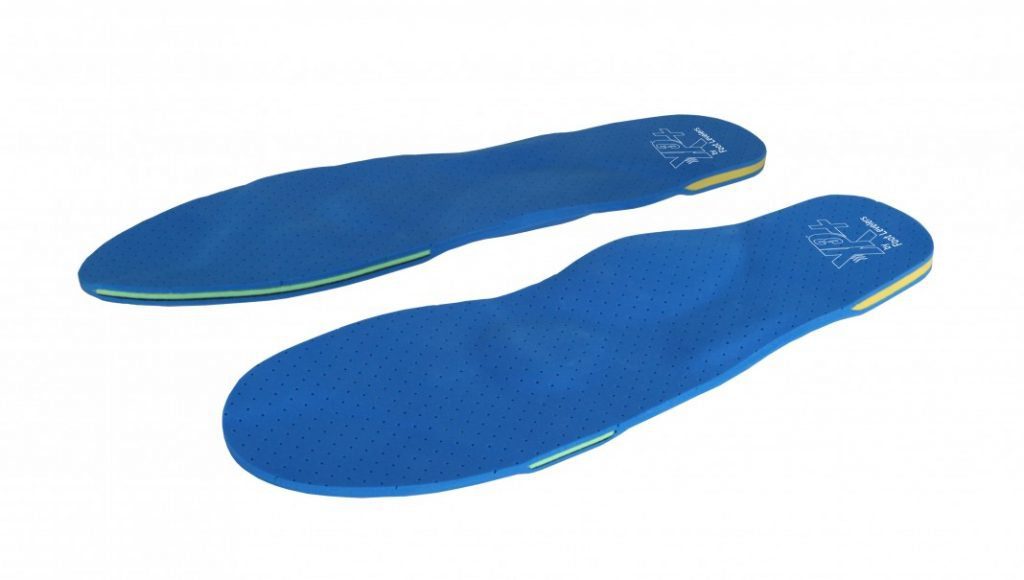

 Shoes for Kids