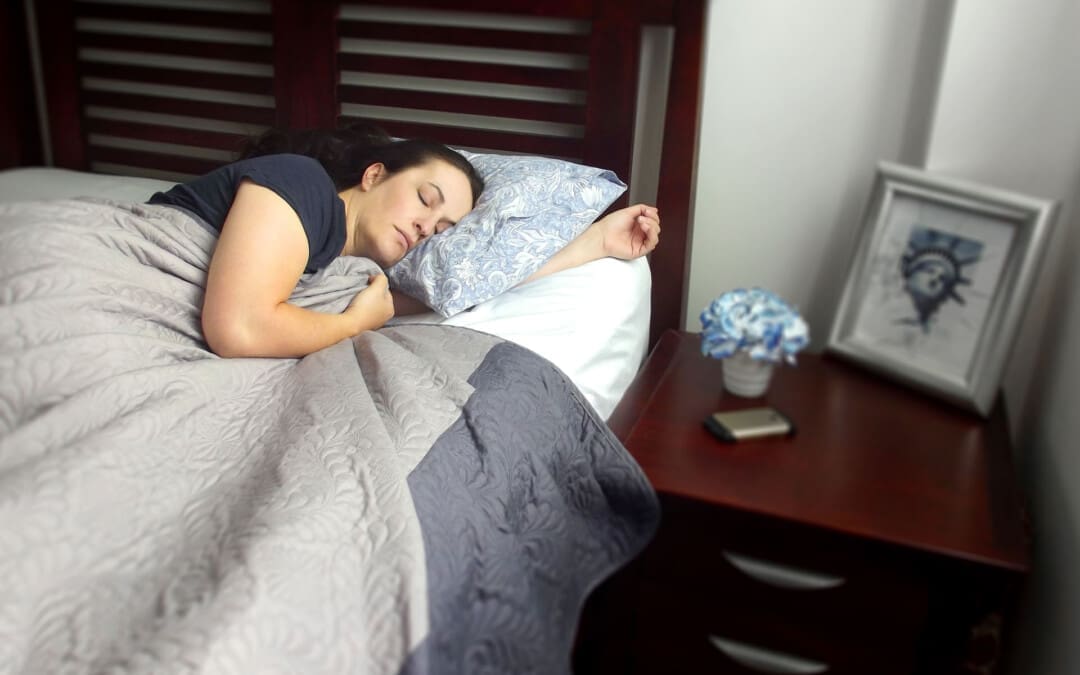
Getting a good night’s sleep can be difficult for individuals suffering from arthritis. Can finding a mattress that fits an individual’s needs help relieve aches and pains and provide restful sleep?
Mattress For Arthritis
Quality sleep can be difficult for those managing arthritis. Joint pain, stiffness, and tenderness can make falling and staying asleep feel impossible. A mattress for arthritis should be firm, provide comfortable support, and relieve joint pressure. (Sleep Foundation, 2024)
How Mattresses Affect Arthritis?
Not adequate support or cushioning can exacerbate arthritis pain and stiffness.
Individuals not sleeping well at night can experience significant physical and mental fatigue, increase the risk of injury, and perceive a higher level of pain.
Zoned mattresses provide targeted pressure relief to areas of arthritis pain, like the neck and lower back.
Mattresses that don’t support the body are more likely to disrupt sleep and exacerbate nighttime and daytime pain symptoms.
The body needs time to recover and repair during sleep, so the right mattress for arthritis will allow sound rest throughout the night.
A joint-supporting mattress can alleviate pain and stiffness.
What to Look For Mattress Types
Mattresses fall into three basic categories.
Foam or Latex
These mattresses are often recommended for individuals with chronic pain because they conform to the body and alleviate pressure points without being too firm that they aggravate existing injuries or inflammation.
Not all foam is the same; some mattresses are too soft to support someone with arthritis.
Latex is a more reliable material for support and durability, but it’s also more expensive than memory foam.
Innerspring
Innerspring mattresses are often long-lasting and provide firm support.
However, they are not recommended for individuals with arthritis because they can be hard on joints and pressure points.
The innerspring system doesn’t mold or conform to the body, so getting and staying comfortable can be difficult, if not impossible.
They’re not as heat-retaining as foam mattresses so that hot sleepers may prefer them.
Hybrid
A hybrid mattress typically consists of individually wrapped springs topped with one or more layers of memory foam.
Hybrid mattresses are often recommended for arthritis patients because they meet the expert-recommended balance between support and cushioning.
Firmness Levels
Mattress firmness is rated on a scale of 1 to 10, with firmer mattresses scoring higher, often 6 or 7 and above. However, no one firmness rating works for all individuals with arthritis. Finding the right firmness for arthritis symptoms is highly individualized. For some, a super firm sleep surface can aggravate symptoms. In determining what firmness number is needed, consider weight. For example, a person weighing 400 pounds will have a different experience on a soft mattress than a person weighing 150 pounds. Typically, larger bodies need a firmer mattress to avoid sinking too far into the mattress’s core. Petite individuals may be perfectly supported on a mattress rated 5 or 6 for firmness, but taller or heavier individuals should look for a mattress rated seven or eight.
Support and Pressure Relief
Individuals will want to look for a mattress that targets specific areas for relieving aches and pains, such as the shoulders, hips, and lower back. Foam helps relieve pressure points in the body without feeling too soft, which is helpful when managing joint pain. There is debate over whether latex or memory foam is better for relieving sensitive pressure points. A Journal of Chiropractic Medicine study suggests that latex foam may outperform traditional memory foam as it reduces body pressure and evenly distributes weight along pressure points. (Low F. Z. et al., 2017)
Motion Transfer
Motion transfer refers to a mattress’s ability to isolate body movement. It’s helpful to consider how much you and your partner are affected by each other’s movement throughout the night. This may not be necessary for individuals who don’t sleep with a partner. So, if you or a partner disrupt sleep throughout the night, a mattress with better motion absorption is recommended.
Sleep Position Can Affect Arthritis and Joint Pain
Mattress manufacturers often design mattresses to accommodate back, side, or stomach sleepers, as different sleeping positions usually require different types of support. One study suggests that sleeping-related pain can be reduced in those with lower back pain when they choose the right sleeping surface for their preferred sleep position. (Jacobson B. H. et al., 2010) Therefore, purchasing a mattress for the preferred position is important.
Durability
A mattress’s expected lifespan depends on the materials it’s made from. A mattress that immediately loses some of its features and benefits won’t last very long. This is why it is recommended to know how long the trial period is for the mattress and keep track of its performance. Count on at least six to seven years, but latex and hybrid mattresses can last longer.
Trial Period
Considering the trial period on the mattress is important when buying online. Determining if it’s right for your body can take a little while as it takes a while to break in a new mattress, so look for a longer trial period to see and feel if it is the right choice. (Mattress Firm, 2023) Most online mattress retailers offer at least a 100-day trial period, while some offer 365 days to send it back. However long the trial period, looking into the terms and conditions of any return policy is recommended. A company can say you can return it if it doesn’t meet expectations; however, restrictions or exclusions may apply to your purchase.
Injury Medical Chiropractic and Functional Medicine Clinic
Injury Medical Chiropractic and Functional Medicine Clinic works with primary healthcare providers and specialists to develop an optimal health and wellness solution. We focus on what works for you to relieve pain, restore function, prevent injury, and help mitigate the pain through spinal adjustments that help the body realign itself. They can also work with other medical professionals to integrate a treatment plan to resolve musculoskeletal issues.
Fighting Inflammation Naturally
References
Sleep Foundation. Noyed D. (2024). How to Choose a Mattress. https://www.sleepfoundation.org/mattress-information/how-to-choose-a-mattress
Low, F. Z., Chua, M. C., Lim, P. Y., & Yeow, C. H. (2017). Effects of Mattress Material on Body Pressure Profiles in Different Sleeping Postures. Journal of Chiropractic Medicine, 16(1), 1–9. https://doi.org/10.1016/j.jcm.2016.09.002
Jacobson, B. H., Boolani, A., Dunklee, G., Shepardson, A., & Acharya, H. (2010). Effect of prescribed sleep surfaces on back pain and sleep quality in patients diagnosed with low back and shoulder pain. Applied ergonomics, 42(1), 91–97. https://doi.org/10.1016/j.apergo.2010.05.004
Mattress Firm. (2023). Breaking In a New Mattress: Tips for a Comfortable Night’s Sleep. Mattress Firm Blog. https://www.mattressfirm.com/blog/sleep-tips/break-in-a-new-mattress
Individuals with hip bursitis often experience discomfort during physical activity, walking, and pain when lying on the affected side. What treatment options are available to control and manage the condition?
Hip Bursitis
Hip bursitis, also known as trochanteric bursitis, is a common condition that causes pain and discomfort in the hip and upper thigh along the outside of the hip joint. It occurs when one of the hip’s bursae, or fluid-filled sacs cushion joints, becomes inflamed. Treatment for hip bursitis is to control the inflammation caused by this condition.
Causes
Hip bursitis can be caused by injury or overuse of the hip, such as repetitive activities, twisting, or rapid joint movement. It can also be caused by a direct blow or fall to the side of the hip.
Symptoms
Pain from hip bursitis can be sharp at first and may feel dull and achy later.
It may be worse when standing up after sitting, moving, or using the hip.
Individuals may also notice pain when lying on the affected side or sitting for a long time.
Rest
This means a period of not participating in physical, exercise, and sports activities that aggravate symptoms. Any activity that causes hip pain should be avoided as this only contributes to inflammation of the bursa. (American Academy of Orthopaedic Surgeons, 2022) Modifying how particular activities are performed can help alleviate pressure on the inflamed bursa. Working with a physical therapist can also be recommended. They are experts in movement and alignment, and if certain muscles are overused compared to others, this can lead to unhealthy movement patterns, causing bursa irritation.
Anti-Inflammatory Medications
Nonsteroidal anti-inflammatory drugs, such as Motrin, Aleve, Naprosyn, etc., will help control inflammation (American Academy of Orthopaedic Surgeons, 2022). Anti-inflammatory medications can be extremely effective but should be taken cautiously. The instructions on the label need to be followed unless directed otherwise by a healthcare provider. Be aware of side effects and inform the healthcare provider if side effects present.
Cold Therapy
Applying ice to the hip area often helps alleviate the symptoms (National Library of Medicine, 2022). Ice can control inflammation by decreasing blood circulation to the area, especially after physical activity and exercise.
Aspiration
A needle is placed into the bursa to drain the fluid for those with a significant amount of fluid collected within the bursa. (National Library of Medicine, 2022) This is rarely needed in cases of hip bursitis, but when it is done, it can be combined with a cortisone injection.
Cortisone Injections
A cortisone injection may also be given into the bursa to alleviate pain. (American Academy of Orthopaedic Surgeons, 2022) The cortisone injection is helpful because it can be a diagnostic and therapeutic tool. In cases where hip bursitis may be one of several diagnoses being considered, cortisone can be given to see if it helps alleviate symptoms. Cortisone is a powerful anti-inflammatory medication that can be administered directly to the problem area. These injections are well-tolerated, but there can be possible side effects. Once the initial symptoms are under control, physical therapy strengthening and stretching exercises may be recommended.
Stretching
Most find relief by stretching the muscles and tendons over the outside of the hip, specifically the iliotibial band. The goal is for a better-conditioned muscle and tendon to glide more easily and not cause inflammation. Proper stretching techniques and posture are important in re-injury prevention.
Physical Therapy
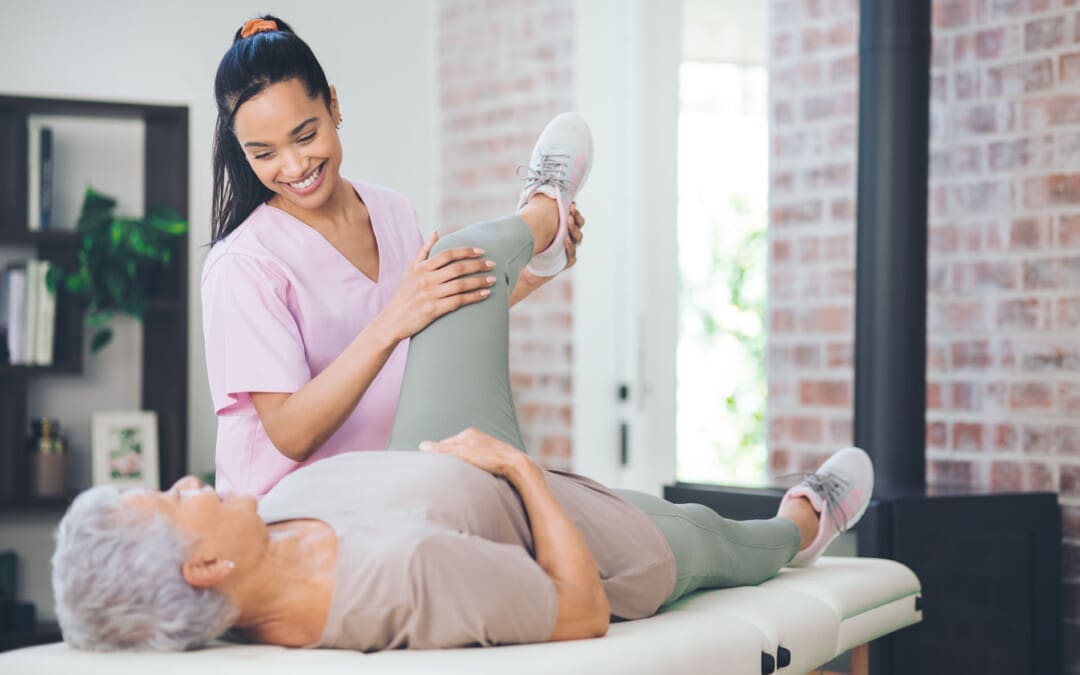
Working with a physical therapist is an effective adjunct treatment for bursitis (American Academy of Orthopaedic Surgeons, 2022). Physical therapists correct muscle imbalances through stretching and exercise and improve alignment to prevent bursa irritation from reoccurring.
Surgery
Most patients get better with conservative treatment within about six weeks. Surgical treatment for hip bursitis is rarely needed (UCSF Health, 2024). Those who do not rest from their activities until the inflammation subsides often have a return of bursitis symptoms, and those who return too aggressively to activities and do not gradually build up also find that their symptoms return. In cases where surgery is needed, the healthcare provider may recommend an arthroscopic bursectomy. (American Academy of Orthopaedic Surgeons, 2022) The surgery is an outpatient minimally invasive procedure in which the bursa is removed through a small incision. After a short healing period, the individual can return to normal activity. Crutches may be used for a few days. Common complications are anesthetic-related complications and infection.
Injury Medical Chiropractic and Functional Medicine Clinic
As with any treatment program, always talk with your healthcare provider before initiating specific treatments. Fortunately, treatment of hip bursitis is generally accomplished with conservative therapies. Efforts to limit pressure directly on the bursa, alleviate inflammation, and restore normal movement to the hip joint will typically resolve symptoms. At Injury Medical Chiropractic and Functional Medicine Clinic, we focus on what works for you to relieve pain and restore function. Regarding musculoskeletal pain, specialists like chiropractors, acupuncturists, and massage therapists can help mitigate the pain through spinal adjustments that help the body realign itself. They can also work with other associated medical professionals to integrate into a treatment plan to improve the body’s flexibility and mobility, resolve musculoskeletal issues, and prevent future pain symptoms from reoccurring.
The Chiropractic Approach for Pain Relief
References
American Academy of Orthopaedic Surgeons. (2022). Hip bursitis. https://orthoinfo.aaos.org/en/diseases–conditions/hip-bursitis
National Library of Medicine. (2022). Bursitis: Learn More – How can bursitis be treated? InformedHealth.org [Internet]. Cologne, Germany: Institute for Quality and Efficiency in Health Care (IQWiG). https://www.ncbi.nlm.nih.gov/books/NBK525763/
Individuals getting into fitness may wonder whether they should join a gym or exercise at home. Is there an advantage to one versus the other?
Gym or Home
Exercising, whether at the gym or at home, depends on individual preference and budget. The first step is committing to a fitness health plan. Where to work out depends on the individual and their characteristics. For those who are self-motivated and will exercise no matter what, a home workout may be the best option. (Essery R. et al., 2017) Going to a gym may be a better choice for those who find too many distractions at home and other things to do besides the workout, like laundry, checking the phone, cleaning, etc. Working out at home is convenient; it takes driving out of the equation, changing into gym clothes, and going at the right time. However, the gym provides fewer distractions, community access, equipment like weights and cardiovascular machines, and group fitness classes. Each has pros and cons.
Pros and Cons – The Gym
Pros
Gym features and resources
Motivation
Focus
Classes
Community
Cons
Membership fees
Inconvenience
Too many people
Pros of a Gym
Features and Resources
Exercise can be so much easier when there are plenty of options.
There are various machines, such as treadmills, ellipticals, stair climbers, stationary bikes, and rowing machines.
Weights and machines, free weights, cable machines, bands, and more.
Motivation
Paying for a membership can be a motivating factor to regularly working out.
There is a friendly, competitive vibe with the other members who can help motivate each other.
Focus
Exercising at the gym can help maintain focus on fitness goals.
No chores, kids, or distractions to break off from the workouts.
Classes
Working out in a class can increase motivation and make working out fun.
There are online classes for working out at home, but it’s not the same as going to the gym and being around people.
Other features like a swimming pool, hot tub, tennis courts, etc may be available.
Community
Working out with others can give a sense of community.
People draw energy from others, pushing us to work harder.
Cons of a Gym
Gym membership drawbacks.
Cost
Membership fees can cause stress.
Some high-end gyms charge more than $100 monthly, while smaller gyms may charge only $10.
Inconvenience
Going to the gym includes packing a bag, driving there, parking, and waiting for the machines, weights, etc.
Total time will be longer because of the drive time.
Too Many People
At times, the gym can be packed with people.
Sometimes, individuals talk too loudly on their phones, leave sweat on the machines, and do not put weights away.
These could be the days or nights to work out at the house.
At Home Workouts
Pros
Cost
Convenience
Mix workouts
Cons
Space
Excuses
Boredom
Pros at Home
For some, home workouts could be the better option, and the benefits include:
Cost
There’s no membership fee.
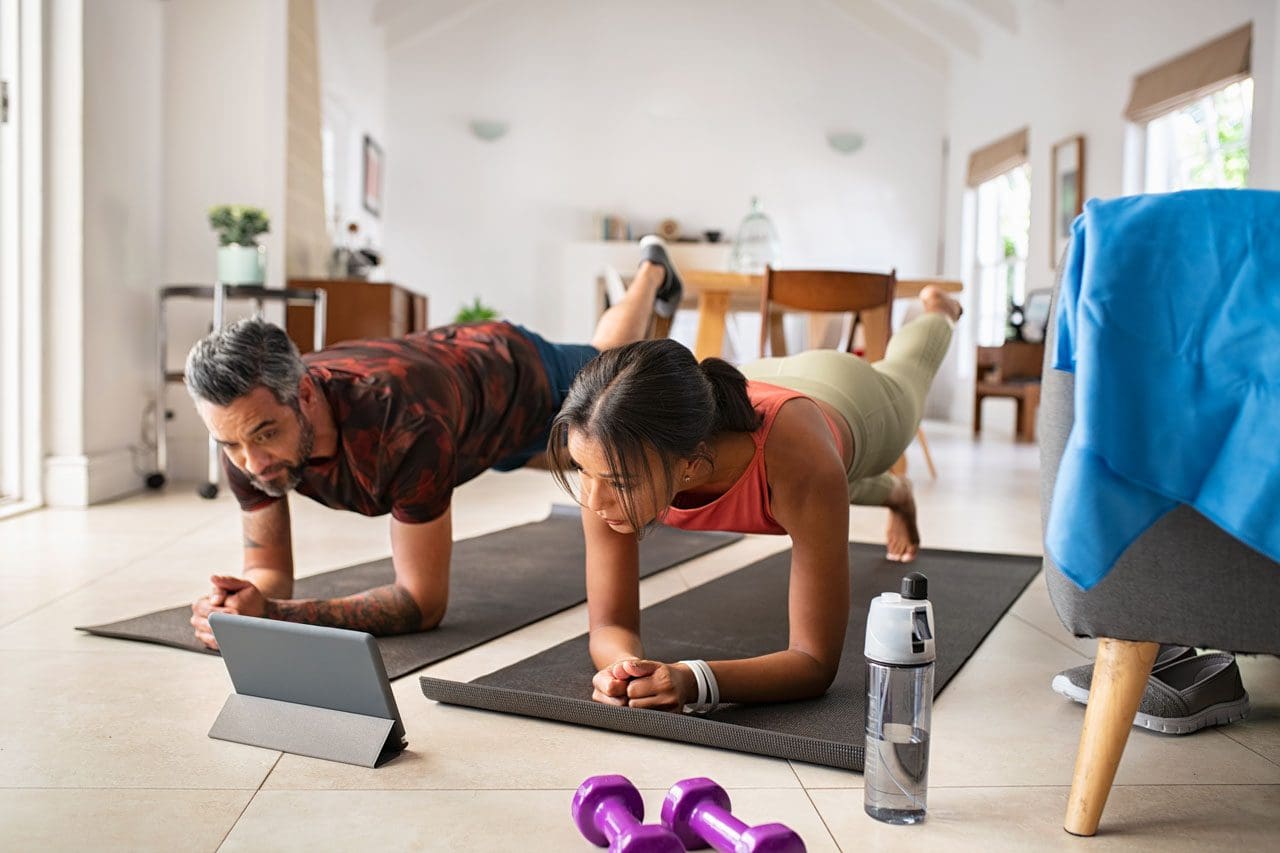
Individuals can do bodyweight workouts that require no equipment.
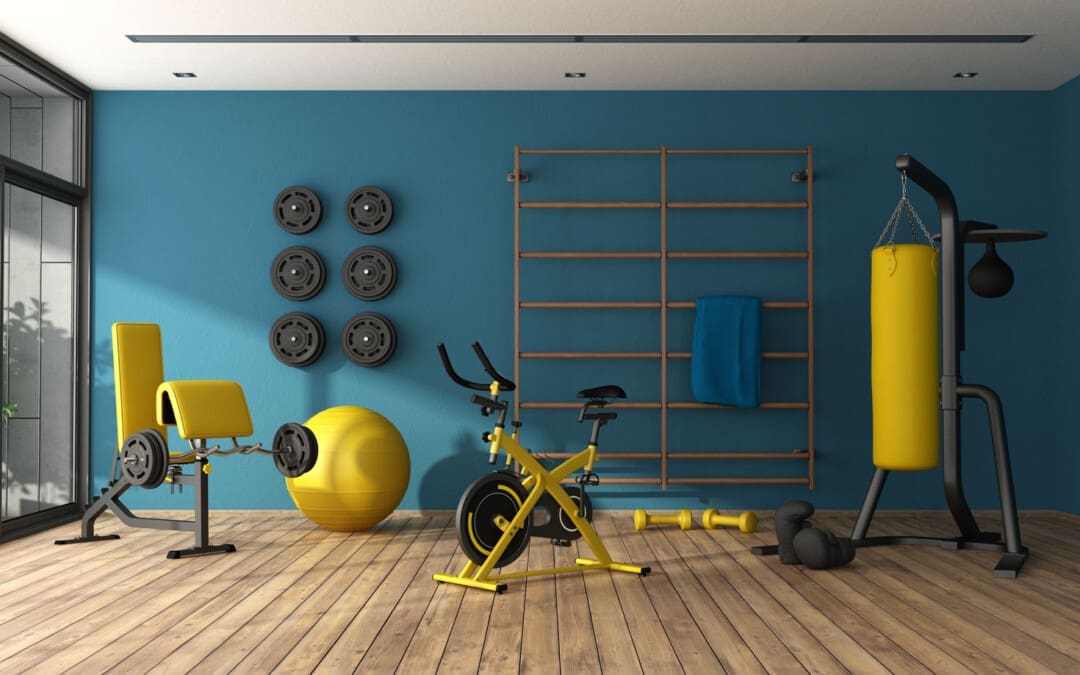
Develop a house gym with inexpensive resistance bands, a few weights, and an exercise ball.
Convenience
Individuals do not have to get their gym bag, drive, and arrange for child care.
Individuals can work out in pajamas or underwear.
Individuals can also work out whenever they like if they need to split their workouts or work out at a specific time.
Mix Workouts
Although gyms also mix things up, individuals can do it at home at their convenience.
Combining weights and cardio and finishing up with yoga.
Individuals can go outside, watch exercise videos, stream live classes, use fitness mirrors, play exercise games, or download workout apps.
There is also versatile home gym equipment.
Cons at Home
These can cause individuals to lose home workout motivation.
Space
Although not much space is needed to work out, wanting to use a treadmill or other large equipment might not be practical, which could lead to boredom.
Excuses
There can be endless excuses to skip a workout.
Individuals who are not self-motivated might avoid workouts with chores or other important home tasks.
Boredom
At a gym, there is energy potential that motivates individuals to move.
If there is not enough exercise variety at home, boredom can set in.
Injury Medical Chiropractic and Functional Medicine Clinic
Injury Medical Chiropractic and Functional Medicine Clinic treats patients’ injuries and chronic pain syndromes. We focus on improving ability through flexibility, mobility, and agility programs tailored to the individual. We use in-person and virtual health coaching and comprehensive care plans to ensure every patient’s personalized care and wellness outcomes. Our providers use an integrated approach to create customized care plans that include Functional Medicine, Acupuncture, Electro-Acupuncture, and Sports Medicine principles. Our goal is to relieve pain naturally by restoring health and function to the body. Suppose he feels the individual needs other treatment. In that case, they will be referred to a clinic or physician best suited for them. Dr. Jimenez has teamed up with the top surgeons, clinical specialists, medical researchers, and premier rehabilitation providers to provide our community with the best clinical treatments.
The Right Way To Implement an Exercise Prescription
References
Essery, R., Geraghty, A. W., Kirby, S., & Yardley, L. (2017). Predictors of adherence to home-based physical therapies: a systematic review. Disability and rehabilitation, 39(6), 519–534. https://doi.org/10.3109/09638288.2016.1153160
Can participating in a favorite sport several days a week help individuals trying to get fit or maintain a certain level of health?
Sports For Fitness
Spending hours in the gym can sometimes feel like a chore, especially for individuals who prefer competitive or recreational sports over traditional cardiovascular and resistance training. Various sports activities require only time, energy, sufficient apparel, and the willingness to play. Here are a few sports for fitness that can help improve overall health and wellness.
Cycling and Mountain Biking
Cycling is one of the best sports for fitness. Whether on roads or trails, fast or slow, it is a fantastic aerobic workout and benefits the leg muscles, specifically the quads, glutes, and hamstrings. Research has shown that, especially for those with diabetes, cycling can lower the risk of premature mortality. (Mathias Ried-Larsen et al., 2021)
There are appropriate bikes for all ages and stages.
Beginners start with paved trails.
Intermediate to advanced levels can engage in road cycling and mountain biking.
Road or mountain bike races for individuals looking to compete.
Racket Sports
Racket sports players range from all ages and fitness levels, entry-level to highly competitive, and all provide intense workouts.
Racket sports target the muscles in the back, shoulders, arms, chest, quads, glutes, hamstrings, and core.
Racquet sports have also been shown to lower the risk of cardiovascular disease mortality. (Pekka Oja et al., 2017)
Combine that with the endurance, speed, balance, and agility required to compete, and individuals will quickly see how these two sports can give a phenomenal workout while also burning a ton of calories.
Golf
For golf to be a fitness sport, individuals must walk all the holes while carrying or pushing the clubs.
What is needed is a supportive pair of shoes.
Walking the course can have multiple health benefits, including cardiovascular and respiratory health. (A. D. Murray et al., 2017)
Golf is a sport individuals can participate in at any life stage.
Water Sports
Paddleboarding, rowing, kayaking, and canoeing can provide a fitness solution for individuals who enjoy the outdoors. These sports increase heart rate, improve muscular endurance and strength, and burn serious calories. (Thomas Ian Gee et al., 2016)
Swimming
Activities that require upper and lower body muscles to work together rank high in sports for fitness. Swimming is the perfect full-body workout for anyone looking for an intense and competitive outlet that requires strength and endurance.
Swimming can be a year-round sport with various levels of competition.
Triathlon Training
Triathlon training is for lifelong athletes looking to improve endurance and strength and exercise beginners who need a goal; it is the ultimate sport for fitness.
Running, biking, and swimming together challenges every muscle and significantly increases aerobic and anaerobic fitness. (Naroa Etxebarria et al., 2019)
There’s something for every fitness level, from short sprint competitions to full Ironman events.
Basketball and Volleyball
Basketball and volleyball offer the physical benefits of a hard workout. These sports require sprinting, pivoting, and jumping, which engages the cardiovascular system and strengthens every muscle. Playing volleyball in the sand makes the muscles work harder.
Both sports are appropriate for most levels of fitness.
Beginners are recommended to learn the basic skills and go through drills before moving to games or matches.
Both sports require constant movement, increasing the risk of injury, so it is important to learn the fundamentals.
Talk to a healthcare provider before starting a new exercise routine or adding a new activity to an exercise regimen.
Lumbar Sports Injuries
References
Ried-Larsen, M., Rasmussen, M. G., Blond, K., Overvad, T. F., Overvad, K., Steindorf, K., Katzke, V., Andersen, J. L. M., Petersen, K. E. N., Aune, D., Tsilidis, K. K., Heath, A. K., Papier, K., Panico, S., Masala, G., Pala, V., Weiderpass, E., Freisling, H., Bergmann, M. M., Verschuren, W. M. M., … Grøntved, A. (2021). Association of Cycling With All-Cause and Cardiovascular Disease Mortality Among Persons With Diabetes: The European Prospective Investigation Into Cancer and Nutrition (EPIC) Study. JAMA internal medicine, 181(9), 1196–1205. https://doi.org/10.1001/jamainternmed.2021.3836
Oja, P., Kelly, P., Pedisic, Z., Titze, S., Bauman, A., Foster, C., Hamer, M., Hillsdon, M., & Stamatakis, E. (2017). Associations of specific types of sports and exercise with all-cause and cardiovascular-disease mortality: a cohort study of 80 306 British adults. British journal of sports medicine, 51(10), 812–817. https://doi.org/10.1136/bjsports-2016-096822
Murray, A. D., Daines, L., Archibald, D., Hawkes, R. A., Schiphorst, C., Kelly, P., Grant, L., & Mutrie, N. (2017). The relationships between golf and health: a scoping review. British journal of sports medicine, 51(1), 12–19. https://doi.org/10.1136/bjsports-2016-096625
Ian Gee, T., Caplan, N., Christian Gibbon, K., Howatson, G., & Grant Thompson, K. (2016). Investigating the Effects of Typical Rowing Strength Training Practices on Strength and Power Development and 2,000 m Rowing Performance. Journal of human kinetics, 50, 167–177. https://doi.org/10.1515/hukin-2015-0153
Lo, G. H., Ikpeama, U. E., Driban, J. B., Kriska, A. M., McAlindon, T. E., Petersen, N. J., Storti, K. L., Eaton, C. B., Hochberg, M. C., Jackson, R. D., Kwoh, C. K., Nevitt, M. C., & Suarez-Almazor, M. E. (2020). Evidence that Swimming May Be Protective of Knee Osteoarthritis: Data from the Osteoarthritis Initiative. PM & R : the journal of injury, function, and rehabilitation, 12(6), 529–537. https://doi.org/10.1002/pmrj.12267
Etxebarria, N., Mujika, I., & Pyne, D. B. (2019). Training and Competition Readiness in Triathlon. Sports (Basel, Switzerland), 7(5), 101. https://doi.org/10.3390/sports7050101
For individuals switching to non-dairy and plant-based diets, can oat milk be a beneficial substitute for non-dairy milk drinkers?
Oat Milk
Oat milk is a dairy-free, lactose-free alternative nearly free of saturated fats, has more protein than most nut-based kinds of milk, adds fiber, and offers a healthy dose of B vitamins and minerals. It contains steel-cut or whole oats soaked in water that are then blended and strained with a cheesecloth or special milk bag that is cheaper to make than almond milk and is environmentally friendly.
Nutrition
Individuals can acquire 27% of daily calcium, 50% of daily vitamin B12, and 46% of daily B2. The nutritional information is for one serving of 1 cup of oat milk. (USDA FoodData Central. 2019)
Calories – 120
Fat – 5 grams
Sodium – 101 milligrams
Carbohydrates – 16 grams
Fiber – 1.9 grams
Sugars – 7 grams
Protein – 3 grams
Calcium – 350.4 milligrams
Vitamin B12 – 1.2 micrograms
Vitamin B2 – 0.6 milligrams
Carbohydrates
According to the United States Department of Agriculture, the number of carbohydrates in a cup of oat milk is 16, higher than other milk products.
However, the carbohydrates come from fiber and not fat.
Because oat milk is made from steel-cut or whole oats, there is more fiber per serving than cow’s milk, which offers no fiber, and almond and soy, which only contain one gram of fiber per serving.
Fats
Oat milk contains no fatty acids, no total saturated fat, and no total trans fats.
The milk does have 5 grams of total lipid fats.
Protein
Compared to cow’s and soy milk, oat milk has less protein, with only 3 grams per serving.
But compared to other substitutes, like almond milk and rice milk, oat milk provides more protein per serving.
This is beneficial for individuals following a vegan or dairy-free diet.
Vitamins and Minerals
Oat milk contains thiamin and folate, both B vitamins necessary for energy production.
The milk also has minerals, including copper, zinc, manganese, magnesium, and trace amounts of vitamins and minerals such as vitamin D, A IU, riboflavin, and potassium.
Most commercial oat milk is fortified with vitamins A, D, B12, and B2.
Calories
One serving of oat milk, about 1 cup, provides approximately 120 calories.
80% outgrow the allergy, but the remaining 20% still deal with the allergy into adulthood, making dairy alternatives necessary.
An alternative to dairy milk for:
Allergies to dairy
Lactose intolerance
Following a vegan/dairy-free diet
Oat milk offers some of the same health benefits as cow’s milk, that include:
Protein to build and repair tissues.
Maintain hair and nail health.
Calcium for strong bones.
Macronutrients like folate help make red and white blood cells.
Lowers Cholesterol
A review determined that consuming oats and oat products has a profound effect in lowering total and LDL cholesterol levels. (Susan A Joyce et al., 2019)
The researchers found significant support between oat beta-glucans and blood cholesterol levels, showing that adding oats to one’s diet can help lower the risk of cardiovascular disease.
Cancer Fighting Properties
According to a review of plant-based milk alternatives, oat milk may contain anti-cancer properties and high nutritional value. (Swati Sethi et al., 2016)
Bowel Movement Regulation
Because a great deal of carbohydrates in oat milk come from fiber, it is also higher in fiber than regular milk.
Fiber can help because the nutrient absorbs water to regulate bowel movements and decrease constipation.
Spending on alternative milk has risen, and the consumption of dairy milk has dropped, not only for the benefits and taste but because of environmental concerns.
Dairy milk uses nine times more land to make one liter compared to rice milk, soy milk, almond milk, or oat milk.
Allergies
Oat milk is a beneficial alternative for individuals who are lactose intolerant or suffer from any other type of dairy allergy or those who have a nut allergy and can’t drink almond milk.
However, individuals should be careful of intake if they have celiac disease or any type of wheat allergy/sensitivity.
Individuals can still drink oat milk, but the labels need to be read to make sure the product contains gluten-free wheat.
Oats are gluten-free, but manufacturers often process them using the same equipment as other wheat products, which could cause a reaction.
Adverse Effects
Oat milk can contain acidity-regulating phosphates, which are common additives in processed foods and are linked to kidney disease.
American College of Allergy, Asthma & Immunology. (2019). Milk & Dairy.
Joyce, S. A., Kamil, A., Fleige, L., & Gahan, C. G. M. (2019). The Cholesterol-Lowering Effect of Oats and Oat Beta Glucan: Modes of Action and Potential Role of Bile Acids and the Microbiome. Frontiers in nutrition, 6, 171. https://doi.org/10.3389/fnut.2019.00171
Sethi, S., Tyagi, S. K., & Anurag, R. K. (2016). Plant-based milk alternatives an emerging segment of functional beverages: a review. Journal of food science and technology, 53(9), 3408–3423. https://doi.org/10.1007/s13197-016-2328-3
Quagliani, D., & Felt-Gunderson, P. (2016). Closing America’s Fiber Intake Gap: Communication Strategies From a Food and Fiber Summit. American journal of lifestyle medicine, 11(1), 80–85. https://doi.org/10.1177/1559827615588079
Nadkarni, G. N., & Uribarri, J. (2014). Phosphorus and the kidney: What is known and what is needed. Advances in nutrition (Bethesda, Md.), 5(1), 98–103. https://doi.org/10.3945/an.113.004655
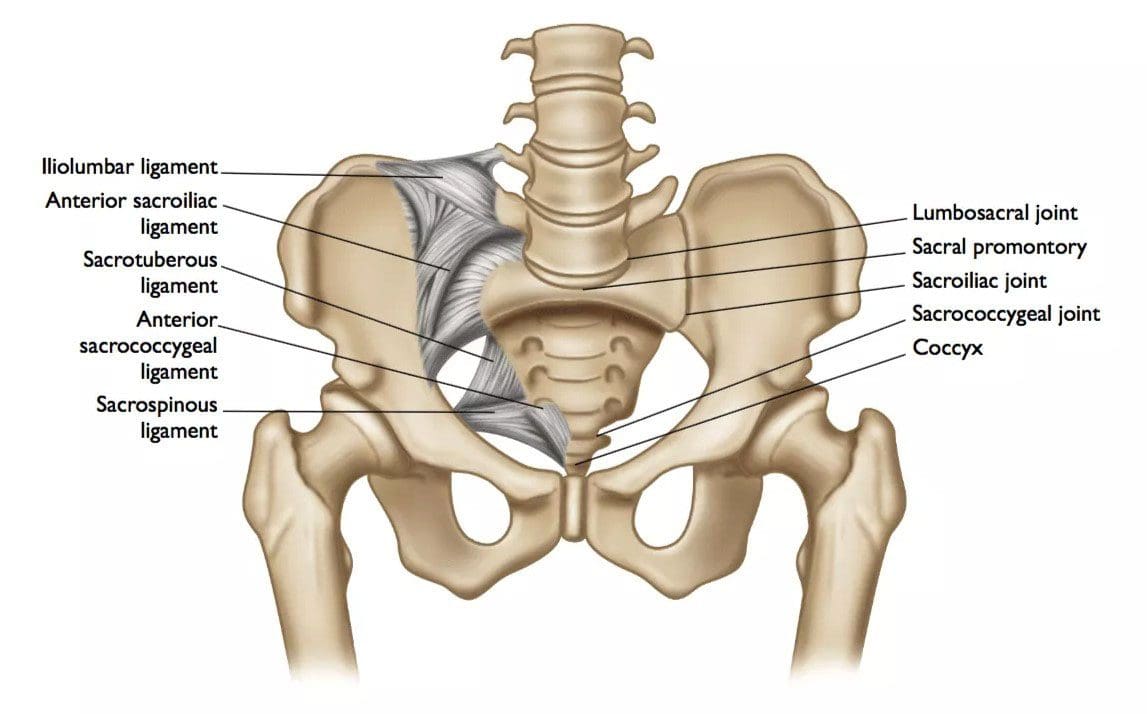
The function of the SI joints is to allow torsional or twisting movements when moving the legs that act as levers. Without the sacroiliac joints and the pubic symphysis at the front of the pelvis, which allow these precision movements, the pelvis would be at higher risk of a fracture. The sacroiliac joints transmit body weight and all the physical forces down through the sacrum to the hips and legs. Individuals, especially athletes with pain in the lower back, hip, groin, or leg, could be experiencing SIJ/sacroiliac joint dysfunction. A physician or surgeon could recommend sacroiliac joint surgery for severe SI joint dysfunction and pain that has not resolved with conservative treatment.
Sacroiliac Joint Surgery
There are two sacroiliac joints. They connect the large iliac bones that make up the sides of the pelvis and the sacrum or triangle-shaped vertebrae between the iliac bones at the base of the spine. Pain in this area can come from sacroiliitis or inflammation of an SI joint, and referred pain may present. A doctor will consider causes such as:
There is a pathology of sacroiliac joint dysfunction in athletes. Sports that require repetitive and/or asymmetric loading that includes:
Kicking
Swinging
Throwing
Single-leg stance
Any athlete can develop sacroiliac joint dysfunction, but the highest prevalence activities include:
Soccer
Football
Basketball
Gymnastics
Golfing
Powerlifting
Cross-country skiing
Step aerobics
Stair stepper machines
Elliptical machines
Fusion Surgery
Surgery is not for patients with less than six months of confirmed localized pain or impairment with other causes ruled out. Surgery is the last option for SI joint pain unless it is an emergency. Doctors and surgeons will recommend non-invasive treatment methods before recommending surgery. Surgery recommendations come when the pain has become intolerable, and the individual can no longer move or operate.
Sacroiliac joint fusion is a minimally invasive procedure involving a small incision less than two inches long.
Under image guidance, titanium implants are inserted across the sacroiliac joint to provide stability.
Holes in the hardware allow for adding bone or for the bone to grow naturally across or onto the area to maintain stability.
This surgery can be either outpatient or overnight, depending on surgeon preference and the type of support available.
Surgery Recovery Time
For most individuals, recovery time is around three weeks on crutches.
Pain management depends on whether screws or bolts are involved; bolts tend to be more uncomfortable.
Post-op pain dissipates in a few days or a couple of weeks.
Fusion itself takes six or more months to complete.
Conservative Treatment Options
Conservative treatment modalities to reduce the inflammation can include:
Chiropractic
Physical therapy
Nonsurgical spinal decompression
Medications
Injections
Rest
Staying off your feet for a few days can help decrease pressure on the SI joint.
Using an ice or heating pad on the lower back and/or buttocks.
Massaging the surrounding muscles may help if the apparent cause is an injury.
A doctor could suggest using a cane, walker, or crutches under medical supervision.
Medications
Medications include anti-inflammatories such as ibuprofen, naproxen, or prescription alternatives.
Acetaminophen helps with pain but not inflammation.
Corticosteroids
Steroids are the most powerful anti-inflammatory.
A common nonsurgical treatment is cortisol steroids, injected under X-ray guidance.
Injections go directly to the source.
Oral steroids spread throughout the body but can cause undesirable side effects.
Chiropractic and Physical Therapy
Depending on the severity of the condition, chiropractic and physical therapy may be able to strengthen the muscles around the area and realign the joint.
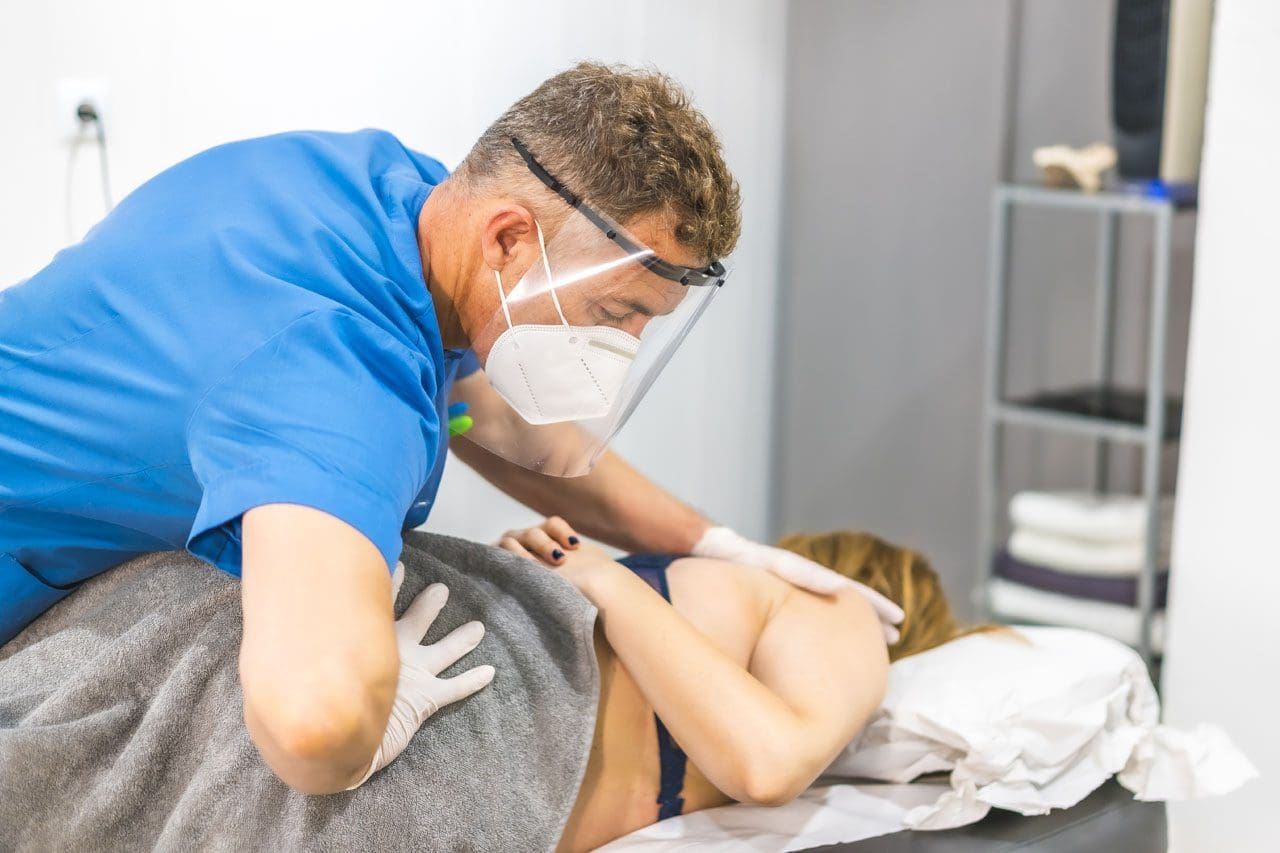
A chiropractor will level the pelvis through sacroiliac joint manipulation and mobilization.
It works by applying compression around the hip and across the joint.
Back, Hip, and Radiating Pain
References
Brolinson, P Gunnar, et al. “Sacroiliac joint dysfunction in athletes.” Current sports medicine reports vol. 2,1 (2003): 47-56. doi:10.1249/00149619-200302000-00009
Heil, Jessica. “Load-Induced Changes of Inter-Limb Asymmetries in Dynamic Postural Control in Healthy Subjects.” Frontiers in human neuroscience vol. 16 824730. 11 Mar. 2022, doi:10.3389/fnhum.2022.824730
International Journal of Spine Surgery. (2020*) “International Society for the Advancement of Spine Surgery Policy 2020 Update—Minimally Invasive Surgical Sacroiliac Joint Fusion (for Chronic Sacroiliac joint Pain): Coverage Indications, Limitations, and Medical Necessity.” https://doi.org/10.14444/7156
Peebles, Rebecca DO1; Jonas, Christopher E. DO, FAAFP2. Sacroiliac Joint Dysfunction in the Athlete: Diagnosis and Management. Current Sports Medicine Reports: 9/10 2017 – Volume 16 – Issue 5 – p 336-342
doi: 10.1249/JSR.0000000000000410
Surgery options when back pain is becoming chronic or so severe that an individual cannot function normally and negatively affects their life. Pretty much everyone experiences back pain at some point. This is often from:
Lifting heavy/non-heavy objects incorrectly
Improper posture
Twisting in an awkward way
Overreaching
Muscle spasms
Physical activity the body is not used to doing
Most cases of backaches and pain go away by themselves or with conservative treatment. But sometimes, surgery is necessary.
When Surgery Is Necessary
Acute back pain can last for days or weeks and can often resolve with physical therapy, chiropractic, and self-care. Back pain that continues for 12 weeks or longer is considered chronic. Around twenty percent of individuals who experience acute low back pain after a year begin developing chronic back pain. Doctors try to treat most back pain cases with non-surgical approaches.
They usually begin with physical therapy/chiropractic.
If that doesn’t work, then medication is incorporated.
However, many individuals do not want to take long-term medication, which is when surgery may be recommended.
In most cases, surgery is a last resort.
When the pain radiates to the legs or if it is causing problems with bladder and/or bowel function, these are definite signs/symptoms that surgery is needed. If the pain/dysfunction continues after thorough and effective non-surgical treatment, surgery could be recommended to preserve the spine to improve spinal strength and function before the problem worsens, causing further injury and damage. Some of the most common and effective spine surgery options include.
Surgery Options
Microdiscectomy
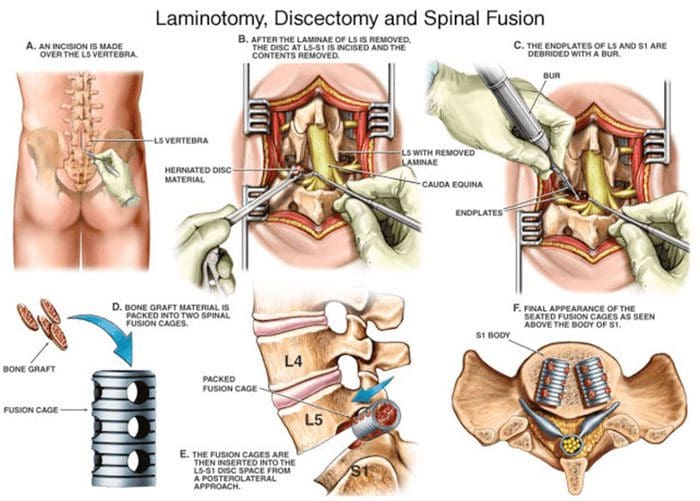
Microdiscectomy is the most common back surgery in the United States. It is minimally invasive spine surgery. Microdiscectomy patients have low back pain combined with leg pain, tingling, numbness, and weakness. In between the vertebrae are the body’s shock-absorbing discs. The discs can begin to bulge out, a bulging or herniated disc, and press on the surrounding nerve roots, causing pain, tingling, numbness, or weakness. A microdiscectomy removes the portions of the disc pressing on the nerve.
It is called micro because the surgeon wears specialized glasses known as loupes that act as microscopes. This is so the surgeon can see the details when they’re operating. The surgery is performed through a small incision in the middle of the back or on the affected side. Patients can go home a few hours after the surgery and return to normal activities within two weeks. The success rate is 85 – 95%, especially if the surgery is done early before the damage begins to spread out.
Laminectomy
The spinal canal contains a special lining. This is where the nerves and ligaments run through. Age, along with normal wear and tear on the body, causes the ligaments to thicken. This is when bone spurs can develop from osteoarthritis, and the discs can begin to bulge or rupture/herniate. This clogs and impinges the space where the nerves should easily flow through. This narrowing is called spinal stenosis. A laminectomy opens up the space relieving the compression/pressure. The procedure requires removing part of the back of a vertebra called the lamina. This enlarges the spinal canal and relieves the pressure on the nerves. The procedure is done through a small incision in the middle of the back but can also be done through a minimal incision. Leg pain improves after surgery. A traditional incision full recovery takes 6 to 12 weeks. The success rate is around 85 percent.
Spinal Fusion
A spinal fusion joins/fuses two or more bones in the spine. This is done when an individual has severe compression of the nerves, severe instability, or spinal revision surgery. A fusion can help stabilize spinal fractures. Other reasons for a spinal fusion are spine deformity, cancer of the spine, and sometimes used for intractable pain. A fusion stabilizes the spine with screws and rods. The disc causing the compression is replaced with a fusion device and bone graft. The surgery is often performed in combination with a laminectomy. Recovery and returning to activities can take around 3-4 months after the procedure. The success rate is 85-90% with pain improvement.
Kyphoplasty
Spinal compression fractures are common in individuals with osteoporosis. When they happen, the pain can be so intense that braces and medication don’t help. Kyphoplasty can bring pain relief. It can be performed by a pain management doctor, interventional radiologist, or surgeon in an outpatient X-ray facility and operating room. The procedure involves conscious sedation, sometimes accompanied by general anesthesia. A small instrument is inserted into the vertebra, and a balloon is inflated to make room for bone cement. After the bone cement is injected, patients can go home within a few hours. The success rate is around 85%, and recovery time could be several days.
Disc Replacement
This is a procedure that can replace spinal fusion for certain cases. A disc replacement can be done in the lumbar/low back or the cervical/neck spine. This procedure is performed to treat a pinched nerve and/or spinal cord compression. The injured/damaged disc is removed and is replaced with an artificial disc. The device allows for motion, whereas fusion procedures fuse the bones to stabilize and immobilize the area. Disc replacement is recommended for younger patients that don’t have serious arthritis. This is because they still have mobility. If significant arthritis is present, the patient could experience more pain and require spinal fusion. Recovery takes around six weeks. Intense physical activity is off-limits for two or three weeks after the initial recovery period. The success rate is more than 90%.
Anterior Cervical Discectomy and Fusion – ACDF
This is a common neck/cervical spine procedure. This surgery is for pain relief, weakness, tingling, and numbness of the arms caused by a pinched nerve or stenosis. The damaged disc is removed through a small incision in the side of the front of the neck. The disc is replaced with a bone graft or specialized spacer and a small plate with screws. This is to stabilize the spine. It is highly effective in relieving pain and in preventing neurological decline from spinal cord compression. Recovery time is around 12 weeks before a full return to normal activities. However, individuals report feeling better after two weeks.
Back Surgery Options
The majority of cases involving back pain get better on their own or with conservative treatment. But if an individual cannot find relief, there are safe and effective surgery options that can help.
Body Composition
When The Immune System Activates
When the body gets sick from a bacterial infection, virus, etc., the body’s defense system activates, causing inflammation. This immune response serves as the first wave of defense against foreign invaders. The infected area becomes red and swollen from increased blood flow. For example, when the nose gets red from a cold, this is inflammation. The reaction is caused by white blood cells known as macrophages, and the proteins they emit called cytokines encourage inflammation. Inflammation that’s triggered by the immune system is normally a good thing. It means the body is releasing a proper amount of hormones and proteins. These activate the white blood cells to start the healing process and work to fight the infection.
References
Low Back Pain Fact Sheet. National Institute of Neurological Disorders and Stroke. https://www.ninds.nih.gov/Disorders/Patient-Caregiver-Education/Fact-Sheets/Low-Back-Pain-Fact-Sheet
A review of complication rates for Anterior Cervical Diskectomy and Fusion (ACDF). Surg Neurol Int. 2019. https://pubmed.ncbi.nlm.nih.gov/31528438/
IFM's Find A Practitioner tool is the largest referral network in Functional Medicine, created to help patients locate Functional Medicine practitioners anywhere in the world. IFM Certified Practitioners are listed first in the search results, given their extensive education in Functional Medicine







 Sacroiliac Joint Surgery