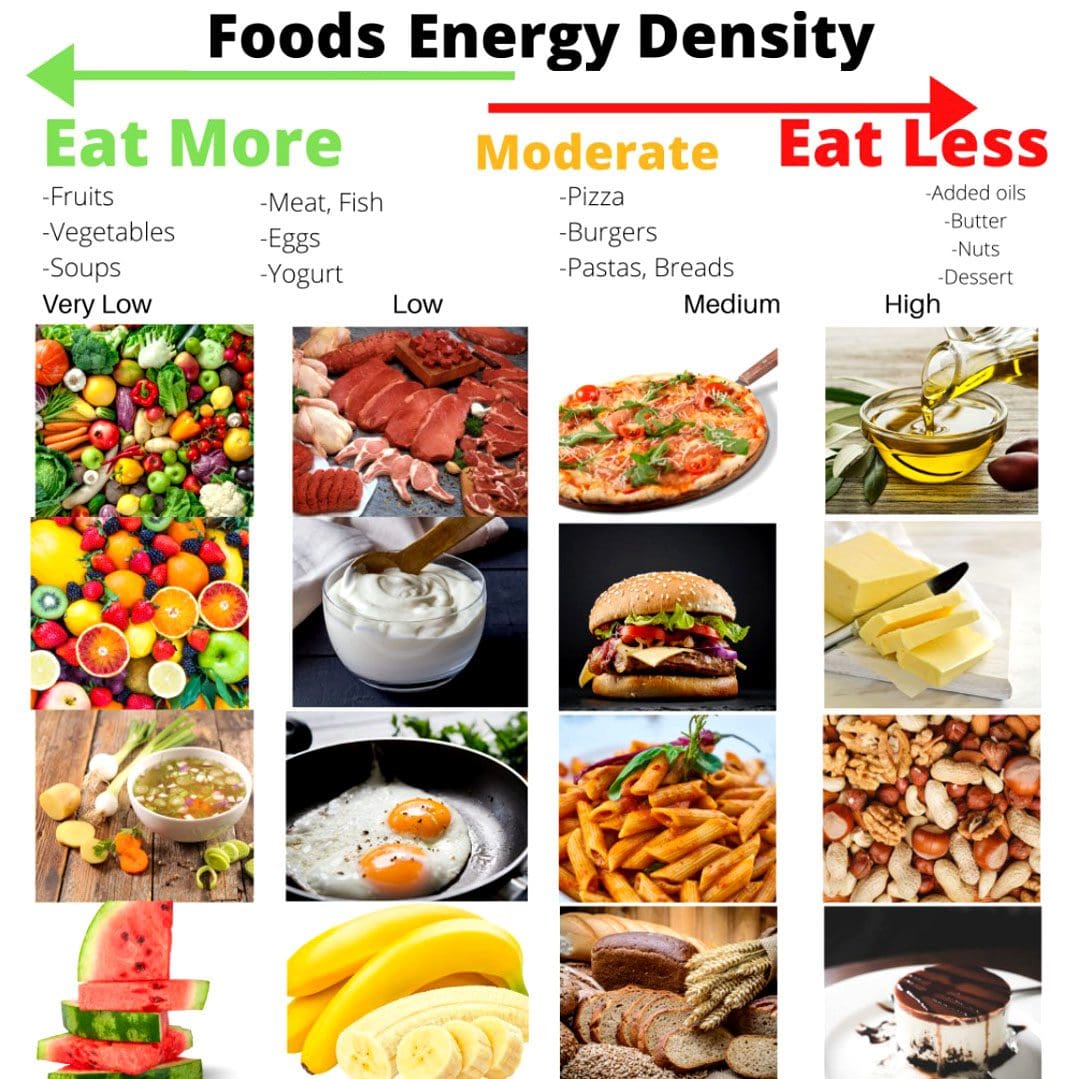
The brain and body need macronutrients that include carbohydrates, fats, and protein in the right amounts to energize the body. About half of the calories should come from carbohydrates, 30% from fat, and 20% from protein. Food energy density is the amount of energy, represented by the number of calories, in a specific weight measurement.
Food Energy Density
Energy density is determined by the proportion of macronutrients – protein, fat, carbohydrates, fiber, and water.
Energy-dense foods are high in calories per serving.
Foods with large amounts of fiber and water have a lower density.
Foods high in fat have an increased energy density.
An example of a high-energy-density food is a donut because of the high-calorie count from the sugar, fat, and small serving size.
An example of a low-energy-density food is spinach because it only has a few calories in a whole plate of raw spinach leaves.
Energy Dense Foods
Energy-dense foods contain a high number of calories/energy per gram. They are typically higher in fat and lower in water. Examples of energy-dense foods include:
Full-fat dairy
Butter
Cheese
Nut butter
Fatty cuts of meat
Starchy vegetables
Thick sauces
Nuts
Seeds
Less nutrient-dense foods include:
Sweets
Deep-fried foods
French fries
Pasta
Crackers
Chips
Foods like soups and beverages can be either high or low energy density depending on the ingredients. Broth-based soups with vegetables usually have low density while creamed soups are energy-dense. Non-fat milk is less dense than regular milk, and diet soda is less dense than regular soda.
Low Energy Dense Foods
Foods with low energy density include high-fiber green and colorful vegetables.
Foods with low energy density are often nutrient-dense, which means they have plenty of nutrients per serving size.
Many fruits, berries, and vegetables are low in calories, high in fiber, and packed with vitamins and minerals.
Foods high in water content like citrus fruits and melons are usually less energy-dense.
Low-calorie foods often have a low energy density, but not always.
It’s important to read nutrition labels to know how many calories are being provided daily.
Weight Management
Weight management is about watching how many calories are taken in and how many calories are burned.
Filling up on foods with low energy density will cause the body to feel satisfied while eating fewer high-density calories.
Plan all meals so they include foods with a low energy density and high in nutrients.
However, the opposite can happen if individuals eat mostly low-energy-dense foods, will need a larger volume of food to fill up, and as a result, will take in more calories.
This is not ideal for losing weight, but it could be helpful if trying to gain weight.
High-energy-dense foods that are nutritious include avocados, nuts, and seeds.
Adjustment Recommendations
Add More Fruits and Vegetables To The Plate
At least half of a plate should be covered with low-calorie fruits and vegetables.
Berries are sweet and delicious and provide antioxidants
Leave a quarter of the plate for the protein, and the remaining quarter can hold a serving of starchy foods like pasta, potatoes, or rice.
Eating more fruits and vegetables will partially fill the body leading to eating less high-energy-dense foods.
Picky eaters should try various recipes, sooner or later, they will discover something they enjoy.
Start With Salad or a Bowl of Clear Broth Soup
Soups and salads will fill the body before the main energy-dense course like pasta, pizza, or another high-calorie food.
Avoid heavy cream-based salad dressings and creamed soups.
Water has zero calories and drinking a few glasses can help suppress the hunger until the next meal, or a low-density snack.
Fernandez, Melissa Anne, and André Marette. “Potential Health Benefits of Combining Yogurt and Fruits Based on Their Probiotic and Prebiotic Properties.” Advances in nutrition (Bethesda, Md.) vol. 8,1 155S-164S. 17 Jan. 2017, doi:10.3945/an.115.011114
Horgan, Graham W et al. “Effect of different food groups on energy intake within and between individuals.” European Journal of Nutrition vol. 61,7 (2022): 3559-3570. doi:10.1007/s00394-022-02903-1
Hubbard, Gary P et al. “A systematic review of compliance to oral nutritional supplements.” Clinical nutrition (Edinburgh, Scotland) vol. 31,3 (2012): 293-312. doi:10.1016/j.clnu.2011.11.020
Prentice, A M. “Manipulation of dietary fat and energy density and subsequent effects on substrate flux and food intake.” The American Journal of clinical nutrition vol. 67,3 Suppl (1998): 535S-541S. doi:10.1093/ajcn/67.3.535S
Slesser, M. “Energy and food.” Basic life sciences vol. 7 (1976): 171-8. doi:10.1007/978-1-4684-2883-4_15
Specter, S E et al. “Reducing ice cream energy density does not condition decreased acceptance or engender compensation following repeated exposure.” European Journal of clinical nutrition vol. 52,10 (1998): 703-10. doi:10.1038/sj.ejcn.1600627
Westerterp-Plantenga, M S. “Effects of the energy density of daily food intake on long-term energy intake.” Physiology & behavior vol. 81,5 (2004): 765-71. doi:10.1016/j.physbeh.2004.04.030
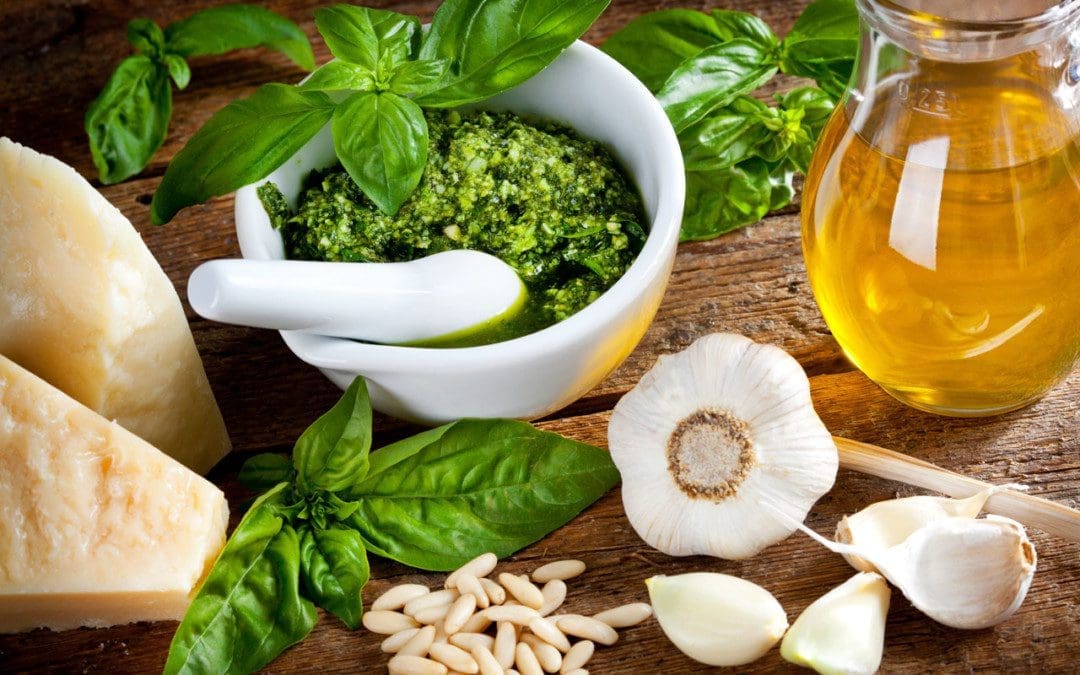
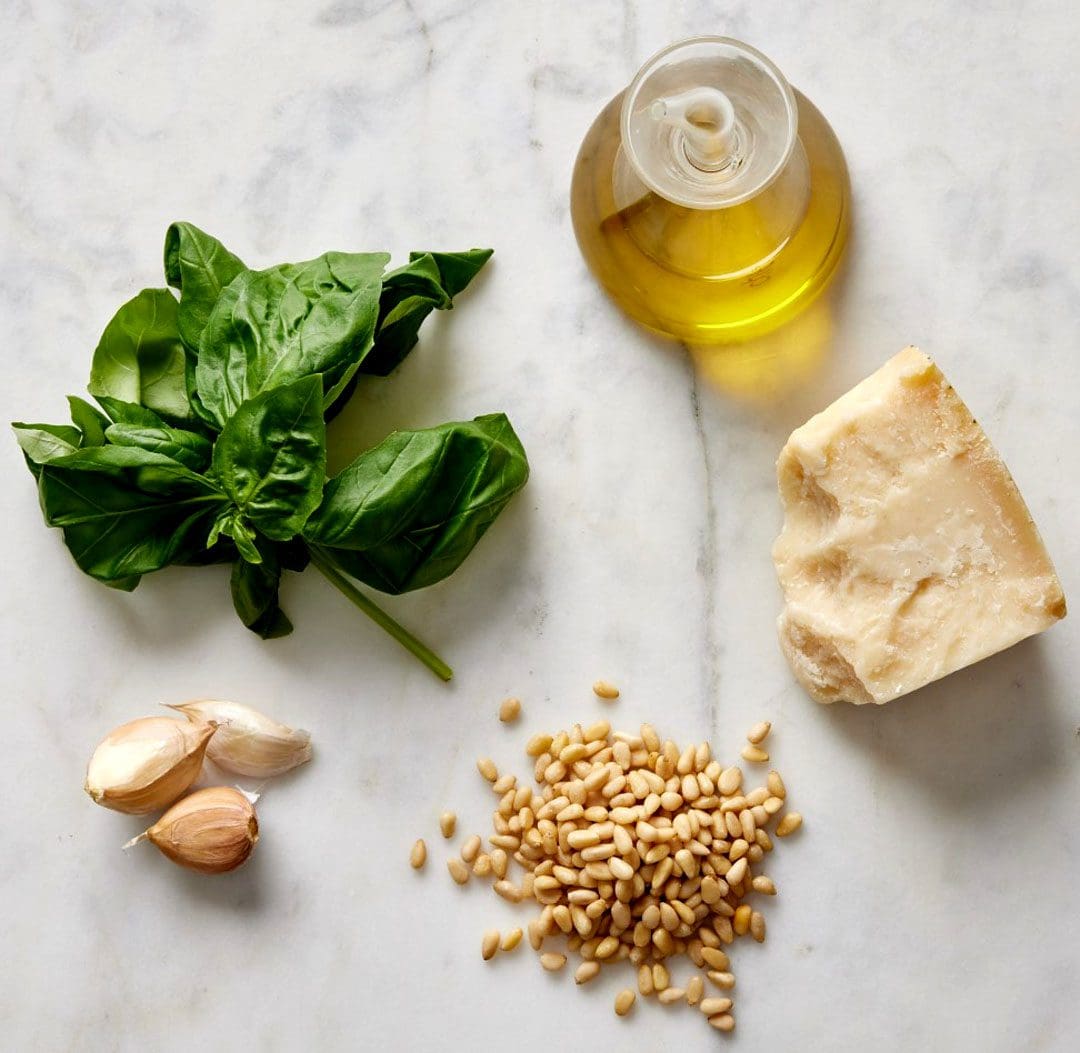
Pesto is a sauce that is made with garlic, pine nuts, basil, cheese, and olive oil, which creates a strong, rich flavor. It is used as a marinade, dip, salad dressing, sandwich spread, and a topping for dishes like pasta and pizza. It can be homemade or bought premade, including vegan varieties. It is made with nutritious ingredients and can be consumed as part of a balanced diet. The sauces can vary in nutrition, but in general, it is a rich source of healthy fats and is also part of the Mediterranean Diet.
Pesto
Carbohydrates
The sauce is not a significant source of complex carbohydrates, dietary fiber, or sugar.
A spoonful contains under 1 gram of carbohydrates.
It is often paired with foods rich in carbohydrates, like sandwiches, pizza, and pasta.
Fats
Nearly 60% of the calories in pesto come from fats, provided by the olive oil, cheese, and pine nuts.
There are 9.47 grams of fats per spoonful, which includes:
5.63 grams of monounsaturated fatty acids.
1.53 grams of saturated fatty acids.
1.68 grams of polyunsaturated fatty acids.
It also contains 2.56mg of cholesterol.
According to U.S. Dietary Guidelines for Americans, 20% to 35% of daily calories should come from fat.
Protein
The sauce is not a protein-rich food with only 1.38 grams of protein per tablespoon.
It is often used as a condiment, it can add flavor to other foods higher in protein.
Vitamins and Minerals
Pesto contains:
33.1mg of calcium.
36.8mg of phosphorus.
31.8mg of potassium.
9.76mg of magnesium.
Health Benefits
Some of the potential health benefits of pesto.
Antioxidant Properties
Garlic, pine nuts, olive oil, and basil are rich sources of antioxidants.
Antioxidants have an essential role in defending the body against free radical damage, which can lead to disease.
Diets high in antioxidants reduce the risk of various diseases, like heart disease and cancer.
Consuming antioxidant-rich foods like pesto on a regular basis can increase antioxidant levels.
Cardiovascular Benefits
Olive oil health benefits include the reduced risk of heart disease.
Substituting other high-fat foods like margarine, butter, and mayonnaise with olive oil can help lower the risk of heart disease and stroke.
Help Lower Cholesterol
Four different types of fats – saturated, trans, monounsaturated, and polyunsaturated fats.
Saturated fats can raise LDL/unhealthy cholesterol levels.
Foods rich in monounsaturated and polyunsaturated fats like pesto can help lower LDL cholesterol levels in the blood and support HDL/healthy cholesterol levels.
Weight Management
Pesto is commonly consumed on the Mediterranean diet and can be part of a nutritious lifestyle that supports a healthy weight.
Research has shown that following a Mediterranean diet can lead to and maintain long-term changes in weight management.
Store-bought pesto can contain a large amount of sodium.
Individuals following a low-sodium diet or taking heart medications should check with their doctor before consuming these products.
To control the amount of sodium, consider making a homemade recipe that uses less salt and aligns with individual dietary preferences.
Basil is the main ingredient but some varieties are made with other herbs.
Pesto traditionally contains parmesan cheese/milk products and pine nuts/tree nuts which are common food allergens.
The sauce is a vegetarian-friendly sauce, but vegans can look for cheese and dairy-free versions.
It is possible that an allergic reaction can occur in individuals allergic to dairy products and nuts.
Individuals allergic to nuts can choose nut-free varieties.
From Consultation to Transformation
References
Agnoli C, Sieri S, Ricceri F, et al. Adherence to a Mediterranean diet and long-term changes in weight and waist circumference in the EPIC-Italy cohort. Nutr Diabetes. 2018;8(1):22. doi:10.1038/s41387-018-0023-3
Bolling, Bradley W et al. “Tree nut phytochemicals: composition, antioxidant capacity, bioactivity, impact factors. A systematic review of almonds, Brazils, cashews, hazelnuts, macadamias, pecans, pine nuts, pistachios, and walnuts.” Nutrition research reviews vol. 24,2 (2011): 244-75. doi:10.1017/S095442241100014X
Bower, Allyson, et al. “The Health Benefits of Selected Culinary Herbs and Spices Found in the Traditional Mediterranean Diet.” Critical Reviews in food science and nutrition vol. 56,16 (2016): 2728-46. doi:10.1080/10408398.2013.805713
Guasch-Ferré M, Liu G, Li Y, et al. Olive oil consumption and cardiovascular risk in U.S. adults. J Am Coll Cardiol. 2020;75(15):1729-1739. doi:10.1016/j.jacc.2020.02.036
Liu, Qing, et al. “Antibacterial and Antifungal Activities of Spices.” International journal of molecular sciences vol. 18,6 1283. 16 Jun. 2017, doi:10.3390/ijms18061283
Marcelino, Gabriela et al. “Effects of Olive Oil and Its Minor Components on Cardiovascular Diseases, Inflammation, and Gut Microbiota.” Nutrients vol. 11,8 1826. 7 Aug. 2019, doi:10.3390/nu11081826
Nicastro, Holly L, et al. “Garlic and onions: their cancer prevention properties.” Cancer prevention research (Philadelphia, Pa.) vol. 8,3 (2015): 181-9. doi:10.1158/1940-6207.CAPR-14-0172
Sestili, Piero, et al. “The potential effects of Ocimum basilicum on health: a review of pharmacological and toxicological studies.” Expert opinion on drug metabolism & toxicology vol. 14,7 (2018): 679-692. doi:10.1080/17425255.2018.1484450
Sun, Liangzi, et al. “Tryptophan targeted pulsed electric field treatment for enhanced immune activity in pine nut peptides.” Journal of food biochemistry vol. 44,6 (2020): e13224. doi:10.1111/jfbc.13224
Overexertion and repetitive stress injuries make up a fourth of all work injuries. Repetitive pulling, lifting, punching in numbers, typing, pushing, holding, carrying, and scanning are the most common causes of job-related injuries. These types of injuries are the most common that cause missed days at work. Overexertion can lead to lasting physical chronic conditions, ranging from chronic back pain to chronic joint pain caused by the advanced wearing and tearing of the various musculoskeletal tissues. Chiropractic medicine takes a comprehensive and whole-body approach to treating neuromusculoskeletal injuries. Chiropractic relieves tight or damaged muscles, increases nerve energy flow, and properly aligns the joints through adjustments, spinal traction, decompression, and various forms of manual manipulation.
Overexertion and Repetitive Stress Injuries
Overexertion and repetitive stress injuries typically occur over time/years of engaging in the same strenuous activity regularly. However, an overexertion injury can occur with one sudden or extreme movement. A worker can injure muscles, tendons, joints, and ligaments. Overexertion can lead to musculoskeletal disorders with symptoms including:
Inflammation
Swelling
Numbness
Stiffness
Chronic pain
Limited or total loss of mobility in the muscles, tendons, ligaments, and joints.
Types
A few of the most common examples of overexertion injuries include:
Soft-Tissue
Injuries to muscles, ligaments, tendons, and joints.
Back
Pulled, strained back muscles.
Herniated discs.
Compressed nerve roots.
Fractured vertebrae.
Dehydration and Heat Stroke
Most common among workers doing outdoor manual labor.
Repetitive and Overuse
Injuries range from carpal tunnel syndrome to stress fractures.
Often the result of weeks, months, or years of repeated movements
In many cases, two or more injuries can happen simultaneously.
For example, a worker is more likely to sustain an injury if they are dehydrated or they are performing dual tasks.
Causes
Certain movements and activities are more likely to cause overexertion injuries. Some of the most common include:
Daily lifting of objects, light and heavy.
Performing awkward movements that cause the body to be in unhealthy positions.
Standing and/or sitting or for long periods.
Using excessive force to perform tasks.
Operating heavy machinery.
Working in hot and/or humid conditions.
High-Rate Injury Industries
Industries in which overexertion injuries are most common include:
Education.
Health services.
Manufacturing.
Construction.
Warehouse work.
Transportation.
Wholesale trade.
Retail stores.
Chiropractic Treatment
These injuries can lead to missed work, debilitating pain, and medical bills. Depending on the severity of the injury, chiropractic care will use massage techniques, spinal manipulation, traction, and decompression therapies, to increase flexibility and mobility to reduce the chances of a recurring injury. The benefits of chiropractic include:
Prevents the risk of worsening or future injuries.
Expedites recovery to help individuals rehabilitate and get back to work sooner.
Improves physical and mental well-being.
Provide recommendations on how to properly stretch and strengthen muscles.
Nutritional anti-inflammatory recommendations.
By learning how to avoid overexertion injuries, workers can be more productive, enjoy work, and improve their quality of life.
From Injury To Recovery
References
Anderson, Vern Putz, et al. “Occupational fatalities, injuries, illnesses, and related economic loss in the wholesale and retail trade sector.” American Journal of industrial medicine vol. 53,7 (2010): 673-85. doi:10.1002/ajim.20813
Choi, Hyun-Woo, et al. “Characteristics of occupational musculoskeletal disorders of five sectors in the service industry between 2004 and 2013.” Annals of Occupational and environmental medicine vol. 29 41. 19 Sep. 2017, doi:10.1186/s40557-017-0198-4
Friedenberg, Rivi, et al. “Work-related musculoskeletal disorders and injuries among emergency medical technicians and paramedics: A comprehensive narrative review.” Archives of Environmental & occupational health vol. 77,1 (2022): 9-17. doi:10.1080/19338244.2020.1832038
Galinsky, T et al. “Overexertion injuries in home health care workers and the need for ergonomics.” Home health care services quarterly vol. 20,3 (2001): 57-73. doi:10.1300/J027v20n03_04
González Fuentes, Aroa, et al. “Work-related overexertion injuries in cleaning occupations: An exploration of the factors to predict the days of absence by means of machine learning methodologies.” Applied ergonomics, vol. 105 103847. 30 Jul. 2022, doi:10.1016/j.apergo.2022.103847
Schoenfisch, Ashley L et al. “Declining rates of work-related overexertion back injuries among union drywall installers in Washington State, 1989-2008: Improved work safety or shifting of care?.” American Journal of industrial medicine vol. 57,2 (2014): 184-94. doi:10.1002/ajim.22240
Williams, J M et al. “Work-related injuries in a rural emergency department population.” Academic emergency medicine: official journal of the Society for Academic Emergency Medicine vol. 4,4 (1997): 277-81. doi:10.1111/j.1553-2712.1997.tb03548.x
Before the body can benefit from consumed nutrients, the gastrointestinal tract has to digest and absorb the foods. Before eating, the body needs to feel hungry. However, hunger is not the same as appetite. Hunger is a physical reaction caused by hormonal and chemical changes in the body when fuel is needed. Appetite is more of a desire to eat and can be a learned response. It is one reason why individuals can eat when they are not hungry. The body comprises different hormones that regulate hunger, digestion, and appetite.
Hunger Digestion Regulating Hormones
Hunger Hormones
Hunger is the feeling when the body needs food. When the body has enough, hunger should subside. That’s because various hormones regulate hunger.
Leptin
Leptin is a hormone secreted by adipose tissue/fat into the bloodstream.
The more fat in the body, the higher the blood levels of leptin.
Leptin level also increases with food intake and is higher in females than males, but overall, it lowers with age.
Increased leptin levels trigger the hypothalamus to reduce hunger.
Ghrelin
Ghrelin is a hormone produced by the stomach and small intestine when the stomach is empty.
Like leptin, it also works with the hypothalamus.
However, instead of suppressing hunger, it increases hunger.
Insulin
The pancreas produces this hormone.
It is mostly known for regulating blood sugar levels.
It also suppresses hunger.
Adiponectin
Adiponectin is a hormone secreted by fat cells.
As body fat levels go down, this hormone goes up.
If fat levels go up, adiponectin levels go down.
Cholecystokinin
Cholecystokinin is a hormone produced in the small intestine during and after a meal.
It triggers the release of bile and digestive enzymes into the small intestine.
These suppress hunger and make the body feel full.
Peptide YY
This hormone suppresses appetite for about 12 hours after eating.
Made by both the large and small intestines after eating.
Glucocorticoids
Adrenal glands make these hormones, and their primary function is to regulate inflammation and other processes, but they also impact hunger.
A cortisol deficiency reduces appetite, but excessive amounts of glucocorticoids increase hunger.
Digestion Hormones
Digestion is coordinated and regulated by hormones.
Gastrin
Gastrin is a hormone the stomach and the small intestine release when eating.
Gastrin stimulates the release of hydrochloric acid and pepsinogen in the stomach to speed up digestion.
Gastrin stimulates glucagon, which works with insulin to regulate blood sugar.
Secretin
Secretin is a hormone made by the small intestine.
It is secreted into the bloodstream when the acidic chyme from the stomach enters the small intestine.
Secretin stimulates the pancreas to release bicarbonate digestive liquids into the small intestine.
The bicarbonate neutralizes the acidity.
Secretin acts on the stomach to trigger the production of pepsinogen to help break down proteins.
Cholecystokinin – CCK
The small intestine makes and releases CCK into the bloodstream.
Essential fat digestion stimulates the gallbladder to release bile into the small intestine.
It also triggers the pancreas to release various digestive enzymes so they can break down fats, carbohydrates, and proteins.
It stimulates the pancreas to release insulin and slows down stomach digestive activity.
Peptide YY and Enterogastrone
Released by the small intestine, two more hormones slow digestion down and decrease the production of digestive secretions.
Chiropractic Care and Metabolism
References
Chandra, Rashmi, and Rodger A Liddle. “Cholecystokinin.” Current Opinion in Endocrinology, diabetes, and Obesity vol. 14,1 (2007): 63-7. doi:10.1097/MED.0b013e3280122850
Davis, Jon. “Hunger, ghrelin and the gut.” Brain Research vol. 1693, Pt B (2018): 154-158. doi:10.1016/j.brainres.2018.01.024
Gupta K, Raja A. Physiology, Gastric Inhibitory Peptide. [Updated 2022 Sep 26]. In: StatPearls [Internet]. Treasure Island (FL): StatPearls Publishing; 2023 Jan-. Available from: https://www.ncbi.nlm.nih.gov/books/NBK546653/
Konturek, S J et al. “Brain-gut axis and its role in the control of food intake.” Journal of Physiology and Pharmacology: an official journal of the Polish Physiological Society vol. 55,1 Pt 2 (2004): 137-54.
Prosapio JG, Sankar P, Jialal I. Physiology, Gastrin. [Updated 2023 Apr 6]. In: StatPearls [Internet]. Treasure Island (FL): StatPearls Publishing; 2023 Jan-. Available from: https://www.ncbi.nlm.nih.gov/books/NBK534822/
Rix I, Nexøe-Larsen C, Bergmann NC, et al. Glucagon Physiology. [Updated 2019 Jul 16]. In: Feingold KR, Anawalt B, Blackman MR, et al., editors. Endotext [Internet]. South Dartmouth (MA): MDText.com, Inc.; 2000-. Available from: https://www.ncbi.nlm.nih.gov/books/NBK279127/
Suzuki, Keisuke, et al. “The role of gut hormones and the hypothalamus in appetite regulation.” Endocrine Journal vol. 57,5 (2010): 359-72. doi:10.1507/endocrine.k10e-077
Tack, Jan, et al. “The gastrointestinal tract in hunger and satiety signaling.” United European gastroenterology journal vol. 9,6 (2021): 727-734. doi:10.1002/ueg2.12097
Zanchi, Davide, et al. “The impact of gut hormones on the neural circuit of appetite and satiety: A systematic review.” Neuroscience and biobehavioral reviews vol. 80 (2017): 457-475. doi:10.1016/j.neubiorev.2017.06.013
Individuals can become overly passionate about exercising. However, constantly training the body without taking enough time to rest and recover can impact athletes and fitness enthusiasts physically and mentally and lead to overtraining syndrome. Excessive training can cause decreases in athletic physical performance that can be long-lasting, sometimes taking several weeks or months to recover. Individuals who don’t learn to manage overtraining can have injuries and more frequent illnesses and infections. And the psychological effects can also lead to negative mood changes. Learn the signs and how to cut back to prevent injury and/or burnout.
Overtraining Syndrome
Athletes and fitness lovers often exercise longer and harder than average to reach peak performance. Even individuals just getting started with exercise can push their limits as they try to figure out what works for them. This means taking into consideration the following:
The mental side of training.
How to get and stay motivated.
How to set up a safe and effective program with balanced cardio and strength training.
How to avoid skipping workouts when things get in the way.
Exercising too much is a mistake many beginners make, putting themselves at risk for injury.
Overtraining syndrome is when the body goes through and feels:
Extreme fatigue.
Physical performance problems.
Mood changes.
Sleep disturbances.
Other issues due to working out or training too much and/or too hard without giving the body enough time to rest.
Overtraining is common among athletes who train beyond their body’s ability to recover, usually when preparing for a competition or event. Conditioning for athletes and enthusiasts requires a balance between work and recovery.
Signs and Symptoms
There are several signs to look for, with the more common symptoms being:
Mild muscle or joint soreness, general aches, and pains.
Decreased training capacity, intensity, or performance.
Lack of energy, constantly tired, and/or drained.
Brain fog.
Insomnia.
Decreased appetite or weight loss.
Loss of enthusiasm for the sport or exercise.
Irregular heart rate or heart rhythm.
Increased injuries.
Increased headaches.
Feeling depressed, anxious, or irritable.
Sexual dysfunction or decreased sex drive.
Lower immunity with an increase in colds and sore throats.
Prevent Overtraining
Predicting whether there is a risk of overtraining can be tricky because every person responds differently to various training routines.
Individuals have to vary their training throughout and schedule adequate time for rest.
Individuals who believe they may be training too hard should try the following strategies to prevent overtraining syndrome.
Take Note of Mental and Mood Changes
Methods exist to test for overtraining objectively.
One is taking note of psychological signs and symptoms associated with changes in an individual’s mental state can be an indicator.
Decreased positive feelings for exercise, physical activities, and sports.
Increased negative emotions, like depression, anger, fatigue, and irritability, can appear after a few days of intense training.
If these feelings and emotions begin to present, it is time to rest or dial the intensity down.
Training Log
A training log that notes how the body feels daily.
It can help individuals notice downward trends and decreased enthusiasm.
This can help individuals learn to listen to their body’s signals and rest when necessary.
Monitor Heart Rate
Another option is to track changes in heart rate over time.
Monitor heart rate at rest and specific exercise intensities while training, and record it.
If the heart rate increases at rest or a given intensity, this could be a risk indicator, especially if symptoms develop.
Track resting heart rate each morning.
Individuals can manually take a pulse for 60 seconds immediately after waking up.
Individuals can also use a heart rate monitor or fitness band.
Any marked increase from the norm may indicate that the body has not fully recovered.
Treatment
Rest and Recovery
Reduce or stop the exercise and allow the mind and body a few rest days.
Research on overtraining shows that complete rest is the primary treatment.
Take Extra Rest Days
Starting anything new will usually make the body sore.
Be prepared for the aches and take extra rest days when needed.
The body won’t have the same energy levels from day to day or even from week to week.
Consult A Trainer
Not sure where to start or how to approach working out safely.
This is the time to meet with a professional who can look at physical and medical history, fitness level, and goals.
They can develop a customized program to meet specific needs.
Nutrition and Hydration
Maintain optimal body hydration with plenty of H2O/water and rehydrating drinks, vegetables, and fruits.
Staying properly hydrated is key to both recovery and prevention.
Getting enough protein and carbohydrates supports muscle recovery.
Carbs are important for endurance, and protein is important for muscular strength and power.
Sports Chiropractic Massage
Research shows that sports massage benefits muscle recovery and can improve delayed onset muscle soreness/DOMS.
Massage keeps muscles loose and flexible and increases blood circulation for expedited recovery.
Relaxation Techniques
Stress-reduction techniques such as deep breathing and progressive muscle relaxation exercises can improve rest and recovery.
Total recovery from overtraining syndrome can take a few weeks or longer, depending on the individual’s health status and how long the excessive training has gone on. A physician can refer individuals to a physical therapist or sports chiropractor, who can develop a personalized recovery plan to get the body back to top form.
Military Training and Chiropractic
References
Bell, G W. “Aquatic sports massage therapy.” Clinics in sports medicine vol. 18,2 (1999): 427-35, ix. doi:10.1016/s0278-5919(05)70156-3
Carrard, Justin, et al. “Diagnosing Overtraining Syndrome: A Scoping Review.” Sports Health vol. 14,5 (2022): 665-673. doi:10.1177/19417381211044739
Davis, Holly Louisa, et al. “Effect of sports massage on performance and recovery: a systematic review and meta-analysis.” BMJ open sport & exercise medicine vol. 6,1 e000614. 7 May. 2020, doi:10.1136/bmjsem-2019-000614
Grandou, Clementine, et al. “Symptoms of Overtraining in Resistance Exercise: International Cross-Sectional Survey.” International Journal of sports physiology and Performance vol. 16,1 (2021): 80-89. doi:10.1123/ijspp.2019-0825
Meeusen, Romain, et al. “Brain neurotransmitters in fatigue and overtraining.” Applied physiology, nutrition, and metabolism = Physiologie applique, nutrition et metabolisme vol. 32,5 (2007): 857-64. doi:10.1139/H07-080
Peluso, Marco Aurélio Monteiro, and Laura Helena Silveira Guerra de Andrade. “Physical activity and mental health: the association between exercise and mood.” Clinics (Sao Paulo, Brazil) vol. 60,1 (2005): 61-70. doi:10.1590/s1807-59322005000100012
Weerapong, Pornratshanee, et al. “The mechanisms of massage and effects on performance, muscle recovery, and injury prevention.” Sports medicine (Auckland, N.Z.) vol. 35,3 (2005): 235-56. doi:10.2165/00007256-200535030-00004
Regular exercise and physical activity help with cardiovascular health, improved mood, better management of chronic conditions, and can help digestion. For individuals with any GI distress or inflammatory bowel disease that has caused digestive enzyme deficiencies, exercise, and physical movement have been found to provide digestive aid. Here we look at activities to help digestion.
Exercises To Help Digestion
When exercising the body, the cardiac output/volume of blood the heart pumps every minute increases as the demand for oxygenated blood throughout the body increases, particularly in the working muscles. During exercise, the same increase in blood circulation happens within the digestive system’s muscle groups. The blood flow to digestive organs causes peristalsis, which is involuntary constriction and relaxation of the muscles in the digestive tract. This process helps move food efficiently through the gastrointestinal tract. Exercise supports the growth of beneficial gut bacteria to maintain a healthy digestive system.
Exercise helps relieves stress which means lower amounts of cortisol.
Research has found that elevated cortisol levels are associated with compromised digestive function.
Tai chi has been shown to improve immune function and inflammation of the gut and is a helpful tool for maintaining homeostasis/gut balance.
This is a form of moderate-intensity exercise and meditative practice.
The emphasis is on slow controlled movements and deep breathing.
This makes it recommended for individuals looking to improve digestion and those with gastrointestinal conditions.
Pilates
Pilates is the practice that targets abdominal muscles and utilizes diaphragmatic breathing to help individuals perform a series of movements to strengthen and elongate the body’s muscles.
Individuals who perform this exercise often report relief from bloating and gas.
Whether new to exercise or returning, a plan can help you get there. Meeting with a fitness trainer or sports chiropractor is a great place to begin if you have limited knowledge about what works best for your body and schedule.
A certified trainer can help guide you toward an achievable program that focuses on gut health.
Individuals with a GI disorder should talk with their doctors before starting a new exercise plan.
This does not mean you can’t do intense exercises like running; you’ll want to work with a doctor to set up a program that doesn’t cause flare-ups.
Aim for roughly three hours of moderate-intensity weekly exercise to support a healthy digestive system.
Sit less and move more.
Do at least two or more muscle-strengthening activities of moderate intensity every week.
Cherpak, Christine E. “Mindful Eating: A Review Of How The Stress-Digestion-Mindfulness Triad May Modulate And Improve Gastrointestinal And Digestive Function.” Integrative medicine (Encinitas, Calif.) vol. 18,4 (2019): 48-53.
Drouin, Jacqueline S et al. “Comparisons between Manual Lymph Drainage, Abdominal Massage, and Electrical Stimulation on Functional Constipation Outcomes: A Randomized, Controlled Trial.” International Journal of environmental research and public health vol. 17,11 3924. June 1. 2020, doi:10.3390/ijerph17113924
Hamasaki, Hidetaka. “Exercise and gut microbiota: clinical implications for the feasibility of Tai Chi.” Journal of integrative medicine vol. 15,4 (2017): 270-281. doi:10.1016/S2095-4964(17)60342-X
Joyner, Michael J, and Darren P Casey. “Regulation of increased blood flow (hyperemia) to muscles during exercise: a hierarchy of competing physiological needs.” Physiological Reviews vol. 95,2 (2015): 549-601. doi:10.1152/physrev.00035.2013
LeBouef T, Yaker Z, Whited L. Physiology, Autonomic Nervous System. [Updated 2023 May 1]. In: StatPearls [Internet]. Treasure Island (FL): StatPearls Publishing; 2023 Jan-. Available from: https://www.ncbi.nlm.nih.gov/books/NBK538516/
Singhal, Rashi, and Yatrik M Shah. “Oxygen battle in the gut: Hypoxia and hypoxia-inducible factors in metabolic and inflammatory responses in the intestine.” The Journal of biological chemistry vol. 295,30 (2020): 10493-10505. doi:10.1074/jbc.REV120.011188
van Wijck, Kim, et al. “Physiology and pathophysiology of splanchnic hypoperfusion and intestinal injury during exercise: strategies for evaluation and prevention.” American Journal of Physiology. Gastrointestinal and liver physiology vol. 303,2 (2012): G155-68. doi:10.1152/ajpgi.00066.2012
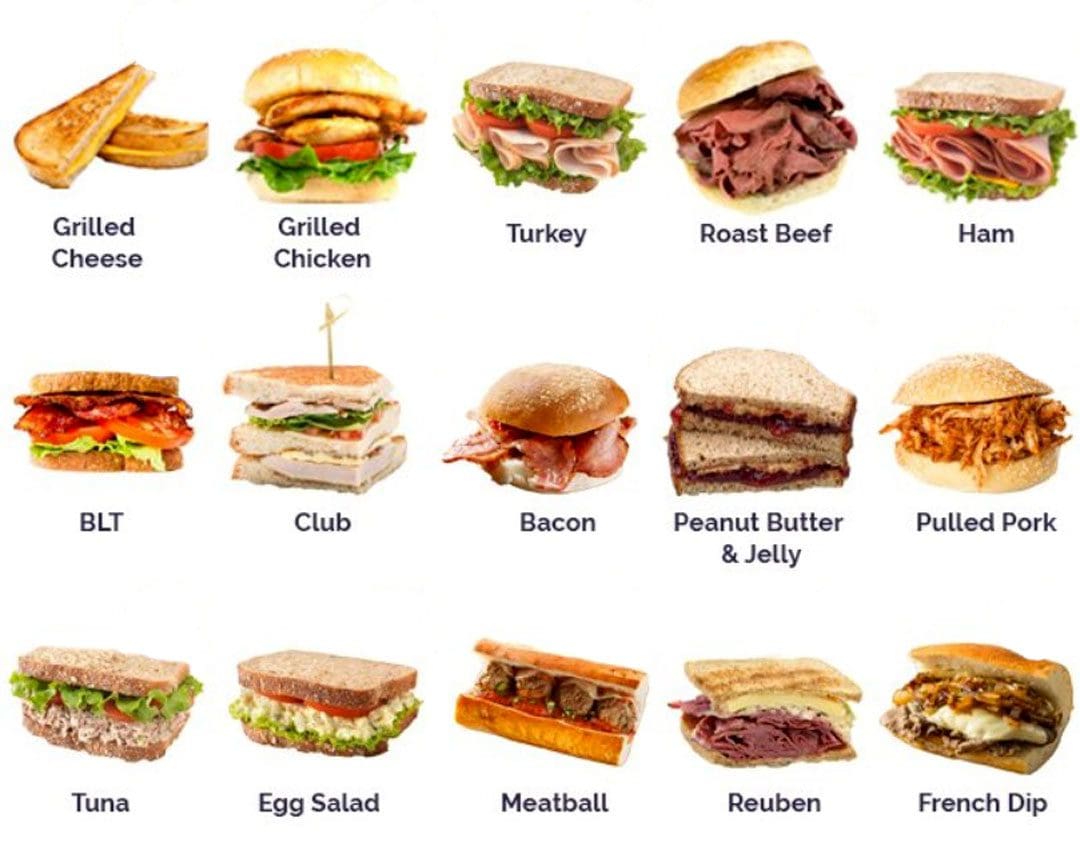
A typical sandwich from home includes bread – one thick slice of whole wheat, one or two favorite condiments, lunch meat, lettuce, tomato, and pickles. Packing a homemade lunch to work or school is one of the easiest ways to lose and maintain weight. Making a sandwich means the ingredients, calories, and nutrition can be controlled. However, a healthy sandwich can easily exceed calories if not careful. Bread choices and condiments like mayonnaise, dressings, and cheese can change a sandwich’s nutrition and increase calories, fat, and sodium. Calories can be cut with smart nutrition information and a few recommendations.
Sandwich Nutrition Facts and Health Benefits
Sandwich Calories and Nutrition
USDA nutrition information for one sandwich with ham, cheese, and mayonnaise equals 155 grams.
Total Calories 361
Fat 16.7 grams
Sodium 1320 milligrams
Carbohydrates 32.5 grams
Fiber 2.3 grams
Sugars 5.1 grams
Protein 19.3 grams
Favorites
The calories can vary based on the bread, fillings, and spread used to make it and whether vegetables are added.
Peanut Butter
Calories 200 – 300.
Peanut butter on white bread.
A single serving of peanut butter is two tablespoons.
Peanut Butter and Jelly
Calories 350 – 500.
Depending on how much peanut butter is used and the type of jelly or jam.
Nutella
Calories 300 – 500.
A 2-tablespoon serving is 200 calories.
Turkey Sandwich
Calories 160 – 500.
Depending on the amount of meat added and condiment choices.
Ham
Calories less than 200.
This is without the cheese.
With butter on French bread, it can be 400 calories or more.
Chicken Salad
Calories 400 – 600 or more.
Egg Salad
Calories 350 for the mayonnaise filling, plus around 150 for the bread.
Egg and Cheese
Calories 250 -400 or more.
If made on a biscuit or croissant.
Subway
230 to nearly 1000 calories.
Cut Calories
With a few adjustments and healthy swaps, a nutritious and healthy sandwich that is lower in calories but full of flavor can be made.
Low-Calorie Bread
Thick, crusty bread, bagels, baguettes, croissants, and hearty rolls can contain fat and calories.
Instead, choose a whole grain or bread alternative with additional nutrient benefits like healthy fats or fiber.
Consider an open-faced sandwich for heartier bread and keeping the portion to one slice.
Once a healthy bread is chosen, build the sandwich around a meat or meat-free filling. Get creative and try different choices to find new flavors. Read labels of meat or fish spreads that sound healthy. Many brands may contain protein and beneficial nutrients, but the filling is often combined with other ingredients high in calories. Try for:
Pack the sandwich with natural toppings like vegetables. Make a goal to have at least two vegetable servings per sandwich. Nutrient-rich vegetables add flavor and crunch to the sandwich.
Iceberg lettuce, spinach, romaine lettuce, or greens.
Shredded cabbage.
Tomato.
Sun-dried tomatoes.
Cucumber.
Jalapeno peppers.
Banana peppers.
Green peppers.
Plain or grilled onions.
Basil leaves.
Bean sprouts.
Low-Calorie Condiments
The spread takes up the least space on a sandwich but can contain the most fat. Condiments should be used moderately.
When first starting, cutting sandwich calories might seem complicated and unfamiliar. Fill the refrigerator with as many healthy choices as possible, get creative, and see what you come up with, as crafting a delicious meal is fun once you get the hang of it.
Body In Balance, Fitness, and Nutrition
References
An, R et al.” Sandwich consumption concerning daily dietary intake and diet quality among U.S. adults, 2003-2012″ Public Health vol. 140 (2016): 206-212. doi:10.1016/j.puhe.2016.06.008
Sebastian, Rhonda S., et al.” Sandwich Consumption by Adults in the U.S. What We Eat In America, NHANES 2009-2012″ FSRG Dietary Data Briefs, United States Department of Agriculture (USDA), December 2015.
U.S. Department of Agriculture, Agricultural Research Service. FoodData Central. [Historical Record]: Ham and Cheese.
U.S. Department of Agriculture, Agricultural Research Service. FoodData Central [Historical Record]. Whole Wheat Bread.
Zhao Z, Feng Q, Yin Z, et al. Red and processed meat consumption and colorectal cancer risk: a systematic review and meta-analysis. Oncotarget. 2017;8(47):83306-83314. doi:10.18632/oncotarget.20667
IFM's Find A Practitioner tool is the largest referral network in Functional Medicine, created to help patients locate Functional Medicine practitioners anywhere in the world. IFM Certified Practitioners are listed first in the search results, given their extensive education in Functional Medicine