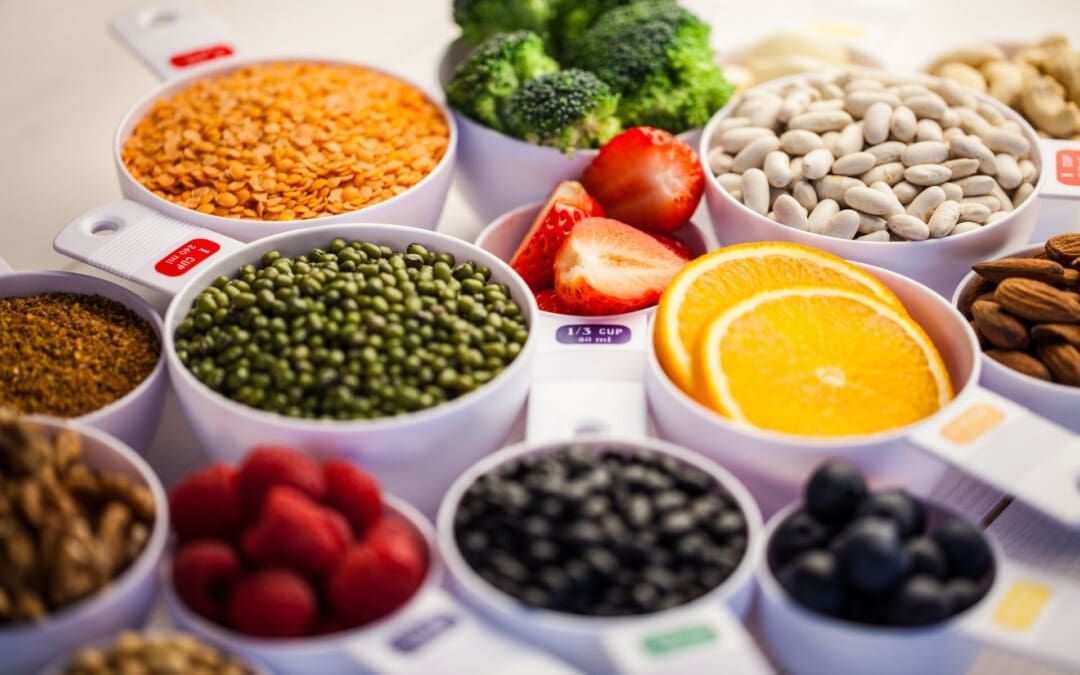
Individuals don’t have to memorize or overthink every vitamin, mineral, or macronutrient. Can having a basic understanding of the role different nutrients play in overall health and daily function help make food decisions easier?
Nutrients The Body Needs
Nutrients, in general, are substances that provide nourishment for growth and the maintenance of life. There are six categories of nutrients, all of which are necessary to sustain life.
Categories
Carbohydrates
Fats
Minerals
Proteins
Vitamins
Water
Macronutrients vs. Micronutrients
Categorizing nutrients makes remembering easy and allows for comparison and contrast. Nutrients are grouped by size or how they function in the body. There are two groups: micronutrients and macronutrients, with water usually left alone in a group.
Carbohydrates, Proteins, and Fats
They are macronutrients because they are large energy nutrients and provide the fuel the body needs to function.
Fiber is a carbohydrate the body can’t digest, so it doesn’t provide energy or structure assistance. However, it is necessary for digestive system function. (US National Library of Medicine, 2023)
Two types are soluble fiber, which dissolves in water, and insoluble fiber, which doesn’t.
Vitamins and Minerals
They are called micronutrients because they’re smaller.
They are essential nutrients, but the body only needs little bits.
Micronutrients are classified by whether they’re fat or water-soluble.
Vitamins A, D, E, and K are fat-soluble.
B-complex vitamins and C are water-soluble.
Minerals are grouped as major or trace minerals, depending on how much of each is necessary. Nutrients can also be grouped by whether or not they are organic, meaning organic chemistry, not organic farming or food production. Water and minerals are inorganic; the rest are organic because they contain carbon atoms.
Importance
Nutrients are necessary for proper health and development for the following reasons.
Energy Production
Carbohydrates, fats, and proteins provide energy (measured in calories) for the body’s daily and night biochemical reactions (Academy of Nutrition and Dietetics, 2024). Fat has more calories than carbohydrates or protein; one gram of fat has nine calories, and carbohydrates or protein have four calories per gram.
Maintain Body Structures
Fats, proteins, and minerals build and maintain tissues, organs, and other structures, including bones and teeth.
The body can convert any extra carbohydrates into fat stored in adipose tissue.
The body can also store carbohydrates as glycogen in the muscles and liver and use them as energy.
When the tanks are full, the body stores carbohydrates as fat.
Regulate Body Functions
Nutrients assist in body function regulation.
All regulate body functions such as sweating, temperature, metabolism, blood pressure, thyroid function, and more.
When all different functions are balanced, the body is in homeostasis.
Phytonutrients
Phytonutrients are not included in the major classes but are chemical compounds found in plants that can provide potential health benefits. (Gupta C., & Prakash D. 2014) There are various names they go by, such as flavonoids, phytochemicals, flavones, isoflavones, catechins, and anthocyanidins, and commonly include beta-carotene, lycopene, and resveratrol. (The Foundation for Fresh Produce, 2024) Ongoing studies are investigating the role they play in human health. However, because they typically occur in nutritious foods, it can be challenging to know how much of the benefits come from the regular nutrients or the phytonutrients.
Injury Medical Chiropractic and Functional Medicine Clinic
A balanced diet looks different for everyone. Learning about how nutrients maintain body health will help when choosing foods and planning meals. Consuming various products like fruits and vegetables, grains, proteins, healthy fats, and sweets and treats in moderation. Injury Medical Chiropractic and Functional Medicine Clinic works with primary healthcare providers and specialists to develop a personalized treatment plan through an integrated approach to treating injuries and chronic pain syndromes, improving flexibility, mobility, and agility programs to relieve pain and help individuals return to optimal function. Our providers use an integrated approach to create personalized care plans for each patient and restore health and function to the body through nutrition and wellness, functional medicine, acupuncture, Electroacupuncture, and sports medicine protocols. If the individual needs other treatment, they will be referred to a clinic or physician best suited for them. Dr. Jimenez has teamed up with top surgeons, clinical specialists, medical researchers, nutritionists, and health coaches to provide the most effective clinical treatments.
Eat Right, Feel Better
References
US National Library of Medicine. (2023). Dietary fiber. Retrieved from https://medlineplus.gov/dietaryfiber.html
Academy of Nutrition and Dietetics. (2024). Essential Nutrients. https://www.eatright.org/health/essential-nutrients
Gupta, C., & Prakash, D. (2014). Phytonutrients as therapeutic agents. Journal of complementary & integrative medicine, 11(3), 151–169. https://doi.org/10.1515/jcim-2013-0021
The Foundation for Fresh Produce. (2024). What Are Phytonutrients? https://fruitsandveggies.org/stories/what-are-phytochemicals/
Fans of almonds may have noticed that they can go stale and taste awful. Can knowing how to store almonds help extend their shelf life?
Almonds
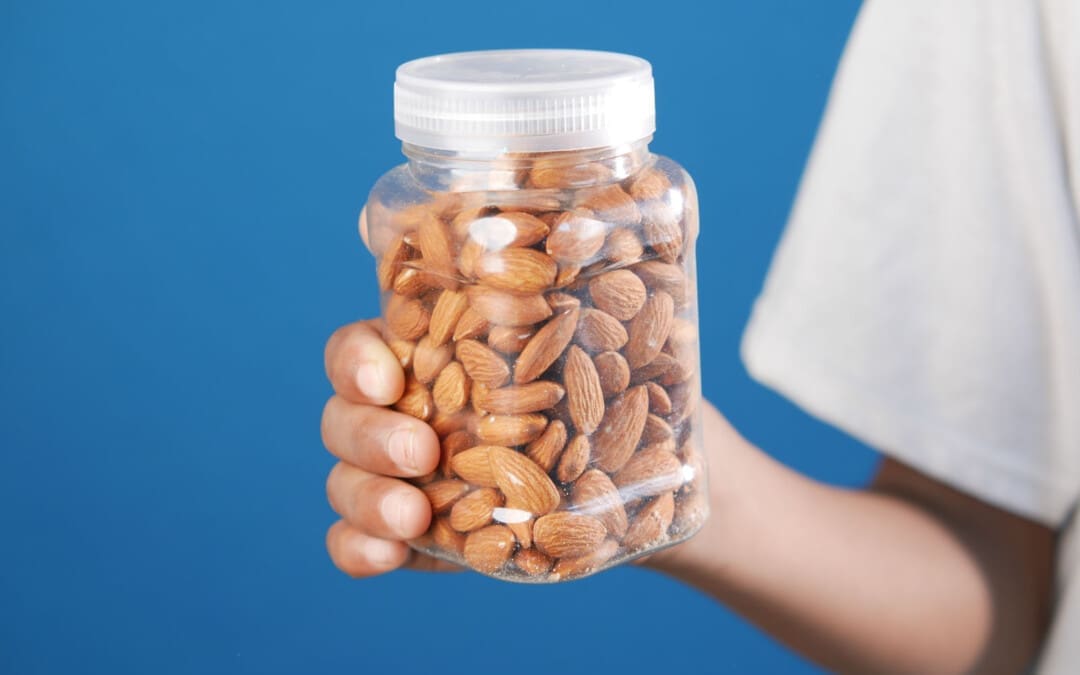
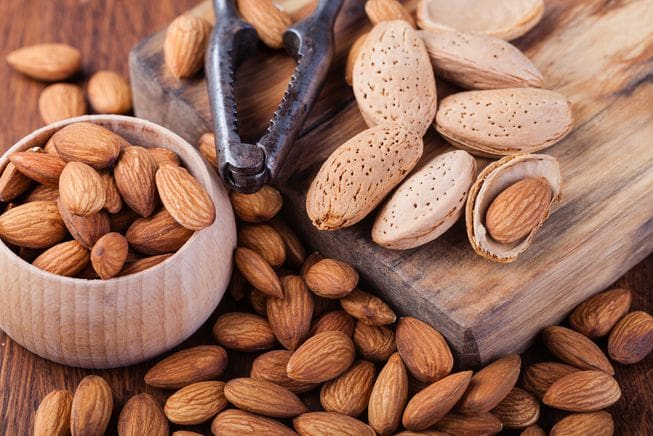
Almonds are a healthy, satisfying snack rich in nutrients, including fiber and protein. However, they can go stale and should not be eaten. Whole almonds stay fresh the longest because chopped, roasted, or ground almonds release their oils, which are exposed to more oxygen and go rancid more quickly.
Storage
They should be stored in an airtight container in the refrigerator or freezer for extended life. They are not recommended to be stored at room temperature for long periods, so storing them in the pantry is not recommended. However, enough for a snack can be taken from storage for a day or two while keeping the rest safe and fresh.
Natural almonds can be stored in the refrigerator or freezer for two years or more.
Roasted almonds can stay fresh for up to a year in an airtight container in the refrigerator or freezer.
Almond paste is recommended to be refrigerated and can stay fresh for 2 to 2 1/2 years.
Rancidity
Almonds are rich in omega-3 and monounsaturated fats, so they are recommended for heart health. (Cleveland Clinic, 2023) However, the fats become rancid if the almonds are exposed to oxygen, especially at room temperature. Rancid oil gives the stale almonds a bad taste. Spoiled almonds are not poisonous, but the fats no longer benefit health. It is possible that rancid fat could contribute to chronic health problems if consumed regularly. (Estévez M. et al., 2017) Almonds last longer than other nuts because they contain some phytochemical antioxidants that protect the nuts. So, if they taste bad, it’s time to throw them out. (University of California Agriculture and Natural Resources, 2010)
Salmonella
Salmonella is a bacteria that causes symptoms of food-borne illness, including upset stomach, vomiting, diarrhea, and fever. Almonds are generally safe from salmonella. However, raw almonds were responsible for two salmonella outbreaks in the United States and Canada. Salmonella outbreaks have also been reported in Australia. In response to those cases, the nuts now must be roasted, blanched, processed, steamed, or treated with a gas called propylene oxide. And none of these treatments remove the nutritional benefits.
Injury Medical Chiropractic and Functional Medicine Clinic
Injury Medical Chiropractic and Functional Medicine Clinic providers use an integrated approach to create customized care plans for each patient and restore health and function to the body through nutrition and wellness, chiropractic adjustments, functional medicine, acupuncture, Electroacupuncture, and sports medicine protocols. If the individual needs other treatment, they will be referred to a clinic or physician best suited for them. Dr. Jimenez has teamed up with top surgeons, clinical specialists, medical researchers, nutritionists, and health coaches to provide the most effective clinical treatments.
Functional Nutrition
References
Almond Board of California. (2024). Shelf Stability and Shelf Life. https://www.almonds.com/tools-and-resources/food-safety-and-quality/shelf-stability-and-shelf-life
Estévez, M., Li, Z., Soladoye, O. P., & Van-Hecke, T. (2017). Health Risks of Food Oxidation. Advances in food and nutrition research, 82, 45–81. https://doi.org/10.1016/bs.afnr.2016.12.005
University of California Agriculture and Natural Resources. (2010). Nuts: Safe Methods for Consumers to Handle, Store, and Enjoy. https://ucfoodsafety.ucdavis.edu/sites/g/files/dgvnsk7366/files/inline-files/44384_0.pdf
Replenishing electrolytes and maintaining hydration is essential for individuals who work out, fitness enthusiasts, and those who play recreational or serious sports and want to improve overall health. Can making a homemade sugar-free electrolyte drink help individuals achieve health goals faster?
Homemade Electrolyte Drink
Sports drinks can help replenish the body’s lost electrolytes. Individuals who follow a low-carb diet and exercise or who are on a low-carb diet and get sick need double the added electrolytes. There is evidence that electrolytes are very effective in regulating the body’s fluid balance, especially during and after exercise or illness, and for those on a strict low-carb diet. (Maughan R. J. 1991)
Why More Electrolytes Are Needed
On a low-carb diet, insulin levels drop, so the kidneys retain less sodium. As the body excretes water, important minerals, such as the electrolytes calcium, sodium, magnesium, chloride, and potassium, are also excreted from the body’s system. Therefore, it is important to replenish them to avoid negative symptoms like lightheadedness and dehydration—especially when exercising or ill. (Bostock E. C. S. et al., 2020)
Two tablespoons of lemon juice contain almost the same amount of potassium in an 8-ounce sports drink.
A pinch of salt supplies 110 milligrams of sodium, the same amount in 8 ounces of a sports drink.
Individuals can make a low-carb homemade electrolyte sports drink. Many sports drinks contain a lot of sugar and other additives. The science behind why many of these drinks contain sugar is that a quick hit of sugar provides glucose for replenishing energy stores. Most individuals benefit from having small amounts of carbohydrates during heavy exercise. However, those who want to avoid sugar might want a sugar-free option to replace fluids and electrolytes.
Basic Recipe
Homemade Electrolyte Drink Mix:
1 cup or 8 ounces of non-carbonated water
Two tablespoons of lemon juice
A small pinch of salt—a teaspoon contains 2,300 milligrams of sodium, but the body needs 1/20th of a teaspoon.
Flavoring and sweetener for taste are optional. Try unsweetened Kool-Aid, Crystal Light Drink Mix, or sugar-free flavored syrups.
If avoiding artificial sweeteners, Stevia could be an option.
Sports Drink Ingredients
What goes into most sports drinks and adapting to a low-carb diet?
Water
Water is a primary ingredient, as the goal is to hydrate the body.
Sugar
Sports drinks can contain a lot of sugar, but only about half the sugar of most commercial beverages. For example,
A 20-ounce bottle of Gatorade has about 34 grams of sugar.
A 20-ounce soda has about 69 grams of sugar.
Sports drinks have less sugar to prevent gastrointestinal cramping during exercise and strenuous physical activity. Although Gatorade contains less sugar than soda, depending on individual health goals, it may not be the best option. Studies of nutritional needs during exercise for those restricting carbohydrates are not extensive. However, it is known that when individuals cut carbs, their bodies switch from primarily using carbohydrates to using fat for energy. This change, known as keto-adaptation, can take two to three weeks. Native populations, like the Inuit, traditionally ate a very low-carbohydrate diet and could maintain vigorous endurance for a long time without ill effects. (Phinney S. D. 2004) This suggests that bodies adapt to using fat for energy during physical activity and exercise over time. However, cutting carbohydrates too much and too soon can lead to symptoms like the keto flu. (Harvard Medical School, 2018). Individuals may need to replace carbohydrates during training for longer, more vigorous workouts, such as running longer than an hour. In addition, what is eaten before and after exercise can also affect physical performance. Working with a registered dietitian, nutritionist, or health coach could be helpful to achieve specific fitness goals.
Electrolytes
Electrolytes are molecules of certain minerals that contain an electrical charge. The nervous system runs on those charges generated by manipulating molecules called ions. (Faber D. S. and Pereda A. E. 2018) Every body function that depends on the nervous system, which includes muscle movement, breathing, digestion, thinking, etc., requires electrolyte activity. Those who exercise strenuously for long periods, individuals who follow a low-carb diet, or those with illness may need extra salt and potassium. Sports drinks contain small amounts of sodium and potassium. A balanced diet will supply plenty of minerals for electrolyte needs for individuals engaged in moderate exercise.
Using an integrated approach to treat and prevent injuries and chronic pain syndromes, improve flexibility, mobility, and agility, and help individuals return to normal activities, Injury Medical Chiropractic and Functional Medicine Clinic works with primary healthcare providers and specialists to develop a personalized treatment, nutrition, and fitness programs. Each case is different and requires reviewing individual medical history and physical examination to determine the proper and most effective plan. Dr. Jimenez has teamed up with top trainers, clinical specialists, medical researchers, and rehabilitation providers to provide the most effective treatments and training.
Is Intermittent Fasting the Ultimate Weight Loss Hack?
References
Maughan R. J. (1991). Fluid and electrolyte loss and replacement in exercise. Journal of sports sciences, 9 Spec No, 117–142. https://doi.org/10.1080/02640419108729870
Bostock, E. C. S., Kirkby, K. C., Taylor, B. V., & Hawrelak, J. A. (2020). Consumer Reports of “Keto Flu” Associated With the Ketogenic Diet. Frontiers in nutrition, 7, 20. https://doi.org/10.3389/fnut.2020.00020
Phinney S. D. (2004). Ketogenic diets and physical performance. Nutrition & metabolism, 1(1), 2. https://doi.org/10.1186/1743-7075-1-2
Harvard Medical School, Harvard Health Publishing, Marcelo Campos, M., Contributor. (2018). What is keto flu? Harvard Health Blog. https://www.health.harvard.edu/blog/what-is-keto-flu-2018101815052
Faber, D. S., & Pereda, A. E. (2018). Two Forms of Electrical Transmission Between Neurons. Frontiers in molecular neuroscience, 11, 427. https://doi.org/10.3389/fnmol.2018.00427
Can knowing the difference between butter and margarine help Individuals looking to improve cholesterol levels?
Butter and Margarine
Individuals watching their cholesterol levels and switching from butter to margarine may have heard that it may be worse for heart health. What research has to say about the healthiest spread and the butter and margarine debate?
History
Butter was shown to be associated with an increased risk of heart disease because of its saturated fat content when margarine was developed as a substitute. Margarine is made from plant-based oils like canola, palm fruit, and soybeans. Nutritionists and researchers saw it as a healthier alternative. It is lower in saturated fat and has no cholesterol but contains high levels of trans fats, which raise unhealthy LDL cholesterol levels and lower healthy HDL cholesterol levels. (Ginter, E., and Simko, V. 2016)
Margarine Trans Fat and Butter Saturated Fat
Most of margarine’s unsaturated fats undergo hydrogenation, creating harmful trans fats. Trans fat raises unhealthy LDL cholesterol levels more than saturated fat. The trans-fatty acids solidify and maintain margarine consistency at room temperature. Stick margarines, the hardest type, contain the most trans fats and are still sold despite what is known about the damage they can do. (Brouwer, I. A. et al., 2010) Clinical studies showed these trans fats are associated with a 28% increased risk of death from heart disease and a 34% increased risk of death. (de Souza, R. J. et al., 2015)
Margarine Types
Some softer and liquid margarine products contain less trans fat than stick versions. They are low in saturated fat and high in unsaturated fat. Individuals can determine how much trans fat the margarine has by its softness. Those that are more solid at room temperature contain more trans fats than those in a tub, which are softer. However, some soft options can contain trans fats. If the label has partially hydrogenated oil, it’s recommended to avoid it. (Garsetti, M. et al., 2016) Some newer margarines are enriched with plant sterols, which block cholesterol absorption and help lower LDL levels. These are healthy choices if trying to lower LDL. (Ras, R. T. et al., 2014)
Butter
Butter is primarily made up of saturated fat and cholesterol and comes in a stick and spread. One tablespoon of butter contains around 30 milligrams of cholesterol and 7 grams of saturated fat. The maximum amount allowed daily is 200 milligrams and 10 milligrams, respectively. Both types of fat are linked to rising cholesterol levels and the risk of heart disease. Butter from grass-fed cows is higher in omega-3 fatty acids, essential for heart health, making it far more nutritional than the more widely used butter from conventionally-fed cows. (Hebeisen, D. F. et al., 1993)
Other Options
Butter or margarine are not the healthiest options. Olive, avocado, and other vegetable-based spreads are the most heart-healthy options. (Yubero-Serrano, E. M. et al., 2019) Use avocado oil as a cooking oil when sautéing or roasting vegetables. Consider substituting applesauce, nut butters, or squash purees in baked goods. Look for soft versions of margarine as a bread spread that contain plant sterols and no hydrogenated oils.
Injury Medical Chiropractic and Functional Medicine Clinic uses an integrated approach to create personalized care plans for each patient to restore health and function to the body through Nutrition and Wellness, Functional Medicine, Acupuncture, Electro-Acupuncture, and Sports Medicine protocols. If the individual needs other treatment, they will be referred to a clinic or physician best suited for them. Dr. Jimenez has teamed up with top surgeons, clinical specialists, medical researchers, nutritionists, and health coaches to provide the most effective clinical treatments.
Enhancing Health Together: Multidisciplinary Evaluation and Treatment
References
Ginter, E., & Simko, V. (2016). New data on harmful effects of trans-fatty acids. Bratislavske lekarske listy, 117(5), 251–253. https://doi.org/10.4149/bll_2016_048
Brouwer, I. A., Wanders, A. J., & Katan, M. B. (2010). Effect of animal and industrial trans fatty acids on HDL and LDL cholesterol levels in humans–a quantitative review. PloS one, 5(3), e9434. https://doi.org/10.1371/journal.pone.0009434
de Souza, R. J., Mente, A., Maroleanu, A., Cozma, A. I., Ha, V., Kishibe, T., Uleryk, E., Budylowski, P., Schünemann, H., Beyene, J., & Anand, S. S. (2015). Intake of saturated and trans unsaturated fatty acids and risk of all cause mortality, cardiovascular disease, and type 2 diabetes: systematic review and meta-analysis of observational studies. BMJ (Clinical research ed.), 351, h3978. https://doi.org/10.1136/bmj.h3978
Garsetti, M., Balentine, D. A., Zock, P. L., Blom, W. A., & Wanders, A. J. (2016). Fat composition of vegetable oil spreads and margarines in the USA in 2013: a national marketplace analysis. International journal of food sciences and nutrition, 67(4), 372–382. https://doi.org/10.3109/09637486.2016.1161012
Ras, R. T., Geleijnse, J. M., & Trautwein, E. A. (2014). LDL-cholesterol-lowering effect of plant sterols and stanols across different dose ranges: a meta-analysis of randomised controlled studies. The British journal of nutrition, 112(2), 214–219. https://doi.org/10.1017/S0007114514000750
Hebeisen, D. F., Hoeflin, F., Reusch, H. P., Junker, E., & Lauterburg, B. H. (1993). Increased concentrations of omega-3 fatty acids in milk and platelet rich plasma of grass-fed cows. International journal for vitamin and nutrition research. Internationale Zeitschrift fur Vitamin- und Ernahrungsforschung. Journal international de vitaminologie et de nutrition, 63(3), 229–233.
Yubero-Serrano, E. M., Lopez-Moreno, J., Gomez-Delgado, F., & Lopez-Miranda, J. (2019). Extra virgin olive oil: More than a healthy fat. European journal of clinical nutrition, 72(Suppl 1), 8–17. https://doi.org/10.1038/s41430-018-0304-x
Can knowing which foods to eat help individuals recovering from food poisoning restore gut health?
Food Poisoning and Restoring Gut Health
Food poisoning can be life-threatening. Fortunately, most cases are mild and short-lived and last only a few hours to a few days (Centers for Disease Control and Prevention, 2024). But even mild cases can wreak havoc on the gut, causing nausea, vomiting, and diarrhea. Researchers have found that bacterial infections, like food poisoning, can cause changes in gut bacteria. (Clara Belzer et al., 2014) Eating foods that promote gut healing after food poisoning may help the body recover and feel better faster.
Foods to Eat
After food poisoning symptoms have resolved, one may feel that returning to the usual diet is fine. However, the gut has endured quite an experience, and even though acute symptoms have subsided, individuals may still benefit from foods and drinks that are easier on the stomach. Recommended foods and beverages after food poisoning include: (National Institute of Diabetes and Digestive and Kidney Diseases. 2019)
Gatorade
Pedialyte
Water
Herbal tea
Chicken broth
Jello
Applesauce
Crackers
Toast
Rice
Oatmeal
Bananas
Potatoes
Hydration after food poisoning is crucial. Individuals should add other nutritious and hydrating foods, like chicken noodle soup, which helps because of its nutrients and fluid content. The diarrhea and vomiting that accompany the illness can leave the body severely dehydrated. Rehydrating beverages help the body replace lost electrolytes and sodium. Once the body is rehydrated and can hold down bland foods, slowly introduce foods from a regular diet. When resuming the usual diet after rehydration, eating small meals frequently, every three to four hours, is recommended instead of eating a large breakfast, lunch, and dinner meal daily. (Andi L. Shane et al., 2017) When choosing Gatorade or Pedialyte, remember that Gatorade is a sports-rehydrating drink with more sugar, which could irritate an inflamed stomach. Pedialyte is designed for rehydrating during and after illness and has less sugar, making it a better option. (Ronald J Maughan et al., 2016)
When Food Poisoning Is Active Foods To Avoid
During food poisoning, individuals typically do not feel like eating at all. However, to avoid worsening the illness, Individuals are recommended to avoid the following while actively ill (Ohio State University. 2019)
Caffeinated drinks and alcohol can further dehydrate.
Greasy foods and high-fiber foods are hard to digest.
Foods and beverages high in sugar can cause the body to produce high glucose levels and weaken the immune system. (Navid Shomali et al., 2021)
Recovery Time and Resuming Regular Diet
Food poisoning doesn’t last long, and most uncomplicated cases are resolved within a few hours or days. (Centers for Disease Control and Prevention, 2024) Symptoms depend on the type of bacteria. Individuals may become ill within minutes of consuming contaminated food up to two weeks later. For example, Staphylococcus aureus bacteria generally cause symptoms almost immediately. On the other hand, listeria may take up to a couple of weeks to cause symptoms. (Centers for Disease Control and Prevention, 2024) Individuals can resume their usual diet once symptoms are gone, the body is thoroughly hydrated and can hold down bland foods. (Andi L. Shane et al., 2017)
Recommended Gut Foods Post Stomach Virus
Gut-healthy foods can help restore the gut microbiome or all the living microorganisms in the digestive system. A healthy gut microbiome is essential for immune system functioning. (Emanuele Rinninella et al., 2019) Stomach viruses can disrupt the balance of gut bacteria. (Chanel A. Mosby et al., 2022) Eating certain foods may help restore the gut balance. Prebiotics, or indigestible plant fibers, can help break down in the small intestines and allow the beneficial bacteria to grow. Prebiotic foods include: (Dorna Davani-Davari et al., 2019)
Beans
Onions
Tomatoes
Asparagus
Peas
Honey
Milk
Banana
Wheat, barley, rye
Garlic
Soybean
Seaweed
In addition, probiotics, which are live bacteria, may help increase the number of healthy bacteria in the gut. Probiotic foods include: (Harvard Medical School, 2023)
Pickles
Sourdough bread
Kombucha
Sauerkraut
Yogurt
Miso
Kefir
Kimchi
Tempeh
Probiotics can also be taken as a supplement and come in tablets, capsules, powders, and liquids. Because they contain live bacteria, they need to be refrigerated. Healthcare providers sometimes recommend taking probiotics when recovering from a stomach infection. (National Institute of Diabetes and Digestive and Kidney Diseases, 2018) Individuals should consult their healthcare provider to see whether this option is safe and healthy.
At Injury Medical Chiropractic and Functional Medicine Clinic, we treat injuries and chronic pain syndromes by developing personalized treatment plans and specialized clinical services focused on injuries and the complete recovery process. If other treatment is needed, individuals will be referred to a clinic or physician best suited to their injury, condition, and/or ailment.
Learning About Food Substitutions
References
Centers for Disease Control and Prevention. (2024). Food poisoning symptoms. Retrieved from https://www.cdc.gov/foodsafety/symptoms.html
Belzer, C., Gerber, G. K., Roeselers, G., Delaney, M., DuBois, A., Liu, Q., Belavusava, V., Yeliseyev, V., Houseman, A., Onderdonk, A., Cavanaugh, C., & Bry, L. (2014). Dynamics of the microbiota in response to host infection. PloS one, 9(7), e95534. https://doi.org/10.1371/journal.pone.0095534
National Institute of Diabetes and Digestive and Kidney Diseases. (2019). Eating, diet, & nutrition for food poisoning. Retrieved from https://www.niddk.nih.gov/health-information/digestive-diseases/food-poisoning/eating-diet-nutrition
Shane, A. L., Mody, R. K., Crump, J. A., Tarr, P. I., Steiner, T. S., Kotloff, K., Langley, J. M., Wanke, C., Warren, C. A., Cheng, A. C., Cantey, J., & Pickering, L. K. (2017). 2017 Infectious Diseases Society of America Clinical Practice Guidelines for the Diagnosis and Management of Infectious Diarrhea. Clinical infectious diseases : an official publication of the Infectious Diseases Society of America, 65(12), e45–e80. https://doi.org/10.1093/cid/cix669
Maughan, R. J., Watson, P., Cordery, P. A., Walsh, N. P., Oliver, S. J., Dolci, A., Rodriguez-Sanchez, N., & Galloway, S. D. (2016). A randomized trial to assess the potential of different beverages to affect hydration status: development of a beverage hydration index. The American journal of clinical nutrition, 103(3), 717–723. https://doi.org/10.3945/ajcn.115.114769
Ohio State University. Kacie Vavrek, M., RD, CSSD Ohio State University. (2019). Foods to avoid when you have the flu. https://health.osu.edu/wellness/exercise-and-nutrition/foods-to-avoid-with-flu
Shomali, N., Mahmoudi, J., Mahmoodpoor, A., Zamiri, R. E., Akbari, M., Xu, H., & Shotorbani, S. S. (2021). Harmful effects of high amounts of glucose on the immune system: An updated review. Biotechnology and applied biochemistry, 68(2), 404–410. https://doi.org/10.1002/bab.1938
Rinninella, E., Raoul, P., Cintoni, M., Franceschi, F., Miggiano, G. A. D., Gasbarrini, A., & Mele, M. C. (2019). What is the Healthy Gut Microbiota Composition? A Changing Ecosystem across Age, Environment, Diet, and Diseases. Microorganisms, 7(1), 14. https://doi.org/10.3390/microorganisms7010014
Mosby, C. A., Bhar, S., Phillips, M. B., Edelmann, M. J., & Jones, M. K. (2022). Interaction with mammalian enteric viruses alters outer membrane vesicle production and content by commensal bacteria. Journal of extracellular vesicles, 11(1), e12172. https://doi.org/10.1002/jev2.12172
Davani-Davari, D., Negahdaripour, M., Karimzadeh, I., Seifan, M., Mohkam, M., Masoumi, S. J., Berenjian, A., & Ghasemi, Y. (2019). Prebiotics: Definition, Types, Sources, Mechanisms, and Clinical Applications. Foods (Basel, Switzerland), 8(3), 92. https://doi.org/10.3390/foods8030092
Harvard Medical School. (2023). How to get more probiotics. https://www.health.harvard.edu/staying-healthy/how-to-get-more-probiotics
National Institute of Diabetes and Digestive and Kidney Diseases. (2018). Treatment of viral gastroenteritis. Retrieved from https://www.niddk.nih.gov/health-information/digestive-diseases/viral-gastroenteritis/treatment
For individuals wanting to improve and/or maintain health research shows evidence that acupuncture may help promote weight loss. Can incorporating acupuncture into an overall health plan help achieve this goal?
Acupuncture Weight Loss
Acupuncture is a traditional medical therapy that inserts thin, flexible needles into the body at specific points. It has been around for more than 2,500 years. The practice is believed to stimulate the body’s energy/circulation, and research suggests that it could improve various factors known to contribute to weight gain and obesity. (Kepei Zhang et al., 2018)
Acupuncture regulates energy flow and helps restore the body’s balance, which is believed to promote homeostasis and self-healing. (Ning-Cen Li et al., 2019)
Acupuncture stimulates connective tissue, which affects blood circulation, nerves, and the immune system.
It has been used to help manage conditions like migraines, infertility, pain management, and weight loss.
At the first appointment, the acupuncturist will take a general medical history and identify weight loss goals.
They will help identify the root causes contributing to weight gain, e.g., slow metabolism, thyroid issues, and overeating, to develop an effective personalized treatment plan.
A trained and licensed practitioner may also be able to provide nutritional and health coaching in addition to acupuncture treatments.
Procedure
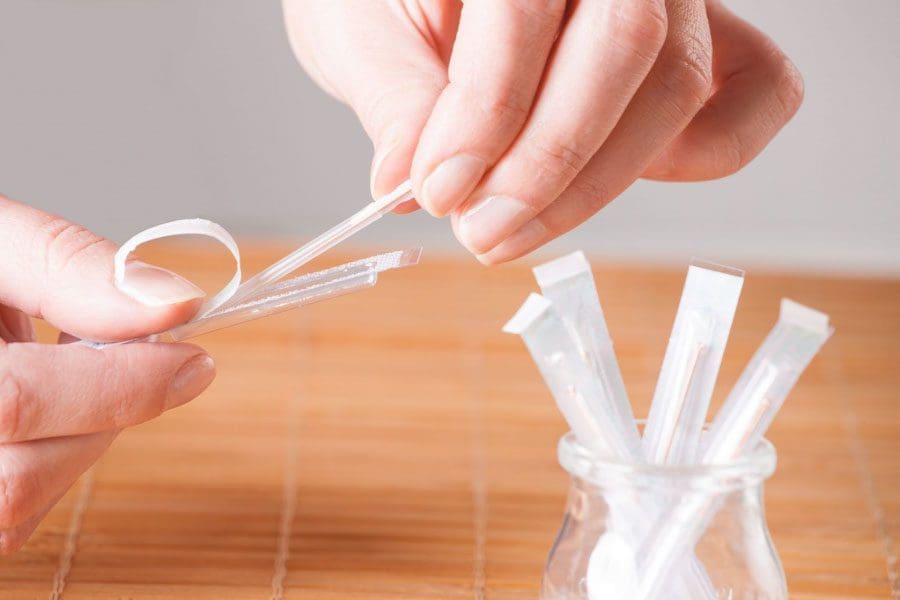
The needles are thin and designed to work effectively without causing pain or bleeding.
The needles are left in for 15 to 30 minutes per session, depending on the treatment stage.
The practitioner may lift or rotate the needles as part of the technique during a session.
Many individuals report that acupuncture treatments are relaxing and pain-free.
For weight loss, the ear points will be the focus.
Research suggests that stimulating certain outer ear points may help balance hormones that help decrease cravings and suppress appetite. (Li-Hua Wang et al.,2019)
Two hormones that help in weight loss and acupuncture may help rebalance include: (Li-Hua Wang et al.,2019)
Ghrelin
Controls appetite and meal stimulation.
Leptin
Regulates fat storage and metabolism.
Acupuncture Weight Loss can help:
Decrease food cravings
Suppress appetite
Improve digestion
Increase metabolism
Research
Acupuncture weight loss recent research:
One study compared the effectiveness of auricular/ear acupuncture to body acupuncture in obese women and found that those who received ear acupuncture lost more weight than the individuals who received acupuncture in other body areas. (Cayir Yasemin et al., 2017)
Another study found that overweight females between 20 and 30 years of age who received six weekly treatments of ear acupuncture experienced a reduction in waist circumference. (Felicity Lillingston et al., 2019)
Many individuals gain weight as a result of stress.
Research suggests that acupuncture therapy helps stimulate the release of endorphins or the body’s natural pain-relieving hormones.
This helps create calming, relaxing effects that counteract stress eating caused by tension, frustration, and anxiety. (Laila Ahmed Abou Ismail et al., 2015)
When incorporated with lifestyle adjustments, like regular exercise, improved sleep, stress management, and a balanced diet, a review of studies concluded that acupuncture is effective for weight loss. (S-Y Kim et al, 2018)
Safety
The risks of acupuncture are low when performed by a licensed and certified practitioner. The most common side effects include:
Soreness
Bruising
Minor bleeding where the needles were inserted
Fatigue
Before seeking acupuncture treatment, consult your healthcare provider about consideration. They may recommend a reputable practitioner if the treatment is right for you.
Chiropractic Care and Metabolism
References
Zhang, K., Zhou, S., Wang, C., Xu, H., & Zhang, L. (2018). Acupuncture on Obesity: Clinical Evidence and Possible Neuroendocrine Mechanisms. Evidence-based complementary and alternative medicine : eCAM, 2018, 6409389. https://doi.org/10.1155/2018/6409389
Li, N. C., Li, M. Y., Chen, B., & Guo, Y. (2019). A New Perspective of Acupuncture: The Interaction among Three Networks Leads to Neutralization. Evidence-based complementary and alternative medicine : eCAM, 2019, 2326867. https://doi.org/10.1155/2019/2326867
Wang, L. H., Huang, W., Wei, D., Ding, D. G., Liu, Y. R., Wang, J. J., & Zhou, Z. Y. (2019). Mechanisms of Acupuncture Therapy for Simple Obesity: An Evidence-Based Review of Clinical and Animal Studies on Simple Obesity. Evidence-based complementary and alternative medicine : eCAM, 2019, 5796381. https://doi.org/10.1155/2019/5796381
Yasemin, C., Turan, S., & Kosan, Z. (2017). The Effects of Auricular and Body Acupuncture in Turkish Obese Female Patients: A Randomized Controlled Trial Indicated Both Methods Lost Body Weight But Auricular Acupuncture Was Better Than Body Acupuncture. Acupuncture & electro-therapeutics research, 42(1), 1–10. https://doi.org/10.3727/036012917×14908026364990
Lillingston, F., Fields, P., & Waechter, R. (2019). Auricular Acupuncture Associated with Reduced Waist Circumference in Overweight Women-A Randomized Controlled Trial. Evidence-based complementary and alternative medicine : eCAM, 2019, 6471560. https://doi.org/10.1155/2019/6471560
Ismail, L. A., Ibrahim, A. A., Abdel-Latif, G. A., El-Haleem, D. A., Helmy, G., Labib, L. M., & El-Masry, M. K. (2015). Effect of Acupuncture on Body Weight Reduction and Inflammatory Mediators in Egyptian Obese Patients. Open access Macedonian journal of medical sciences, 3(1), 85–90. https://doi.org/10.3889/oamjms.2015.010
Kim, S. Y., Shin, I. S., & Park, Y. J. (2018). Effect of acupuncture and intervention types on weight loss: a systematic review and meta-analysis. Obesity reviews : an official journal of the International Association for the Study of Obesity, 19(11), 1585–1596. https://doi.org/10.1111/obr.12747
For individuals experiencing frequent bloating or constipation, could performing a colon cleanse help alleviate your symptoms?
Colon Cleanse
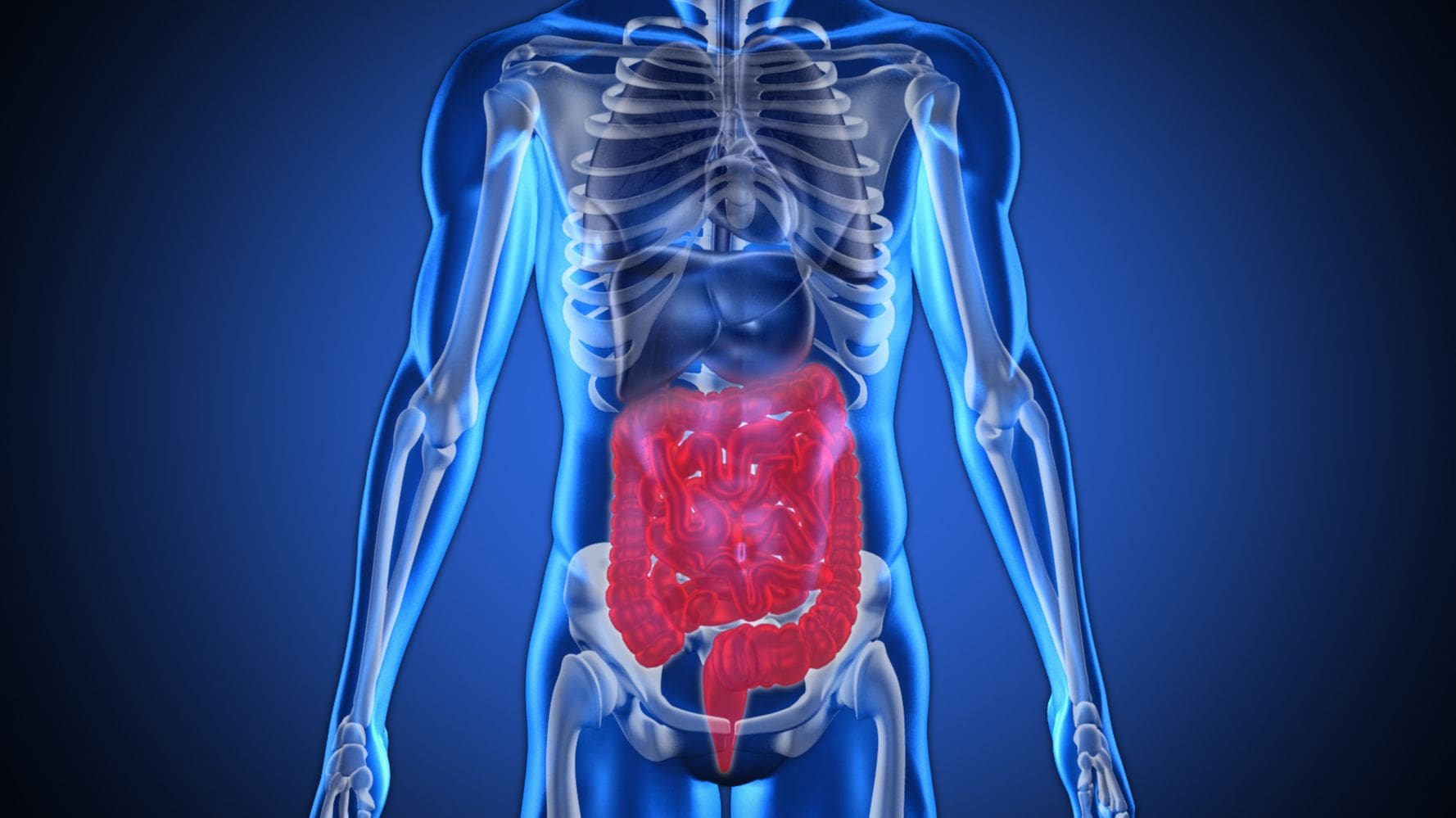
Individuals can clean out their bowels, colon, or large intestine by drinking more water and adding certain foods to their diet, like whole grains, fruits, and vegetables. Some may find that the practice helps decrease bloating or other digestive issues. While a colon cleanse is safe for most, the practice can cause side effects, like nausea or dehydration.
Benefits
Natural colon cleanses can provide various benefits that include:
Reducing bloating.
Improving the immune system.
Removing toxins from the body.
Helping with weight loss.
Decreasing the risk of colon cancer.
While individuals may feel better after a natural colon cleanse, there is currently no research to support the medical benefits. (Cedars Sinai. 2019)
Another type is known as hydrotherapy of the colon or irrigation.
A healthcare provider performs this type of cleansing and sends water into the colon with instrumentation.
This type of cleanse is not used to prepare individuals for a colonoscopy.
Cleansing
Cleansing the body safely can be done with ingredients from the local grocery store.
Thorough Hydration
Water will improve body function, including digestion and elimination.
Use the color of urine as a guide.
If it’s pale yellow, the body is getting enough water.
If it’s darker, the body needs more.
Increasing Fiber Consumption
Fiber is a type of carbohydrate that the body cannot digest but influences:
Fiber can be found in fruits, vegetables, oats, lentils, peas, and almonds.
Increasing fiber intake will help regulate the bowels and maintain overall colon health. (Cornell University. 2012)
Probiotics
Probiotics are live bacteria and yeasts that have health and digestion benefits.
Researchers believe they help to replace healthy bacteria and balance the healthy and unhealthy bacteria in the body, which maintains smooth digestion. (Mount Sinai. 2024)
Fermented foods like yogurt, kimchi, sauerkraut, and pickles are healthy sources of probiotics.
They also come as supplements.
Apple Cider Vinegar and Honey
Both ingredients contain probiotics, and mixing them can help improve gut health.
Individuals also believe that this concoction can help remove toxins from the body, but there’s no scientific evidence to support this.
Individuals can try 1 tablespoon of raw honey and 2 tablespoons of apple cider vinegar in a warm glass of water.
Juice and Smoothies
Adding more fruits, including juice and smoothies, is a healthy way to stay hydrated.
It also adds fiber and other nutrients to improve gut health.
Bananas and apples are a healthy source of probiotics.
Individuals can also add yogurt to the smoothies for extra probiotics.
These elements can help improve the gut microbiome and regulate bowel movements.
Precautions
Doing a colon cleanse should be safe for most, as long as the individual is not fasting at the same time or performing them too frequently. However, it’s recommended to consult a healthcare provider before changing eating patterns or trying new treatments or supplements, including a colon cleanse, especially for individuals who have an underlying condition.
Side Effects
Colon cleansing can come with risks that can include: (Cedars Sinai. 2019)
Dehydration
Cramping
Nausea
Electrolyte imbalance
Doing occasional colon cleanses may not result in side effects, but the chances of side effects increase the longer or more often cleanses are performed. It’s recommended to consult a healthcare provider if experiencing any symptoms.
Improving Colon Health
The best way to improve colon health is by drinking enough water and eating foods that promote a healthy digestive system. Healthy approaches include:
Increasing fruit and vegetable intake.
Increasing whole grain intake provides fiber and more nutrients.
Eating ground flaxseed improves digestion and elimination.
Integrative Medicine
References
Rosenblum, C. S. K. (2019). Ask a doc: Are colon cleanses healthy? (Cedars-Sinai Blog, Issue. https://www.cedars-sinai.org/blog/colon-cleansing.html
University., C. (2012). Fiber, digestion, and health. (Health Services, Issue. https://health.cornell.edu/sites/health/files/pdf-library/fiber-digestion-health.pdf
Sinai., M. (2024). Lactobacillus acidophilus. (Health Library, Issue. https://www.mountsinai.org/health-library/supplement/lactobacillus-acidophilus
IFM's Find A Practitioner tool is the largest referral network in Functional Medicine, created to help patients locate Functional Medicine practitioners anywhere in the world. IFM Certified Practitioners are listed first in the search results, given their extensive education in Functional Medicine