Find out why cauliflower is a must-have in your kitchen. From recipes to health benefits, learn all about cauliflower.
Introduction
Throughout their path toward health and wellbeing, many people throughout the globe want to include nutrient-dense meals for energy. Eating a lot of fruits and vegetables is one of the greatest methods for many individuals to do this. In addition to having many vitamins and minerals that the body needs, many fruits and vegetables may help lessen the overlapping pain-like sensations that lead to the development of chronic problems. Problems with the intestines, muscles, and essential organs start to play a part when environmental influences start to become a part of a person’s daily routine, which results in pain-like sensations. In order to facilitate the transition to a healthy lifestyle, many people look for non-surgical therapies that include a personalized treatment plan and nutritional component. One of them is consuming cauliflower, a vegetable. The nutritional benefits of cauliflower, its definition, how it supports the body, and simple dishes to include in a tasty, nutritious diet are all covered in today’s post.
What Is Cauliflower?
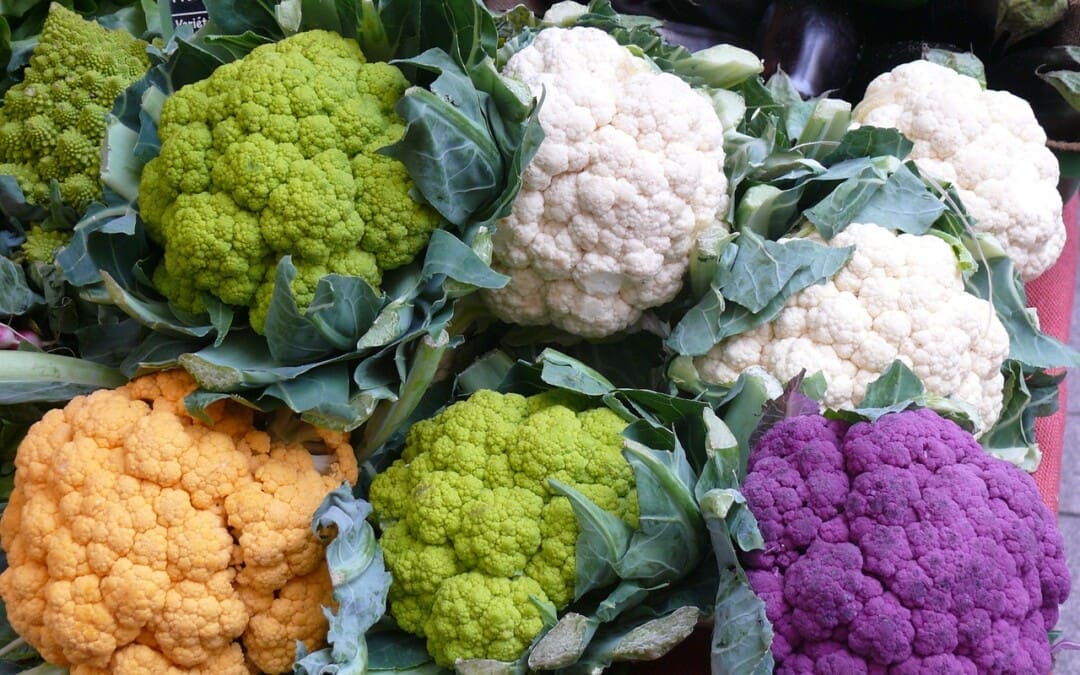
Known for being a humble vegetable with its pale appearance, the cauliflower is a powerhouse full of nutrients. It can become the most versatile vegetable to be added to any diet. As part of the Brassicaceae family, cauliflower falls in line with cruciferous vegetables like broccoli, Brussels sprouts, kale, and cabbage that contribute a significant amount of dietary intake to human health due to being low in calories while providing a diverse range of macronutrients. (Zhang et al., 2025) Additionally, cauliflower can come in various colors and be filled with multiple nutrients that benefit the body, including white, green, purple, and orange.
Nutritional Value of Cauliflower
Whether people want to improve their health, lose weight, or add more plant-based variety to their meals, cauliflower deserves a prominent place on their plate. One cup of chopped cauliflower, which is about 107 grams, includes:
Calories: 27
Total Carbohydrates: 5 g
Dietary Fiber: 2.1g
Sugar: 2 g
Protein: 2.1 g
Total Fat: 0.3 g
Saturated Fat: 0.1g
Trans Fat Regulation: 0g
Cholesterol: 0g
Sodium: 32mg
Potassium: 320mg
Vitamin C: 85% of the Daily Value (DV)
Iron: 2% of DV
Vitamin B6: 10% of DV
Magnesium: 4% of DV
Calcium: 2% of DV
Additionally, cauliflower is rich in phytonutrients, particularly glucosinolates and sulforaphane, which have neuroprotective and anticancer agents that can reduce neuroinflammation in the body. (Otoo & Allen, 2023)
Eating Right To Feel Better- Video
How Cauliflower Helps The Body
When it comes to the body, cauliflower can provide various nutrients that the body needs to provide energy and help with normal functioning. Incorporating cauliflower into a healthy diet can help reduce overlapping risk profiles like obesity and hypertension, which can cause individuals to experience pain and discomfort. (Madsen et al., 2023)
Supports Immune Function & Digestive Health
Cauliflower has a high vitamin C content that can help boost the immune defense response by being an antioxidant to protect against cell damage within the body. Since cauliflower is a cruciferous vegetable, it has many phytochemicals, including vitamins, carotenoids, fibers, and other nutrient compounds, to protect the body against reactive oxygen species (ROS) damage. (Ahmed & Ali, 2013) Additionally, with its nutrient components, cauliflower can help support gut health by aiding regular bowel movements. As a cruciferous vegetable, it feeds the beneficial gut bacteria to promote a healthy microbiome balance. This is due to cauliflower containing glucosinolates (GLS), a chemical compound in plants in the Brassicaceae family. GLS, when served in various dishes, contains anti-obesity effects and pro-healthy compounds to benefit the body’s gut system. (Sikorska-Zimny & Beneduce, 2021)
Reduces Inflammation & Oxidative Stress
When inflammation and oxidative stress occur in the body, many people don’t often realize that many environmental factors play a part in their development. While inflammation is the body’s natural response, chronic inflammation can correlate with oxidative stress, causing the body to develop musculoskeletal and gut issues. When oxidative stress is associated with chronic inflammation, it can impact the body’s central nervous system, causing the neuron signals to affect the gut system by increasing bad bacteria in the gastrointestinal system. (Shandilya et al., 2022) Consuming cauliflower in various dishes can help reduce the oxidative damage and inflammation correlated with chronic body issues.
Simple & Delicious Cauliflower Recipes
Since cauliflower has a mild flavor and versatile texture, it can be easily incorporated into numerous dishes that are not only delicious but also nutritious. Below are a few simple and easy recipes that many people can try:
Cauliflower Rice
Cauliflower rice is a low-carb, grain-free substitute for rice
How to make:
Start by grating raw cauliflower with a grater or pulse it in the food processor until it resembles rice grains.
Then, for 5 minutes, add olive oil, garlic, salt, and pepper to the cauliflower grains and sauté in a pan.
You can use various sauces and herbs to enhance the cauliflower rice for extra flavor.
Cauliflower Pizza Crust
Individuals with gluten allergies or sensitivity can make this pizza crust with cauliflower.
How to make:
Start by steaming and mashing a head of cauliflower, transferring it to cheesecloth, and squeezing out the excess water.
Then, add one egg, shredded mozzarella, seasoning, and cauliflower to a mixing bowl and mix. This should resemble dough.
Take the cauliflower dough and shape it into a crust.
Bake at 400°F (200°C) for at least 15 minutes, then remove it from the oven.
Then add your favorite toppings on the cauliflower pizza crust, and bake again.
Cauliflower Buffalo Bites
As a healthier alternative to chicken wings, they can be perfect for your next party.
How to make:
Toss cauliflower florets in flour and spices, and bake at 425°F (220°C) for 20 minutes.
Toss in buffalo sauce and bake for another 10 minutes. Serve with celery and light ranch.
Final Thoughts
More than just a simple white vegetable, cauliflower is a superfood full of nutrients and antioxidants that can be used in a variety of recipes and diets. A nutritious diet that includes cauliflower may provide the body with the vital vitamins, antioxidants, and nutrients it needs to function at its best. This cruciferous vegetable gives the body the energy it needs and may be a great way to add veggies to a nutritious meal.
Injury Medical & Functional Medicine Clinic
We associate with certified medical providers who understand the importance of assessing individuals and incorporating cauliflower into their dietary needs. When asking important questions to our associated medical providers, we advise patients to incorporate numerous vegetables like cauliflower into their foods to provide energy and nutrients to their bodies in their customized treatment plan. Dr. Alex Jimenez, D.C., uses this information as an academic service. Disclaimer.
References
Ahmed, F. A., & Ali, R. F. M. (2013). Bioactive Compounds and Antioxidant Activity of Fresh and Processed White Cauliflower. BioMed Research International, 2013, 1-9. https://doi.org/10.1155/2013/367819
Madsen, H., Sen, A., & Aune, D. (2023). Fruit and vegetable consumption and the risk of hypertension: a systematic review and meta-analysis of prospective studies. Eur J Nutr, 62(5), 1941-1955. https://doi.org/10.1007/s00394-023-03145-5
Otoo, R. A., & Allen, A. R. (2023). Sulforaphane’s Multifaceted Potential: From Neuroprotection to Anticancer Action. Molecules, 28(19), 6902. https://doi.org/10.3390/molecules28196902
Shandilya, S., Kumar, S., Kumar Jha, N., Kumar Kesari, K., & Ruokolainen, J. (2022). Interplay of gut microbiota and oxidative stress: Perspective on neurodegeneration and neuroprotection. J Adv Res, 38, 223-244. https://doi.org/10.1016/j.jare.2021.09.005
Sikorska-Zimny, K., & Beneduce, L. (2021). The Metabolism of Glucosinolates by Gut Microbiota. Nutrients, 13(8), 2750. https://doi.org/10.3390/nu13082750
Can understanding antinutrients and the importance of a balanced diet help individuals get the most out of their foods?
Antinutrients
Antinutrients are compounds in some plant foods that can reduce the body’s ability to absorb and use certain nutrients. (Petroski W., & Minich D. M. 2020) The purpose of these compounds is to protect the plants from infections and insects, which benefits the plant. It can also lower the human body’s ability to absorb nutrients properly. They are found in many grains, legumes, seeds, nuts, fruits, and vegetables. Plant-based foods high in antinutrients have beneficial nutrients, such as antioxidants, fiber, and other vitamins and minerals, and have been associated with a lower risk of chronic disease. The antinutrients may prevent the digestion and absorption of some minerals and have other negative effects that include:
Altered gut function
Increased inflammation
Endocrine disruption
Increased risk of calcium kidney stones
Common Types
Some of the main antinutrients of concern include phytates, lectins, oxalates, tannins, and phytoestrogens.
Phytates (phytic acid)
They are found in grains, legumes, nuts, and seeds.
They are found in various plant foods, including fruits, vegetables, nuts, and grains. (Mitchell T. et al., 2019)
Oxalates bind to certain minerals, such as calcium-forming calcium oxalate.
Tannins
They are found in many plant foods, such as legumes, cereal grains, nuts, cacao, leafy and green vegetables, coffee, and tea. (Ojo M. A. 2022)
Tannins are antioxidant-phenolic compounds that can reduce the absorption of some minerals and proteins in the body.
Phytoestrogens
They are found in various plant foods, such as fruits, vegetables, legumes, nuts, and seeds.
These estrogen-like compounds have many health benefits but may also act as endocrine disruptors (interfering with hormones). (Petroski W., & Minich D. M. 2020)
Effects on the Body
Antinutrient compounds typically bind to minerals or other nutrients, which inhibits digestion and absorption. For example,
How these foods containing antinutrient compounds are prepared and consumed can influence their impact on the body and the quantity consumed.
Advantages and Disadvantages
Plant foods have long been associated with improved health and a decreased risk of some chronic diseases, such as heart disease, diabetes, cancer, stroke, and others. (Craig W. J. et al., 2021) For most, the effects of antinutrients are not of major concern after processing and cooking. The benefits and drawbacks of consuming foods high in antinutrients include: (Petroski W., & Minich D. M. 2020)
Benefits
Some antinutrients act as antioxidants.
Some have cancer-fighting abilities.
Some may increase immune system function.
They are often sources of dietary fiber and other beneficial nutrients.
Drawbacks
It may be difficult for some individuals to digest.
Phytoestrogens may behave like endocrine disruptors.
High amounts of oxalates can contribute to kidney stones.
Cooking methods to minimize antinutrient content, like boiling, steaming
Autoclaving – a cooking process that uses high pressure and heat to cook and sterilize food.
Peeling the skins of fruits and nuts is effective for reducing tannins.
Combining foods to enhance nutrient absorption.
For example, pairing high-oxalate foods with high-calcium foods.
Combining different cooking and processing methods can completely degrade and reduce many antinutrient compounds. The exception is phytoestrogens, where boiling, steaming, and fermentation can increase antinutrients. (Petroski W. & Minich D. M., 2020)
Injury Medical Chiropractic & Functional Medicine Clinic
Individuals concerned about antinutrients in their diet and who want individualized advice on how to get the most out of the food they eat should consider consulting with a registered dietitian nutritionist or another healthcare professional. Injury Medical Chiropractic and Functional Medicine Clinic works with primary healthcare providers and specialists to develop an optimal health and wellness solution.
Smart Choices, Better Health
References
Petroski, W., & Minich, D. M. (2020). Is There Such a Thing as “Anti-Nutrients”? A Narrative Review of Perceived Problematic Plant Compounds. Nutrients, 12(10), 2929. https://doi.org/10.3390/nu12102929
Gupta, R. K., Gangoliya, S. S., & Singh, N. K. (2015). Reduction of phytic acid and enhancement of bioavailable micronutrients in food grains. Journal of food science and technology, 52(2), 676–684. https://doi.org/10.1007/s13197-013-0978-y
Adamcová, A., Laursen, K. H., & Ballin, N. Z. (2021). Lectin Activity in Commonly Consumed Plant-Based Foods: Calling for Method Harmonization and Risk Assessment. Foods (Basel, Switzerland), 10(11), 2796. https://doi.org/10.3390/foods10112796
Mitchell, T., Kumar, P., Reddy, T., Wood, K. D., Knight, J., Assimos, D. G., & Holmes, R. P. (2019). Dietary oxalate and kidney stone formation. American journal of physiology. Renal physiology, 316(3), F409–F413. https://doi.org/10.1152/ajprenal.00373.2018
Ojo, M. A. (2022). Tannins in Foods: Nutritional Implications and Processing Effects of Hydrothermal Techniques on Underutilized Hard-to-Cook Legume Seeds-A Review. Preventive nutrition and food science, 27(1), 14–19. https://doi.org/10.3746/pnf.2022.27.1.14
Craig, W. J., Mangels, A. R., Fresán, U., Marsh, K., Miles, F. L., Saunders, A. V., Haddad, E. H., Heskey, C. E., Johnston, P., Larson-Meyer, E., & Orlich, M. (2021). The Safe and Effective Use of Plant-Based Diets with Guidelines for Health Professionals. Nutrients, 13(11), 4144. https://doi.org/10.3390/nu13114144
Harvard T.H. Chan School of Public Health. (2022). Are anti-nutrients harmful? https://nutritionsource.hsph.harvard.edu/anti-nutrients/
U.S. Department of Agriculture. (2020). Dietary Guidelines for Americans, 2020-2025. Retrieved from https://www.dietaryguidelines.gov/sites/default/files/2021-03/Dietary_Guidelines_for_Americans-2020-2025.pdf
National Institutes of Health Office of Dietary Supplements. (2024). Iron. Retrieved from https://ods.od.nih.gov/factsheets/Iron-HealthProfessional/
Can incorporating nutritional yeast be an option for individuals seeking a healthy vegan and vegetarian cheese substitute?
Nutritional Yeast
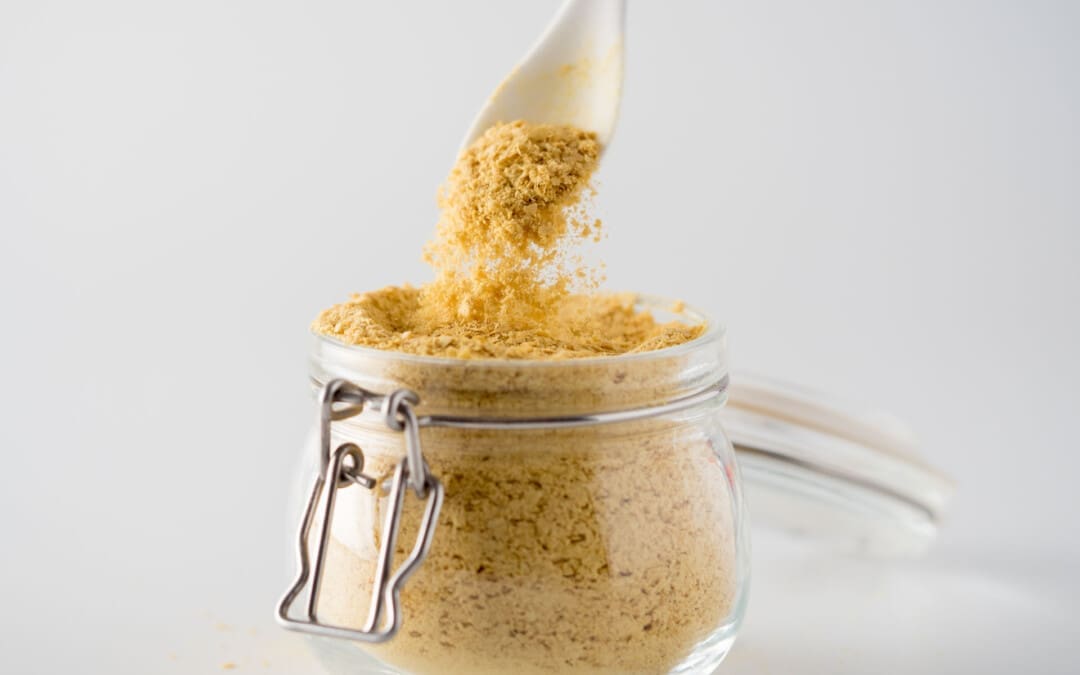
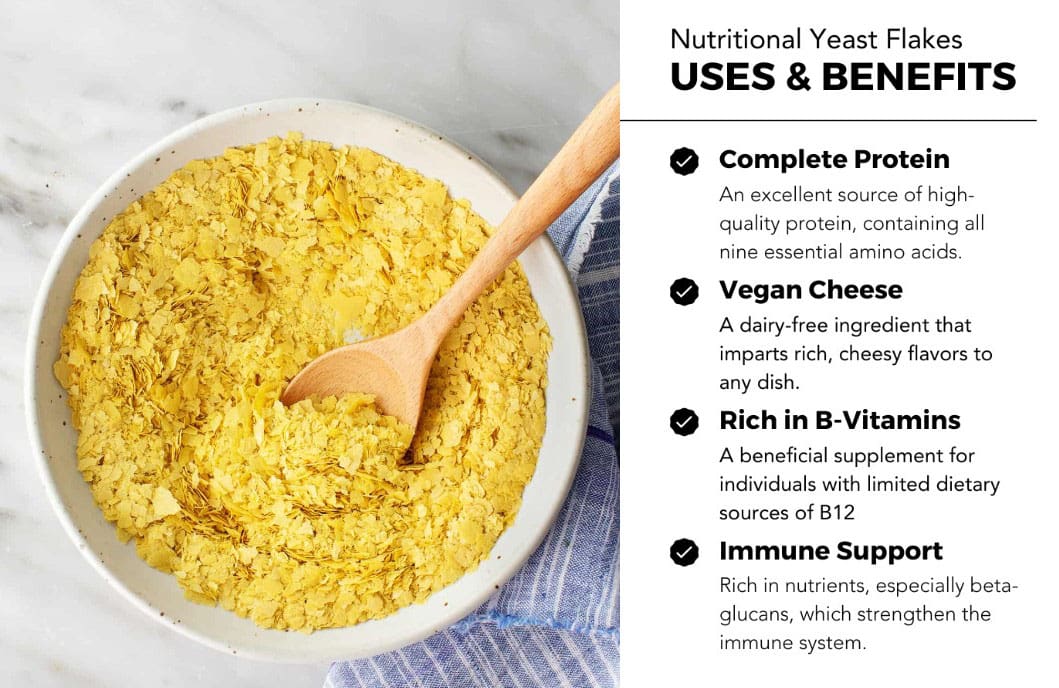
Nutritional yeast is a deactivated form of Saccharomyces cerevisiae yeast, commonly known as baker’s or brewer’s yeast. It’s popular in vegan and vegetarian cooking for its savory, cheesy flavor and nutritional benefits. Nutritional yeast is harvested, rinsed, and heat-dried to deactivate it, removing its leavening properties. This means it doesn’t cause food to rise but adds flavor and vital nutrients.
Around 1.5 tablespoons contains 5 grams of carbohydrates, including 3 grams of fiber.
Yeast provides an especially beneficial form of soluble fiber known as beta-glucan, with unique health benefits. (Bashir K. M. I., & Choi J. S. 2017)
Fats
Most brands are naturally fat-free.
Protein
It provides all essential amino acids with 8 grams per 1.5 tablespoons.
Vitamins and Minerals
Most nutritional yeast products are fortified with added B vitamins. Most provide 600% or more B vitamins per 16 grams and 1,000% of the daily value for vitamin B12, depending on the brand. It also has:
Calcium
Thiamin
Iron
Potassium
Nutritional Yeast Health Benefits
Health benefits include:
Reduces Risk of Anemia
Iron is typically the first nutrient to come to mind. However, inadequate folate or vitamin B12 also causes anemia. A common treatment for a vitamin B12 deficiency is injections, but large doses consumed can also be effective. (National Institutes of Health, Office of Dietary Supplements, 2024) Individuals who follow a plant-based or vegan diet often have limited sources of vitamin B12. Most brands of nutritional yeast are fortified with B12, providing more than 500% of the daily value per serving. Because B12 is water-soluble, it won’t cause toxicity when consumed in high doses and can serve as a key source of this essential nutrient.
Supports Heart Health
Nutritional yeast contains beta-glucan, a carbohydrate found in the cell walls of plants, bacteria, and fungi. Higher intakes lead to favorable cardiovascular outcomes, including lowering bad cholesterol and increasing good cholesterol. (Bashir K. M. I., & Choi J. S. 2017) In addition, most brands contain potassium, which reduces blood pressure.
Promote Healthy Immune System Function
More research is needed, but several studies have shown how yeast-derived beta-glucan can strengthen the immune system. (Stier H., Ebbeskotte V., & Gruenwald J. 2014) These benefits are attributed to beta glucan’s bacterial fermentation in the intestines. Beta-glucan may also stimulate the activity of crucial immune system cells, like macrophages.
Prevents Constipation
Fiber is essential. The recommended fiber intake is at least 25 to 35 grams daily. Unfortunately, many do not get enough. Nutritional yeast contributes 3 grams of fiber per 16 grams. Fiber regulates bowel movements by pulling water into the colon and adding bulk and softness to stool. (University of Michigan, 2008)
Using nutritional yeast can help reach an adequate fiber intake.
Diabetes Management
Getting enough fiber helps prevent blood sugar fluctuations. Low-fiber diets have been shown to increase the risk of diabetes in various populations. (Harvard T.H. Chan, School of Public Health, 2022) Fiber slows digestion and increases satiety, controlling hunger and the glycemic response. Fiber is beneficial for preventing diabetes and helping those with diabetes maintain good numbers.
Allergies
Individuals who suspect a yeast or mold allergy see an allergist for a full evaluation.
Yeast overgrowth is another possible condition that is unrelated to yeast allergies.
Yeast overgrowth can occur in compromised immune systems or following antibiotic treatment.
Because yeast is present in many foods, anyone with a true yeast allergy may have to avoid several food items, including baked goods, fermented alcoholic beverages, marmite/vegemite, sourdough bread, and certain multivitamins. (Cunningham E. 2013)
Adverse Effects
Nutritional yeast is inactive and unlikely to cause negative effects. However, for individuals who suffer from irritable bowel syndrome (IBS) or migraines, yeast may be a trigger. (UMass Medical School Center for Applied Nutrition, 2020)
Check the label to see if the product is fortified with added vitamins and minerals or has added sodium.
Nutritional yeast is a dry food product available year-round in supermarkets or sold in a bulk food bin.
Storage, Safety, and Use
Although nutritional yeast is a dry product, it will stay in the refrigerator longer after it has been opened. Store it in an airtight container, and be mindful of the expiration date on the label.
It can be added to savory dishes such as pasta, roasted meats, vegetables, and salads. Ways to use include:
On scrambled eggs.
On top of garlic bread.
Popcorn seasoning.
Add to soups.
In pasta dishes, as a substitute for parmesan cheese.
An alternative to cheese sauce.
Injury Medical Chiropractic and Functional Medicine Clinic
Injury Medical Chiropractic and Functional Medicine Clinic works with primary healthcare providers and specialists to develop highly effective treatment plans through an integrated approach for each patient and restore health and function to the body through nutrition and wellness, functional medicine, acupuncture, Electroacupuncture, and integrated medicine protocols. We focus on what works for you to relieve pain, restore function, prevent injury, and mitigate issues through adjustments that help the body realign itself. The clinic can also work with other medical professionals to integrate a treatment plan to resolve musculoskeletal problems.
Learning About Food Substitutions
References
U.S. Department of Agriculture. FoodData Central. (2019). Nutritional yeast. Retrieved from https://fdc.nal.usda.gov/food-details/1744022/nutrients
Bashir, K. M. I., & Choi, J. S. (2017). Clinical and Physiological Perspectives of β-Glucans: The Past, Present, and Future. International journal of molecular sciences, 18(9), 1906. https://doi.org/10.3390/ijms18091906
National Institutes of Health, Office of Dietary Supplements. (2024). Vitamin B12: Fact sheet for health professionals. Retrieved from https://ods.od.nih.gov/factsheets/VitaminB12-HealthProfessional/
Stier, H., Ebbeskotte, V., & Gruenwald, J. (2014). Immune-modulatory effects of dietary Yeast Beta-1,3/1,6-D-glucan. Nutrition journal, 13, 38. https://doi.org/10.1186/1475-2891-13-38
University of Michigan. (2008). Bowel function anatomy. https://medicine.umich.edu/sites/default/files/content/downloads/bowel-function.pdf
Harvard T.H. Chan, School of Public Health. (2022). Fiber. https://nutritionsource.hsph.harvard.edu/carbohydrates/fiber/
Cunningham E. (2013). Is there a diet for “yeast allergy”? Journal of the Academy of Nutrition and Dietetics, 113(3), 484. https://doi.org/10.1016/j.jand.2013.01.013
UMass Medical School Center for Applied Nutrition. Chan, U., School, M., & Nutrition, C. F. A. (2020). Nutritional yeast: Nourishing or no-go? UM. https://www.umassmed.edu/nutrition/blog/blog-posts/2020/2/nutritional-yeast–nourishing-or-no-go/
Can individuals dealing with gut issues incorporate the beneficial properties of probiotics and prebiotics to improve body function?
How The Gut Works Together With The Body
When many individuals are dealing with chronic issues that are causing referred pain in their bodies, it could be an issue that is affecting their gut system. Have you experienced unpredictable food reactions that make you unable to enjoy your favorite meal or food item anymore? Do you notice any abdominal swelling after a heavy meal? Or have you been more constipated and found it difficult to go to the bathroom? This is because the gut system is the second brain of the human body. The gastrointestinal (GI) system provides many beneficial properties to the host and the human body. It helps strengthen the gut’s integrity, harvest and give energy, protect the body from foreign pathogens, and regulate the immune system. (Thursby & Juge, 2017) Inside the gut system is home to trillions of bacteria that help transport the nutrients and vitamins of food to different areas of the body. This, in turn, gives the individual the energy to be mobile and complete their daily activities. However, environmental factors like illnesses, stress, bad dietary habits, and lifestyles can cause the gut ecosystem to undergo abnormal changes, causing gut dysbiosis. (Zhang et al., 2015)
When environmental factors impact the body, especially the gut system, the immune system produces inflammatory cytokines caused by certain bacteria. Once certain structural component bacteria strains trigger inflammation, it can cause a cascade of inflammatory pathways to affect the entire body, causing the individual to experience pain and discomfort. (Al Bander et al., 2020) Additionally, gut dysbiosis can also be associated with the occurrence of several chronic metabolic diseases that are developed. (Xiong et al., 2023) Fortunately, there are numerous ways people can reduce the impact of gut dysbiosis and help restore normal body function by including probiotics and prebiotics. We associate with certified medical providers who inform our patients of how the gut system can affect the body when environmental factors impact it. While asking important questions to our associated medical providers, we advise patients to integrate various probiotic and prebiotic foods to help regulate healthy bacteria back to the gut and reduce pain and discomfort in the body. Dr. Alex Jimenez, D.C., envisions this information as an academic service. Disclaimer.
Nutrition Fundamentals- Video
Probiotic & Prebiotic Foods For The Gut
Now, when it comes to the gut system, it is important to know that trillions of bacteria help with gut regulation. When environmental factors cause various issues, it can cause pain and discomfort to the rest of the body. Hence, incorporating probiotics and prebiotics can help regulate the gut and reduce the impact of harmful bacteria from affecting the body. As part of a healthy diet, probiotics have the potential to regulate gut microbiota by affecting the intestinal microbial dynamics and homeostasis, thus influencing the intestines and distill organs physiology. (Kim et al., 2021) Additionally, when a person is incorporating probiotics and prebiotics to regulate their gut, it can be used to help manipulate the host’s microbiota while being used for potential therapeutic strategies. (Radford-Smith & Anthony, 2023) Some of the foods that have probiotics and prebiotics include:
Jicama
Bananas
Garlic
Miso
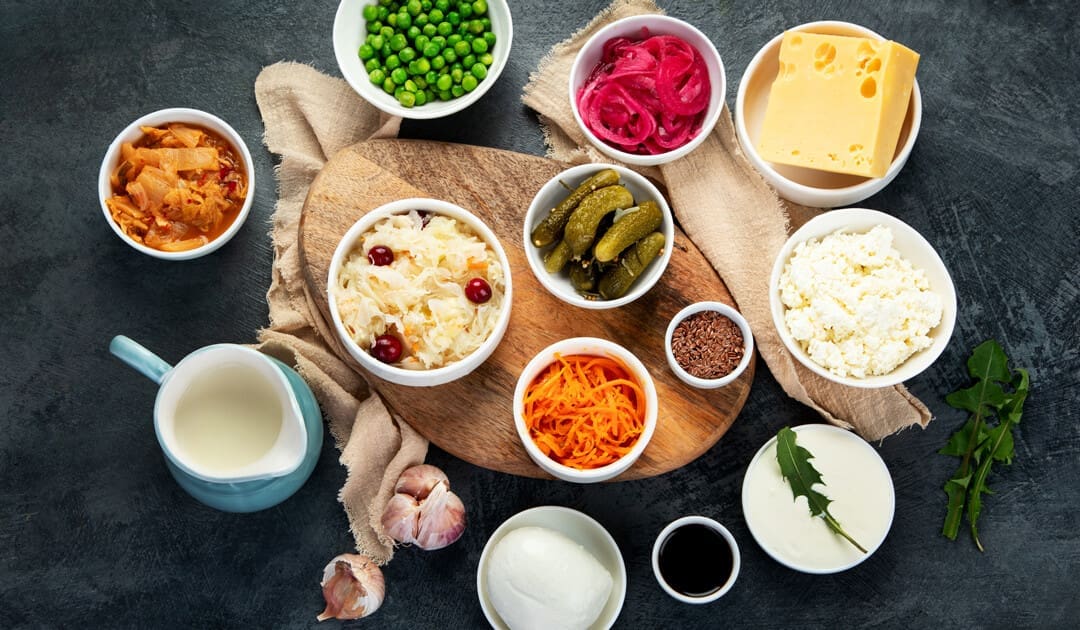
Kimchi
Yogurt
How Probiotics & Prebiotics Improve Body Function
When people start to incorporate prebiotics and probiotics, they will notice an increased abundance of health-promoting bacteria that can increase microbiome diversity and metabolic pathways that can affect the qualitative and quantitative changes of the gut composition. (Jager et al., 2019) Different bacterial strains can have various properties that can help with the gastrointestinal microbiome diversity and improve the body through metabolic support.
Conclusion
So, when people think about their health and wellness, the best place to start is with the gut by adding prebiotics and probiotics as part of a healthy diet. This, in turn, can help the loss of beneficial bacteria that have been affected by environmental factors and can help reduce the inflammatory effects of chronic illnesses. Making these small changes can be helpful to one’s health and well-being and allow many people to come up with tasty food combinations to improve gut health and metabolic pathways.
References
Al Bander, Z., Nitert, M. D., Mousa, A., & Naderpoor, N. (2020). The Gut Microbiota and Inflammation: An Overview. Int J Environ Res Public Health, 17(20). https://doi.org/10.3390/ijerph17207618
Jager, R., Mohr, A. E., Carpenter, K. C., Kerksick, C. M., Purpura, M., Moussa, A., Townsend, J. R., Lamprecht, M., West, N. P., Black, K., Gleeson, M., Pyne, D. B., Wells, S. D., Arent, S. M., Smith-Ryan, A. E., Kreider, R. B., Campbell, B. I., Bannock, L., Scheiman, J.,…Antonio, J. (2019). International Society of Sports Nutrition Position Stand: Probiotics. J Int Soc Sports Nutr, 16(1), 62. https://doi.org/10.1186/s12970-019-0329-0
Kim, C. S., Cha, L., Sim, M., Jung, S., Chun, W. Y., Baik, H. W., & Shin, D. M. (2021). Probiotic Supplementation Improves Cognitive Function and Mood with Changes in Gut Microbiota in Community-Dwelling Older Adults: A Randomized, Double-Blind, Placebo-Controlled, Multicenter Trial. J Gerontol A Biol Sci Med Sci, 76(1), 32-40. https://doi.org/10.1093/gerona/glaa090
Radford-Smith, D. E., & Anthony, D. C. (2023). Prebiotic and Probiotic Modulation of the Microbiota-Gut-Brain Axis in Depression. Nutrients, 15(8). https://doi.org/10.3390/nu15081880
Thursby, E., & Juge, N. (2017). Introduction to the human gut microbiota. Biochem J, 474(11), 1823-1836. https://doi.org/10.1042/BCJ20160510
Xiong, R. G., Li, J., Cheng, J., Zhou, D. D., Wu, S. X., Huang, S. Y., Saimaiti, A., Yang, Z. J., Gan, R. Y., & Li, H. B. (2023). The Role of Gut Microbiota in Anxiety, Depression, and Other Mental Disorders as Well as the Protective Effects of Dietary Components. Nutrients, 15(14). https://doi.org/10.3390/nu15143258
Zhang, Y. J., Li, S., Gan, R. Y., Zhou, T., Xu, D. P., & Li, H. B. (2015). Impacts of gut bacteria on human health and diseases. Int J Mol Sci, 16(4), 7493-7519. https://doi.org/10.3390/ijms16047493
For individuals looking to improve heart health, can consuming prunes help support cardiovascular health?
Prunes and Heart Health
Prunes, or dried plums, are fiber-rich fruits that are more nutrient-dense than fresh plums and help digestion and bowel movement. (Ellen Lever et al., 2019) New research suggests they could offer more than digestion and constipation relief, according to new studies presented at the American Society for Nutrition. Eating prunes daily can improve cholesterol levels and reduce oxidative stress and inflammation.
Eating five to 10 prunes a day may support heart health.
Heart health benefits of regular consumption were seen in men.
In older women, regularly eating prunes had no negative effect on total cholesterol, blood sugar, and insulin levels.
Another study found that eating 50–100 grams or five to ten prunes daily was associated with reduced heart disease risks. (Mee Young Hong et al., 2021)
The reductions in cholesterol and inflammation markers were because of improvements in antioxidant levels.
The conclusion was that prunes can support cardiovascular health.
Prunes and Fresh Plums
Although studies have suggested that prunes can support heart health, that doesn’t mean fresh plums or prune juice can offer the same benefits. However, there are not many studies on the benefits of fresh plums or prune juice, but it is possible that they would. However, further research is needed. Fresh plums that have been dried in hot air improve the nutritional value and shelf life of the fruit, which could be the reason the dried version retains more nutrients. (Harjeet Singh Brar et al., 2020)
Individuals may have to eat more plums to acquire the same benefits.
Eating 5–10 prunes seems to be easier than trying to equal the same amount, or more, of fresh plums.
But either option is recommended instead of prune juice as whole fruits have more fiber, make the body feel fuller, and are lower in calories.
Benefits For Young Individuals
Most of the research has been conducted on postmenopausal women and men over 55, but younger individuals can also benefit from eating prunes. A diet that is rich in fruits and vegetables is considered healthy, so adding prunes to one’s diet will add to health benefits. For individuals who don’t like prunes, fruits like apples and berries are also recommended for heart health. However, fruits only make up one part of the diet, and it is important to focus on a balanced diet with vegetables, legumes, and heart-healthy oils. Prunes contain a lot of fiber, so individuals are recommended to add them slowly into their daily routine, as adding too much at once can lead to cramping, bloating, and/or constipation.
Conquering Congestive Heart Failure
References
Lever, E., Scott, S. M., Louis, P., Emery, P. W., & Whelan, K. (2019). The effect of prunes on stool output, gut transit time and gastrointestinal microbiota: A randomised controlled trial. Clinical nutrition (Edinburgh, Scotland), 38(1), 165–173. https://doi.org/10.1016/j.clnu.2018.01.003
Hong, M. Y., Kern, M., Nakamichi-Lee, M., Abbaspour, N., Ahouraei Far, A., & Hooshmand, S. (2021). Dried Plum Consumption Improves Total Cholesterol and Antioxidant Capacity and Reduces Inflammation in Healthy Postmenopausal Women. Journal of medicinal food, 24(11), 1161–1168. https://doi.org/10.1089/jmf.2020.0142
Harjeet Singh Brar, Prabhjot Kaur, Jayasankar Subramanian, Gopu R. Nair & Ashutosh Singh (2020) Effect of Chemical Pretreatment on Drying Kinetics and Physio-chemical Characteristics of Yellow European Plums, International Journal of Fruit Science, 20:sup2, S252-S279, DOI: 10.1080/15538362.2020.1717403
The central nervous system transmits information between the brain, muscles, and organs through 31 nerve roots from the spinal cord. These nerve roots are interconnected with the body’s muscles and organs, ensuring each body section is connected to the upper and lower extremities. The neuron signals transmitted through these nerve roots provide sympathetic and parasympathetic signaling, allowing the body and its systems to function correctly. However, injuries and pathogens affecting the nerve roots can cause the neuron signals to become unstable, involving the muscles, tissues, and vital organs and leading to chronic conditions and pain-like symptoms. Fortunately, small changes in diet and supplements can help reduce nerve pain and improve a person’s quality of life. This article will discuss nerve pain and its symptoms, how nutrients and supplements can help reduce it, and non-surgical treatments that can help restore the body from nerve pain. We work with certified medical providers who use our patients’ valuable information to provide non-surgical treatments for nerve pain combined with nutrients and supplements from reoccurring. We encourage patients to ask essential questions and seek education from our associated medical providers about their condition. Dr. Jimenez, D.C., provides this information as an educational service. Disclaimer
How Does Nerve Pain Occur In The Body?
Have you been experiencing pins and needles in your hands or feet or constant muscle twitches? Maybe you’re feeling pain in your upper or lower extremities. If you’ve had these sensations all over your body, it could be due to nerve pain affecting your musculoskeletal system. Research studies have shown nerve pain is often caused by a lesion or disease that is affecting the brain’s somatosensory system. This can cause an imbalance in neuron signaling and disrupt information traveling to the brain. The somatosensory system is responsible for our ability to feel, touch, and experience pressure and pain. When it’s affected by injuries or pathogens, information can be disrupted in the spinal cord and brain. Additional research studies revealed that nerve pain could be caused by compressed nerve roots, leading to ongoing or intermittent pain that may spread to different areas and cause structural changes involving peripheral and central sensitization. This can lead to associated symptoms that can disrupt normal body functions.
Nerve Pain Symptoms
It might be nerve pain if you are feeling pain in your upper or lower extremities. Research studies revealed that this type of pain can cause symptoms that feel like pain in your muscles or organs, but neurological disorders may cause it. The severity and specific symptoms can vary from person to person. Some common symptoms of nerve pain include:
Referred pain
Numbness
Tingling
Cognitive deficits
Loss of sensory and motor function
Inflammation
Pain to light touches
Nerve pain is a common issue for those with chronic conditions, and research shows that nociceptive and neuropathic pain mechanisms are interconnected. For instance, back pain and radiculopathy are often linked, causing referred pain. This means that the pain receptors are in a different location from where the pain originated. However, there are ways to alleviate nerve pain symptoms and address underlying factors contributing to this discomfort.
The Functional Medicine Approach- Video
Suppose you suffer from nerve pain and seek to alleviate the symptoms and restore your body’s natural state. While making small changes can help, they may not provide quick results. However, functional medicine and non-surgical treatments can help with nerve pain and associated symptoms. The video above explains how functional medicine is safe and personalized and can be combined with other therapies to strengthen surrounding muscles and ligaments. By being more mindful of your body’s needs, you can find relief from nerve pain and improve your overall health.
Nutrients For Nerve Pain
Dr. Eric Kaplan, D.C., FIAMA, and Dr. Perry Bard, D.C., wrote “The Ultimate Spinal Decompression” and explained that our body’s nerves require constant nutrients for maintenance and repair. It’s crucial to incorporate various nutrients and supplements to reduce nerve pain and its symptoms. Here are some essential body nutrients that can help alleviate nerve pain.
Nitric Oxide
The body produces a vital nitric oxide nutrient, which can help alleviate nerve pain. Insufficient nitric oxide production can result in health issues such as high blood pressure, erectile dysfunction, and respiratory and cardiovascular problems. Nitric oxide works as a vasodilator, relaxing the blood vessels in the inner muscles, promoting increased blood flow, and reducing elevated blood pressure levels. Nitric oxide is crucial in supporting the nervous and cardiovascular systems, ensuring that neuron signals in nerve roots remain stable. Research studies indicate that taking nitric oxide supplements can enhance exercise performance.
ATP
ATP is a crucial nutrient that the human body naturally produces. Its primary role is to store and generate energy within the cells. ATP plays a significant role in the proper functioning of various organs and muscles in the body. The body’s metabolic pathway, cellular respiration, creates ATP, one of the most efficient processes. We use ATP in our daily lives by consuming food and drinks, and the air we breathe helps break down ATP, thus producing water in the body. Additionally, when the body is in motion, ATP works with nitric oxide to produce energy output in the nerves, muscles, and organs.
Supplements For Nerve Pain
The body requires supplements in addition to nutrients to alleviate symptoms of fatigue, inflammation, and pain caused by nerve pain. Nerve pain can affect the parasympathetic and sympathetic nerves, leading to disrupted neuron signals, resulting in the brain sending the immune system to attack healthy cellular structures as if they were foreign invaders. However, research has shown that incorporating supplements can help reduce the inflammatory effects of nerve pain, improve neural regeneration, reduce oxidative stress, and enhance motor and functional recovery from injured nerves.
Treatments For Nerve Pain
To effectively reduce the impact of nerve pain, individuals often consult with their primary doctor to develop a personalized treatment plan. Nutrients and supplements are only half of the recovery process. Non-surgical treatments such as chiropractic care, physical therapy, and spinal decompression can significantly lower chronic conditions associated with nerve pain. Studies have shown that compressed nerve roots caused by pathological factors can lead to overlapping risk profiles that affect the body. Spinal decompression is a treatment that relieves compressed nerves through gentle traction on the spinal disc. Spinal decompression, combined with a healthy diet, exercise, and other therapies, can educate people on preventing nerve pain from returning.
Conclusion
Nerve pain can severely impact a person’s life, causing disability and reduced quality of life due to its potential risks to muscles, organs, and tissues. However, incorporating a variety of nutrients and supplements into the body can help reduce the effects of nerve pain. By combining these methods with non-surgical treatments, individuals can better understand what’s happening to their bodies and work to restore them to normal. A personalized plan for health and wellness that includes these techniques can alleviate nerve pain and its symptoms and promote natural healing.
The right kind of bread can be an extremely healthful food. Eating more whole grains is associated with lower weight and reduced health problems, heart disease, and cancer risk. Keeping bread in a healthy diet begins with choosing varieties with the best nutrition. Certain types are naturally high in fiber, vitamins, and minerals. Others are made from refined grains with added vitamins and minerals. Nutritional experts evaluate healthy breads based on researched health benefits and fiber, protein, micronutrient content, and total calories.
Healthy Breads
100% Whole Wheat
100% whole wheat bread contains abundant fiber and nutrients and is one of the most nutritious varieties.
A slice of bread made with all whole wheat flour provides 80 calories, 5 grams of protein, 0 grams of fat, 20 grams of carbohydrates, and 3 grams of fiber.
One hundred percent whole wheat bread also contains essential minerals like calcium, selenium, manganese, phosphorus, and thiamin.
Increasing whole grains has been shown to reduce the risk of multiple chronic diseases, including type 2 diabetes, cancer, and heart disease.
Studies have demonstrated the positive effects of whole grains on weight control.
Many breads advertise themselves as whole wheat and might not contain 100% whole, unrefined grains.
Read labels to determine if store-bought bread was made with only whole wheat flour.
A 100% whole wheat bread will either be labeled as such or have whole wheat flour as its first ingredient and does not list other flours like wheat flour or enriched bleached flour.
Multigrain
Whole grains like oats, buckwheat, barley, amaranth, and millet can be included in multigrain breads for increased fiber, protein, and micronutrients.
Adding a variety of whole grains like these can help reduce the risk of certain chronic diseases.
Navigating to healthy multigrain bread can be misleading.
Breads labeled as multigrain can be difficult to tell whether the grains used to make the bread were whole or refined.
It’s recommended to look for a multigrain bread label that has 100% whole grain.
Oat
Oats are whole grains that can supplement whole wheat in healthy store-bought and homemade breads.
Oats contain a special fiber called beta-glucan, with benefits that include lowering bad cholesterol, regulating blood sugar, and lowering blood pressure.
Oats are high in soluble fiber, which helps reduce constipation.
Read the labels and look for brands that list oats and whole wheat flour as the first ingredients with minimal added sugars.
Flax Seed
Flaxseeds are not grains, but they aren’t packed with nutrients.
Adding flaxseed might help protect against certain cancers and improve heart health.
Because the seeds are naturally gluten-free, flax seed bread can be an option for individuals with celiac disease or gluten sensitivity.
Some commercially prepared breads combine flax with wheat, but individuals may have to make their own for a loaf made entirely with flaxseed.
Sourdough
Sourdough bread is made through fermentation, which adds healthy probiotics to the finished product.
A diet rich in probiotics from fermented foods has been linked with positive health outcomes.
Benefits include the bread’s natural probiotics, improved digestion, immune system function, extra fiber, protein, and minerals.
For the healthiest, choose a variety made with whole wheat flour.
Benefits of a Healthy Diet and Chiropractic
References
Aune, Dagfinn, et al. “Whole grain consumption and risk of cardiovascular disease, cancer, and all-cause and cause-specific mortality: a systematic review and dose-response meta-analysis of prospective studies.” BMJ (Clinical research ed.) vol. 353 i2716. 14 Jun. 2016, doi:10.1136/bmj.i2716
El Khoury, D et al. “Beta glucan: health benefits in obesity and metabolic syndrome.” Journal of Nutrition and Metabolism vol. 2012 (2012): 851362. doi:10.1155/2012/851362
Freitas, Daniela, et al. “Lemon juice, but not tea, reduces the glycemic response to bread in healthy volunteers: a randomized crossover trial.” European Journal of Nutrition vol. 60,1 (2021): 113-122. doi:10.1007/s00394-020-02228-x
“Healthy Bread.” Hall’s Journal of Health vol. 3,7 (1856): 144-146.
Kikuchi, Yosuke, et al. “Effects of Whole Grain Wheat Bread on Visceral Fat Obesity in Japanese Subjects: A Randomized Double-Blind Study.” Plant foods for human nutrition (Dordrecht, Netherlands) vol. 73,3 (2018): 161-165. doi:10.1007/s11130-018-0666-1
Menezes, Leidiane A A, et al. “Effects of Sourdough on FODMAPs in Bread and Potential Outcomes on Irritable Bowel Syndrome Patients and Healthy Subjects.” Frontiers in microbiology vol. 9 1972. 21 Aug. 2018, doi:10.3389/fmicb.2018.01972
Parikh, Mihir, et al. “Flaxseed: its bioactive components and their cardiovascular benefits.” American Journal of Physiology. Heart and circulatory physiology vol. 314,2 (2018): H146-H159. doi:10.1152/ajpheart.00400.2017
P, Nirmala Prasadi V, and Iris J Joye. “Dietary Fibre from Whole Grains and Their Benefits on Metabolic Health.” Nutrients vol. 12,10 3045. 5 Oct. 2020, doi:10.3390/nu12103045
Tosh, Susan M, and Nicolas Bordenave. “Emerging science on benefits of whole grain oat and barley and their soluble dietary fibers for heart health, glycemic response, and gut microbiota.” Nutrition Reviews vol. 78, Suppl 1 (2020): 13-20. doi:10.1093/nutrit/nuz085
IFM's Find A Practitioner tool is the largest referral network in Functional Medicine, created to help patients locate Functional Medicine practitioners anywhere in the world. IFM Certified Practitioners are listed first in the search results, given their extensive education in Functional Medicine