Should individuals experiencing nerve pain or various sensations get a nerve conduction velocity study to examine nerve health and function?
Nerve Conduction Velocity
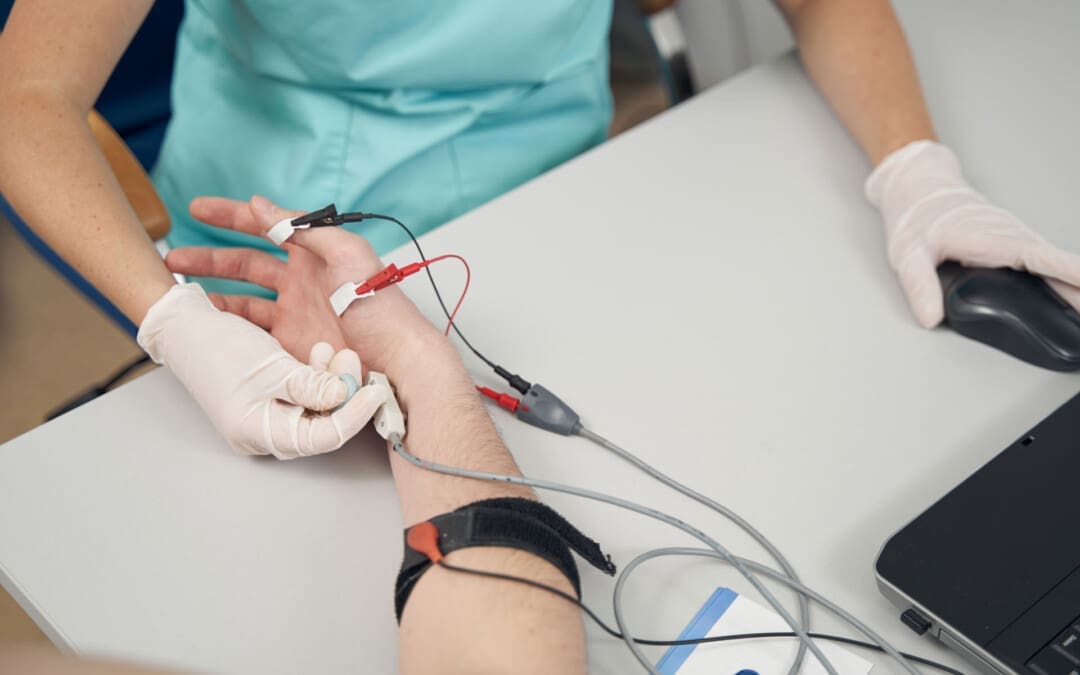
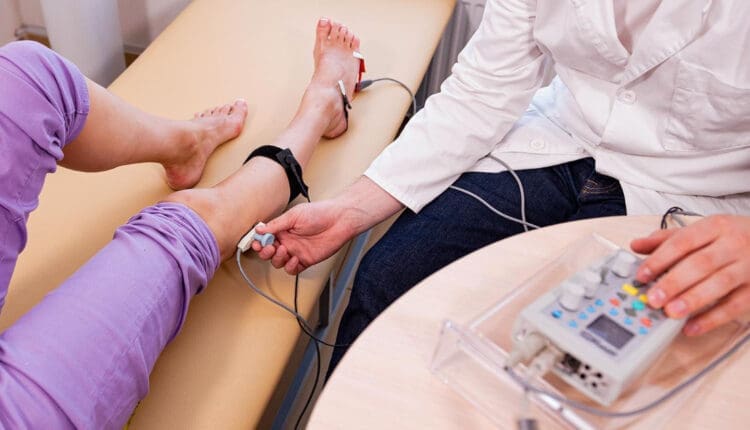
A nerve conduction velocity (NCV) is a noninvasive test that measures the speed and strength of nerve stimulation using electrical probes placed on the skin. It’s used to diagnose nerve damage or disease, often alongside an EMG (electromyogram) to differentiate between nerve and muscle problems. It can also evaluate sensory issues, pain, and weakness of the extremities.
This test involves safe electrical shocks that can be slightly uncomfortable but not painful.
Nerve conduction velocity (NCV) measures the speed at which electrical impulses travel along a nerve fiber, which measures how quickly electrical signals travel through a nerve.
This information indicates nerve health and function.
Electromyography (EMG) is a nerve test that involves placing tiny needles into the muscles.
A slower NCV can indicate nerve injury or dysfunction.
Test Uses
Generally, the test is ordered to assess peripheral nerve diseases, those that connect from the muscles, organs, and skin to the spinal cord or brain. It can help identify the type and location of nerve damage.
Peripheral nerve conditions typically cause pain, sensory loss, tingling, or burning.
Mild weakness and diminished reflexes can be detected during a neurological examination.
Conditions
Nerve conduction studies are performed to help diagnose conditions.
Nerve damage (neuropathy), such as from diabetes, chemotherapy, or autoimmune disorders
Charcot-Marie-Tooth disease
Nerve compression
Many different conditions, including trauma, inflammation, and tumors, can compress one or more nerves.
Radiculopathy
Often described as a pinched nerve, radiculopathy can affect an arm or a leg, causing pain and weakness.
Peripheral Neuropathy
This nerve damage begins in the most distal nerves, those farthest from the center of the body, such as the toes and fingers. It is often due to chronic alcohol misuse, uncontrolled diabetes, nutritional deficits, and inflammatory diseases. (Ferdousi M. et al., 2020)
Carpal Tunnel Syndrome
Commonly caused by inflammatory diseases or overuse of the wrists, such as from assembly line work, carpal tunnel syndrome causes numbness, pain, and weakness of the fingers and hands. (Tada K. et al., 2022)
Ulnar neuropathy
This common condition causes arm pain and sensory changes, usually due to repetitive movements or a prolonged position that causes pressure on the ulnar nerve.
Guillain-Barré syndrome (GBS)
This inflammatory condition causes demyelination, or loss of the insulating covering around nerves, which results in leg weakness.
It begins in the motor nerves, which send signals to muscles in the legs. (Shibuya K. et al., 2022)
The inflammation travels to nerves of the upper body, often affecting the muscles that control breathing.
Respiratory support is necessary until the condition improves.
Chronic Demyelinating Polyneuropathy (CIDP)
This condition is a chronic, recurrent form of GBS that usually affects the legs and causes episodes of weakness.
ICU neuropathy
Metabolic changes, severe illness, and not moving enough can cause nerves to develop a pattern of weakness and sensory loss.
Myasthenia gravis (MG)
This autoimmune condition affects the junction between the nerves and the muscles.
Myasthenia gravis causes drooping eyelids and weakness of the arms and shoulders.
Amyotrophic lateral sclerosis (ALS)
ALS is a serious, degenerative disease affecting the spinal cord’s motor neurons.
Amyotrophic lateral sclerosis progresses rapidly, resulting in substantial weakness of muscles throughout the body.
How it’s Done
Surface electrodes are placed on the skin over nerves, and a small electrical current is applied to stimulate the nerve.
The time it takes for the electrical signal to travel between the electrodes is measured, and this time is used to calculate the NCV.
Values
Normal NCV values are generally between 50 and 70 meters per second. However, these values can vary depending on the nerve and the individual.
NCV Factors
Various factors can influence NCV.
Age
Sex
Medical conditions like diabetes
Interpretation
A slower NCV can indicate nerve damage or demyelination (loss of the myelin sheath, which insulates nerve fibers), while an EMG can help determine if the problem is with the nerve or the muscle.
Results
The results of NCV testing can be used to determine the type, severity, and location of nerve damage. The results will be ready in report form about a week after the test.
The test measures velocity (how fast a nerve transmits signals) and amplitude (how many nerve fibers were activated). (Tavee J. 2019)
The measurements are transmitted to a computer and shown as waves and numerical values.
The values are compared to a standard measurement based on the tested nerve.
The distance between the electrodes.
The person’s age.
Compared to the standard, the NCV results can identify certain patterns of nerve damage. (Tada K. et al., 2022) Outcomes include: (Tavee J. 2019)
If one or more nerves are affected.
If motor nerves (control movement), sensory nerves (transmit sensory signals), or both are affected.
Whether a nerve is blocked or damaged.
The severity of the damage.
The type of nerve damage
Axonal (damage to the nerve itself)
Demyelination (damage to the protective fatty layer around the nerve)
The results can help point to certain diagnoses.
Preparation Before the Test
Individuals will not need to change their diet before having an NCV. However, patients will be asked to avoid lotions or creams on their skin before the test. Individuals who are also having an EMG at the time of their NCV might be asked to stop taking medications or supplements that increase the risk of bleeding and bruising. If a healthcare provider says not to stop taking the medicines for health reasons, the patient might be warned that they could have some bruising after the EMG test.
NCV may advise against getting the test for those with electrical device implants.
Make sure your healthcare providers are aware of your whole medical history.
Injury Medical Chiropractic & Functional Medicine Clinic
Injury Medical Chiropractic and Functional Medicine Clinic works with primary healthcare providers and specialists to develop an optimal health and wellness solution. We focus on what works for you to relieve pain, restore function, and prevent injury. Regarding musculoskeletal pain, specialists like chiropractors, acupuncturists, and massage therapists can help mitigate the pain through spinal adjustments that help the body realign itself. They can also work with other medical professionals to integrate a treatment plan to resolve musculoskeletal issues.
Peripheral Neuropathy and Chiropractic Care
References
Ferdousi, M., Kalteniece, A., Azmi, S., Petropoulos, I. N., Worthington, A., D’Onofrio, L., Dhage, S., Ponirakis, G., Alam, U., Marshall, A., Faber, C. G., Lauria, G., Soran, H., & Malik, R. A. (2020). Corneal confocal microscopy compared with quantitative sensory testing and nerve conduction for diagnosing and stratifying the severity of diabetic peripheral neuropathy. BMJ open diabetes research & care, 8(2), e001801. https://doi.org/10.1136/bmjdrc-2020-001801
Tada, K., Murai, A., Nakamura, Y., Nakade, Y., & Tsuchiya, H. (2022). In Carpal Tunnel Syndrome, Sensory Nerve Conduction Velocities Are Worst in the Middle Finger Than in the Index Finger. Frontiers in Neurology, 13, 851108. https://doi.org/10.3389/fneur.2022.851108
Shibuya, K., Tsuneyama, A., Misawa, S., Suzuki, Y. I., Suichi, T., Kojima, Y., Nakamura, K., Kano, H., Ohtani, R., Aotsuka, Y., Morooka, M., Prado, M., & Kuwabara, S. (2022). Different patterns of sensory nerve involvement in chronic inflammatory demyelinating polyneuropathy subtypes. Muscle & Nerve, 66(2), 131–135. https://doi.org/10.1002/mus.27530
Tavee J. (2019). Nerve conduction studies: Basic concepts. Handbook of Clinical Neurology, 160, 217–224. https://doi.org/10.1016/B978-0-444-64032-1.00014-X
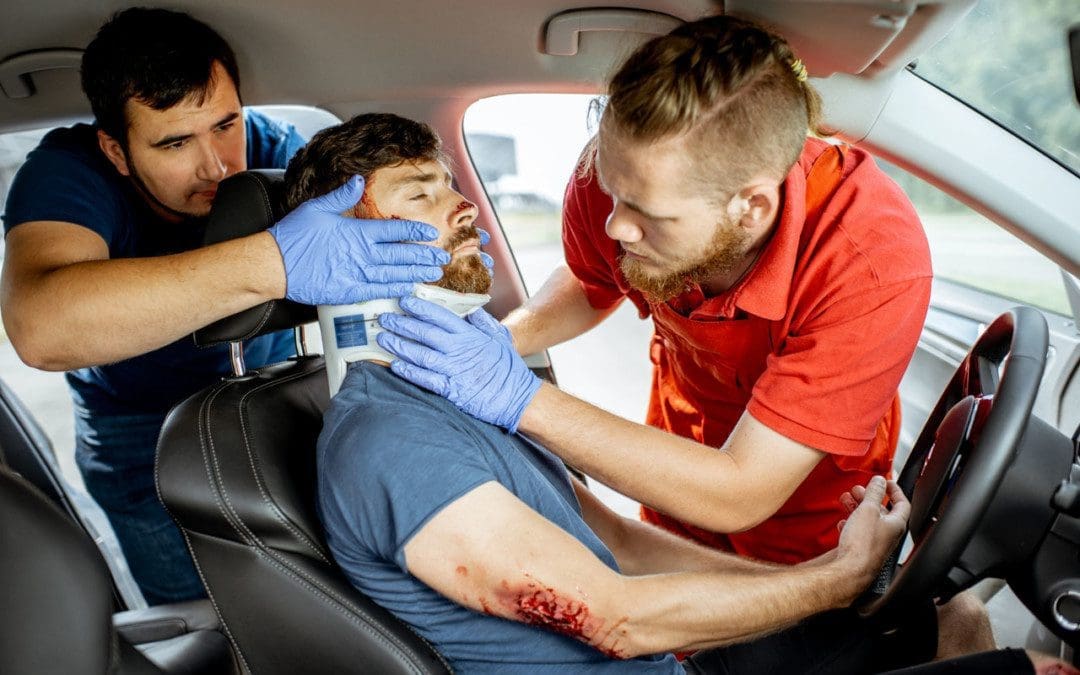
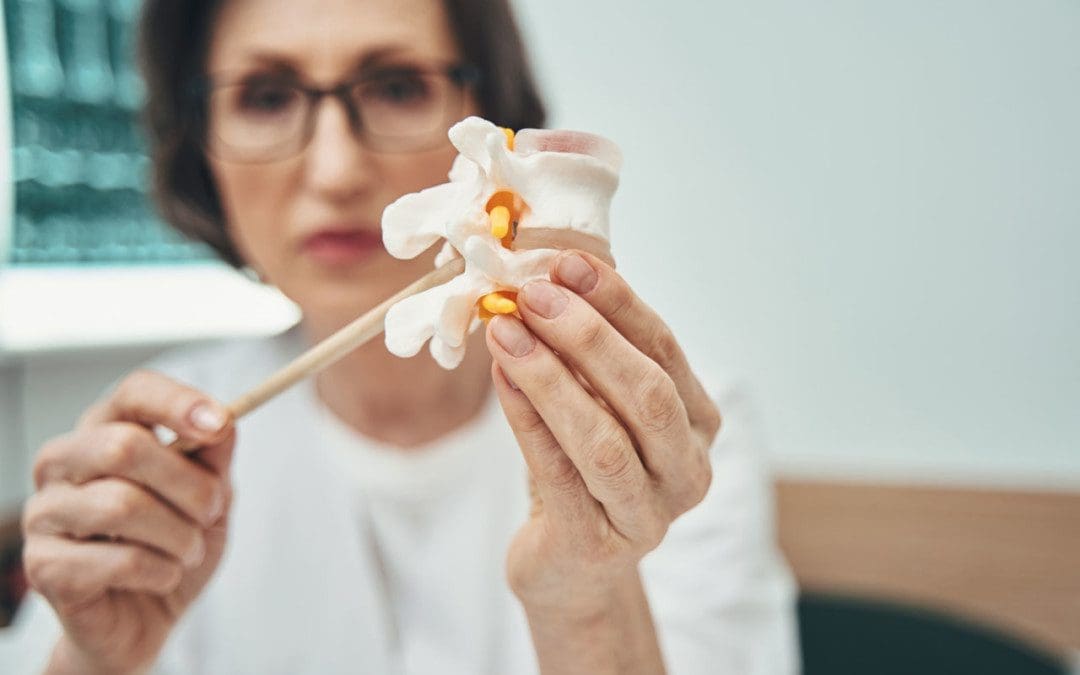
When the body goes through intense trauma like a car, truck, crash, or accident, the trauma can slip, bulge, herniate, or rupture the spinal fluid-filled discs that can extrude from the disc space, causing the nucleus pulposusto tear through the annulus fibrosus and compress the nerve roots causing pain. Depending on the severity and force of the crash or accident, a herniated disc can cause the vertebrae to push into the spinal canal, where it can compress, irritate, and/or injure the spinal cord, which can lead to other health issues. Nerve impingement from a herniated disc can also cause numbness and tingling in the hands, arms, legs, and feet. A chiropractic spine disc herniation decompression treatment plan can heal the herniation, realign the spine, stretch the muscles and joints, and rehabilitate the body back to top form.
Spine Disc Herniation
Symptoms of Herniation
Signs and symptoms depend on the spinal area and whether the disc is rubbing or compressing a nerve. Pain is often described as a sharp or burning sensation. A herniated disc usually affects one side of the body.
Pain Presents When Sitting Down – sitting causes a significant strain on the lower spinal discs. When sitting, the pain experienced can worsen.
Arm or leg pain – Depending on the herniated disc, pain can spread to other surrounding areas.
For a lower herniation, this could be the buttock, thigh, calf, and foot.
For a herniated disc in the neck region, pain can be felt in the shoulder and arm.
Pain can present in the arm or leg when coughing, sneezing, or moving into certain positions.
Numbness or tingling – presents from the compressed nerves and spreads as the average blood/energy flow is disrupted.
Muscle Weakness – the affected nerves that support the spinal muscles can lose normal strength causing awkward postures and fatigue.
A herniated disc can be present without symptoms – individuals won’t know unless spinal imaging is ordered.
Sciatica Sensations – the damaged nerve roots affect the ability to function correctly and can cause burning pain, numbness, weakness, and tingling along the front and/or back of the thigh, leg, and/or foot. This can result from direct compression or chemical irritation from a leaked out herniated disc that causes inflammation around the nerve root area.
Chiropractic Injury Care
When a disc herniates, it inhibits the body from communicating and healing itself. To activate proper communication from the brain to the rest of the body, chiropractors perform spine disc herniation decompression which clears the neural system and opens the lines of communication.
Spine Disc Herniation Decompression
Nonsurgical spinal decompression gently stretches the spine to relieve pressure and heal the herniated disc. It is a safe procedure considered a natural alternative compared to surgery or pharmaceutical approaches. Spinal decompression therapy:
It is safe for all ages
It is non-invasive
Sessions take between 30 to 45 minutes, depending on the individual and the injury that could require multiple sessions.
Offers a quicker recovery time
It is performed on a computer-controlled table customized to the individual’s specific needs and injuries.
A treatment plan can expedite the recovery process, rehabilitate and strengthen the whole body, and help avoid minimally invasive spine surgery.
Neurosurgeon DRX9000
References
Atlas, Steven J et al. “The impact of disability compensation on long-term treatment outcomes of patients with sciatica due to a lumbar disc herniation.” Spine vol. 31,26 (2006): 3061-9. doi:10.1097/01.brs.0000250325.87083.8d
Dydyk AM, Ngnitewe Massa R, Mesfin FB. Disc Herniation. [Updated 2022 Jan 18]. In: StatPearls [Internet]. Treasure Island (FL): StatPearls Publishing; 2022 Jan-. Available from: https://www.ncbi.nlm.nih.gov/books/NBK441822/
Gane, Elise M et al. “The Impact of Musculoskeletal Injuries Sustained in Road Traffic Crashes on Work-Related Outcomes: A Systematic Review.” International journal of environmental research and public health vol. 18,21 11504. 1 Nov. 2021, doi:10.3390/ijerph182111504
Scuderi, Gaetano J et al. “Symptomatic cervical disc herniation following a motor vehicle collision: return to work comparative study of workers’ compensation versus personal injury insurance status.” The spine journal: official journal of the North American Spine Society vol. 5,6 (2005): 639-44; discussion 644. doi:10.1016/j.spinee.2005.04.007
Many complex spinal surgeries take place in a hospital environment. The individual spends a night or two in the hospital, so medical staff can monitor them if any complications arise. However, outpatient surgeries have increased with new developments in minimally invasive procedures, pain management, and home rehabilitation. The improvements compared to traditional spinal surgical procedures are significant. These advancements have made it possible to perform more complex surgeries outside of a hospital. Outpatient surgeries have:
Accelerated recovery times
Decreased complications
Decreased infections
Healthier overall outcomes
Outpatient Surgery Candidates
Determining if outpatient surgery can be performed effectively depends on the injury/s and/or conditions that the individual is going through. An individual who is debilitated or has underlying medical conditions that increase their risk for complications or do not have support at home to assist with recovery and rehabilitation is recommended to have the surgery done in a hospital. To be considered for outpatient spine surgery, a surgeon looks at:
Standalone ambulatory surgery centers offer same-day surgical procedures for individuals that meet specific criteria. Medical staff assess the patient’s condition and determine recovery at home. If issues arise, the individual can be transferred to a hospital. Some facilities are single-specialty facilities, focusing on one medical specialty, and others are multi-specialty, meaning they offer a range of medical services from:
Orthopedic
Podiatry
Pain management services
Procedures
Anterior Cervical Discectomy and Fusion – ACDF
ACDF is a two-part surgery. First, the surgeon removes part of an intervertebral disc with bulged and compressed nerves from the spinal cord. Because there is less cushion, the vertebrae above and below are fused to prevent and eliminate painful movement. The discectomy:
Provides more accessible access to the vertebrae
Reduces healing time
Causes less pain
ACDF outpatient procedure treats several neck conditions that include:
Cervical spinal stenosis
Cervical radiculopathy
Neck-related degenerative disc disease
Herniated disc
Cervical spinal fracture
Individuals recover in the surgical center for one to several hours following the surgery before returning home. Traditional ACDF procedure takes three weeks to three months to recover.
Lumbar Discectomy
A lumbar discectomy is a minimally invasiveprocedure that repairs a lower back herniated disc compressing the surrounding nerves. This procedure provides compression relief and allows the nerve to heal. A traditional lumbar discectomy takes four to six weeks to recover.
Lumbar Laminectomy
This minimally invasive procedure removes thickened ligaments and lamina from the lower back. This opens the spinal canal space, relieving pressure and bringing pain relief. The surgery commonly treats lower-back spinal stenosis. A traditional laminectomy takes four to six weeks to recover.
Lumbar Spinal Fusion
Outpatient lumbar spinal fusion permanently connects two or more vertebrae in the lower back. The surgery helps stabilize the spine from severe arthritis or herniated disc removal. Spinal fusion has been found to be effective for correcting certain spinal deformities. The surgery involves a short recovery time at the outpatient center, after which the individual can return home the same day. A traditional or open spinal fusion requires a two-to-three-day hospital stay. After four to six weeks and with a doctor’s clearance, individuals can return to light activities, with full recovery requiring six months.
Chiropractic Spinal Decompression
References
International Journal of Spine Surgery. (April 16, 2021) “The expanding frontier of outpatient spine surgery.” https://pubmed.ncbi.nlm.nih.gov/33900984/
Mayo Clinic. (n.d.) “Spinal fusion.” https://www.mayoclinic.org/tests-procedures/spinal-fusion/about/pac-20384523
Neurosurgeons of New Jersey. (July 21, 2019) “Lumbar discectomy recovery timeline: Your guide to recovery.” https://www.neurosurgeonsofnewjersey.com/blog/lumbar-discectomy-recovery-time/#:~:text=The%20overall%20lumbar%20discectomy%20recovery,discectomy%20recovery%20time%20should%20progress
Rothman Orthopaedics. (March 2, 2017) “Outpatient spine surgery: A new way to look at surgery.” https://rothmanortho.com/stories/blog/outpatient-spine-surgery
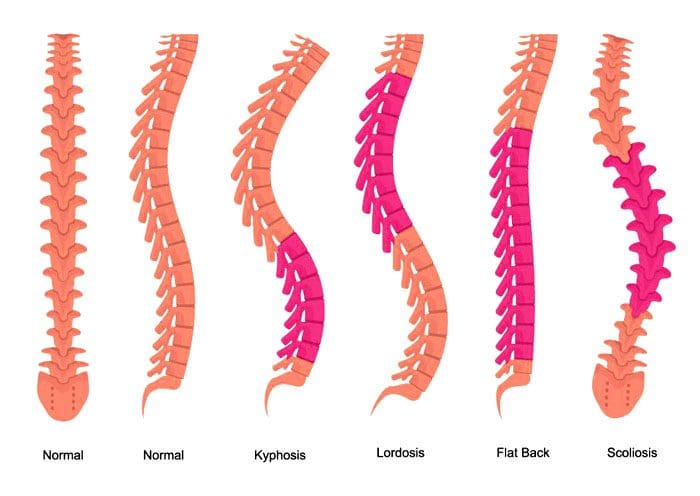
A non-invasive method of treating scoliosis. Yoga Has Been Shown To Help Reverse Scoliosis. Scoliosis is the lateral curvature of the spine. The spine bends inward toward the front of the body at the neck region and lower back region. This curve is known as lordosis and bows outward in the middle-back region. This is known as kyphosis. If the spine curves to the side, this could indicate curvature that could be scoliosis. It can be painful and often can affect an individual’s appearance once the measurement goes beyond 25 – 30 degrees. One shoulder is usually higher than the other, and clothing cannot fit properly. If the curve goes beyond 60 degrees, it can affect breathing and cardiac function.
Idiopathic Causes Unknown
This condition can consist of various components, especially with more intense curves. The ribs can shift backward on the side where the curve bulges. Most cases consist of adolescent idiopathic (without a known cause) scoliosis. Because the cause is unknown, there are not a variety of effective treatment besides surgery. Physicians carefully keep an eye for:
Curves under 25 degrees.
Bracing between 25 and 45 degrees.
Consider surgery for intense curvature.
Curves in individuals typically appear between 12 and 20 years old.
Yoga Shown To Reverse Scoliosis
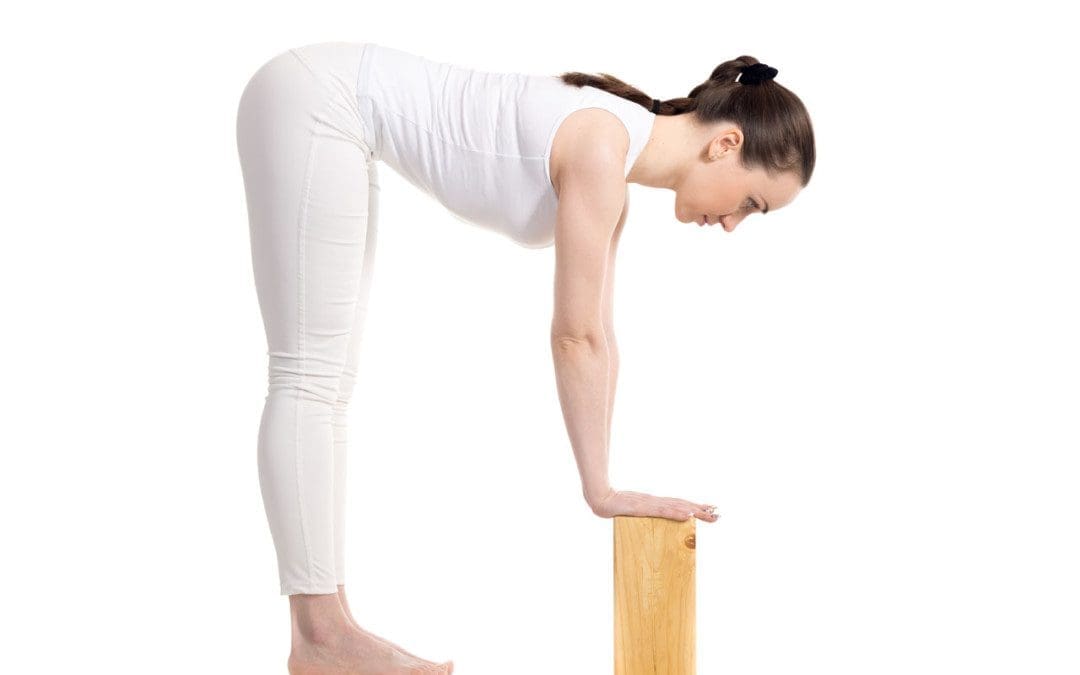
Individuals are recommended to do just one yoga pose daily. However, depending on the type and severity of the curves, it could be more than one. They are asked to perform the pose for 5 minutes or less, depending on the condition. A yoga therapist, chiropractor, and physical therapist can generate significant spinal improvement. This could mean that a curve of 30 degrees could be reduced to around 18 degrees in 10-12 months. Individuals that do the poses at least 4 times a week have shown 80-90% improvement. The pose can be done at work during breaks, etc.
The biggest advantage of this technique is that it is non-invasive; it can help individuals with developing curves, reversing the curvature early. Most curves do not reach the point of surgery. In late adolescence and teen years, the spine is still quite flexible. This can help accelerate the effectiveness of the yoga pose to straighten the spine. The technique reduces the curve from worsening. X-rays will show if the curvature has improved or not. Patients could be asked to do the pose/s twice or more daily depending on the direction the condition is taking.
Body Composition
Gluten Effects
Gluten causes digestive issues for individuals that have celiac disease or autoimmune thyroid disease. Individuals with these conditions could experience a variety of uncomfortable and/or painful effects. These symptoms can vary based on their presentation. They fall into classifications.
Classical Celiac Disease
With classical celiac disease, symptoms include:
Diarrhea
Discolored stools
Constipation
Abdominal bloating and pain
Weight loss
However, these symptoms are more common in children than adults. In adults, symptoms are more similar to non-classical celiac disease.
Non-Classical Celiac Disease
With non-classical celiac disease, severe digestive symptoms may not present as classic celiac disease symptoms but develop other symptoms. These include:
Silent celiac disease is less visible. Individuals might not see any symptoms. However, damage to the intestines is still happening from gluten consumption.
Autoimmune Thyroid Disease
Autoimmune Thyroid Disease or ATD. Autoimmune thyroid disease includes conditions like Hashimoto’s disease. This affects the thyroid gland and causes:
Extreme fatigue
Sensitivity to cold
Hair loss
Body aches
Joint aches
Negative health effects
Studies have shown that gluten-free helps alleviate symptoms.
References
Loren M. Fishman, M.D., B.Phil. (oxon). Healing Yoga. (New York: W.W. Norton, 2014).
Loren M. Fishman, M.D., B.Phil. (oxon). “Isometric Yoga-Like Maneuvers Improve Adolescent Idiopathic Scoliosis—A Nonrandomized Control Trial.” Global Advances in Health and Medicine. February 24, 2021. https://journals.sagepub.com/doi/full/10.1177/2164956120988259
Fishman LM, Groessl EJ, Sherman KJ, “Serial Case Reporting Yoga for Idiopathic and Degenerative Scoliosis.” Global Advances in Health and Medicine. September 1, 2014. https://journals.sagepub.com/doi/10.7453/gahmj.2013.064
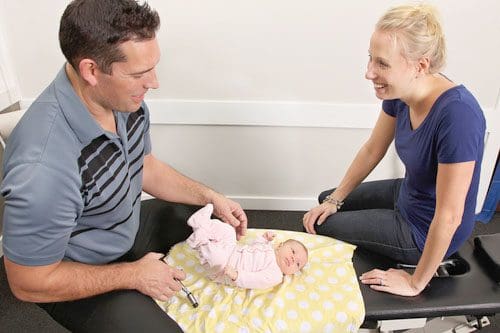
Chiropractic adjustments for children’s health is nothing new, but it could be something new for parents. Do children really need chiropractic adjustments? Chiropractic physicians, also known as DC’s provide techniques and treatments that pediatricians don’t offer.
Chiropractors offer non-invasive options, before referring an individual to a pain specialist that might only prescribe medication/s and surgery. The body’s central nervous system controls everything. Birth itself can be physically traumatic for some infants. Therefore, receiving an adjustment can improve neurological input and correction, allowing for healthy development. �
�
If involved in sports or some type of physical activity, chiropractic helps recovery from injuries progress faster and is less traumatic than disruptive therapies like pain-meds or surgery. Chiropractic medicine takes into account the entire person when there is an adjustment/correction in one area, it supports and corrects the other areas.
Depending on the chiropractor, other techniques and specialties like acupuncture, craniosacral, nutrition, and more could be incorporated into a patient’s treatment plan. Here are a few ways chiropractic can benefit children’s health.
�
Non-invasive
Chiropractic treatment is holistic and non-invasive. For children’s health, adjustments help with proper growth and development by removing or limiting digestive issues like:
Nursing
Re-flux
Colic
Constipation
Other issues for where pediatric chiropractic care can be utilized include:
Allergies
Asthma
Bed-wetting
Colds
Ear infections
Attention deficit disorder
Attention deficit hyperactivity disorder
Autism
�
However, unlike adults, children, and especially infants, chiropractic medicine focuses on mobilization that places a lower amount of pressure on the area, rather than manipulation associated with chiropractic for adult treatment that places more pressure on the area being adjusted.
�
Nutrition
Parents who are considering chiropractic treatment for their children’s health and wellness should also expect nutritional health coaching for optimal health. Chiropractors go through extensive training in nutrition and are qualified to offer nutritional plans that are part of the treatment.
Proper nutrition is important for everyone�s health. But for children who are growing and developing, it is essential that they get the nutrients they need for optimal spine health and development. Some foods and food additives can cause behavioral issues. These foods include:
Dairy
Artificial colors
Sugar
Preservatives
Other food allergens
Chiropractors can help parents and caregivers by testing and identifying behavioral triggers whose root cause could be nutritional that is improper or deficient for children’s health. �
�
Wellness Philosophy
Educating parents and families about the benefits of proper nutrition and fitness are essential for children’s health and wellness. Families need to follow the principles of:
Eating whole foods
Junk food minimalization
Electronic device limits
Playing/exercising regularly
These are strategies that will reduce childhood obesity that is causing a range of problems for health care like Type 2 diabetes, high cholesterol, and high blood pressure. Excess weight in young children and if it goes on for a long time creates a higher chance of earlier death in adulthood. From a psychological perspective, it is important to understand that during childhood kids can develop a negative body image, leading to low self-esteem, and causing depression. This can lead to serious mental health issues.
The scope of our information is limited to chiropractic, musculoskeletal, physical medicines, wellness, and sensitive health issues and/or functional medicine articles, topics, and discussions. We use functional health & wellness protocols to treat and support care for injuries or disorders of the musculoskeletal system. Our posts, topics, subjects, and insights cover clinical matters, issues, and topics that relate and support directly or indirectly our clinical scope of practice.*
Our office has made a reasonable attempt to provide supportive citations and has identified the relevant research study or studies supporting our posts. We also make copies of supporting research studies available to the board and or the public upon request. We understand that we cover matters that require an additional explanation as to how it may assist in a particular care plan or treatment protocol; therefore, to further discuss the subject matter above, please feel free to ask Dr. Alex Jimenez or contact us at 915-850-0900. The provider(s) Licensed in Texas& New Mexico*
Chiropractic is more than spinal manipulation. More people are choosing chiropractic for their pain symptoms, conditions, and injuries. Many are exchanging pills and surgery for all-natural non-invasive medicine known as chiropractic. Chiropractors do not prescribe medications and do not perform surgery. But they are trained to recognize when an injury is outside the scope of their practice and will refer an individual to the appropriate medical specialist.
Here are a few reasons why individuals are trying out chiropractic:
Doctors recommend chiropractic
The American College of Physicians recommends chiropractic and other non-drug treatments, as a first-line treatment for chronic and acute low back pain. Spinal manipulation is strongly recommended as a natural remedy. It is highly effective when combined with gentle exercises like Pilates, yoga, and tai chi.
Studies show spinal manipulation highly effective
The Journal of the American Medical Association cited spinal manipulation to be highly beneficial in treating lower back pain. Results are consistently showing that chiropractic treatment, specifically spinal manipulation, is effective in helping low back pain and improving function while minimizing pain.
95% Return for treatment
In the 2016 Gallup-Palmer College of Chiropractic Annual Report, 95% of people who used chiropractic say that it is an effective treatment. 97% said that if back or neck pain returned they would seek chiropractic treatment again. More than half of adults that have never seen a chiropractor said they would seek chiropractic treatment if they developed neck or back pain.
Chiropractic rated higher than All other treatments for back pain
A Consumer Reports survey ranked chiropractic as a top treatment compared to medications for back pain, osteoarthritis, and neck pain relief.
Individuals prefer a whole-body approach that includes:
Lifestyle recommendations
Dietary advice
Supplements for pain, immobility, and range of motion problems.
Many said they opted for natural treatments like chiropractic to avoid harmful and undesirable side effects of prescription medication.
Opioids
With the Centers for Disease Control declaring prescription abuse an epidemic, individuals are searching for safer options. Natural treatments are becoming more popular to avoid the potential for addiction. And not just addiction but the often side effects that come with prescription meds, like constipation, brain fog, nausea, dry mouth, etc.
Spine surgery rising Individuals seeking the less invasive option
Spinal fusion surgery has been on a steep rise, increasing by about 500%. Therefore many are going for natural treatment like chiropractic to avoid surgery. Chiropractic looks at the whole person along with advice on lifestyle habits, dietary adjustments, and exercise programs. The bottom line is it works. It is less invasive, and yes, it is drug-free, but most of all, it is effective.
How adjustments work
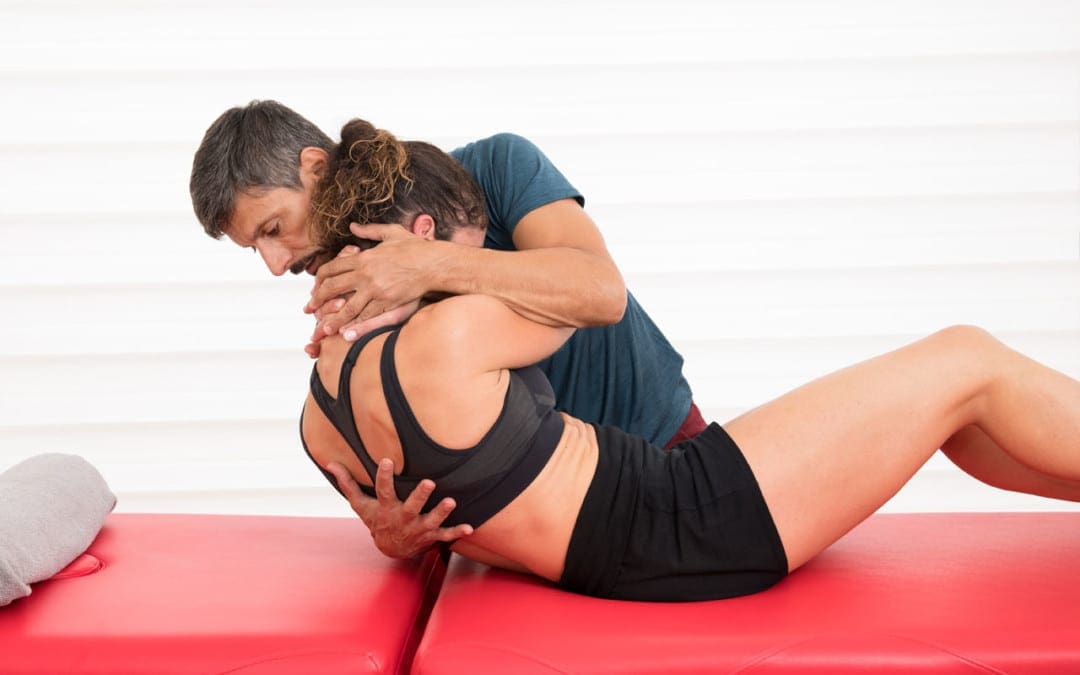
When the vertebrae become misaligned, they place pressure on the nerves and cause pain, swelling, awkward movement/s, etc. This is called a subluxation. Chiropractors use their repertoire of techniques that equal a form of spinal adjustment to treat the subluxations. An adjustment means that the vertebra is returned to the proper position in the spine. When the vertebrae are adjusted, tiny pockets of gas are released from the joints, sometimes make a popping/releasing noise. It is the same sound when cracking knuckles.
The benefits
Individuals with the following conditions have found chiropractic to be helpful:
Arthritis
Bursitis and
Fibromyalgia
Headaches
Leg pain
Pain or stiffness in the neck, shoulders, back, arms, hands, chest, abdomen, hips, legs, feet.
Sciatica
Scoliosis
Sports injuries
Tendonitis
Trauma injuries like auto accidents
Other Services
The main method of treatment is spinal adjustment, many chiropractors use a variety of therapies to treat patients, including:
Health Coaching
Exercise
Diet
Massage
Weight loss
Stress management
Chiropractic medicine is more than just spinal manipulation. Chiropractors use a variety of treatments to help the body heal itself and return individuals to a pain-free and healthy life.
IFM's Find A Practitioner tool is the largest referral network in Functional Medicine, created to help patients locate Functional Medicine practitioners anywhere in the world. IFM Certified Practitioners are listed first in the search results, given their extensive education in Functional Medicine