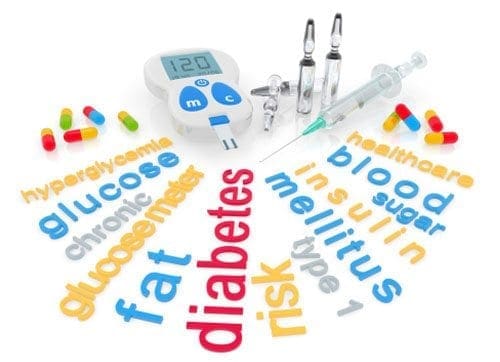
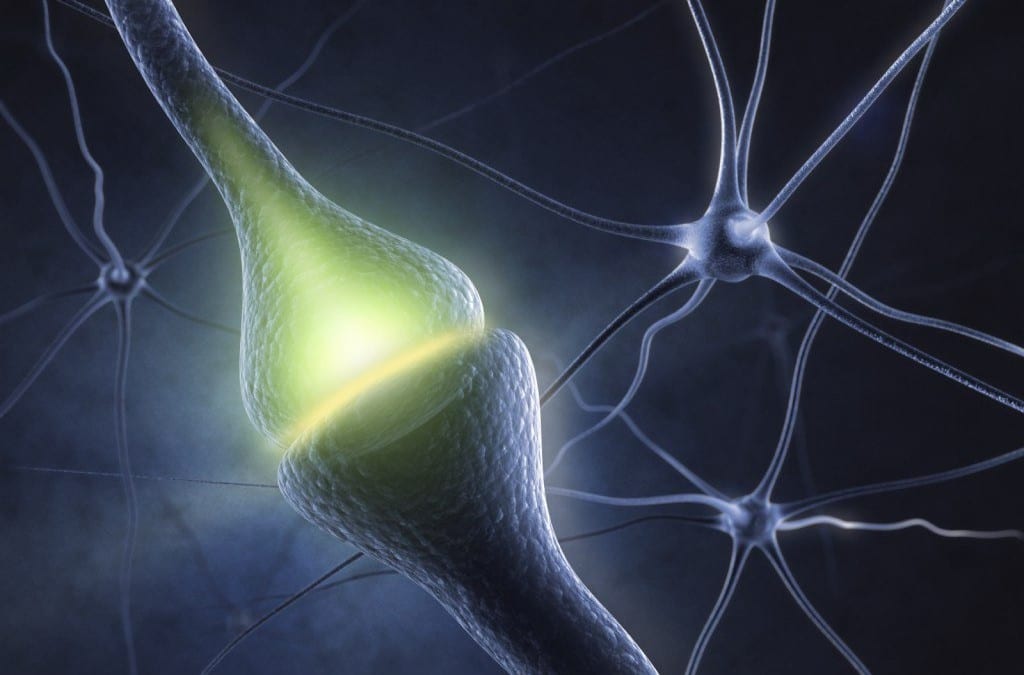
Peripheral neuropathy most commonly develops in patients who’ve been previously diagnosed with pre-diabetes. According to researchers from the University of Utah, early interventions can allow people to maintain their overall health and wellness. Further research studies have revealed that peripheral nerve damage begins with pre-diabetes and obesity.
Approximately more than one in three adults in the United States, about 86 million people, have pre-diabetes. Without the proper body weight and moderate physical activity, 15 to 30 percent of these individuals could develop type 2 diabetes within 5 years.
“We now know a lot more than we did 3 to 5 years ago about neuropathic pain in patients with pre-diabetes. Neuropathy affects patients with pre-diabetes in a continuum,” stated Dr. Rob Singleton, MD, and professor of neurology at the University of Utah in Salt Lake City. “We think obesity and the dysfunction of lips or fats are what’s actually causing the issues.”
During another research study conducted and published by researchers from the University of Michigan in JAMA Neurology, peripheral neuropathy was also commonly diagnosed in patients with obesity, regardless if they had normal blood sugar levels when compared with lean, control patient participants. This same study additionally confirmed that the rate of neuropathy increased in individuals with pre-diabetes and diabetes, leading the researchers to conclude that pre-diabetes, diabetes and obesity are possible metabolic drivers of peripheral neuropathy.
Dr. Singleton and his team of researchers have been studying peripheral neuropathy associated with pre-diabetes and metabolic syndrome as well as which forms of treatment may work best for the condition. Metabolic syndrome is characterized as the group of risk factors which increases the chance of experiencing heart disease, diabetes and stroke. Risk factors include: high blood pressure; elevated blood glucose, high cholesterol and abdominal fat. Throughout their research, they discovered that many patients with metabolic syndrome had pre-diabetes and peripheral neuropathy.
�We have demonstrated that in pre-diabetics with neuropathic pain, exercise can reduce neuropathic pain and can increase the intradermal nerve fibers in the thigh and ankle. We are in the process now of replicating that study,� Dr. Rob Singleton explained in an interview with an endocrinology advisor. �You need to improve lipid, or cholesterol, function and glucose levels. Lifestyle issues have to be addressed.�
The Relation Between Pre-Diabetes & Peripheral Neuropathy
New research studies have evaluated the relationship between pre-diabetes and peripheral neuropathy. In a study published in Diabetes Care, Dr. Christine Lee, PhD, of the University of Toronto, determined that pre-diabetes created similar risks towards nerve damage and dysfunction, which often lead to the development of peripheral neuropathy, as those caused by diabetes.
Evidence suggests that peripheral neuropathy begins in the early stages of the diabetes pathogenesis. Dr. Lee and other researchers evaluated 467 individuals. The researchers found that peripheral neuropathy was common in 29 percent of adults with normal glucose levels as compared to 49 percent in adults diagnosed with pre-diabetes and 50 percent in adults diagnosed with diabetes. The researchers also established that pre-diabetes, or a progression of elevated glucose levels in the course of 3 years concluded an increased risk of developing peripheral neuropathy and nerve damage or dysfunction.
“Early interventions such as lifestyle changes involving proper diet and exercise, could be ultimately essential towards preventing severe nerve complications,” stated Dr. Christine Lee. Another study published in Diabetes Care by Dr. Rob Singleton in 2006, supported this statement. Dr. Singleton and other researchers concluded that dietary changes and physical activity can result in cutaneous reinnervation as well as improved symptoms in patients with pre-diabetes.
Peripheral Nerve Damage Before Diabetes
Its fundamental to acknowledge that the nerve injury which occurs with peripheral neuropathy can occur before diabetes develops. As a matter of fact, current research studies have shown that obesity, even with normal blood sugar levels, has been associated with causing peripheral neuropathy as well as pre-diabetes.
Fortunately, more and more research studies and evidence on the issue has been published to help enlighten doctors and the public. Although it is essential to maintain fasting glucose levels between 70 to 80 mg/dL, it is equally important to manage a healthy weight, LDL cholesterol and triglycerides. All of this can be achieved without the use of medication or bariatric procedures. Natural treatments and holistic care options are also available to help control the symptoms of the disease.
Nerve dysfunction, characterized by symptoms of pain, tingling sensations and numbness are common among individuals with diabetes. However, new research studies have found that nerve injuries can also occur as a result of obesity, where patients are diagnosed with pre-diabetes.
For more information, please feel free to ask Dr. Jimenez or contact us at 915-850-0900 .�
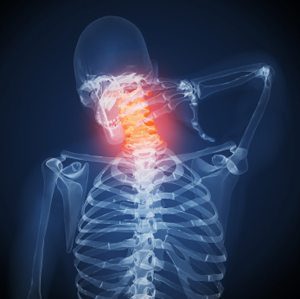
Neck pain is characterized as the most prevalent symptom after being involved in an automobile accident. During an auto collision, the body is exposed to a sheer amount of force due to the high speed impact, causing the head and neck to jolt abruptly back-and-forth as the rest of the body remains in place. This often results in the damage or injury of the cervical spine and its surrounding tissues, leading to neck pain and other common symptoms associated with whiplash-related disorders.
Being overweight or obese is assumed to be the primary factor for people to develop type 2 diabetes. Excess weight is generally associated with insulin resistance and diabetes, however, it’s this insulin resistance, not the excess weight, which can cause the disease to develop.
Because of this, many individual’s who maintain a healthy weight may not necessarily be metabolically healthy, which can in turn increase the risk of diseases, such as type 2 diabetes, regardless if they’re overweight or obese. According to researchers from the University of Florida, one of the greatest risk factors for developing type 2 diabetes is actually inactivity, which can increase the risk or pre-diabetes even if you have a healthy weight.
Inactivity and Pre-diabetes
If you were looking for motivation to get moving, this study, published in the American Journal of Preventive Medicine, is as good as it gets.1
In a research study published in the American Journal of Preventive Medicine, a survey of more than 1,100 healthy-weight individuals, those who were inactive, or physically active for less than 30 minutes per week, were more likely to score an A1C test level of 5.7 or higher, which is considered to be pre-diabetic.
The researchers suggested that people who live a sedentary lifestyle yet have a healthy weight may have �what is referred to as normal-weight obesity or skinny fat, which they described as a high proportion of fat to lean muscle.
�Don�t focus solely on the scale and think you�re OK. If you have a sedentary lifestyle, make sure you get up and move,� lead author Arch Mainous III, chair of health services research, management and policy in the University of Florida�s College of Public Health and Health Professions, stated in a news release of the subject matter.
Weight May Not Reveal a Person�s Metabolic Health
Dr. Robert Lustig, professor of pediatric endocrinology at the University of California, San Francisco, USCF, explains that weight isn’t necessarily an accurate tool to determine a person’s metabolic health. Dr. Lustig is best known for speaking out about the health risks of sugar. In a 2015 interview, he declared the issue of “judging a book by its cover” in terms of weight and health.
Approximately more than two-thirds of the American population is overweight or obese. About 50 percent have pre-diabetes or diabete and 1 out of every 3 have high blood pressure. Many of these individuals additionally have high serum triglycerides, which can be a huge factor when it comes to heart disease and stroke. Insulin resistance is a component of all of these health issues. According to Dr. Robert Lustig, at least 50 percent of the American population has some form of insulin resistance, regardless if they have an excess of weight or not.
Exercise is Essential to Prevent Diabetes
A variety of research studies and other evidence have concluded that regular participation and engagement in exercise and physical activity, which includes reducing time being spent sitting, can be crucial to help lower an individual’s risk of developing diabetes. Exercise can even help treat the disease once you’ve been diagnosed.
Sitting for more than eight hours a day has been shown to increase the risk of developing type 2 diabetes by up to 90 percent, while people with diabetes who participated in a six-month moderate-intensity exercise program experienced considerable health improvements, including decreased fat in the abdomen, liver and around the heart.
How to Determine if You�re Pre-Diabetic
If you’re uncertain on what your fasting insulin and glucose levels are to determine if you’re pre-diabetic, there are various blood tests which are recommended to receive annually. The fasting insulin level reflects how healthy a person’s blood glucose levels are over time.
A normal fasting blood insulin level is below 5, but ideally, you will want it to read below 3. A fasting glucose level below 100 mg/dl suggests you�re not insulin resistant while a level between 100 and 125 confirms you may have pre-diabetes. If these results, or your A1C level, confirms you either have or are at risk of pre-diabetes or diabetes, its fundamental for you to take action. Furthermore, a hip-to-waist size index chart can also be helpful to help determine the proper diagnosis for pre-diabetes or diabetes.
When it comes to evaluating whether the individual is overweight or obese, the previous tests may be better than utilizing the body mass index method, or BMI, as this test fails to factor in both how much muscle and intra-abdominal fat mass, or the visceral fat that accumulates around the inner organs, an individual may have. These can be indicators of insulin/leptin sensitivity and other associated health problems.
Insulin Sensitivity Improvements in Two Weeks
Fortunately, with proper exercise and a carefully balanced diet, people can reverse the course of type 2 diabetes. These benefits have been documented in as little as two weeks, in some instances, occurring just after one exercise session. During a research study for example, inactive but healthy middle-aged adults improved their insulin sensitivity and regulated their blood sugar over two weeks of interval training, about three sessions per week. A follow-up study also found that interval training positively impacted insulin sensitivity.
The research study was conducted involving people with type 2 diabetes and after only one interval training session, the individuals experienced an improvement in the regulation of their blood sugar for the following 24 hours. By exercising in short, high-intensity bursts, known as intervals, you can exercise for longer periods of time at a slower, steady pace and still experience the benefits.�A recommended high-intensity interval training, or HIIT, approach is the Peak Fitness method, which consists of 30 secons of maximum effort followed by 90 seconds of recuperation, for a total of eight repetitions. Very slow weight lifting for your resistance training is also recommended.
Standing Up From Sitting is Also Essential
Moreover, it’s important to understand that exercising for 20 or 30 minutes a day but sitting for the rest is not enough physical activity to begin categorizing yourself as an active individual. In fact, sitting for an extended period of time has been linked to the development of chronic diseases such as diabetes, primarily because it can increase aging at a cellular level.
In a research study involving women ranging from 64 to 95 years of age, those who were sedentary and sat for more than 10 hours a day who engaged in only 40 minutes of moderate to vigorous exercise experienced shorter telomeres. In addition, the sedentary women were biologically about 8 years older than the active women in the research study.
The telomeres are utilized to measure biological aging because every time a cell divides, these become shorter. Shorter telomeres have also been associated with other chronic diseases, such as cancer, heart disease and diabetes.
Furthermore, the body’s ability to properly respond to insulin can be tremendously affected by only a single day of excessive inactivity. Sitting for extended periods of time can cause the pancreas to produce increased amounts of insulin. A research study published in Diabetologia, found that individuals who sat for long periods of time were twice as likely to develop diabetes of heart disease compared to individuals who sat for short periods of time. It’s recommended to replace the majority of your sitting with exercise or physical activity, keeping sedentary habits to three hours a day or less.
What to Do if You Have Pre-Diabetes or Diabetes
Being thin doesn’t necesarily mean you have more lean muscle than fat in your body. Having a higher percentage of fat than lean muscle can set the stage for insulin resistance. It’s not as simple to assume you’re metabolically healthy just because you’re not overweight or obese, especially if you live a sedentary lifestyle. Thin people who are also sedentary have as much risk of developing type 2 diabetes as someone who has excess weight.
The good news is, there�s plenty you can do to not only reduce your risk of developing type 2 diabetes and pre-diabetes but also to improve your metabolic health at the same time.
During the three-year Diabetes Prevention Program study, lifestyle interventions were found to be more effective than the diabetes drug Metformin at preventing or delaying the development of the disease in people at higher risk. A follow-up research study monitored the group for 15 years and lifestyle interventions were still more effective than Metformin at preventing diabetes.
One of the most important dietary recommendations is to limit net carbs, or total carbohydrates minus fiber, and protein, replacing them with higher amounts of high-quality healthy fats, such as seeds, nuts, raw grass-fed butter, olives, avocado, coconut oil, organic pastured eggs and animal fats, including animal-based omega-3s.
If you�re insulin resistant or diabetic, its also suggested that you limit your total fructose intake to 15 grams per day until your insulin/leptin resistance has improved, increasing to 25 grams, and then begin intermittent fasting as soon as possible.
In conclusion, exercise and physical activity while reducing the amount of time spent sitting, together with a balanced diet, including optimized levels of vitamin D and gut health, as well as proper sleep, are crucial towards preventing or improving type 2 diabetes and pre-diabetes. Taken together, this plan will �also substantially lower your risk of diabetes and related chronic diseases, helping you to avoid becoming victim to a health condition you might not even realize you have.
Type 2 diabetes is commonly described to develop in overweight or obese individuals, however, recent research studies have demonstrated that slim, healthy people are also at risk of developing the disease. In fact, a sedentary lifestyle has been linked to be the major factor behind the development of type 2 diabetes in American adults.
For more information, please feel free to ask Dr. Jimenez or contact us at 915-850-0900 .
Neck pain is characterized as the most prevalent symptom after being involved in an automobile accident. During an auto collision, the body is exposed to a sheer amount of force due to the high speed impact, causing the head and neck to jolt abruptly back-and-forth as the rest of the body remains in place. This often results in the damage or injury of the cervical spine and its surrounding tissues, leading to neck pain and other common symptoms associated with whiplash-related disorders.
Chiropractic adjustment has various applications. From the treatment of chronic pain and pre-existing conditions to early or sudden onset pain. Perhaps most frequently cited, sufferers of back and neck pain, sciatica, migraines and more have found relief from chiropractic medicine.
In fact, many medical doctors recommend that their patients seek chiropractic care for a variety of conditions before seeking more invasive measures such as surgery. This sentiment was (echoed by the American Medical Association) as recently as 2013.
Relieving Back & Neck Pain
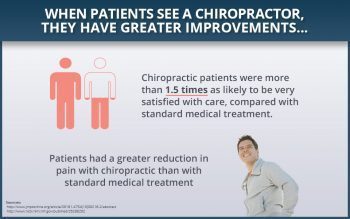
Roughly 80% of adults have experienced back pain at some point. (In a study by Consumer Reports), �14,000 sufferers were surveyed. None of these individuals had undergone back surgery of any type. By the end of the study, Chiropractic adjustment was rated as the #1 treatment option.
At the conclusion of the twelve-week study, patients who underwent regular chiropractic adjustments were twice as likely to be pain free as those who were treated with medication. (Further research demonstrates) the validity of chiropractic adjustments as easily seen via magnetic resonance imaging (MRI).
Patients with lower back pain often experience limited mobility in the lumbar spine region that produces degeneration as well as adhesions within the joints of the vertebrae. When patients received an MRI scan following a chiropractic adjustment, the imaging showed an increase in spinal gapping. This breaks up the adhesions, allows the joints to move freely, and lead to a reduction in pain.
Headaches and Migraines
Chronic head pain, including migraines is another common condition that chiropractic adjustment can provide relief for. Through manipulation, chiropractic medicine is able to relieve pressure off of the nerves and provide relief. Headache and migraine sufferers may find long-term relief with continued adjustments, resulting in lessening the severity of symptoms or the frequency of onset.
There is also published research showing the validity of these treatment options. In an (Australian study that tracked 127 migraine sufferers), those who received regular chiropractic adjustments reported a decrease in migraine attacks as well as the need to take less medication.
Considering the rising costs of healthcare, specifically prescription medication, mitigating pharmaceutical costs can provide extra benefits.
Foundation for Chiropractic Progress
In Support of Chiropractic Care
Chiropractic care is becoming increasingly more widespread. Support from medical research and organizations such as The American Medical Association, as well as high profile supporters such as Tiger Woods, Jerry Rice, Aaron Rodgers have helped bring the treatments into the mainstream.
Today, Chiropractic medicine is practiced all over the world, and is an increasingly popular as well as effective form of treatment for a variety of conditions, including but not limited to the ones mentioned above.
(Some more statistics)
Utilizing chiropractic adjustments for treatment of back pain may help save Medicare costs by more than $80 million per year.
Back pain sufferers whose first point of treatment included a medical doctor or surgeon, went on to receive surgery 42.7% of the time. For sufferers who sought chiropractic adjustment first, surgery only occurred 1.5% of the time.
Chronic pain sufferers who sought treatment through chiropractic adjustment experienced a 20% reduction in overall care costs.
Is Chiropractic Adjustment Right for You?
The effectiveness of chiropractic adjustment in treating chronic and recent onset conditions is supported through research, scientific study, as well as patients just like you. If you are suffering from pain or discomfort in your neck, back, joints, or elsewhere,�contact a well qualified Chiropractor near you.
About the Author:
Dr. Alec�with Proactive Chiropractic and Rehab Centre extensively studied human anatomy, physiology, radiology, kinesiology and post graduate seminars in topics such as herniated disc, whiplash, functional movement, car accident rehabilitation. With over 10 years of experience, Dr. Alec helps care for patients with back pain, neck pain, headaches, knee pain, shoulder pain, foot pain, whiplash, etc. Treatment services include: spinal decompression therapy, functional rehabilitation, active release technique, gua sha, electro-stimulation, intersegmental traction, hands-on chiropractic adjustment, instrument assisted chiropractic adjustment and rehabilitation. Dr. Alec takes pride in providing individualized treatment for each patient, with lasting results.
Some People don’t believe in Chiropractic Treatment. However, chiropractic care is becoming increasingly widespread through�medical research. And�top supporters, such as Tiger Woods, Jerry Rice, and Aaron Rodgers have helped to bring�chiropractic�treatment into the mainstream.
Neuropathy means damage to the nerves, which transmit messages from the spinal cord to the brain. Neuropathy often causes numbness and tingling in the hands and feet, called peripheral neuropathy. Physical injury or trauma to nerves most often causes neuropathy; between 60 to 70 percent of diabetics also have neuropathy, ranging from mild to severe, according to the National Institute of Neurological Disorders and Stroke. A number of diseases, acute infections and toxins can also cause neuropathy. Many people turn to herbs for relief — but do not take herbs for neuropathy without your doctor�s approval.
Cayenne Pepper
Cayenne pepper contains capsaicin, a topical pain reliever that can help reduce discomfort from neuropathy. Capsaicin works by depleting substance P, a pain-causing chemical, from nerve receptors. Applying cayenne pepper in a topical solution initially stimulates the release of substance P but then depletes it, which decreases pain. Several over-the-counter topical pain relievers containing cayenne pepper approved for use by United States Food and Drug Administration are available. They appear to help at least some people with neuropathies from shingles; trigeminal neuralgia, which causes facial neuropathy; and diabetic retinopathy, the Diabetes Self-Management website reports. In some cases, topical application of this herb can worsen pain. Wright State University pharmacy suggests starting with the weakest concentration of the herb and increasing over time. It can take one to two months to work up to the strongest dose.
A systematic review of studies conducted by the University of Oxford reported on study findings in the April 24, 2004 issue of the �British Medical Journal.� L. Mason and colleagues, of the Pain Research and Nuffield Department of Anaesthetics, reported that capsaicin had poor to moderate effectiveness overall in six separate studies.
Evening Primrose Oil
Evening primrose oil, also called EPO, contains an omega-6 essential fatty acid, gamma-linolenic acid. In some studies, EPO showed benefit for use in diabetic retinopathy. A 2003 article published in �The Journal of the American Board of Family Practice� by Kathleen M. Halat and pharmacist Cathi E. Dennehy of the University of California�San Francisco reviewed studies done on the effectiveness of EPO in treating diabetic neuropathy without causing adverse effects on blood glucose levels. The authors concluded that EPO may have benefit in treating mild diabetic neuropathy, but that patient compliance with the number of pills required, 8 to 12 per day, might be problematic.
St. John’s Wort
Antidepressants are often used as treatment for polyneuropathy, neuropathy that affects number of areas rather than just one. St. John�s wort, an herb that has antidepressant properties, is also used to treat neuropathy in some patients. A 2001 study reported in �Pain� by Soren Sindrup, M.D., of the University of Southern Denmark found no improvement of polyneuropathy in patients given St. John�s wort compared to placebo.
Ginkgo Biloba
In an animal study reported by Yee Suk Kim, M.D., and colleagues of the Catholic University of Seoul and published in the June 2009 issue of �Anesthesia and Analgesia,� ginkgo biloba was found to decrease neuropathic pain in rats. Ginkgo may also prove valuable for use in humans, the study concluded.
Characterized by pain, tingling sensations and numbness, damage or injury to the nerves can alter the function of the nervous system. Neuropathy can interrupt the communication of the nerves between the brain, spinal cord and the central nervous system. Several treatments have been found to improve the symptoms of neuropathy and a herbal treatment containing several specific herbs can help improve the condition.
Trending Topic: Vaccines Revealed Episode 6
Dr. Gentempo and others are bringing great awareness to our community regarding vaccinations and their dangers.
Vaccines Revealed and Exposed on Episode #6
As a healthcare provider, Dr. Patrick Gentempo has been searching for the truth behind the effects of vaccines on the general population. When making critical decisions about you and your children�s health, it�s essential to have the correct knowledge of all medical procedures you�re being involved in, including the administration of mandatory vaccines, among others.
Peripheral neuropathy is a condition that affects the nerves outside of the brain or spinal cord. It can cause changes to sensation, movement and involuntary functions. Pressure on the nerves can cause peripheral neuropathy, as can certain conditions such as Charcot-Marie-Tooth disease, an inherited disorder. MedlinePlus, a website of the National Institutes of Health, points out that some types of peripheral neuropathy do not have a cure. The nerve damage from this condition can have lasting effects.
Reduced Feeling
Peripheral neuropathy affects three types of nerves: sensory, motor and autonomic. The sensory nerves relay information to the brain such as a change in temperature. When peripheral neuropathy damages the sensory nerves, patients can experience nerve pain, burning sensations or tingling. Some patients may have numbness that starts in the feet and moves up in the body. MayoClinic.com explains that with the numbness, patients can have reduced feeling in their limbs, which can affect their ability to sense changes. Problems can arise, such as in the case of a peripheral neuropathy patient who cannot feel pain in his feet and therefore does not notice a foot injury. If the injury goes untreated, an infection can develop.
Problems Moving
Since peripheral neuropathy can affect the motor nerves, patients may have a partial or total loss of movement and muscle control. For example, patients may experience paralysis of certain parts of the body such as the arms or legs. MedlinePlus points out that patients may fall from tripping over themselves. Peripheral neuropathy can cause muscle atrophy, in which patients lose some muscle tissue. Patients may have a lack of muscle control and dexterity, which can affect their ability to do tasks that require fine movements, such as writing with a pen. Damage to the autonomic nerves, which control the involuntary functions, can also impair movement. For example, patients can have dizziness when they stand up.
Weight Loss
Peripheral neuropathy patients may lose weight as a result of the autonomic nerve damage symptoms. MedlinePlus points out that peripheral neuropathy patients can lose more than 5 percent of their body weight. They may have nausea and vomiting after meals. The autonomic symptoms of peripheral neuropathy cause patients to feel full after eating a small amount of food, which can also affect weight. Motor nerve damage in the throat can affect patients’ ability to swallow, which may cause them to eat less.
Low Self-esteem
MedlinePlus explains that the symptoms of peripheral neuropathy can cause patients to have low self-esteem. For example, male peripheral neuropathy patients may feel self-conscious about impotency problems. Urinary incontinence, or urine leakage, is another embarrassing problem related to peripheral neuropathy that can affect self-esteem.
Because neuropathy can affect the nervous system, it can generally cause lasting effects on the body if left untreated. Some cases of nerve damage can be incurable, altering the overall function between the brain, spinal cord and the rest of the body, developing other issues which have been previously linked to neuropathy, such as sensory issues and even weight loss.
Trending Topic: Vaccines Revealed Episode 6
Dr. Gentempo and others are bringing great awareness to our community regarding vaccinations and their dangers.
Vaccines Revealed and Exposed on Episode #6
As a healthcare provider, Dr. Patrick Gentempo has been searching for the truth behind the effects of vaccines on the general population. When making critical decisions about you and your children�s health, it�s essential to have the correct knowledge of all medical procedures you�re being involved in, including the administration of mandatory vaccines, among others.
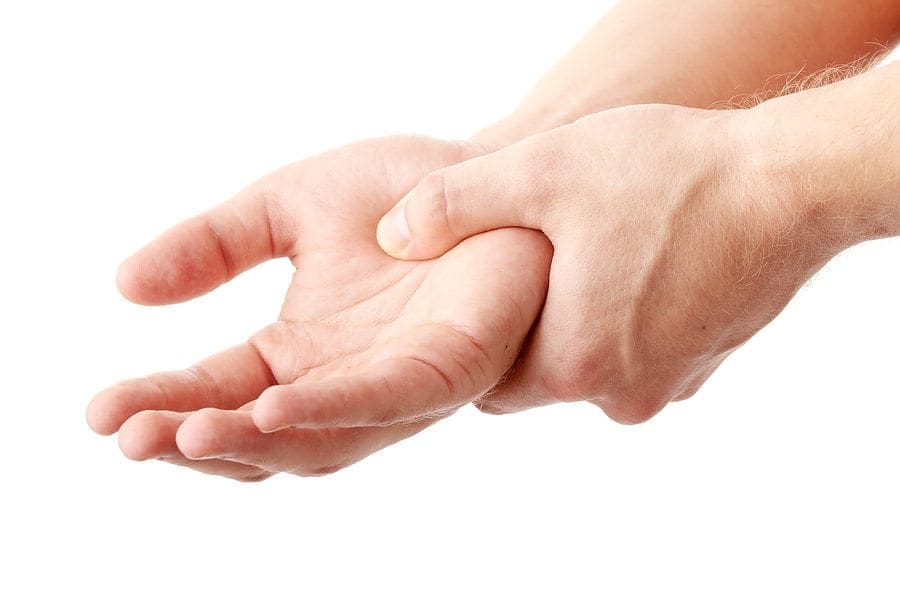
Neuropathy, also known as peripheral neuropathy, is a condition that causes numbness, pain, tingling and weakness, usually in the hands and feet. It may occur episodically or progress gradually over years. According to the Neuropathy Association (NA), 30 percent of cases evolve from diabetes, 30 percent from unknown causes and 40 percent from infections, autoimmune disorders, genetic factors, nutrient imbalances, tumors or toxins. Symptoms of neuropathy vary depending on type of neuropathy and which nerves are affected.
Sensory Symptoms
Neuropathy causes damage to fibers that affect physical sensation, which causes nerve pain, tingling and numbness. Sensory damage may reduce a person’s ability to determine the position of his joints and suffer from poor coordination. According to the University of Maryland Medical Center (UMMC), sensation symptoms frequently start within the feet and gradually progress toward the body’s center as neuropathy worsens. Though sensory symptoms are common among diabetes-related neuropathy, it affects other forms as well.
Mobility Issues
When neuropathy causes damage to fibers that affect a person’s muscles, it can lead to physical weakness, loss of dexterity and reduced muscle mass. Muscle cramping or twitching, trouble swallowing or breathing, paralysis of affected body parts and reduced muscle control may also occur. According to the UMMC, these symptoms often lead to tripping, resultant injuries and difficulty executing tasks that require dexterity, such as buttoning a shirt, writing and opening jars and doors. Reduced nerve function in the hands may cause people to drop objects frequently. When leg muscles are weakened, people may struggle to run or walk or observe a sense of “heaviness” in the legs. Normally simple tasks such as climbing stairs may become challenging and lead to frustration and muscle cramps.
Autonomic Symptoms
Neuropathy may also affect that autonomic nerves that contribute to involuntary functions, such as heartbeat, digestive processes, blood pressure and organ function. When this occurs, numerous symptoms may evolve, such as blurry vision, constipation or diarrhea, inability or reduced ability to sweat, abdominal bloating and difficulty during urination. According to the UMMC, fainting or dizziness upon standing may indicate a drop in blood pressure caused by autonomic neuropathy symptoms. People with neuropathy may become sensitive to heat during physical exertion, such as exercise. When the digestive system is affected, nausea or vomiting may occur after eating. Impotence in males and unintentional weight loss may also stem from these symptoms.
Damage or injury to the structures of the nervous system, primarily the peripheral nerves, can alter the function of these intricate connections, affecting the communications between the brain and the rest of the body in a disorder known as neuropathy. Neuropathy requires a diagnosis but common, well-known symptoms such as pain, tingling sensations and numbness, can indicate its presence.
Trending Topic: Vaccines Revealed Episode 6
Dr. Gentempo and others are bringing great awareness to our community regarding vaccinations and their dangers.
Vaccines Revealed and Exposed on Episode #6
As a healthcare provider, Dr. Patrick Gentempo has been searching for the truth behind the effects of vaccines on the general population. When making critical decisions about you and your children�s health, it�s essential to have the correct knowledge of all medical procedures you�re being involved in, including the administration of mandatory vaccines, among others.
For more information, please feel free to ask Dr. Jimenez or contact us at 915-850-0900 .�
Neuropathy affects about 8 percent of people over age 55. Your nervous system consists of two parts: the central nervous system and the peripheral nervous system.
The nerves of your peripheral nervous system transmit messages between your central nervous system, your brain, spinal cord, and the rest of your body.
These nerves regulate a large range of functions throughout the body, including voluntary muscle movement (motor nerves), involuntary organ activity (autonomic nerves), and the perception of stimuli (sensory nerves).
Peripheral neuropathy, which is often simply referred to as “neuropathy,” is a condition that occurs when your peripheral nerves become damaged or disrupted. It is estimated that neuropathy affects about 2.4 percent of the general population and about 8 percent of people older than age 55.
However, this estimate doesn’t include people affected by a neuropathy resulting from physical trauma to the nerves.
Neuropathy Types
Neuropathy can affect any of the three types of peripheral nerves:
Sensory nerves carry messages from your sensory organs (eyes, nose, etc.) to your brain
Motor nerves monitor the conscious movement of your muscles
Autonomic nerves, regulate the involuntary functions of your body
Sometimes, neuropathy will only affect a single nerve. This is called mononeuropathy and examples include:
Ulnar neuropathy (elbow)
Radial neuropathy (arm)
Peroneal neuropathy (knee)
Femoral neuropathy (thigh)
Cervical neuropathy (neck)
Occasionally, two or more isolated nerves in separate areas of the body become damaged, resulting in mono neuritis multiplex neuropathy.
Most often, however, multiple peripheral nerves malfunction at the same time, a condition known as polyneuropathy.
According to the National Institute for Neurological Disorders and Stroke (NINDS), there are more than 100 types of peripheral neuropathies.
Neuropathy Causes
Neuropathies are either inherited at birth or acquired later in life.
The most common inherited neuropathy is the neurological disorder Charcot-Marie-Tooth disease, which affects 1 in 2,500 people in the United States.
Though doctors are sometimes unable to pinpoint the exact cause of an acquired neuropathy (this is then known as idiopathic neuropathy), there are many known causes: systemic diseases, physical trauma, infectious diseases, and autoimmune disorders.
A systemic disease is one that affects the whole body.
The most common systemic cause behind peripheral neuropathy is diabetes, which can cause chronically high blood glucose levels that damage nerves.
Many other systemic issues can cause neuropathy, including:
Kidney disorders, allow high levels of nerve-damaging toxic substances to circulate in the blood
Toxins from exposure to heavy metals, including arsenic, lead, mercury, and thallium
Certain drugs, including anticancer medications, anticonvulsants, antivirals, and antibiotics
Chemical imbalances due to liver diseases
Hormonal diseases, including hyperthyroidism, disturb metabolic processes, potentially causing tissues and body parts to swell and exert pressure on nerves
Deficiencies in vitamins, including E, B1 (thiamine), B6 (pyridoxine), B12, and niacin, which are vital for healthy nerves
Alcohol abuse causes vitamin deficiencies and may also directly damage nerves
Cancers and tumors that exert harmful pressure on nerve fibers
Chronic inflammation can damage protective tissues around nerves, making them more vulnerable to compression or susceptible to becoming inflamed
Blood diseases and blood vessel damage can harm nerve tissue by decreasing the available oxygen supply
In addition, if a nerve suffers from isolated physical trauma, it can become damaged, resulting in neuropathy. Nerves may suffer a direct blow that severs, crushes, compresses, or stretches them, even to the point of detaching them from the spinal cord.
Common causes behind these injuries are motor vehicle accidents, falls, and sports injuries.
Nerve damage can also arise from strong pressure on a nerve, such as from broken bones and poorly fitted casts. Prolonged pressure on a nerve can also cause neuropathy, as in carpal tunnel syndrome, which occurs when the median nerve in the wrist becomes pinched.
And repetitive physical stress can inflame muscles, tendons, and ligaments, putting significant pressure on nerves.
Numerous infections from viruses and bacteria can cause neuropathy by attacking nerve tissues directly or indirectly, such as:
HIV
Shingles
Epstein-Barr virus
Lyme disease
Diphtheria
Leprosy
Furthermore, various autoimmune disorders in which the body’s immune system attacks and destroys healthy body tissue can lead to nerve damage, including:
When an individual experiences damage or injury to their peripheral nerves, the essential communications between the central nervous system, the brain, spinal cord and the rest of the body can be interrupted, leading to complications such as neuropathy. There are several types of neuropathy and numerous possible causes for the condition, however, most share similar symptoms like pain and discomfort.
IFM's Find A Practitioner tool is the largest referral network in Functional Medicine, created to help patients locate Functional Medicine practitioners anywhere in the world. IFM Certified Practitioners are listed first in the search results, given their extensive education in Functional Medicine

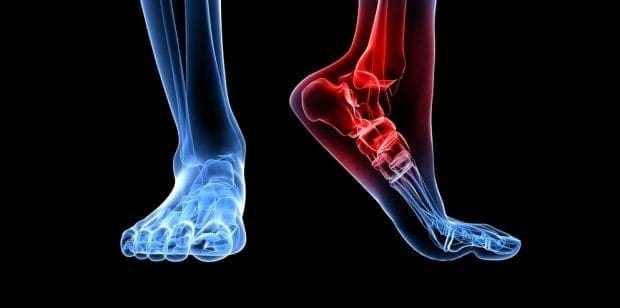
 neuropathy was also commonly diagnosed in patients with obesity, regardless if they had normal blood sugar levels when compared with lean, control patient participants. This same study additionally confirmed that the rate of neuropathy increased in individuals with pre-diabetes and diabetes, leading the researchers to conclude that pre-diabetes, diabetes and obesity are possible metabolic drivers of peripheral neuropathy.