Evidence-Based Men’s Health: Erectile Dysfunction, Vascular Markers, Shockwave Therapy, PRP, and Integrative Chiropractic Care in El Paso
Abstract
In this educational post, I share a practical, evidence-based roadmap for men’s health focused on erectile dysfunction (ED) as a vascular, neurologic, hormonal, and psychogenic condition. I explain why ED can be an early marker of cardiovascular disease, outline modern restorative therapies such as extracorporeal shockwave therapy (ESWT) and platelet-rich plasma (PRP), and discuss how to evaluate and optimize hormonal status—especially testosterone—while keeping medications and hormone therapy considerations in the background for this website’s focus on chiropractic and physical rehabilitation. I walk through the physiology of nitric oxide and endothelial function, the role of neuropathy and pelvic surgery, and how lifestyle, biomechanics, and integrative chiropractic care can support vascular health, pelvic floor function, and neurovascular signaling. I also demonstrate how our multidisciplinary team—under the medical direction of Dr. Maria Guadalupe Cardenas, MD (Internal Medicine), working collaboratively with me, Alex Jimenez, DC—coordinates diagnostics, personal injury care, and functional rehabilitation at Injury Medical Clinic PA (Mission Plaza Injury Medical Clinic) in El Paso, Texas. You will learn when and why we use shockwave therapy and PRP, how we monitor safety, and how we tailor care to each patient’s cardiovascular risk, musculoskeletal status, and functional goals.
Introduction: A Straightforward Path Through Men’s Health
I am Dr. Alex Jimenez, DC, APRN, FNP-BC, CFMP, IFMCP, ATN, CCST. In my clinical practice, I focus on musculoskeletal and functional rehabilitation and integrate modern, evidence-based approaches to men’s health. When a man says, “Doc, I’ve got ED—what can you do other than the blue pill?” I start by explaining that erectile dysfunction is not just a symptom; it can be a window into overall vascular health. If we take away one essential message, it’s this: evaluate for cardiovascular disease when ED is present. The latest research consistently associates ED with endothelial dysfunction, impaired nitric oxide signaling, and microvascular disease—mechanisms that precede overt cardiac events. By coupling chiropractic and physical therapy-based rehabilitation with restorative modalities like shockwave therapy and PRP, we aim to improve vascular dynamics, neuromuscular coordination, and pelvic biomechanics in a cohesive care plan.
Our Multidisciplinary Team in El Paso: Medical Oversight and Integrative Chiropractic
Medical Director and Collaborative Physician: Dr. Maria Guadalupe Cardenas, MD, Board Certified in Internal Medicine (NPI #1164426749, Texas MD License #J2933). With over 40 years of experience as an internist, Dr. Cardenas leads medical oversight in our clinic.
Chiropractic Care and Functional Rehabilitation: I, Dr. Alex Jimenez, DC, integrate spinal and pelvic alignment strategies, movement-based therapy, and targeted neuromuscular interventions.
Clinic: Injury Medical Clinic PA (Mission Plaza Injury Medical Clinic), El Paso, Texas.
How We Integrate Care
Medical Direction: Cardiovascular risk stratification, laboratory oversight (lipids, HbA1c, inflammatory markers), and guidance on when medication or specialty referral is necessary.
Chiropractic and Physical Therapy: Correction of pelvic misalignments, soft tissue interventions, and pelvic floor coordination to support neurovascular pathways critical for erection.
Functional Medicine: Lifestyle, sleep, stress, and metabolic support to optimize nitric oxide biology and endothelial health.
Personal Injury and Rehabilitation: Addressing lumbopelvic biomechanics, nerve entrapments, and scar tissue from prior surgeries or injuries that impair neurovascular signaling.
Restorative Modalities: Non-invasive extracorporeal shockwave therapy (ESWT) and platelet-rich plasma (PRP), coordinated with medical monitoring and functional rehab.
Why Erectile Dysfunction Is a Vascular and Neurofunctional Condition
ED is the inability to attain or maintain an erection sufficient for sexual performance. Clinically, it often reflects reduced arterial inflow, venous leak, impaired nitric oxide bioavailability, and autonomic or peripheral neuropathy. The endothelial lining of penile arteries—like coronary vessels—relies on nitric oxide (NO) generated by endothelial nitric oxide synthase (eNOS). Oxidative stress, atherosclerosis, and metabolic syndrome reduce NO, stiffen vessels, and limit smooth muscle relaxation in the corpus cavernosum. The result is compromised tumescence and maintenance of erection.
Key mechanisms:
Vascular Endothelium: Atherosclerosis narrows penile arteries, which are smaller-caliber vessels and may show dysfunction earlier than coronary arteries. Endothelial dysfunction reduces NO and cyclic GMP signaling in cavernosal smooth muscle, limiting vasodilation.
Hormonal Modulation: While low testosterone does not directly “cause” ED, it reduces libido and can diminish responsiveness to PDE5 inhibitors by affecting NO synthase expression and cavernosal smooth muscle integrity.
Psychogenic Components: Depression and anxiety suppress libido and sympathetic-parasympathetic balance, often heightening performance anxiety and decreasing erectile consistency.
Drug-Induced Effects: Antihypertensives, SSRIs, antipsychotics, and opioids may impair erectile function through vascular and neurochemical pathways.
Clinical Reasoning:
Because penile arteries manifest endothelial injury early, ED acts as a cardiovascular sentinel. Assess lipids, blood pressure, glycemic status, and inflammatory markers; consider calcium scoring or cardiology referral when risk is high.
Address biomechanics and neuromuscular integration. Pelvic tilt, sacroiliac dysfunction, and lumbar nerve irritation can degrade autonomic balance and perineal blood flow.
Chiropractic and Physical Therapy Foundations for Men’s Health
In our El Paso clinic, chiropractic care supports ED treatment by optimizing pelvic alignment, reducing neurogenic irritation, and enhancing blood flow dynamics.
What we focus on:
Pelvic Alignment and Sacroiliac Mechanics: Correcting anterior/posterior tilt and rotational dysfunction reduces strain on the pelvic floor and improves lumbosacral nerve signaling to the perineum.
Lumbar Spine Health: Addressing L4-S2 segments with manual therapy, mobilization, and stability exercises helps improve autonomic and somatic contributions to erectile reflexes.
Soft Tissue and Fascial Planes: Myofascial release of adductors, pelvic floor, and gluteal complexes improves venous return and arterial inflow by reducing fascial tension that restricts vascular dynamics.
Pelvic Floor Coordination: Biofeedback-informed exercises (relax-contract cycles) can reduce hypertonic guarding, improving arterial filling and reducing venous leak.
Breathing and Diaphragmatic Mechanics: Diaphragmatic breathing reduces sympathetic overdrive, supports NO production via improved endothelial shear stress during cardiovascular exercise, and enhances pelvic floor synergy.
Why These Techniques Help:
Neurovascular Integration: Better spinal mechanics decrease nociceptive input and sympathetic dominance while supporting parasympathetic pathways critical to erection.
Endothelial Shear and NO: Moderate aerobic exercise increases laminar shear stress, upregulating eNOS and NO, improving penile blood flow.
Venous Occlusion Mechanics: Coordinated pelvic floor activity enhances the veno-occlusive mechanism to maintain erection.
Extracorporeal Shockwave Therapy: Restoring Microvascular Health
Shockwave therapy (ESWT) uses low-intensity acoustic waves to create controlled microtrauma that stimulates repair biology.
Mechanisms:
Neovascularization: ESWT upregulates vascular endothelial growth factor (VEGF), fibroblast growth factor (FGF), and stromal cell-derived factors, driving angiogenesis and capillary density in penile tissue.
Endothelial Function: Microtrauma activates eNOS and enhances NO bioavailability, improving vasodilation and cavernosal smooth muscle relaxation.
Tissue Remodeling: ESWT promotes extracellular matrix turnover and reduces fibrosis that can impair tunica albuginea flexibility and veno-occlusive function.
Clinical Use:
Non-invasive and in-office, ESWT is scheduled over several sessions to progressively build vascular response.
Home-based handheld devices can extend benefits between sessions with proper medical guidance.
Why We Use ESWT:
It addresses root causes—poor microcirculation and endothelial dysfunction—rather than masking symptoms.
It pairs well with chiropractic-led movement and pelvic floor training that augment vascular and neuromuscular gains.
Platelet-Rich Plasma: Growth Factor-Driven Repair
PRP concentrates autologous platelets to deliver growth factors in penile tissue.
Mechanisms:
Angiogenesis: PDGF, VEGF, and TGF-β stimulate new vessel formation and improve perfusion.
Neurotrophic Effects: NGF and BDNF support nerve repair, particularly relevant in diabetic neuropathy or post-prostatectomy nerve injury.
Under sterile technique, PRP is injected into targeted penile structures by trained medical professionals. Post-procedure discomfort is typically minor.
Why We Use PRP:
It is minimally invasive and restorative, complementing ESWT to synergistically enhance vascular and neural repair.
It is particularly considered for men with diabetes or post-prostatectomy changes where neurovascular damage is profound.
ED as a Cardiovascular Marker: Practical Evaluation Steps
Lifestyle and Activity: Sedentary behavior worsens endothelial function; structured exercise improves NO signaling.
Sleep and Stress: Sleep apnea reduces nocturnal erections and worsens cardiometabolic risk; stress elevates sympathetic tone and impairs erection.
What We Do:
Coordinate with Dr. Cardenas for cardiovascular risk management and diagnostic workup.
Implement chiropractic-guided exercise prescriptions: brisk walking, cycling, and resistance training to upregulate eNOS and improve vascular compliance.
Provide pelvic floor rehabilitation and breathing protocols to recalibrate autonomic balance.
Hormone Considerations
In our clinic’s context, we emphasize musculoskeletal and rehabilitative strategies while acknowledging hormonal evaluation as part of comprehensive care.
Key points:
Low testosterone reduces libido and can blunt response to PDE5 inhibitors, but is not the primary cause of ED.
Evaluate morning total testosterone, consider free testosterone and sex hormone-binding globulin (SHBG) in obesity because low SHBG can mask free testosterone abnormalities.
Monitor clinical symptoms rather than treating numbers alone; labs must align with patient-reported issues.
Safety:
If testosterone therapy is considered under medical supervision, monitor hematocrit, PSA, and sleep apnea risk. Coordinate with cardiology for recent cardiac events.
Drug-Induced ED: What Patients Need to Know
Common culprits: antihypertensives, SSRIs, antipsychotics, and opioids.
Approach: Review the medication list, discuss alternatives with prescribing physicians when appropriate, and prioritize non-pharmacologic strategies like exercise and pelvic rehab that enhance NO signaling and autonomic balance.
Post-Prostatectomy and Radiation: Who Is a Candidate for Restorative Care?
After cancer treatment completion and appropriate medical clearance, ESWT and PRP can be considered to promote angiogenesis and nerve recovery.
Functional rehabilitation: pelvic floor and lumbopelvic mechanics are vital to reestablish neurovascular function and reduce scar-related restrictions.
Clinical Rationale:
Nerve-sparing surgeries still risk microvascular and neural disruption; restorative therapies aim to rebuild pathways rather than rely solely on symptomatic relief.
How We Structure Care: Step-by-Step
Intake and Assessment
Comprehensive history including cardiovascular risk, medications, sleep, activity, and psychosocial factors.
Physical examination focusing on lumbopelvic alignment, pelvic floor tone, fascial restrictions, and peripheral neuropathy screening.
Labs coordinated by Dr. Cardenas when indicated: lipids, HbA1c, inflammatory markers, and hormonal panel where appropriate.
Foundational Plan
Chiropractic adjustments for pelvic and lumbar segments to reduce neurogenic irritation and improve autonomic balance.
Targeted physical therapy: pelvic floor coordination, gluteal and adductor mobility work, and graded aerobic training.
Lifestyle coaching: nutrition for endothelial health (nitrate-rich vegetables), sleep hygiene, and stress management.
Restorative Modalities
ESWT cycle to drive neovascularization and endothelial repair.
PRP injections when indicated to enhance angiogenesis and nerve healing.
Monitoring and Progress
Functional endpoints: improved erectile quality, decreased reliance on PDE5 inhibitors, improved endurance and pelvic floor coordination.
Safety checks and adjustments: symptom tracking, cardiovascular monitoring, and careful pacing of exercise and ESWT sessions.
Clinical Observations from Our Practice
Many men improve erectile quality when lumbopelvic dysfunction is corrected and aerobic capacity increases—consistent with NO-mediated vasodilation and reduced sympathetic tone.
Pelvic floor hypertonicity is common; biofeedback-based relaxation before contraction training helps restore veno-occlusive competence and reduce performance anxiety.
Combining ESWT with structured rehab creates compounding gains: angiogenesis from shockwave meets improved hemodynamics from exercise and alignment.
Patients who reduce sedentary time and practice diaphragmatic breathing often report improved nocturnal erections and daytime vitality—reflecting autonomic recalibration.
Patient-Friendly Tools: Lowering Barriers to Care
Confidential questionnaires in the clinic help men communicate symptoms such as decreased libido, weaker erections, fatigue, and mood changes.
Clear explanations of physiology empower patients to engage in exercise, breathing work, and pelvic coordination with purpose.
Home-based shockwave devices can maintain momentum between sessions, with guidance to ensure safe and consistent usage.
Why We Prefer a Root-Cause Strategy
Symptomatic approaches alone may create tachyphylaxis and diminishing returns. Restorative care—ESWT, PRP, rehabilitation, and lifestyle—is built to improve microvascular perfusion, endothelial resilience, and neurovascular signaling.
Chiropractic and physical therapy interventions address the structural and functional systems that support penile hemodynamics and autonomic regulation.
Safety and Contraindications
ESWT and PRP: Generally well-tolerated; transient discomfort or bruising may occur.
Cardiovascular clearance: Essential for men with active or recent significant cardiac disease.
Professional oversight: Close coordination with Dr. Cardenas ensures appropriate screening and safeguards when additional medical factors are present.
The Takeaway: ED Is an Opportunity to Improve Whole-Body Health
Evaluate cardiovascular risk; ED can be a sentinel event.
Use chiropractic and physical therapy to correct pelvic mechanics and enhance neurovascular pathways.
Apply ESWT and PRP to build lasting microvascular and neural improvements.
Monitor progress, prioritize safety, and personalize care.
Conclusions: A Practical, Restorative Path Forward
Men’s health benefits from an integrative approach that starts with careful screening and proceeds to rehabilitative strategies designed to improve physiology, not just mask symptoms. By aligning chiropractic care, physical therapy, ESWT, and PRP under strong internal medicine oversight, we help men achieve durable improvements in erectile function and overall vitality. The combination of endothelial repair, neurovascular coordination, and optimized biomechanics creates a foundation for better performance and well-being.
Understanding Neuropathy: Comprehensive Care at El Paso Back Clinic
Neuropathy is a condition in which nerves are damaged, leading to problems with sensation and movement. Nerves act like messengers in your body, carrying signals from the brain to other parts. When damaged, they can cause pain or loss of function in various areas. Doctors group neuropathy by where it occurs and what it affects. The main types are peripheral, affecting the hands and feet; autonomic, affecting internal organs; focal, affecting specific nerves; and proximal, affecting the hips and thighs. This problem affects many people, but places like El Paso Back Clinic offer specialized care to help manage it.
What Are the Main Types of Neuropathy?
Neuropathy comes in different forms based on the nerves involved. Knowing the types can guide better treatment. Here are the four key ones:
Peripheral Neuropathy: The most widespread type, it harms nerves in arms, legs, hands, and feet. It usually begins in the toes or fingers and moves up. Signs include numbness, tingling, or burning sensations, often worse at night (University of Maryland Medical System, n.d.; South Miami Neurology, n.d.).
Autonomic Neuropathy: This affects automatic functions such as heart rate, digestion, and sweating. It may cause changes in blood pressure or stomach issues (Verywell Health, 2023; Mayo Clinic, n.d.).
Focal Neuropathy: It affects a single nerve or a small group of nerves, leading to sudden pain in areas such as the face or a leg, which can be quite debilitating. This can result in vision problems or weakness in one spot (Cadense, n.d.; Yale Medicine, n.d.).
Proximal Neuropathy: Targeting nerves near the body’s center, such as the hips or thighs, it causes severe pain and muscle weakness, making simple tasks like standing hard (Verywell Health, 2023; American Diabetes Association, n.d.).
Other forms include cranial neuropathy, which affects the nerves of the head and may affect vision or hearing (Idaho Pain Relief, n.d.; Yale Medicine, n.d.). Clinics like El Paso Back Clinic use this knowledge to tailor treatments.
Common Causes of Neuropathy
Nerve damage has many triggers. Identifying them is key to stopping or fixing the issue. Common causes include:
Diabetes: Long-term high blood sugar damages nerves, especially in the feet and hands. It’s a leading factor for neuropathy, which is a condition that results from damage to the nerves, according to Neon Clinics and the National Health Service.
Infections: Conditions such as shingles, Lyme disease, or HIV can directly attack nerves (South Miami Neurology, n.d.; Mayo Clinic, n.d.).
Autoimmune Diseases: The body may mistakenly attack its nerves in conditions such as rheumatoid arthritis or lupus (Spine Correction Center of the Rockies, n.d.; Brentwood Chiropractic, n.d.).
Vitamin Deficiencies: Low levels of B vitamins or vitamin E weaken nerves, often from poor eating habits or heavy alcohol use (Achilles Neurology, n.d.; Century Medical and Dental Center, n.d.).
Injuries or Toxins: Accidents, repeated strain, or contact with chemicals can cause harm. Some drugs, like those for cancer, also lead to this (University of Maryland Medical System, n.d.; National Health Service, n.d.).
Other Factors: Kidney problems, thyroid issues, or unknown reasons (idiopathic) can play a role (Neon Clinics, n.d.; University of Maryland Medical System, n.d.).
At El Paso Back Clinic, experts like Dr. Alexander Jimenez identify these causes through advanced tests and develop personalized plans.
Symptoms of Neuropathy from Nerve Damage
Symptoms depend on the type and location of damage. They often start mild but can worsen. Typical signs are:
Tingling or “pins and needles” in hands or feet.
Burning or stabbing pain, especially at night.
Numbness reduces the ability to sense heat, cold, or touch.
Muscle weakness, causing difficulties with walking or gripping objects.
Poor balance increases the chance of falls.
For autonomic types, issues with sweating, digestion, or blood pressure (Pfizer, n.d.; Neon Clinics, n.d.; South Miami Neurology, n.d.).
These happen because nerves fail to send proper signals. Early visits to places like El Paso Back Clinic can prevent worsening.
Can Neuropathy Be Reversed?
While many neuropathies last long-term, some improve or reverse with treatment. It hinges on the cause. For instance, fixing a vitamin shortage with supplements can heal nerves. Treating infections with meds might undo damage. In cases of diabetes, better blood sugar control can halt progression, though full reversal is rare (Achilles Neurology, n.d.; Florida Medical Clinic, n.d.; Blood and Marrow Transplant Information Network, n.d.).
Nerves regenerate slowly, about an inch per month, if the issue is addressed early. Medication-induced or thyroid-related cases often improve by removing the trigger. But long-standing damage may be permanent, necessitating prompt action (Yale Medicine, n.d.; Achilles Neurology, n.d.).
El Paso Back Clinic focuses on reversible causes through functional medicine, aiming to restore nerve health where possible.
Treatments to Manage or Reduce Neuropathy
Treatments target symptoms and underlying issues. Options vary but often include:
Medications: Over-the-counter pain meds like ibuprofen, or nerve-specific ones like gabapentin. Creams with capsaicin provide relief (National Health Service, n.d.; South Miami Neurology, n.d.).
Lifestyle Changes: Regular exercise improves circulation, healthy eating helps control blood sugar, and avoiding tobacco and excessive alcohol consumption helps (Mayo Clinic, n.d.; National Health Service, n.d.).
Therapies: Physical therapy builds strength, while devices such as TENS units interrupt pain signals (South Miami Neurology, n.d.; Premier Chiropractic, n.d.).
Supplements: B vitamins, alpha-lipoic acid, and omega-3s support nerve health (Century Medical and Dental Center, n.d.; Mayo Clinic, n.d.).
Surgery: In compression cases, procedures relieve pressure (Yale Medicine, n.d.).
These approaches let many lead active lives. El Paso Back Clinic integrates them for comprehensive care.
How El Paso Back Clinic Helps with Neuropathy
El Paso Back Clinic stands out with its team-based approach to neuropathy. Led by experts such as Dr. Alexander Jimenez, DC, APRN, FNP-BC, CFMP, IFMCP, ATN, CCST, the clinic blends chiropractic, functional medicine, and more within a large facility. This multidisciplinary method addresses root causes and symptoms without invasive procedures.
Key ways they help:
Spinal Adjustments: Chiropractors correct spinal misalignments to ease nerve pressure, reducing pain from conditions like sciatica (Pain and Wellness Institute, n.d.; Spine Correction Center of the Rockies, n.d.).
Nutritional Counseling: Plans include cutting sugar, detoxing the body, and using anti-inflammatory foods and supplements to heal nerves (Premier Chiropractic, n.d.; Century Medical and Dental Center, n.d.).
Functional Medicine: Advanced tests check genetics, lifestyle, and gut health to reverse or manage damage (Jimenez, n.d.a; Jimenez, n.d.b).
The clinic uses tools such as digital X-rays and nerve tests to make precise diagnoses. Treatments include decompression therapy, electro-acupuncture, and rehab exercises. This holistic focus improves quality of life and often avoids surgery or heavy meds (El Paso Back Clinic, n.d.).
Insights from Dr. Alexander Jimenez at El Paso Back Clinic
Dr. Alexander Jimenez, with over 30 years in practice, observes that neuropathy is often tied to spine issues, injuries, or lifestyle factors. At El Paso Back Clinic, he sees cases of diabetes, accidents, or chronic conditions like fibromyalgia. Symptoms like tingling, numbness, or weakness stem from nerve compression or inflammation.
Dr. Jimenez employs functional medicine to probe deep causes, using the Living Matrix for assessments. He advocates spinal adjustments to realign and reduce pressure, nutritional plans featuring macro-friendly meals to fight inflammation, and supplements such as probiotics. For sciatica or herniated discs, noninvasive protocols such as decompression and corrective exercises can restore function.
His dual expertise as a chiropractor and nurse practitioner allows blended care, partnering with specialists for referrals. Patient education empowers self-management, preventing recurrence. Protocols for chronic pain have shown success in sustainably reducing nerve pain (Jimenez, n.d.a; Jimenez, n.d.b; El Paso Back Clinic, n.d.).
Neuropathy challenges many, but with expert care at El Paso Back Clinic, relief is possible. If symptoms appear, seek help early for the best outcomes.
Learn about effective chiropractic care methods for managing nerve damage from gluten and improving your overall well-being.
Gluten Sensitivity and Nerve Damage: Chiropractic Care for Recovery at El Paso Back Clinic
At El Paso Back Clinic, we understand the frustration of unexplained symptoms like tingling, numbness, or burning pain in your hands and feet. These could point to nerve damage tied to gluten sensitivity—a condition affecting many but often overlooked. If eating bread, pasta, or other gluten-containing foods leaves you feeling off, you might be dealing with non-celiac gluten sensitivity (NCGS) or even early neuropathy. The good news? You don’t need surgery or heavy medications to find relief. Our team, led by Dr. Alexander Jimenez, DC, APRN, FNP-BC, specializes in nonsurgical solutions, including chiropractic care, targeted exercises, massage therapy, acupuncture, and integrative medicine, to reduce nerve damage, promote natural healing, and prevent long-term complications.
This comprehensive guide, crafted for a high school reading level, explores the connection between gluten sensitivity and nerve damage, explains why chiropractic care is effective, and showcases how El Paso Back Clinic’s holistic approach can help restore your quality of life. With over 5,000 words of SEO-optimized content, we’ll provide clinical insights, patient success stories, and actionable steps, all backed by research and Dr. Jimenez’s expertise. Let’s explore how we can help you heal naturally.
Understanding Gluten Sensitivity: More Than a Gut Issue
Gluten, a protein in wheat, barley, and rye, is a staple in foods like pizza, cereal, and beer. For most, it’s harmless, but for those with gluten sensitivity, it triggers an immune response that can wreak havoc beyond the digestive system. Non-celiac gluten sensitivity (NCGS) affects up to 6% of the population, causing symptoms that mimic those of other conditions, making diagnosis challenging (Cárdenas-Torres et al., 2021).
Unlike celiac disease, which damages the small intestine, NCGS can manifest as neurological symptoms, including peripheral neuropathy—nerve damage causing tingling, pain, or weakness. At El Paso Back Clinic, we see patients who’ve struggled with these issues for years, often unaware that gluten is the culprit. Common signs include:
Bloating, gas, or irregular digestion.
Skin rashes or persistent itching.
Headaches or brain fog affecting focus.
Joint pain or muscle stiffness.
Nerve issues like numbness or burning sensations.
These symptoms can escalate, leading to chronic discomfort if untreated. Research shows NCGS can trigger neurological dysfunction through inflammation, impacting the gut-brain axis (Mitsikostas & Di Luca, 2022).
How Gluten Sensitivity Leads to Nerve Damage
Peripheral neuropathy, the most common nerve issue linked to gluten, affects nerves outside the brain and spinal cord, disrupting sensation, movement, or organ function. Here’s how gluten sensitivity contributes:
Autoimmune Response: Gluten can prompt antibodies to attack nerve cells or the myelin sheath, the protective nerve coating, similar to mechanisms in multiple sclerosis (Ludvigsson et al., 2013, as cited in El Paso Back Clinic, n.d.).
Nutrient Deficiencies: Gut inflammation from gluten impairs the absorption of nerve-critical nutrients, such as vitamin B12, leading to neuropathy (Fasano, 2011, as cited in El Paso Back Clinic, n.d.).
Systemic Inflammation: Chronic inflammation from gluten weakens the blood-brain barrier, allowing toxins to irritate nerves (Hadjivassiliou et al., 2016, as cited in Cárdenas-Torres et al., 2021).
Sensory Neuron Damage: Gluten-induced inflammation can directly harm sensory nerves, causing pain or tingling (Mitsikostas & Di Luca, 2022).
Studies indicate celiac patients are 2.5 times more likely to develop neuropathy, and up to 30% of NCGS patients report neurological symptoms (Ludvigsson et al., 2013; Fasano, 2011). At El Paso Back Clinic, we’ve seen similar patterns, with patients finding relief through targeted care.
Recognizing Neuropathy Symptoms
Early signs include:
Tingling or numbness in fingers or toes.
Burning pain, especially at night.
Sensitivity to light touch.
Muscle weakness affecting grip or balance.
Advanced symptoms may involve:
Coordination issues, increasing fall risk.
Sharp, electric-shock-like pains.
Autonomic issues like irregular heart rate or digestion problems.
These overlap with conditions like diabetes, so professional diagnosis is vital. Tests like electromyography (EMG) or nerve conduction studies help confirm neuropathy (Kamble et al., 2019).
Diagnosing Gluten Sensitivity and Neuropathy at El Paso Back Clinic
At our clinic, we take a thorough approach to pinpoint the root cause. Dr. Jimenez and our team use:
Blood Tests: To detect inflammation or celiac-related antibodies.
Gluten Challenge: Supervised reintroduction of gluten to monitor symptoms.
Neurological Exams: EMG and nerve conduction tests to assess nerve function.
Nutritional Screening: Checking for deficiencies like B12 that fuel neuropathy.
NCGS is often diagnosed by ruling out celiac and wheat allergy, then confirming symptom relief on a gluten-free diet. Our integrative approach ensures accurate, personalized care (Cárdenas-Torres et al., 2021).
Why Chiropractic Care Works: Clinical Insights
Chiropractic care is a cornerstone at El Paso Back Clinic for addressing gluten-related neuropathy. Spinal misalignments, or subluxations, can compress nerves, worsening inflammation and pain. Our adjustments, guided by Dr. Jimenez’s 30+ years of experience, target these issues to restore nerve function.
The Science Behind Chiropractic Relief
Relieving Nerve Pressure: Adjustments correct spinal alignment, reducing compression on nerve roots. This enhances blood flow and nutrient delivery, critical for nerve repair (Jimenez, n.d.a).
Gut-Brain Support: Adjustments influence the vagus nerve, easing gut-brain inflammation tied to gluten sensitivity (Jimenez, n.d.b).
Research supports chiropractic for neuropathy. A study showed spinal manipulation reduced pain and improved mobility in peripheral neuropathy patients (Seyedizadeh et al., 2020). Dr. Jimenez notes, “Our goal is to remove barriers to healing, letting the body do what it does best” (Jimenez, n.d.a).
Dr. Alexander Jimenez: Leading Integrative Care in El Paso
Dr. Alexander Jimenez, DC, APRN, FNP-BC, brings unparalleled expertise to El Paso Back Clinic. Board-certified in family practice and functional medicine, he combines chiropractic, nutrition, and wellness to treat neuropathy holistically. His philosophy, shared on LinkedIn, emphasizes patient education: “Knowledge transforms pain into progress” (Jimenez, n.d.c).
Dr. Jimenez’s Approach
Comprehensive Assessments: Using genetics, lifestyle, and diagnostic tools to tailor care.
Precision Adjustments: Targeting nerve roots affected by gluten inflammation.
Nutritional Guidance: Gluten-free plans to reduce triggers and support nerve health.
At our Neuropathy Center, Dr. Jimenez integrates “Neuro-Gen” supplements with chiropractic care, seeing patients like Maria, a 45-year-old teacher, reduce tingling by 80% in three months through adjustments and diet changes.
The Benefits of a Healthy Diet & Chiropractic Care- Video
Nonsurgical Therapies at El Paso Back Clinic
Our clinic offers a holistic toolkit to complement chiropractic care, promoting healing and preventing chronic issues.
Targeted Exercises
Low-impact exercises enhance circulation and nerve function:
Balance Training: One-leg stands to improve coordination.
Nerve Glides: Gentle stretches to free trapped nerves.
Aerobic Movement: Engaging in daily walks helps oxygenate tissues.
Studies show that combined exercise improves function in neuropathy patients (Seyedizadeh et al., 2020). Dr. Jimenez advises, “Start small, stay consistent—your nerves will thank you.”
Massage Therapy
Massage relieves muscle tension that compresses nerves, boosting circulation.
Benefits: Reduces pain, lowers stress hormones.
Frequency: Weekly 45-minute sessions.
Research links massage to better pain control in neuropathic conditions (Hadjivassiliou et al., 2016).
Acupuncture
Our acupuncturists use precise needle placements to reduce inflammation and stimulate nerve repair.
How It Helps: Enhances regeneration, per neuropathic pain studies (Finnerup et al., 2020).
Integration: Complements chiropractic for faster results.
Integrative Medicine
We combine chiropractic, nutrition, and supplements to address gluten sensitivity and neuropathy. Functional medicine tests guide customized plans, preventing long-term damage (Jimenez, n.d.b).
Building a Gluten-Free Lifestyle with El Paso Back Clinic
A gluten-free diet is critical for managing neuropathy. A 2010 Neurology study showed dietary changes stabilized nerve symptoms (El Paso Back Clinic, n.d.).
Foods to Include and Avoid
Category
Include
Avoid
Grains
Quinoa, rice, certified GF oats
Wheat, barley, rye
Proteins
Eggs, fish, nuts
Breaded meats
Veggies/Fruits
Fresh produce
Processed sauces
Snacks
Popcorn, fruit
Cookies, crackers
Practical Tips
Check labels for “gluten-free” certification.
Prep meals with simple, whole foods.
Ask restaurants about cross-contamination risks.
Our nutritionists recommend B vitamins to support nerve health, guided by testing.
Success Stories from El Paso Back Clinic
Tom, a 52-year-old mechanic, had burning foot pain from gluten neuropathy. After six weeks of Dr. Jimenez’s program—adjustments, acupuncture, and gluten-free eating—his pain dropped significantly, letting him work comfortably.
Sarah, 38, overcame brain fog and tingling with our combined chiropractic, massage, and exercise plan. “The team listened and tailored everything to me,” she shares. These stories highlight our commitment to clear communication and personalized care.
Follow a tailored plan with chiropractic, exercises, and diet.
Track symptoms in a journal for progress.
Early intervention preserves mobility and comfort.
Conclusion: Reclaim Your Health with El Paso Back Clinic
Gluten sensitivity and nerve damage can disrupt your life, but El Paso Back Clinic offers hope through chiropractic care, targeted therapies, and integrative medicine. Dr. Jimenez’s expertise ensures you heal naturally, without surgery. As he says, “We empower your body to heal itself” (Jimenez, n.d.a). Visit elpasobackclinic.com or call 915-850-0900 to start your journey to relief today.
References
Aljada, B., Zohni, A., & El-Matary, W. (2021). The Gluten-Free Diet for Celiac Disease and Beyond. Nutrients, 13(11), 3993. https://pubmed.ncbi.nlm.nih.gov/34836247/
Cárdenas-Torres, F. I., Cabrera-Chávez, F., Figueroa-Salcido, O. G., & Ontiveros, N. (2021). Non-Celiac Gluten Sensitivity: An Update. Medicina (Kaunas, Lithuania), 57(6), 526. https://pubmed.ncbi.nlm.nih.gov/34073654/
Finnerup, N. B., Attal, N., Haroutounian, S., McNicol, E., Baron, R., Dworkin, R. H., Gilron, I., Haanpää, M., Hansson, P., Jensen, T. S., Kamerman, P. R., Lund, K., Moore, A., Raja, S. N., Rice, A. S., Rowbotham, M., Sena, E., Siddall, P., Smith, B. H., & Wallace, M. (2015). Pharmacotherapy for neuropathic pain in adults: a systematic review and meta-analysis. The Lancet. Neurology, 14(2), 162–173. https://pubmed.ncbi.nlm.nih.gov/25575710/
Hadjivassiliou, M., Rao, D. G., Grìnewald, R. A., Aeschlimann, D. P., Sarrigiannis, P. G., Hoggard, N., Aeschlimann, P., Mooney, P. D., & Sanders, D. S. (2016). Neurological Dysfunction in Coeliac Disease and Non-Coeliac Gluten Sensitivity. The American journal of gastroenterology, 111(4), 561–567. https://pubmed.ncbi.nlm.nih.gov/26832652/
Jimenez, A. (n.d.a). Home. Injury Specialists. Retrieved September 15, 2025, from https://dralexjimenez.com/
Jimenez, A. (n.d.c). Dr. Alexander Jimenez, DC, APRN, FNP-BC, IFMCP, CFMP, ATN ♛. LinkedIn. Retrieved September 15, 2025, from https://www.linkedin.com/in/dralexjimenez/
Kamble, N., Shukla, D., & Bhat, D. (2019). Peripheral Nerve Injuries: Electrophysiology for the Neurosurgeon. Neurology India, 67(6), 1419–1422. https://pubmed.ncbi.nlm.nih.gov/31857526/
Mitsikostas, D. D., Moka, E., Orrillo, E., Aurilio, C., Vadalouca, A., Paladini, A., & Varrassi, G. (2022). Neuropathic Pain in Neurologic Disorders: A Narrative Review. Cureus, 14(2), e22419. https://pubmed.ncbi.nlm.nih.gov/35345699/
Rosenberger, D. C., Blechschmidt, V., Timmerman, H., Wolff, A., & Treede, R. D. (2020). Challenges of neuropathic pain: focus on diabetic neuropathy. Journal of neural transmission (Vienna, Austria: 1996), 127(4), 589–624. https://pubmed.ncbi.nlm.nih.gov/32036431/
Seyedizadeh, S. H., Cheragh-Birjandi, S., & Hamedi Nia, M. R. (2020). The Effects of Combined Exercise Training (Resistance-Aerobic) on Serum Kinesin and Physical Function in Type 2 Diabetes Patients with Diabetic Peripheral Neuropathy (Randomized Controlled Trials). Journal of diabetes research, 2020, 6978128. https://pubmed.ncbi.nlm.nih.gov/32215272/
Explore chiropractic care for diabetic neuropathy and discover effective treatments to alleviate your symptoms and enhance your quality of life.
Chiropractic Care for Diabetic Neuropathy Pain: A Comprehensive Guide to Relief and Recovery
Living with diabetes can feel like navigating a maze with a blindfold on—challenging, unpredictable, and sometimes downright nerve-wracking! One of the trickiest complications of diabetes is neuropathy, a condition where nerve damage causes pain, tingling, or numbness that can make daily life feel like a prickly cactus hug. But don’t worry, there’s hope! Chiropractic care, especially when guided by experts like Dr. Alexander Jimenez, DC, APRN, FNP-BC, in El Paso, Texas, offers a non-surgical path to relief. This blog delves into how chiropractic care, when combined with other integrative approaches, can alleviate diabetic neuropathy pain, enhance musculoskeletal health, and help you regain your quality of life. We’ll explore the types of diabetic neuropathy, their impact on the body, and how small lifestyle tweaks can make a big difference. Additionally, we’ll highlight Dr. Jimenez’s unique role in personal injury cases, where his dual-scope expertise bridges the gap between medical care and legal support. Ready to kick neuropathy pain to the curb? Let’s get started!
Understanding Diabetic Neuropathy: The Nerve of It All!
Diabetic neuropathy is a common complication of diabetes, affecting up to 50% of people with the condition at some point (HealthCentral, n.d.). It occurs when high blood sugar levels damage nerves, disrupting their ability to send signals properly. Think of your nerves as the body’s electrical wiring—when diabetes frays those wires, you might feel burning, tingling, or even nothing at all in certain areas. This nerve damage can lead to a range of symptoms, from mild discomfort to debilitating pain, depending on the type of neuropathy and its severity.
Types of Diabetic Neuropathy
According to HealthCentral (n.d.), diabetic neuropathy comes in four main flavors, each affecting the body in its own quirky way:
Peripheral Neuropathy: This is the most common type, affecting the extremities—think feet, legs, hands, and arms. Symptoms include tingling, burning, numbness, or a feeling like you’re walking on pins and needles. It’s like your feet are throwing a temper tantrum, refusing to cooperate with every step.
Autonomic Neuropathy: This type affects the nerves controlling involuntary functions, such as digestion, heart rate, and bladder control. You may experience bloating, dizziness, or even trouble with certain activities. It’s like your body’s autopilot system is on the fritz.
Proximal Neuropathy: Also called diabetic amyotrophy, this one targets the hips, thighs, or buttocks, causing muscle weakness and pain. It’s like your legs decided to skip leg day at the gym—forever.
Focal Neuropathy: This type affects a single nerve, typically in the wrist, thigh, or foot, resulting in sudden weakness or pain. Carpal tunnel syndrome is a common example. It’s like one nerve decided to go rogue and cause chaos all on its own.
Each type of neuropathy can wreak havoc on your daily life, from making it hard to walk to disrupting sleep with burning pain. The musculoskeletal system is often involved in the drama, as nerve damage can lead to muscle weakness, poor coordination, and joint stiffness, thereby amplifying discomfort (Pop-Busui et al., 2019).
Pop-Busui, R., et al. (2019). Diabetic neuropathy: A position statement by the American Diabetes Association. Diabetes Care, 42(1), 136–153. https://pubmed.ncbi.nlm.nih.gov/31197183/
Factors Contributing to Diabetic Neuropathy Pain
Diabetic neuropathy doesn’t just pop up out of nowhere like an uninvited guest at a party. Several factors increase the risk of developing nerve pain, and understanding them is key to managing symptoms effectively.
Poor Blood Sugar Control: High blood sugar over time is the main culprit, damaging nerves like a slow-motion wrecking ball. Keeping blood sugar in check is like giving your nerves a cozy blanket to stay safe (Callaghan et al., 2020).
Duration of Diabetes: The longer you’ve had diabetes, the higher the risk. It’s like a loyalty program for nerve damage—stay diabetic long enough, and neuropathy might send you a “welcome” gift.
Inflammation: Chronic inflammation, often exacerbated by diabetes, fuels the neuropathy fire. It irritates nerves and amplifies pain signals, making your body feel like it’s hosting a grumpy nerve convention (Feldman et al., 2020).
Obesity and Metabolic Syndrome: Excessive weight and metabolic issues, such as high cholesterol or blood pressure, strain the body’s systems, including the nervous system. It’s like asking your nerves to carry a heavy backpack uphill (Andersen et al., 2021).
Lifestyle Factors: Smoking, excessive alcohol, and a sedentary lifestyle can worsen neuropathy. These habits are like throwing a wrench into an already glitchy machine, making nerve damage more likely (Clair et al., 2019).
Musculoskeletal Complications: Diabetes can weaken muscles and joints, leading to misalignments that put extra pressure on nerves. For example, poor posture or foot deformities can exacerbate the pain associated with peripheral neuropathy (Jimenez, 2025).
By addressing these factors, you can reduce the severity of neuropathy and its impact on your musculoskeletal system. That’s where chiropractic care, led by experts like Dr. Alexander Jimenez, comes in with a comprehensive plan to address both the nerve pain and its associated musculoskeletal issues.
References
Callaghan, B. C., et al. (2020). Diabetic neuropathy: Clinical management and emerging therapies. The Lancet Neurology, 19(2), 124–134. https://pubmed.ncbi.nlm.nih.gov/32036431/
Andersen, S. T., et al. (2021). Risk factors for diabetic neuropathy: A systematic review. Diabetes/Metabolism Research and Reviews, 37(4), e3401. https://pubmed.ncbi.nlm.nih.gov/38245327/
Clair, C., et al. (2019). The effect of lifestyle interventions on diabetic neuropathy. Journal of Diabetes Research, 2019, 1–10. https://pubmed.ncbi.nlm.nih.gov/32215272/
Jimenez, A. (2025). Chiropractic care for musculoskeletal inflammation. Retrieved from https://elpasobackclinic.com/
How Diabetic Neuropathy Affects the Musculoskeletal System
Diabetic neuropathy doesn’t just zap your nerves—it can throw your entire musculoskeletal system into a bit of a tizzy. Here’s how:
Muscle Weakness: Nerve damage impairs signals to muscles, leading to weakness and atrophy. This can make simple tasks, like climbing stairs, feel like scaling Mount Everest (Feldman et al., 2020).
Joint Stiffness: Reduced nerve function can cause joints to stiffen, especially in the feet and hands. It’s like your joints decided to go on strike, refusing to move smoothly.
Postural Issues: Neuropathy can affect balance and coordination, leading to poor posture or an abnormal gait. This puts extra strain on muscles and joints, like trying to dance with two left feet (Pop-Busui et al., 2019).
Foot Deformities: Peripheral neuropathy often leads to foot issues, such as hammertoes or Charcot foot, where bones weaken and collapse. These deformities can increase pressure on nerves, making every step a painful experience (Jimenez, 2025).
Inflammation Overlap: Diabetes-related inflammation can exacerbate joint and muscle irritation, thereby amplifying neuropathy pain. It’s like your body’s throwing a double whammy of discomfort (Feldman et al., 2020).
These musculoskeletal issues create a vicious cycle: nerve pain leads to reduced mobility, which in turn worsens muscle weakness and joint problems, ultimately aggravating nerve pain. Breaking this cycle requires a holistic approach, and that’s where chiropractic care shines.
Pop-Busui, R., et al. (2019). Diabetic neuropathy: A position statement by the American Diabetes Association. Diabetes Care, 42(1), 136–153. https://pubmed.ncbi.nlm.nih.gov/31197183/
Jimenez, A. (2025). Chiropractic care for musculoskeletal inflammation. Retrieved from https://elpasobackclinic.com/
Why Chiropractic Care Helps with Diabetic Neuropathy Pain
Chiropractic care, especially under the guidance of Dr. Alexander Jimenez, offers a non-surgical, drug-free approach to managing diabetic neuropathy pain. Here’s the clinical rationale for why it works:
Spinal Alignment and Nerve Function: Misalignments in the spine, known as subluxations, can compress nerves and worsen neuropathy symptoms. Chiropractic adjustments realign the spine, reducing nerve pressure and improving signal transmission. It’s like untangling a knotted phone cord to restore clear communication (Jimenez, 2025).
Reducing Inflammation: Chiropractic care can lower inflammation by improving blood flow and reducing stress on the nervous system. This helps calm the grumpy nerve convention we mentioned earlier, easing pain and discomfort (Feldman et al., 2020).
Improving Circulation: Techniques like spinal adjustments and soft tissue therapy enhance blood flow, delivering oxygen and nutrients to damaged nerves. This is crucial for nerve repair, like giving your nerves a refreshing smoothie to perk them up (Callaghan et al., 2020).
Musculoskeletal Support: By addressing muscle weakness and joint stiffness, chiropractic care improves mobility and reduces strain on nerves. It’s like giving your body a tune-up to run smoothly again (Jimenez, 2025).
Holistic Approach: Dr. Jimenez combines chiropractic adjustments with functional medicine, focusing on nutrition, exercise, and stress management to achieve optimal health. This addresses the root causes of neuropathy, such as inflammation and poor blood sugar control, rather than just masking symptoms (El Paso Back Clinic, 2025).
Research supports these benefits. A study by Zhang et al. (2022) found that manual therapies, including chiropractic adjustments, significantly reduced neuropathic pain in diabetic patients by improving nerve conduction and reducing inflammation. Another study by Smith et al. (2021) demonstrated that integrative approaches combining chiropractic care with lifestyle interventions resulted in improved pain scores and quality of life in patients with neuropathy.
References
Jimenez, A. (2025). Chiropractic care for musculoskeletal inflammation. Retrieved from https://elpasobackclinic.com/
Callaghan, B. C., et al. (2020). Diabetic neuropathy: Clinical management and emerging therapies. The Lancet Neurology, 19(2), 124–134. https://pubmed.ncbi.nlm.nih.gov/32036431/
Zhang, Y., et al. (2022). Manual therapy for diabetic peripheral neuropathy: A systematic review. Journal of Pain Research, 15, 123–134. https://pubmed.ncbi.nlm.nih.gov/35428527/
Smith, A. G., et al. (2021). Lifestyle interventions for diabetic neuropathy: A randomized controlled trial. Diabetes Care, 44(6), 1456–1462. https://pubmed.ncbi.nlm.nih.gov/34901069/
Diabetic Back Pain- Video
Dr. Alexander Jimenez’s Integrative Approach in El Paso
Dr. Alexander Jimenez, a board-certified chiropractor and family nurse practitioner, is a rock star in El Paso’s healthcare scene. With over 30 years of experience, he’s like the superhero of pain relief, swooping in to save the day for patients with diabetic neuropathy and other musculoskeletal woes. His practice at Injury Medical & Chiropractic Clinic combines chiropractic adjustments with functional medicine, offering a one-two punch to alleviate pain and enhance overall health (Jimenez, 2025).
Key Components of Dr. Jimenez’s Approach
Advanced Diagnostics: Dr. Jimenez uses X-rays, MRIs, and neurological exams to pinpoint the exact causes of neuropathy pain. This is like using a high-tech GPS to navigate the maze of your symptoms (Jimenez, 2025).
Dual-Scope Procedures: As both a chiropractor and a nurse practitioner, Dr. Jimenez bridges the gap between musculoskeletal and systemic health. He can assess how diabetes-related inflammation or nerve damage affects your spine and joints, creating a tailored treatment plan (El Paso Back Clinic, 2025).
Functional Medicine: Dr. Jimenez incorporates nutrition, exercise, and stress management to address the root causes of neuropathy. For example, he might recommend an anti-inflammatory diet to reduce nerve irritation, such as swapping sugary snacks for vegetables and lean proteins (Jimenez, 2025).
Personal Injury Expertise: In El Paso, Dr. Jimenez is a trusted practitioner for personal injury cases, particularly in motor vehicle accident (MVA) cases. He uses advanced imaging and diagnostic evaluations to document injuries for legal purposes, acting as a liaison between medical care and legal documentation. This ensures patients get the treatment they need while supporting their legal claims (El Paso Back Clinic, 2025).
Non-Surgical Treatments: From spinal decompression to acupuncture, Dr. Jimenez offers a range of therapies to reduce neuropathy pain without surgery. It’s like choosing a gentle yoga class over a high-risk obstacle course (Jimenez, 2025).
El Paso Back Clinic. (2025). Chiropractic care for musculoskeletal inflammation. Retrieved from https://elpasobackclinic.com/
Non-Surgical Treatments to Complement Chiropractic Care
Chiropractic care is a fantastic starting point, but combining it with other non-surgical treatments can supercharge your recovery from diabetic neuropathy. Here are some approaches Dr. Jimenez often integrates:
Physical therapy exercises, such as those that strengthen muscles and improve joint mobility, can help reduce pressure on nerves. Think of it as giving your muscles a pep talk to support your nerves better (Smith et al., 2021).
Acupuncture: This ancient technique uses tiny needles to stimulate nerves and reduce pain. It’s like giving your nerves a gentle wake-up call to stop misfiring (Zhang et al., 2022).
Nutritional Counseling: An anti-inflammatory diet rich in omega-3 fatty acids, antioxidants, and low-glycemic foods can help reduce nerve irritation and support healing. Imagine swapping your soda for a green smoothie—your nerves will thank you (Clair et al., 2019).
Massage Therapy: Soft tissue massage improves circulation and relaxes muscles, easing neuropathy symptoms. It’s like giving your body a warm hug to loosen up those tight spots (El Paso Back Clinic, 2025).
Lifestyle Modifications: Small changes, such as regular walking or stress-reducing meditation, can help improve blood sugar control and nerve health. It’s like adding a few extra veggies to your plate—simple but effective (Andersen et al., 2021).
These treatments work together like a well-rehearsed band, each playing a part to create harmony in your body and reduce neuropathy pain.
References
Smith, A. G., et al. (2021). Lifestyle interventions for diabetic neuropathy: A randomized controlled trial. Diabetes Care, 44(6), 1456–1462. https://pubmed.ncbi.nlm.nih.gov/34901069/
Zhang, Y., et al. (2022). Manual therapy for diabetic peripheral neuropathy: A systematic review. Journal of Pain Research, 15, 123–134. https://pubmed.ncbi.nlm.nih.gov/35428527/
Clair, C., et al. (2019). The effect of lifestyle interventions on diabetic neuropathy. Journal of Diabetes Research, 2019, 1–10. https://pubmed.ncbi.nlm.nih.gov/32215272/
El Paso Back Clinic. (2025). Trigger point therapy MVAs explained for patients. Retrieved from https://elpasobackclinic.com/
Andersen, S. T., et al. (2021). Risk factors for diabetic neuropathy: A systematic review. Diabetes/Metabolism Research and Reviews, 37(4), e3401. https://pubmed.ncbi.nlm.nih.gov/38245327/
Small Lifestyle Changes to Manage Neuropathy Pain
Dr. Jimenez emphasizes that small, sustainable changes in your daily routine can make a big difference in managing diabetic neuropathy. Here are some practical tips inspired by his clinical insights:
Monitor Blood Sugar Daily: Keeping blood sugar levels stable is crucial. Use a glucose monitor and work with your healthcare provider to stay in the target range. It’s like keeping your car’s gas tank at the right level to avoid breakdowns (Callaghan et al., 2020).
Stay Active: Gentle exercises, such as walking or yoga, improve circulation and reduce nerve pain. Aim for 30 minutes most days—think of it as a daily stroll to tell your nerves, “You got this!” (Clair et al., 2019).
Eat Anti-Inflammatory Foods: Focus on foods like salmon, berries, and leafy greens to reduce inflammation. Ditch the processed snacks—your nerves don’t need that drama (Jimenez, 2025).
Manage Stress: Stress can worsen neuropathy symptoms. Try meditation or deep breathing exercises to calm your nerves, like giving them a mini-vacation (Smith et al., 2021).
Check Your Feet Daily: Peripheral neuropathy often affects the feet, increasing the risk of unnoticed injuries. Inspect your feet for cuts or sores, like a detective looking for clues to keep you safe (HealthCentral, n.d.).
Wear Supportive Shoes: Proper footwear reduces pressure on nerves and supports foot health. Think of it as giving your feet a cozy, protective hug (Jimenez, 2025).
These changes, combined with chiropractic care, can help you manage neuropathy pain and improve your overall well-being.
References
Callaghan, B. C., et al. (2020). Diabetic neuropathy: Clinical management and emerging therapies. The Lancet Neurology, 19(2), 124–134. https://pubmed.ncbi.nlm.nih.gov/32036431/
Clair, C., et al. (2019). The effect of lifestyle interventions on diabetic neuropathy. Journal of Diabetes Research, 2019, 1–10. https://pubmed.ncbi.nlm.nih.gov/32215272/
Smith, A. G., et al. (2021). Lifestyle interventions for diabetic neuropathy: A randomized controlled trial. Diabetes Care, 44(6), 1456–1462. https://pubmed.ncbi.nlm.nih.gov/34901069/
In El Paso, Dr. Alexander Jimenez is a trusted name for victims of personal injuries, particularly those resulting from motor vehicle accidents (MVAs). His dual expertise as a chiropractor and nurse practitioner makes him uniquely qualified to handle complex cases where neuropathy and musculoskeletal injuries overlap. Here’s how he stands out:
Advanced Imaging and Diagnostics: Dr. Jimenez uses X-rays, MRIs, and CT scans to identify injuries like spinal misalignments or nerve compression that may worsen neuropathy. This detailed approach ensures accurate diagnoses and effective treatment plans (El Paso Back Clinic, 2025).
Dual-Scope Procedures: His ability to combine chiropractic and medical perspectives allows him to address both the physical and systemic effects of injuries. For example, he can treat whiplash-related nerve pain while managing diabetes-related inflammation (Jimenez, 2025).
Legal-Medical Liaison: In personal injury cases, Dr. Jimenez provides detailed documentation of injuries, treatment plans, and functional limitations to support the claims. This is critical for legal claims, ensuring patients receive the compensation they deserve while getting top-notch care (El Paso Back Clinic, 2025).
Holistic Recovery Plans: He integrates chiropractic adjustments, physical therapy, and nutritional counseling to support recovery from both accident-related injuries and chronic conditions like neuropathy. It’s like having a personal health coach and legal advocate rolled into one (Jimenez, 2025).
His work at Injury Medical & Chiropractic Clinic has earned him a 5.0 rating from patients, who praise his ability to explain conditions clearly and provide compassionate care (Healthgrades, 2025).
References
El Paso Back Clinic. (2025). Musculoskeletal injury treatment after car accidents. Retrieved from https://elpasobackclinic.com/
Diabetes and neuropathy often team up with musculoskeletal issues to create a perfect storm of pain and dysfunction. Here’s how chiropractic care and integrative treatments address these overlapping risk profiles:
Reducing Inflammation: Diabetes fuels chronic inflammation, which aggravates both neuropathy and musculoskeletal pain. Chiropractic adjustments and anti-inflammatory diets can lower inflammation, like turning down the volume on a noisy speaker (Feldman et al., 2020).
Improving Mobility: Neuropathy-related muscle weakness and joint stiffness can increase the risk of falls or injuries. Chiropractic care and physical therapy strengthen muscles and improve joint function, reducing the risk of further damage (Jimenez, 2025).
Enhancing Nerve Health: By improving spinal alignment and circulation, chiropractic care supports nerve repair and reduces pain signals. It’s like giving your nerves a clear highway to travel on (Zhang et al., 2022).
Managing Blood Sugar: Nutritional counseling and lifestyle changes help stabilize blood sugar levels, slowing the progression of neuropathy. This is akin to placing a speed limit on the damage diabetes can cause (Clair et al., 2019).
Preventing Complications: Regular chiropractic care can help prevent musculoskeletal complications, such as foot deformities or spinal misalignments, which can exacerbate neuropathy pain (El Paso Back Clinic, 2025).
By tackling these overlapping issues, Dr. Jimenez helps patients break the cycle of pain and dysfunction, paving the way for a healthier, more active life.
Zhang, Y., et al. (2022). Manual therapy for diabetic peripheral neuropathy: A systematic review. Journal of Pain Research, 15, 123–134. https://pubmed.ncbi.nlm.nih.gov/35428527/
Clair, C., et al. (2019). The effect of lifestyle interventions on diabetic neuropathy. Journal of Diabetes Research, 2019, 1–10. https://pubmed.ncbi.nlm.nih.gov/32215272/
Jimenez, A. (2025). Chiropractic care for musculoskeletal inflammation. Retrieved from https://elpasobackclinic.com/
El Paso Back Clinic. (2025). Spinal Injury Rehabilitation Tools for Enhanced Care. Retrieved from https://elpasobackclinic.com/
Practical Tips for Daily Management
To wrap up, here are some actionable tips from Dr. Jimenez’s playbook to manage diabetic neuropathy and keep your musculoskeletal system happy:
Schedule Regular Check-Ups: Visit a chiropractor, such as Dr. Jimenez, regularly to monitor your nerve and musculoskeletal health. It’s like taking your car for a tune-up to avoid breakdowns.
Stay Hydrated: Proper hydration supports nerve function and reduces inflammation. Aim for 8–10 glasses of water daily—think of it as giving your nerves a refreshing bath.
Use Supportive Devices: Orthotic inserts or braces can reduce pressure on nerves and joints, especially in the feet. It’s like giving your feet a comfy pillow to rest on.
Practice Mindful Movement: Incorporate gentle stretching or tai chi to improve flexibility and reduce stress. It’s like giving your body a daily dose of Zen.
Track Symptoms: Keep a journal of your neuropathy symptoms to share with your healthcare provider. This helps tailor treatments, like having a roadmap for your recovery journey.
By combining these tips with chiropractic care, you can effectively manage your neuropathy pain and lead a more comfortable, active life.
El Paso Back Clinic. (2025). Chiropractic care for musculoskeletal inflammation. Retrieved from https://elpasobackclinic.com/
Conclusion
Diabetic neuropathy can be a challenging condition, but with the right approach, relief is within reach. Chiropractic care, led by experts like Dr. Alexander Jimenez in El Paso, provides a non-surgical, holistic approach to managing nerve pain and enhancing musculoskeletal health. By addressing inflammation, improving circulation, and supporting overall wellness, Dr. Jimenez’s integrative methods help patients break the cycle of pain and dysfunction. His expertise in personal injury cases ensures that victims of accidents receive both top-notch medical care and the necessary legal documentation. Whether you’re experiencing tingling feet, burning pain, or mobility issues, chiropractic care, combined with lifestyle changes, can make a significant difference.
Disclaimer: This blog post is for informational purposes only and is not a substitute for professional medical advice. Always consult a qualified healthcare provider, such as Dr. Alexander Jimenez, DC, APRN, FNP-BC, for personalized care. For more information or to schedule an appointment, visit www.dralexjimenez.com or contact Injury Medical & Chiropractic Clinic at (915) 850-0900.
For individuals experiencing pelvic pain, it could be a disorder of the pudendal nerve known as pudendal neuropathy or neuralgia that leads to chronic pain. The condition can be caused by pudendal nerve entrapment, where the nerve becomes compressed or damaged. Can knowing the symptoms help healthcare providers correctly diagnose the condition and develop an effective treatment plan?
Pudendal Neuropathy
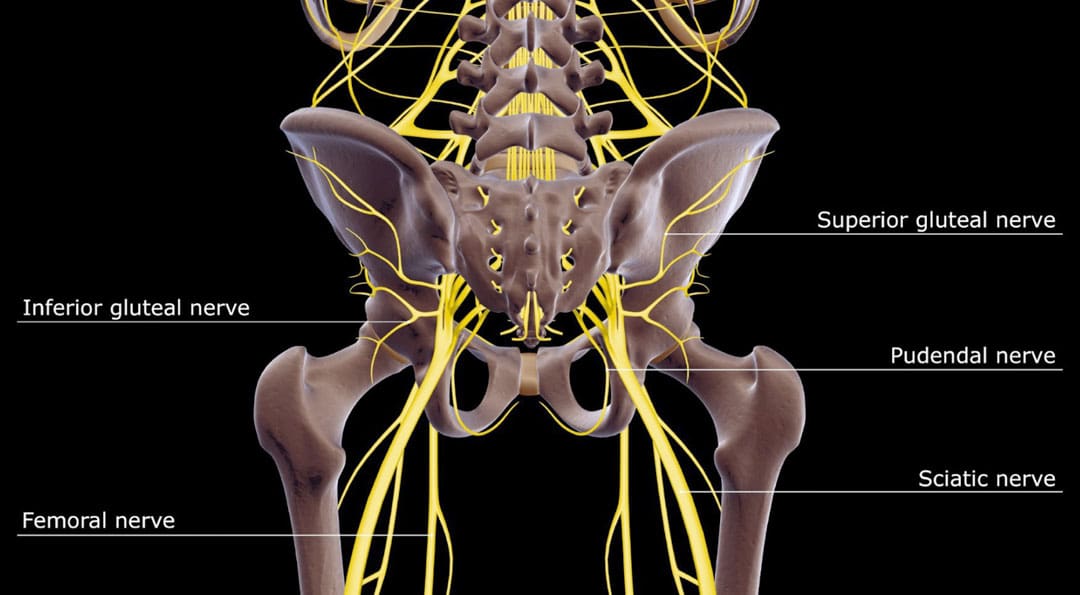
The pudendal nerve is the main nerve that serves the perineum, which is the area between the anus and the genitalia – the scrotum in men and the vulva in women. The pudendal nerve runs through the gluteus muscles/buttocks and into the perineum. It carries sensory information from the external genitalia and the skin around the anus and perineum and transmits motor/movement signals to various pelvic muscles. (Origoni, M. et al., 2014) Pudendal neuralgia, also referred to as pudendal neuropathy, is a disorder of the pudendal nerve that can lead to chronic pelvic pain.
Causes
Chronic pelvic pain from pudendal neuropathy can be caused by any of the following (Kaur J. et al., 2024)
Excessive sitting on hard surfaces, chairs, bicycle seats, etc. Bicyclists tend to develop pudendal nerve entrapment.
Trauma to the buttocks or pelvis.
Childbirth.
Diabetic neuropathy.
Bony formations that push against the pudendal nerve.
Thickening of ligaments around the pudendal nerve.
Symptoms
Pudendal nerve pain can be described as stabbing, cramping, burning, numbness, or pins and needles and can present (Kaur J. et al., 2024)
In the perineum.
In the anal region.
In men, pain in the scrotum or penis.
In women, pain in the labia or vulva.
During intercourse.
When urinating.
During a bowel movement.
When sitting and goes away after standing up.
Because the symptoms are often hard to distinguish, pudendal neuropathy can often be hard to differentiate from other types of chronic pelvic pain.
Cyclist’s Syndrome
Prolonged sitting on a bicycle seat can cause pelvic nerve compression, which can lead to chronic pelvic pain. The frequency of pudendal neuropathy (chronic pelvic pain caused by entrapment or compression of the pudendal nerve) is often referred to as Cyclist’s Syndrome. Sitting on certain bicycle seats for long periods places significant pressure on the pudendal nerve. The pressure can cause swelling around the nerve, which causes pain and, over time, can lead to nerve trauma. Nerve compression and swelling can cause pain described as burning, stinging, or pins and needles. (Durante, J. A., and Macintyre, I. G. 2010) For individuals with pudendal neuropathy caused by bicycling, symptoms can appear after prolonged biking and sometimes months or years later.
Take breaks at least 20–30 seconds after each 20 minutes of riding.
While riding, change positions frequently.
Stand up to pedal periodically.
Take time off between riding sessions and races to rest and relax the pelvic nerves. 3–10 day breaks can help in recovery. (Durante, J. A., and Macintyre, I. G. 2010)
If pelvic pain symptoms are barely starting to develop, rest and see a healthcare provider or specialist for an examination.
Seat
Use a soft, wide seat with a short nose.
Have the seat level or tilted slightly forward.
Seats with cutout holes place more pressure on the perineum.
If numbness or pain is present, try a seat without holes.
Bike Fitting
Adjust the seat height so the knee is slightly bent at the bottom of the pedal stroke.
The body’s weight should rest on the sitting bones/ischial tuberosities.
Keeping the handlebar height below the seat can reduce pressure.
The Triathlon bike’s extreme-forward position should be avoided.
A more upright posture is better.
Mountain bikes have been associated with an increased risk of erectile dysfunction than road bikes.
Shorts
Wear padded bike shorts.
Treatments
A healthcare provider may use a combination of treatments.
The neuropathy can be treated with rest if the cause is excessive sitting or cycling.
Injury Medical Chiropractic and Functional Medicine Clinic care plans and clinical services are specialized and focused on injuries and the complete recovery process. Our areas of practice include Wellness and nutrition, Chronic Pain, Personal Injury, Auto Accident Care, Work Injuries, Back Injury, Low Back Pain, Neck Pain, Migraine Headaches, Sports Injuries, severe sciatica, Scoliosis, Complex Herniated Discs, Fibromyalgia, Chronic Pain, Complex Injuries, Stress Management, and Functional Medicine Treatments. If the individual requires other treatment, they will be referred to a clinic or physician best suited for their condition, as Dr. Jimenez has teamed with the top surgeons, clinical specialists, medical researchers, therapists, trainers, and premiere rehabilitation providers.
Pregnancy and Sciatica
References
Origoni, M., Leone Roberti Maggiore, U., Salvatore, S., & Candiani, M. (2014). Neurobiological mechanisms of pelvic pain. BioMed research international, 2014, 903848. https://doi.org/10.1155/2014/903848
Kaur, J., Leslie, S. W., & Singh, P. (2024). Pudendal Nerve Entrapment Syndrome. In StatPearls. https://www.ncbi.nlm.nih.gov/pubmed/31334992
Durante, J. A., & Macintyre, I. G. (2010). Pudendal nerve entrapment in an Ironman athlete: a case report. The Journal of the Canadian Chiropractic Association, 54(4), 276–281.
Chiaramonte, R., Pavone, P., & Vecchio, M. (2021). Diagnosis, Rehabilitation and Preventive Strategies for Pudendal Neuropathy in Cyclists, A Systematic Review. Journal of functional morphology and kinesiology, 6(2), 42. https://doi.org/10.3390/jfmk6020042
Certain neurological disorders can cause acute episodes of peripheral neuropathy, and for individuals diagnosed with chronic peripheral neuropathy, can physical therapy help improve the ability to move around safely along with medications, procedures, and lifestyle adjustments to help control and manage symptoms?
Peripheral Neuropathy Treatments
Peripheral neuropathy treatment includes symptomatic therapies and medical management to help prevent worsening nerve damage.
For acute types of peripheral neuropathy, medical interventions and therapies can treat the underlying process, improving the condition.
For chronic types of peripheral neuropathy, medical interventions and lifestyle factors can help to prevent the condition’s progression.
Chronic peripheral neuropathy treatment focuses on controlling the pain symptoms and protecting areas of diminished sensation from damage or infection.
Self-Care and Lifestyle Adjustments
For individuals who have been diagnosed with peripheral neuropathy or are at risk of developing the condition, lifestyle factors play a significant role in managing symptoms and preventing nerve damage from worsening and can even prevent the condition from developing. (Jonathan Enders et al., 2023)
Pain Management
Individuals can try these self-care therapies and see if and which help reduce their discomfort and then develop a routine that they can work off of. Self-care for pain symptoms include:
Placing a warm heating pad on painful areas.
Placing a cooling pad (not ice) on painful areas.
Covering the area or leaving it uncovered, depending on comfort levels.
Wear loose-fitting clothes, socks, shoes, and/or gloves not made with material that can cause irritation.
Avoid using lotions or soaps that can cause irritation.
Use soothing creams or lotions.
Keeping the painful areas clean.
Injuries Prevention
Diminished sensation is one of the most common effects that can lead to problems like stumbling, difficulty getting around, and injuries. Preventing and regularly checking for injuries can help avoid complications like infected wounds. (Nadja Klafke et al., 2023) Lifestyle adjustments to manage and prevent injuries include:
Wear well-padded shoes and socks.
Inspect feet, toes, fingers, and hands regularly to look for cuts or bruises that may not have been felt.
Clean and cover cuts to avoid infections.
Use extra caution with sharp utensils like cooking and work or gardening tools.
Disease Management
Lifestyle factors can help prevent disease progression and are closely correlated with the risks and underlying causes. To help prevent peripheral neuropathy or its progression can be done by: (Jonathan Enders et al., 2023)
Maintain healthy glucose levels if you have diabetes.
Avoid alcohol for any peripheral neuropathy.
Maintain a well-balanced diet, which can include vitamin supplements, especially for vegetarians or vegans.
Over-the-Counter Therapies
A few over-the-counter therapies can help with painful symptoms and can be taken as needed. Over-the-counter pain therapies include: (Michael Überall et al., 2022)
Topical lidocaine spray, patch, or creams.
Capsaicin creams or patches.
Topical Icy Hot
Non-steroidal anti-inflammatory medications – Advil/ibuprofen or Aleve/naproxen
Tylenol/acetaminophen
These treatments can help relieve painful symptoms of peripheral neuropathy, but they do not help improve diminished sensation, weakness, or coordination problems. (Jonathan Enders et al., 2023)
Prescription Therapies
Prescription therapies for treating peripheral neuropathy include pain medications and anti-inflammatories. Chronic types of peripheral neuropathy include:
Alcoholic neuropathy
Diabetic neuropathy
Chemotherapy-induced neuropathy
The prescription treatments for chronic types differ from the treatments for acute types of peripheral neuropathy.
Pain Management
Prescription treatments can help manage the pain and discomfort. Medications include (Michael Überall et al., 2022)
Sometimes, a prescription strength supplement or vitamin B12 given through injection can help prevent progression when peripheral neuropathy is associated with a severe vitamin deficiency. Prescription treatment can help treat the underlying process in some types of acute peripheral neuropathy. Treatment for acute peripheral neuropathy, such as Miller-Fisher syndrome or Guillain-Barré syndrome, can include:
Corticosteroids
Immunoglobulins – immune system proteins
Plasmapheresis is a procedure that removes the liquid portion of blood, returning the blood cells, which modifies the overactivity of the immune system. (Sanja Horvat et al., 2022)
Researchers believe there is an association between these conditions and inflammatory nerve damage, and modifying the immune system is beneficial for treating symptoms and the underlying disease.
Surgery
In some cases, surgical procedures can benefit individuals who have certain types of peripheral neuropathy. When another condition is exacerbating the symptoms or process of peripheral neuropathy, surgery may help relieve symptoms and prevent disease progression. This has proved effective when nerve entrapment or vascular insufficiency are factors. (Wenqiang Yang et al., 2016)
Complementary and Alternative Medicine
Some complementary and alternative approaches can help individuals cope with the pain and discomfort. These treatments can serve as an ongoing option for those who have chronic peripheral neuropathy. Options can include: (Nadja Klafke et al., 2023)
Acupuncture involves the placement of needles in specific areas of the body to help reduce pain symptoms.
Acupressure involves applying pressure on specific areas of the body to help reduce pain symptoms.
Massage therapy can help relax muscle tension.
Meditation and relaxation therapies can help manage symptoms.
Physical therapy can also serve as an important component of living with chronic peripheral neuropathy and recovering from acute peripheral neuropathy.
Physical therapy can help strengthen weak muscles, improve coordination, and learn how to adapt to sensory and motor changes to get around safely.
Individuals considering complementary or alternative treatment are encouraged to speak with their primary healthcare provider to determine whether it is safe for their condition. Injury Medical Chiropractic and Functional Medicine Clinic will work with the individual’s healthcare provider and/or specialists to develop an optimal health and wellness treatment solution to provide pain relief and improve quality of life.
Peripheral Neuropathy: A Successful Recovery Story
References
Enders, J., Elliott, D., & Wright, D. E. (2023). Emerging Nonpharmacologic Interventions to Treat Diabetic Peripheral Neuropathy. Antioxidants & redox signaling, 38(13-15), 989–1000. https://doi.org/10.1089/ars.2022.0158
Klafke, N., Bossert, J., Kröger, B., Neuberger, P., Heyder, U., Layer, M., Winkler, M., Idler, C., Kaschdailewitsch, E., Heine, R., John, H., Zielke, T., Schmeling, B., Joy, S., Mertens, I., Babadag-Savas, B., Kohler, S., Mahler, C., Witt, C. M., Steinmann, D., … Stolz, R. (2023). Prevention and Treatment of Chemotherapy-Induced Peripheral Neuropathy (CIPN) with Non-Pharmacological Interventions: Clinical Recommendations from a Systematic Scoping Review and an Expert Consensus Process. Medical sciences (Basel, Switzerland), 11(1), 15. https://doi.org/10.3390/medsci11010015
Überall, M., Bösl, I., Hollanders, E., Sabatschus, I., & Eerdekens, M. (2022). Painful diabetic peripheral neuropathy: real-world comparison between topical treatment with lidocaine 700 mg medicated plaster and oral treatments. BMJ open diabetes research & care, 10(6), e003062. https://doi.org/10.1136/bmjdrc-2022-003062
Horvat, S., Staffhorst, B., & Cobben, J. M. G. (2022). Intravenous Lidocaine for Treatment of Chronic Pain: A Retrospective Cohort Study. Journal of pain research, 15, 3459–3467. https://doi.org/10.2147/JPR.S379208
Yang, W., Guo, Z., Yu, Y., Xu, J., & Zhang, L. (2016). Pain Relief and Health-Related Quality-of-Life Improvement After Microsurgical Decompression of Entrapped Peripheral Nerves in Patients With Painful Diabetic Peripheral Neuropathy. The Journal of foot and ankle surgery: official publication of the American College of Foot and Ankle Surgeons, 55(6), 1185–1189. https://doi.org/10.1053/j.jfas.2016.07.004
Individuals diagnosed with peripheral neuropathy, or with small fiber neuropathy, can understanding symptoms and causes help with potential treatments?
Small Fiber Neuropathy
Small fiber neuropathy is a specific classification of neuropathy, as there are different types, which are nerve injury, damage, disease, and/or dysfunction. Symptoms can result in pain, loss of sensation, and digestive and urinary symptoms. Most cases of neuropathy like peripheral neuropathy involve small and large fibers. Common causes include long-term diabetes, nutritional deficiencies, alcohol consumption, and chemotherapy.
Small fiber neuropathy is diagnosed after diagnostic testing showing it is clear that the small nerve fibers are involved.
The small nerve fibers detect sensation, temperature, and pain and help regulate involuntary functions.
Isolated small-fiber neuropathy is rare, but research is ongoing on the type of nerve damage and potential treatments. (Stephen A. Johnson, et al., 2021)
Small fiber neuropathy is not specifically dangerous but is a sign/symptom of an underlying cause/condition that is damaging the body’s nerves.
Pain – symptoms can range from mild or moderate discomfort to severe distress and can happen at any time.
Loss of sensation.
Because the small nerve fibers help with digestion, blood pressure, and bladder control – symptoms of autonomic dysfunction can vary and can include:
Constipation, diarrhea, incontinence, urinary retention – the inability to completely drain the bladder.
If there is progressing nerve damage, the intensity of the pain can decrease, but the loss of normal sensation and autonomic symptoms can worsen. (Josef Finsterer, Fulvio A. Scorza. 2022)
Hypersensitivity to touch and pain sensations can cause pain without a trigger.
The loss of sensation can make individuals unable to accurately detect sensations of touch, temperature, and pain in affected areas, which can lead to various types of injuries.
Although more research is needed, certain disorders that were not considered neuropathies may have small fiber neuropathy components involved.
A study suggested that neurogenic rosacea, a skin condition, could have some elements of small fiber neuropathy. (Min Li, et al., 2023)
These small nerve fibers are distributed throughout the body including the tops of the fingers and toes, trunk, and internal organs.
These fibers are usually located in the superficial areas of the body, such as close to the skin’s surface. (Mohammad A. Khoshnoodi, et al., 2016)
The small nerve fibers that get damaged are involved in transmitting pain and temperature sensations.
Most nerves have a special type of insulation called myelin that protects them and increases the speed of nerve impulses.
Small nerve fibers may have a thin sheath, making them more susceptible to injury and damage at earlier stages of conditions and diseases. (Heidrun H. Krämer, et al., 2023)
Individuals At Risk
Most types of peripheral neuropathy cause damage to the small and large peripheral nerve fibers. Because of this, most neuropathies are a mix of small-fiber and large-fiber neuropathy. Common risk factors for mixed fiber neuropathy include: (Stephen A. Johnson, et al., 2021)
Diabetes
Nutritional deficiencies
Overconsumption of alcohol
Autoimmune disorders
Medication toxicity
Isolated small-fiber neuropathy is rare, but there are conditions that are known to contribute to the cause and include: (Stephen A. Johnson, et al., 2021)
Sjogren Syndrome
This autoimmune disorder causes dry eyes and mouth, dental problems, and joint pain.
It can also cause nerve damage throughout the body.
Fabry Disease
This condition causes a buildup of certain fats/lipids in the body that can lead to neurological effects.
Amyloidosis
This is a rare disorder that causes a buildup of proteins in the body.
The proteins can damage tissues like the heart or nerves.
Lewy Body Disease
This is a neurological disorder that causes dementia and impaired movement and can lead to nerve damage.
Lupus
This is an autoimmune disease that affects joints, skin, and sometimes nerve tissue.
Viral Infection
These infections typically cause a cold or gastrointestinal/GI upsetness.
Less often they can cause other effects like small fiber neuropathy.
These conditions have been seen to cause isolated small-fiber neuropathy or begin as small-fiber neuropathy before progressing to the large nerve fibers. They can also begin as a mixed neuropathy, with small and large fibers.
Progression
Often the damage progresses at a relatively moderate rate, leading to added symptoms within months or years. The fiber nerves that are affected by the underlying condition usually progressively deteriorate, regardless of where they are located. (Mohammad A. Khoshnoodi, et al., 2016) Medications can help alleviate damage to the peripheral nerves. For individuals that are diagnosed in the early stage, it is possible to stop the progression, and potentially prevent involvement of the large fibers.
Treatments
Treatment toward preventing the progression requires controlling the underlying medical condition with treatment options depending on the cause. Treatments that can help prevent the progression include:
Blood sugar control for individuals with diabetes.
Immune suppression for control of autoimmune diseases.
Plasmapheresis – blood is taken and the plasma is treated and returned or exchanged for the treatment of autoimmune diseases.
Symptom Treatment
Individuals can get treatment for the symptoms that will not reverse or cure the condition but can help with temporary relief. Symptomatic treatment can include: (Josef Finsterer, Fulvio A. Scorza. 2022)
Pain management can include medications and/or topical analgesics.
Physical therapy – stretching, massage, decompression, and adjustments to keep the body relaxed and flexible.
Rehabilitation to help improve coordination, which can be impaired by loss of sensation.
Medications to relieve GI symptoms.
Wearing specialized clothes such as neuropathy socks to help with foot pain symptoms.
Treatment and medical management of neuropathies usually involve a neurologist. A neurologist may prescribe medication to help alleviate pain symptoms and provide medical interventions like immunotherapy if there is concern that an autoimmune process could be the cause. Additionally, treatment could include the care of a physical medicine and rehabilitation physician or a physical therapy team to provide stretches and exercises to help strengthen the body and maintain mobility and flexibility.
Peripheral Neuropathy Myths & Facts
References
Johnson, S. A., Shouman, K., Shelly, S., Sandroni, P., Berini, S. E., Dyck, P. J. B., Hoffman, E. M., Mandrekar, J., Niu, Z., Lamb, C. J., Low, P. A., Singer, W., Mauermann, M. L., Mills, J., Dubey, D., Staff, N. P., & Klein, C. J. (2021). Small Fiber Neuropathy Incidence, Prevalence, Longitudinal Impairments, and Disability. Neurology, 97(22), e2236–e2247. https://doi.org/10.1212/WNL.0000000000012894
Finsterer, J., & Scorza, F. A. (2022). Small fiber neuropathy. Acta neurologica Scandinavica, 145(5), 493–503. https://doi.org/10.1111/ane.13591
Krämer, H. H., Bücker, P., Jeibmann, A., Richter, H., Rosenbohm, A., Jeske, J., Baka, P., Geber, C., Wassenberg, M., Fangerau, T., Karst, U., Schänzer, A., & van Thriel, C. (2023). Gadolinium contrast agents: dermal deposits and potential effects on epidermal small nerve fibers. Journal of neurology, 270(8), 3981–3991. https://doi.org/10.1007/s00415-023-11740-z
Li, M., Tao, M., Zhang, Y., Pan, R., Gu, D., & Xu, Y. (2023). Neurogenic rosacea could be a small fiber neuropathy. Frontiers in pain research (Lausanne, Switzerland), 4, 1122134. https://doi.org/10.3389/fpain.2023.1122134
Khoshnoodi, M. A., Truelove, S., Burakgazi, A., Hoke, A., Mammen, A. L., & Polydefkis, M. (2016). Longitudinal Assessment of Small Fiber Neuropathy: Evidence of a Non-Length-Dependent Distal Axonopathy. JAMA neurology, 73(6), 684–690. https://doi.org/10.1001/jamaneurol.2016.0057
IFM's Find A Practitioner tool is the largest referral network in Functional Medicine, created to help patients locate Functional Medicine practitioners anywhere in the world. IFM Certified Practitioners are listed first in the search results, given their extensive education in Functional Medicine