For individuals experiencing or managing low back pain and/or sciatica, can lumbar traction therapy help provide consistent relief?
Lumbar Traction
Lumbar traction therapy for lower back pain and sciatica could be a treatment option to help restore mobility and flexibility and safely support an individual’s return to an optimal level of activity. It is often combined with targeted therapeutic exercise. (Yu-Hsuan Cheng, et al., 2020) The technique stretches the space between the vertebrae in the lower spine, relieving lower back pain.
Lumbar or low back traction helps to separate the spaces between the vertebrae.
Separating the bones restores circulation and helps relieve the pressure on pinched nerves like the sciatic nerve, decreasing pain and improving mobility.
Research
Researchers say lumbar traction with exercise did not improve individual outcomes compared to physical therapy exercises on their own (Anne Thackeray et al., 2016). The study examined 120 participants with back pain and nerve root impingement who were randomly selected to undergo lumbar traction with exercises or simple exercises for pain. Extension-based exercises focused on bending the spine backward. This movement is considered effective for individuals with back pain and pinched nerves. The results indicated that adding lumbar traction to physical therapy exercises did not offer significant benefits over extension-based exercise alone for back pain. (Anne Thackeray et al., 2016)
A 2022 study found that lumbar traction is helpful for individuals with lower back pain. The study investigated two different lumbar traction techniques and found that variable-force lumbar traction and high-force lumbar traction helped to relieve lower back pain. High-force lumbar traction was also found to reduce functional disability. (Zahra Masood et al., 2022) Another study found lumbar traction improves the range of motion in the straight leg raise test. The study examined different forces of traction on herniated discs. All the levels improved the individuals’ range of motion, but the one-half body-weight traction setting was associated with the most significant pain relief. (Anita Kumari et al., 2021)
Treatment
For individuals with only low back pain, exercise, and postural correction may be all that is needed to provide relief. Research confirms physical therapy exercises can help decrease pain and improve mobility (Anita Slomski 2020). Another study revealed the importance of centralizing sciatic symptoms during repetitive movements. Centralization is moving the pain back to the spine, which is a positive sign that the nerves and discs are healing and occurs during therapeutic exercise. (Hanne B. Albert et al., 2012) A chiropractor and physical therapy team can educate patients on preventing back pain episodes. Chiropractors and physical therapists are body movement experts who can show which exercises are best for your condition. Starting an exercise program that centralizes symptoms can help individuals return to their normal lifestyle quickly and safely. Consult a healthcare provider before starting any exercise program for back pain.
Movement Medicine: Chiropractic
References
Cheng, Y. H., Hsu, C. Y., & Lin, Y. N. (2020). The effect of mechanical traction on low back pain in patients with herniated intervertebral disks: a systemic review and meta-analysis. Clinical rehabilitation, 34(1), 13–22. https://doi.org/10.1177/0269215519872528
Thackeray, A., Fritz, J. M., Childs, J. D., & Brennan, G. P. (2016). The Effectiveness of Mechanical Traction Among Subgroups of Patients With Low Back Pain and Leg Pain: A Randomized Trial. The Journal of orthopaedic and sports physical therapy, 46(3), 144–154. https://doi.org/10.2519/jospt.2016.6238
Masood, Z., Khan, A. A., Ayyub, A., & Shakeel, R. (2022). Effect of lumbar traction on discogenic low back pain using variable forces. JPMA. The Journal of the Pakistan Medical Association, 72(3), 483–486. https://doi.org/10.47391/JPMA.453
Kumari, A., Quddus, N., Meena, P. R., Alghadir, A. H., & Khan, M. (2021). Effects of One-Fifth, One-Third, and One-Half of the Bodyweight Lumbar Traction on the Straight Leg Raise Test and Pain in Prolapsed Intervertebral Disc Patients: A Randomized Controlled Trial. BioMed research international, 2021, 2561502. https://doi.org/10.1155/2021/2561502
Slomski A. (2020). Early Physical Therapy Relieves Sciatica Disability and Pain. JAMA, 324(24), 2476. https://doi.org/10.1001/jama.2020.24673
Albert, H. B., Hauge, E., & Manniche, C. (2012). Centralization in patients with sciatica: are pain responses to repeated movement and positioning associated with outcome or types of disc lesions?. European spine journal : official publication of the European Spine Society, the European Spinal Deformity Society, and the European Section of the Cervical Spine Research Society, 21(4), 630–636. https://doi.org/10.1007/s00586-011-2018-9
Individuals dealing with various conditions and diseases and ongoing research to find treatments, where do human regenerative cells come from?
Regenerative Cells
Regenerative cells are stem cells that are specialized to potentially develop into many different types of cells. They are unlike any other cell because:
Being unspecialized they have no specific function in the body.
They can become specialized cells like – brain, muscle, and blood cells.
They can divide and renew continually for a long period.
Blood stem cells are currently the only type that is regularly used in treatment.
For leukemia or lymphoma, only adult cells are used in a procedure known as a bone marrow transplant. (Cleveland Clinic. 2023)
For regenerative cell research, the cells can come from different sources, including adult donors, genetically altered human cells, or embryos.
Bone Marrow Transplants
Bone marrow cells produce all of the body’s blood cells, including red and white blood, and platelets.
Hematopoietic stem cells are those found in bone marrow that is the parent for the different types of cells.
Hematopoietic cells are transplanted in individuals with cancer to replenish bone marrow.
The procedure is often used during high-dose chemotherapy that destroys the existing cells in the bone marrow.
Donated stem cells are injected into a vein and settle in the bone marrow where they begin to produce new healthy blood cells. (Cleveland Clinic. 2023)
Peripheral Blood Transplants
For some time the only source to extract hematopoietic cells was from bone marrow.
Researchers found that many of these cells were freely circulating in the blood.
Scientists learned how to extract the cells from the blood and transplant them directly.
This type of transplant is a peripheral blood stem cell transplant/PBSCT and has become the more common procedure, however, both methods are still used. (Cleveland Clinic. 2023)
PBSCT is less invasive and does not require the removal of marrow from the hip bone.
Somatic Cells
Adult stem cells are called somatic and are acquired from a donor.
Embryonic stem cells were first grown in a laboratory in 1998 for reproductive research, which created controversy because they were extracted from human embryos that were destroyed or harvested for science. Today their primary use is for research into treatments and potential cures for:
Embryonic cells are pluripotent, which means they can grow into the three types of germ cell layers – ectoderm, mesoderm, and endoderm – that make up the human body and can develop into each of the more than 200 types of cells. (National Institutes of Health. 2016)
Induced Pluripotent Cells
Induced pluripotent stem cells/iPSCs are somatic cells that have been genetically reprogrammed to behave like embryonic cells.
Simara, P., Motl, J. A., & Kaufman, D. S. (2013). Pluripotent stem cells and gene therapy. Translational research : the journal of laboratory and clinical medicine, 161(4), 284–292. https://doi.org/10.1016/j.trsl.2013.01.001
Finkbeiner, S. R., & Spence, J. R. (2013). A gutsy task: generating intestinal tissue from human pluripotent stem cells. Digestive diseases and sciences, 58(5), 1176–1184. https://doi.org/10.1007/s10620-013-2620-2
Al-Shamekh, S., & Goldberg, J. L. (2014). Retinal repair with induced pluripotent stem cells. Translational research : the journal of laboratory and clinical medicine, 163(4), 377–386. https://doi.org/10.1016/j.trsl.2013.11.002
Gender identity is a wide spectrum. Can learning the language used to describe various gender identities and non-binary pronouns help explain the difference between gender expression and help in inclusivity?
Non-Binary
Non-binary is a term used that describes individuals who do not identify exclusively as male or female. The term addresses various gender identities and expressions that are outside of the traditional gender binary system, which categorizes individuals as either male or female.
Definition
Non-binary individuals are those whose gender identity and/or expression fall outside of the traditional binary categories of a man or woman. (Human Rights Campaign. (n.d.))
Some non-binary individuals identify as a blend of male and female; others identify as a gender different from male or female; some do not identify with any gender.
The term “non-binary” can also be “enby”/phonetic pronunciation of the letters NB for non-binary, although not every non-binary individual uses this term.
Transgender individuals and non-binary individuals are two distinct groups that are related.
There are some transgender/trans individuals who are non-binary, however, most transgender individuals identify as either male or female. (National Center for Transgender Equality. 2023)
To understand the difference, it can help to know the meanings of transgender, cisgender, and nonbinary: (GLAAD. 2023)
Transgender
An individual who identifies with a gender different from the one assigned at birth.
For example, someone assigned male at birth/AMAB, but identifies as a female is a transgender woman.
Cisgender
An individual whose gender identity follows the one they were assigned at birth.
For example, someone assigned female at birth/AFAB and identifies as a woman.
Non-binary
An individual who identifies with a gender outside the traditional binary of male and female.
This can include individuals who identify as genderqueer, agender, or genderfluid and others.
Using Pronouns
Using non-binary pronouns is a way to show respect and validation for an individual’s gender identity. Here are some recommendations on how to use pronouns: (National Center for Transgender Equality. 2023)
Ask for the individual’s pronouns
It’s recommended to avoid assuming an individual’s pronouns based on appearance or stereotype.
If unsure of someone’s pronouns, ask respectfully.
“What pronouns do you use?”
“Can you share your pronouns with me?”
Practice using the pronouns
Once you know an individual’s pronouns, practice using them.
This can be accomplished by using their pronouns when referring to them in conversation, emails, written forms, and/or other types of communication.
If you make a mistake, apologize and make the correction.
Gender-neutral language
If unsure of an individual’s pronouns, or if someone uses gender-neutral pronouns like they/them, use gender-neutral language instead of gendered language.
For example, instead of saying he or she, you can say they or their name.
Continue Learning
Learn as much as possible about identities and pronouns to better understand and support the LGBTQ+ community.
Injury Medical Chiropractic and Functional Medicine Clinic wants to help create a more inclusive and affirming environment for everyone.
Chiropractors are neuromusculoskeletal system specialists that rehabilitate injuries, retrain healthy body posture, massage and relax the muscles to detoxify and rejuvenate tissue health, and realign the spine to restore the nervous system to optimal function. It is a form of complementary medicine that focuses on the relationship between the body’s neuromusculoskeletal structures, addressing injuries, conditions, and ailments that cause the systems to malfunction and restoring them into harmony.
Chiropractors are licensed healthcare professionals who use various forms – hands, special instruments, or combination – of pressure to manipulate the body to relieve pain and discomfort symptoms from various injuries and conditions and improve overall health. Chiropractic is often used in conjunction with traditional medical care to treat health conditions that affect nerves, muscles, and bones. Chiropractic clinics often have a team of specialists that work and counsel patients on:
Developing healthy movement habits.
Diet and nutrition adjustments like an anti-inflammatory diet to reduce inflammation flare-ups.
Exercise and stretches to maintain chiropractic adjustments, retrain and strengthen the body.
Modifications to home, school, and work behaviors to prevent worsening injuries or causing new injuries.
Conditions Treated
Chiropractic therapeutic medicine treats any kind of muscle, bone, or joint pain or dysfunction and conditions affecting the nervous and musculoskeletal systems. The most common reasons for seeing a chiropractor include:
Musculoskeletal pain anywhere in the body – the head and jaws, shoulders, elbows and wrists, hips, pelvis, and the knees and ankles.
Trigger points.
Compressed, injured, and/or damaged nerves.
Neck pain.
Headaches.
Lower back pain.
Herniated discs.
Sciatica.
Joint pain and dysfunction.
Arthritis.
Rehabilitation after vehicle, work, and sports accidents and collisions.
Effective Treatment
Chiropractic therapeutic adjustments are the most common alternative treatment option in the United States and are considered an effective treatment option for all ages, including both children and adults.
It’s important to inform a primary care physician about any pain being experienced, whether recent or chronic that lasts more than three months.
Individuals should receive a screening before chiropractic treatment to ensure that their injury or condition will benefit from chiropractic adjustments.
If chiropractic care is not appropriate for the injury or condition, the chiropractor will refer the individual to another healthcare specialist.
Many individuals feel almost immediate relief from symptoms after a treatment session as well as soreness for 24 hours.
The goal of chiropractic is to restore health over the long term, rather than to relieve symptoms short term.
Benefits
Increased Blood and Nerve Circulation.
Improved Blood Pressure.
Range of Motion Improved.
Improved Balance.
Increased Sleep.
Reduced Headaches.
Increased Energy.
Improved Digestion.
Improved Immune Function.
Enhanced Physical/Athletic Performance.
Allergy Symptoms Reduced.
Improved Asthma Management.
Healthier Pregnancy.
Scapular Winging
References
Hadler, N M. “Chiropractic.” Rheumatic diseases clinics of North America vol. 26,1 (2000): 97-102, ix. doi:10.1016/s0889-857x(05)70123-x
Lefebvre R, Peterson D, Haas M. Evidence-Based Practice and Chiropractic Care. (https://www.ncbi.nlm.nih.gov/pmc/articles/PMC3716373/) J Evid Based Complementary Altern Med. 2012;18(1):75-79. Accessed 4/25/2022.
Margach, Russell W. “Chiropractic Functional Neurology: An Introduction.” Integrative medicine (Encinitas, Calif.) vol. 16,2 (2017): 44-45.
Moore, Craig, et al. “The management of common recurrent headaches by chiropractors: a descriptive analysis of a nationally representative survey.” BMC neurology vol. 18,1 171. 17 Oct. 2018, doi:10.1186/s12883-018-1173-6
Nahin, Richard L et al. “Insurance Coverage for Complementary Health Approaches Among Adult Users: United States, 2002 and 2012.” NCHS data brief ,235 (2016): 1-8.
U.S. Department of Health and Human Services. Chiropractic: In Depth. (https://www.nccih.nih.gov/health/chiropractic-in-depth) Accessed 4/25/2022.
As humans, there are a variety of stressors experienced daily. Stress collects in various body areas, most commonly the upper back, jaw, and neck muscles. Stress leads to tension in the muscles. The built-up tension can cause the spinal bones to shift out of alignment, irritating the nerves between the spinal bones. A cycle begins as increased nerve tension causes the muscles to continue to contract/tighten. The extra muscle tension continues to pull the spinal bones out of alignment, making the spine stiff and less flexible affecting posture, balance, coordination, and mobility, causing the spine to become further unstable. Chiropractic treatment at regular intervals is recommended to help realign and maintain proper position.
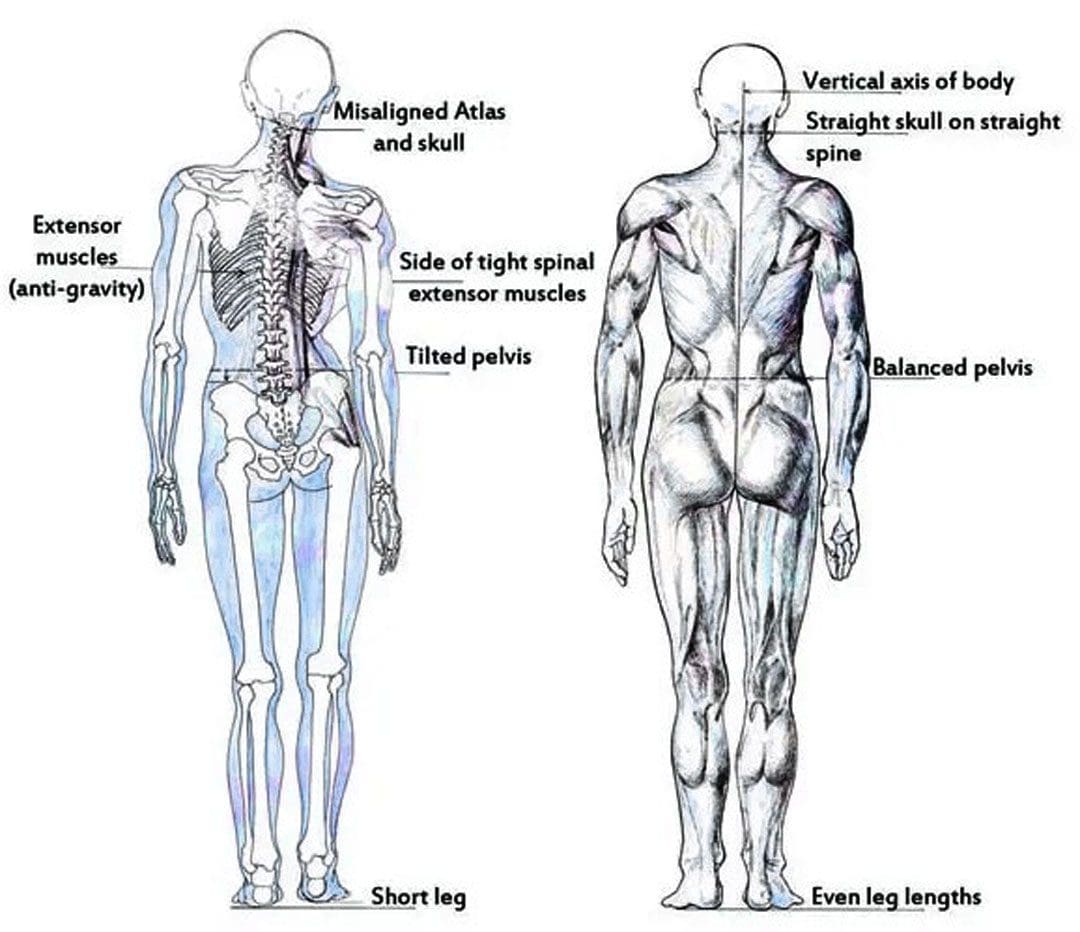
Why The Spine Goes Out of Alignment
The nerves in the body are intricately linked to the spinal cord, and small distortions in the alignment can cause nerves to misfire and malfunction. When the spine goes out of alignment, the nervous system/brain and nerves get stuck in a stressed or tense state. Even a minor misalignment can cause a series of discomfort symptoms to travel throughout the body.
Causes
Causes of misalignment that creates tension in the nerves and muscles include:
A chiropractor will feel/palpate the spine to see if the bones are in alignment, move well, or are out of alignment and not moving correctly or moving at all.
Posture Exam
If the head, shoulders, and hips are uneven or the shoulders and head are pulling forward, the spinal bones are out of alignment/subluxations.
Balance and Coordination
Unhealthy balance and coordination can indicate the brain, nerves, and muscles are malfunctioning by spinal misalignment.
Range of Motion
A loss of spinal movement flexibility can show tension in the nerves, muscles, and misalignments.
Muscle Test
Loss of strength in a muscle can indicate the nerve signals are weak.
Orthopedic Tests
Tests that put the body in stressful positions focus on what tissue/s may be injured and the causes.
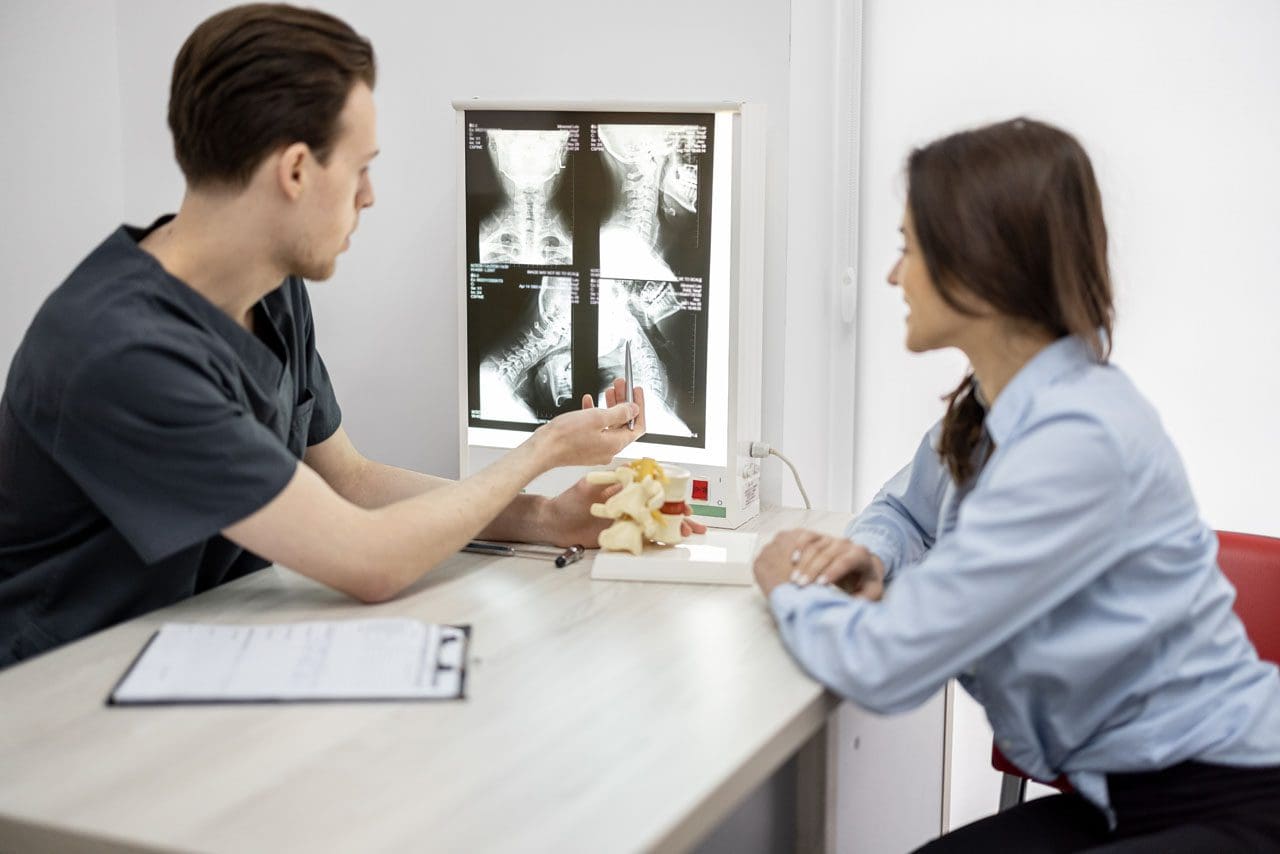
X-rays
X-rays look for abnormalities, dislocations, bone density, fractures, hidden/invisible injuries, and infections.
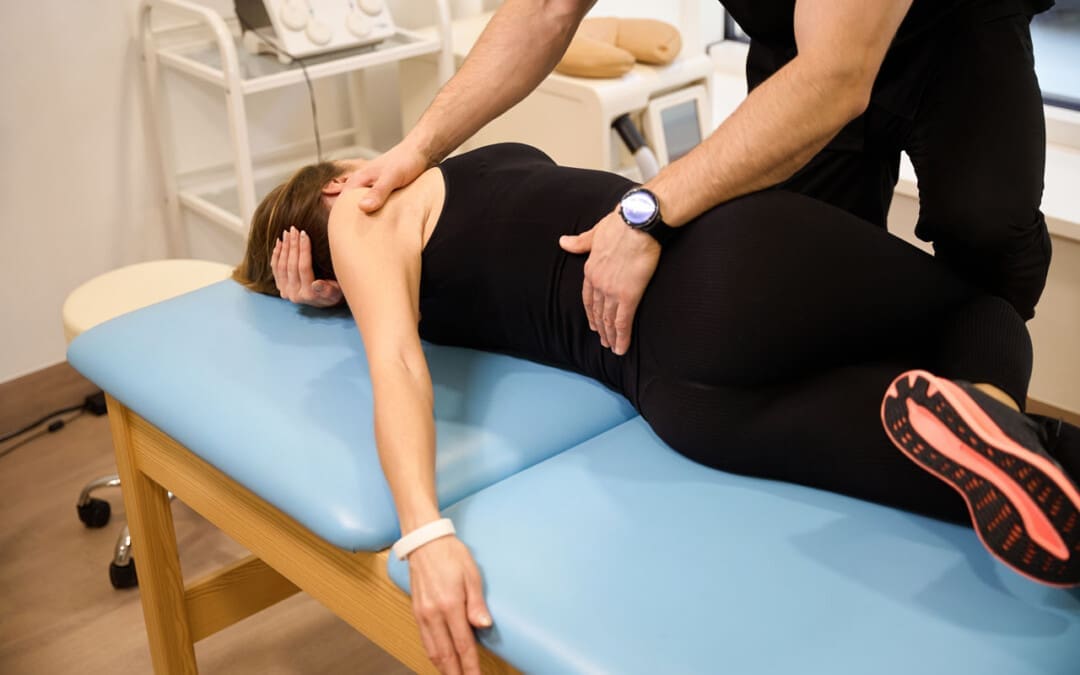
Injury Medical Chiropractic and Functional Medicine Clinic provide personalized treatment plans. These specific therapies are made to generate long-term spine benefits. Spinal manipulation, deep tissue massage, MET, and other manual therapy techniques, combined with exercise, help get the bones moving properly, the muscles functioning correctly, and the spine back into proper form. Treatment relieves muscle spasms, tension, and joint dysfunction, increases circulation, and retrains the muscles to remain relaxed.
The Natural Way to Heal
References
Ando, Kei et al. “Poor spinal alignment in females with obesity: The Yakumo study.” Journal of Orthopaedics vol. 21 512-516. 16 Sep. 2020, doi:10.1016/j.jor.2020.09.006
Le Huec, J C et al. “Sagittal balance of the spine.” The European spine journal: official publication of the European Spine Society, the European Spinal Deformity Society, and the European Section of the Cervical Spine Research Society vol. 28,9 (2019): 1889-1905. doi:10.1007/s00586-019-06083-1
Meeker, William C, and Scott Haldeman. “Chiropractic: a profession at the crossroads of mainstream and alternative medicine.” Annals of internal medicine vol. 136,3 (2002): 216-27. doi:10.7326/0003-4819-136-3-200202050-00010
Oakley, Paul A et al. “X-Ray Imaging is Essential for Contemporary Chiropractic and Manual Therapy Spinal Rehabilitation: Radiography Increases Benefits and Reduces Risks.” Dose-response: a publication of International Hormesis Society vol. 16,2 1559325818781437. 19 Jun. 2018, doi:10.1177/1559325818781437
Shah, Anoli A, et al. “Spinal Balance/Alignment – Clinical Relevance and Biomechanics.” Journal of biomechanical engineering, 10.1115/1.4043650. 2 May. 2019, doi:10.1115/1.4043650
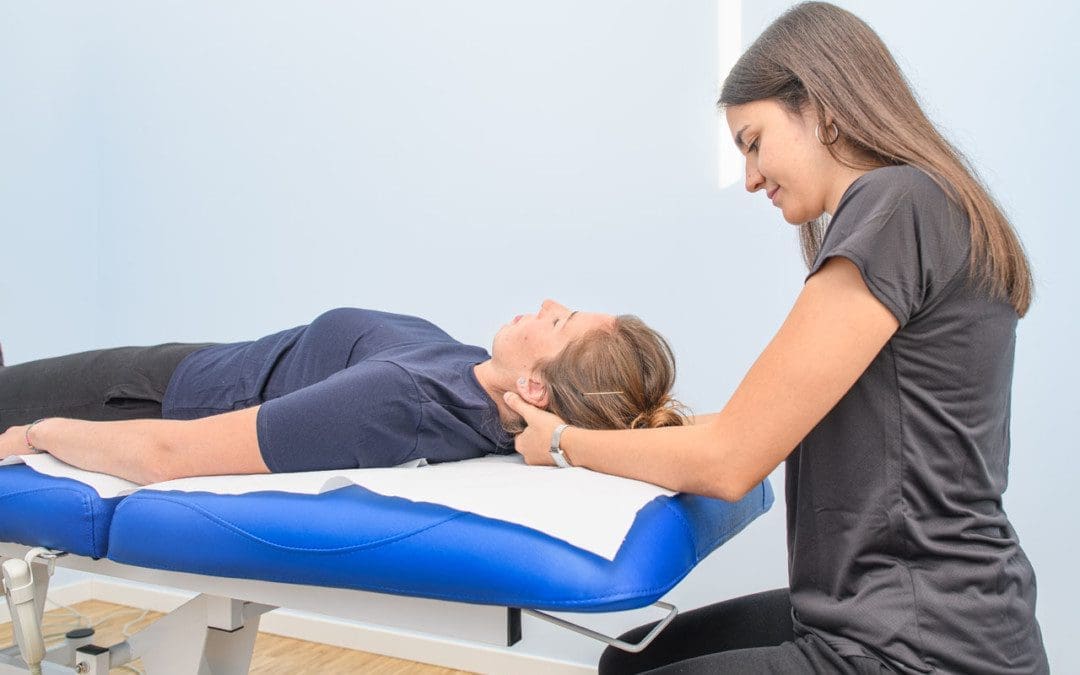
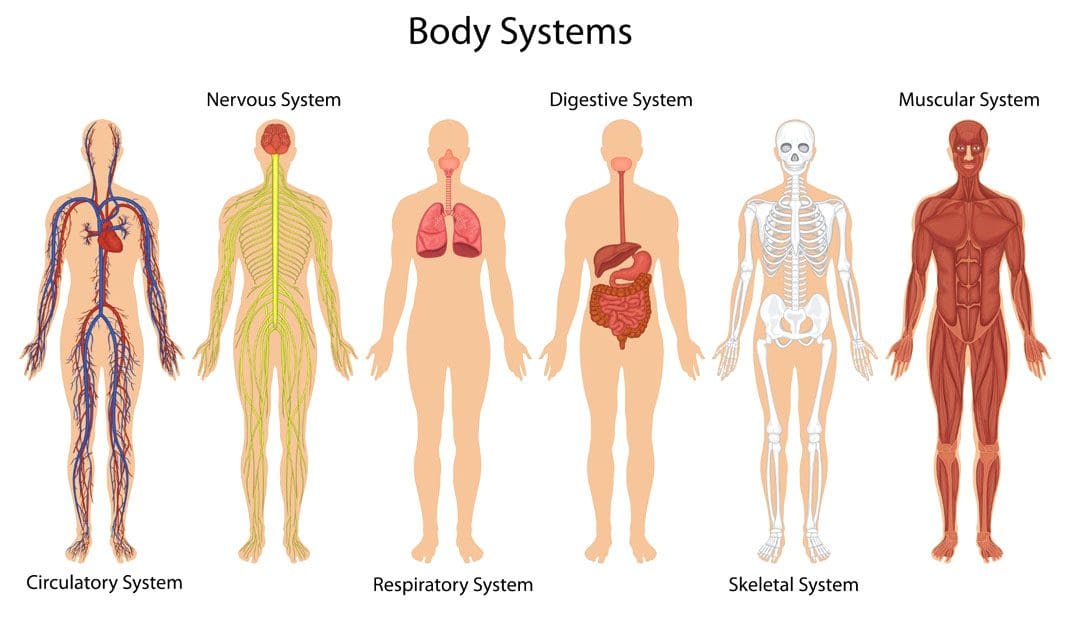
Chiropractic care has a powerful therapeutic effect on the body’s systems. This includes the nervous, muscular, skeletal, and lymphatic. The lymphatic system is a part of the immune system. It circulates lymph, a fluid comprised of white blood cells that support the immune system, proteins, and fats. The lymphatic system collects toxins, moves waste, and protects the body from foreign invaders. Together with the immune system, the lymphatic system keeps the body balanced. However, imbalances occur due to misalignments, subluxations, compressed nerves, chronic conditions, and injuries. Chiropractic care, massage, and decompression therapy can help mobilize stuck or misaligned joints, reduce muscular tension, alleviate nerve inflammation and discomfort, and restore optimal function.
Spinal Lymphatic Detox
Lymphatic System
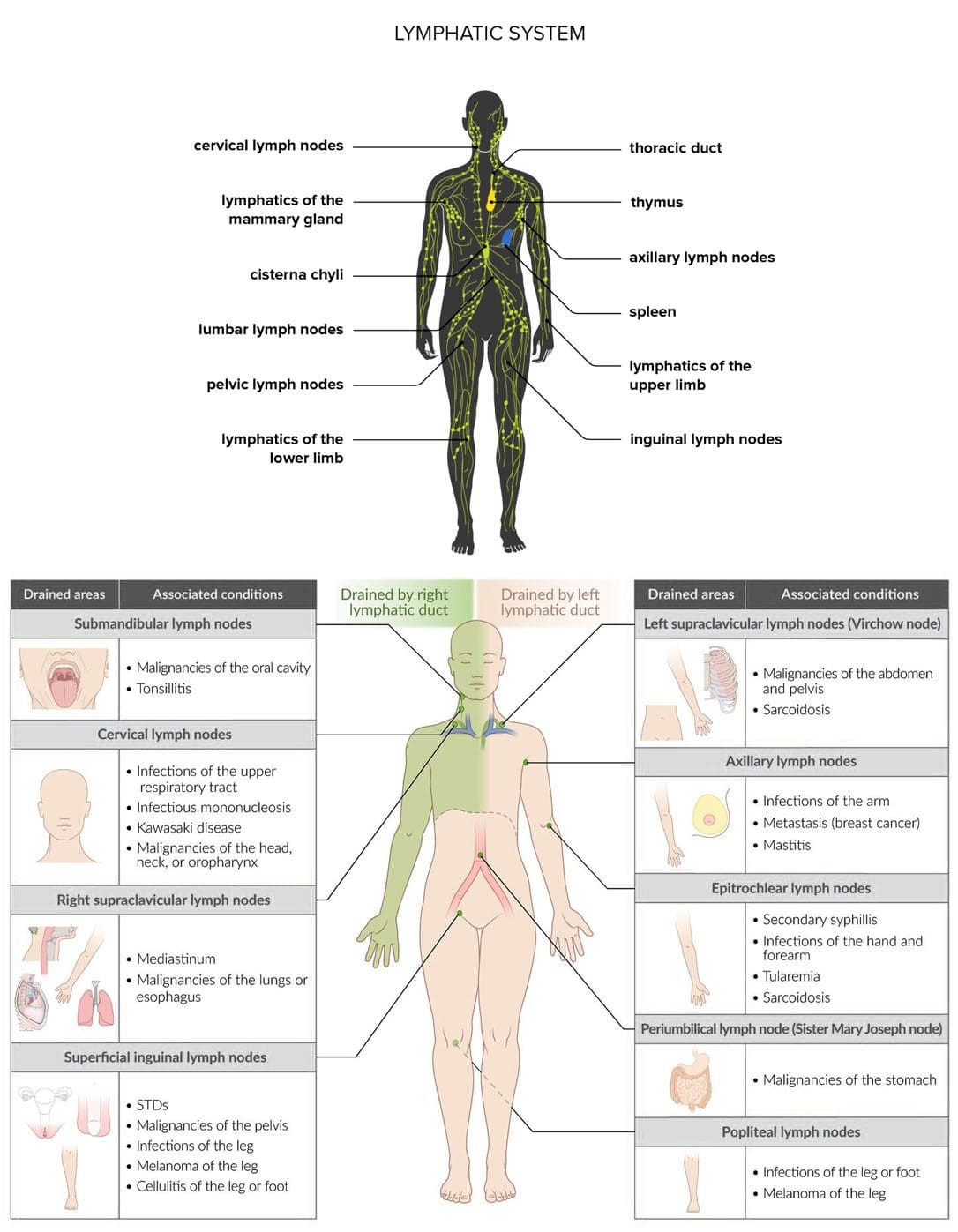
The lymphatic system is a network throughout the body. The system drains lymph fluid from the blood vessels into the tissues and empties it back into the bloodstream through the lymph nodes. The main functions of the system include the following:
Regulates fluid levels in the body.
Activates when bacteria or viruses enter.
Manages and removes cancer cells or cell byproducts that could result in disease or disorders.
Absorbs some of the fats from the intestine.
The lymph nodes and other structures like the spleenand thymushouse specialized white blood cells called lymphocytes. These are ready to go and can rapidly multiply and release antibodies when bacteria, viruses, and other stimuli, enter the body.
Fluid Balance
The blood in the vessels is under constant pressure. Nutrients, fluids, and certain cells need to circulate throughout the body to supply the tissues and maintain the system’s defense. The lymphatic system:
Removes all fluids and contents that leak into the tissues.
Eliminates waste products formed in the tissues.
Eliminates bacteria that enter through the skin.
The digestive and respiratory systems are lined with lymphatic tissue because the systems are exposed. The most important sites are the tonsils, the intestinal region, and the appendix. Lymph nodes are the filters. Viruses and cancer cells get trapped and destroyed in the lymph nodes. More lymphocytes are produced when an infection is present, which is why the nodes experience swelling. When the lymphatic system does not drain fluids from the tissues properly, the tissues swell and can cause symptoms of discomfort. If the swelling is only for a short period, it is called edema. If it lasts more than three months, it is called lymphoedema.
Symptoms of Unhealthy Circulation
Unhealthy circulation can include the following symptoms:
Fatigue
Concentration problems
Cold hands or feet
Swelling
Muscle cramps
Numbness
Tingling
Stinging
Throbbing
Development of ulcers on the feet, ankles, and legs.
Chiropractic Care
A chiropractic spinal lymphatic detoxtreatment releases stagnant fluid collected in the joints, muscles, and tissues. A personalized treatment plan will consist of massage therapy to increase circulation, release and relax the muscles and nerves, chiropractic to realign the body, decompression to open the spine, stretching techniques to improve flexibility, and nutritional guidance to support optimal circulation. The benefits include:
Discomfort and pain relief.
Stress and anxiety relief.
Balanced and realigned body.
Relaxed muscles.
Helps with allergy symptoms.
Detoxes bacteria along the spine.
Lymphatic Anatomy
References
Dmochowski, Jacek P et al. “Computational Modeling of Deep Tissue Heating by an Automatic Thermal Massage Bed: Predicting the Effects on Circulation.” Frontiers in medical technology vol. 4 925554. 14 Jun. 2022, doi:10.3389/fmedt.2022.925554
Majewski-Schrage, Tricia, and Kelli Snyder. “The Effectiveness of Manual Lymphatic Drainage in Patients With Orthopedic Injuries.” Journal of sport rehabilitation vol. 25,1 (2016): 91-7. doi:10.1123/jsr.2014-0222
Mihara, Makoto et al. “Combined conservative treatment and lymphatic venous anastomosis for severe lower limb lymphedema with recurrent cellulitis.” Annals of vascular surgery vol. 29,6 (2015): 1318.e11-5. doi:10.1016/j.avsg.2015.01.037
Mortimer, Peter S, and Stanley G Rockson. “New developments in clinical aspects of lymphatic disease.” The Journal of clinical investigation vol. 124,3 (2014): 915-21. doi:10.1172/JCI71608
Weerapong, Pornratshanee et al. “The mechanisms of massage and effects on performance, muscle recovery and injury prevention.” Sports medicine (Auckland, N.Z.) vol. 35,3 (2005): 235-56. doi:10.2165/00007256-200535030-00004
Nutritionists are medical professionals in food and nutrition and work one-on-one to develop an optimal nutrition plan for their body type, age, and health conditions. They explain the right foods to eat, how different foods impact the body, and what foods to avoid. Individuals can benefit from working with a nutritionist to help achieve a healthier lifestyle through education and healthy choices.
Working With A Nutritionist
Nutritionists work with individuals to enhance their knowledge about general nutrition, food, and health. Their focus is on food behavior, which includes developing and implementing meal plans to improve the individual’s or family’s nutrition. Nutritionists work in:
Clinical settings – hospitals, nursing homes, long-term care facilities, fitness and health, and chiropractic clinics.
Government – local health departments.
School districts – regarding school nutrition standards.
Private business – independent work in combination with other medical professionals.
Research – with various health and/or sports organizations.
Benefits
Working with a nutritionist will determine what factors are challenging an individual’s eating habits and triggers and find ways to overcome those barriers. Benefits include:
Nutrition plans are based on nutritional needs, current health, and lifestyle.
Nutrition plans cut down on grocery bills.
Shopping with a specific list cuts down on the extra foods being purchased.
Proper nutrition can help manage chronic diseases like diabetes and heart disease, combined with a primary care doctor or specialist treatment.
Nutritionists can help individuals dealing with food allergies or who have been diagnosed could require a diet change.
Nutritionists can help motivate when struggling to maintain a healthy lifestyle.
Responsibilities and Daily Activities
Nutritionists help individuals reach various goals, like weight loss, healthier eating habits, and stress management, and can be responsible for the following:
Evaluating health needs.
Screening for nutritional risk.
Discussing nutrition and eating habits.
Providing educational resources.
Developing personalized nutrition plans.
Talking about nutritional issues with individual families.
Discussing nutrition plans with primary doctors and other healthcare teams.
Equipping individuals with food behavior modification tools.
Adjusting plans as needed.
Monitoring progress.
Treating conditions and disease management through nutrition.
Functional Nutrition
References
Carrard, Isabelle et al. “Un outil pour évaluer les comportements alimentaires: ESSCA” [A tool for assessing eating behaviors: ESSCA]. Revue medicale suisse vol. 12,511 (2016): 591-6.
Golan, M, and A Weizman. “Reliability and validity of the Family Eating and Activity Habits Questionnaire.” European journal of clinical nutrition vol. 52,10 (1998): 771-7. doi:10.1038/sj.ejcn.1600647
Greenwood, Jessica L J, et al. “Healthy eating vital sign: a new assessment tool for eating behaviors.” ISRN obesity vol. 2012 734682. 22 Jul. 2012, doi:10.5402/2012/734682
Kelley, Claire P et al. “Behavioral Modification for the Management of Obesity.” Primary care vol. 43,1 (2016): 159-75, x. doi:10.1016/j.pop.2015.10.004
IFM's Find A Practitioner tool is the largest referral network in Functional Medicine, created to help patients locate Functional Medicine practitioners anywhere in the world. IFM Certified Practitioners are listed first in the search results, given their extensive education in Functional Medicine







 Why The Spine Goes Out of Alignment