Re-energize from a lack of energy and fatigue with Bio-chiropractic. Millions of individuals struggle to get through the day or night depending on work/school schedules because of deficient energy levels that result in fatigue. Unfortunately, many begin taking over the counter or prescription medication, drinking coffee or highly caffeinated/energy beverages, or taking days off to catch up on rest. There is a wide range of high-sugar and caffeine energy products to help with fatigue. But, research has shown how overconsumption of these products can contribute and/or cause:
High blood pressure
Cardiovascular disease
Diabetes
When a tired body takes in caffeinated energy, it is only for a temporary energy boost.
Energy products can mask the fatigue causation. This could be a disease, a type of condition, or an overlapping of causes.
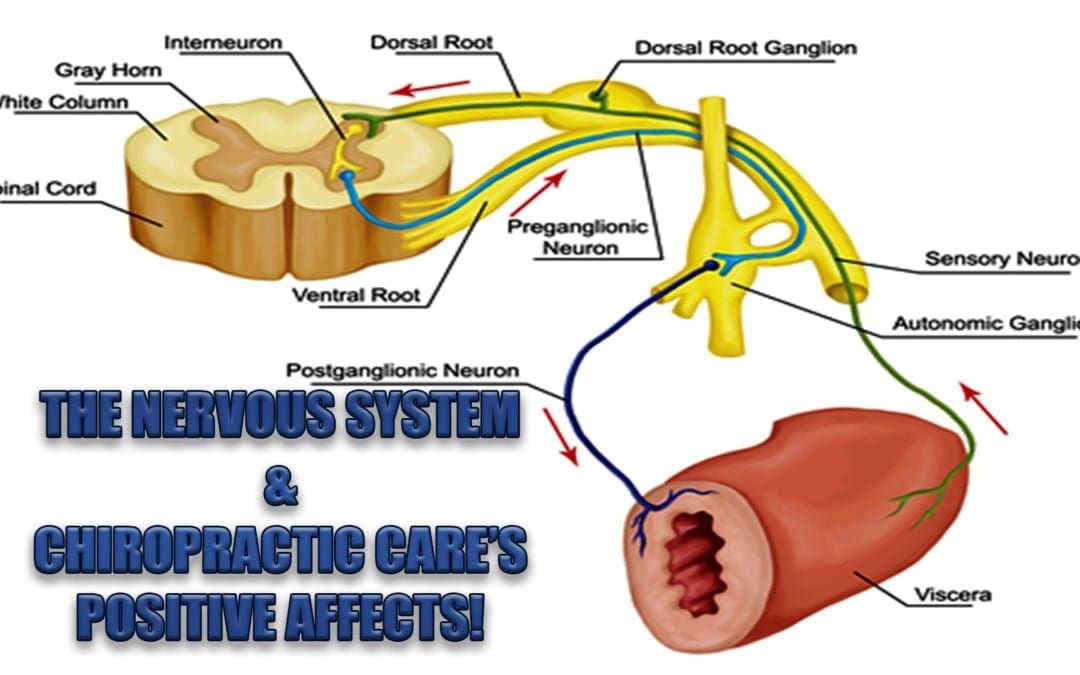
Nervous System
The nervous system is the body’s life energy source. It is responsible for facilitating millions of functions that occur throughout the body every day. These include:
Shifts the spine out of alignment, placing added pressure on the delicate nerves in the neck and back.
The compression causes nerve interference that disrupts optimal nerve energy flow from reaching the organs. This leads to:
Fatigue
Pain
Organ dysfunction
Eventually disease
Bio-Chiropractic
Bio-Chiropractic is a scientific and researched based form of musculoskeletal corrective care. It aims to unblock nerve interference through the proper realignment of the spine, returning it to its proper curvature. As a result, many individuals under chiropractic care report immediate relief from neck or back pain, along with a vibrant, energized feeling, and with time their overall health improves.
Body Composition Feedback
Malnutrition
Malnutrition can be defined as a deficiency, excess, or imbalance in an individual’s intake of energy and nutrients. Protein-energy deficiency is a common form of malnutrition. It is a health condition that can have immediate/negative effects on body composition. This deficiency causes damage to skeletal muscle mass as the body progresses into starvation mode, breaking down its own protein stored in the muscles for fuel.
Micronutrient deficiency is a lack of nutrients like minerals and vitamins. These support important functions like cell regeneration, the immune system, and eyesight. Common examples are iron and/or calcium deficiencies. Micronutrient deficiency has the greatest impact on the body’s physiological functions/processes. They can occur at the same time that protein-energy deficiency is happening overlapping each other. Nutritional deficiencies can impact processes like:
Building and repairing muscle
Protein-energy deficiency has a more pronounced effect on body composition, as lowered protein intake can lead to increased losses in muscle mass.
Berkson, D L. “Osteoarthritis, chiropractic, and nutrition: osteoarthritis considered as a natural part of a three-stage subluxation complex: its reversibility: its relevance and treatability by chiropractic and nutritional correlates.” Medical hypotheses vol. 36,4 (1991): 356-67. doi:10.1016/0306-9877(91)90010-v
Jensen, Gordon L et al. “Recognizing malnutrition in adults: definitions and characteristics, screening, assessment, and team approach.” JPEN. Journal of parenteral and enteral nutrition vol. 37,6 (2013): 802-7. doi:10.1177/0148607113492338
Oakley, Paul A et al. “Restoring lumbar lordosis: a systematic review of controlled trials utilizing Chiropractic Bio Physics® (CBP®) non-surgical approach to increasing lumbar lordosis in the treatment of low back disorders.” Journal of physical therapy science vol. 32,9 (2020): 601-610. doi:10.1589/jpts.32.601
The body’s functionality, circulation, and communicationare significantly affected by the health of the nervous system. The brain, spinal cord, and nerve roots connect every part of the body into a massive communication highway. If circulation and communication are interrupted, interfered with, or completely blocked then the body’s health begins to breakdown. Chiropractic treatment and spinal alignment will clear the pathways and get the nerve energy flowing restoring overall health.
Nervous System Operations
The nervous system regulates all areas of the body in communication, coordination, and it functions in the control of all major bodily functions. This includes:
Basic cellular function
Organ processes
Higher-level brain functions that include
Learning
Thinking
Memory
The nerves within the nervous system communicate via chemical and electrical messages. Nerve cells primarily communicate through quick electronic pathways and signals.
Nerve Energy Compromised
The signals that pass between the brain, spinal cord, nerves, and rest of the body maintain connectivity, coordination, and proper organ function. The electrical energy necessary to keep the circulation/signals flowing smoothly happens with optimal nerve strength. Causes that can affect nerve integrity include:
Chronic inflammation
Injury
Mental health factor
Spinal misalignment
If the circulation/communication highway in the nervous system is compromised, it can rapidly turn into misinterpreted, crossed, false, or no signals being sent. Ultimately, the signals can turn into total confusion, making the body fall into a state of total dysfunction. The lines of communication need to remain clear and uninhibited. This allows the body to function with ease as all systems cooperate.
Spinal Misalignment Affects Nerve Energy
With all the signals traveling through the spinal cord, any misalignment will affect circulation. Common causes of misalignment include:
Misalignment can be addressed with professional chiropractic adjustments. A chiropractor will pinpoint any subtle changes, address them, and restore the nerves’ circulation, as well as restore the body’s balance.
Restore and Maximize Nerve Circulation
Chiropractic is a research-based systematic approach to whole-body care and is designed to yield optimal results non-invasively. Contact Injury Medical Chiropractic to see what they can offer in helping to achieve health goals.
The Body’s Composition
Stress is hard enough to handle, but chronic stress can have complex, detrimental effects on emotional health. Over time, stress can wear away at both mental and physical health. And it does not take weeks or months to start seeing the effects.
It can take as little as four days to notice a significant impact on energy, fatigue, and soreness levels. Remember that achieving healthy body composition is more than just building muscle and losing fat. Maintaining a proper diet and getting enough sleep is necessary to make consistent progress.
Dr. Alex Jimenez�s Blog Post Disclaimer
The scope of our information is limited to chiropractic, musculoskeletal, physical medicines, wellness, and sensitive health issues and/or functional medicine articles, topics, and discussions. We use functional health & wellness protocols to treat and support care for injuries or disorders of the musculoskeletal system. Our posts, topics, subjects, and insights cover clinical matters, issues, and topics that relate and support directly or indirectly our clinical scope of practice.*
Our office has made a reasonable attempt to provide supportive citations and has identified the relevant research study or studies supporting our posts. We also make copies of supporting research studies available to the board and or the public upon request. We understand that we cover matters that require an additional explanation as to how it may assist in a particular care plan or treatment protocol; therefore, to further discuss the subject matter above, please feel free to ask Dr. Alex Jimenez or contact us at 915-850-0900. The provider(s) Licensed in Texas& New Mexico*
References
Lorei, M P, and E B Hershman. �Peripheral nerve injuries in athletes. Treatment and prevention.��Sports medicine (Auckland, N.Z.)�vol. 16,2 (1993): 130-47. doi:10.2165/00007256-199316020-00005
About� 40 percent of people all over the world struggle with allergies and the demand for treatment has never been higher. However, there is still no cure-all when it comes to treating allergies. There are plenty of options available, but few are as effective as we would like them to be�and the ones that do work usually have side effects that can make them undesirable.
Chiropractic offers an attractive alternative to standard medical treatment. By improving general health, chiropractic helps the body better cope with all those allergens now and years to come.
What are they?
When the human body encounters a substance that it is allergic to, the immune system is triggered and attempts to attack the allergen in much the same way it would a substance that is truly harmful. The problem is, the allergen is not harmful in and of itself�but the immune system reaction can be harmful, or at least highly unpleasant.
For example, if you are allergic to pollen, your immune system will attempt to attack the pollen you inhale. Your body will produce immunoglobulin, leading to the release of histamines. The histamines that surge through your system cause blood vessels to dilate, fluid to increase in the space surrounding your cells, and your blood pressure to drop. A runny nose and sneezing typically follow, and symptoms can become even more extreme, like nausea and vomiting. It all seems like overkill for a bit of pollen, but there is little you can do to avoid it.
It is possible to be allergic to just about anything, but there are certain substances that are common allergens. These include:
Pollen
Mold
Pet Dander
Weeds
Dust Mites
Grass
Girl� with allergies
Allergies and Chiropractic Adjustments
Allergies are not something that can be cured, but they can be treated in a way that lessens their impact on your life. Standard medical care offers a variety of treatments for allergies, some more effective than others.
Many over-the-counter allergy medications are available, each with its own potential side effects. You can also seek an appointment with an allergy specialist, who can determine exactly what you are allergic to and offer stronger treatment options�but these also carry potential side effects, and as with over-the-counter options, may or may not be effective.
Proper Nervous System Function
Chiropractic care approaches allergies more holistically. One of the main ideas behind chiropractic is that the human body can heal itself in most cases if the conditions are right.
It is the job of your chiropractor to create the ideal conditions for healing. By optimizing spinal alignment, it is possible to improve nervous system function and thereby improve the body�s response to all types of stimuli�including allergens.
Lifestyle Recommendations
Chiropractic is about more than spinal adjustments. A holistic approach means optimizing every aspect of your health, which includes diet and exercise.
Your chiropractor can look closely at your diet and other lifestyle factors and help you identify changes that may lessen your allergy symptoms. By improving your diet and adding exercises that add strength and mobility, you will change the composition of your body in fundamental ways. These changes often lead to surprising improvements in the way you react to a variety of substances.
Call To Make An Appointment
If you are suffering from allergy symptoms and you are tired of ineffective treatments and their unpleasant side effects, chiropractic care may be a perfect fit for you. Please contact us today to schedule an appointment with Dr. Alex Jimenez. Let us show you how much better chiropractic can make you feel.
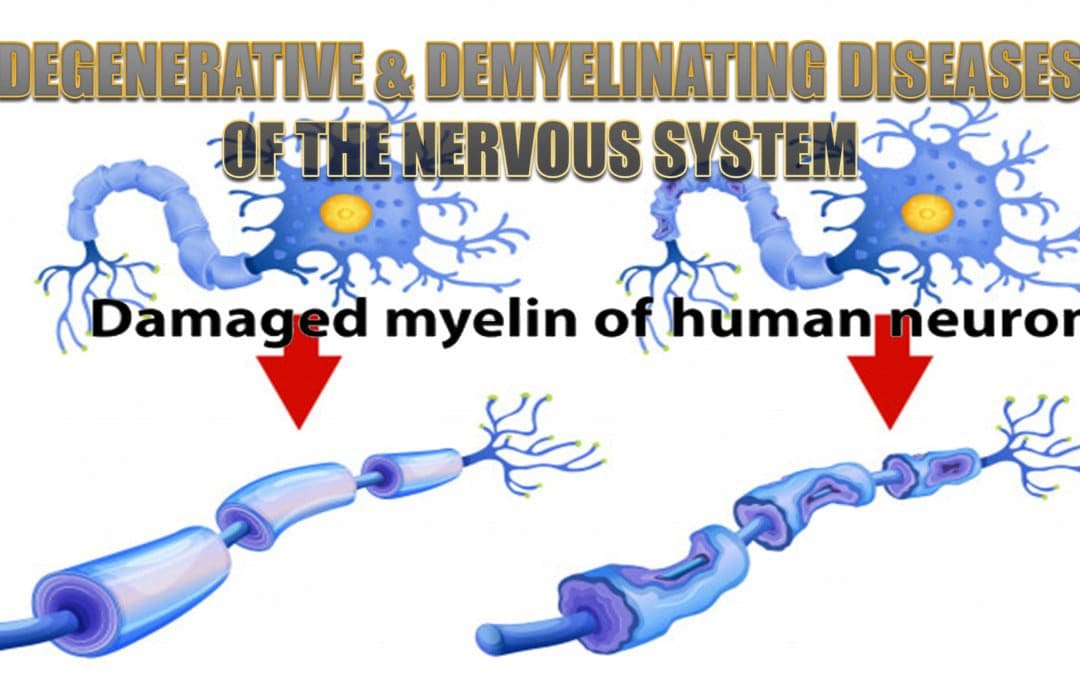
El Paso, TX. Chiropractor, Dr. Alexander Jimenez focuses on degenerative and demyelinating diseases of the nervous system, their symptoms, causes and treatment.
Degenerative & Demyelinating Diseases
Motor Neuron Diseases
Motor weakness without sensory changes
Amyotrophic lateral sclerosis (ALS)
ALS Variants
Primary lateral sclerosis
Progressive bulbar palsy
Inherited conditions that cause anterior horn cell degeneration
Werdnig-Hoffmann disease in infants
Kugelberg-Welander disease in children and young adults
Amyotrophic Lateral Sclerosis (ALS)
Affects patients 40-60 years of age
Damage to:
Anterior horn cells
Cranial nerve motor nuclei
Corticobulbar and corticospinal tracts
Lower motor neuron findings (atrophy, fasciculations) AND upper motor neuron findings (spasticity, hyperreflexia)
Survival ~three years
Death results from weakness of the bulbar and respiratory musculature and resultant superimposed infection
ALS Variants
Usually eventually evolve into typical ALS pattern
Primary Lateral Sclerosis
Upper motor neuron signs begin first, but patients do eventually have lower motor neuron signs as well
Survival can be ten years or longer
Progressive Bulbar Palsy
Selectively involves the head and neck musculature
As more and more cortical areas become involved, the patient will develop more severe cognitive deficits, however paresis, sensory loss, or visual field defects are features.
Treatment Options
Medications that inhibit central nervous system acetylcholinesterase
Donepezil
Galantamine
Rivastigmine
Aerobic Exercise, 30 minutes daily
PT/OT care to maintain activities of daily living
Antioxidant and anti-inflammatory therapies
In advanced stages, may require full time, in home care
Vascular Dementia
Cerebral arteriosclerosis leading to stroke
Patient will have documented stroke history or signs of prior stroke (spasticity, paresis, pseudobulbar palsies, aphasia)
May be associated with Alzheimer Disease if due to amyloid angiopathy
Frontotemporal Dementia (Pick�s Disease)
Familial
Affects the frontal and temporal lobes
May be seen on imaging if advanced degeneration in these areas
Inability to compensate for perturbations, resulting in retropulsion
Mask-like facies
Mild to moderate dementia
Later in progression, due to lewy body accumulation
Pathology
Deficiency of dopamine in the striatum (caudate and putamen) of the basal ganglia
Dopamine normally has the effect of stimulating the direct circuit through the basal ganglia, while inhibiting the indirect pathway
Carbidopa/Levodopa
Most common treatment is a combination drug
Levodopa
A dopamine precursor that crosses the blood-brain barrier
Carbidopa
Dopamine decarboxylase inhibitor that does not cross the BBB
Amino acids will reduce effectiveness (competition) and so medication should be taken away from protein
Prolonged Treatment With Carbidopa/Levodopa
The patient�s capacity to store dopamine declines with medication use and therefore the improvements from the medications will last for shorter and shorter periods the longer the medication is used
Over time can result in proliferation of dopamine receptors
Peak-dose dyskinesia
Long term use puts stress on the liver
Other side effects can include nausea, hypotension and hallucinations
Other Treatment Options
Medications
Anticholinergics
Dopamine agonists
Dopanime breakdown inhibitors (Monoamine oxidase or catechol-O-methyl transferase inhibitors)
High dose glutathione
Brain balancing functional neuro-rehab exercises
Vibration
Retropulsive stimulation
Repeated reflex stimulation
Targeted CMT/OMT
Multiple System Atrophy
Symptoms of Parkinson Disease paired with one or more of the following:
Pyramidal signs (Striatonigral degeneration)
Autonomic dysfunction (ShyDrager syndrome)
Cerebellar finding (Olivopontocerebellar atrophy)
Generally not responsive to standard Parkinson Disease treatments
Progressive Supranuclear Palsy
Fast progressing degeneration involving tau proteins in many areas including the rostral midbrain
Symptoms usually start around ages 50-60
Gait difficulty
Significant dysarthria
Voluntary vertical gaze difficulty
Retrocollis (dystonic extension of the neck)
Severe dysphagia
Emotional lability
Personality changes
Cognitive difficulty
Does not respond well to standard PD treatment
Diffuse Lewy Body Disease
Progressive dementia
Severe hallucinations and possible paranoid delusions
Confusion
Parkinsonian symptoms
Multiple Sclerosis
Multiple white matter lesions (plaques of demyelination) in the CNS
Variable in size
Well-circumscribed
Visible on MRI
Optic nerve lesions are common
Peripheral nerves are not involved
Uncommon in children under 10, but usually presents before age 55
Viral infection may trigger an inappropriate immune response with antibodies to a common virus-myelin antigen
Infectious and immune mechanisms contribute
Types Of MS
Primary progressive MS (PPMS)
Secondary progressive MS (SPMS)
Relapsingremitting multiple sclerasis (RRMS)
Most common type
Can develop acutely, spontaneous appear to resolve and return
Eventually becomes like SPMS
Optic Nerve Involvement
In 40% of MS cases
Pain with eye movements
Visual field defect (central or paracentral scotoma)
Funduscopic examination
May reveal papilledema if the plaque involves the optic disk
May not appear unusual if plaques are behind the optic disk (retrobulbar neuritis)
Medial Longitudinal Fasciculus Involvement
Demyelination of the MLF results in internuclear ophthalmoplegia
During lateral gaze there is paresis of the medial rectus and nystagmus of the contralateral eye
The Nervous System: At its very foundation chiropractic helps improve�nervous system function by making adjustments to the spine. Over time, more and more studies are proving that it is extremely effective and as a result many health conditions are improved and even healed completely.
Function Of The Nervous System
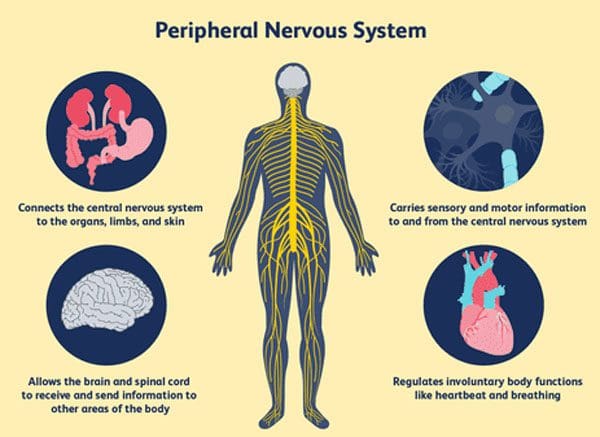
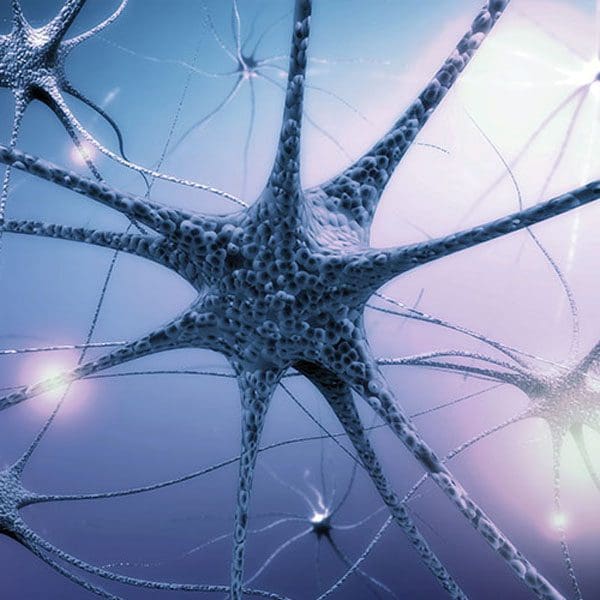
The nervous system is a complex network of nerves, spinal cord, and brain that reach and affect every part of the body. The core of the nervous system is the spinal cord which receives and transmits information in the body.
It is responsible for organ function, movement, and experiencing the senses sight, sound, touch, taste, and smell. The brain receives the information that is carried by the nervous system. It processes the information and helps the body react appropriately.
When you look at a cat, the image is transmitted through the nervous system, processed in the brain, and translated to the image of a cat as you understand it. It happens so quickly; there is no pause or lapse of time in a healthy nervous system. The transmission of the message is instantaneous.
How Chiropractic Helps Improve The Nervous System
When the spine is not aligned or the body is out of balance it can impact the function of the nervous system, causing chronic pain, difficulty in mobility, and a wide range of health conditions. Chiropractic adjustments open the pathways of the nervous system allowing the information to flow unobstructed.
It goes far beyond just the spine though. The chiropractor may adjust the arms, legs, neck, and hips in addition to the spine which all work together to provide a healthy, functioning nervous system. Regular chiropractic care can help keep the nervous system unimpeded and working as it should.
Improved Nervous System Means Improved Immune & Endocrine Systems
The nervous system, immune system, and endocrine system are inextricably linked so when one is impacted, the others are impacted as well. This occurs because all three systems share certain molecules that carry message between them, allowing them to communicate or work together. It is this connection that makes chiropractic an effective treatment for immunity.
While the immune system protects the body from disease, the endocrine system is responsible for producing certain hormones. These hormones are responsible for regulating tissue function, sleep, metabolism, sexual function, mood, growth and development, as well as other vital functions.
This is why chiropractic treatment can often help with depression and insomnia; it is even an effective treatment for infertility. When you look at the nervous system from this perspective it is easy to see how far reaching it is and how much it impacts the entire body.
Benefits Of An Improved Nervous System
There are many chronic and even degenerative health conditions that are impacted by the nervous system. Studies have shown that chiropractic is a very effective treatment for numerous neurological conditions including:
Vertigo
Cerebral palsy
Ataxia
Multiple sclerosis
Parkinson�s
Epilepsy
Tourette�s Syndrome
Autism
This makes chiropractic more of a global treatment in many cases. A patient may seek treatment for pain or limited mobility but will often experience many other benefits due to the positive effects that the treatment has on the nervous system.
When there is a communication breakdown between the brain and the body�s tissues, organs, and cells it can lead to a variety of health problems. Chiropractic provides a safe, effective treatment for improved nervous system function.
In some cases, a patient may need regular chiropractic treatments that may be once a week or several times a week. The type, frequency, and intensity of the treatment is dependent upon the patient and their condition. Chiropractic treatment positively affects the nervous system and as a result, positively affects the entire body.
Injury Medical Clinic: Fibromyalgia Care & Treatment
IFM's Find A Practitioner tool is the largest referral network in Functional Medicine, created to help patients locate Functional Medicine practitioners anywhere in the world. IFM Certified Practitioners are listed first in the search results, given their extensive education in Functional Medicine








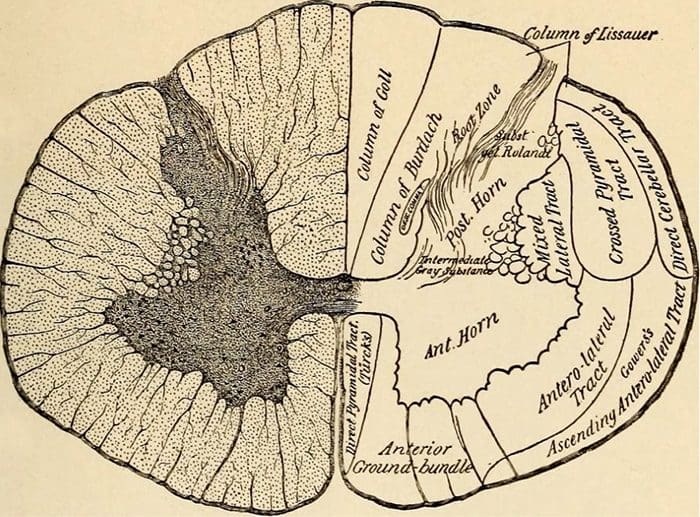 Church, Archibald. Nervous and Mental Diseases. W.B. Saunders Co., 1923.
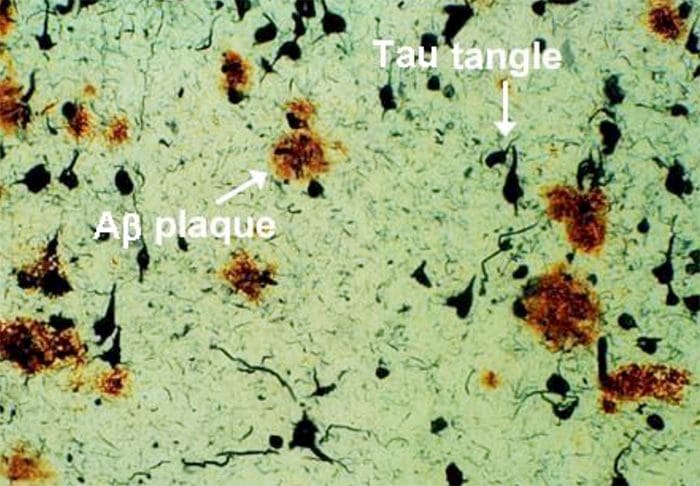 http://sage.buckinstitute.org/wp-content/uploads/2015/01/plaque-tanglesRNO.jpg
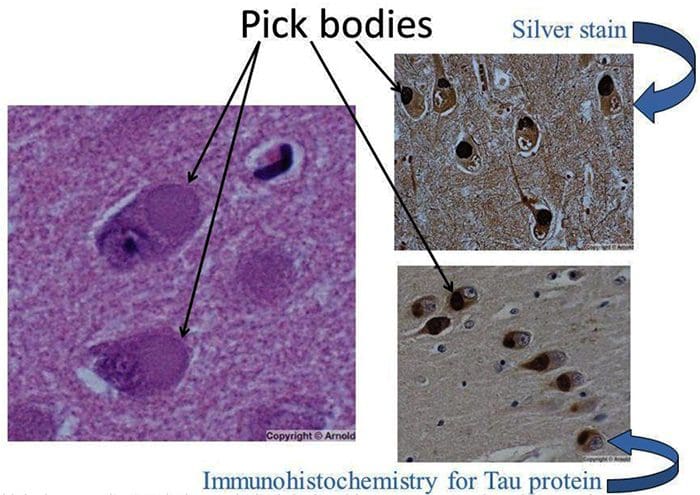 http://slideplayer.com/9467158/29/images/57/Pick+bodies+Silver+stain+Immunohistochemistry+for+Tau+protein.jpg
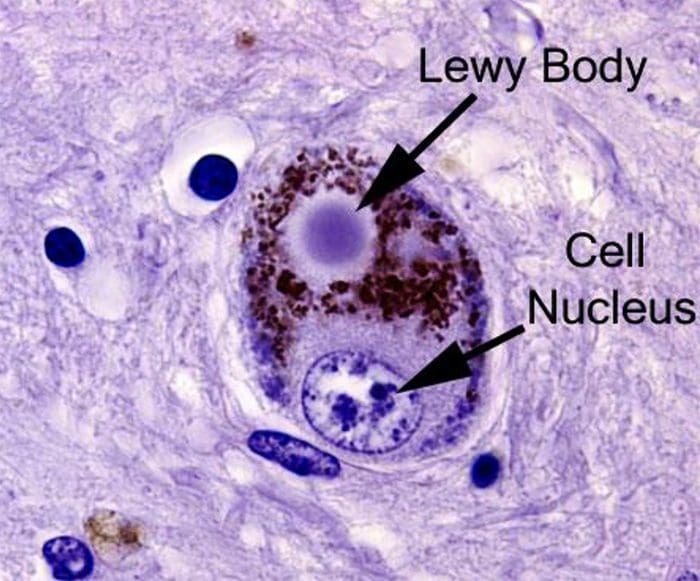 https://scienceofpd.files.wordpress.com/2017/05/9-lb2.jpg