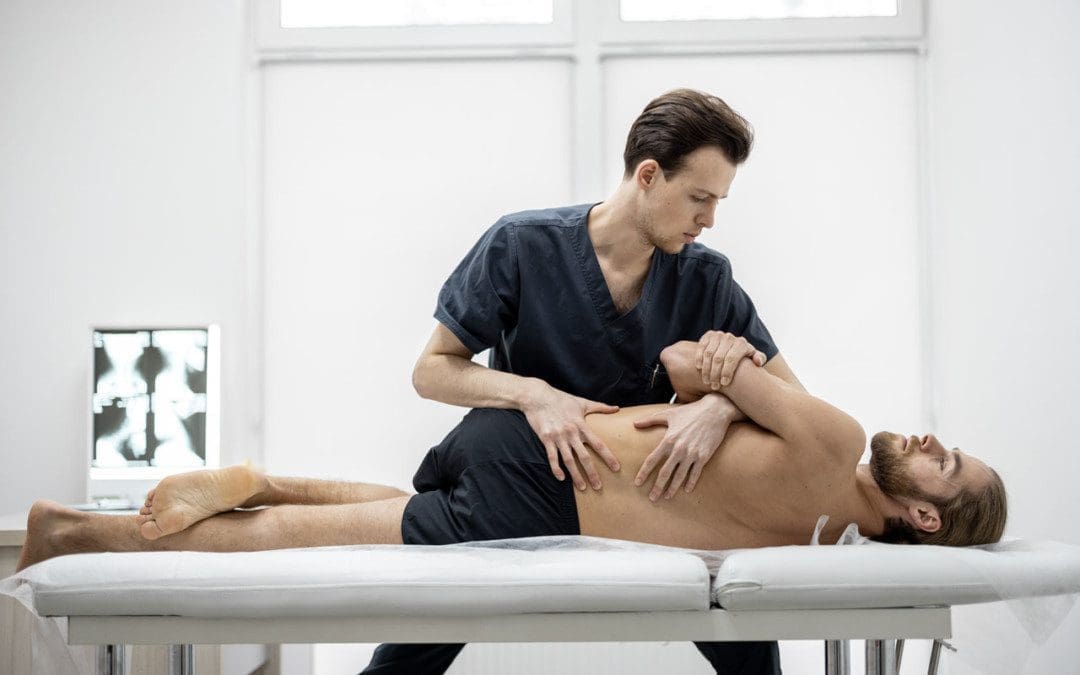
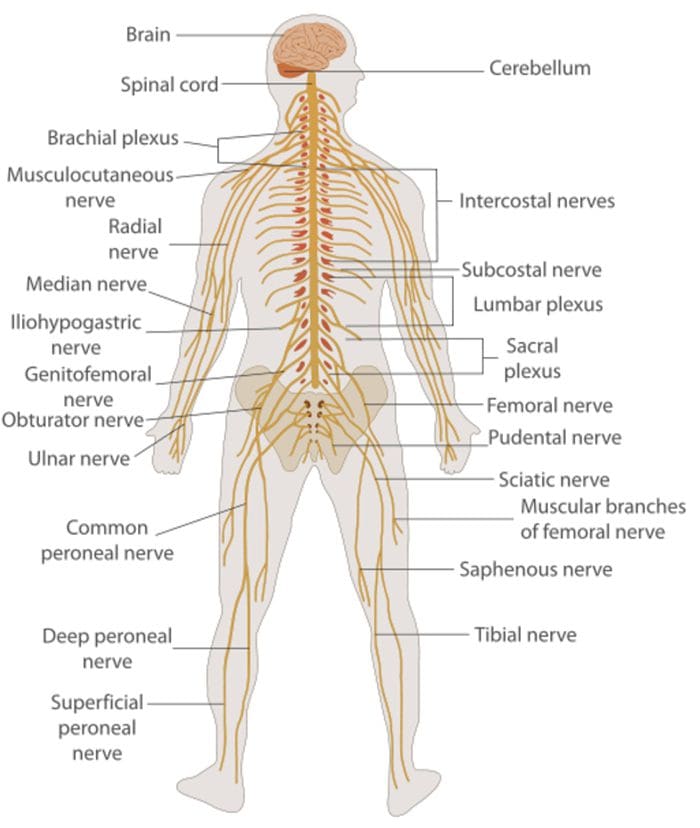
Chiropractic is a form of neuromusculoskeletal care that repairs and re-optimizes the nervous system that helps to relieve tension, inflammation, pain and restore body health. Like any piece of machinery that requires regular maintenance to operate correctly without issues, so too is the body an exquisite machine that needs regular maintenance. Treatment restores and maintains optimal function to the nervous system, muscles, bones, tendons, ligaments, and joints.
Neuromusculoskeletal Care
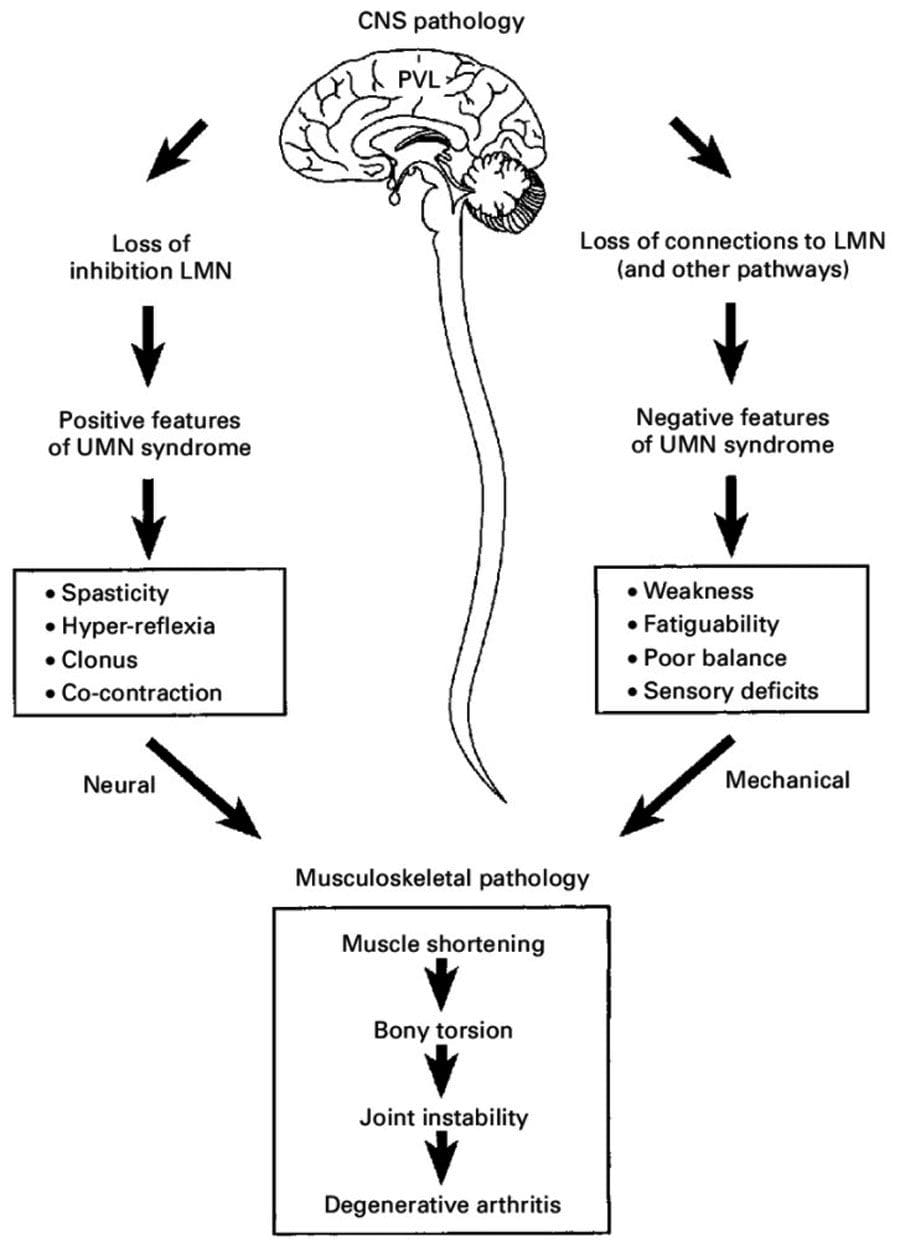
Central Nervous System – CNS
The Central Nervous System or CNS is the body’s computer.
It processes functions in the body and mind.
It s made up of the brain and spinal cord.
It helps process external information through sight, sound, touch, smell, and taste.
The CNS interprets sensory information that goes through the spinal cord to the brain, and the body responds accordingly.
It controls voluntary movements like walking, talking, exercising.
It controls involuntary movements like blinking, breathing, digestion.
It allows thoughts, emotions, and perceptions to be created and expressed.
When the Central Nervous System works correctly, the body is coordinated, all senses send and receive information effectively, and cognition/thinking is clear.
Peripheral Nervous System – PNS
The Peripheral Nervous System or PNS transmits signals from the outside to the Central Nervous System.
The PNS is comprised of all the nerve bundles that run throughout the body.
The PNS is responsible for transmitting information back and forth from the CNS to the rest of the body by electrical impulses and current.
When the PNS is functioning correctly, and there is thorough nerve circulation throughout the body, there are no issues like numbness, weakness, pain, and digestion is in top form.
Enteric Nervous System – ENS
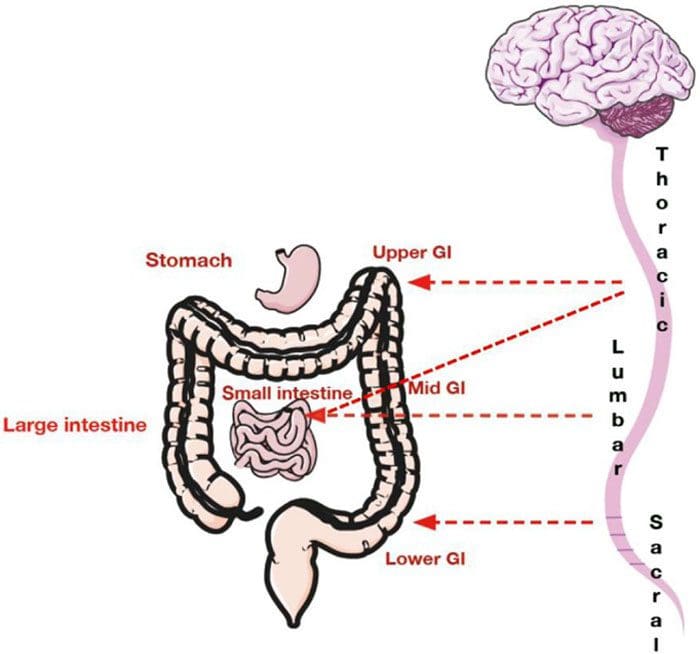
The Enteric Nervous System or ENS is a branch of the peripheral nervous system that signals the digestive system.
It comprises nerves that stretch across the entire gastrointestinal tract.
It allows the nervous system to communicate with the digestive tract and regulate activity.
It can stop the digestive process when the body is under stress or strain, i.e., fight or flight response.
Inflammation and stress can cause the enteric system to disrupt and cause digestive problems.
Pain Relief
Body pain can be an indication of an imbalance in the nervous system. Misalignment from work, home activities, trauma, injury, or posture problems, a subluxation/misalignment can turn into discomfort that leads to pain and neuromusculoskeletal system issues. Pain in the neuromusculoskeletal system can result from spinal misalignment and a shifting skeletal structure. The joints and misaligned bones compress the surrounding nerves and tissue, causing inflammation that results in pain symptoms. This causes the muscular system to compensate for the lack of stability support from the skeletal structure causing awkward body posturing. A chiropractor realigns the spinal structure, removing the compression/pressure from the nerves, tissues, muscles, ligaments, and tendons.
Body Composition
Chiropractic Medicine
The nervous system is highly responsive to chiropractic care because of chiropractic’s focus on the spine, which restores and rejuvenates. Chiropractic medicine and a properly aligned spine:
Reduces and eliminates pain.
Reduces and eliminates headaches and migraines.
Improves balance and coordination.
Improves digestive function.
Improves quality of sleep.
Increases energy.
Increases flexibility and mobility.
Enhances cognition and clear thinking.
References
Goudman, Lisa et al. “The Link Between Spinal Cord Stimulation and the Parasympathetic Nervous System in Patients With Failed Back Surgery Syndrome.” Neuromodulation: journal of the International Neuromodulation Society vol. 25,1 (2022): 128-136. doi:10.1111/ner.13400
Gyer, Giles et al. “Spinal manipulation therapy: Is it all about the brain? A current review of the neurophysiological effects of manipulation.” Journal of integrative medicine vol. 17,5 (2019): 328-337. doi:10.1016/j.joim.2019.05.004
Millet, Guillaume Y et al. “The role of the nervous system in neuromuscular fatigue induced by ultra-endurance exercise.” Applied physiology, nutrition, and metabolism = Physiologie appliquee, nutrition et metabolisme vol. 43,11 (2018): 1151-1157. doi:10.1139/apnm-2018-0161
Stoll, T et al. “Physiotherapie bei lumbaler Diskushernie” [Physiotherapy in lumbar disc herniation ]. Therapeutische Umschau. Revue therapeutique vol. 58,8 (2001): 487-92. doi:10.1024/0040-5930.58.8.487
Proper nutrition can be difficult for individuals with work, school, and busy schedules to prepare fresh, healthy meals. Healthy food is essential for a healthy nervous system and spine to promote a healthy musculoskeletal system, metabolism, bone strength, tissue growth, and repair. The body requires more nutritional value to heal itself to support damage or injury.
Nervous System and The Spine
The nervous system runs throughout the body like an interstate highway and impacts every bodily function. Disrupting signals can cause a backup, like a massive traffic jam. At that point, no matter how healthy the diet is, the body is unable to process all the food thoroughly to break down all the nutrients. Chiropractic adjustments ensure that blood circulation and nerve energy flow function optimally so that messages sent from the brain and body are transmitted without disruption.
Disrupted Nervous System
The nervous system influences every part of the body, and digestion is no exception. The nervous system tells the body what it needs to do with the food/fuel. When the nervous system is unbalanced and experiencing problems, the nutrients that the body needs don’t get appropriately stored, broken down, or used correctly, leaving the body feeling not full and unsatisfied.
Nutrition Improves Musculoskeletal Health
It is essential to understand that nutrition and musculoskeletal health depend on a healthy nervous system and spine.
Food high in protein and calcium increases bone density.
Protein and calcium are vital as the body ages.
A healthy skeletal structure will ensure and maintain a healthy body.
Food is the primary source of nutrients for the body to rebuild and repair torn muscles.
The Relation Between Nutrition And Recovery
Nourishment plays a vital role in maintaining the body’s health and helps in reducing the risk of illness or injuries. There are several links between nutrition and recovery that includes:
Injury Rehabilitation
A diet rich in antioxidants like:
Berries
Apricots
Grapes
Milk
Nuts
The body becomes stronger to combat inflammation.
Foods rich in lean protein like:
Yogurt
Tofu
Beef
Provide the body with essential building blocks that help repair cellular damage.
Joint Or Back Pain Alleviation
Overweight and obesity generate unnecessary load on the spine or joints, resulting in back pain.
Reducing weight through proper nutrition filled with proteins and magnesium instead of unhealthy fats and calories will help reduce the strain being put on the musculoskeletal system.
Increased Energy Levels
Food high in sugar or preservatives makes the body feel sluggish and tired.
As a result, the body is constantly exhausted, fatigued, sleepy, and irritable.
Proper nutrition increases energy levels.
Maintaining the nervous system and spine’s overall health.
Body Composition
Malnutrition Risks
Malnutrition can be difficult to spot early, but there are various risk factors to recognize. These include:
Depression doubles the risk of malnutrition, especially among men.
References
Bollwein, J et al. “Nutritional status according to the mini nutritional assessment (MNA®) and frailty in community-dwelling older persons: a close relationship.” The journal of nutrition, health & aging vol. 17,4 (2013): 351-6. doi:10.1007/s12603-013-0034-7
Curtis, Elizabeth et al. “Determinants of Muscle and Bone Aging.” Journal of cellular physiology vol. 230,11 (2015): 2618-25. doi:10.1002/jcp.25001
Gentile, Francesco et al. “Diet, Microbiota and Brain Health: Unraveling the Network Intersecting Metabolism and Neurodegeneration.” International journal of molecular sciences vol. 21,20 7471. 10 Oct. 2020, doi:10.3390/ijms21207471
Oxland, Thomas R. “Fundamental biomechanics of the spine–What we have learned in the past 25 years and future directions.” Journal of biomechanics vol. 49,6 (2016): 817-832. doi:10.1016/j.jbiomech.2015.10.035
Pérez Cruz, Elizabeth et al. “Asociación entre desnutrición y depresión en el adulto mayor” [Association between malnutrition and depression in elderly]. Nutricion hospitalaria vol. 29,4 901-6. 1 Apr. 2014, doi:10.3305/nh.2014.29.4.7228
Inflammation is the body’s response to infection, injury, or irritation. It causes swelling, redness, pain and sometimes causes the affected area to be unable to function. Acute inflammation happens after spraining the ankle or getting a mosquito bite and is the body’s method of preserving itself. This type of inflammation helps remove harmful irritants and pathogens, so healing ensues, along with healthy beneficial swelling that disappears with time. Chronic inflammation is when the body generates a stronger-than-necessary inflammatory response from an imbalanced immune system or a condition that causes the immune system to attack healthy tissue. Certain foods, lack of sleep, and constant stress increase the risk of developing chronic inflammation. Chiropractors are known for their expertise in stretching the muscles, ligaments, tendons, and adjusting/realigning joints and bones. Chiropractic treatment can also affect inflammation positively.
Inflammation Affects Health
When inflammation presents, there is significant potential that disease is also present in the body. Inflammation is a natural response to restore the body to homeostasis or balance. White blood cells and other immune cells are sent to the area to ward off invading bacteria, viruses, debris, etc., and reduce or defeat the infection. For some individuals, inflammation occurs within their body regularly and reappears repeatedly. This can be caused by injuries that never completely healed, frequent strains, and injuries from a weakened musculoskeletal system. Inflammation can also come from infection, irritation, the production of diseased cells, or allergies. Organs and tissues can be inflamed for a long time and can cause damage to the cells that comprise those regions of the body. This can lead to:
Thinning and weakening of organ walls and tissues.
Decreased organ function.
The overall deterioration of the body’s systems and wellness.
Causes
Some common diseases and conditions that create chronic inflammation are:
Asthma
Chronic peptic ulcers
Tuberculosis
Rheumatoid arthritis
Periodontitis
Ulcerative colitis
Crohn’s disease
Sinusitis
Active hepatitis
Risk Factors
Certain risk factors that can increase the likelihood of inflammation are:
Stress is one of the leading causes of illness and disease in the body and contributes significantly to inflammation. Organs and tissues can also become inflamed under pressure. When stress kicks in, chemical reactions occur, causing the release of the hormone cortisol. Cortisol is initially an anti-inflammatory hormone, but a prolonged release can eventually create a dysfunctional cycle of widespread inflammation. Chronic stress can cause inflammation throughout the body. Usually, the body’s weakest or most strained region will suffer the most effects of overall inflammation. Even after the stress reduces or is resolved, the inflammation effects can continue to linger. Inflammation can:
Decrease organ function
Strain tissues
Strain ligaments
Force bones and joints out of alignment and subluxation.
Cause decreased efficiency and performance of the body’s systems and organs.
Chiropractic Affects On Inflammation
When the body is out of alignment, it can compress tissues, muscles, and ligaments. Chiropractic works primarily on the skeletal structure and the nervous system. The nervous system plays an essential role in regulating immune response, which creates or decreases inflammation in the body. When the bones and joints are out of alignment, they cause strain on the nervous system and the immune system, often triggering an immune response. Chiropractic adjustments of the bones and joints reset and rejuvenate nervous system function. Realignment of the spine, including neck, shoulders, arms, pelvis, hips, knees, and feet, enhances nerve circulation and alleviates abnormal immune system function. To begin relieving inflammation from injury, misalignment, stress, and strain on the body, consult and see how chiropractic affects inflammation.
Body Composition
Dietary Fats
There are four main types of dietary fats listed on food labels:
These are not to be confused with adipose tissue/stored fat in the body. These four fats have different physiological effects once they are digested. Some are beneficial, and some can negatively impact health and are recommended to be taken in moderation.
Saturated vs. Unsaturated fats
Fats are made up of chains of carbon atoms with a carboxyl group COOH at one end and methyl groups CH3 at the other end. Carbons are attached to each other and to hydrogen atoms. The way the carbons are chained differentiates saturated and unsaturated fats and impacts how the body processes them. Unsaturated fats have one or more double bonds between the carbon atoms, and foods rich in unsaturated fats are usually liquid at room temperature, like olive oil. Saturated fats contain no double bonds and are generally solid at room temperatures, like butter and cheese.
References
Arulselvan, Palanisamy et al. “Role of Antioxidants and Natural Products in Inflammation.” Oxidative medicine and cellular longevity vol. 2016 (2016): 5276130. doi:10.1155/2016/5276130
Hannibal, Kara E, and Mark D Bishop. “Chronic stress, cortisol dysfunction, and pain: a psychoneuroendocrine rationale for stress management in pain rehabilitation.” Physical therapy vol. 94,12 (2014): 1816-25. doi:10.2522/ptj.20130597
Pahwa R, Goyal A, Bansal P, et al. Chronic Inflammation. [Updated 2021 Sep 28]. In: StatPearls [Internet]. Treasure Island (FL): StatPearls Publishing; 2021 Jan-. Available from: https://www.ncbi.nlm.nih.gov/books/NBK493173/
All of these can deplete the body of nutrients and drain the body’s energy. As a result, individuals can be distracted throughout the day, unable to leave the house, and unable to accomplish regular tasks. Gastrointestinal stress can be caused by a variety of factors, including:
Unhealthy diet
Interrupted sleep patterns
Work/school changes
Headaches
Medications
Fibromyalgia
Digestive issues are commonly associated with poor nutrition, but there could be an underlying cause in the spine and nervous system. Chiropractic can help manage gastrointestinal stress and stomach problems.
Spinal Subluxation and Gastrointestinal Stress
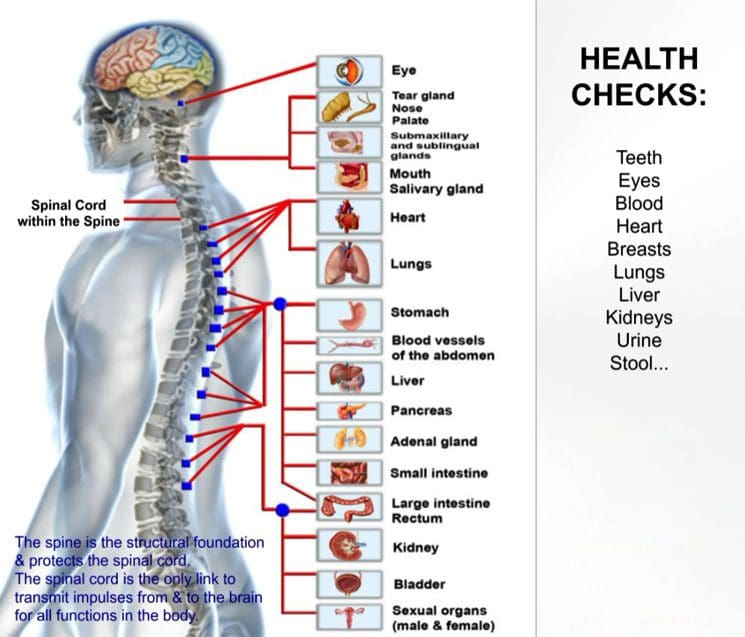
The nervous system controls every function that the body performs, including digestion. The spine communicates with the stomach directly. The thoracic mid-back and lumbar low-back regions of the spine are responsible for regulating the rate of how food is physically broken down and digested. A subluxation or spinal misalignment can interfere with vital information transmissions from the brain to the digestive tract compromising digestive function.
Subluxation
Subluxation refers to a misalignment of the vertebrae that can cause health issues with the nerves in the spine, directly affecting digestion. If the vertebrae are out of alignment, this causes a misfire in the signals being sent to the nerves of the digestive system. This can cause problems for the body absorbing nutrients, vitamins, and minerals from food. Because of this, no matter how healthy the diet is, individuals can still suffer from digestive issues.
Chiropractic
Many individuals deal with stress through meditation, breathing exercises, physical activity/exercise, and diet adjustments.
Lifestyle adjustments help counter the effects of stress, but if the nervous system is blocked from spinal misalignment, disrupting vital nerve flow through the body, specifically the digestive tract, gastrointestinal stress will continue to cause damage and malfunction. Individuals with:
Have experienced how chiropractic treatment corrects and helps manage symptoms.
Body Composition
Viscous and Nonviscous Fiber
Another way of classifying fiber is by its viscosity or thickness. Certain types of soluble fiber are thicker and are more likely to form firmer, stickier gels when mixed with water. When digesting food that consists of thick fiber it increases the thickness of the gel substance that passes through the gut. As a result, it reduces appetite because it makes the body feel fuller longer. Viscous fibers include:
Angus, Katherine et al. “What effect does chiropractic treatment have on gastrointestinal (GI) disorders: a narrative review of the literature.” The Journal of the Canadian Chiropractic Association vol. 59,2 (2015): 122-33.
Qu, Liuxin et al. “Irritable bowel syndrome treated by traditional Chinese spinal orthopedic manipulation.” Journal of traditional Chinese medicine = Chung i tsa chih ying wen pan vol. 32,4 (2012): 565-70. doi:10.1016/s0254-6272(13)60072-2
The body needs consistent energy to get through the day. The central nervous system runs from the brain, down through the spine, and then towards every organ and region of the body. The central nervous system works by sending signals to the organs or the body’s moving parts. But when there is a kink, misalignment, damage, or injury in the spine or other joints, the signals don’t get sent or received correctly.
Pressure builds on the nerves causing the signals/messages sent from the brain to the body to start to slow down and the body’s responses. This includes not just physical reactions but the body’s metabolism. Slow metabolism causes the body to become sluggish and slow. Regular chiropractic adjustments can remove the kinks restoring proper energy flow. When the body’s cells and organs are sending and receiving the signals correctly, the body gets the full force of the energy that the body has stored.
Energy Drain
Spinal misalignments can cause a multitude of symptoms. The most common problem is pain. Misalignments can also lead to energy-draining problems. These include:
Headaches
Difficulty concentrating
Joint pain
Inflammation
The body absorbs toxins from the air, water, food, or direct contact. A buildup of toxins can make the body sluggish. Chiropractic adjustments release these toxins so that the body can rid itself of them. Being out of alignment and balance requires the body to use more energy to get anything done. Even easy to do activities, chores, tasks, etc. When the body’s natural balance is restored, the result is more available energy.
Stress Management
Stress management is vital as chronic stress increases the risk of developing health problems. Learning to manage stress can help increase energy. Therapeutic massage can help with stress relief. A chiropractor will determine the best type of massage for each individual’s situation. The physiological effects of massage to reduce stress include:
Increased endorphins, serotonin, dopamine.
Decreased cortisol.
Increased tissue elasticity.
Endorphins, serotonin, and dopamine are neurotransmitters that are released by the autonomic system when stimulated.
Endorphins are responsible for relieving anxiety.
Serotonin prevents depression and gives a sense of well-being.
Dopamine increases motivation and prevents self-doubt.
When the body lacks these positive hormones, an individual can become stressed, anxious, and overwhelmed. A therapeutic massage stimulates the autonomic system, increasing the release of positive hormones. Increasing the level of positive hormones reduces stress and anxiety and improves overall mood.
When a decrease in cortisol occurs, stress is also reduced. Cortisol is a negative hormone released from the adrenal gland when stimulated by the brain’s hypothalamus region. The adrenal gland is located on top of the kidneys. Cortisol is released into the blood and is transported around the body. Cortisol increases:
Stress
Anxiety
Depression
Responsible for the fight or flight response.
When large amounts of cortisol are released in response to pain, stress levels increase, and the immune system is suppressed. A massage helps flush out the cortisol from the blood and replace it with the positive hormone endorphins, serotonin, and dopamine, decreasing stress and increasing relaxation.
Central Nervous System and Chiropractic
Chiropractic looks for the root cause of the problem and addresses that issue. Individuals can keep their bodies stay in balance by:
Chiropractic treatment can help improve quality of life and overall health.
Body Composition
Neglecting A Healthy Diet
Individuals might begin a weight loss journey by going to the gym, which is great, but neglecting a healthy diet is just wasting energy. Fat loss happens when the body is in a caloric/energy deficit. This means an individual has to take in fewer calories than the body is using. According to the CDC, individuals need to reduce food intake by at least 500 calories a day to lose around a pound of body fat a week.
Individuals that start increasing exercise/workouts make the body instinctively want to increase calorie intake.
Eating more calories than are burned means the individual is wasting the workout.
For example, the body needs a 2,100 calorie diet to maintain its weight, and on average, an individual eats 2,100 calories.
This means the weight won’t change much, if at all.
If an individual burns 300 calories from a workout, the body needs 2,400 calories to maintain weight.
If no changes are made to the diet, the individual will be in a negative -300 caloric deficit.
Suppose an individual starts increasing their caloric intake because they think their metabolism is speeding up, which is not how it works, then the individual negates any energy deficit that they worked for, leading to no fat loss.
References
Carlson, Linda E et al. “Integrative Approaches to Stress Management.” Cancer journal (Sudbury, Mass.) vol. 25,5 (2019): 329-336. doi:10.1097/PPO.0000000000000395
Kültür, Turgut et al. “Evaluation of the effect of chiropractic manipulative treatment on oxidative stress in sacroiliac joint dysfunction.” Turkish Journal of physical medicine and rehabilitation vol. 66,2 176-183. 18 May. 2020, doi:10.5606/tftrd.2020.3301
Salleh, Mohd Razali. “Life event, stress, and illness.” The Malaysian Journal of medical sciences: MJMS vol. 15,4 (2008): 9-18.
Optimal nervous system health is the key to maximum body function and overall health. Individuals don’t really think about their nervous system until symptoms from injury, disease, or nerve problems present. The nervous system consists of billions of neurons that connect/network the brain with the rest of the body.
Nervous System Health
All of the body’s systems, organs, and tissues have nerves attached to them. The brain engages with this network to control and coordinate bodily functions. Functions include:
Heart
Lungs
Immune system
Digestive system
Reproductive system
Every function the body performs requires brain-body communication through the nervous system. The brain communicates with the nervous system to regulate the body to the environment it is in. For example:
If it’s hot, the body sweats.
If it’s cold, the body shivers.
If there is danger, the fight or flight response activates.
All are directed by the brain transmitting signals and messages through the nervous system.
Body Function
Optimal body function means that all bodily functions are normal, active, and healthy. Everything is working as it should. When the body functions at less than 100%, it can develop into more serious problems little by little. Like a vehicle that starts making a little sound that seems like nothing, then after a few days, weeks, months, it becomes a massive popping, grinding, starting, stopping, emergency, when vital information that regulates function gets lost in transmission from the brain to the body, health declines.
Flowing Spinal Highway
The vital information/communication between the brain and the body flow through the spinal column. The super information highway/spinal cord travels down the spinal column. Branching off the spinal cord are spinal nerve roots that go to every system, organ, and tissue in the body. The spinal bones are lined up like an electrical conduit channel for the spinal cord. The vertebrae should be lined up and move properly, allowing optimal blood and nerve circulation without any obstruction or interference.
When the spine shifts out of place, creating misalignment, moving properly becomes hindered, causing discomfort and pain, along with the vital communication needed to regulate maximum function not able to get through. This leads to malfunction within the body and decreases health and well-being. Spinal misalignment that interferes with nerve message transmission is called a vertebral subluxation.Chiropractic healthcare professionals are trained to detect and correct spinal subluxations. They realign the spine’s bones to restore nervous system health and internal communication for proper body function.
Body Composition
Prebiotics Can Help With
Inflammation
Inflammation is a normal function of the immune system; however, chronic inflammation can cause damage to the body. Chronic inflammation is associated with:
Obesity
Heart disease
Cancer
Other diseases and conditions.
Having a balance of healthy gut microbiota helps decrease chronic inflammation and the risk of disease.
Gastrointestinal Diseases and Conditions
Prebiotics also ferment in the colon producing short-chain fatty acids. These provide energy for the colon’s epithelial cells that line and protect the colon. Prebiotics increase the protection provided by the epithelial cells, reducing the risk for gastrointestinal conditions like:
Irritable Bowel Syndrome – IBS
Crohn’s disease
Cancer.
Prebiotics can also reduce symptoms of gastrointestinal conditions.
Neurological System
The central nervous system is also known as the brain and spinal cord. However, many do not know about the enteric nervous system, which includes the gastrointestinal tract. The link between the enteric and central nervous systems involves cognitive and emotional functions. Prebiotics increase and promote healthy gut microbiota to help manage:
Mood
Learning
Memory
Certain psychological disorders
References
Cerdó, Tomás et al. “Probiotic, Prebiotic, and Brain Development.” Nutrients vol. 9,11 1247. 14 Nov. 2017, doi:10.3390/nu9111247
Chu, Eric Chun Pu, and Michelle Ng. “Long-term relief from tension-type headache and major depression following chiropractic treatment.” Journal of family medicine and primary care vol. 7,3 (2018): 629-631. doi:10.4103/jfmpc.jfmpc_68_18
Kiani, Aysha Karim et al. “Neurobiological basis of chiropractic manipulative treatment of the spine in the care of major depression.” Acta bio-medica : Atenei Parmensis vol. 91,13-S e2020006. 9 Nov. 2020, doi:10.23750/abm.v91i13-S.10536
Maltese, Paolo Enrico et al. “Molecular foundations of chiropractic therapy.” Acta bio-medica : Atenei Parmensis vol. 90,10-S 93-102. 30 Sep. 2019, doi:10.23750/abm.v90i10-S.8768
Wirth, Brigitte et al. “Neurophysiological Effects of High Velocity and Low Amplitude Spinal Manipulation in Symptomatic and Asymptomatic Humans: A Systematic Literature Review.” Spine vol. 44,15 (2019): E914-E926. doi:10.1097/BRS.0000000000003013
According to chiropractic physiological concepts, the body is in a state of relaxation when the body’s natural intelligence can properly function. With regular movement, work, school, chores, tasks, the body takes a beating getting pushed, pulled, and twisted. This results in loss of function, disharmony, chronic conditions, and disease. Chiropractic assistance restores the communication flow with various types of adjustments.
Like a vehicle that has something loose or is out of place, but can still move, so do individuals continue to work despite their body telling them that something is wrong or out of place. As they continue the body can start to break down. Even with a minor vertebral subluxation. A subluxation is when a vertebra/spine’s bones interfere with the transmission of information along the spine and throughout the central nervous system. The messages/transmissions to and from the brain disrupt the body’s ability to function properly resulting in health issues. A chiropractor adjusts the body to correct the subluxation. This facilitates the body’s natural ability to:
Adapt
Regulate
Heal itself through its own natural intelligence.
Chiropractic is based on principles of physiology. These principles have a significant impact on individuals:
Overall health
Vitality
Well-being
Self-healing and Regulating
When individuals cut themselves, or when a bone gets broken, the body will heal itself. No thought or practice is needed. The body breathes, digests food, the heart continues to beat and the kidneys filter out waste products.
Brain, Nervous System, and Body Health
The brain and nervous system are what controls and coordinate the body’s ability to heal and self-regulate. The brain sends out information through the nervous system to the organs of the body. The information tells the organs what to do and when to do it. The organs reply to the brain through the nervous system letting the brain know everything is operating correctly.
To function properly and maintain optimal function, the body depends on the proper circulation of nerve transmissions/information traveling through the nervous system.
Spinal State
The condition or state of the spine if out of place even just a little could interfere with the transmission of information via the nerve pathways. Misalignments and subluxations don’t always hurt so individuals don’t know this is happening. The nervous system is protected by the skull and spinal bones, known as the vertebrae. The spinal bones allow for free movement. Subluxations and misalignments:
Stretch
Pinch
Irritate
Choke
Rub the nerve fibers.
This alters the information/messages traveling and interferes with the body’s ability to function as it should.
Chiropractic Assistance
Chiropractic assistance will diagnose and correct misalignments and subluxations, restoring proper nerve circulation. These spinal adjustments unlock and realign the bones allowing for optimal movement and the communication pathways are fixed. A healthy spine and nervous system are vital to healthy body function. This is the body’s natural state. How to know if you have a subluxation, have your spine checked by a chiropractor.
Body Health Assistance
Body Composition Goals
For individuals that fall within the extremely overweight and obese body fat percentage category, an effective strategy is to lose fat while preserving the existing Lean Body Mass. Individuals with high body fat percentages often have existing muscle developed from carrying the added weight when moving. Preserving this muscle is important. Having more muscle means increased metabolism and more strength.
To start losing body fat it is recommended to cut down/cut out processed foods and reduce caloric intake.
Consult with a health coach and nutritionist to find out about different types of diets and types of physical activity.
One study showed that obese individuals could quickly improve body composition by:
Maltese, Paolo Enrico et al. “Molecular foundations of chiropractic therapy.” Acta bio-medica : Atenei Parmensis vol. 90,10-S 93-102. 30 Sep. 2019, doi:10.23750/abm.v90i10-S.8768
Pickar, Joel G. “Neurophysiological effects of spinal manipulation.” The spine journal: official journal of the North American Spine Society vol. 2,5 (2002): 357-71. doi:10.1016/s1529-9430(02)00400-x
Rosner, Anthony L. “Chiropractic Identity: A Neurological, Professional, and Political Assessment.” Journal of chiropractic humanities vol. 23,1 35-45. 20 Jul. 2016, doi:10.1016/j.echu.2016.05.001
Vining, Robert et al. “Assessment of chiropractic care on strength, balance, and endurance in active-duty U.S. military personnel with low back pain: a protocol for a randomized controlled trial.” Trials vol. 19,1 671. 5 Dec. 2018, doi:10.1186/s13063-018-3041-5
IFM's Find A Practitioner tool is the largest referral network in Functional Medicine, created to help patients locate Functional Medicine practitioners anywhere in the world. IFM Certified Practitioners are listed first in the search results, given their extensive education in Functional Medicine