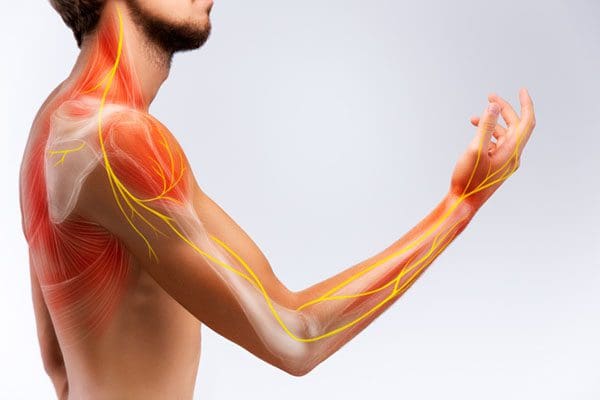
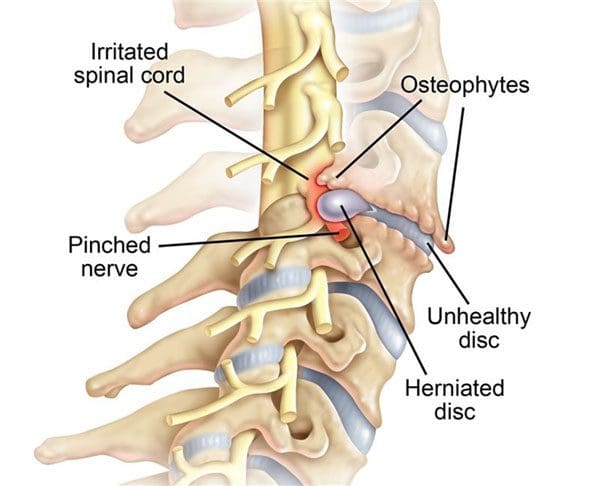
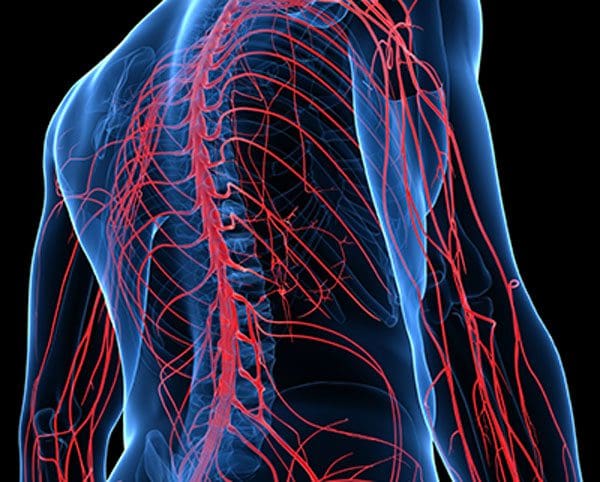
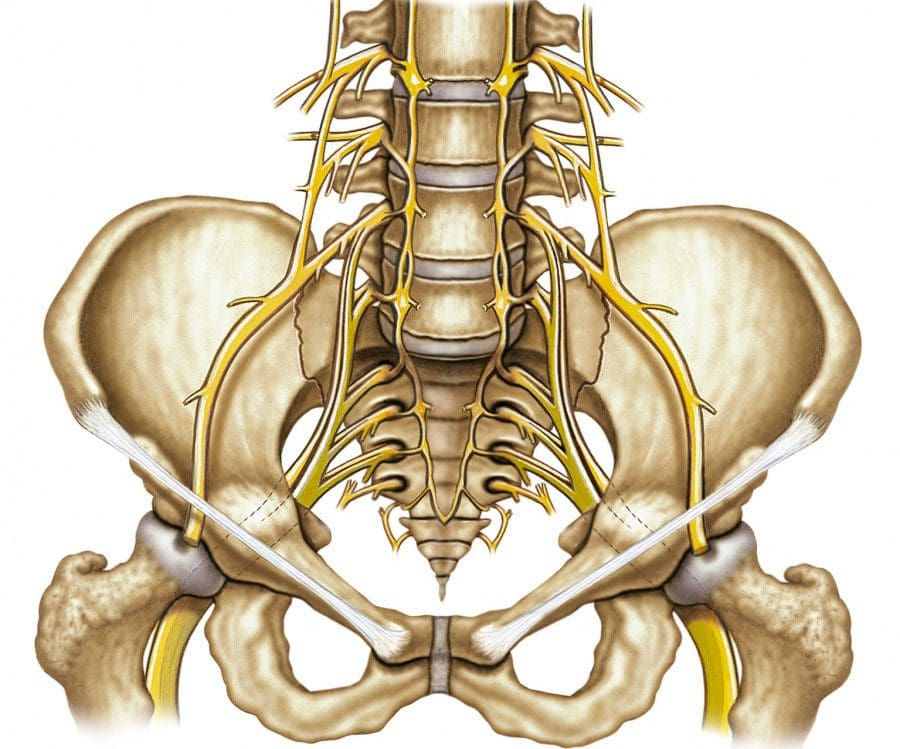
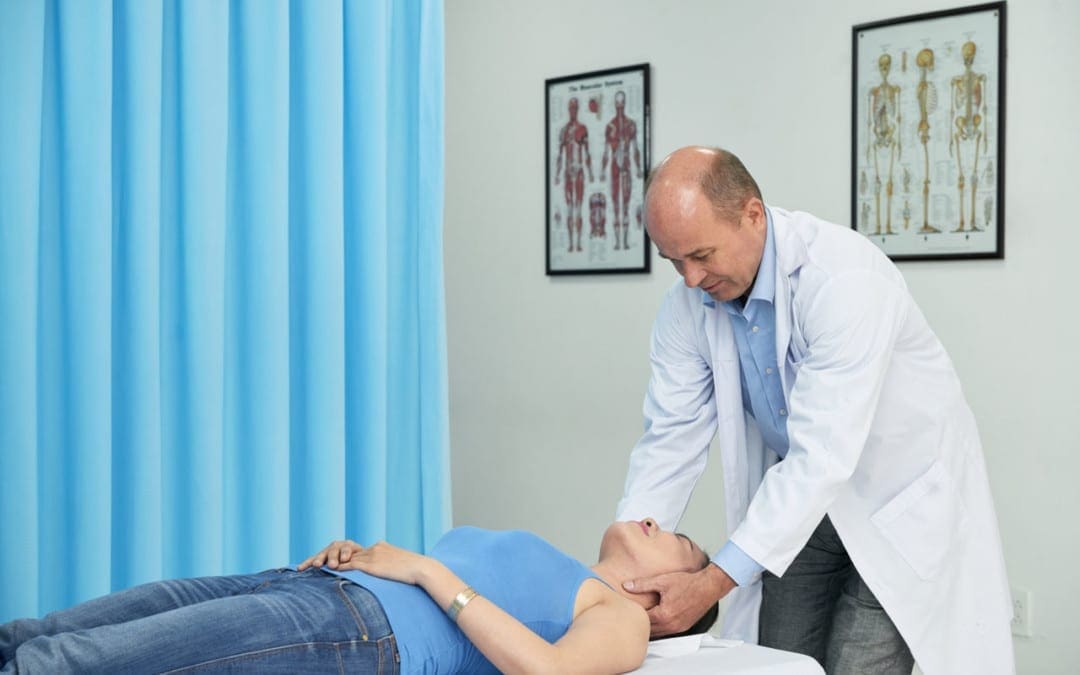
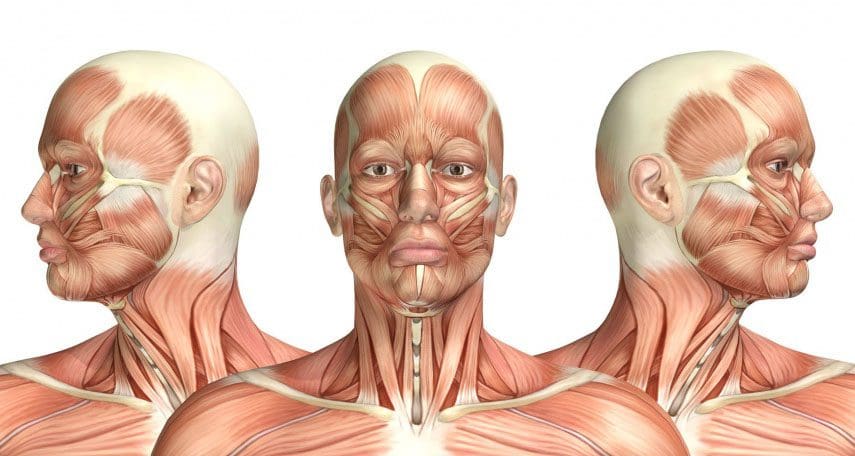
Pinched nerves occur when added pressure is applied to a nerve or set of nerves from surrounding tissues like bones, cartilage, muscles, or tendons. The pressure affects the nerve’s ability to function properly and usually causes pain, tingling, numbness, or weakness. A pinched nerve can occur at various sites in the body. Whether located in the neck, shoulder, arm, hand, back, or knees, they can lead to other debilitating conditions/injuries and permanent nerve damage if left untreated.
Pinched Nerves
The nerves are not actually being pinched but are being compressed. The added pressure on or around the nerve causes painful sensations that can also include:
Pinched nerves are nothing to dismiss. Individuals experiencing any of the above symptoms should get a proper diagnosis from a chiropractor.
Compression Goes Away By Itself
A compressed nerve can go away on its own if the pain has recently started or is not severe. In addition, home remedies like rest, heat, ice, and stretching can be utilized to help the compression subside on its own.
Length of Time It Takes for a Pinched Nerve to Heal
The length of time depends on the reason why the nerve is compressed and irritated. For example, some pinched nerves are brought on from poor posture and tight muscles. These can usually heal within 4 weeks. However, if the pain has been going on for some time, like more than 3 months, it will take longer, especially to identify the root cause/s and address them according to their severity.
Treatment Options
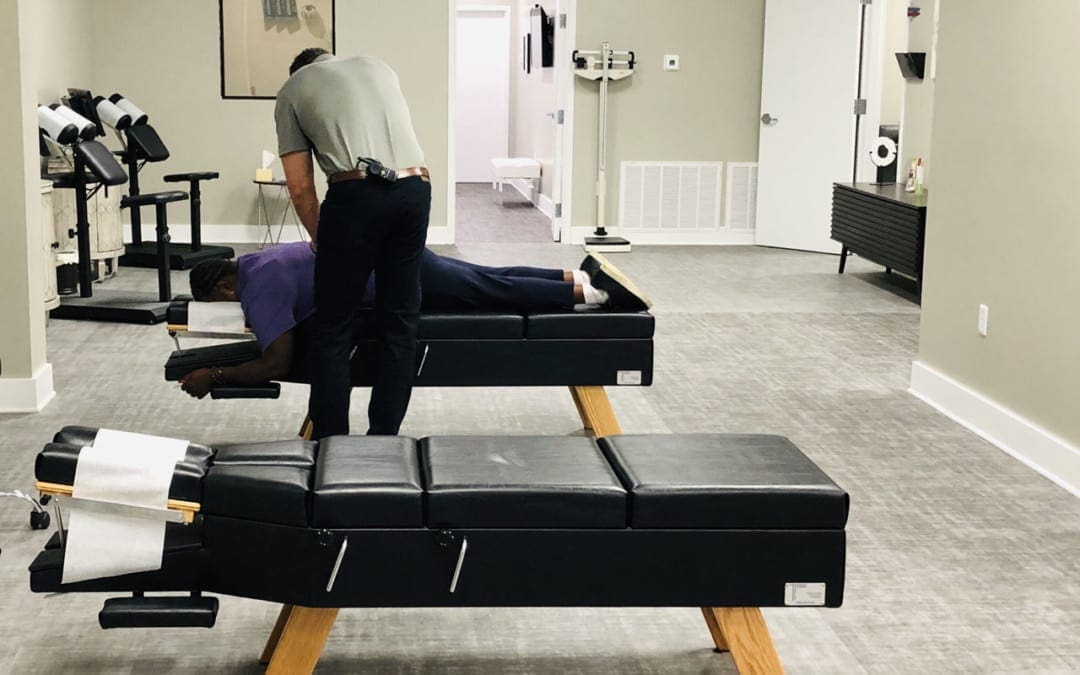
Chiropractic Adjustments and Massage
These two types of treatment/therapy highly complement each other. A chiropractor understands the importance of massage when it comes to healing and stress relief. Some cases of pinched nerves come from tight muscles and muscle spasms. Along with chiropractic adjustments, massage therapy is perfect for releasing and stretching the nerves back to their natural form.
Studies show that chiropractic massage therapy offers pain relief and also helps reduce any depression and anxiety that the pain symptoms can generate. In addition, comprehensive chiropractic treatment has been proven to be the best and fastest way to deal with pinched nerves.
Get More Sleep
Whenever the body is going through stress and needs repair, more sleep gives the body the time to heal itself. An extra hour of sleep also ensures that the injured area moves less. However, try to avoid sleeping on the stomach and make sure that the pillows being used provide plenty of support.
Warm/Hot Soothing Bath
Ice can really help lower swelling and inflammation, but if icing the area has not relieved the pain after 72 hours, it is time for a warm/hot bath. Warm water increases blood circulation, which delivers oxygen and nutrients to help heal and restore. In addition, heat relaxes the muscles of the body, which relieves pressure on the affected area.
Collagen Nerve Joint Repair
Collagen adds cushion to the spaces between the joints and bones while damaged tissues are being repaired. Collagen is the most plentiful natural protein in the human body. Supplements with glucosamine, chondroitin and hyaluronic acid can help and consume bone broth, a healthy collagen source. An anti-inflammatory diet can also help. Inflammation contributes to pain symptoms. Lowering inflammation lowers pain as well.
Proper Posture
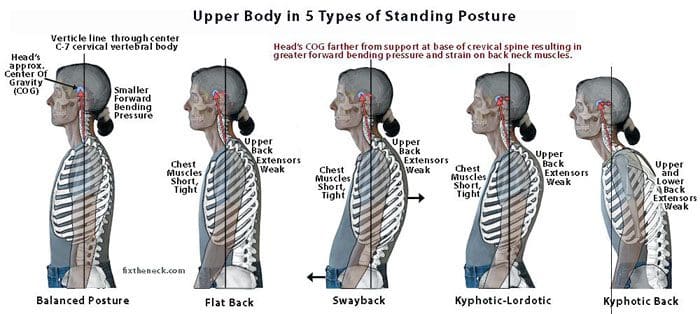
Slouching and poor posture, whether sitting or standing, place added pressure/stress on the joints. When this goes on for long periods or when something traumatic occurs, a pinched nerve can result. A chiropractor will restore the body’s natural curvature. In addition, a chiropractor will discuss and show what proper posture should be and how to strengthen the core to maintain proper posture.
Other Treatment Options
Conventional treatments usually include:
Over the counter pain relievers
Prescription pain relievers for severe cases
Corticosteroids
Microdiscectomy spinal surgery
Regular surgery
Most individuals want to avoid any of the above treatment options. The body has a tremendous ability to heal itself. Chiropractic will reduce the amount of time that is required to heal a pinched nerve. It’s about treating the entire body, not just the symptoms. A customized treatment/recovery diet plan will be developed according to each individual’s needs. At Injury Medical Chiropractic and Functional Medicine Clinic, we encourage anyone experiencing any pain to call us right away.
Composition of the Body
What happens to the body when you stop eating
Not eating for a few hours causes glucose levels in the blood to drop, and insulin release stops. Alpha cells in the pancreas produce a hormone called glucagon that helps the liver break down the body’s stored glycogen, converting it back into glucose. The liver can also produce glucose by utilizing fats, amino acids, and waste.
If the body’s blood sugar levels drop, too low a condition called hypoglycemia happens. It occurs a few hours after eating when there is too much insulin in the blood or certain medications. This is why an individual might feel dizzy, shaky, anxious, or irritable when they have not eaten for several hours. Eating at least 15 to 20 grams of carbohydrates will reverse the symptoms.
Dr. Alex Jimenez’s Blog Post Disclaimer
The scope of our information is limited to chiropractic, musculoskeletal, physical medicines, wellness, sensitive health issues, and/or functional medicine articles, topics, and discussions. We use functional health & wellness protocols to treat and support care for injuries or disorders of the musculoskeletal system. Our posts, topics, subjects, and insights cover clinical matters, issues, and topics that directly or indirectly support our clinical scope of practice.*
Our office has made a reasonable attempt to provide supportive citations and has identified the relevant research study or studies supporting our posts. We also make copies of supporting research studies available to the board and or the public upon request. We understand that we cover matters that require an additional explanation as to how it may assist in a particular care plan or treatment protocol; therefore, to further discuss the subject matter above, please feel free to ask Dr. Alex Jimenez or contact us at 915-850-0900. The provider(s) Licensed in Texas& New Mexico*
References
Dubinsky RM, Miyasaki J.Assessment: Efficacy of transcutaneous electric nerve stimulation in treating pain in neurologic disorders (an evidence-based review). Report of the Therapeutics and Technology Assessment Subcommittee of the American Academy of Neurology.Neurology. 2010;74:173-176.
Shrier I. Does stretching help prevent injuries? Evidence-based Sports Medicine. Williston, VT: BMJ Books; 2002.
Weakness, pain, and numbness can find their root in the spine. It is known as radiculopathy. If left untreated, health problems will only continue to get worse, with the potential to become a chronic condition. When it comes to degenerative pain conditions they usually start small. There is occasional discomfort that gradually develops into pain, then weakness and numbness.
Usually, by the time an individual seeks help, the original condition has devolved into radiating pain. This is why it is important to address the issue right away.Chiropractic works with individuals to help them understand the degenerative nature of pain and how to address and prevent it. Early intervention will prevent minor discomfort from turning into debilitating, chronic pain.
Radiculopathy
Radiating pain root cause is a compressed or inflamed nerve. It happens at the site of compression and spreads outward growing larger with time. It can be a catalyst for different pain conditions and syndromes like sciaticaor complex regional pain syndrome. There are a variety of terms for nerve pain, they are typically a form of radiculopathy.
Stages
The pain can spiral as fast as the underlying condition/s that is causing it. A compressed nerve that generates pain but does not become worse in severity is usually because the compression stays the same. Conversely, minimal discomfort brought on from shifted vertebrae can rapidly progress into weakness, numbness, and reduced mobility as a nerve is continually and severely getting compressed. Radiculopathy pain usually follows a pattern. Understanding the signs and symptoms will help determine to what extent the condition has progressed, and how it can develop into a worsening nerve injury:
Discomfort is the first stage. Subluxation, rotation, or a spinal shift is what is occurring, with the nerve not yet affected.
The pain signals that come from nerve compression along with the severity can help determine the cause of the condition.
Weakness usually follows pain. The nerve that is affected begins to take on permanent damage and cannot function properly.
Numbness follows the weakness reaching the most severe level. Mobility is limited along with a high increase for permanent nerve pain.
Being aware of these radiculopathy symptoms will help an individual stay ahead of nerve injury. Acting on discomfort can prevent progression into pain, addressing pain can stave off weakness, and acting upon weakness may prevent permanent nerve damage. The sooner an individual seeks help for any type of pain, the better chance they have to prevent degeneration.
Long-Term Prevention
It is crucial to consult with a chiropractor at the first sign of discomfort in the spine or if there is radiating/spreading back pain. A chiropractor will be able to provide decisive treatment that will bring relief and prevent the pain from worsening. The pain, weakness, and numbness can be avoided, along with long-term damage to the nerves.
Sciatica Pain Therapy
Dr. Alex Jimenez�s Blog Post Disclaimer
The scope of our information is limited to chiropractic, musculoskeletal, physical medicines, wellness, and sensitive health issues and/or functional medicine articles, topics, and discussions. We use functional health & wellness protocols to treat and support care for injuries or disorders of the musculoskeletal system. Our posts, topics, subjects, and insights cover clinical matters, issues, and topics that relate and support directly or indirectly our clinical scope of practice.*
Our office has made a reasonable attempt to provide supportive citations and has identified the relevant research study or studies supporting our posts. We also make copies of supporting research studies available to the board and or the public upon request. We understand that we cover matters that require an additional explanation as to how it may assist in a particular care plan or treatment protocol; therefore, to further discuss the subject matter above, please feel free to ask Dr. Alex Jimenez or contact us at 915-850-0900. The provider(s) Licensed in Texas& New Mexico*
References
Stochkendahl, Mette Jensen et al. �National Clinical Guidelines for non-surgical treatment of patients with recent-onset low back pain or lumbar radiculopathy.� The European spine journal: official publication of the European Spine Society, the European Spinal Deformity Society, and the European Section of the Cervical Spine Research Society�vol. 27,1 (2018): 60-75. doi:10.1007/s00586-017-5099-2
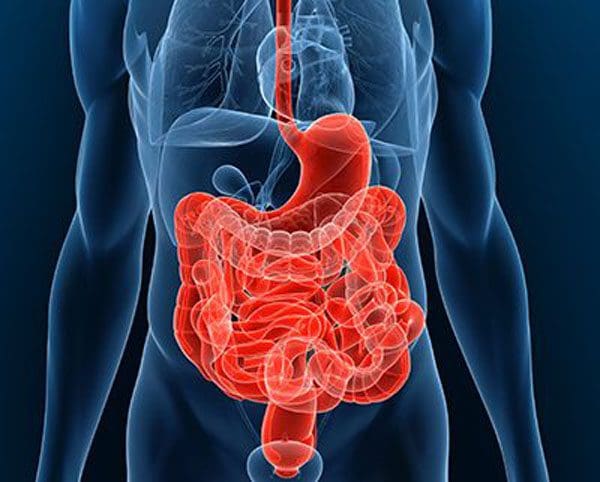
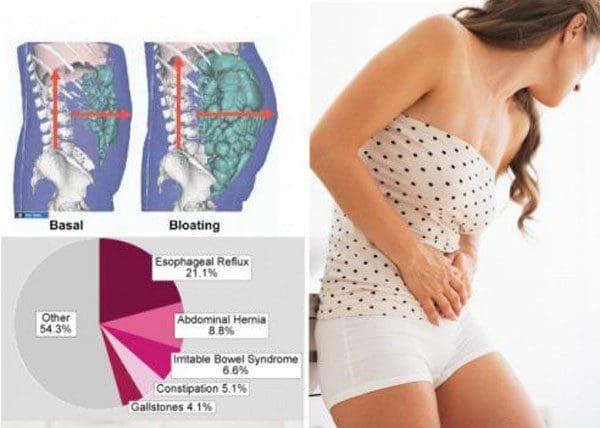
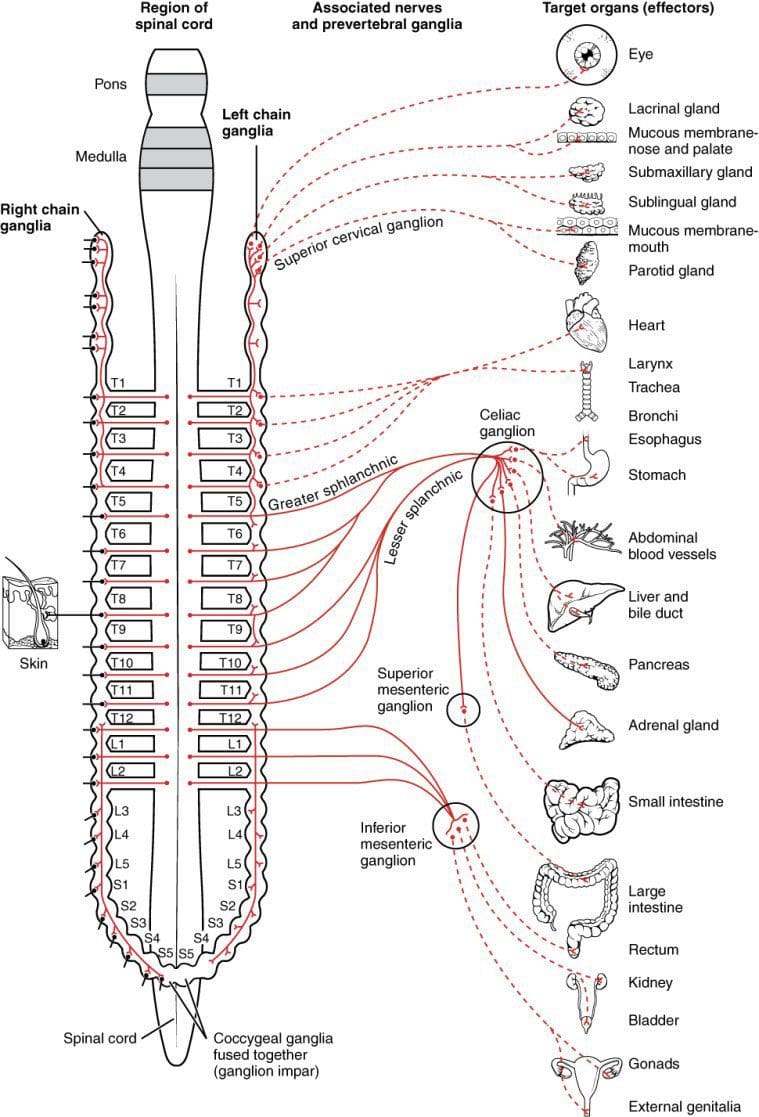
Stomach ache, acid reflux, gas, and other symptoms of gastric distress can be linked to spinal issues and misalignment. The spinal cord sends nerve signals to all parts of the body, specifically those affecting digestion functions. The lumbar spine/lower back includes the sacrum which is vital in terms of nerve function.
Various spinal cord issues could cause problems with the rest of the body. These include:
Disc compression
Herniated discs
Strained ligaments
Misalignments/problems in the lower back can result in gastric symptoms like:
Constipation
Diarrhea
Bloating
Gas
Bladder malfunction
This is because this area of the spine includes sympathetic and parasympathetic nerves that are connected to the digestive system. Any problem with these systems can result in miscommunicated signals to the rest of the body. The wide-range effects that compressed nerves can have on the body, as well as, how the spine is affected by the obstruction of these nerves, can be detrimental.
Chiropractic adjustments can help alleviate and release the gastric distress are able to correlate their spine�s role in gut health. This along with an education on the central nervous system. A chiropractic approach can help as a long-term solution to gastric distress.
The Nerves
Every organ in the body functions by sending and receiving electrical impulses, transmitted through the nerves. These impulses direct the function of organs. If blocked or the signals are improperly/partially sent/received, various health issues can begin to present. For the gut, proper nerve signal transmission at full capacity is crucial. The stomach needs to be able to properly digest food while absorbing nutrients and preparing for waste removal. This is where gastric distress conditions begin like:
Irritable bowel syndrome – IBS
Gastroesophageal reflux disease – GERD
Abdominal pain syndrome – APS
Nerve conditions worsen with time if the health and function of the affected nerves are not restored. This could mean severe chronic symptoms and the possibility of permanent nerve damage.
Nerve Blockage
Messed up nerve signals are usually pinched, blocked, or displaced. Most nerve bundles exit through the spine and are usually where a chiropractic exam will start. Through palpitation of the spine along with diagnostic imaging, a chiropractor can track down exactly where the nerve blockage/s are taking place.
The lower back and upper back are common areas to examine. This is because a majority of abdominal organ nerves branch out from these spinal segments. If spinal subluxations are present, more than likely they are affecting the function of these organs. Chiropractic will adjust the spine and reset/realign the spine to its proper form, allowing for proper blood circulation. Compressed nerves can also cause inflammation that could require more complex treatment.
Listening to the Body
If the gut is presenting with aches, and bloating after every meal, it could be indicating that something is wrong or off. Individuals cannot feel blocked nerve signals, but the gut can. Listen to it when it is alerting an issue or problem. We want to educate our patients on gut and spinal health. Chronic gastric distress can be corrected with chiropractic.
Chiropractic Pain Relief
Dr. Alex Jimenez�s Blog Post Disclaimer
The scope of our information is limited to chiropractic, musculoskeletal, physical medicines, wellness, and sensitive health issues and/or functional medicine articles, topics, and discussions. We use functional health & wellness protocols to treat and support care for injuries or disorders of the musculoskeletal system. Our posts, topics, subjects, and insights cover clinical matters, issues, and topics that relate and support directly or indirectly our clinical scope of practice.*
Our office has made a reasonable attempt to provide supportive citations and has identified the relevant research study or studies supporting our posts. We also make copies of supporting research studies available to the board and or the public upon request. We understand that we cover matters that require an additional explanation as to how it may assist in a particular care plan or treatment protocol; therefore, to further discuss the subject matter above, please feel free to ask Dr. Alex Jimenez or contact us at 915-850-0900. The provider(s) Licensed in Texas& New Mexico*
References
Spiegel, Brennan M R et al. �Understanding gastrointestinal distress: a framework for clinical practice.��The American journal of gastroenterology�vol. 106,3 (2011): 380-5. doi:10.1038/ajg.2010.383
Kehl, Amy S et al. �Relationship between the gut and the spine: a pilot study of first-degree relatives of patients with ankylosing spondylitis.��RMD open�vol. 3,2 e000437. 16 Aug. 2017, doi:10.1136/rmdopen-2017-000437
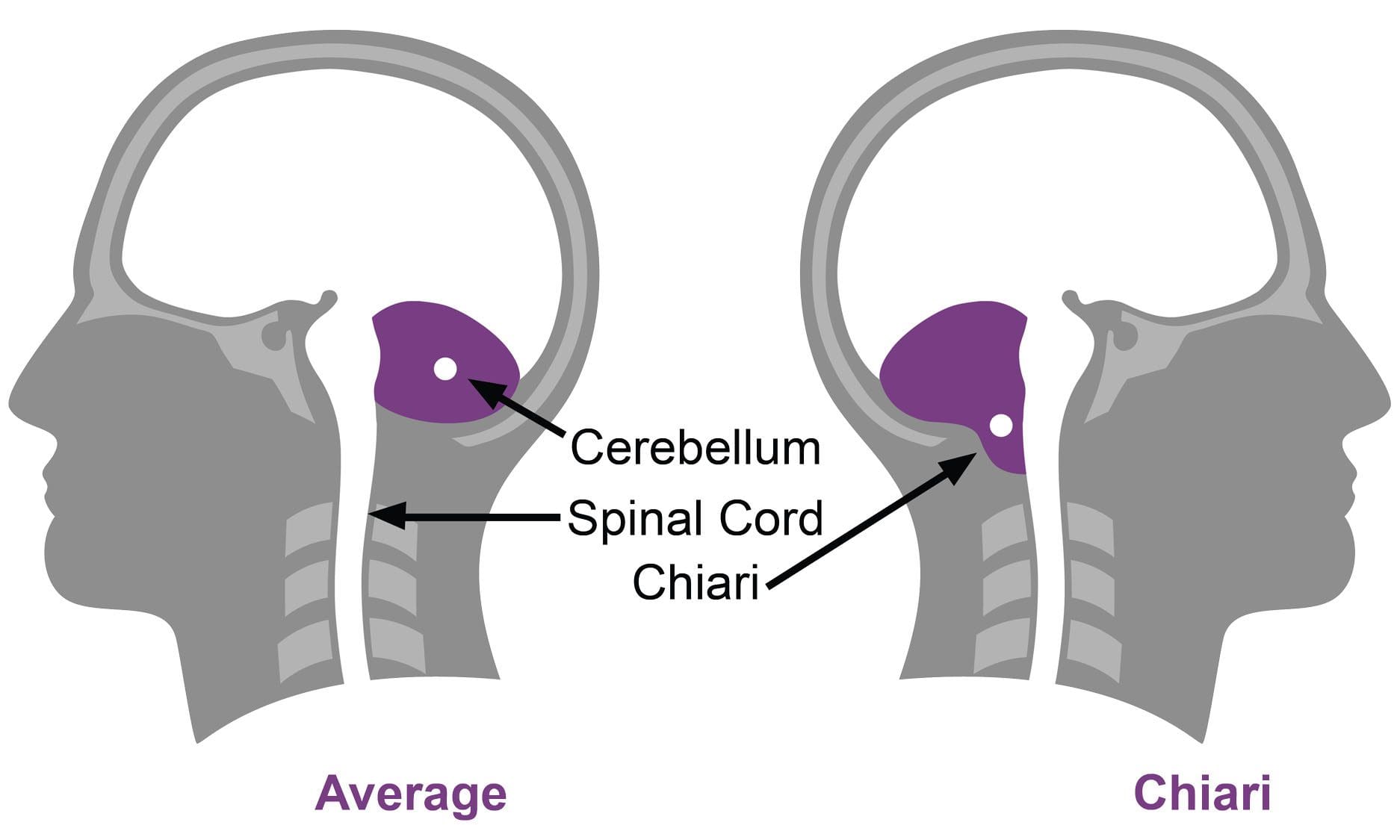
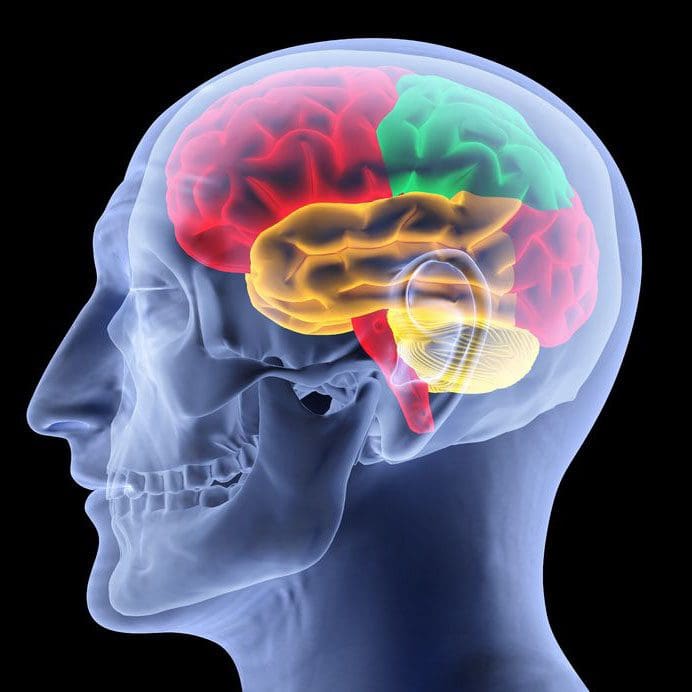
Chiari malformation is a condition that causes brain tissue to extend out and settle into the spinal canal. It protrudes out where the skull and neck meet. It occurs because part of the skull is too small or shaped in a unique way that allows part of the brain to settle into the foramen magnum. The foramen magnum is a large opening at the bottom of the skull. The brain’s nerves go through into the spinal canal and join the spinal cord. However, only the nerves should be present. The brain should not be able to push/press/leak through. When it does this is Chiari malformation.
Causes
Chiari malformation can be caused by structural problem/s with the:
Brain
Skull
Spinal canal
Structural conditions/issues can be present at birth, which are congenital defects. This is also called primary Chiari malformation and is not caused by any other condition. Secondary Chiari malformations are caused by something else, most often through surgery. This is extremely rare, but it is possible to develop after having surgery to remove a tumor in the skull or neck region. A surgeon could have removed too much bone while removing the tumor. This allowed the brain to settle into the open space.
Types
There are 4 types and are categorized by how much brain tissue protrudes into the spinal canal.
Type I
This is the adult version and is also the most common.
It is usually first noticed and discovered from an examination for something else. Most individuals don’t realize that they have Chiari malformation unless the symptoms are severe. With Type I a part of the brain, specifically the cerebellar tonsils settle into the foramen magnum.
Type II
Type II is also known as Arnold-Chiari malformation. This is the pediatric version. Symptoms are more severe with Type II because more brain tissue comes through. With this type, the cerebellar tonsils and some of the brainstem protrude. With Type II myelomeningocele, which is a form of spina bifida is a concern. What happens is the vertebrae and spinal canal do not close correctly before birth, so the spinal cord has no protection.
Type III
This type also affects children and is more severe than types 1 or 2. Here a significant portion of the brain, including the cerebellum and the brainstem protrude all the way through the foramen into the spinal canal.
The symptoms vary based on the type and severity. The most common symptom is a headache. Individuals with a Chiari malformation usually have headaches in the occipital region of the brain. This is the back of the head, right where the skull joins the cervical spine/neck. The headaches can be aggravated being in certain positions and actions, tilting the head back, and coughing. Typical symptoms include:
However, Chiari malformation can interrupt the flow of cerebrospinal fluid. Cerebrospinal fluid is necessary to protect the brain and spinal cord. If the normal flow is disrupted it becomes more difficult for the brain and spinal cord to send/receive nerve messages. The pressure built up can also cause nerve issues/problems. For some individuals, symptoms can come and go. This depends on how much cerebrospinal fluid has built up. Individuals with Type I sometimes don’t have any symptoms. It all depends on the severity.
Diagnosis
Diagnosis is done with a magnetic resonance imaging test or MRI. The MRI will show the various parts of the brain, skull, spinal cord, and spinal canal. They will be able to see abnormalities that could point to Chiari malformation.
Treatment
The recommended treatment depends on the severity. If pain is presenting a doctor could recommend pain medications to help manage the pain. Non-steroidal anti-inflammatory meds could also be recommended to reduce inflammation. Analgesics or pain killers can be recommended. Often both non-steroidal anti-inflammatories and analgesics are available in over-the-counter and prescription. The doctor will figure out the best medication treatment plan.
Surgery can be used to relieve symptoms and is the only way to relieve the pressure on the spinal cord and nerves. The goal is to stop the malformation from worsening. Surgeons use a posterior fossa decompression procedure. The surgeon removes part of the skull to make more room for the brain to sit in. This takes the pressure off the brain and spinal cord, and should reduce the neurological symptoms and problems. The surgeon may increase the size of the dura or the sac around the brain.
Laminectomies at C1 and C2, which are the first and second levels of the neck and are utilized to make more room for the brain. The surgeon will place a patch that is made from animal or synthetic tissue that will grow into the dura. The patch makes the dura bigger, which allows more room for the brain. Not all surgeries involve the dural patch.
Neck Pain Chiropractic Care
Dr. Alex Jimenez�s Blog Post Disclaimer
The scope of our information is limited to chiropractic, musculoskeletal, physical medicines, wellness, and sensitive health issues and/or functional medicine articles, topics, and discussions. We use functional health & wellness protocols to treat and support care for injuries or disorders of the musculoskeletal system. Our posts, topics, subjects, and insights cover clinical matters, issues, and topics that relate and support directly or indirectly our clinical scope of practice.*
Our office has made a reasonable attempt to provide supportive citations and has identified the relevant research study or studies supporting our posts. We also make copies of supporting research studies available to the board and or the public upon request. We understand that we cover matters that require an additional explanation as to how it may assist in a particular care plan or treatment protocol; therefore, to further discuss the subject matter above, please feel free to ask Dr. Alex Jimenez or contact us at 915-850-0900. The provider(s) Licensed in Texas& New Mexico*
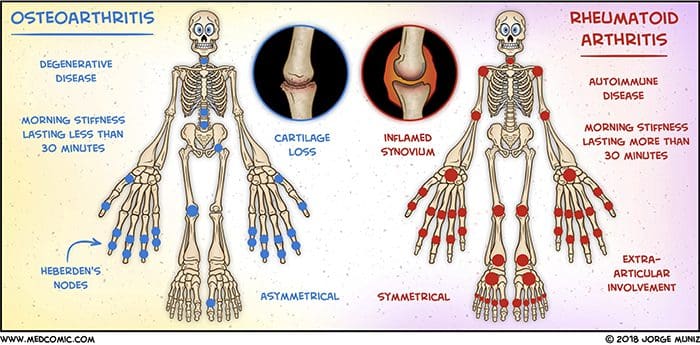
Several conditions and factors can cause chronic pain. Usually, these are conditions that accompany normal aging, which affect bones and joints. The top three are osteoarthritis, rheumatoid arthritis, and fibromyalgia. Other common causes are nerve damage and injuries that fail to heal properly.
Spinal Cord and the Nerves of the Corresponding Organs
�
Fibromyalgia
Individuals with fibromyalgia experience unexplained pain in almost every part of their bodies. Doctors and scientists are still trying to figure out what causes fibromyalgia. Currently, scientists think a part of the condition comes from an imbalance of certain chemicals in the brain. They believe the imbalances play a critical role. Fibromyalgia can create:
Tender areas
Muscle pain
Headaches
Long-term back pain
Long-term neck pain
�
Osteoarthritis
Osteoarthritis causes severe sporadic or non-stop aches and pain in the knees, hips, spine, and feet. Associated symptoms include joint stiffness, swelling, and limited joint mobility. Individuals with osteoarthritis could have some pain throughout their lives. According to the CDC, around fifteen million adults with arthritis have severe pain in their joints. �
�
Rheumatoid Arthritis
Rheumatoid arthritiscauses continual aching that affects multiple joints. The hands, wrists, and knees are the most affected joints. Individuals with rheumatoid arthritis can present alternate symptoms, like joint stiffness, swelling, and fever.
�
Multiple Sclerosis
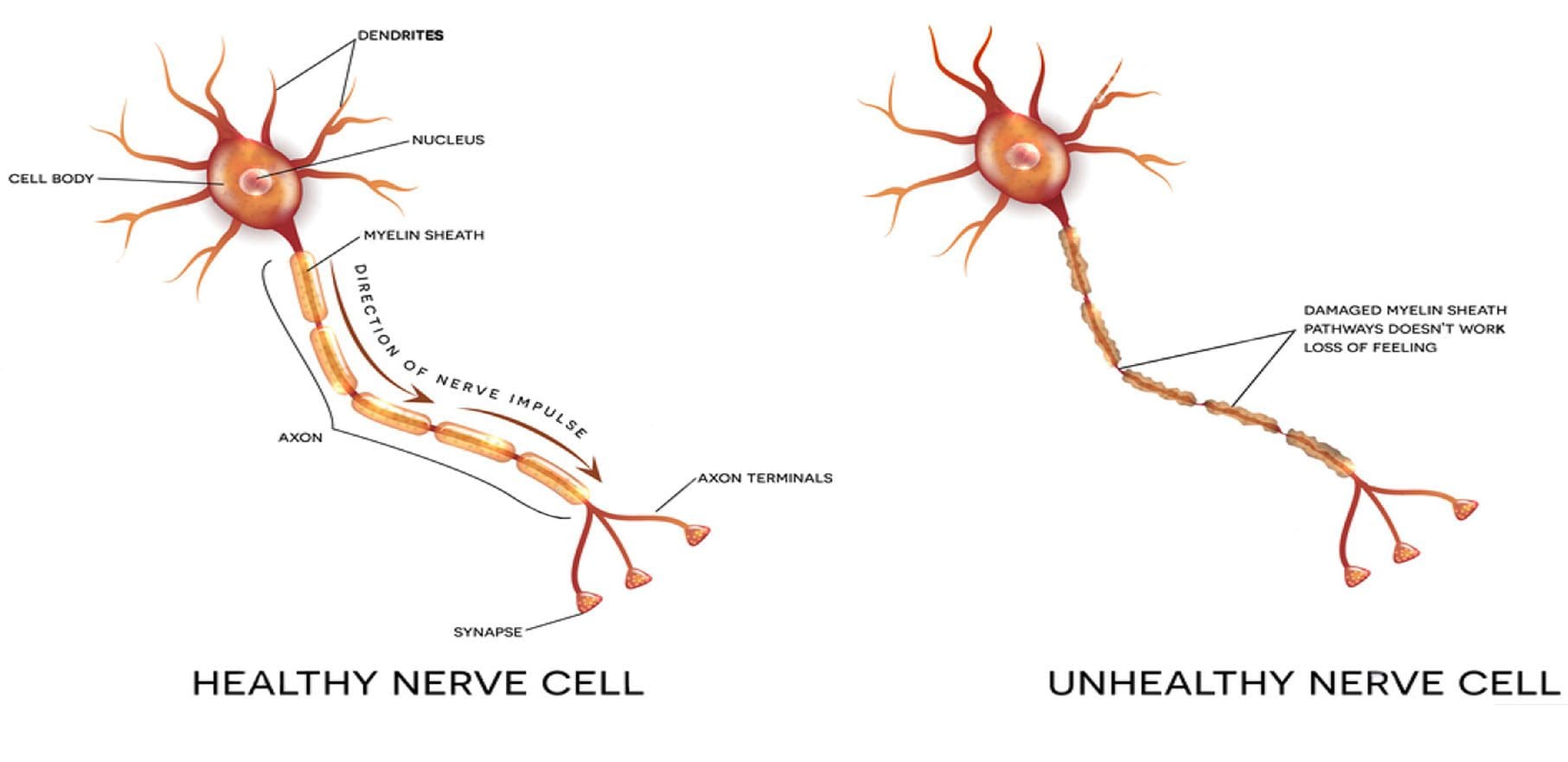
Multiple sclerosis is a disease of the brain and the spinal cord. What happens is the immune system targets and damages the protective covering of the nerves themselves. The brain can’t properly and effectively communicate with the body. Multiple sclerosis causes pain in the legs, feet, arms, and hands. Associated symptoms include burning, prickling, or stabbing pain just about every day. �
�
Sciatica
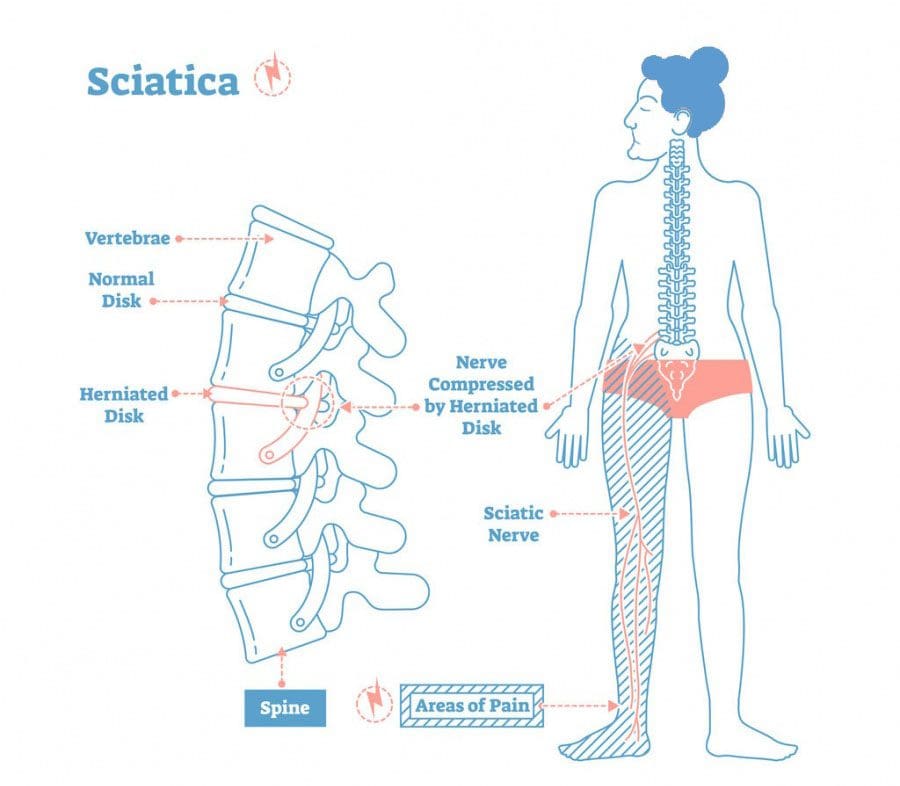
Sciatica can cause mild to sharp, electrical burning pain that travels from the lower back through the buttocks to the back of the leg and even into the foot. Chronic sciatica lasts for three months or more. The condition is more common in adults age 40 and older.
�
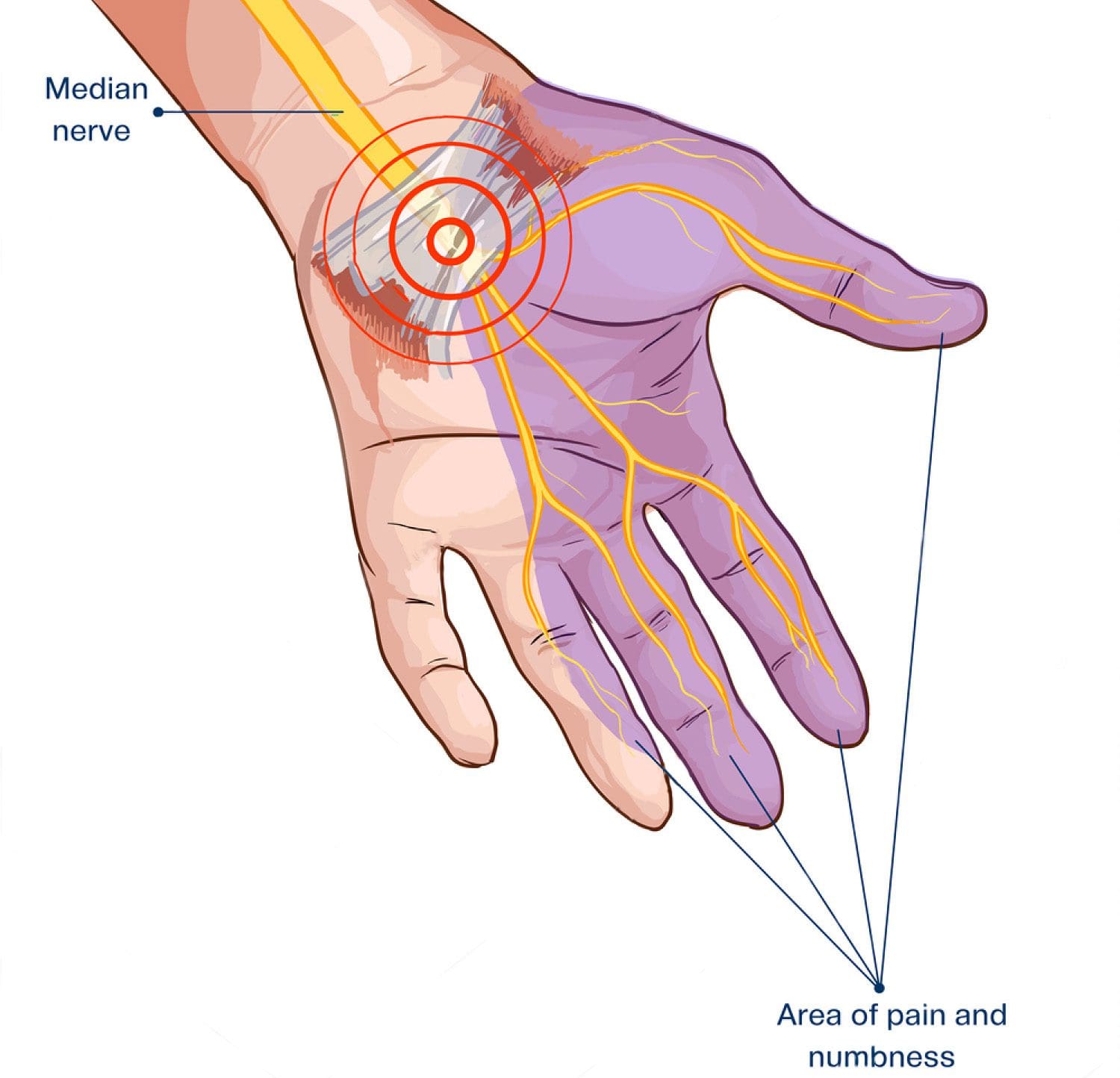
Carpal Tunnel Syndrome
Carpal tunnel syndrome causes pain and numbness in the:
Around half of the cases involving chronic pain are linked to physical trauma and injury. Individuals hospitalized after a serious injury often report chronic pain symptoms within the first year. Scientists are still unsure of how injuries lead to chronic pain. They believe several factors increase the risk. These include:
Pre-injury depression
Anxiety
Alcohol use
Family history of chronic pain
Individuals that have sustained multiple injuries are at higher risk for chronic pain. �
�
Spinal Injuries
One of the most common causes of chronic back pain. The lower back is the area likely to be affected. Certain types of chronic pain can have more than one cause. For example, general back pain could be caused by a single factor or a combination of factors like:
Poor posture
Improper lifting of heavy objects
Improper carrying of heavy objects
Being overweight places added strain on the back and knees
Abnormal curvature of the spine
Wearing high heels too often
Sleeping on a worn-out mattress
Degenerative disc changes
�
Combat Injuries
More than half of combat-related injuries are the result of explosions, from landmines, and shrapnel. Nearly all injured soldiers have to deal with some type of pain and many have a traumatic brain injury. A traumatic brain injury can cause chronic headaches. Delayed treatment and repeated injuries in injured soldiers make up for most chronic pain cases. �
�
Sports Injuries
Sports injuries and chronic pain is nothing new. Studies found that 1 in 2 football players deal with chronic pain in their retirement. This along with sleep problems and mild-severe depression. Both can contribute to chronic pain. Athletes are continuously exposed to high-risk injury situations. Having the pressure of performing optimally and winning can take a toll on an athlete’s health. �
�
Weight
Obesity does not directly cause chronic pain, but it does raise the risk. Around 40% of individuals that are obese also experience mild to severe chronic pain. Plus, individuals that are severely overweight are more likely to develop a condition that can cause chronic pain like diabetes, arthritis, and fibromyalgia. �
�
The source of chronic pain can be very complex. It can start with an injury or illness and develop slowly without the individual realizing it until it has become a full-blown chronic condition. This fact alone makes recommending a single course of treatment risky and is why health care providers recommend a number of different types of treatment options.
Chiropractic Care on Personal Injury
Dr. Alex Jimenez�s Blog Post Disclaimer
The scope of our information is limited to chiropractic, musculoskeletal, physical medicines, wellness, and sensitive health issues and/or functional medicine articles, topics, and discussions. We use functional health & wellness protocols to treat and support care for injuries or disorders of the musculoskeletal system. Our posts, topics, subjects, and insights cover clinical matters, issues, and topics that relate and support directly or indirectly our clinical scope of practice.*
Our office has made a reasonable attempt to provide supportive citations and has identified the relevant research study or studies supporting our posts. We also make copies of supporting research studies available to the board and or the public upon request. We understand that we cover matters that require an additional explanation as to how it may assist in a particular care plan or treatment protocol; therefore, to further discuss the subject matter above, please feel free to ask Dr. Alex Jimenez or contact us at 915-850-0900. The provider(s) Licensed in Texas& New Mexico*
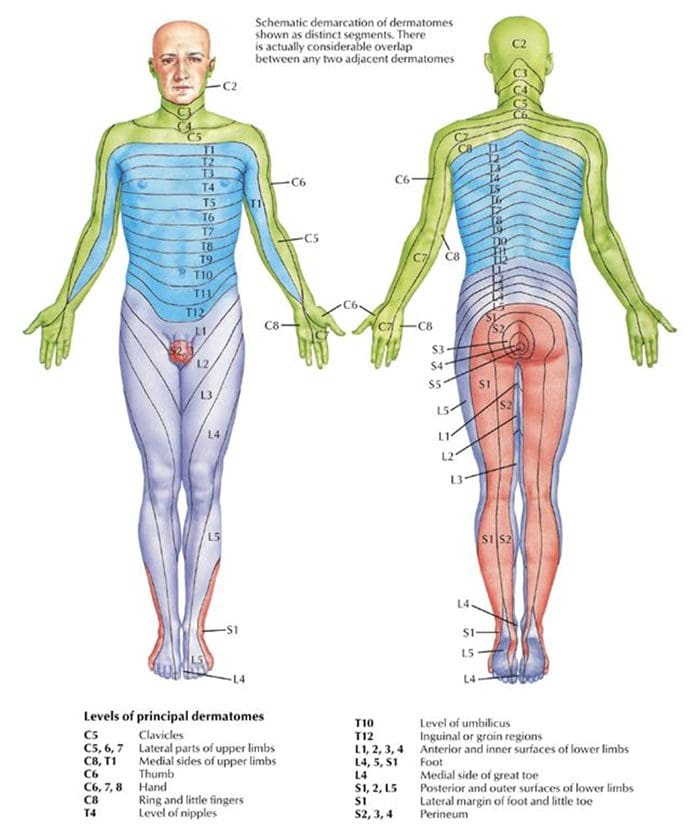
Burning, numbness, tingling, and pain can be felt in the back, lower back, legs, and feet. A lot of times these symptoms spread out/radiate from one part of the body into another area. Sciatica is an example of pain that radiates into an extremity, in this case, the back of the leg. Nerves originate from the spine and are divided/separated into sensory and motor nerves. The sensory nerve/s give the sensation to the skin known as dermatomes. Dermatomal patterns act as a map on the body.
Example: Dermatomes on the torso of the body react to the thoracic spinal nerve roots, the arms react to the cervical spine nerve roots, and the legs react to the lumbar spinal nerve roots.
Dermatome Location – Corresponding Spine Level
Shoulders – C4, C5
Inner/Outer Forearms – C6, and T1
Thumbs and Little Fingers – C6, C7, C8
Front of Thighs – L2
Middle, Sides of Both Calves – L4, L5
Little Toes – S1
A physician might use a piece of cotton, a swab, pin, or paperclip to test the symmetrical feelings in the arms and legs. Abnormal responses could be a sign of a nerve root problem.
Tendon Reflexes
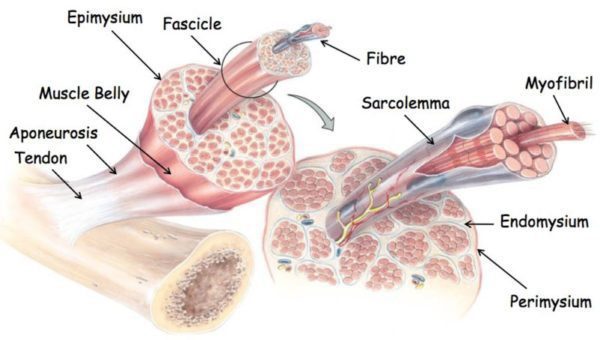
Most individuals have experienced a physician tapping the knees with a rubber hammer. The normal response is a kick. This is a reflex, which is an involuntary muscular response generated by the hammer tapping the tendon. When the reflex responses do not present, this could mean that the spinal cord, nerve root, peripheral nerve, or muscle has been injured/damaged in some way. Absent reflexes are also clues to other conditions/injuries. An abnormal reflex response could also be caused by a disruption of the sensory (feeling) or motor (movement) nerves and sometimes both. Determining where the neural problem might be, a physician will test reflexes in various parts of the body.
Reflex Tested Areas – Corresponding Spine Level
Upper Arm Biceps – C5-C6 Cervical Spine
Forearm Distal Radius – C6-C7
Elbow Triceps – C7
Abdominal – T8, T9, T10, T11, T12, Thoracic
Knees/Thighs Patellar, Quadriceps – L3, L4 Lumbar
Ankles – S1 Sacral
Neurological Exams for Neck/Back Pain
Muscle Strength/Tone
Muscle strength and tone measurements are another way to diagnose nerve deficits. Depending on the symptoms/condition/injury/s there are different ways to evaluate muscle strength:
Stepping on a stool
Standing on the heels
Standing on the toes
Hopping in place
Performing knee bends
Gripping an item in each hand
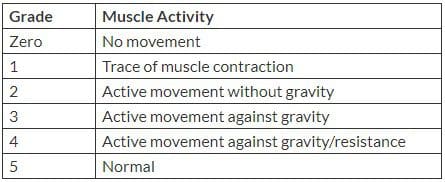
Muscle strength is graded and recorded in the patient’s chart.
A physician will test the body’s muscle tone by passively flexing and extending the arms and legs. Normal muscle tone will respond with a slight resistance to passive motion. Other movements test for proximal (trunk/torso) and distal (distant) weakness. Muscle symmetry is also taken into account.
Neurological Tests
If necessary a spine specialist might order neurological studies like a Nerve Conduction Study (NCS) or Electromyogram (EMG), to measure nerve performance.
Imaging Studies
MRI and/or CT scans of the spine can be ordered to help the spine specialist/chiropractor make a correct diagnosis, as well as help in creating a plan of treatment.
Conclusion
A neurological exam, along with a mechanical examination consisting of movement of the arms, legs, and torso, can significantly help doctors in making the correct diagnosis. Examination results are then correlated with the patient�s history, illness, and diagnostic studies. Once the diagnosis is made an appropriate treatment plan is discussed. This will begin with non-surgical strategies but if those fail, then surgical intervention could be considered.
Research has found that vertebrogenic chronic low back pain could be caused by a lumbar vertebral endplatechange that involves the basivertebral nerveand is not disc-related. The underlying cause of chronic low back pain can be very difficult to diagnose. The intervertebral discs are a common suspect, but when disc-related treatments don�t ease the pain, the root problem could be something else. Researchers are exploring an overlooked area with the vertebral endplates being the cause of vertebrogenic low back pain.
Research has found that there are more nerves in the vertebral endplates than in the spinal discs. More nerves can mean higher potential/increase in pain. And like the other areas of the spine such as the discs and joints, vertebral endplates can also degenerate, also increasing the risk for pain.
Vertebral Endplates and Basivertebral Nerve
The vertebral endplates line the top and bottom of each vertebral body. These are the round, thick, weight-bearing bones in the spine. The vertebral endplates are made of cancellous or spongy bone and function as the barrier between each disc and the vertebrae.
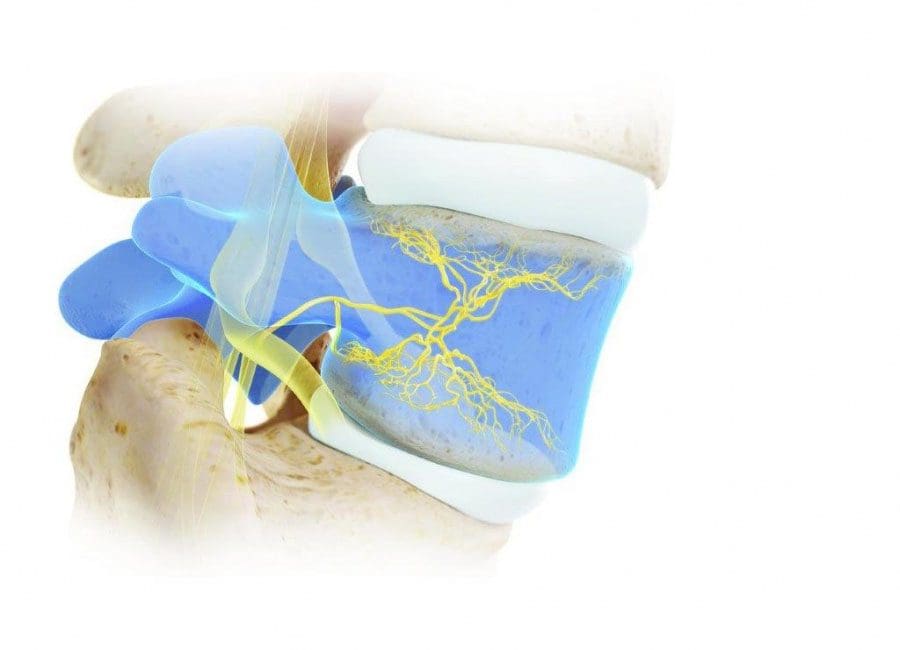
The low back/lumbar spine takes the most weight. That can be a significant amount of pressure on the structures in the low back. The endplates are situated between a cushioned disc/s and the hard, bony vertebral body making them vulnerable to degeneration and nerve damage contributing to chronic low back pain. The endplates and vertebral bodies consist of a network of intraosseous nerves.
Intraosseous nerves live within the bone.
The basivertebral nerve� BVN is an intraosseous nerve that winds through the vertebral bodies. This nerve feeds into each spinal bone through the back of the vertebral body and then branches out with nerves going towards the top and bottom vertebral endplates. Research has shown that although these nerves are inside the bone they can send pain signals from a damaged vertebral endplate that could result in vertebrogenic low back pain. This is why it has been�recently linked it as a possible cause of chronic low back pain.
Nerve pain in the spine has been linked with discs that have degenerated. A doctor, chiropractor/spine specialist refers to this as discogenic pain. But with new research, an understanding of the function the vertebral endplates and BVN play in the sensation of pain has been realized and this is where the term vertebrogenic pain comes from. If a doctor discovers that the endplates could be the source of your chronic low back pain, they might use this term.
Vertebral Endplate Pain Diagnosis
Like most back pain conditions diagnosing vertebral endplate pain can be just as challenging. This is because diagnostic imaging scans typically don�t pick up mild to moderate endplate damage. A classification scale known as Modic changes helps doctors identify vertebrogenic pain.
Modic changes or MC are areas that show up on an MRI showing bone marrow damage that has been linked to low back pain. The name comes from the doctor that classified them in 1988, Dr. Michael Modic. Modic changes help doctors and spine specialists see and understand the connection between endplate damage and chronic low back pain.
2 types were identified that show a connection between vertebral endplate damage and chronic low back pain:
Type 1
This type shows a�development� in the vessels of the vertebral body, that includes:
Inflammation
Edema, which is a collection of excess fluid
Endplate changes like a split or crack/s in the endplate
Type 2
This type reveals changes in the bone marrow like fatty deposits that have taken the place of bone marrow.
If the lumbar MRI shows Type 1 or Type 2 MC, a doctor could recommend a conservative treatment plan that could include:
These could be utilized in conjunction with spine specialist care in addressing symptoms and pain. However, if the pain does not ease or reduce with conservative treatment, a doctor could suggest an outpatient procedure.
Candidates for this procedure usually qualify meeting the following:
The individual has struggled with chronic low back pain for at least 6 months
The pain has not reduced/eased up with at least 6 months of conservative care
MRI shows Type 1 or Type 2 Modic changes�that correlate symptoms of vertebrogenic low back pain
The procedure uses fluoroscopy or an x-ray video. A thin tube called a cannula is inserted into a vertebral pedicle. A pedicle is a structure that sticks out from the back of the vertebra. The cannula tunnels its way to the basivertebral nerve. The doctor then runs the Intracept Radiofrequency generator into the path of the nerve and ablates destroys/removes any obstructions in the nerve with the help of the frequency generator. Since it�s a minimally invasive procedure, it can be performed in an outpatient clinic, allowing the patient to go home the same day.
The device/tool used in the procedure is not implanted in the spine. It is removed once the procedure is done.
Expectations as to how long the pain relief will last depends on:
The severity of the condition
Post-physical therapy
Type of work
Diet
Exercise
One study showed the benefits to last up to two years.
If�nonsurgical treatment has not worked for at least six months talk to your doctor about basivertebral nerve ablation for vertebrogenic chronic low back pain. There are risks and benefits both of which should be discussed in depth.
Endplate or Disc and the Root Cause
The intervertebral discs are often the more common cause of low back pain. But they might not be the root cause of spine pain. More research is going on with the role the vertebral endplates play in spine health. As more patients are being diagnosed earlier then better long-term outcomes will follow.
IFM's Find A Practitioner tool is the largest referral network in Functional Medicine, created to help patients locate Functional Medicine practitioners anywhere in the world. IFM Certified Practitioners are listed first in the search results, given their extensive education in Functional Medicine