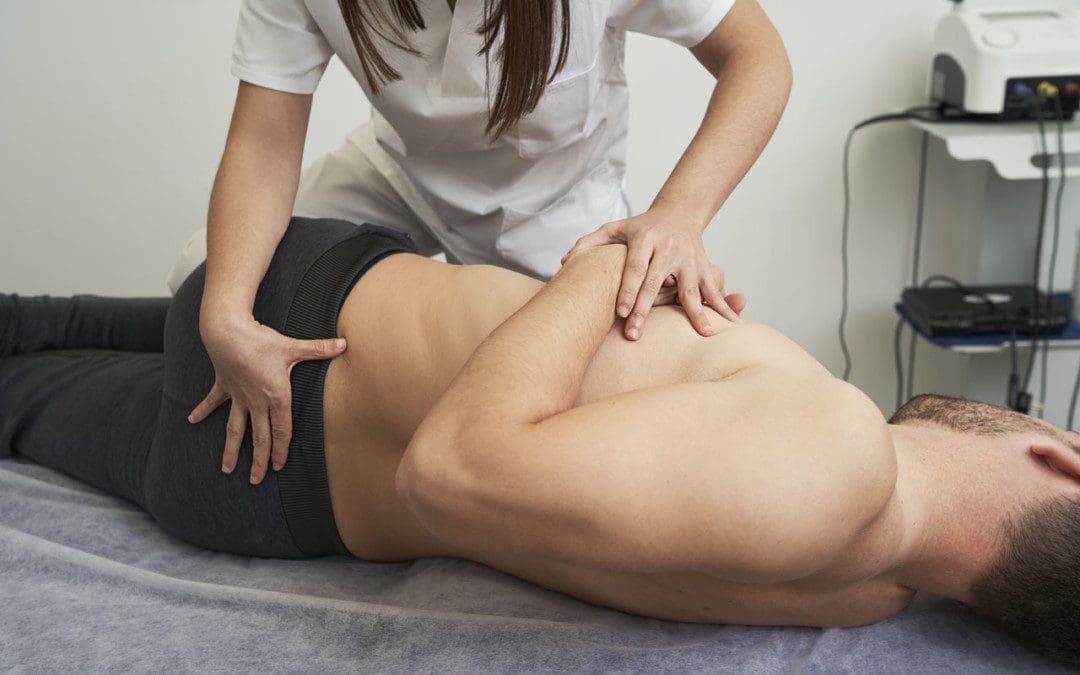
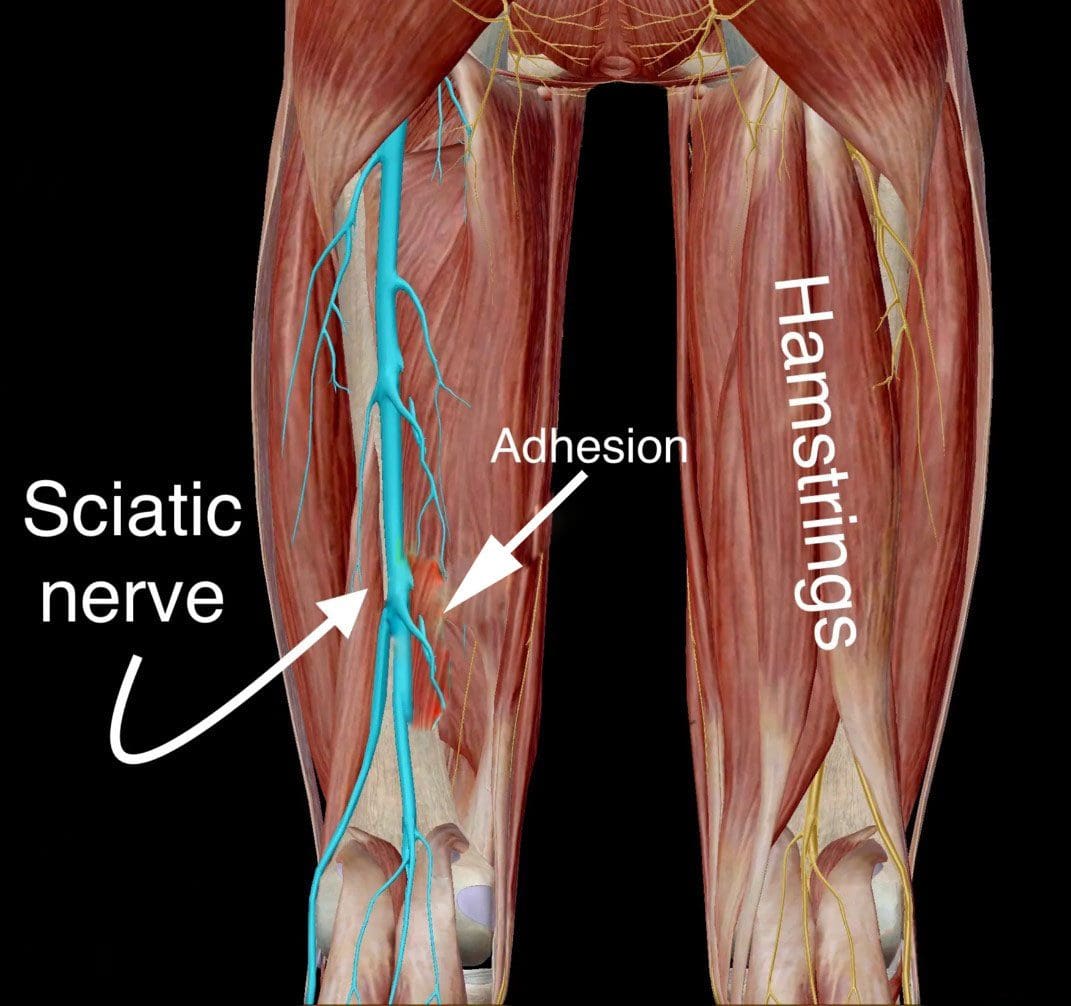
Hamstring syndrome is a condition where the sciatic nerve gets pinched between the hamstring muscles and the pelvic bone or by the tissue bands that connect the hamstring muscles causing compression on and around the nerve. It is seen in individuals that play sports that involve running, kicking, or jumping, in middle-aged individuals engaged in daily activities that have suffered falls, and in individuals that sit for many hours. Chiropractic care, massage, and decompression therapy can relieve the symptoms, release the trapped nerve, relax and stretch the muscles, and restore function.
Hamstring Muscles Trapped Sciatic Nerve
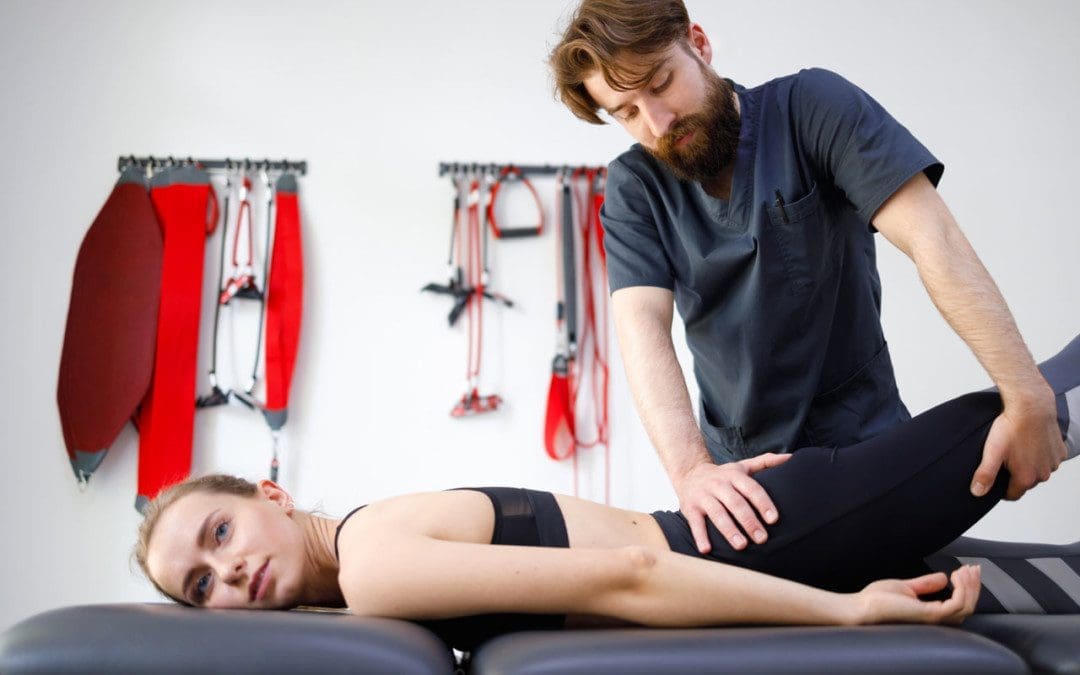
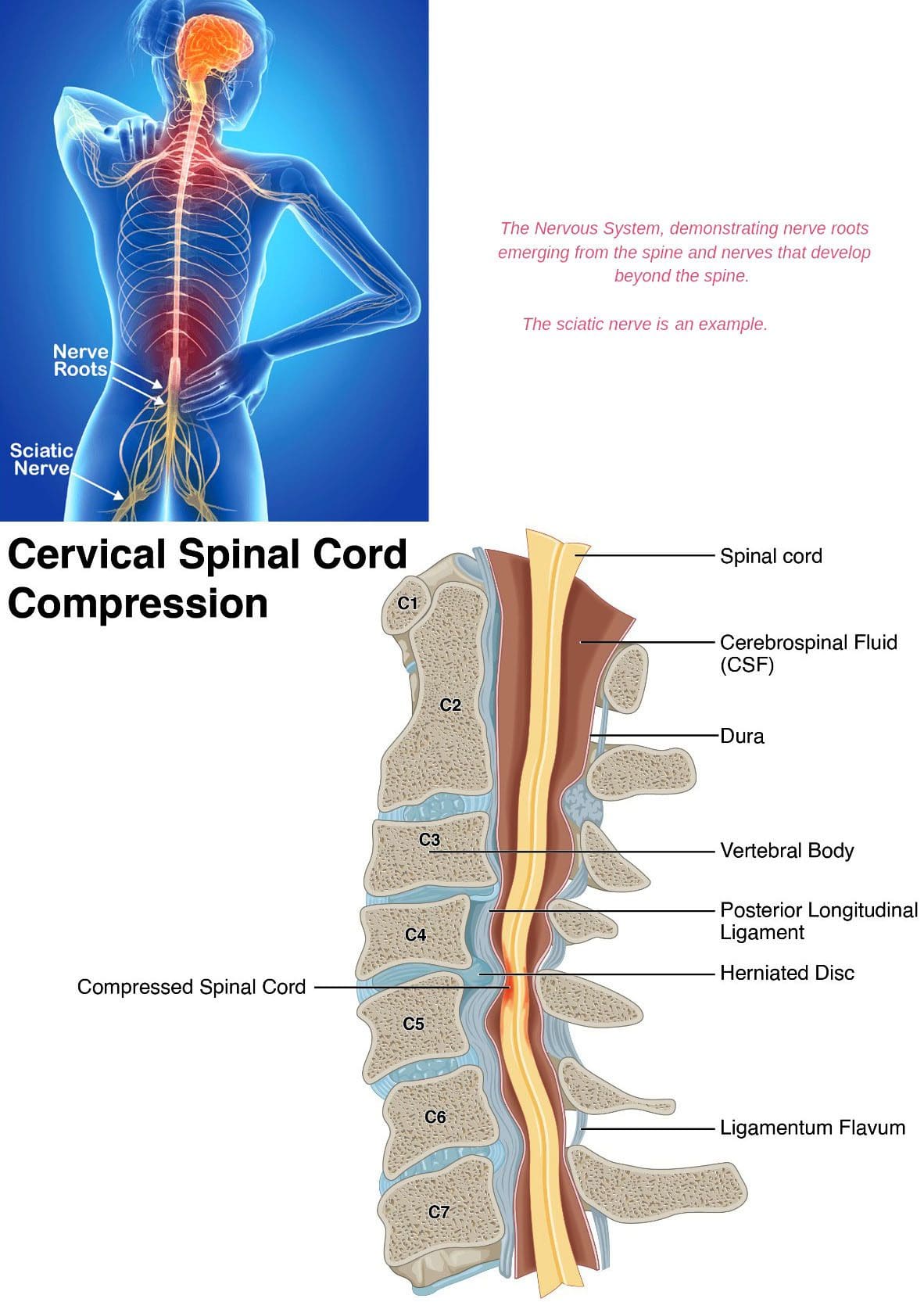
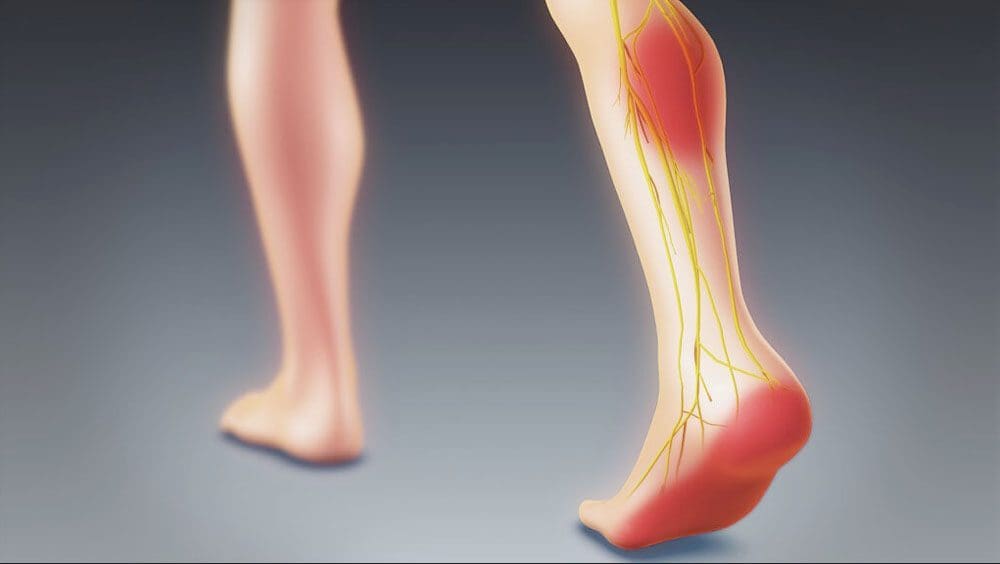
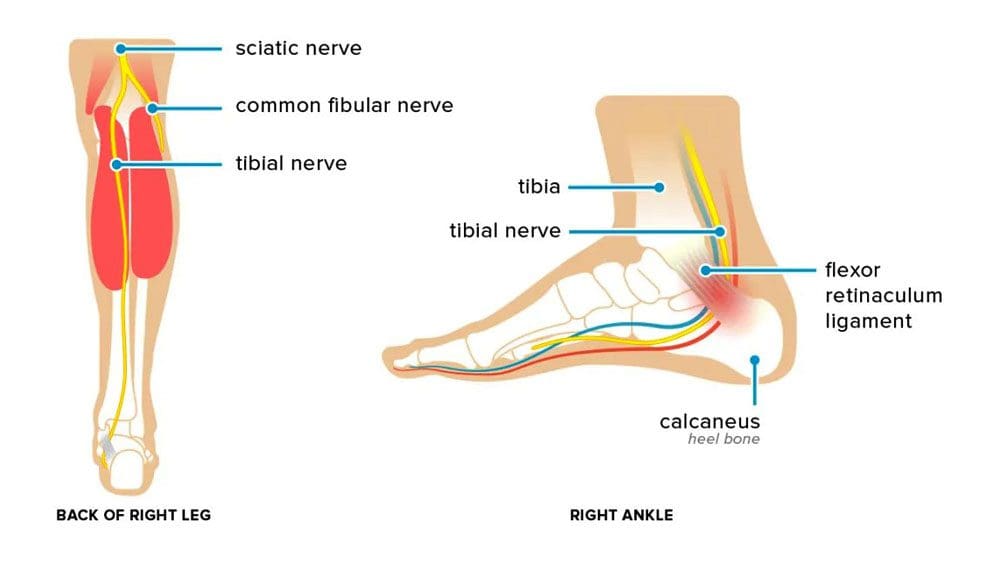
Three muscles make up the hamstrings in the back of the thigh. The sciatic nerve runs from the low back down the leg into the foot. A trapped sciatic nerve can cause various symptoms and sensations in the back of the leg, hip, buttock, and foot. It may hurt to sit down or stretch the legs out, and there is usually tightness in and/or around the buttock and back of the leg. The symptoms typically recede when lying on your back.
Cause
Regular wear and tear on the back muscles and hamstrings can contribute to the condition.
Often the sciatic nerve and/or the sheath surrounding the sciatic nerve gets trapped and irritated as it travels around the ischial tuberosity. The ischial tuberosities are known as the sit bones.
The area where the sciatic nerve runs down the back of the leg can become narrowed, leading to nerve irritation and stinging, numbing, and tingling sensations.
The injury often happens during sudden, quick, forceful movements that overstretch the tendons and/or muscles but can also happen during slow movements.
Movement agitates the pulling and rubbing of the nerve on the muscles.
A non-painful pull or pop of the hamstrings can cause the muscles to spasm and wrap around the nerve.
Symptoms
Symptoms usually include the following:
Leg pain that worsens when sitting.
Intense electrical shooting pain that makes it hard to stand or move.
Difficulties moving the leg or foot.
Numbness and weakness in and around the leg.
Tingling or burning sensations running down the leg.
Persistent pain on one side of the lower back.
Chiropractic Care
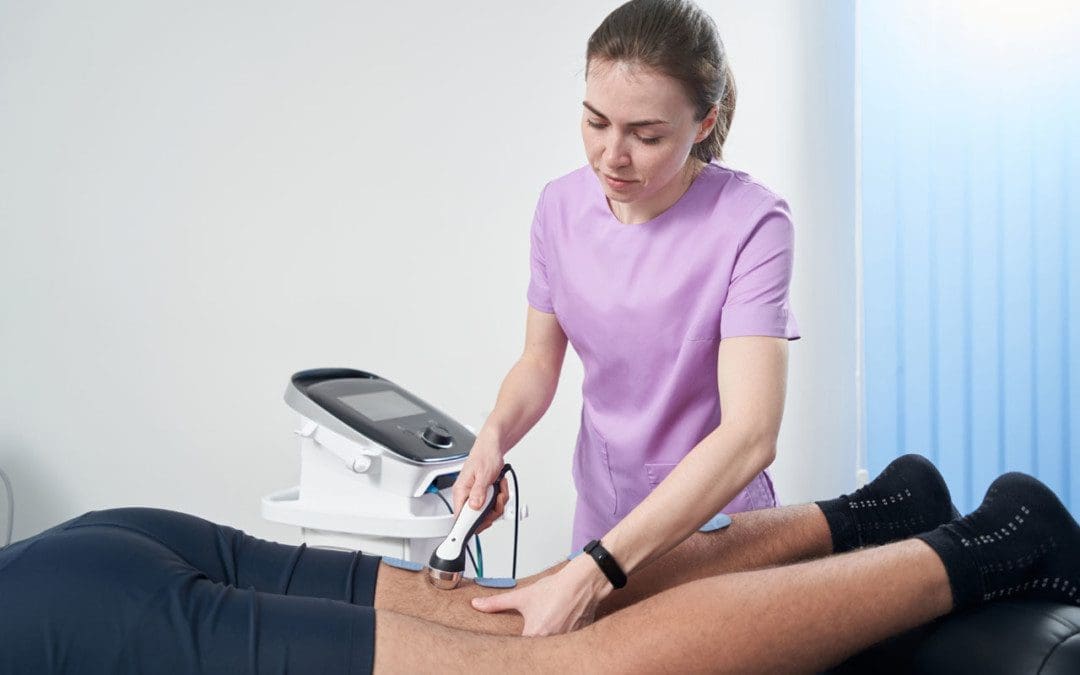
Chiropractic treatment can relieve the symptoms and release the trapped nerve. Treatment includes:
Accurate Diagnosis – A chiropractor will examine and review physical activity, work, and medical history.
Ice and Heat therapies will stop the swelling and increase blood flow.
Massage therapy relaxes the muscles and increases circulation.
Decompression therapy incrementally and gently stretches the body.
Chiropractic adjustments realign and reset the body.
Targeted stretches and exercises will keep the muscles loose and increase strength.
Nutritional recommendations will help reduce inflammation and prevent flare-ups.
Hamstrings and Sciatic Nerve Relationship
References
Lohrer, Heinz, et al. “Nerve entrapment after a hamstring injury.” Clinical journal of sports medicine: official journal of the Canadian Academy of Sports Medicine vol. 22,5 (2012): 443-5. doi:10.1097/JSM.0b013e318257d76c
Mattiussi, Gabriele, and Carlos Moreno. “Treatment of proximal hamstring tendinopathy-related sciatic nerve entrapment: presentation of an ultrasound-guided “Intratissue Percutaneous Electrolysis” application.” Muscles, ligaments and tendons journal vol. 6,2 248-252. 17 Sep. 2016, doi:10.11138/mltj/2016.6.2.248
McGregor, Catriona, et al. “Traumatic and overuse injuries of the ischial origin of the hamstrings.” Disability and rehabilitation vol. 30,20-22 (2008): 1597-601. doi:10.1080/09638280701786138
Saikku, Kari, et al. “Entrapment of the proximal sciatic nerve by the hamstring tendons.” Acta orthopaedica Belgica vol. 76,3 (2010): 321-4.
Neck injuries and whiplash symptoms can be minor and go away within a few days. However, whiplash symptoms can manifest days later and become varied and chronic, ranging from severe pain to cognitive problems. These are collectively called whiplash-associated disorders because of the varied complexity of the symptoms. A common condition is a whiplash nerve injury. These injuries can be severe and require chiropractic treatment.
Whiplash Nerve Injury
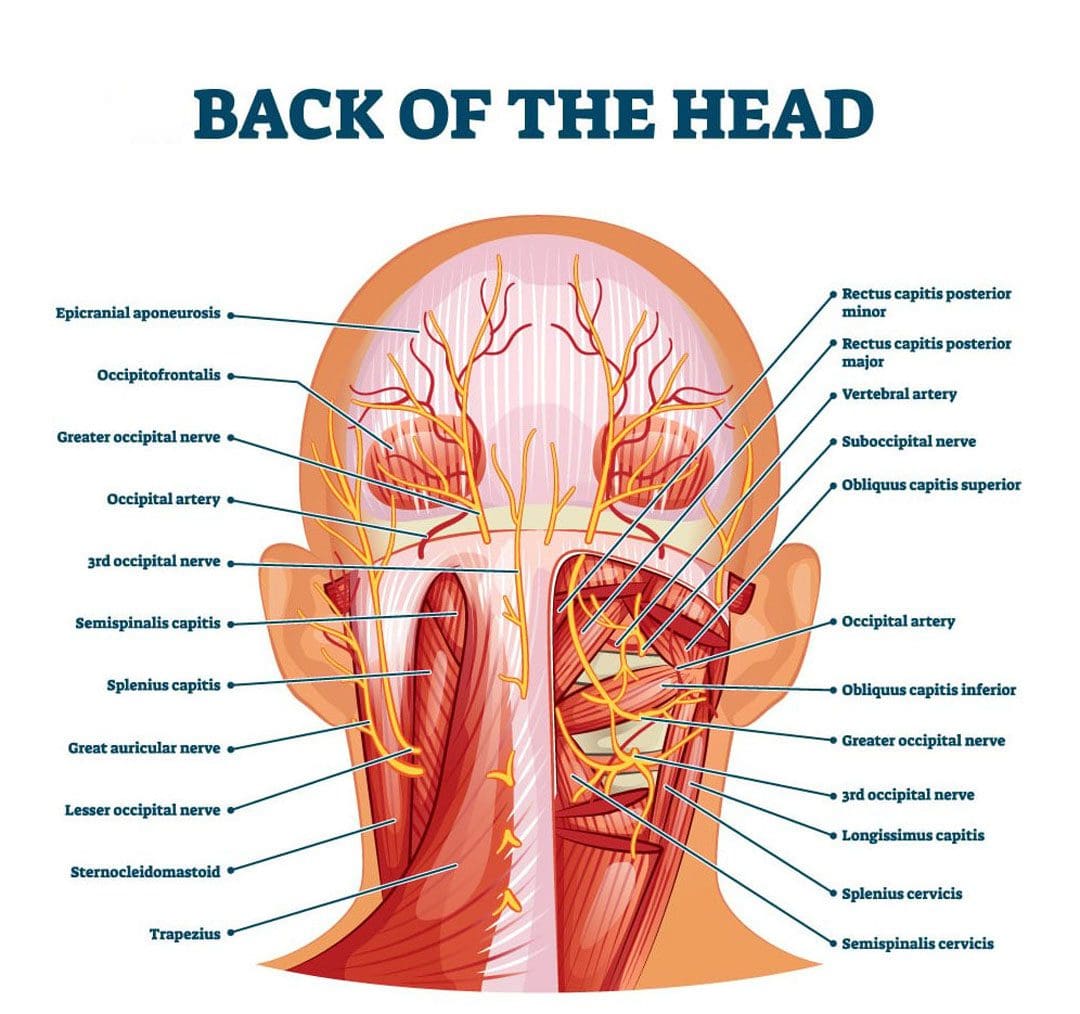
Surrounding muscles, tissues, bones, or tendons can cause a whiplash nerve injury. The neck’s spinal nerve roots become compressed or inflamed, leading to cervical radiculopathy symptoms of tingling, weakness, and numbness that can radiate down the shoulder, arm, hand, and fingers. Typically, cervical radiculopathy is only felt on one side of the body, but in rare cases, it can be felt on both sides if more than one nerve root is affected.
Neurological Cervical Radiculopathy
Neurological problems can become severe and can reduce the ability to perform many routine tasks, such as gripping or lifting objects, writing, typing, or getting dressed.
Cervical radiculopathy involves one or more of the following neurological deficiencies.
Sensory – Feelings of numbness or reduced sensation. There can also be tingling and electrical sensations.
Motor – Weakness or reduced coordination in one or more muscles.
Reflex – Changes in the body’s automatic reflex responses. An example is a diminished ability or reduced hammer reflex exam.
Symptoms
Because every case is different, symptoms vary depending on the location and severity. Symptoms can flare up with certain activities, like looking down at a phone. The symptoms then go away when the neck is upright. For others, symptoms can become chronic and do not resolve when the neck is resting and supported. Common symptoms include:
Fatigue
Decreased energy levels could be related to sleep problems, depression, stress, pain, concussion, or nerve damage.
Memory and/or concentration problems
Cognitive symptoms could involve difficulty with memory or thinking.
Symptoms can start shortly after the injury or not appear until hours or days later.
Cognitive problems could be from a brain injury or related to various types of stress.
Headaches
This could be neck muscles tightening or a nerve or joint becoming compressed or irritated.
Dizziness
Dizziness could be from neck instability, a concussion/mild traumatic brain injury, and nerve damage.
Vision problems
Blurry vision or other visual deficits could result from any number of causes, including concussion or nerve damage.
Vision problems could also contribute to dizziness.
Ringing in the ears
Also called tinnitus, this can be ringing or buzzing in one or both ears and can range from intermittent and minor to constant and severe.
Whiplash complications such as injury to the brain region that controls hearing, nerve or vascular damage, jaw injury, or stress can lead to tinnitus.
Chiropractic Care
The appropriate chiropractic treatment is unique to each whiplash nerve injury and is directed at the primary dysfunctions detected during the initial examination. A personalized treatment plan addresses factors in an individual’s work, home, and recreational activities. Treatment includes:
Massage manual and percussive for nerve and muscle relaxation
Goldsmith R, Wright C, Bell S, Rushton A. Cold hyperalgesia as a prognostic factor in whiplash-associated disorders: A systematic review. Man Ther. 2012; 17: 402-10.
McAnany SJ, Rhee JM, Baird EO, et al. Observed patterns of cervical radiculopathy: how often do they differ from a standard “Netter diagram” distribution? Spine J. 2018. pii: S1529-9430(18)31090-8.
Murphy DR. History and physical examination. In: Murphy DR, ed. Conservative Management of Cervical Spine Syndromes. New York: McGraw-Hill, 2000:387-419.
Shaw, Lynn, et al. “A systematic review of chiropractic management of adults with Whiplash-Associated Disorders: recommendations for advancing evidence-based practice and research.” Work (Reading, Mass.) vol. 35,3 (2010): 369-94. doi:10.3233/WOR-2010-0996
Travell JG, Simons DG. Myofascial Pain and Dysfunction: The Trigger Point Manual. Vol. 1, 2nd ed. Baltimore, MD: Williams and Wilkens, 1999.
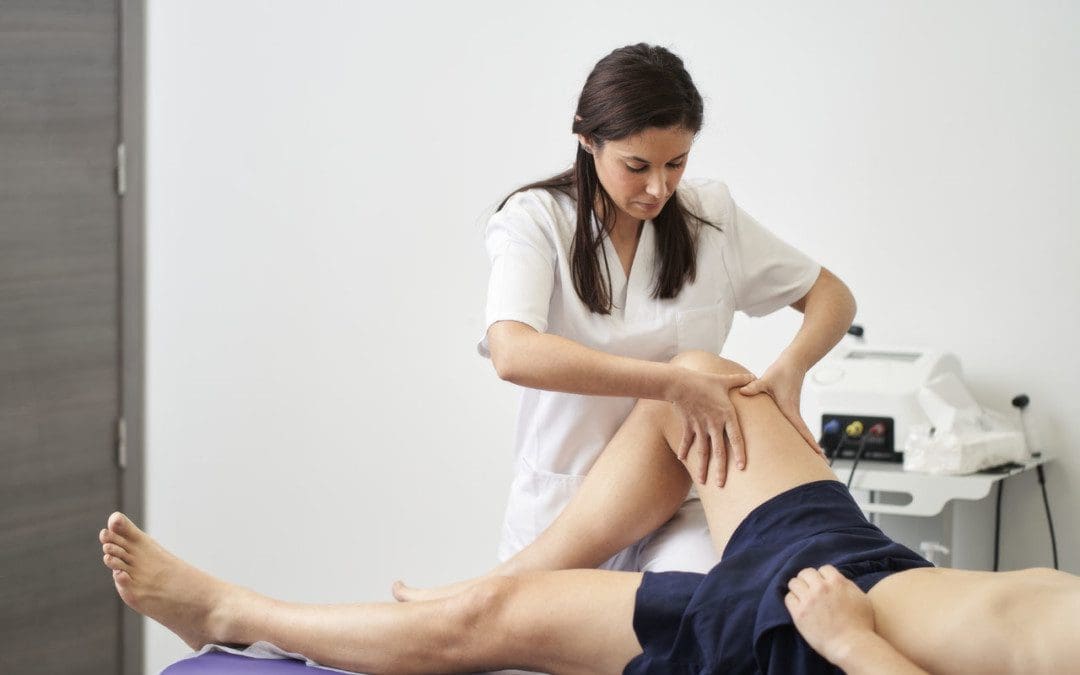
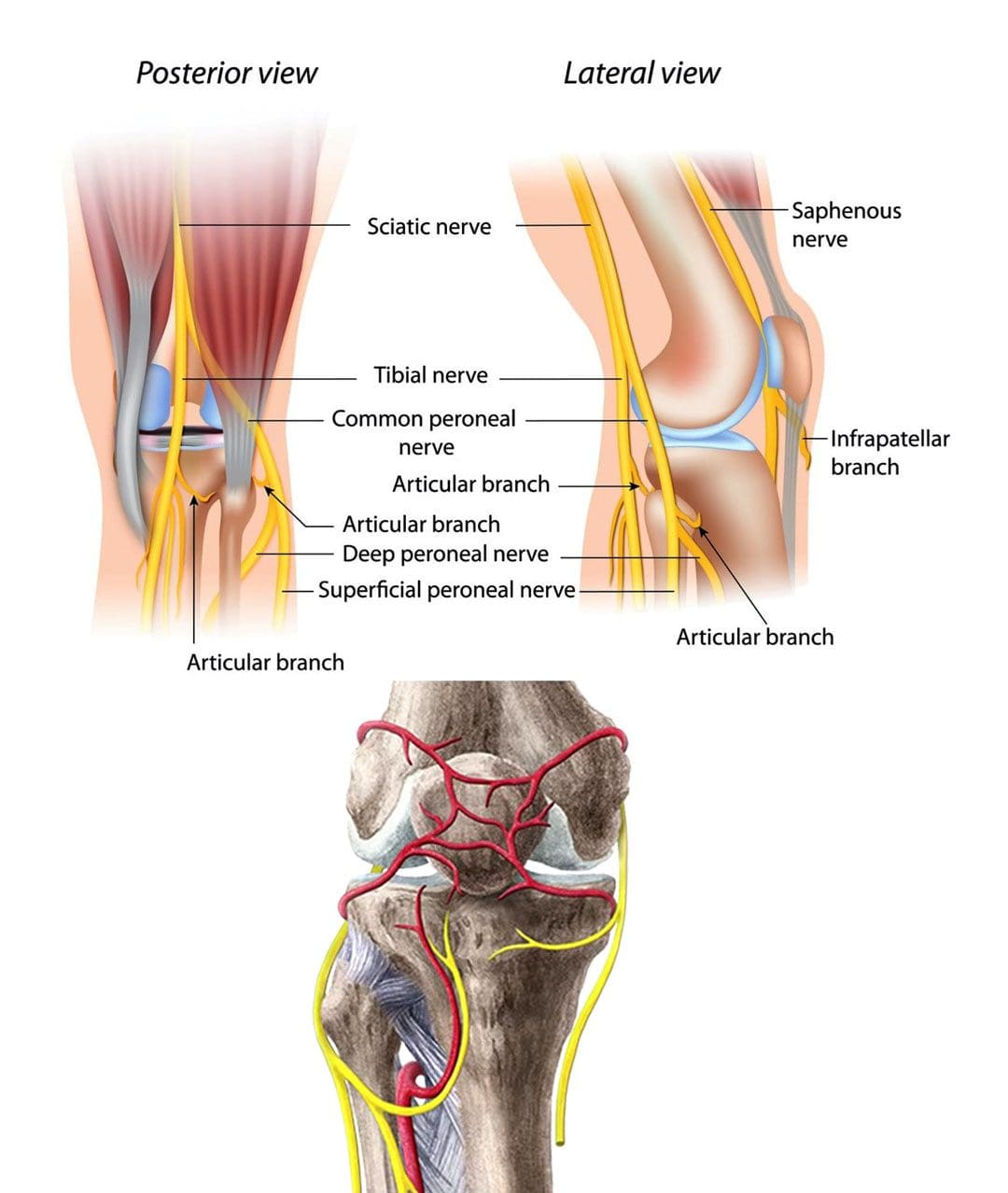
Individuals dealing with aching knees is one of the most common health problems and affects people of all ages. The knee is the largest joint in the body, comprised of muscles, tendons, ligaments, cartilage, and bones. The knees support walking, standing, running, and even sitting. Constant use makes them highly susceptible to injuries and conditions. The knees are also surrounded by a complex network of nerves that transmit messages to and from the brain. Damage to the nerves from an injury or disease can create various symptoms of discomfort in and around the knee joint.
Knee Neuropathy
Causes
Knee discomfort symptoms can be brought on by injury, degenerative disorders, arthritis, infection, and other causes, including:
Rheumatoid arthritis
This is a chronic inflammatory disorder that causes the knees to swell and causes damage to the cartilage.
Osteoarthritis
This type of arthritis causes the cartilage to steadily wear away, causing damage to the joints and various symptoms.
Cartilage Issues
Overuse, muscle weakness, injury, and misalignments can cause compensating postures and movements that can wear down and soften the cartilage, generating symptoms.
Several factors can increase the risk of developing knee neuropathy, including:
Previous knee injury
Undiagnosed and untreated knee injury
Unhealthy Weight
Gout
Compromised leg muscle strength and/or flexibility
Symptoms
Symptoms associated with a knee injury or disorder can vary, depending on the severity and damage. Symptoms can include:
Joint stiffness
Swelling in the joint.
Reduced movement/flexibility in the joint.
Increased instability/feeling of weakness in the knee.
Changes in skin color around the knee joint, like increased redness or pale discoloration.
Numbness, coldness, or tingling in and/or around the joint.
Pain symptoms could be a dull ache or throbbing felt throughout the knee.
Sharp, stabbing discomfort in a specific area.
If left untreated, knee neuropathy could permanently affect the ability to walk and lead to partial or total loss of knee function and mobility. Doctors recommend taking note of the following:
What activity/s generates symptoms?
Where are the symptoms located?
What the pain feels like?
Treatments available for knee pain
Chiropractic treatment offers various approaches to addressing the pain caused by nerve damage. Standard treatment includes chiropractic adjustments, therapeutic massage, non-surgical decompression, stretching, posture and movement training, and nutritional anti-inflammatory plans. Our medical team specializes in non-surgical treatments that decrease symptoms and increase strength, flexibility, mobility, and restore function.
Knee Injuries Adjustment
References
Edmonds, Michael, et al. “The current burden of diabetic foot disease.” Journal of clinical orthopedics and trauma vol. 17 88-93. 8 Feb. 2021, doi:10.1016/j.jcot.2021.01.017
Hawk, Cheryl, et al. “Best Practices for Chiropractic Management of Patients with Chronic Musculoskeletal Pain: A Clinical Practice Guideline.” Journal of alternative and complementary medicine (New York, N.Y.) vol. 26,10 (2020): 884-901. doi:10.1089/acm.2020.0181
Hunter, David J et al. “Effectiveness of a new model of primary care management on knee pain and function in patients with knee osteoarthritis: Protocol for THE PARTNER STUDY.” BMC musculoskeletal disorders vol. 19,1 132. 30 Apr. 2018, doi:10.1186/s12891-018-2048-0
Kidd, Vasco Deon, et al. “Genicular Nerve Radiofrequency Ablation for Painful Knee Arthritis: The Why and the How.” JBJS essential surgical techniques vol. 9,1 e10. 13 Mar. 2019, doi:10.2106/JBJS.ST.18.00016
Krishnan, Yamini, and Alan J Grodzinsky. “Cartilage diseases.” Matrix biology: journal of the International Society for Matrix Biology vol. 71-72 (2018): 51-69. doi:10.1016/j.matbio.2018.05.005
Speelziek, Scott J A, et al. “Clinical spectrum of neuropathy after primary total knee arthroplasty: A series of 54 cases.” Muscle & nerve vol. 59,6 (2019): 679-682. doi:10.1002/mus.26473
Pinched Nerves and Muscle Spasms: A pinched or compressed nerve can occur in various body regions, from the wrist to the foot. When a nerve is compressed, a pins and needles feeling can present until the pressure is relieved, or there can be no sensation symptoms, but other symptoms like muscle spasms, especially in the arm or leg, can appear. Individuals will feel a repetitive fluttering or twitching when the arm or leg is not in motion. A pinched nerve could be the cause of spasms in the back or extremities. Injury Medical Chiropractic and Functional Medicine Clinic can help if symptoms are not stopping or worsening.
Pinched Nerves and Muscle Spasms
When multiple symptoms appear, individuals may not realize they are connected. Individuals may think aches, pains, and spasms are normal aging processes. Pinched nerves occur when there is an impingement on any one of the numerous nerves of the spine. Impingements can be caused by:
Repetitive motion injuries
Disc degeneration
Herniated/ruptured discs
Bone spurs
Arthritis
Trauma injury
The pain symptoms from the spasm can be quick, sharp, or pulsating and throbbing. The muscles respond by tightening or spasming as the nerve sends interrupted/incomplete signals. In addition to muscle spasms, a pinched nerve can contribute to other symptoms, including the following.
Tingling
Numbness
Pins and needles sensation
Reduced range of motion
Muscle weakness
Signs a Pinched Nerve Might Be Causing Spasms
Sudden shooting pain that radiates down the leg or arm.
Weak muscles
Muscle atrophy – shrinking or deteriorating.
Chronic tingling in the extremities.
A burning sensation in a specific area; this could but is not necessarily the source of the pinched nerve.
Electrical shock-type pain accompanies the spasms.
If a pinched nerve is left untreated and continues to generate symptoms, it can affect daily life and lead to uncomfortable long-term issues. Severe nerve compression combined with inflammation can cause damage to nearby soft tissues and muscles, leading to chronic conditions. When the nerves are damaged, it can be harder to control the muscles making certain motions uncomfortable or difficult to move certain body parts.
Chiropractic Care
Chiropractic care, massage, and decompression therapy will relieve pinched nerves and muscle spasms and restore neuromusculoskeletal system function. The body will be realigned, and patients will be trained on stretching exercises, muscle strengthening, posture training, and nutritional support to optimize the body’s natural healing abilities to repair the damaged nerves.
Low Back Pain
References
Bustamante, S, and P G Houlton. “Swelling of the leg, deep venous thrombosis, and the piriformis syndrome.” Pain research & management vol. 6,4 (2001): 200-3. doi:10.1155/2001/104091
Chu, Eric Chun-Pu, and Robert J Trager. “Thoracic Schwannoma as an Unusual Cause of Sciatic Pain in the Chiropractic Office: A Case Report.” The American journal of case reports vol. 23 e938448. 16 Nov. 2022, doi:10.12659/AJCR.938448
Coletti, Roger H. “The ischemic model of chronic muscle spasm and pain.” European journal of translational myology vol. 32,1 10323. 18 Jan. 2022, doi:10.4081/ejtm.2022.10323
Hirayama, Jiro, et al. “Relationship between low-back pain, muscle spasm and pressure pain thresholds in patients with lumbar disc herniation.” The European spine journal: official publication of the European Spine Society, the European Spinal Deformity Society, and the European Section of the Cervical Spine Research Society vol. 15,1 (2006): 41-7. doi:10.1007/s00586-004-0813-2
Kennedy, John G, and Donald E Baxter. “Nerve disorders in dancers.” Clinics in sports medicine vol. 27,2 (2008): 329-34. doi:10.1016/j.csm.2008.01.001
Waddell, Roger K. “Chiropractic care for a patient with spasmodic dysphonia associated with cervical spine trauma.” Journal of chiropractic medicine vol. 4,1 (2005): 19-24. doi:10.1016/S0899-3467(07)60108-6
It didn’t happen at work, school, or exercise, and there haven’t been any trips and/or falls, but you can’t pinpoint what is causing foot and ankle discomfort and sensations. However, the cause could be originating in the lumbar spinal region. Sciatica is a set of symptoms that refer to pain, numbness, and tingling radiating down the leg from the lower back, affecting the legs, hips, buttocks, and feet. Injury Medical Chiropractic and Functional Medicine Clinic can release the compressed nerve, massage circulation back into the nerve, and restore mobility and function.
Sciatica Foot and Ankle
Sciatic nerve sensations can run down the back of the leg down into the foot.
Compression or irritation to any nerve roots can present with symptoms in the hip, thigh, calf, and foot.
Sciatica foot and ankle symptoms can accompany numbness and muscle weakness.
Sciatic nerve irritation mostly causes symptoms on the outside of the foot but can spread to other areas.
Nerve Roots
One or more of the lower spine’s sciatic nerve roots are being compressed or pinched. The foot symptoms location depends on which nerve root is affected.
If the S1 root is affected, symptoms will radiate to the sole and side of the foot.
If L5 is affected, symptoms will radiate to the top of the foot and the big toe.
If the L4 root is affected, symptoms can radiate to the medial or inside the ankle area.
Chiropractic Care and Relief
Foot Massage
A foot massage can be helpful.
A massage therapist finds points around the ankles that are tender.
Tenderness indicates a lymphatic blockage or muscle tension that needs to be worked out.
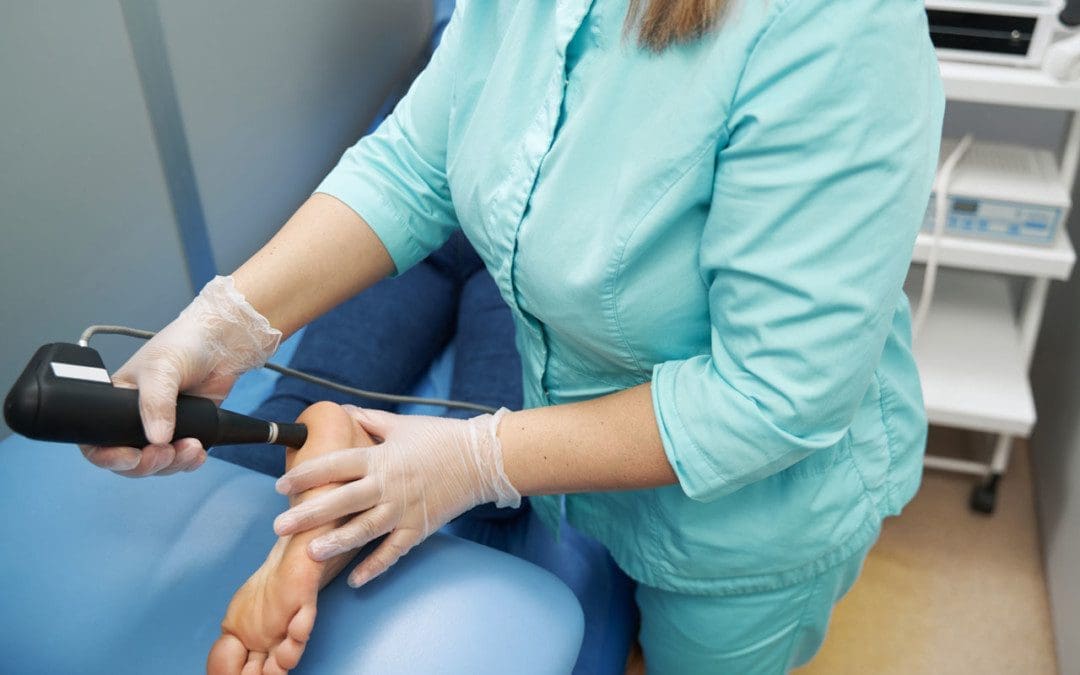
They will apply varying pressures to massage the muscles and get the circulation flowing.
The therapist will loosen the tarsal and metatarsal bones to loosen the muscles and nerves.
Moving the bones resupplies the joints, forces out inflammatory metabolic waste, opens the space for the nerves, and allows improved lymphatic drainage and blood flow to expedite healing.
A chiropractor will perform and train the individual on targeted stretches to the Achilles tendon and plantar fascia.
They will stretch, release, and open the ankle and sciatic nerve.
Injections
A cortisone injection where the nerve is affected can help in certain cases.
Injections of a corticosteroid, an anti-inflammatory medicine, can offer relief for up to three months and are given under local anesthesia.
The medicine reduces the inflammation and swelling around the nerve roots.
Foot Orthotics
Custom foot orthotics can help support a postural foot or ankle problem.
Overpronation is when the ankles collapse inward, which creates an imbalance of leg lengths that affects the hips, pelvis, and spine.
Orthotics can help provide symptom relief.
Nutrition
Part of a treatment plan will include an anti-inflammatory and antioxidant nutritional plan.
A professional nutritionist will make recommendations based on the individual’s case.
Magnesium-rich foods are generally recommended for sciatica as this nutrient aids the body in releasing muscle contractions.
99 percent of the body’s magnesium is stored in the bones, muscles, and soft tissues, with only 1 percent concentrated in the blood.
Foods rich in magnesium include:
Avocado
Bananas
Apricots
Dried pumpkin seeds
Dairy
Dark chocolate
Dried figs
Black beans
Brown rice
Fish
Spinach
Swiss chard
Yogurt
Benefits of Custom Foot Orthotics
References
Davis, David, et al. “Sciatica.” StatPearls, StatPearls Publishing, 6 May 2022.
Ge, Phillip S et al. “Iatrogenic pseudoaneurysm of the superior gluteal artery presenting as pelvic mass with foot drop and sciatica: case report and review of the literature.” Vascular and endovascular surgery vol. 44,1 (2010): 64-8. doi:10.1177/1538574409351990
Hughes, Michael S et al. “Post-traumatic catamenial sciatica.” Orthopedics vol. 31,4 (2008): 400. doi:10.3928/01477447-20080401-15
Mayo Clinic. “Sciatica.” https://www.mayoclinic.org/diseases-conditions/sciatica/symptoms-causes/syc-20377435?p=1
National Institutes of Health. “Sciatica.” https://medlineplus.gov/sciatica.html
Pan, Hung-Chuan, et al. “Magnesium supplement promotes sciatic nerve regeneration and down-regulates inflammatory response.” Magnesium research vol. 24,2 (2011): 54-70. doi:10.1684/mrh.2011.0280
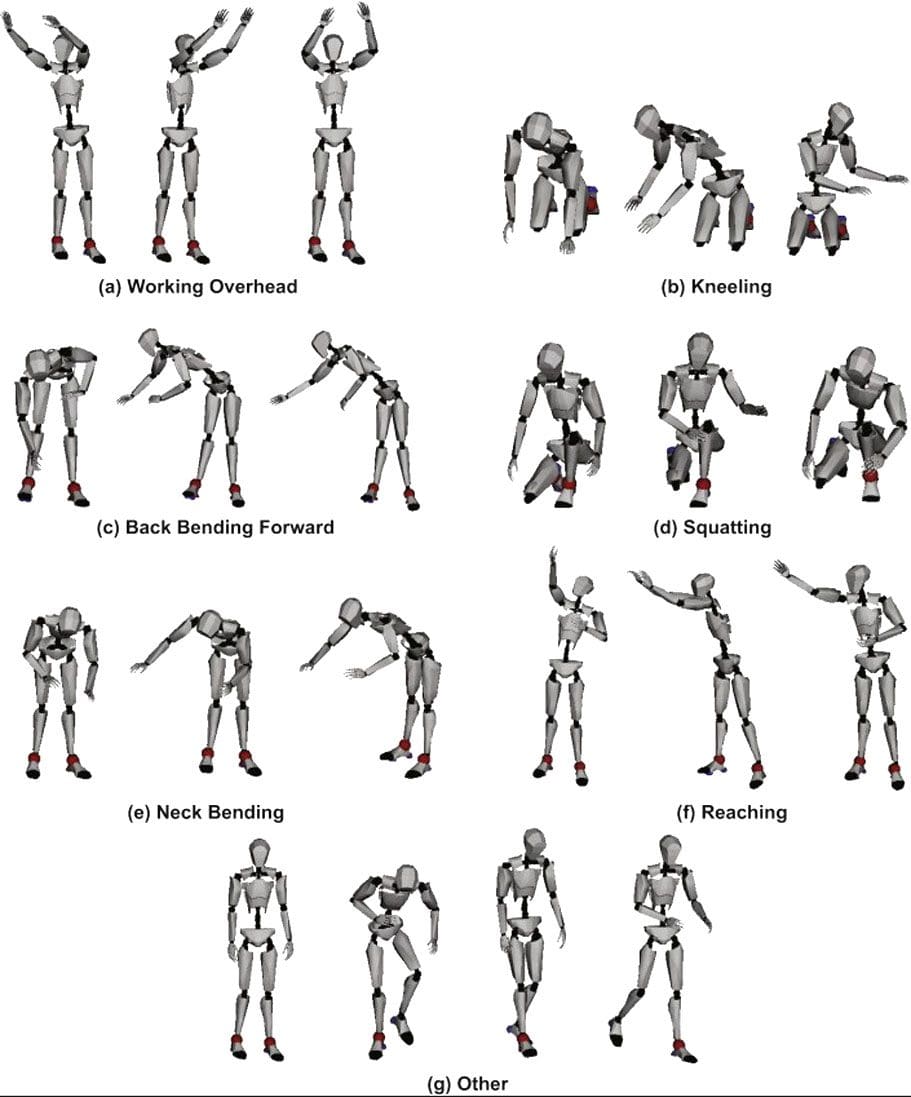
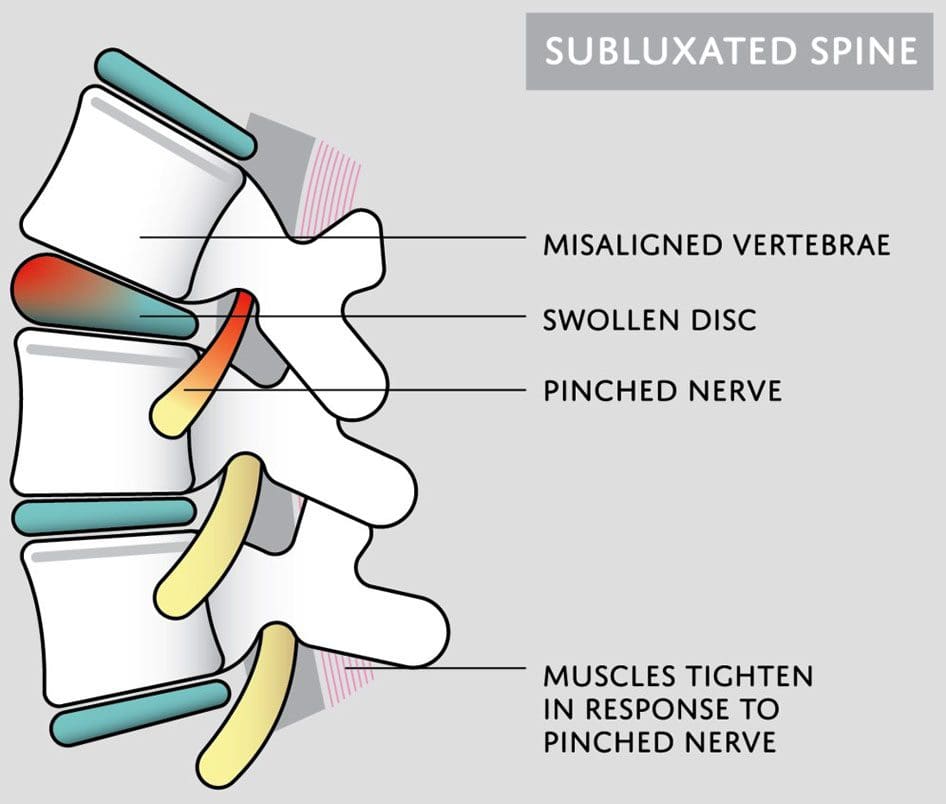
Subluxation is when a joint shifts out of alignment, which can happen to any joint in the body. Spinal subluxation indicates a misalignment of one or more portions of the spinal vertebrae. It is common in the spine from all the reaching, bending, twisting, and flexing the body goes through. Spinal subluxations, if left untreated, can cause disc degeneration, permanent nerve damage, neurological conditions, and chronic pain symptoms. A subluxation chiropractor will realign and decompress the spine combined with massage therapy to relax the muscles and restore mobility and function.
Subluxation Chiropractor
Some subluxations don’t cause any problems or pain, but that doesn’t mean they aren’t affecting the back and body. A spinal subluxation can cause long-term problems by:
Research shows that spinal subluxations can affect many facets of the body. Long-term effects may include:
Sleep problems
Low energy
Brain fog
Mood swings
Anxiety and depression
Digestive issues
Respiratory problems
Bone spurs
Spinal arthritis
Chiropractic Care
When the spine is out of alignment, it can cause issues throughout the body. Changes in one area affect the rest of the body. A subluxation chiropractor looks at the spine’s neurological and mechanical components and aims to reset everything back into its proper position. Similar to the way a massage helps the mind and body relax and de-stress, a spinal adjustment helps by:
Increasing circulation
Relieving discomfort and pain
Releasing tension
Improving mood
Reducing stress levels
Improving sleep function
Increasing energy levels
When the spine is properly aligned, the body can operate at its full potential.
Adrenal Dysfunction
References
Brian S. Budgell, Reflex effects of subluxation: the autonomic nervous system, Journal of Manipulative and Physiological Therapeutics, Volume 23, Issue 2,
2000, Pages 104-106, ISSN 0161-4754, https://doi.org/10.1016/S0161-4754(00)90076-9. (https://www.sciencedirect.com/science/article/pii/S0161475400900769)
Green, J D et al. “Anterior subluxation of the cervical spine: hyperflexion sprain.” AJNR. American journal of neuroradiology vol. 2,3 (1981): 243-50.
Meyer, S. “Thoracic spine trauma.” Seminars in roentgenology vol. 27,4 (1992): 254-61. doi:10.1016/0037-198x(92)90004-l
Neva MH, Häkkinen A, Mäkinen H, et al. High prevalence of asymptomatic cervical spine subluxation in patients with rheumatoid arthritis waiting for orthopedic surgeryAnnals of the Rheumatic Diseases 2006;65:884-888.
Nourollahi, Maryam, et al. “Awkward trunk postures and their relationship with low back pain in hospital nurses.” Work (Reading, Mass.) vol. 59,3 (2018): 317-323. doi:10.3233/WOR-182683
Vernon, Howard. “Historical overview and update on subluxation theories().” Journal of chiropractic humanities vol. 17,1 (2010): 22-32. doi:10.1016/j.echu.2010.07.001
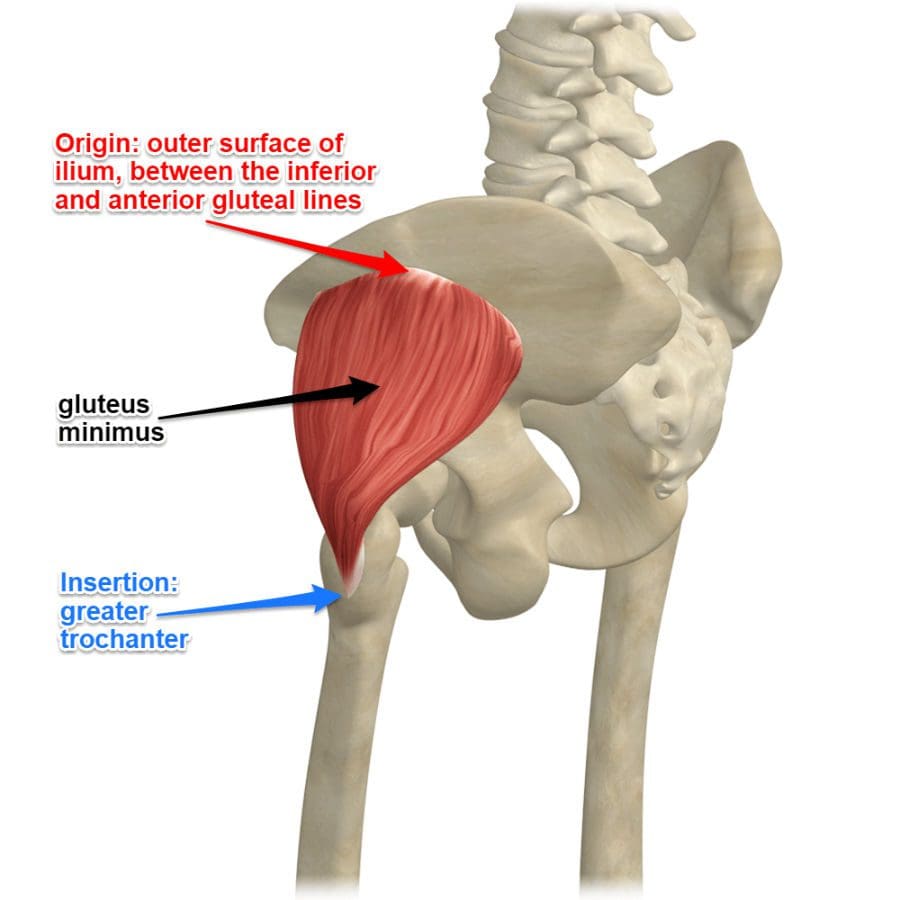
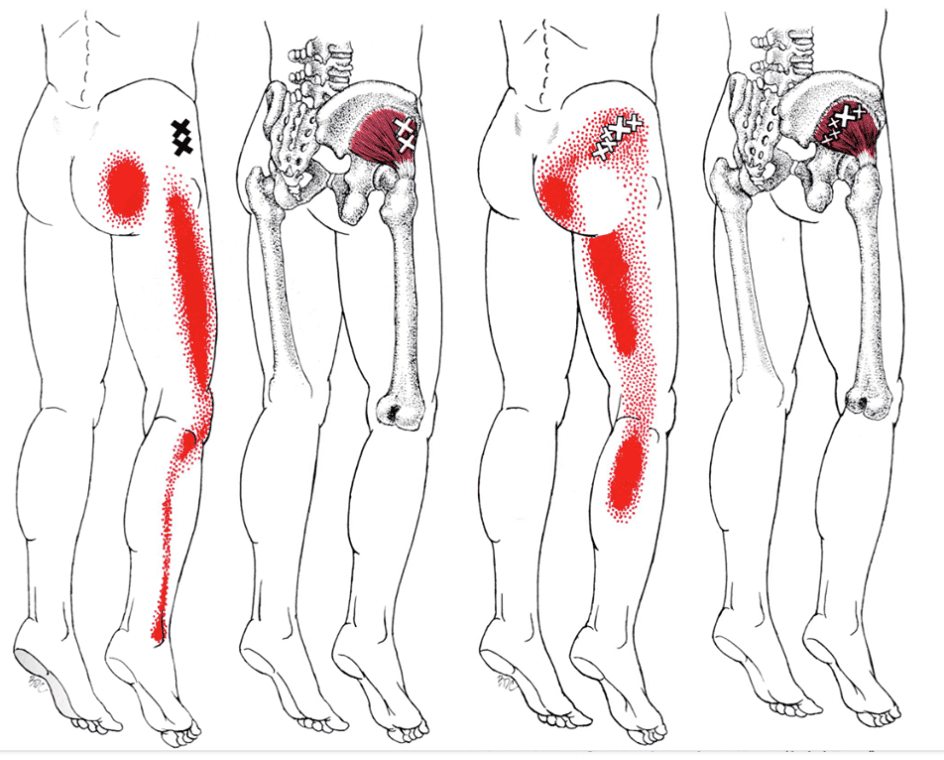
The buttock and the lower back have a casual relationship to the body, as the lower back has various muscles and nerves surrounding the spinal column. In contrast, the buttock region has multiple muscles and the sciatic nerve to keep the body upright. The sciatic nerve travels from the lumbar region of the spine across the gluteus muscles and down to the legs. The gluteus muscles include the Maximus, medius, and minimus, and they work with the sciatic nerve regarding good posture. When normal or traumatic factors begin to affect the body, like sciatica or poor posture, it can lead to developing trigger points associated with the gluteus minimus affecting the sciatic nerve. Today’s article examines the gluteus minimus, how trigger points mimic sciatic pain on the gluteus minimus, and various treatments to relieve sciatic nerve pain. We refer patients to certified providers who incorporate multiple methods in the lower body extremities, like sciatic pain treatments related to trigger points, to aid individuals dealing with pain symptoms along the gluteus medius muscles associated with sciatica. We encourage and appreciate patients by referring them to associated medical providers based on their diagnosis, especially when it is appropriate. We understand that education is an excellent solution to asking our providers complex questions at the patient’s request. Dr. Jimenez, D.C., utilizes this information as an educational service only. Disclaimer
What Is The Gluteus Minimus?
Have you been experiencing radiating pain traveling down to your leg? Do you have difficulty walking or sitting down? Do you feel tenderness or referred pain near your buttock region? Some of the issues correlate with trigger points affecting the gluteus minimus, causing pain in the sciatic nerve. As the smallest muscle in the gluteal region of the buttock, the gluteus minimus shares similar characteristics to the gluteus medius while being located beneath the medius muscle. One of the primary functions of the gluteus minimus is that it predominantly acts as a hip stabilizer and abductor. The nerves from the gluteal muscles include the sciatic nerve, which is on top of the gluteus muscles and the other nerves help supply the muscles to function in the posterior region of the body. Studies reveal that the structural integrity of the gluteus minimus muscles is the key to the lateral hip muscle, which contributes to pelvic stability and lower extremity function. However, when issues affect the gluteal muscles’ posterior region could trigger point pain mimicking sciatica.
How Trigger Points Mimic Sciatic Pain On The Gluteus Minimus?
When the lower body extremities begin to suffer from multiple issues that cause the individual to have mobility dysfunction, various factors could correlate to the dysfunction. When the gluteus minimus muscles have been overused or been through a traumatic experience, they can develop trigger points along the muscle fibers and even cause nerve entrapment along the sciatic nerve. Trigger points along the gluteus minimus can mimic sciatic nerve pain down to the back or even the side of the legs that causes excruciating and deep pain in the posterior region. Studies reveal that pain in the buttock region is a deep gluteal syndrome caused by non-discogenic pain that causes sciatic nerve entrapment.
The book, “Myofascial Pain and Dysfunction,” written by Dr. Janet G. Travell, M.D., states that many patients with active trigger points located in their gluteus minimus would complain about hip pain that could cause them to limp-walk when they are going to places. The pain caused by the active trigger points can make it difficult to stand up from a seated position due to the painful movements. The associated pain that the trigger points are causing to the gluteus minimus can be constant and excruciating; even small stretches can not alleviate the pain. The book also mentioned that trigger points could cause referred pain to the gluteus minimus that can cause various somato-visceral issues to the hips, legs, and knees if the pain worsens.
Sciatic Type Pain: Gluteus Minimus Trigger Points- Video
Are you dealing with pain in your hips, low back, and legs? Do you find it difficult to walk or stand up constantly? Or are you experiencing sciatic nerve pain that is radiating down your leg? All these pain-like symptoms are associated with trigger points along the gluteus minimus affecting the sciatic nerve. The gluteus minimus is the smallest of the gluteal muscles with the same function as the gluteus medius and predominately acts as the hip’s stabilizer and abductor. When the gluteus minimus muscles have been overused from traumatic events or normal factors, they can develop trigger points in the muscle fibers, entrap the sciatic nerve and irritate the nerve causing sciatica. The video above explain where the gluteus minimus is located and pinpoints where the trigger points are in the muscle fibers. Trigger points along the gluteus minimus can mimic sciatica by causing referred pain to travel down the leg. This can cause the individual to be unable to walk or even stand up due to the excruciating pain that they are in. Luckily, trigger points are treatable even though they are tricky to diagnose.
Various Treatments To Release Sciatic Nerve Pain
Even though trigger points along the gluteus minimus are tricky to diagnose, they are treatable through various treatments to alleviate the pain that the person is experiencing and can reduce sciatic nerve pain from causing more issues in the legs. Studies reveal that the effectiveness of active soft tissue release and trigger point block treatments combined can release entrapped nerves from the gluteus minimus and reduce low back and sciatic pain from the lower extremities. Now the treatments alone can only do so much to the individual, as many doctors tell their patients to take corrective actions or techniques to reduce the chances of trigger points from forming again on the gluteus minimus. Techniques like glute stretches, ischemic compressions, or using a foam roller can break the myofascial triggers from the gluteus minimus muscles and reduce the pain in the glutes and legs. This will help bring mobility back to the lower extremities.
Conclusion
As the smallest muscle in the body’s gluteal region, the gluteus minimus is the lower body’s predominant hip stabilizer and abductor. The gluteus minimus contributes to pelvic stability and lower extremity functionality that can be overused and can develop trigger points associated with sciatica. Trigger points along the gluteus minimus can cause referred pain to the legs and lower back while mimicking sciatic nerve pain. Thankfully various treatments and techniques can help reduce the chances of trigger points forming along the gluteus minimus and release nerve entrapment from the aggravated muscles pressing on the sciatic nerve, bringing back lower extremity mobility to the body.
References
Greco, Anthony J, and Renato C Vilella. “Anatomy, Bony Pelvis and Lower Limb, Gluteus Minimus Muscle.” In: StatPearls [Internet]. Treasure Island (FL), StatPearls Publishing, 29 May 2022, https://www.ncbi.nlm.nih.gov/books/NBK556144/.
Kameda, Masahiro, and Hideyuki Tanimae. “Effectiveness of Active Soft Tissue Release and Trigger Point Block for the Diagnosis and Treatment of Low Back and Leg Pain of Predominantly Gluteus Medius Origin: A Report of 115 Cases.” Journal of Physical Therapy Science, The Society of Physical Therapy Science, Feb. 2019, https://www.ncbi.nlm.nih.gov/pmc/articles/PMC6382483/.
Martin, Hal David, et al. “Deep Gluteal Syndrome.” Journal of Hip Preservation Surgery, Oxford University Press, July 2015, https://www.ncbi.nlm.nih.gov/pmc/articles/PMC4718497/.
Travell, J. G., et al. Myofascial Pain and Dysfunction: The Trigger Point Manual: Vol. 2:the Lower Extremities. Williams & Wilkins, 1999.
Whiler, Lisa, et al. “Gluteus Medius and Minimus Muscle Structure, Strength, and Function in Healthy Adults: Brief Report.” Physiotherapy Canada. Physiotherapie Canada, University of Toronto Press, 2017, https://www.ncbi.nlm.nih.gov/pmc/articles/PMC5963550/.
IFM's Find A Practitioner tool is the largest referral network in Functional Medicine, created to help patients locate Functional Medicine practitioners anywhere in the world. IFM Certified Practitioners are listed first in the search results, given their extensive education in Functional Medicine


 Whiplash Nerve Injury